
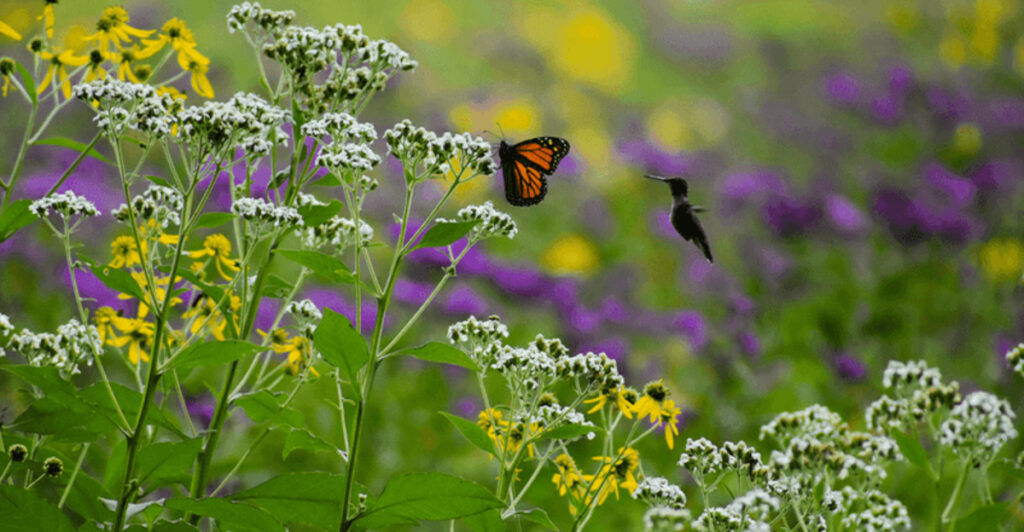
No Mow May encourages homeowners to skip mowing their lawns for the month of May, allowing wildflowers and grasses to flourish, which in turn supports pollinators.
This initiative aims to enhance biodiversity and provide essential resources for bees, butterflies, and other pollinating insects.
By creating a more natural environment, No Mow May contributes to both the health of local ecosystems and the global effort to combat pollinator decline. Below are twelve specific ways this practice benefits pollinators.
1. Provides Early-Season Nectar Sources
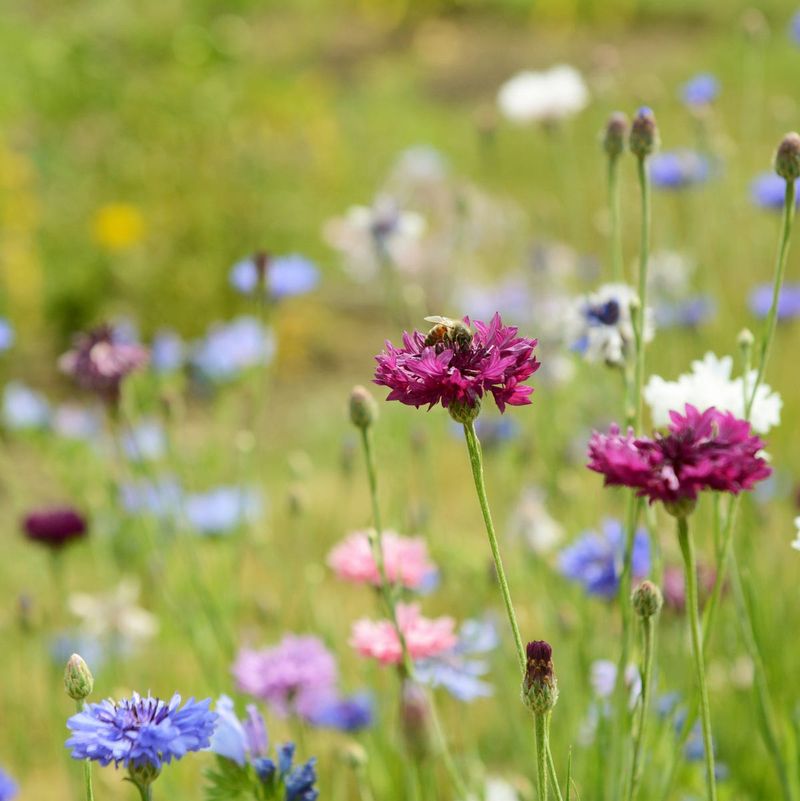
Early spring can be a challenging time for pollinators searching for food. By forgoing mowing, lawns become a rich tapestry of wildflowers providing much-needed nectar. This vibrant display of colors not only beautifies the landscape but also offers a buffet for bees and butterflies emerging from hibernation. A lawn full of blossoms transforms into a critical fueling station for these vital insects. This early-season food source helps to kickstart their activity and supports their roles in pollinating plants, ensuring a fruitful season ahead. Without mowing, gardens hum with life and potential.
2. Allows Wildflowers and Weeds to Bloom
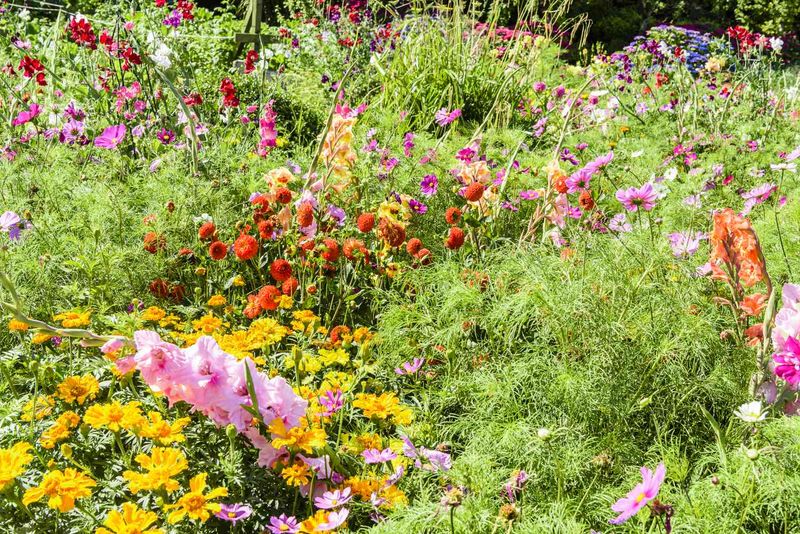
Often labeled as unwanted plants, wildflowers and weeds are unsung heroes in pollinator survival. Leaving your lawn unmowed allows these plants to thrive, attracting a variety of pollinators. Every flower, no matter how humble, plays a role in maintaining a balanced ecosystem. The diverse flora provides not only food but also habitat to different insect species. Wildflowers and weeds, sometimes overlooked, offer a spectrum of resources. They ensure pollinators have access to diverse nutrients, supporting their health and abundance throughout the spring and beyond.
3. Supports Emerging Bees and Butterflies
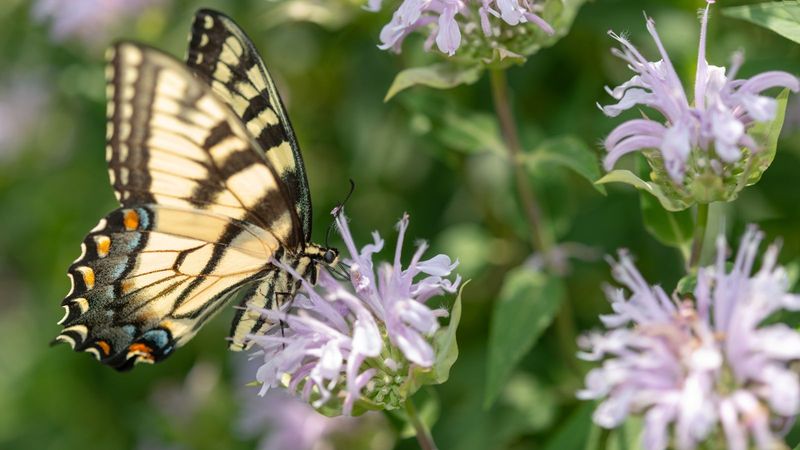
Springtime is a period of awakening for many pollinators. By not mowing, you create a haven for bees and butterflies just emerging. These creatures rely on readily available flowers to gain strength after a long winter. A lush, unmowed lawn serves as a sanctuary, providing both food and protection. Emerging pollinators find a supportive environment conducive to their early activities. This phase is crucial as it influences their survival and reproduction. Creating a nurturing space helps ensure these pollinators can fulfill their crucial roles in the ecosystem.
4. Increases Plant Diversity
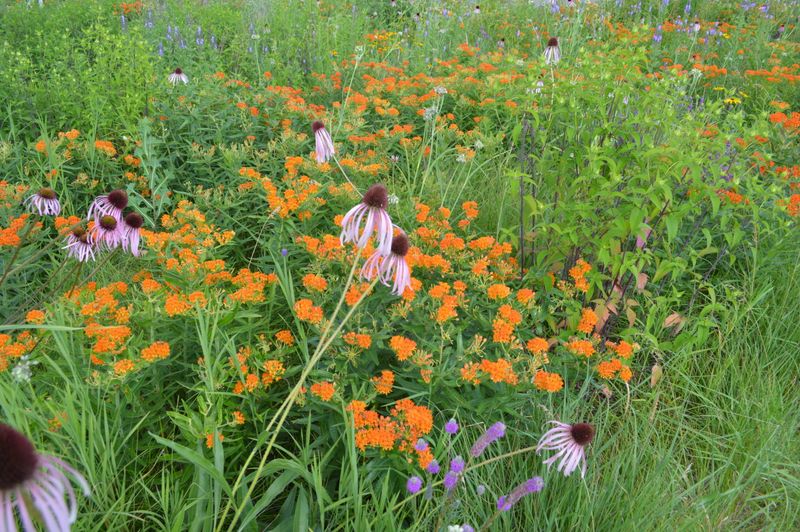
Diversity is the spice of life, especially in the plant kingdom. Abstaining from mowing cultivates a richer tapestry of plant life. Different grasses and flowers can establish themselves, creating a varied and vibrant ecosystem. This diversity supports a wide range of insects, each with unique needs. A lawn teeming with different species is a haven for pollinators, ensuring a stable food supply. Such environments are more resilient to changes and diseases, providing long-term benefits. Embracing plant diversity through No Mow May contributes to healthier and more dynamic ecosystems.
5. Creates Shelter for Ground-Nesting Insects
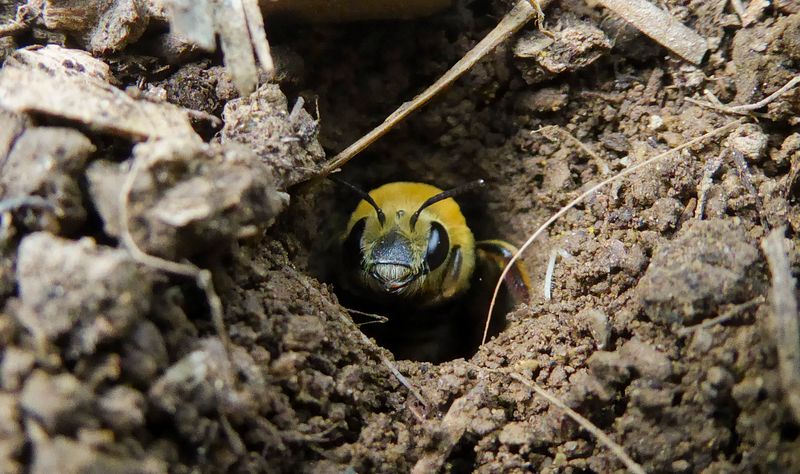
The art of not mowing extends beyond flowers; it shapes habitats for ground-nesting insects. Many pollinators, like solitary bees, nest in the soil. Reduced mowing frequency allows these insects to establish and maintain their nests undisturbed. The unmowed grass provides cover, protecting these vulnerable creatures from predators and harsh weather. A safe nesting environment ensures that these insects can thrive and continue their essential pollination work. By providing shelter, you contribute to a sustainable cycle of life that supports biodiversity and enhances the natural beauty of your surroundings.
6. Reduces Lawn Chemical Exposure
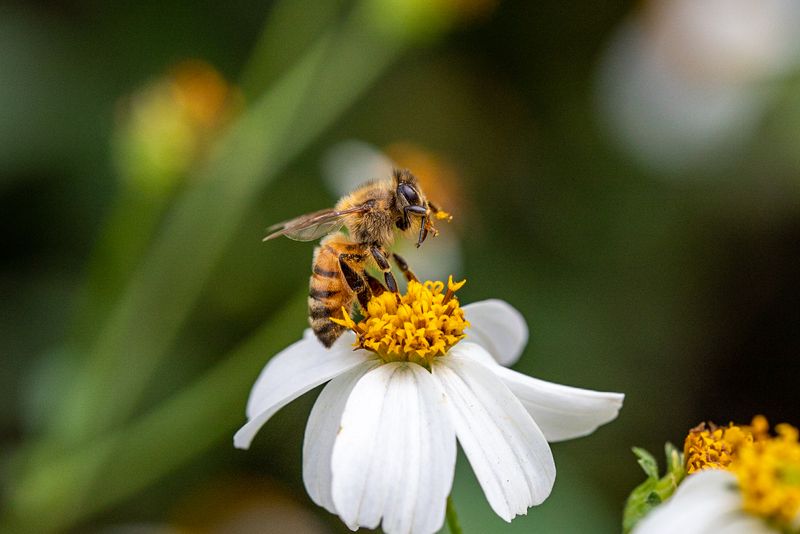
Keeping a lawn chemical-free is a boon for both the environment and its inhabitants. No Mow May often coincides with reduced chemical use, protecting pollinators from harmful pesticides and fertilizers. These chemicals can be detrimental, affecting insect health and behavior. An organic approach fosters a safer and more welcoming habitat for pollinators. By reducing chemical exposure, you ensure a healthier environment where insects can flourish. This practice promotes ecological balance and enhances the resilience of pollinators, leading to more productive gardens and ecosystems.
7. Encourages Native Pollinator Habitats
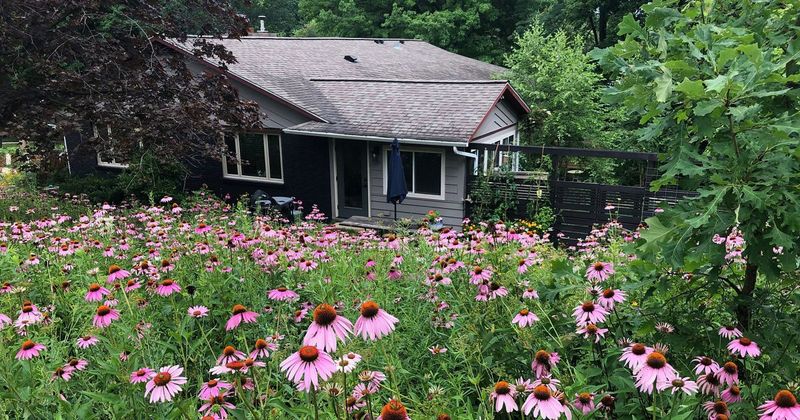
Native plants and pollinators share a long evolutionary history. No Mow May encourages the growth of native flora, which in turn supports local pollinator species. These plants have adapted to the region’s climate and soil, making them ideal hosts for native insects. By fostering native habitats, you attract a variety of pollinators, enhancing the local ecosystem’s resilience. This practice aligns with nature’s design, promoting sustainable gardening. Supporting native habitats through reduced mowing strengthens natural connections and boosts biodiversity, enriching the landscape with life and color.
8. Promotes Natural Lawn Ecosystems
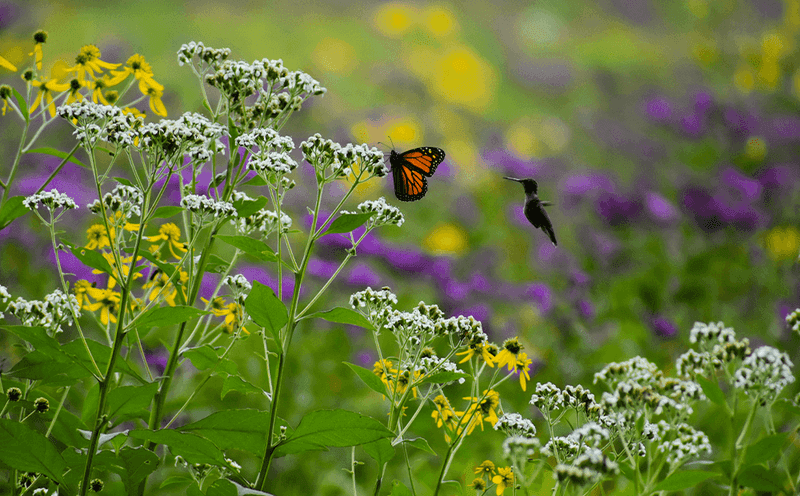
Lawns are often perceived as monocultures, but they hold potential for diverse ecosystems. Allowing nature to take the lead, especially in May, cultivates a symphony of life. Various plants, insects, birds, and animals create a thriving ecosystem, each playing a role in maintaining balance. The reduced intervention allows ecosystems to develop naturally, supporting intricate relationships. This harmonious environment supports pollinators by providing food, shelter, and breeding grounds. Emphasizing natural lawn ecosystems not only aids pollinators but also enhances the aesthetic and ecological value of your property.
9. Raises Awareness About Pollinator Decline
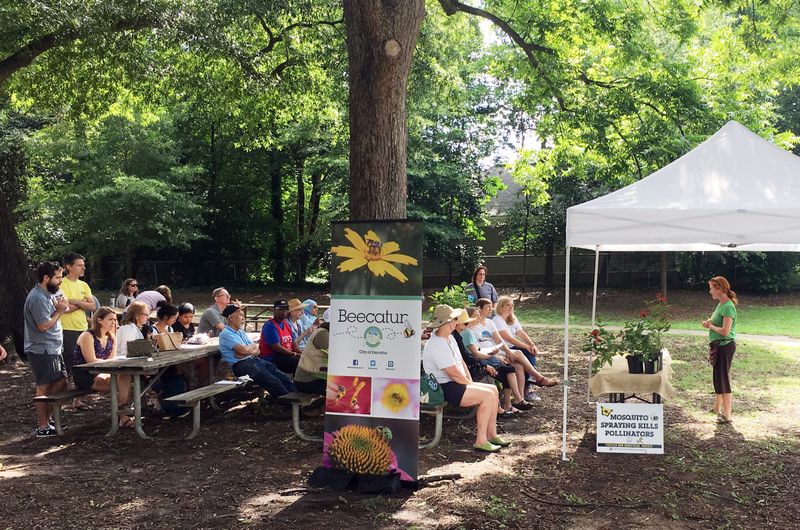
Participating in No Mow May is more than a gardening choice; it’s a movement. By letting lawns grow, individuals make a collective statement about the importance of pollinators. This initiative sparks conversations and raises awareness about the challenges these creatures face. Educational events and community discussions often accompany this practice, fostering greater understanding. Raising awareness helps drive change, encouraging more people to adopt pollinator-friendly practices. It creates a ripple effect, leading to broader environmental advocacy and conservation efforts, benefitting pollinators at a larger scale.
10. Reduces Habitat Destruction from Mowing
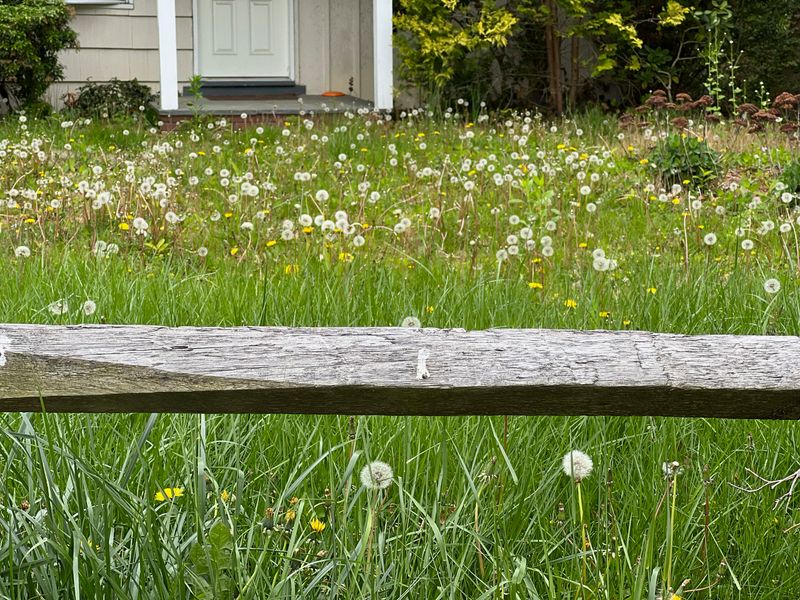
Frequent mowing can disrupt habitats, causing stress to wildlife. No Mow May challenges this norm, allowing lawns to become refuges for various species. The practice reduces habitat destruction and fosters an environment where life can flourish. By minimizing disturbance, you offer insects and other small creatures a chance to thrive. This approach helps maintain ecological balance, ensuring that even the smallest organisms have a place. Supporting habitat preservation through reduced mowing is a simple yet powerful way to contribute to environmental sustainability.
11. Supports Monarchs and Other Migrating Insects
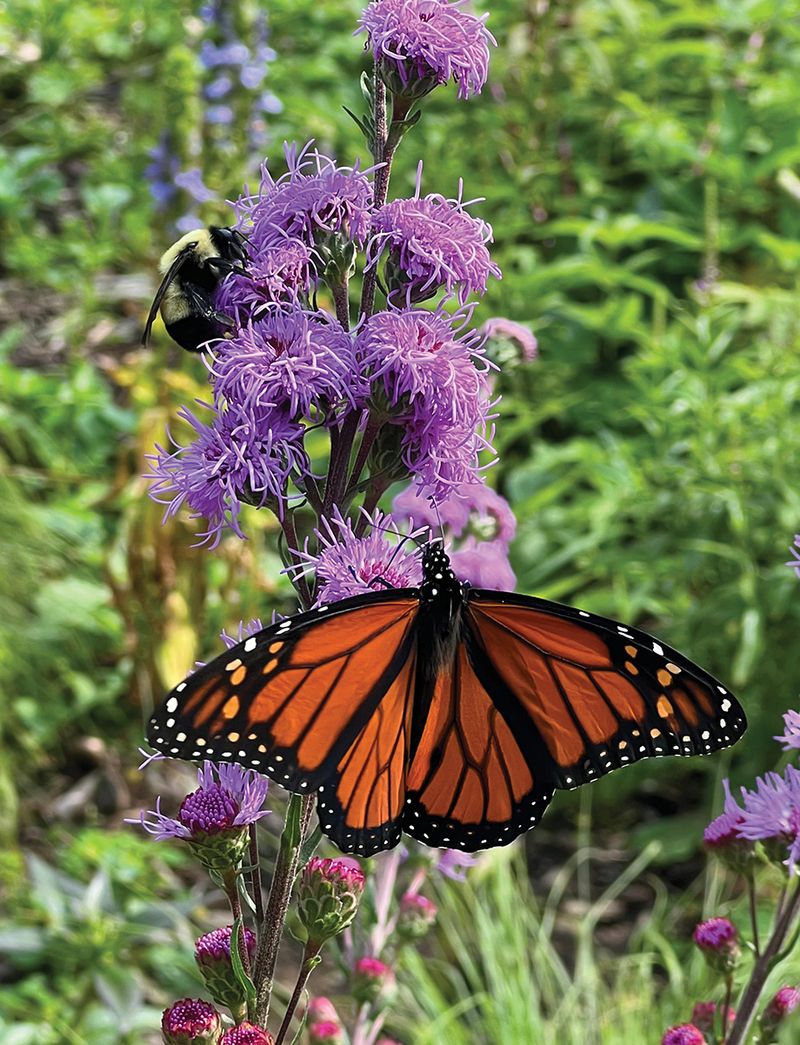
Migration is a monumental task for insects like monarch butterflies. An unmowed lawn rich in flowers provides essential pit stops for these travelers. Nectar-rich plants offer much-needed energy, assisting in their long journeys. By supporting migrating insects, you contribute to their survival and the continuation of their migratory paths. This practice connects local actions to global ecological phenomena. Providing sanctuary for these insects reinforces the importance of biodiversity and interconnected ecosystems. Supporting migrating pollinators is a way to celebrate nature’s wonders and participate in their preservation.
12. Helps Build Long-Term Biodiversity
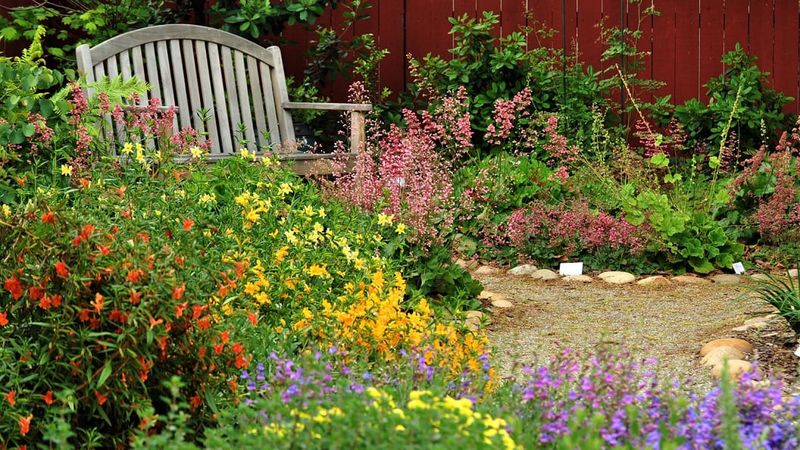
Biodiversity is more than a buzzword; it’s vital for ecosystem health. No Mow May fosters this by allowing diverse plant and insect life to flourish. Over time, this practice builds resilient ecosystems capable of withstanding environmental changes. A biodiverse lawn supports numerous species, each contributing to the ecological tapestry. This diversity strengthens natural processes, from pollination to nutrient cycling. By participating in No Mow May, you invest in long-term ecological health. The benefits extend beyond your garden, contributing to broader biodiversity efforts and sustainable living.