
Gardening enthusiasts often seek plants that require minimal maintenance yet flourish beautifully. Fortunately, there are plants that not only survive but thrive without ever being fertilized. These resilient wonders of nature are perfect for those who want lush greenery without the hassle of constant care. From the hardy succulents to vibrant wildflowers, these plants adapt well to various environments, proving that natural beauty doesn’t always need human intervention. Here’s a detailed look at 16 such plants, each with its unique charm and attributes that make them stand out among their fertilized counterparts.
1. Lavender
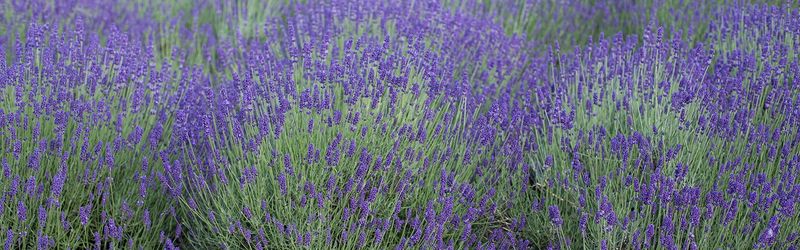
Lavender, with its soothing scent, is a delight in any garden. This plant thrives in well-drained soil and sunny spots, making it a perfect choice for those who love low-maintenance gardening. A native of the Mediterranean, it requires minimal watering once established and is drought-tolerant.
Lavender’s vibrant purple flowers attract bees and butterflies, adding life to your garden. It’s also a favorite for making essential oils and sachets. With its calming presence and aromatic charm, lavender is more than just a pretty face in the plant world.
2. Sage
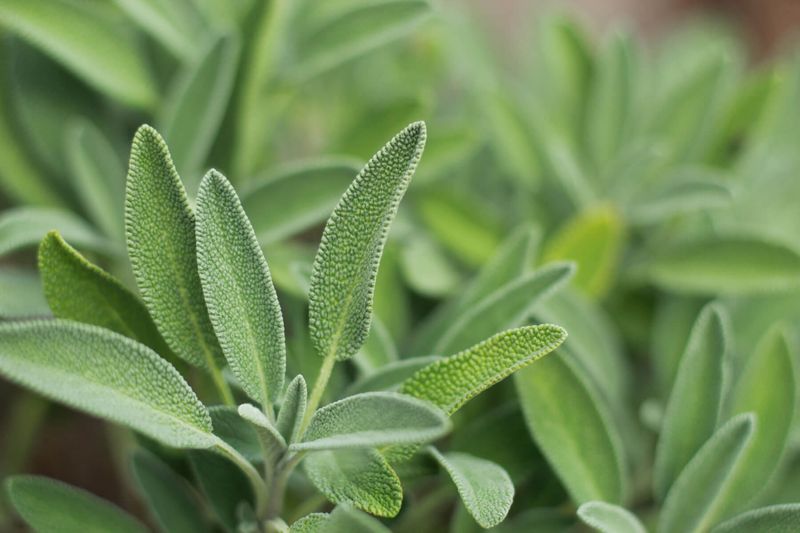
Sage is a culinary herb that doesn’t ask for much but gives plenty in return. With its silvery-green leaves and earthy aroma, it adds flavor to countless dishes. Sage prefers well-drained soil and full sun, and it’s incredibly drought-resistant.
This perennial plant is not only hardy but also repels garden pests, making it a natural choice for organic gardeners. The ancient Romans considered sage to be a sacred herb, believed to confer wisdom and strength upon those who consumed it. Sage’s resilience and utility make it a garden favorite.
3. Thyme
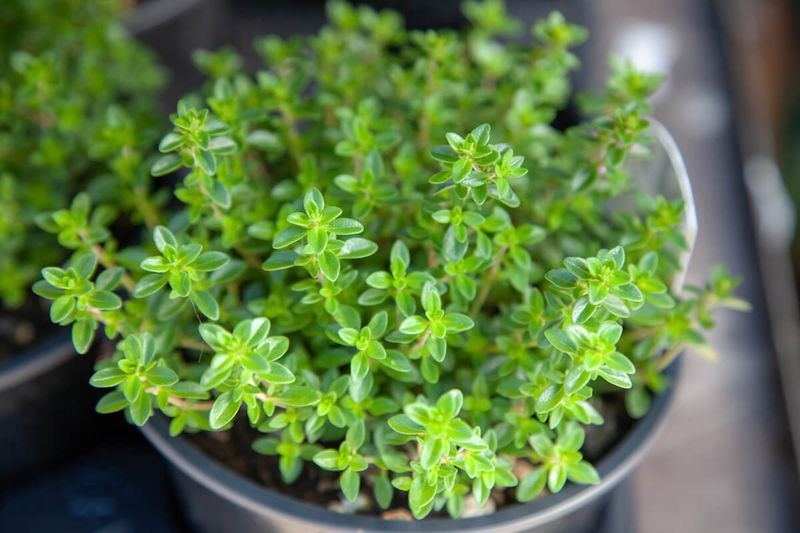
Thyme, small but mighty, is a herb garden staple. Its tiny leaves pack a punch of flavor and thrive in dry, rocky soils where other plants might struggle. Thyme prefers full sun and well-drained soil, needing little water once established.
This evergreen herb not only enhances culinary creations but also serves as a natural antiseptic. In folklore, thyme was associated with courage and bravery. Its ability to flourish without fertilizers makes it a go-to for gardeners looking to add resilience and flavor to their gardens.
4. Rosemary
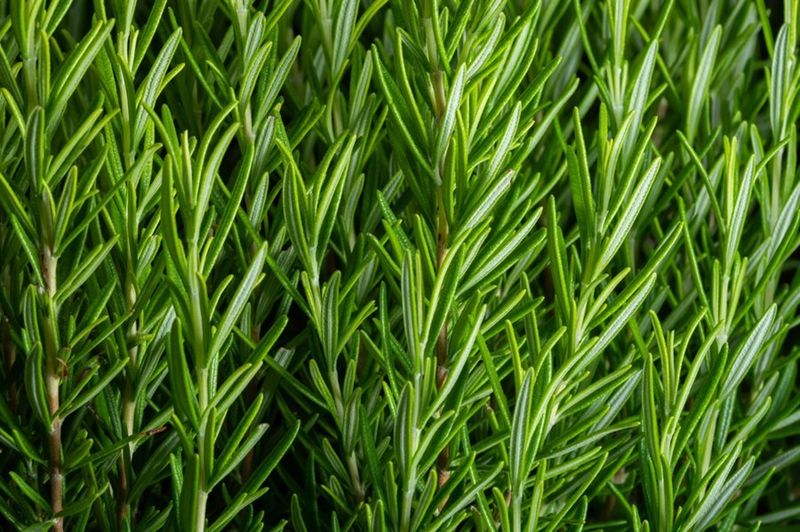
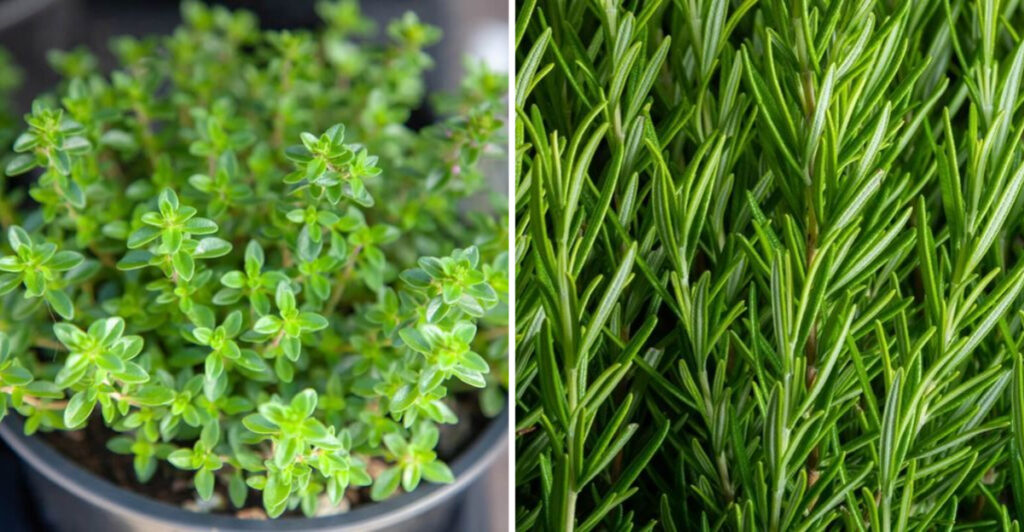
Rosemary, with its piney fragrance and needle-like leaves, is a classic herb that grows effortlessly. Native to the Mediterranean region, it loves sandy, well-drained soils and plenty of sunlight. Once established, rosemary is remarkably drought-tolerant.
Its aromatic oils are used in cooking and traditional medicine, making it a multifunctional garden plant. Romans believed rosemary symbolized remembrance and fidelity. Whether lining a pathway or as a standalone shrub, rosemary infuses gardens with its evergreen appeal and resilience.
5. Aloe Vera
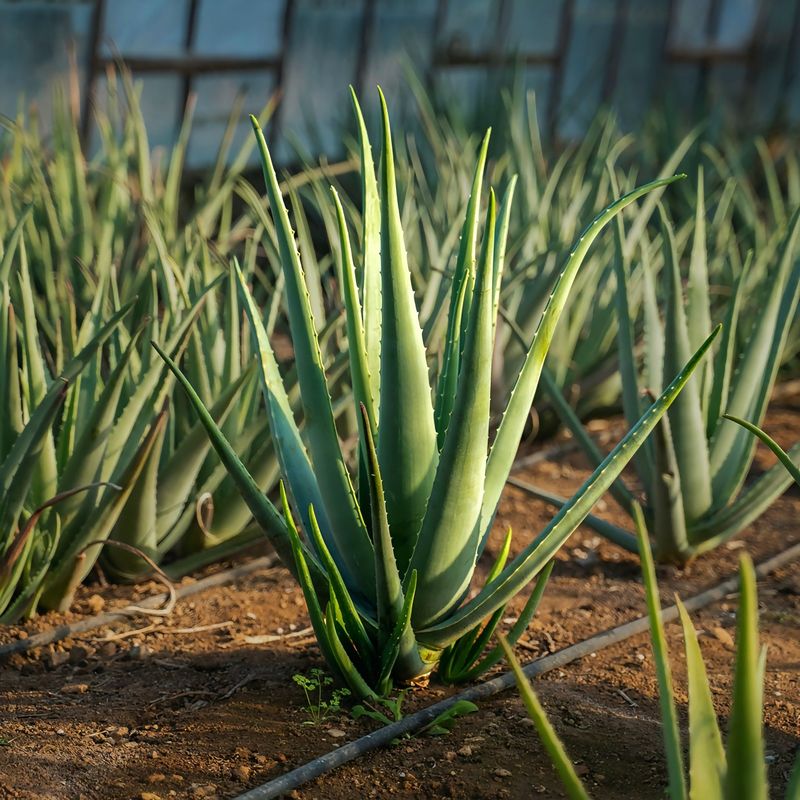
Aloe vera, renowned for its medicinal properties, thrives in neglect. With its succulent leaves, this plant stores water efficiently, making it perfect for dry climates. Aloe prefers sandy soil and plenty of sunlight, requiring watering only when the soil is completely dry.
This plant is a boon for skin ailments and minor burns. Remarkably, it also improves air quality by removing toxins. Aloe vera’s robust nature and health benefits make it a must-have for those seeking low-maintenance greenery indoors or outdoors.
6. Russian Sage
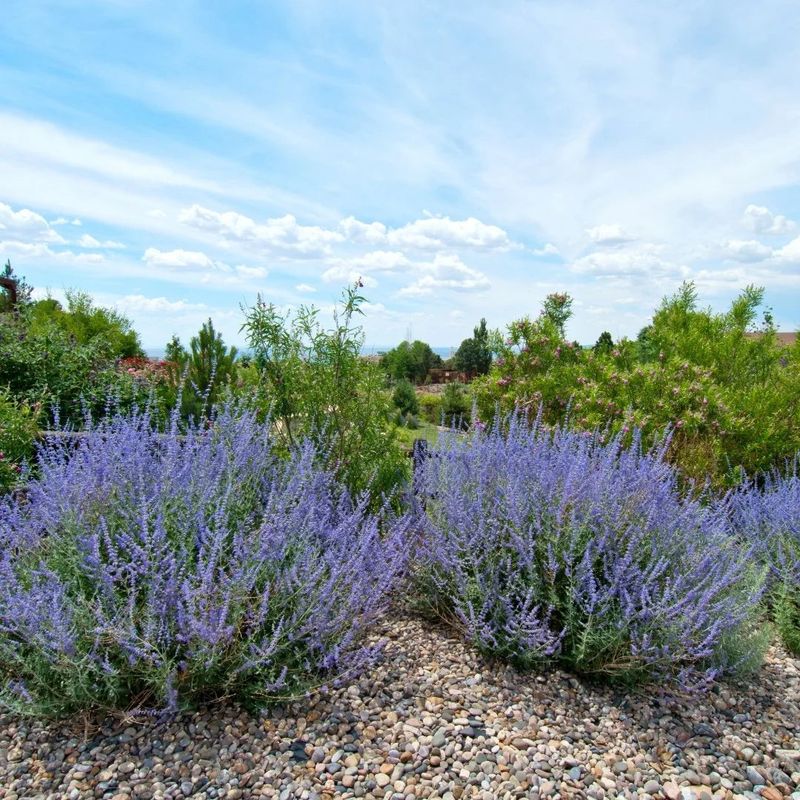
Russian sage, with its wispy stems and lavender-blue flowers, is a sight to behold. It thrives in poor, sandy soils and full sunlight, requiring minimal water once established. Its drought resistance and long blooming season make it a garden star.
Russian sage attracts pollinators, adding ecological value to any space. Its aromatic qualities and aesthetic appeal make it a popular choice among gardeners. Known for its hardiness, it’s a plant that embodies beauty and resilience, needing no fertilization to shine.
7. Yarrow
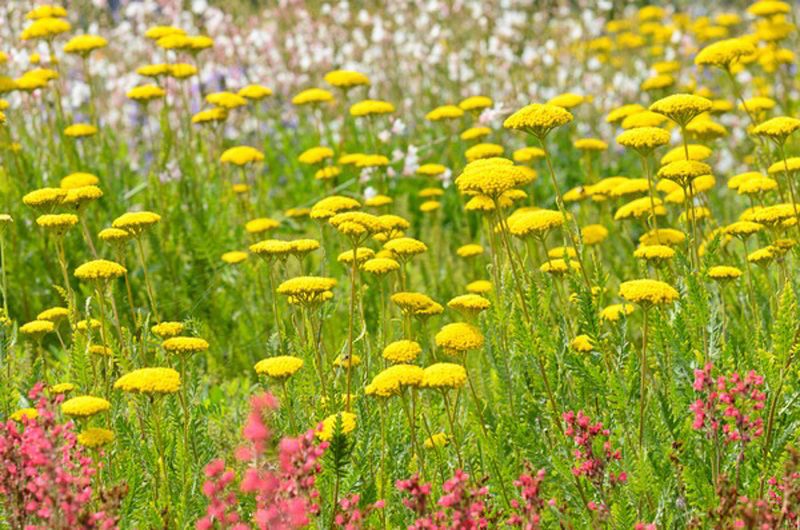
Yarrow, with its feathery leaves and vibrant clusters of flowers, is a native wildflower that thrives on neglect. It grows best in well-drained soil and full sun, tolerating both drought and poor soil conditions.
Yarrow is not only beautiful but also functional, as it attracts beneficial insects and can be used in herbal teas. Its ability to improve soil structure and deter weeds makes it a valuable addition to any garden. With its rich history in folk medicine, yarrow is a testament to nature’s endurance and resourcefulness.
8. Sedum
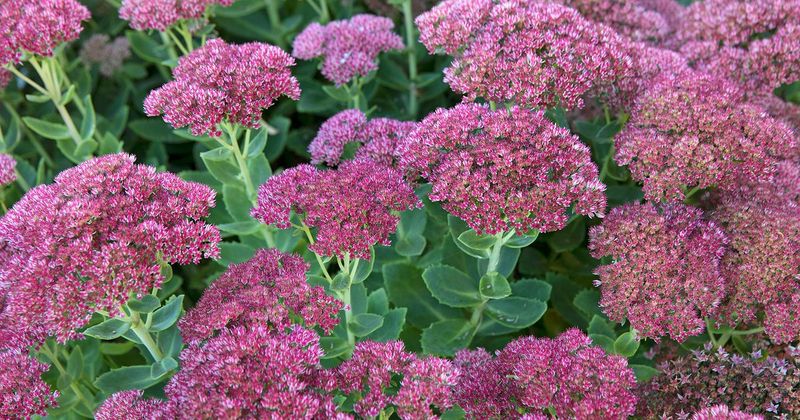
Sedum, also known as stonecrop, is a succulent that thrives in rocky, well-drained soils. Known for its fleshy leaves and star-shaped flowers, sedum comes in various colors and sizes, adding visual interest to gardens.
This hardy plant requires little water and no fertilization, making it ideal for those who prefer low-maintenance gardening. Sedum attracts pollinators and can endure harsh weather conditions. Its ability to flourish where other plants fail highlights its resilience and adaptability, making it a staple in rock gardens and green roofs.
9. Catmint
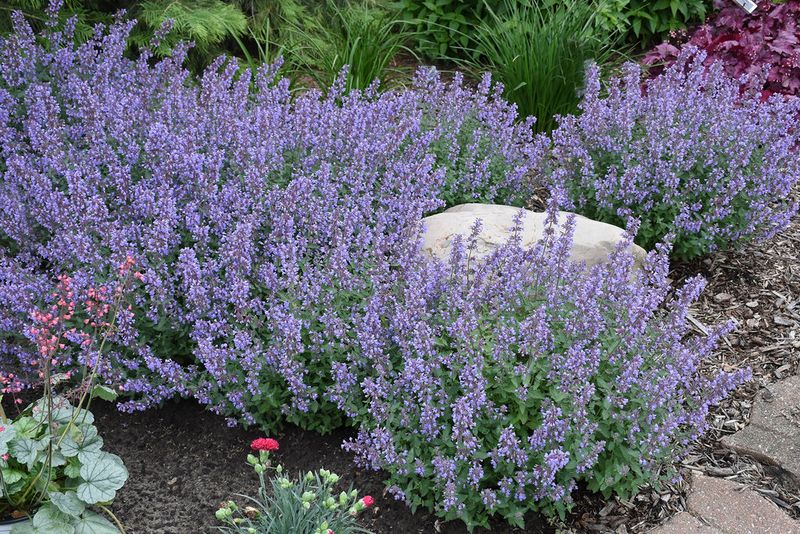
Catmint, with its aromatic foliage and lavender-blue flowers, is a favorite among pollinators. It thrives in well-drained soil and full sun, needing minimal care once established.
This plant is not only attractive but also tough, easily withstanding drought and poor soil. It’s a relative of catnip, often enticing cats with its scent, though it is grown primarily for its ornamental qualities. Gardeners prize catmint for its long blooming season and ability to thrive without additional nutrients, making it both beautiful and practical.
10. Echinacea
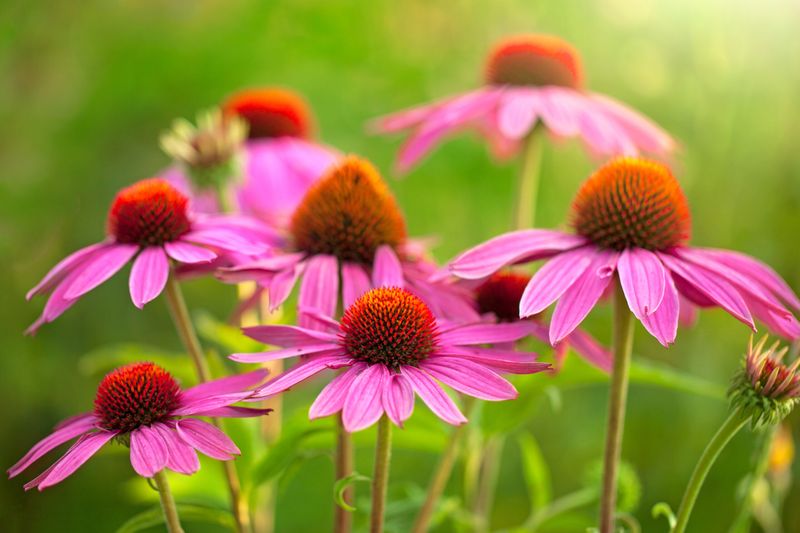
Echinacea, or coneflower, is known for its striking purple blooms and medicinal properties. It thrives in well-drained soil and full sun, requiring little water once established.
This hardy perennial attracts butterflies and bees, enhancing garden biodiversity. Echinacea is often used in herbal remedies for colds and immune support. Its robust nature and vibrant flowers make it a garden favorite, showcasing beauty and utility without the need for fertilizers. This resilience underscores its lasting appeal in both traditional medicine and modern gardens.
11. Lamb’s Ear
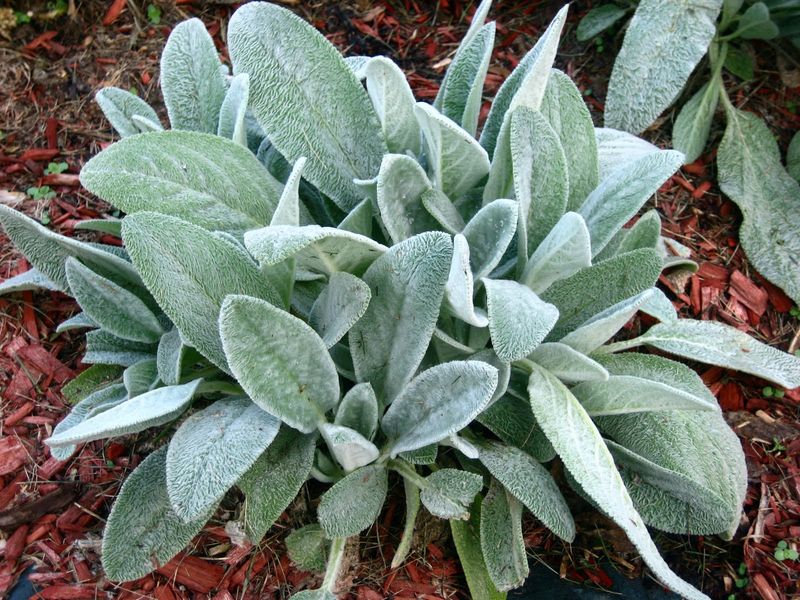
Lamb’s ear, with its velvety, silver-gray leaves, adds a soft touch to any garden. It prefers well-drained soil and full sun, thriving without much water.
This perennial is often used as ground cover, providing texture and contrast in flower beds. Its unique foliage is not only attractive but also drought-tolerant, requiring minimal care. Historically, lamb’s ear was used as a natural bandage for wounds due to its soft texture. Its hardiness and distinctive appearance make it a charming addition to gardens.
12. Hosta
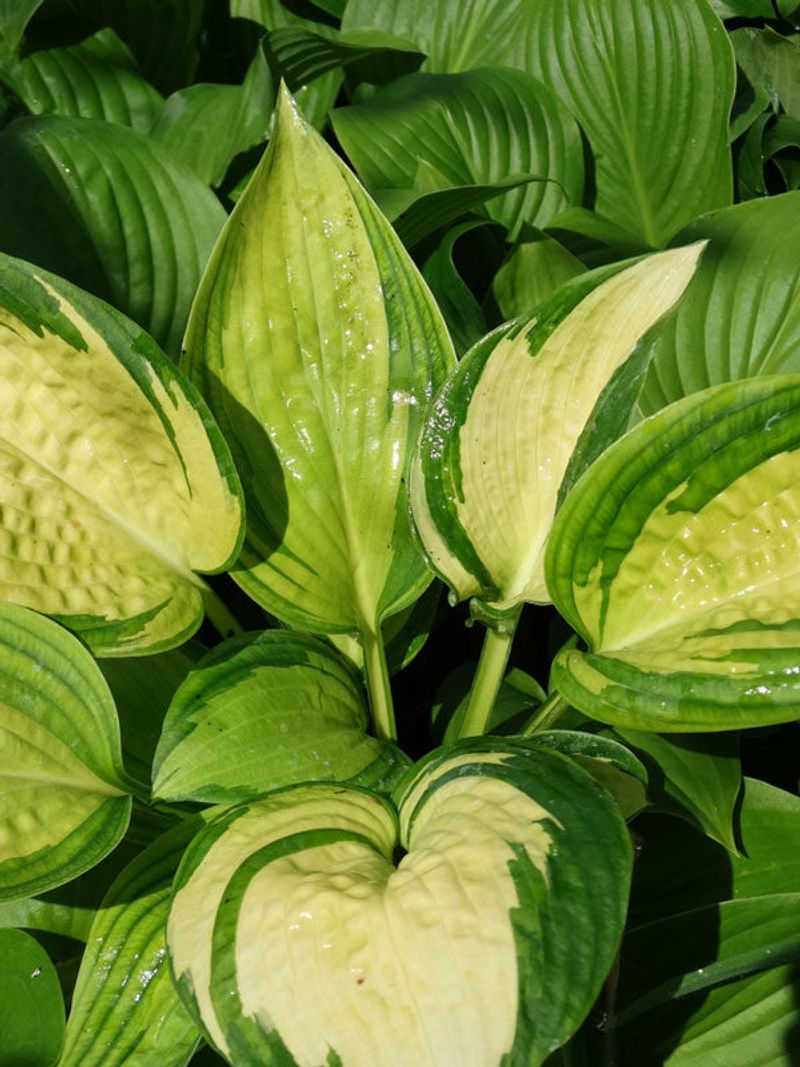
Hostas are beloved for their lush foliage and adaptability to shade. They thrive in moist, well-drained soil and can tolerate periods of drought once established.
With their wide, variegated leaves, hostas add texture and interest to shaded areas. These perennials are resilient and low-maintenance, requiring no fertilizer to flourish. In the right conditions, hostas can become a focal point in garden landscapes. Their ability to thrive in less sunny spots makes them an invaluable addition to gardens, offering beauty without demanding excessive care.
13. Daylilies
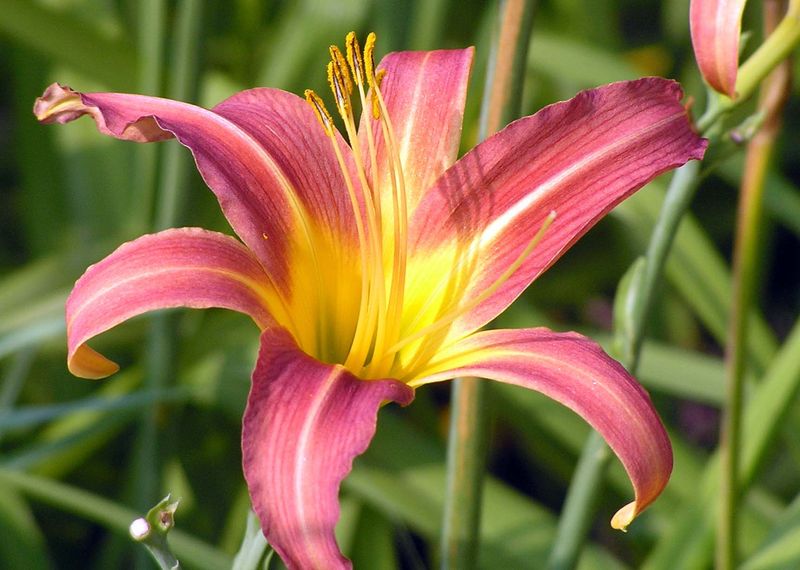
Daylilies, with their trumpet-shaped flowers, are garden staples known for their enduring beauty. They thrive in a variety of conditions, preferring well-drained soil and full sun.
These perennials are remarkably resilient, easily withstanding drought and neglect. Daylilies bloom prolifically without the need for fertilization, offering bursts of color throughout the growing season. Their ability to adapt and thrive with minimal care makes them a favorite among gardeners. Daylilies’ vibrant blooms and hardiness ensure they remain a beloved choice for garden enthusiasts.
14. Zinnias
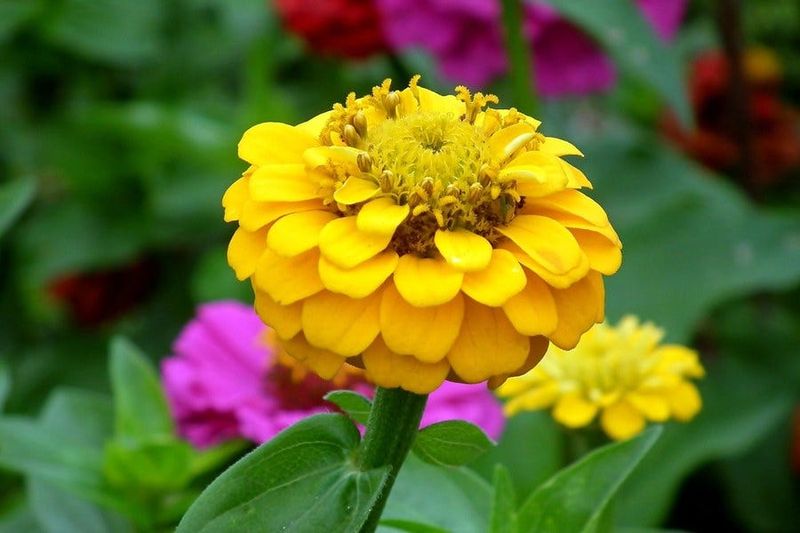
Zinnias, with their vivid blooms, are a burst of color in any garden. They thrive in well-drained soil and full sun, needing little water once established.
These annuals are loved for their long-lasting flowers that attract butterflies and bees. Zinnias require no fertilization to flourish, making them ideal for novice gardeners. Their ability to provide continuous color and attract pollinators adds ecological value to gardens. Known for their ease of care and vibrant display, zinnias are a staple in summer gardens, offering beauty and simplicity.
15. Coneflowers
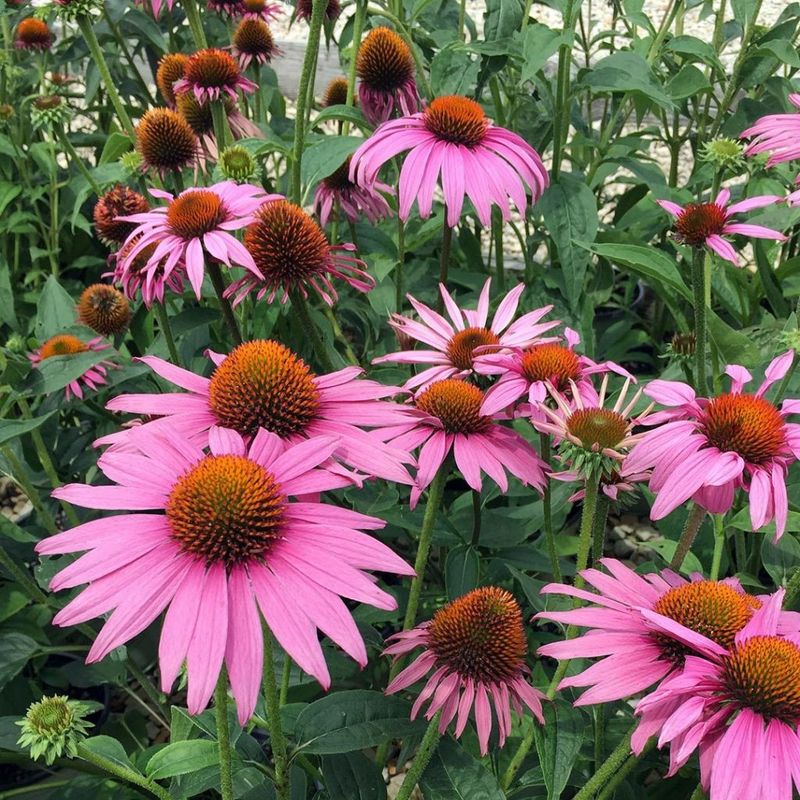
Coneflowers, with their daisy-like appearance, are both beautiful and resilient. They thrive in well-drained soil and full sun, requiring minimal water once established.
These perennials attract pollinators and are often used in herbal remedies. Coneflowers bloom abundantly without the need for fertilizers, adding grace and charm to gardens. Their striking flowers and adaptability make them a favorite among gardeners seeking low-maintenance plants. Known for their ecological benefits and enduring beauty, coneflowers are a testament to nature’s ability to thrive without intervention.
16. Black-eyed Susan
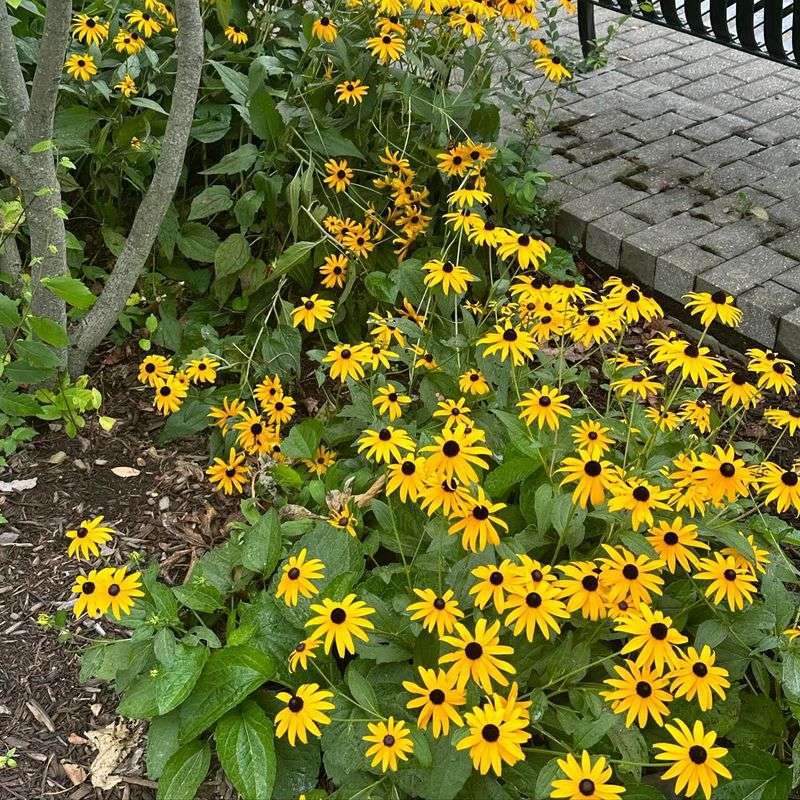
Black-eyed Susans are iconic wildflowers with bright yellow petals that bring sunshine to gardens. They thrive in various soil types, preferring well-drained conditions and full sun.
These perennials are drought-tolerant and require no fertilization, making them perfect for low-maintenance gardening. Black-eyed Susans attract butterflies and other pollinators, enhancing garden biodiversity. Their cheerful blooms and resilience make them a staple in wildflower gardens. Celebrated for their ease of growth and vibrant presence, they remain a popular choice for gardeners seeking natural beauty.