
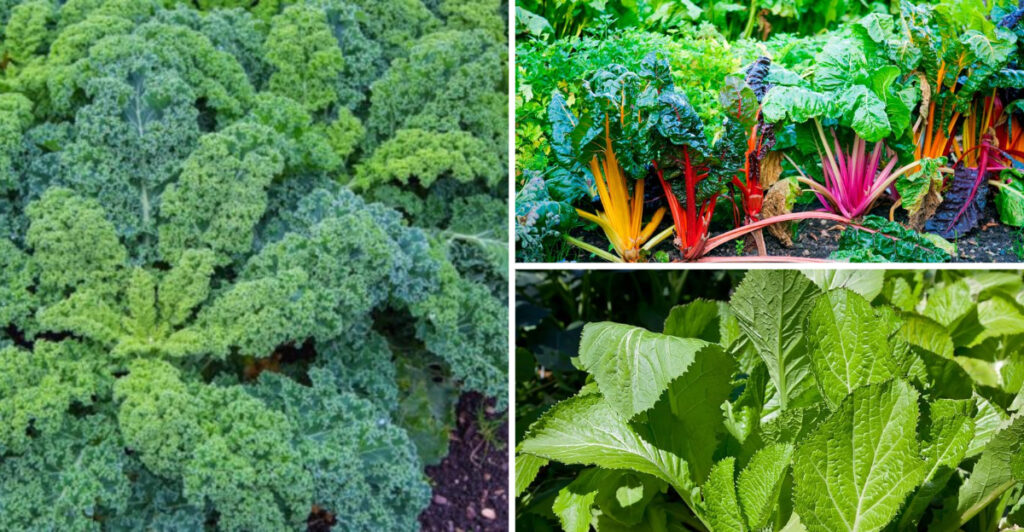
While many gardeners believe that full sun is essential for a bountiful vegetable harvest, there are numerous crops that thrive in partial or even full shade. These shade-loving vegetables are perfect for gardens with limited sunlight. They not only adapt to low-light conditions but also offer a delightful range of flavors and nutrients.
1. Spinach
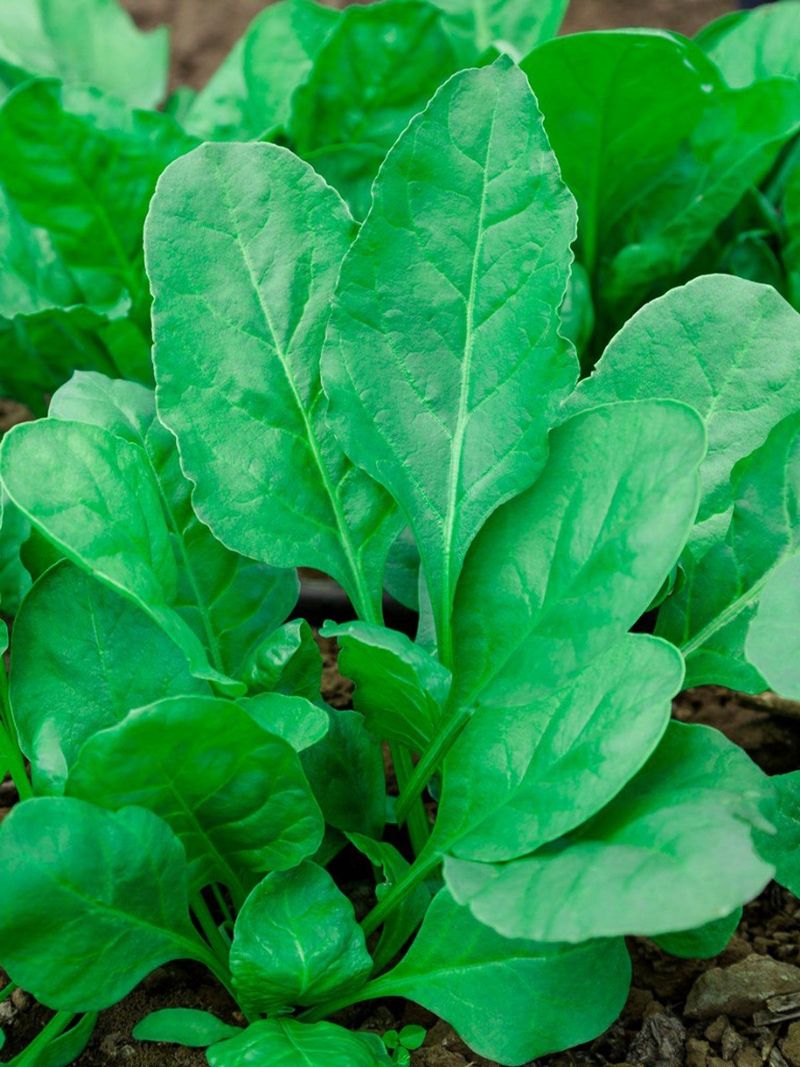
Spinach is a resilient leafy green that can tolerate low light conditions. Its ability to thrive in shade makes it a favorite among gardeners with limited sunlight. The leaves are rich in iron and vitamins, providing a nutritious addition to meals. Whether in salads or cooked dishes, spinach offers versatility and flavor.
Planting spinach in partial shade helps prevent it from bolting, which can occur in excessive heat. This adaptability to different environments makes it a reliable choice for various garden settings. Spinach’s growth in cooler, shaded areas ensures tender and tasty leaves.
Fun fact: Spinach was first cultivated in Persia over 2,000 years ago!
2. Lettuce
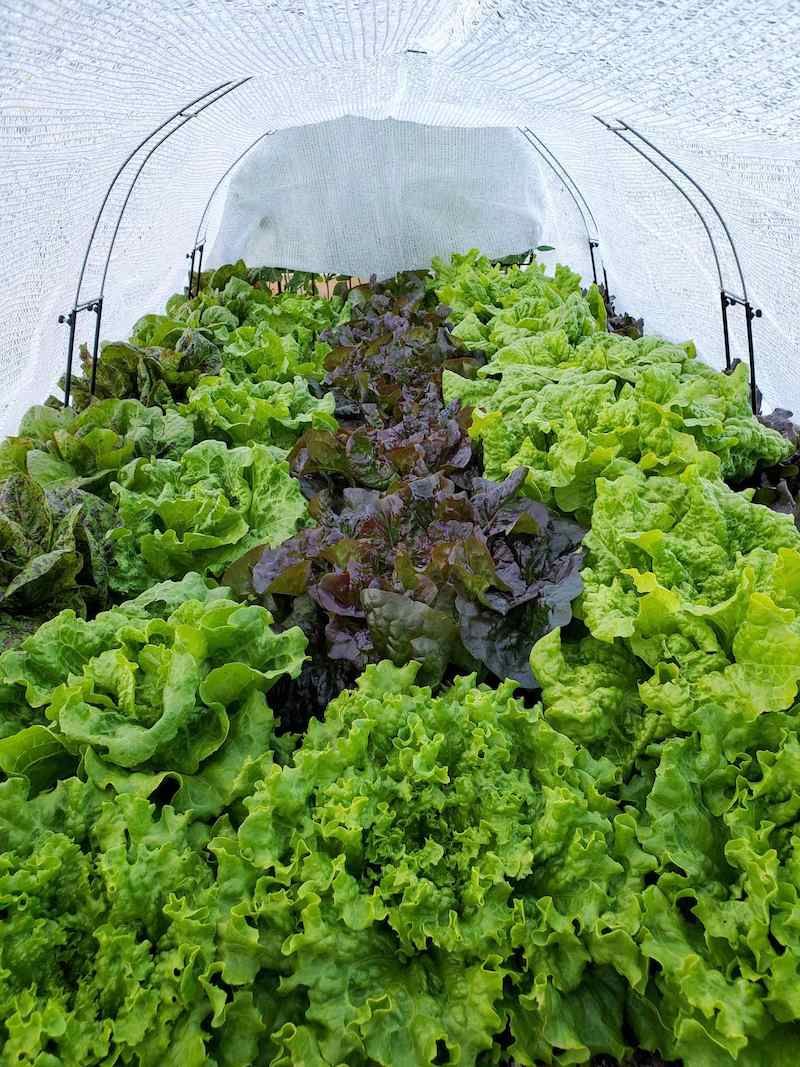
Lettuce, with its diverse varieties, is another excellent candidate for shade gardening. Its crisp texture and refreshing taste adapt well to low-light environments. Lettuce is perfect for those looking to grow salad greens without the need for full sun.
The cooler temperatures of shaded areas prevent lettuce from becoming bitter, maintaining its delicate flavor profile. This vegetable’s quick growth cycle allows for repeated harvests, adding continuous freshness to your table.
Historical tidbit: Ancient Egyptians believed lettuce was a sacred plant, symbolizing fertility and growth.
3. Kale
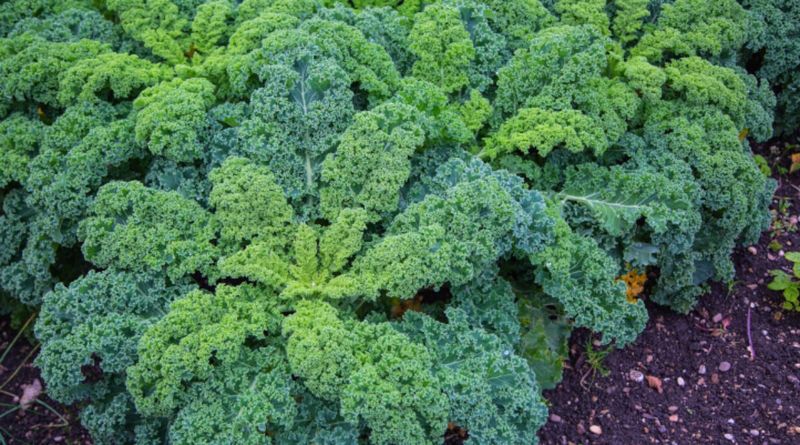
Kale, known for its nutrient-dense leaves, thrives in partial shade. This hardy green can withstand various conditions, making it a versatile choice for gardeners. Its robust texture and earthy taste add depth to salads and smoothies.
Growing kale in cooler, shaded regions can enhance its flavor, reducing the bitterness sometimes associated with full sun exposure. The sturdy leaves and vibrant color of kale make it an attractive addition to any garden.
Did you know? Kale has been cultivated for over 2,000 years and was a staple in European diets during the Middle Ages.
4. Swiss Chard
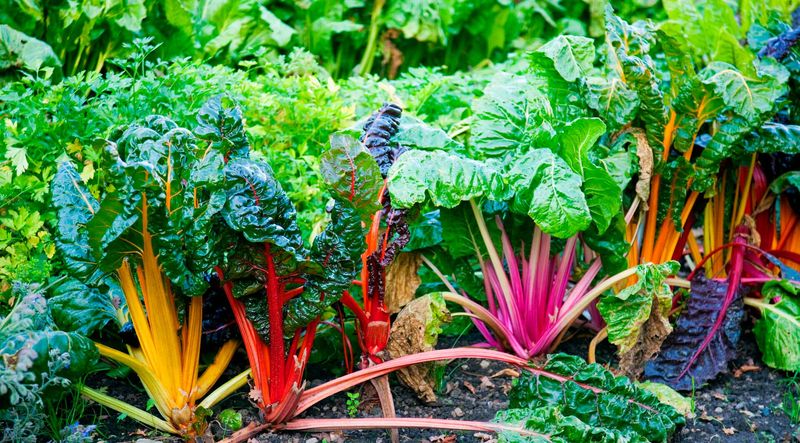
With its striking colorful stalks and rich green leaves, Swiss chard is a stunning addition to any garden. This vegetable thrives in shady conditions, offering beauty and nutrition. Its mild flavor pairs well with various dishes, from sautés to soups.
Swiss chard is not only easy to grow but also provides a continuous harvest. As long as the conditions are right, you can enjoy its bounty throughout the growing season.
Interesting fact: Swiss chard is not native to Switzerland; it is a Mediterranean plant with ancient roots.
5. Arugula
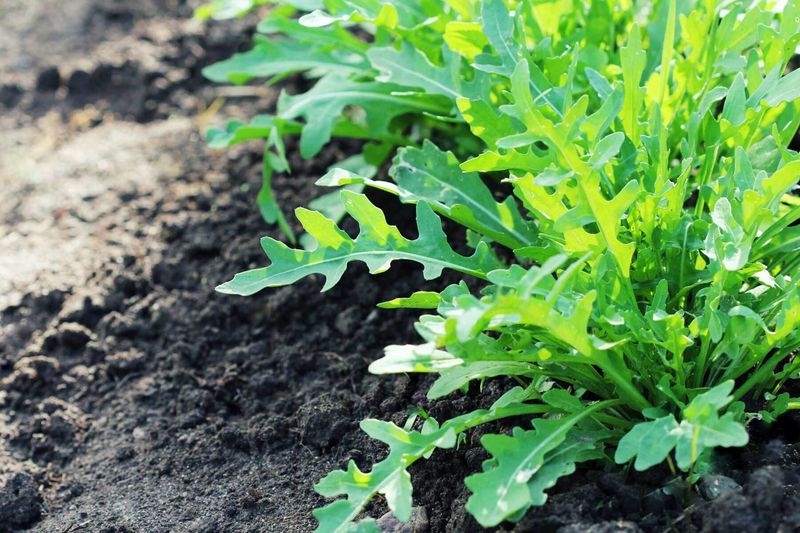
Arugula, with its peppery bite, is a flavorful green that thrives in shaded gardens. Its distinct taste adds a unique twist to salads and garnishes. This leafy green grows quickly, making it an excellent choice for gardeners seeking fast results.
Shaded conditions help maintain arugula’s tenderness, preventing it from becoming overly spicy. Its adaptability to various lighting makes it a versatile option for different garden spaces.
Did you know? Arugula was a favorite in ancient Roman cuisine, prized for its flavor and supposed aphrodisiac qualities.
6. Mustard Greens
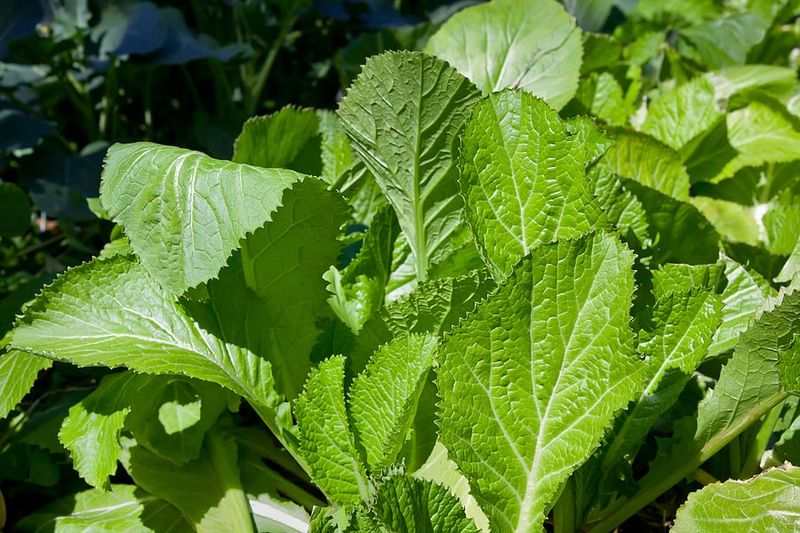
Mustard greens bring a spicy zest to any dish and are well-suited for shade gardens. These robust greens excel in cooler temperatures, preserving their flavor without becoming too intense. Their ability to grow in partial shade makes them a valuable addition to any vegetable garden.
Harvesting mustard greens at the right time ensures a perfect blend of spice and sweetness. Their vibrant color and strong flavor profile add a dynamic element to meals.
Fun fact: Mustard greens have been used in traditional dishes worldwide, appreciated for their unique taste and nutritional benefits.
7. Cilantro
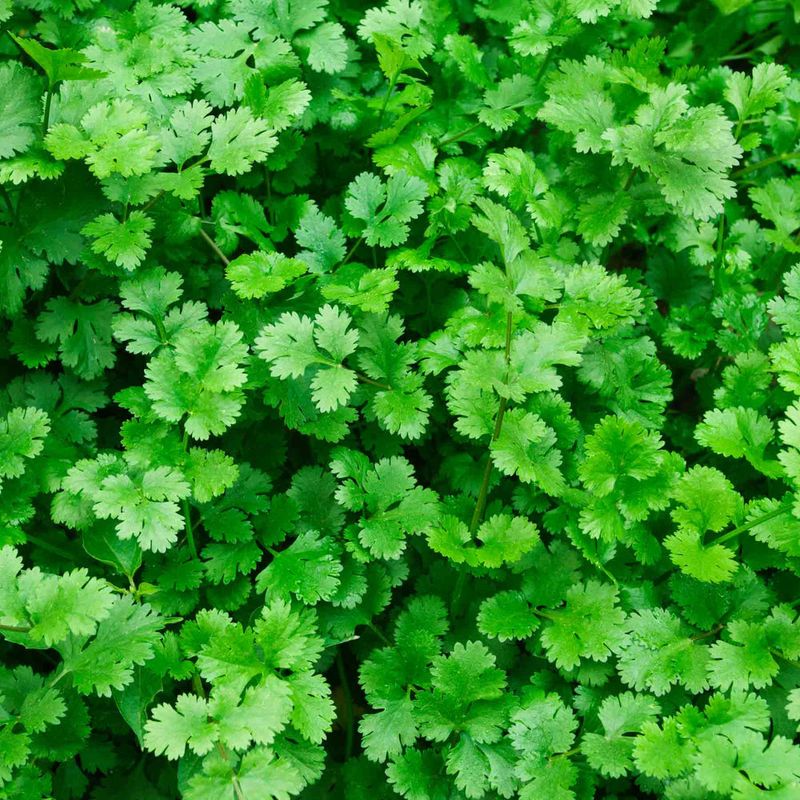
Cilantro, beloved for its distinct taste, thrives in cooler, shaded gardens. This herb’s fresh, citrusy notes elevate cuisines around the world. Its ability to grow in low-light conditions makes cilantro a versatile addition to your garden.
In shaded areas, cilantro’s growth slows, allowing for prolonged harvests and enhanced flavor. The soft leaves and aromatic scent make it a delightful presence in any garden setting.
Did you know? Cilantro is known as coriander in many parts of the world and has been used in culinary traditions since ancient Egypt.
8. Beets
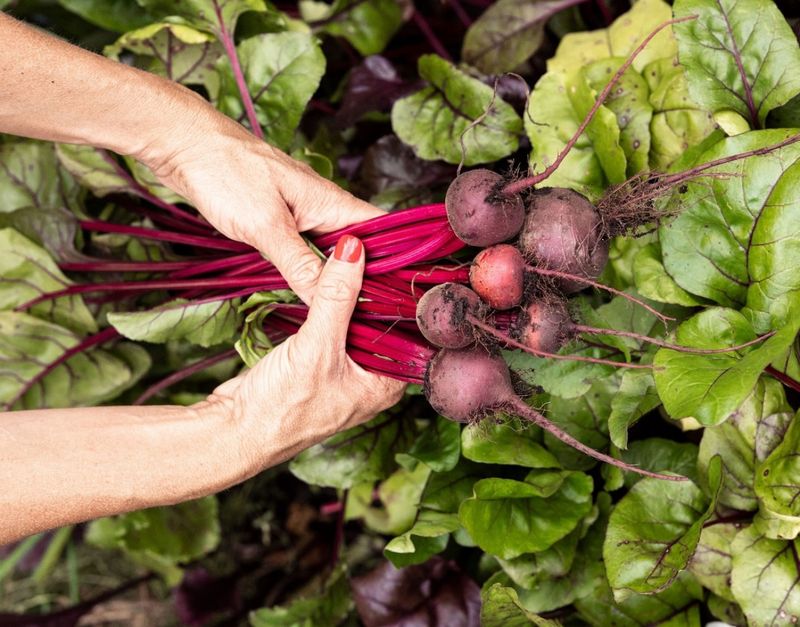
Beets, with their earthy sweetness, flourish in partial shade. Their vibrant roots and nutritious greens make them a dual-purpose crop. Beets are suitable for gardens with limited sunlight, as they develop well without direct sun exposure.
Growing beets in shaded areas can enhance their sugar content, adding to their delectable taste. The tender greens can be used in salads, offering an added bonus to this versatile vegetable.
Historical note: Beets were initially cultivated for their greens before their roots became a popular culinary ingredient.
9. Radishes
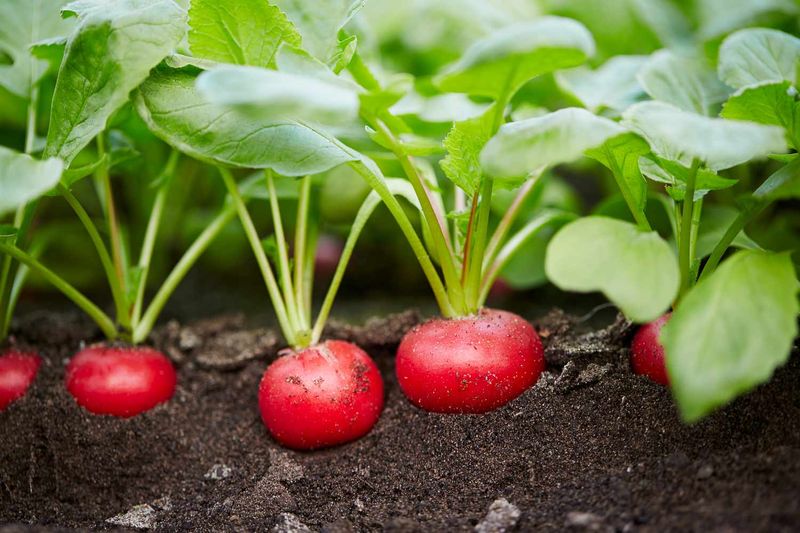
Radishes, known for their crisp texture and peppery flavor, thrive in shaded gardens. These root vegetables mature quickly, making them a favorite for fast harvests. Radishes’ ability to grow in low-light conditions allows for multiple plantings throughout the season.
The cooler temperatures of shaded areas enhance the radish’s sweetness, balancing its spicy kick. Their vibrant colors and varied shapes add visual interest to any garden.
Fun fact: Radishes were one of the first vegetables cultivated by humans, with records dating back to ancient Egypt.
10. Carrots
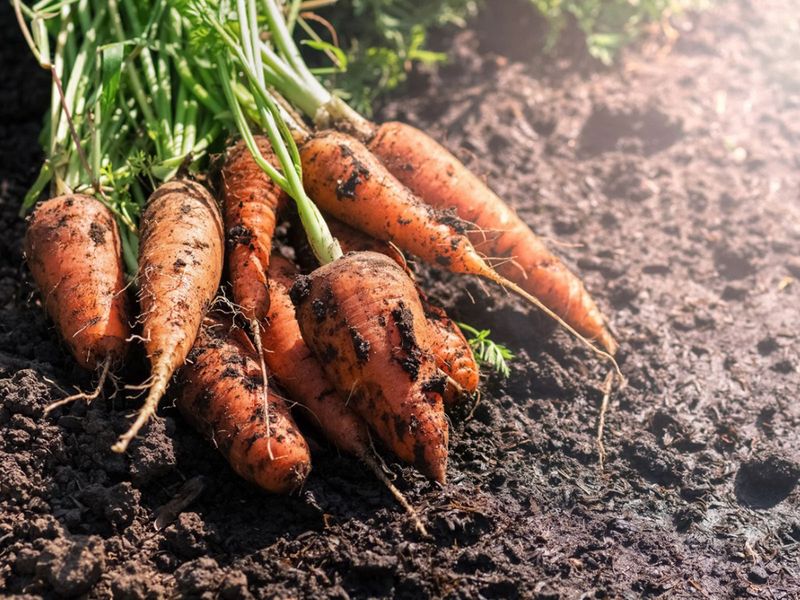
Carrots, with their sweet and crunchy roots, are well-suited to partial shade. These vegetables are a garden staple, offering versatility in cooking and snacking. Carrots enjoy the cooler temperatures provided by shaded areas, which can improve their flavor.
Growing carrots in low-light conditions allows for a gradual development of sweetness, creating a delicious harvest. Their feathery greens add aesthetic appeal to garden spaces.
Did you know? Carrots were originally purple, with orange carrots bred later for their appealing color.
11. Peas
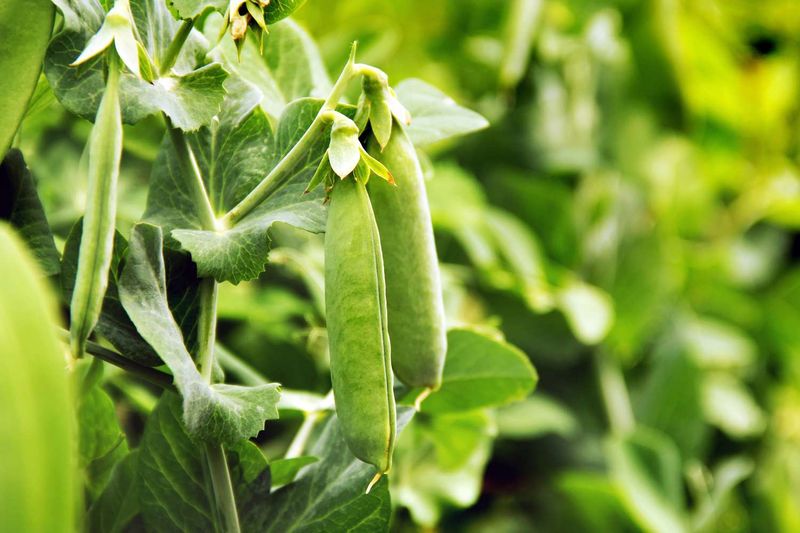
Peas, whether snow or snap, thrive in partial shade, making them an ideal choice for cool, low-light gardens. Their sweet pods are a delightful addition to salads and stir-fries. Peas’ climbing nature adds vertical interest to garden spaces.
Cooler shaded conditions help maintain the peas’ tender texture and enhance their natural sweetness. This adaptability ensures a bountiful harvest even without full sun.
Historical tidbit: Peas have been cultivated since the Neolithic era, valued for their nutritional benefits and easy growth.
12. Green Onions
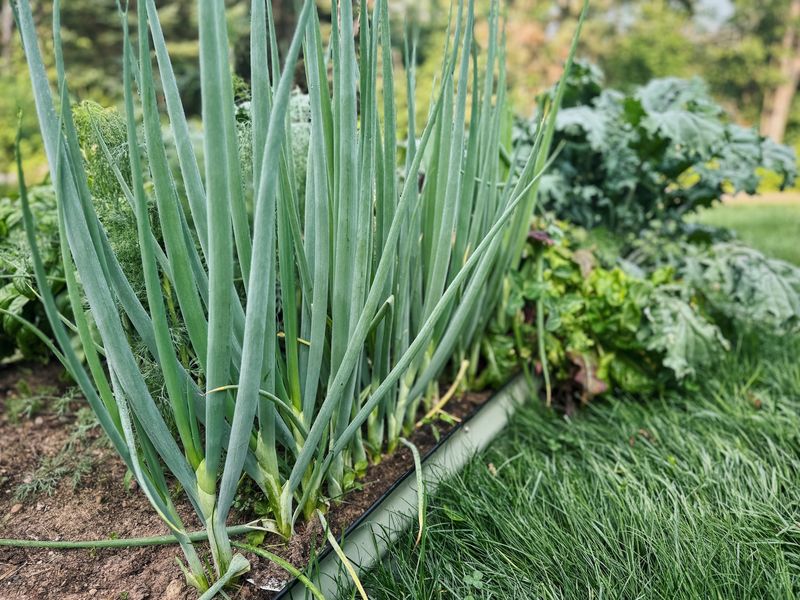
Green onions, or scallions, are a versatile crop that thrives in partial shade. Their mild flavor and crisp texture make them a popular choice for garnishes and recipes. Green onions’ adaptability to various lighting conditions ensures consistent growth.
Growing in shaded areas helps maintain the delicate taste of green onions, preventing them from becoming too pungent. Their slender, vibrant stalks add a touch of elegance to garden beds.
Fun fact: Green onions have been used in Asian cuisine for centuries, appreciated for their subtle flavor and culinary versatility.
13. Broccoli
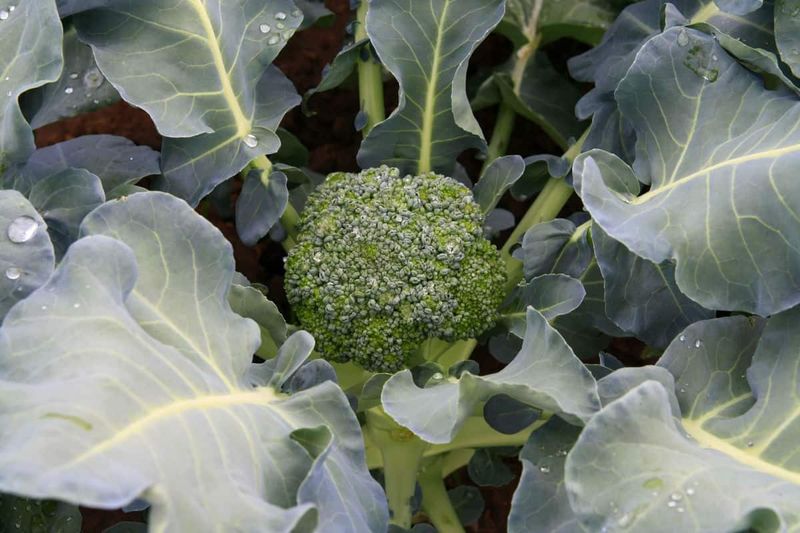
Broccoli, known for its nutrient-packed florets, can thrive in partial shade. This cool-weather crop is perfect for gardens with limited sun. Broccoli’s ability to grow in shaded conditions extends its growing season, providing a steady supply of fresh produce.
Growing broccoli in low-light areas helps maintain its tenderness and robust flavor. Its dense heads and rich color make it a standout in any vegetable patch.
Did you know? Broccoli is a member of the brassica family, related to cabbage and kale, and has been cultivated for over 2,000 years.
14. Cauliflower
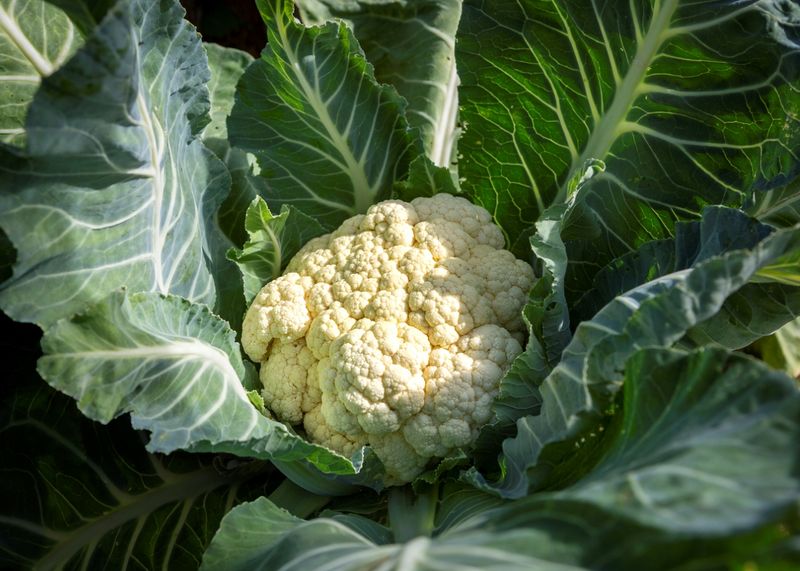
Cauliflower, with its unique texture and mild taste, is well-suited to shaded gardens. This versatile vegetable adapts to various culinary uses, from roasting to rice substitutes. Its growth in low-light conditions complements its cool-weather preferences.
Shaded areas help prevent cauliflower from developing a bitter taste, ensuring a sweet and mild flavor. The compact heads and leafy surrounds create a beautiful garden display.
Fun fact: Cauliflower originates from the Mediterranean region and was once considered a delicacy among European royals.
15. Brussels Sprouts
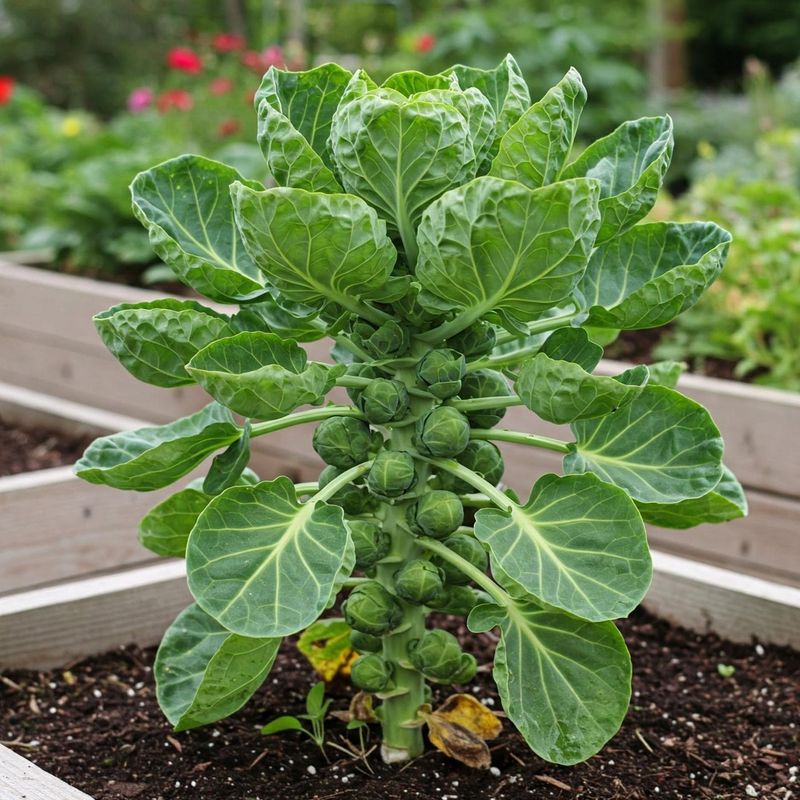
Brussels sprouts, with their miniature cabbage-like appearance, flourish in partial shade. These hardy vegetables develop a rich, nutty flavor when grown in cooler conditions, making them a perfect candidate for shaded gardens.
The vertical growth habit of Brussels sprouts adds height and structure to garden layouts. Their ability to thrive in low-light areas extends the growing season into cooler months.
Did you know? Brussels sprouts are named after the capital city of Belgium, where they have been popular since the 16th century.
16. Turnips
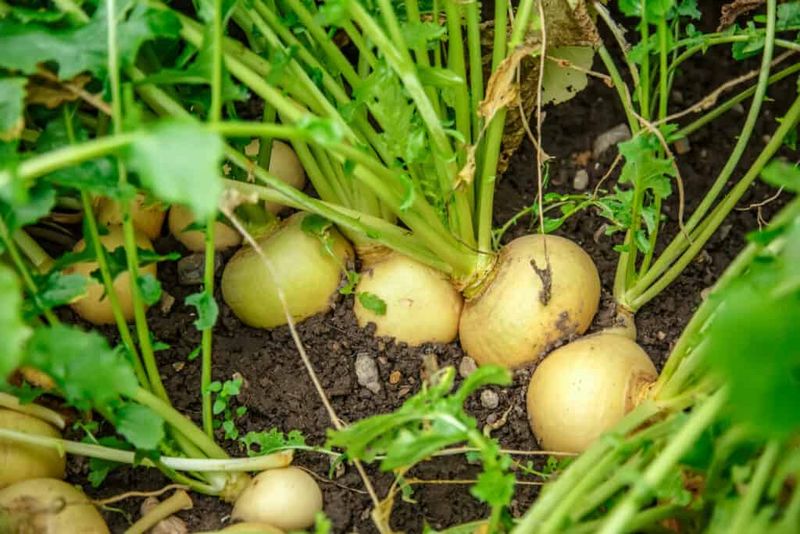
Turnips, with their sweet roots and tender greens, are ideal for shaded gardening. Their dual-purpose nature allows for both roots and leaves to be harvested and enjoyed. Turnips are well-suited to cooler, low-light environments, developing sweetness over time.
The ability to grow turnips in shaded areas ensures a continuous supply of fresh produce. Their vibrant roots and lush foliage add visual interest to any garden.
Historical note: Turnips have been a staple vegetable in European cuisine for centuries, revered for their versatility and nutritional value.
17. Fennel
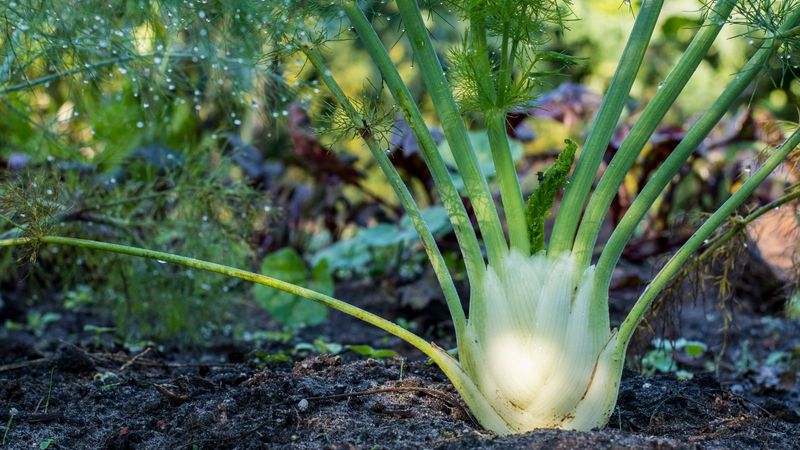
Fennel, with its aromatic bulbs and feathery leaves, thrives in partial shade. This unique vegetable is prized for its anise-like flavor, adding depth to salads and roasted dishes. Fennel’s growth in low-light conditions highlights its adaptability.
Shaded environments help maintain fennel’s tender texture, preventing it from becoming fibrous. Its striking appearance and distinctive flavor make it a standout choice for adventurous gardeners.
Did you know? Fennel has been used in traditional medicine and cooking since ancient Greece, celebrated for its digestive benefits and culinary versatility.