
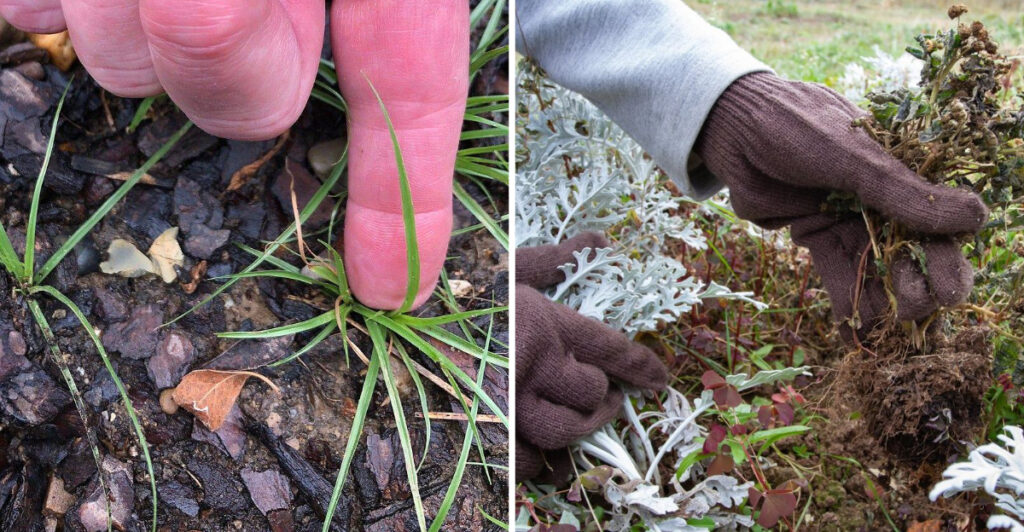
Peppervine, with its vigorous growth and tenacious roots, can quickly overtake even the most well-tended gardens. Known for its resilience and adaptability, this invasive vine can smother your lawn if not promptly addressed. However, with the right strategies, you can reclaim your green space. Here’s how.
1. Manual Removal
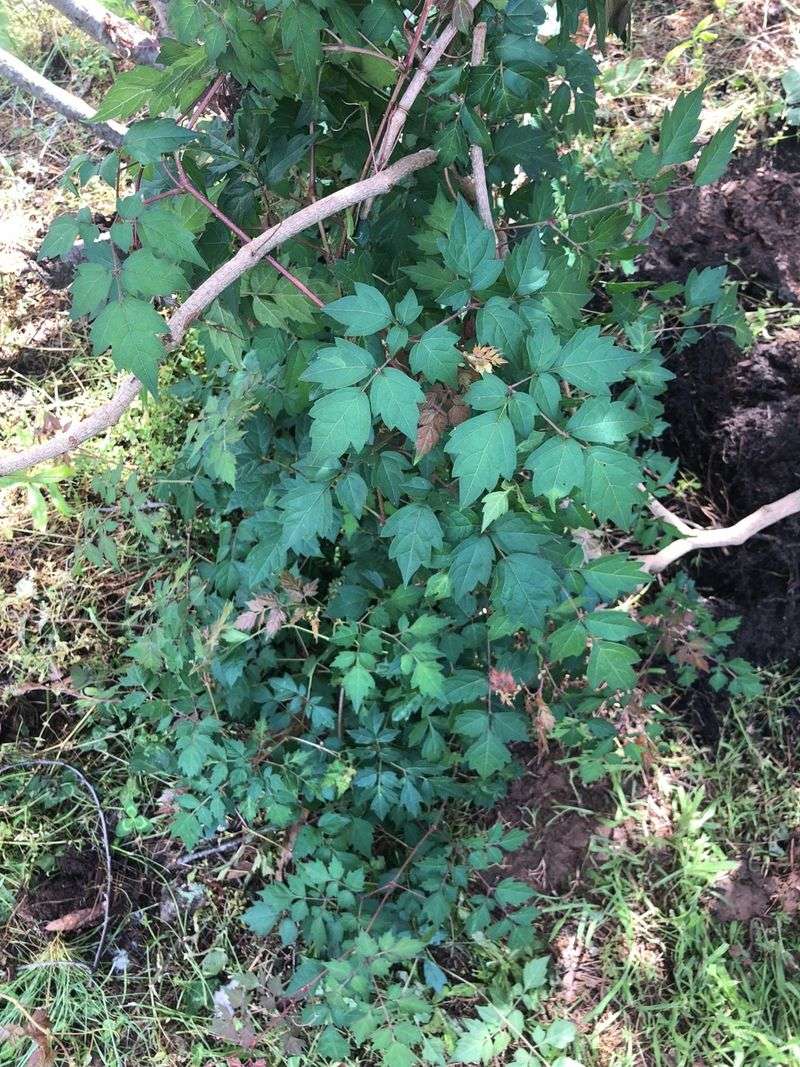
Faced with a sprawling peppervine? Consider manual removal. It’s labor-intensive but effective. Wearing gloves, gently isolate the vine’s roots. Pulling steadily ensures the roots detach completely.
Do this after rain when the soil is soft. It minimizes root breakage. Leaving fragments risks regrowth.
This method suits small infestations, offering precise control. For persistent areas, repeat the process as needed. Catching it early prevents rampant spread, saving your lawn’s aesthetics.
2. Chemical Solutions
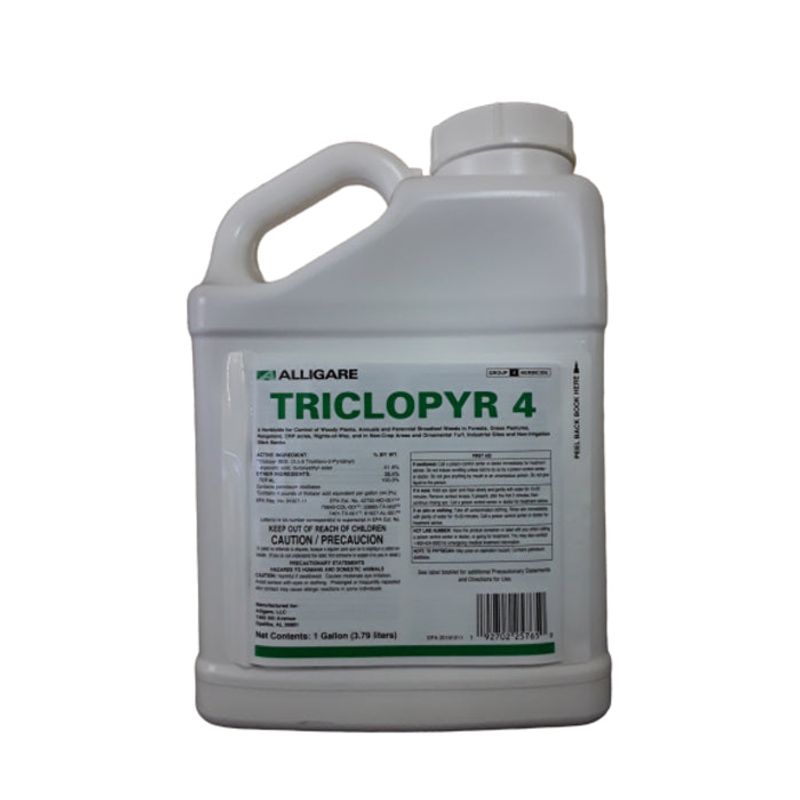
Chemical solutions offer a powerful defense against peppervine. Select a systemic herbicide effective on woody plants. Apply during active growth in spring or fall.
Protect surrounding plants by using targeted spraying. Always follow the manufacturer’s instructions for safety. Proper application ensures the vine absorbs the chemicals down to the roots.
It’s an efficient choice for large areas, reducing labor and time. However, consider environmental impact and proximity to waterways. Balance effectiveness with caution.
3. Smothering with Mulch
Smothering peppervine with mulch deprives it of sunlight. Spread a thick layer, at least three inches, over the infested area. Use organic materials like wood chips or bark.
This approach is eco-friendly and suits extensive infestations. The lack of light weakens the vine, curbing its growth over time.
Ensure complete coverage to avoid sunlight penetration. Combine with regular monitoring for any reemergence. Mulching not only controls peppervine but enriches soil health.
4. Boiling Water Technique
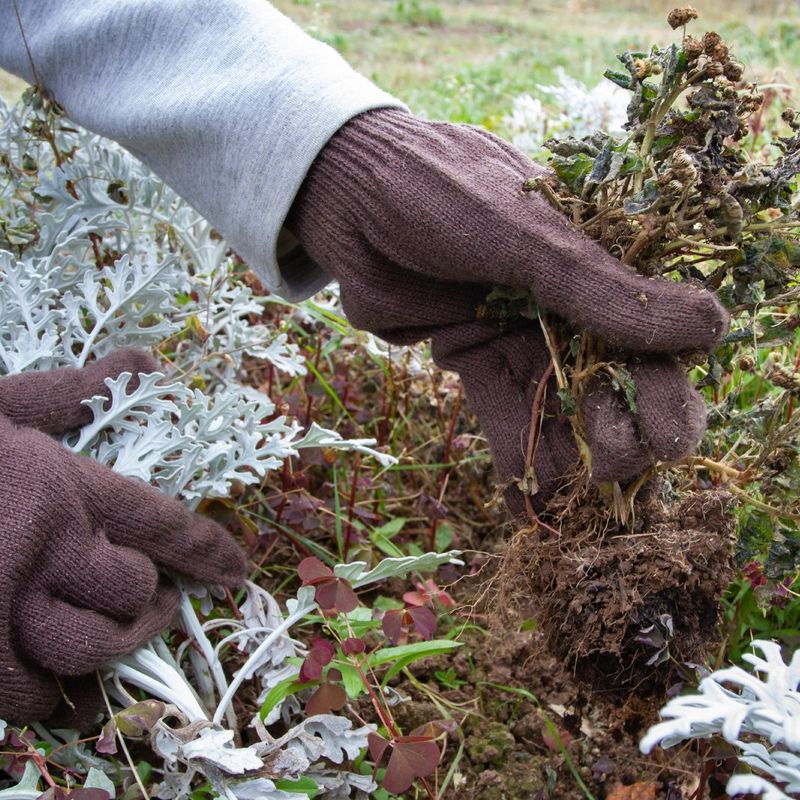
Utilize boiling water for a chemical-free approach. Pouring it directly onto peppervine roots can destroy its cells. This method suits small, isolated patches.
It’s safe for surrounding plants but requires caution to avoid scalding. Use it in combination with manual removal for best results.
Repeated applications might be necessary for stubborn vines. This simple, accessible method offers an organic alternative to harsher chemicals.
5. Professional Lawn Services
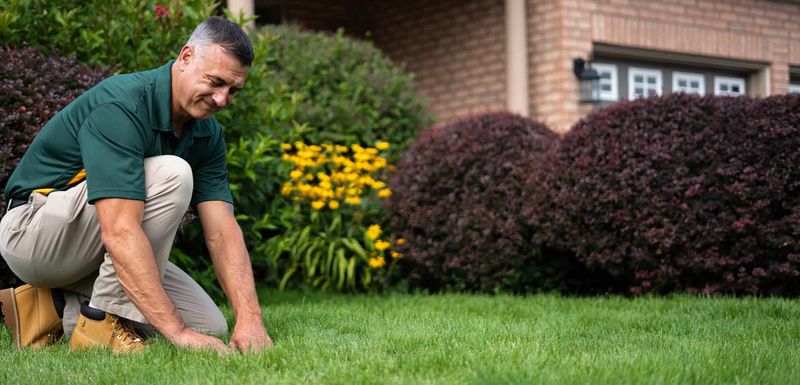
When peppervine proves too challenging, turn to professional lawn services. Experts bring experience and tailored solutions to your garden problems.
They use specialized tools and treatments, ensuring efficient removal. This option is ideal for severe infestations where DIY methods fall short.
Hiring professionals saves time and guarantees results. Their knowledge and expertise offer peace of mind, restoring your lawn’s beauty and health.
6. Vinegar Spray Solution
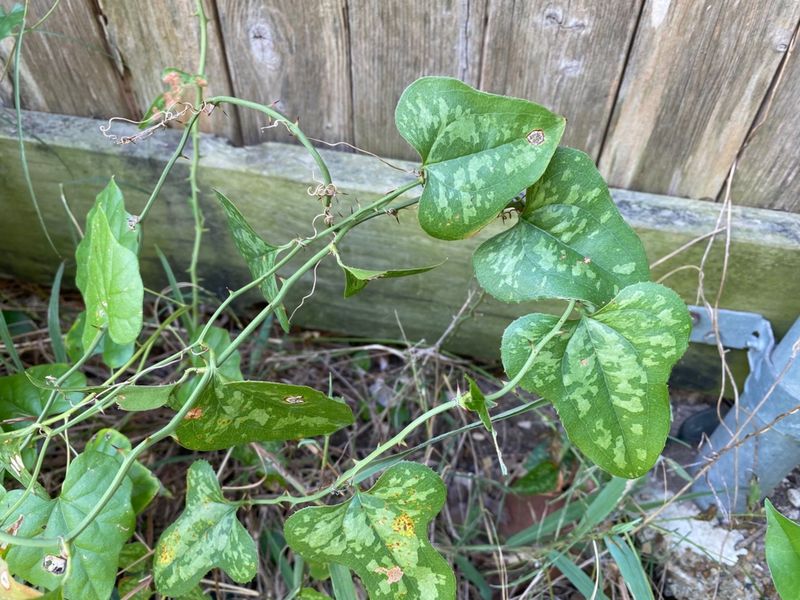
Harness the power of household vinegar to combat peppervine! Vinegar’s acetic acid content makes it a natural weed eliminator. Spray it generously over the peppervine leaves on a sunny day. The acid will dry out the leaves, halting photosynthesis. However, be cautious as it can harm nearby plants as well.
Repeat the process weekly for effective results. This method is ideal for those who prefer organic lawn care. Consider this a gentle yet effective approach for environmentally conscious gardeners. Vinegar is a solution easily available in most homes, making it both cost-effective and accessible.
7. Salt Barrier Method
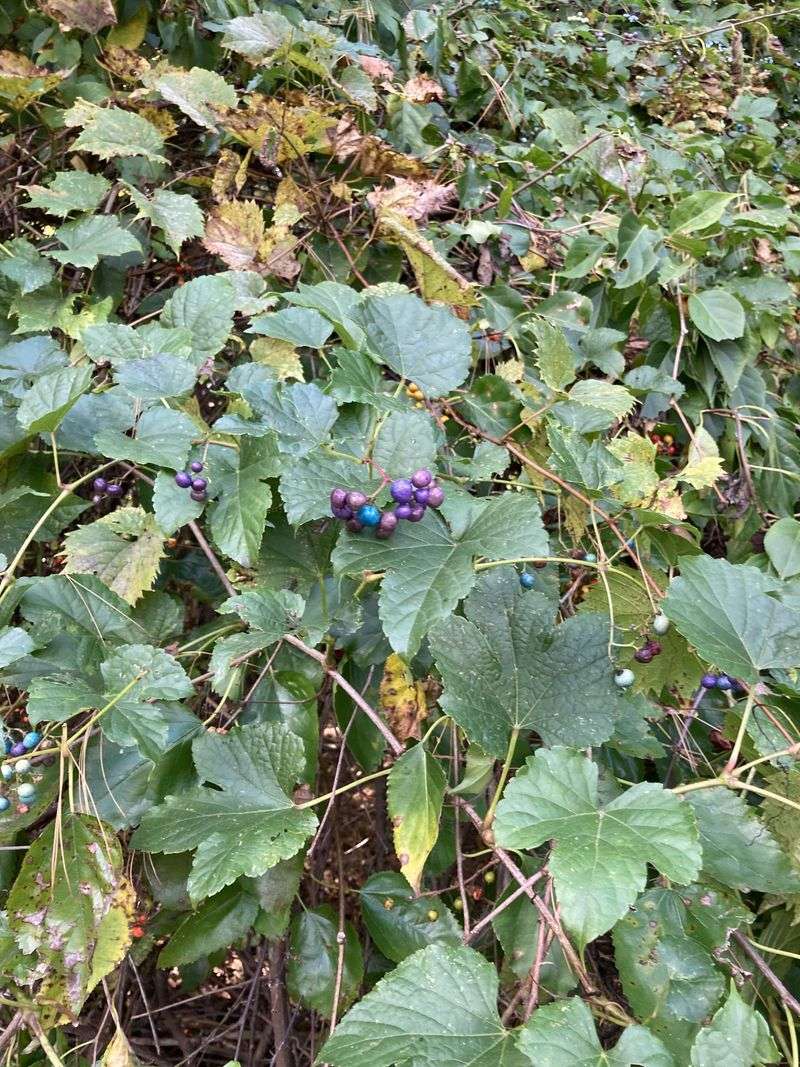
Salt, when used wisely, can act as a barrier against peppervine. By applying a thin line of salt along the edges of your lawn, you can prevent peppervine from encroaching. Salt dehydrates the vine roots, inhibiting their growth.
Beware, though, as excessive salt can also damage other plants and soil quality. This method suits those needing a boundary solution. It’s a simple, preventive measure, perfect for those who enjoy DIY lawn care tactics.
Historically, salt has been used as a natural weed deterrent, tracing back to ancient agricultural practices.
8. Goat Grazing
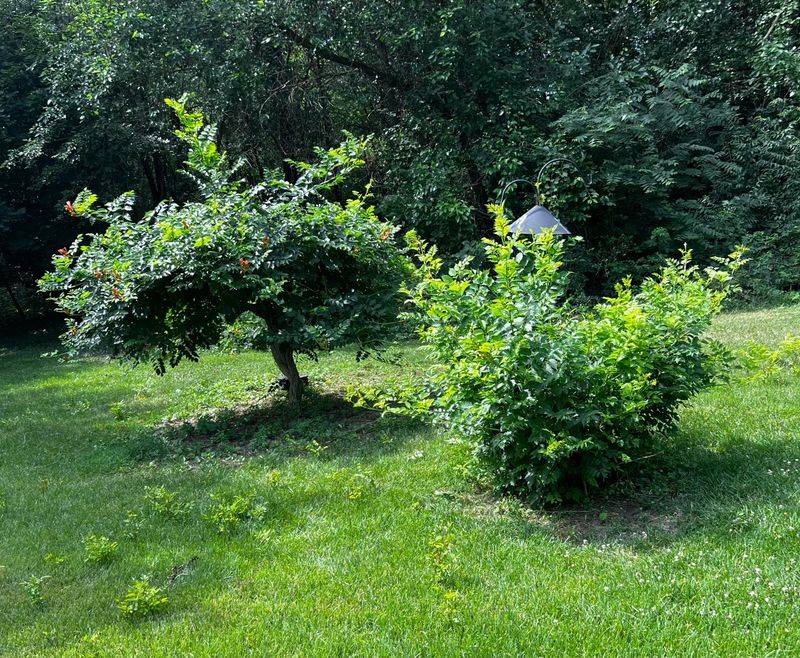
Ever considered goats as lawn helpers? Goats naturally graze on various plants, including peppervine, making them excellent biological control agents.
This method is both eco-friendly and sustainable, allowing goats to roam and feast, reducing vine density. Farmers or those with larger properties might find this technique particularly beneficial.
It’s a quirky yet effective approach, combining animal husbandry with lawn care. Goats can become charming additions to your landscape management team, providing an all-natural solution to an aggressive problem.
9. Sunlight Deprivation
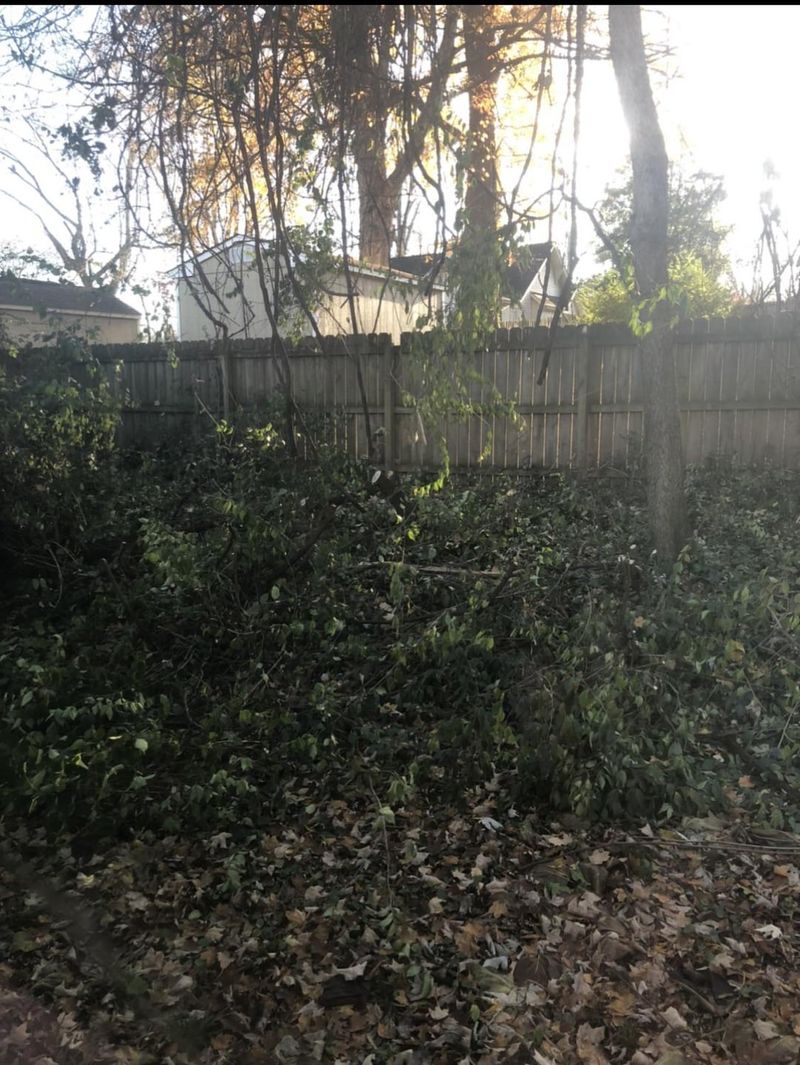
By using tarps or heavy plastic sheets to cover areas of peppervine, you can deprive them of sunlight. This process, known as solarization, weakens the plant by obstructing photosynthesis.
It’s a strategic approach that demands patience, as it might take weeks to see results. This method works best for small, targeted areas where precision is crucial.
Aside from its effectiveness, it’s an environmentally safe tactic, ideal for eco-conscious gardeners looking to maintain their lawn’s integrity without chemical intervention.
10. Drought Stress Technique
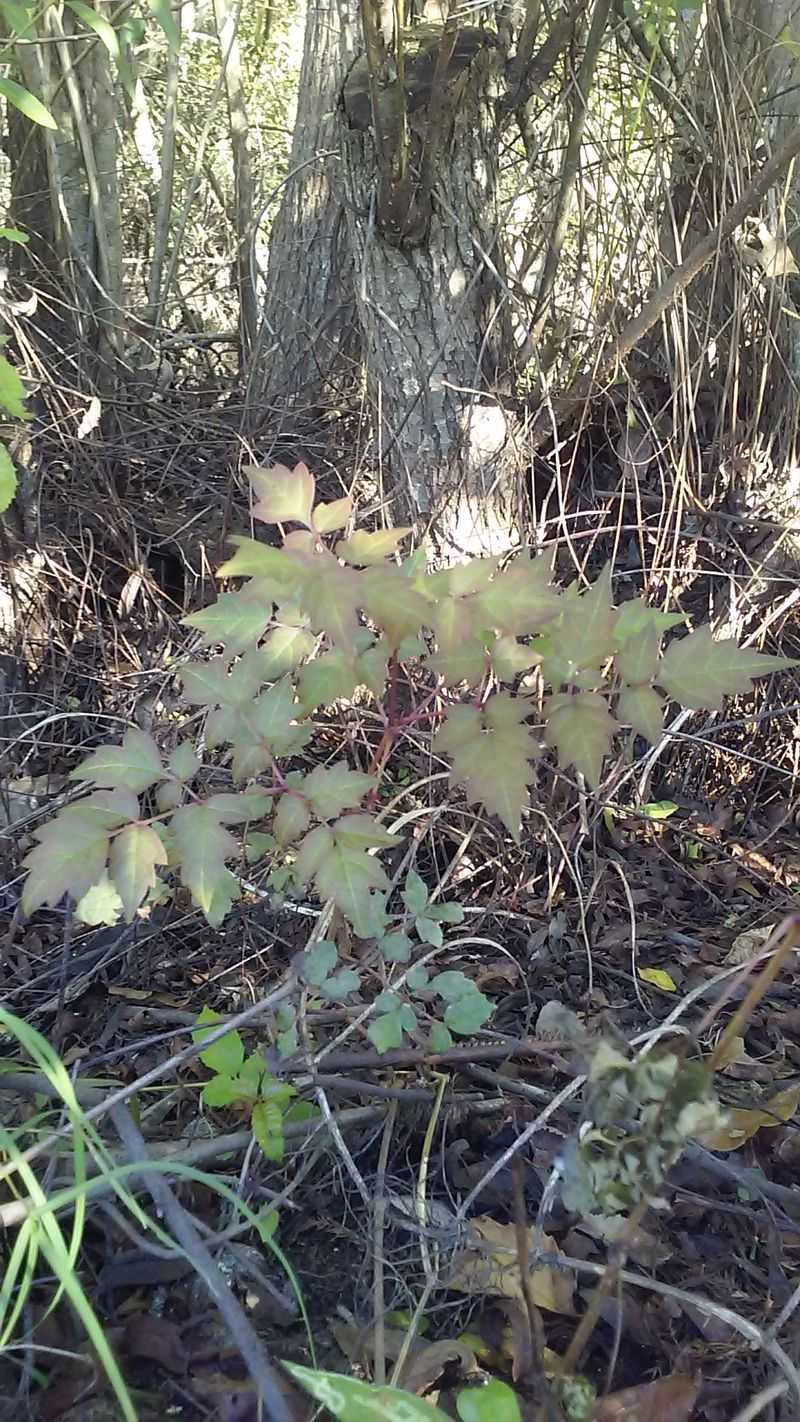
Inducing drought stress can be a clever way to weaken peppervine. By withholding water, you effectively starve the plant of its necessary hydration, causing it to wither.
This method requires careful monitoring to ensure other plants aren’t adversely affected. Suitable for areas with minimal rainfall, it’s a natural approach that leverages environmental conditions.
Gardeners in drier regions may find this technique particularly viable, turning nature’s harshness into an ally against unwanted invaders.
11. Companion Planting
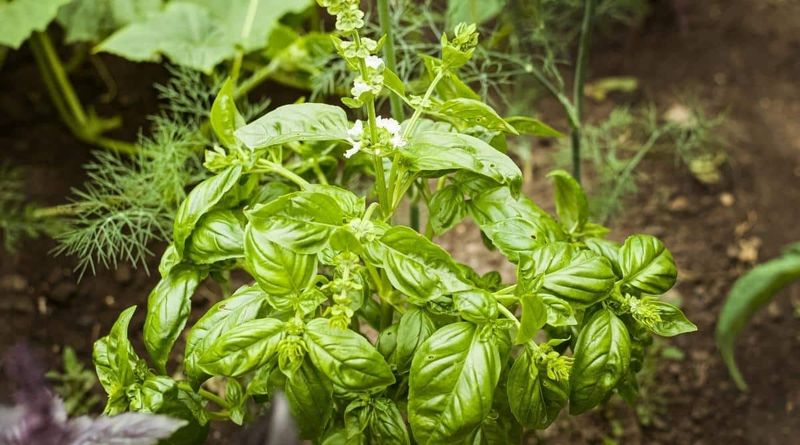
Utilize the power of companion planting to combat peppervine. Certain plants, such as marigolds, naturally repel invasive species with their scent and growth patterns.
By planting them around your lawn, they act as a living barrier against peppervine. This method is both beautifying and practical, offering a dual benefit of aesthetics and protection.
Ideal for those who appreciate garden diversity, companion planting fosters a balanced ecosystem that discourages unwanted growth.
12. Baking Soda Treatment
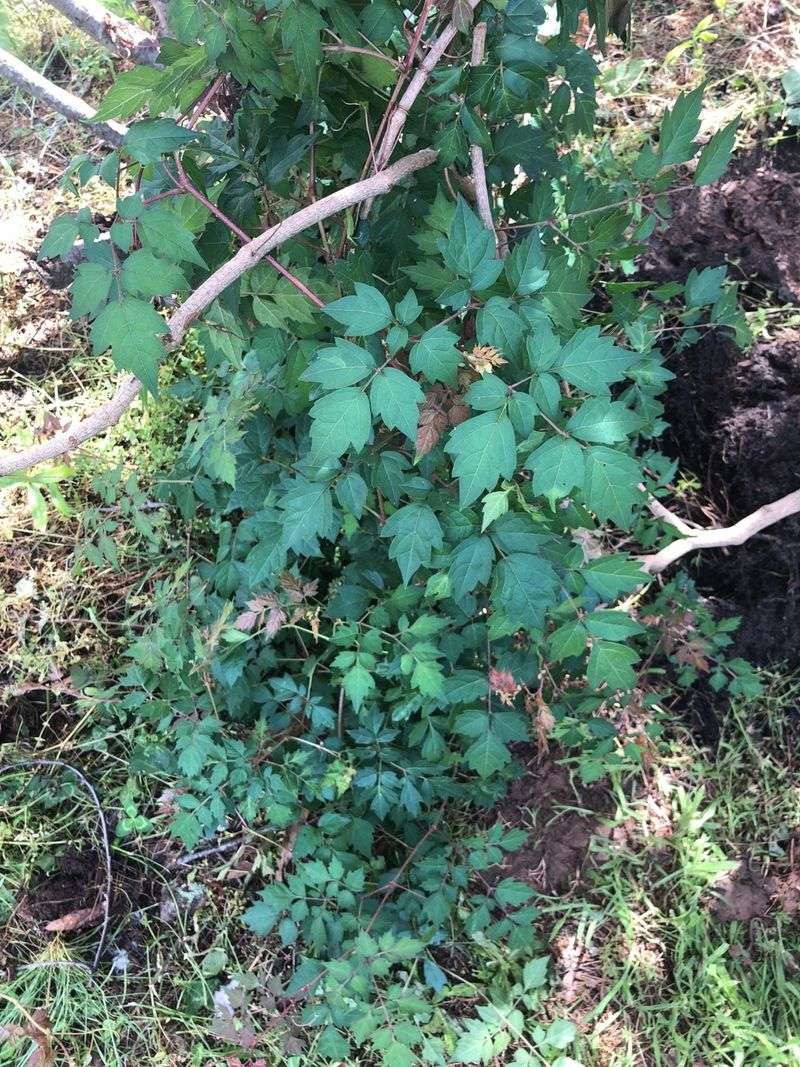
Baking soda isn’t just for baking; it’s a handy tool against peppervine. When sprinkled generously, it alters the soil’s pH, creating an inhospitable environment for the vine.
This method is non-toxic, making it safe for family and pets. Apply after rain or watering for best results.
Gardeners who favor safe, household solutions will appreciate this simple yet effective tactic. Baking soda serves as an affordable, accessible way to keep your lawn peppervine-free.
13. Coffee Grounds Barrier
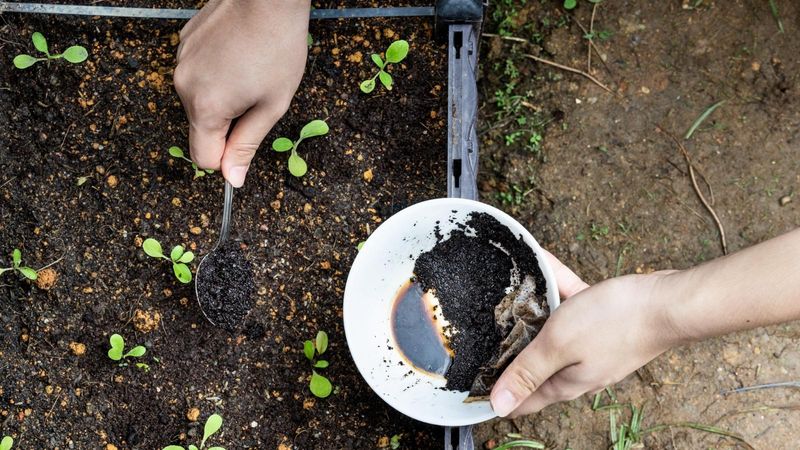
Recycle used coffee grounds as a natural deterrent for peppervine. Spread them around your garden to create a physical and chemical barrier.
The grounds’ acidity and texture discourage vine growth, while also enriching the soil for other plants. It’s a method that combines recycling with gardening, making it appealing to sustainability enthusiasts.
Coffee lovers will find joy in knowing their morning brew contributes to a healthier lawn, turning waste into a weapon against invasive plants.
14. Essential Oil Spray
Essential oils, such as clove or eucalyptus, can effectively repel peppervine. When mixed with water and sprayed on the vines, they create a hostile environment for growth.
This method is aromatic and non-toxic, perfect for households with children and pets. It combines the art of aromatherapy with gardening, offering a peaceful yet powerful solution.
Ideal for those who appreciate natural scents, essential oil sprays are both a fragrant and functional choice for lawn care.
15. Worm Composting
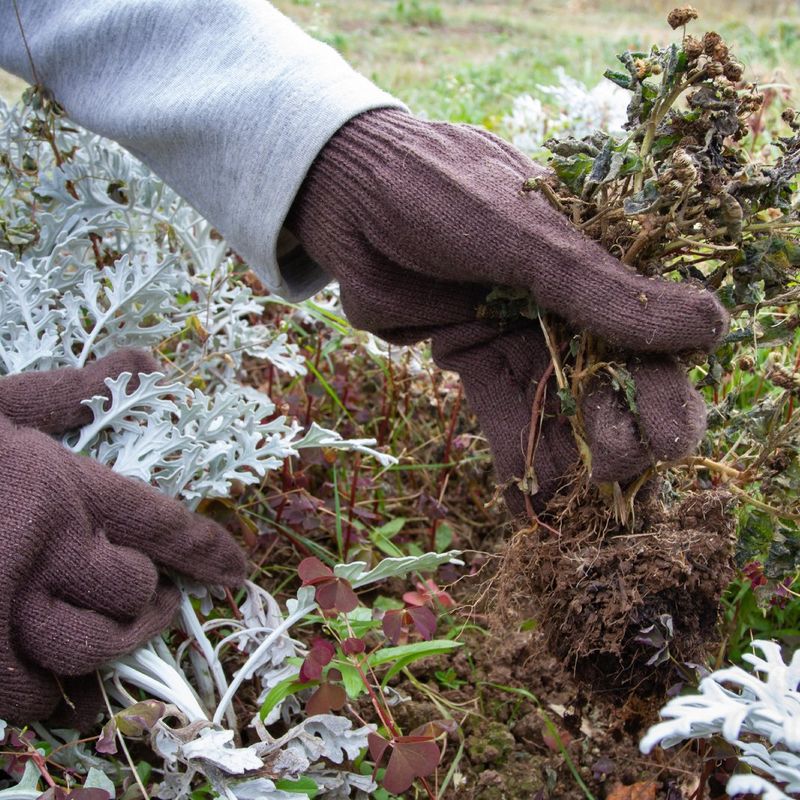
Introduce worm composting to enhance soil health and deter peppervine. The presence of worms aerates the soil and breaks down organic matter, improving soil quality.
Peppervine, which thrives in poor soil, struggles to survive in nutrient-rich environments. This method enriches your garden while naturally controlling unwanted growth.
Gardeners committed to sustainability will find worm composting both rewarding and effective, turning organic waste into a peppervine deterrent.