
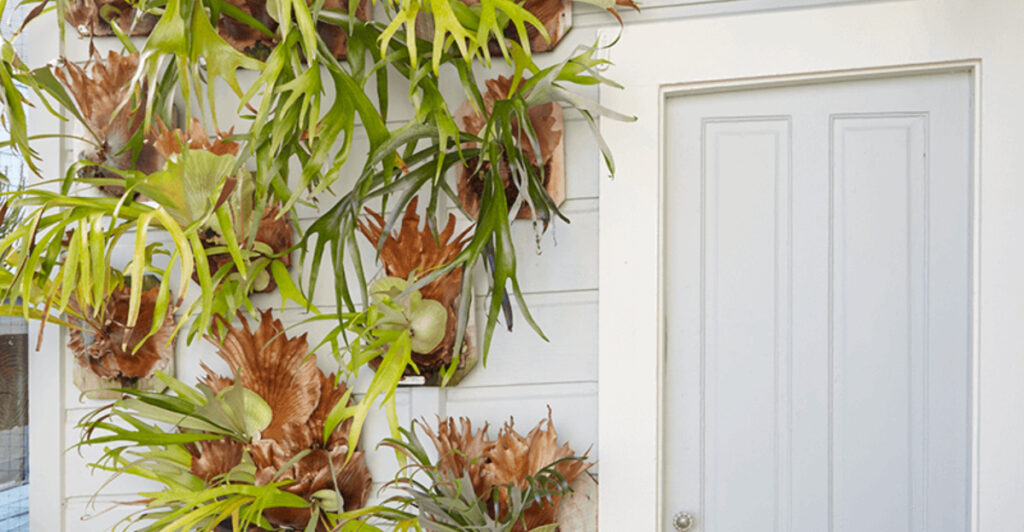
Ferns are the quintessential plants for humid and shady gardens, bringing lush greenery and delicate textures to spaces where other plants might struggle. With minimal care requirements, these ferns thrive in the cool shade and add layers of interest to any landscape. Whether you’re an experienced gardener or just starting out, these 18 easy-care ferns are perfect for enhancing the beauty of your garden without demanding too much attention.
1. Boston Fern
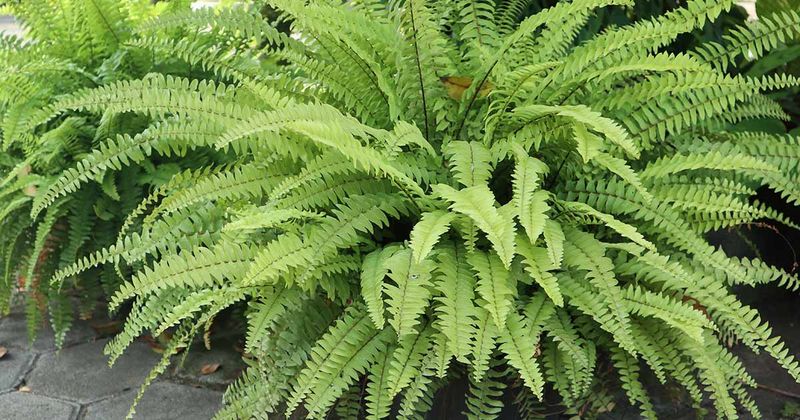
The Boston Fern, with its elegant arching fronds, is a staple in humid, shaded gardens. Known for its air-purifying properties, this fern not only adds aesthetic appeal but also contributes to a healthier environment.
Its feathery leaves create a soft, welcoming atmosphere, making it perfect for hanging baskets that sway gently in the breeze. Did you know? This fern gained popularity during the Victorian era, adorning many parlor rooms with its graceful presence.
With occasional misting and indirect light, the Boston Fern remains a top choice for low-maintenance gardeners.
2. Maidenhair Fern
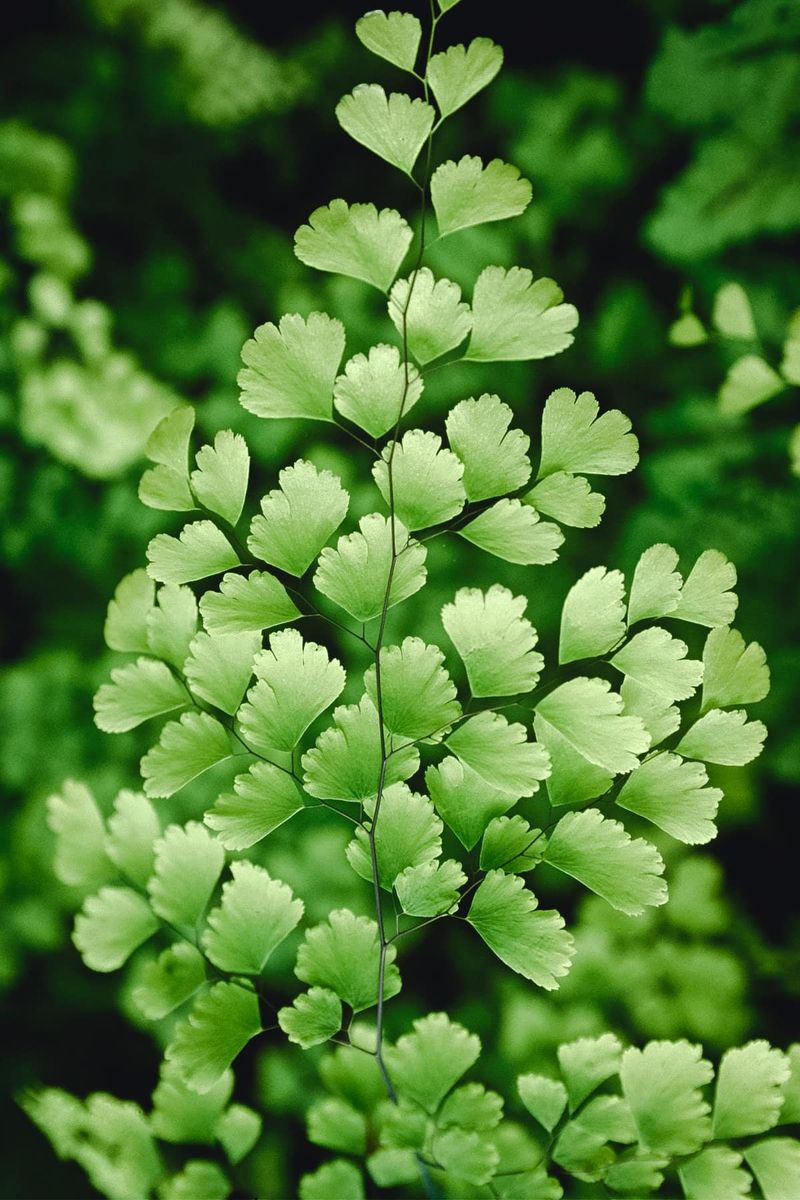
Delicate yet resilient, the Maidenhair Fern boasts a unique beauty with its thin, black stems and light green, fan-shaped leaves. Its charm lies in its fragility, which belies its ability to thrive in the right conditions.
Often found near waterfalls in the wild, it prefers a humid environment where its leaves can unfurl fully. Fun fact: This fern’s name derives from the supposed ability of its leaves to repel water, much like a maiden’s hair.
With regular watering and high humidity, the Maidenhair Fern makes a graceful addition to any shaded garden.
3. Staghorn Fern
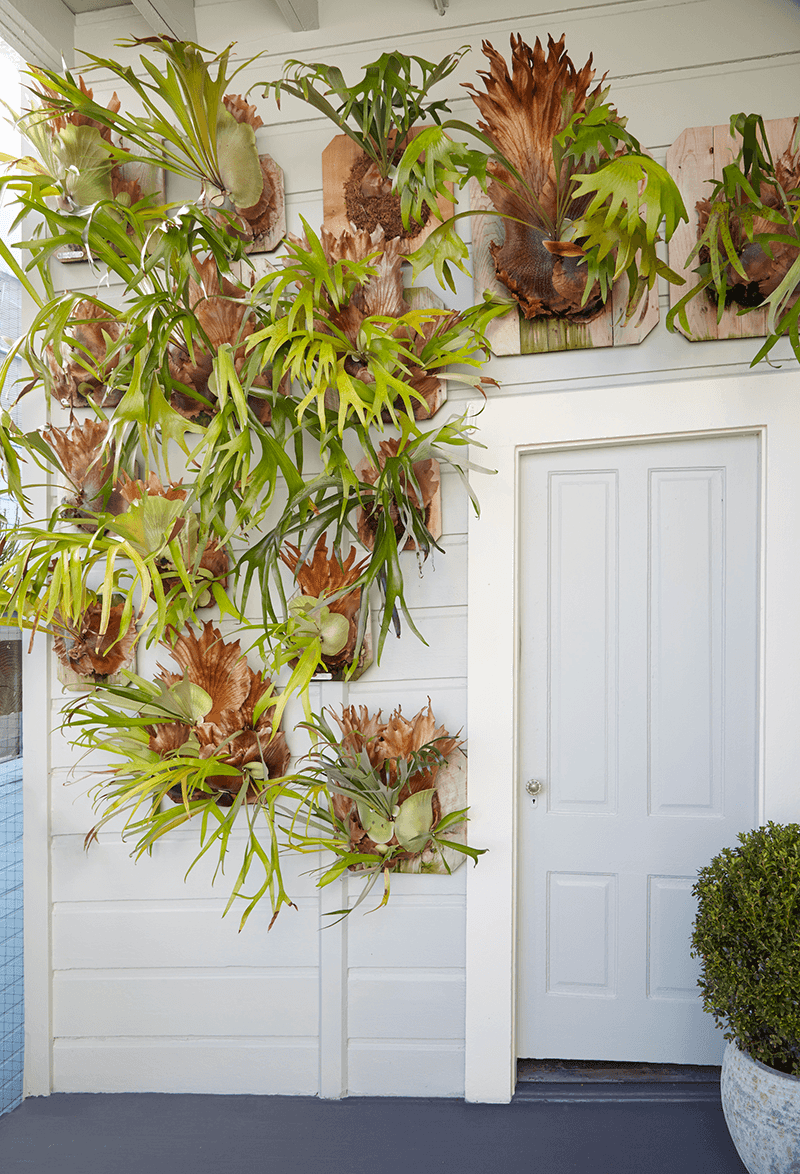
The Staghorn Fern stands out with its antler-like fronds, making it a fascinating focal point in any garden. This epiphytic fern grows on tree trunks in its natural habitat, so mounting it on a board can mimic its wild growing conditions.
Its unique appearance and growth habit make it a conversation starter. Did you know? Staghorn Ferns absorb moisture and nutrients through their fronds rather than roots.
With a bit of humidity and indirect sunlight, this fern thrives exceptionally well, adding an exotic touch to shaded gardens.
4. Asparagus Fern
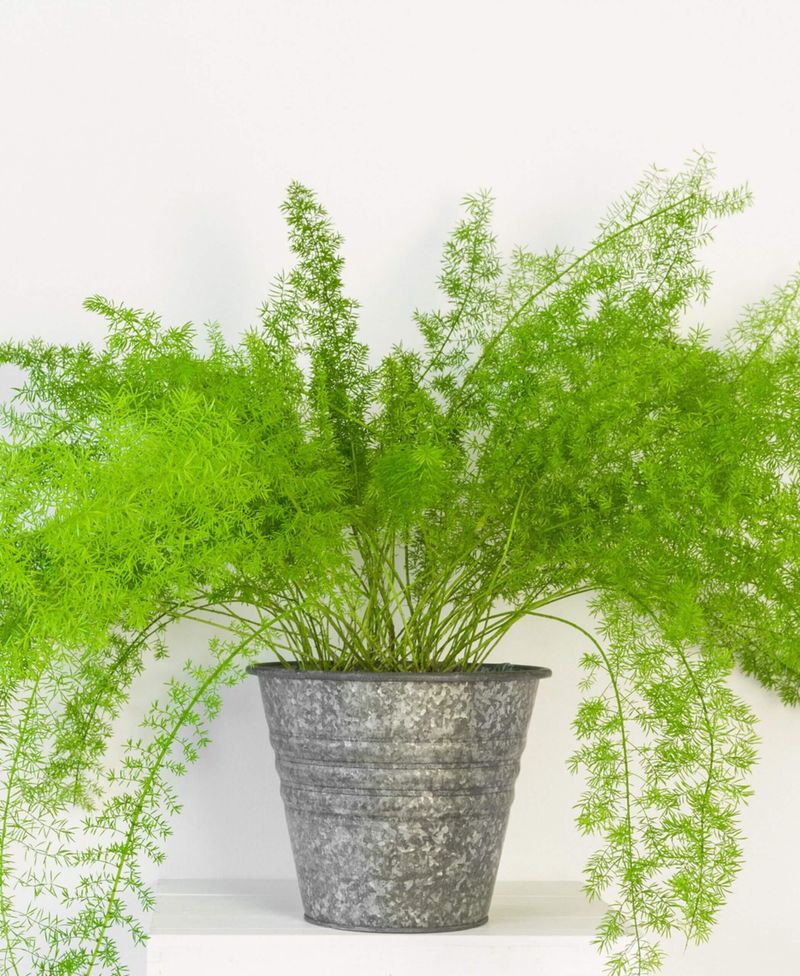
Despite its name, the Asparagus Fern isn’t a true fern, but its feathery, needle-like leaves offer a fern-like appearance. This plant is valued for its dense foliage that provides a lush, green backdrop.
Its resilience makes it ideal for novice gardeners, as it tolerates neglect better than most. Did you know? It’s a relative of the edible asparagus.
With occasional pruning to manage its growth, the Asparagus Fern thrives in shaded areas, making it a perfect pick for adding volume and texture to garden spaces.
5. Lady Fern
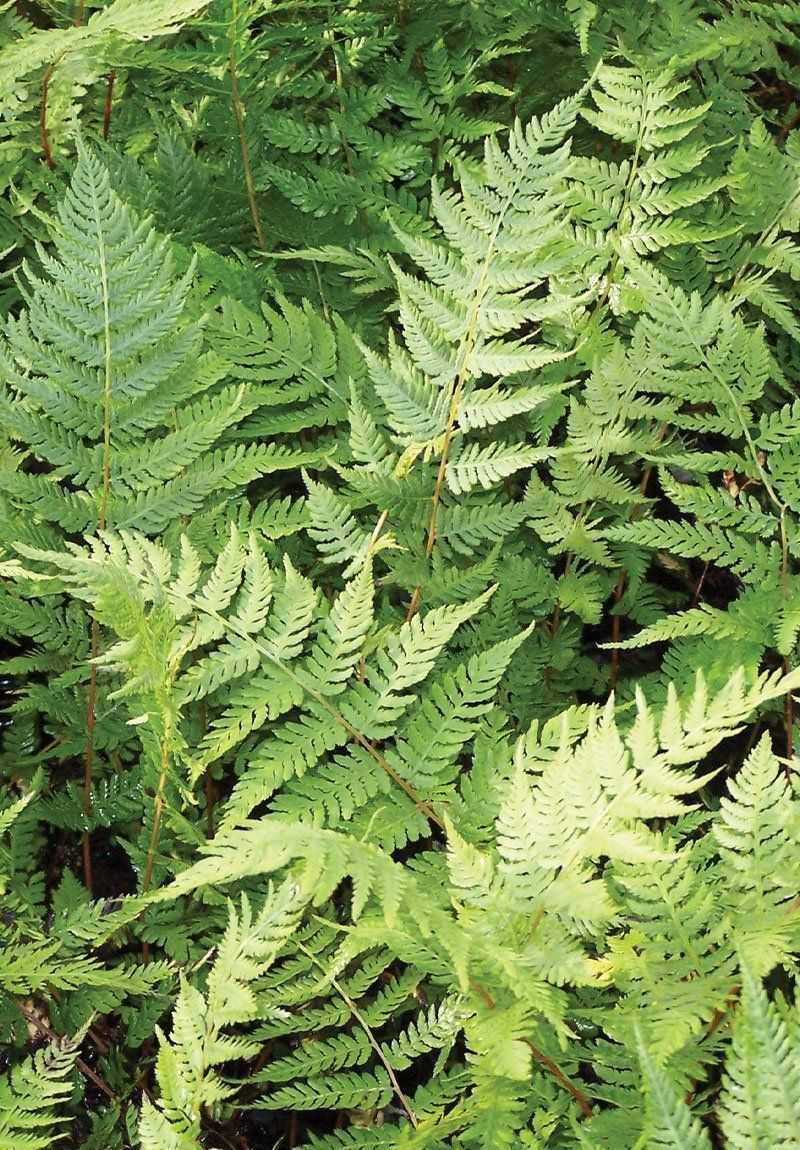
The Lady Fern adds a touch of elegance with its finely divided, lacy fronds. It’s a true woodland plant, thriving in moist, shaded areas where its delicate texture can be appreciated.
This fern is versatile, adapting well to various garden styles, from cottage to modern. Fun fact: Its name reflects the delicate nature of its leaves, reminiscent of a lady’s grace.
With minimal fuss and just the right light, the Lady Fern can flourish, making it a go-to for gardeners seeking both beauty and simplicity.
6. Cinnamon Fern
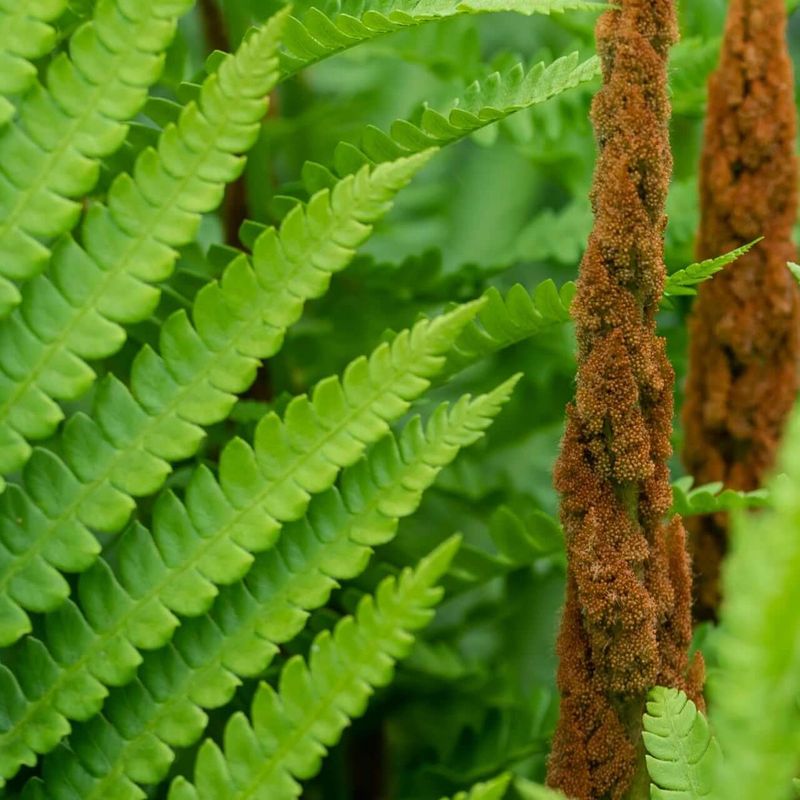
Known for its striking cinnamon-colored fronds that rise above the lush green foliage, the Cinnamon Fern is a bold choice for shaded gardens. It thrives in wetland areas, where its roots can remain consistently moist.
This fern’s two-tone appearance provides a visual delight, with the fertile fronds adding height and interest. Did you know? The fern’s name comes from these distinctive, cinnamon-hued fronds.
With its preference for moist environments, the Cinnamon Fern makes a stunning addition to gardens, offering both texture and color contrast.
7. Holly Fern
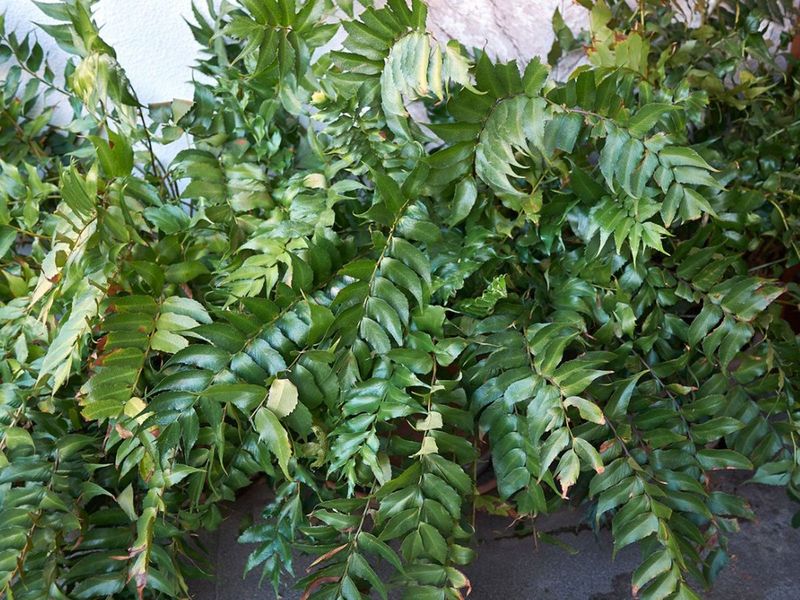
The Holly Fern, with its glossy, holly-like leaves, adds a robust presence to shaded gardens. Its leathery texture and rich green color make it a standout choice for those looking to add evergreen interest.
Often found in rocky, shaded areas, this fern is both hardy and appealing. Did you know? Its leaves are reminiscent of holly plants, hence the name.
With minimal care and moderate watering, the Holly Fern thrives, providing year-round greenery and structure to garden landscapes.
8. Ostrich Fern
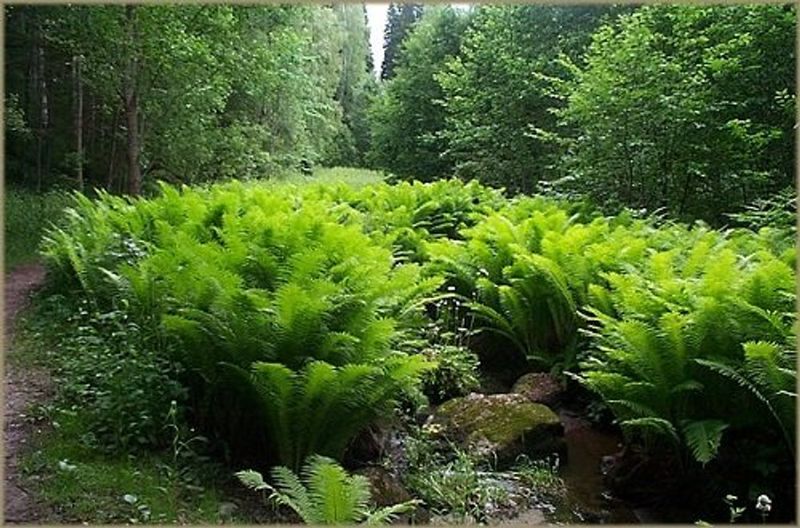
The Ostrich Fern, named for its large, plume-like fronds that resemble ostrich feathers, creates a dramatic effect in shaded gardens. Its height and lushness impart a sense of the wild forest.
This fern thrives in moist, rich soil, making it ideal for forest-like settings. Fun fact: It’s one of the few ferns with edible fiddleheads.
With its ability to form dense colonies, the Ostrich Fern is perfect for naturalizing shady areas, offering both visual drama and ecological value.
9. Japanese Painted Fern
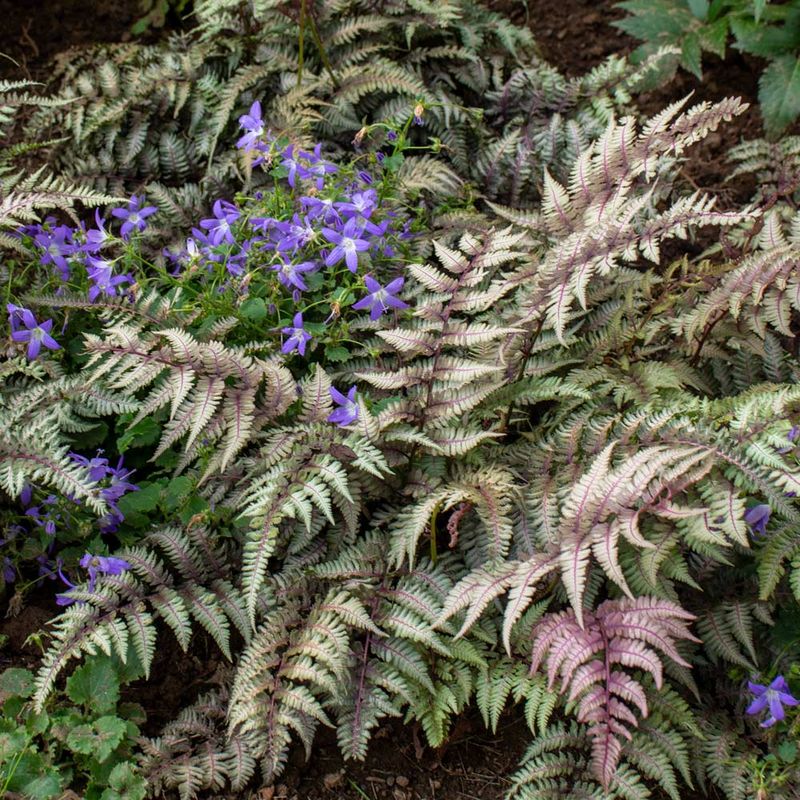
The Japanese Painted Fern captivates with its silver and burgundy fronds, bringing an artistic touch to shaded gardens. Each frond appears hand-painted, offering a unique blend of colors.
Preferring moist, well-drained soil, this fern is a favorite in Japanese-inspired landscapes. Did you know? Its color intensifies in cooler temperatures.
With its striking palette, the Japanese Painted Fern adds elegance and a touch of the extraordinary, making any garden feel like a serene retreat.
10. Christmas Fern
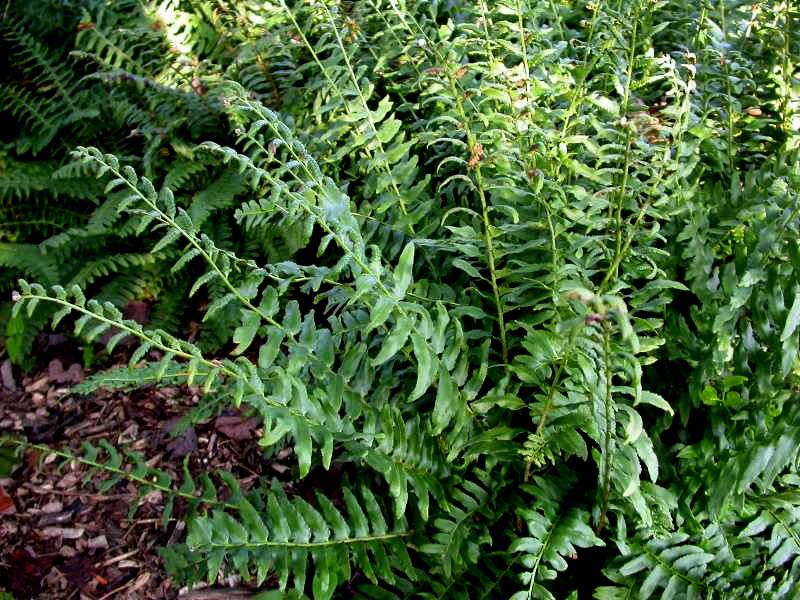
The Christmas Fern offers year-round beauty with its evergreen fronds, adding a festive touch even in winter. Its leathery, dark green leaves are a symbol of resilience and tradition.
This fern thrives in shaded woodland areas, where its cascading fronds can be fully appreciated. Fun fact: It’s named for its availability as a decoration during the holiday season.
With its ability to withstand cold temperatures, the Christmas Fern is perfect for gardeners looking to maintain greenery throughout the year.
11. Autumn Fern
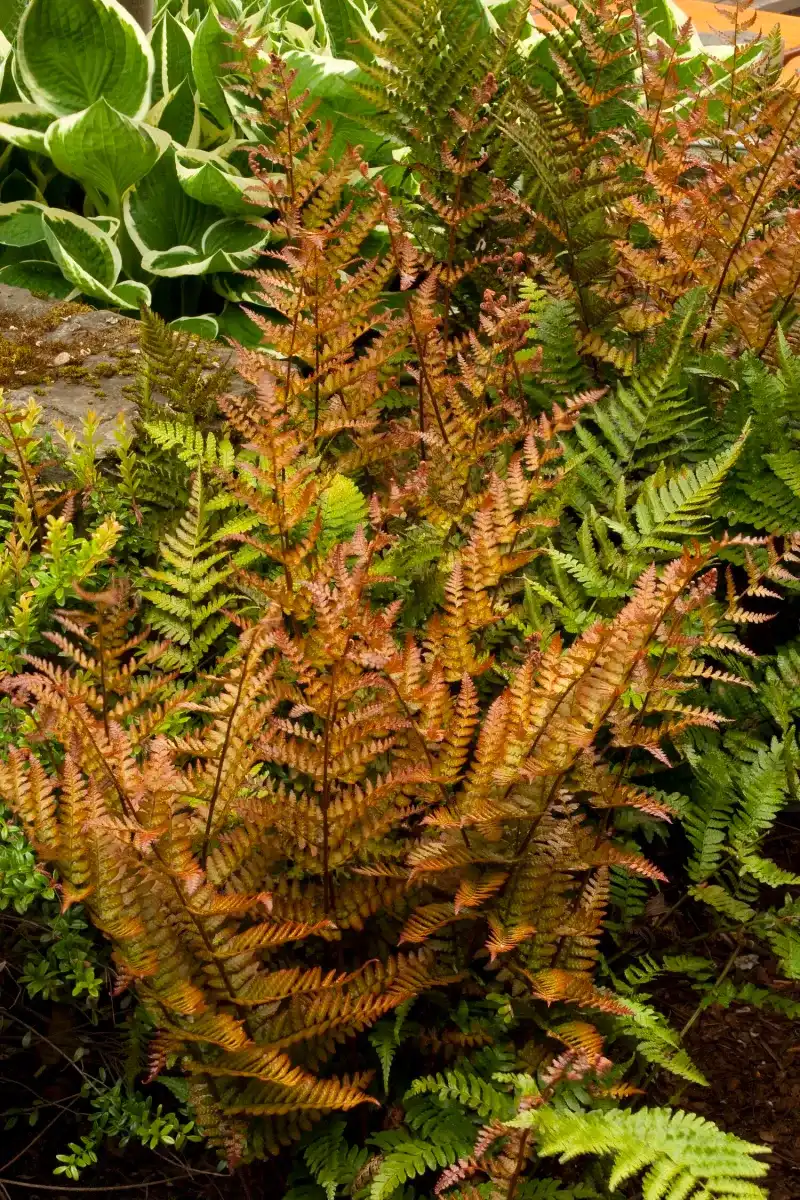
The Autumn Fern enchants with its coppery new fronds that contrast beautifully against mature green leaves. This color change adds seasonal interest to shady gardens.
Preferring moist, well-drained soil, it adapts well to a variety of garden styles. Did you know? Its name reflects the autumnal hues of its young fronds.
The Autumn Fern’s vibrant colors and easy-care nature make it a versatile choice for gardeners seeking year-round interest and low maintenance.
12. Bird’s Nest Fern
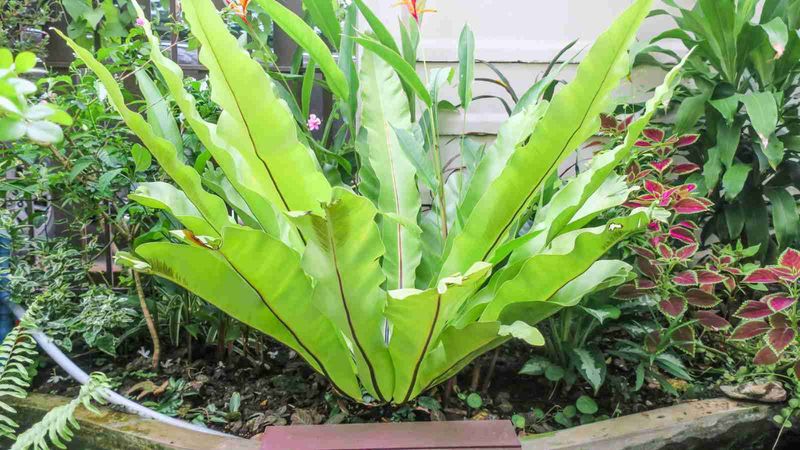
The Bird’s Nest Fern captivates with its rosette of wide, apple-green fronds that resemble a bird’s nest. Its simple yet striking appearance adds a tropical feel to shaded gardens.
This fern thrives in high humidity and indirect light, making it ideal for rainforest-like settings. Fun fact: In the wild, it often grows epiphytically, perched on trees.
With its easy-care requirements and architectural form, the Bird’s Nest Fern is perfect for adding texture and interest to garden spaces.
13. Kangaroo Paw Fern
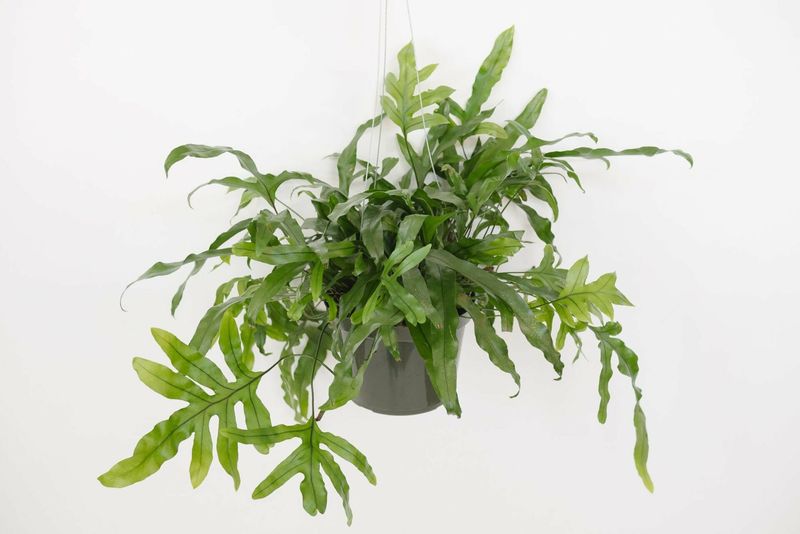
The Kangaroo Paw Fern stands out with its uniquely shaped fronds that resemble kangaroo paws. This intriguing fern adds a touch of whimsy and uniqueness to any shaded garden.
It thrives in moist, well-drained soil and can tolerate occasional dry spells. Did you know? This fern is native to Australia, reflecting its playful name.
With its distinctive form and adaptability, the Kangaroo Paw Fern is an exciting choice for gardeners looking to introduce an element of fun to their plant collection.
14. Royal Fern
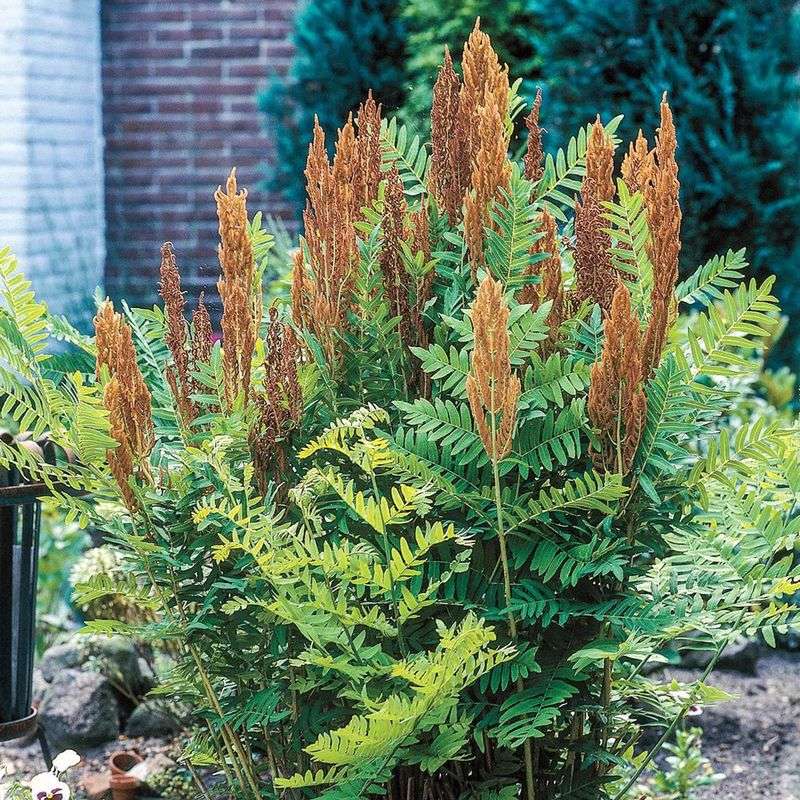
The Royal Fern, aptly named for its stately appearance, features tall, regal fronds that add a touch of grandeur to shaded gardens. Its presence is both commanding and serene.
Preferring moist, marshy conditions, it thrives in low-light areas where other plants might struggle. Fun fact: Its fronds can reach impressive heights under the right conditions.
With its bold stature and minimal care needs, the Royal Fern is perfect for creating a lush, dramatic backdrop in garden landscapes.
15. Shield Fern
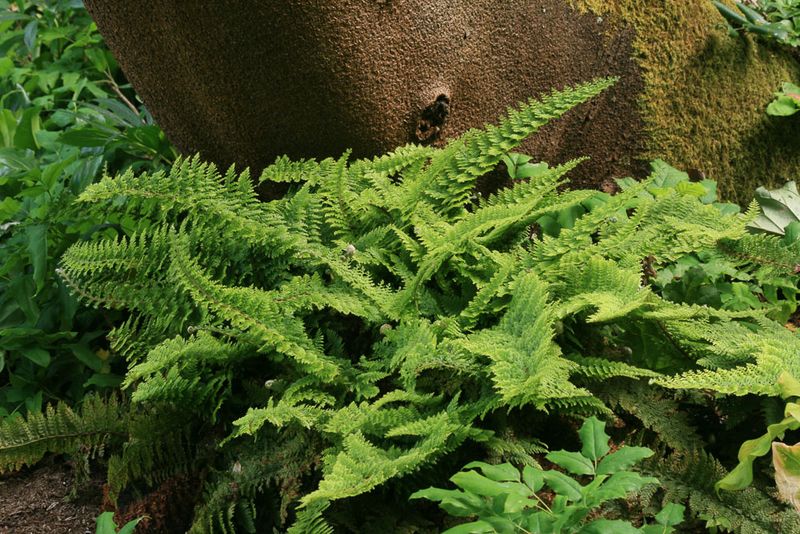
The Shield Fern, known for its dense, sword-shaped fronds, brings both texture and depth to shaded gardens. Its robust nature makes it a reliable choice for gardeners seeking hardy greenery.
This fern thrives in rocky, shaded areas, where its resilience can be appreciated. Did you know? Its name reflects the protective nature of its hardy fronds.
With minimal maintenance and adaptability to different soil types, the Shield Fern is ideal for adding structure and strength to garden compositions.
16. Hart’s Tongue Fern
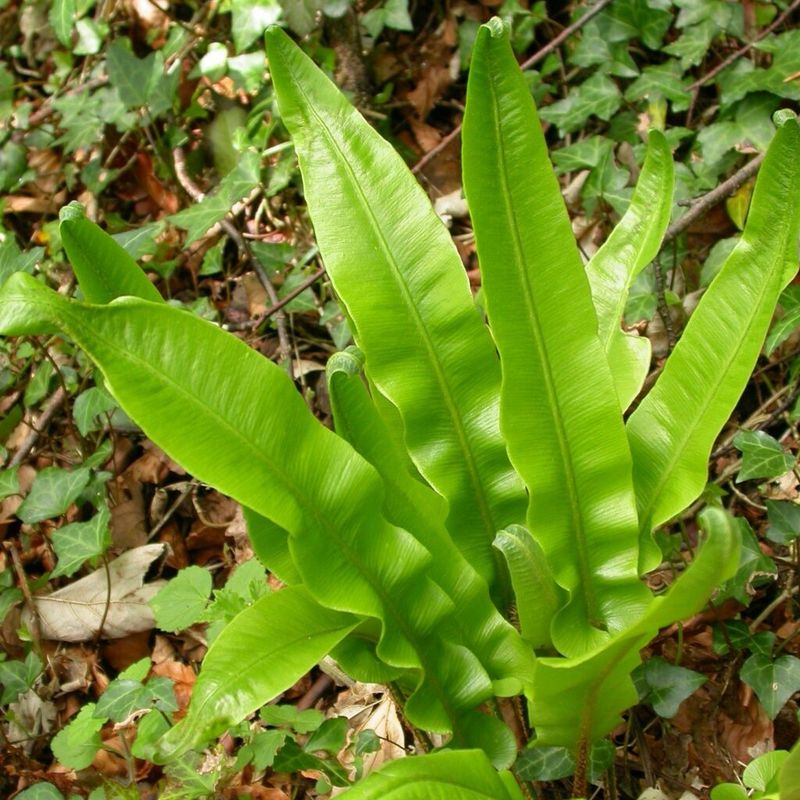
The Hart’s Tongue Fern captivates with its long, undivided fronds that resemble a deer’s tongue, offering a unique texture to shaded gardens. Its simplicity is its strength, with a clean, uncluttered look.
Preferring well-drained soil, this fern thrives in woodland gardens where its form can be fully appreciated. Did you know? Its name is derived from the Old English word for deer, “hart.”
With its distinctive form and low upkeep, the Hart’s Tongue Fern is a sophisticated choice for any plant enthusiast.
17. Rabbit’s Foot Fern
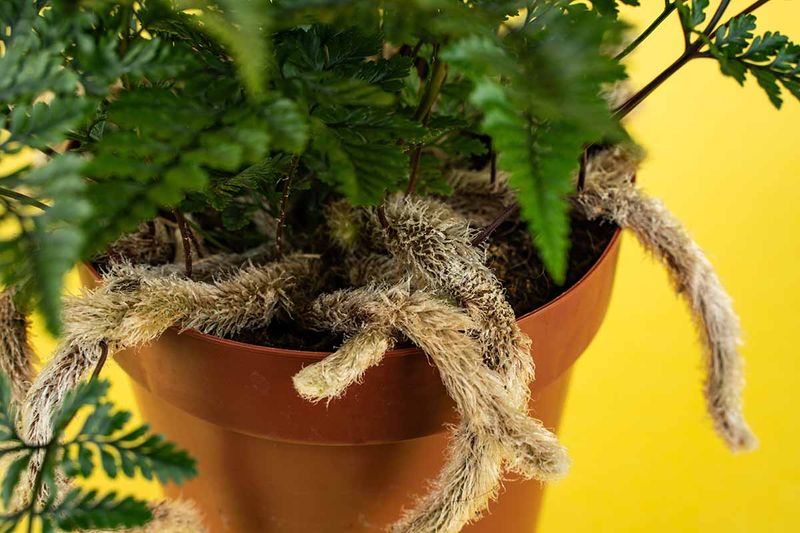
The Rabbit’s Foot Fern delights with its soft, furry rhizomes that creep over the soil surface, resembling a rabbit’s foot. This endearing feature makes it a favorite for indoor shaded areas.
It thrives in humid environments with indirect light, making it perfect for terrariums. Did you know? Its rhizomes are not only decorative but also help the plant absorb moisture.
With its charming appearance and easy-going nature, the Rabbit’s Foot Fern is an appealing addition to indoor gardens, offering both whimsy and greenery.