 Complete Gardening
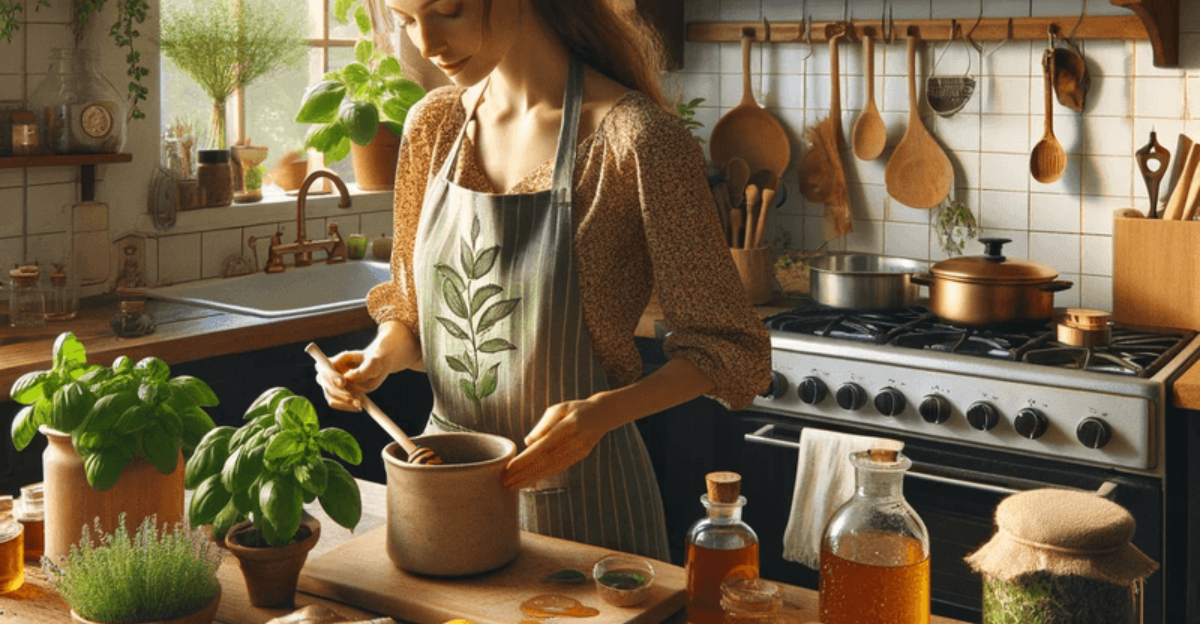
Transform your kitchen into a sanctuary of health and wellness by cultivating a kitchen apothecary. With a collection of herbs, you can enhance your culinary creations and improve your well-being. Each herb offers unique benefits, from flavoring dishes to supporting health. Dive into the world of herbs and discover how to grow and use them effectively in your kitchen. This guide introduces ten versatile herbs, each with its distinct charm and utility, perfect for your home apothecary. Let’s explore these natural wonders that promise to delight your senses and nurture your body.
1. Basil
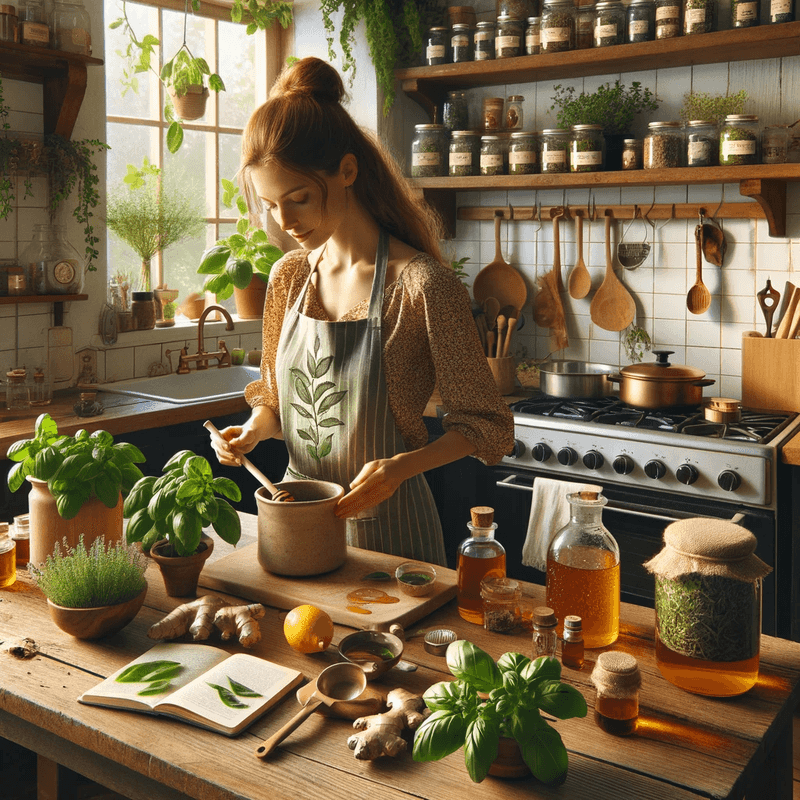
Imagine walking into your kitchen and being greeted by the sweet, peppery aroma of basil. This herb, with its vibrant green leaves, is not only a culinary delight but also a symbol of love in many cultures. Basil thrives in warm environments and prefers plenty of sunlight.
In your kitchen, basil can be a constant companion to tomatoes and mozzarella or a star in pesto sauce. Its fragrant leaves can uplift any dish, providing a fresh, zesty touch. Fun fact: Basil was once believed to have healing properties, capable of warding off evil spirits and promoting health.
2. Rosemary
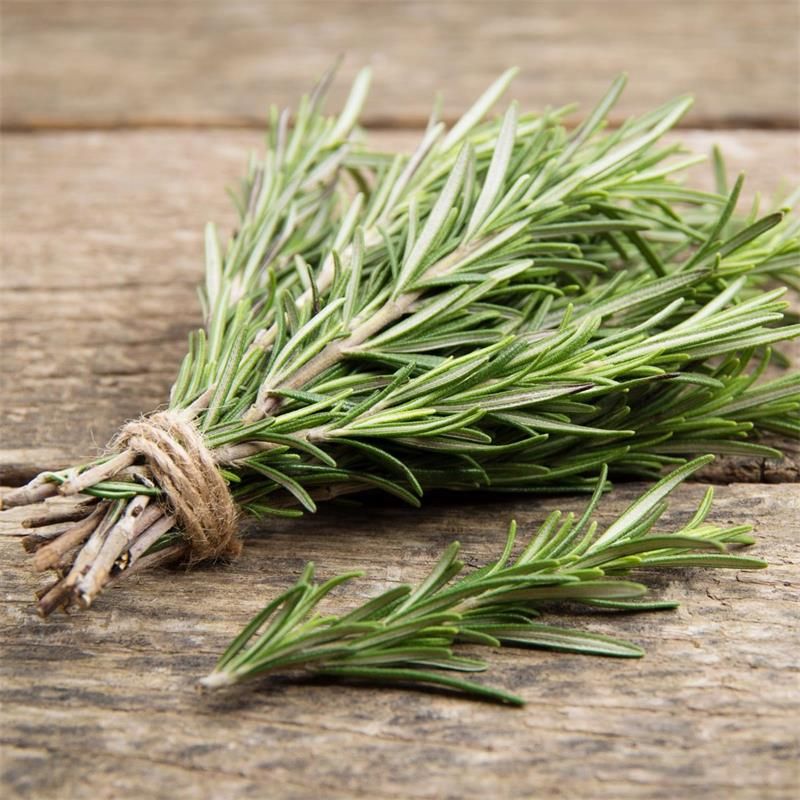
Rosemary is like a wise old friend in the world of herbs. Known for its woody aroma and needle-like leaves, it brings a touch of the Mediterranean into your kitchen. Rosemary is resilient, needing minimal care, and loves sunlight.
This herb pairs beautifully with roasted meats, potatoes, and bread, infusing them with its earthy flavor. Curious tidbit: In ancient Greece, students wore rosemary garlands while studying, believing it improved memory. Imagine enhancing your culinary skills while savoring the scent of rosemary wafting through your home.
3. Mint
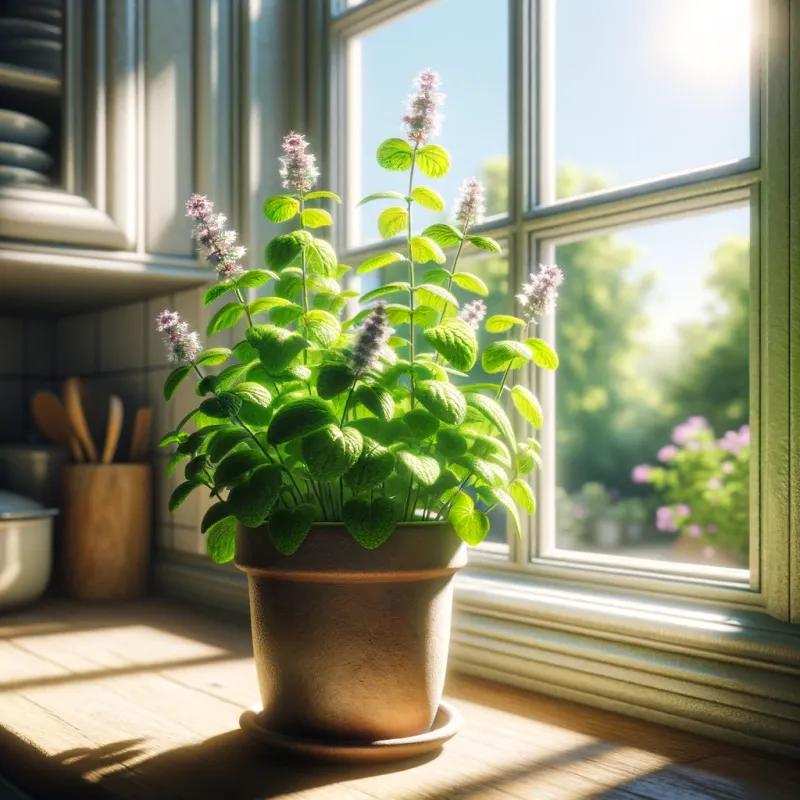
Mint is the life of the party in the herbal world. With its refreshing scent and cool taste, mint is a versatile herb that invigorates any space. It flourishes in moist conditions and can be quite prolific, sometimes needing containment.
In the kitchen, mint can be used in teas, desserts, and savory dishes, offering a bright note to various recipes. Did you know mint has been used since ancient times for its soothing properties? Its presence in your kitchen brings a breath of fresh air, both literally and figuratively.
4. Thyme
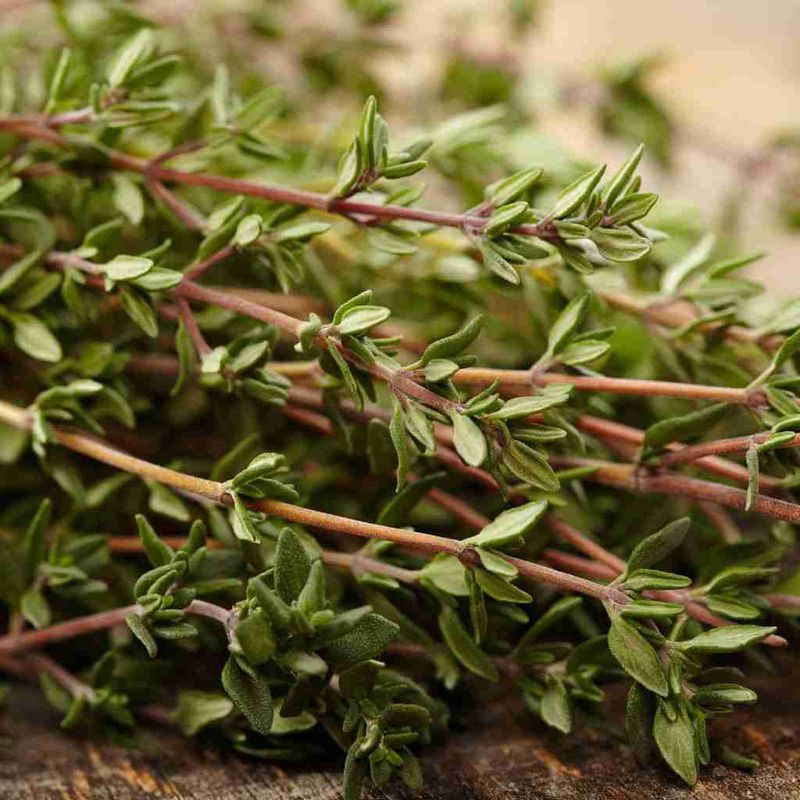
Thyme is the quiet achiever among herbs, known for its subtle yet impactful presence. Its tiny leaves pack a punch, offering earthy and minty flavors. Thyme is hardy and enjoys well-drained soil and plenty of sunlight.
This herb complements meats, soups, and stews, adding depth to your culinary creations. Interesting fact: Ancient Egyptians used thyme for embalming, highlighting its long-standing importance. Having thyme in your kitchen is like having a timeless companion that enhances the essence of your dishes with grace.
5. Sage
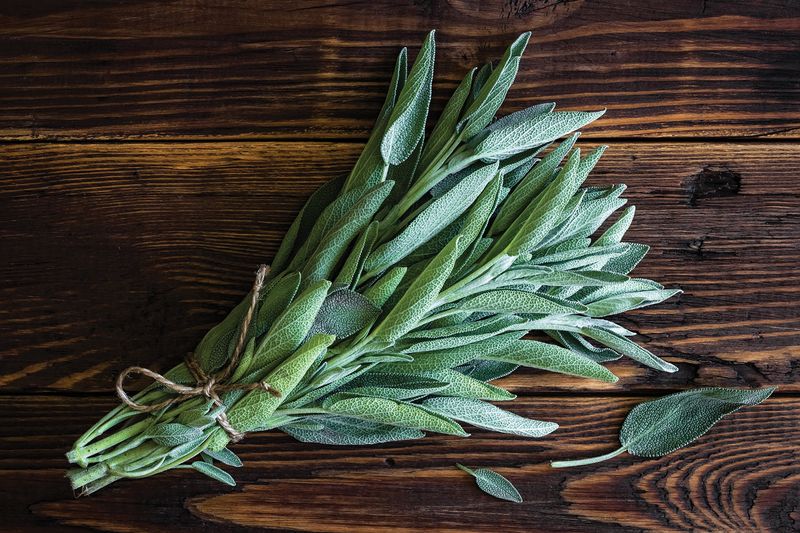
Sage carries a sense of mystique and wisdom. Its grey-green leaves and earthy aroma make it an enchanting addition to your kitchen. Sage prefers a sunny spot and well-drained soil.
In cooking, sage shines in rich dishes like stuffing, sausages, and butter sauces, imparting a warm, savory flavor. Did you know? Sage was once thought to promote longevity and was revered by the Romans. Bringing sage into your kitchen connects you to centuries of tradition and culinary excellence.
6. Oregano
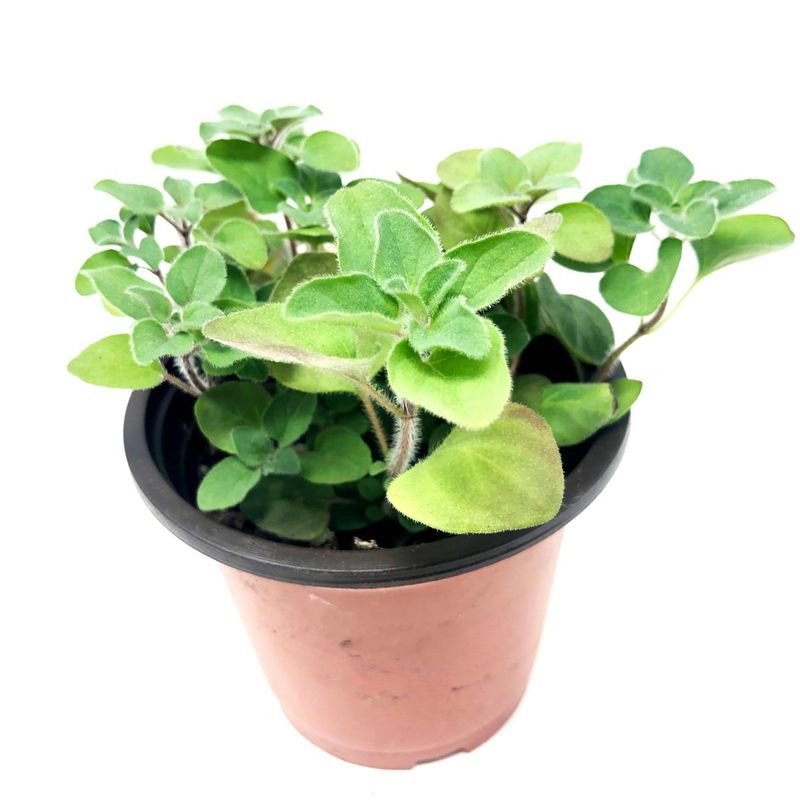
Oregano is the spirited member of the herb family, with a robust flavor that evokes the essence of Italian cuisine. It’s easy to grow, loving sunlight and well-drained soil.
This herb is a staple in tomato-based dishes, pizzas, and grilled meats, enhancing them with its bold taste. Fun fact: Oregano was used in ancient Greece for medicinal purposes, believed to bring joy and happiness. Incorporating oregano into your kitchen apothecary invites a touch of Mediterranean flair and culinary joy.
7. Cilantro
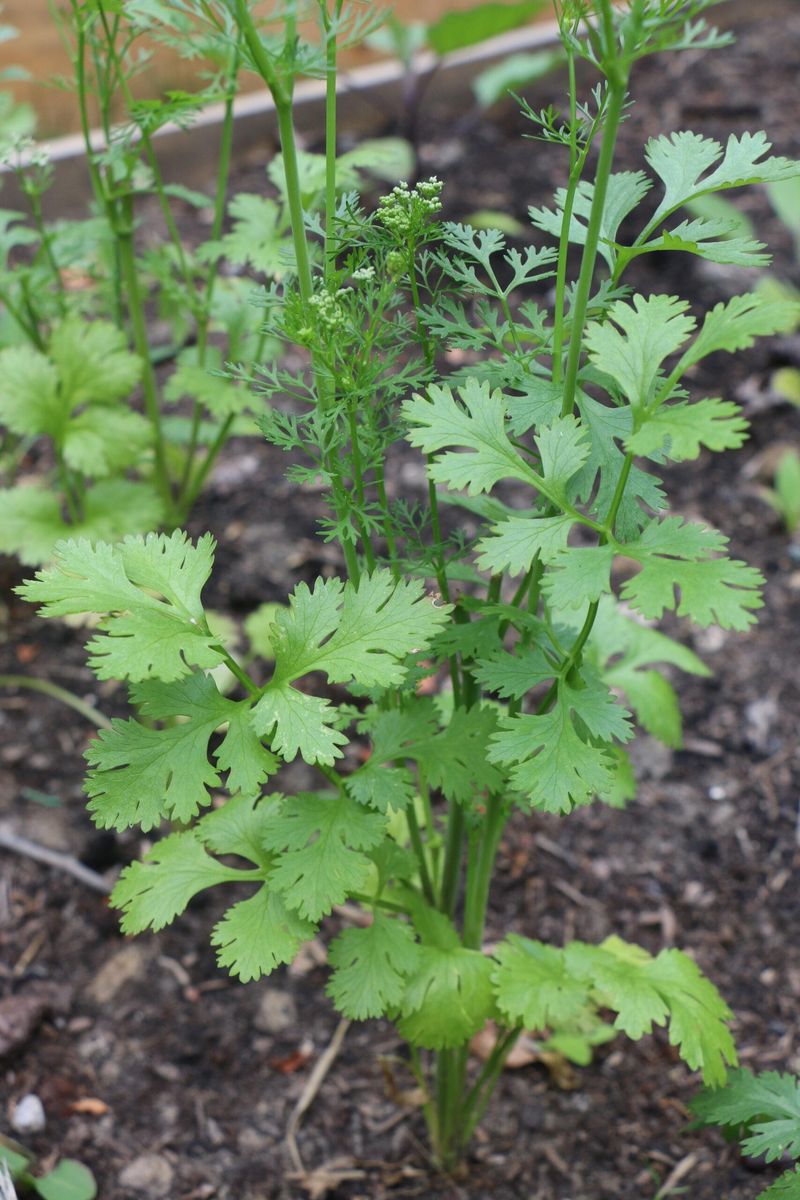
Cilantro is the adventurous herb with a love-it-or-hate-it reputation. Its distinct, citrusy flavor adds a refreshing twist to dishes and is adored by many cultures. Cilantro thrives in cooler weather and well-drained soil.
In the kitchen, fresh cilantro leaves are perfect for salsas, salads, and curries, providing a lively contrast. Did you know? Cilantro has been used since ancient times and even found in Egyptian tombs. Embrace cilantro in your kitchen and experience its vibrant contribution to global cuisine.
8. Lavender
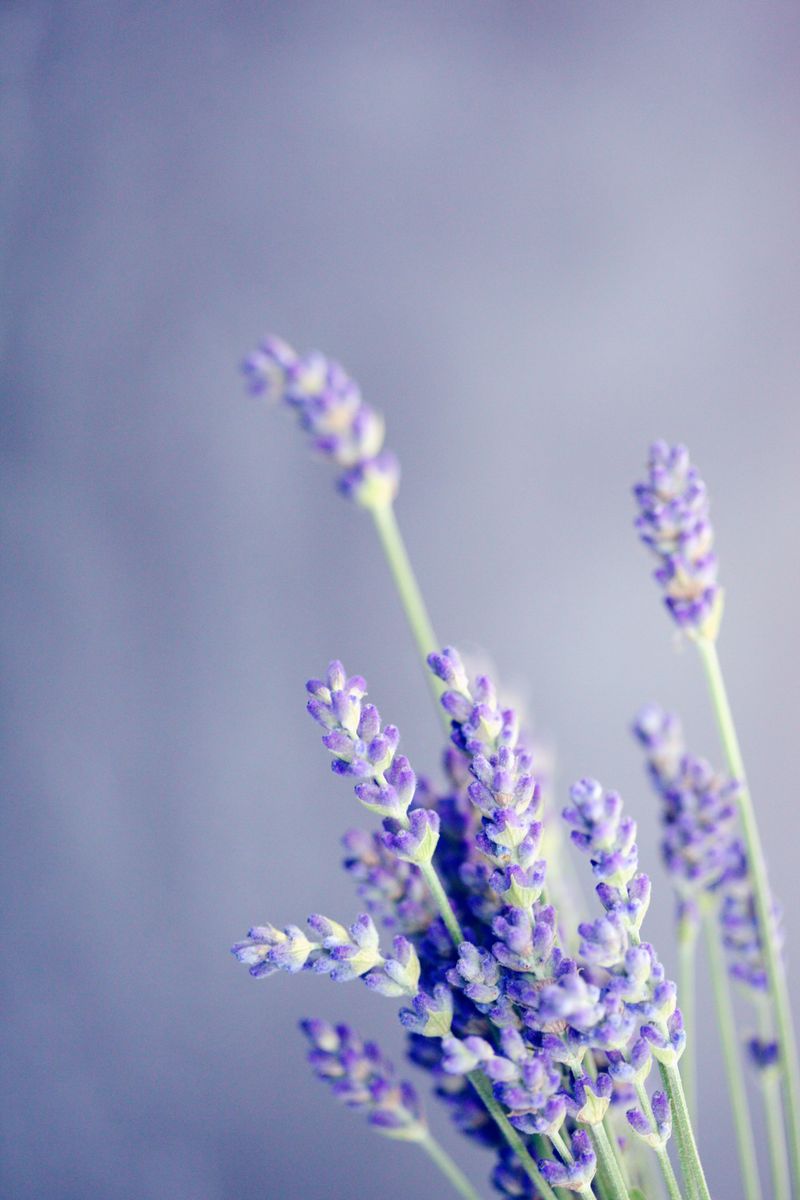
Lavender is like a calming lullaby for the senses. Known for its soothing scent and beautiful purple flowers, it adds elegance and peace to your kitchen. Lavender enjoys plenty of sunlight and well-drained soil.
In culinary uses, lavender can be infused in syrups, desserts, and drinks, offering a subtle floral note. Fun tidbit: Lavender has been used for centuries in aromatherapy and as a natural insect repellent. Having lavender in your kitchen is like inviting tranquility and beauty into your culinary space.
9. Parsley
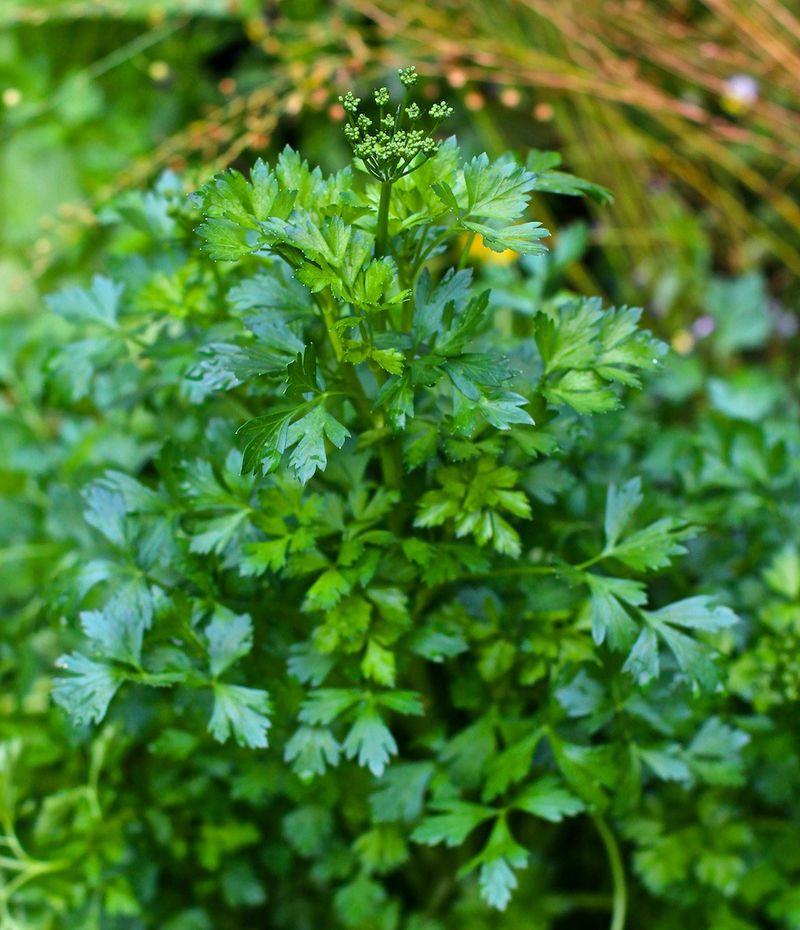
Parsley is the humble hero of herbs, often underestimated but indispensable in the kitchen. Its fresh, slightly peppery taste makes it a versatile addition. Parsley thrives in moist, well-drained soil and partial shade.
This herb is perfect for garnishing and flavoring soups, salads, and sauces. Did you know? In ancient times, parsley was used in ceremonial garlands and believed to have protective properties. Incorporating parsley into your kitchen apothecary brings a touch of classic freshness to your culinary creations.
10. Lemon Balm
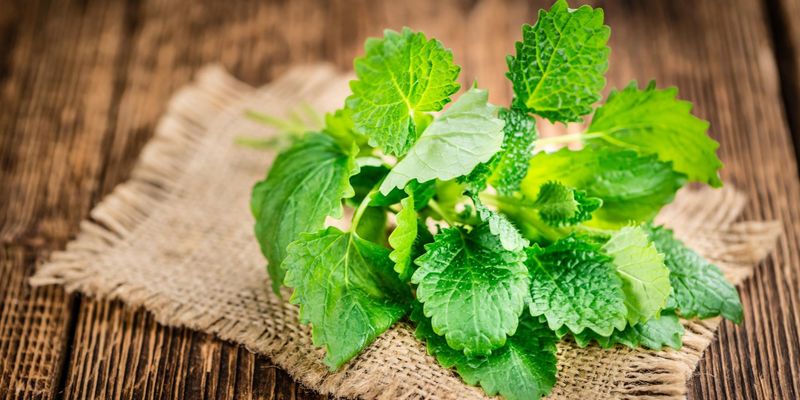
Lemon Balm is the cheerful herb that brightens any kitchen with its lemony fragrance. It’s easy to grow, preferring sunlight and well-drained soil.
This herb is perfect for teas, desserts, and savory dishes, offering a refreshing citrus note. Did you know? Lemon balm has been used historically for calming and healing purposes. Bringing lemon balm into your kitchen apothecary is like adding a ray of sunshine, enhancing your culinary endeavors with its uplifting spirit.
11. Chamomile
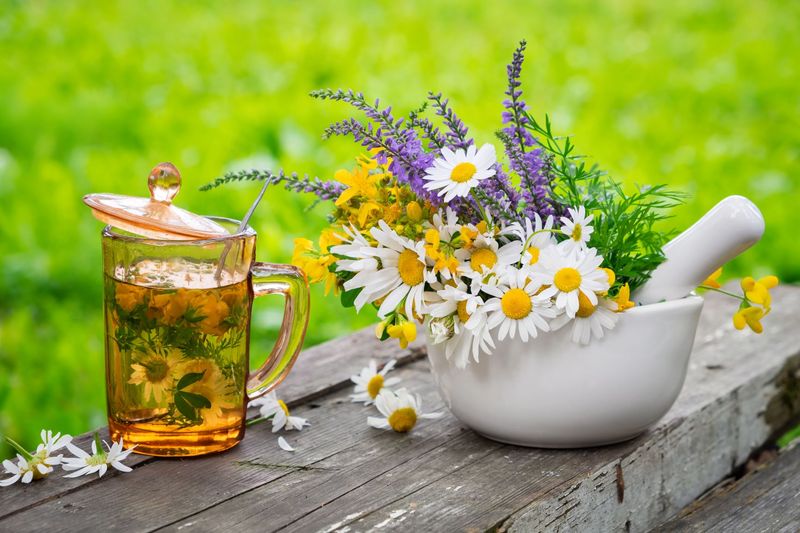
Chamomile, a gentle healer, is renowned for its calming properties. This delicate herb can transform a hectic day into a serene evening with just a warm cup of tea. Its dainty white petals and sweet fragrance bring a sense of peace to any kitchen.
Chamomile is not just a night-time companion; it aids digestion and soothes skin irritations. Cultivating it in your kitchen apothecary ensures you’re prepared for both restless nights and upset stomachs.
Did you know? Ancient Egyptians prized chamomile for its healing qualities, dedicating it to their sun god, Ra.
12. Lemon Verbena
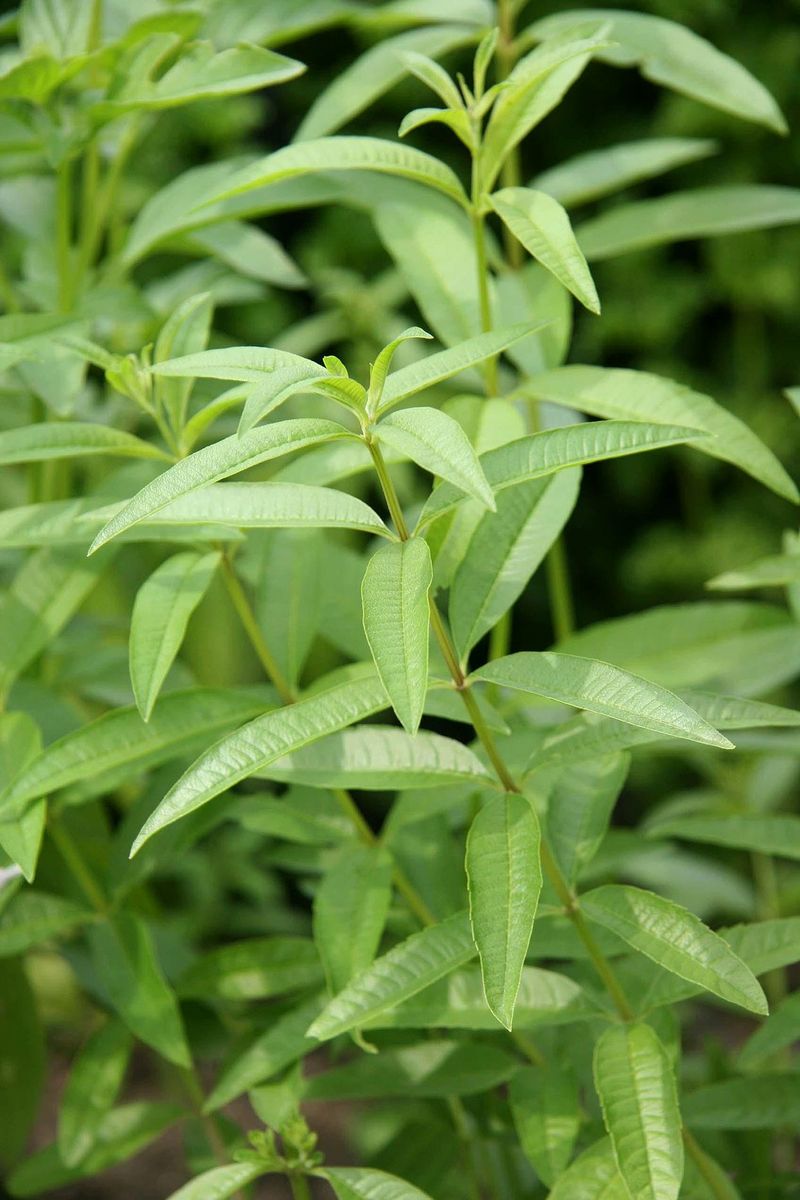
Lemon Verbena, with its invigorating citrus aroma, awakens the senses. A brew of its leaves offers more than just flavor; it soothes the mind and uplifts the spirit. Imagine starting your day with this refreshing herbal tea.
This herb is a digestive aid, easing discomfort after meals. Its calming nature makes it perfect for stress relief. Planted in your kitchen, it serves as a constant reminder of nature’s resilience.
Quirky fact: Lemon Verbena was a favorite in Victorian England, often used to freshen linens and scent homes.
13. Echinacea
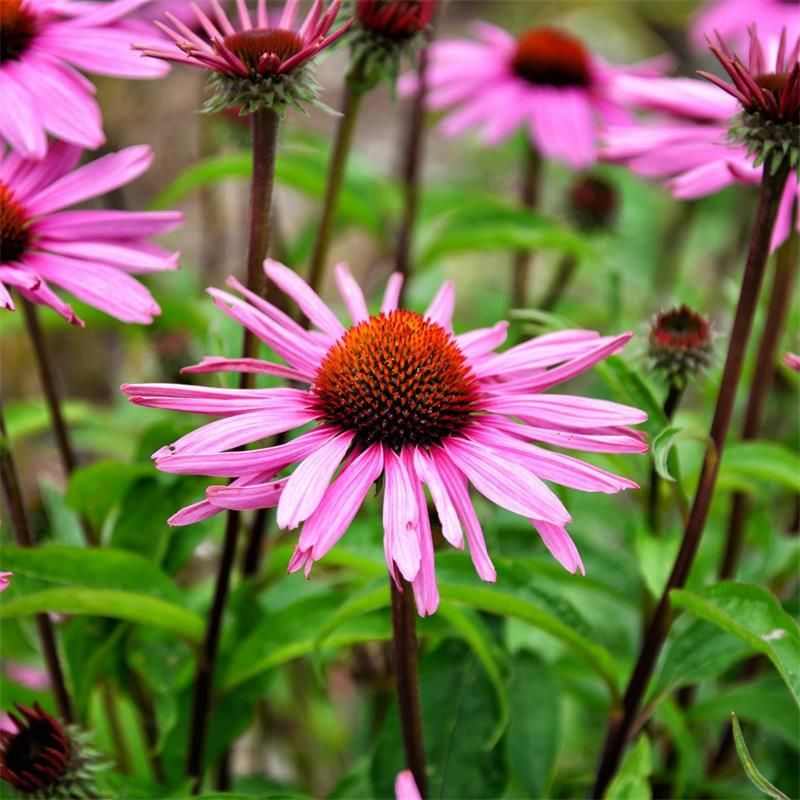
Echinacea stands as a robust defender against colds and infections. Its striking flowers not only beautify your space but offer immune-boosting benefits. Echinacea tea is a staple remedy during chilly seasons.
This herb’s therapeutic properties extend to skin health, promoting wound healing. Having it in your kitchen apothecary means you’re always ready for seasonal ailments.
Did you know? Native Americans revered echinacea, using it extensively for its medicinal properties long before it became popular worldwide.
14. Fennel
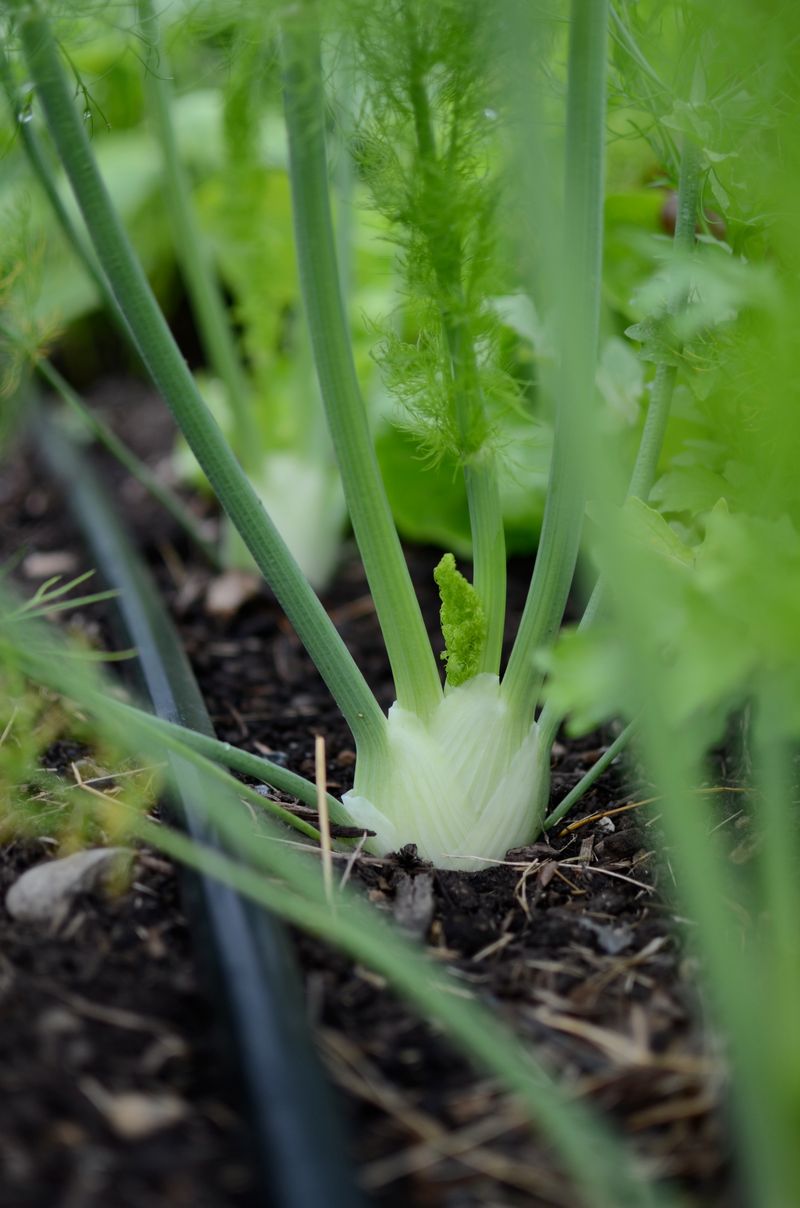
Fennel, with its sweet, licorice-like flavor, is a culinary and medicinal marvel. Its seeds freshen breath and aid digestion, making it a kitchen staple.
Fennel tea is known for alleviating bloating and cramps, while the plant’s leaves and bulbs add depth to salads and soups. Cultivating fennel ensures a constant supply of these benefits.
Fun fact: In ancient Rome, warriors consumed fennel to prepare for battle, believing it bestowed courage and strength.
15. Calendula
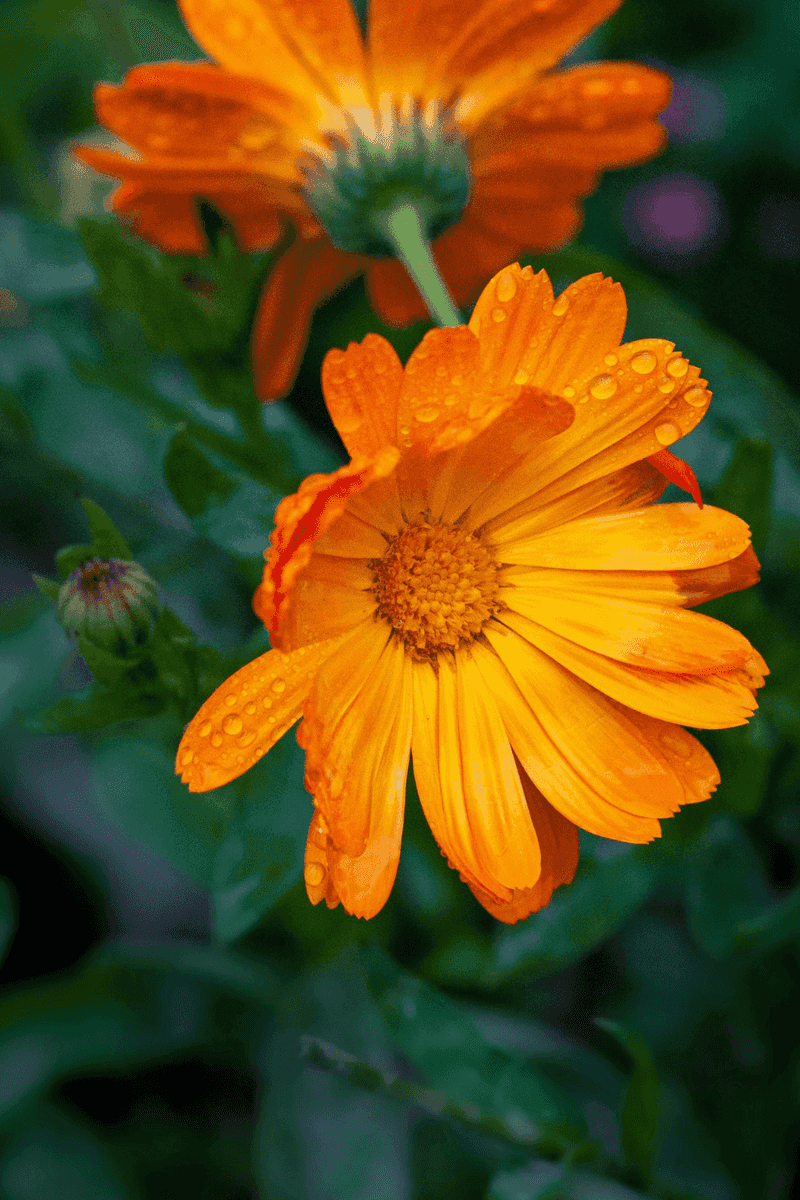
Calendula, often called pot marigold, is cherished for its vibrant blooms and healing properties. Its petals are not only visually appealing but also promote skin healing and inflammation reduction.
Calendula-infused oils and teas are gentle remedies for wounds and digestive issues, making it a valuable addition to your kitchen apothecary.
Did you know? Calendula has been used in traditional medicine since the 12th century, and its petals were once used as a substitute for saffron in cooking.