
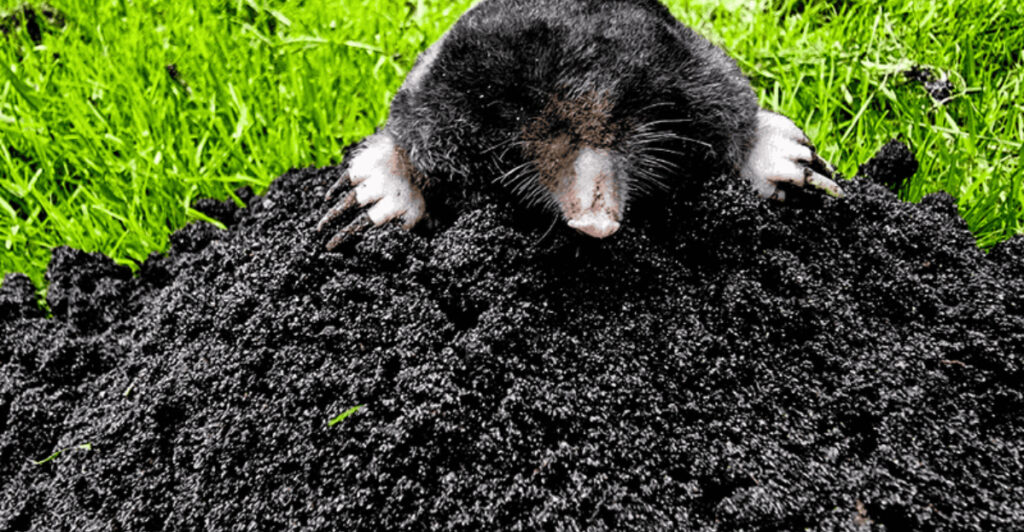
Moles are fascinating creatures, often misunderstood and considered pests due to their burrowing habits. However, they play a crucial role in the ecosystem by aerating the soil and controlling insect populations. One of the primary reasons moles venture into yards is the alluring array of scents that attract them. From the earthy aroma of moist soil to the enticing smell of decaying organic matter, these scents serve as a beacon for moles, leading them to abundant food sources and ideal habitats. Here, we explore the top 20 smells that draw moles to your yard.
1. Earthworms
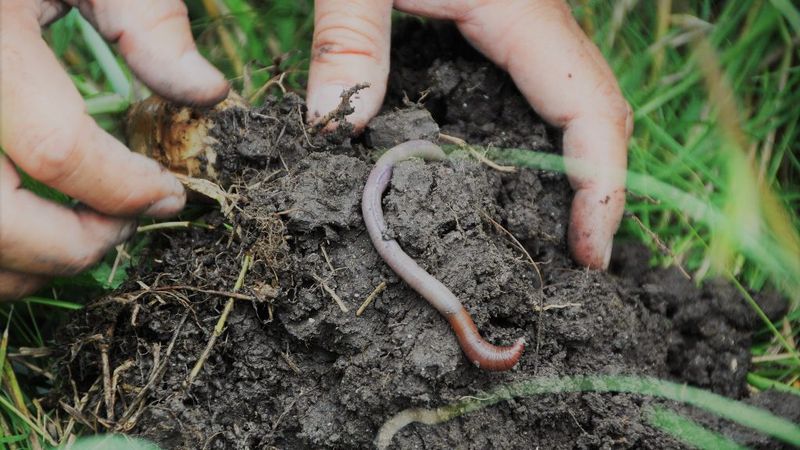
Earthworms are a primary food source for moles, and their presence in the soil emits a scent that moles find irresistible. These creatures create vibrations and leave scent trails as they move through the earth, signaling to moles that a feast awaits. Moles have a heightened sense of smell, allowing them to detect these scent trails easily. This natural ability helps them locate earthworms even in the darkest underground tunnels, ensuring they have a constant food supply. Their diet predominantly consists of these wriggling wonders, making earthworm-rich yards a prime target.
2. Grubs (Beetle Larvae)
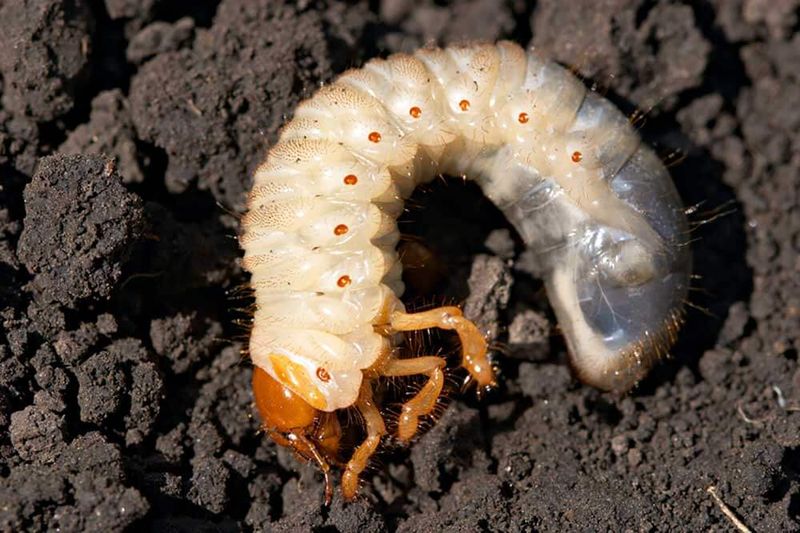
White grubs, the larvae of beetles like Japanese and June beetles, emit distinct odors as they feast on plant roots. These scents are a calling card for moles, indicating a plentiful food source beneath the surface. As grubs munch away, the damage they cause to grass roots releases additional olfactory signals, further enticing moles to the area. Moles are voracious eaters, consuming a substantial number of grubs daily. The presence of these larvae not only attracts moles but also helps control beetle populations, proving beneficial to gardens.
3. Ants & Ant Larvae
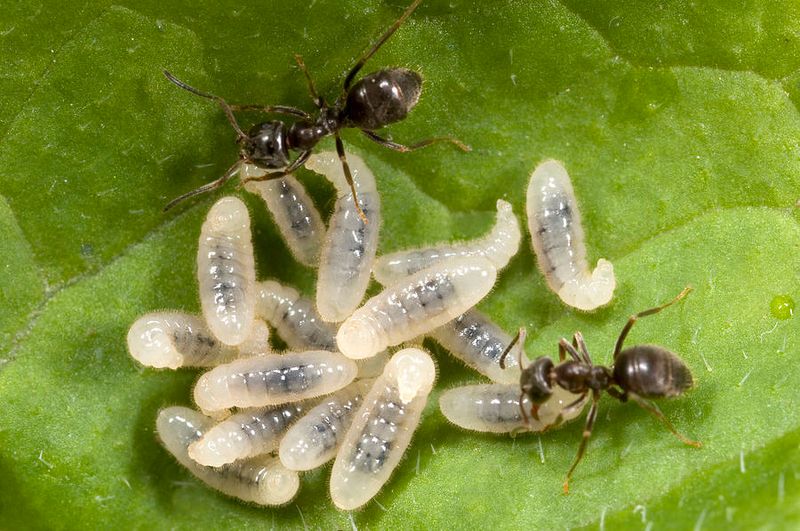
When food is scarce, moles turn to ants and their larvae as an alternative food source. The scent of these tiny insects navigating their colonies is detectable by moles, guiding them to potential meals. Ants release pheromones to communicate, and these chemicals can be sensed by moles from a distance. Moles are adept at infiltrating ant colonies, using their claws to dig into the ground and access these nutritious morsels. Their ability to consume both adult ants and larvae makes them effective predators, helping manage ant populations.
4. Centipedes & Millipedes
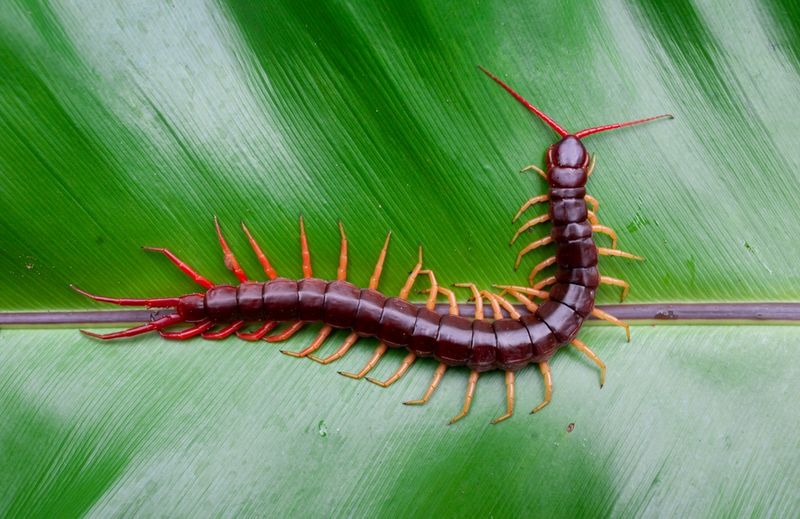
The secretions and movement of centipedes and millipedes create a scent trail that moles find intriguing. These multi-legged creatures are a part of the mole’s diet, offering a nutritious and readily available meal. As they scuttle through leaves and soil, their distinctive odor signals to moles that a feeding opportunity is close by. Moles use their exceptional sense of smell to track these arthropods, digging through the earth with precision. Their presence in a garden indicates a healthy ecosystem, but also attracts hungry moles.
5. Lawn Pests (Cutworms, Sod Webworms)
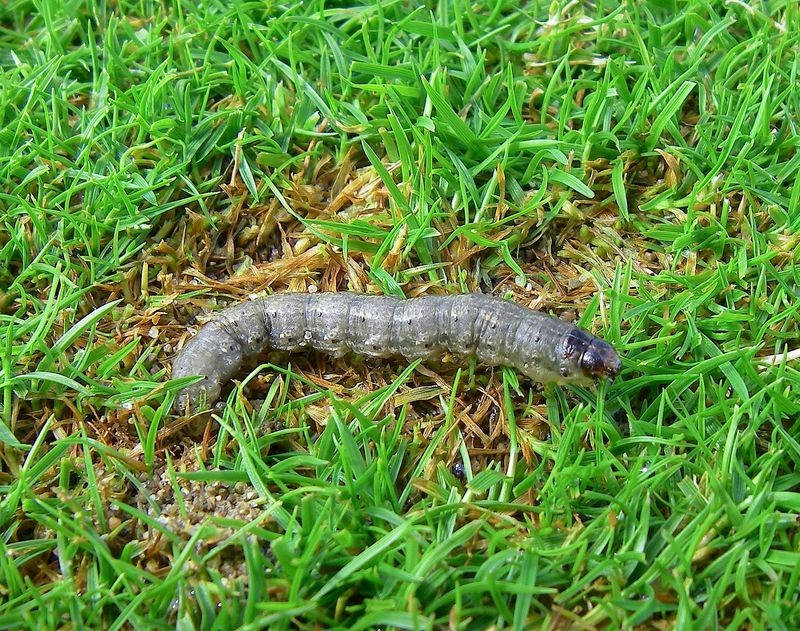
Cutworms and sod webworms are notorious lawn pests, causing significant damage to grass. As they chew through roots, they release scents that moles are drawn to. These larvae become a part of the mole’s diet, providing a protein-rich meal. Moles naturally control the population of these pests, as they hunt them beneath the soil’s surface. This symbiotic relationship benefits the garden, reducing lawn damage while feeding moles. The presence of these destructive insects in large numbers is a surefire way to attract moles seeking sustenance.
6. Moist Soil

Damp earth exudes a rich, earthy aroma that appeals to moles, signaling the presence of food. Moist soil is often teeming with life, including earthworms and insects that moles eagerly hunt. The scent of decomposing organic matter in wet soil is a strong attractant, guiding moles to fertile feeding grounds. Moles prefer soil that is easy to dig through, and moisture aids in softening the earth, making it easier for them to tunnel. Gardens with consistently moist soil are prime real estate for moles due to the abundance of food and ease of movement.
7. Fungus & Mold
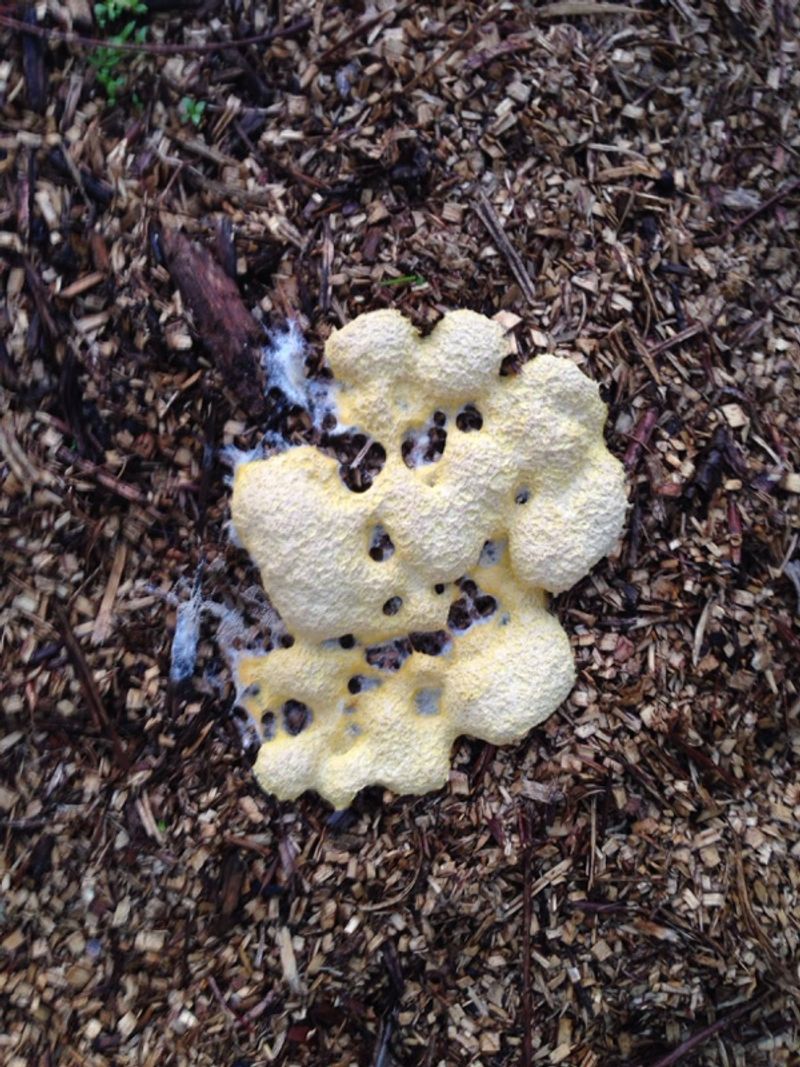
The presence of fungi and mold in a garden indicates decaying organic matter, which attracts moles. As wood, mulch, and compost break down, they foster the growth of fungi, providing a rich food source for many of the insects moles consume. Fungi also release spores and scents that moles can detect, guiding them to these productive areas. The symbiotic relationship between fungi and moles benefits the ecosystem, aiding in decomposition and nutrient cycling. A garden rich in fungus will likely attract moles searching for a bountiful hunting ground.
8. Rotting Organic Matter (Compost Piles)
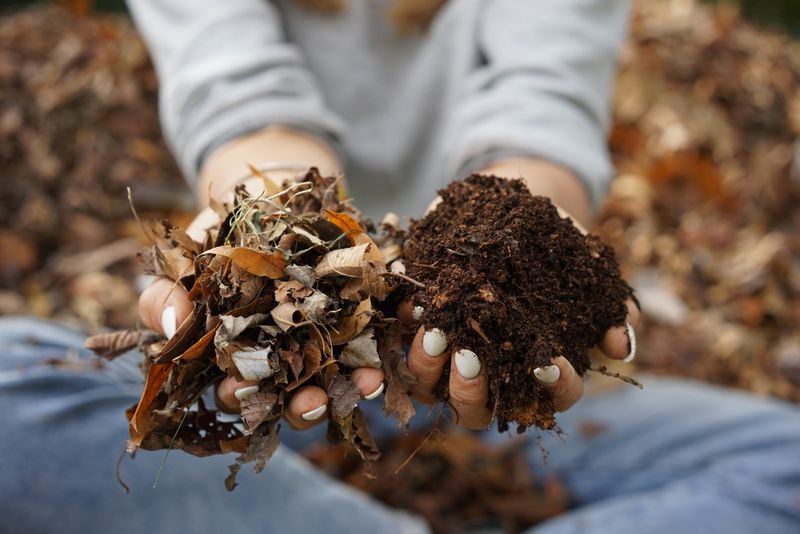
Compost piles are a treasure trove for moles, filled with decomposing leaves, grass clippings, and food scraps. As this organic matter breaks down, it attracts insects and larvae that moles feed on. The rich, earthy smell of compost signals to moles that food is nearby, making these piles an ideal hunting ground. Moles help aerate compost by tunneling through it, promoting faster decomposition and improving soil health. Gardens with active compost piles are more likely to see an increase in mole activity due to the abundance of food.
9. Manure & Fertilizers
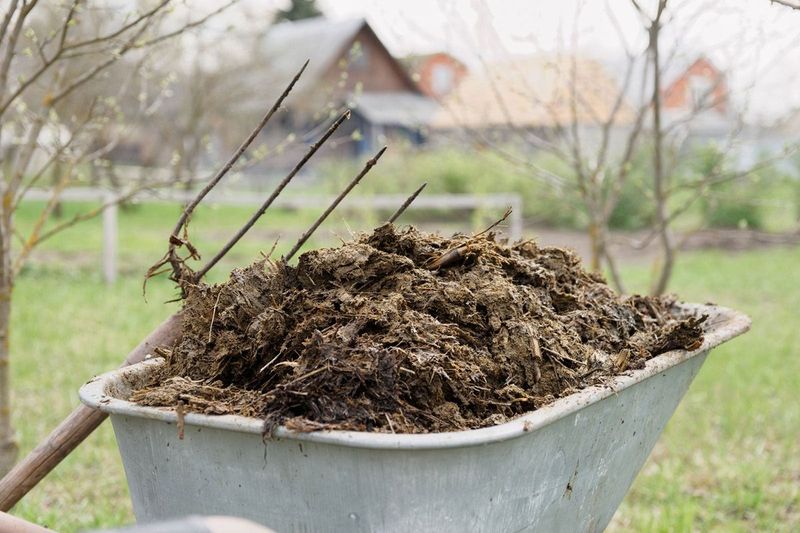
The use of organic fertilizers, such as cow manure, can inadvertently attract moles. These fertilizers improve soil health, encouraging the growth of earthworms and grubs, which moles feed on. The smell of manure is a potent attractant, guiding moles to areas where food is plentiful. Additionally, the nutrients in manure promote a biodiverse ecosystem, supporting a wide range of mole prey. While beneficial for plant growth, manure and other organic fertilizers can increase mole activity in gardens, as they follow the scent trails to rich feeding grounds.
10. Overripe Fruit & Fallen Berries
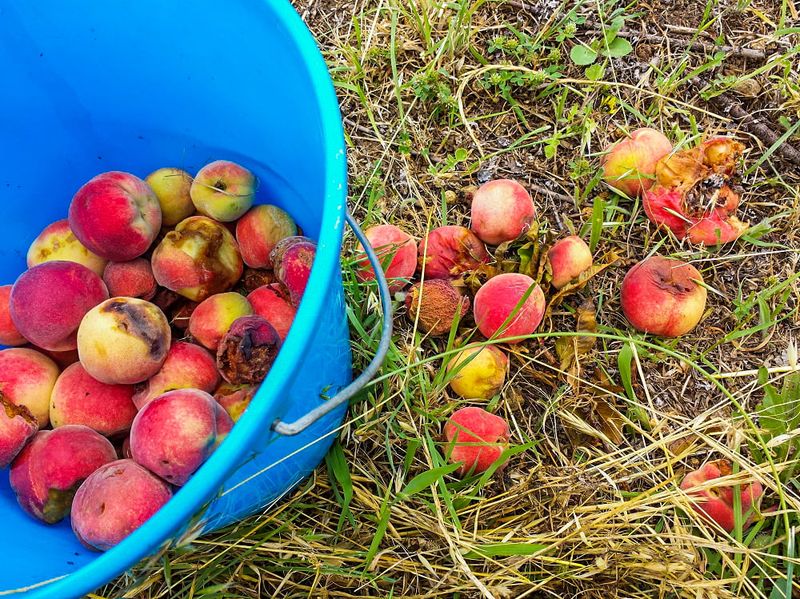
The sweet, fermenting aroma of overripe fruits and fallen berries is a beacon for insects and moles alike. As fruits decay, they attract beetles, slugs, and other insects that moles feed on. Moles are drawn to the scent of these fermenting fruits, as it signals a feast of insects nearby. Gardens with fruit trees or berry bushes may see increased mole activity, especially during harvest season when fruits are abundant. The natural decomposition process of fruit not only enriches the soil but also creates a dynamic habitat for mole prey.
11. Rotting Wood (Stumps, Logs)
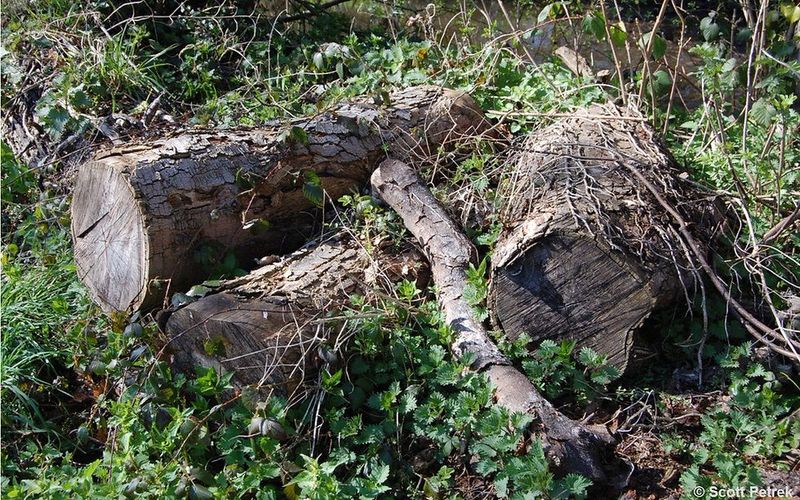
Decaying wood in the form of stumps and logs creates an attractive environment for moles. As the wood breaks down, it becomes home to termites, beetles, and larvae, all of which are part of a mole’s diet. The smell of rotting wood signals to moles that a food source is nearby, enticing them to investigate. Moles are adept at navigating these complex environments, using their sense of smell to locate prey. The presence of decomposing wood in a garden supports a diverse ecosystem, drawing moles in search of nourishment.
12. Slug & Snail Trails
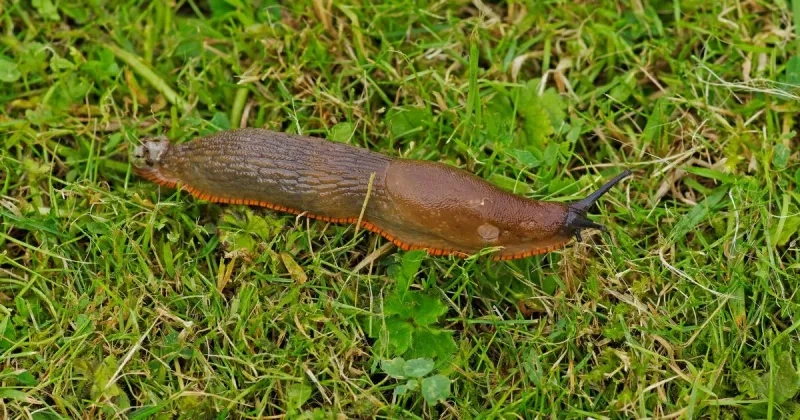
The glistening trails left by slugs and snails are not only visually intriguing but also emit scents that moles can detect. Moles may consume slugs as part of their diet, following these mucus trails to locate their prey. The scent left behind by these creatures provides a clear path for moles to follow, leading them to a protein-rich snack. Gardens with a high population of slugs and snails are likely to attract moles, as these trails act as a roadmap to food sources. Moles’ presence helps control the slug population, benefiting garden health.
13. Overwatered Lawns
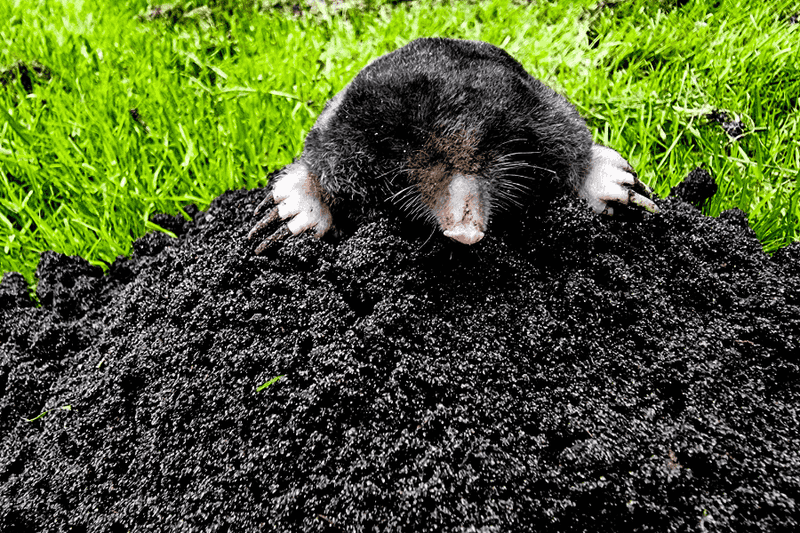
Excess moisture in lawns creates an ideal environment for earthworms and other mole prey. Overwatered lawns emit a strong, earthy aroma that appeals to moles, guiding them to food-rich areas. The softness of waterlogged soil makes it easier for moles to tunnel and access their meals. While overwatering can harm grass health, it inadvertently attracts moles seeking sustenance beneath the surface. Homeowners may notice increased mole activity in areas with poor drainage, as the abundance of food and ease of tunneling make these spots particularly attractive.
14. Leaf Litter & Thatch Buildup
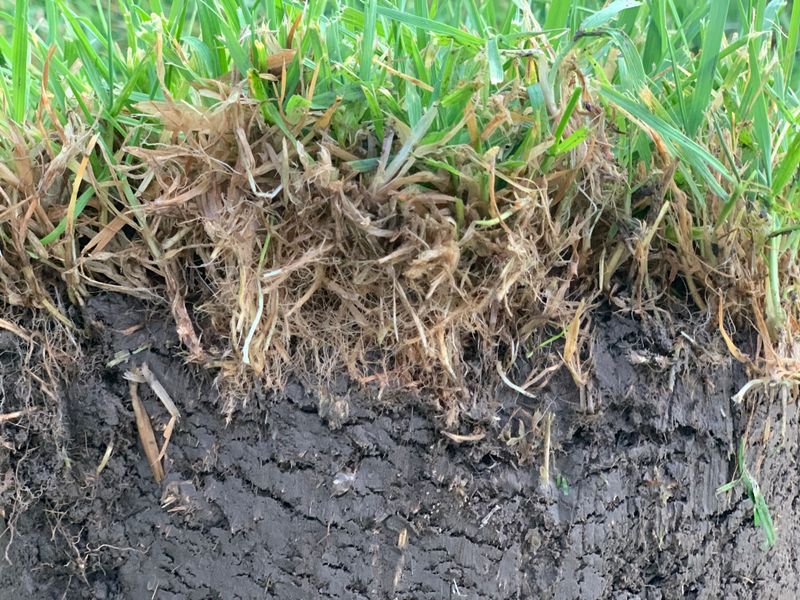
A thick layer of leaf litter and thatch provides an excellent habitat for insects that moles feed on. The accumulation of organic material retains moisture and creates a rich scent, drawing moles to these areas. Moles use their keen sense of smell to detect the presence of food, digging through the layers to reach insects and larvae. Gardens with significant leaf litter are more likely to experience mole activity, as these areas offer both shelter and an abundant food supply. The natural decomposition process supports a diverse ecosystem, attracting moles.
15. Dog/Cat Food Left Outside
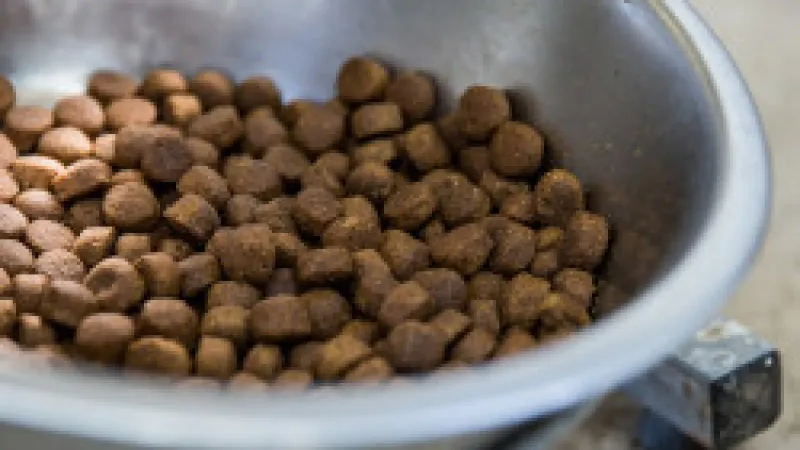
Leaving pet food outside can attract more than just your furry friends. The smell of dog or cat food lures beetles, ants, and other insects that become prey for moles. As these insects gather, moles detect their scent and follow the trail to an easy meal. The presence of pet food outdoors inadvertently creates a feeding hotspot for moles, leading to increased activity in the area. Homeowners looking to deter moles should consider storing pet food indoors to minimize attractions. This simple change can help reduce mole presence around the home.
16. Fish Emulsion Fertilizer
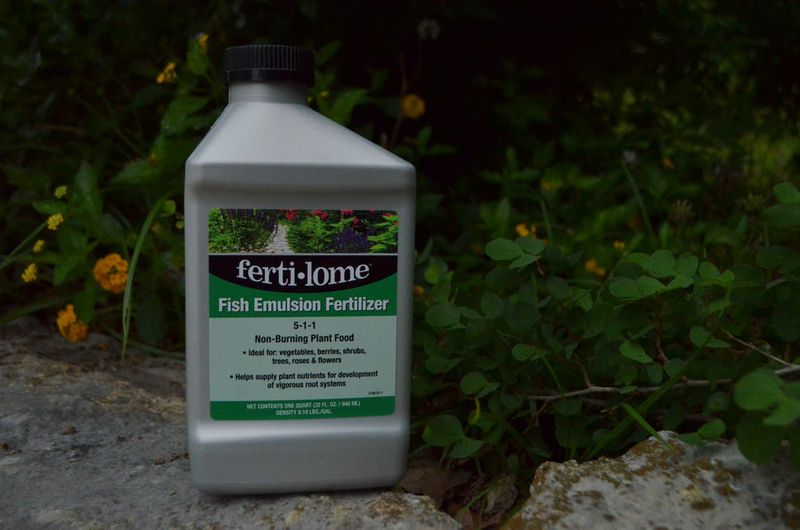
Fish emulsion fertilizer, known for its potent smell, can attract moles by drawing insects and worms to the garden. The strong fish odor acts as a magnet for mole prey, signaling a bountiful hunting ground beneath the soil. While beneficial for plant growth, the use of fish emulsion can inadvertently lead to increased mole activity as they seek out the concentration of food sources. Gardeners may notice more molehills appearing after applying this fertilizer, as moles follow the scent to their next meal. Careful application can help manage mole presence.
17. Mushrooms & Truffles
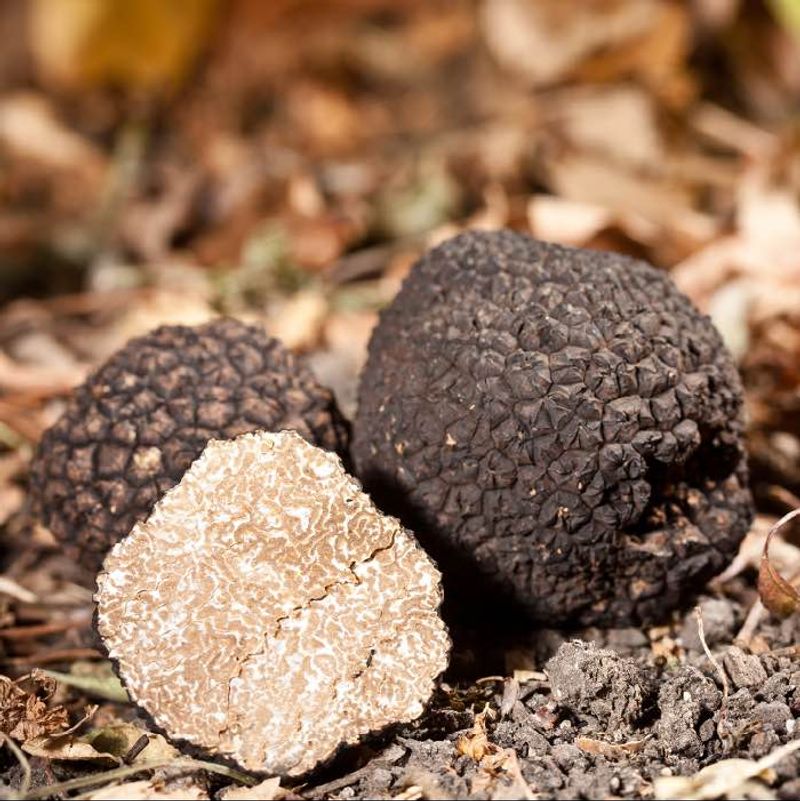
Certain mole species, such as the star-nosed mole, include fungi like mushrooms and truffles in their diet. The growth of these fungi releases scents that attract moles, guiding them to nutrient-rich areas. Mushrooms and truffles thrive in environments with ample organic matter, providing both food for moles and a habitat for their prey. The presence of fungi in a garden indicates healthy, nutrient-dense soil that supports a diverse ecosystem. Moles contribute to this balance by consuming fungi and maintaining soil health through their tunneling activities.
18. Nematodes (Microscopic Worms)
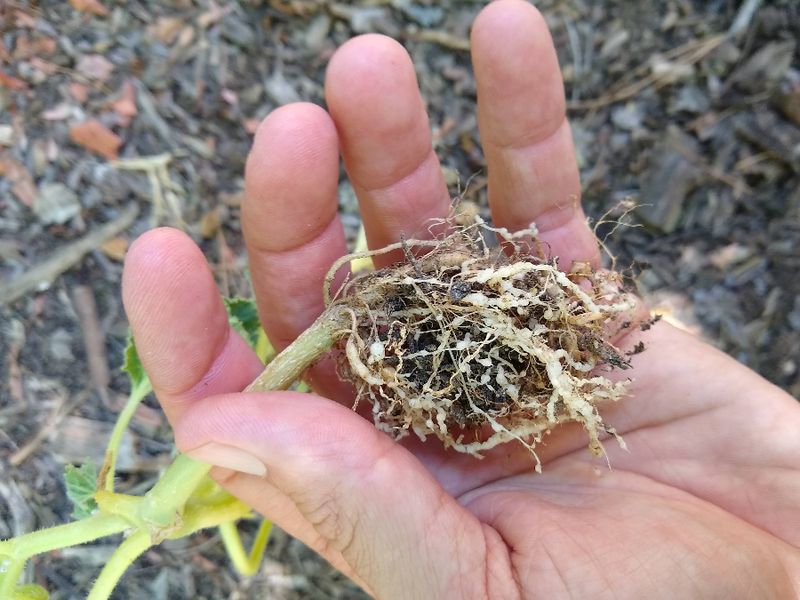
Beneficial nematodes are often used for pest control, but they can also attract moles. These microscopic worms release scents that signal to moles the presence of potential prey in the soil. As moles dig through the earth, they encounter nematodes and other small organisms, adding variety to their diet. The application of nematodes in gardens can inadvertently lead to increased mole activity as they follow the scent to a nutrient-rich environment. Understanding this relationship helps gardeners manage both mole and pest populations effectively.
19. Overgrown Weeds & Dense Ground Cover
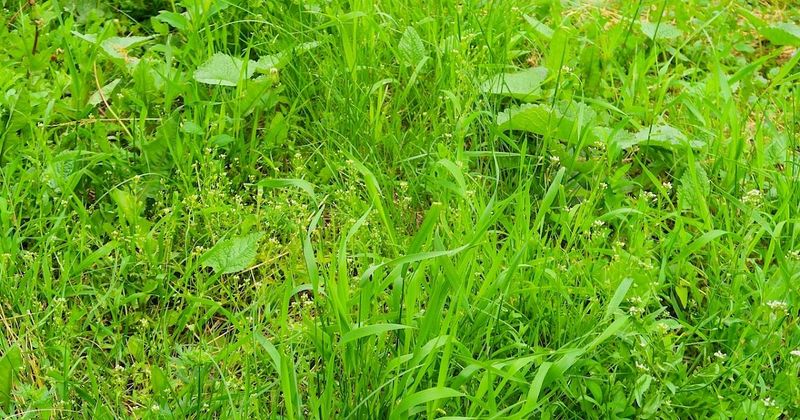
Areas with overgrown weeds and dense ground cover provide shelter and habitat for insects that moles feed on. The smell of these lush plants and the insects they harbor creates an attractive environment for moles. As moles explore the ground cover, they hunt for food beneath the surface, benefiting from the ample shelter and sustenance. Gardens with unchecked weed growth may see increased mole activity, as these areas offer both protection and plentiful prey. Regular garden maintenance can help manage mole presence by reducing food sources.
20. Spilled Birdseed
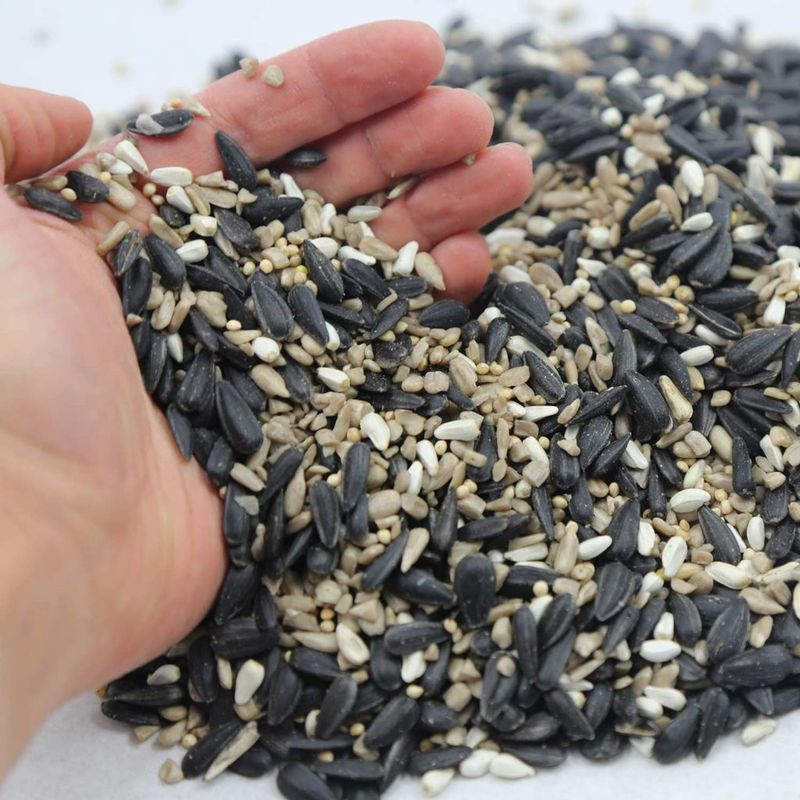
Birdseed that spills onto the ground attracts insects and rodents, creating an indirect food source for moles. As these creatures gather to feast, moles detect their presence and dig through the soil to access them. The sight of scattered birdseed may indicate a bustling ecosystem below the surface, drawing moles in search of nourishment. Homeowners can minimize mole activity by keeping bird feeders tidy and removing excess seed from the ground. This simple step helps reduce the attraction for moles, keeping gardens free from their burrowing activities.