
Discover the unexpected role of common ‘weeds’ as indicators of healthy, nutrient-rich soil. These resilient plants not only signal good conditions but also offer surprising benefits. From improving fertility to serving as edible greens, each weed has its unique contribution to the ecosystem. Embrace the presence of these 15 plants in your garden, as they reveal the hidden vitality of your soil. Learn about their indicators, benefits, and how they can be a boon to your gardening efforts. Explore the fascinating world of these underrated plants and their vital role in soil health.
1. Chickweed (Stellaria media)
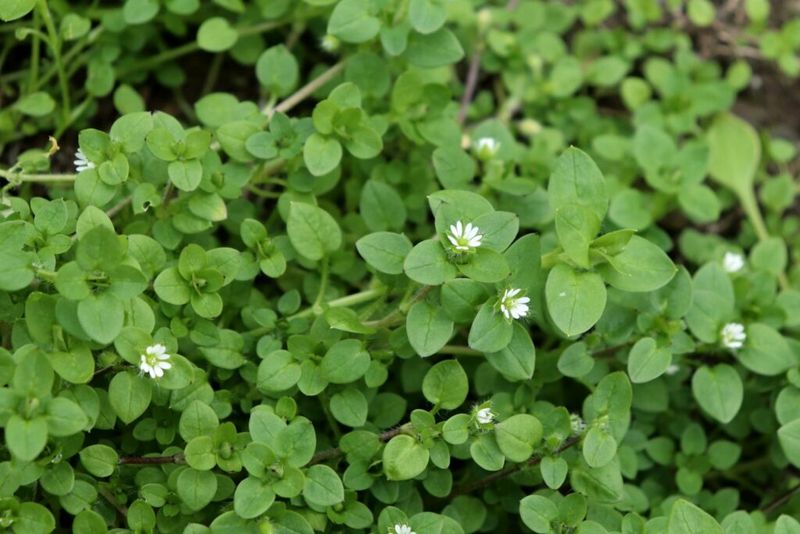
Chickweed, with its delicate white blooms, is more than a mere garden invader. It signals soil teeming with nitrogen and remarkable moisture retention. This tiny plant thrives in conditions that nourish your garden’s heart and soul. Often overlooked, chickweed is edible and surprisingly nutritious, offering a fresh addition to salads. Its presence suggests a balanced ecosystem, where nutrients flow freely. As you pull these “weeds,” consider their role in revealing your soil’s hidden wealth. Chickweed is a harbinger of vitality, quietly working as nature’s gardener, ensuring your soil is in top form.
2. Dandelion (Taraxacum officinale)
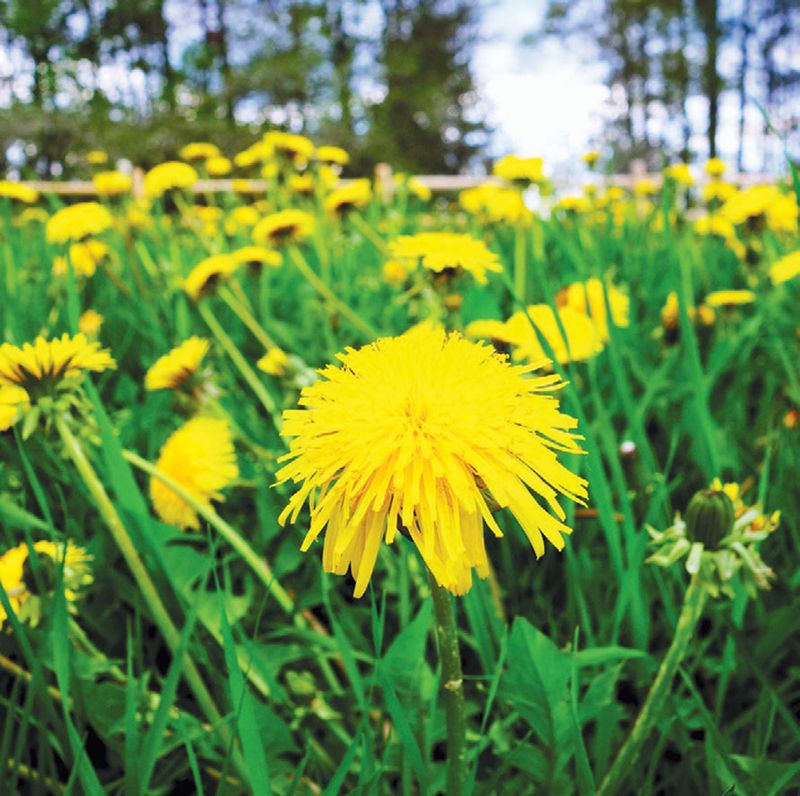
Golden dandelions, often scorned as mere lawn pests, are actually soil saviors. They indicate a balanced, fertile ground that’s well-aerated. Their deep taproots draw nutrients from the depths, enriching the surface soil. Beyond their ecological role, dandelion leaves are a nutritious, edible treat. These bold flowers reflect the soil’s health, signaling aeration and fertility. As you witness dandelions dotting your landscape, appreciate them as nature’s messengers. They’re not just weeds; they’re indicators of a robust garden ecosystem, turning common spaces into lush, thriving environments with their cheerful presence.
3. Clover (White or Red) (Trifolium spp.)
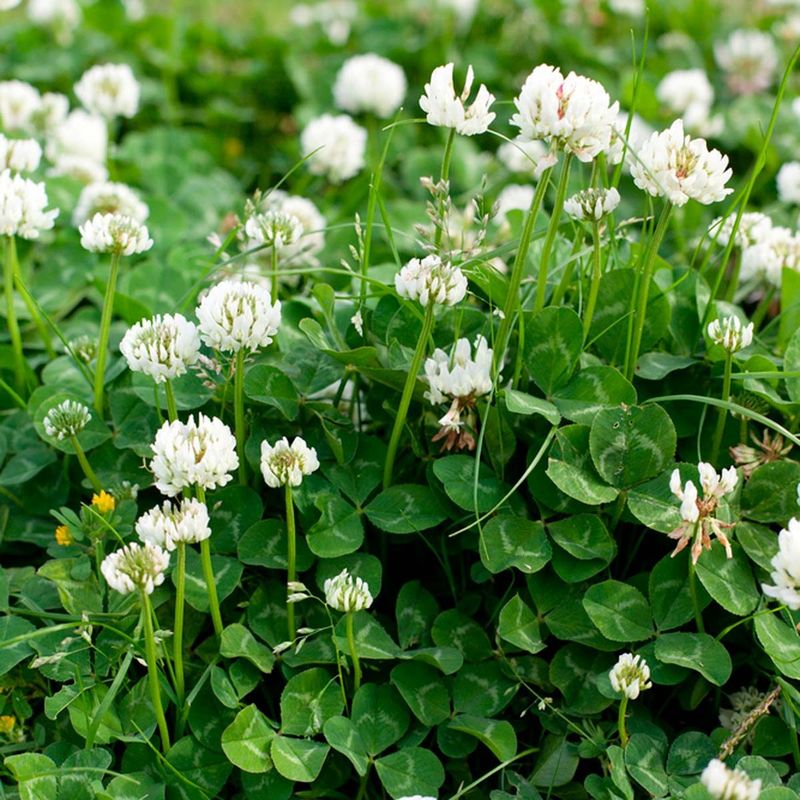
Clover, the charming three-leafed plant, speaks of soil in need of nitrogen yet healthy at its core. This plant improves fertility by fixing nitrogen, enhancing the garden over time. Its blossoms attract pollinators, turning any patch into a lively hub of activity. Acting as living mulch, clover preserves moisture and deters weeds. Its presence is a beacon of resilience and vitality, quietly working to balance and enrich the soil. Embrace clover, not as a competitor, but as an ally in your garden’s success, a silent partner in nurturing a fertile, thriving landscape.
4. Plantain (Plantago major)
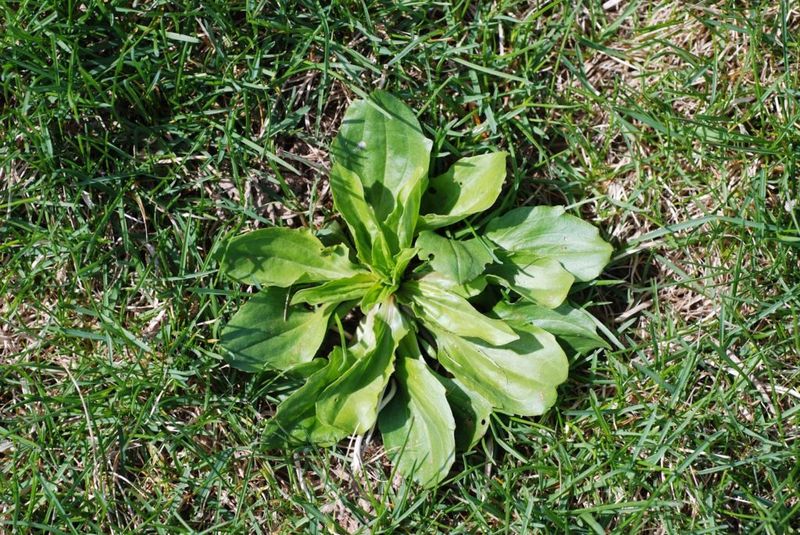
Plantain, with its broad, soothing leaves, signals soil that’s compacted yet rich and full of potential. These deep-rooted plants are nature’s tillers, breaking through hardpan to aerate and rejuvenate. Known for their medicinal uses, plantain leaves also offer relief from skin irritations. Their presence in your garden is a testament to the soil’s latent fertility, promising lush growth with a little nurturing. By understanding plantain’s role, gardeners can leverage its natural benefits, transforming compacted earth into a vibrant, fertile environment, ready to support a flourishing garden.
5. Purslane (Portulaca oleracea)
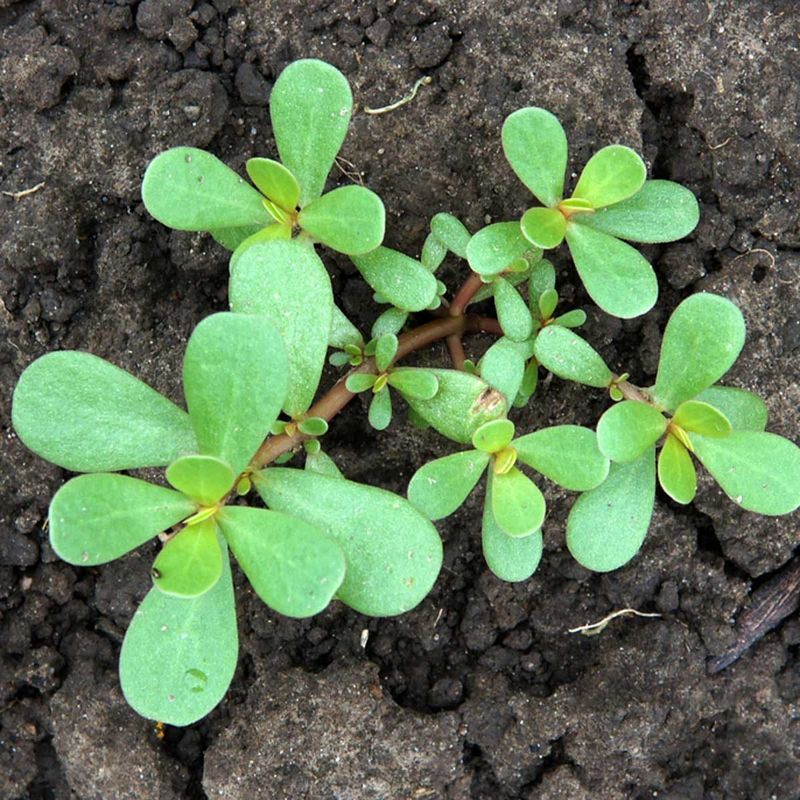
Purslane, often found sprawling in gardens, is a powerhouse of nutrition and an indicator of nutrient-rich, moist soil. This succulent plant is uniquely high in omega-3 fatty acids, making it a valuable edible weed. Its presence signifies fertile conditions, offering a promise of lush growth. Purslane’s tenacity in thriving hints at a garden bed brimming with life and potential. As you encounter this vibrant plant, view it as a sign of your soil’s health and a bonus edible crop. Purslane embodies resilience, contributing to both the soil’s vitality and culinary delights.
6. Lamb’s Quarters (Chenopodium album)
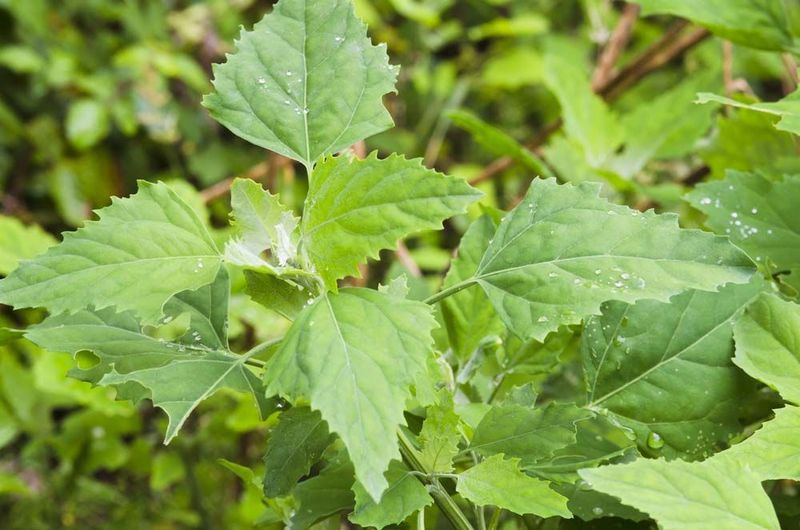
Lamb’s Quarters, often mistaken for weeds, are a mark of very fertile, nitrogen-rich soil. This plant, with its spinach-like taste, offers a nutritious addition to meals. Its thriving presence suggests a garden rich in essential nutrients. As it grows, it points to the soil’s capacity to support robust plant life. This weed-like plant is a testament to the soil’s fertility, quietly enhancing the garden’s ecosystem. By welcoming lamb’s quarters, gardeners can enjoy both its edible benefits and the assurance of a nutrient-dense growing environment.
7. Stinging Nettle (Urtica dioica)
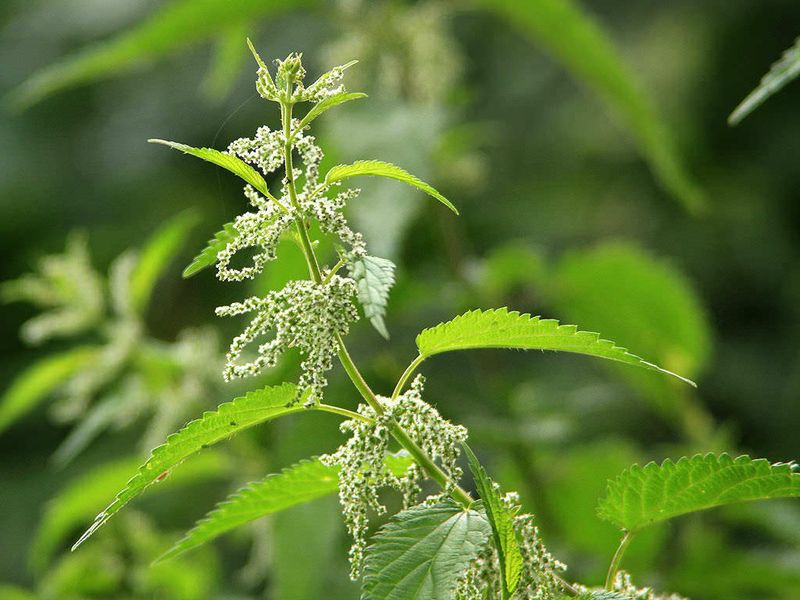
Stinging nettle, with its formidable reputation, is a herald of fertile, moist soil rich in phosphorus and nitrogen. This plant, often unwelcome, is a hidden gem for gardens. Cooked nettle leaves are edible, and the plant is excellent for making compost tea. Its presence suggests soil teeming with nutrients, ready to support diverse plant life. Though it may sting, nettle’s role as a soil indicator is invaluable. By understanding its signals, gardeners can harness its benefits, transforming gardens into rich, productive ecosystems, teeming with life and potential.
8. Yarrow (Achillea millefolium)
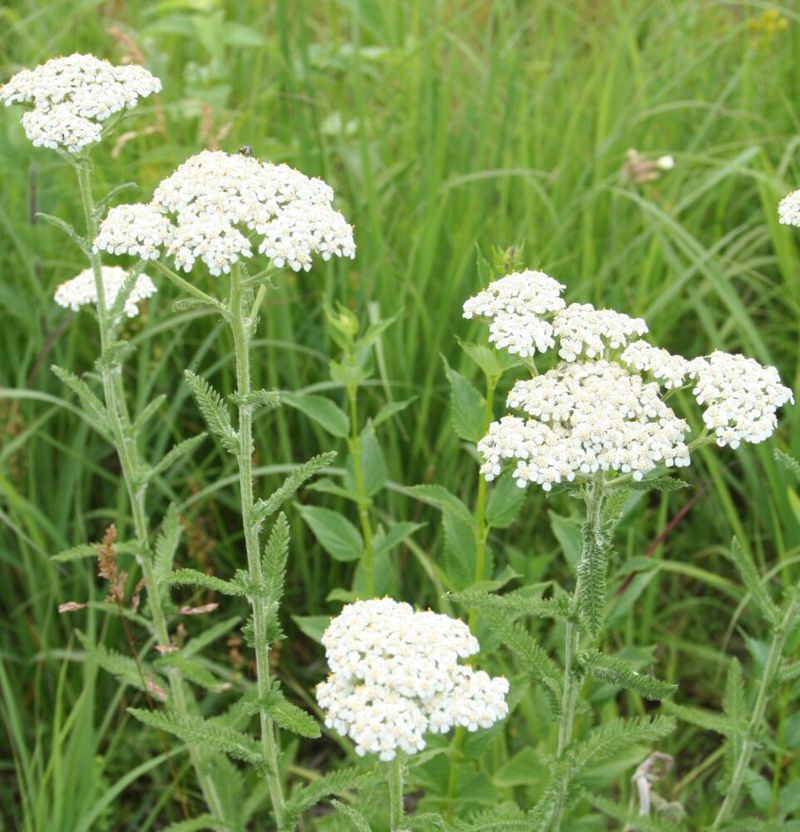
Yarrow, with its feathery leaves and clusters of flowers, indicates well-balanced, slightly acidic to neutral soil. This plant is more than just a pretty face; it’s a medicinal herb and a favorite among pollinators. Yarrow’s presence highlights the soil’s capacity to support a balanced ecosystem. Its resilience and beauty make it a garden ally, fostering biodiversity. By embracing yarrow, gardeners can enhance their landscapes, attracting beneficial insects and promoting a harmonious environment. This plant stands as a symbol of balance and health, reflecting the vitality of the soil beneath.
9. Vetch (Vicia spp.)
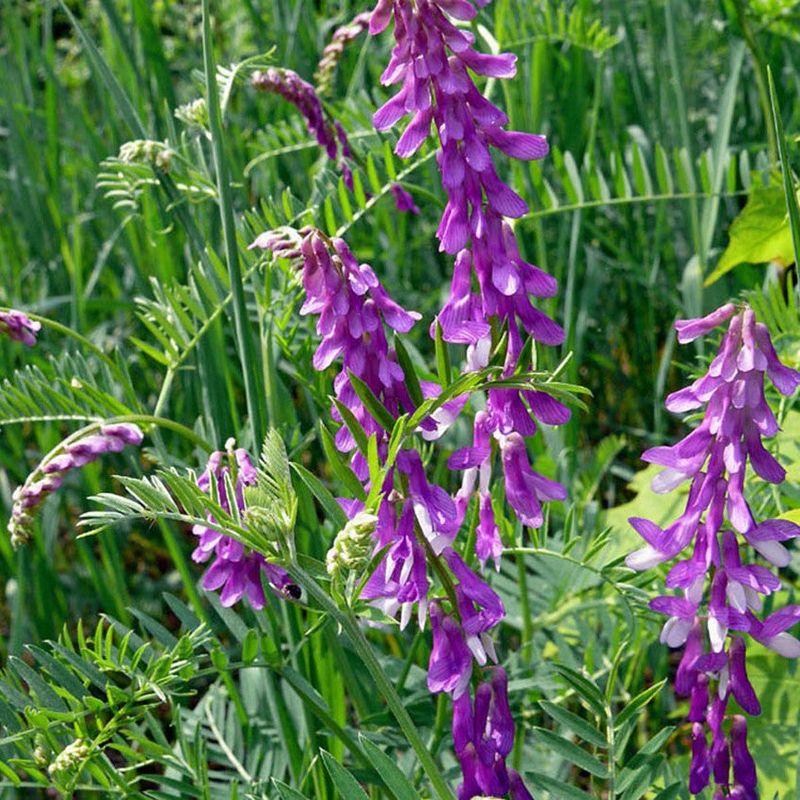
Vetch, with its delicate, twining growth, indicates soil low in nitrogen but on the mend. This nitrogen-fixer enriches the ground over time, making it a valuable cover crop for soil restoration. Vetch’s ability to improve soil fertility makes it a gardener’s friend in revitalizing depleted areas. Its presence suggests a promise of future productivity, as it works quietly to restore balance. By incorporating vetch, gardeners can enhance soil health, paving the way for thriving plant life. This plant is a quiet catalyst for change, nurturing the ground with its delicate touch.
10. Wild Amaranth (Amaranthus spp.)
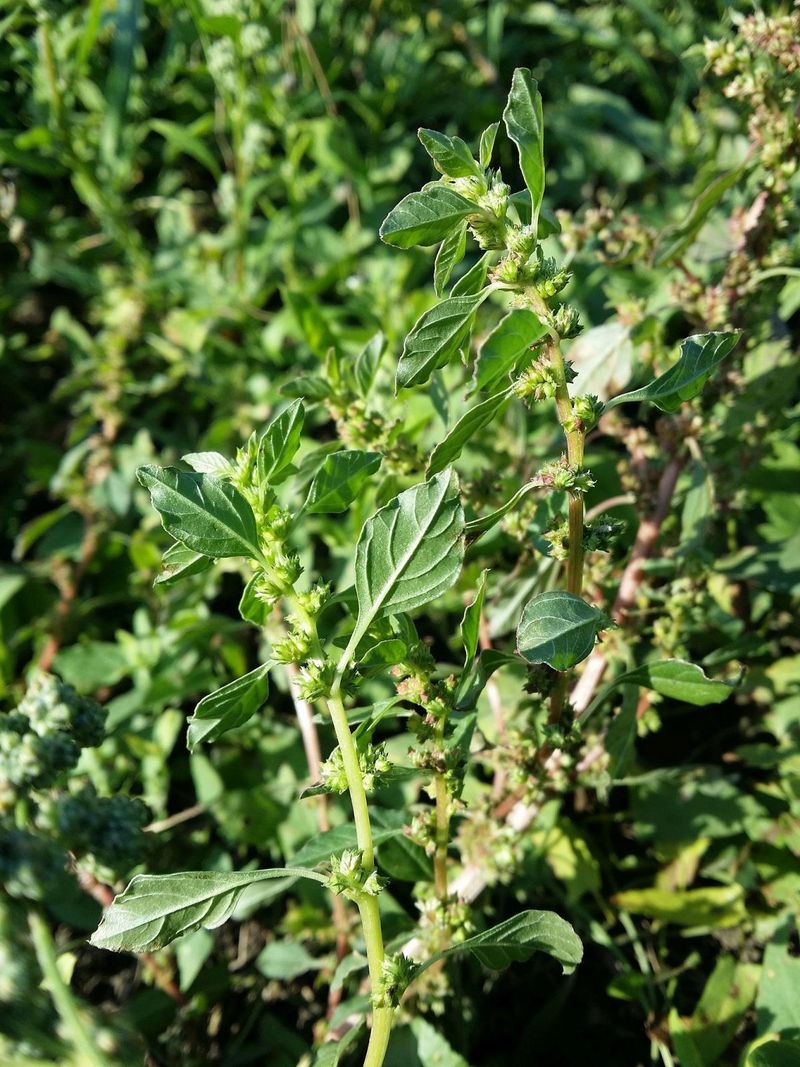
Wild Amaranth, known for its vibrant red stems, thrives in rich, well-drained soil. This striking plant offers edible seeds and leaves, akin to quinoa, adding nutritional value to gardens. Its presence signals a healthy, balanced environment, capable of supporting diverse plant species. As a hardy grower, wild amaranth points to the soil’s ability to nurture robust growth. Embracing this plant means recognizing its dual role as both a soil indicator and a food source. Wild Amaranth stands as a testament to the soil’s richness, promising a fertile, dynamic garden landscape.
11. Dead Nettle (Lamium spp.)
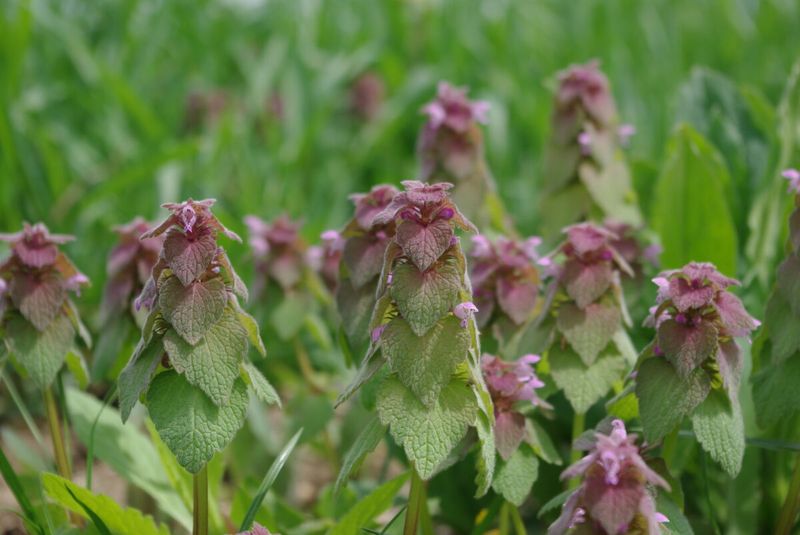
Dead Nettle, with its soft purple blooms, heralds fertile, moist soil rich in organic matter. This early spring bloomer not only signals good growing conditions but also supports pollinators at a critical time. Its presence marks a garden ready to burst into life, brimming with nutrients. By welcoming dead nettle, gardeners gain a valuable ally in promoting biodiversity and enhancing soil health. This plant is a gentle reminder of the garden’s potential, quietly working to enrich the soil and its inhabitants. Dead nettle is a sign of promise, heralding a bountiful growing season.
12. Burdock (Arctium lappa)
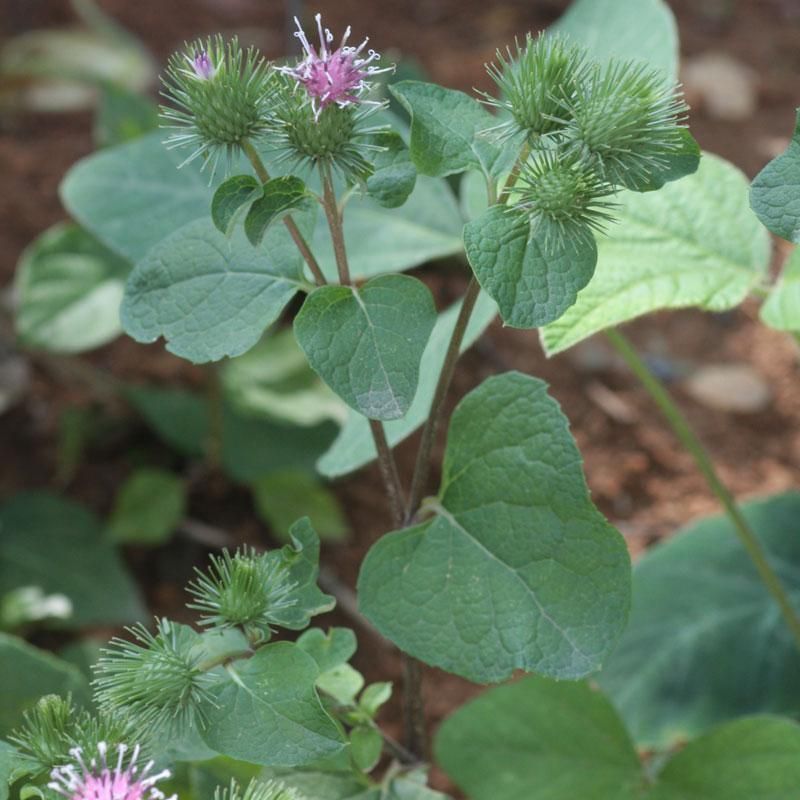
Burdock, with its imposing leaves and burrs, indicates deep, mineral-rich soil. This plant offers edible roots, prized in traditional medicine and cuisine. Its presence suggests a wealth of nutrients below the surface, ready to support vigorous growth. Burdock stands as a testament to the soil’s richness, highlighting the potential for a thriving garden. By recognizing its role, gardeners can tap into the soil’s hidden reserves, transforming their landscapes into vibrant, productive environments. This plant is a symbol of depth and vitality, reflecting the abundance hidden beneath its surface.
13. Chicory (Cichorium intybus)
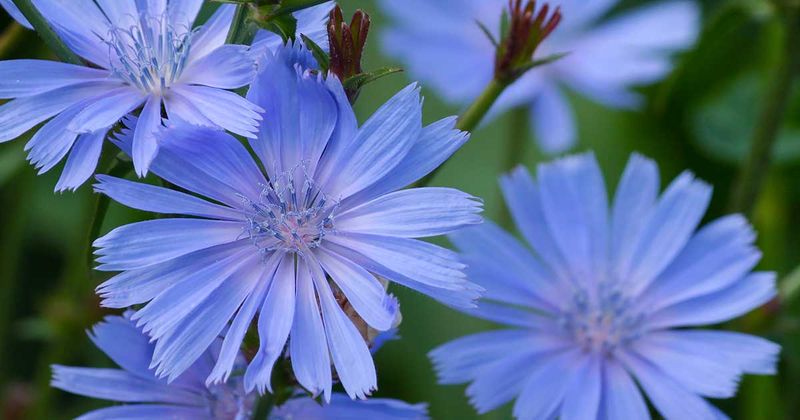
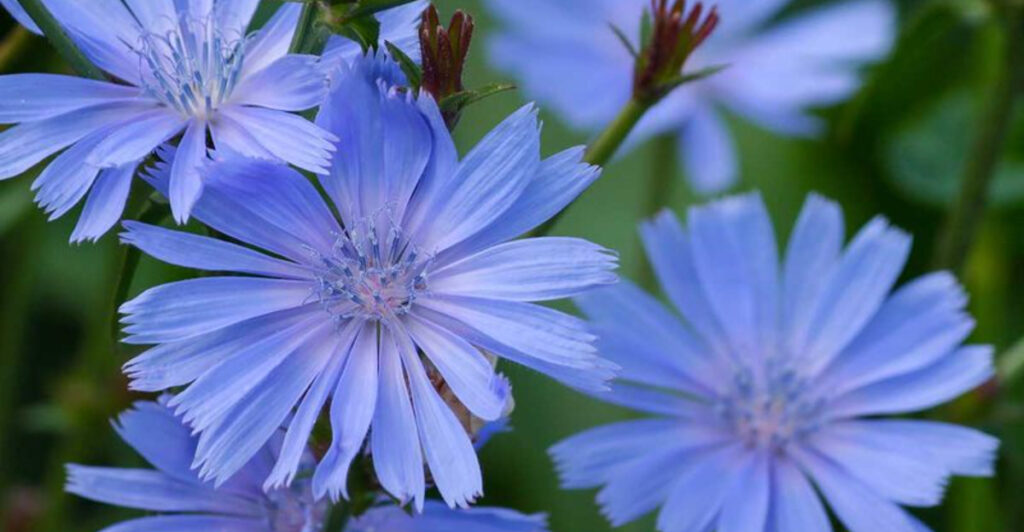
Chicory, adorned with striking blue flowers, thrives in well-drained, slightly alkaline soil. This plant offers edible leaves and roots, often used as a coffee substitute. Its presence signals a balanced environment, prepared to support diverse plant life. By embracing chicory, gardeners can enhance their soil’s health, fostering a dynamic ecosystem. This plant reflects the soil’s readiness for growth, standing as a symbol of balance and nourishment. With chicory in your garden, you gain both a soil indicator and a culinary delight, enhancing the richness of your gardening experience.
14. Queen Anne’s Lace (Daucus carota)
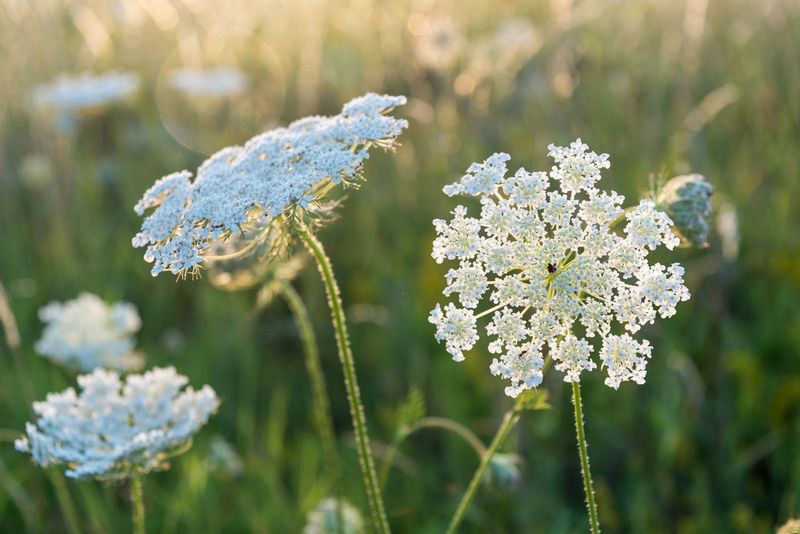
Queen Anne’s Lace, with its delicate white blooms, grows in poor but well-drained soil. Related to carrots, this plant attracts beneficial insects, enhancing garden biodiversity. Its presence indicates soil with potential, ready to support a variety of growth with some nurturing. As part of the garden ecosystem, Queen Anne’s Lace plays a vital role in promoting balance and health. By welcoming this plant, gardeners can harness its benefits, transforming their spaces into thriving, diverse landscapes. This plant is a reminder of the soil’s latent power, promising vibrant growth ahead.
15. Ground Ivy (Glechoma hederacea)
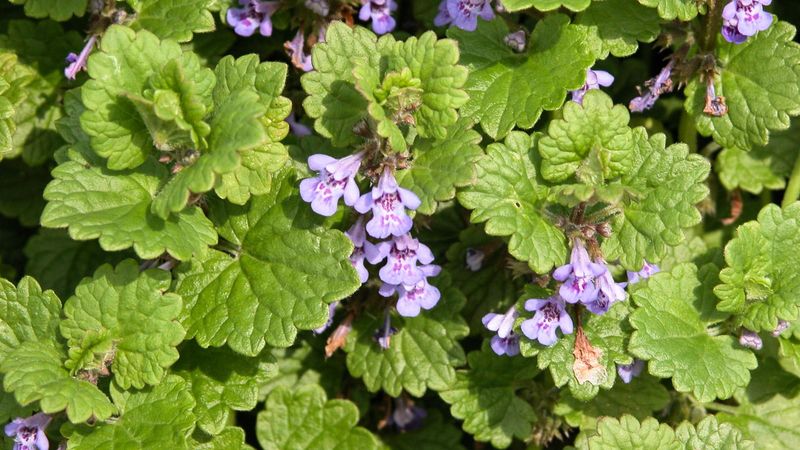
Ground Ivy, known for its creeping growth, indicates moist, slightly acidic soil rich in organic matter. This plant is used in traditional medicine and plays a role in enhancing soil health. Its presence suggests a fertile environment, ripe for vigorous growth and biodiversity. By acknowledging ground ivy, gardeners gain insight into their soil’s condition, ready to harness its potential. This plant serves as a living testament to the soil’s vitality, supporting a dynamic ecosystem. Ground Ivy is more than just a ground cover; it’s a sign of promise and abundance in the garden.