
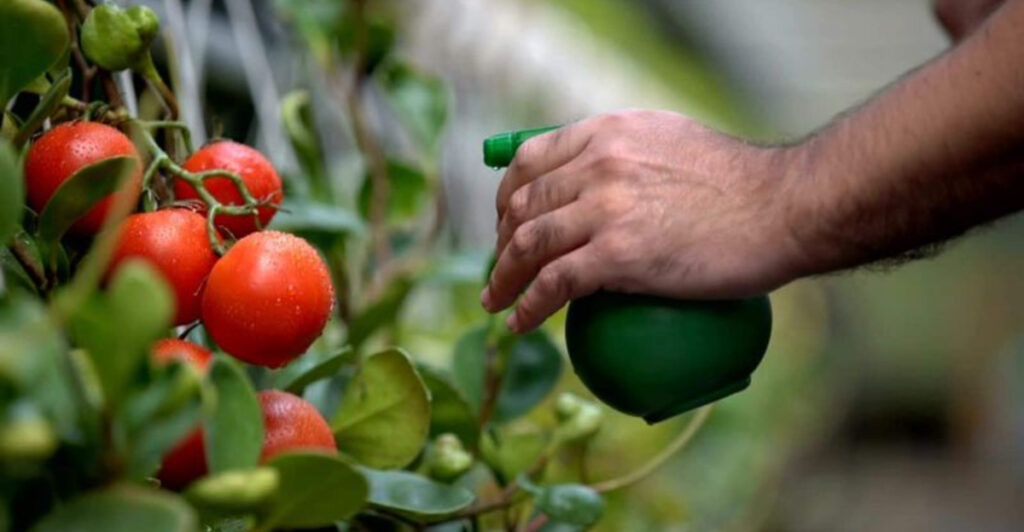
Aphids can wreak havoc on your beloved tomato plants, but fear not! These small, sap-sucking insects are no match for our ten natural and fast-acting solutions. By employing these strategies, you’ll not only protect your plants but also encourage a healthier garden ecosystem. Each method is unique in its approach, offering different benefits and catering to various gardening styles. Dive into these practical tips, and soon, your tomato plants will thrive without the pesky interference of aphids. From water blasts to beneficial insects, there’s a method here for every gardener.
1. Blast Them Off With Water
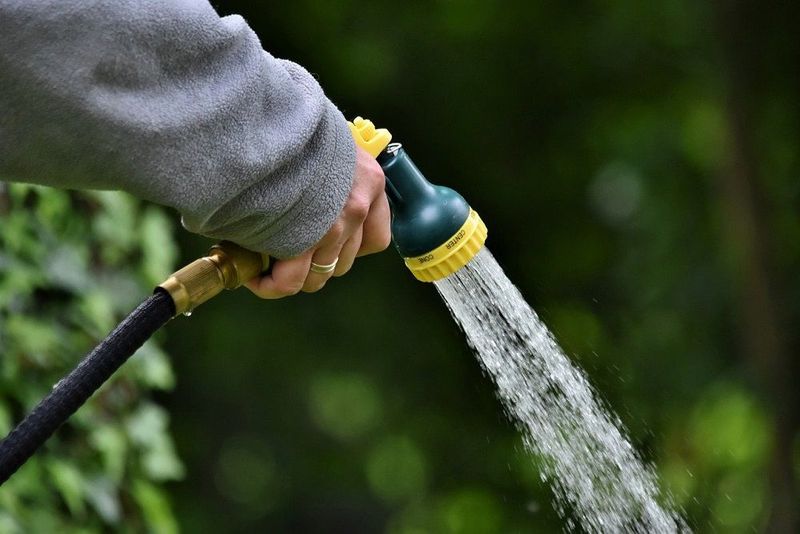
Sometimes, the simplest solutions are the most effective. By using a strong spray from your garden hose, you can physically remove aphids from your tomato plants. Focus especially on the undersides of leaves where aphids tend to hide. This method is not only immediate but also environmentally friendly, as it uses nothing but water. Though it may not eliminate all aphids, it disrupts their colonies significantly, making it an ideal first line of defense. Repeat this process regularly for best results, especially after noticing an increase in aphid activity.
2. Use a Homemade Soap Spray
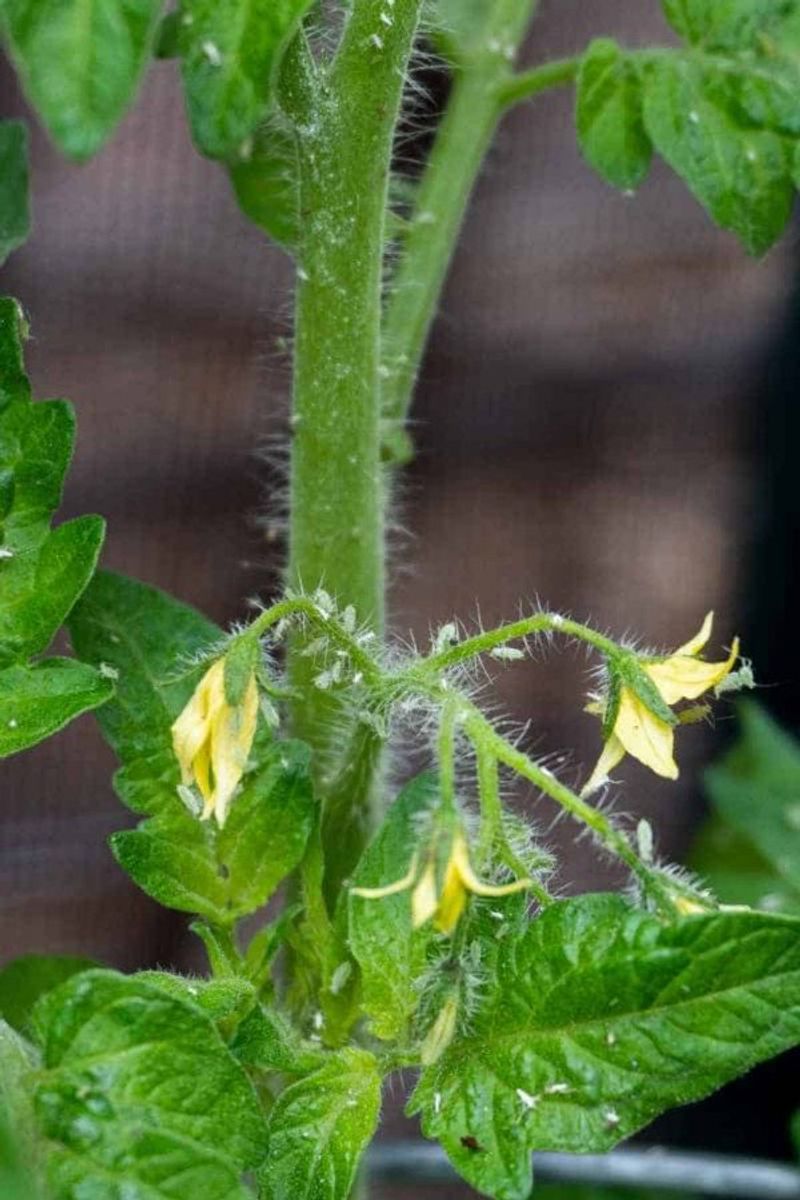
Concocting a homemade soap spray is a brilliant way to tackle aphids without harming your precious tomato plants. Mix one tablespoon of mild dish soap with a quart of water, ensuring the soap is well-dissolved. Spray this mixture directly onto the aphids. The soap suffocates these pests on contact, making it a highly effective natural pesticide. Be sure to apply the spray during cooler parts of the day to prevent leaf burn. This method is both cost-effective and simple, perfect for gardeners seeking a gentle approach to pest control.
3. Try a Garlic or Neem Oil Spray
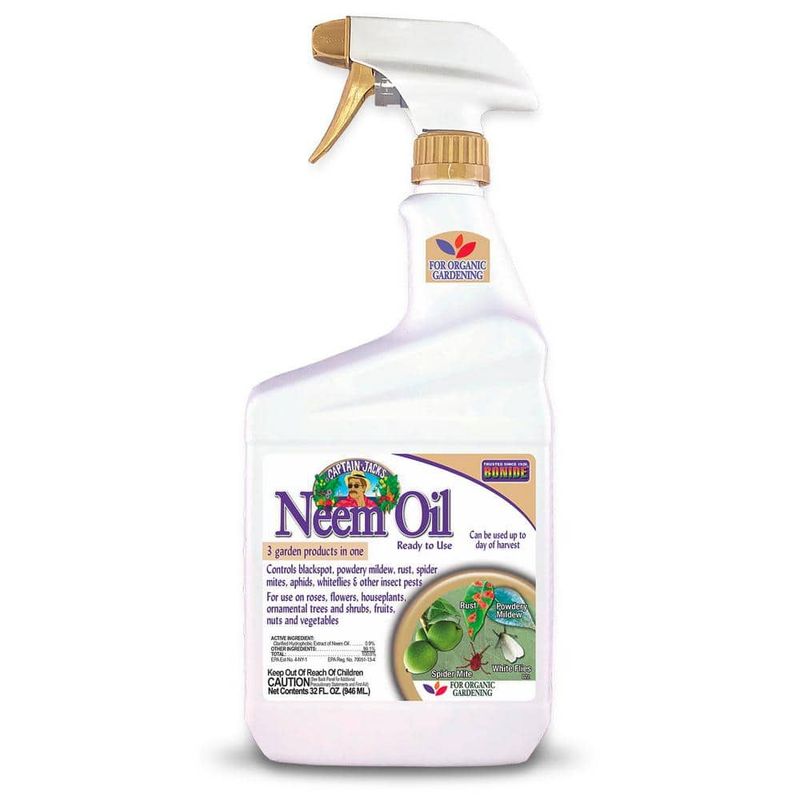
Harness the power of nature’s insecticides with garlic or neem oil sprays. Neem oil is particularly potent, disrupting aphid reproduction and feeding. To make your spray, combine two teaspoons of neem oil with a teaspoon of dish soap in a quart of water. Alternatively, garlic spray repels aphids with its strong scent. Both options offer a natural, effective solution that won’t harm beneficial insects or your plants. Apply these sprays in the early morning or late afternoon to avoid damaging the leaves and to maximize their effectiveness.
4. Release Ladybugs or Lacewings
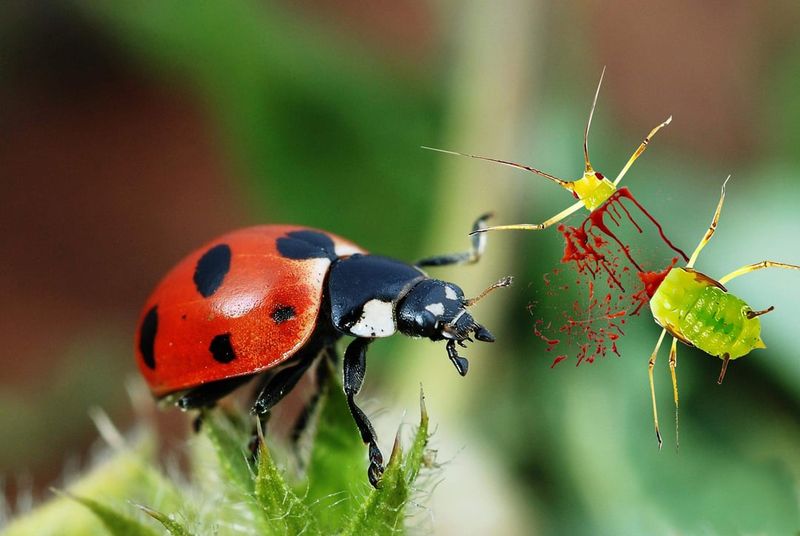
Introducing ladybugs or lacewings to your garden can be an exciting and efficient way to control aphid populations. These beneficial insects are voracious predators of aphids, providing an all-natural pest control solution. Ladybugs devour aphids at an astonishing rate, while lacewings are known for their insatiable appetite. You can purchase these insects online or at garden centers, releasing them onto your tomato plants at dusk. This method not only helps manage aphids but also promotes biodiversity and a healthy garden ecosystem.
5. Remove Infested Leaves
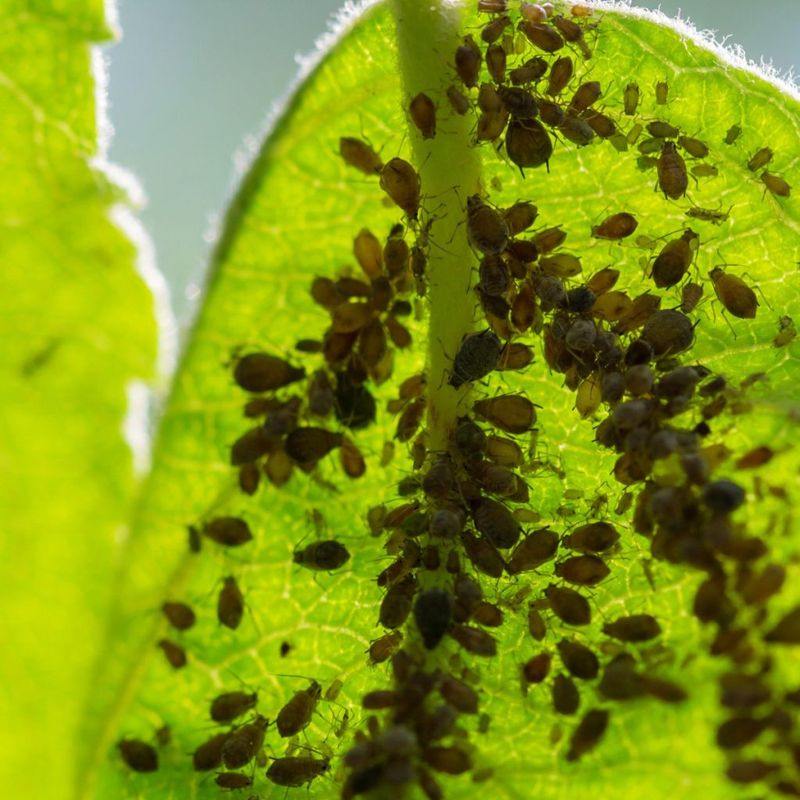
For severe infestations, removing infested leaves may be the best course of action. By carefully cutting away leaves that are heavily populated by aphids, you can quickly reduce their numbers and prevent further spread. This method allows for precise control and can be particularly effective when combined with other strategies. Remember to dispose of the removed leaves in a sealed bag to prevent aphids from returning. Regular inspection of your plants will help you identify problem areas early, ensuring a swift response to any outbreaks.
6. Avoid Over-Fertilizing
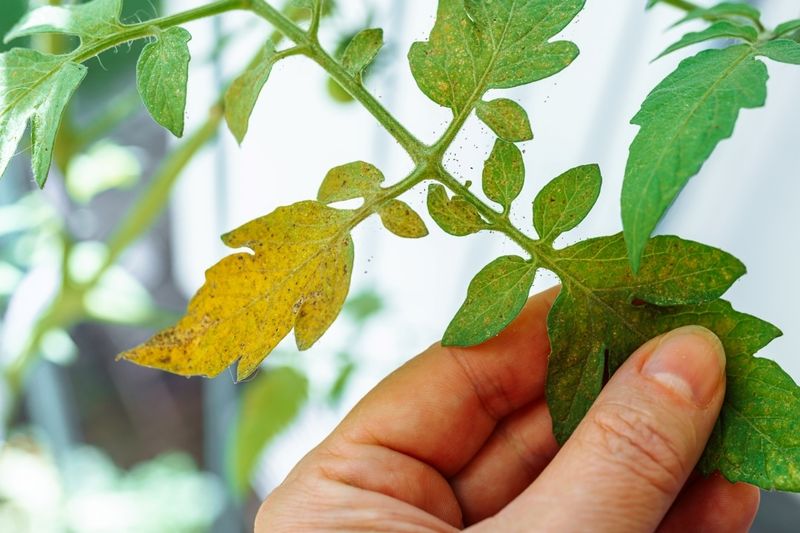
Aphids are particularly attracted to the tender new growth found on over-fertilized plants. To keep them at bay, it’s essential to use a balanced fertilizer and avoid the temptation to overdo it. By promoting sturdy, resilient growth in your tomato plants, you’ll make them less appealing to these pests. This approach not only helps in managing aphid populations but also contributes to the overall health and productivity of your garden. Monitoring your fertilization practices is a straightforward yet effective strategy in maintaining an aphid-free environment.
7. Plant Aphid-Repelling Companions
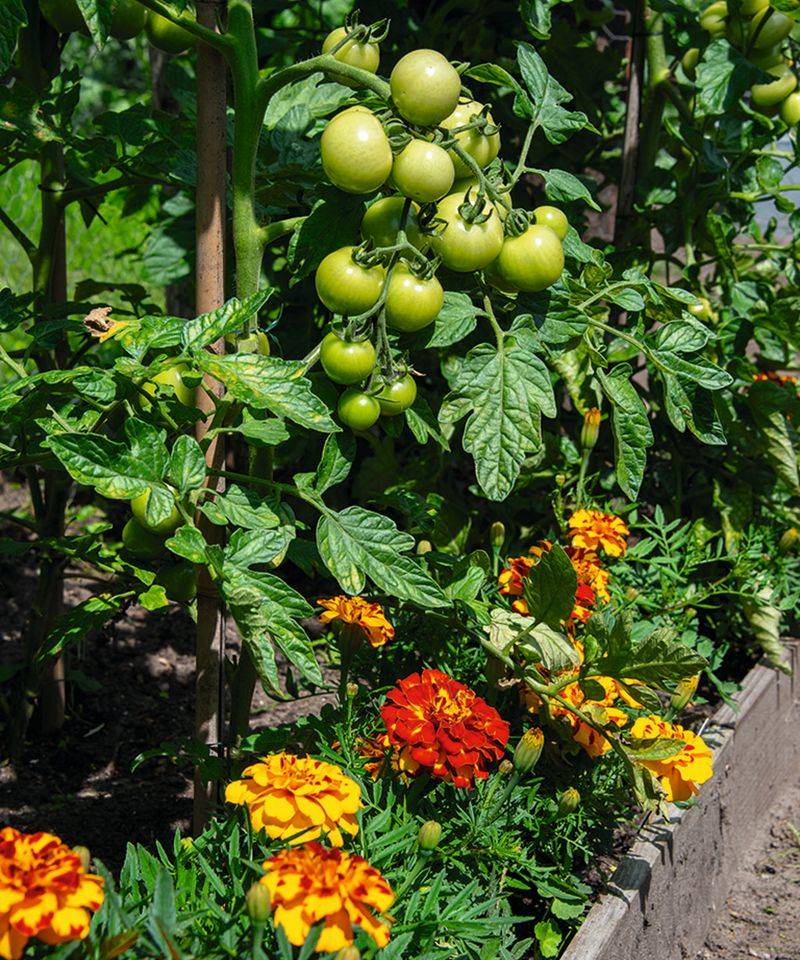
Nature provides its own solutions with companion planting. By adding plants like basil, marigold, chives, or nasturtium to your garden, you can naturally repel aphids. These plants emit strong scents that confuse and deter these pests, acting as a natural barrier. Beyond pest control, they enhance the aesthetic appeal and biodiversity of your garden. Integrating these companions with your tomato plants not only helps keep aphids at bay but also contributes to a healthier, more vibrant garden space.
8. Keep Your Garden Clean
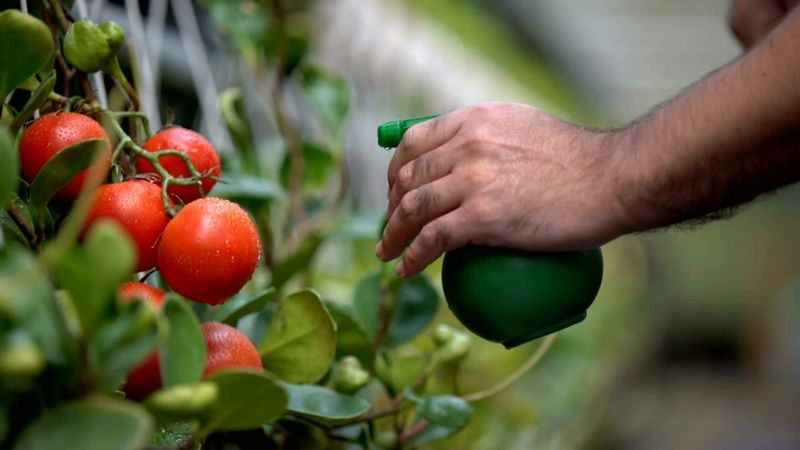
A tidy garden is an unwelcoming place for aphids. Regularly removing plant debris and weeds around your tomato plants can greatly reduce hiding spots for these pests. Aphids often find refuge in clutter, especially at the base of plants. By maintaining a clean garden, you diminish the chances of infestations and create a healthier growing environment. This practice is simple yet effective, promoting a robust garden ecosystem where pests struggle to gain a foothold. Consistent upkeep is key to preventing aphid colonization.
9. Use Yellow Sticky Traps
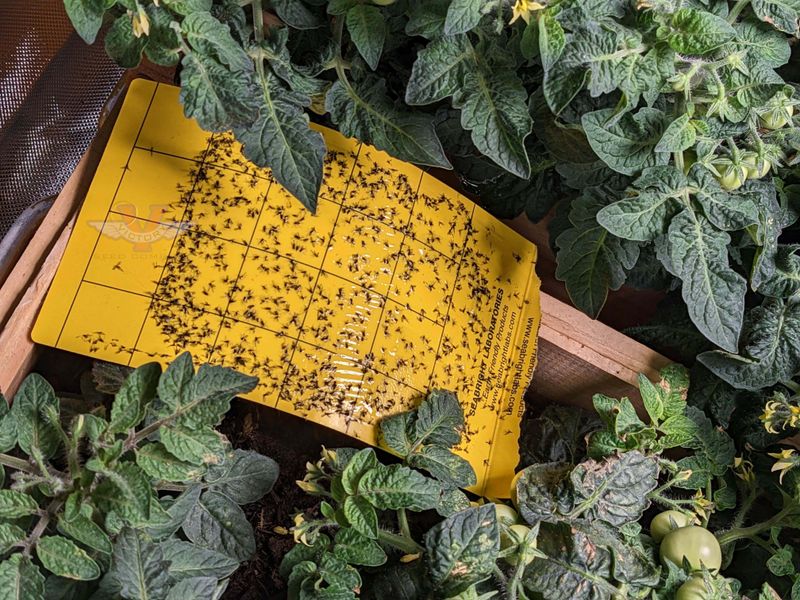
Yellow sticky traps are an excellent tool for capturing adult aphids flying into your garden. These traps are coated with a sticky substance that snags aphids in mid-flight, effectively reducing their numbers. They’re especially beneficial in enclosed spaces like greenhouses or on balconies, where aphids can quickly become a problem. By strategically placing these traps near your tomato plants, you can monitor and manage aphid populations with minimal effort. This passive method complements active treatments, providing an additional layer of protection.
10. Repeat Treatments Every Few Days
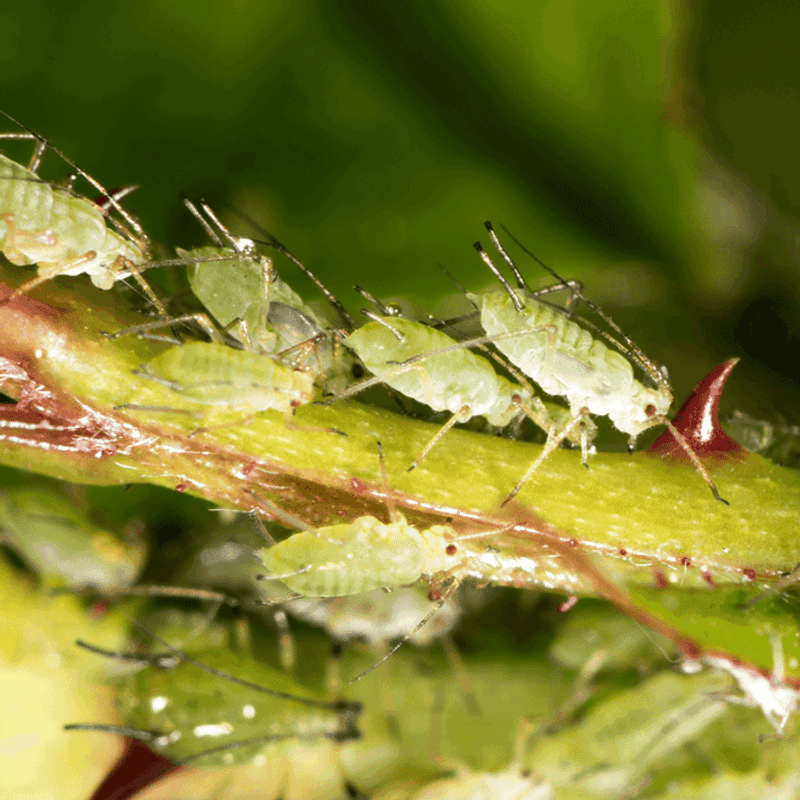
Patience and consistency are crucial when dealing with aphids. Because these pests multiply rapidly, repeated applications of your chosen treatments every two to three days are essential. Regular inspections of your tomato plants will help identify any resurgence, allowing for timely intervention. By staying vigilant and persistent, you’ll effectively keep aphid populations in check and protect your plants from damage. This commitment not only aids in pest management but also fosters a proactive gardening routine that benefits your entire garden.