
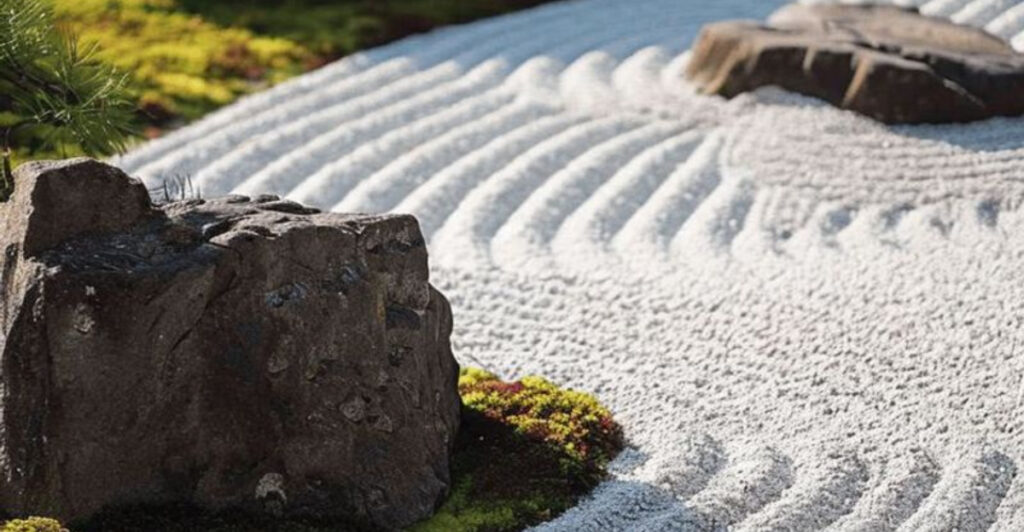
Zen rock gardens, also known as Japanese rock gardens or Karesansui, are minimalist landscapes composed of carefully arranged rocks, water features, and various types of plants. These gardens are designed to create a sense of tranquility and contemplation. Choosing the right plants is essential to maintain the aesthetic and spiritual essence of the garden. This article explores ten plants that perfectly complement a Zen rock garden, adding texture, color, and a sense of harmony to the space.
1. Japanese Maple
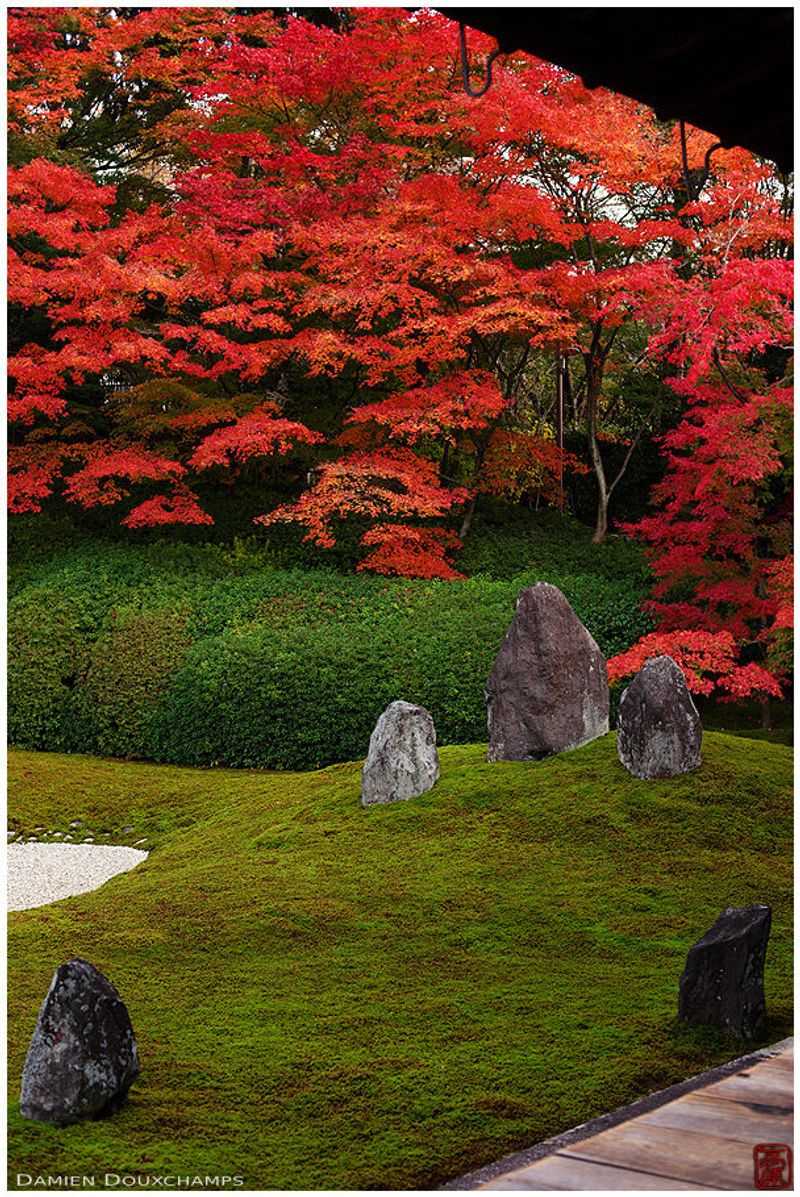
The Japanese Maple, with its stunning red foliage, offers a breathtaking contrast to the monochrome tones of a Zen garden. Its delicate leaves flutter in the breeze, creating a peaceful rustling sound.
This tree’s graceful presence invites contemplation, making it a cherished choice for garden enthusiasts. In autumn, the vibrant colors are reminiscent of a painter’s palette.
A perfect blend of elegance and tranquility, the Japanese Maple can transform any garden into a haven of peace. Did you know? It symbolizes peace and beauty in Japanese culture.
2. Black Mondo Grass
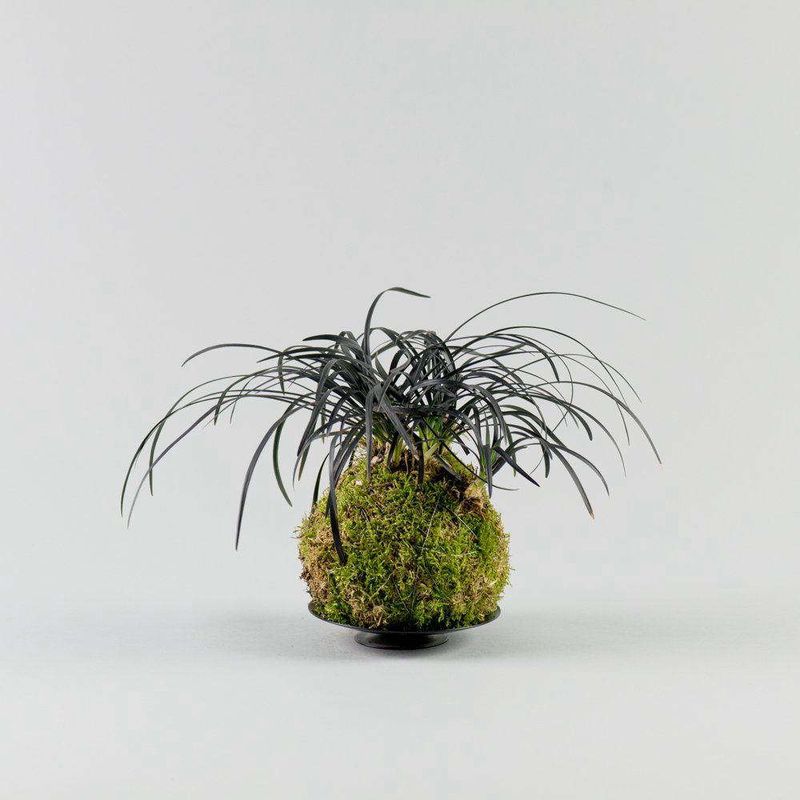
Black Mondo Grass is an unexpected yet captivating addition to a Zen garden. Its dark, sleek leaves provide a striking contrast to the traditional elements.
This grass doesn’t just capture attention; it demands it. Its low-growing nature makes it an ideal ground cover, enhancing the garden’s texture.
Fun fact: Despite its name, Black Mondo Grass isn’t truly black but a deep purple that appears black. Its unique appearance adds an element of surprise to the serene setting.
3. Moss
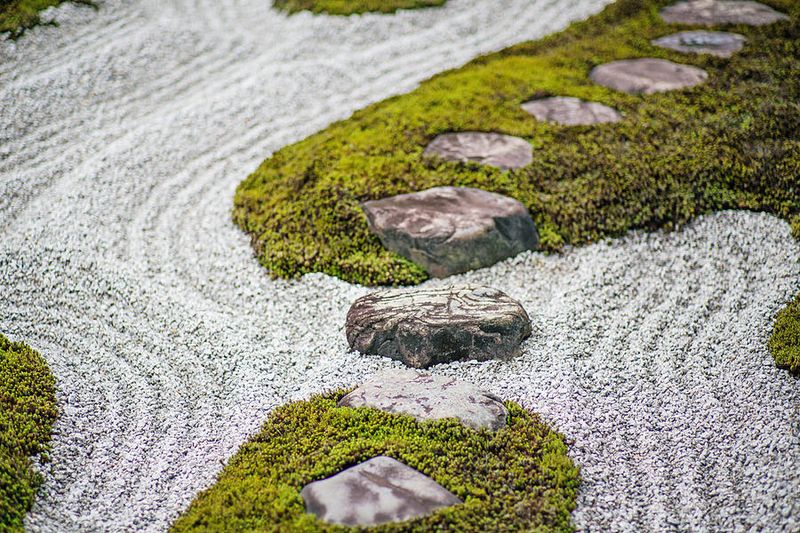
Moss, with its soft and lush texture, is an essential component of Zen gardens. Its verdant appearance brings life to rocks and pathways, embodying the garden’s tranquil essence.
Moss thrives in shaded areas, making it perfect for creating calming green carpets. It has an ancient feel, connecting visitors to nature’s timeless beauty.
Did you know? Moss has been used in Japanese gardens for centuries, symbolizing harmony and balance. Its presence adds an enchanting touch to the landscape.
4. Bamboo
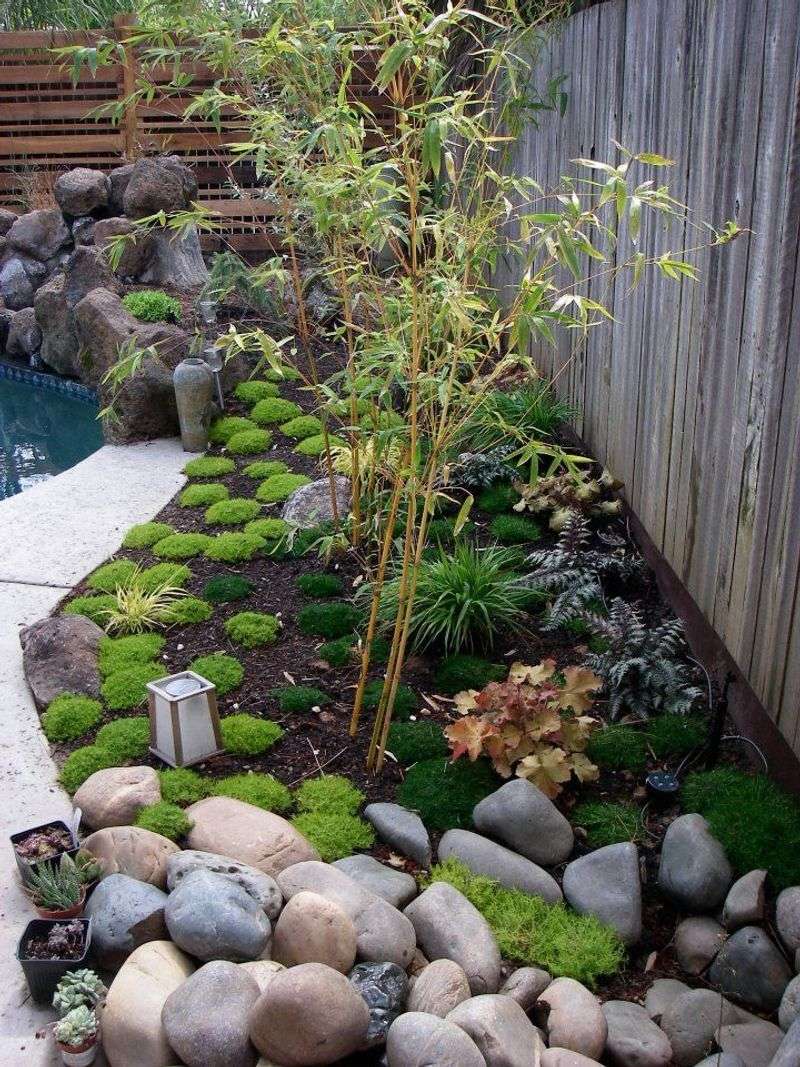
Bamboo, a symbol of strength and flexibility, is a classic choice for Zen gardens. Its tall, slender stalks sway gracefully, whispering tales of resilience.
This plant creates a natural screen, offering privacy without hindering the garden’s openness. Its perpetual green hue symbolizes vitality and endurance.
Bamboo has long been cherished in Asian cultures for its beauty and utility. In a Zen garden, it serves both aesthetic and functional roles, reinforcing the garden’s serene ambiance.
5. Hosta

Hostas, known for their lush foliage, bring a touch of elegance to Zen gardens. Their large, variegated leaves add a sense of depth and movement.
This plant thrives in shaded areas, making it perfect for creating serene retreats. Its diverse color palette ranges from deep green to bluish hues.
Did you know? Hostas are often called the ‘friendship plant’ because they can be easily divided and shared. This quality makes them a symbol of harmony and connection.
6. Japanese Forest Grass

Japanese Forest Grass adds a touch of whimsy to any Zen garden. Its arching blades move with the breeze, offering a dance of light and shadow.
This grass brings warmth with its golden hues, contrasting beautifully against darker elements. It’s a perfect choice for softening edges and creating visual interest.
Fun fact: Also known as Hakonechloa, this grass is named after Hakone, a famous Japanese town. Its flowing form embodies the tranquil spirit of Zen gardens.
7. Azalea
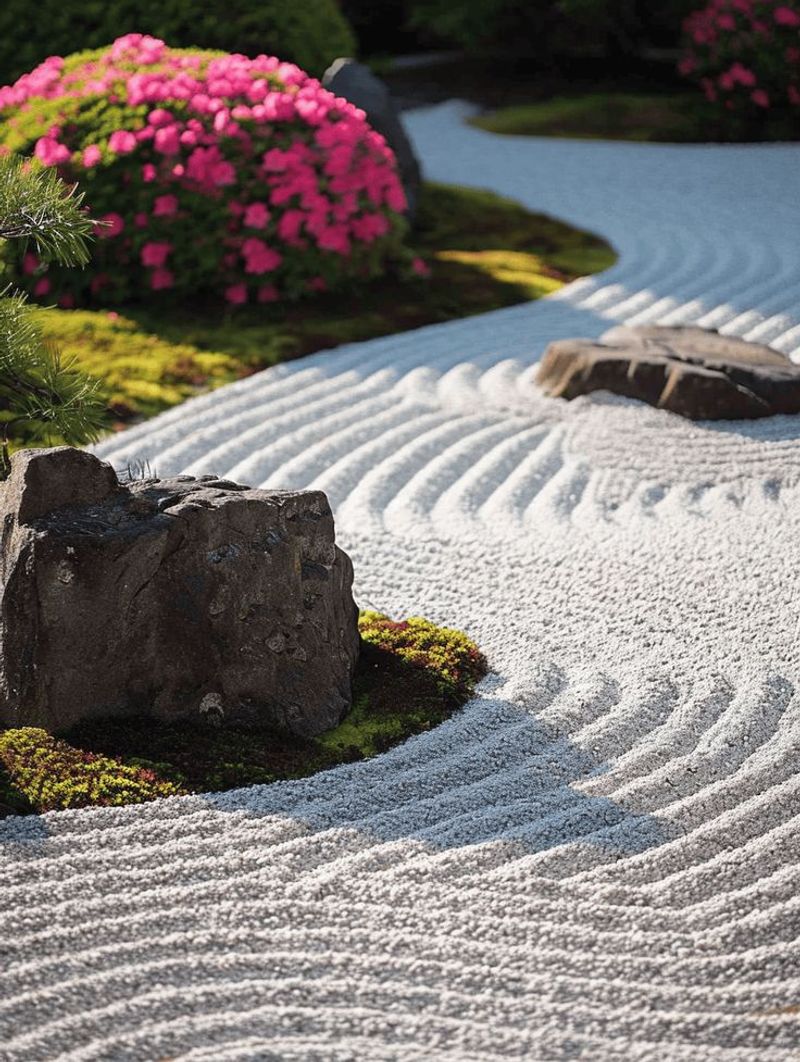
Azaleas, with their vibrant blooms, provide bursts of color to Zen gardens. These flowers symbolize happiness and are celebrated for their beauty.
When in bloom, azaleas create a stunning contrast to the garden’s minimalist palette. Their presence transforms the landscape into a lively canvas.
Azaleas are often used in Japanese festivals, symbolizing the arrival of spring. Their radiant colors and lush foliage contribute to the garden’s harmonious balance.
8. Japanese Yew
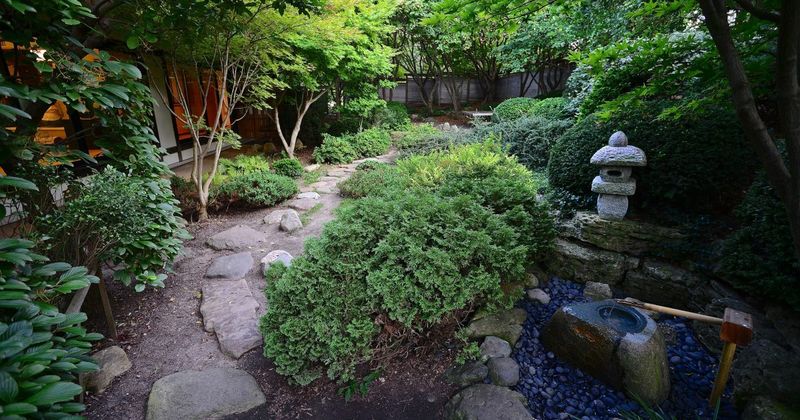
The Japanese Yew stands as a sentinel in Zen gardens, with its dense, evergreen foliage providing a steady presence. Its dark green needles offer a rich backdrop for other elements.
This plant is revered for its longevity and resilience, echoing the garden’s enduring peace.
Did you know? The Japanese Yew was historically used in constructing temples, symbolizing strength and unity. Its robust nature makes it a perfect companion for a tranquil garden setting.
9. Ferns
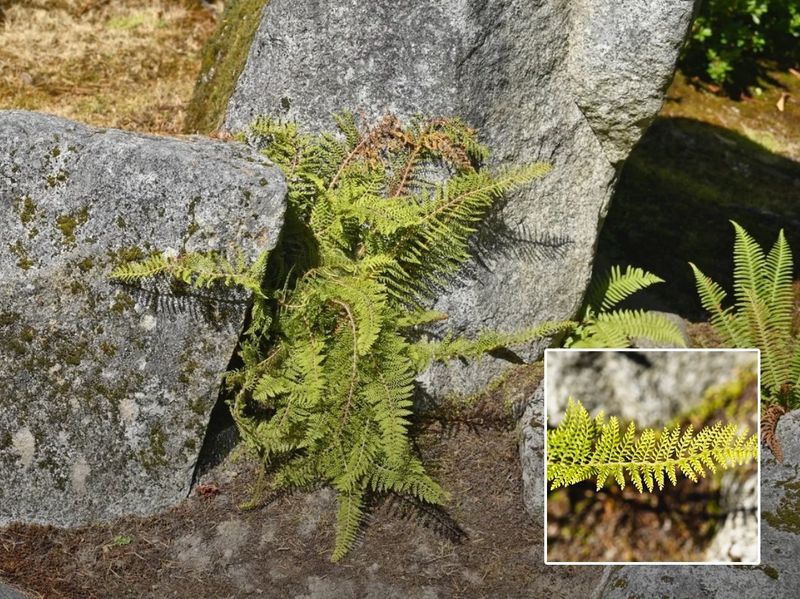
Ferns, with their delicate fronds, add an ethereal touch to Zen gardens. Their lush greenery complements the garden’s stones and water features.
These plants thrive in moist, shaded areas, offering a refreshing vibrancy. Ferns have an innate grace, capturing the essence of fleeting beauty.
Fun fact: Ferns are ancient plants, with fossils dating back millions of years. Their timeless nature aligns perfectly with the Zen philosophy of harmony and continuity.
10. Camellia

Camellias, known for their exquisite blooms, are a celebrated choice for Zen gardens. Their flowers, often white or pink, represent purity and admiration.
When they blossom, camellias bring a gentle brightness to the landscape, enhancing its tranquility. Their glossy green leaves provide a pleasing contrast.
Fun fact: Camellias are often associated with the tea ceremony in Japan, symbolizing refinement and grace. Their presence in a garden enriches its serene beauty.
11. Japanese Anemone
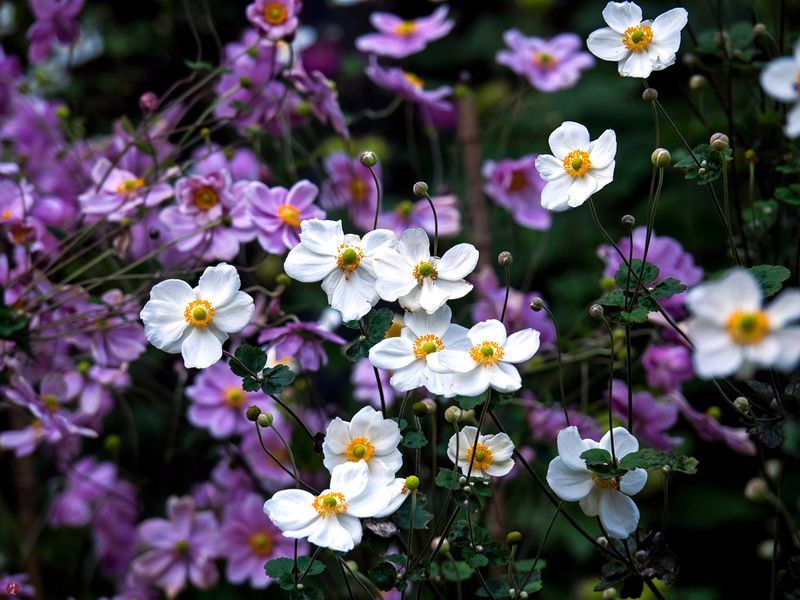
Japanese Anemones offer an ethereal touch to any Zen garden, their delicate blooms swaying gracefully. With petals in shades of white and pink, they bloom late into the fall, adding a splash of subtle color. Their tall, slender stems evoke elegance, complementing the garden’s tranquil ambiance.
Planted in groups, they create a soft focal point, inviting quiet contemplation. Despite their delicate appearance, they are hardy and resilient, thriving in a variety of soils. This plant’s adaptability and charm make it a beloved choice among Zen garden enthusiasts seeking understated beauty.
12. Silvergrass (Miscanthus)
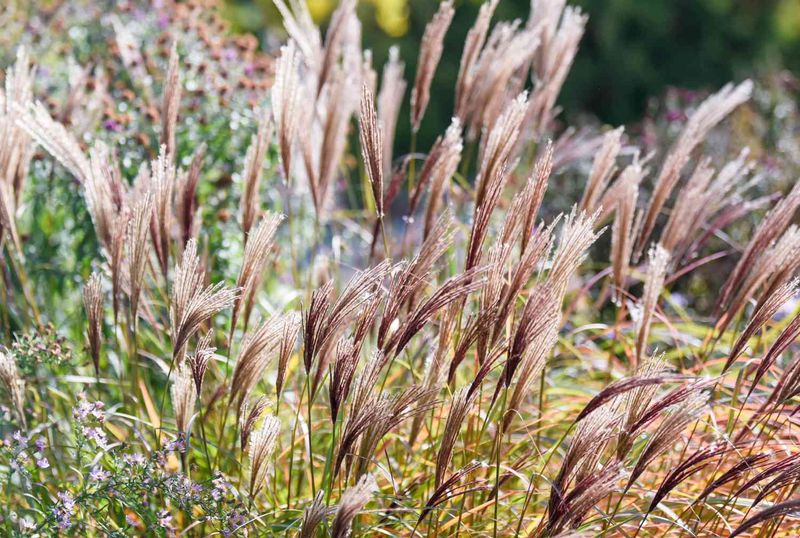
Silvergrass, with its feathery plumes, brings a sense of movement and grace to a Zen garden. Its tall, arching stems create dynamic lines, complementing the garden’s rigid structure. As the wind blows, the grass sways, creating a soothing rustle that enhances the garden’s peaceful atmosphere.
This grass is not only visually striking but also highly adaptable, tolerating a range of conditions. It’s perfect for adding height and texture without overwhelming the space. For garden enthusiasts, Silvergrass is a resilient choice that underscores the Zen philosophy of simplicity and balance.
13. Japanese Iris
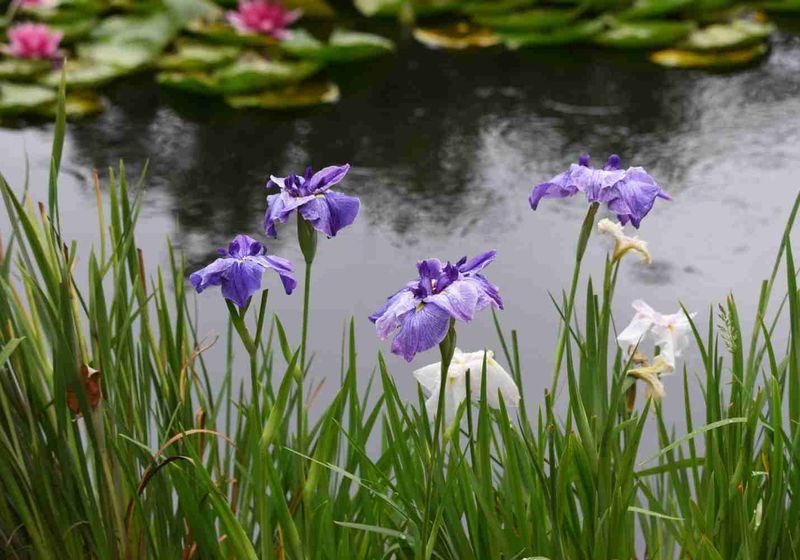
Japanese Iris, with its striking colors and intricate patterns, offers a bold yet harmonious focal point in a Zen rock garden. The flowers’ deep purples and blues contrast beautifully with the surrounding stones, adding depth and interest.
These irises thrive in moist conditions, making them ideal for gardens with water features. Their lush foliage remains attractive even when not in bloom, providing year-round interest. Revered for their beauty and elegance, Japanese Irises embody the Zen principles of purity and mindfulness, making them an exceptional addition to any tranquil landscape.
14. Dwarf Mugo Pine
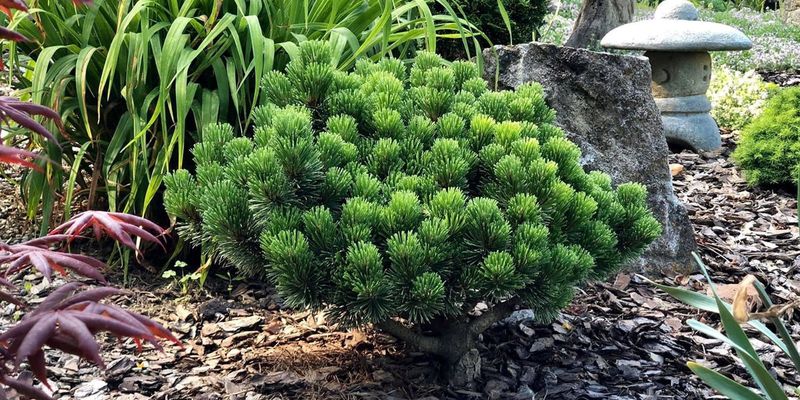
The Dwarf Mugo Pine is a steadfast companion in a Zen rock garden, offering year-round greenery. Its compact size and dense foliage make it perfect for small spaces, while its rugged appearance adds a natural, untouched feel.
This pine’s resilience is noteworthy, thriving in various conditions and requiring minimal maintenance. Its evergreen nature ensures that the garden remains vibrant, even in the depths of winter. With its sturdy presence, the Dwarf Mugo Pine symbolizes endurance and tranquility, aligning perfectly with the contemplative essence of Zen gardening.
15. Creeping Thyme
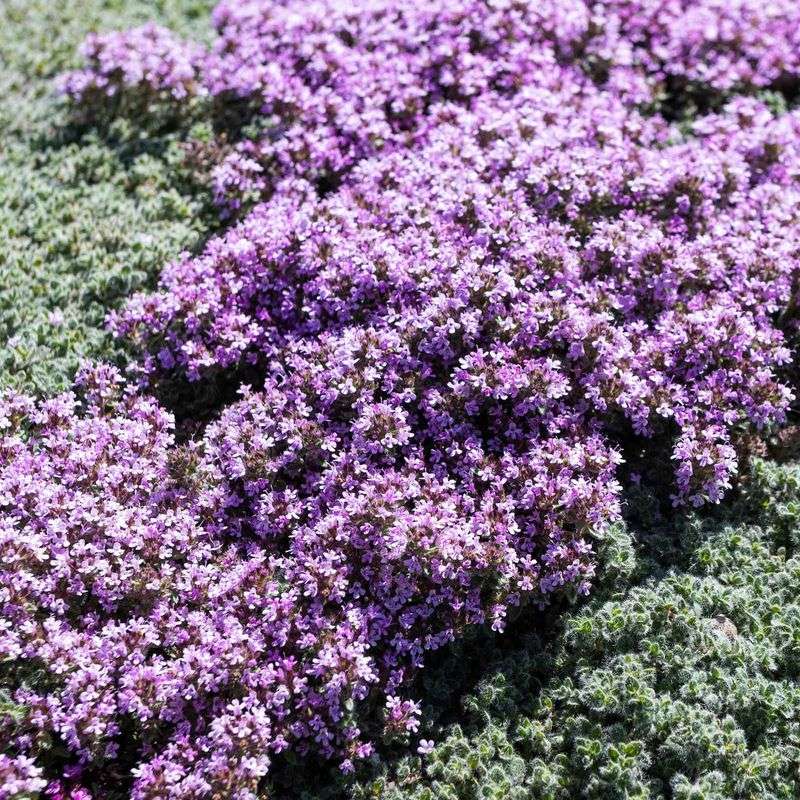
Creeping Thyme offers a fragrant carpet that softens the hard edges of a Zen rock garden. Its tiny purple blossoms burst into color during the summer months, adding a touch of vibrancy. This ground cover is not only visually pleasing but also resilient, thriving in sunny locations with minimal care.
As it spreads, Creeping Thyme forms a lush mat that invites exploration and interaction. Its aromatic leaves release a pleasant scent when brushed, enhancing the garden’s sensory experience. For those seeking a low-maintenance yet charming addition, Creeping Thyme is an exemplary choice.