 Complete Gardening
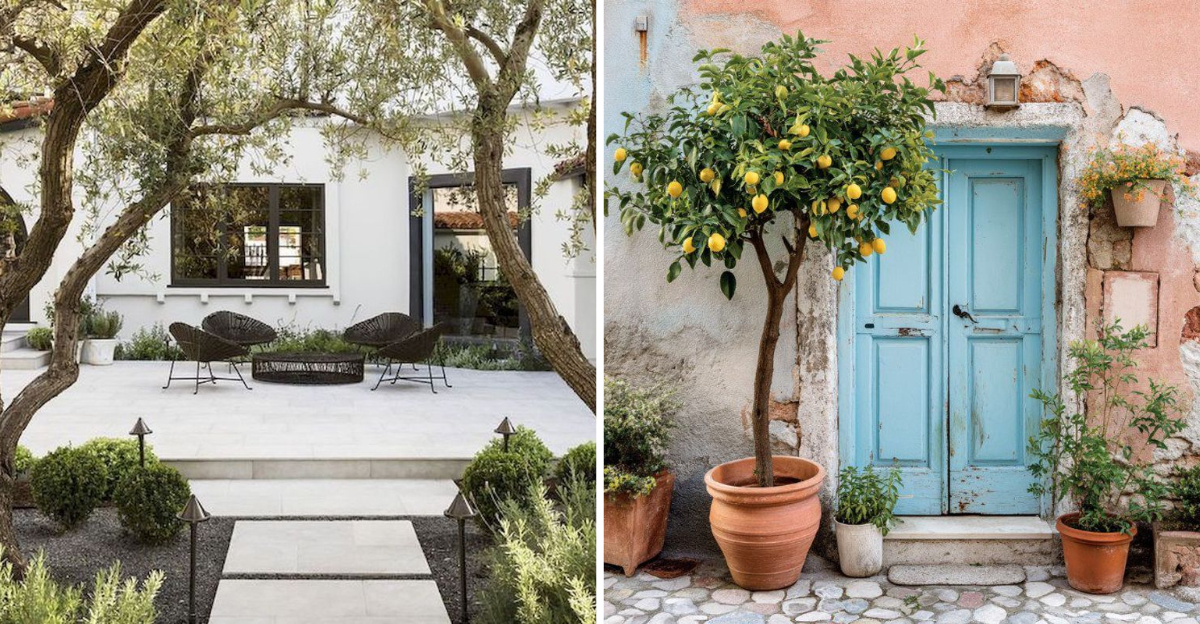
Transforming your courtyard into a Mediterranean oasis is an exciting endeavor. With the right selection of plants, you can evoke the charm and tranquility of sun-drenched landscapes. The Mediterranean climate is known for its hot, dry summers and mild, wet winters, so choosing plants that thrive in these conditions is essential. Here are seven key plants that will bring the essence of the Mediterranean to your outdoor space.
1. Olive Tree
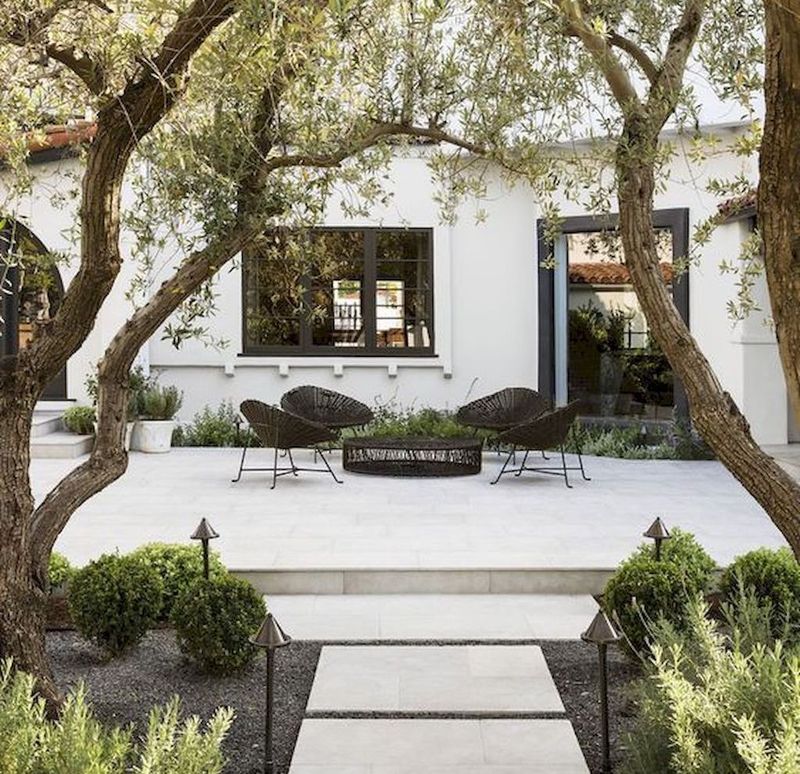
Olive trees bring the timeless beauty of the Mediterranean right to your courtyard. With their gnarled trunks and silvery leaves, they tell stories of ancient lands. Imagine a cool breeze rustling through the leaves, a sight that soothes the soul.
These trees are hardy and can withstand drought, making them perfect for hot summers. They require well-drained soil and plenty of sunlight. Fun fact: Olive trees can live for over a thousand years! In your garden, they add character and a touch of history that few plants can match.
2. Lavender

Lavender’s rich aroma and vibrant color make it a favorite in Mediterranean gardens. This hardy shrub thrives in well-drained soil and full sunlight, adding a splash of purple to your courtyard.
Its fragrance is not only soothing but also attracts bees and butterflies, creating a lively environment. Lavender is also versatile; use it in cooking or crafting sachets. Historically, it was used by the Romans for bathing, which highlights its long-standing popularity.
With lavender in your garden, enjoy the sensory delight that it brings, both visually and aromatically.
3. Rosemary
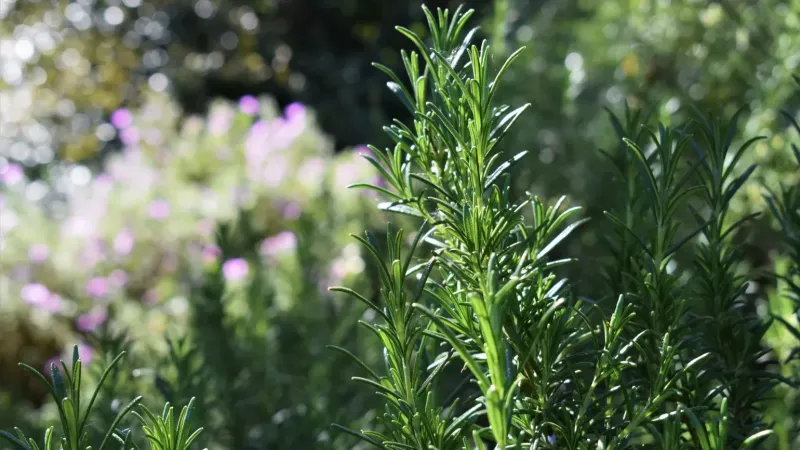
Rosemary, with its aromatic needle-like leaves, is a staple in Mediterranean gardens. Its robust nature allows it to thrive in less-than-ideal soil, making it an excellent choice for beginners.
This perennial herb doesn’t just look lovely; its uses in cooking are endless. The scent of rosemary wafting through your garden can be both invigorating and calming. Moreover, rosemary was once believed to improve memory, making it a herb of legends!
Incorporating rosemary in your courtyard offers both aesthetic appeal and practical benefits.
4. Italian Cypress
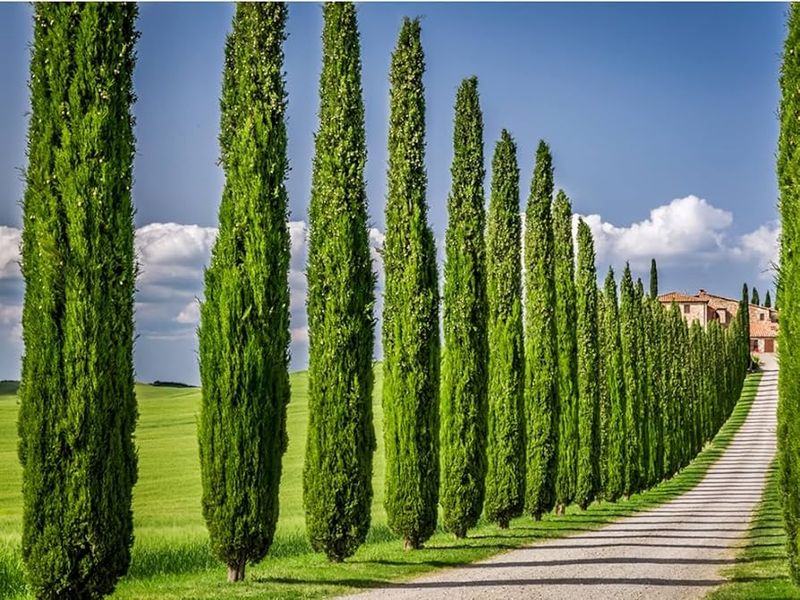
The Italian cypress stands tall and majestic, bringing a touch of elegance to any courtyard. Its slender form is reminiscent of the classic Mediterranean landscapes.
These trees act as natural privacy screens, with their dense foliage and towering height. They thrive in sunny conditions and add vertical interest to your garden design. Historically, cypress trees were symbols of immortality, often found in ancient graveyards.
They offer not just beauty but also a sense of heritage and stature, elevating your Mediterranean garden.
5. Bougainvillea
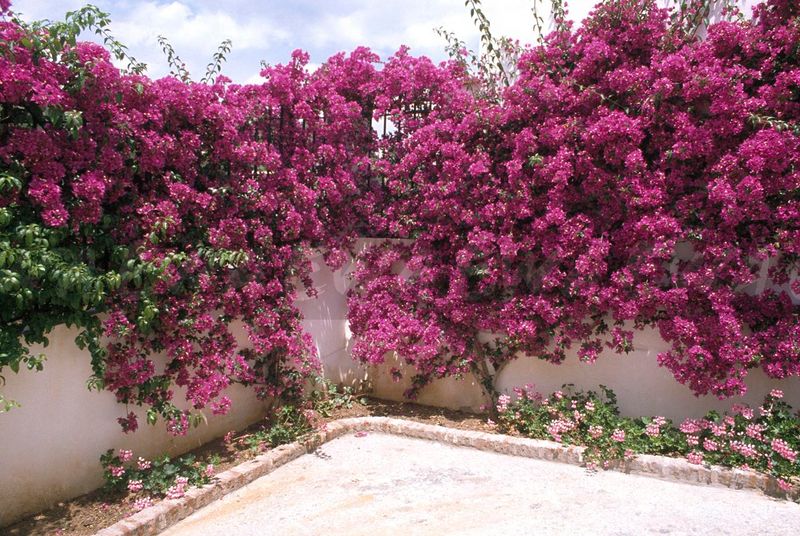
Bougainvillea bursts with color, draping walls and trellises with its vivid blooms. Its presence is synonymous with warm, Mediterranean regions.
The plant thrives in sunny, dry conditions and is known for its resilience. Its brilliant flowers vary in color, from magenta to orange, adding a joyful splash to any courtyard. Did you know? Bougainvillea is named after the French explorer Louis Antoine de Bougainville.
Adding this plant to your garden means a year-round display of color and vibrancy, truly a feast for the eyes.
6. Lemon Tree
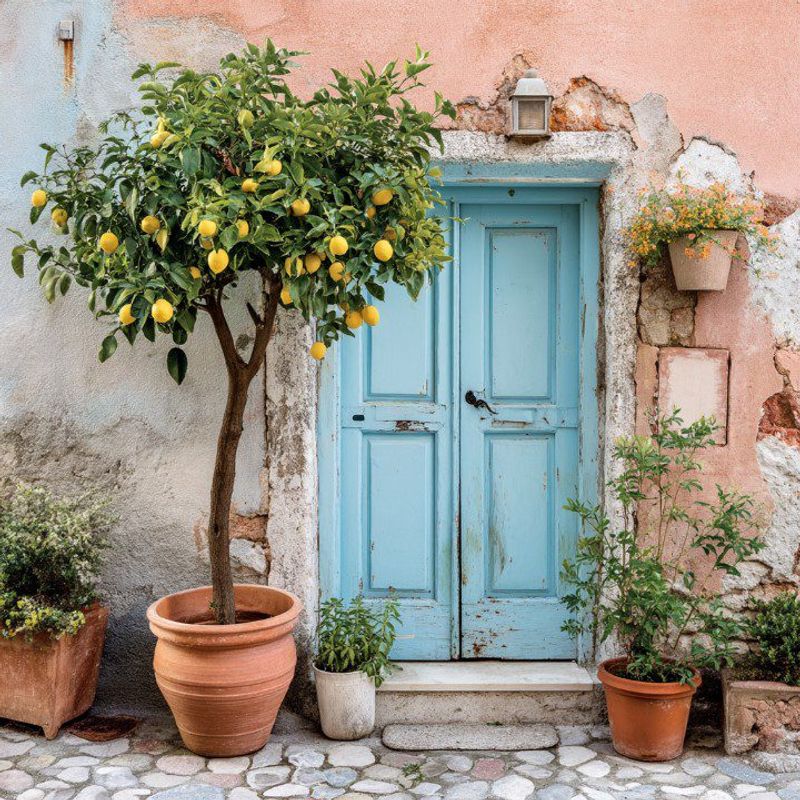
Lemon trees offer more than just beautiful fruit; they bring a slice of the Mediterranean lifestyle. Their glossy leaves and fragrant blossoms are a delight.
These trees require full sunlight and well-drained soil to produce juicy lemons that are perfect for culinary use. Imagine plucking fresh lemons right from your tree for homemade lemonade. Historically, lemons have been symbols of wealth and prosperity.
Incorporating a lemon tree into your courtyard not only adds visual interest but also a touch of abundance and flavor.
7. Jasmine
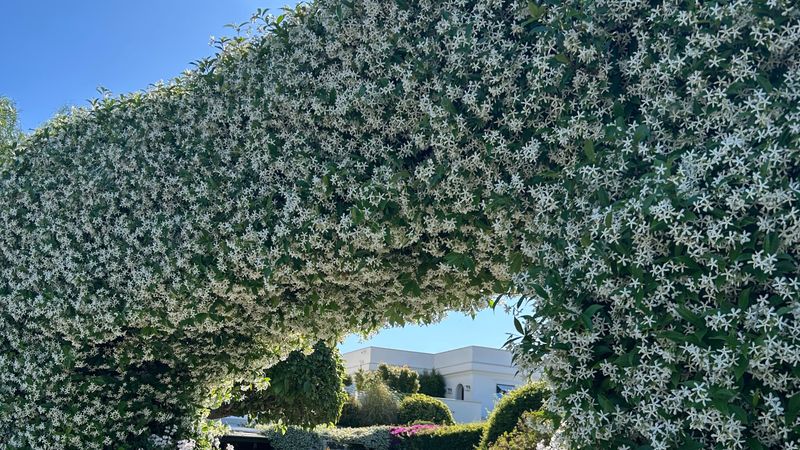
Jasmine fills the air with its intoxicating fragrance, transporting you to serene Mediterranean evenings. Its star-shaped flowers are small yet captivating.
This plant prefers sunny locations and regular watering, thriving in well-drained soil. Its fragrance is most potent at night, adding a romantic vibe to your courtyard. Interestingly, jasmine flowers are often used in perfumes and teas.
Welcoming jasmine into your garden means enjoying both its beauty and its alluring scent, truly transforming your space into an aromatic paradise.
8. Myrtle Bush
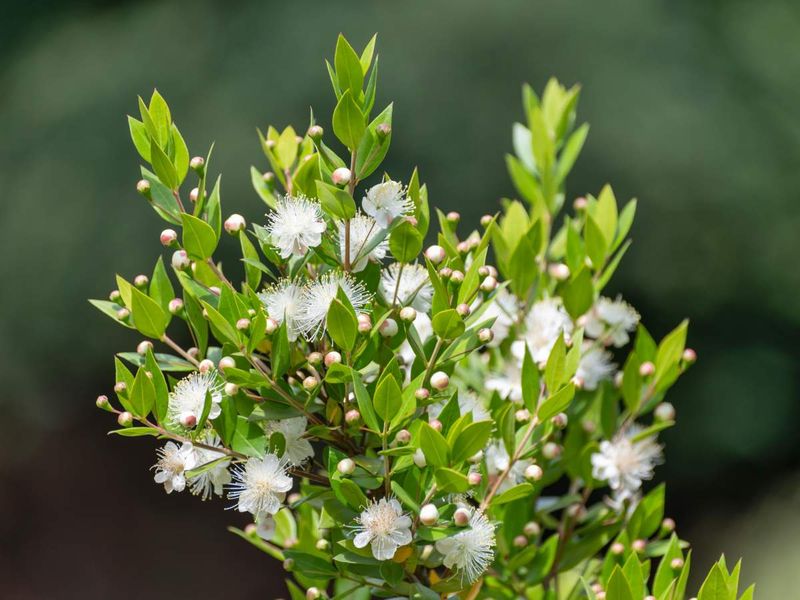
A symbol of love and immortality, the myrtle bush captivates with its glossy leaves and aromatic scent. Its star-shaped white flowers bloom in harmony with the warm Mediterranean sun, offering a serene visual and olfactory delight.
The myrtle’s evergreen nature ensures your courtyard remains vibrant year-round, making it a versatile choice. Legend has it that the myrtle was sacred to Aphrodite, granting it an aura of romance and mystique.
Whether used as a standalone feature or a fragrant border, the myrtle bush is a classic Mediterranean addition.
9. Oleander
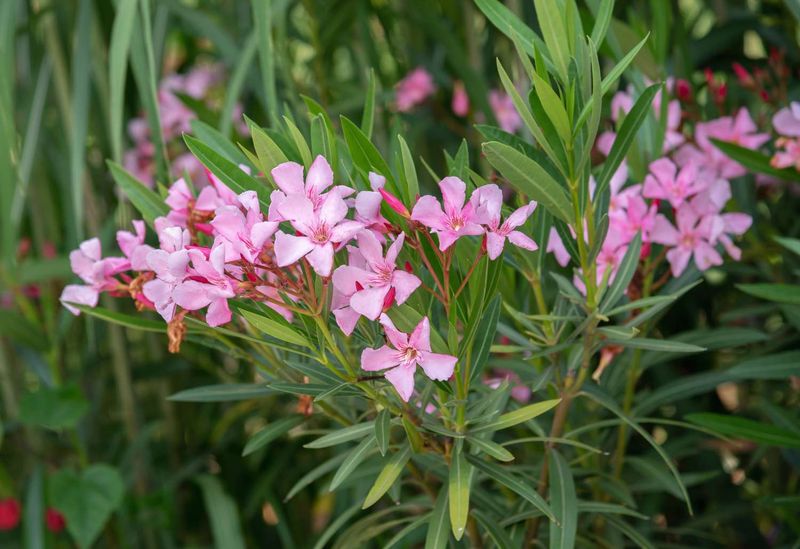
Oleander’s vibrant blooms come in hues ranging from pink to white, and their allure is undeniable. Known for their hardiness, oleanders thrive in Mediterranean climates, requiring minimal care yet offering maximal beauty.
Their long-lasting flowers are a visual feast, drawing in admirers with each bloom cycle. Historically, oleanders have been considered symbols of everlasting love and resilience.
Positioned along pathways or as a colorful focal point, oleanders lend a sense of elegance and romance to any courtyard.
10. Santolina
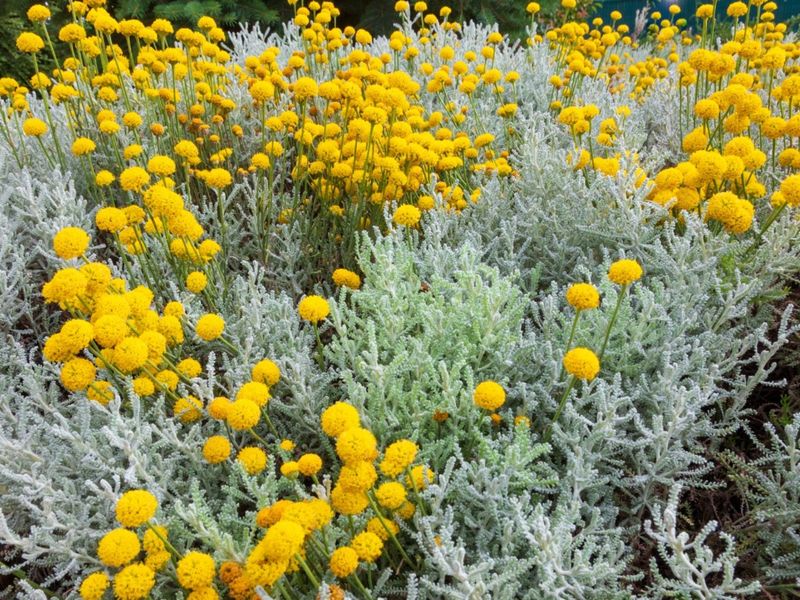
Santolina, often referred to as “Lavender Cotton,” brings a rustic charm with its silver-grey foliage and bright yellow button flowers. This drought-tolerant plant embodies the essence of Mediterranean resilience.
Santolina’s aromatic foliage releases a soothing scent, warding off pests and inviting tranquility. Historically, it was used for medicinal purposes, adding layers of intrigue to its already captivating presence.
As a border plant or ground cover, Santolina’s texture and color contrast beautifully against traditional stone features.
11. Bay Laurel
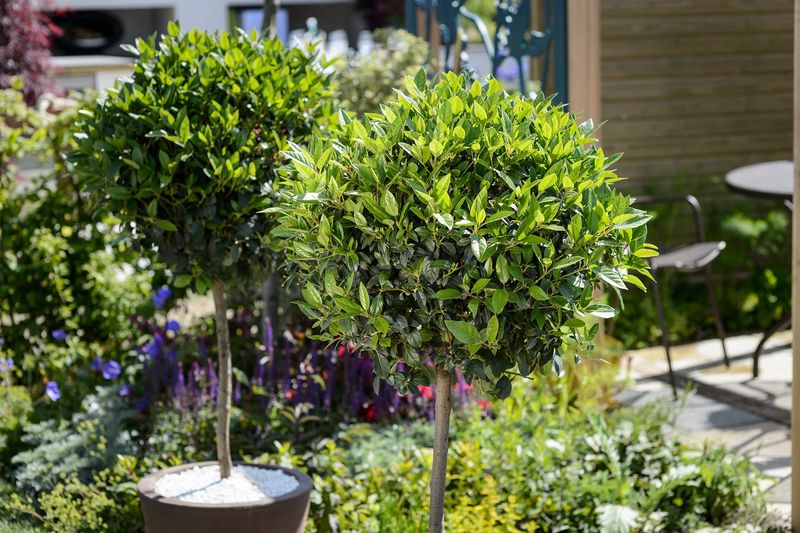
Bay laurel, the source of aromatic bay leaves, thrives effortlessly under the Mediterranean sun. Its glossy leaves are not only visually stunning but also a staple in culinary traditions, enhancing the appeal of your courtyard.
Once a symbol of victory, this plant adds a touch of historical grandeur. Its evergreen foliage provides year-round beauty and a delightful fragrance.
Whether pruned into a topiary or left to grow naturally, bay laurel’s elegance makes it a timeless addition to any Mediterranean space.
12. Cistus (Rock Rose)
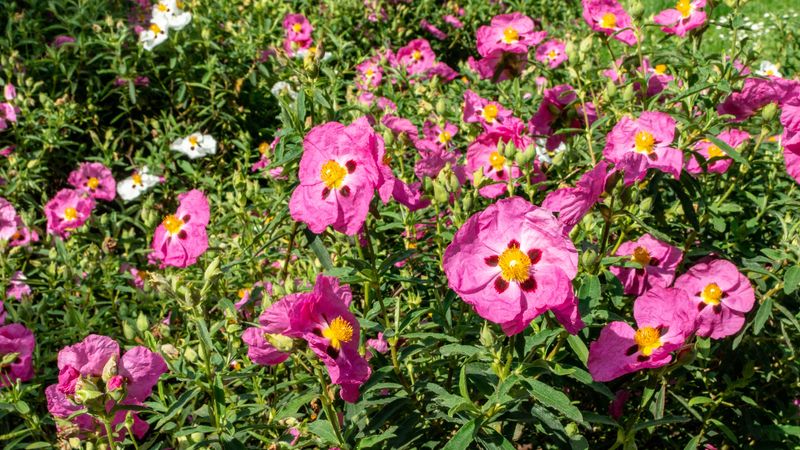
Cistus, or rock rose, enchants with its delicate blooms and rugged foliage, embodying the raw beauty of Mediterranean landscapes. Its petals, thin and papery, create a fleeting display of springtime splendor.
Renowned for its resilience, Cistus thrives in rocky terrains and poor soil, making it ideal for low-maintenance gardens. Historically, its resin was valued for medicinal use, adding an ancient touch to its modern appeal.
A natural fit for rocky borders or dry slopes, Cistus brings effortless charm to any courtyard.
13. Pomegranate Tree
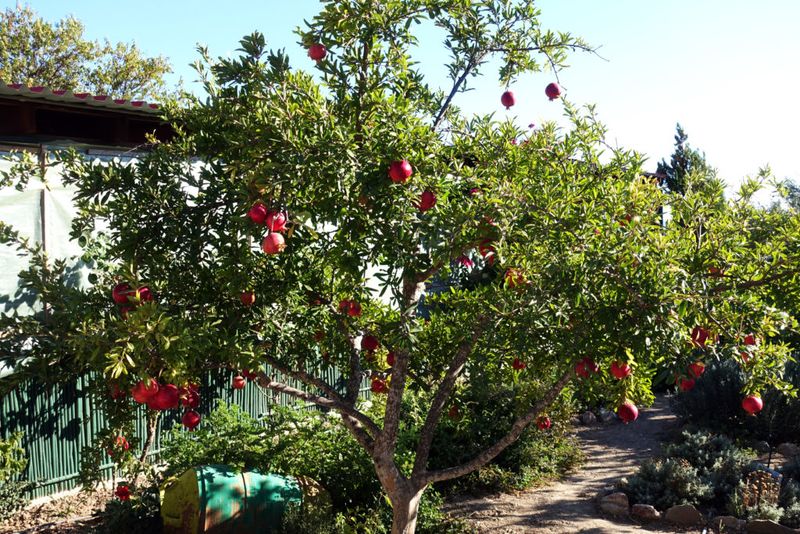
The pomegranate tree, with its lush green foliage and vibrant red fruits, embodies the spirit of abundance. Its fruits, laden with seeds, symbolize fertility and prosperity, making it a cherished courtyard feature.
Throughout history, pomegranates have been celebrated in art and mythology, enhancing their allure. The tree’s striking appearance and nutritious fruits offer both visual beauty and culinary delight.
Positioned as a focal point, the pomegranate tree not only decorates but also enriches the Mediterranean courtyard with its historical significance.
14. Agapanthus
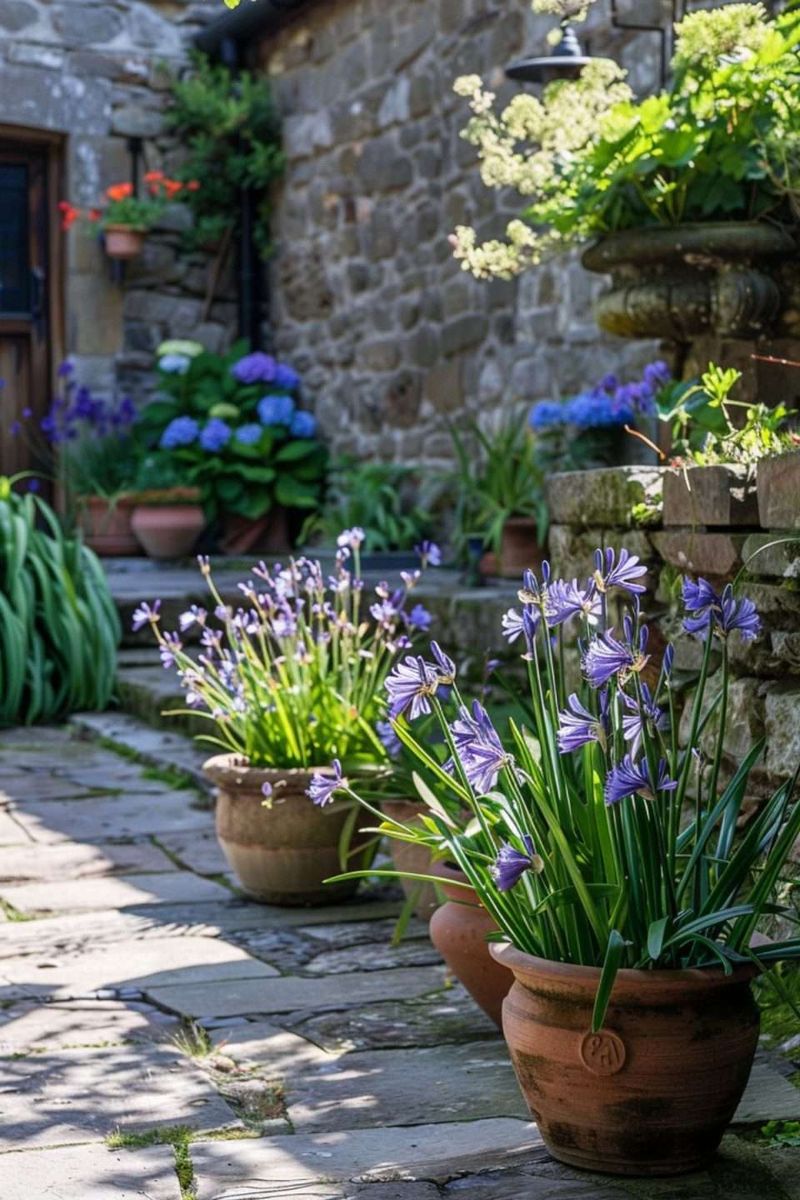
Agapanthus, known as the “Lily of the Nile,” dazzles with its clusters of blue flowers atop tall, graceful stems. This striking plant is a beacon of elegance and simplicity, dancing in the Mediterranean breeze.
Its long blooming season ensures color throughout the warmer months, complementing the sun-kissed ambiance. Historically native to South Africa, agapanthus has found its place in Mediterranean gardens due to its adaptability.
Whether lining a pathway or highlighting a garden feature, agapanthus adds a touch of grace and movement.
15. Euphorbia
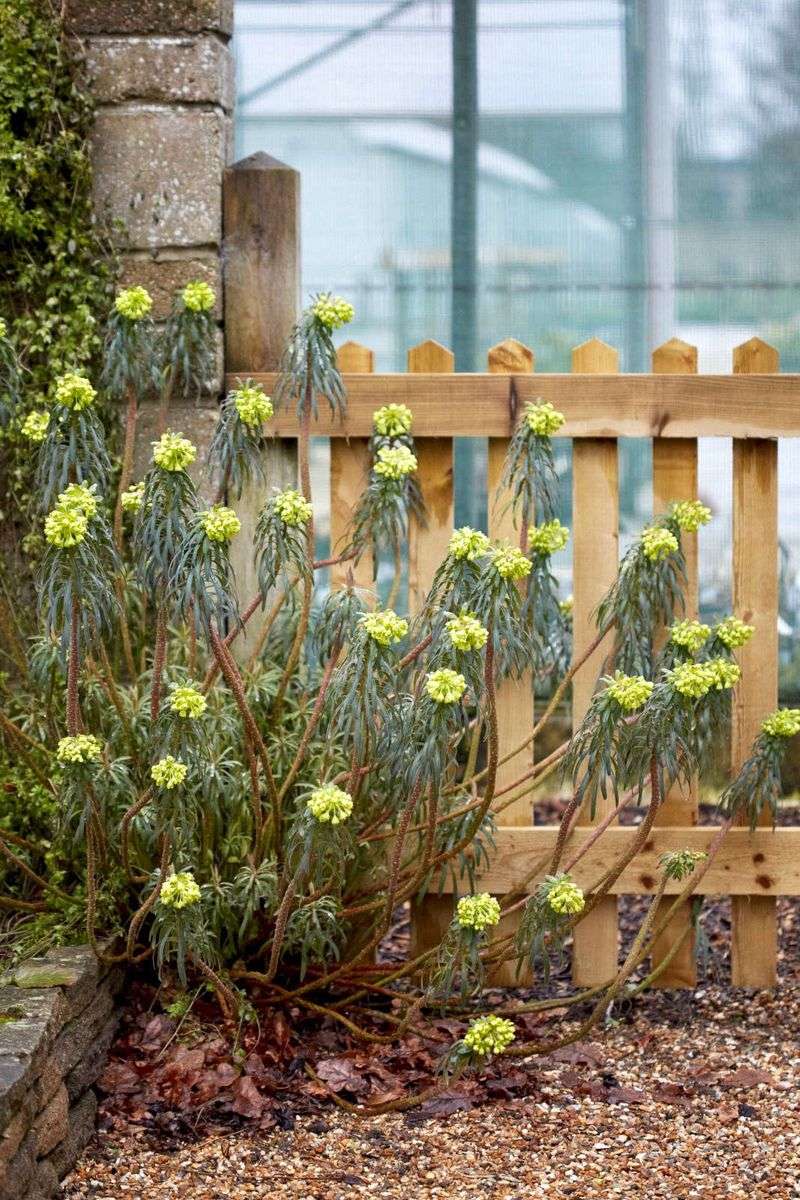
Euphorbia offers unique architectural interest with its diverse forms and variegated foliage. Known for its adaptability, it thrives in sun-drenched Mediterranean gardens, adding texture and intrigue.
The plant’s milky sap, once used in traditional remedies, adds a layer of fascination. Its bold presence and versatility make it a favorite among garden enthusiasts.
Whether planted in clusters or as individual specimens, Euphorbia’s captivating shapes and patterns provide a contemporary edge to Mediterranean settings.