
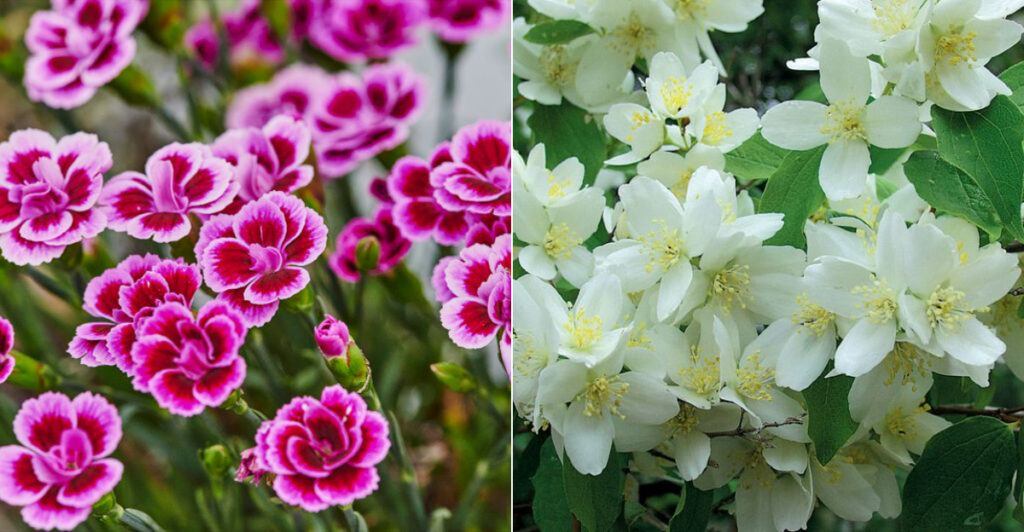
Exploring the world of fragrant plants reveals a delightful dichotomy. Some plants reward those who seek them out, revealing their scents only when approached closely. Others, however, generously share their aromatic bounty, perfuming the air from a distance. Whether you prefer the intimate, close-up experience or the pervasive allure of a garden filled with fragrance, these plants offer something special for every garden enthusiast.
1. Sweet Alyssum (Lobularia maritima)
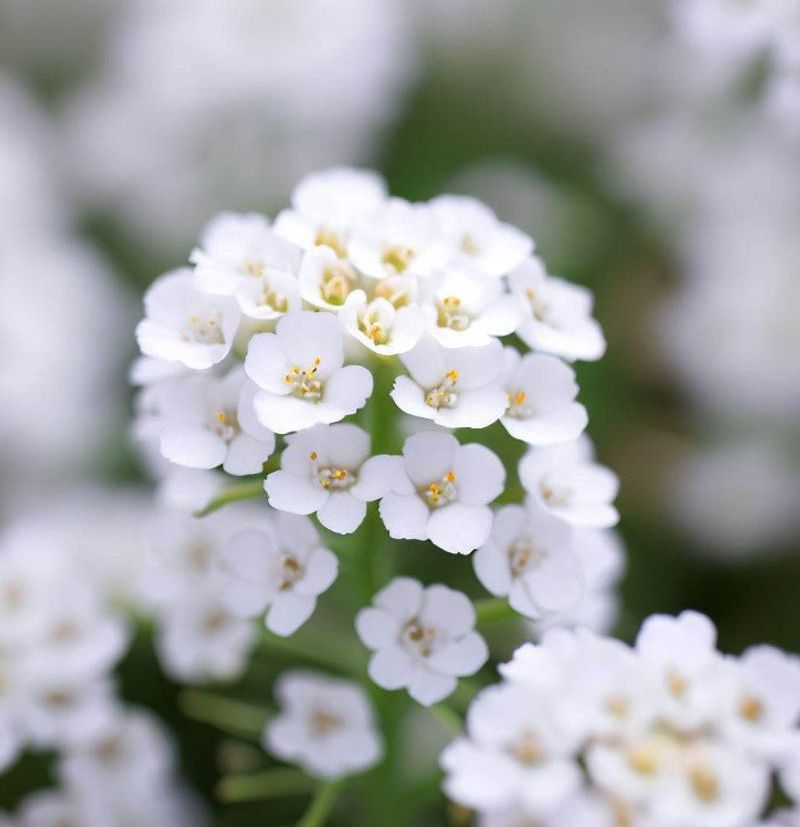
Sweet Alyssum might not grab attention from afar, but approach it, and you’ll discover a light honey scent that gently tickles the nose. These tiny white flowers, often used as ground cover, form lush mats that invite curious gardeners to bend down for a closer sniff.
Perfect for lining pathways or filling containers, Sweet Alyssum blooms profusely throughout the growing season. Despite its understated nature, this plant’s sweet fragrance offers a gratifying reward to those who pause to appreciate its subtle beauty. A staple in cottage gardens, it attracts both pollinators and plant enthusiasts alike.
2. Heliotrope (Heliotropium arborescens)
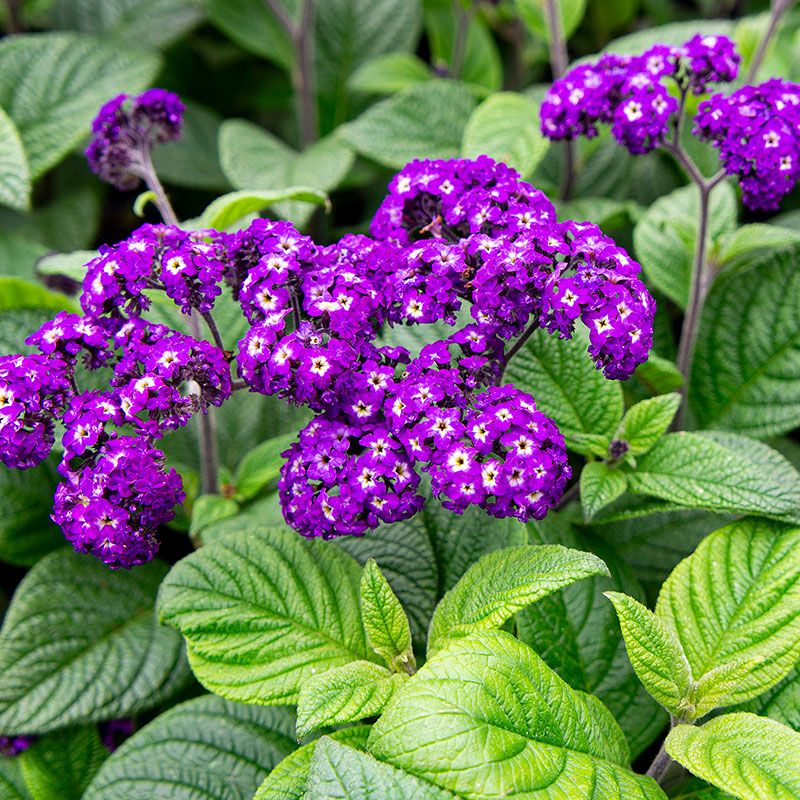
Heliotrope’s allure lies in its rich vanilla-cherry fragrance, a scent best savored nose-to-bloom. Often seen in shades of deep purple, these flowers create a striking visual and olfactory experience.
While their perfume may not travel far, heliotropes are cherished for their ability to draw admirers in close. Planted in pots or near seating areas, they invite leisurely afternoons in the garden.
A favorite in Victorian gardens, Heliotrope serves as a reminder of the pleasures found in lingering close to nature’s wonders, where scent and sight intertwine harmoniously.
3. Stock (Matthiola incana)
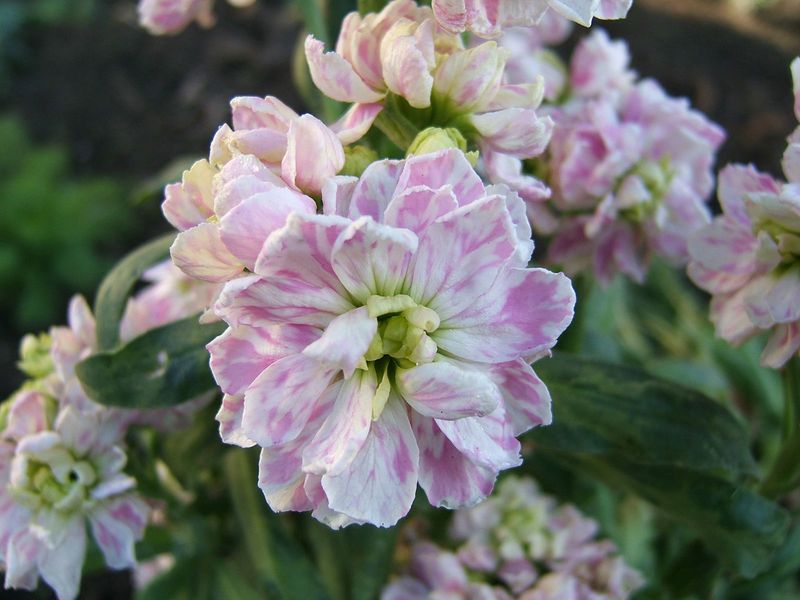
Imagine a garden in the dusk, where the air carries a spicy-sweet scent. Stock, or Matthiola incana, comes alive in the evening, releasing a fragrance that captivates those nearby.
These flowers, available in a rainbow of colors, are often used in bouquets and garden beds. Their scent, strongest when the sun dips below the horizon, creates a magical ambiance in twilight settings.
A beloved choice for cottage and cutting gardens, Stock offers a timeless scent that has charmed generations, making evening strolls an olfactory delight.
4. Dianthus (Carnations & Pinks)
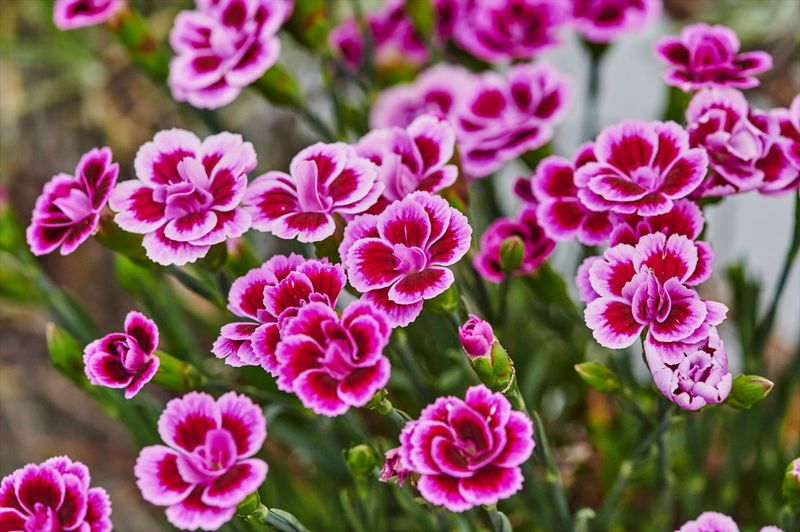
Dianthus, commonly known as Carnations or Pinks, entices with a clove-like fragrance detectable when you brush against them. These charming flowers, with their frilled petals, grace gardens with both color and scent.
Often used in bouquets, Dianthus brings a touch of elegance with its subtle olfactory notes. Planted along pathways, they invite passersby to pause and enjoy their spicy perfume.
A historical favorite, they were once used in love potions and as symbols of admiration, proving that their appeal goes far beyond their visual beauty.
5. Lily of the Valley (Convallaria majalis)
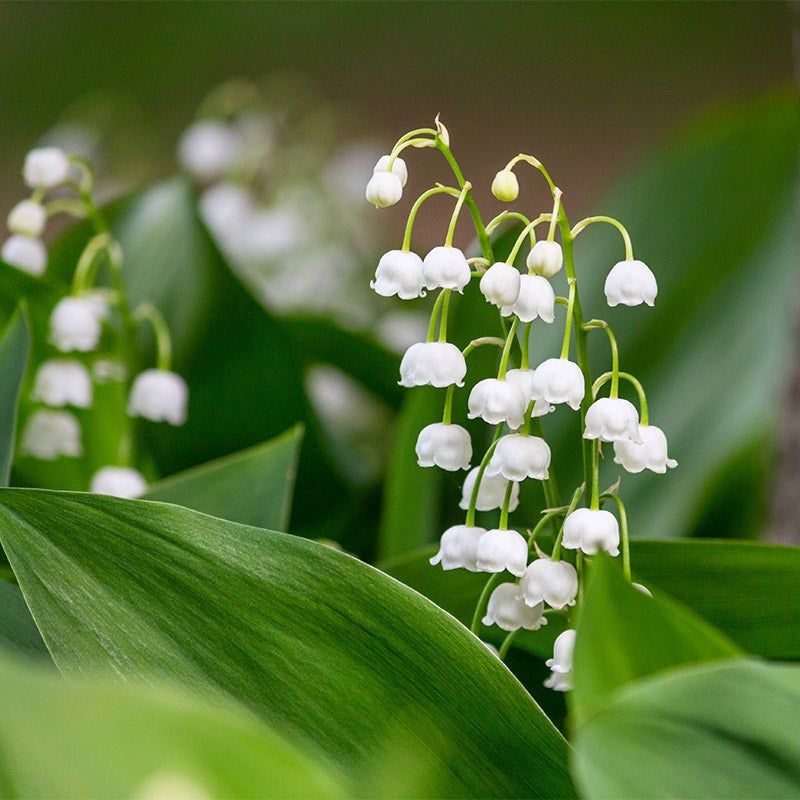
Lily of the Valley whispers its presence with a delicate, sweet scent, noticeable only when you’re nearby. These dainty bell-shaped flowers, often found in shaded garden corners, symbolize the return of happiness.
Their understated elegance makes them a cherished addition to woodland gardens, where their fragrance can surprise and delight.
Despite their gentle appearance, they have a rich history in perfumery and folklore. Known for their resilience and beauty, these flowers remind us that sometimes the most enchanting experiences are those discovered in quiet moments.
6. Nicotiana (Flowering Tobacco)
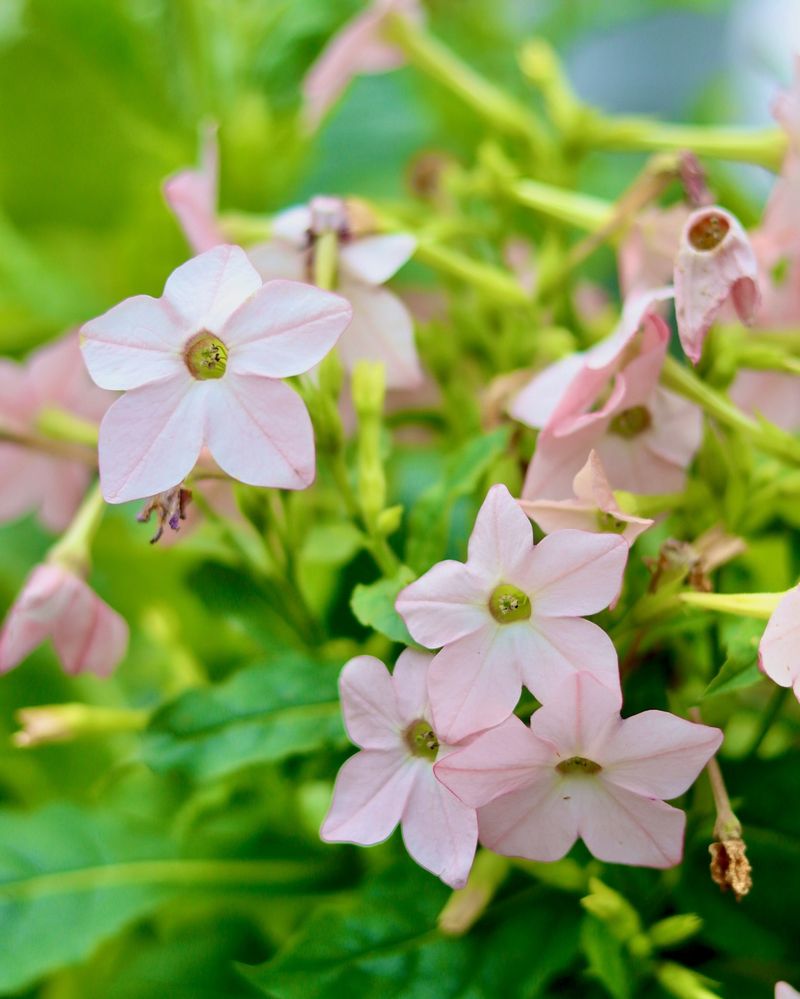
Nicotiana, or Flowering Tobacco, reveals its fragrance under the cover of night, offering a secret reward to those who linger in the garden after dark. These tubular flowers, with their muted pastel shades, transform into fragrant stars come evening.
A favorite among night gardeners, Nicotiana adds a mysterious allure to moonlit landscapes. Planted in borders or containers, it offers a sensory experience unique to twilight.
Once used for its leaves, today’s gardeners cherish it for the subtle beauty and nighttime scent that elevate garden soirées to an aromatic delight.
7. Violets (Viola odorata)
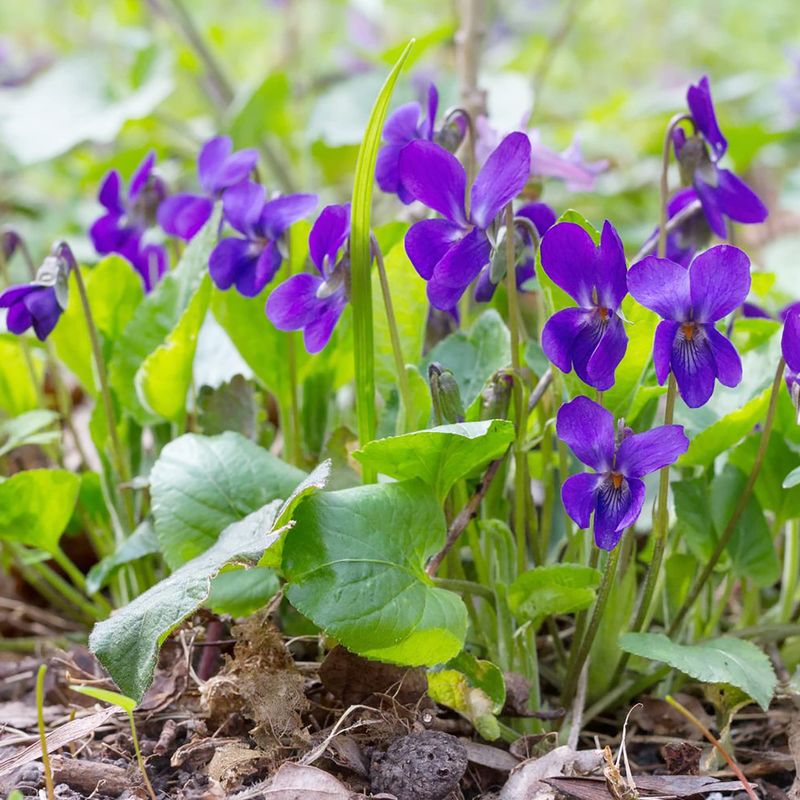
Violets, with their soft, powdery scent, invite a moment of calm for those who kneel down to greet them. These modest blooms, often overshadowed by larger plants, offer a gentle perfume that rewards quiet observation.
Ideal for woodland gardens or shady spots, Violets remind us to appreciate the understated wonders in nature. Their fragrance, while subtle, carries a nostalgic charm, reminiscent of bygone eras.
In history and literature, Violets have symbolized love and modesty, making them a poetic addition to gardens seeking timeless elegance.
8. Wallflower (Erysimum cheiri)
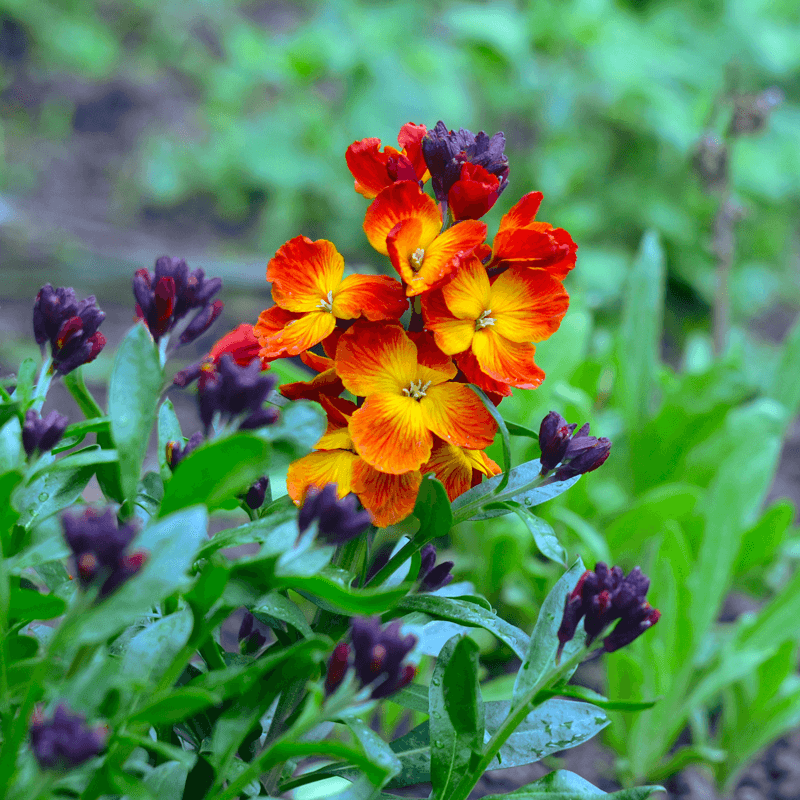
Wallflowers, known for their spicy-sweet scent, come alive in warm sunlight, creating a fragrant oasis for those who venture close. These vibrant blooms, often in rich hues of orange and red, captivate with both color and aroma.
Perfect for sunny borders, Wallflowers provide a sensory delight that engages sight and smell. Their fragrance, a harbinger of spring, signals the awakening of gardens.
Historically, they’ve been symbols of fidelity and blooming love, adding emotional depth to their garden presence. A perennial favorite, Wallflowers capture the heart with their warm embrace.
9. Nemesia
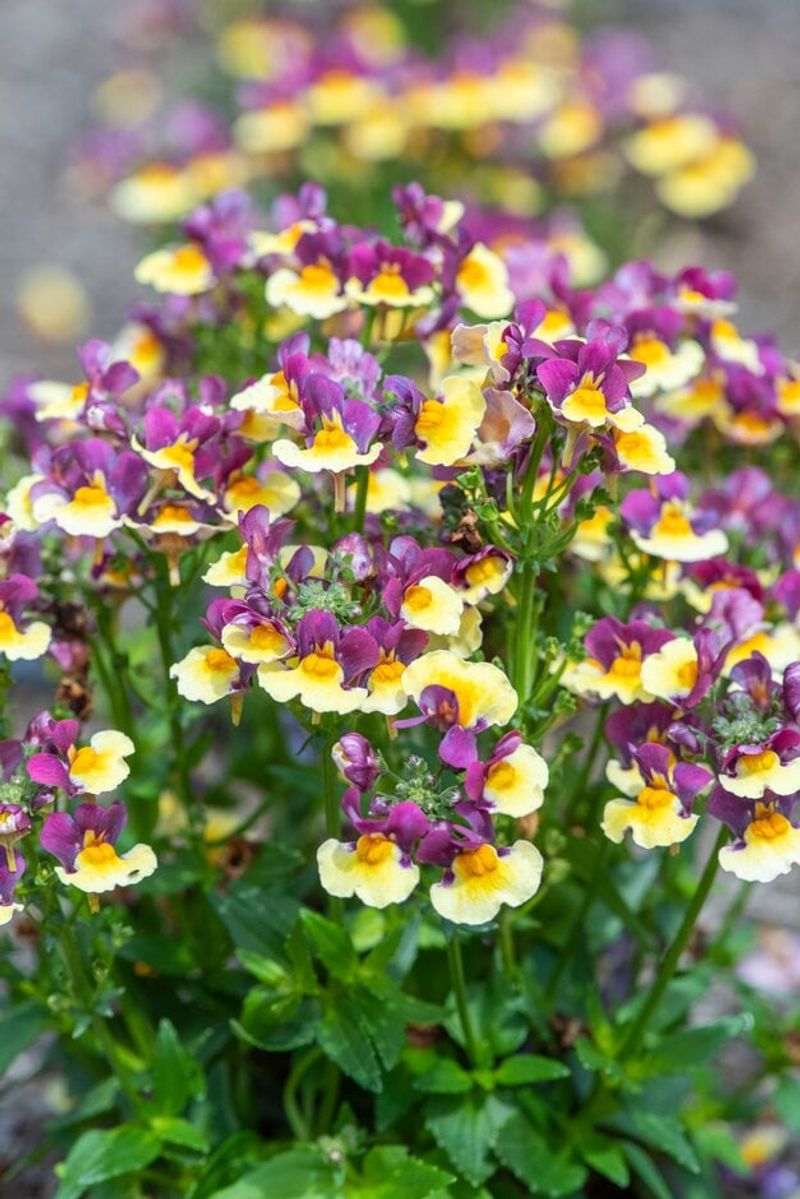
Nemesia entices with its fruity, candy-like scent, a surprise treasure for those who lean in close. These colorful blooms, often seen in shades of pink, purple, and orange, bring a playful energy to garden beds and containers.
Their fragrance lingers near the blooms, inviting children and adults alike to discover their aromatic charm. Ideal for adding a splash of color and scent to patios, they thrive in sunny spots.
Though small in stature, Nemesia packs a fragrant punch, delighting those who take the time to engage with its cheerful presence.
10. Phlox (Phlox paniculata)
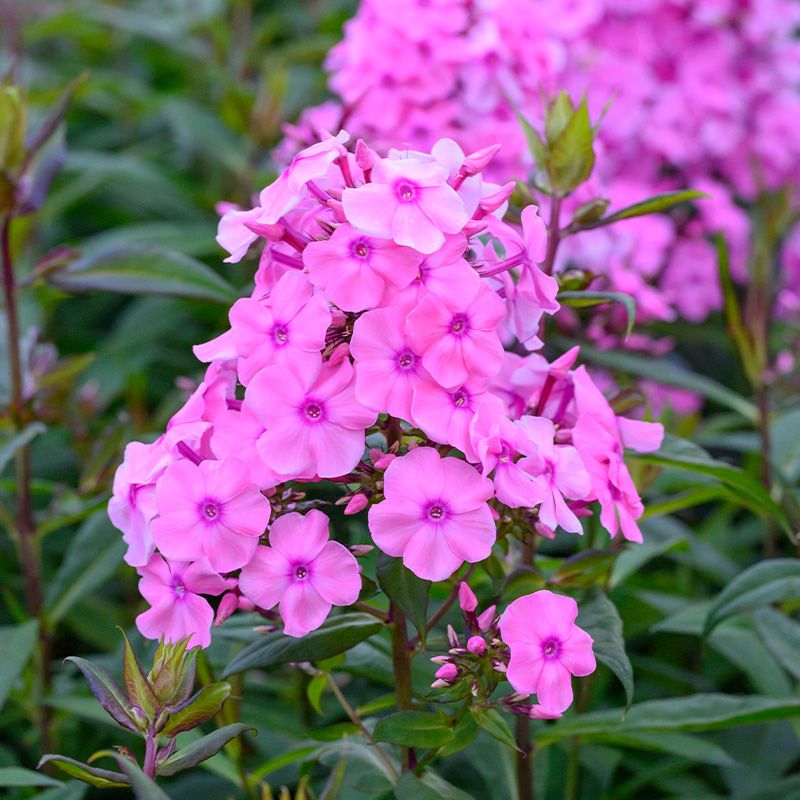
In a summer garden, Phlox stands as a testament to subtlety, its light, sweet perfume detectable within a few feet. These flowers, often in clusters of pink, white, or purple, create a soft visual tapestry along garden paths.
Planted en masse, Phlox offers a gentle fragrance that softly envelops those who wander near. Their enduring popularity in cottage gardens speaks to their timeless appeal.
A beloved plant for both its beauty and scent, Phlox signifies harmony and unity, making it a heartfelt addition to spaces aiming for tranquil elegance.
11. Sweet Woodruff (Galium odoratum)
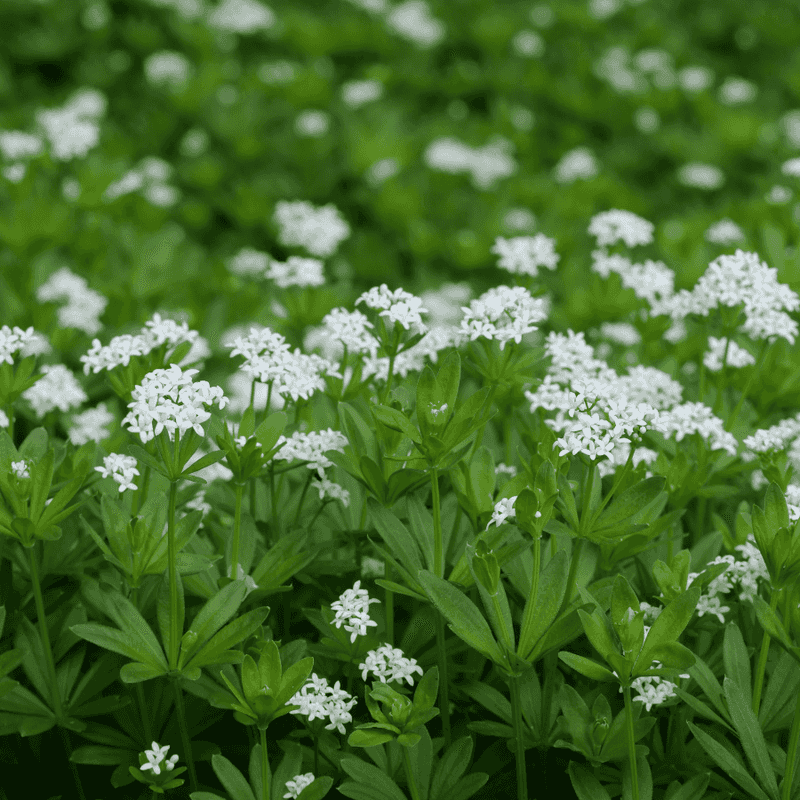
Sweet Woodruff, with its vanilla-like aroma, is a hidden gem best appreciated when crushed underfoot. This low-growing plant, often found in woodland gardens, forms lush, green carpets that invite tactile exploration.
Its scent, reminiscent of freshly baked treats, creates a comforting ambiance for those who venture into its realm.
Beyond its fragrance, Sweet Woodruff has historical uses in herbal medicine and as a natural dye, adding layers to its garden appeal. Its quiet presence offers a rich sensory experience for those who seek authenticity in nature’s embrace.
12. Resurrection Lily (Lycoris squamigera)
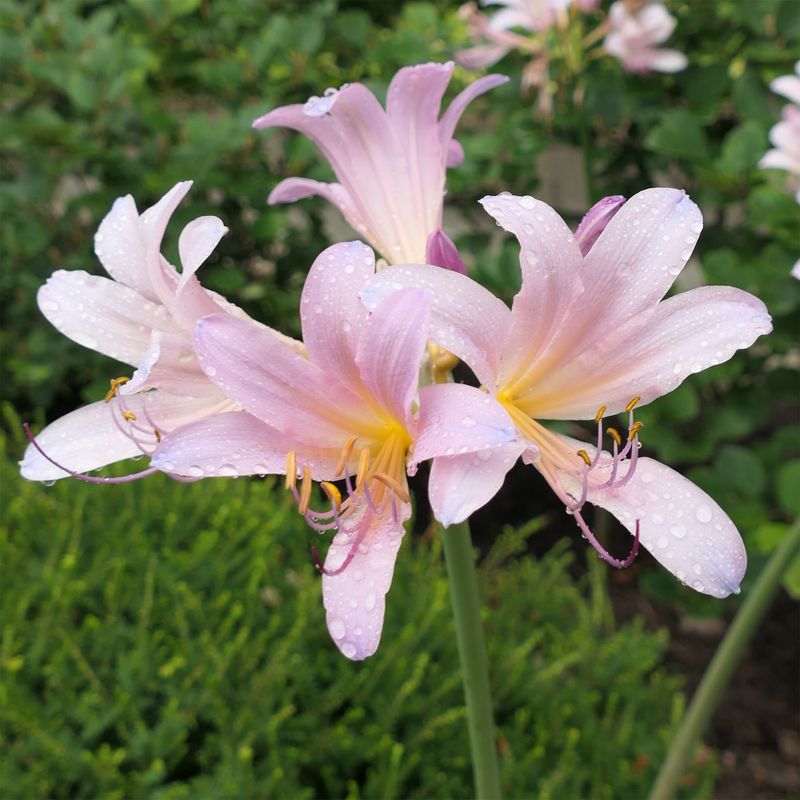
Resurrection Lily’s faint, sweet aroma is a gentle reward for those who bend to admire its delicate beauty. These flowers, with their striking pink petals, emerge from the ground in late summer, offering a brief yet memorable display.
Their fragrance, though subtle, adds a layer of intrigue to gardens, particularly when planted in clusters. Known for their surprising growth habit, they rise without leaves, creating a ghostly elegance.
Beloved for their mysterious nature, Resurrection Lilies serve as a poignant reminder of nature’s resilience and the beauty found in unexpected places.
13. Borage (Borago officinalis)
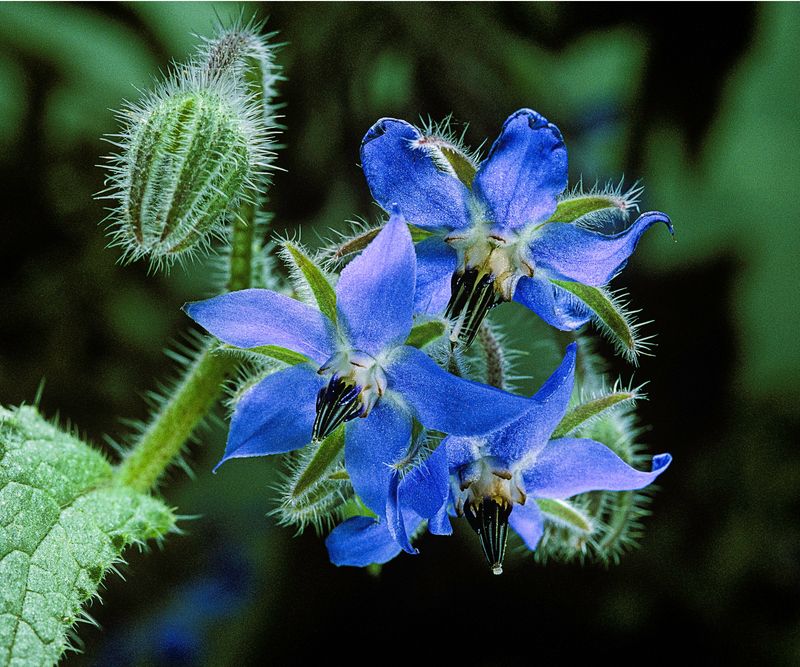
Borage, known for its star-shaped blue flowers, offers a refreshing cucumber scent best savored up close. Often found in herb gardens, Borage brings a touch of whimsy with its vibrant blooms and edible leaves.
This plant attracts pollinators, adding life and movement to any garden setting. Its scent, a cool whisper of summer, complements its visual appeal.
Historically used in culinary and medicinal applications, Borage remains a favorite for adventurous gardeners seeking both beauty and utility. Its presence in gardens serves as a testament to the joys of exploration.
14. Pansies (Viola tricolor)
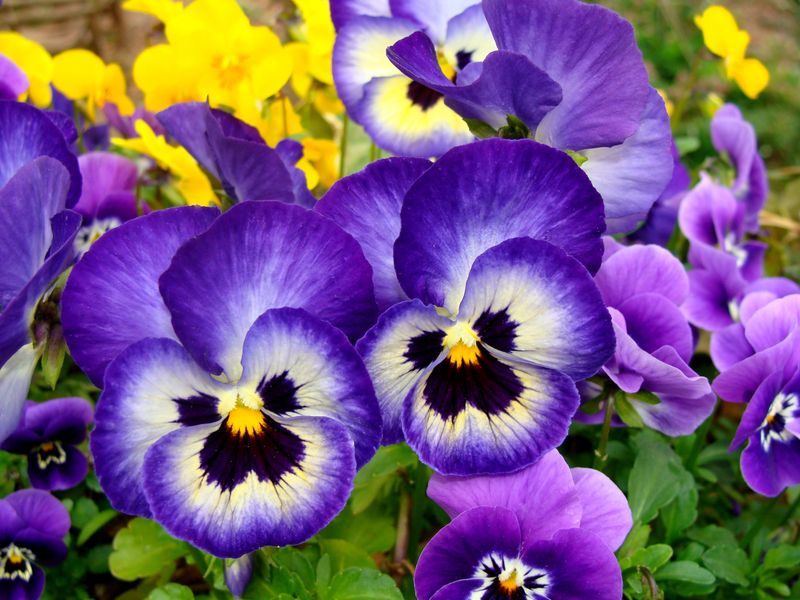
Pansies, with their charming faces, are more than just a visual delight. Some varieties offer a faint, fruity fragrance, a subtle surprise for those who stop to admire them.
Their vibrant colors and markings create a playful presence in garden beds and containers. As symbols of free thought, Pansies invite contemplation and enjoyment.
Easy to grow and versatile, they flourish in spring and fall gardens, providing both beauty and a hint of scent. These flowers remind us that sometimes the smallest details hold the most charm.
15. Calendula (Calendula officinalis)
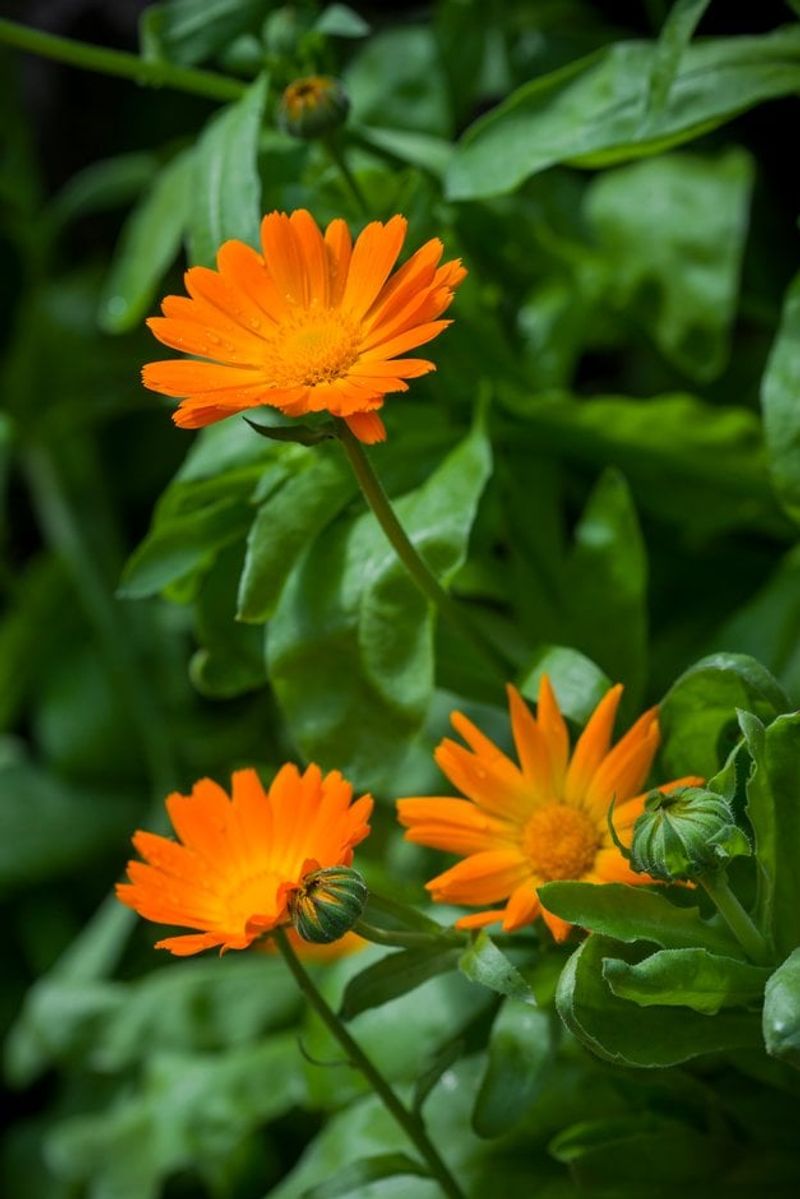
Calendula, with its golden petals, brightens gardens while offering a light, herbal scent when touched. Known as pot marigold, this versatile plant has a long history in herbal remedies and culinary arts.
Its cheerful blooms, often seen in shades of yellow and orange, thrive in sunny spots, bringing warmth to garden spaces.
Beyond its beauty, Calendula serves as a natural dye and skin remedy, making it a staple in gardens that value both aesthetics and practicality. Its subtle fragrance enhances the garden’s appeal without overwhelming the senses.
1. Gardenia (Gardenia jasminoides)
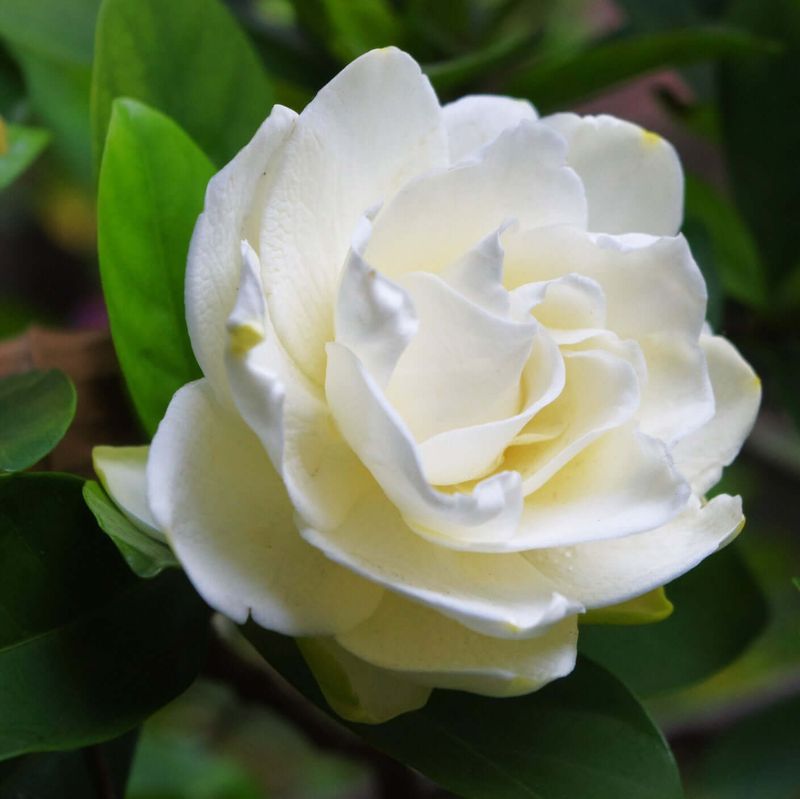
Gardenias exude a rich, intoxicating scent that fills the garden air on warm nights, making them a favorite for summer evenings. These creamy white flowers, often associated with romance and elegance, captivate with both their beauty and aroma.
Planted near windows or patios, Gardenias transform outdoor spaces into fragrant sanctuaries. Their scent, a symbol of love and refinement, lingers long after the sun has set.
Historically cherished in wedding bouquets and perfumes, Gardenias continue to enchant with their timeless elegance, offering a sensory experience like no other.
2. Jasmine (Jasminum spp.)
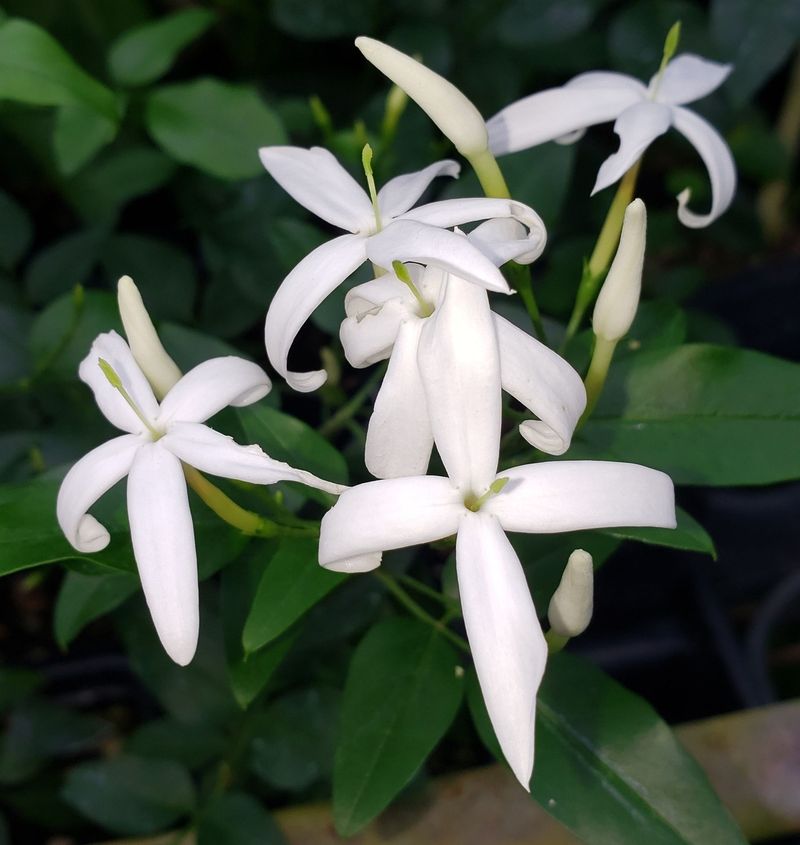
As dusk falls, Jasmine unfurls its sweet, exotic aroma, filling the garden with a sense of magic. These delicate white flowers, often associated with romance and mystery, release their fragrance as night approaches.
Ideal for planting near patios or walkways, Jasmine creates an inviting atmosphere that encourages evening gatherings. Its scent, carried on gentle breezes, enchants all who encounter it.
A beloved plant in many cultures, Jasmine symbolizes purity and sensuality, making it a treasured addition to gardens seeking both beauty and allure.
3. Lilac (Syringa vulgaris)
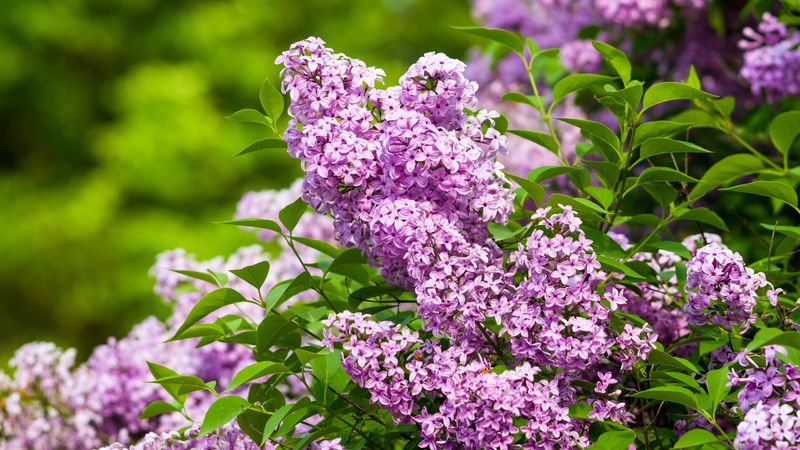
Spring heralds the arrival of Lilacs, their classic fragrance wafting across yards and inviting admiration from afar. These lush purple or white blooms bring a nostalgic charm to gardens.
Often planted near walkways or in clusters, Lilacs create a fragrant backdrop for outdoor activities. Their scent, a harbinger of spring, evokes memories of gardens past.
Beyond their beauty, Lilacs have cultural significance, symbolizing renewal and love. A timeless favorite, they remain an enduring symbol of spring’s promise and the simple pleasures of nature’s bounty.
4. Roses (Strongly scented varieties like ‘Mr. Lincoln’ or ‘Double Delight’)
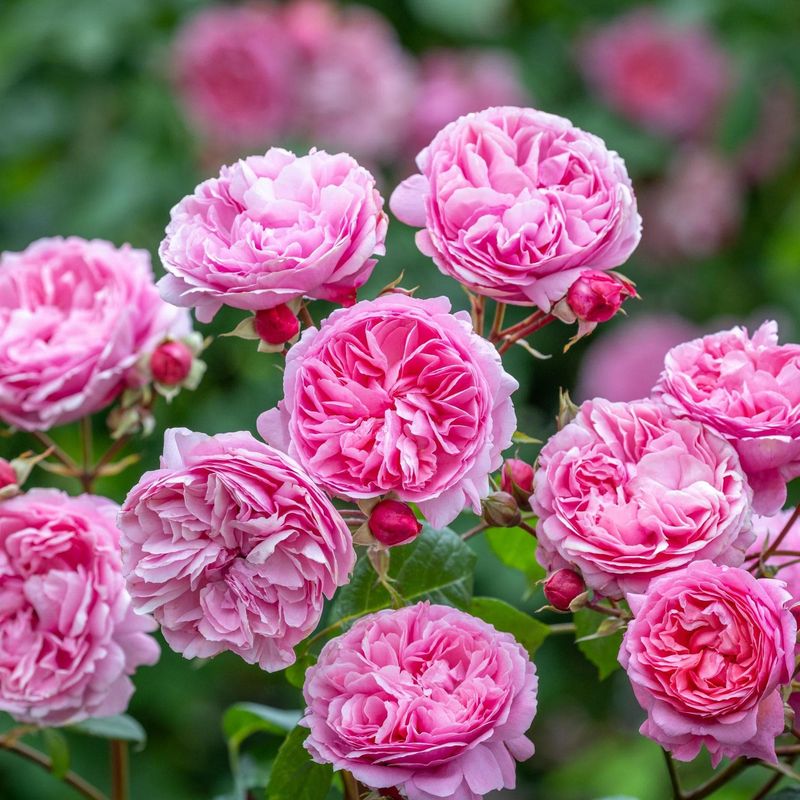
Roses, particularly strongly scented varieties like ‘Mr. Lincoln’ or ‘Double Delight’, are the epitome of garden fragrance. Their rich, layered scents can transform an entire garden into a perfumed paradise.
These blooms, often lush and full, symbolize love and passion, captivating all who pass by. Planted en masse or as focal points, they create a sensory experience that elevates any garden.
Roses have a storied history in art and culture, representing themes of beauty and romance, making them an enduring favorite for those seeking both visual and olfactory delight.
5. Honeysuckle (Lonicera spp.)
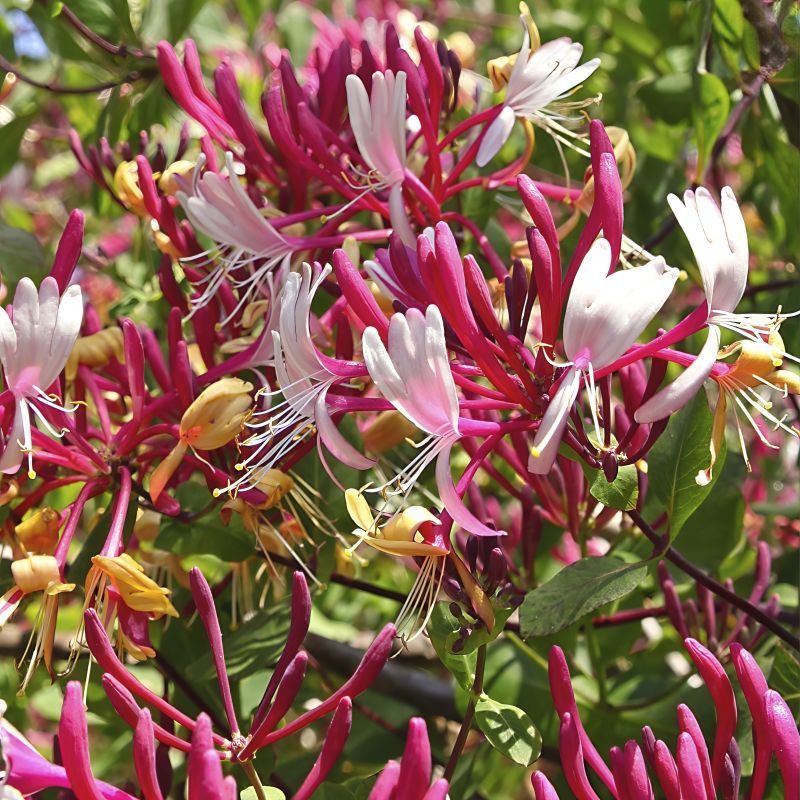
Honeysuckle vines, with their sweet, nostalgic scent, drift on summer breezes, enchanting gardens with their aromatic charm. These flowers, often associated with childhood memories, bring a sense of whimsy to outdoor spaces.
Their vigorous growth makes them ideal for covering fences or trellises, creating fragrant walls of color and scent. Honeysuckle’s fragrance attracts butterflies and hummingbirds, adding dynamic life to gardens.
Symbolic of devoted affection, Honeysuckle remains a beloved choice for gardeners seeking both beauty and fragrance, transforming spaces into sensory wonderlands.
6. Wisteria (Wisteria sinensis)
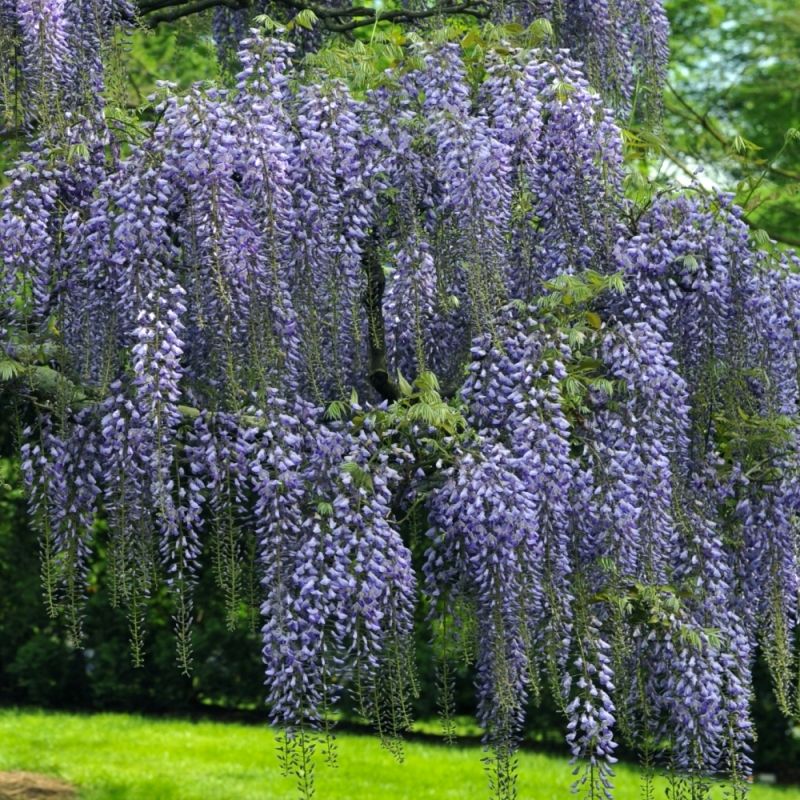
Wisteria, with its cascading blooms and grape-like fragrance, transforms gardens into romantic escapes. These flowers, often seen draping over pergolas and trellises, create a visual and olfactory spectacle.
Their scent lingers in the spring air, inviting admiration and relaxation. Wisteria’s vigorous growth and enchanting fragrance make it a standout choice for garden focal points.
In addition to its beauty, Wisteria symbolizes wisdom and longevity, adding depth to its garden presence. A favorite for those seeking both drama and fragrance, it captivates all who encounter it.
7. Angel’s Trumpet (Brugmansia)
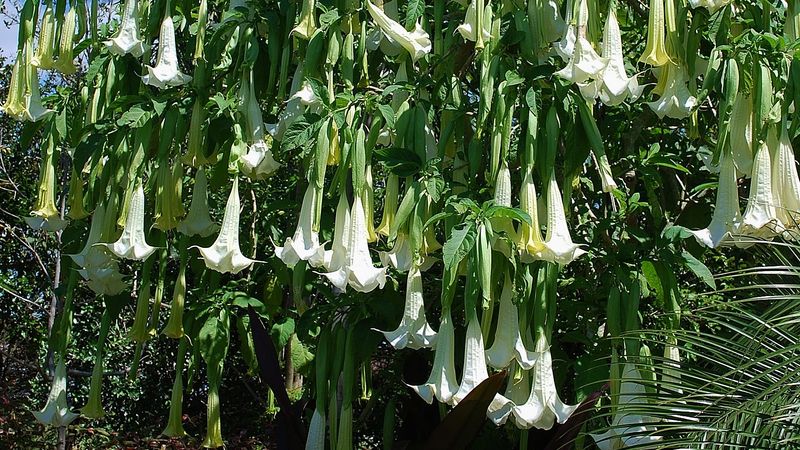
Angel’s Trumpet, with its heavy, tropical perfume, comes alive under the moon’s glow, offering a sensory feast for night wanderers. These trumpet-shaped flowers, suspended from trees, create a dramatic silhouette against the night sky.
Their scent, strongest at night, fills the air with exotic allure, transforming gardens into tropical paradises. Planted in containers or garden beds, they add both beauty and fragrance to landscapes.
Beyond their striking appearance, Angel’s Trumpet carries an air of mystery, capturing the imagination of those who appreciate the more enigmatic side of nature.
8. Sweet Olive (Osmanthus fragrans)
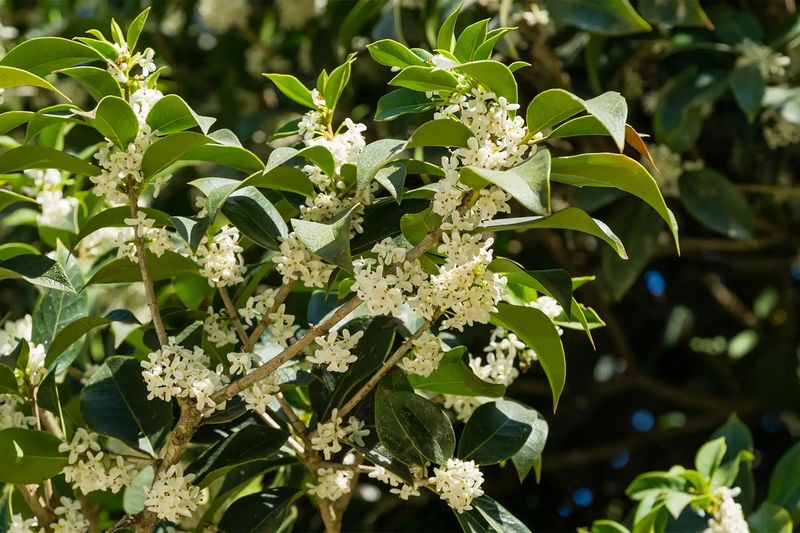
Sweet Olive, with its apricot-like scent, permeates gardens, detectable from a distance. These small, inconspicuous flowers pack a surprising olfactory punch, turning ordinary gardens into fragrant havens.
Ideal for planting near windows or pathways, Sweet Olive’s aroma is a warm invitation to enjoy outdoor spaces. Its evergreen nature ensures year-round beauty, complementing its seasonal blooms.
A symbol of good fortune and nobility, Sweet Olive adds both fragrance and meaning to gardens, appealing to those who value elegance and subtlety in their outdoor environments.
9. Mock Orange (Philadelphus coronarius)
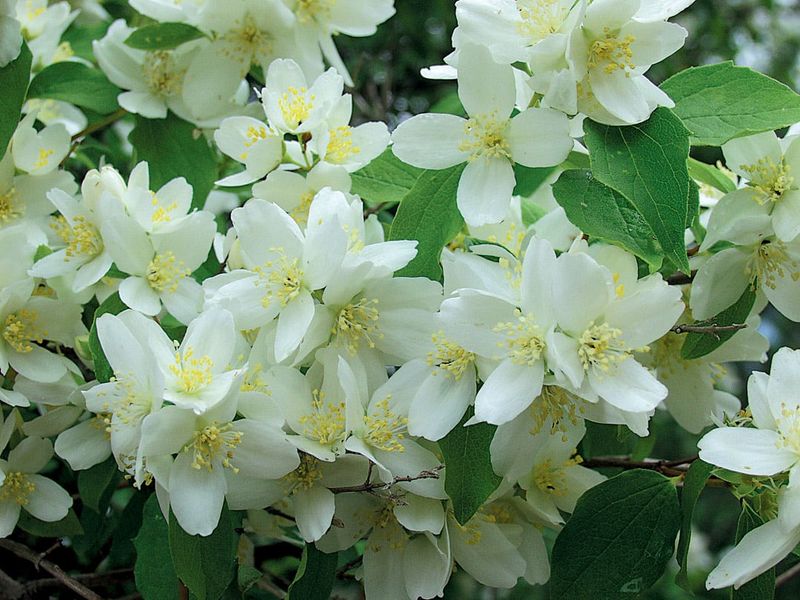
Mock Orange, with its citrusy, jasmine-like fragrance, heralds the arrival of early summer, transforming gardens into fragrant sanctuaries. These white blooms, often seen in clusters, create a stunning visual display.
Planted near patios or along garden paths, Mock Orange invites leisurely strolls and quiet reflection. Its scent, reminiscent of orange blossoms, delights the senses, creating a fresh and invigorating garden atmosphere.
A historical favorite in traditional gardens, Mock Orange symbolizes purity and innocence, adding depth to its fragrant appeal in garden settings.
10. Frangipani (Plumeria)
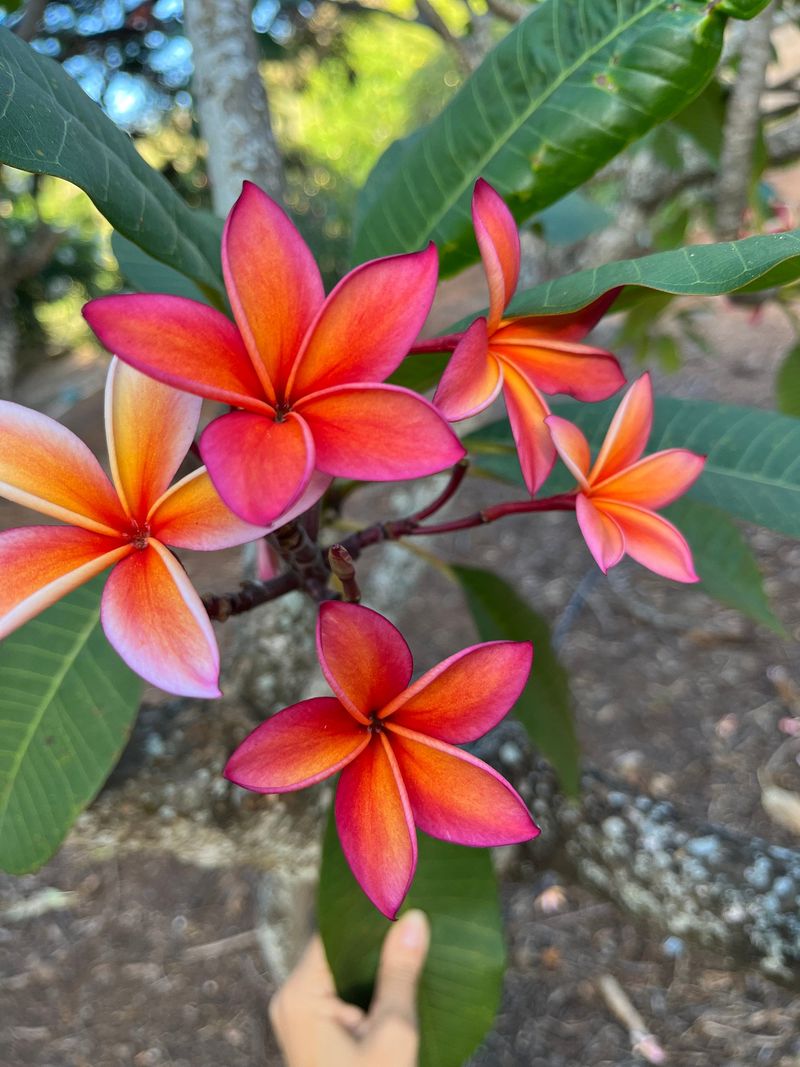
Frangipani, with its tropical, floral scent, evokes images of paradise, transforming gardens into exotic retreats. These vibrant flowers, often seen in shades of pink, yellow, and white, create visual and olfactory wonders.
Their fragrance, carried on warm breezes, invites relaxation and daydreams, making them a favorite for tropical-themed gardens. Beyond their beauty, Frangipani holds cultural significance in many tropical regions, symbolizing immortality and spiritual devotion.
A staple in Hawaiian leis, Frangipani’s scent and symbolism make it a cherished addition for those seeking both escape and inspiration.
11. Lavender (Lavandula)
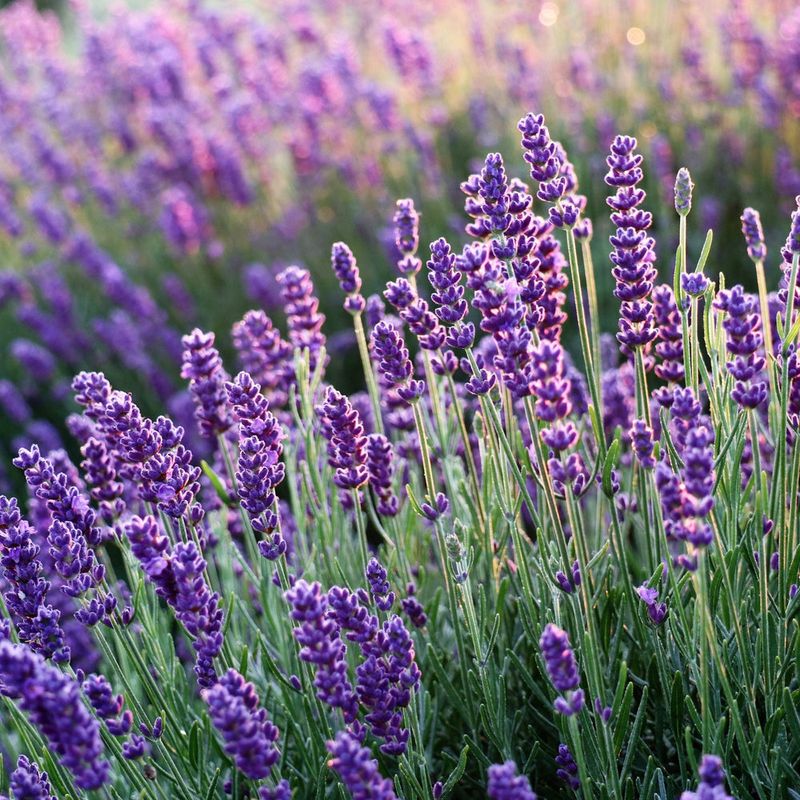
Lavender, with its relaxing herbal aroma, spreads tranquility across gardens, creating serene retreats for the senses. These purple blooms, often associated with relaxation and calm, perfume the air, inviting leisurely contemplation.
Ideal for planting in sunny borders or containers, Lavender’s fragrance transforms ordinary spaces into peaceful havens. Its scent, cherished in aromatherapy, offers both aesthetic and sensory appeal.
Symbolic of devotion and serenity, Lavender’s presence in gardens serves as a reminder of nature’s ability to soothe and inspire, captivating all who encounter its gentle embrace.
12. Citrus Trees (Citrus spp.)
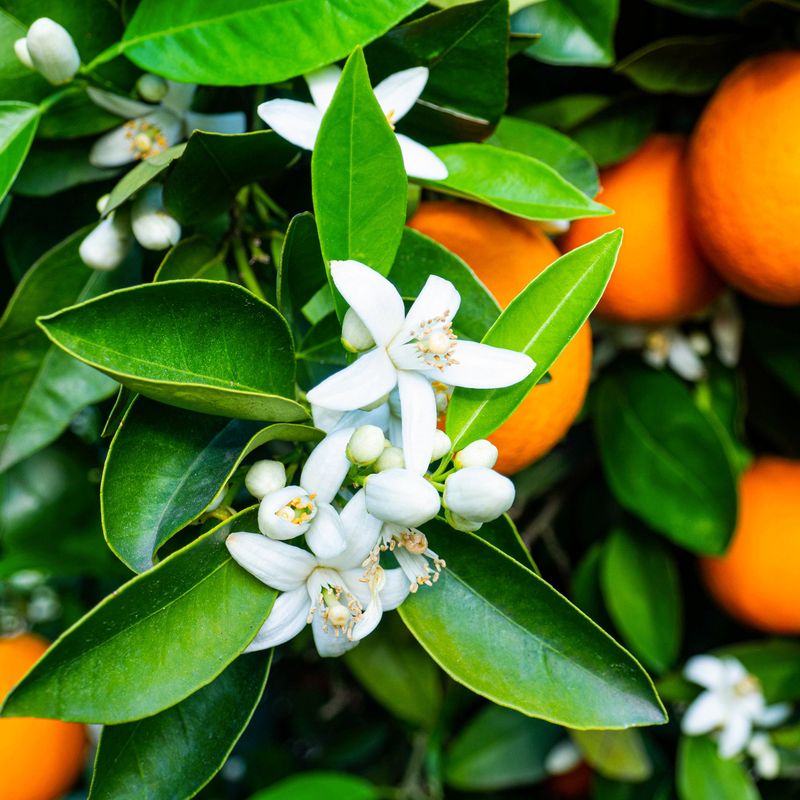
Citrus Trees, with their sweet, uplifting blossoms, transform orchards into fragrant sanctuaries, offering a sensory feast to those who wander near. These trees, often bearing oranges, lemons, or limes, create a lush tapestry of scent and sight.
Their fragrance, a delightful mix of citrus notes, stimulates the senses and brightens the garden atmosphere. Planted in sunny spots, Citrus Trees bring a taste of the tropics to temperate climates.
Beyond their scent, Citrus Trees provide fruit, symbolizing abundance and vitality, making them a practical and aromatic choice for home gardens.
13. Hyacinth (Hyacinthus orientalis)
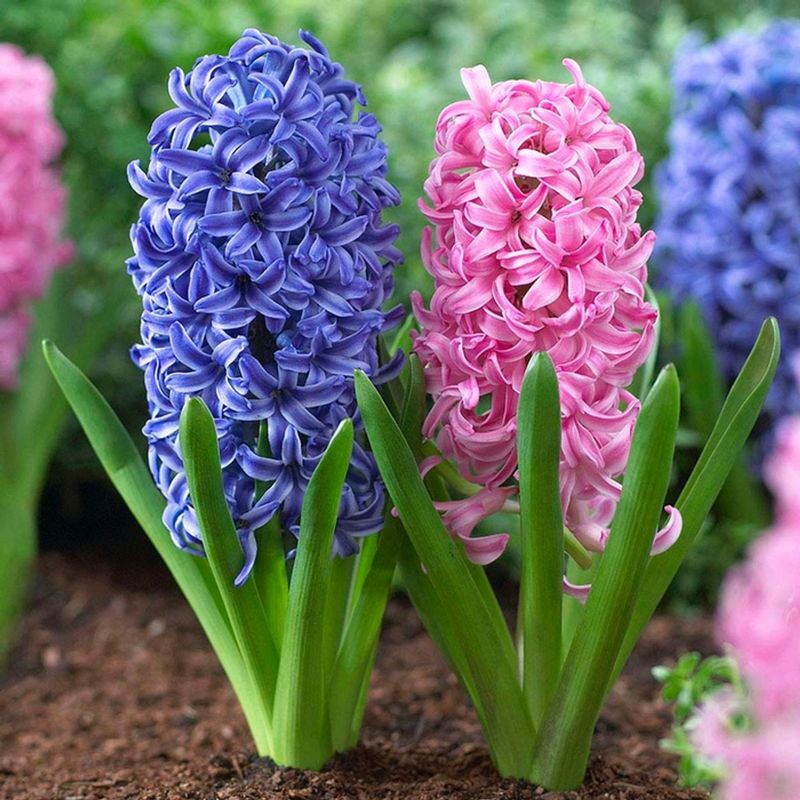
Hyacinths, with their potent spring fragrance, fill gardens with a burst of aroma and color, creating lively and joyful scenes. These flowers, often seen in clusters of pink, blue, or white, exude a scent that travels across garden spaces.
Planted in beds or containers, Hyacinths offer a sensory celebration that signals the arrival of spring. Their fragrance, a favorite in perfumery, adds depth and drama to garden settings.
Beyond their olfactory appeal, Hyacinths symbolize rebirth and constancy, making them a cherished choice for those seeking vibrant blooms and captivating scents.
14. Sarcococca (Sweet Box) (Sarcococca confusa)
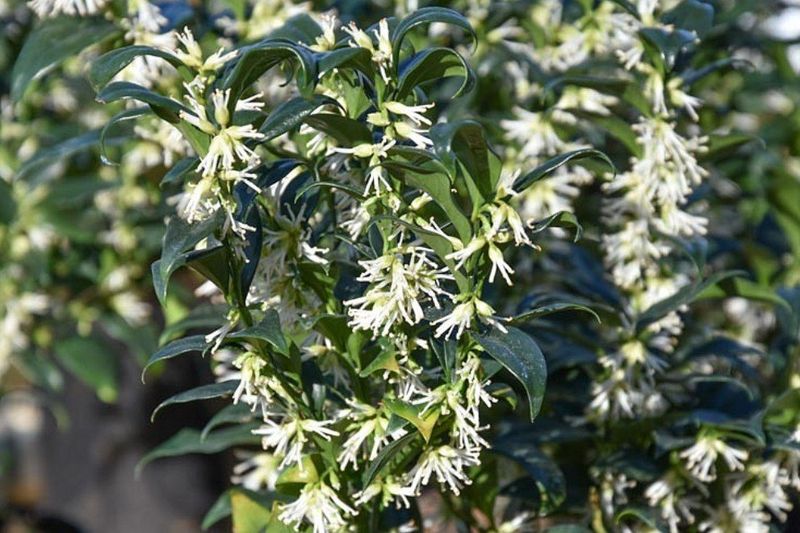
Sarcococca, or Sweet Box, offers a winter-blooming vanilla scent, turning cold months into fragrant marvels. These small, white flowers, nestled among evergreen leaves, create a surprising olfactory delight.
Ideal for shady spots, Sarcococca transforms forgotten corners into aromatic retreats. Its scent, a warm embrace in winter’s chill, promises a glimpse of spring’s renewal.
Beyond its fragrance, Sarcococca serves as a symbol of endurance and continuity, providing both beauty and scent when gardens often lie dormant. A true winter gem, it captivates with its unexpected charm.
15. Night-Blooming Cereus (Epiphyllum oxypetalum)
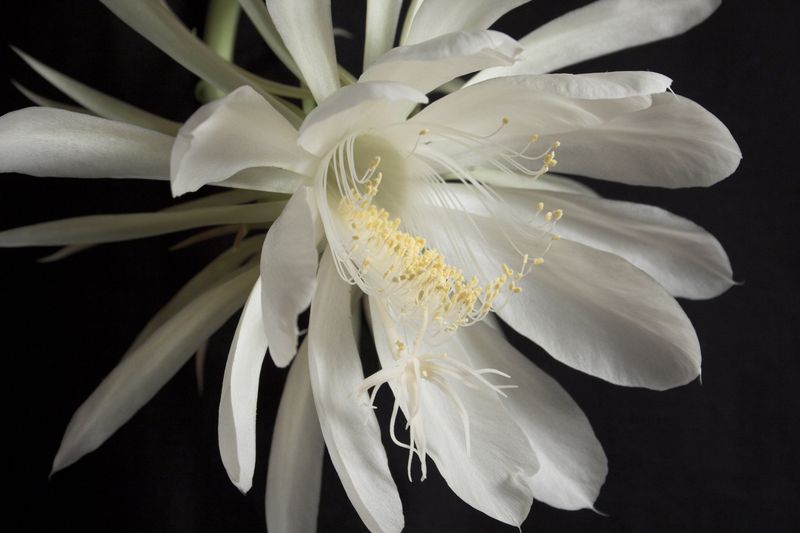
Night-Blooming Cereus, with its rare midnight perfume, transforms gardens into mystical realms under the moon’s gaze. These exotic flowers, often blooming once a year, create a fleeting yet unforgettable sensory experience.
Their scent, a fragrant kiss of tropical nights, invites midnight wanderers to savor its beauty. Planted in containers or garden beds, they bring an element of surprise and wonder.
In folklore, Night-Blooming Cereus symbolizes fleeting beauty and mystery, capturing the imagination of those who value the extraordinary in nature’s offerings.