
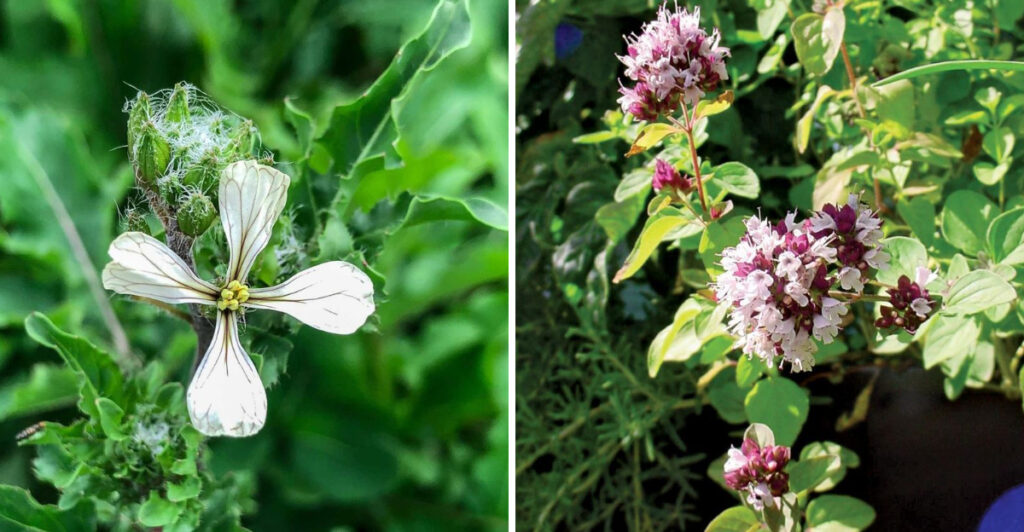
Discover the fascinating world of herbs that either thrive or falter under the scorching summer sun. In this insightful exploration, uncover which herbs bolt in the heat and which ones stand resilient.
Whether you’re a seasoned gardener or just beginning, understanding how different herbs respond to heat can be a game-changer for your gardening success.
Join us as we delve into the intricacies of these herbs, providing key insights and practical tips to help you make informed decisions for your garden. From heat-sensitive to heat-loving, let’s explore these 14 remarkable herbs.
1. Cilantro
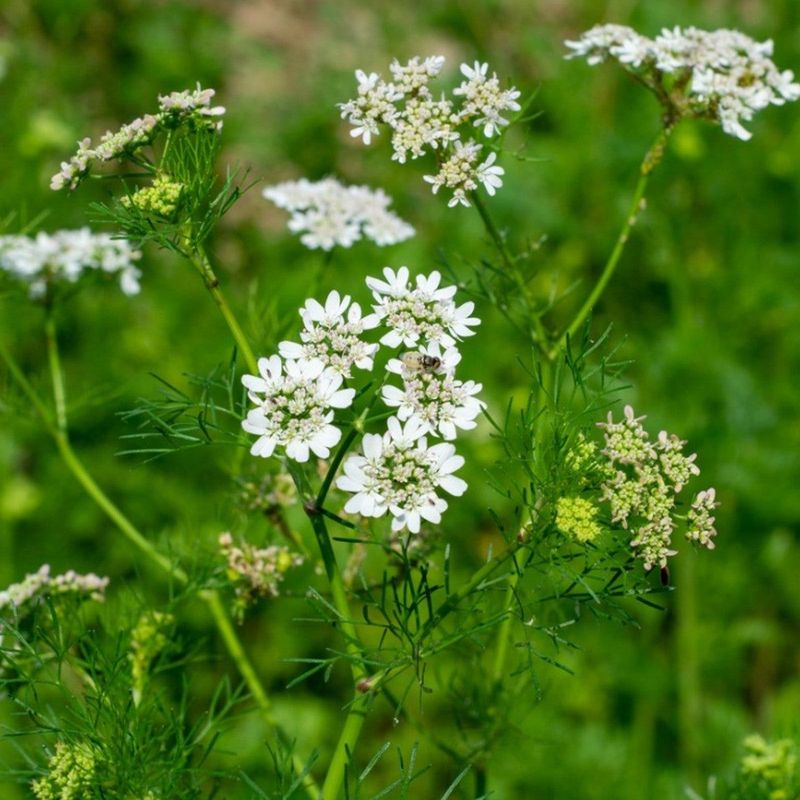
With its unmistakable citrusy aroma, cilantro is a beloved herb in many cuisines. However, gardeners know all too well how quickly cilantro can bolt in hot weather. One moment, it’s thriving; the next, it’s sending up tall stalks and delicate flowers. This transformation marks the end of its flavorful leaves. Fast-growing cilantro prefers cooler temperatures, making it a challenging plant in summer’s peak. A tip for gardeners: sporadic sowing can help maintain a crop through the season. Remember, cilantro’s affinity for cooler climates means it often requires more attention during summer.
2. Basil
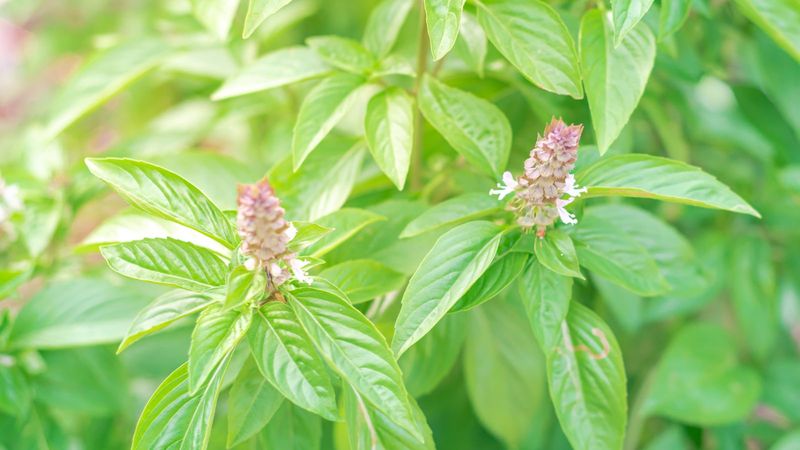
Basil, the quintessential summer herb, is known for its vibrant flavor and aroma. However, intense heat can prompt it to bolt unexpectedly. When basil begins to flower, its leaves tend to lose their signature taste. The trick is to pinch off the flowers as soon as they appear. This encourages more leaf growth and prolongs its harvest. For basil lovers, maintaining a consistent watering routine is crucial, especially during dry spells. Despite the challenges, basil brings a delightful freshness to dishes and remains a garden favorite. Its adaptive nature makes it a joy to cultivate.
3. Arugula
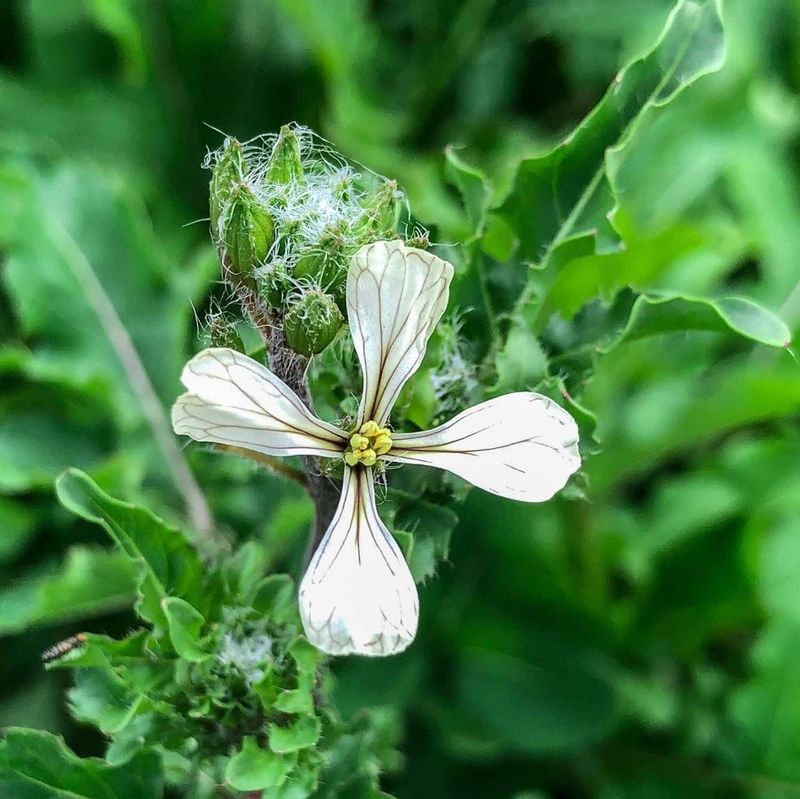
Known for its peppery punch, arugula is a salad staple. However, when temperatures soar, this leafy green quickly shifts its focus to reproduction. The formation of tall yellow flowers signals arugula’s bolting. During this time, its leaves become bitter, making it less desirable for culinary use. To prevent early bolting, gardeners should consider planting arugula in partial shade. Regular harvesting can also delay the flowering process. Despite its tendency to bolt, arugula’s unique flavor and texture make it worth the effort. A cold frame can extend its growing season into warmer months.
4. Spinach
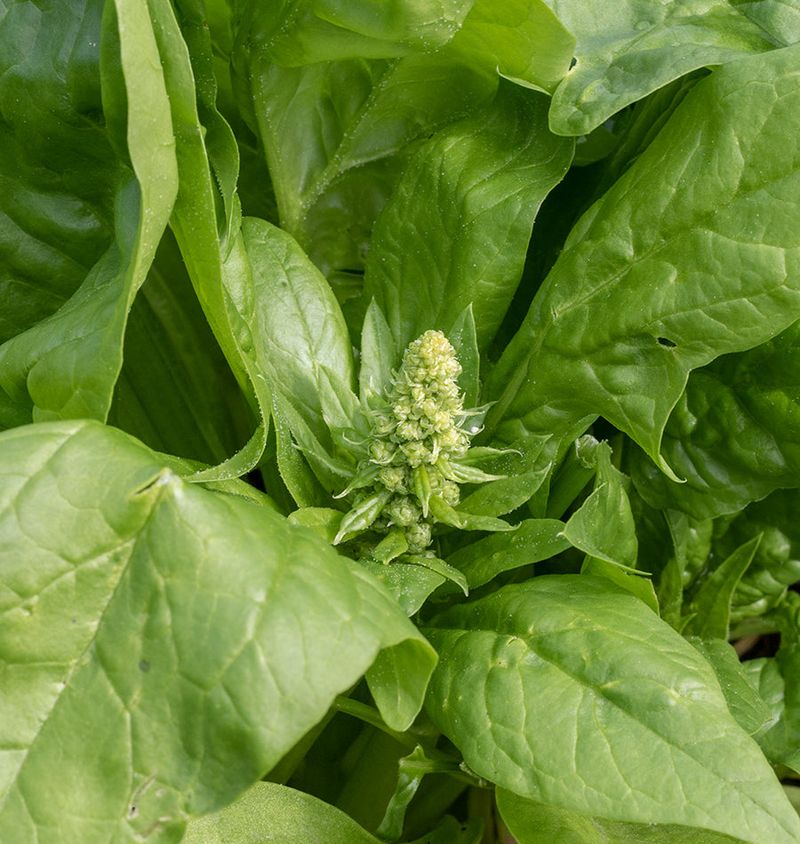
Spinach, a nutrient-packed leafy green, thrives in cooler climates. Yet, it struggles when faced with summer’s heat, often bolting as a result. As spinach bolts, it produces tall flowering stalks, signaling the end of its tender leaves. To avoid this, gardeners can plant spinach in the early spring or fall. This timing aligns with its preference for cooler weather. Mulching around spinach plants can also help retain soil moisture, reducing stress. Despite its challenges, spinach remains a popular choice for its versatility in the kitchen and its health benefits.
5. Lettuce
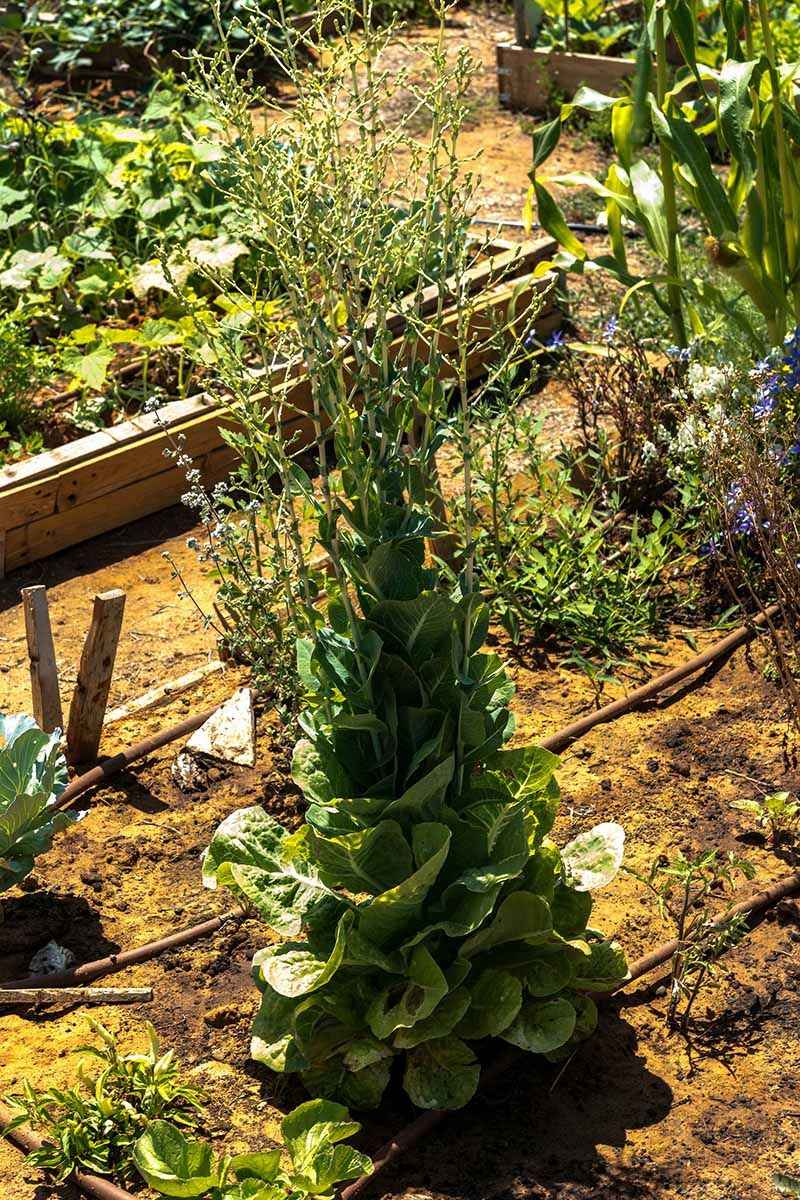
A salad garden staple, lettuce, often faces the challenge of bolting as temperatures rise. When lettuce bolts, it sends up tall flower stalks, and its leaves turn bitter. This transformation marks a shift from vegetative growth to seed production. For gardeners, providing shade or planting in cooler months can extend lettuce’s growing season. Frequent watering and harvesting can also help delay bolting. Despite its warmth sensitivity, lettuce remains a versatile and beloved garden crop. From crisp romaine to tender butterhead, its varieties offer diverse flavors and textures for any dish.
6. Fennel
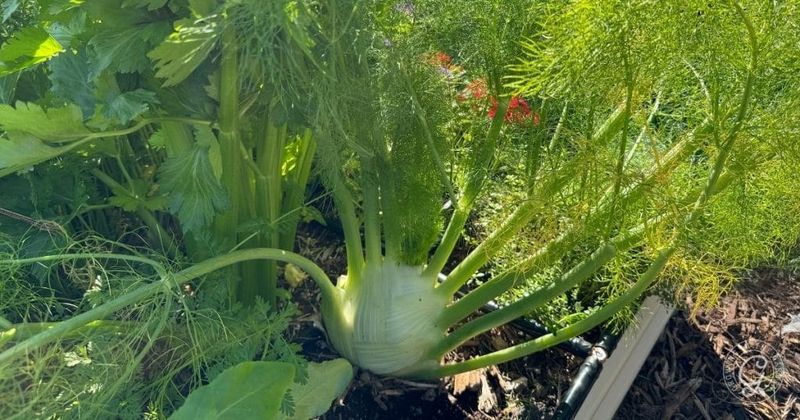
Fennel, with its sweet anise flavor, is a cherished addition to many dishes. However, it faces challenges in hot weather as it tends to bolt. Once fennel starts to flower, its bulbous base can become tough and less flavorful. For optimal growth, fennel prefers cooler temperatures and consistent watering. Gardeners can harvest fennel bulbs before the flowering stage to ensure the best taste. Despite its tendency to bolt, fennel’s unique flavor profile makes it a favorite in both culinary and herbal uses. Its feathery fronds add an aesthetic touch to gardens.
7. Coriander
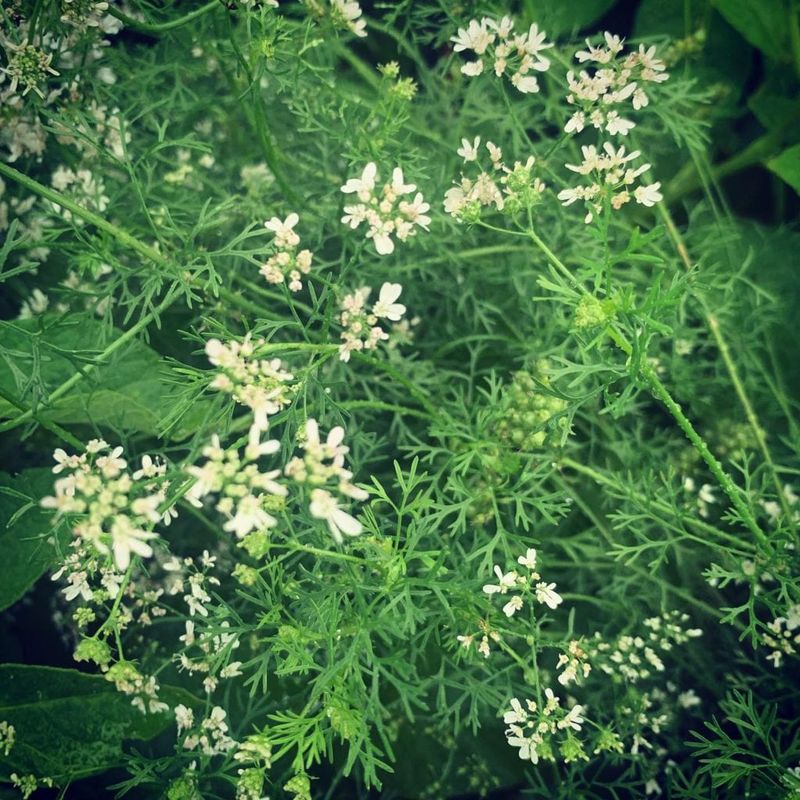
Coriander, often mistaken for cilantro, shares a similar bolting fate in the heat. As temperatures rise, coriander quickly sends up tall stalks and small white flowers. This change marks the end of its lush green foliage. To extend coriander’s life, gardeners can practice succession planting or provide partial shade. Consistent watering is also crucial, especially during dry spells. Despite its challenges, coriander offers a unique flavor that’s indispensable in many dishes. Its seeds can be harvested and used as a spice, adding versatility to its garden presence.
1. Rosemary
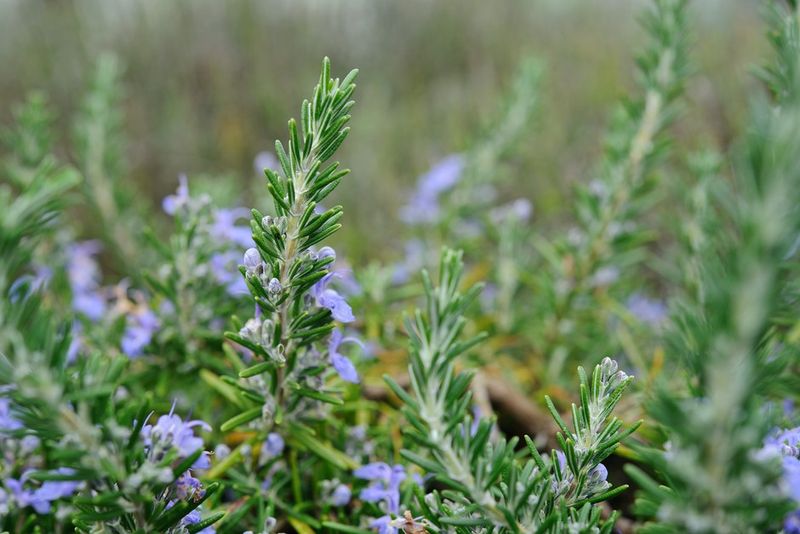
Rosemary, the evergreen herb with a woody fragrance, thrives in the summer sun. Unlike other herbs, it doesn’t bolt easily, making it a reliable garden presence. This hardy herb prefers well-drained soil and can tolerate drought conditions. Its robust nature allows it to flourish under intense sunlight, providing aromatic sprigs for culinary use. Rosemary’s resilience is matched by its versatility, enhancing dishes from roasts to breads. Its small purple flowers attract pollinators, adding biodiversity to gardens. A symbol of remembrance, rosemary’s enduring spirit makes it a cherished herb.
2. Thyme
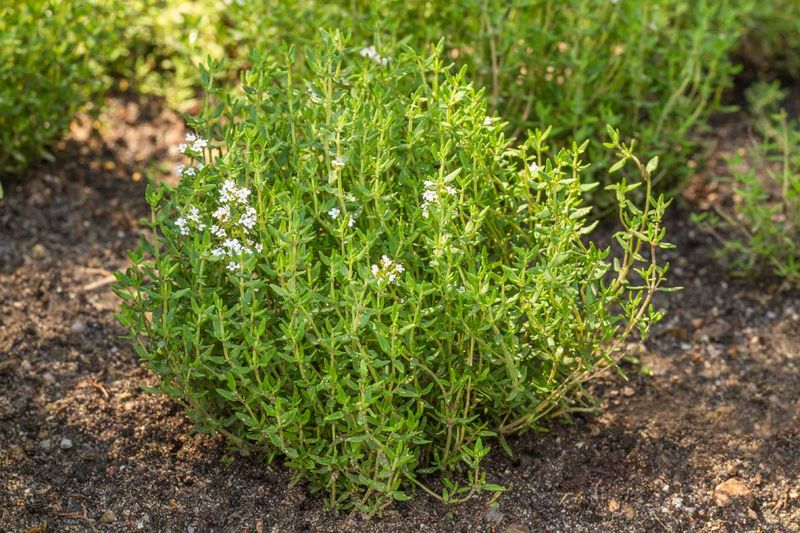
Thyme, with its earthy aroma and subtle flavor, revels in sunny summer gardens. This perennial herb withstands heat with remarkable ease, offering fragrant leaves throughout the season. Thyme’s low-growing nature makes it an excellent ground cover, reducing weed growth and retaining soil moisture. Its tiny pink blossoms not only add beauty but also attract beneficial insects. Gardeners appreciate thyme for its low maintenance and culinary versatility. From soups to sauces, thyme enhances a variety of dishes. Its historical use as a symbol of courage adds depth to its garden presence.
3. Oregano
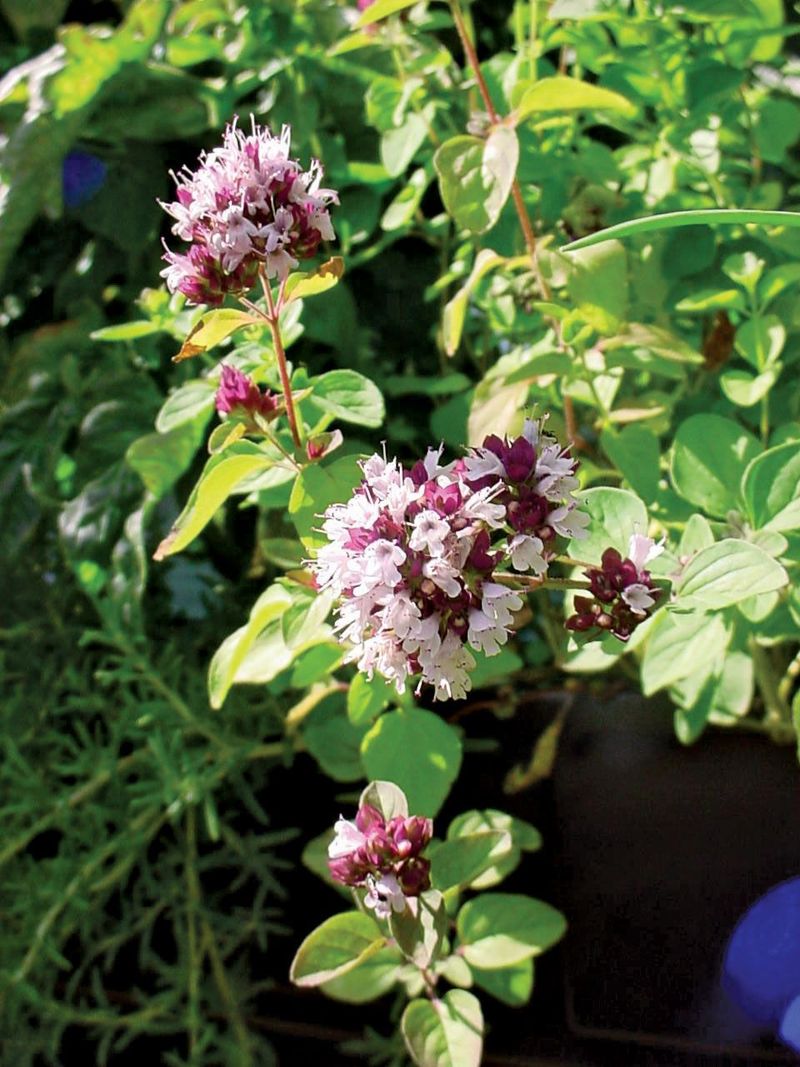
Oregano, a staple in Mediterranean cooking, thrives under the summer sun without hesitation. Its robust nature makes it an ideal herb for hot climates. This perennial plant produces pungent leaves and clusters of white flowers, adding flavor to various dishes. Oregano prefers well-drained soil and infrequent watering, aligning with its drought-tolerant characteristics. Its presence in herb gardens is both practical and aromatic, providing an essential ingredient for pizzas, pastas, and more. Known for its antibacterial properties, oregano is valued beyond the kitchen. Its steadfast growth makes it a garden favorite.
4. Sage
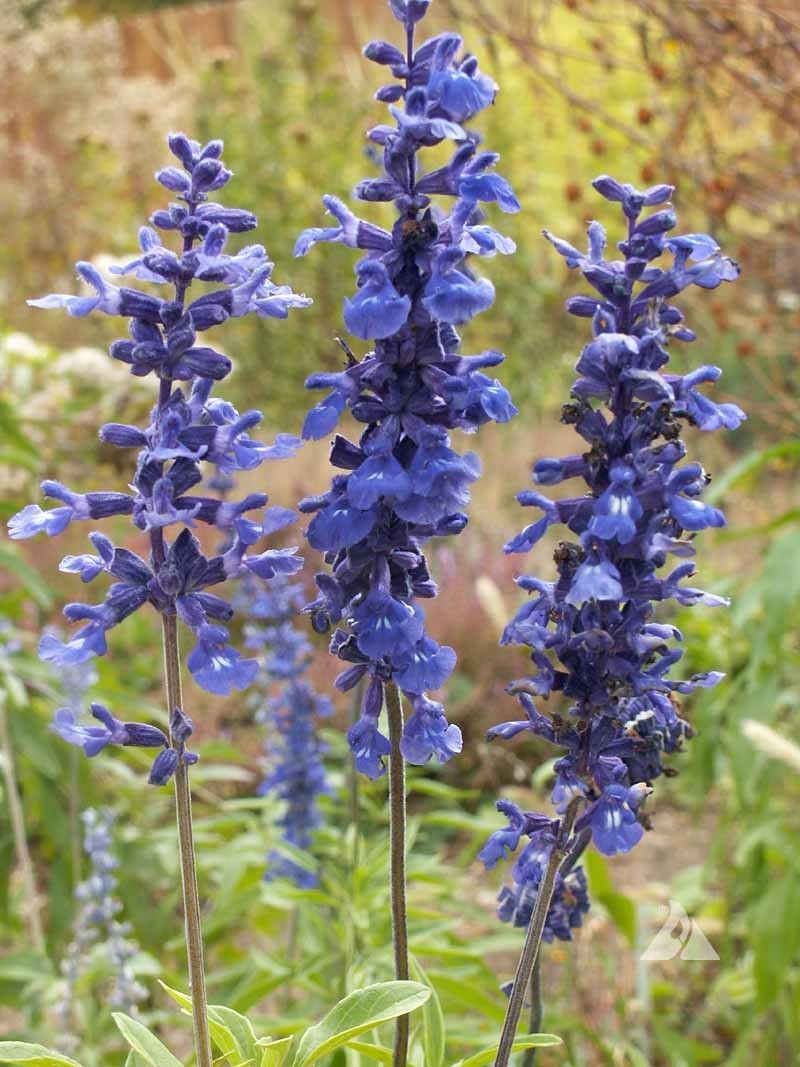
Sage, with its robust flavor and silvery leaves, stands resilient against summer’s heat. This hardy herb thrives in full sun, tolerating dry conditions with ease. Its blue flowers add a pop of color to herb gardens, while its leaves remain aromatic and flavorful. Sage’s culinary uses are diverse, enhancing dishes from meats to teas. For gardeners, its low maintenance is an added bonus. This perennial favorite has historical significance, once believed to impart wisdom. With its steadfast nature, sage remains a cherished herb, offering both beauty and flavor.
5. Lavender
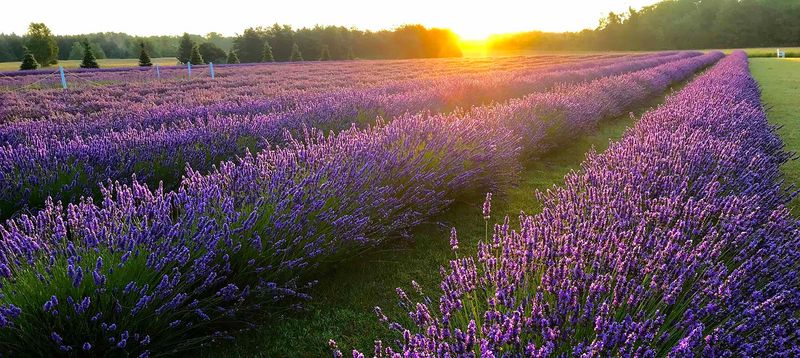
Lavender, synonymous with relaxation, thrives under the summer sun. This fragrant herb produces purple flowers and silvery foliage, creating a picturesque garden scene. Lavender prefers well-drained soil and minimal watering, aligning with its Mediterranean origins. Its scent not only soothes but also repels pests, making it a practical garden addition. Beyond its beauty, lavender is used in cosmetics, aromatherapy, and cuisine. Gardeners cherish its low maintenance and drought tolerance. With its calming presence and versatile uses, lavender remains a garden staple. Its historical association with love and healing adds to its charm.
6. Tarragon
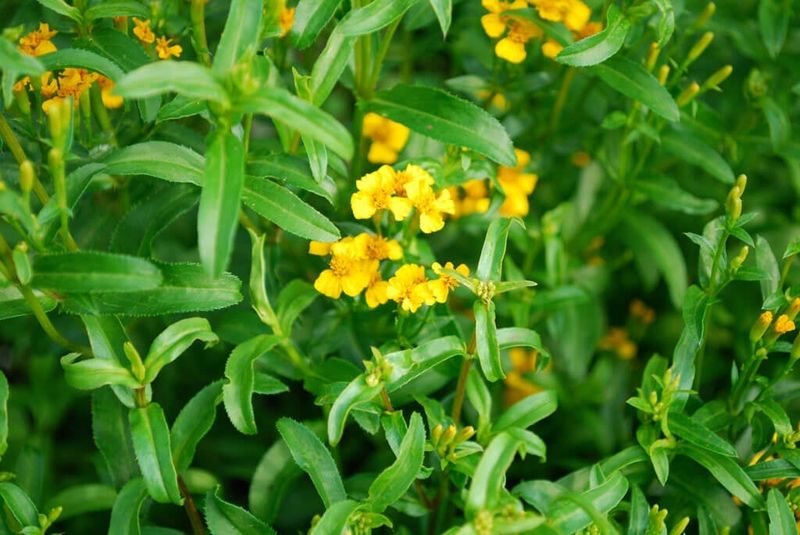
Tarragon, with its licorice-like flavor, laughs at the summer sun’s intensity. This perennial herb thrives in warm climates, producing long, slender leaves and delicate yellow flowers. Tarragon’s drought tolerance and preference for well-drained soil make it an excellent choice for hot gardens. Its leaves add a unique twist to culinary creations, particularly in French cuisine. For gardeners, tarragon’s low maintenance and vigorous growth are appealing traits. Its historical use as a healing herb adds depth to its charm. With a touch of elegance, tarragon enhances both gardens and kitchens alike.
7. Mint
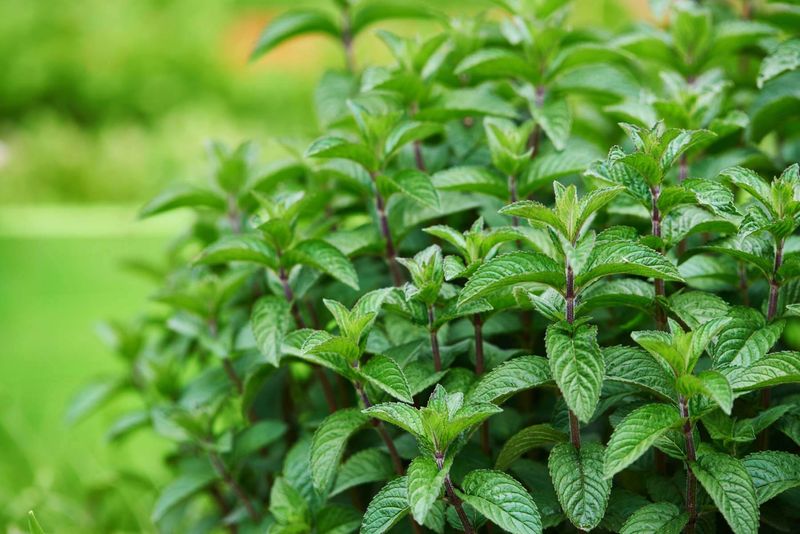
Mint, known for its refreshing aroma, embraces the summer sun with vigor. This hardy herb spreads rapidly, offering an abundance of vibrant leaves for culinary and medicinal use. Mint’s resilience is matched by its versatility, enhancing beverages, desserts, and savory dishes. Gardeners appreciate its ability to thrive in various conditions, though containment is crucial to prevent overgrowth. Its small white flowers attract pollinators, adding biodiversity to gardens. With historical significance in folklore and healing, mint’s spirited growth and refreshing scent make it a garden favorite.