
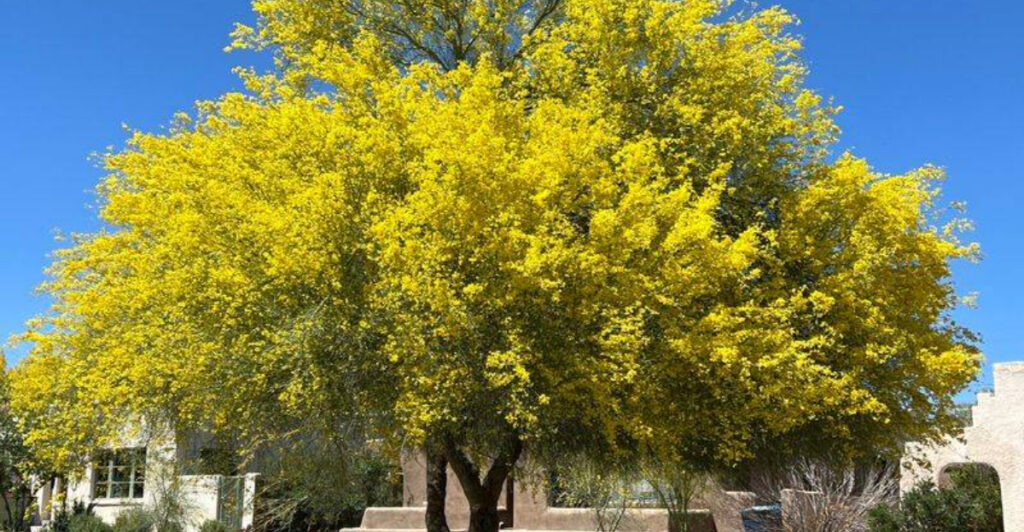
Drought conditions are increasingly becoming a concern for gardeners and homeowners alike. As water becomes a scarce resource, the need for drought-tolerant trees has never been greater. These trees offer a blend of beauty, resilience, and environmental benefits, making them ideal for climate-resilient yards. In this blog post, we explore 20 exceptional drought-tolerant trees that can thrive even in the toughest conditions, ensuring your landscape remains vibrant and sustainable year-round.
1. Desert Willow (Chilopsis linearis)
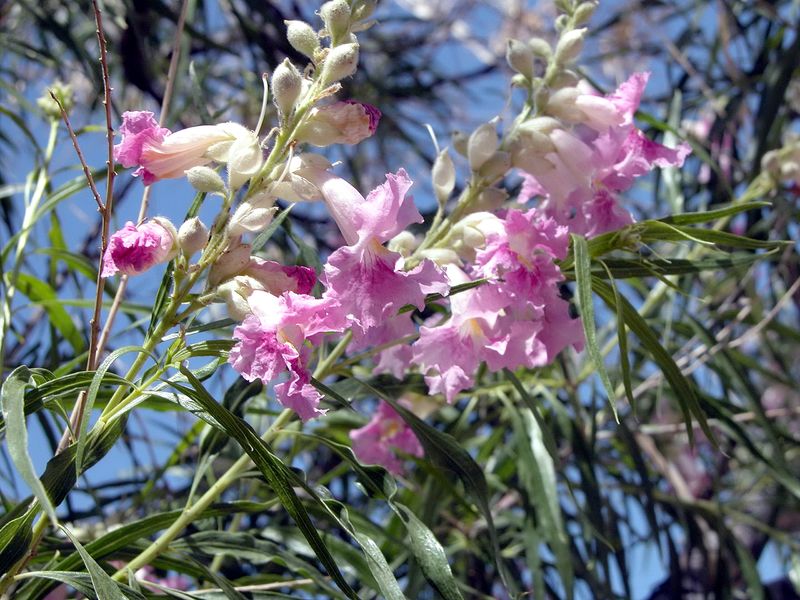
The Desert Willow, known for its graceful, willow-like branches, captivates with trumpet-shaped pink or purple flowers. This hardy tree thrives in full sun and poor soil conditions, making it a favorite in arid climates. Its drought resistance is unparalleled, requiring minimal water once established. Native to the deserts of the Southwest, its delicate blooms attract a variety of pollinators. Despite its name, this tree is not a true willow but belongs to the Bignoniaceae family, giving it a unique flair in any landscape.
2. Palo Verde (Parkinsonia spp.)
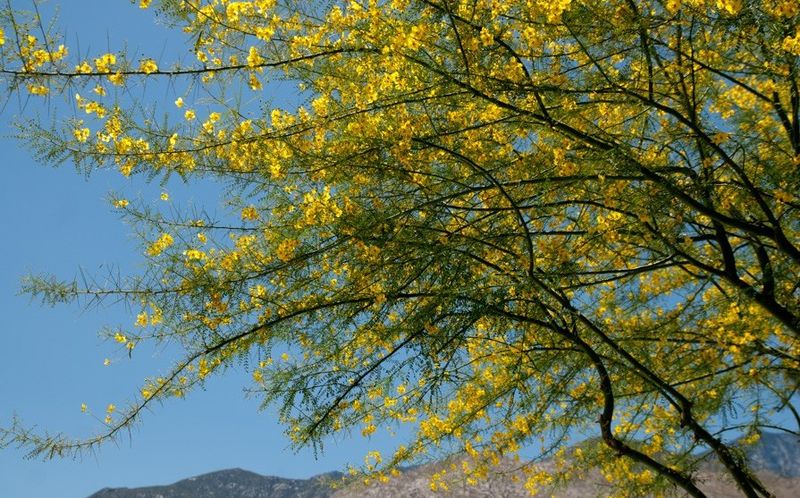
The Palo Verde stands out with its iconic yellow blooms and striking green bark, which is photosynthetic. Known for its resilience, this tree requires very little water once established. In spring, it bursts into a spectacular display of flowers, offering a visual feast. Its ability to thrive in harsh desert environments makes it a symbol of endurance. These trees are often found in landscapes that mimic their native habitat, where they provide shade and habitat for desert wildlife.
3. Texas Ebony (Ebenopsis ebano)
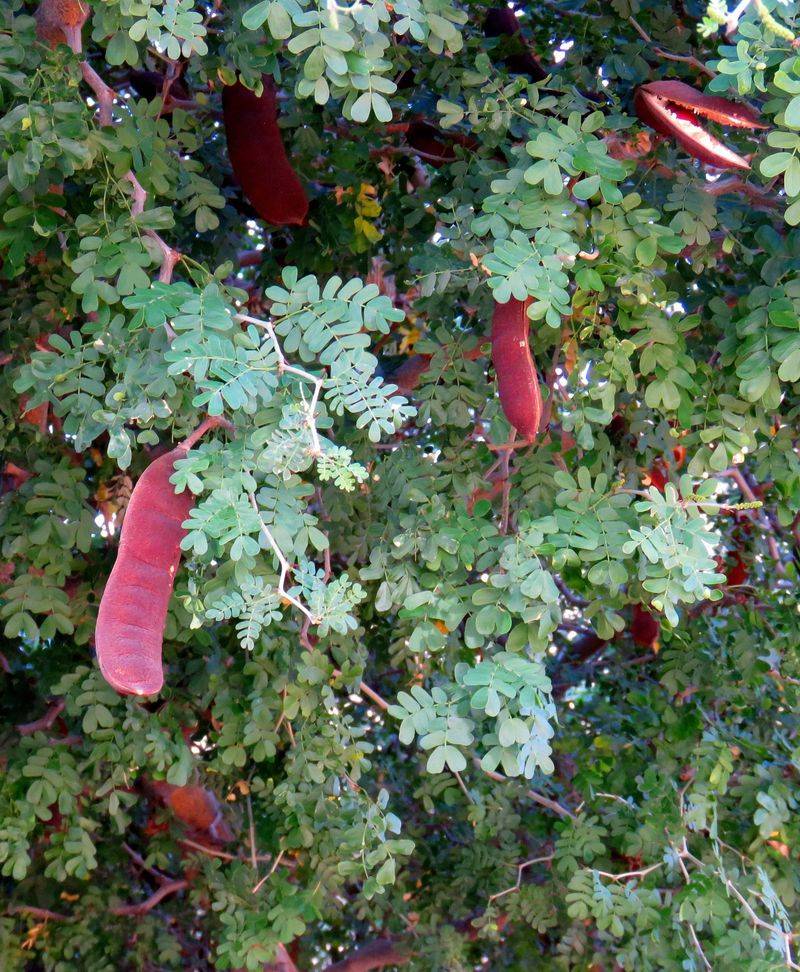
Texas Ebony, with its dense evergreen foliage and fragrant cream flowers, offers a unique charm. Its thorny branches and slow growth may seem formidable, but the rewards are worth the wait. This tree is ideal for hot climates, providing shade and a natural barrier. Its deep roots allow it to access groundwater, making it a reliable choice for drought-prone areas. Historically, its wood has been used for crafting tools, adding a touch of history to its modern-day appeal.
4. Mesquite (Prosopis spp.)
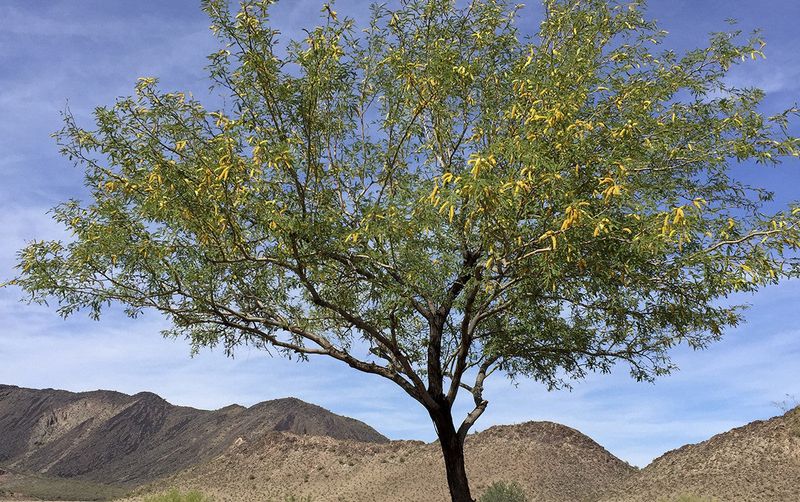
Mesquite trees are the epitome of toughness, rapidly growing with delicate, feathery foliage. Their deep-root systems tap into groundwater, ensuring survival in arid climates. Mesquite wood is prized for barbecuing, imparting a unique flavor to meats. The tree’s seed pods are edible, providing sustenance for wildlife and humans alike. Often seen as a symbol of the desert, mesquites support a diverse ecosystem. Their resilience and versatility make them a staple in drought-tolerant landscaping.
5. Blue Palo Verde (Parkinsonia florida)
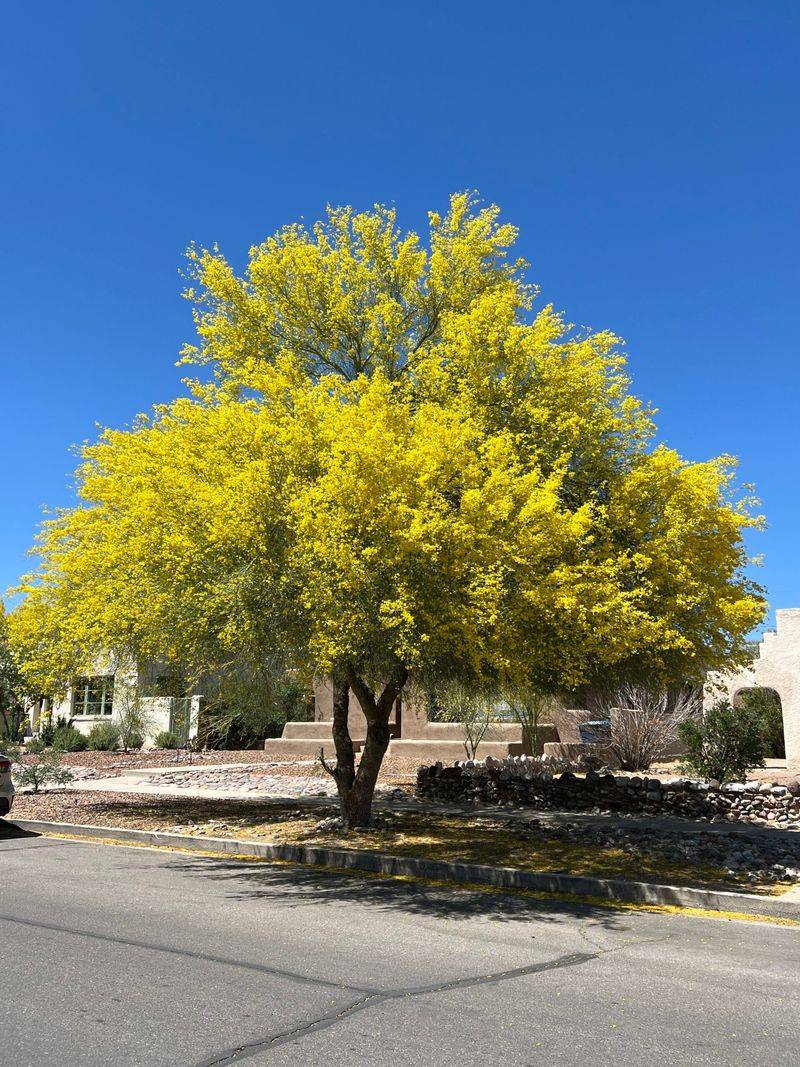
Blue Palo Verde, with its distinctive blue-green bark, enchants with vibrant spring blooms. This tree is not just a feast for the eyes but also a testament to survival in desert environments. Its bark performs photosynthesis, a unique adaptation. During spring, the tree transforms with a canopy of bright yellow flowers, attracting pollinators. Its deep roots and minimal water needs make it a perfect choice for xeriscaping. This tree’s beauty and resilience make it a desert icon.
6. Olive Tree (Olea europaea)
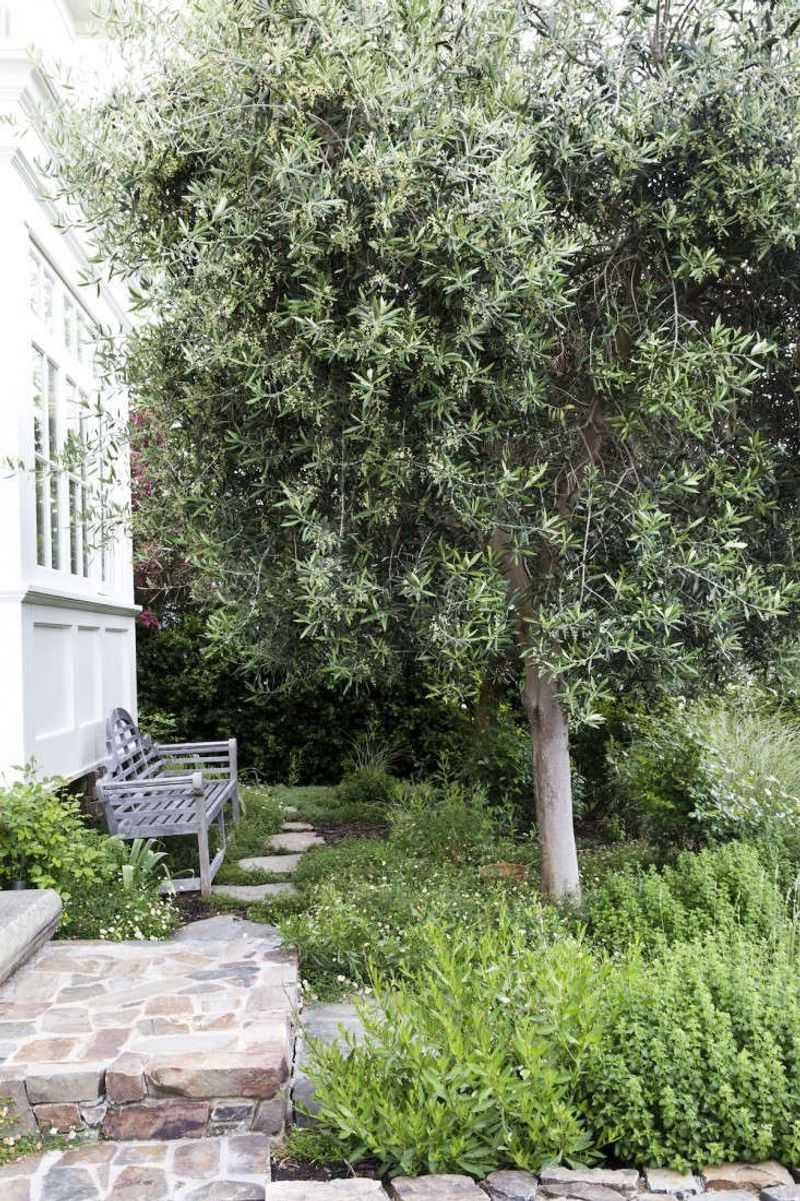
The Olive Tree, with its classic silvery foliage, is synonymous with Mediterranean landscapes. Known for its minimal water requirements, this tree thrives in dry conditions. Olive trees can live for centuries, symbolizing peace and prosperity. Fruitless varieties are available for those who prefer a tidy yard without the mess of olives. These trees not only provide shade but also enhance any landscape with their timeless beauty. Their resilience and low maintenance make them a gardener’s delight.
7. California Pepper Tree (Schinus molle)
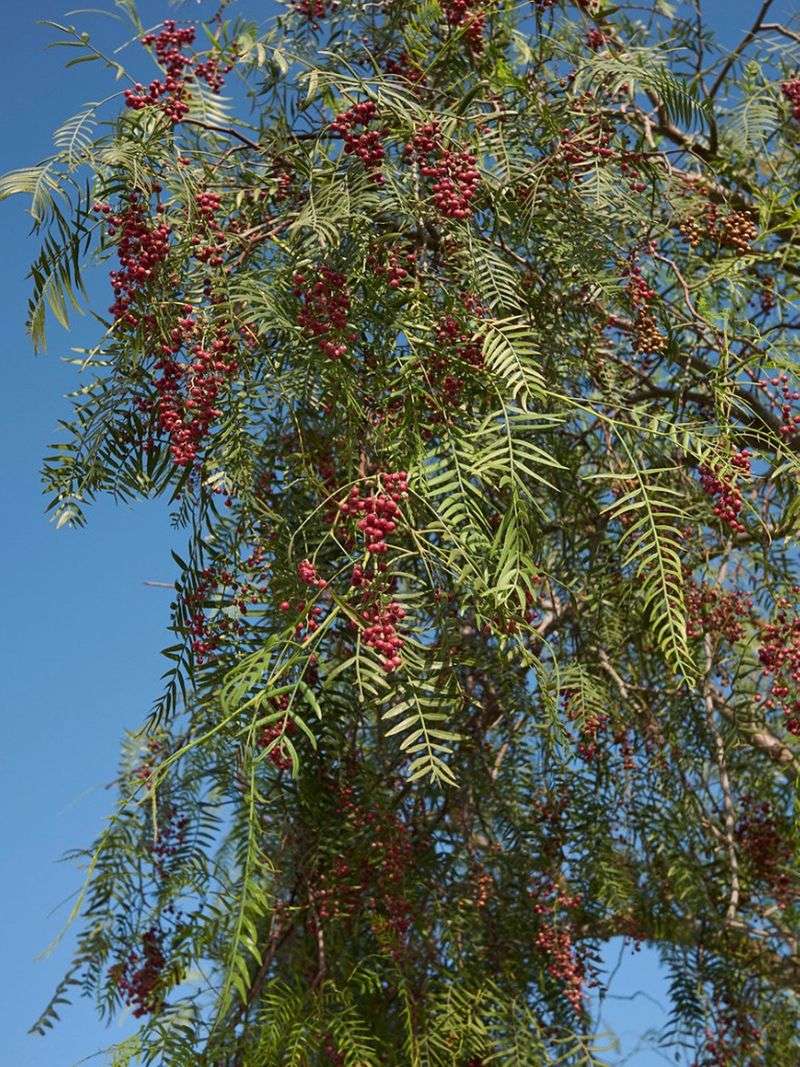
The California Pepper Tree is renowned for its graceful, weeping form and aromatic leaves. It grows quickly, providing ample shade and visual interest with its pink peppercorns. Despite its name, it’s not related to true peppers; the berries are used as a spice, adding a culinary twist. This tree thrives in warm climates, requiring minimal water once established. Its elegant appearance and resilience make it a popular choice for drought-tolerant gardens, offering both beauty and practicality.
8. Toyon (Heteromeles arbutifolia)
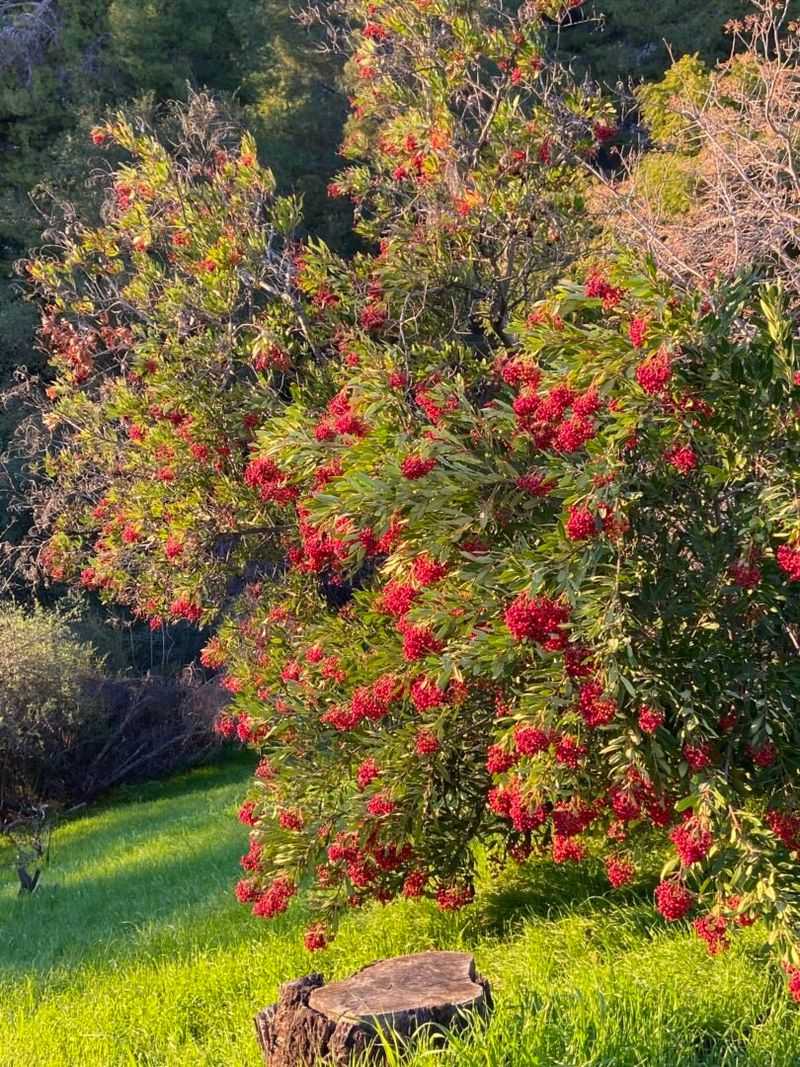
Toyon, often called “California Holly,” dazzles with clusters of red berries that birds adore. This native shrub is fire-resistant once mature, adding a layer of protection to landscapes in fire-prone areas. Its evergreen foliage provides year-round interest, and its resilience to drought conditions makes it a staple in native Californian gardens. Historically, its berries were used by Indigenous peoples for food, highlighting its importance in local ecology and culture.
9. Manzanita (Arctostaphylos spp.)
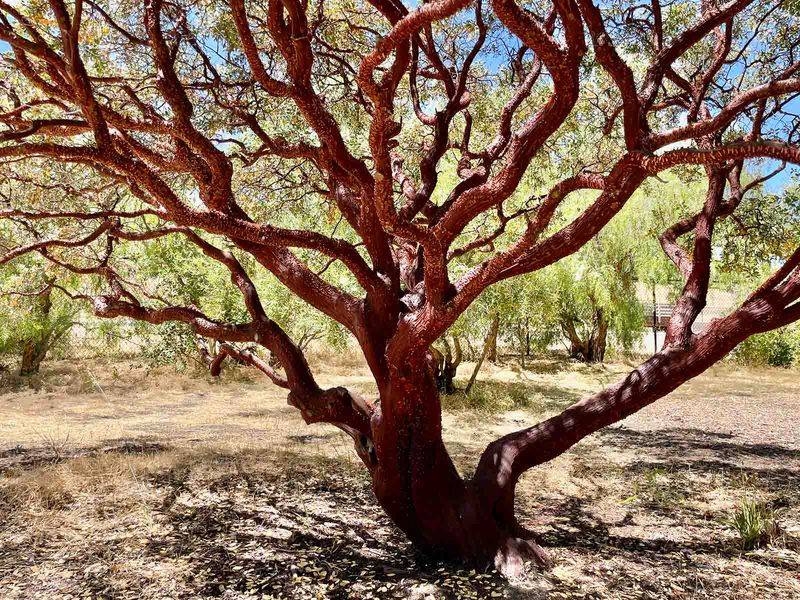
Manzanita captivates with its striking red bark and evergreen leaves. This tree is a favorite for wildlife and erosion control, offering both beauty and function in the landscape. Its twisted, sculptural form creates a natural art piece, thriving in rocky, well-drained soils. In spring, it bursts into bloom with delicate bell-shaped flowers, attracting pollinators. Manzanita’s resilience to drought and wildfires makes it a valuable addition to any yard seeking both aesthetics and practicality.
10. Coast Live Oak (Quercus agrifolia)
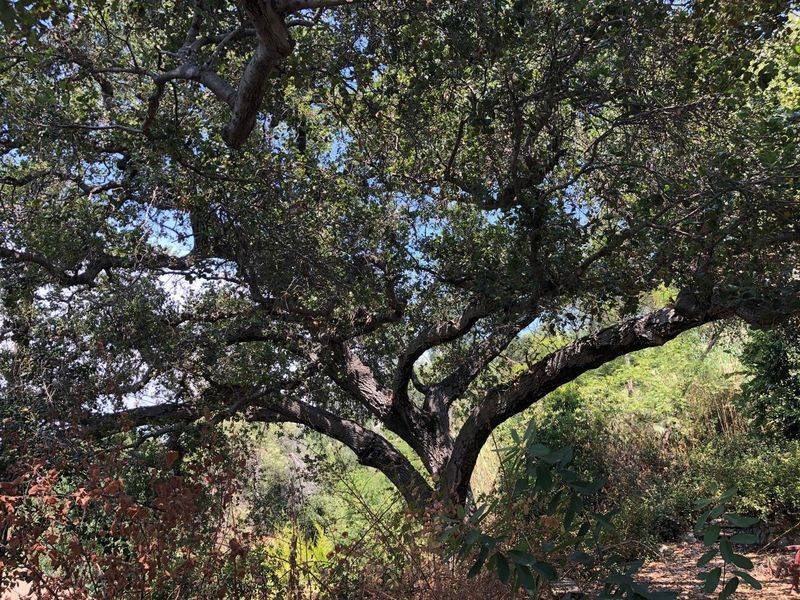
The majestic Coast Live Oak stands as a sentinel along the California coast, supporting hundreds of species. Its deep roots enable it to thrive in drought-prone areas, providing vital habitat and shade. This tree has a long history of supporting native wildlife, from birds to insects, making it a keystone species. Its massive canopy offers a refuge from the sun, and its resilience to fire and drought makes it indispensable in sustainable landscaping.
11. Crape Myrtle (Lagerstroemia indica)
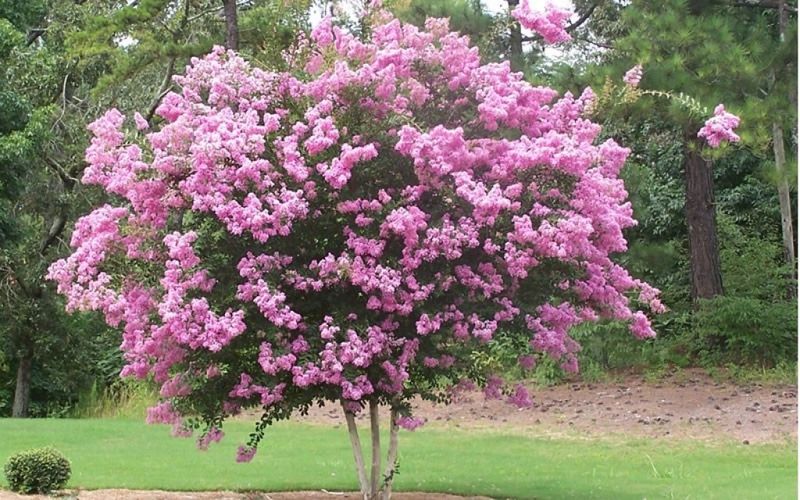
The Crape Myrtle adds a splash of color with its vibrant summer blooms in shades of pink, purple, red, or white. Its peeling bark offers winter interest, ensuring it’s a year-round favorite. This tree is ideal for hot, dry summers, thriving with minimal water. It attracts pollinators, enhancing the garden’s biodiversity. Known for its ornamental beauty, the Crape Myrtle is often used in southern landscapes, celebrating both its aesthetic appeal and drought resilience.
12. Vitex (Chaste Tree) (Vitex agnus-castus)
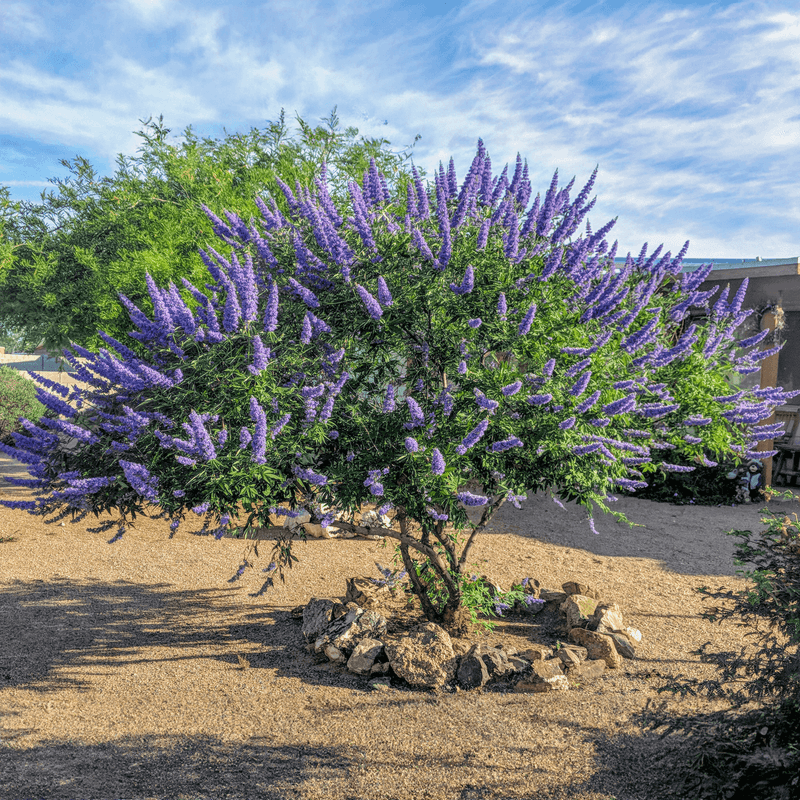
Vitex, or Chaste Tree, enchants with its spikes of purple flowers that attract bees and butterflies. This heat-loving tree thrives in dry environments, offering aesthetic and ecological benefits. Its low-maintenance nature makes it a favorite among gardeners, providing shade and beauty with minimal effort. Historically, Vitex was believed to have medicinal properties, adding a layer of intrigue to its ornamental appeal. Its resilience and charming flowers make it a standout in any drought-tolerant garden.
13. Chinese Pistache (Pistacia chinensis)
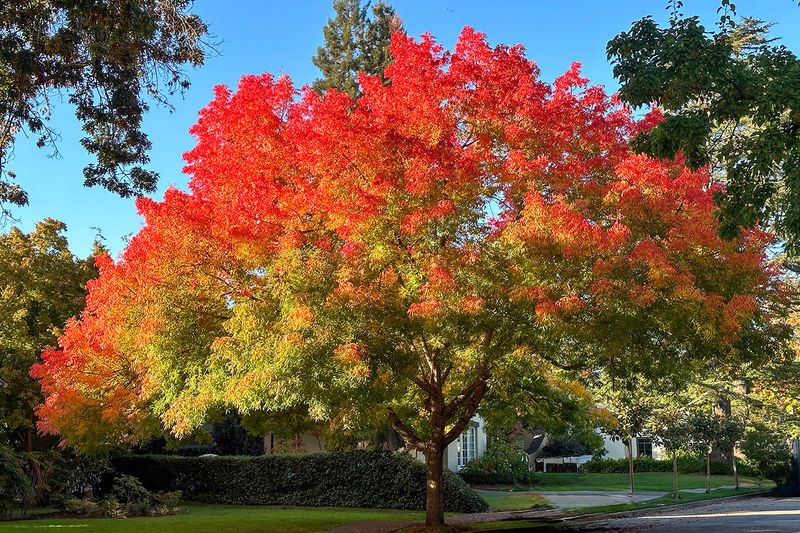
Chinese Pistache dazzles with its stunning fall color, ranging from fiery reds to vibrant oranges. Rare among drought-tolerant trees, its autumn display is breathtaking. This tree is pest-resistant and adaptable, thriving in a variety of soil conditions. Its rapid growth and shade-providing canopy make it a valuable addition to urban landscapes. Beyond its beauty, the Chinese Pistache is easy to care for, requiring minimal water once established, making it a favorite for sustainable gardening.
14. Texas Mountain Laurel (Sophora secundiflora)
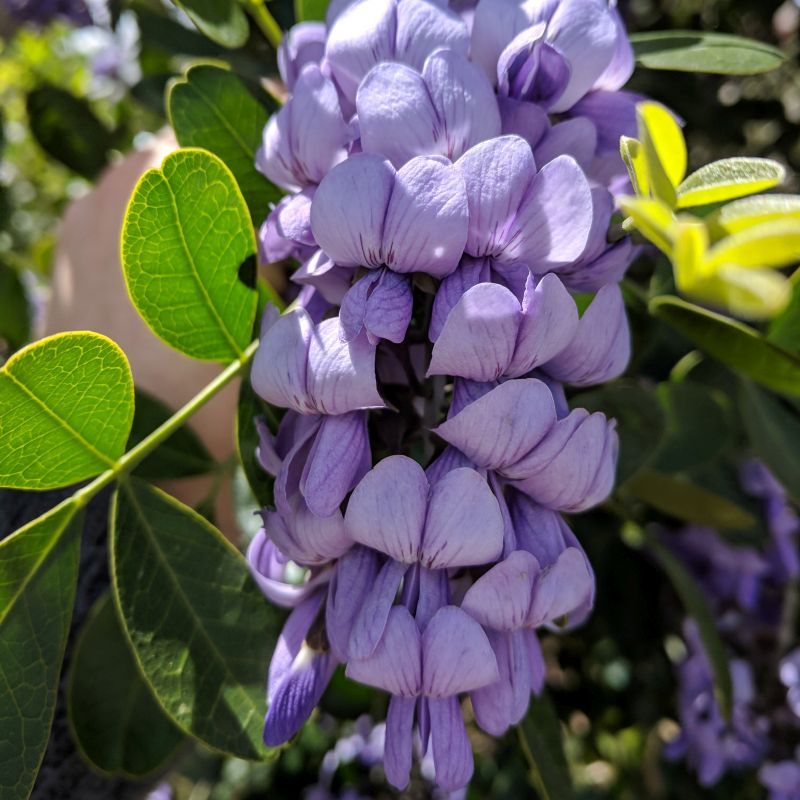
Texas Mountain Laurel captivates with fragrant purple blooms, reminiscent of grape Kool-Aid, in the spring. This slow-growing tree is exceptionally tough, enduring the harshest of conditions. Its glossy evergreen leaves provide year-round interest, and its drought resilience makes it a staple in southwestern gardens. The flowers attract pollinators, adding life and movement to the garden. With its hardiness and unique blossoms, Texas Mountain Laurel is both a visual delight and a practical choice.
15. Live Oak (Quercus virginiana)
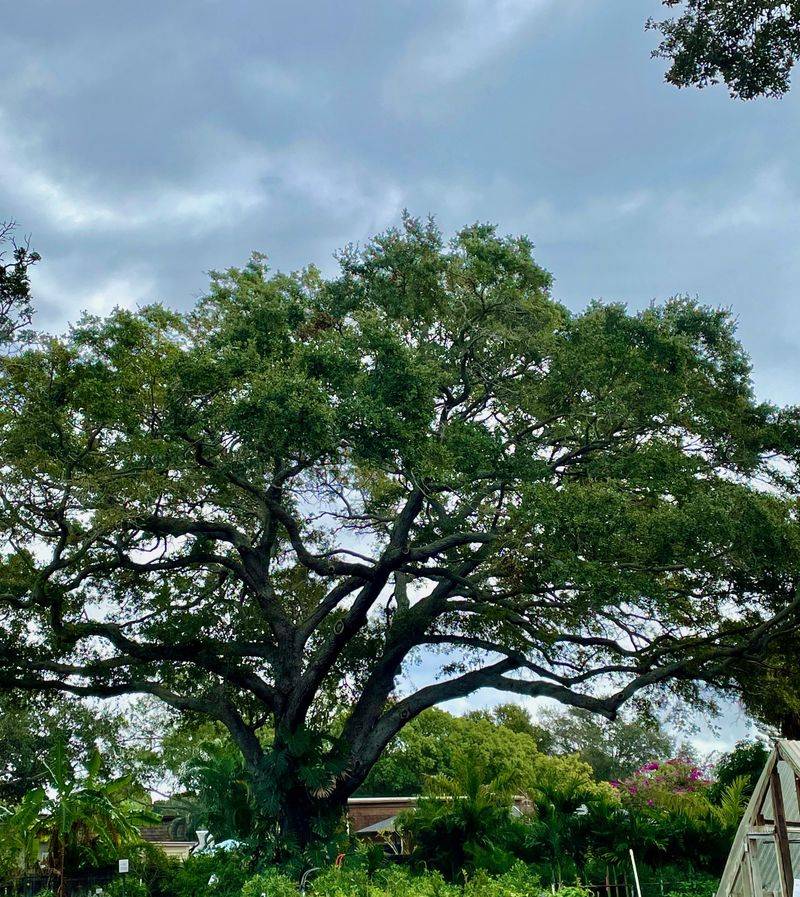
The Live Oak, with its massive, sprawling branches, is a hallmark of Southern landscapes. Known for its longevity and strength, it withstands both hurricanes and droughts. This tree provides ample shade, creating a cool haven in the heat. Its resilience and ability to adapt to various soil types make it a versatile choice for any yard. Often seen draped in Spanish moss, the Live Oak evokes a sense of history and grandeur, offering both beauty and environmental benefits.
16. Russian Olive (Elaeagnus angustifolia)
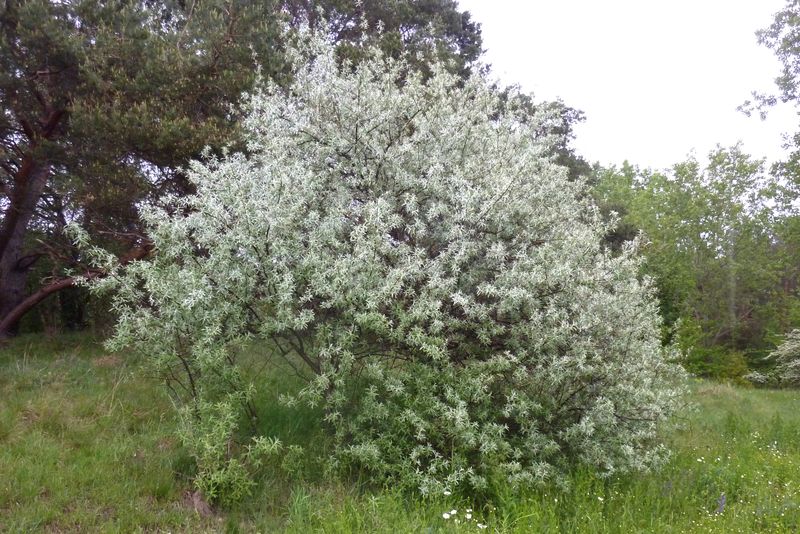
Russian Olive, with its silvery leaves and fragrant yellow flowers, thrives in poor soil and cold winters. This tree is both hardy and ornamental, adding a touch of elegance to harsh landscapes. Its edible fruit provides food for wildlife, enhancing its ecological value. Historically, it was planted as a windbreak and to combat soil erosion, proving its versatility. The Russian Olive’s adaptability to challenging conditions makes it a reliable choice for those seeking both beauty and hardiness.
17. Honey Locust (Gleditsia triacanthos)
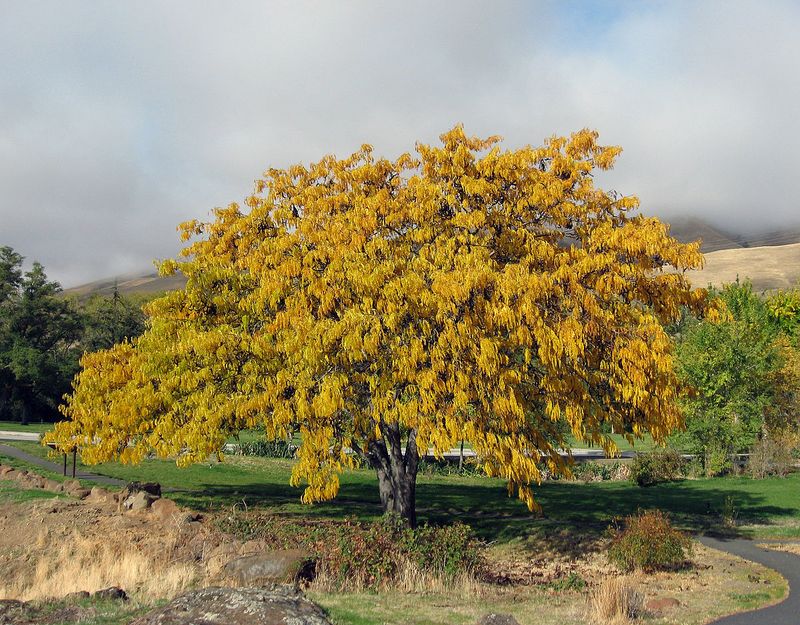
Honey Locust offers light, dappled shade with its delicate leaves, transforming into golden hues in the fall. Thornless varieties are available, making it a safer option for urban gardens. This tree thrives in dry conditions, requiring minimal water to flourish. Its adaptability to different soil types and urban pollution makes it a city favorite. Known for its elegant appearance and resilience, the Honey Locust provides both aesthetic and environmental benefits, making it a versatile addition to any landscape.
18. Kentucky Coffeetree (Gymnocladus dioicus)
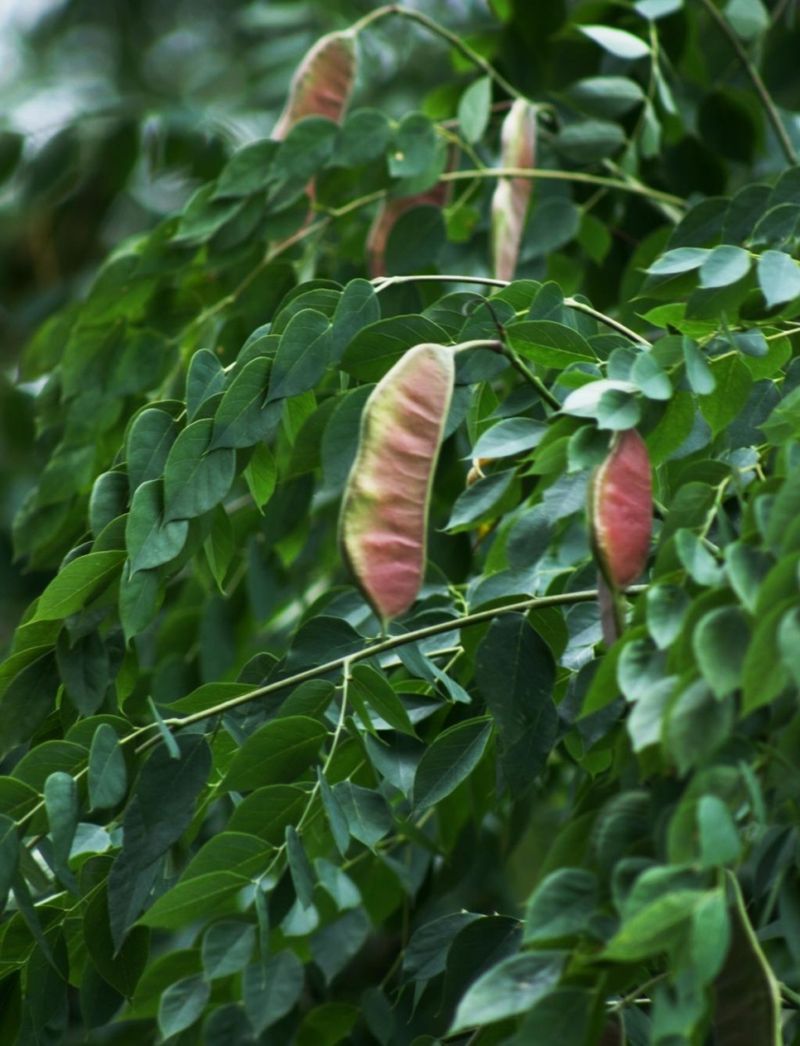
The Kentucky Coffeetree stands out with its bold, architectural form and large, eye-catching seed pods. This tree thrives in urban environments, withstanding drought and pollution. Its unique silhouette adds a modern touch to landscapes, while its hardiness ensures it remains a steadfast presence. Historically, its seeds were roasted as a coffee substitute, adding an intriguing facet to its identity. With its striking appearance and resilience, the Kentucky Coffeetree is both a conversation starter and a practical choice.
19. Bur Oak (Quercus macrocarpa)
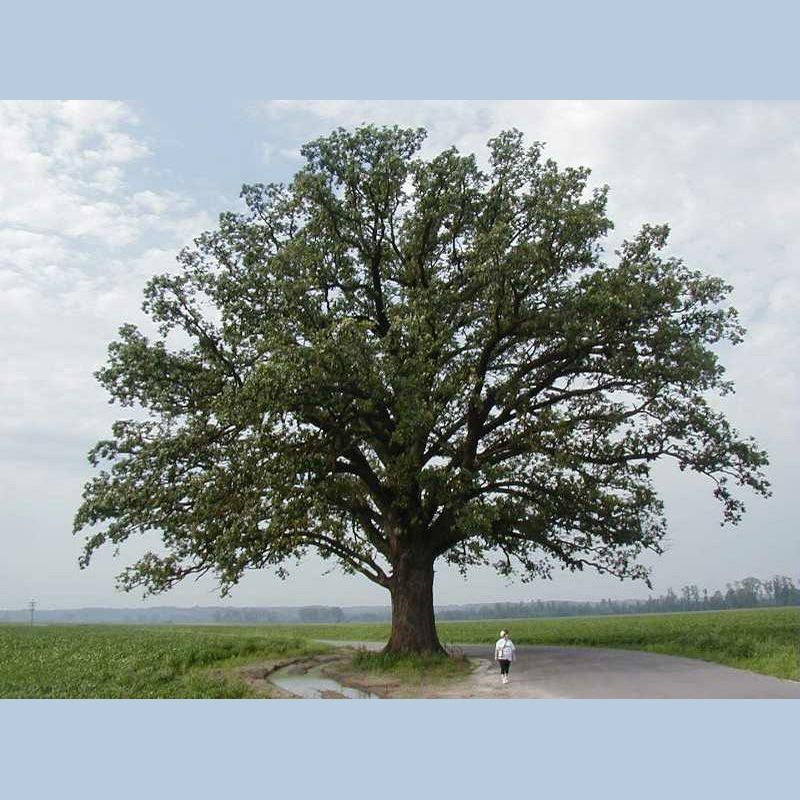
The Bur Oak is a massive, rugged tree that thrives in dry prairies, known for its long lifespan of over 200 years. Its thick bark and giant acorns are distinctive features, providing food for wildlife. This tree’s deep root system allows it to survive drought conditions, making it a cornerstone of prairie ecosystems. Its resilience and grandeur make it a favored choice for large landscapes, offering shade and habitat. The Bur Oak’s historical significance and ecological value are unmatched in its native regions.
20. Pinyon Pine (Pinus edulis)
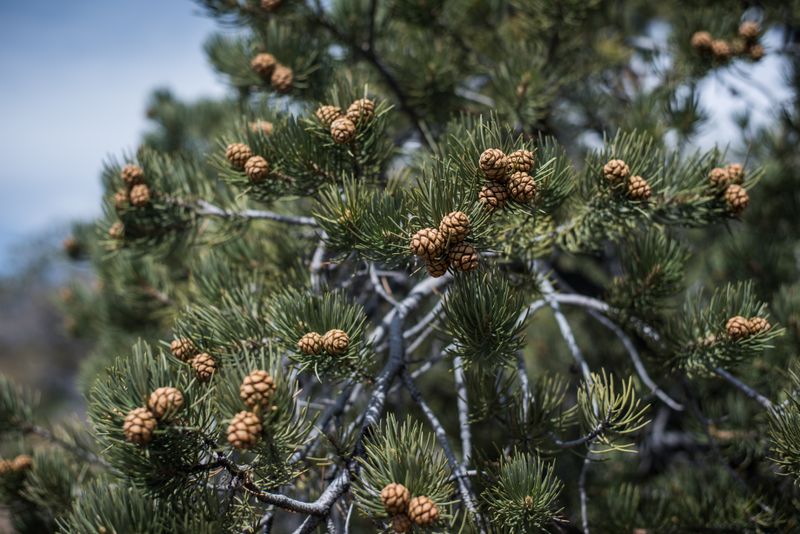
Pinyon Pine, a compact evergreen, thrives in high desert areas, offering both beauty and sustenance. Its edible pine nuts are a prized delicacy, enjoyed by wildlife and humans alike. This tree’s adaptability to low-water environments makes it a perfect choice for xeriscaping. Its dense foliage provides refuge for desert wildlife, contributing to biodiversity. The Pinyon Pine’s role in traditional diets and its ecological importance make it a cherished species in arid landscapes, blending utility with natural beauty.