
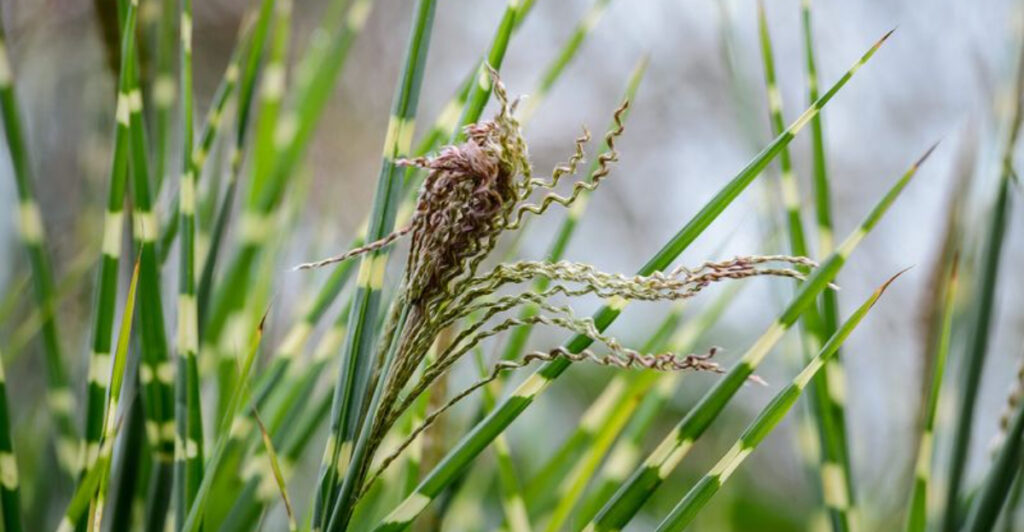
Ornamental grasses can transform landscapes with their textures and colors, but not all are garden-friendly. While some species enhance gardens without causing harm, others are notorious for their invasive nature. This guide explores ten invasive grasses to avoid and ten that are garden-safe, providing gardeners with informed choices.
1. Japanese Blood Grass (Imperata cylindrica ‘Rubra’)
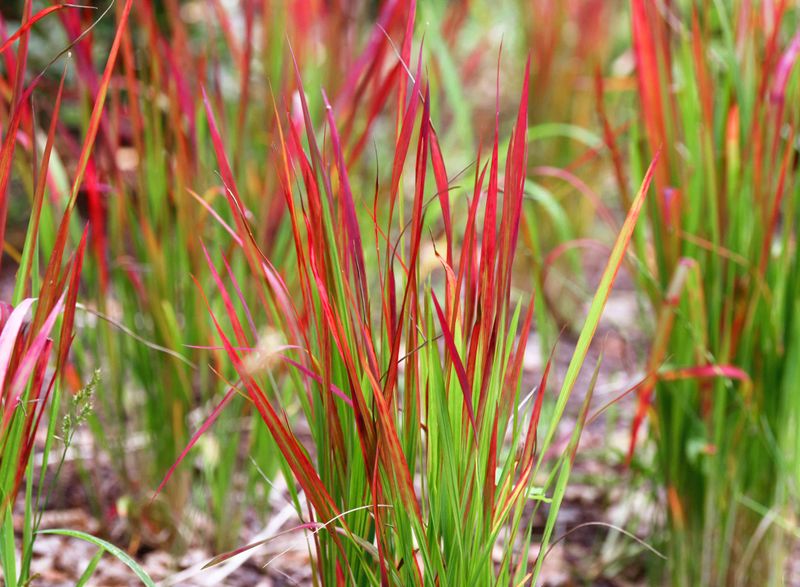
Japanese Blood Grass, with its alluring red-tipped blades, can be deceptively charming. However, the wild form (Imperata cylindrica) is notorious for its invasive tendencies, spreading rapidly through rhizomes. This aggressive growth can overwhelm native plants and disrupt ecosystems. In fact, several southern U.S. states have listed it as a noxious weed due to its propensity to dominate landscapes. Gardeners should be cautious, as its aggressive nature can quickly make it a garden nightmare. While the red variant is slightly less aggressive, its potential to escape cultivation remains a concern. Opt for more controlled ornamental grass alternatives.
2. Ribbon Grass (Phalaris arundinacea)
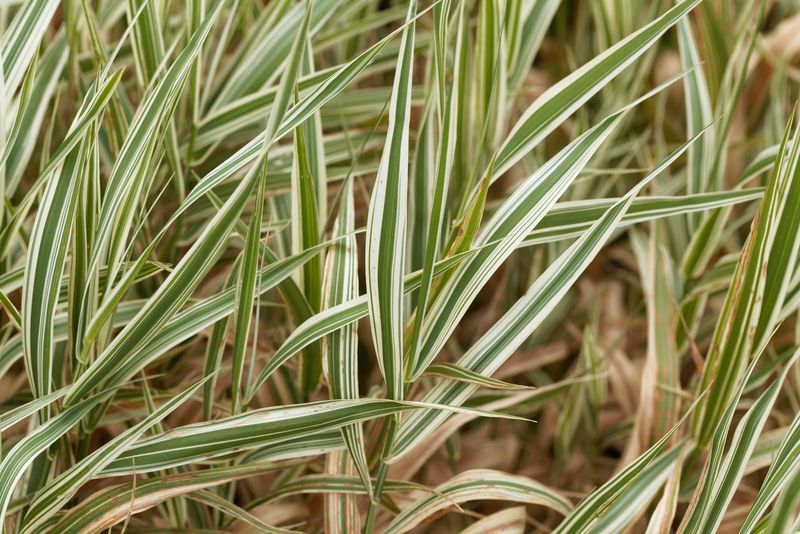
Ribbon Grass, known for its fast-spreading nature, can be an unwelcome guest in many gardens. This ornamental grass invades wetlands and outcompetes native species, creating a monoculture that stifles biodiversity. Its preference for moist soils makes it especially problematic in ditches and stream banks, where it can rapidly take hold. The plant’s vigorous growth and ability to adapt to various conditions make it a formidable invader. Gardeners should be aware of its potential to disrupt natural habitats and seek non-invasive alternatives that offer similar visual appeal without the ecological drawbacks.
3. Pampas Grass (Cortaderia selloana)
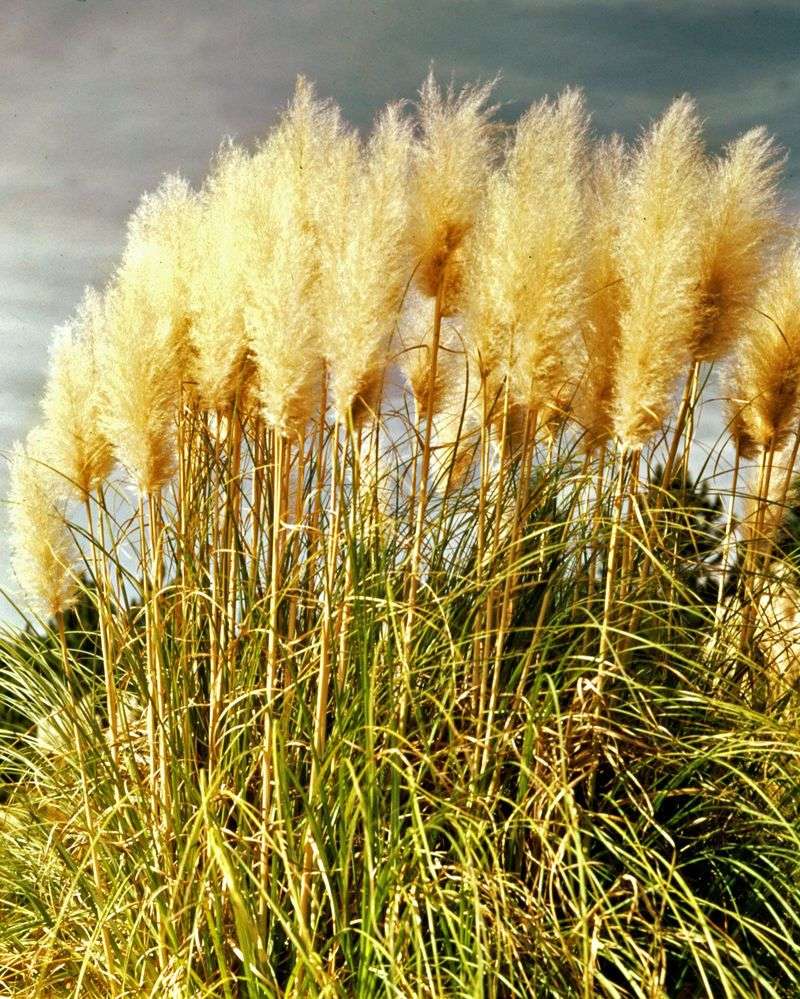
Pampas Grass, with its striking plumes, is often admired for its dramatic presence in gardens. However, its massive size and ability to disperse seeds by wind make it a troublesome invader. This grass can quickly colonize roadsides and wild areas, pushing out native vegetation. Its invasive nature is particularly prevalent in places like California, Australia, and New Zealand, where it has become a significant ecological concern. Despite its allure, gardeners should consider the environmental impact and opt for less invasive options that still provide ornamental beauty without the risk to local ecosystems.
4. Chinese Silver Grass (Miscanthus sinensis)
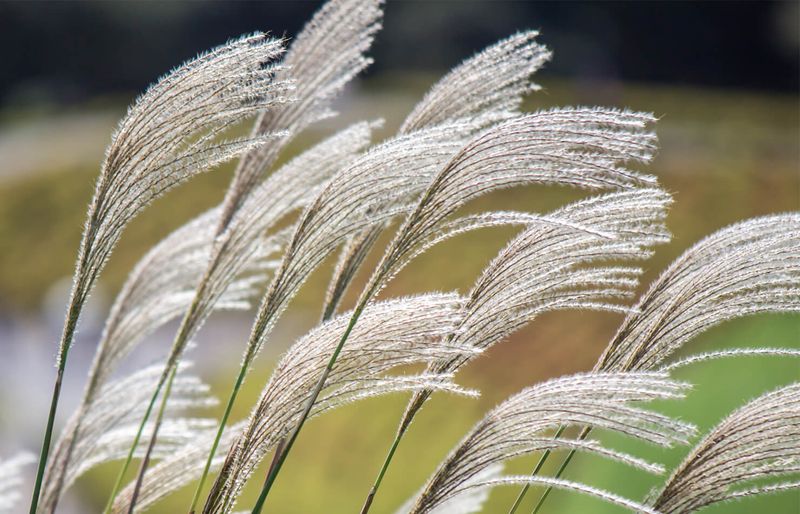
Chinese Silver Grass, with its feathery plumes, is a favorite among gardeners seeking texture and movement in landscapes. However, some varieties of this grass are notorious for self-seeding aggressively, leading to the invasion of natural areas. As it spreads, it can displace native fauna and flora, disrupting the ecological balance. Safer choices include sterile hybrids like Miscanthus sinensis ‘Strictus’ or ‘Morning Light,’ which offer similar aesthetic appeal without the invasive risk. Gardeners should prioritize these alternatives to maintain the integrity of their gardens and surrounding environments.
5. Giant Reed (Arundo donax)
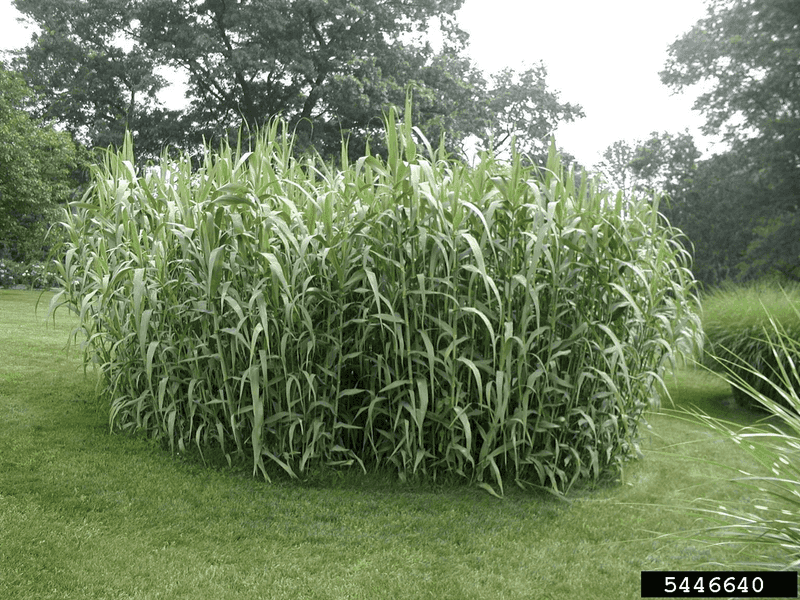
Giant Reed is often considered one of the worst invasive ornamental grasses. With its towering height and robust growth, it can clog waterways and displace native vegetation with ease. This aggressive spread has led to bans in states like Texas, where its impact on local ecosystems is particularly severe. Its ability to quickly form dense stands further exacerbates its invasive potential, making it a significant ecological threat. Gardeners are advised to avoid introducing this grass into their landscapes, opting instead for ornamental options that do not pose such a substantial risk to natural habitats.
6. Fountain Grass (Pennisetum setaceum)
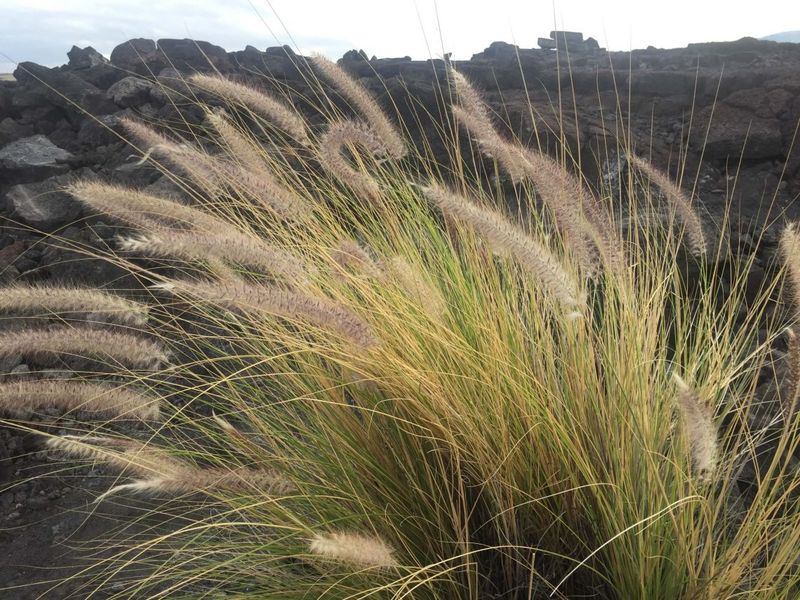
Fountain Grass is known for its graceful plumes and lush foliage, making it a popular choice for ornamental gardens. However, in warm climates like Arizona and Florida, it becomes highly invasive, spreading rapidly and outcompeting local plants. Its ability to adapt to various environments and reproduce quickly makes it a formidable invader. For those seeking the charm of Fountain Grass without the invasive risk, Pennisetum alopecuroides, a non-invasive alternative, is recommended. This option retains the aesthetic appeal while ensuring the preservation of local ecosystems and biodiversity.
7. Zebra Grass (Miscanthus sinensis ‘Zebrinus’)
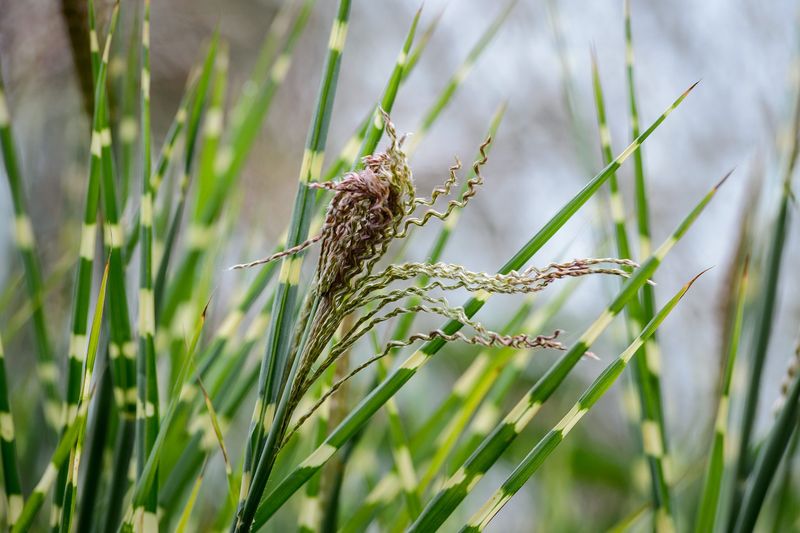
Zebra Grass, with its distinctive striping, adds visual interest to gardens. However, like other Miscanthus sinensis varieties, it has potential to escape cultivation and invade natural areas. Its ability to spread and establish in various environments makes it a concern for gardeners seeking sustainable landscaping solutions. An alternative such as Miscanthus transmorrisonensis, which is sterile and clump-forming, can provide similar ornamental qualities without the risk of invasion. Gardeners should consider these alternative options to prevent the spread of invasive species and protect native ecosystems from disruption.
8. Dwarf Bamboo (Pleioblastus spp.)
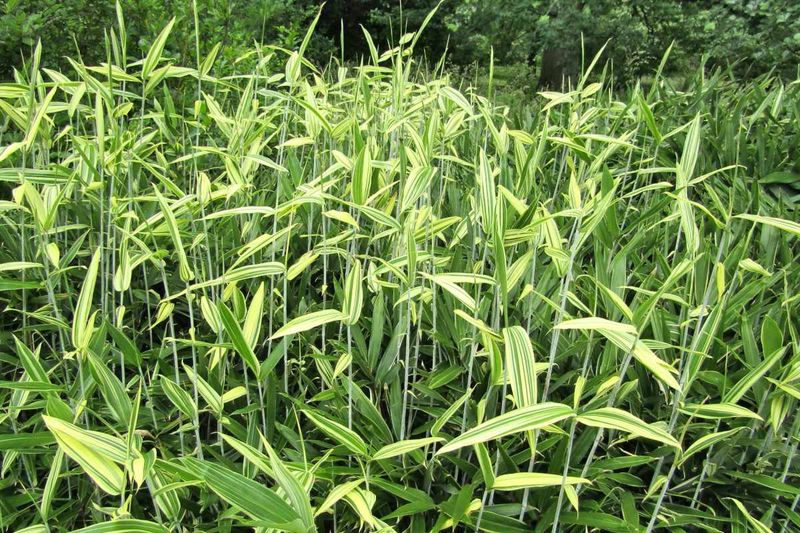
Dwarf Bamboo, with its compact size and lush greenery, can seem like an ideal ornamental choice for shady gardens. However, it is known for its aggressive underground spreading through runners, making it a challenge to control. This can lead to it taking over garden spaces and outcompeting other plants. Its persistence in shaded areas adds to the difficulty of managing its growth. Gardeners should be cautious when planting Dwarf Bamboo and consider alternatives that are easier to maintain and less likely to overpower other plantings in the landscape.
9. Johnson Grass (Sorghum halepense)
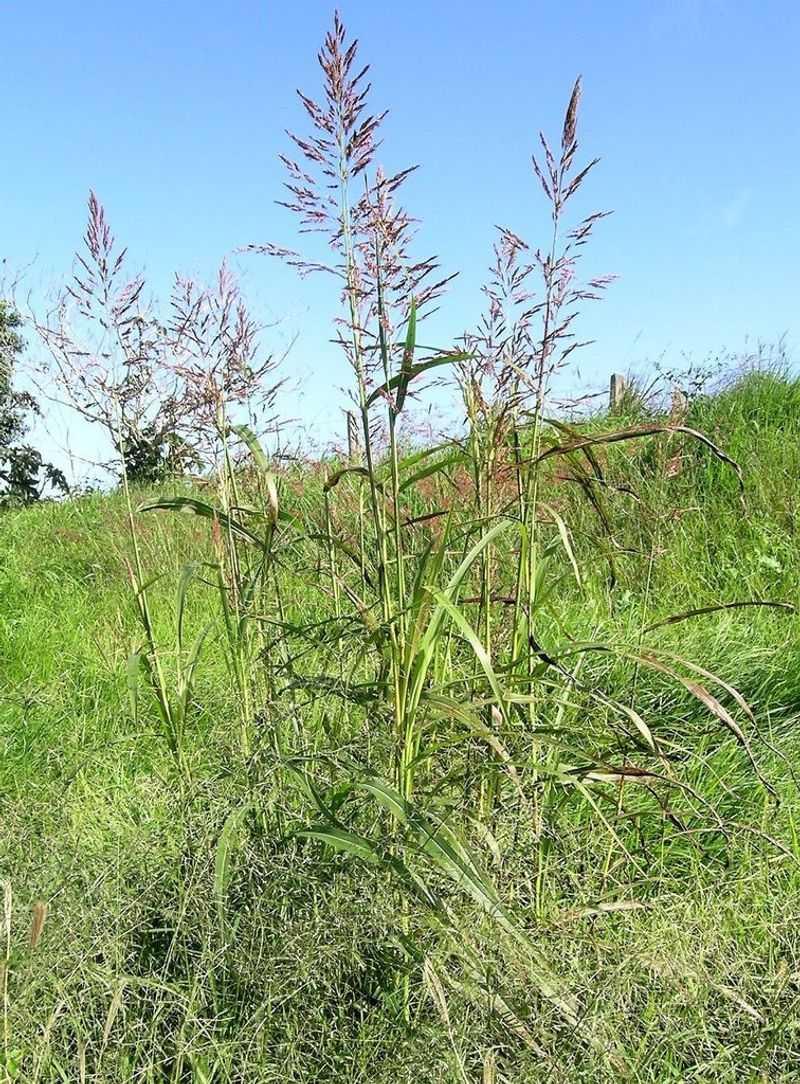
Johnson Grass is recognized as a noxious weed that poses significant challenges in agricultural and natural environments. Its ability to choke crops and form dense stands makes it a troublesome invader. Many agricultural regions have banned this grass due to its impact on crop yields and biodiversity. Its fast-growing nature and adaptability allow it to spread quickly, often requiring extensive efforts for control. Gardeners and farmers alike must be vigilant in managing its presence to protect native ecosystems and agricultural productivity from its invasive tendencies.
10. Common Reed (Phragmites australis)
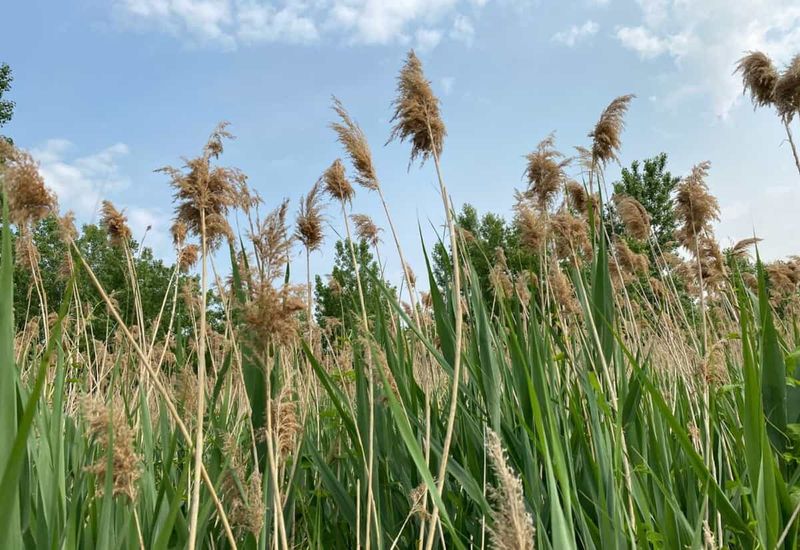
Common Reed is notorious for invading wetlands and forming dense monocultures that crowd out native plants. Its tall, feathery plumes may look appealing, but the ecological impact is severe, as it disrupts habitats and reduces biodiversity. In response, regions have worked to control its spread, often turning to native alternatives like Switchgrass (Panicum virgatum), which offer similar ecological benefits without the invasive downsides. Gardeners and conservationists should prioritize these native species to maintain healthy, balanced ecosystems and preserve the integrity of wetland environments.
1. Blue Fescue (Festuca glauca)
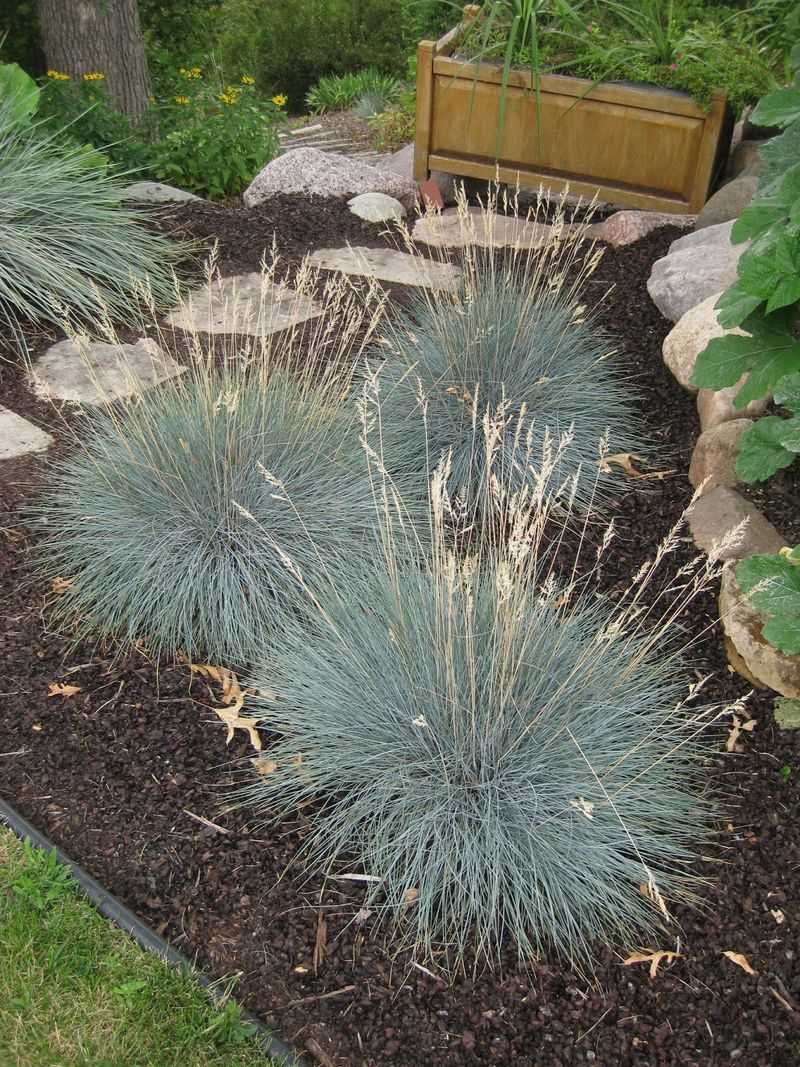
Blue Fescue, with its silvery-blue tufts, is a charming addition to any garden. This compact grass is not only visually striking but also drought-tolerant, making it perfect for low-maintenance landscapes. Its clump-forming habit ensures it won’t overtake garden spaces, allowing other plants to thrive alongside it. Blue Fescue’s adaptability to various soil types and climates further enhances its appeal for gardeners seeking reliable and attractive ground cover options. Its gentle presence adds texture and interest without the risk of invasive spread, making it a garden-friendly choice.
2. Maiden Grass (Miscanthus sinensis ‘Gracillimus’)
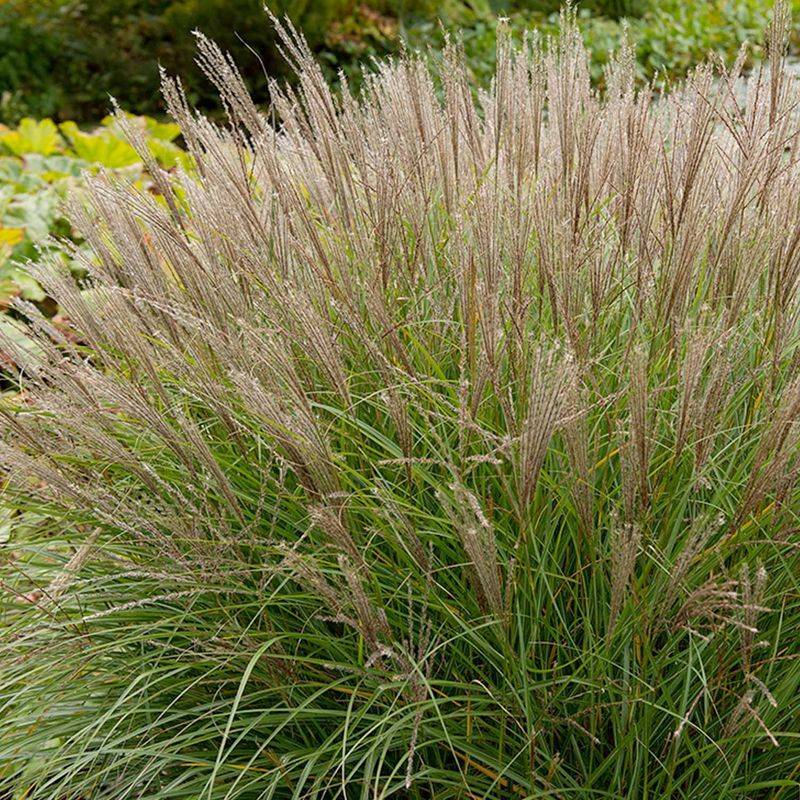
Maiden Grass, known for its graceful arching plumes, provides elegance to garden landscapes. Unlike some of its relatives, ‘Gracillimus’ is clump-forming and less prone to spreading aggressively. This makes it a suitable choice for gardeners wanting the beauty of Miscanthus without the worry of invasiveness. Its adaptability to different conditions and striking appearance make it a favorite for borders and screens. By choosing ‘Gracillimus’, gardeners can enjoy the ornamental charm of Maiden Grass while protecting the ecological balance of their garden spaces.
3. Switchgrass (Panicum virgatum)
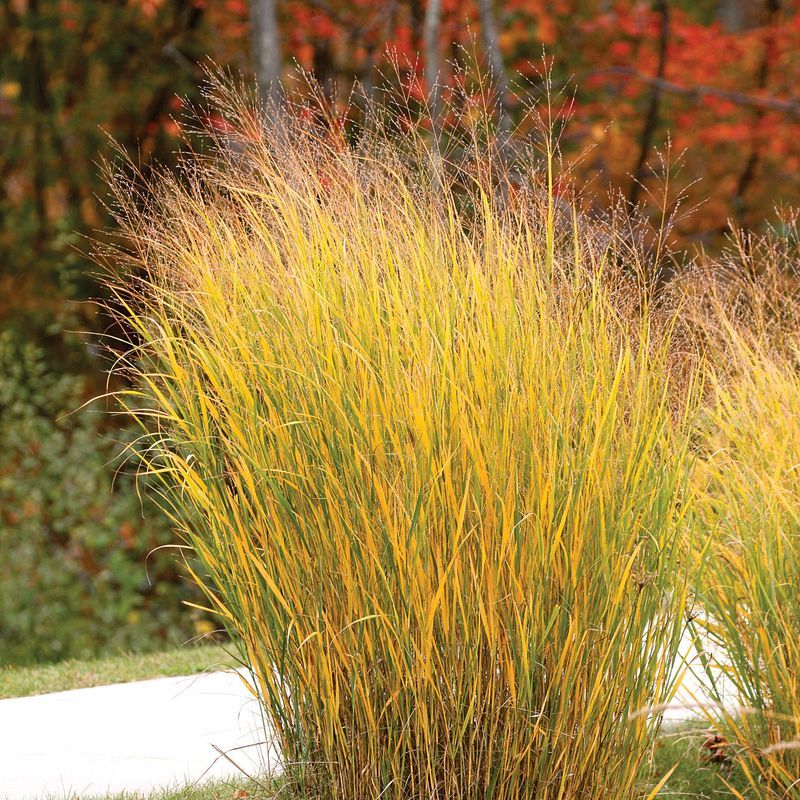
Switchgrass is a native grass that offers both ecological and ornamental benefits. Its tall, airy plumes provide movement and texture in gardens while supporting local wildlife. This grass is drought-resistant and adaptable, thriving in a range of conditions and making it a low-maintenance choice. As a native species, it plays a crucial role in preserving biodiversity and stabilizing soil. Gardeners seeking a sustainable and attractive option will find Switchgrass to be an ideal addition, offering beauty and ecological value without the risks associated with invasive grasses.
4. Little Bluestem (Schizachyrium scoparium)
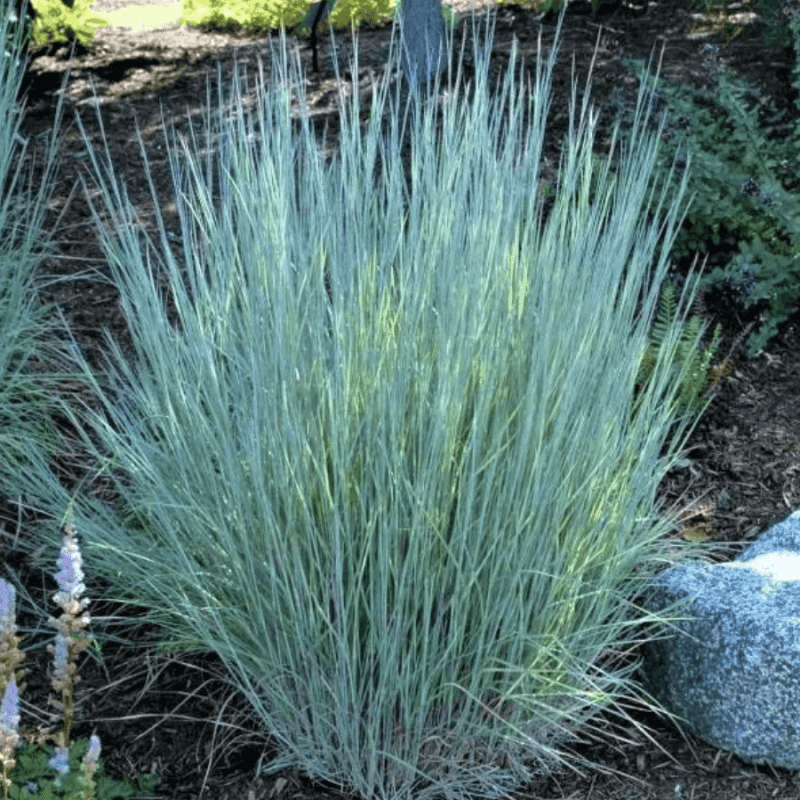
Little Bluestem stands out for its vibrant fall color, making it a favorite among gardeners seeking seasonal interest. This low-maintenance grass forms neat clumps, ensuring it won’t invade nearby plantings. Its adaptability to various soil types and climates further adds to its appeal. Little Bluestem is not only visually stunning but also plays a role in supporting wildlife, making it a valuable addition to any garden focused on sustainability. Its non-invasive nature and ease of care make it a top choice for those wanting both beauty and ecological harmony.
5. Feather Reed Grass (Calamagrostis x acutiflora)
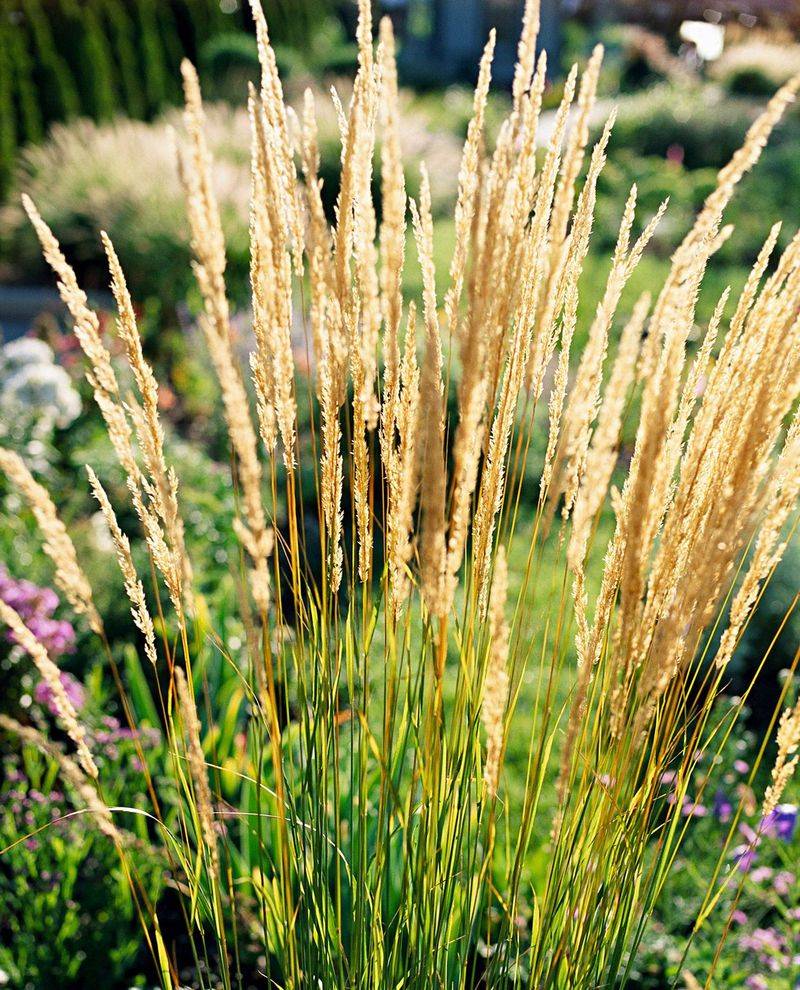
Feather Reed Grass is celebrated for its tall, upright growth and feathery plumes that add elegance to garden borders. Its sterile seeds prevent unwanted spreading, ensuring it remains a tidy and manageable addition to landscapes. This grass thrives in a variety of conditions, making it versatile for use in different garden settings. Its ability to maintain structure and beauty throughout the seasons makes it a popular choice for gardeners seeking reliable, ornamental grasses. Feather Reed Grass offers both aesthetic and practical benefits without the risk of becoming invasive.
6. Purple Moor Grass (Molinia caerulea)
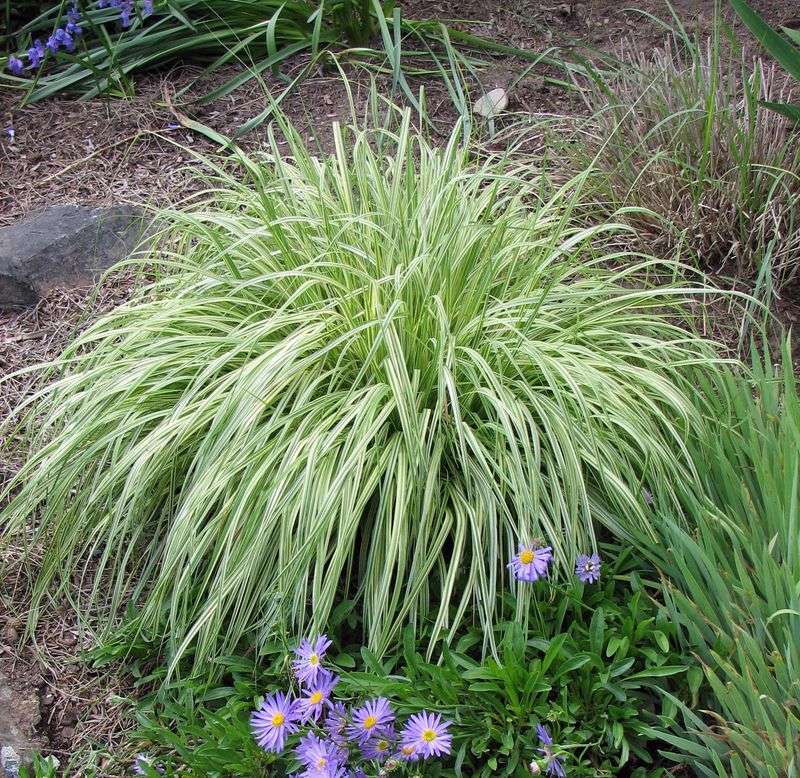
Purple Moor Grass brings elegance to shaded gardens with its delicate, arching foliage. This slow-growing grass is well-behaved, forming neat clumps that enhance garden design without overwhelming other plants. Its preference for moist, well-drained soils makes it suitable for a variety of settings. The subtle beauty of its summer blooms adds a touch of charm to any garden. Purple Moor Grass is perfect for gardeners seeking an ornamental grass that offers visual interest and harmony without the challenges associated with more aggressive species.
7. Prairie Dropseed (Sporobolus heterolepis)
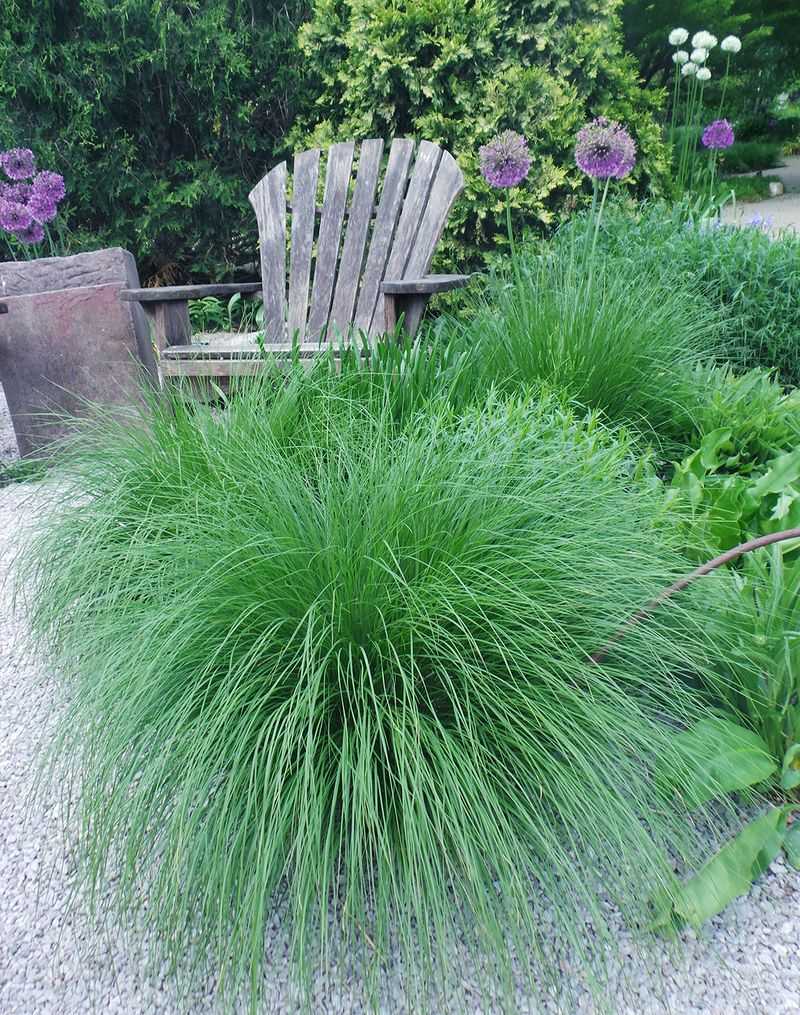
Prairie Dropseed is cherished for its fine-textured foliage and airy seed heads that bring movement to gardens. As a native North American species, it plays a vital role in local ecosystems, supporting wildlife and promoting biodiversity. Its fragrant, delicate appearance belies its hardy nature, thriving in a variety of conditions with minimal care. Prairie Dropseed makes an excellent choice for gardeners interested in sustainable landscaping, offering both aesthetic appeal and ecological benefits. Its non-invasive, graceful presence ensures it complements rather than competes with neighboring plants.
8. Mexican Feather Grass (Nassella tenuissima)
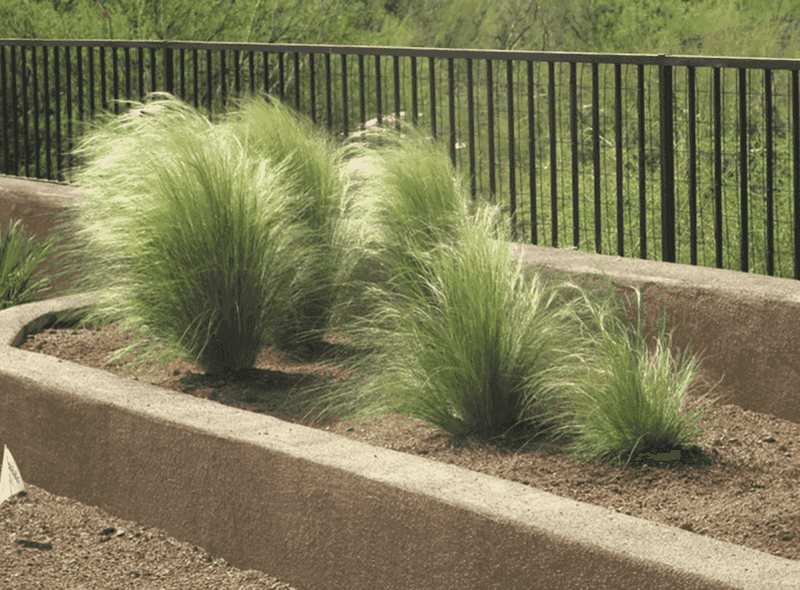
Mexican Feather Grass, with its wispy, delicate foliage, brings a soft texture to garden landscapes. Safe in colder zones, it can become invasive in warmer regions, so gardeners should be cautious where they plant it. Its drought-tolerant nature makes it an appealing option for xeriscaping and low-water gardens. The gentle movement of its plumes in the wind adds a dynamic element to any setting. When planted in controlled climates, Mexican Feather Grass provides an elegant and sustainable option, blending beauty with practicality in a garden-friendly manner.
9. Tufted Hair Grass (Deschampsia cespitosa)
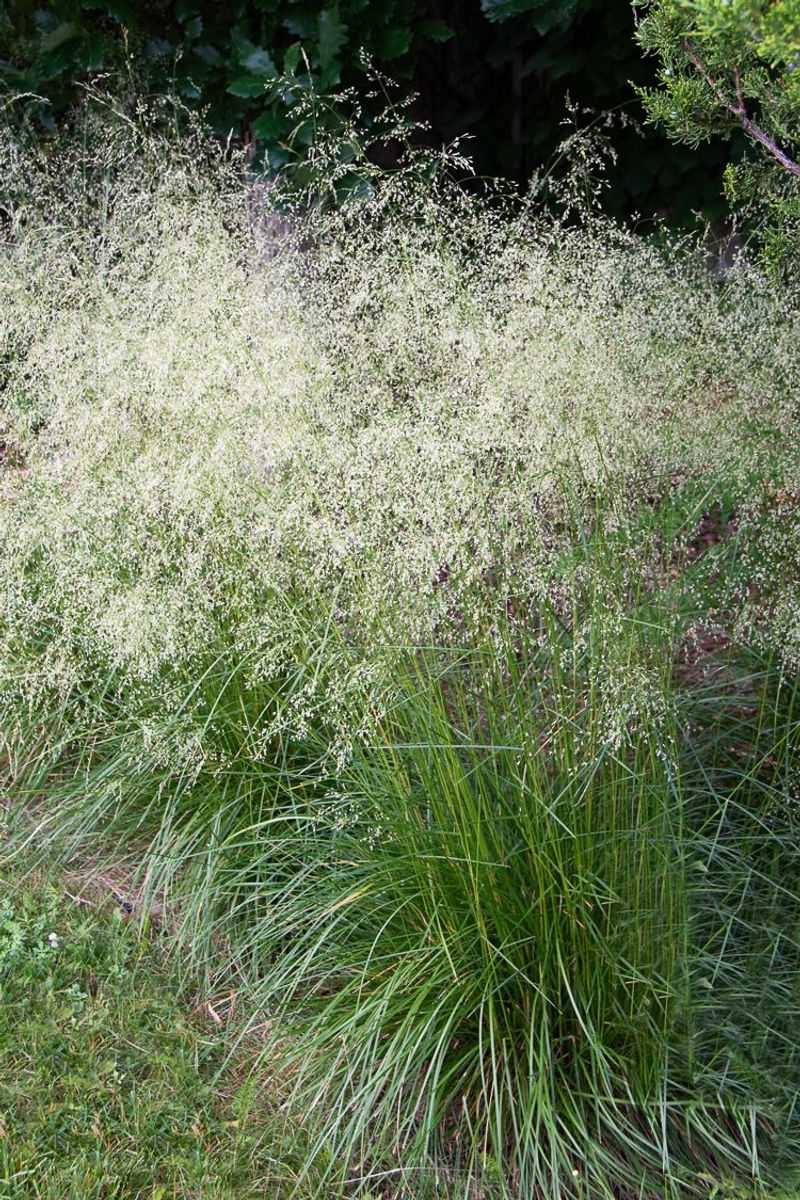
Tufted Hair Grass offers a delicate, airy presence with its fine tufts of foliage, perfect for adding texture to shaded gardens. This shade-tolerant grass forms neat clumps, ensuring it remains a well-behaved addition to any landscape. Its adaptability to moist soils and cool climates makes it a versatile choice for garden design. The gentle sway of its seed heads in the breeze adds a tranquil, natural feel to garden spaces. Tufted Hair Grass is ideal for gardeners seeking to create serene, understated beauty in their landscapes without the risk of spreading.
10. Northern Sea Oats (Chasmanthium latifolium)
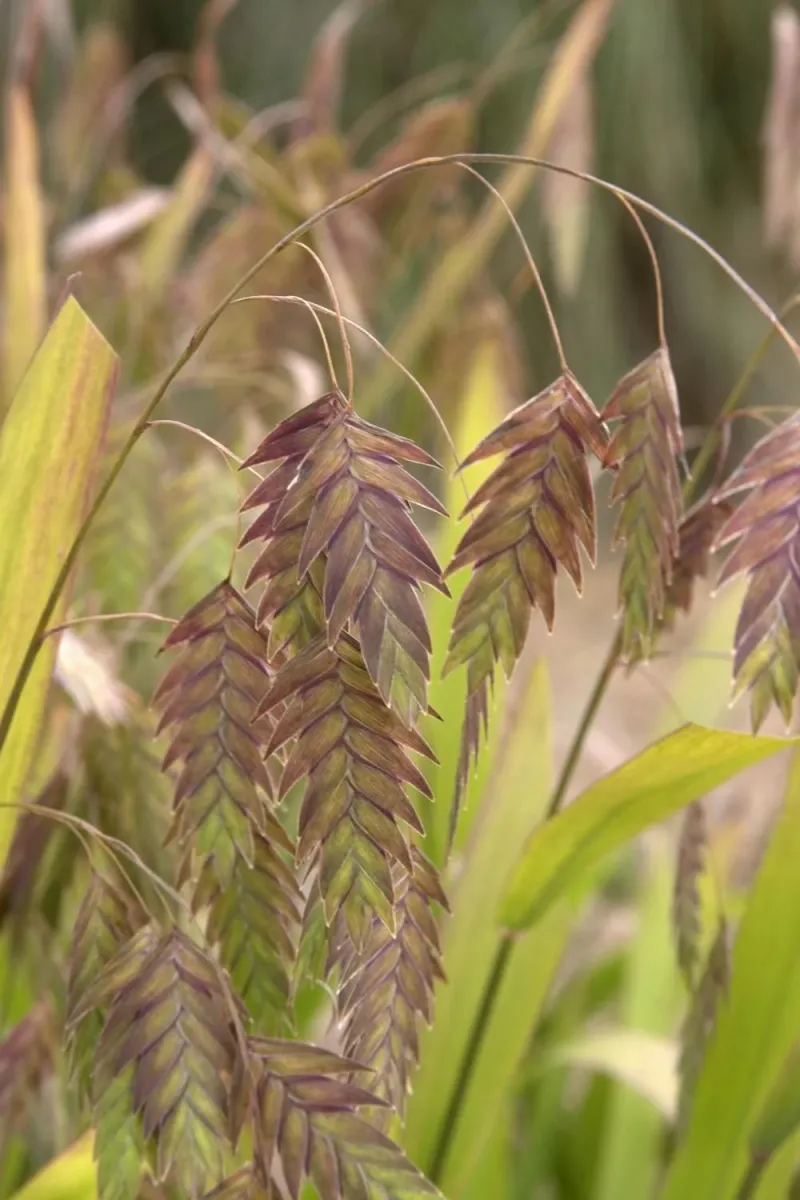
Northern Sea Oats captivates with its unique, flat seed heads that dangle gracefully from arching stems, bringing visual interest to shaded gardens. This non-invasive grass forms clumps, making it easy to manage and integrate into various landscape designs. Its adaptability to different soil types and tolerance for shade make it a versatile addition to gardens. The gentle rustling of its seed heads in the wind adds a soothing ambiance. Northern Sea Oats is a perfect choice for those seeking a decorative, low-maintenance grass that enhances garden aesthetics without ecological concerns.