 Complete Gardening
Gardening enthusiasts often find themselves at a crossroads when it comes to pruning. While some flowers thrive when given a trim, others recoil at the thought. Understanding which flowers to cut and which to leave is essential for a vibrant garden.
In this guide, we’ll explore 28 flowers – those that detest pruning and those that bloom beautifully when cut. Whether you’re looking to enhance your garden’s beauty or understand your plants’ needs better, this comprehensive guide aims to provide clarity.
Let’s delve into the world of flowers and discover which ones need the snip and which ones don’t.
1. Lilac
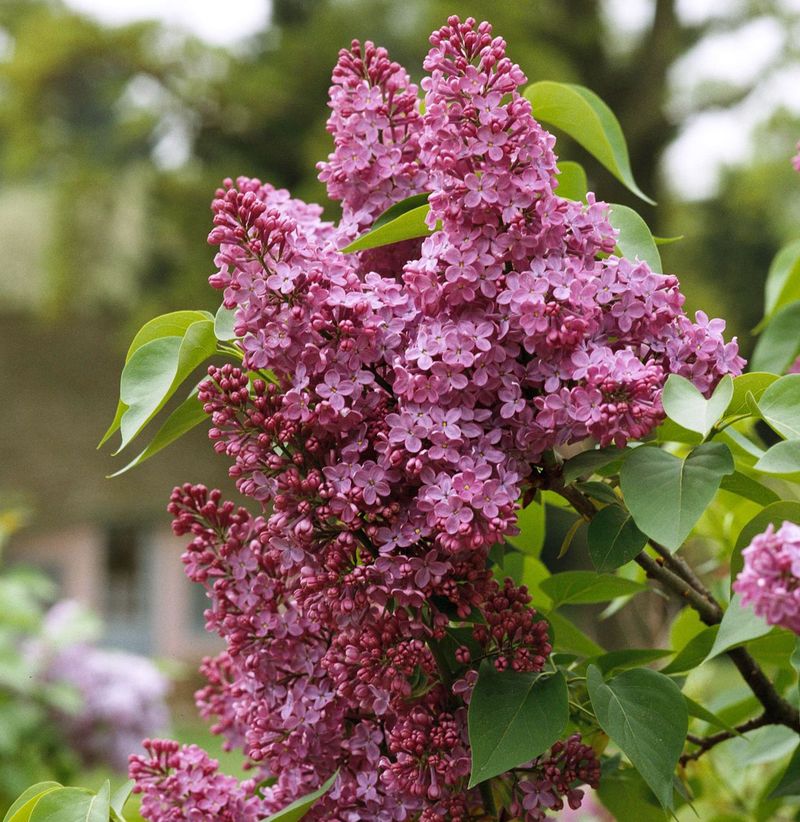
The lilac’s allure lies in its fragrant blossoms and vibrant hues. However, this iconic bloom does not appreciate overzealous pruning. Each spring, it graces gardens with clusters of flowers that captivate passersby. Pruning can disrupt its delicate cycle, resulting in fewer blooms and diminished fragrance. A plant often associated with nostalgia, lilacs evoke memories of childhood gardens. With roots tracing back to Europe and Asia, this flower thrives in well-drained soils. Despite its pruning aversion, minimal care allows it to flourish beautifully. Did you know? The lilac has been a symbol of love and innocence for centuries.
2. Azalea
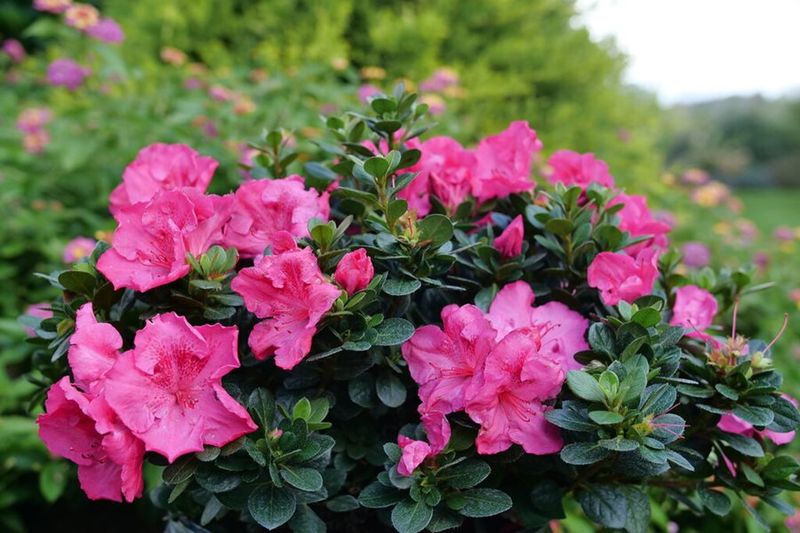
Azaleas, known for their dazzling display of color, prefer a gentle touch during maintenance. Overpruning can lead to a loss of their stunning display. Their beauty shines brightest in spring, with flowers ranging from pink to purple, a sight to behold. With origins in Asia, these plants thrive in acidic soil and dappled sunlight. Providing minimal care ensures they remain robust and full of life. Be cautious when pruning to prevent damage to future blooms. Fun fact: Azaleas are often celebrated in festivals, showcasing their beauty and cultural significance worldwide.
3. Forsythia
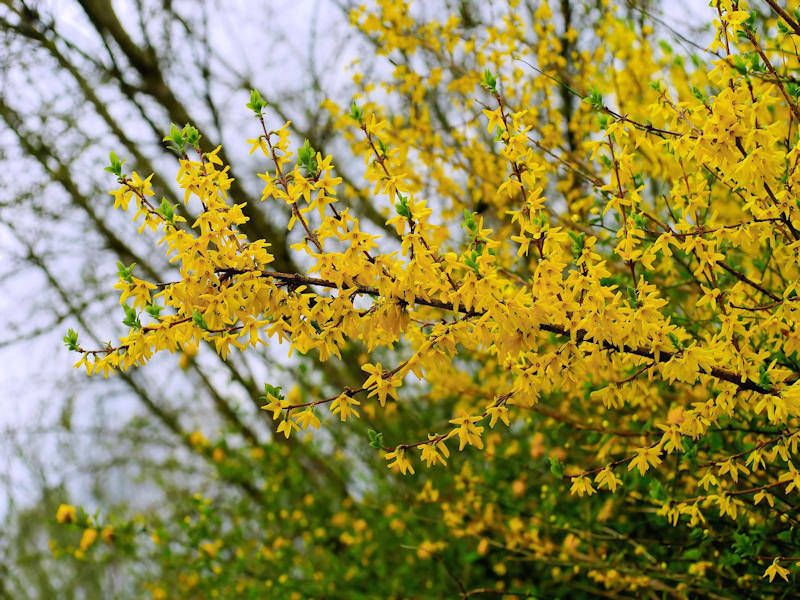
Bright and cheerful, the forsythia bursts into bloom with golden-yellow flowers early in spring. Its vibrant display can be marred by overzealous pruning, which diminishes its natural beauty. These plants, native to East Asia, prefer to be left to grow wild. Their arching branches create stunning displays when left untouched. Forsythias are often the harbinger of spring, signaling the season’s arrival. Thriving in well-drained soil, they require little maintenance. Fun fact: Forsythias are named after William Forsyth, a founding member of the Royal Horticultural Society.
4. Hydrangea
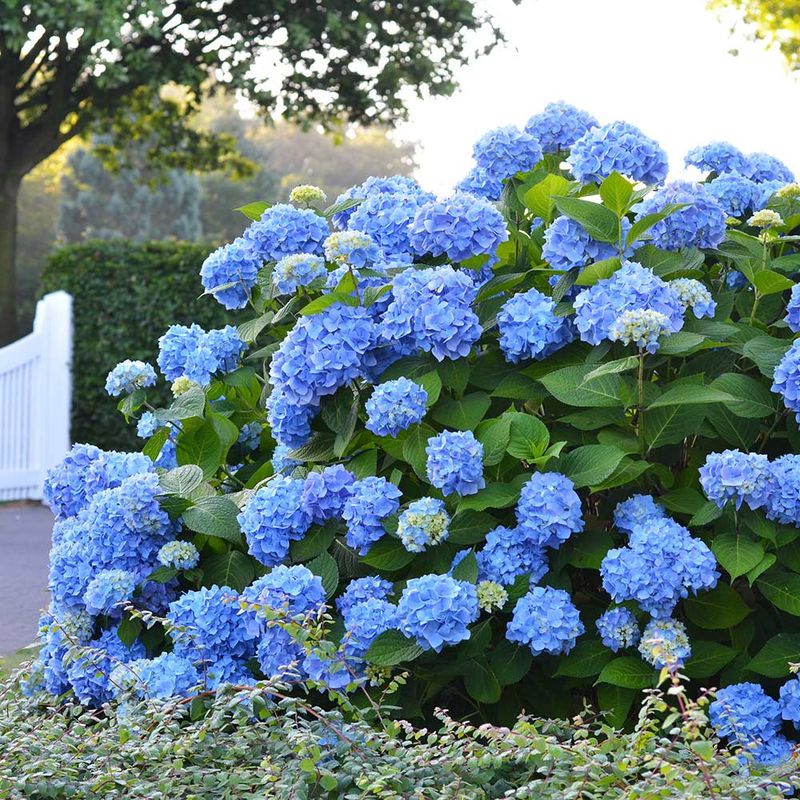
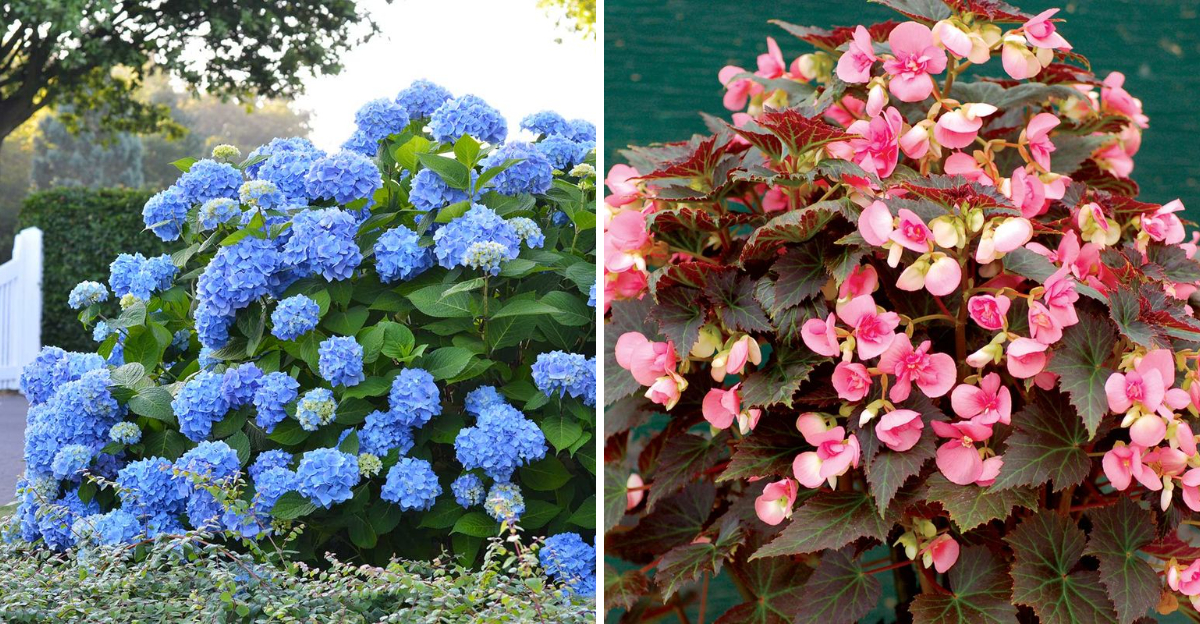
Hydrangeas captivate with their large, colorful clusters. But be cautious; they dislike excessive pruning, which can affect their bloom cycle. Flourishing in moist, well-drained soils, they bring charm to any garden. Originating from Asia and the Americas, these plants prefer partial shade. Their flowers can change color based on soil pH, offering a dynamic display. These garden favorites require regular watering but limited trimming. Fun fact: Hydrangeas were first cultivated in Japan, where they symbolize heartfelt emotions.
5. Gardenia
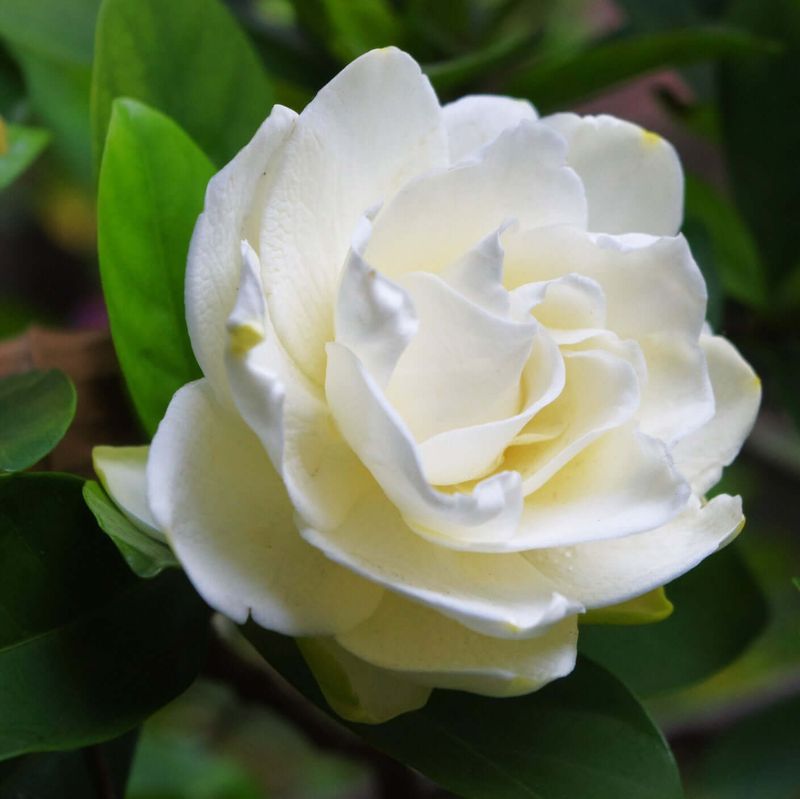
With a perfume-like scent, gardenias enchant any garden, but they loathe pruning. Trimming can lead to fewer blossoms and disrupted growth. Native to tropical regions, they thrive in humid environments with acidic soil. Their glossy leaves provide a lush backdrop for their white flowers. Known for their intoxicating fragrance, gardenias are often used in perfumes. A symbol of secret love, they hold cultural significance in various traditions. Despite their need for careful attention, their beauty and scent make them a worthwhile addition to any garden.
6. Wisteria
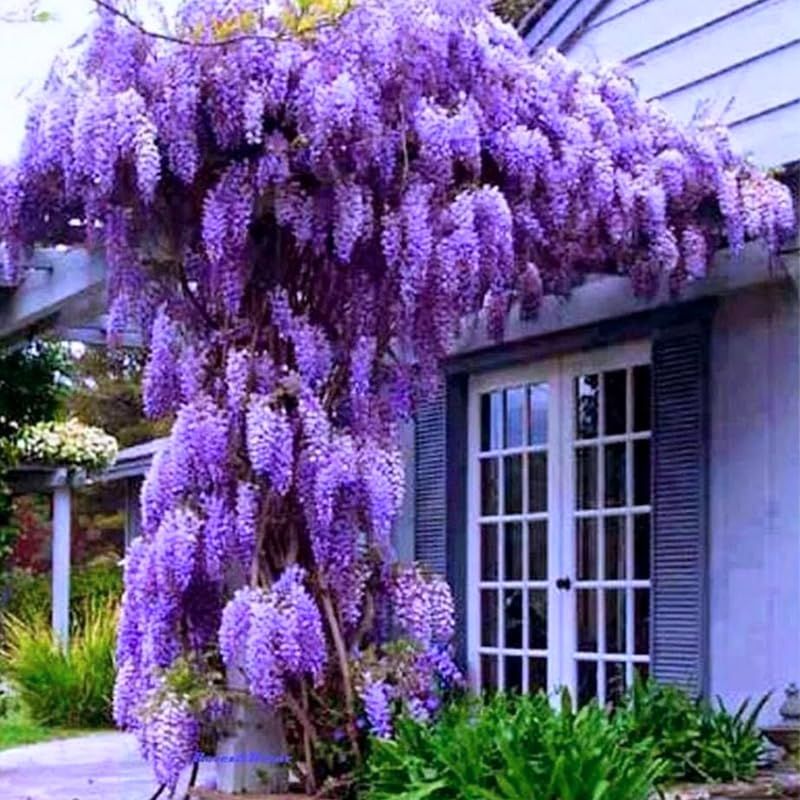
Wisteria’s dramatic cascades of purple flowers are a showstopper, but pruning is its nemesis. Over-trimming can hinder its lush display and vigorous growth. Native to China, Japan, and Korea, wisteria thrives in full sun and well-drained soil. Its climbing vines can cover arbors and pergolas with ease. Known for its ability to live for over 50 years, it becomes a garden centerpiece. Did you know? In Japan, wisteria symbolizes love and longevity, often celebrated in festivals. With minimal intervention, it can transform any garden into a dreamy escape.
7. Rhododendron
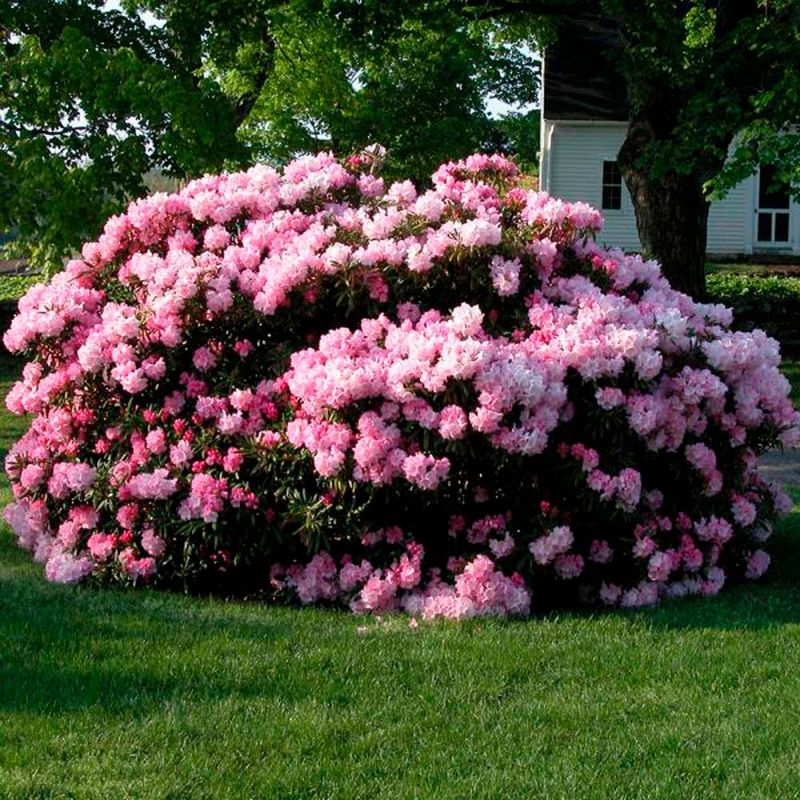
Rhododendrons bring a burst of color to any landscape with their vibrant blooms. Although they are stunning, these plants detest heavy pruning. Native to Asia, they flourish in rich, acidic soils and dappled sunlight. Their large, showy flowers are a magnet for pollinators. When left to grow naturally, they create breathtaking displays. Rhododendrons are often found in woodland settings, adding depth and color. Fun fact: The name “rhododendron” comes from the Greek words for rose and tree. These garden staples are admired for their beauty and versatility.
8. Butterfly Bush
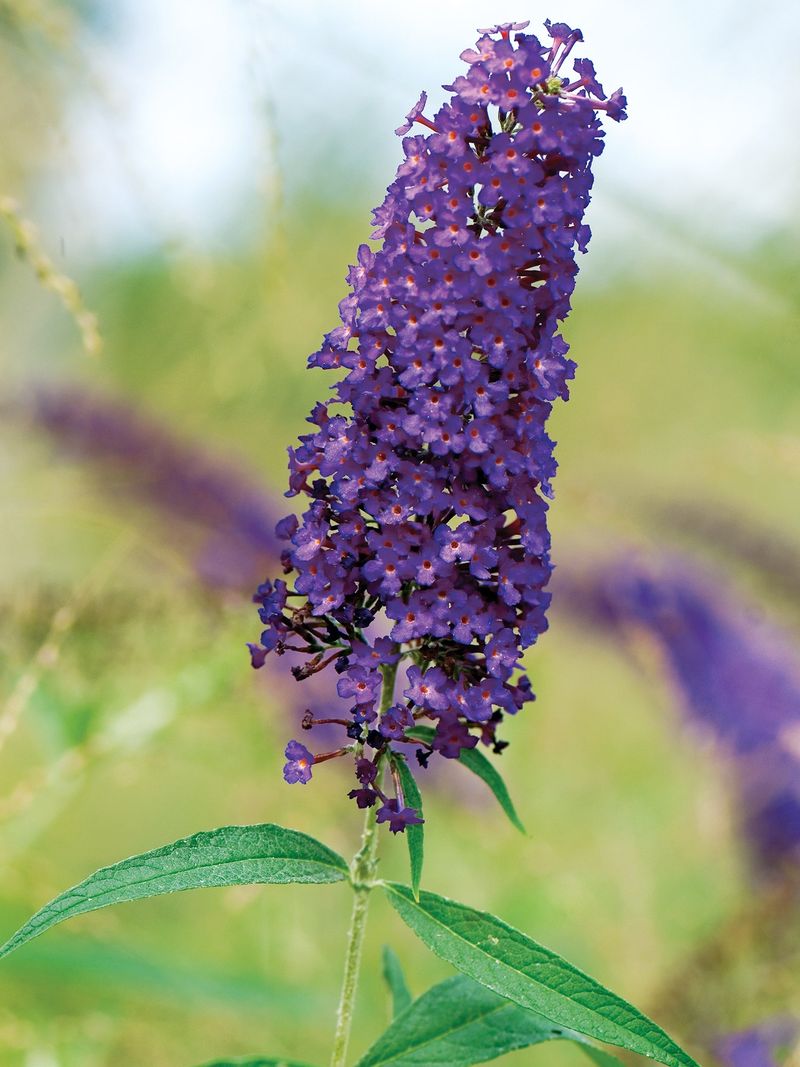
The butterfly bush is a magnet for pollinators, with its fragrant, nectar-rich flowers. Yet, it thrives best with minimal pruning, allowing its branches to support abundant blooms. Originating from China, this plant prefers full sun and well-drained soil. Its flowers, ranging from deep purple to pink, create a stunning spectacle. Despite its name, it is considered invasive in some regions. Did you know? The butterfly bush’s scientific name, Buddleja, honors the Reverend Adam Buddle, an English botanist. This garden favorite adds both beauty and ecological value.
9. Camellia
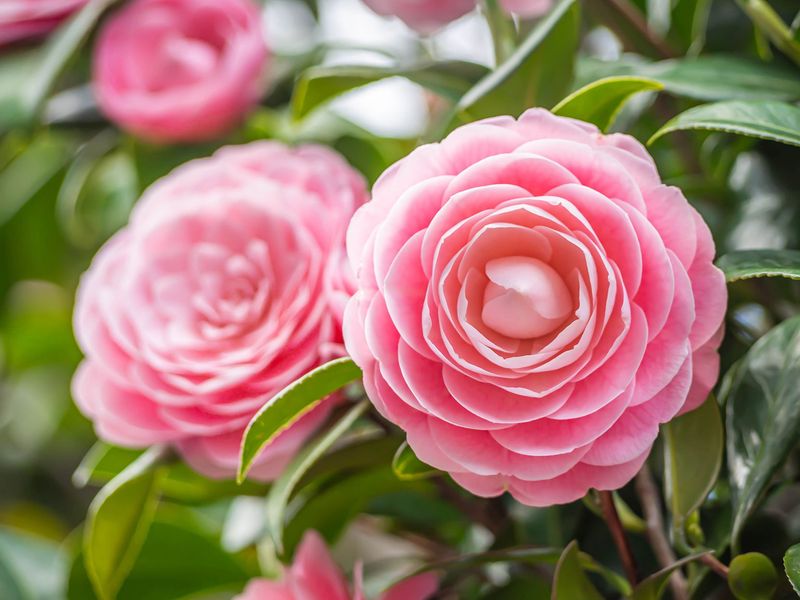
Camellias grace gardens with their elegant blooms and glossy leaves. However, they favor minimal pruning to maintain their natural beauty. These plants, native to Asia, are best known for their winter blooms. Thriving in acidic soils and partial shade, they offer year-round interest. Often associated with love and longing, camellias hold cultural significance in many regions. With over 300 species, they provide a wide range of colors and forms. Fun fact: Camellias are related to the tea plant, Camellia sinensis, and have been cultivated for centuries.
10. Peony
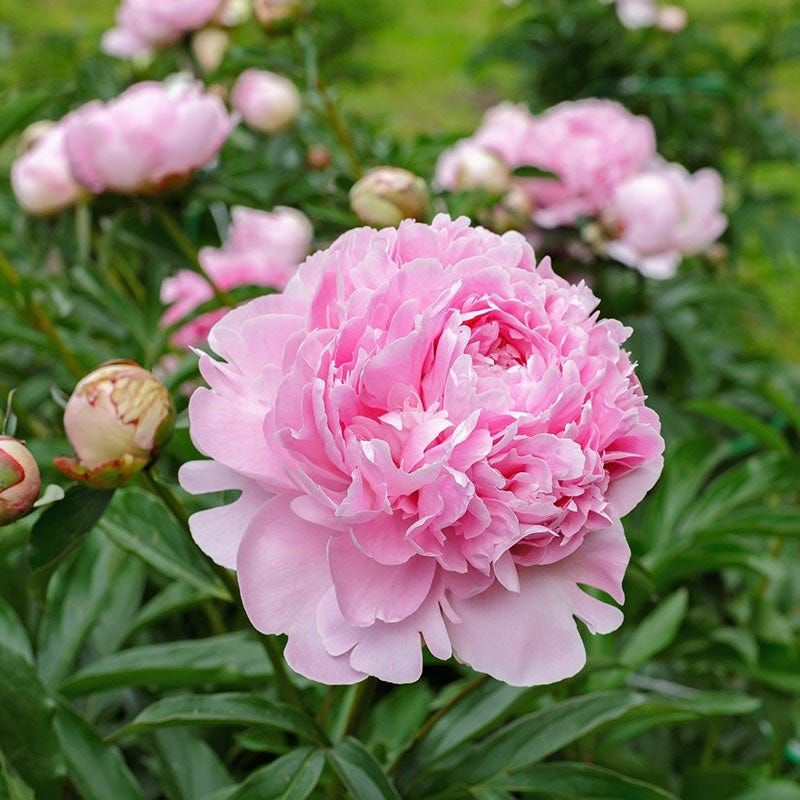
Peonies captivate with their lush, fragrant blooms, yet they are sensitive to excessive pruning. These plants require minimal intervention to showcase their best. Native to Asia, Europe, and North America, peonies thrive in well-drained soil and full sun. Their flowers, ranging from pink to white, are a sight to behold. Peonies have been cultivated for centuries, often symbolizing prosperity and romance. Did you know? In Chinese culture, peonies are known as the “king of flowers.” Their enduring beauty and minimal care make them a favorite among gardeners.
11. Hibiscus
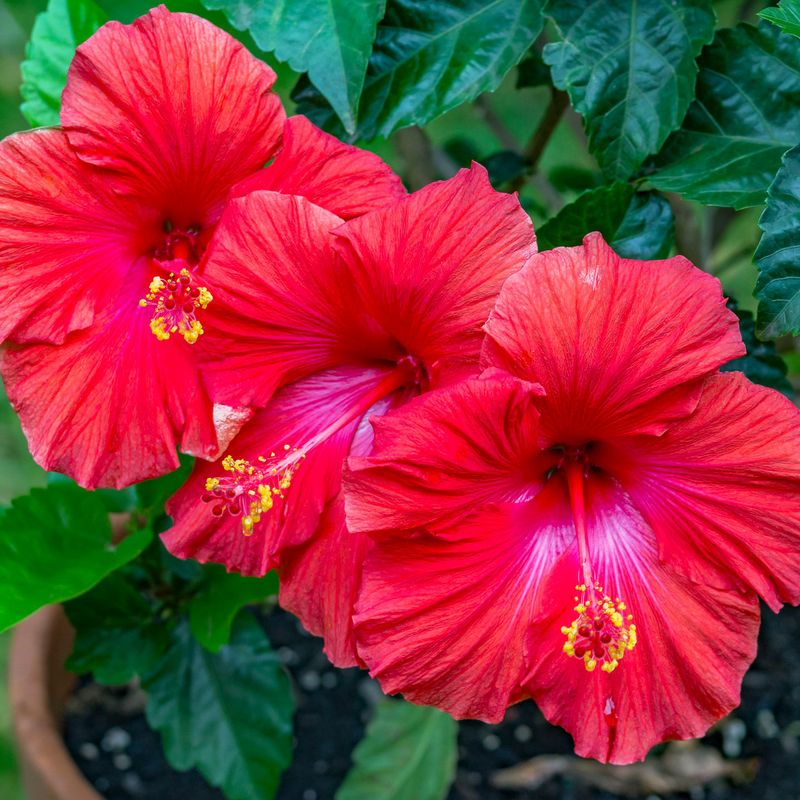
Hibiscus plants are a tropical delight, boasting large, showy blooms. While they brighten up any garden, they dislike heavy pruning, which can affect their growth. These plants thrive in warm, sunny locations and well-drained soil. Known for their bold colors, hibiscus flowers attract pollinators with ease. With origins in Asia and the Pacific Islands, they hold cultural significance in many regions. Fun fact: Hibiscus flowers are used to make a popular herbal tea. Despite their pruning aversion, their vibrant presence makes them garden favorites.
12. Magnolia
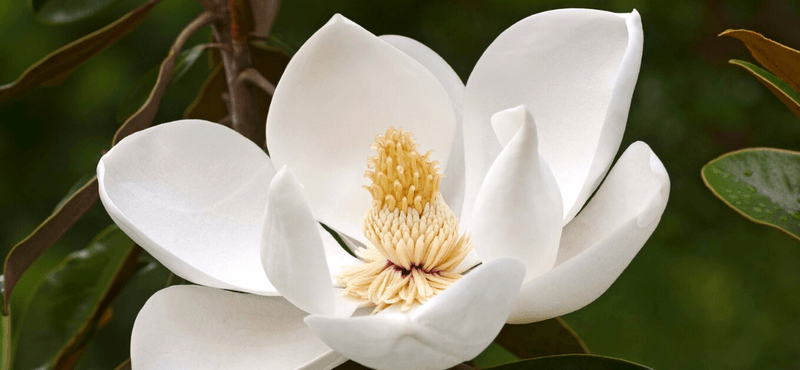
Magnolias, with their impressive blooms and fragrant aroma, prefer a gentle touch when it comes to pruning. These trees, native to Asia and the Americas, thrive in rich, well-drained soils. Their flowers, often white or pink, are a springtime highlight. With minimal care, magnolias can live for decades, becoming garden landmarks. Known for their resilience, they withstand varying climates. Did you know? Magnolias have existed for millions of years, predating bees. Their timeless beauty and fragrant blossoms make them cherished additions to any landscape.
13. Lilies
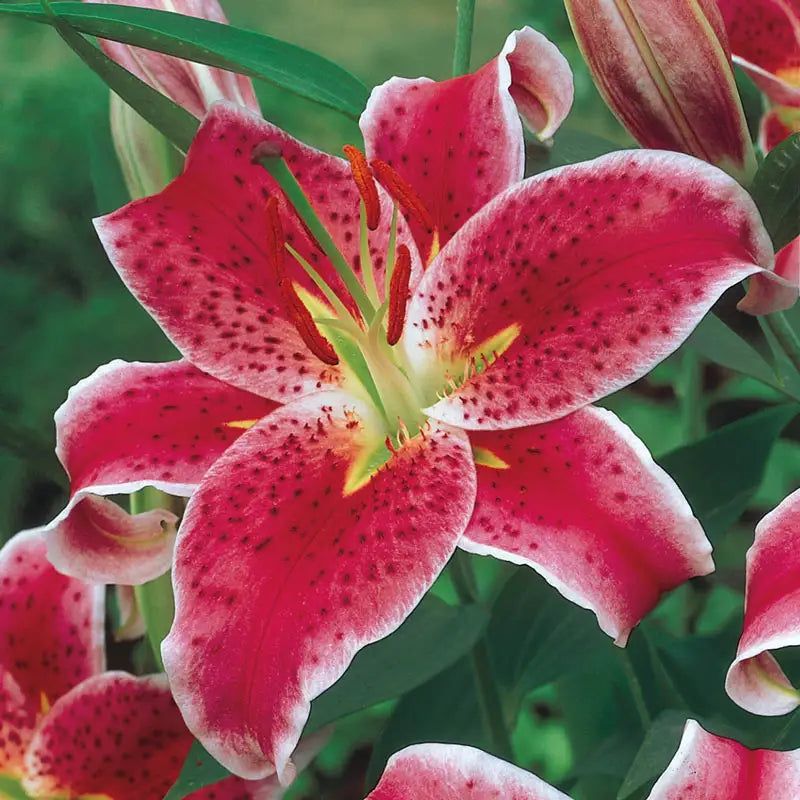
Lilies enchant gardeners with their elegant flowers and delicate scent. While they require some care, they do not respond well to heavy pruning. These perennials thrive in well-drained soil and full sun, offering a wide range of colors. Often associated with purity and renewal, lilies hold symbolic significance in many cultures. With their tall stems and trumpet-shaped flowers, they make striking garden features. Did you know? Lilies have been cultivated for over 3,000 years, first appearing in ancient Greek and Roman gardens. Their enduring allure makes them garden staples.
14. Dogwood
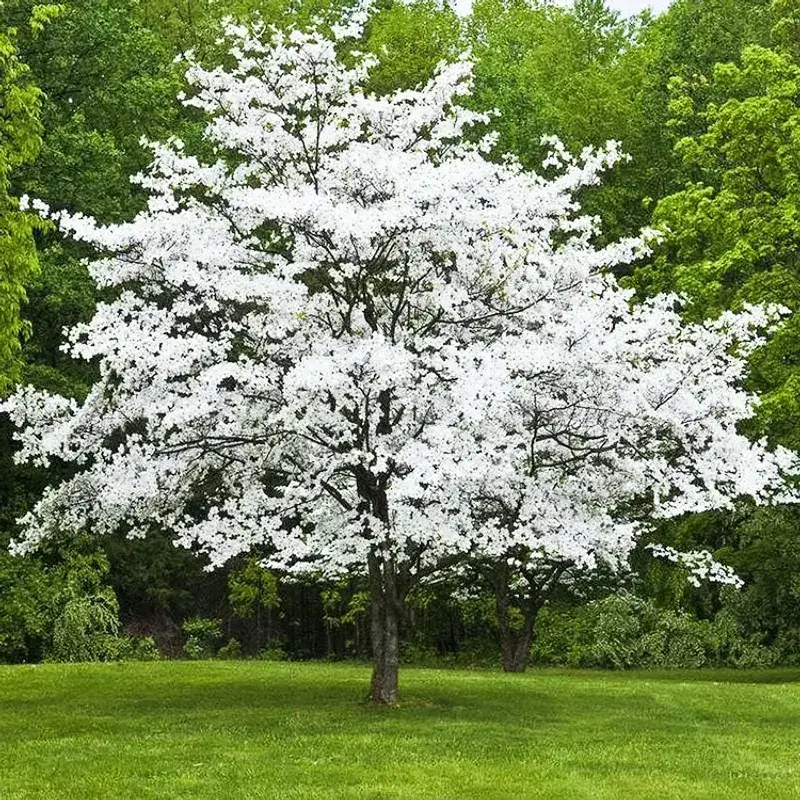
Dogwoods are beloved for their charming springtime flowers and vibrant fall foliage. However, they prefer minimal pruning to maintain their natural form. These trees, native to North America and Asia, thrive in rich, well-drained soils. Their blossoms, often white or pink, attract pollinators and add seasonal interest. Dogwoods are a common sight in woodland settings, providing habitat and beauty. Fun fact: The name “dogwood” comes from the Old English “dag,” meaning skewering tool, as its wood was used for making daggers. Their graceful presence enhances any landscape.
1. Rose
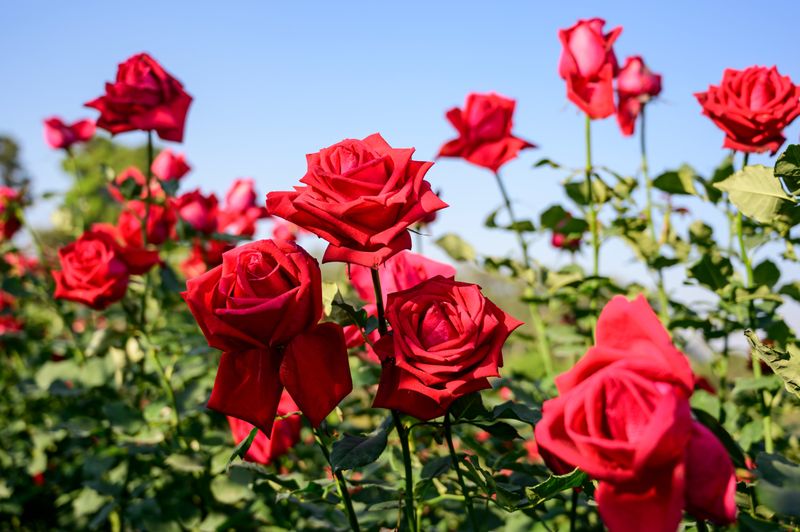
Roses, the quintessential symbol of love, bloom more brilliantly when pruned. With a snip here and there, they showcase their best colors and scents. Native to Asia and cultivated worldwide, roses thrive in well-drained soil and full sun. Their enchanting beauty and diverse varieties make them a gardener’s favorite. Regular pruning encourages healthy growth and abundant blooms. Did you know? The world’s oldest rose bush is over 1,000 years old, found in Germany. Roses captivate with their timeless allure and fragrant presence, making them a cherished garden staple.
2. Lavender
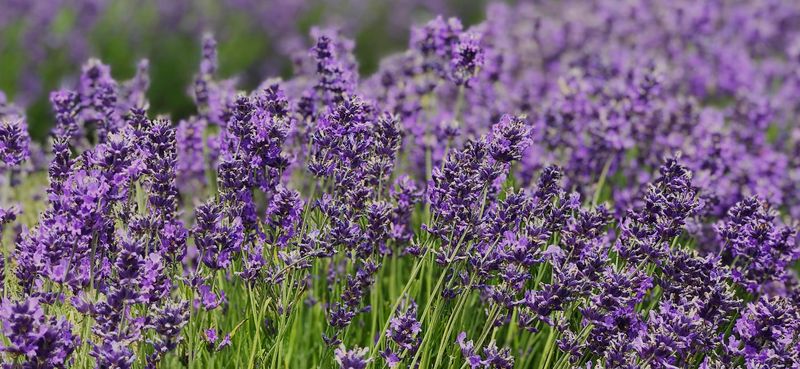
Lavender’s soothing scent and vibrant purple blooms make it a garden favorite. Pruning these plants encourages even more fragrant flowers. Native to the Mediterranean, they thrive in sunny spots with well-drained soil. Lavender’s calming aroma and versatile use in essential oils and sachets have made it popular worldwide. Regular trimming promotes bushy growth and prolongs their blooming season. Did you know? Lavender has been used for thousands of years, from ancient Egyptian mummification to Roman baths. Its fragrant presence and low maintenance make it a delightful garden addition.
3. Marigold
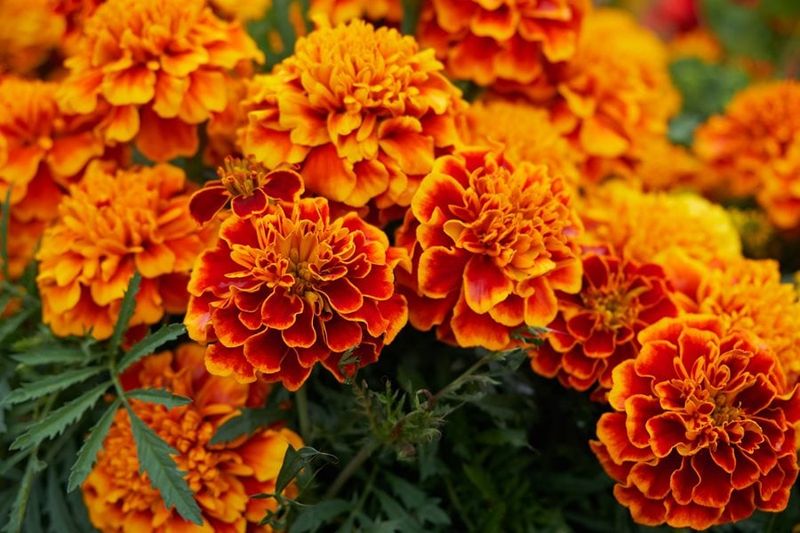
Marigolds, with their vibrant orange and yellow flowers, bloom profusely when pruned. These hardy annuals add a splash of color to any garden, thriving in sunny locations. Known for repelling pests, they are often planted alongside vegetables as a natural deterrent. Marigolds’ easy-growing nature and cheerful appearance make them a favorite among gardeners. Regular deadheading encourages continuous blooming throughout the season. Did you know? Marigolds are often used in Dia de los Muertos celebrations in Mexico for their bright colors and symbolism of the sun. Their resilience and beauty brighten any garden.
4. Zinnia
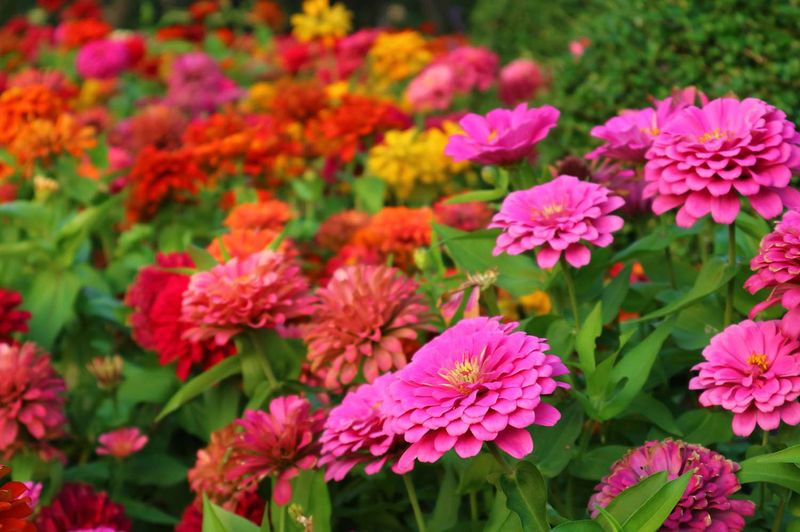
Zinnias bring a burst of color to gardens, thriving with regular pruning. These annuals, native to Mexico, prefer sunny spots and well-drained soil. Known for their wide range of colors and long blooming season, zinnias attract pollinators like butterflies and bees. Their cheerful flowers add a lively touch to any garden. Regular deadheading promotes abundant blooms and healthy growth. Did you know? Zinnias were named after Johann Gottfried Zinn, a German botanist. Their vibrant presence and easy care make them a popular choice for both novice and experienced gardeners.
5. Dahlia
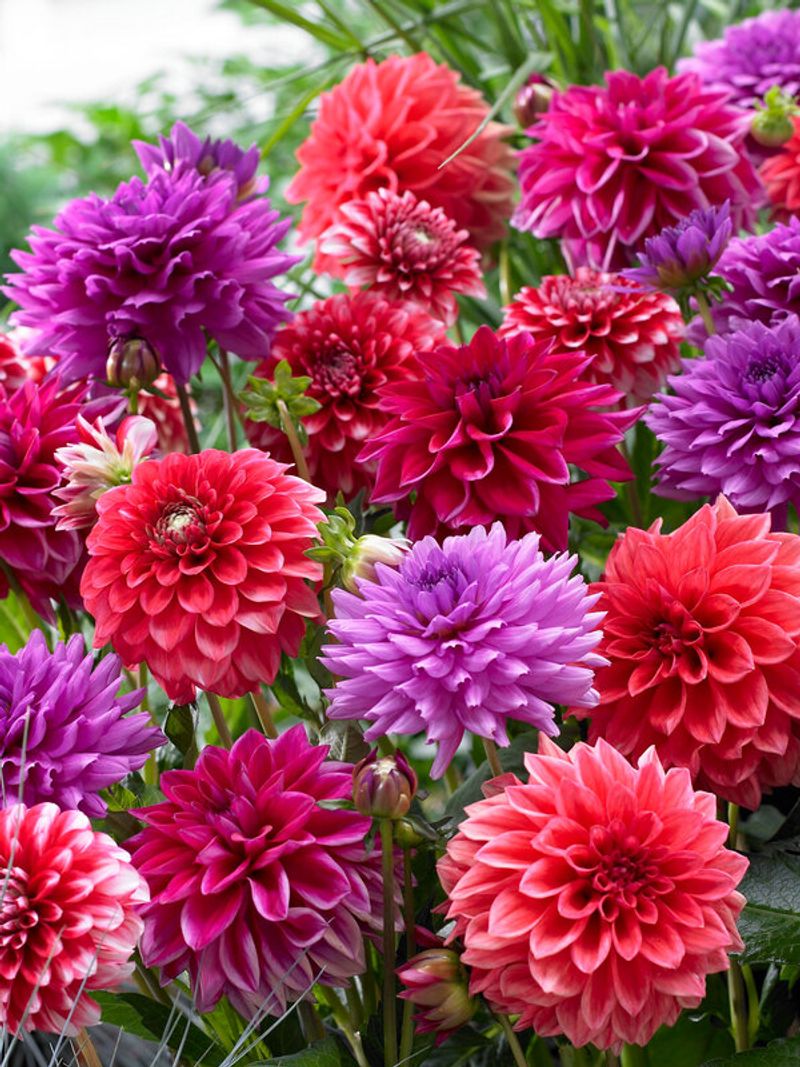
Dahlias dazzle with their intricate blooms and vibrant colors, thriving when pruned. These tuberous plants, native to Mexico, prefer sunny locations and well-drained soil. Known for their variety in size and color, dahlias offer something for every garden. Regular pruning encourages bushier growth and an extended blooming period. Did you know? Dahlias were declared the national flower of Mexico in 1963. Their stunning appearance and low maintenance make them a favorite among flower enthusiasts. Whether in bouquets or garden beds, dahlias provide a captivating display of floral artistry.
6. Snapdragon
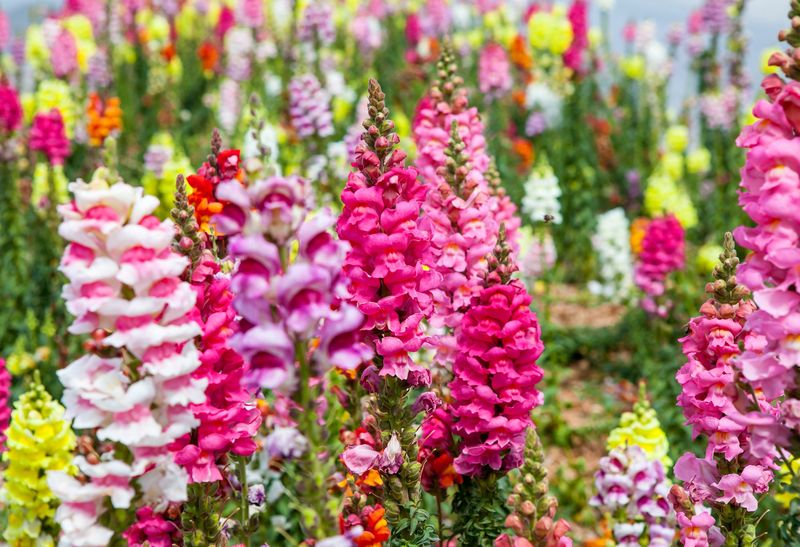
Snapdragons charm with their unique, dragon-shaped blooms and vibrant colors, flourishing with regular pruning. These annuals thrive in sunny spots with well-drained soil. Known for their cheerful spikes of flowers, snapdragons attract pollinators like bees and hummingbirds. Regular deadheading prolongs their blooming season and promotes bushy growth. Did you know? Snapdragons were once thought to possess supernatural powers and were placed around homes for protection. Their playful shape and bright hues make them a delightful addition to any garden, adding both beauty and whimsy.
7. Cosmos
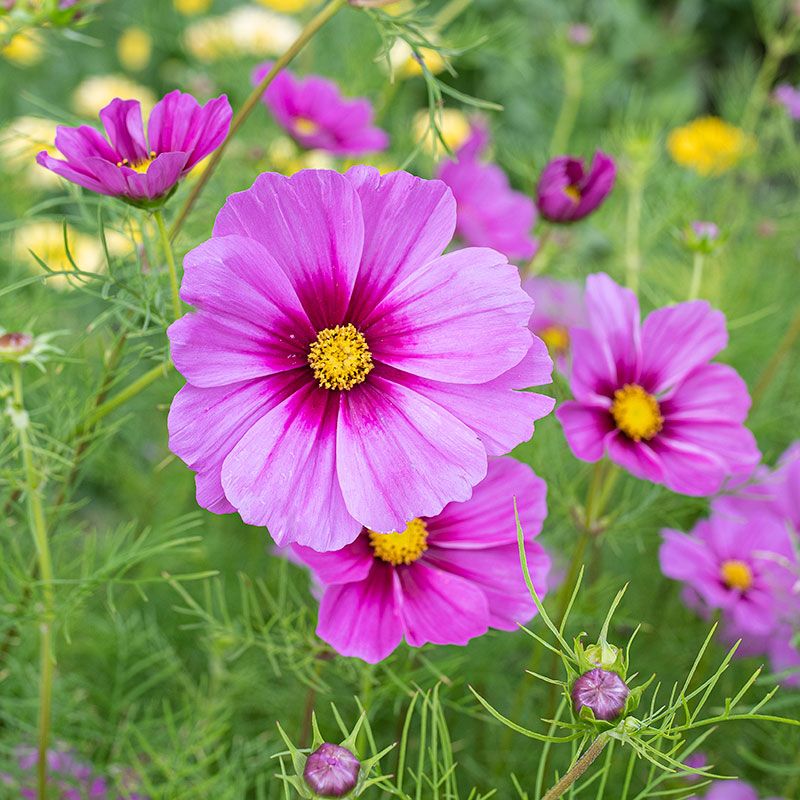
Cosmos boasts delicate, daisy-like flowers and feathery foliage, thriving with regular pruning. These annuals, native to Mexico, prefer sunny locations and well-drained soil. Known for their long blooming season and low maintenance needs, cosmos attract pollinators like butterflies and bees. Regular deadheading encourages abundant blooms and healthy growth. Did you know? Cosmos flowers are often associated with harmony and peacefulness, symbolizing order and balance. Their graceful presence and vibrant colors add a touch of elegance to any garden, making them a favorite among gardeners.
8. Petunia
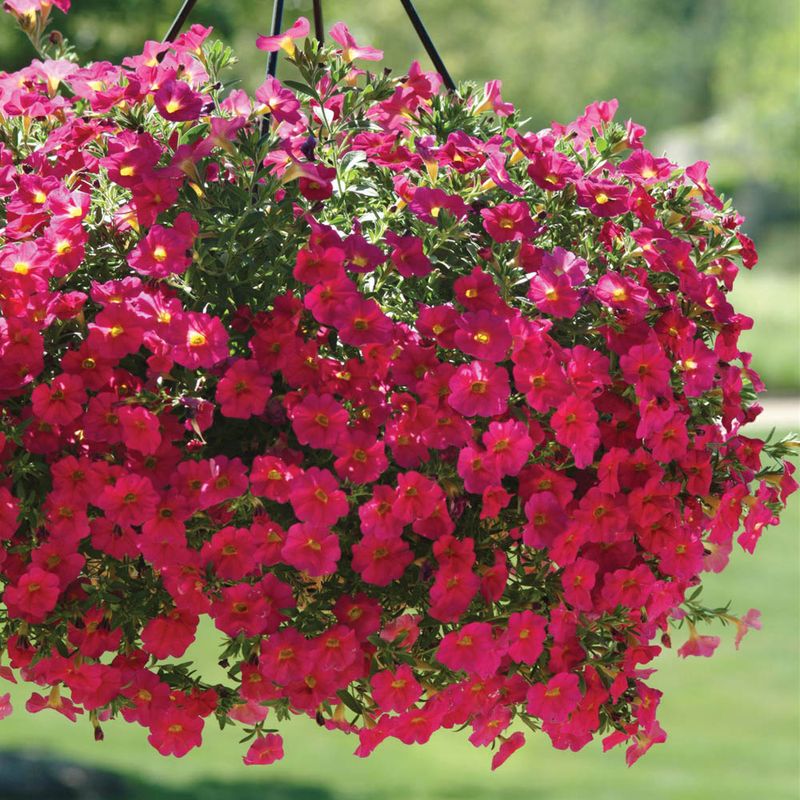
Petunias captivate with their vibrant colors and cascading blooms, flourishing with regular pruning. These annuals prefer sunny spots and well-drained soil, offering a wide range of colors and patterns. Known for their long blooming season, petunias add a lively touch to gardens and hanging baskets. Regular deadheading encourages continuous flowering and healthy growth. Did you know? Petunias were first discovered in South America and have been popular garden plants since the 19th century. Their cheerful presence and easy care make them a favorite among flower enthusiasts.
9. Sunflower
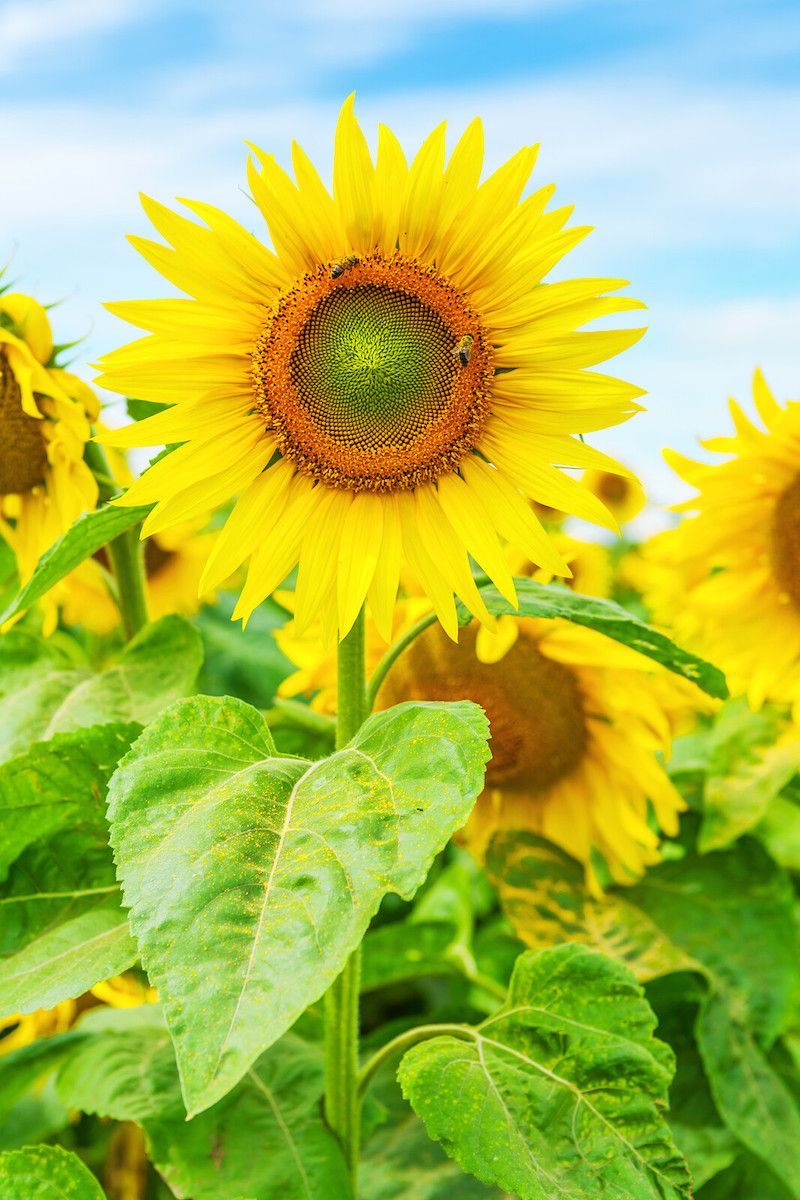
Sunflowers stand tall and proud, bursting with vibrant yellow blooms that thrive with regular pruning. Known for their towering height and cheerful disposition, they brighten any garden. These annuals prefer sunny spots and well-drained soil, attracting pollinators like bees and butterflies. Regular pruning encourages bushier growth and an extended blooming period. Did you know? Sunflowers are heliotropic, meaning they turn their heads to follow the sun throughout the day. Their sunny demeanor and impressive stature make them a favorite among gardeners and flower enthusiasts alike.
10. Geranium
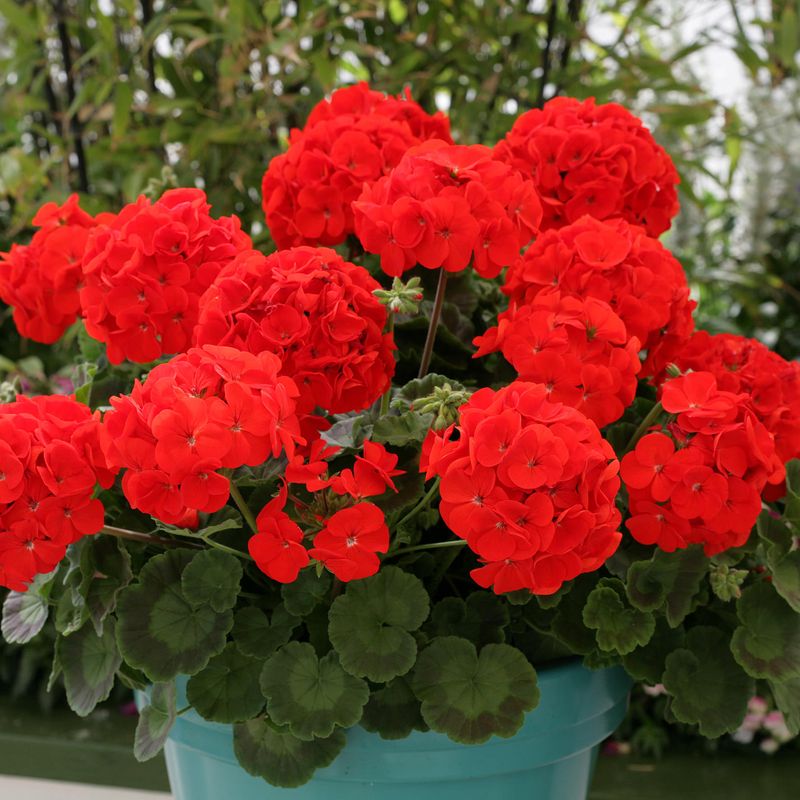
Geraniums bring a splash of color to gardens and patios, thriving with regular pruning. These hardy perennials prefer sunny locations and well-drained soil. Known for their vibrant flowers and aromatic leaves, geraniums add both beauty and fragrance to any setting. Regular deadheading and pruning encourage continuous blooming and healthy growth. Did you know? Geraniums are often used in essential oils for their fragrant properties. Their easy care and cheerful presence make them a popular choice for gardeners, adding a touch of elegance to both containers and garden beds.
11. Begonia
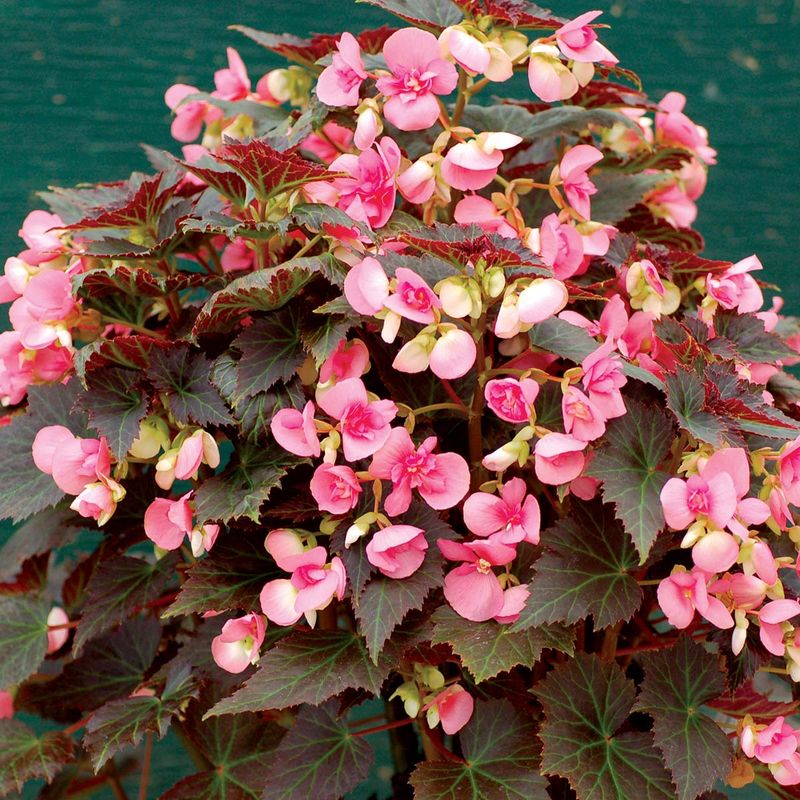
Begonias enchant with their unique foliage and vibrant blooms, flourishing with regular pruning. These plants, available in a variety of species, prefer partial shade and well-drained soil. Known for their colorful flowers and decorative leaves, begonias add charm to gardens and containers. Regular deadheading encourages continuous blooming and bushy growth. Did you know? Begonias were named after Michel Bégon, a French governor of Haiti. Their striking appearance and low maintenance make them a favorite among gardeners, offering versatility and beauty in any setting.
12. Impatiens
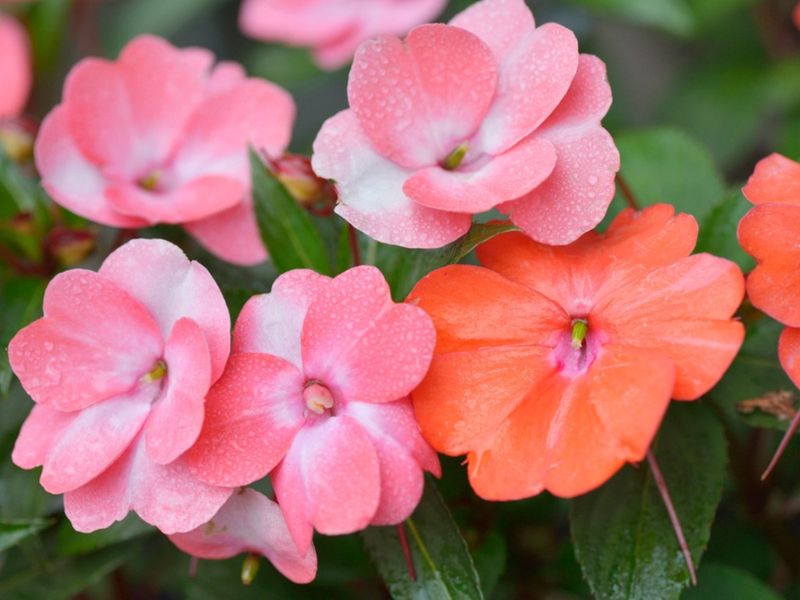
Impatiens are a gardener’s delight, bursting with color and thriving with regular pruning. These shade-loving annuals prefer well-drained soil and offer a rainbow of colors. Known for their vibrant blooms and easy care, impatiens add life to shaded areas and containers. Regular deadheading encourages continuous flowering and healthy growth. Did you know? Impatiens get their name from their seed pods, which burst open when touched. Their cheerful presence and adaptability make them a favorite among gardeners, brightening up even the shadiest corners of any garden.
13. Coneflower
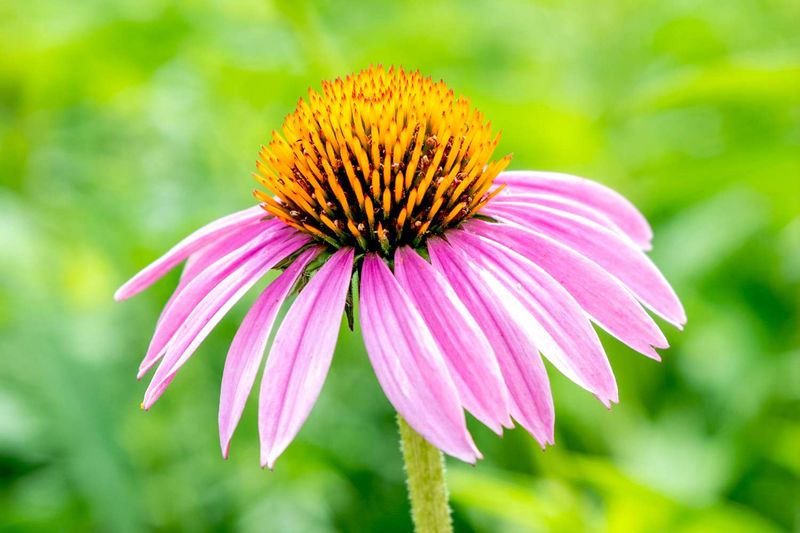
Coneflowers stand out with their daisy-like blooms and sturdy stems, flourishing with regular pruning. These perennials, native to North America, prefer sunny spots and well-drained soil. Known for their resilience and drought tolerance, coneflowers attract pollinators like bees and butterflies. Regular deadheading promotes a longer blooming season and encourages healthy growth. Did you know? Coneflowers are often used in herbal remedies for their medicinal properties. Their striking appearance and low maintenance make them a popular choice for both novice and experienced gardeners.
14. Verbena
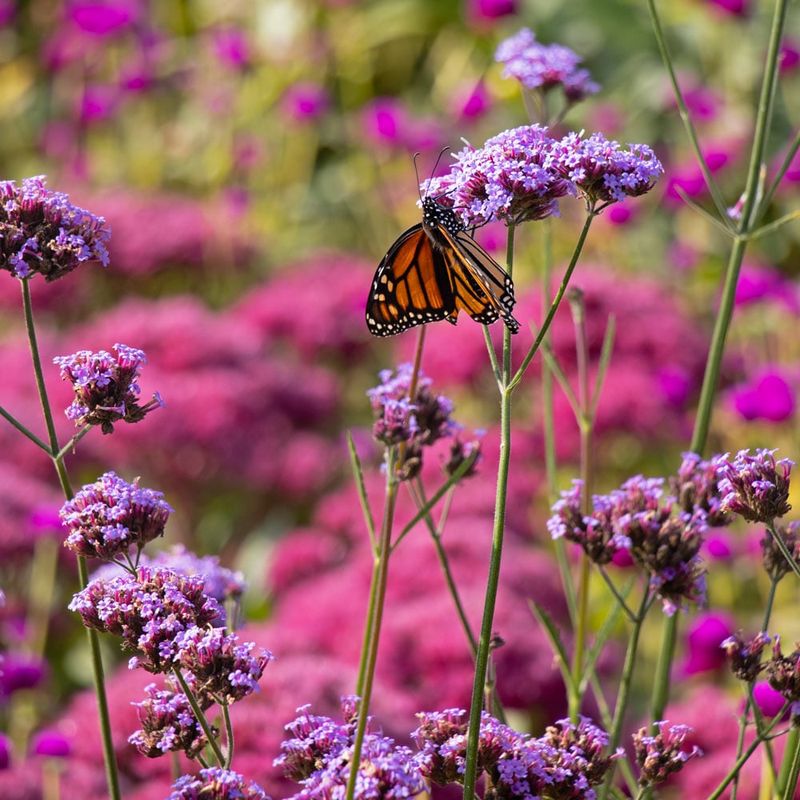
Verbenas charm with their clusters of small, colorful flowers, thriving with regular pruning. These perennials prefer sunny locations and well-drained soil, offering a long blooming season. Known for their vibrant hues and low maintenance needs, verbenas attract pollinators like butterflies and bees. Regular deadheading encourages continuous flowering and healthy growth. Did you know? Verbenas have been used in herbal medicine for centuries, believed to have healing properties. Their cheerful presence and easy care make them a favorite among gardeners, adding a touch of color and charm to any garden.