
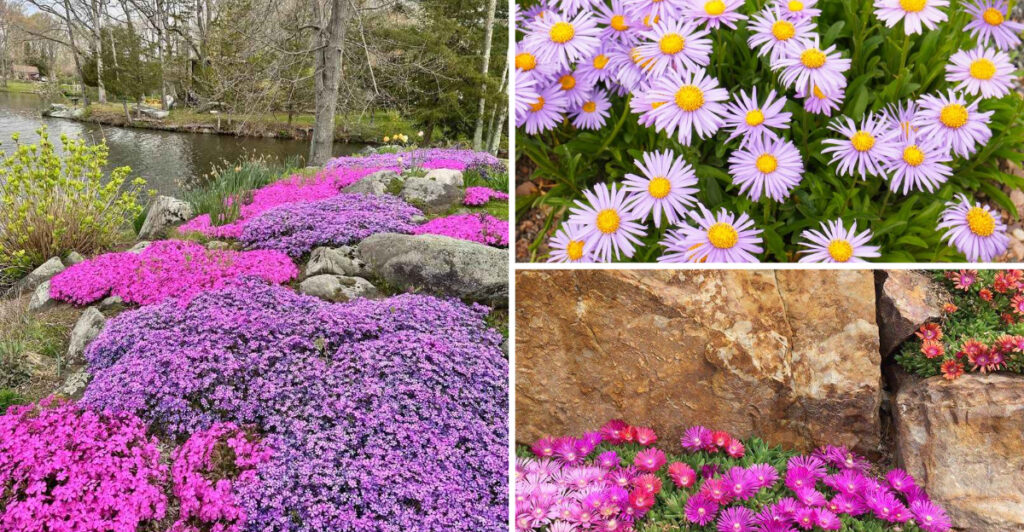
Rock gardens offer a unique landscape where hardy perennials thrive, providing continuous blooms for months. These adaptable plants are not only resilient but also bring vibrant colors and textures to any rocky terrain. Perfect for those looking to create a low-maintenance yet visually stunning garden, these perennials are a staple for garden enthusiasts.
1. Creeping Phlox
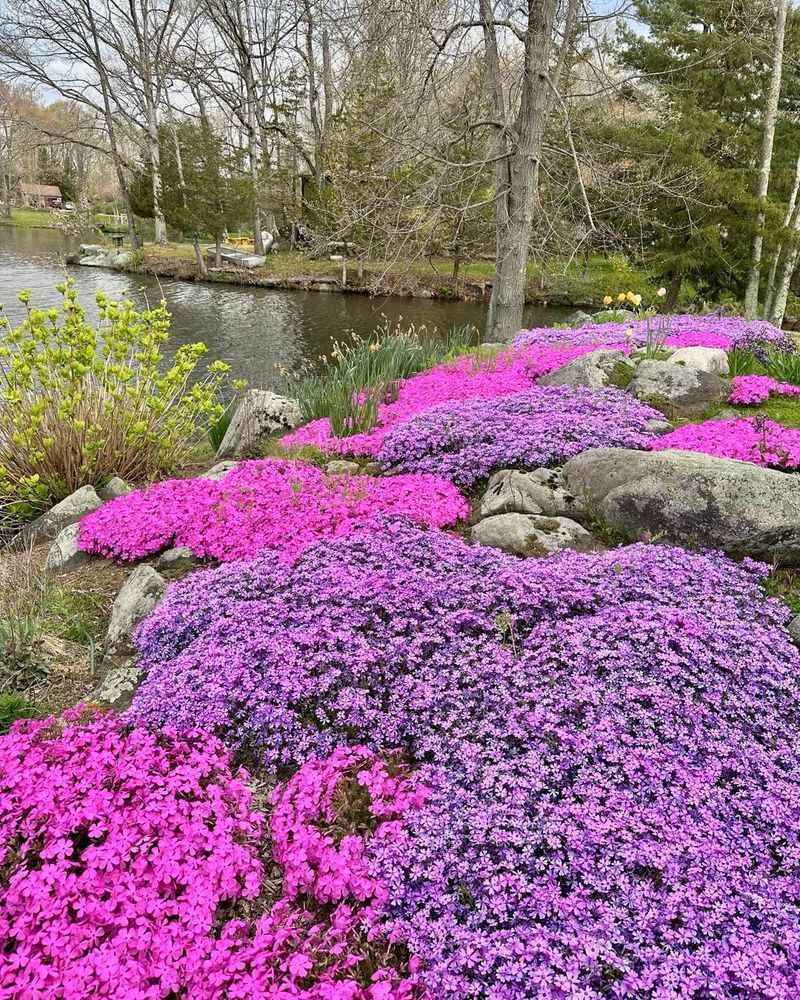
Creeping Phlox is known for its vivid carpet of color that spills over rocks. Originating from North America, it thrives in well-drained soil. Its flowers, resembling a painter’s palette, bloom profusely from spring to early summer. This perennial is perfect for filling gaps between stones with its cascading habit.
Phlox attracts butterflies, adding life to your rock garden. Its evergreen foliage ensures year-round interest. Easy to care for, it withstands drought once established. For optimal blooming, provide full sun.
A versatile choice, it complements other rock garden plants beautifully.
2. Alpine Aster
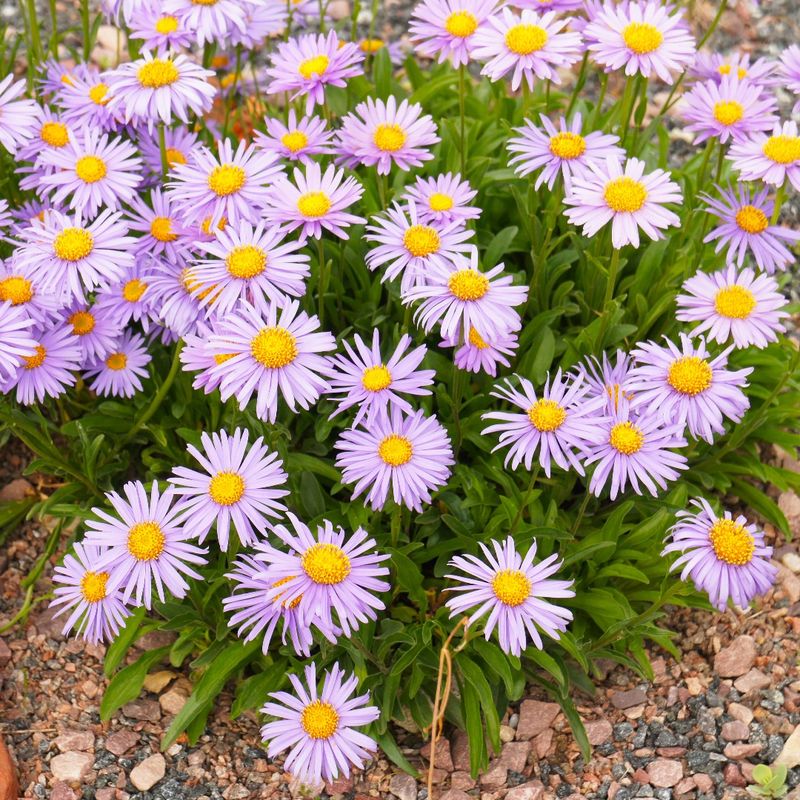
Alpine Asters bring charm to any rock garden with their daisy-like blooms. Native to alpine regions, they are well-suited for rocky terrains. Their purple flowers appear in late spring, offering a cheery display.
These asters flourish in full sun but can tolerate partial shade. They are drought-tolerant, making them ideal for low-water gardens. The compact growth habit helps to prevent soil erosion on slopes.
Plant them in clusters for a natural look. A fun fact: the name ‘aster’ means ‘star’ in Greek, inspired by their shape.
3. Sedum
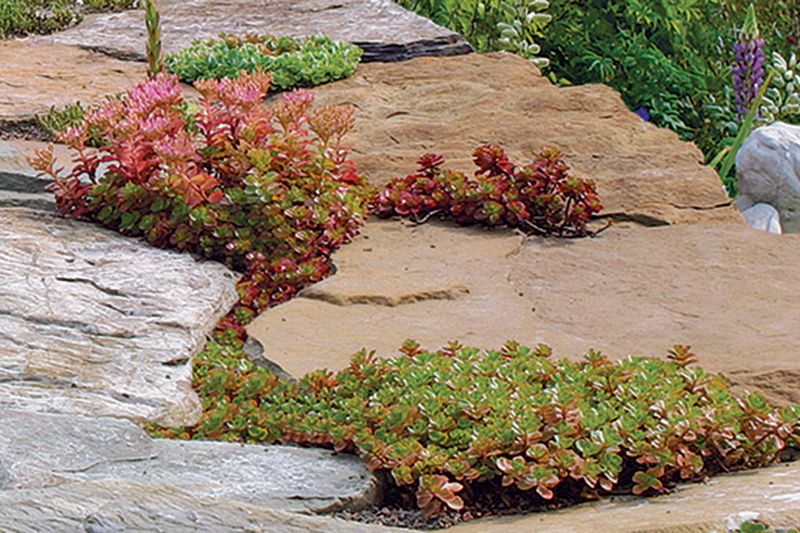
Sedum, often called stonecrop, is a staple in rock gardens due to its adaptability and low maintenance. These succulents come in various shapes and colors, from greens to deep reds.
Sedum is drought-resistant, thriving in poor soil conditions where other plants may falter. Its star-shaped flowers bloom from summer into fall, attracting pollinators.
Use sedum to add texture and color contrast. It works well in crevices and borders, creating a cohesive look. Known for its healing properties, sedum has been used in traditional medicine for centuries.
4. Hens and Chicks
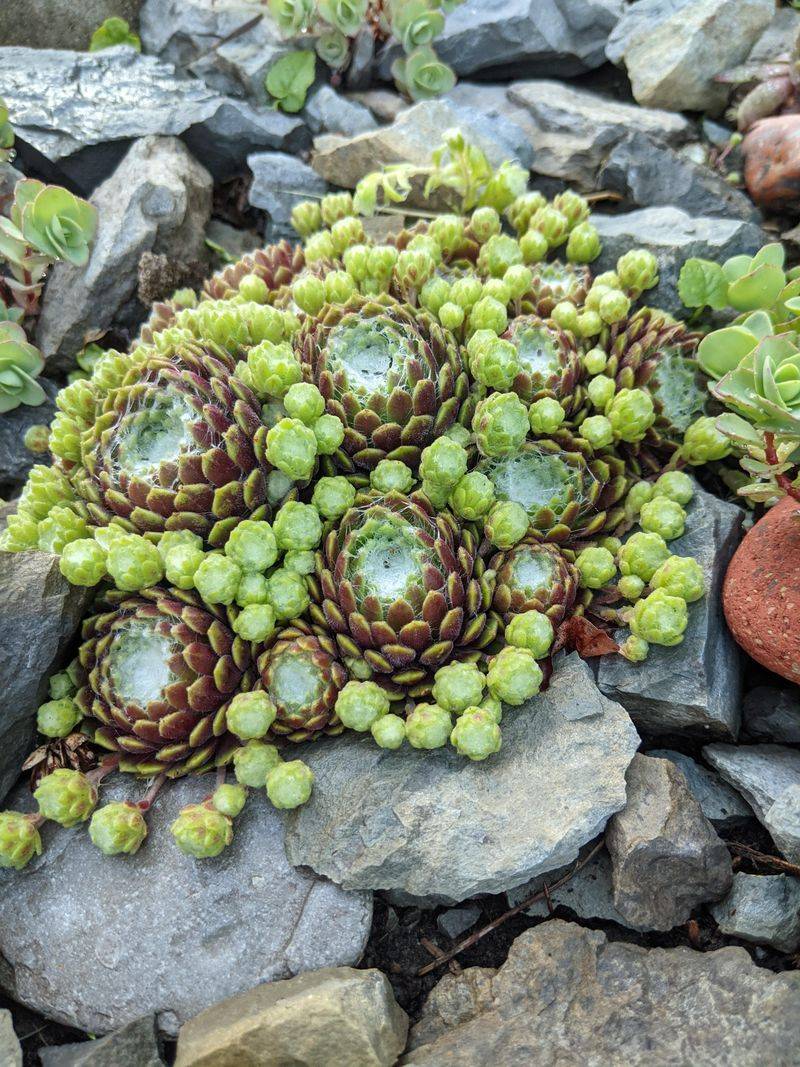
Hens and Chicks are perfect for rock gardens, offering an intriguing visual with their rosette formations. This perennial is highly resilient, tolerating poor soil and drought.
The ‘hen’ produces smaller ‘chicks’ around it, symbolizing growth and renewal. Their colors range from green to deep burgundy, adding unique hues to your garden.
These succulents prefer full sun to partial shade and require minimal watering. A fun tidbit: these plants have been associated with warding off lightning strikes, thanks to their tough nature.
Great for beginners and seasoned gardeners alike.
5. Lavender
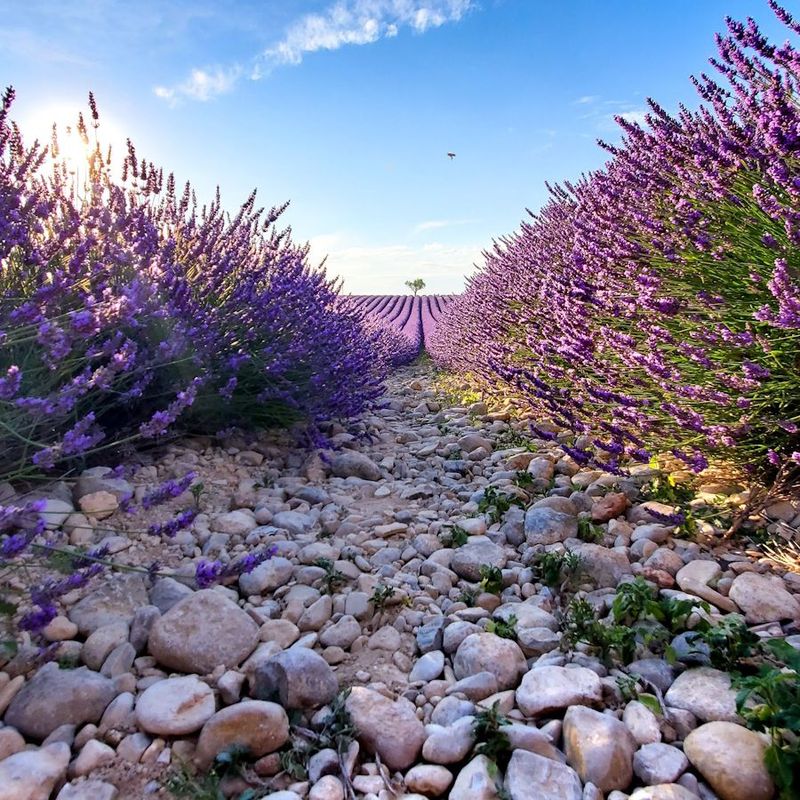
Lavender offers a sensory delight in rock gardens with its aromatic flowers and silvery foliage. Known for its calming scent, it attracts bees and butterflies.
This perennial loves sunny, dry conditions, making it ideal for rocky areas. Lavender blooms from late spring through summer, providing long-lasting color.
Prune regularly to maintain its shape and encourage new growth. Beyond beauty, lavender has been used in aromatherapy and cooking.
A hint: lavender sachets make wonderful home fragrances, capturing the essence of your garden.
6. Ice Plant
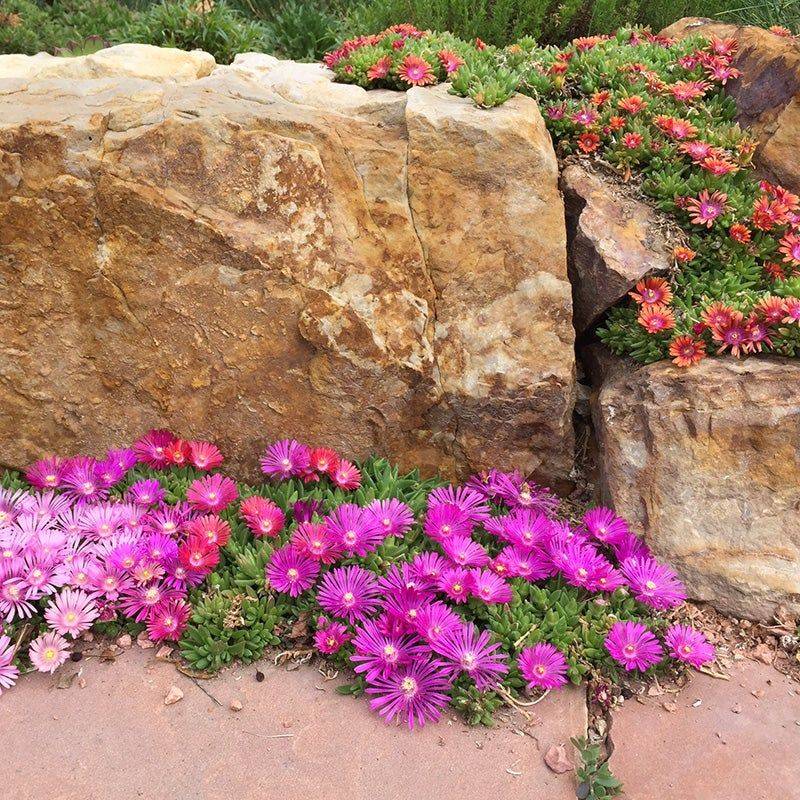
The Ice Plant is a showstopper with its vibrant, daisy-like blooms and fleshy leaves. Originating from South Africa, it thrives in sunny rock gardens, blooming from spring until fall.
Its name comes from the shimmering appearance of its leaves, resembling ice crystals. This succulent is drought-tolerant, perfect for low-maintenance gardens.
Ice Plants spread quickly, creating a colorful groundcover. They prefer well-drained, sandy soil and require little care once established.
Their bright flowers not only attract pollinators but also provide a year-round spectacle.
7. Rock Cress
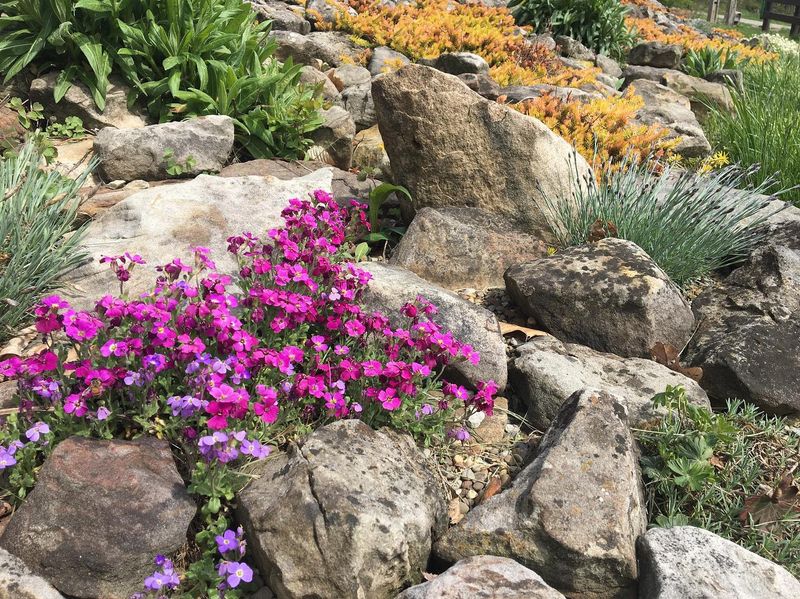
Rock Cress is a charming addition to rock gardens, offering a cascade of flowers. It blooms in early spring, providing a burst of color after winter.
Native to Europe and Asia, it prefers full sun and well-drained soil. Rock Cress is ideal for edges and slopes, preventing erosion while adding beauty.
Its foliage remains evergreen, ensuring year-round appeal. Prune after blooming to maintain its form.
A quirky fact: its Latin name, Arabis, hints at its historical use in Arab gardens, known for their fragrant displays.
8. Coral Bells
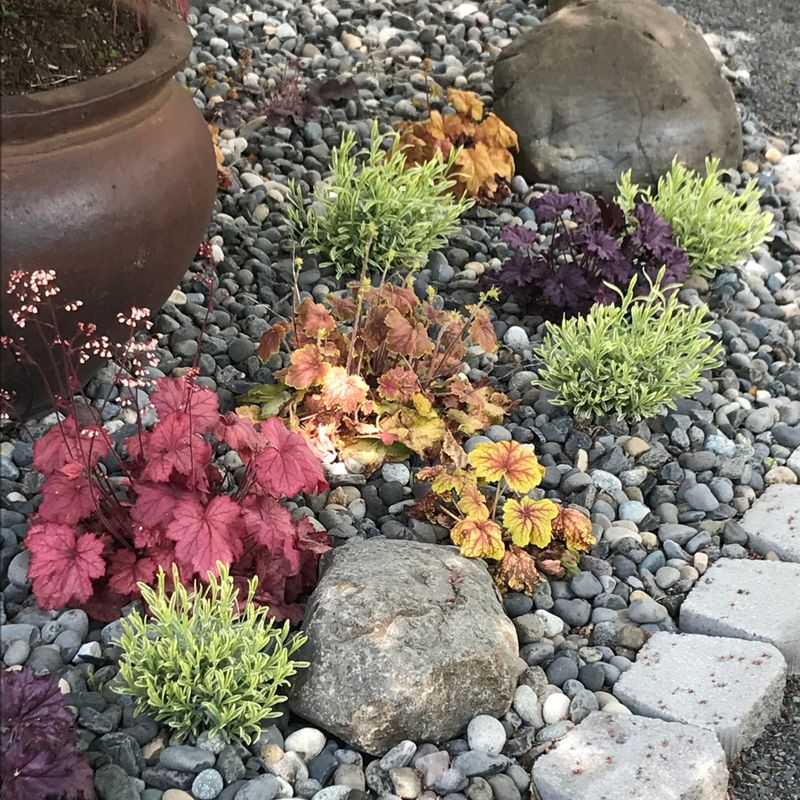
Coral Bells, or Heuchera, are celebrated for their striking foliage. They come in various colors, from deep purple to lime green, adding contrast to rock gardens.
Their small, bell-shaped flowers rise above the leaves in late spring. These perennials prefer partial shade and moist, well-drained soil.
Coral Bells are deer-resistant and attract hummingbirds, enhancing garden biodiversity. A tip: mulch to retain soil moisture.
Did you know? Heuchera is named after Johann von Heucher, an 18th-century botanist who contributed to plant taxonomy.
9. Dianthus
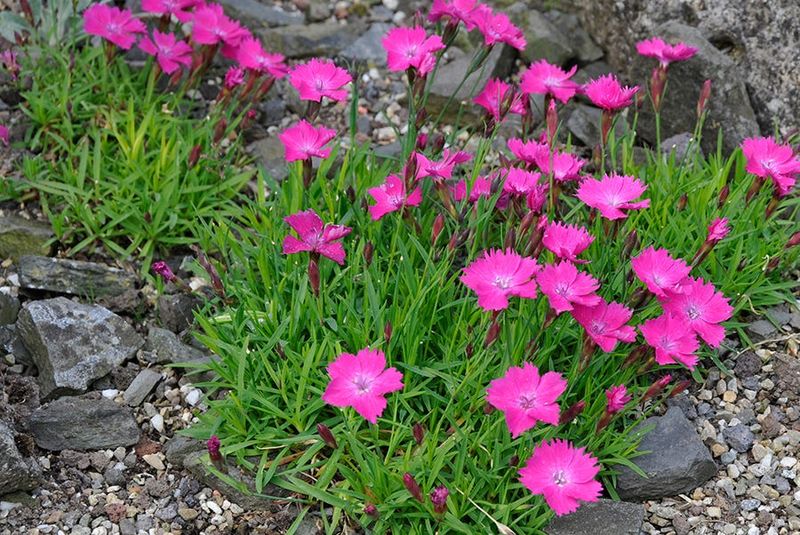
Dianthus, known as ‘pinks’, are a fragrant delight in rock gardens. Their spicy-sweet scent and fringed petals are a gardener’s favorite.
These perennials prefer full sun and well-drained soil. Blooming from late spring to summer, they provide continuous color.
Dianthus is an excellent choice for edging paths or filling crevices. Their flowers attract bees and butterflies, promoting pollination.
A quirky tidbit: their name, Dianthus, translates to ‘divine flower’ in Greek, reflecting their timeless appeal.
10. Siberian Iris
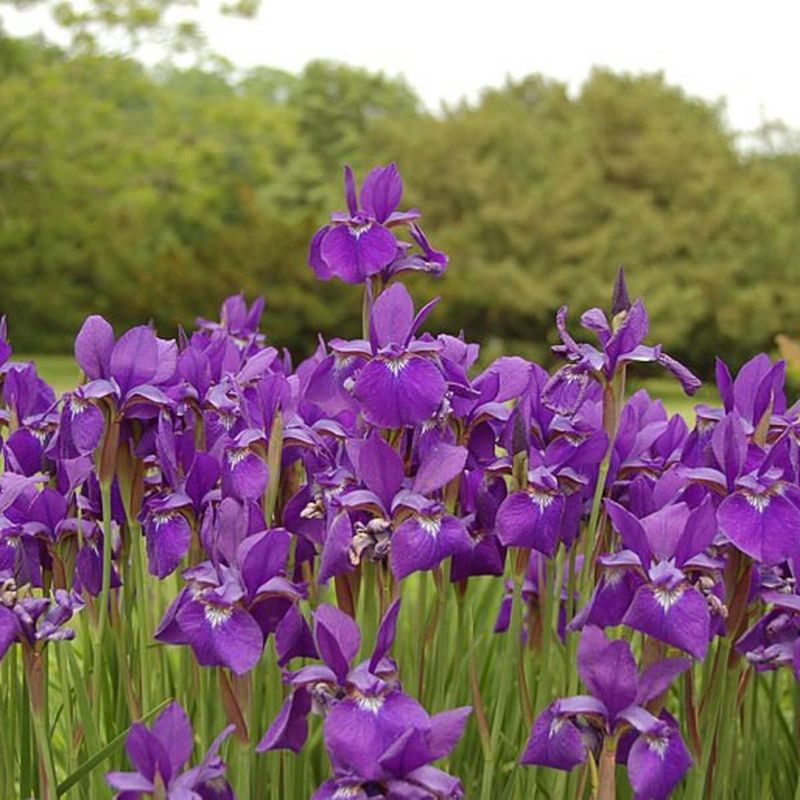
Siberian Iris brings elegance to rock gardens with its slender leaves and graceful flowers. Blooming in late spring, it adds height and structure.
Native to northern Asia and Europe, it thrives in moist, well-drained soil. Its vibrant blooms attract butterflies and bees, enhancing biodiversity.
These irises are deer-resistant and require minimal maintenance. Divide clumps every few years for vigorous growth.
A historical note: irises symbolize wisdom and valor, often used in heraldry and art.
11. Yarrow
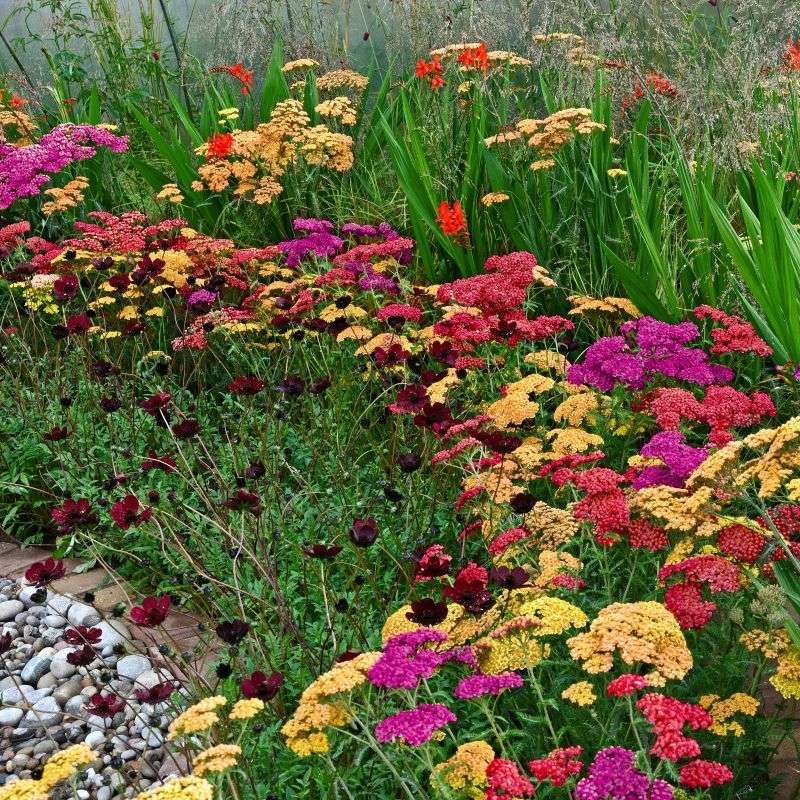
Yarrow is a resilient perennial with fern-like foliage and clusters of tiny flowers. Blooming from spring to fall, it offers long-lasting color.
Thriving in full sun, yarrow is drought-tolerant and deer-resistant. It’s perfect for rock gardens, attracting beneficial insects.
A notable trait: yarrow’s leaves were historically used for medicinal purposes. Prune spent flowers to encourage more blooms.
Its diverse color palette ranges from yellow to pink, adding variety to garden designs.
12. Candytuft
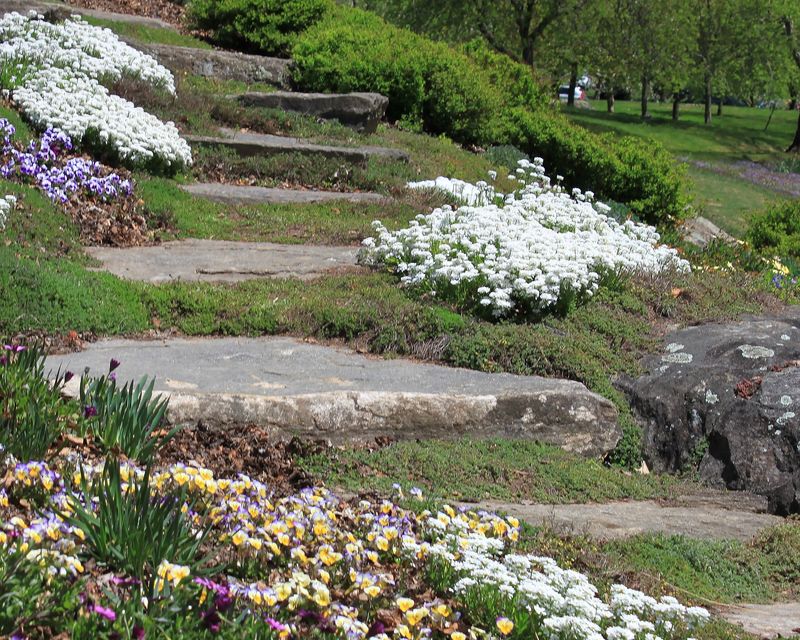
Candytuft is a charming perennial, known for its pure white flowers and lush green foliage. Blooming in spring, it creates a striking contrast against rocks.
Native to southern Europe, it thrives in full sun and well-drained soil. Candytuft is perfect for borders and edging paths, adding a refined touch.
These flowers attract bees and butterflies, enhancing pollination. A fun fact: its name derives from ‘Candia’, a former name for Crete, where it was discovered.
Regular pruning keeps it compact and blooming vigorously.
13. Thyme
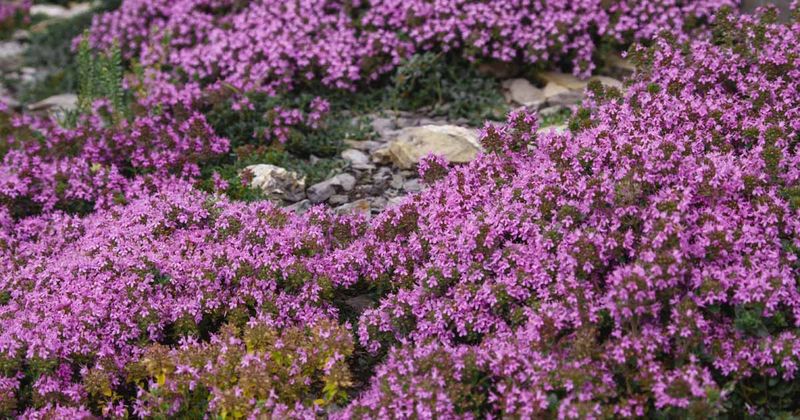
Thyme is a versatile perennial, ideal for rock gardens with its aromatic foliage and tiny purple flowers. Blooming in late spring, it adds both beauty and fragrance.
This herb thrives in full sun and dry, rocky soil. It’s drought-tolerant and requires little maintenance. Thyme’s dense growth helps suppress weeds.
Use it as a groundcover or between stepping stones. Beyond the garden, thyme is popular in culinary dishes, enhancing flavors with its earthy taste.
A tip: harvest sprigs regularly to promote bushy growth.
14. Bellflower
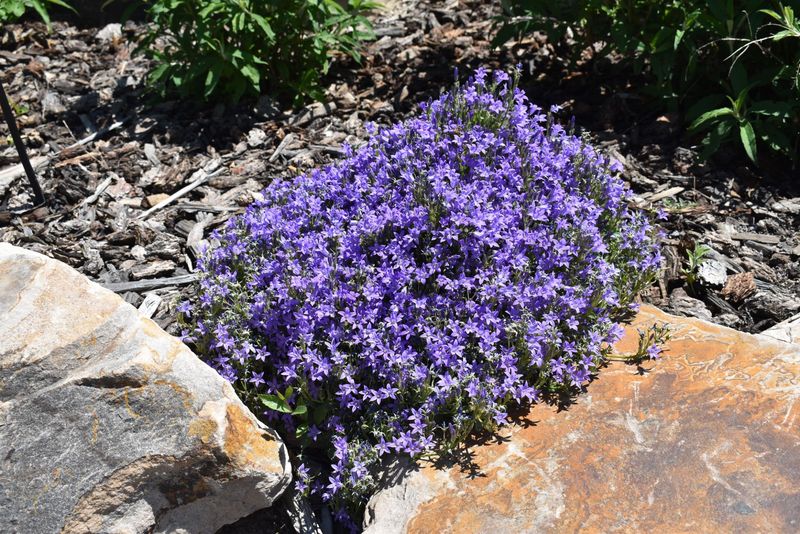
Bellflowers bring a touch of whimsy to rock gardens with their delicate, bell-shaped blooms. They flourish in full sun to partial shade, blooming from late spring to summer.
These perennials prefer well-drained soil and are relatively drought-tolerant. Their vibrant flowers attract pollinators, adding life to your garden.
Bellflowers can be used as groundcover or to soften the edges of paths. A quirky fact: they’re sometimes called ‘Campanula’, derived from the Latin for ‘little bell’.
Trim back after flowering to encourage new growth.
15. Sea Thrift
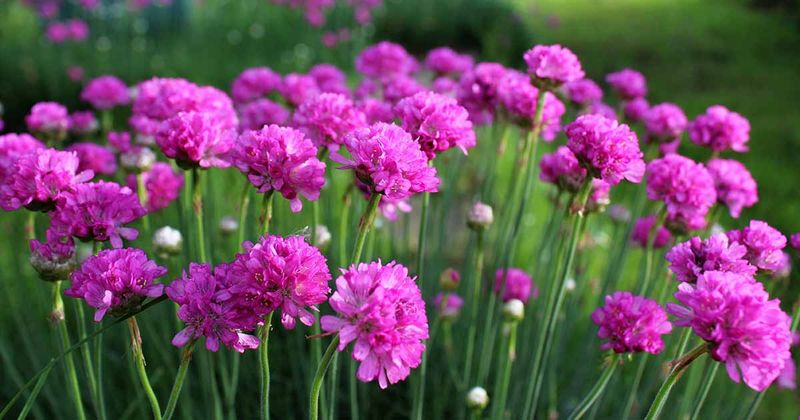
Sea Thrift, or Armeria, is a charming choice for rock gardens. Its pink flowers bloom on wiry stems in late spring, swaying gently in the breeze.
Originating from coastal areas, it thrives in well-drained, sandy soil. Sea Thrift is drought-tolerant, making it perfect for rocky environments.
Use it to create drifts of color along paths or retain walls. A fun detail: Sea Thrift is often found in salt marshes and was once used in traditional herbal remedies.
Its evergreen foliage ensures a year-round presence.
16. Pasque Flower
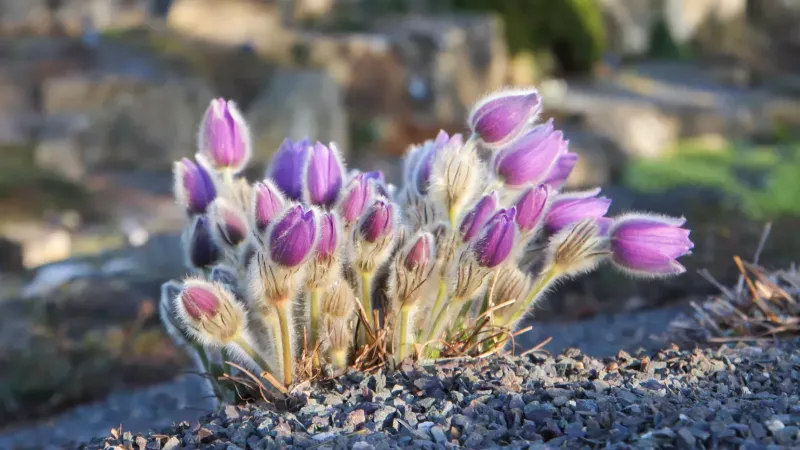
Pasque Flower is a delightful perennial known for its silky, purple blooms. Blooming in early spring, it heralds the start of the growing season.
Native to Europe and North America, it prefers sunny, well-drained spots. Its feathery foliage adds texture to rock gardens and remains attractive throughout the year.
Pasque Flower is both deer-resistant and drought-tolerant. A fascinating tidbit: it is often associated with Easter, as its name suggests, due to its early blooming time.
Trim after flowering to maintain vigor and encourage new growth.
17. Sedum Kamtschaticum
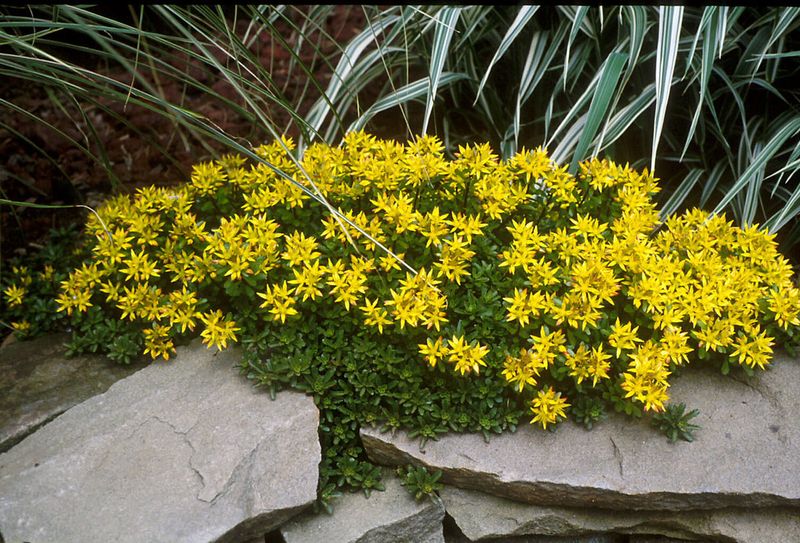
Sedum Kamtschaticum is a robust perennial, perfect for rock gardens with its sprawling habit. Its small, yellow star-shaped flowers bloom in summer, providing a cheerful display.
Thriving in poor, rocky soil, it requires minimal care. This sedum is drought-tolerant and can handle various light conditions, from full sun to partial shade.
It’s excellent for erosion control on slopes and works well in containers. A historical note: it hails from Siberia and was used in traditional medicine for healing purposes.
Its thick foliage adds year-round interest.
18. Primrose
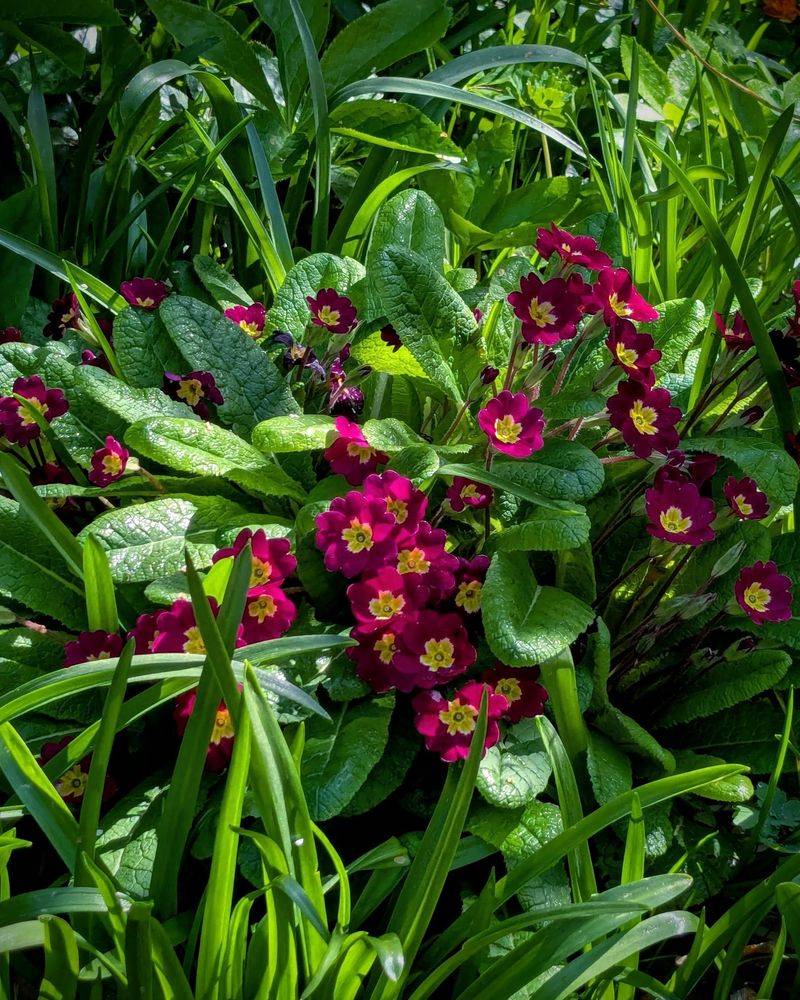
Primrose offers a cheerful presence in rock gardens with its clusters of bright blooms. Flowering in early spring, it adds much-needed color after winter.
These perennials prefer partial shade and moist, well-drained soil. Primrose attracts pollinators, enhancing the ecological value of your garden.
Ideal for borders or filling gaps, they require regular watering to thrive. An interesting fact: primroses have been used in traditional herbal medicine to treat various ailments.
Their vibrant flowers are sure to brighten any rocky landscape.
19. Tickseed
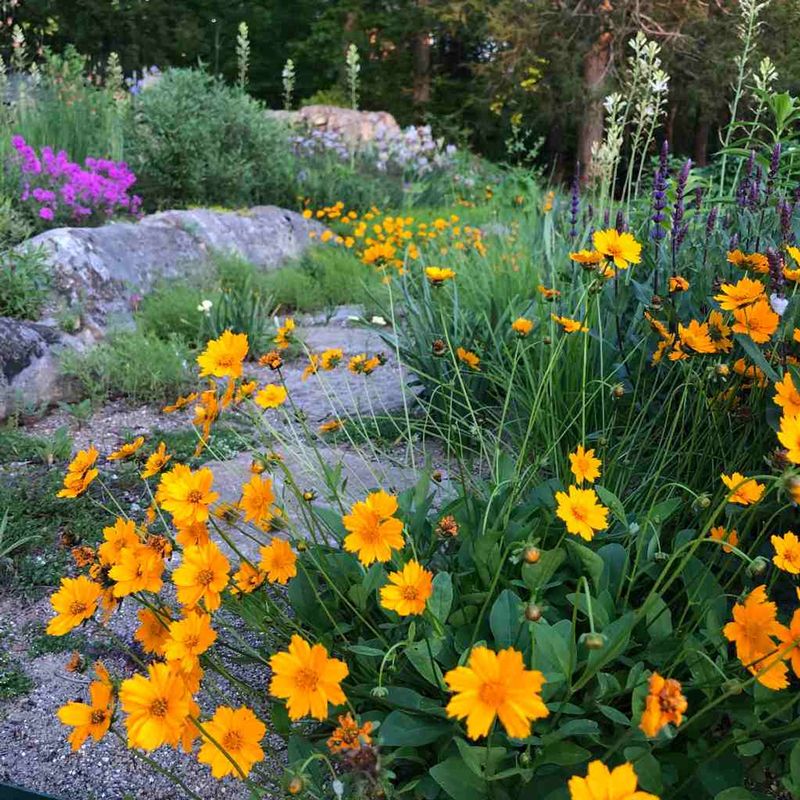
Tickseed, or Coreopsis, is a sun-loving perennial with bright yellow flowers. Blooming from early summer to fall, it offers a long-lasting color display.
Native to North America, it thrives in well-drained soil and full sun. Tickseed is drought-tolerant and attracts butterflies, adding movement to rock gardens.
Use it for edging or mass plantings, where it can create a sea of cheerful blooms. An intriguing fact: Coreopsis was used by Native Americans for dye and as a ceremonial plant.
Regular deadheading promotes continuous flowering.
20. Hardy Geranium
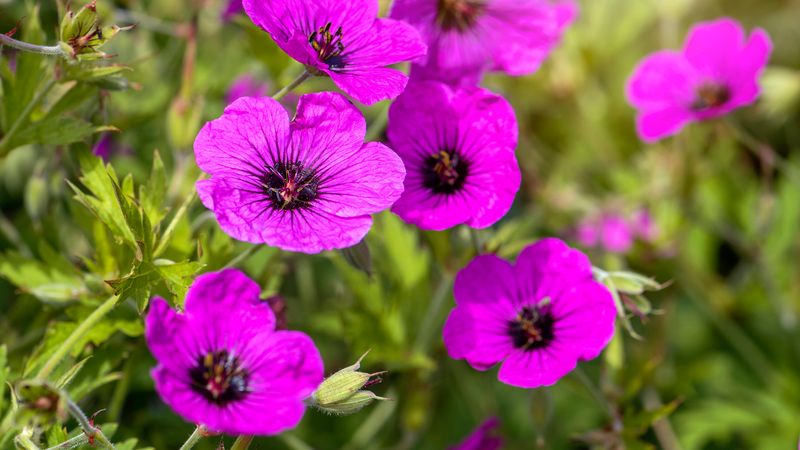
Hardy Geraniums are versatile perennials, perfect for rock gardens. Their pink and purple flowers bloom from late spring to early autumn, offering extended color.
These plants prefer well-drained soil in full sun to partial shade. Hardy Geraniums are deer-resistant and attract pollinators, enhancing garden biodiversity.
Use them to soften edges or as part of mixed plantings. A quirky fact: they’re also known as ‘Cranesbill’, due to their seed capsule’s shape resembling a crane’s bill.
Divide every few years for vigorous growth.
21. Ajuga
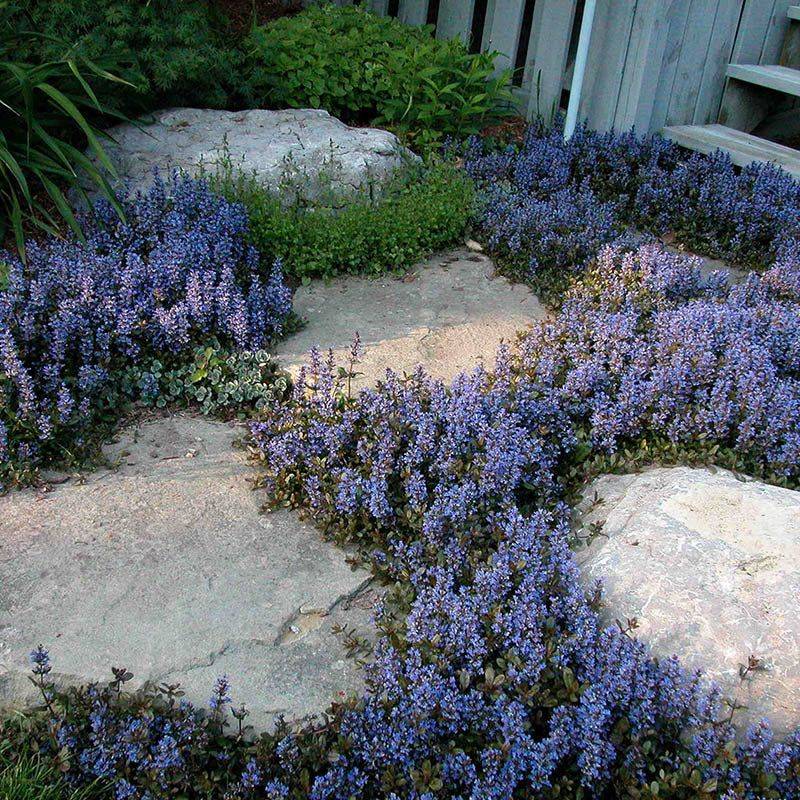
Ajuga, also known as bugleweed, is a hardy perennial ideal for rock gardens. Its dark green leaves and spikes of blue flowers create a striking ground cover.
Blooming in late spring, it thrives in partial shade and well-drained soil. Ajuga is deer-resistant and helps suppress weeds, offering both beauty and practicality.
Use it to fill gaps or as a lawn alternative in shaded areas. A historical tidbit: ajuga has been used in herbal remedies for its anti-inflammatory properties.
Regular pruning keeps it looking fresh and healthy.