
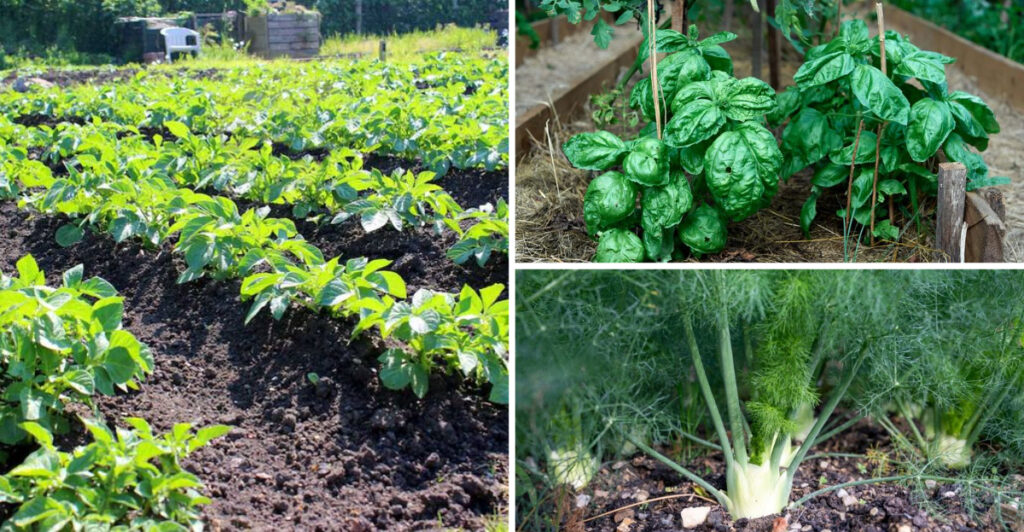
Companion planting is a technique gardeners use to boost yields, deter pests, and promote growth by planting compatible crops together. However, not all plants thrive alongside each other. Cucumbers, for example, have specific needs and preferences. Planting certain species too close to them can hinder their growth, attract harmful pests, or even stunt their development. Ensuring a harmonious garden requires knowing which plants to keep at a safe distance from your cucumbers. Below are 16 plants that are best planted elsewhere to ensure your cucumbers grow healthy and strong.
1. Potatoes

Potatoes, with their underground tubers, can spread diseases that affect cucumbers. These diseases can stunt cucumber growth and reduce yield. Their similar nutrient requirements also lead to competition in the soil. Planting potatoes too close to cucumbers can result in both plants suffering.
The dense foliage of potato plants can overshadow cucumbers, blocking essential sunlight. This shade can cause cucumbers to produce less fruit. Keeping them separate ensures both plants can reach their full potential.
Did you know? Potatoes were first cultivated in South America over 7,000 years ago.
2. Sage
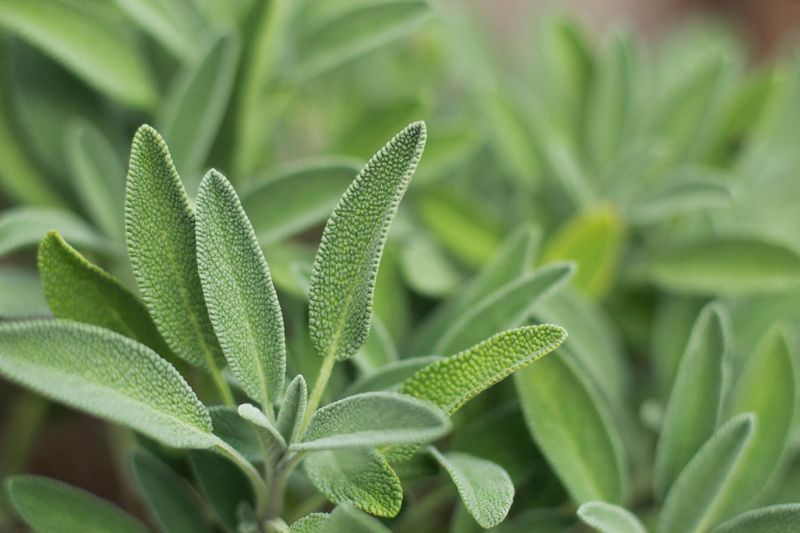
Sage, known for its aromatic leaves, can disrupt the growth of cucumbers when planted nearby. Its strong scent and oil production can deter beneficial insects that cucumbers need for pollination. This absence of pollinators may lead to fewer cucumber fruits.
Moreover, sage can alter the soil environment around it, making it less conducive for cucumber roots to thrive. This soil imbalance can hinder nutrient uptake. To maintain a thriving garden, it’s wise to position sage far from cucumber beds.
Fun fact: Sage has been used since ancient times for medicinal purposes.
3. Mint
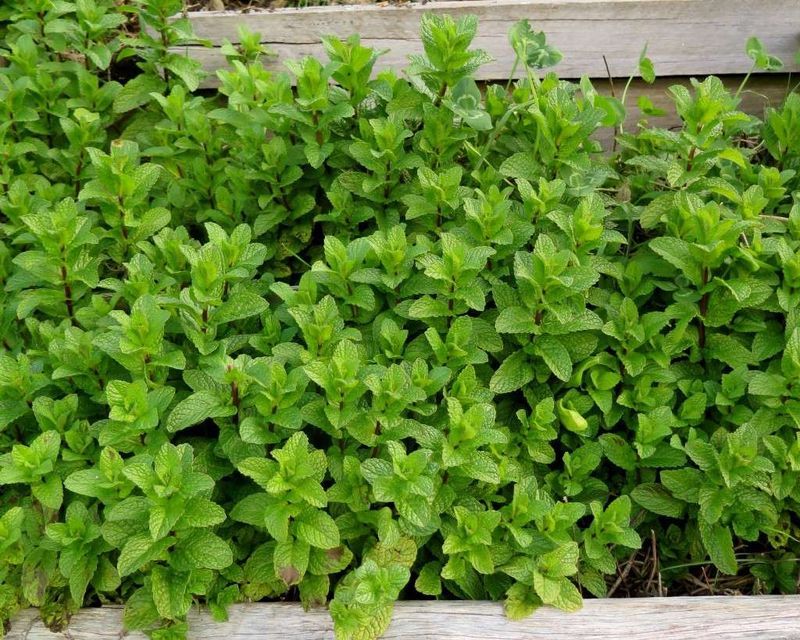
Mint, while delightful in teas and desserts, is a garden bully due to its invasive nature. When planted near cucumbers, it can quickly overrun the area, monopolizing nutrients and space.
The aggressive root system of mint competes intensely with cucumbers, reducing their growth and fruit production. Furthermore, mint’s strong aroma can confuse pollinators, impacting cucumber pollination success.
To keep a balanced garden, it’s best to plant mint in a controlled environment, away from other plants. Fun fact: Mint has been used in Greek mythology to honor the nymph Minthe.
4. Fennel
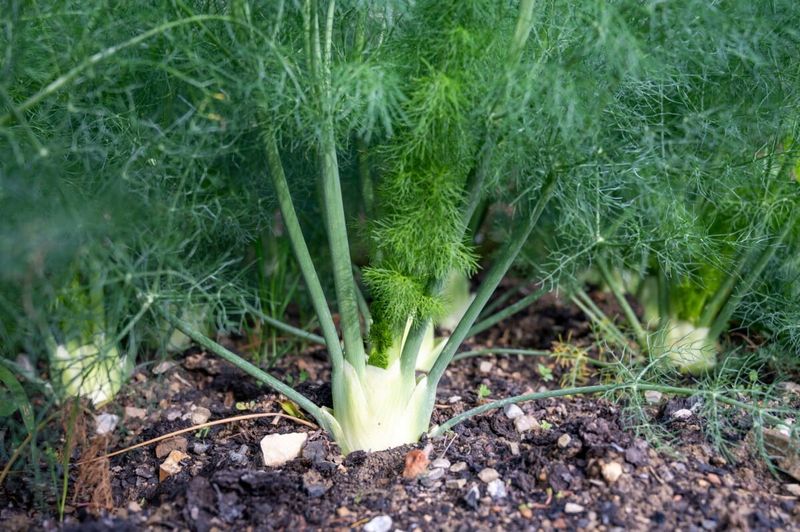
Fennel is a notorious allelopathic plant, which means it releases chemicals that can inhibit the growth of nearby plants, including cucumbers. This chemical interaction can stunt cucumber development.
The tall, feathery fronds of fennel can also cast unwanted shade over cucumbers, depriving them of necessary sunlight. This shading effect can lead to reduced cucumber yields.
For a harmonious garden, it’s advisable to place fennel in a separate bed. Did you know? Fennel has been used as a medicinal herb since ancient Egyptian times.
5. Basil
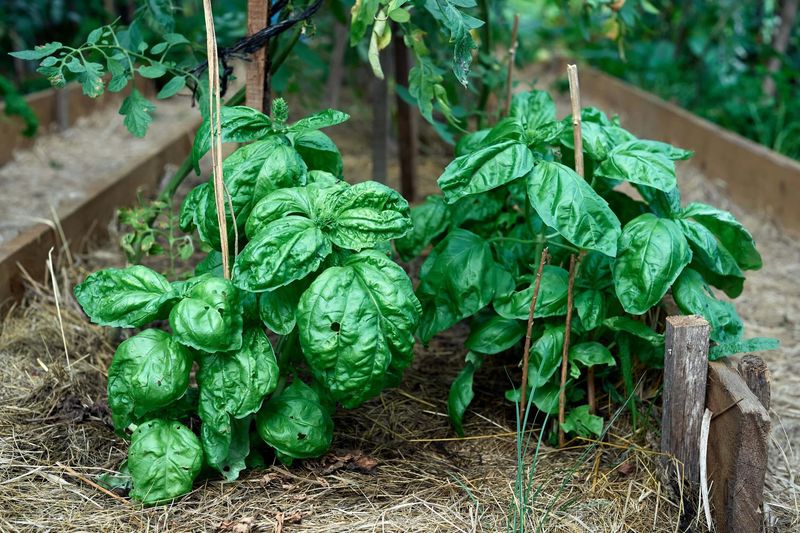
Basil, though a garden favorite, can attract pests that are detrimental to cucumbers. Aphids and other insects drawn to basil might migrate to cucumber plants, causing damage.
Additionally, basil’s rapid growth can overshadow young cucumber plants, limiting their access to light and nutrients. This competition can lead to weaker cucumber vines and fewer fruits.
For optimal growth, consider planting basil away from cucumber beds. Fun fact: Basil is often associated with love, with some cultures believing it to be a symbol of romance.
6. Carrots
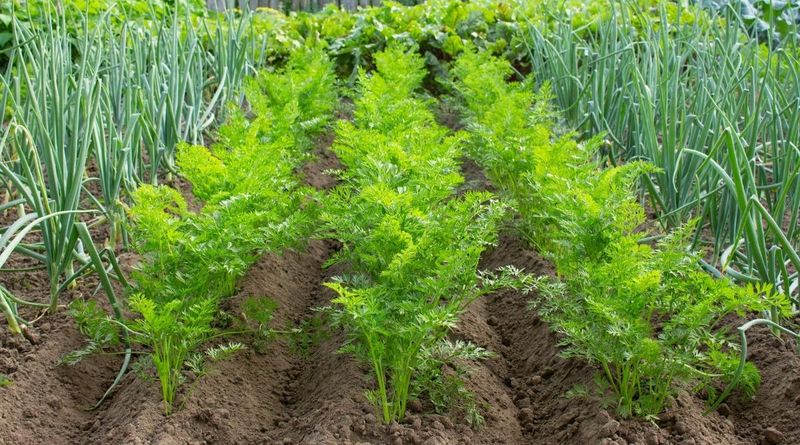
Carrots, while beneficial in many companion planting scenarios, can cause problems for cucumbers. Their deep roots can compete with cucumber roots for water and nutrients, leading to reduced growth.
Moreover, carrots attract certain pests, like carrot flies, which can indirectly affect nearby cucumbers. The close proximity might make cucumbers more vulnerable to these pest attacks.
To ensure both plants thrive, it’s best to plant them apart. Did you know? Carrots were originally purple before the orange variety became popular in the 17th century.
7. Cabbage
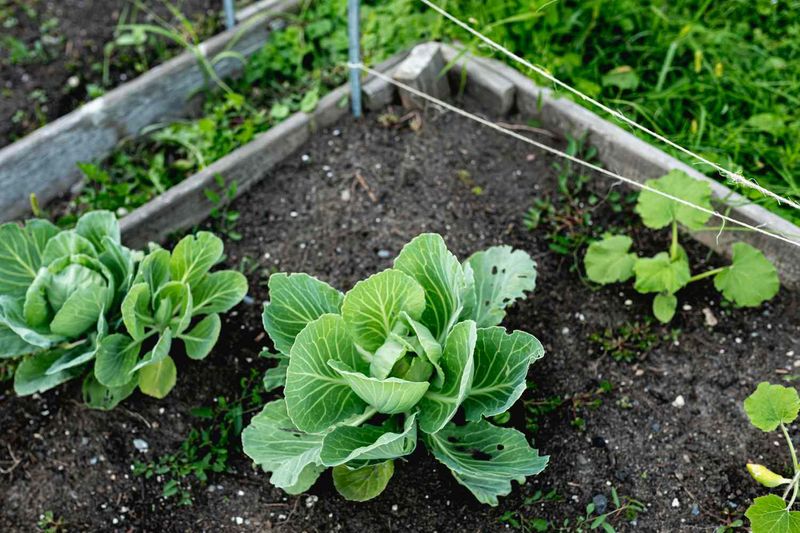
Cabbage, with its large leaves and robust growth, can overshadow cucumbers, blocking essential sunlight. This shade can stunt cucumber growth and reduce fruit production.
In addition, cabbage is prone to pests like cabbage worms, which can also target nearby cucumbers. The presence of these pests can lead to damaged cucumber plants.
For a pest-free garden, plant cabbage and cucumbers in separate areas. Fun fact: Cabbage has been cultivated for over 4,000 years and was a staple in ancient Greek and Roman diets.
8. Corn
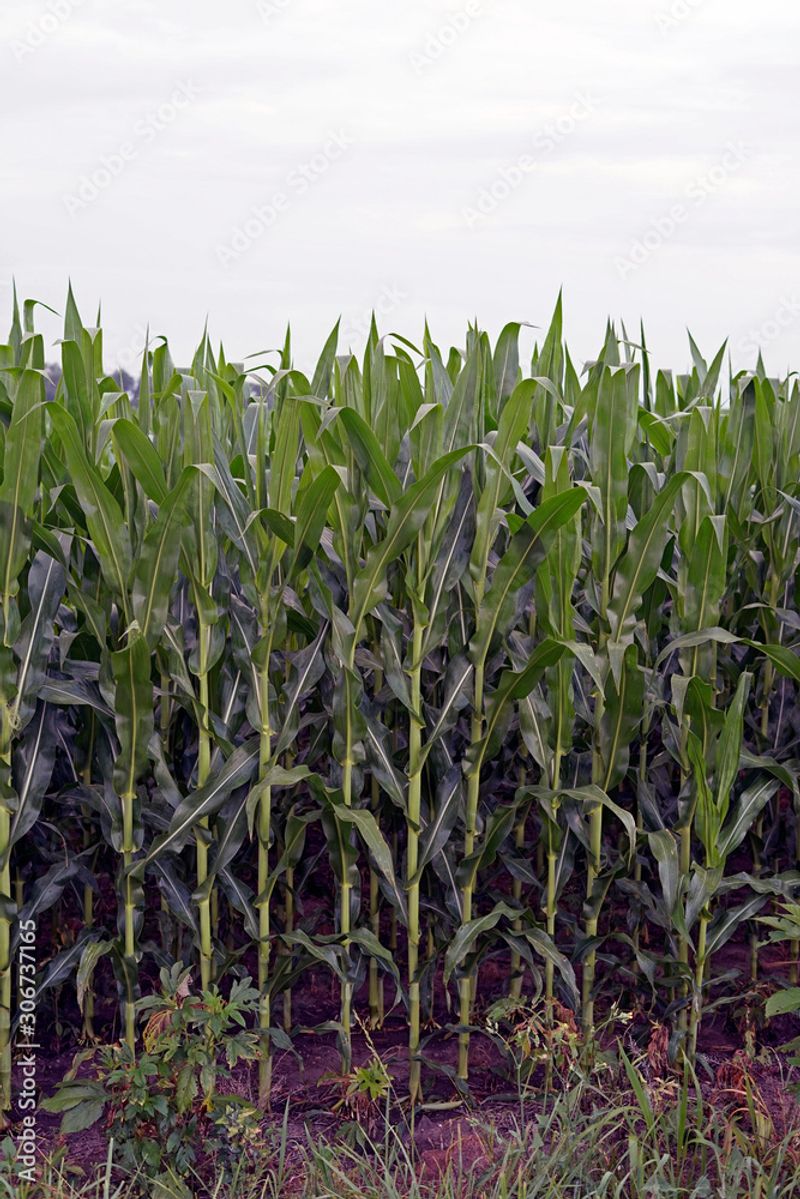
Corn, towering above most garden plants, can cast significant shade on cucumbers, depriving them of sunlight. This lack of light can hinder cucumber growth and fruiting.
Additionally, corn is known to attract pests like corn earworms, which can easily spread to nearby cucumber plants. This pest transfer can damage both crops, reducing yields.
Keeping corn and cucumbers apart ensures each plant receives the conditions it needs to thrive. Did you know? Corn is a staple food in many cultures and has been cultivated for over 9,000 years.
9. Sunflowers

Sunflowers, with their impressive height and sunny disposition, can overshadow cucumbers, limiting their access to light. This overshadowing can impede cucumber growth and fruit production.
Moreover, sunflowers release allelopathic chemicals that can inhibit the growth of nearby plants, including cucumbers. This chemical interference can lead to weaker cucumber vines.
To prevent these issues, it’s best to plant sunflowers away from cucumber beds. Fun fact: Sunflowers have been cultivated for over 4,000 years and were first domesticated in North America.
10. Tomatoes
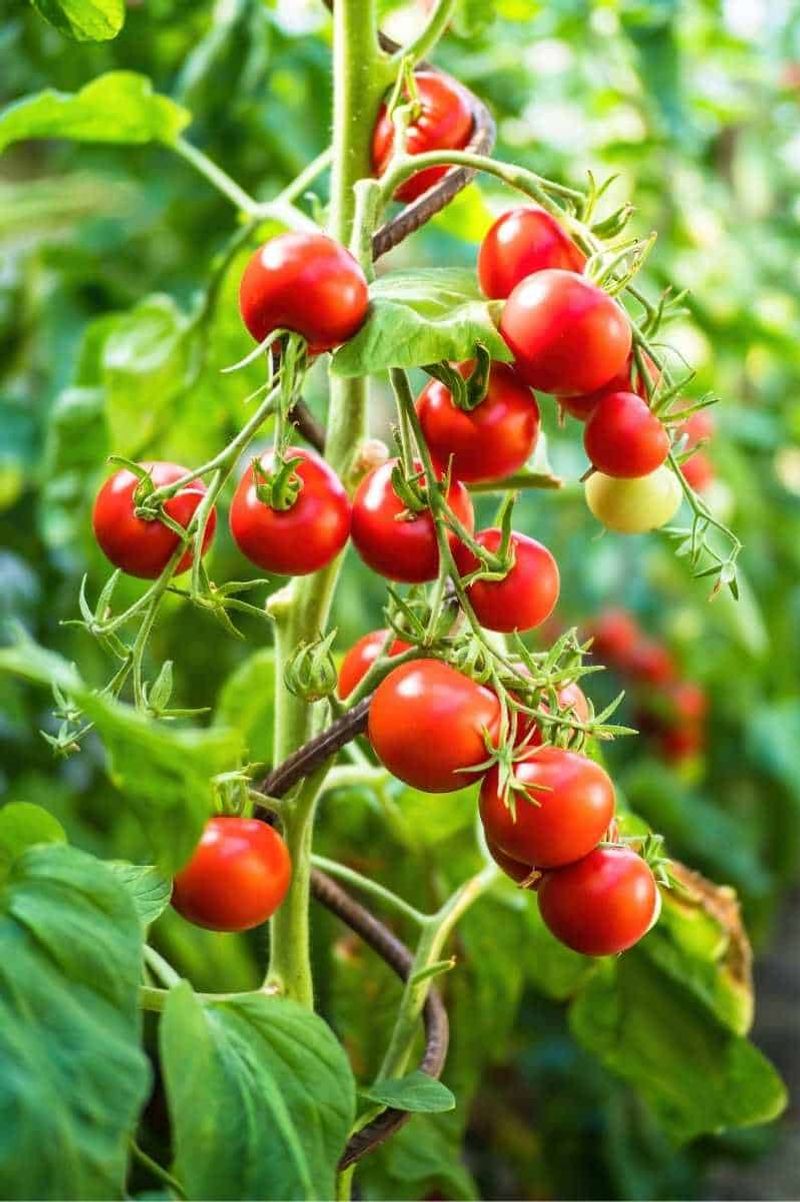
Tomatoes, a garden staple, can compete with cucumbers for nutrients and water. Both plants have similar requirements, leading to depletion of resources in shared soil.
This competition can result in reduced growth for both cucumbers and tomatoes. Additionally, tomatoes are prone to similar diseases as cucumbers, increasing the risk of cross-infection.
For healthy plants, it’s advisable to grow tomatoes and cucumbers in separate areas. Did you know? Tomatoes are native to western South America and were first used as a food in Mexico.
11. Peppers
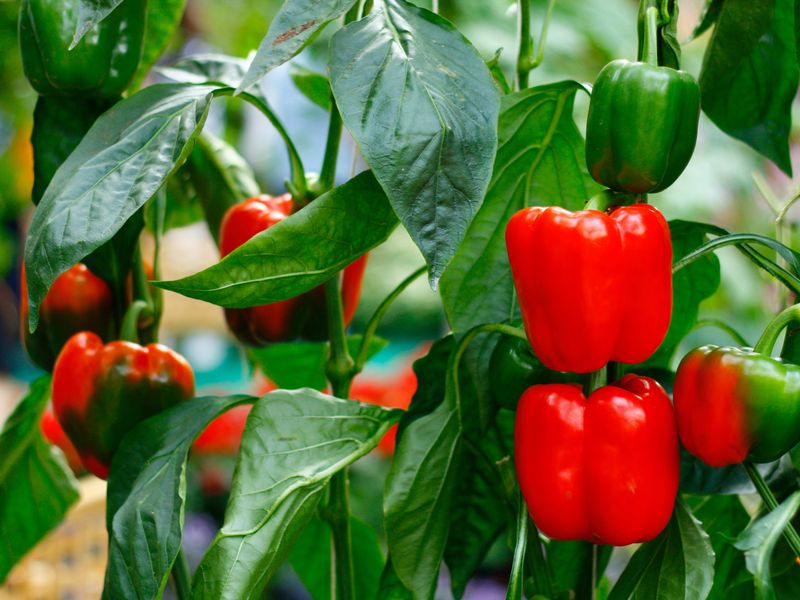
Peppers, though colorful and vibrant, may not be the best companions for cucumbers. They attract similar pests, such as aphids, which can quickly infest both plants.
Furthermore, both peppers and cucumbers require similar nutrients, leading to competition in the soil. This shared need can result in reduced yields and stunted growth.
To prevent these issues, consider planting peppers away from cucumbers. Fun fact: Peppers come in a variety of colors and heat levels, with some being sweet and others extremely hot.
12. Broccoli
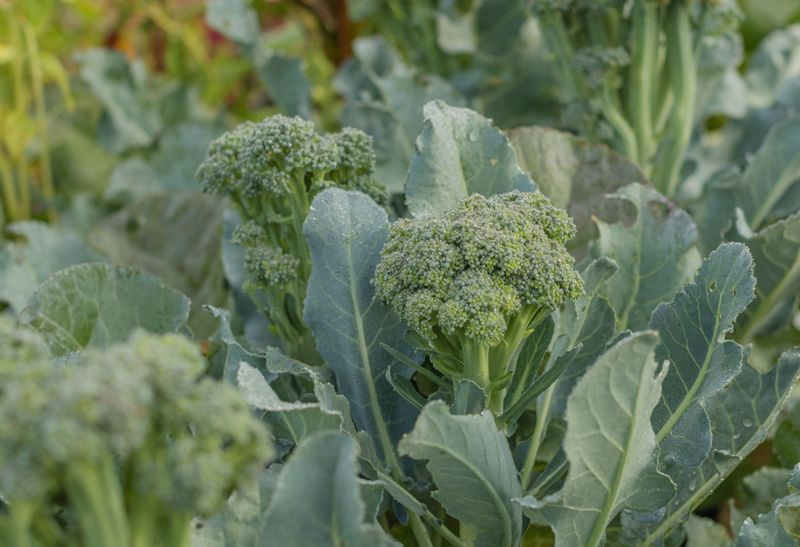
Broccoli, part of the brassica family, can attract pests that also target cucumbers. These pests, including cabbage worms, can easily spread from broccoli to nearby cucumber plants.
Additionally, broccoli’s dense foliage can overshadow cucumbers, reducing their access to sunlight. This shade can stunt cucumber growth and fruit production.
To maintain healthy plants, it’s advisable to plant broccoli away from cucumbers. Did you know? Broccoli is a nutritional powerhouse, rich in vitamins C and K, and has been cultivated since the Roman Empire.
13. Cauliflower
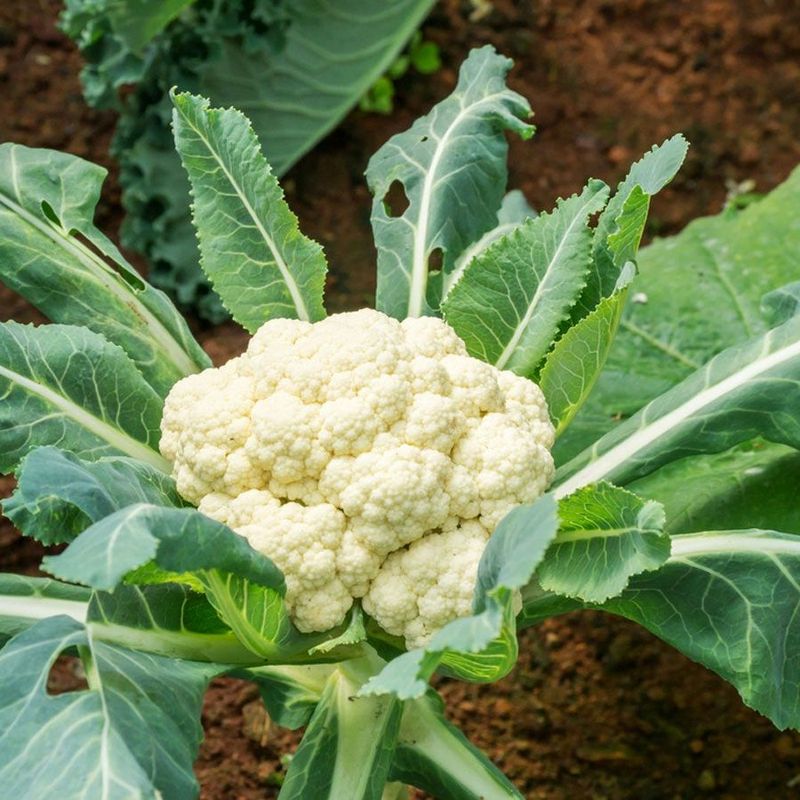
Cauliflower, with its sprawling leaves and growing requirements, can overshadow cucumbers, blocking light. This shading effect can hinder cucumber growth and reduce yields.
Moreover, cauliflower attracts pests like aphids and caterpillars, which can also harm cucumbers. The proximity of these plants can increase the risk of pest infestations.
Planting cauliflower away from cucumbers helps reduce these risks. Fun fact: Cauliflower has a long history and was first cultivated in the Mediterranean region over 2,000 years ago.
14. Brussels Sprouts
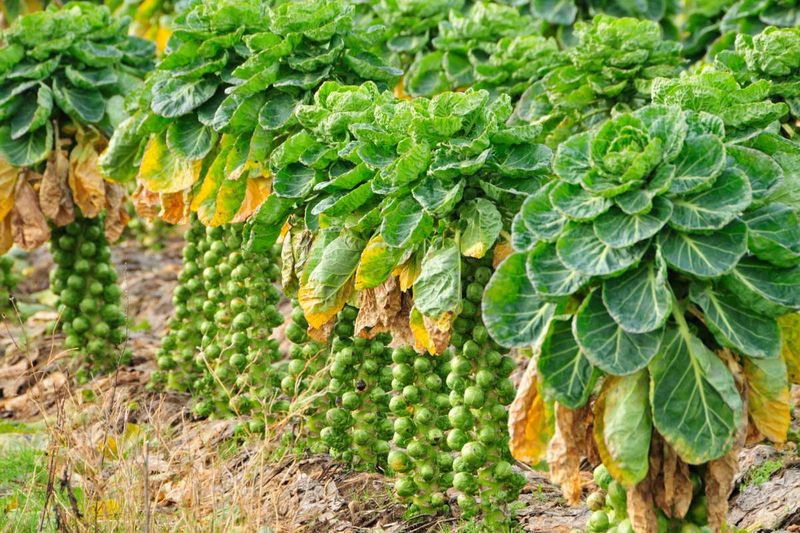
Brussels sprouts, with their dense leaf structure, can overshadow cucumbers, affecting their growth. This lack of sunlight can lead to fewer cucumbers and stunted vines.
Additionally, Brussels sprouts attract pests such as aphids and cabbage worms, which can easily move to cucumbers. This pest transfer can cause significant damage to both crops.
For a healthier garden, it’s best to keep these plants separate. Did you know? Brussels sprouts are named after the city of Brussels in Belgium, where they have been grown since the 16th century.
15. Garlic
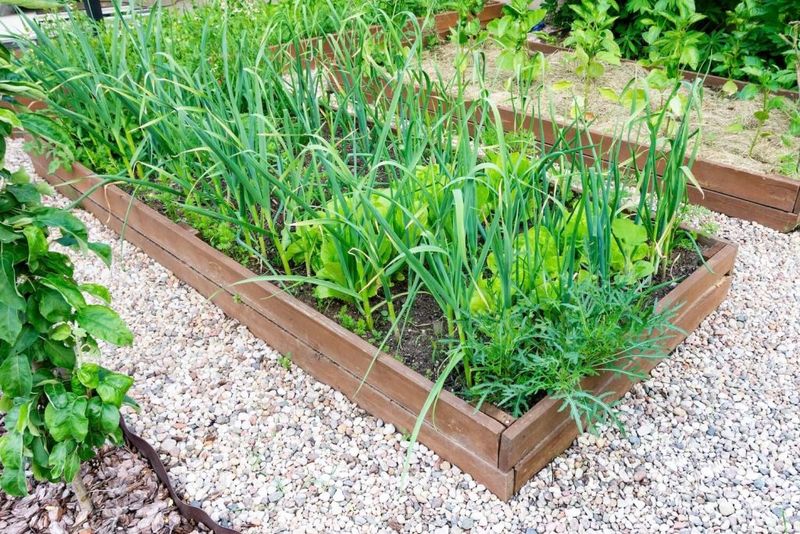
Garlic, revered for its pungent aroma and culinary uses, can impede cucumber growth. Its strong scent can deter pollinators, affecting cucumber fruit production.
Additionally, garlic can alter the soil chemistry, making it less favorable for cucumber roots to thrive. This change can stunt cucumber development and reduce yields.
To ensure optimal growth, plant garlic away from cucumbers. Fun fact: Garlic has been used for medicinal purposes for thousands of years and was even found in the tomb of King Tutankhamun.
16. Lavender
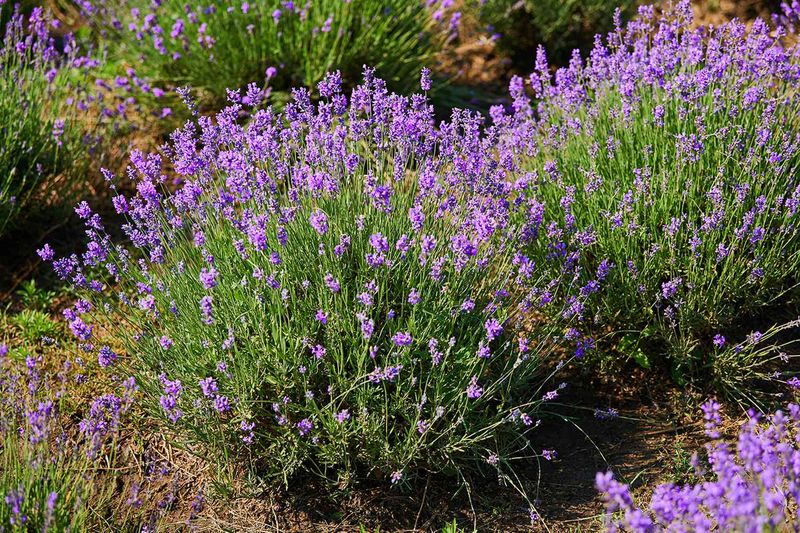
Lavender, known for its enchanting fragrance and calming properties, can be a garden’s delicate delight. However, when it comes to cucumbers, lavender may not play well. The aromatic oils that make lavender so appealing can actually repel beneficial insects that cucumbers thrive on.
Imagine a garden where cucumbers struggle to find their pollinators, and lavender’s alluring scent dominates the air. This mismatch in the garden can lead to poor cucumber yields.
Did you know? Lavender’s resistance to pests makes it a fantastic companion for roses, but it stands at odds with cucumbers in your patch.