
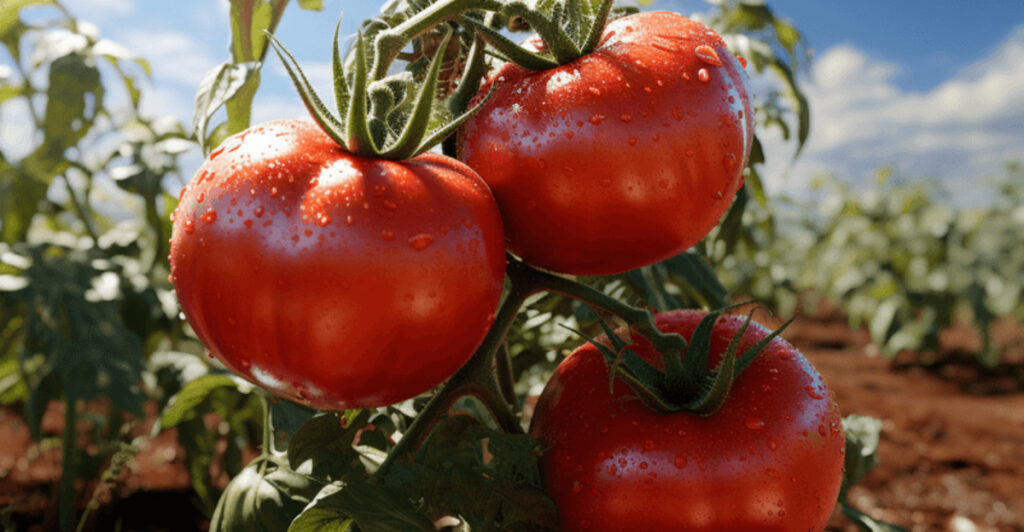
Cultivating beefsteak tomatoes can be a rewarding endeavor for any gardening enthusiast. Known for their large size and juicy flesh, these tomatoes are perfect for summer salads and sandwiches. Whether you’re a seasoned gardener or a beginner, there are specific techniques that can help you maximize your yield. In this post, we’ll explore 15 essential tips to help you grow the most bountiful beefsteak tomato plants. From selecting the right soil to mastering pruning, each tip offers a unique insight into nurturing these delicious fruits. Let’s dig into the world of beefsteak tomato cultivation and discover how to achieve a plentiful harvest.
1. Choose the Right Variety
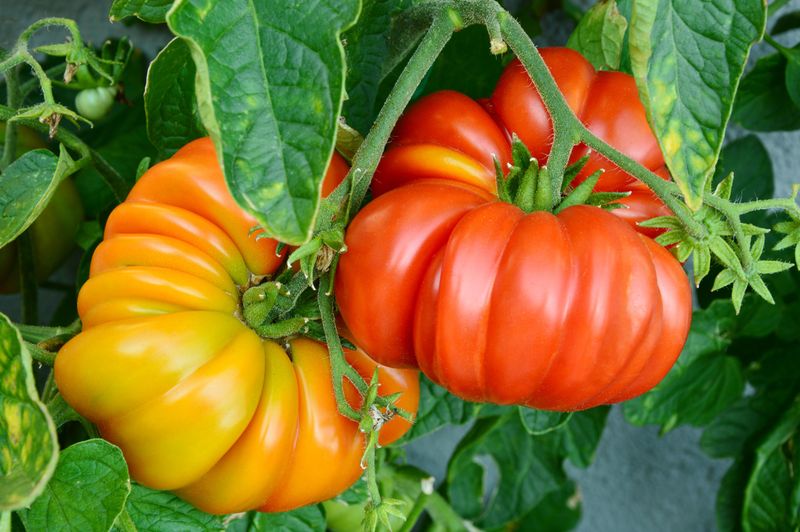
Selecting the right variety of beefsteak tomato is the first step in ensuring a successful harvest. Each variety offers different flavors, sizes, and growth habits. Consider your climate and taste preferences when choosing seeds. Some varieties thrive in cooler climates, while others are heat tolerant. Researching and comparing seed packets can provide valuable insights. Experiment with heirloom varieties for unique flavors. By starting with the right seeds, you set the foundation for a bountiful harvest and a rewarding gardening experience.
2. Optimal Soil Preparation
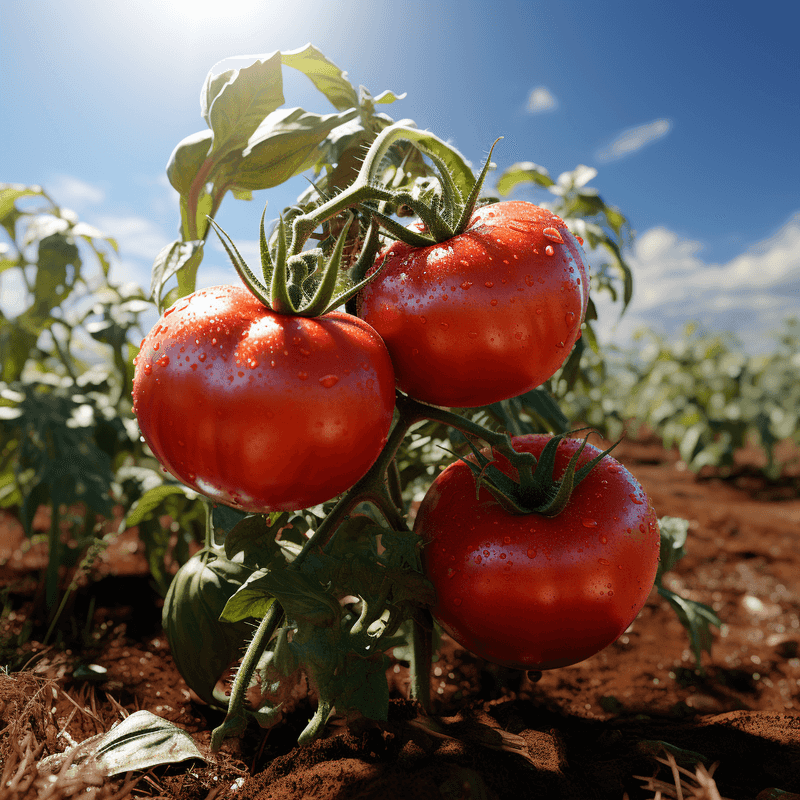
Healthy soil is the cornerstone of growing robust beefsteak tomatoes. Begin by testing the soil’s pH to ensure it’s between 6.0 and 6.8. Incorporate well-rotted manure or compost to enhance nutrient content. Ensure proper drainage to prevent waterlogging, which can lead to root rot. Soil aeration is equally vital; it promotes root growth and nutrient uptake. Raised beds can be beneficial if your garden soil isn’t ideal. With these practices, your soil will be ready to nurture thriving tomato plants.
3. Start Indoors Early
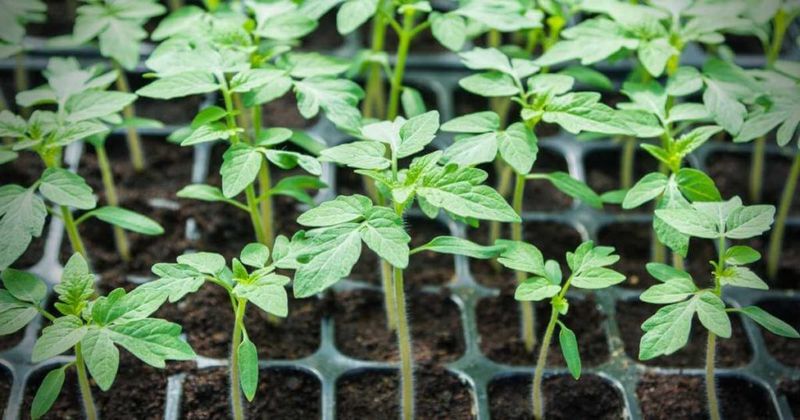
Starting your beefsteak tomato seeds indoors gives them a head start on the growing season. Begin about six to eight weeks before the last expected frost date. Use seed starting trays with quality potting mix, and provide consistent moisture. A sunny windowsill or grow lights ensure adequate light. Transplant seedlings outdoors once they have developed sturdy stems and several true leaves. This approach not only extends the growing season but also strengthens young plants for future outdoor conditions.
4. Proper Plant Spacing
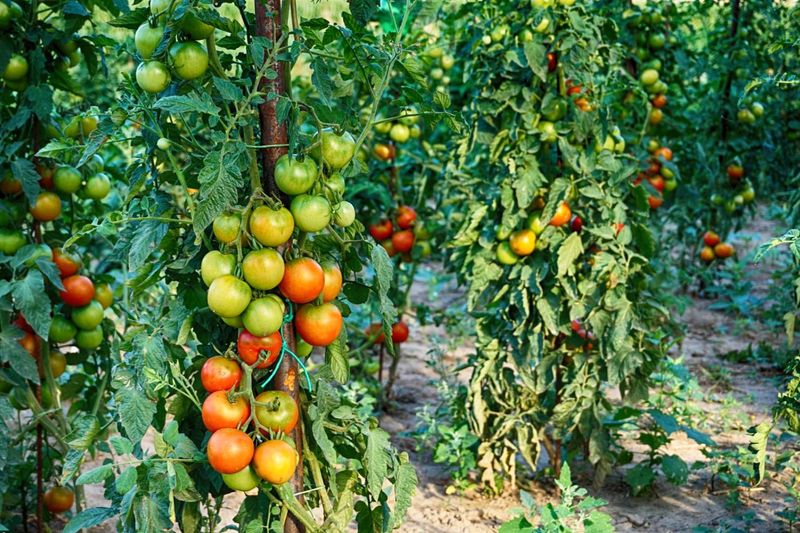
Adequate spacing is crucial for growing healthy beefsteak tomato plants. Crowded conditions can lead to competition for nutrients and increased susceptibility to diseases. Space plants at least 24 to 36 inches apart in rows, ensuring each has ample room to spread. This spacing facilitates air circulation, reducing the likelihood of fungal issues. Staking or caging plants can further support vertical growth, optimizing garden space. Proper spacing is a simple yet effective way to enhance plant health and productivity.
5. Consistent Watering Routine
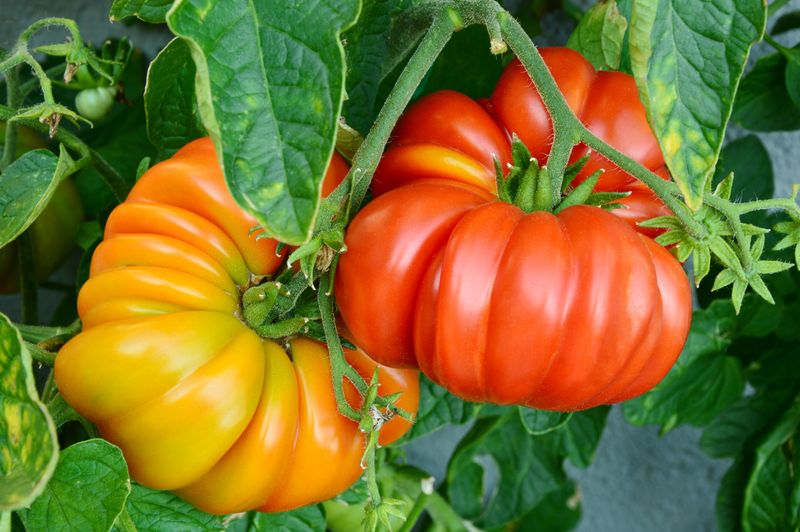
Consistency in watering can greatly influence the growth of beefsteak tomatoes. Aim to water deeply but infrequently, allowing the soil to dry out slightly between sessions. Early morning is the ideal time as it reduces evaporation and fungal risk. Mulching can aid in retaining moisture and minimizing weeds. Avoid overhead watering to keep foliage dry and disease-free. A regular watering routine not only supports healthy plant development but also enhances fruit quality and yield.
6. Mulching Benefits
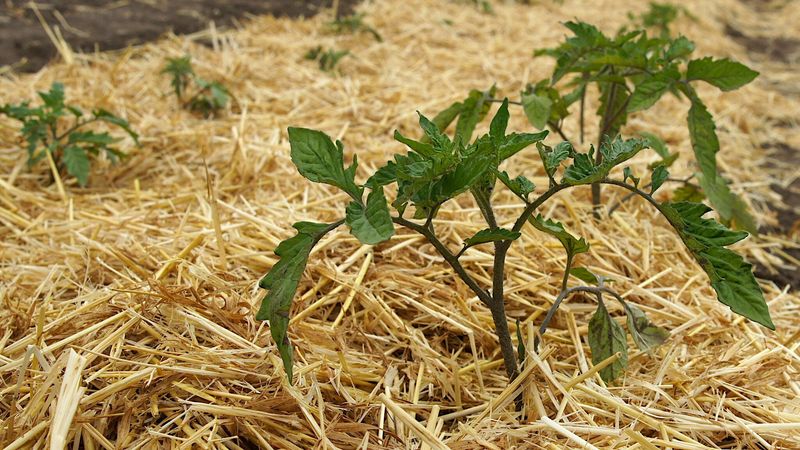
Mulching offers numerous benefits for beefsteak tomato cultivation. It conserves moisture, suppresses weeds, and stabilizes soil temperature. Organic mulches, such as straw or shredded leaves, enrich the soil as they decompose. Apply a 2-3 inch layer around the base of plants, avoiding direct contact with stems. This protective barrier reduces soil erosion and compaction. Mulching is an easy and effective way to improve plant health and boost productivity by maintaining ideal growing conditions.
7. Regular Pruning Practices
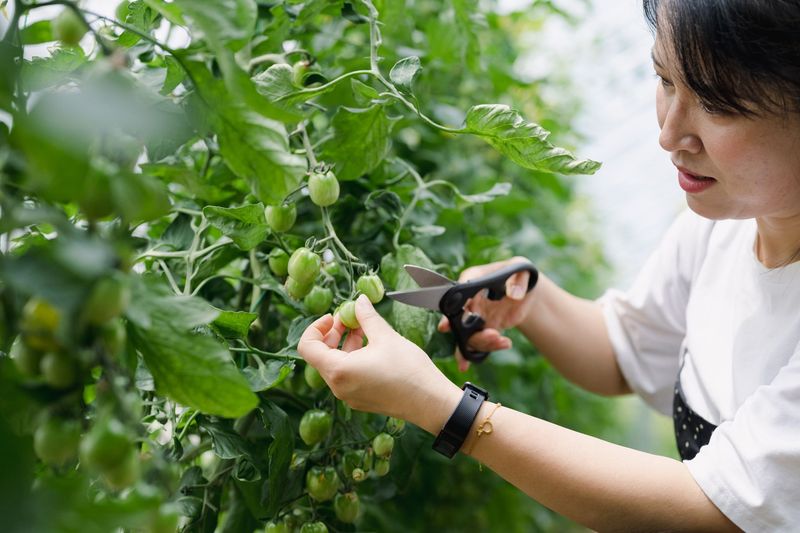
Pruning is vital for maintaining vigorous beefsteak tomato plants. Begin by removing any yellowing leaves or suckers that appear between the main stem and branches. This process improves air circulation and light penetration, essential for healthy growth. Pruning also directs energy toward fruit production rather than excessive foliage. Regularly inspect plants for signs of disease and remove affected parts promptly. Mastering pruning techniques will lead to a more productive tomato plant and a healthier garden environment.
8. Fertilization Strategies
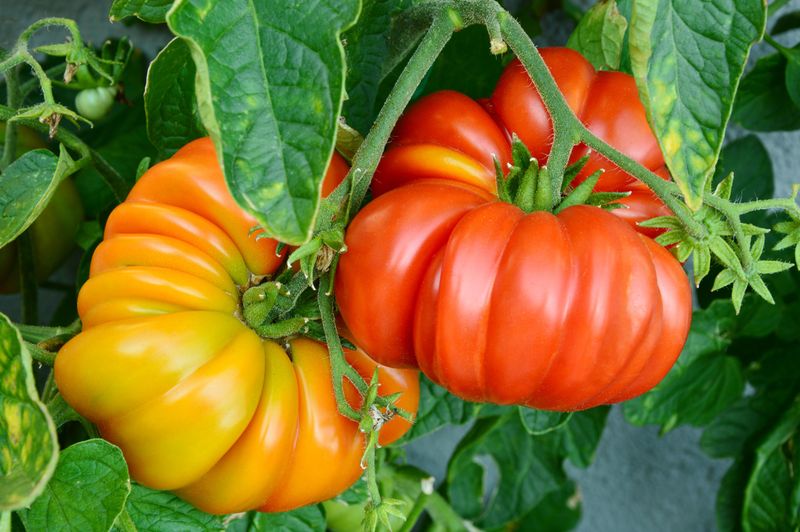
Effective fertilization is key to achieving lush beefsteak tomato plants. Start with a balanced fertilizer when transplanting seedlings outdoors. As plants grow, switch to a phosphorus-rich formula to boost flowering and fruiting. Organic options like compost tea or fish emulsion can provide steady nutrient supply. Monitor plants for signs of nutrient deficiency, such as yellowing leaves, and adjust accordingly. With the right fertilization strategy, your tomatoes will flourish and yield an abundant harvest.
9. Support Structures
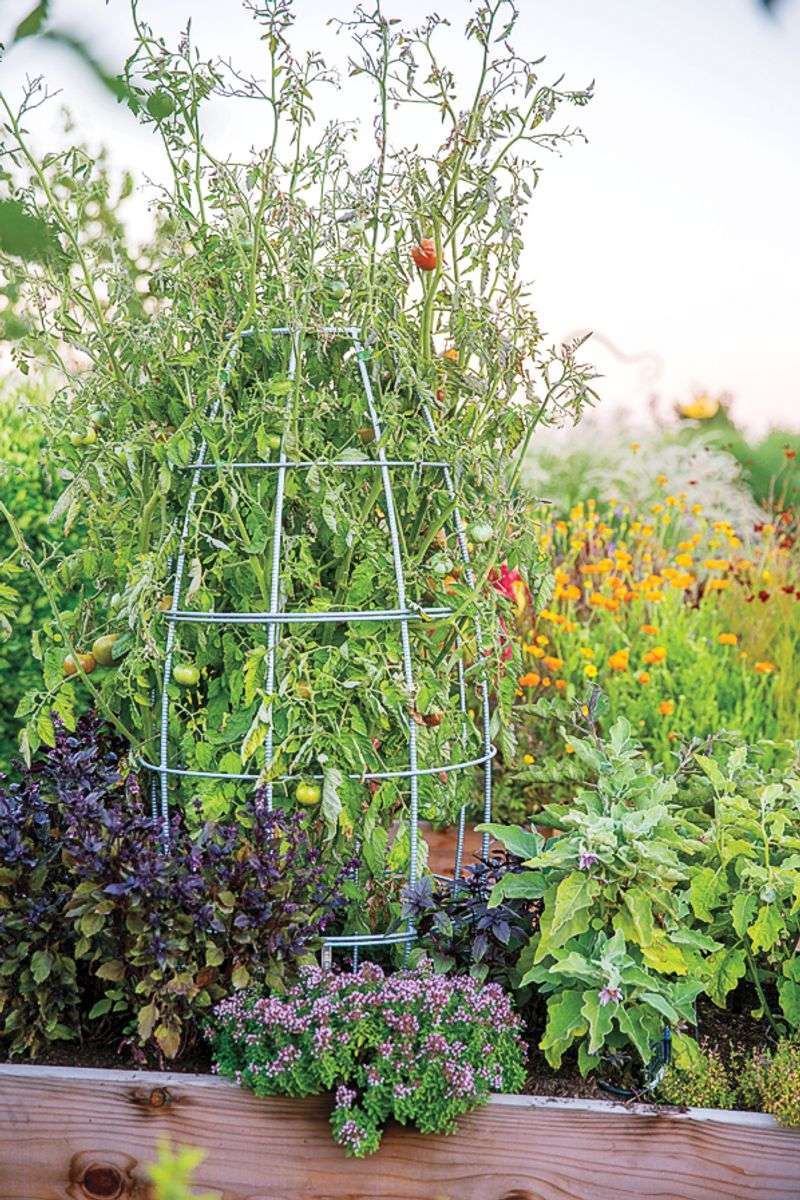
Providing support is essential for beefsteak tomato plants due to their size and weight. Utilize cages, stakes, or trellises to keep plants upright and prevent sprawling. This support minimizes the risk of fruit rot by keeping tomatoes off the ground. Install structures early to avoid root damage later on. Regularly check ties and adjust as plants grow. A well-supported plant has better air circulation, reducing disease risk and improving overall health.
10. Companion Planting Benefits
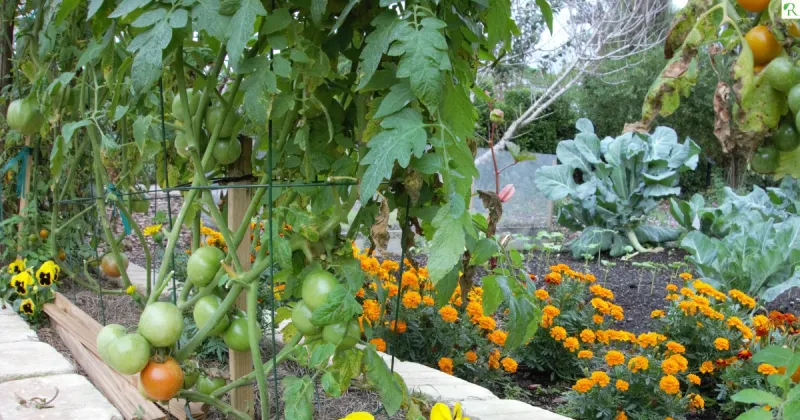
Companion planting can enhance the growth of beefsteak tomatoes by attracting beneficial insects and deterring pests. Planting basil nearby can improve flavor and repel harmful insects. Marigolds add a splash of color while protecting against nematodes. Avoid planting tomatoes near members of the brassica family, as they can hinder growth. Strategic companion planting fosters a balanced garden ecosystem, promoting healthier plants and a bountiful harvest.
11. Disease Prevention Techniques
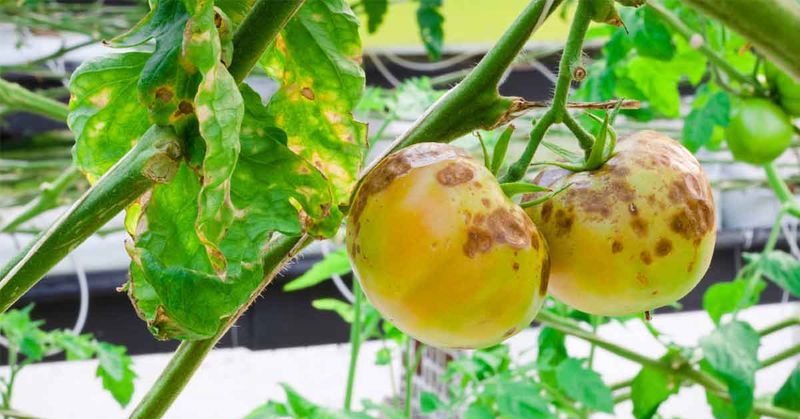
Proactively preventing disease is crucial for thriving beefsteak tomatoes. Rotate crops annually to avoid pathogen build-up in the soil. Inspect plants regularly for early signs of disease such as spots or wilting. Remove affected leaves immediately and dispose of them, don’t compost. Applying a fungicide can be a precautionary measure if conditions are favorable for disease. Consistent preventive care ensures a healthier, more productive tomato plant throughout the growing season.
12. Pest Management
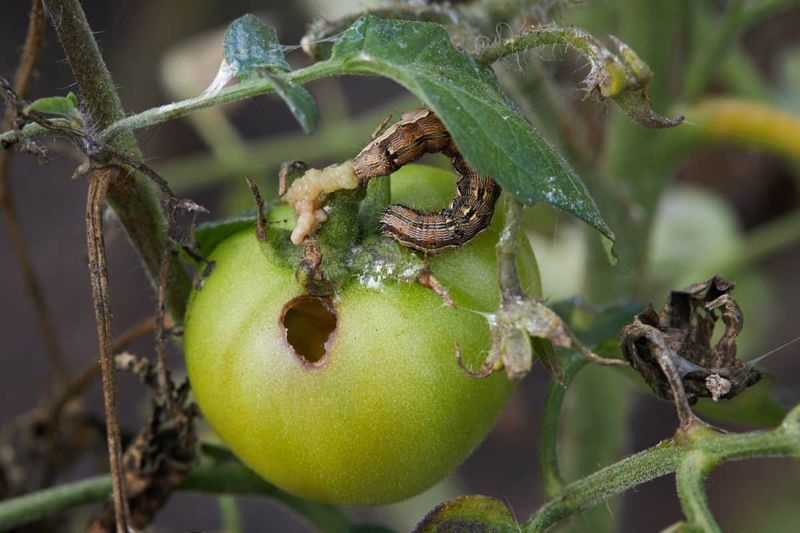
Managing pests naturally is vital for healthy beefsteak tomatoes. Encourage beneficial insects like ladybugs and lacewings, which prey on aphids and other pests. Hand-pick larger pests, such as tomato hornworms, from plants. Insecticidal soap or neem oil can be used for severe infestations. Maintain garden hygiene by clearing debris that could harbor pests. By fostering a balanced ecosystem, you reduce the need for chemical interventions and promote vigorous plant growth.
13. Harvesting at Peak Ripeness
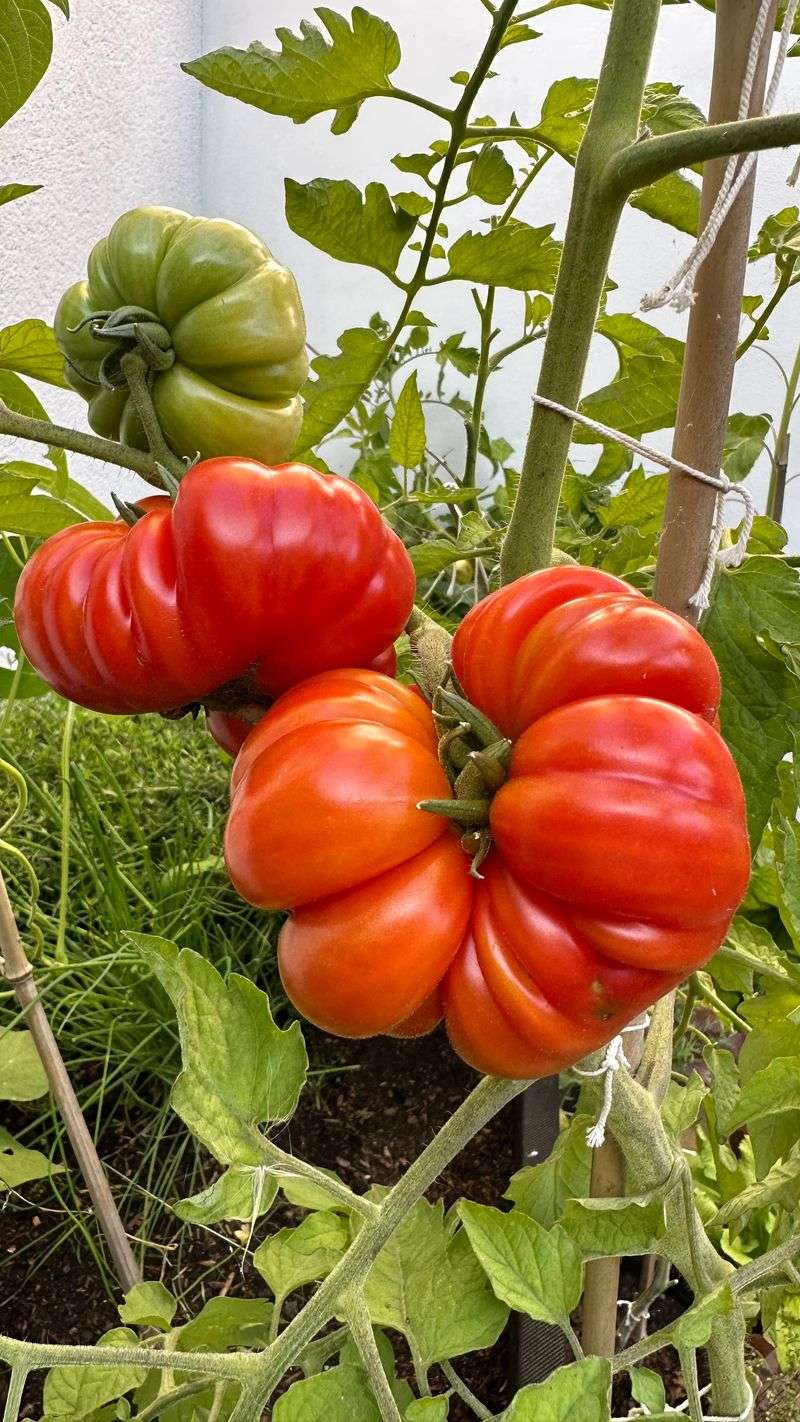
Timing your harvest is crucial for the best flavor and texture of beefsteak tomatoes. Pick tomatoes when they are fully red and slightly soft to touch. A gentle twist should easily separate the fruit from the vine. If frost threatens, harvest green tomatoes and allow them to ripen indoors. Regular picking encourages further fruiting, extending the harvest season. Properly timed harvesting not only enhances taste but also ensures a continuous supply of delicious tomatoes.
14. Saving Seeds for Next Season
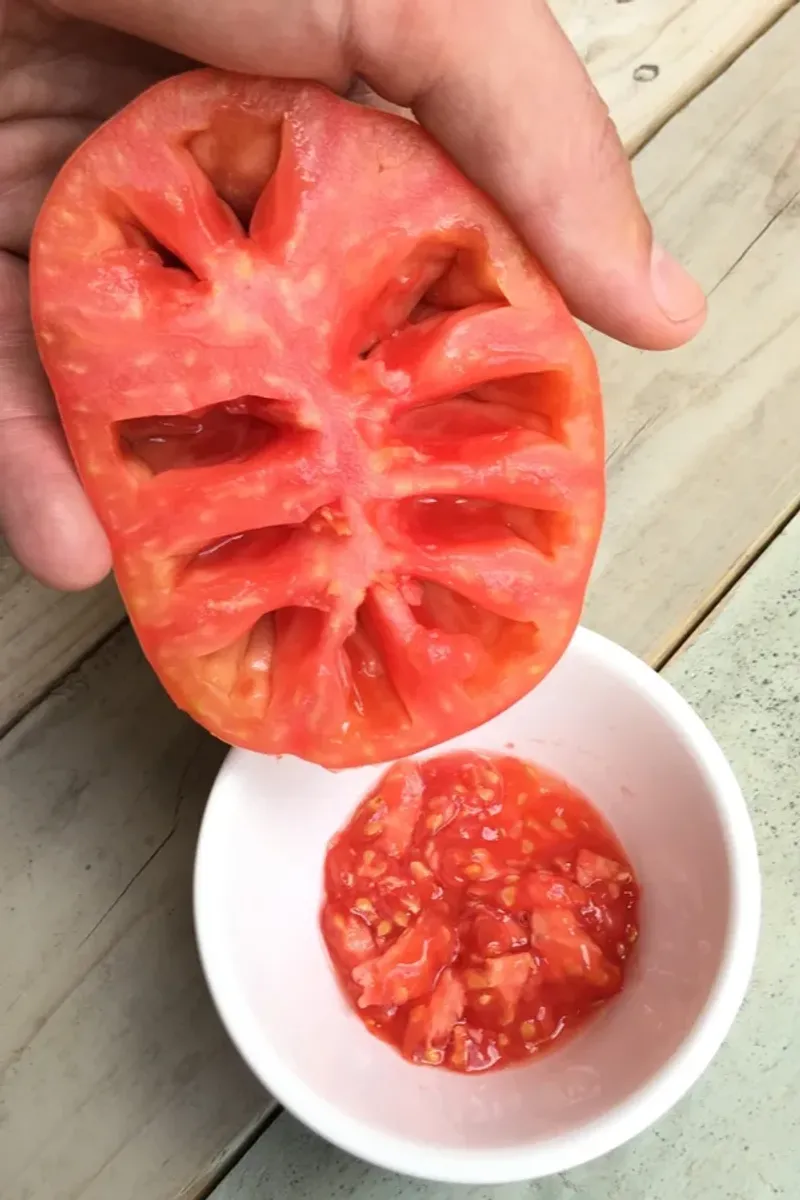
Saving seeds from your best beefsteak tomatoes ensures future crops retain desirable traits. Choose ripe, healthy tomatoes to extract seeds. Rinse seeds and allow them to ferment in water for a few days; this helps remove the gelatinous coating. Dry seeds thoroughly before storing in a cool, dark place. Label with the variety and date for future reference. Seed saving is an economical way to sustain your garden and preserve plant characteristics you love.
15. Extending the Growing Season
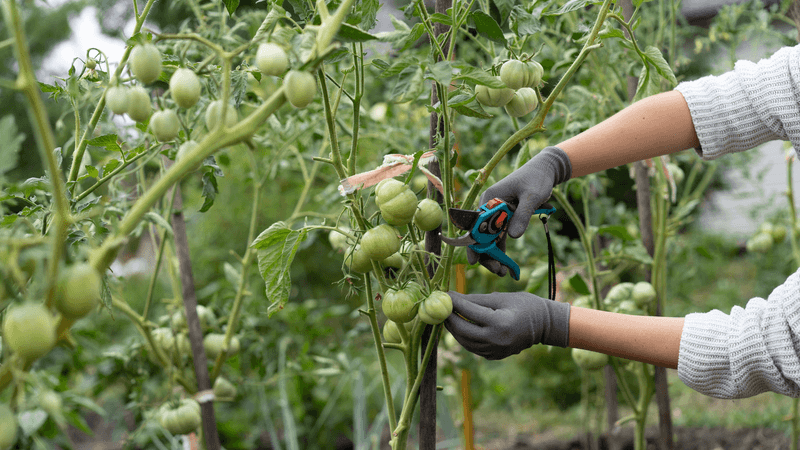
Extending the growing season allows for a longer harvest of beefsteak tomatoes. Employ row covers or cold frames to protect plants from early frost. Choose early-maturing varieties to maximize yield before cooler weather sets in. Consider succession planting to stagger harvests and avoid a glut of tomatoes all at once. By creatively managing the growing season, you enjoy fresh tomatoes longer, even as temperatures drop.