
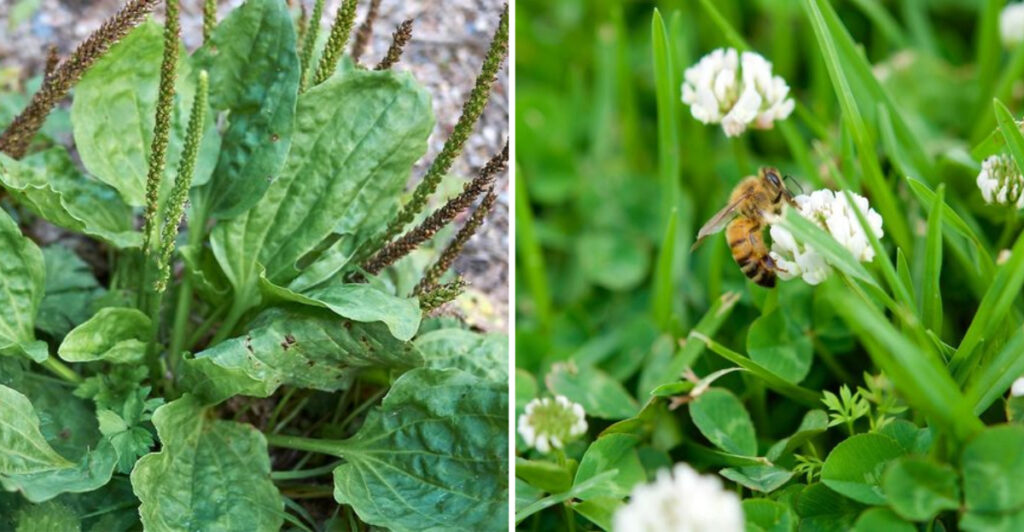
In the world of gardening, not all weeds are foes. Some of these persistent plants offer surprising benefits, from enhancing soil quality to supporting local wildlife. Instead of uprooting them, consider how these ‘weeds’ can actually serve a greater purpose in your garden ecosystem.
1. Dandelion
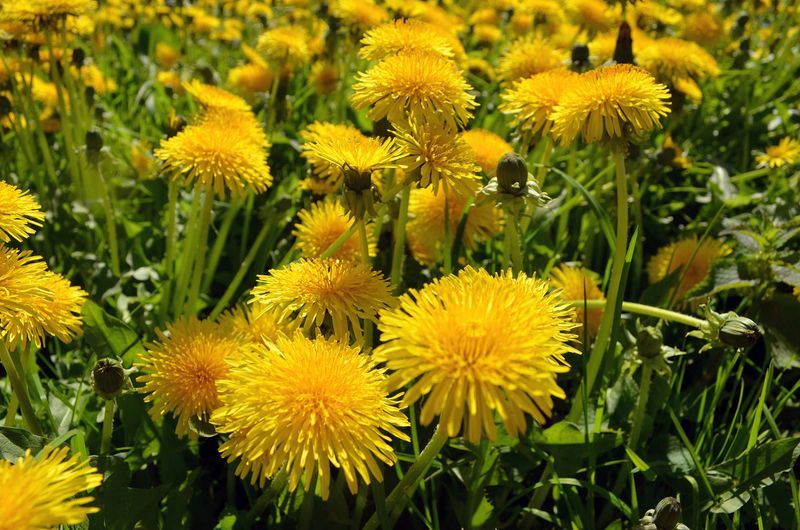
With its bright golden flowers and jagged leaves, the dandelion is more friend than foe. Historically used in salads and teas, this versatile plant offers both nutritional and medicinal benefits. Its roots can be roasted for a caffeine-free alternative to coffee, while its leaves add a peppery twist to greens. Dandelions also play a crucial role in aerating the soil, their deep taproots breaking up compacted earth. Furthermore, they attract bees and other pollinators, supporting biodiversity in your garden. Rather than pulling them out, embrace their cheerful presence and ecological contributions.
2. Clover
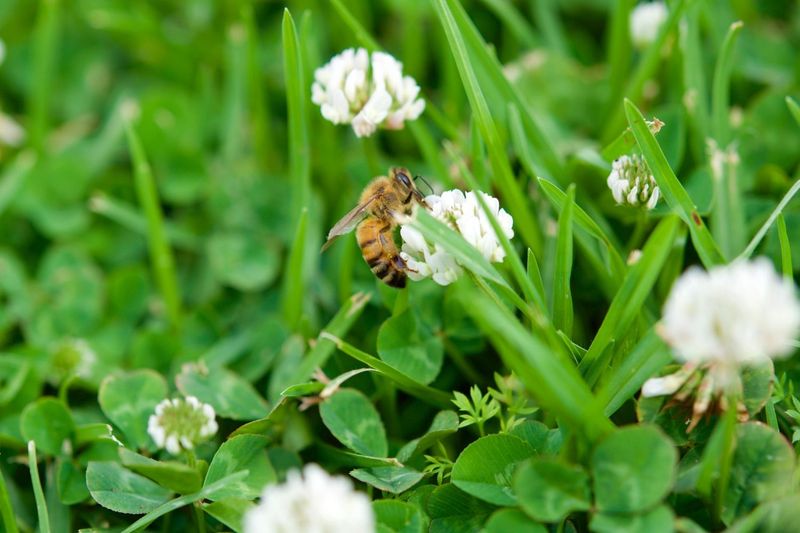
Clover, with its trifoliate leaves and occasional burst of white or pink flowers, is a gardener’s unsung hero. Known for its ability to fix nitrogen, clover enriches the soil, reducing the need for chemical fertilizers. This low-growing plant creates a soft, green carpet that competes with more aggressive weeds, providing an attractive ground cover. Its flowers are a food source for bees, especially when other blooms are scarce. Beyond its ecological benefits, clover symbolizes luck and prosperity, making it a charming addition to any garden space.
3. Plantain
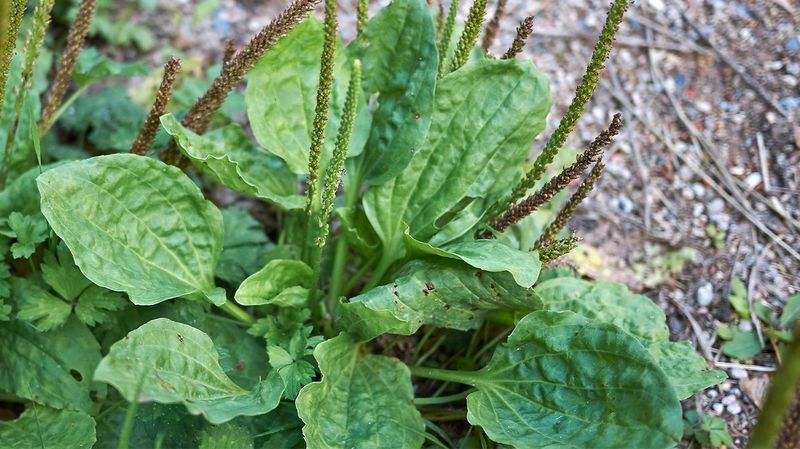
Plantain may seem unassuming, but its broad, ribbed leaves are a powerhouse of potential. This common weed is renowned for its healing properties, often used to soothe insect bites and minor injuries. Rich in vitamins and minerals, plantain can be eaten raw or cooked, adding nutritional value to your meals. Its presence in the garden speaks to its resilience and ability to thrive in various conditions. As it grows, plantain also improves soil structure, making it a beneficial companion in any garden setting.
4. Chickweed
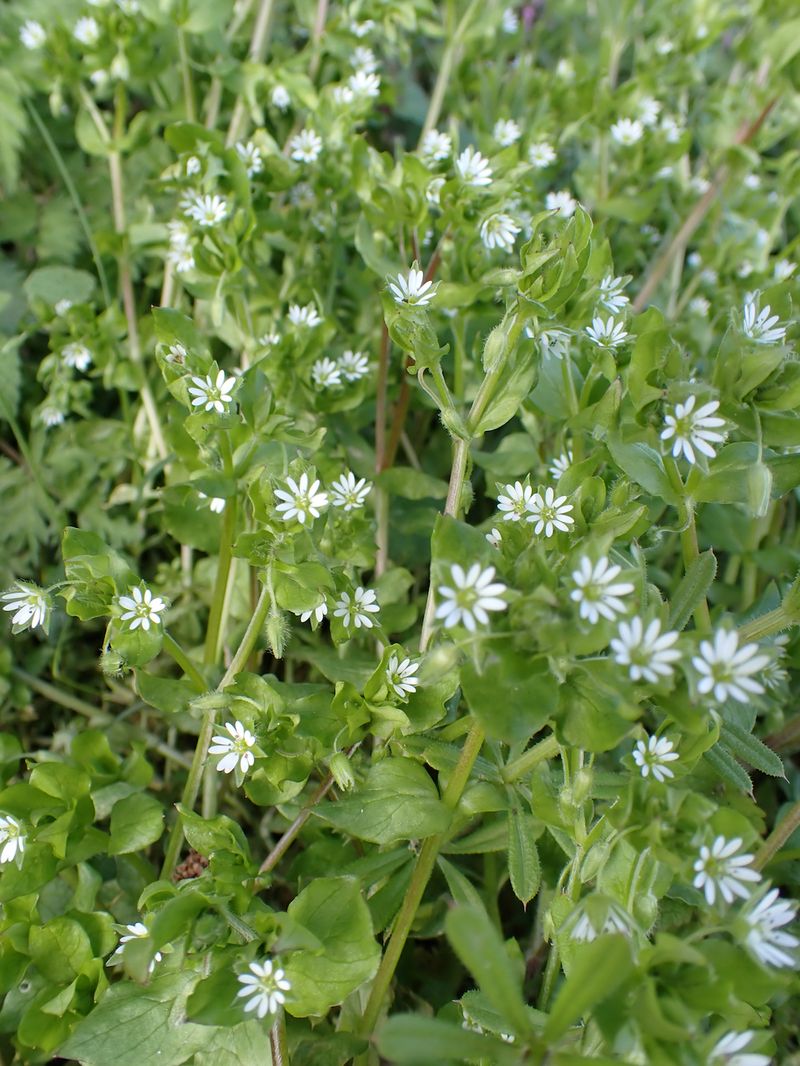
Chickweed is a delicate, low-growing plant with small, star-like white flowers. Often overlooked, this weed is a nutritional powerhouse, rich in vitamins and minerals. It’s a favorite in herbal medicine, known to relieve inflammation and support skin health. Chickweed’s presence can indicate healthy soil, and it serves as a living mulch, protecting against erosion. Its tender leaves are edible, making a nutritious addition to salads and smoothies. Embrace chickweed’s gentle nature, and you’ll find it offers more than meets the eye.
5. Nettle
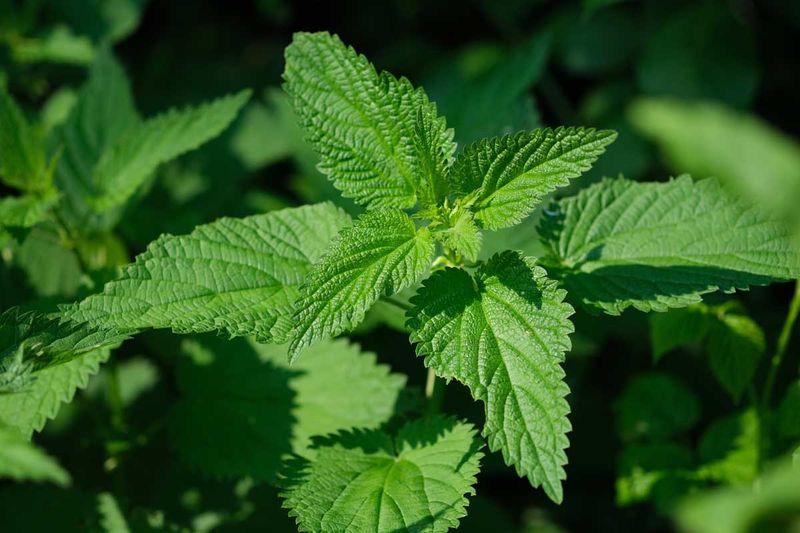
Though often avoided due to its sting, nettle boasts a wealth of benefits. Historically, it’s been used for its anti-inflammatory properties, and it’s rich in iron and vitamins. Nettle’s fibers can be spun into a durable fabric, showcasing its versatility. In the garden, it acts as a dynamic accumulator, pulling nutrients from deep within the soil to benefit surrounding plants. Despite its prickles, nettle is a friend to wildlife, providing habitat and food. Handling with care, you might find nettle a surprisingly advantageous ally.
6. Lamb’s Quarters
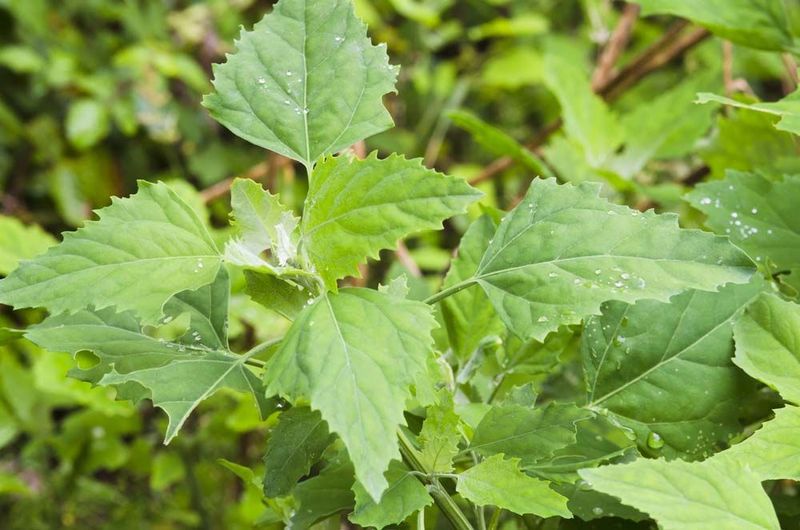
Lamb’s quarters, often mistaken for a mere weed, is a nutritional giant. Its leaves, dusted with a white, powdery coating, are rich in vitamins A, C, and calcium. Often called wild spinach, it offers a tender and flavorful alternative in salads or cooked dishes. Beyond the kitchen, lamb’s quarters improve soil health by accumulating essential nutrients. Their deep roots help to aerate the soil, making them valuable companions in the garden. Embrace lamb’s quarters as both a culinary delight and a garden enhancer.
7. Purslane
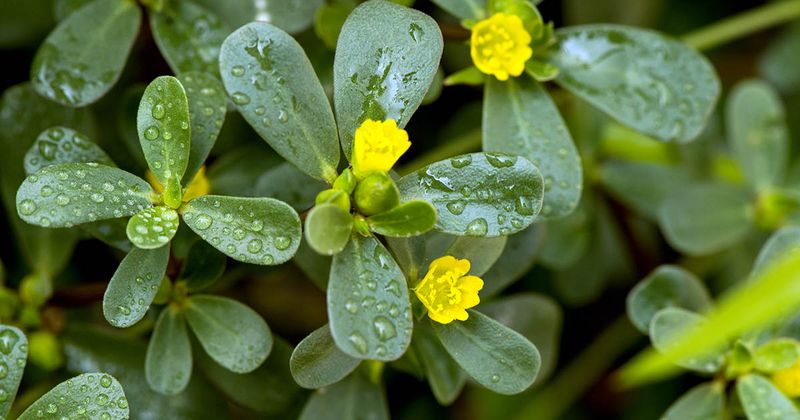
Purslane’s succulent leaves and tangy flavor make it a unique addition to the garden. This low-growing plant thrives in poor soil, acting as a living mulch to conserve moisture and suppress other weeds. Its omega-3 fatty acids content is a rare find in the plant world, making purslane a nutritious, crunchy addition to salads. In the garden, its sprawling nature protects against erosion and provides a lush, green cover. Celebrated for its resilience, purslane is both a culinary gem and a garden protector.
8. Violet
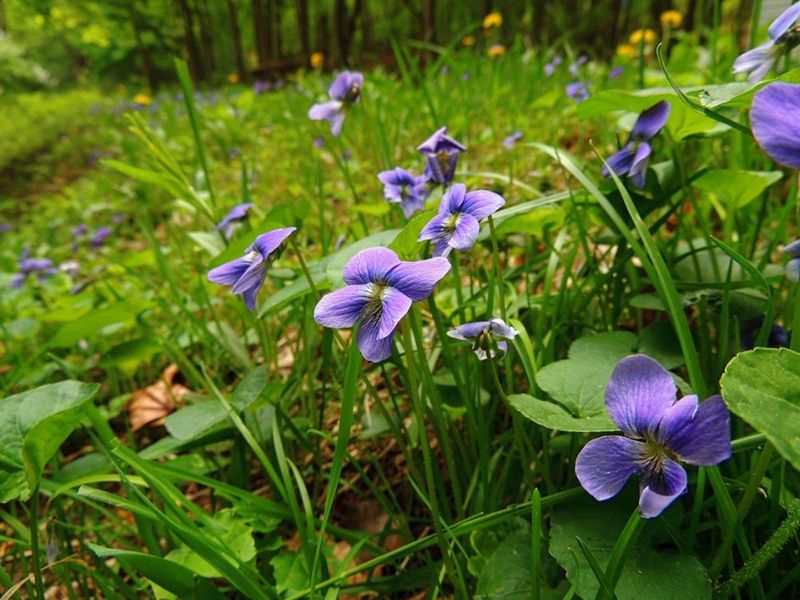
Violets, with their charming purple flowers and heart-shaped leaves, are more than just a pretty face. Rich in vitamin C, these edible blooms add a pop of color to salads and desserts. In the garden, violets act as ground cover, preventing erosion and retaining soil moisture. Their roots help improve soil structure, while their flowers attract pollinators like bees and butterflies. Embrace their understated elegance and watch them quietly support your garden’s health and biodiversity.
9. Borage
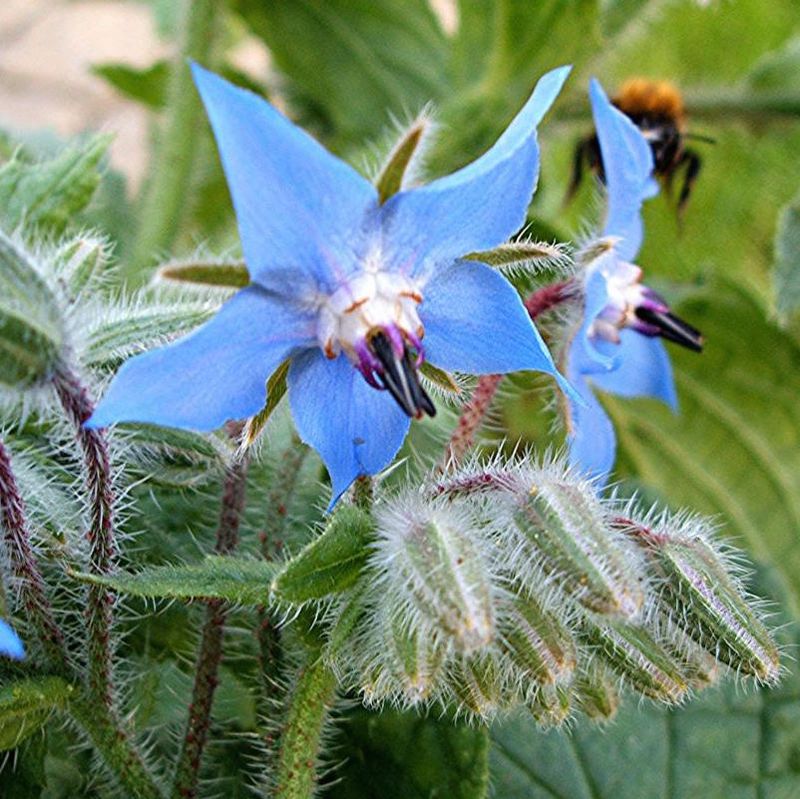
Borage, known for its striking blue flowers and fuzzy leaves, is a garden standout. Its star-shaped blooms are not only visually appealing but also edible, adding a cucumber-like flavor to drinks and dishes. In the garden, borage is a superstar for attracting pollinators, especially bees. Additionally, it helps to improve soil quality by accumulating minerals. This annual plant is self-seeding, ensuring its return year after year. Borage’s beauty and benefits make it a cherished addition to any green space.
10. Shepherd’s Purse
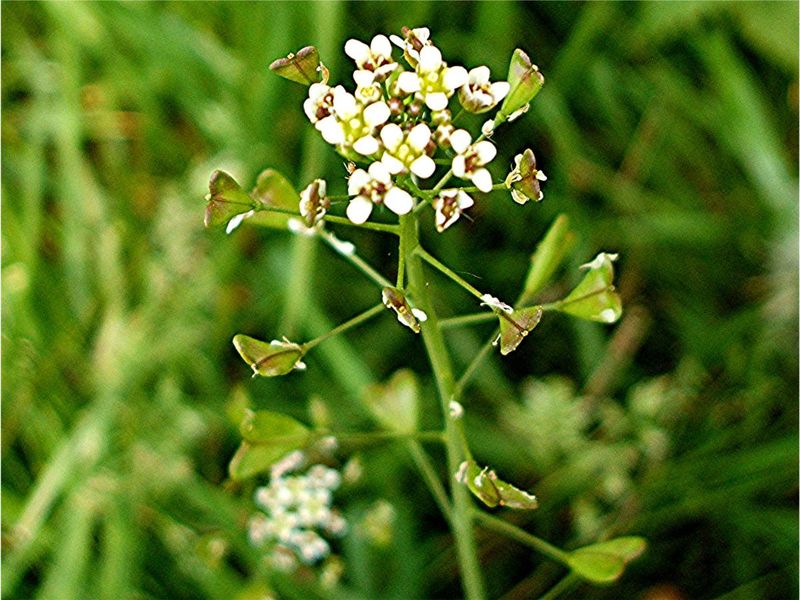
Shepherd’s purse, named for its heart-shaped seed pods, is a plant of many uses. It has a storied history in herbal medicine, known for its ability to treat wounds and stop bleeding. In the culinary world, its peppery leaves add a distinct flavor to salads. Shepherd’s purse thrives in a variety of soils, often appearing in disturbed areas, where it helps prevent erosion. This resilient plant attracts beneficial insects, contributing to a balanced garden ecosystem. Its unassuming presence belies a wealth of advantages.
11. Yarrow
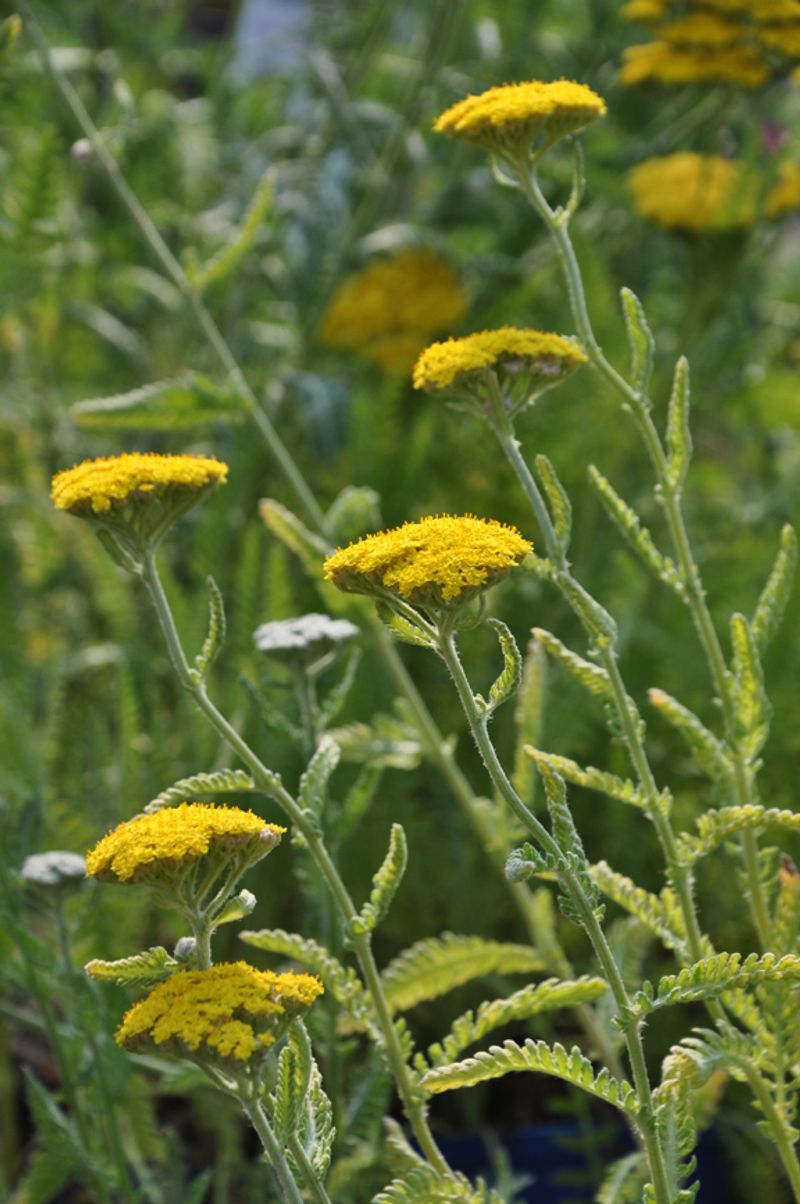
Yarrow’s feathery leaves and clusters of tiny flowers are a delightful sight in any garden. Known for its medicinal properties, yarrow is often used to treat wounds and fevers. This hardy perennial is a natural insect repellent, discouraging pests while attracting beneficial predators. Its deep roots help to aerate the soil, improving drainage. Yarrow’s drought-resistant nature makes it a valuable plant in sustainable gardening practices. Its quiet strength and healing presence earn it a place of honor among garden companions.
12. Creeping Charlie
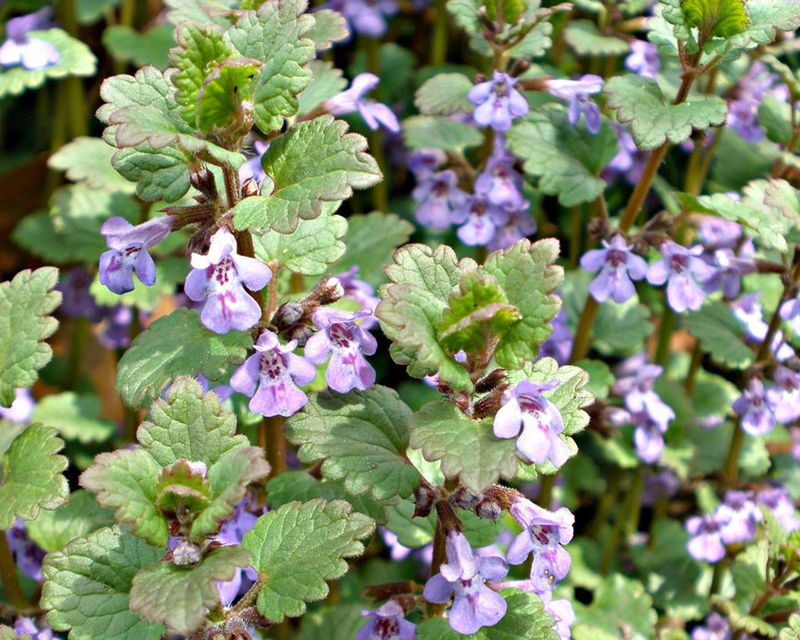
Creeping Charlie, or ground ivy, is often considered a nuisance, yet it offers unexpected garden benefits. Its sprawling nature provides excellent ground cover, preventing erosion and suppressing more aggressive weeds. The small purple flowers attract bees and other pollinators, supporting biodiversity. Creeping Charlie can also be used in teas for its mild medicinal properties, aiding in digestion and respiratory health. Embrace its tenacity and discover a plant that quietly contributes to the garden’s vitality.
13. Mullein
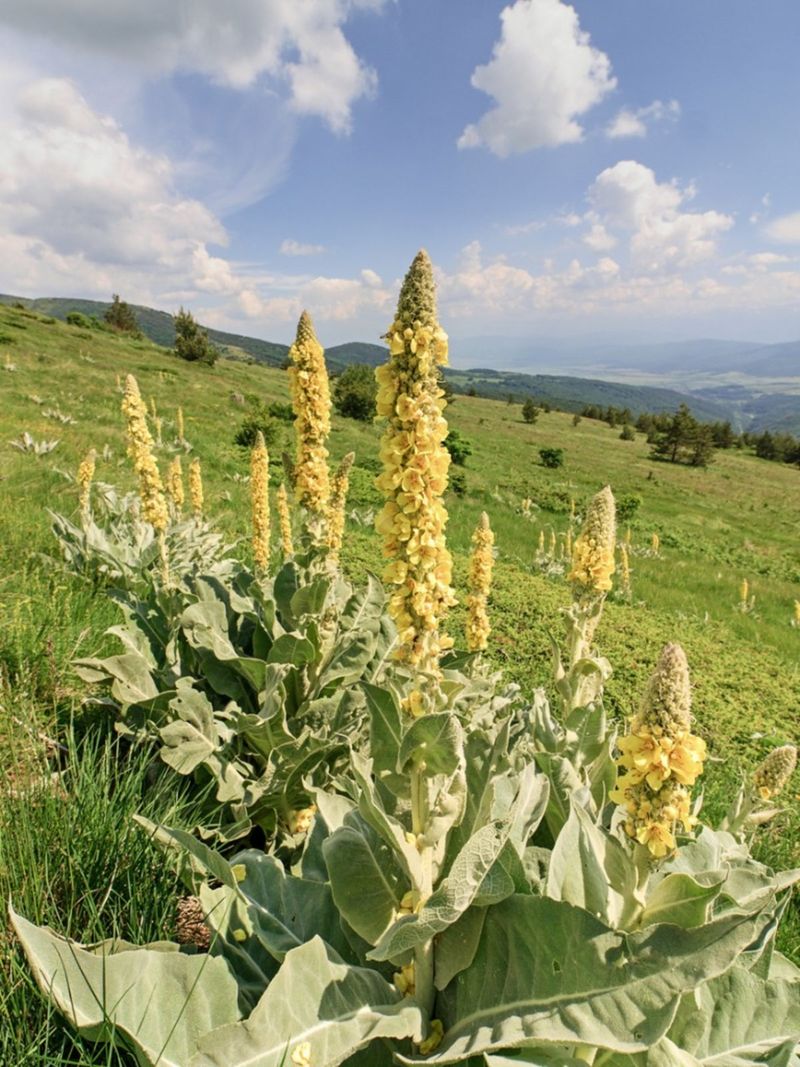
Mullein stands tall with its woolly leaves and towering spikes of yellow flowers. Historically, it’s been used in herbal remedies for respiratory ailments. In the garden, mullein acts as a soil conditioner, with its deep roots breaking up compacted earth. The plant’s towering presence provides structure and interest to garden landscapes. Mullein’s flowers attract a variety of pollinators, contributing to a thriving ecosystem. Its stately form and gentle beauty make it a plant that commands attention and respect.
14. Sorrel
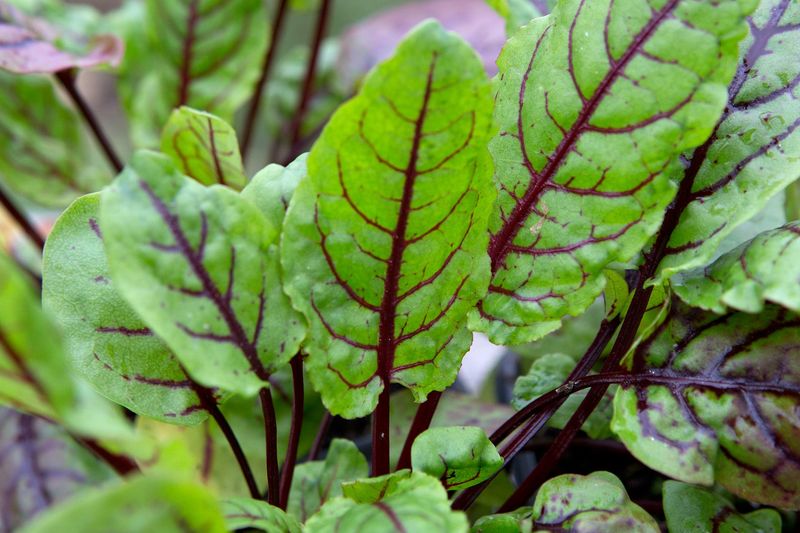
Sorrel’s tangy, lemony flavor makes it a unique addition to culinary dishes. This hardy perennial thrives in diverse conditions, providing a reliable source of fresh greens. Sorrel’s arrow-shaped leaves are high in antioxidants and vitamins. In the garden, it serves as a companion plant, deterring pests and attracting beneficial insects. Its lush, green foliage adds texture to garden beds, while its resilience makes it a steadfast garden ally. Sorrel’s culinary and ecological benefits make it a valued presence in any garden.
15. Yarrow
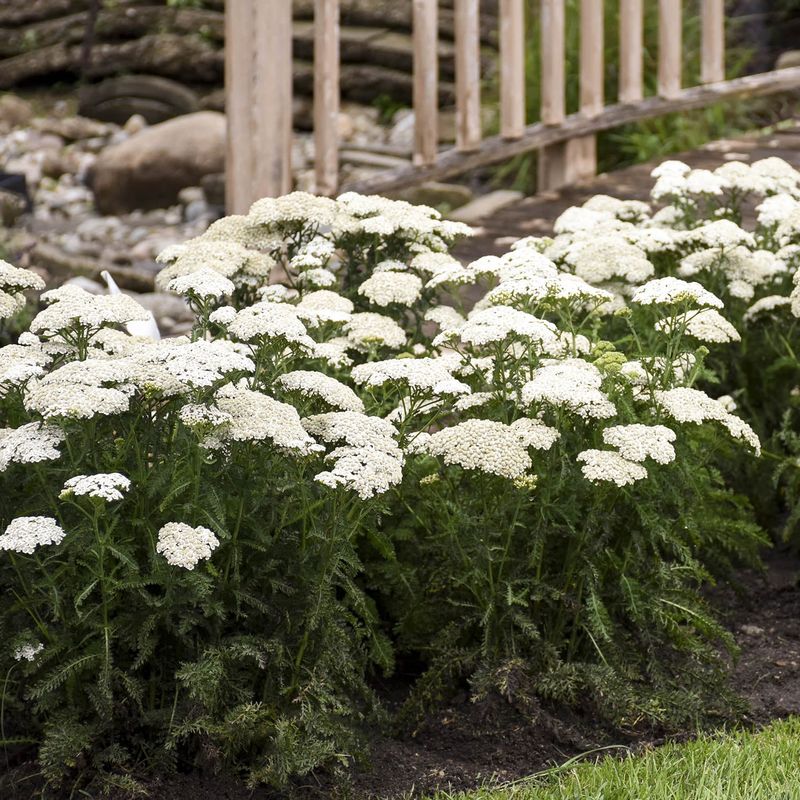
Yarrow is a resilient plant with a rich history in traditional medicine. Its feathery leaves and clusters of white flowers make it an attractive garden addition. Yarrow is known for its ability to promote healing and reduce inflammation, often used in herbal remedies. In the garden, it attracts beneficial insects and improves soil health. This drought-tolerant plant thrives in poor soil conditions, making it a reliable choice for sustainable gardening practices. Yarrow’s understated beauty and practical benefits earn it a place in any garden.
16. Wood Sorrel
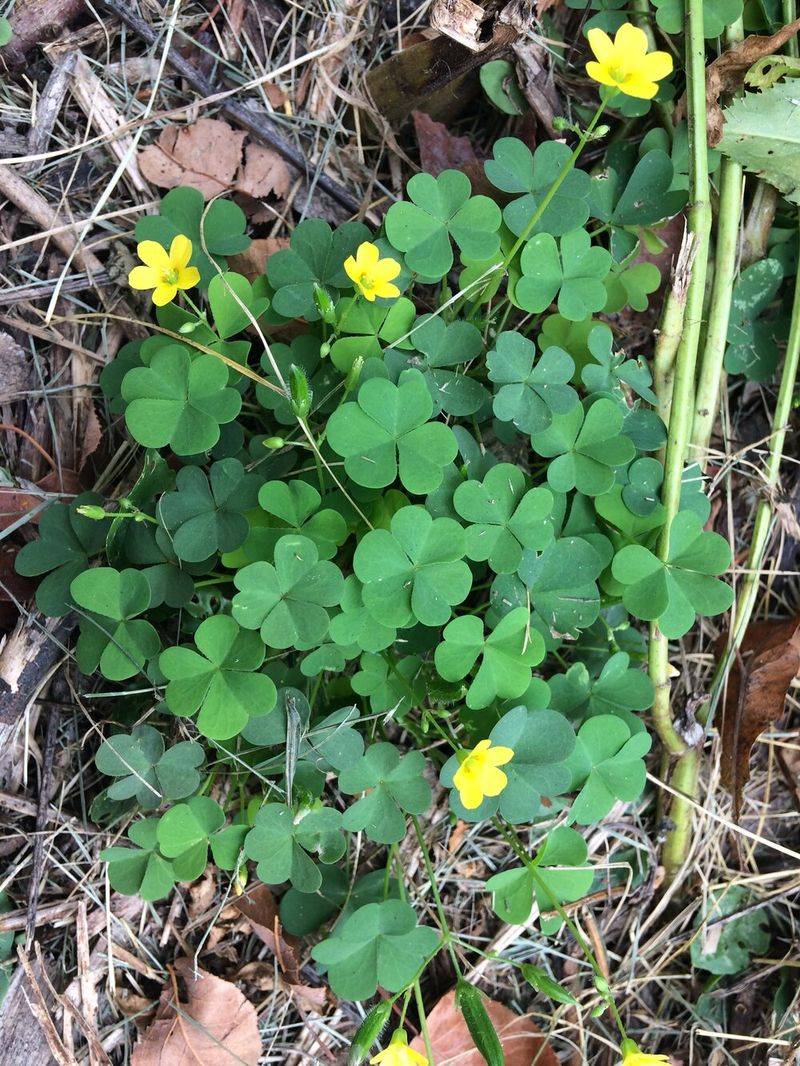
Wood sorrel’s heart-shaped leaves and bright yellow flowers bring a touch of whimsy to any garden. Often mistaken for clover, this plant offers a delightful, tangy flavor in its leaves, enjoyed in salads and garnishes. Wood sorrel thrives in shaded areas, providing ground cover and preventing soil erosion. Its presence in the garden is a testament to its adaptability and resilience. Beyond its culinary uses, wood sorrel attracts pollinators, supporting a healthy garden ecosystem. Embrace its charm and versatility.
17. Ground Elder
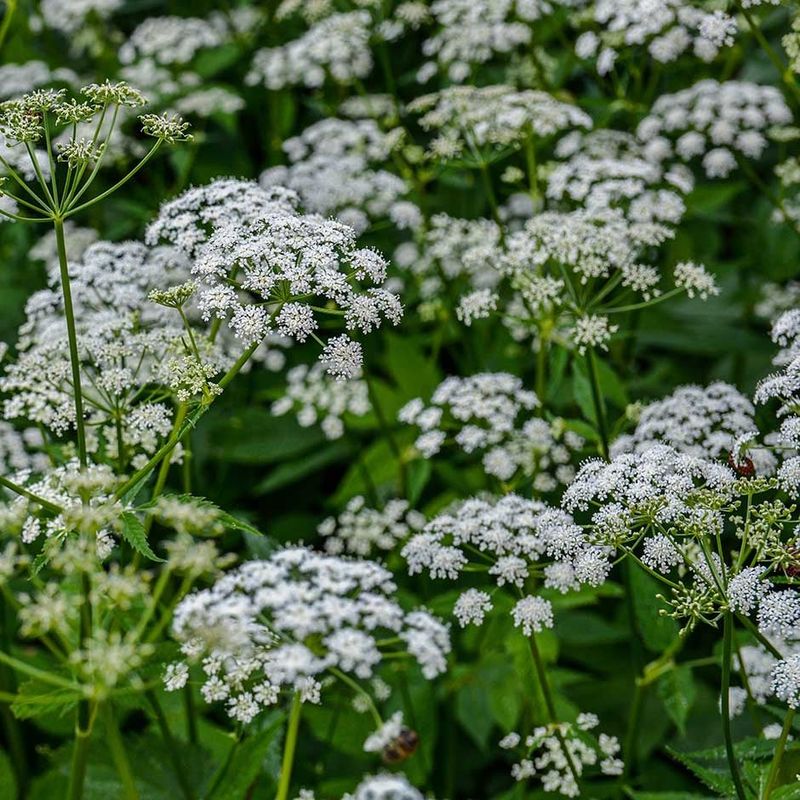
Ground elder, often seen as a persistent weed, holds surprising benefits for both kitchen and garden. Its young leaves, with a flavor reminiscent of parsley, are a tasty addition to salads and soups. Ground elder’s aggressive growth can be an asset, providing a lush ground cover that suppresses other weeds. In the garden, it helps improve soil structure and attracts beneficial insects. Despite its reputation, ground elder’s culinary potential and ecological advantages make it a plant worth reconsidering.
18. Goldenrod
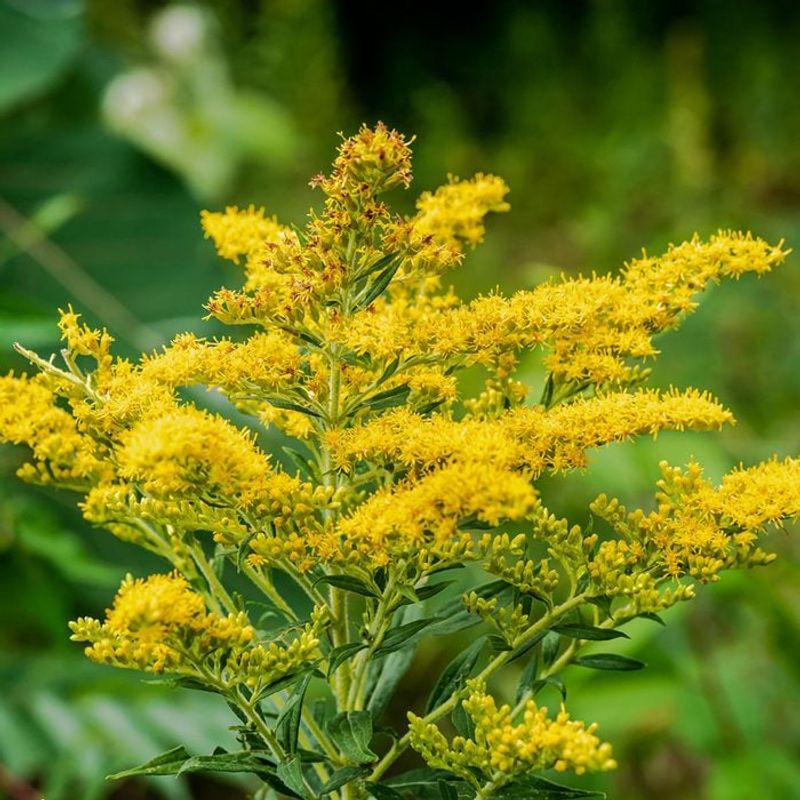
Goldenrod’s vibrant yellow blooms are a beacon for pollinators, especially bees and butterflies. Often misconstrued as an allergen, it’s actually a valuable garden inhabitant. Goldenrod’s deep roots help stabilize soil, reducing erosion and improving nutrient availability. Its flowers and leaves have been used in herbal medicine to alleviate inflammation and promote healing. As an ornamental plant, goldenrod adds height and a splash of color to garden landscapes. Its resilience and ecological benefits make it a treasured garden ally.
19. Self-Heal
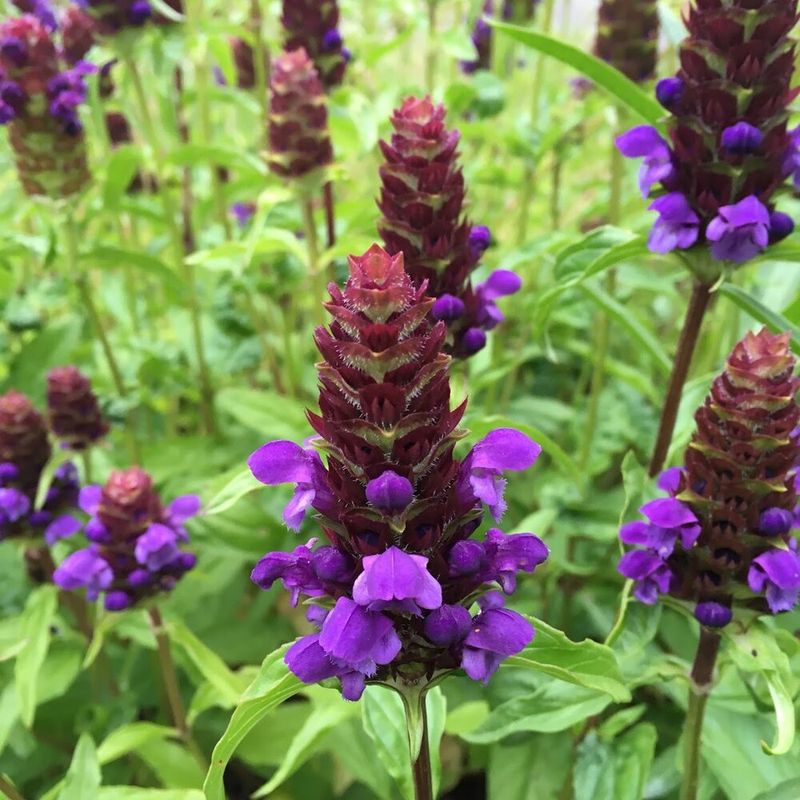
Self-heal, with its purple flower spikes, is a charming and multifunctional garden plant. Known for its medicinal properties, it’s traditionally used to treat wounds and sore throats. In the garden, self-heal thrives in a variety of conditions, providing ground cover and supporting soil health. Its flowers attract bees and butterflies, enhancing pollination and biodiversity. Self-heal’s unassuming presence belies its powerful healing potential and ecological contributions, making it a plant worth nurturing in any garden setting.
20. Comfrey
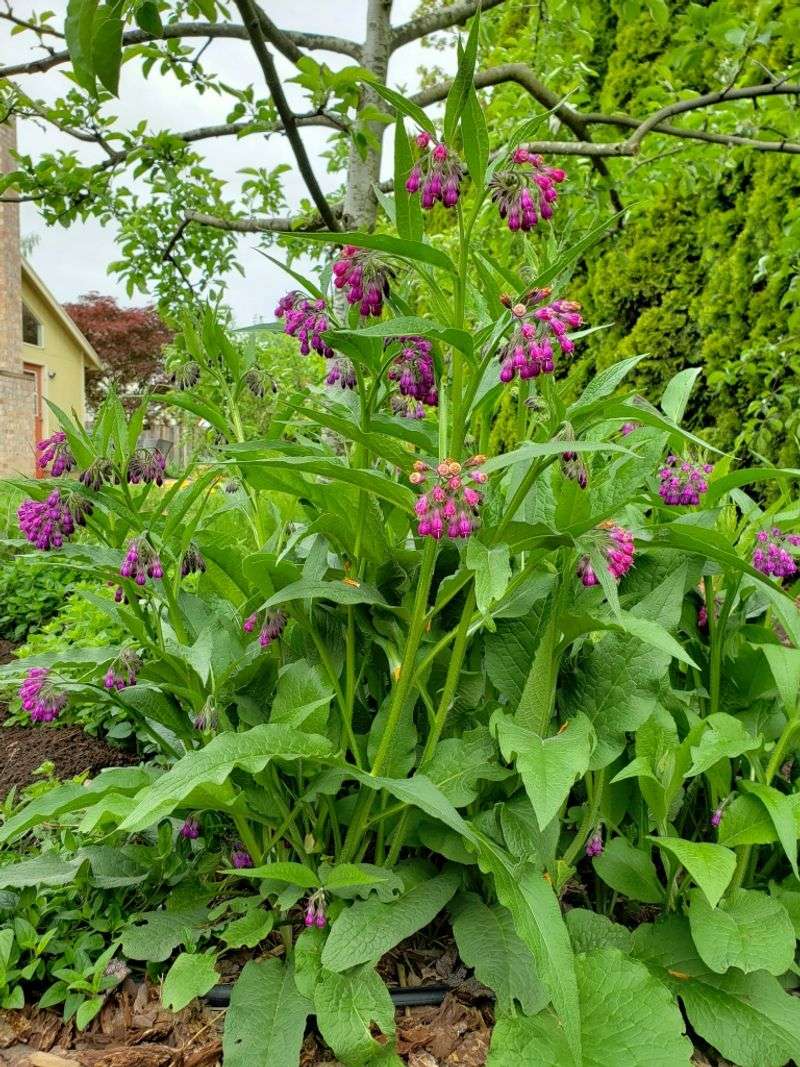
Comfrey’s large, fuzzy leaves and bell-shaped flowers bring both beauty and utility to the garden. A renowned compost activator, comfrey adds essential nutrients to soil and compost piles. Its deep roots draw up minerals, enriching the surrounding earth. Historically, comfrey has been used to speed wound healing and reduce inflammation. As a companion plant, it nurtures adjacent growth and attracts pollinators. Comfrey’s prolific nature and myriad benefits make it a cornerstone of sustainable gardening practices.
21. Bindweed
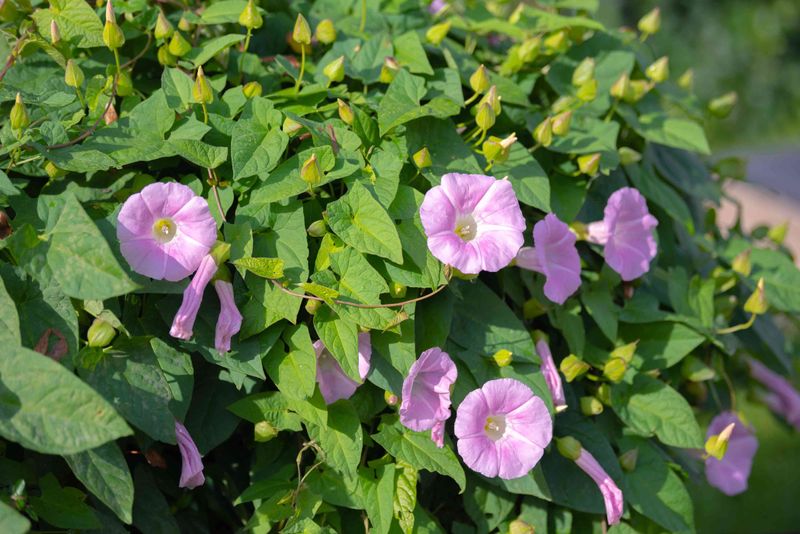
Bindweed, often seen as a troublesome climber, holds hidden benefits for the ecosystem. Its twining stems and trumpet-shaped flowers provide habitat and nectar for pollinators. As a vigorous ground cover, bindweed helps prevent soil erosion and retains moisture. While its rapid growth requires management, it can be a useful companion plant for stabilizing garden beds. Embrace its tenacity and discover a plant that contributes to a thriving, balanced garden environment.
22. Oxeye Daisy
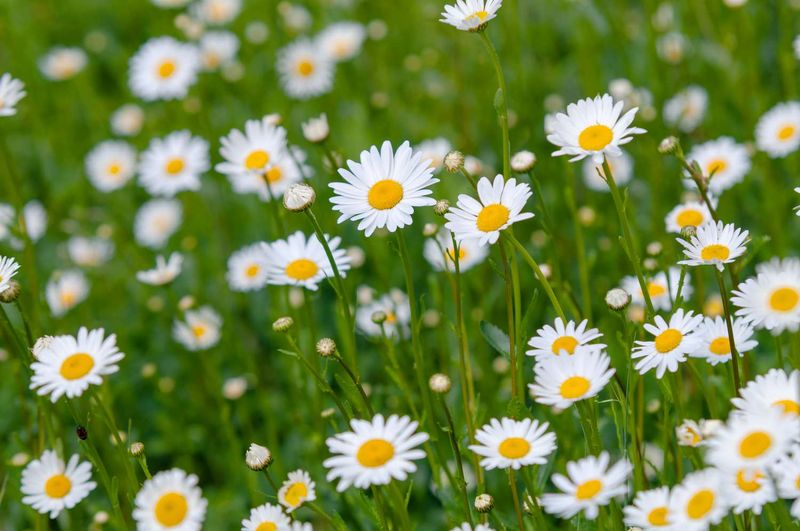
The oxeye daisy, with its cheerful white petals and sunny yellow centers, brightens any landscape. Beyond its visual appeal, it offers ecological benefits by attracting pollinators and providing food for beneficial insects. Its presence can indicate healthy soil, as it thrives in well-drained areas. Oxeye daisy’s hardiness makes it a low-maintenance addition, requiring minimal care while offering maximum aesthetic delight. Its classic beauty and ecological contributions make it a beloved choice for gardeners seeking a sustainable approach.
23. Red Clover
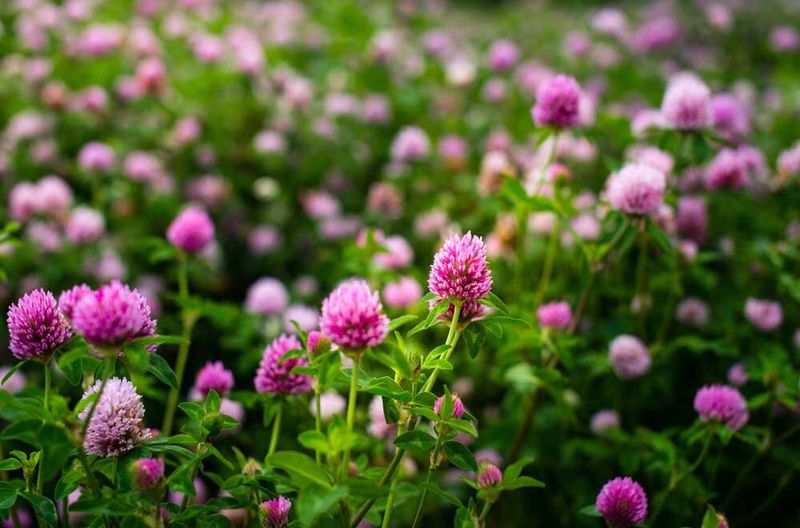
Red clover’s vibrant pink flowers are more than just ornamental. This plant is a natural nitrogen fixer, enriching the soil and supporting sustainable gardening practices. Its flowers, often used in herbal teas, are known for their anti-inflammatory properties. Red clover attracts a variety of pollinators, enhancing biodiversity in the garden. Its ability to thrive in poor soil conditions makes it a resilient and valuable garden companion. Embrace red clover for its beauty and its substantial ecological impact.