
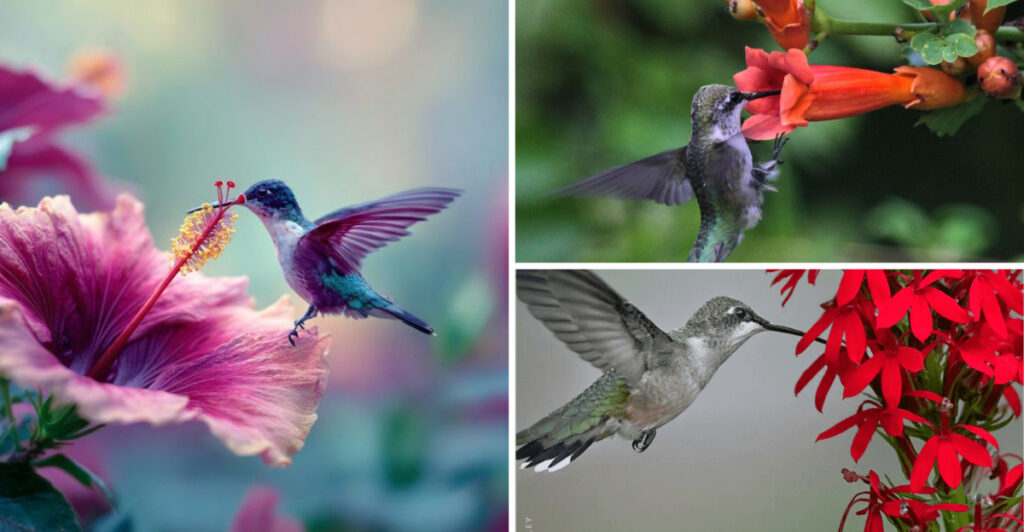
Hummingbirds are known for their iridescent beauty and energetic flight. Attracting them to your garden requires planting the right flowers. Here we explore 16 plants that are irresistible to these charming creatures. Each plant has unique features that attract hummingbirds, providing the nectar they seek. This guide will not only enhance your garden’s aesthetic but also create a vibrant habitat for hummingbirds.
1. Bee Balm
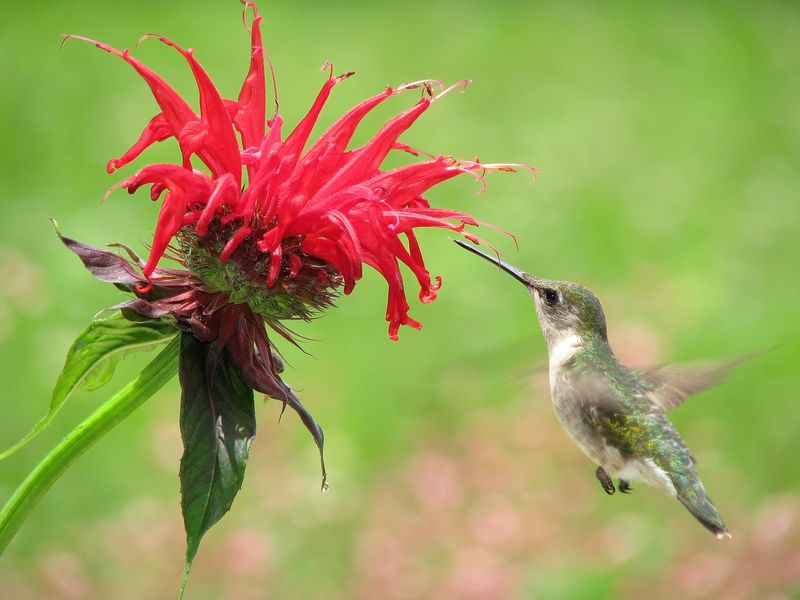
With vivid red petals and a delightful scent, Bee Balm is a magnet for hummingbirds. This perennial plant blooms in midsummer, providing a splash of color in the garden. Its tubular flowers are perfectly shaped for a hummingbird’s slender beak.
Bee Balm is not only attractive to hummingbirds but also resistant to deer, making it a practical choice for gardeners. Available in various shades, it’s a versatile plant that thrives in sunlit areas.
Whether you plant it in beds or borders, Bee Balm will transform your garden into a hummingbird haven. It’s a must-have for enthusiasts.
2. Salvia
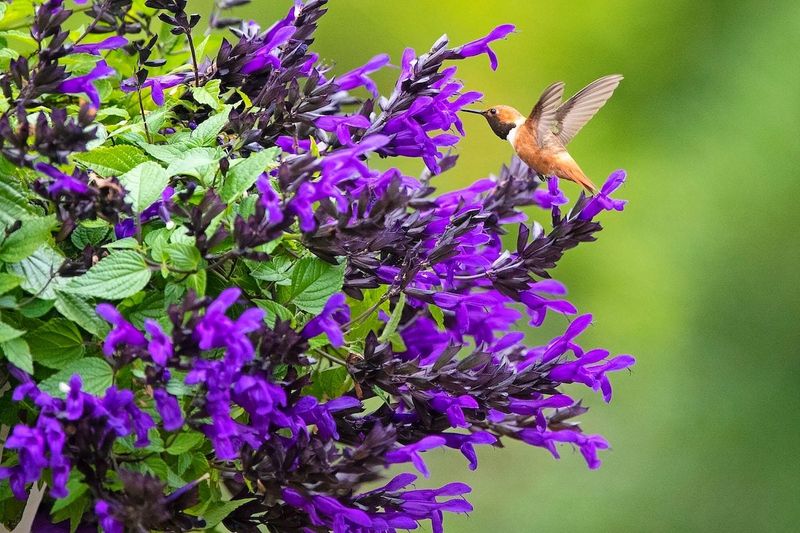
Salvia, with its tall spikes and vibrant colors, is an irresistible lure for hummingbirds. Known for its drought tolerance, Salvia blooms throughout the summer and fall. The tubular flowers come in shades of blue, purple, and red, offering a feast for hummingbirds.
This hardy plant requires minimal care, making it a favorite among gardeners. Its long blooming season ensures a continuous display of color.
Plant Salvia in well-drained soil and watch as your garden becomes a bustling hub of activity. It’s a true delight for those who enjoy observing wildlife.
3. Trumpet Vine
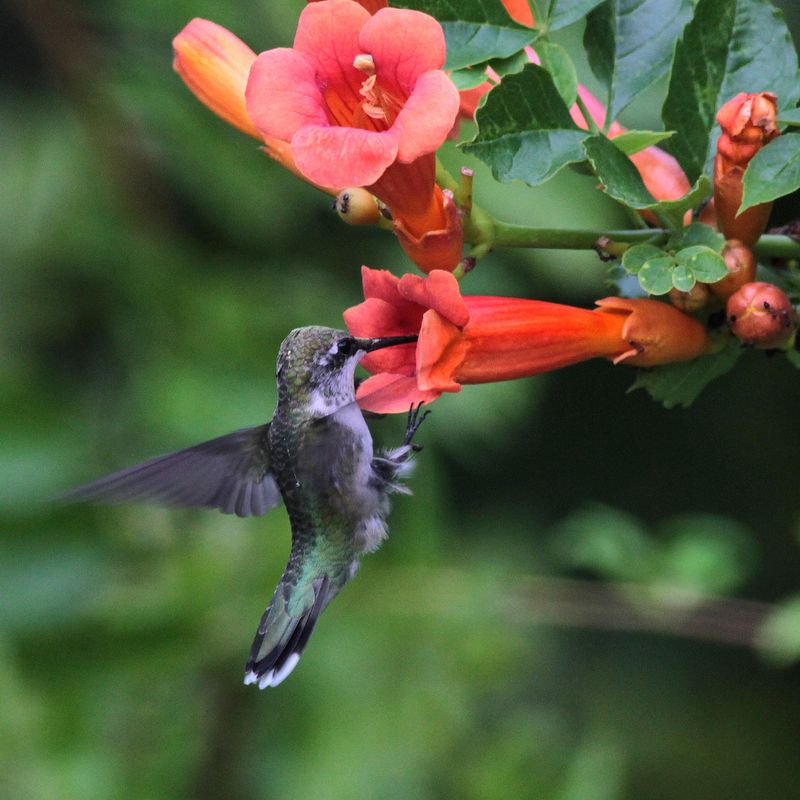
Trumpet Vine, with its bold orange blooms, is a striking addition to any garden. These climbing vines are known for their ability to attract hummingbirds. The trumpet-shaped flowers provide a perfect landing spot for these small birds.
Though beautiful, Trumpet Vine requires careful management to prevent it from becoming invasive. With regular pruning, it can be kept in check.
Plant it near a trellis or fence, and you’ll have a vibrant display that hummingbirds find irresistible. It adds both height and color to garden spaces.
4. Cardinal Flower
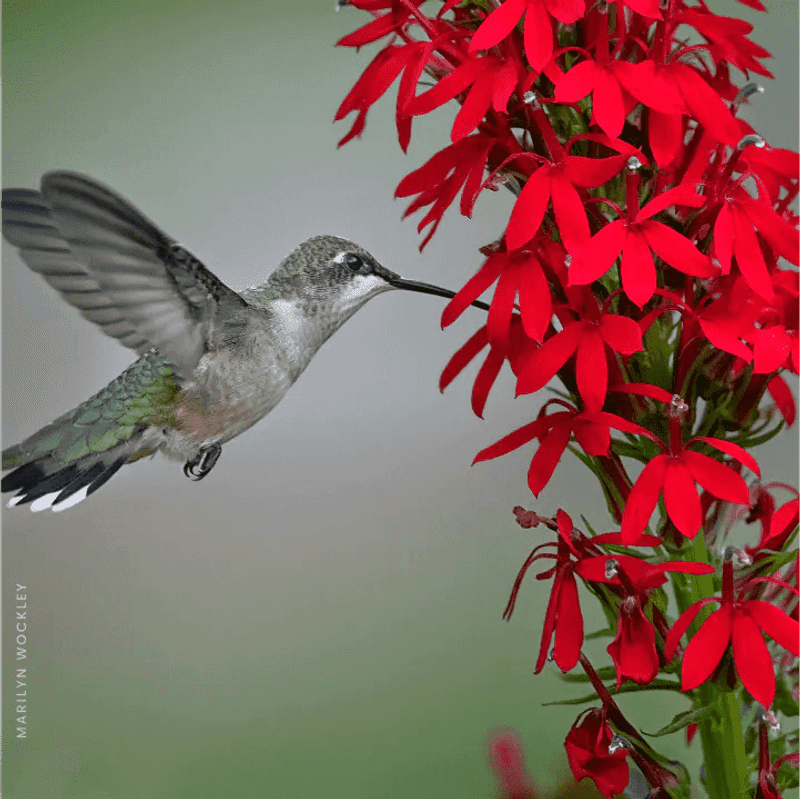
The Cardinal Flower is a showstopper with its brilliant red spikes. Blooming in late summer, it offers a refreshing splash of color that draws hummingbirds in droves. Its tall, elegant flowers are ideal for both garden beds and wildflower meadows.
Preferring moist conditions, the Cardinal Flower thrives near ponds or water features. It’s a natural choice for those looking to attract hummingbirds while adding a touch of drama.
Easy to grow with the right moisture level, it’s a rewarding addition to any garden.
5. Hibiscus
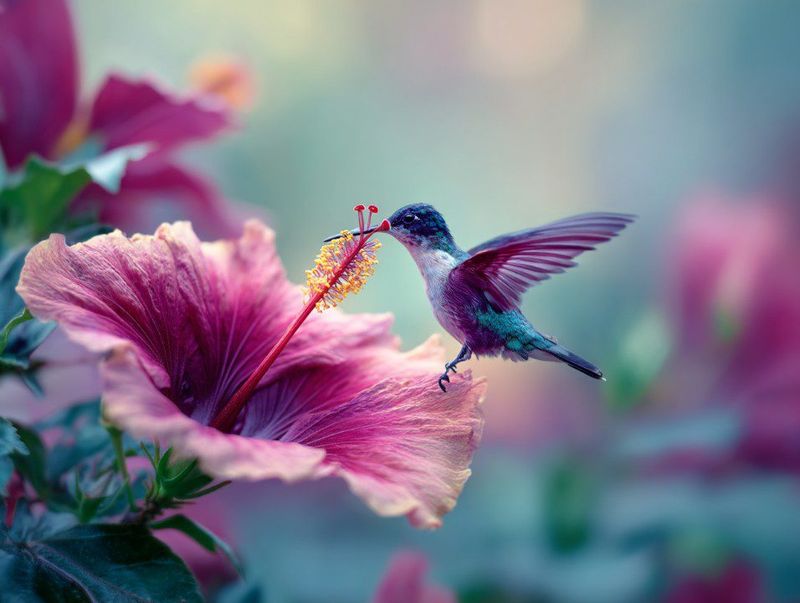
With its large, flamboyant blooms, Hibiscus is a favorite for hummingbirds and gardeners alike. The tropical flair of its flowers adds a touch of exotic beauty to any garden. Hummingbirds are particularly drawn to the vibrant colors and open blooms.
Hibiscus thrives in full sun and requires regular watering, rewarding gardeners with continuous flowering. Available in a variety of hues, it complements different garden styles.
Whether planted in pots or garden beds, Hibiscus adds a splash of color and a tropical vibe, inviting hummingbirds to feast.
6. Fuchsia
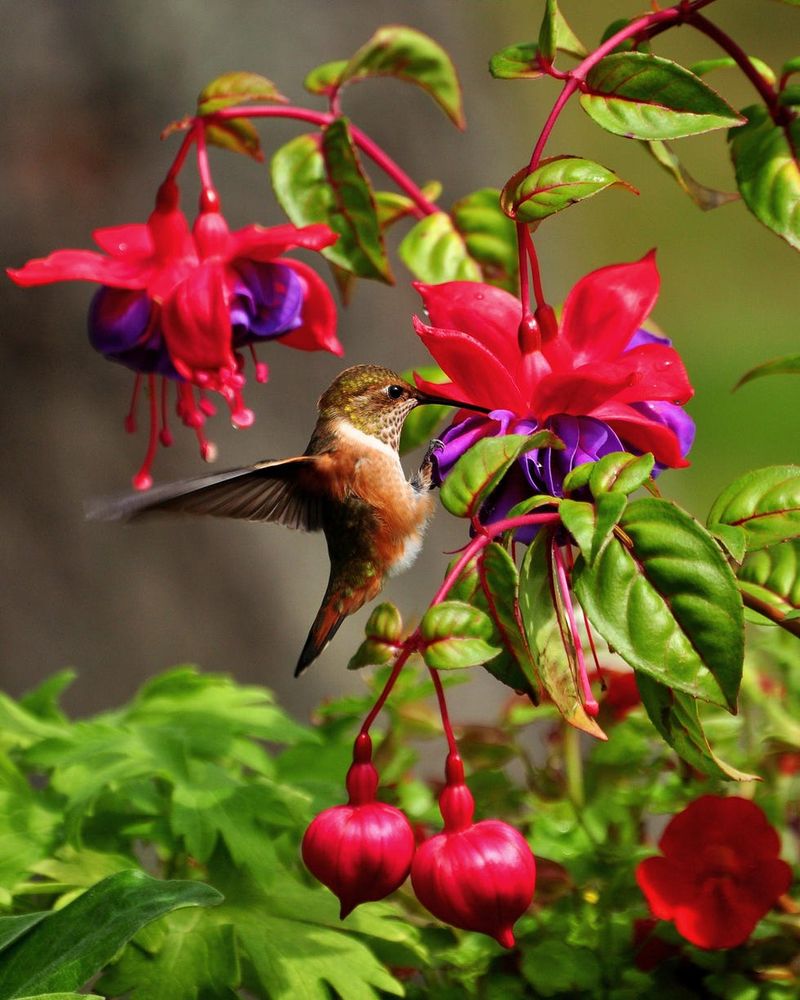
Fuchsia, with its dainty, pendulous blooms, is a captivating choice for shade gardens. The red and purple flowers dangle elegantly, providing an inviting feast for hummingbirds. Known for their delicate beauty, Fuchsias can be grown in hanging baskets or as garden borders.
These plants prefer cooler temperatures and shaded areas, making them ideal for woodland gardens. Water them regularly to keep the blooms vibrant and attractive.
Fuchsia’s unique charm and ability to attract hummingbirds make it a delightful addition to any garden setting.
7. Lantana
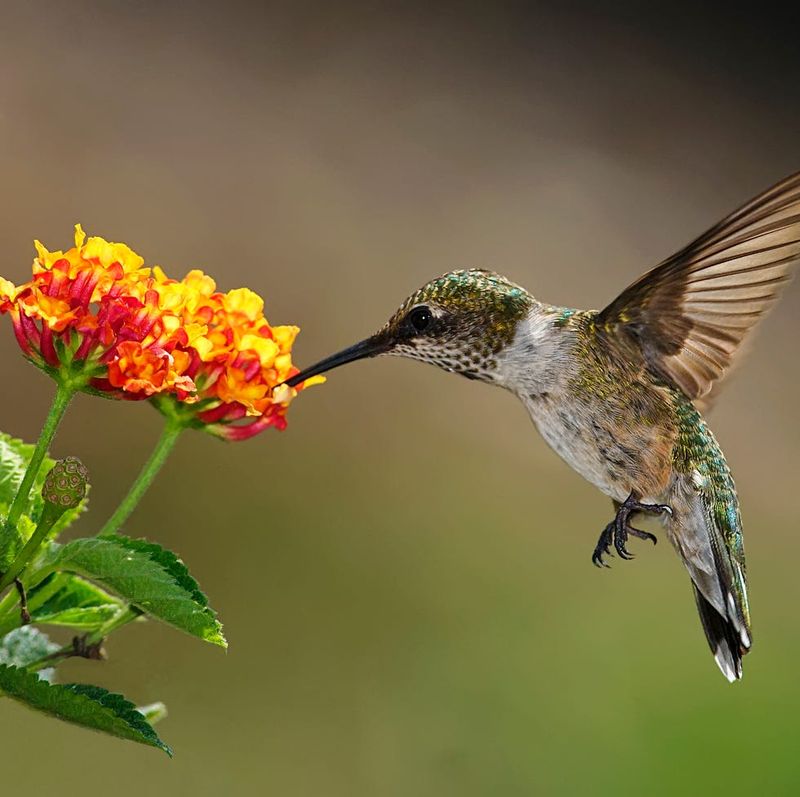
Lantana is celebrated for its bright, clustered blooms that attract hummingbirds with ease. These hardy plants thrive in sunny locations and are drought-tolerant once established. The vibrant flowers, available in a myriad of colors, provide continuous interest throughout the growing season.
As a versatile plant, Lantana works well in both garden beds and containers. Its carefree nature and colorful display make it a popular choice for gardeners seeking to lure hummingbirds.
With minimal maintenance, Lantana adds a joyful burst of color and life to any garden.
8. Columbine
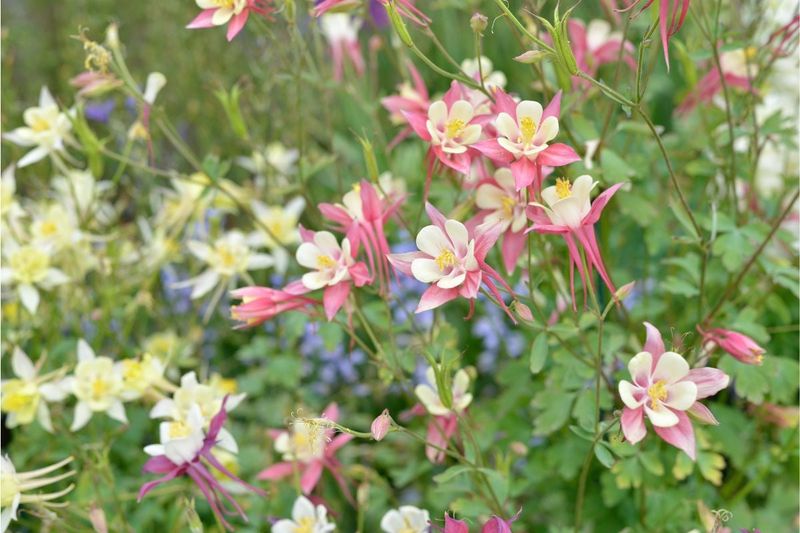
Columbine flowers, with their distinctive spurred petals, are a woodland gem that hummingbirds adore. These graceful perennials bloom in spring, offering a palette of colors from blue to yellow. Their intricate design and gentle sway in the breeze captivate both birds and humans.
Columbine prefers dappled sunlight and well-drained soil, thriving in naturalistic garden settings. It’s a perfect choice for gardeners seeking elegance and simplicity.
With its enchanting appearance, Columbine creates a serene atmosphere, attracting hummingbirds to its delicate blooms.
9. Penstemon
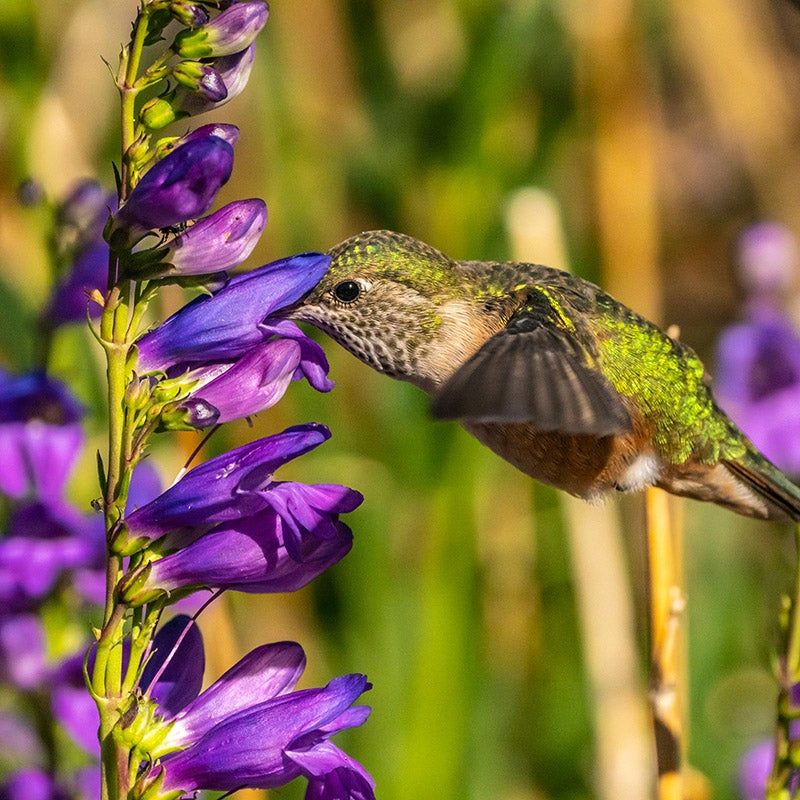
Penstemon, often called Beardtongue, boasts tubular flowers that hummingbirds find hard to resist. These drought-tolerant plants thrive in dry, sunny locations, offering spikes of color in shades of purple, pink, and red.
Penstemon’s low-maintenance nature makes it an ideal choice for rock gardens and xeriscaping. Its blooms appear in late spring, providing a valuable nectar source for hummingbirds during their active months.
With its rugged beauty and vibrant colors, Penstemon enhances any garden with its presence, creating a lively environment for hummingbirds.
10. Agastache
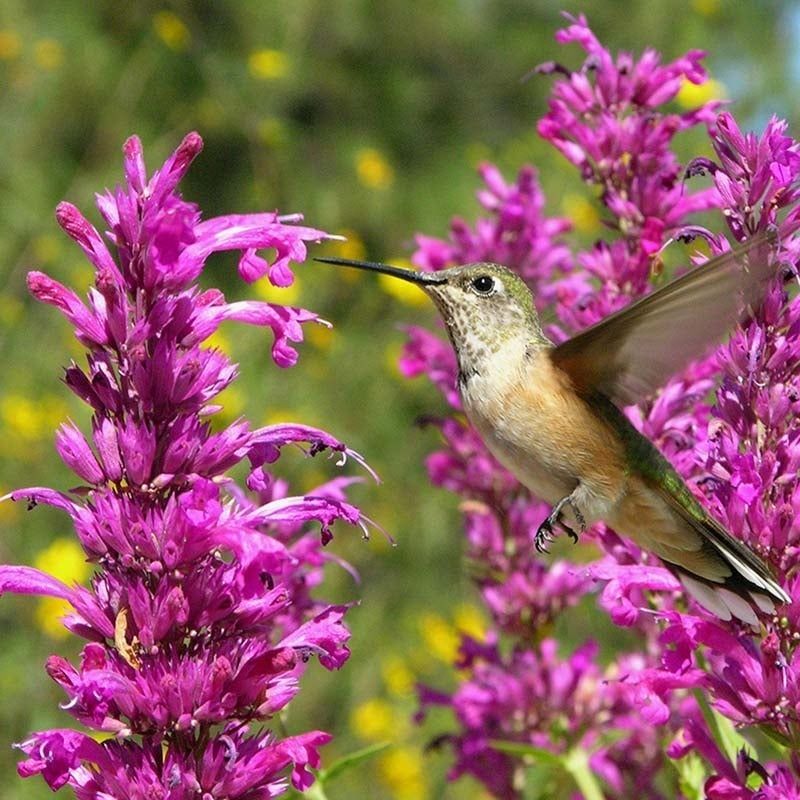
Agastache, also known as Hyssop, is cherished for its aromatic leaves and tall flower spikes. These plants attract hummingbirds with their tubular blooms and rich nectar. Flowering from summer to fall, Agastache adds height and fragrance to garden borders.
These perennials thrive in well-drained soil and sunny locations, offering gardeners an easy-care option for vibrant displays. The varied shades of purple, pink, and orange cater to different design preferences.
Agastache’s charm lies in its ability to blend beauty with practicality, drawing hummingbirds to its fragrant flowers.
11. Zinnia
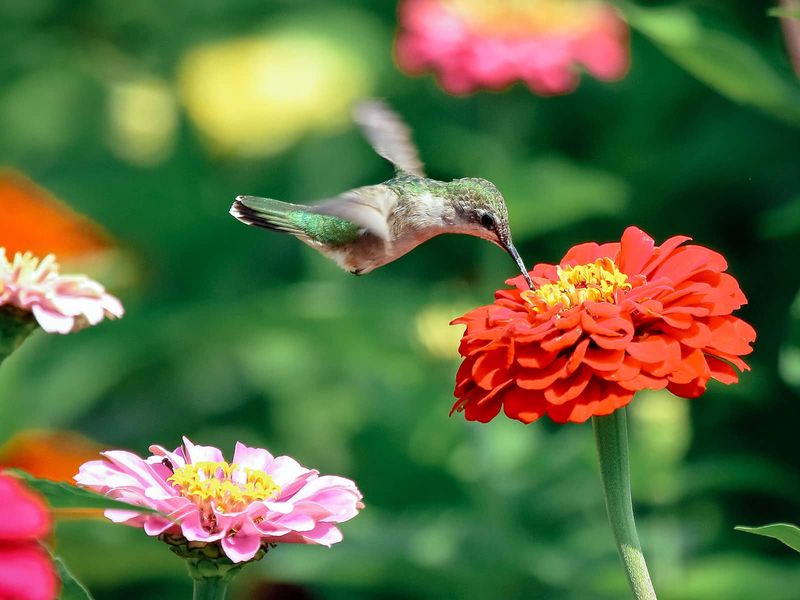
Zinnias, with their cheerful daisy-like blooms, are a gardener’s delight. Known for their wide range of colors, they are particularly attractive to hummingbirds. These annuals bloom profusely throughout the summer, providing a bright splash of color.
Zinnias thrive in full sun and well-drained soil, requiring minimal care. Their long-lasting flowers make them a favorite for cut flower arrangements.
Plant Zinnias in masses for a bold statement or mix them in borders for a playful touch. Either way, hummingbirds will find them irresistible.
12. Crocosmia
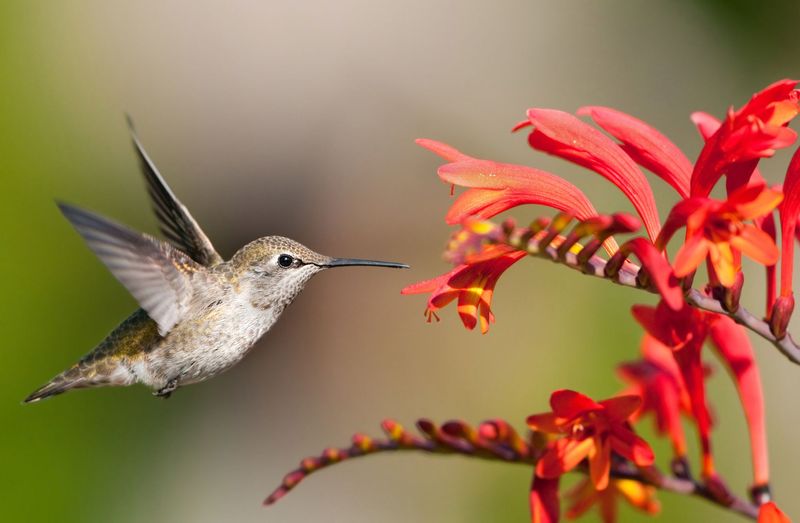
Crocosmia’s fiery orange blooms bring an exotic flair to any garden. These perennials produce arching spikes of flowers that hummingbirds find irresistible. Blooming in midsummer, they add a dramatic touch to garden beds and borders.
Crocosmia prefers sunny locations and well-drained soil, thriving in a variety of conditions. Its sword-like foliage adds texture and interest even when not in bloom.
For those looking to create a bold and lively garden, Crocosmia is an excellent choice, attracting hummingbirds with its vibrant beauty.
13. Honeysuckle
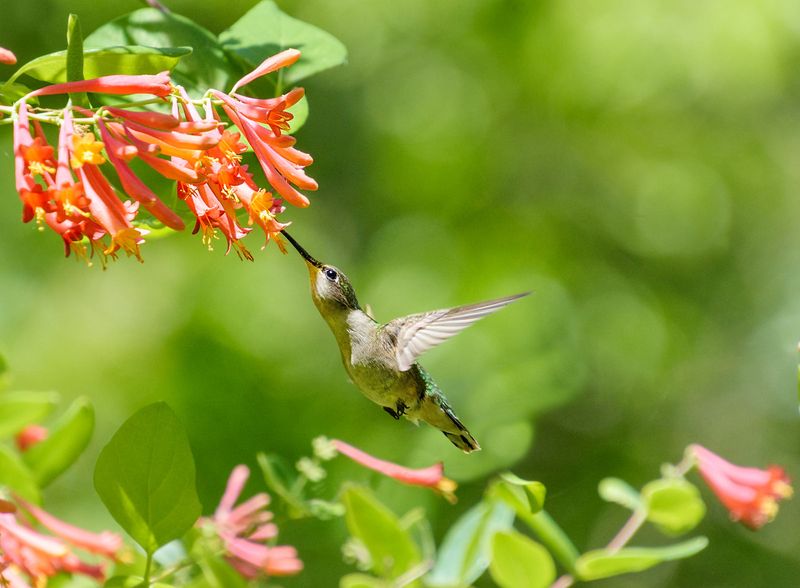
Honeysuckle, with its sweetly scented blooms, is a classic favorite for attracting hummingbirds. The tubular flowers provide ample nectar, making them a popular choice for these small birds.
This climbing plant can be trained on trellises or left to sprawl naturally, adding charm and fragrance to garden spaces. Honeysuckle thrives in both sun and partial shade, offering flexibility in planting locations.
With its enticing aroma and colorful display, Honeysuckle not only lures hummingbirds but also adds a nostalgic touch to gardens.
14. Butterfly Bush
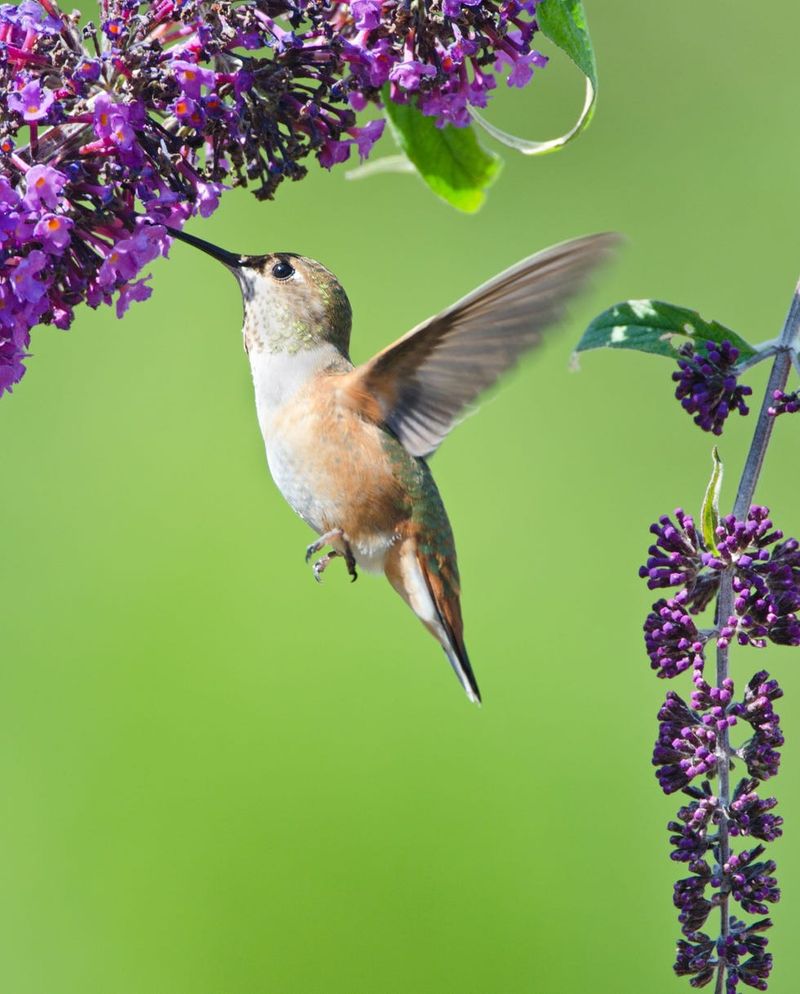
The Butterfly Bush, known for attracting both butterflies and hummingbirds, is a garden essential. Its cone-shaped flower clusters provide a nectar-rich feast for winged visitors. With colors ranging from purple to white, these shrubs offer a long-lasting show.
Easy to grow, the Butterfly Bush prefers sunny spots and well-drained soil. Its fast growth makes it suitable for filling in gaps and providing quick cover.
For a garden buzzing with life, the Butterfly Bush is a delightful choice, drawing in hummingbirds with its abundant blooms.
15. Verbena
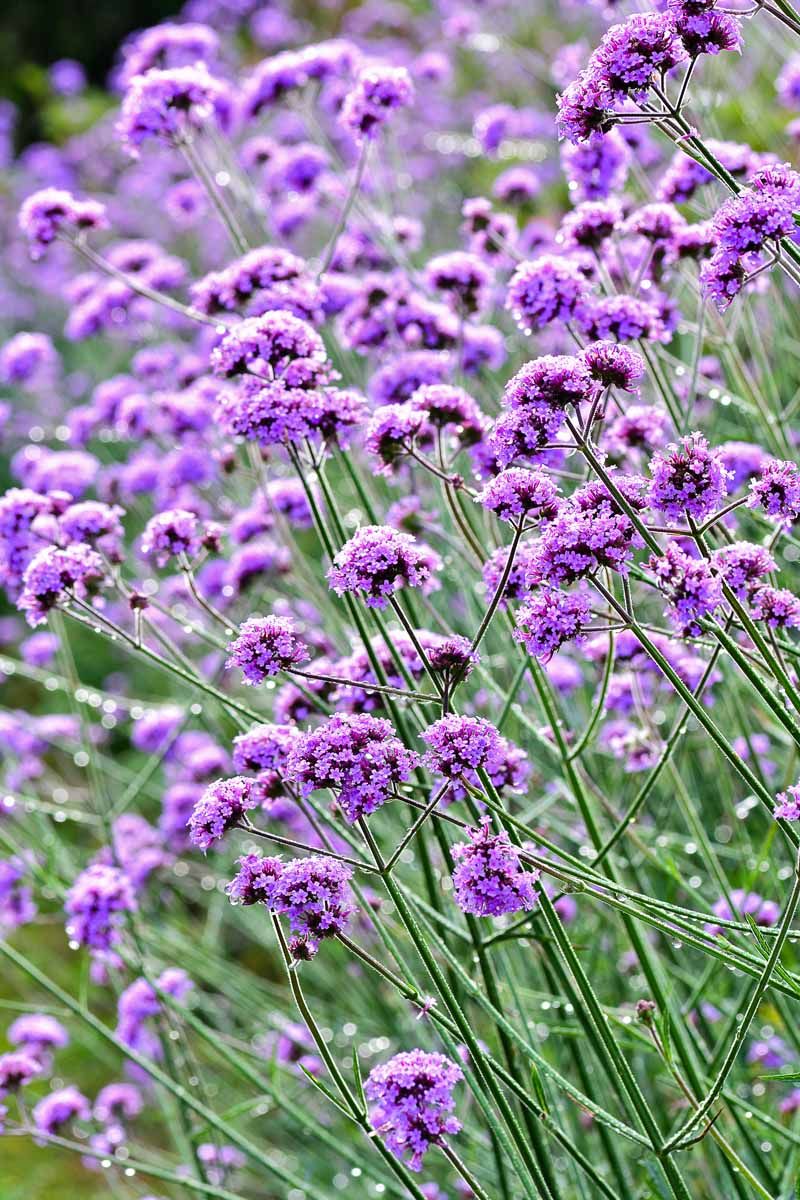
Verbena’s delicate clusters of flowers are a beacon for hummingbirds. These low-growing plants are perfect for rock gardens and containers, thriving in sunny locations. The vibrant blooms appear in shades of purple, pink, and white, providing a continuous show from spring to fall.
Verbena is drought-tolerant and low-maintenance, making it a favorite for busy gardeners. Its sprawling habit allows it to fill spaces and cascade over edges.
By planting Verbena, you invite hummingbirds to enjoy a feast while adding color and texture to your garden.
16. Petunia
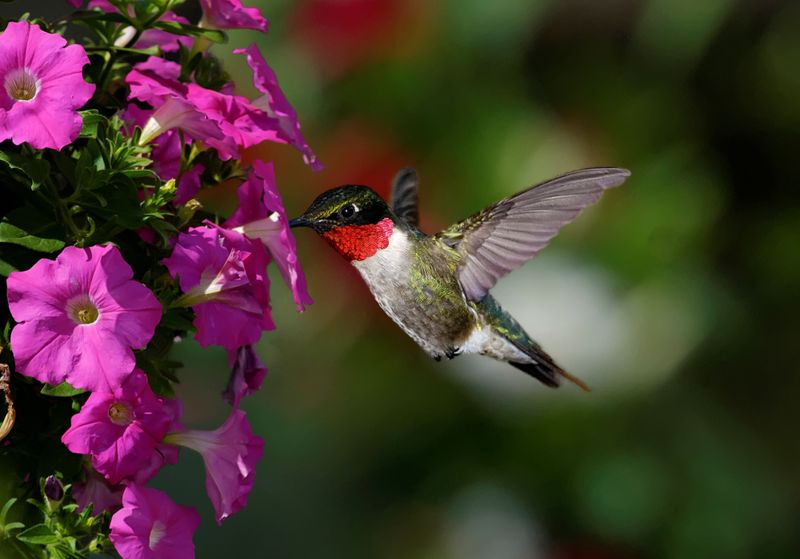
Petunias, with their wide array of colors and patterns, are a delightful addition to any garden. These annuals bloom tirelessly, attracting hummingbirds with their open, trumpet-shaped flowers. Perfect for window boxes and hanging baskets, Petunias offer flexibility in garden design.
They thrive in full sun and well-drained soil, requiring regular watering to maintain their vibrant display. The ease of care and continuous flowering make Petunias a popular choice.
By including Petunias in your garden, you create a lively and colorful environment that hummingbirds will enjoy.