 Complete Gardening
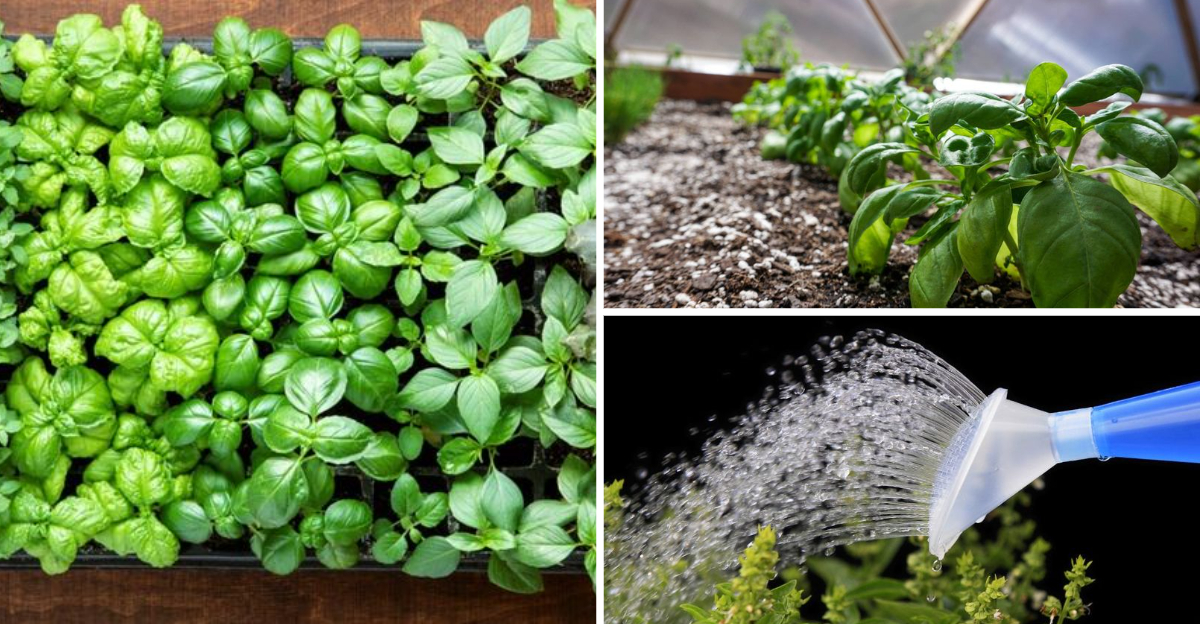
Growing a big basil garden can transform your cooking and gardening experience. The aromatic leaves of basil are not only a culinary delight but also a gardener’s joy. Here are 18 unique and effective ways to ensure your basil plants flourish, offering a continuous supply of fresh herbs for your kitchen and a fragrant presence in your garden.
1. Select the Right Basil Variety
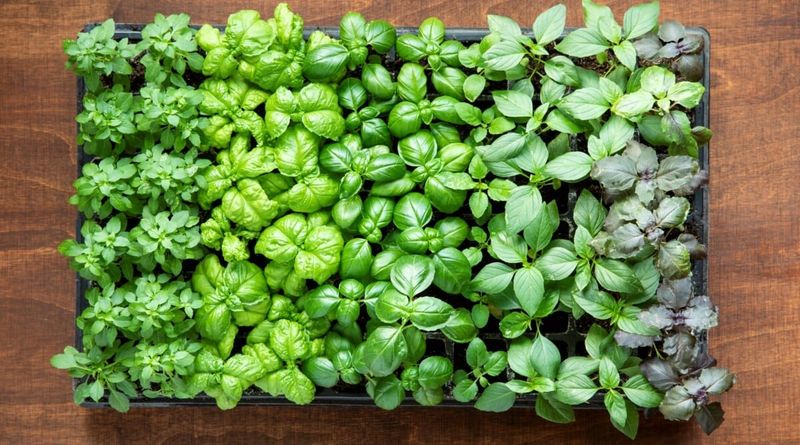
Choosing the right basil variety is crucial to growing a thriving garden. With options like sweet basil, Thai basil, and lemon basil, each offers unique flavors and growing conditions. Consider your culinary preferences and climate when selecting a variety. Sweet basil, with its classic flavor, is perfect for Italian dishes, while Thai basil adds a spicy kick to Asian cuisine. If you’re in a cooler climate, opt for hardy varieties like purple basil. This decision sets the foundation for your garden’s success, ensuring you enjoy the basil that best suits your needs.
2. Provide Optimal Sunlight
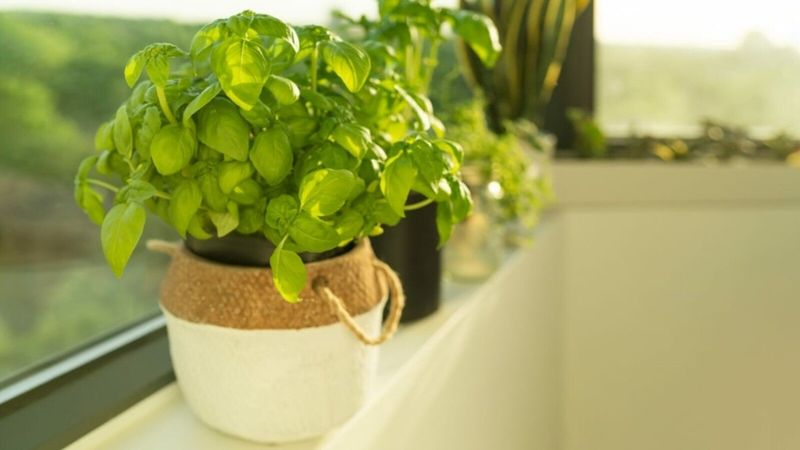
Basil thrives in sunlight, requiring at least six to eight hours of direct sunlight daily. Position your garden in a spot where it can soak up the sun’s rays. If your space lacks natural light, consider using grow lights to mimic sunlight conditions. The right amount of sunlight not only enhances the flavor of the leaves but also boosts plant growth. Insufficient light can lead to weak, leggy plants with a less robust flavor. By ensuring your basil receives optimal sunlight, you’ll cultivate a garden lush with healthy, flavorful basil plants.
3. Ensure Well-Drained Soil
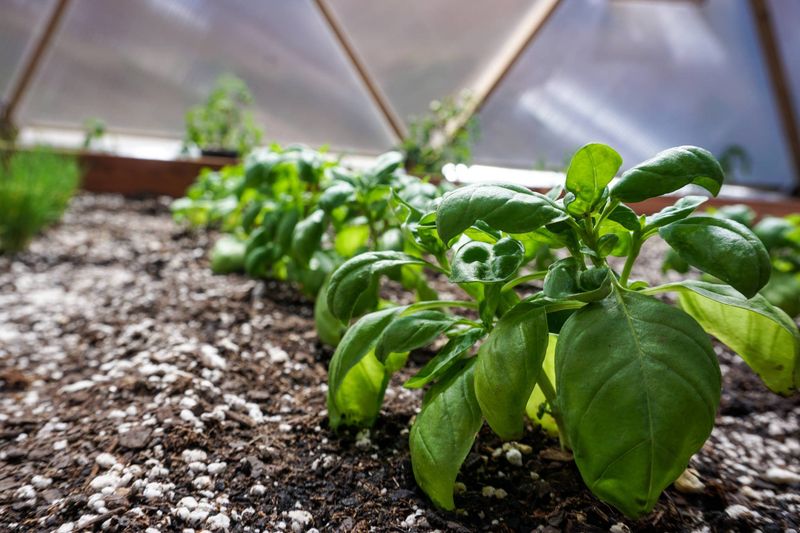
The health of your basil garden starts with the soil. Basil prefers well-drained, nutrient-rich soil with a pH between 6 and 7. Avoid waterlogged conditions, which can lead to root rot. To improve drainage, mix in organic matter such as compost or well-rotted manure. This not only enhances soil structure but also provides essential nutrients. Regularly check the soil moisture; it should feel moist but not soggy. By maintaining the right soil conditions, your basil plants will thrive, offering robust growth and bountiful harvests.
4. Water Wisely
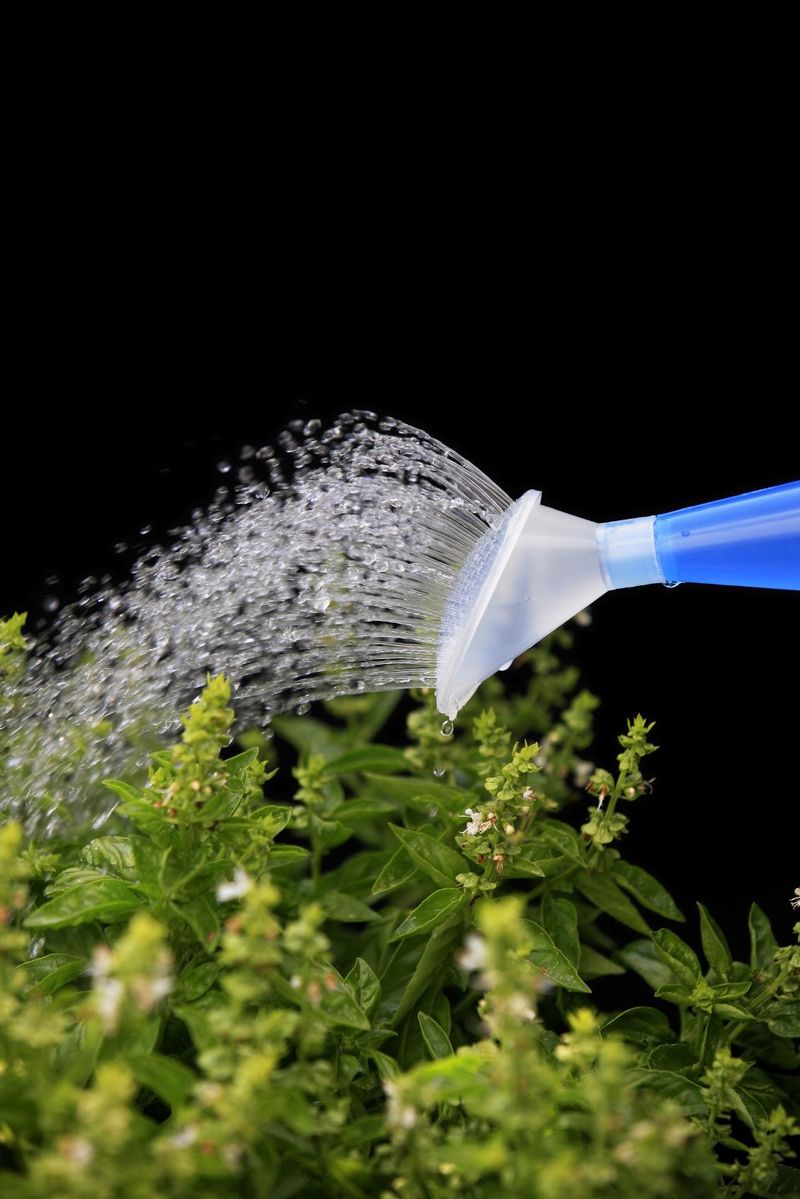
Watering is a balancing act that requires attention to your basil’s needs. Overwatering can suffocate roots, while underwatering may stunt growth. Aim for consistent moisture, allowing the soil to dry slightly between waterings. Use drip irrigation or a watering can with a fine spout to direct water at the base of the plants, avoiding the leaves. This reduces the risk of fungal diseases. By mastering the art of watering, you’ll ensure your basil garden remains healthy and vibrant, providing a steady supply of fresh leaves for your culinary creations.
5. Prune Regularly
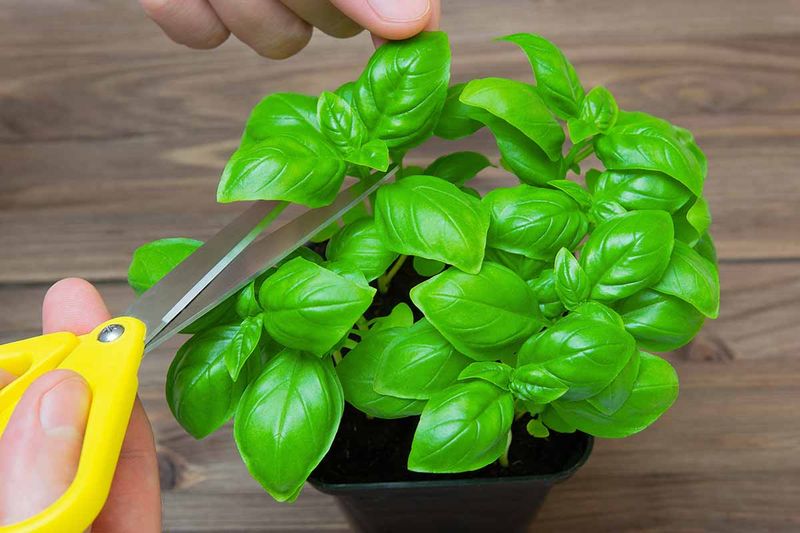
Regular pruning is essential for a bushy basil plant. Start pruning when the plant reaches about 6 inches tall. Focus on the top leaves, cutting just above a leaf node to encourage more growth. This not only prevents the plant from becoming leggy but also stimulates branching, resulting in a fuller plant. Regularly harvested basil tends to produce more leaves, providing you with a continuous supply. Additionally, removing flowers as they appear will prevent the plant from going to seed, ensuring energy is directed towards leaf production.
6. Use Companion Planting
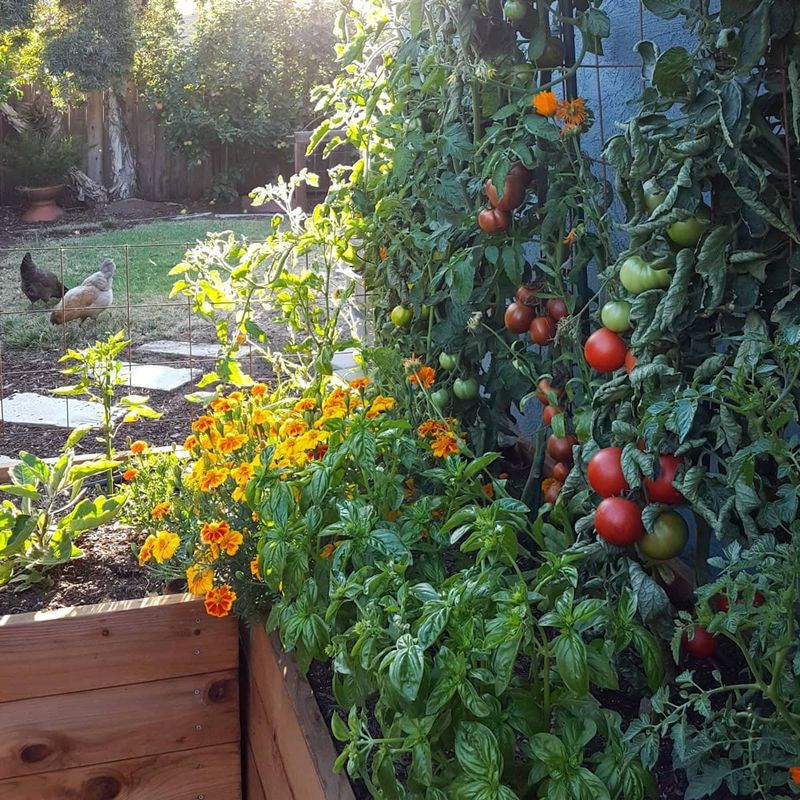
Companion planting enhances basil growth and deters pests. Pair basil with tomatoes, peppers, and marigolds for a thriving garden ecosystem. Tomatoes benefit from basil’s ability to repel pests like aphids and whiteflies. Marigolds, on the other hand, deter nematodes and other soil-borne pests. This symbiotic relationship not only boosts growth but also enhances flavor. By strategically planting companions, you create a balanced, productive garden environment. Embrace this natural strategy to cultivate a basil garden that thrives alongside its plant partners, enriching both growth and harvest.
7. Feed with Organic Fertilizers
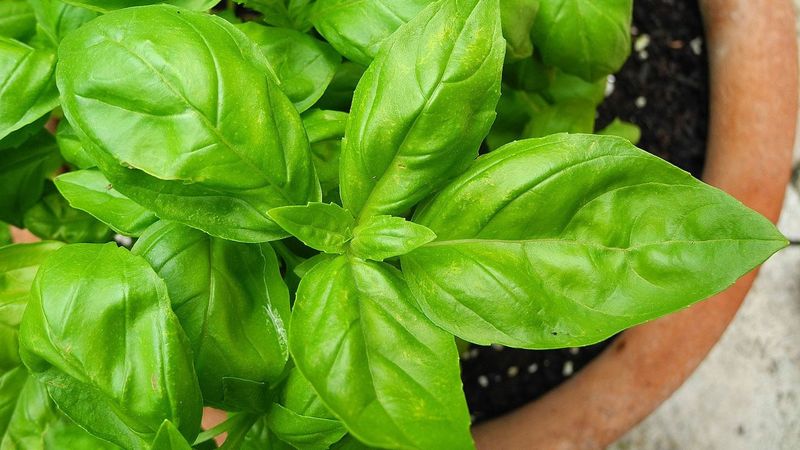
Organic fertilizers provide essential nutrients for a healthy basil garden. Use compost, fish emulsion, or worm castings to enrich the soil. These natural fertilizers support sustained growth and enhance soil health. Apply fertilizer every three to four weeks during the growing season. Be mindful not to over-fertilize, as this can lead to lush foliage with reduced flavor. By choosing organic options, you nurture a garden that’s both bountiful and eco-friendly. This approach not only improves plant health but also ensures your basil retains its signature taste and aroma.
8. Protect from Pests
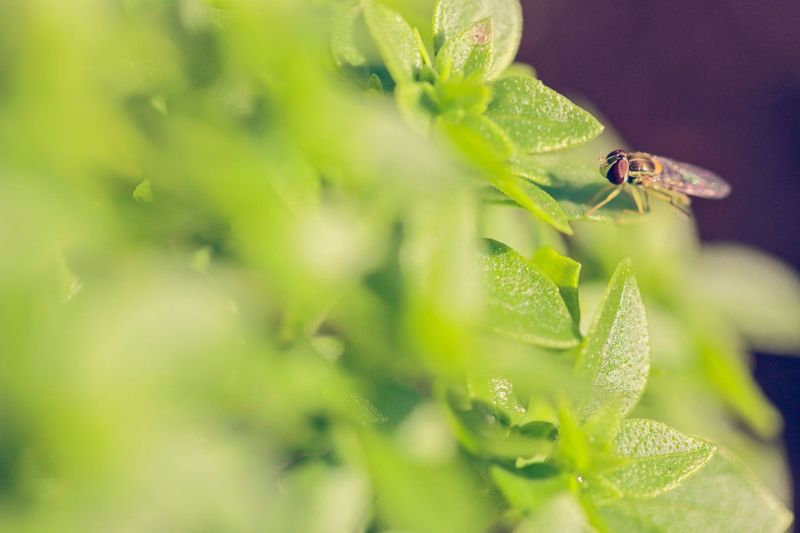
Pest management is vital to maintaining a healthy basil garden. Common pests like aphids, whiteflies, and slugs can damage plants and reduce yields. Use natural remedies such as neem oil, insecticidal soap, or introducing beneficial insects like ladybugs. Regular inspections help identify issues early. Remove any affected leaves to prevent spread. Encouraging biodiversity in your garden can also support pest control. By adopting an eco-friendly approach to pest management, you’ll ensure your basil plants grow robust and pest-free, offering plentiful harvests without chemical intervention.
9. Implement Crop Rotation
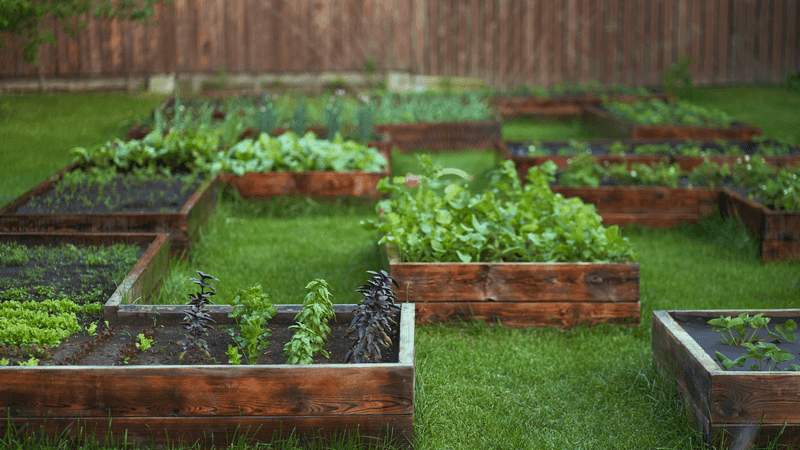
Crop rotation prevents soil depletion and disease build-up. Avoid planting basil in the same spot year after year. Rotate with plants from different families, like legumes or root vegetables. This practice disrupts pest and disease cycles, maintaining soil fertility. Plan a three-year rotation schedule to optimize garden health. By varying plant locations, you enhance soil structure and nutrient availability. This reduces reliance on chemical fertilizers and pesticides, promoting a sustainable gardening approach. Embrace crop rotation to keep your basil garden vibrant and productive across seasons.
10. Control Weeds
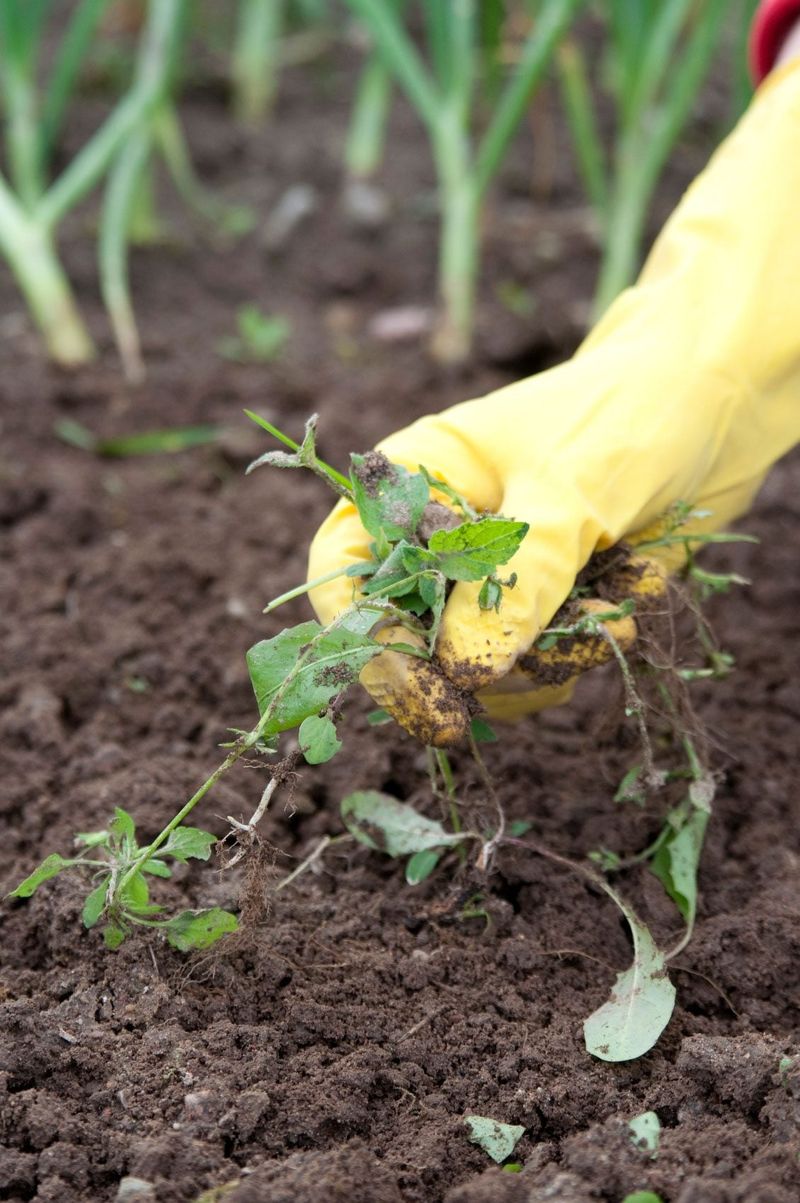
Weeds compete with basil for nutrients and water, hindering growth. Regular weeding is essential to maintain a healthy garden. Use mulch to suppress weed growth and retain soil moisture. Hand-pull weeds or use a hoe to remove them from the root. Focus on young weeds, as they’re easier to control before they mature and spread seeds. By keeping the garden weed-free, you ensure basil plants have access to the resources they need for optimal growth. This practice not only improves yield but also enhances the overall health of your basil garden.
11. Utilize Mulching
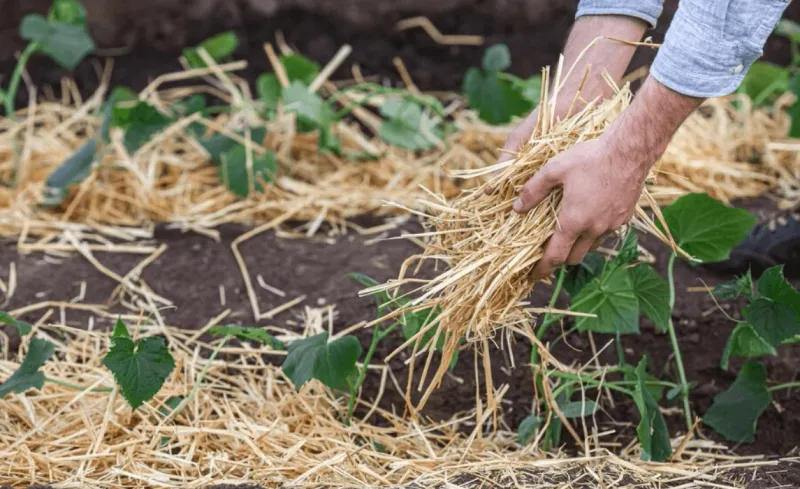
Mulching offers multiple benefits for a basil garden. Apply organic mulch like straw, bark, or leaves around plants to conserve moisture and regulate soil temperature. Mulch also suppresses weeds, reducing competition for resources. As it decomposes, it enriches the soil with nutrients. Ensure a 2-3 inch layer for optimal results. By preserving soil moisture and preventing erosion, mulching supports healthy growth. This simple yet effective practice contributes to a thriving basil garden, ensuring your plants receive the care they need to flourish throughout the growing season.
12. Select the Right Container
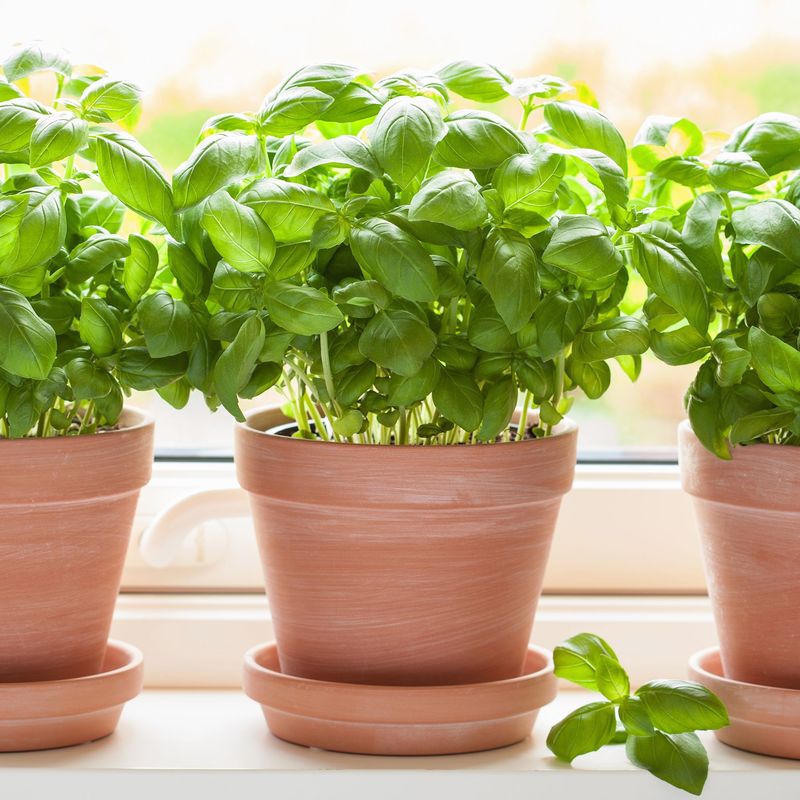
Container gardening is perfect for limited spaces. Choose containers with good drainage and ample space for roots. Terracotta pots, fabric grow bags, and recycled containers work well. Ensure each container has a drainage hole to prevent waterlogging. Basil thrives in individual pots or grouped together, allowing flexibility in arrangement. Containers can be moved to optimize sunlight exposure throughout the day. This approach not only accommodates urban gardeners but also provides control over soil conditions. By selecting the right container, you enable a flourishing basil garden, regardless of space limitations.
13. Monitor Temperature and Humidity
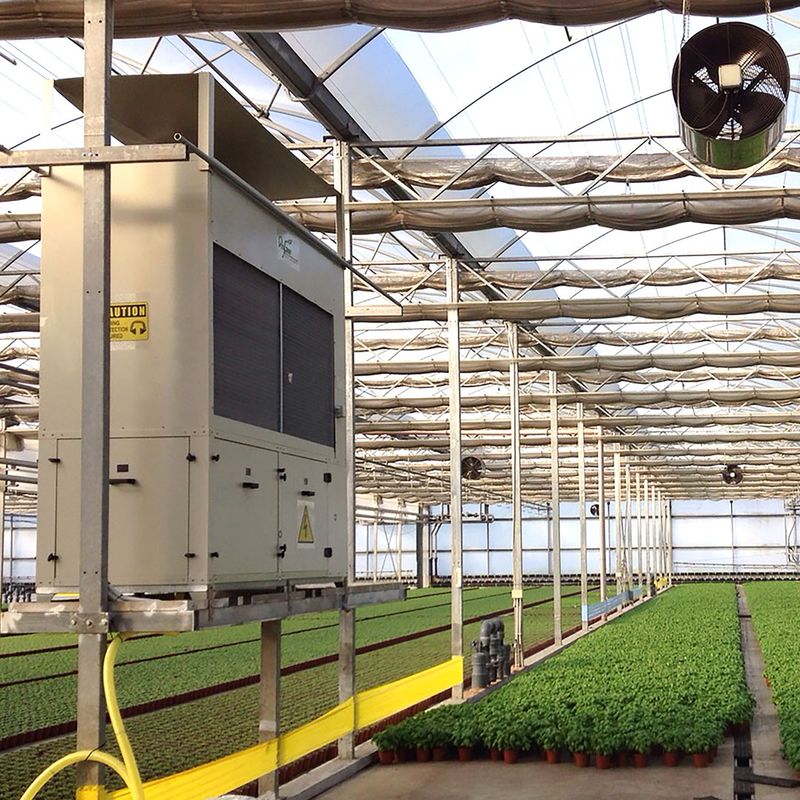
Basil thrives in warm, humid conditions. Maintain temperatures between 70-85°F for optimal growth. Sudden temperature drops can stress plants, affecting yield. Use row covers or bring containers indoors during cold spells. Humidity between 50-70% is ideal. If conditions are dry, mist plants or use a humidity tray. These measures create a supportive environment, enhancing growth and flavor. Monitoring and adjusting temperature and humidity ensures a healthy basil garden, resilient to environmental changes. By understanding your garden’s needs, you’ll cultivate basil plants that consistently produce lush, aromatic leaves.
14. Start from Seeds Indoors
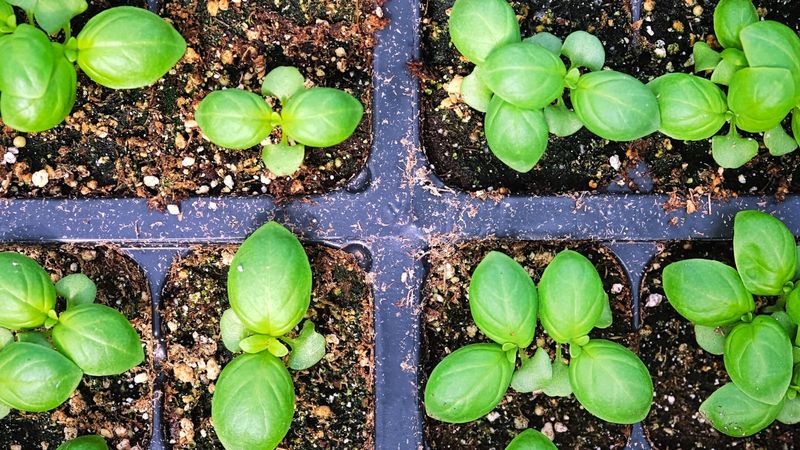
Starting basil from seeds indoors offers a head start on the growing season. Use seed trays or small pots with a light, well-draining seed-starting mix. Position them on a sunny windowsill or under grow lights. Seeds germinate best at temperatures around 70°F. Water gently to avoid disturbing seeds. Once seedlings develop true leaves, they’re ready for transplanting outside. This method allows you to control early growth conditions, establishing strong, healthy plants. By beginning indoors, you extend the growing season, ensuring a bountiful basil harvest throughout the year.
15. Transplant With Care
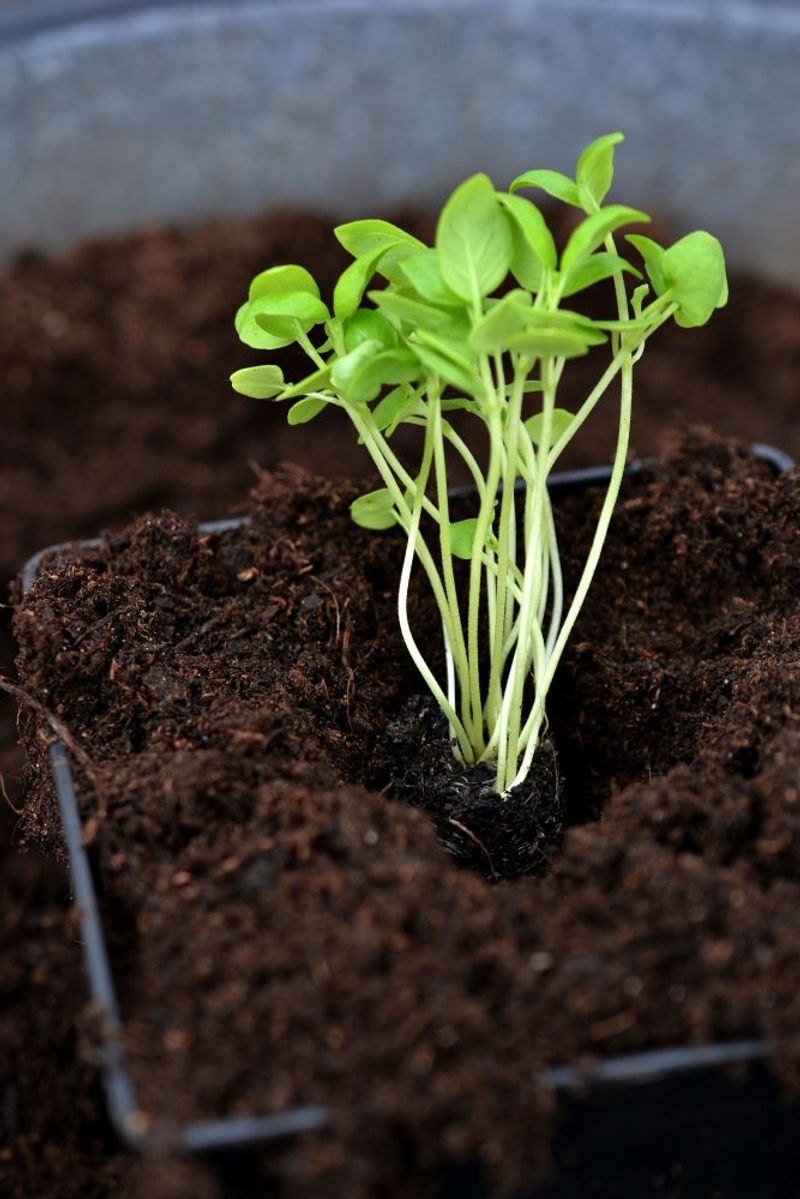
Transplanting basil requires gentle handling to avoid root disturbance. Harden off seedlings by gradually exposing them to outdoor conditions over a week. Choose a cloudy day or transplant in the evening to reduce transplant shock. Dig a hole larger than the root ball and water thoroughly before transplanting. Firmly press soil around the plant to eliminate air pockets. This careful process ensures your basil plants adapt smoothly to their new environment. By transplanting with attention to detail, you’ll promote strong root establishment, setting the stage for a flourishing basil garden.
16. Harvest at the Right Time
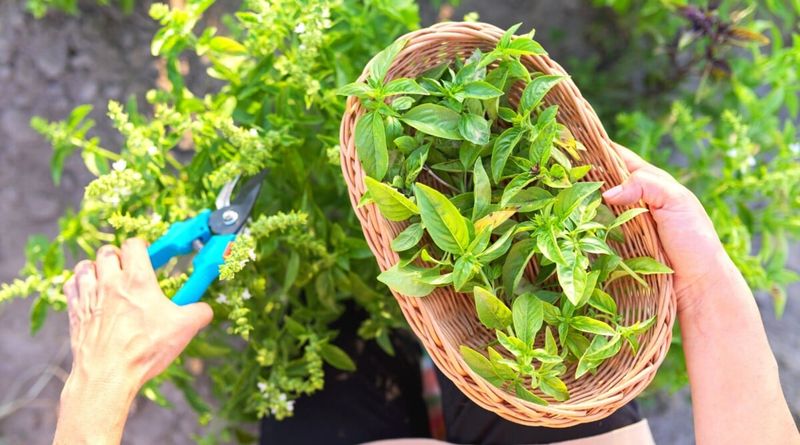
Timing your basil harvest is key to flavor and plant health. Harvest in the morning when oils are most concentrated. Begin when plants reach 6-8 inches tall, cutting just above a leaf node. This promotes regrowth, ensuring a continuous supply. Avoid harvesting more than one-third of the plant at a time to prevent stress. Regularly harvesting prevents flowering, maintaining leaf production. By following these guidelines, you’ll enjoy flavorful basil throughout the season. Proper harvesting not only enhances yield but also supports the overall vitality of your basil garden.
17. Preserve Basil Freshness
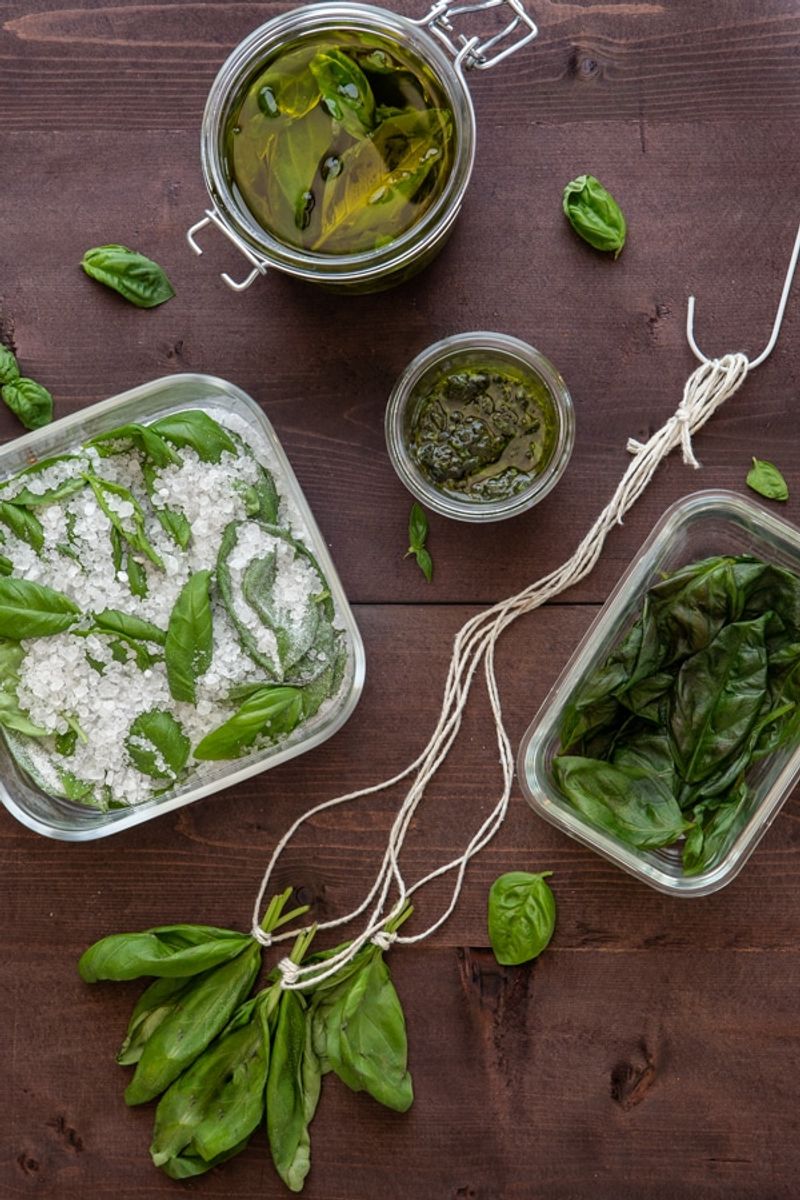
Preserving basil’s freshness extends its use beyond the garden. Store fresh leaves in a jar of water like cut flowers, or wrap them in damp paper towels and refrigerate in an airtight container. For long-term storage, consider drying or freezing leaves. Blending with olive oil and freezing in ice cube trays creates convenient portions for cooking. Proper preservation retains basil’s vibrant flavor and aroma, allowing enjoyment even after the growing season ends. By mastering preservation techniques, you’ll ensure a lasting supply of basil, enhancing your culinary creations year-round.
18. Experiment with Different Basil Varieties
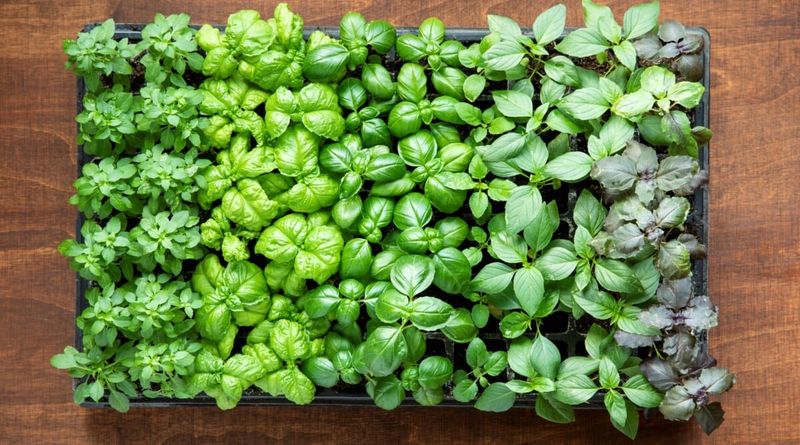
Exploring diverse basil varieties adds excitement to your garden. From the classic sweet basil to exotic options like cinnamon and holy basil, each offers unique flavors and aromas. Experimenting with different types can enhance your culinary repertoire and garden aesthetics. Some varieties may be better suited to your climate or soil conditions, providing valuable insights for future gardening efforts. By diversifying your basil garden, you not only expand your herb collection but also enrich your gardening experience, discovering new favorites that complement various dishes.