
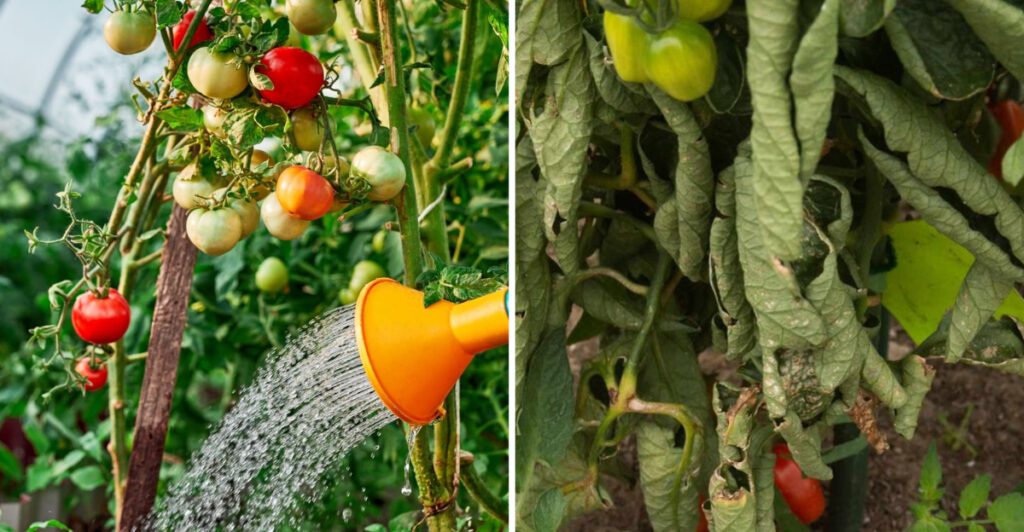
Tomato plants, beloved by gardeners for their juicy fruits, often face the common issue of yellowing leaves. This problem can be attributed to various factors, each requiring specific attention and care. Understanding the reasons behind the yellowing can not only prevent further damage but also promote healthier growth. Here, we delve into 15 distinct reasons your tomato leaves might be turning yellow, along with detailed descriptions, visual prompts, and search queries to help you identify and address each issue effectively.
1. Overwatering
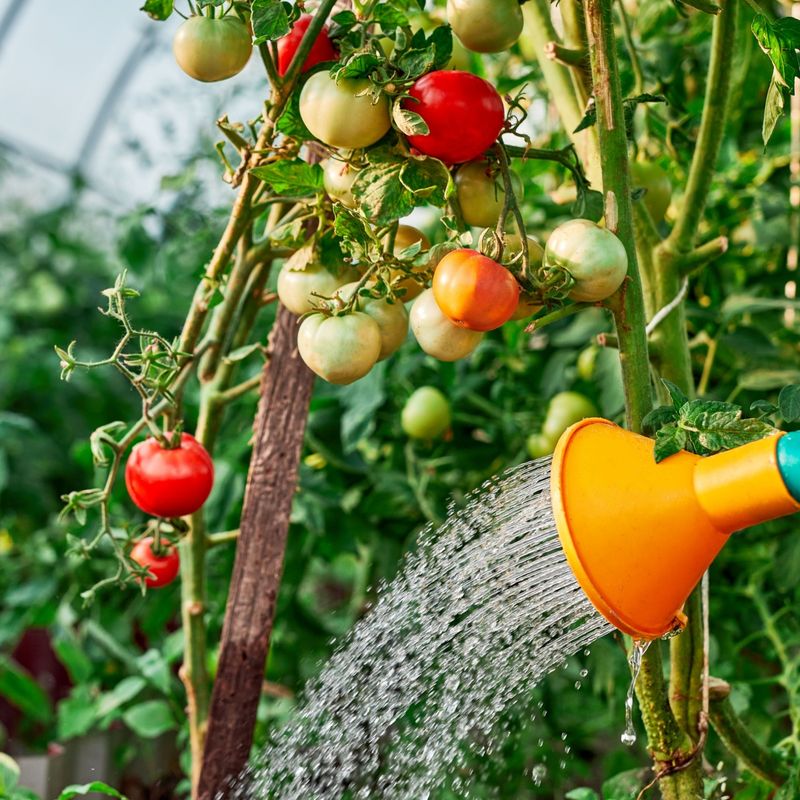
The sight of waterlogged soil can herald problems for your tomato plants. Overwatering drowns the roots, leading to a lack of oxygen, which can turn the leaves yellow.
This condition mimics the symptoms of underwatering, but it’s crucial to check soil moisture with a simple finger test.
Balanced watering is key; too much love in the form of water can be detrimental. Ensure proper drainage to prevent water buildup and root rot.
2. Underwatering
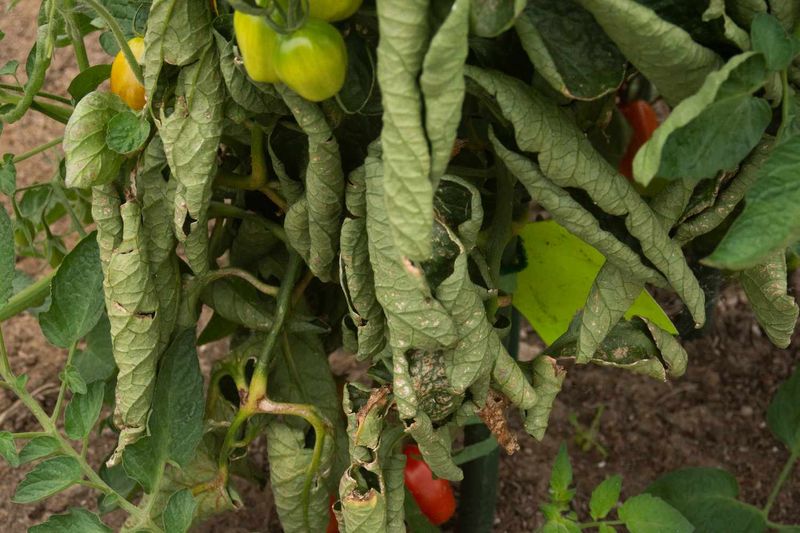
Dry, cracked soil and wilting leaves are telltale signs of underwatering. Tomato plants need consistent moisture to thrive, and a lack of water can stress the plant, leading to yellowing leaves.
It’s essential to establish a watering schedule, adjusting to the weather and soil type.
Mulching can help retain soil moisture, ensuring your tomato plants stay hydrated. Remember, consistency is key in maintaining a healthy plant.
3. Nutrient Deficiency
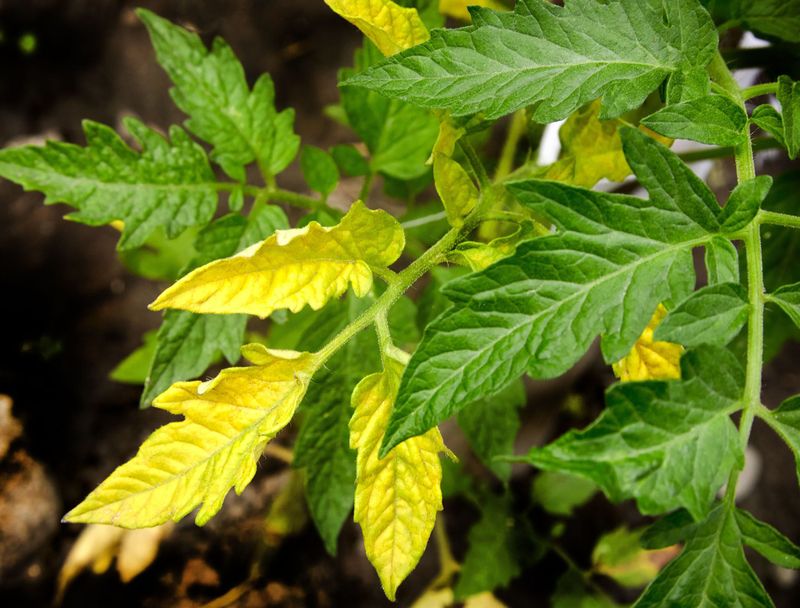
Nutrient deficiencies often manifest as yellow leaves with distinct patterns. A lack of nitrogen, for example, causes uniform yellowing, while magnesium deficiency creates yellow spots.
Regular soil testing helps determine specific nutrient needs.
Supplementing with fertilizers tailored to tomato plants can rectify these deficiencies. Ensuring a balanced diet for your plants is as crucial as it is for humans.
4. Pests
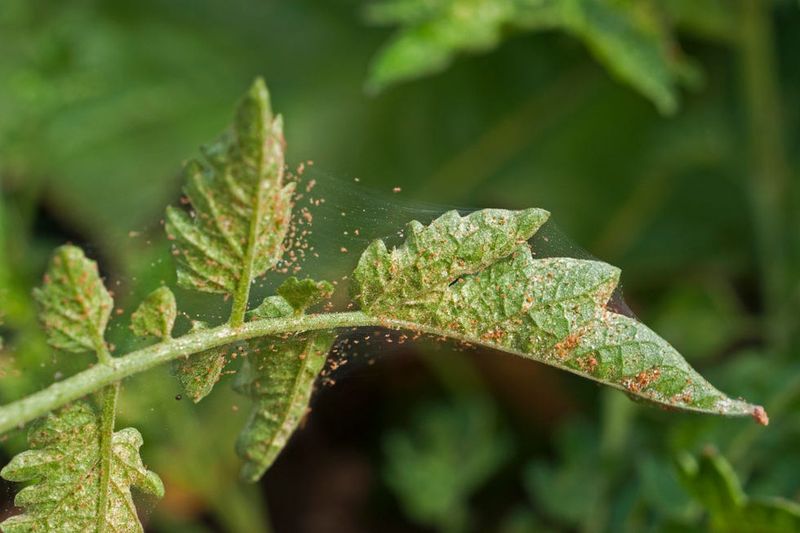
Pests like aphids and spider mites are tiny but mighty foes for tomato plants. Their feeding habits extract plant sap, leading to yellow, curling leaves.
Regular inspection and prompt action with appropriate insecticides or natural predators can control these pests.
Healthy plants are less susceptible to infestations, so maintaining plant vigor is essential.
5. Disease
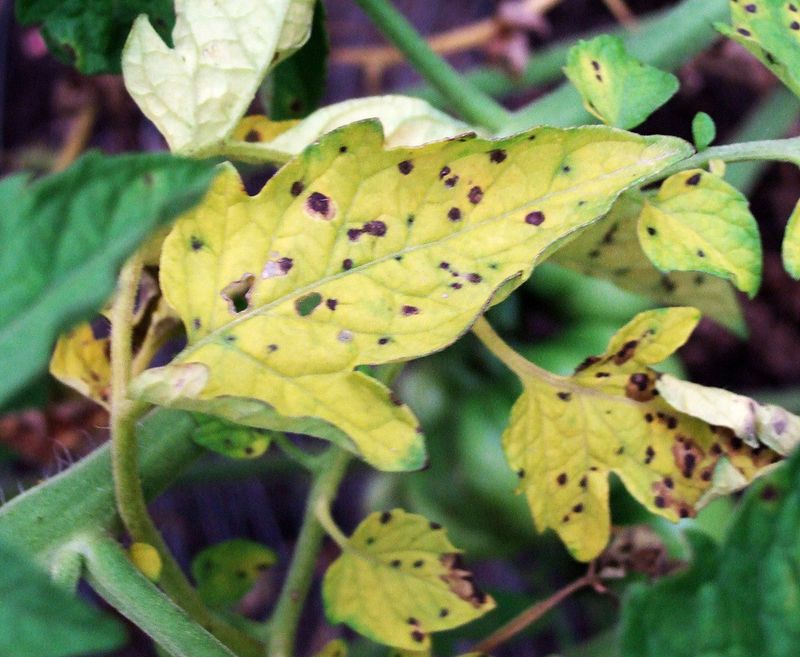
Fungal diseases such as early blight and septoria leaf spot are common culprits behind yellow leaves. These diseases thrive in humid conditions and can spread rapidly.
Regular pruning and good air circulation reduce disease risk.
Fungicidal treatments can be effective, but prevention through hygiene and resistant varieties is preferred.
6. Poor Soil Quality
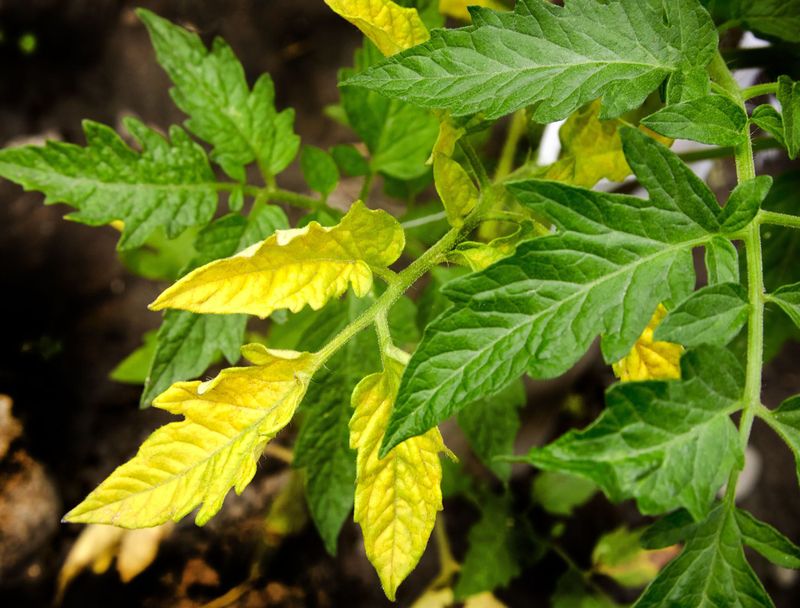
Soil quality is the foundation of healthy plant growth. Poor soil often lacks essential nutrients and structure, leading to stunted and yellowing plants.
Amending the soil with organic matter enhances its fertility and water retention.
Regular soil testing ensures pH and nutrient levels meet the needs of your tomato plants, supporting robust growth.
7. Temperature Stress
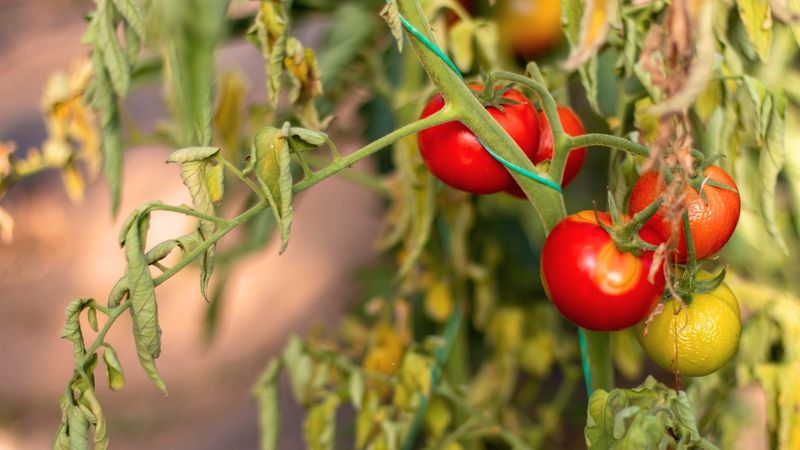
Tomato plants are sensitive to temperature fluctuations. Both extreme heat and cold can cause stress, manifesting as yellow leaves.
Protection from harsh weather through shading or covering can prevent damage.
Choosing timing and locations wisely for planting can minimize temperature-related issues.
8. Transplant Shock
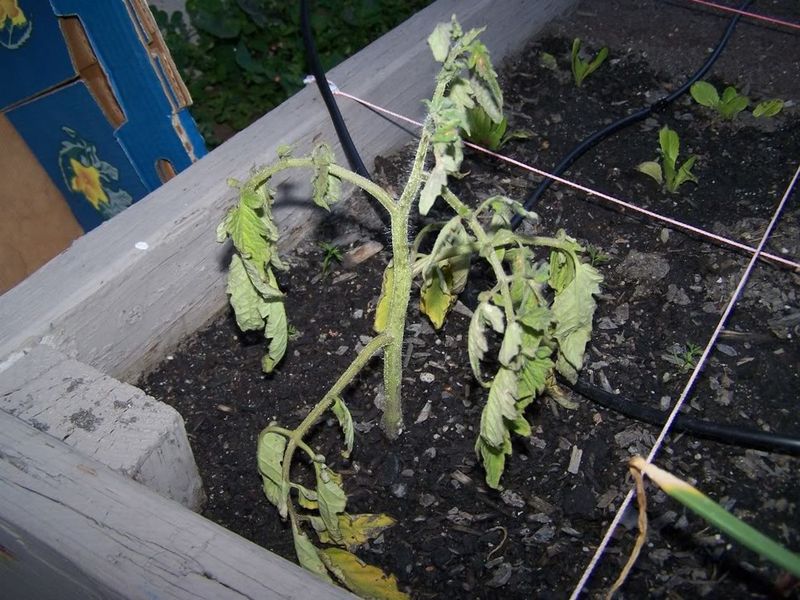
After transplanting, tomato plants may experience shock, evident through yellow leaves. The relocation disturbs root systems, causing temporary stress.
Gentle handling and proper acclimatization help reduce shock.
Ensuring sufficient water and avoiding fertilizers immediately after transplanting can aid in recovery.
9. pH Imbalance
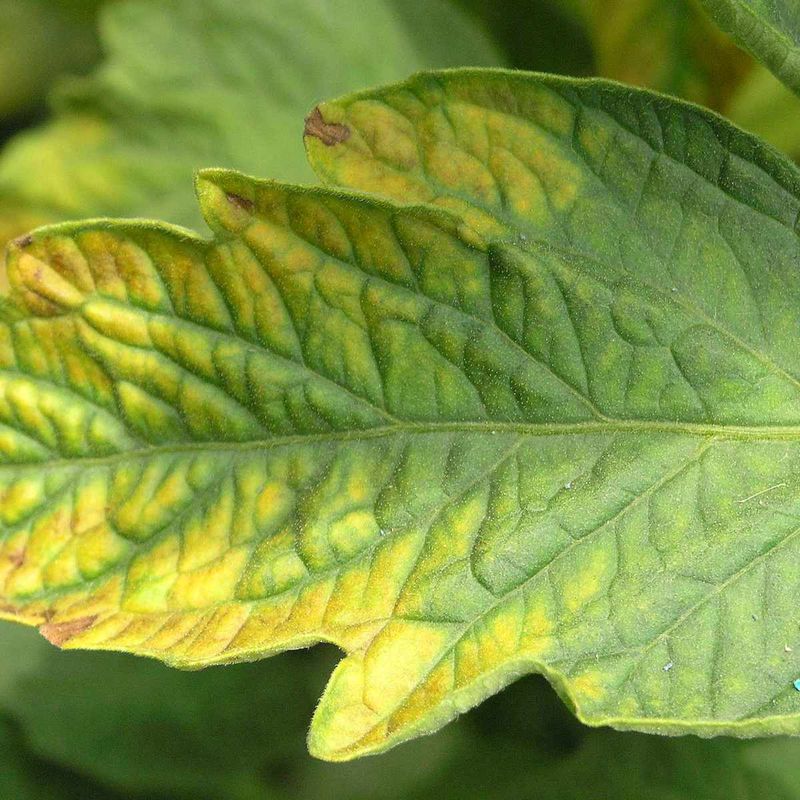
Soil pH levels significantly affect nutrient availability. Incorrect pH can lock essential nutrients away, leading to yellow leaves.
Regular pH testing and adjustments using lime or sulfur can create optimal growing conditions.
A balanced pH ensures your tomato plants have access to everything they need for healthy growth.
10. Compacted Soil
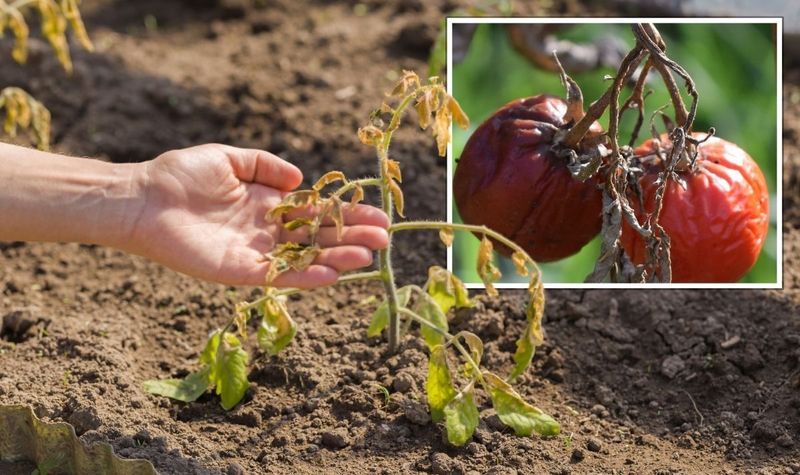
Compacted soil can suffocate plant roots, restricting water and nutrient uptake, resulting in yellow leaves. Heavy foot traffic and machinery contribute to soil compaction.
Loosening the soil with aeration techniques can significantly improve its structure.
Incorporating organic matter further enhances soil health, promoting vigorous plant growth.
11. Root Damage
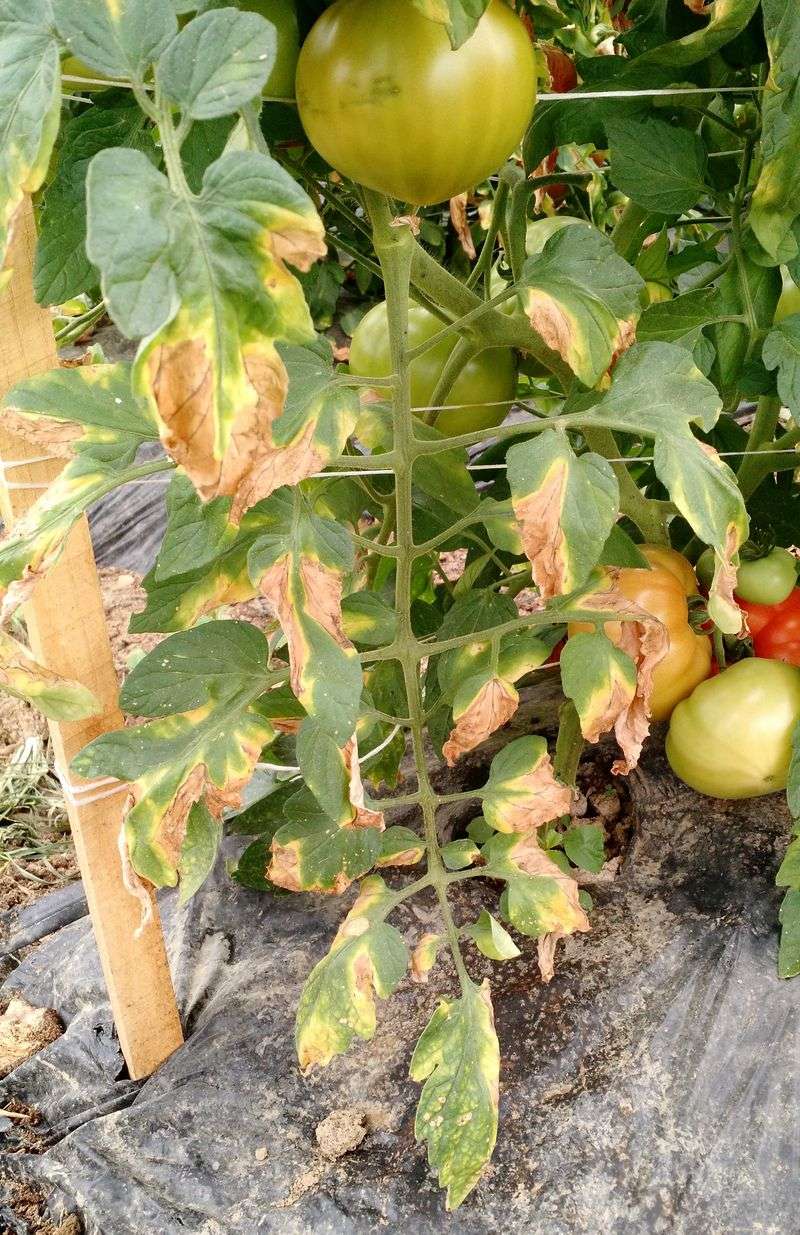
Root damage from pests, disease, or physical injury can disrupt a plant’s nutrient and water uptake, causing yellowing leaves.
Identifying the cause of root damage is essential to plan effective remedies.
Proper planting techniques and monitoring prevent further harm and promote recovery.
12. Chemical Exposure
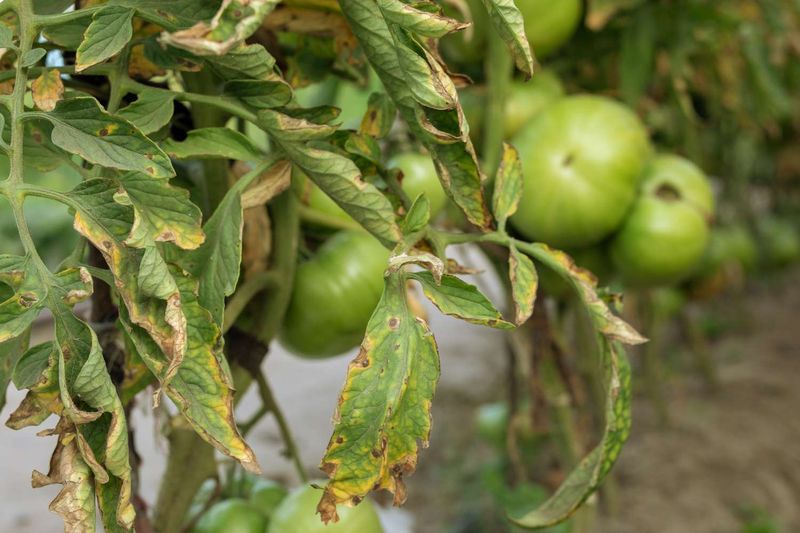
Exposure to herbicides or other chemicals can inadvertently harm tomato plants, leading to yellow leaves.
Awareness of nearby chemical applications and protective measures prevents accidental damage.
Maintaining a safe distance from treated areas is crucial for plant health.
13. Lack of Sunlight
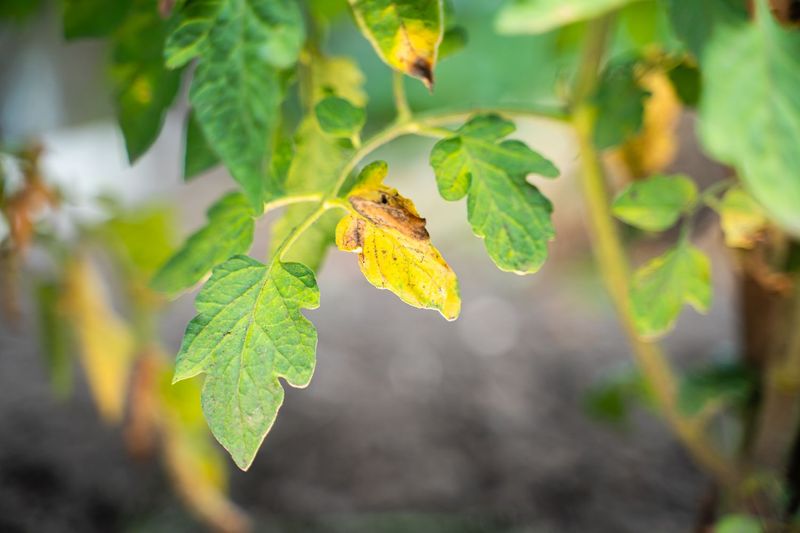
Tomato plants thrive in sunlight, and a lack of it can result in yellowing leaves. Placing plants in shaded areas deprives them of essential light for photosynthesis.
Repositioning plants to sunnier spots or using grow lights indoors can ensure adequate light exposure.
Sunlight is the lifeblood of healthy tomato plants.
14. Overcrowding
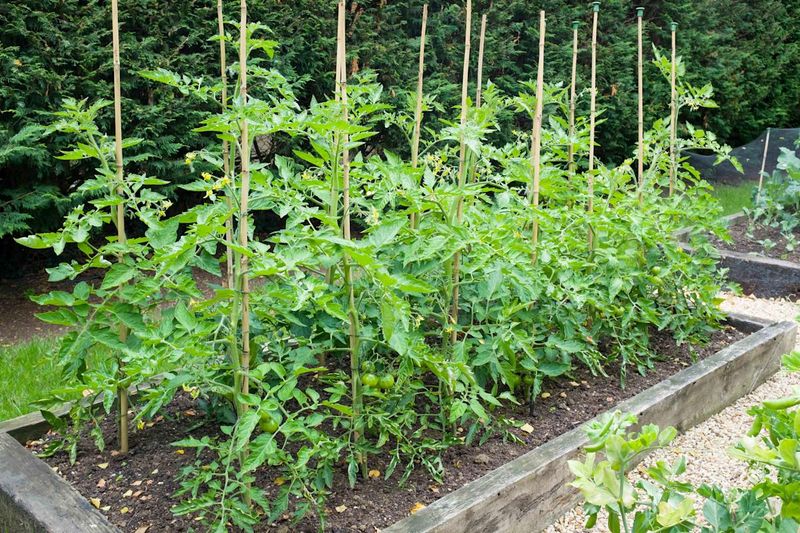
Overcrowded tomato plants compete for light, water, and nutrients, often resulting in yellow leaves.
Proper spacing during planting ensures each plant gets enough resources.
Pruning excess foliage can also improve air circulation and reduce competition, encouraging healthier growth.
15. Aging Leaves
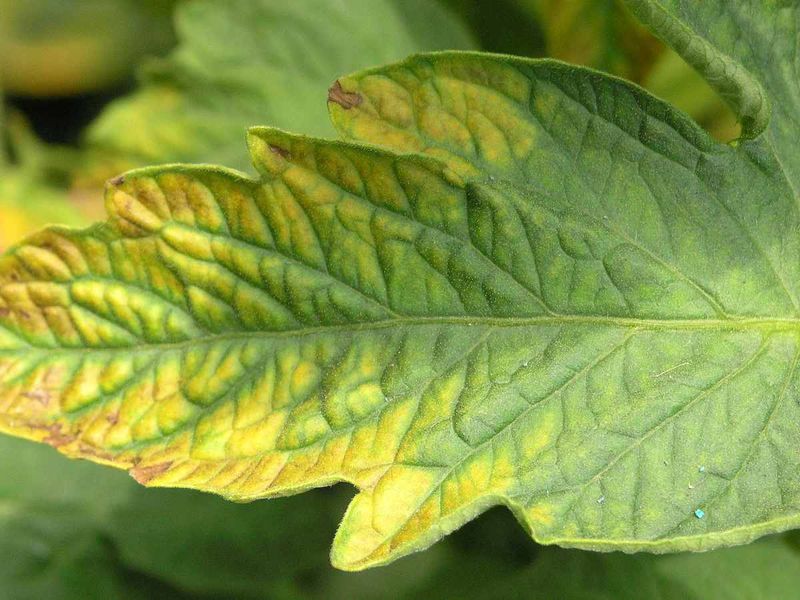
As tomato plants mature, older leaves at the base naturally turn yellow and die off. This aging process is part of a plant’s lifecycle and is not necessarily a cause for concern.
Regular pruning of these leaves improves plant appearance and directs energy to new growth.
Understanding the plant’s life cycle helps differentiate natural aging from problematic yellowing.