
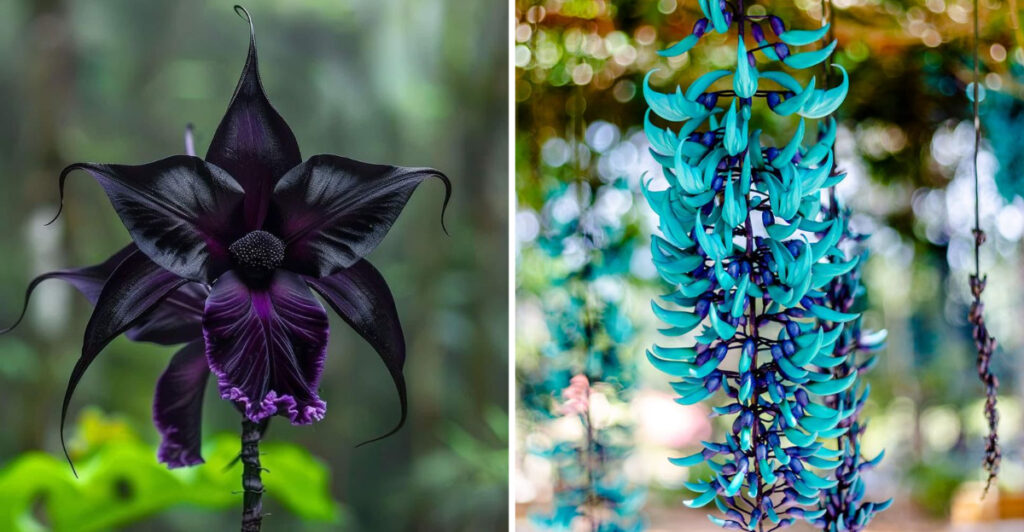
Explore the fascinating world of flowers with these 18 uniquely bizarre and captivating blooms. From peculiar shapes to astonishing adaptations, each flower showcases nature’s creativity and wonder.
1. Corpse Flower
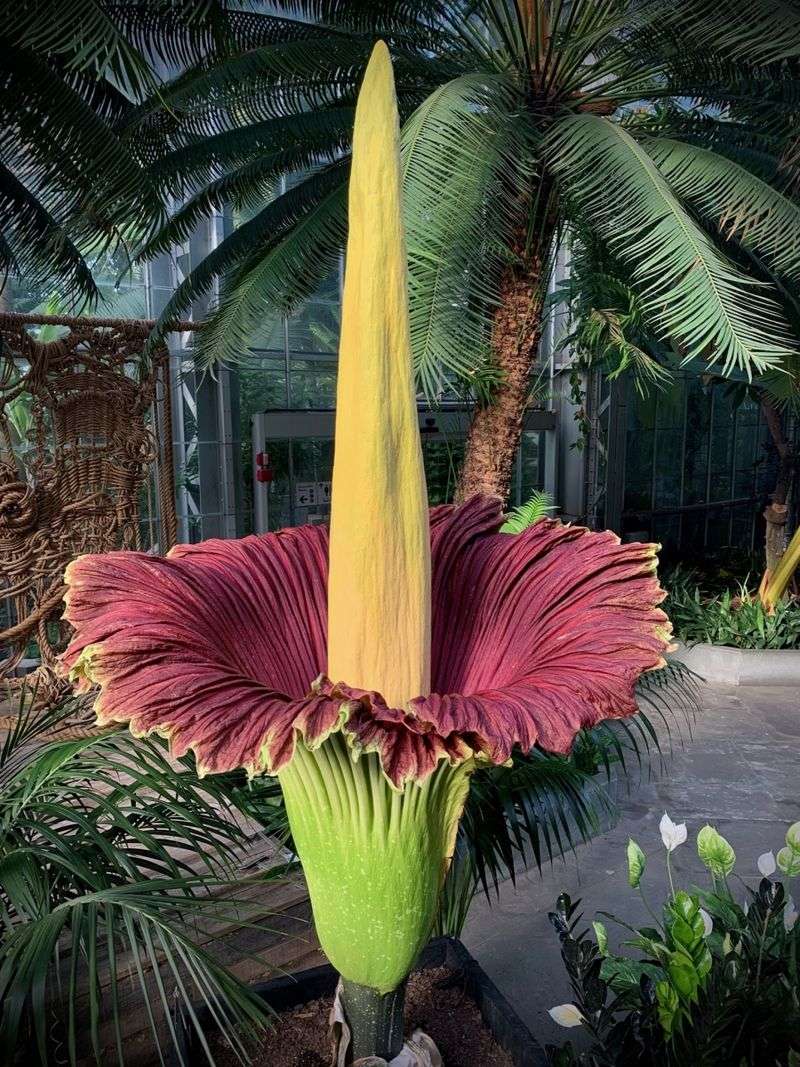
The Corpse Flower, or Amorphophallus titanum, attracts attention with its immense size and unique odor. Known for its pungent smell reminiscent of rotting flesh, this flower is both a marvel and a curiosity. Its massive blossom, which can reach up to 10 feet, opens only for a brief period, offering a rare spectacle.
Native to the rainforests of Sumatra, the Corpse Flower uses its odor to attract carrion beetles and flesh flies for pollination. Despite its unconventional aroma, it draws crowds eager to witness its magnificent bloom.
2. Ghost Orchid
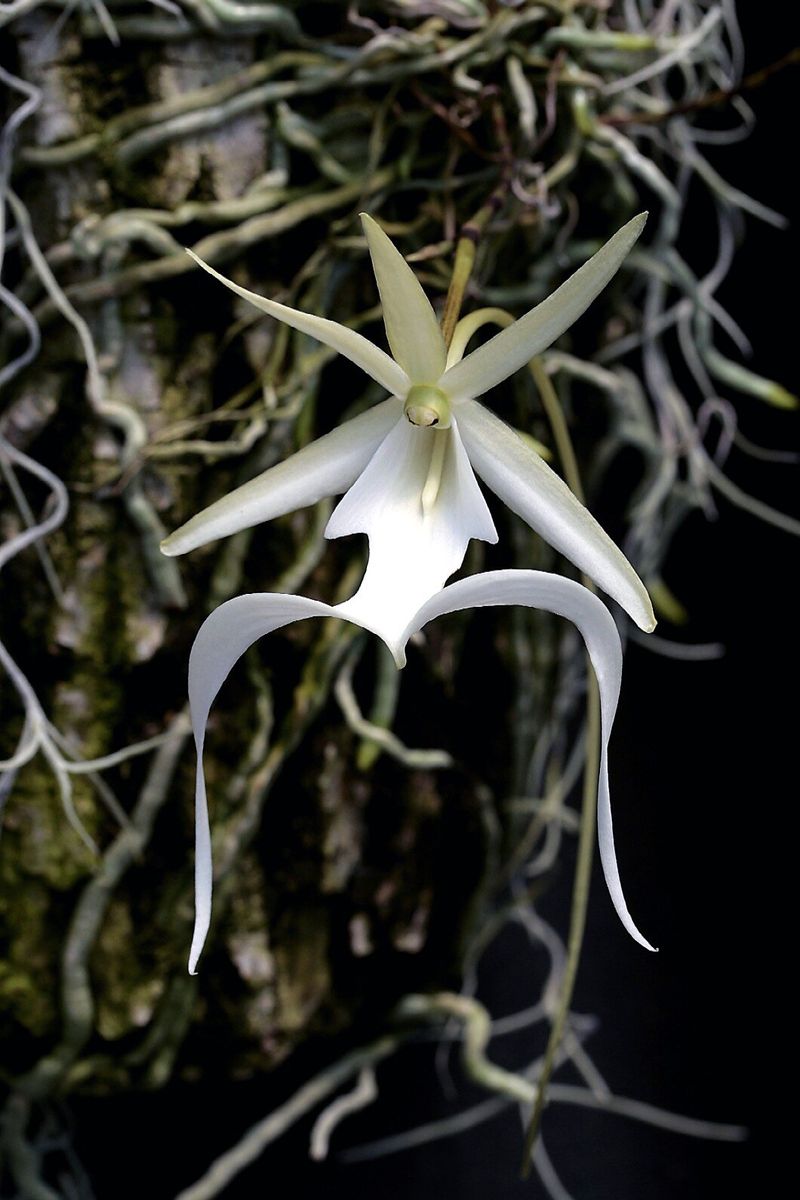
The Ghost Orchid (Dendrophylax lindenii) is renowned for its elusive nature and mystical appearance. Residing in the swamps of Florida and Cuba, this flower lacks leaves and seems to float in mid-air. Its ghostly white blooms emit a subtle fragrance that adds to its allure.
Pollinated by the giant sphinx moth, the Ghost Orchid requires specific conditions to thrive, making it a rare find. Conservationists tirelessly work to protect its habitat, ensuring this spectral flower continues to enchant those who seek it.
3. Black Bat Flower
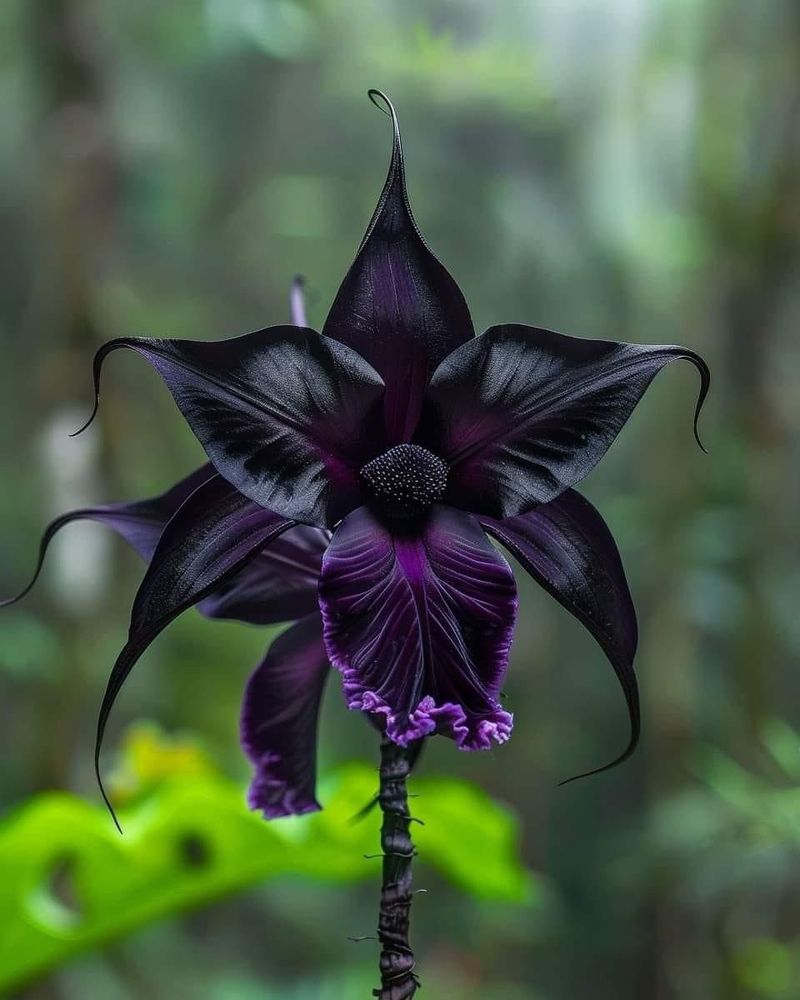
The Black Bat Flower (Tacca chantrieri) intrigues with its eerie resemblance to a bat in flight. Its dark petals and long, whisker-like tendrils give it an otherworldly appearance that fascinates botanists and flower enthusiasts alike.
Native to Southeast Asia, this flower thrives in the humid understorey of tropical forests. The Black Bat Flower’s striking form and rarity make it a sought-after specimen for exotic plant collectors. Its unique pollination process is aided by flies and other insects attracted to its dark allure.
4. Jade Vine
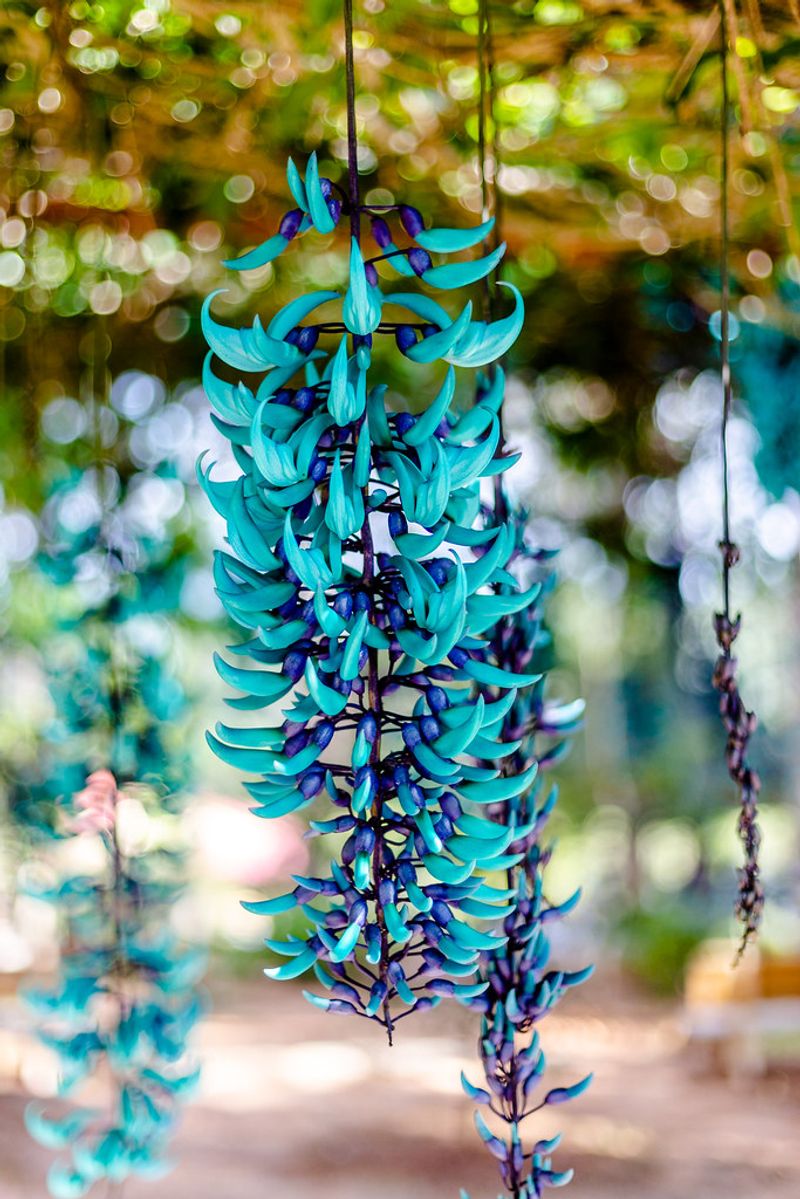
The Jade Vine (Strongylodon macrobotrys) captivates with its stunning turquoise blooms that mimic the color of the ocean. Originating from the rainforests of the Philippines, this vine’s claw-shaped flowers hang in clusters, creating a mesmerizing visual.
Pollinated by bats attracted to its vibrant hue, the Jade Vine is a treasure among botanical gardens. Its striking appearance and rarity make it a symbol of natural beauty and resilience, drawing admirers from around the globe.
5. Bleeding Heart
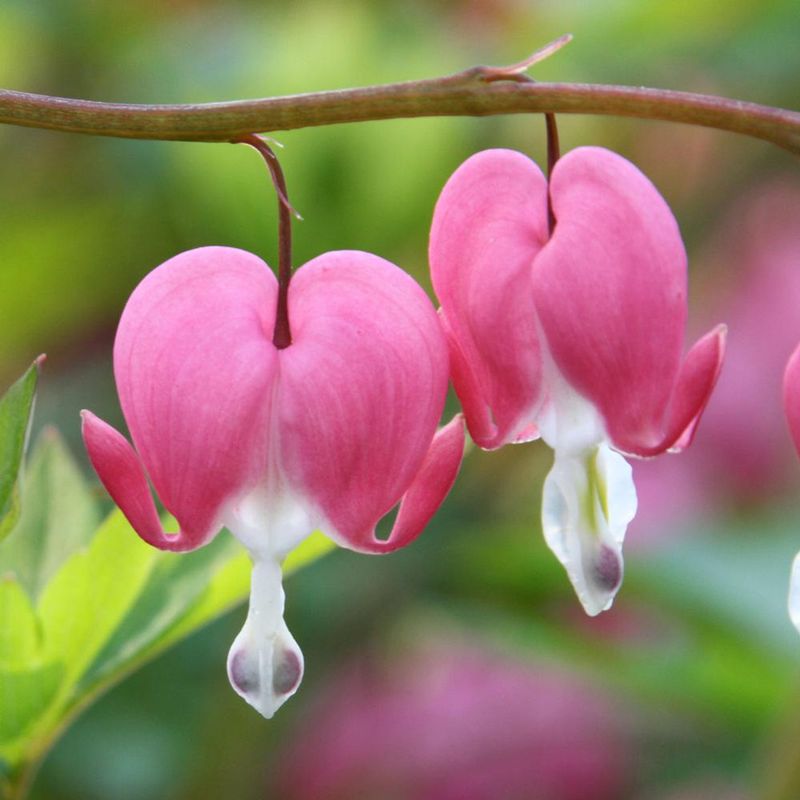
The Bleeding Heart (Lamprocapnos spectabilis) enchants with its heart-shaped flowers that appear to “bleed” with a drop at the bottom. This delicate perennial is native to Asia and grows in shaded, woodland settings.
Its distinctive pink and white blooms add a romantic touch to gardens, captivating those with a love for whimsical flora. The Bleeding Heart’s graceful form and vibrant colors make it a favorite among gardeners seeking a touch of elegance and nostalgia.
6. Sea Poison Tree
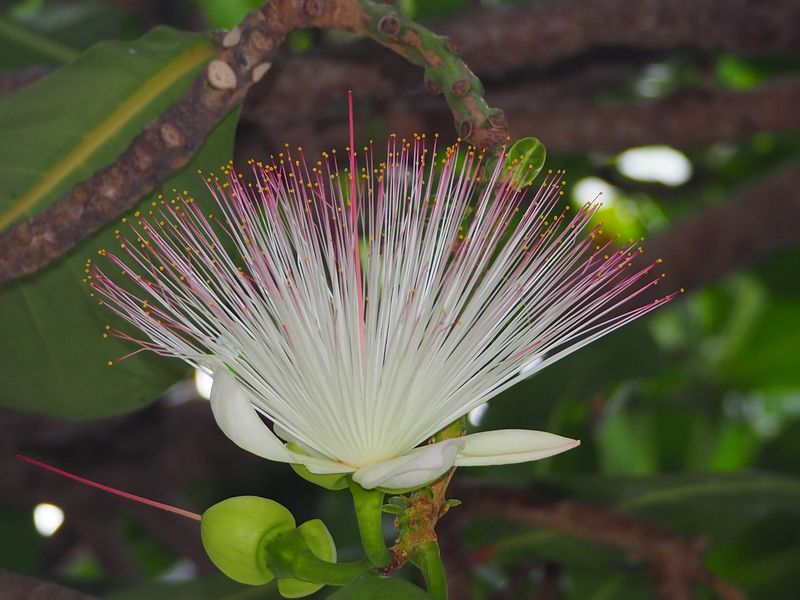
The Sea Poison Tree (Barringtonia asiatica) presents a striking display with its large, spiky white flowers resembling pom-poms. Found along tropical coastlines, this tree’s blooms emit a sweet fragrance at night, attracting nocturnal pollinators like bats and moths.
Despite its beauty, the tree produces toxic seeds that have been used historically for fishing. The Sea Poison Tree’s dual nature of allure and danger adds an intriguing element to coastal ecosystems, inviting curious onlookers to explore its mysteries.
7. Monkey Face Orchid
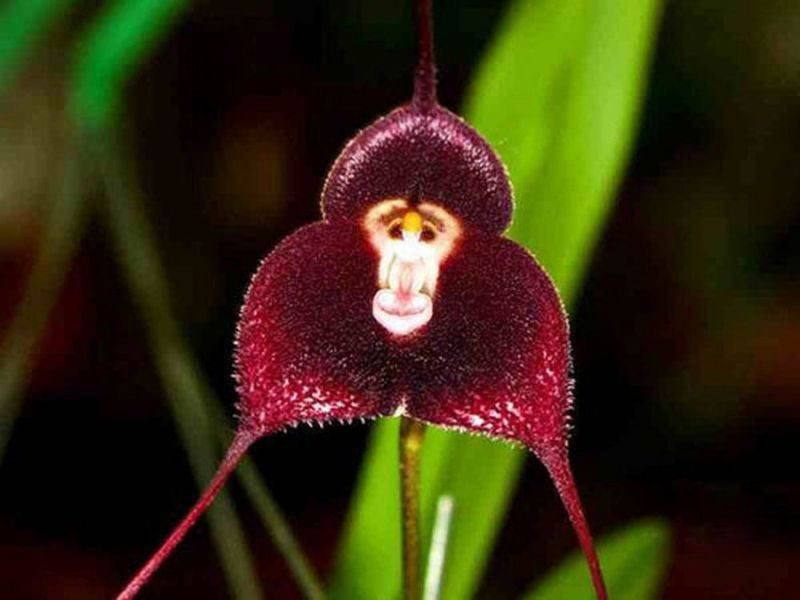
The Monkey Face Orchid (Dracula simia) intrigues with its blossoms that uncannily resemble a monkey’s face. This orchid, native to the cloud forests of Ecuador and Peru, thrives in cool, humid conditions.
Its whimsical appearance and pleasant citrus-like scent captivate orchid enthusiasts and nature lovers alike. The Monkey Face Orchid embodies nature’s playful side, offering a unique perspective on the diversity and creativity found within the plant kingdom.
8. Chocolate Cosmos
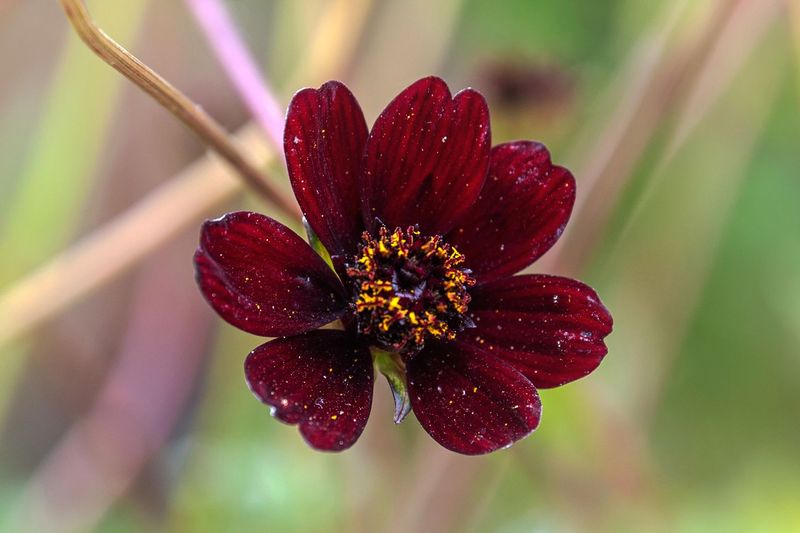
The Chocolate Cosmos (Cosmos atrosanguineus) delights the senses with its rich, chocolate-scented blooms. This captivating flower, native to Mexico, features deep burgundy petals that appear almost black in certain lights.
Its intoxicating aroma and velvety texture make it a cherished addition to gardens seeking a touch of the exotic. The Chocolate Cosmos’ unique fragrance and striking color offer a sensory experience that lingers in the memory.
9. Snapdragon Skull
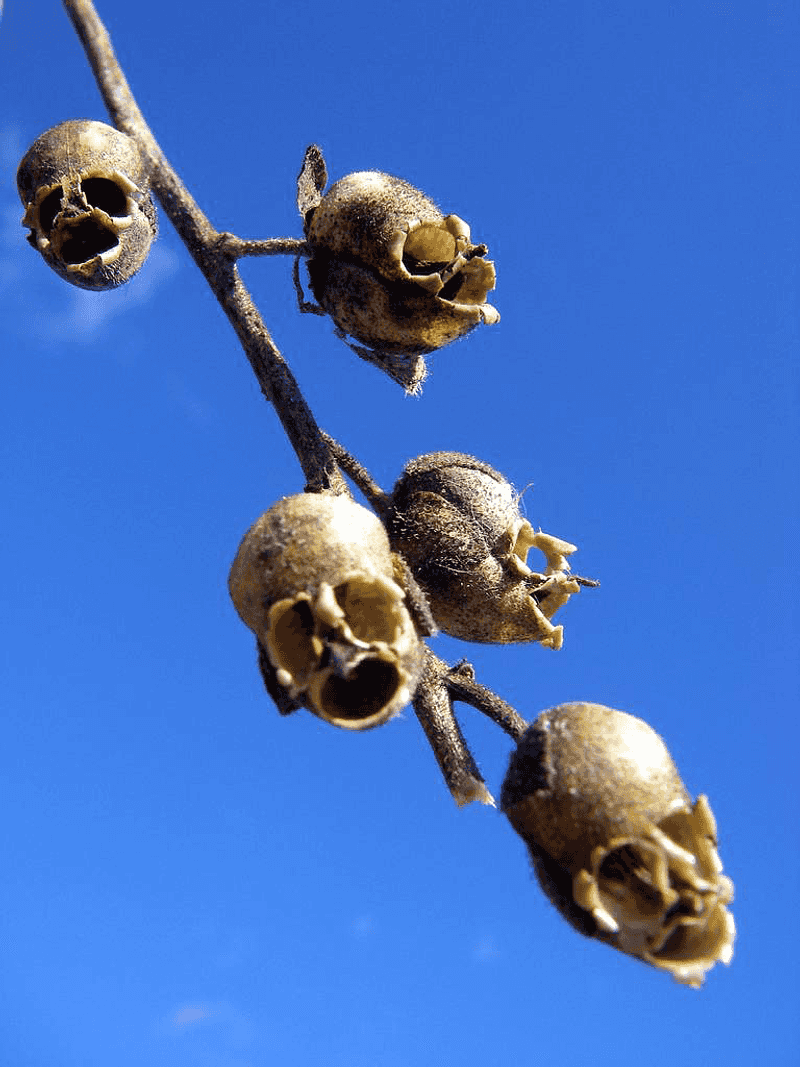
The Snapdragon (Antirrhinum) offers a macabre twist with its seed pods that resemble skulls once the flowers have dried. While the living blooms are vibrant and cheerful, the seed pods tell a different story.
Gardeners and botanists find the transformation from bloom to seed pod fascinating, as it reveals another dimension of this popular garden flower. The Snapdragon’s dual personality—colorful blooms and eerie seed pods—highlights the intriguing contrasts within nature.
10. Passion Flower
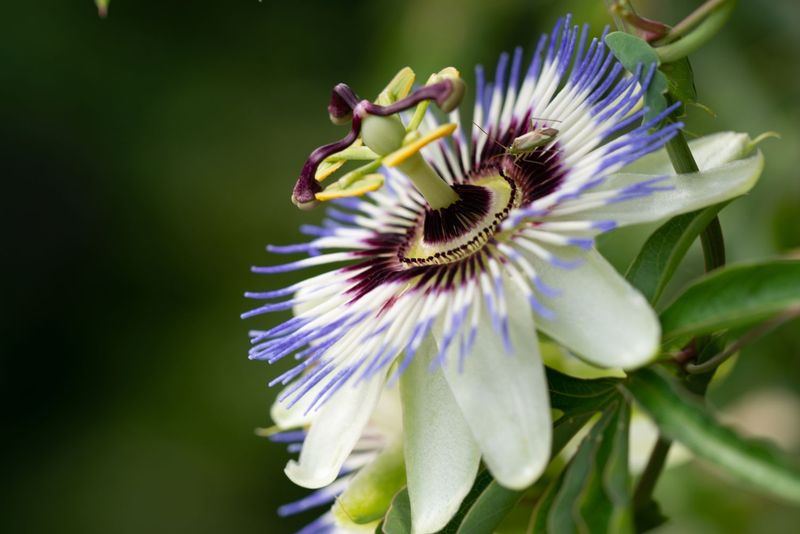
The Passion Flower (Passiflora) captivates with its intricate blooms that seem to defy nature’s conventional patterns. Its complex structure and vibrant colors draw visitors to gardens and natural settings alike.
Native to the Americas, the Passion Flower has deep cultural and religious significance, symbolizing the crucifixion of Christ in Christian symbolism. Its remarkable beauty and historical importance make it a standout in the botanical world.
11. Doll’s Eyes
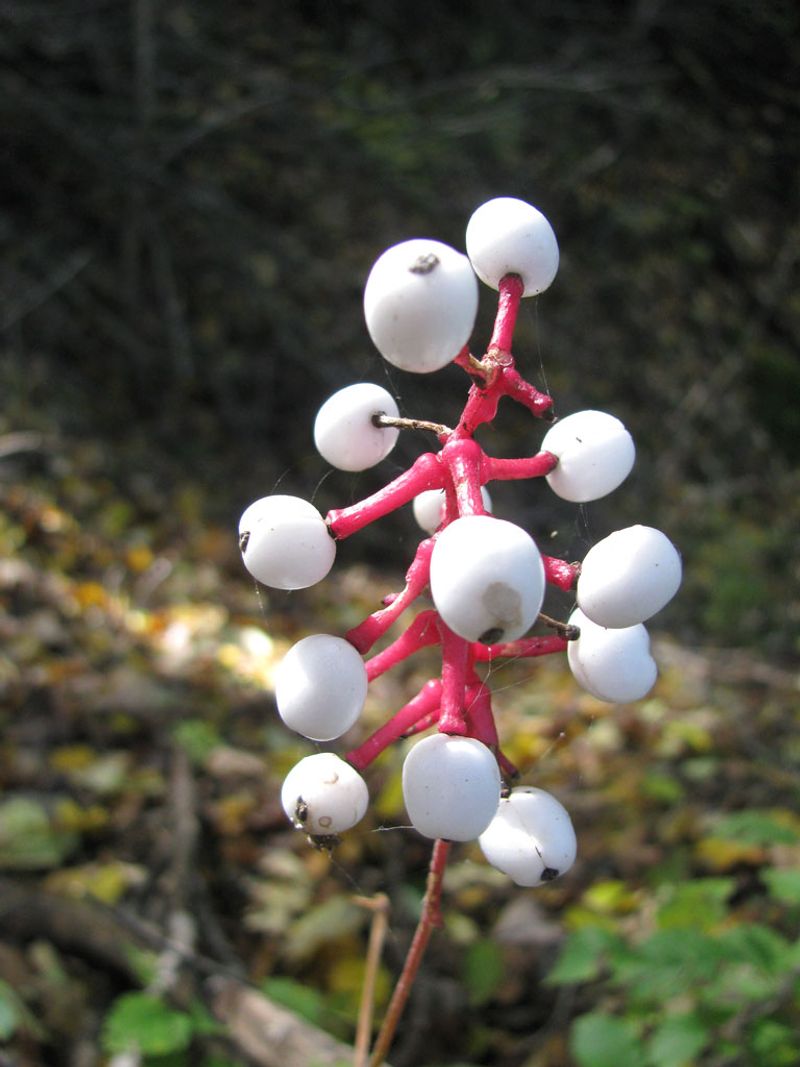
The Doll’s Eyes plant (Actaea pachypoda) intrigues with its eerie white berries that resemble porcelain doll eyes. Found in North American forests, this plant’s berries stand out against the greenery with their unusual appearance.
Despite their striking looks, the berries are highly toxic, adding a sinister twist to their beauty. Doll’s Eyes serve as a reminder of nature’s ability to blend allure with danger, captivating the curious and cautious alike.
12. Hooker’s Lips
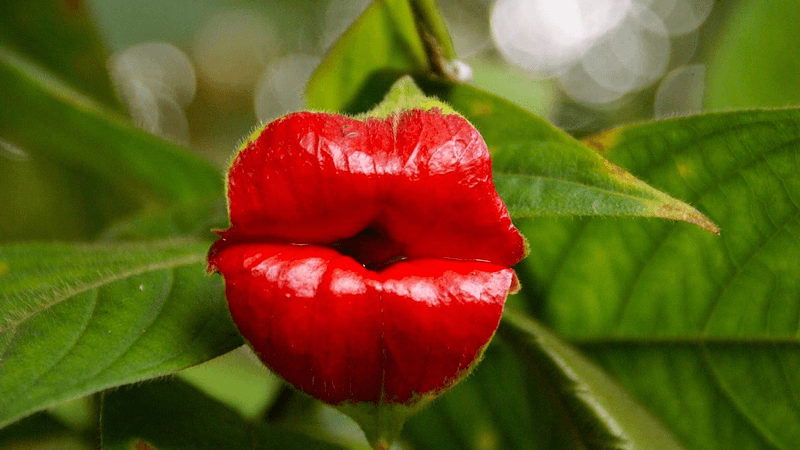
The Hooker’s Lips plant (Psychotria elata) catches the eye with its bright red bracts that mimic puckered lips. Native to the rainforests of Central and South America, this plant’s unusual appearance draws attention from both botanists and tourists.
These “lips” serve the purpose of attracting pollinators such as hummingbirds and butterflies. Hooker’s Lips highlight the playful side of nature’s design, offering a glimpse into the diverse strategies plants use to ensure survival.
13. Hydnora Africana
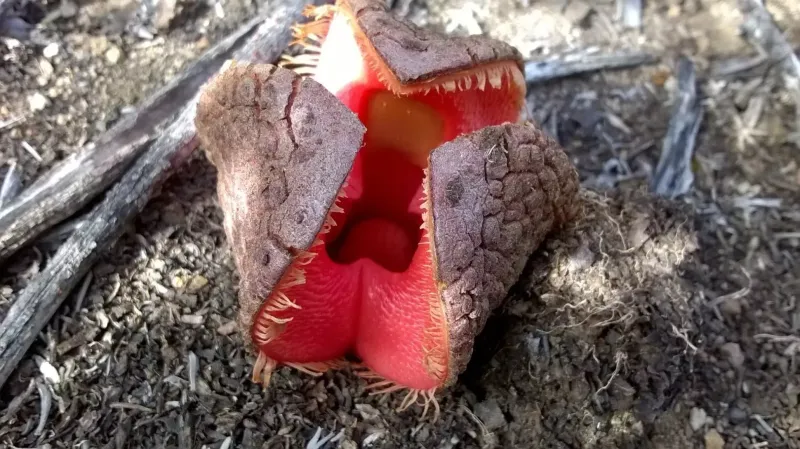
Hydnora Africana, a plant native to southern Africa, surprises with its subterranean lifestyle and unusual appearance. This parasitic plant emerges from the ground with a fleshy flower that resembles a gaping mouth, complete with an unpleasant odor.
Its primary pollinators are dung beetles and carrion beetles attracted by the smell. Hydnora Africana’s bizarre form and survival strategy showcase the ingenuity of plant adaptation in challenging environments.
14. Parrot Flower
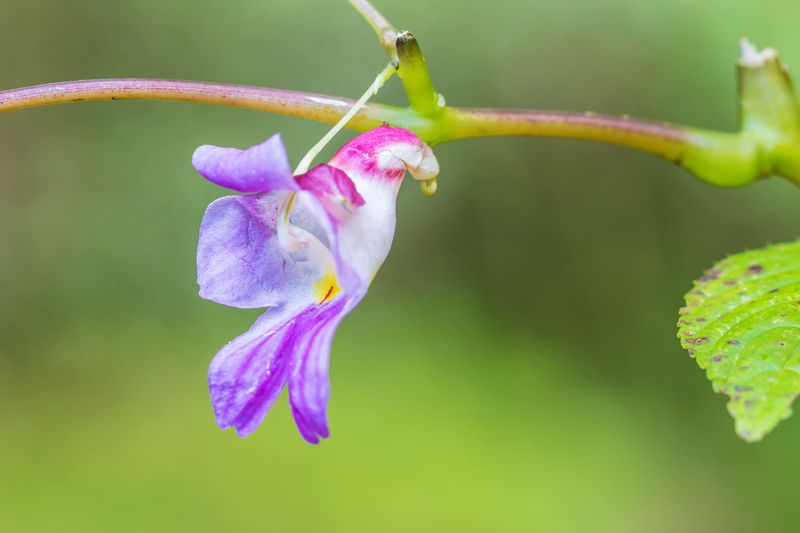
The Parrot Flower (Impatiens psittacina) delights with its blooms that resemble a parrot in mid-flight. Native to Southeast Asia, this rare flower’s vibrant pink and purple hues catch the eye of anyone lucky enough to glimpse it.
Its unique shape and coloring make it a subject of intrigue among botanists and flower enthusiasts. The Parrot Flower’s unusual mimicry adds a touch of whimsy to the floral world, sparking the imagination of those who encounter it.
15. Welwitschia
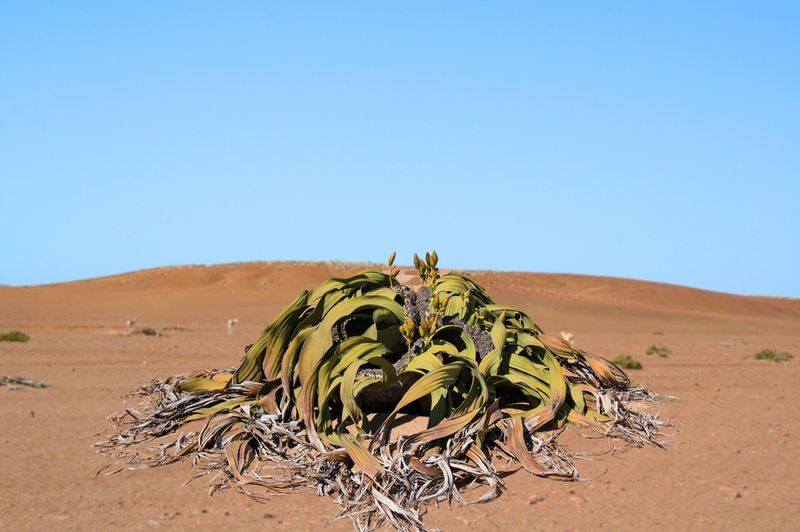
The Welwitschia plant (Welwitschia mirabilis) defies traditional plant expectations with its sprawling, ribbon-like leaves. Endemic to the Namib Desert, this plant can survive for centuries, thriving in one of the harshest environments on Earth.
Its resilience and unique appearance make it a subject of fascination for botanists studying desert adaptations. The Welwitschia’s longevity and tenacity offer a testament to the extraordinary capabilities of life.
16. Titan Arum
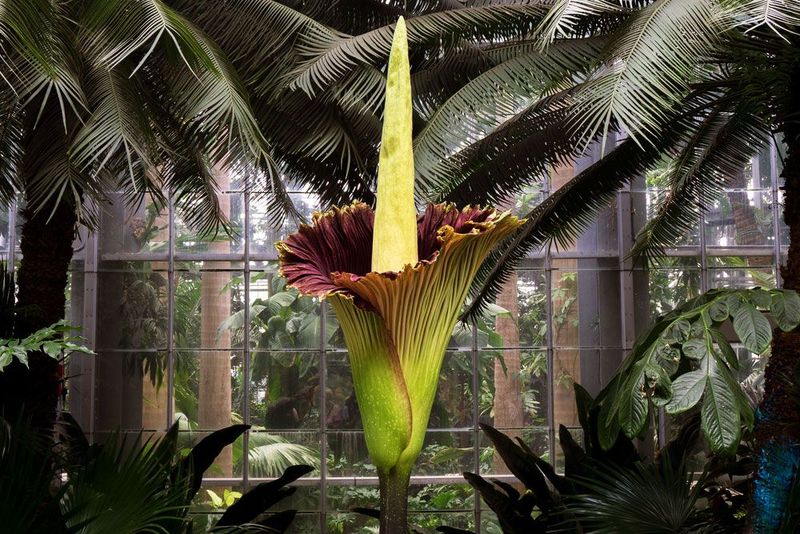
The Titan Arum (Amorphophallus titanum) stands as one of nature’s giants with its impressive height and powerful odor. Often called the “corpse flower,” it shares a similar scent profile to its relative, the Corpse Flower.
Native to Sumatra’s rainforests, the Titan Arum’s rare and infrequent blooms create a spectacle that draws plant enthusiasts and curious onlookers alike. Its formidable presence and unique pollination strategy highlight the incredible diversity within the plant kingdom.
17. White Egret Orchid
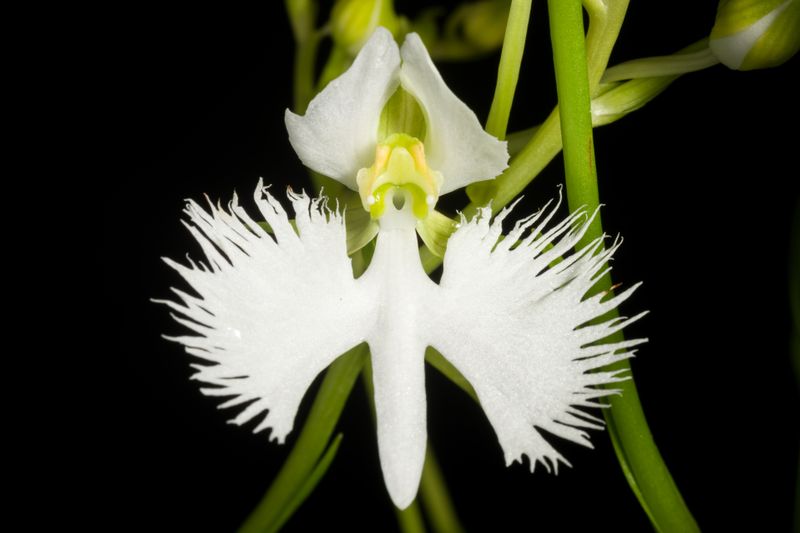
The White Egret Orchid (Habenaria radiata) dazzles with its petals that mimic a graceful egret in flight. Native to Asia, particularly Japan, this orchid’s delicate structure and pristine color evoke a sense of serenity and beauty.
Often found in wetlands, the White Egret Orchid’s elegance and rarity make it a coveted specimen among orchid collectors. Its resemblance to a bird in motion captivates those lucky enough to witness its bloom.
18. Lithops
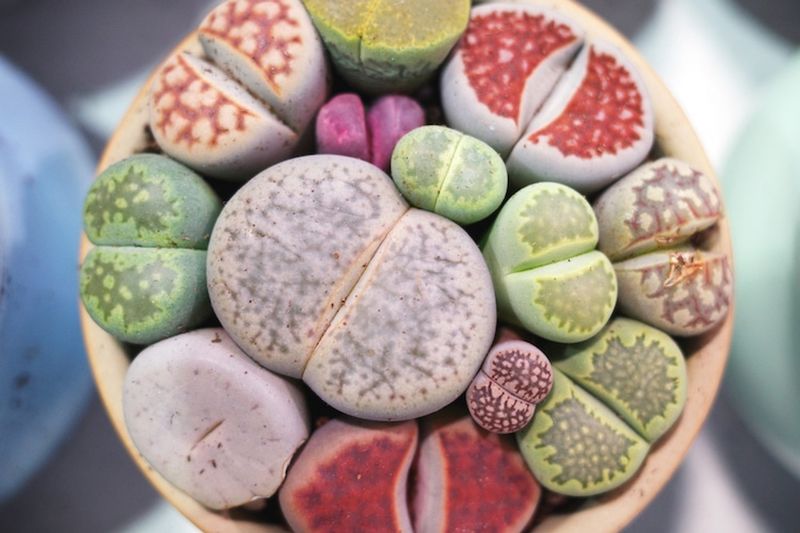
Lithops, known as “living stones,” intrigue with their stone-like appearance that helps them blend into desert landscapes. These succulents, native to southern Africa, exhibit a remarkable adaptation to their arid environment.
Their camouflage protects them from predators, while their fleshy leaves store water for survival. Lithops’ unique form and resilience make them popular among succulent enthusiasts and collectors seeking the unusual.