

Creeping Charlie, also known as ground ivy, is a persistent weed that can overrun gardens and lawns. Its creeping nature makes it a formidable foe for homeowners. However, with the right strategies, you can reclaim your green spaces. Below are 16 practical and easy tricks to effectively eliminate Creeping Charlie and prevent its return. Employing a mix of natural and chemical methods, these tips will cater to various preferences and ensure that your lawn remains healthy and vibrant. Let’s explore these strategies to keep your garden free from this invasive weed.
1. Manual Removal
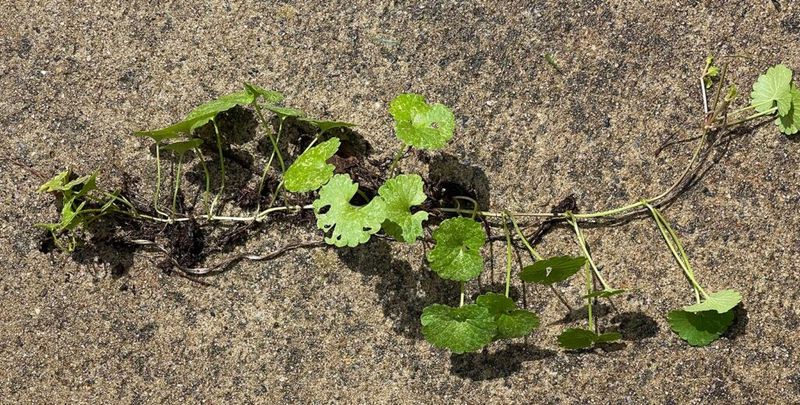
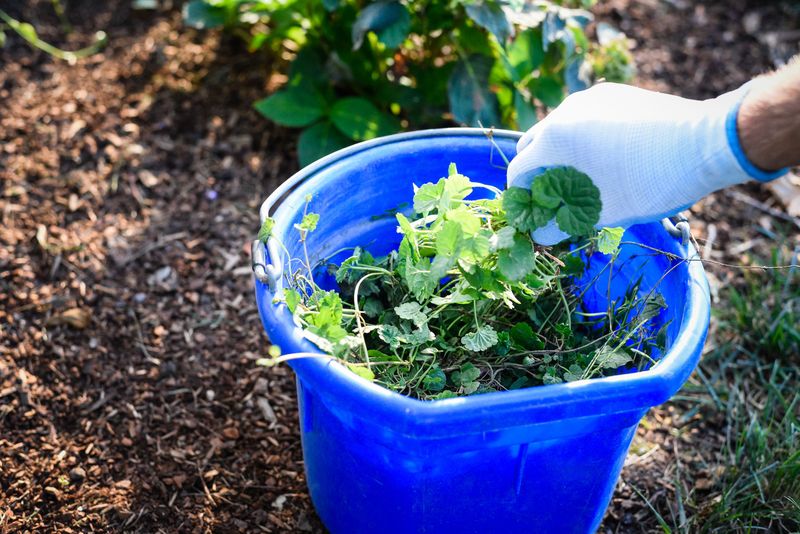
For a hands-on approach, manually removing Creeping Charlie can be effective. Wearing gloves, gently pull the plant from the ground, ensuring you remove the entire root system. This method is labor-intensive but environmentally friendly. Target the weed’s runners, as these can quickly spread and root elsewhere. Spend time inspecting your garden for missed fragments. Persistence is key, as any leftover roots can regrow. This technique is suitable for small infestations and can be a satisfying way to maintain control over your garden. Regular monitoring will help prevent future outbreaks.
2. Vinegar Spray
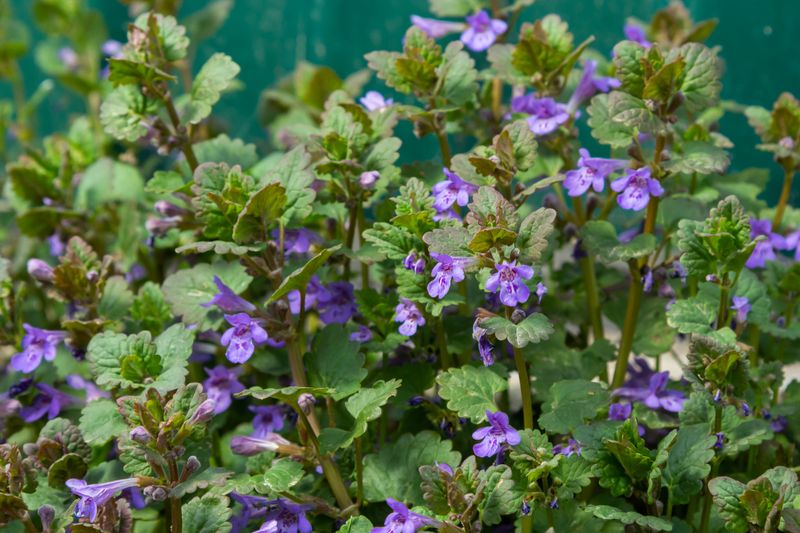
Vinegar is a natural herbicide that can help in controlling Creeping Charlie. Mix a solution of white vinegar and water, then spray directly onto the leaves. The acetic acid in vinegar dehydrates the plant, making it a useful tool in your gardening arsenal. Apply on a sunny day for maximum effect, as sunlight enhances its potency. Repeat applications may be necessary for stubborn areas. This eco-friendly method preserves soil health while targeting the weeds, making it an ideal option for organic gardeners. Always test a small area first to ensure no damage to surrounding plants.
3. Boiling Water Treatment
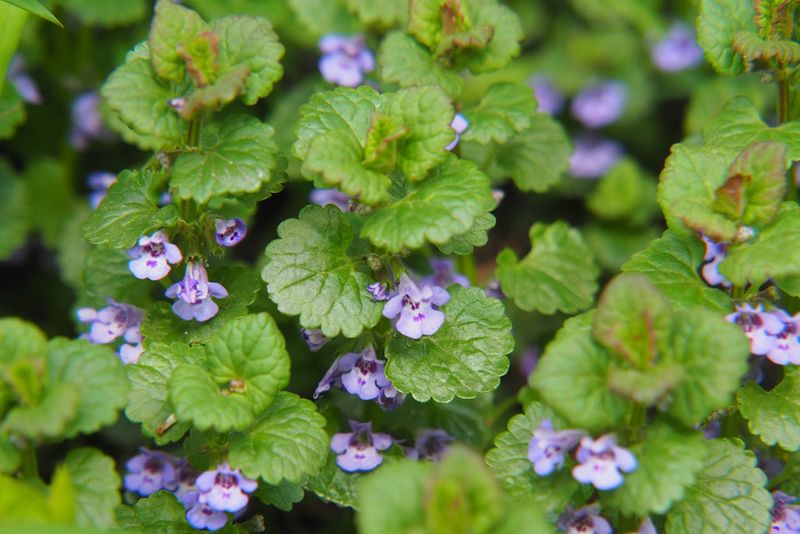
For a simple yet effective solution, boiling water can kill Creeping Charlie. Carefully pour boiling water directly onto the weed, ensuring you cover the entire area. The intense heat kills the plant on contact, making it a quick fix for small patches. Be cautious of nearby plants, as boiling water can harm them as well. This method is best for isolated infestations where precision application is possible. Utilize this treatment in tandem with other methods for comprehensive control. Monitor the area for regrowth, as multiple treatments may be necessary.
4. Mulching
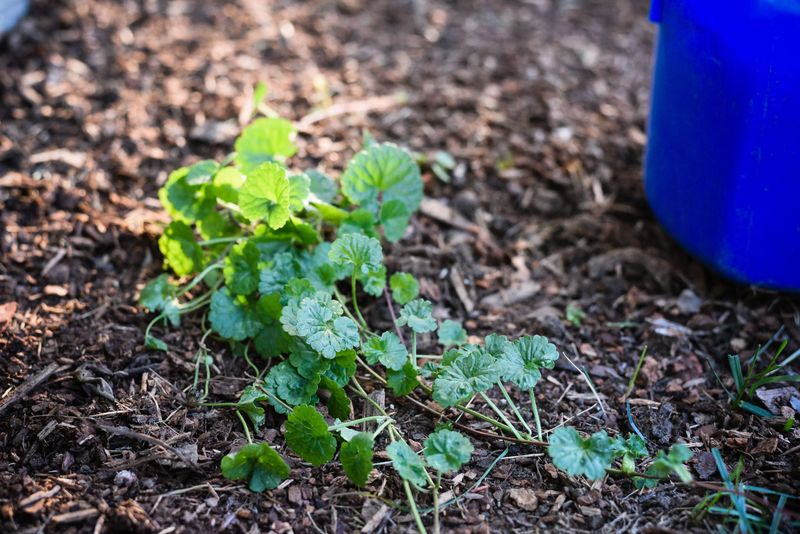
Mulching is a preventative measure that helps suppress Creeping Charlie. Apply a thick layer of organic mulch over affected areas to block sunlight, inhibiting the weed’s growth. Mulch not only smothers weeds but also retains moisture, benefiting surrounding plants. Over time, the mulch will break down and enrich the soil, promoting a healthy garden ecosystem. Choose materials like wood chips, straw, or leaves for best results. Regularly replenish the mulch layer to maintain its effectiveness. This natural barrier can significantly reduce weed pressure and improve overall garden aesthetics.
5. Corn Gluten Meal
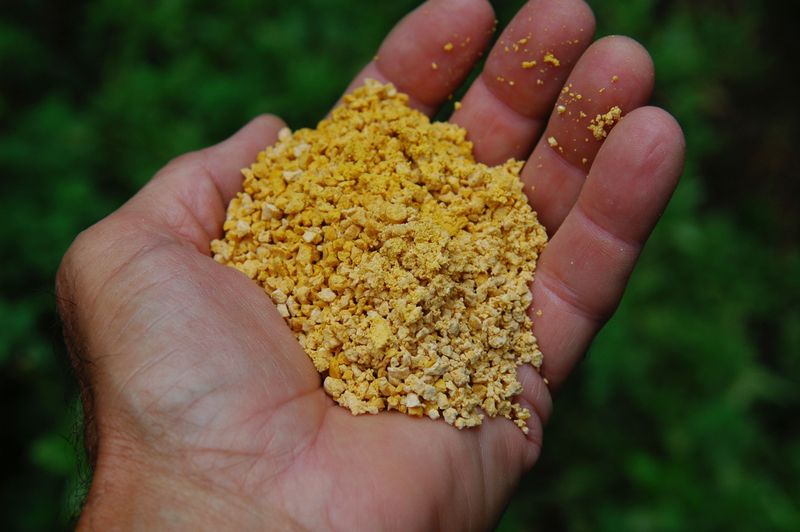
Corn gluten meal acts as a natural pre-emergent herbicide, preventing Creeping Charlie seeds from sprouting. Apply this meal in early spring before the weed germinates. It doesn’t kill existing plants but stops new ones from growing. This method is safe for lawns and gardens, providing additional nutrients as it decomposes. Reapplication every six weeks can bolster its effectiveness. Complement this approach with other control methods for best results. As an added bonus, corn gluten meal enriches the soil, promoting healthier lawn growth. Consistent use is key to keeping Creeping Charlie at bay.
6. Boric Acid Application

Boric acid is a chemical option that can eradicate Creeping Charlie. Mix boric acid with water and spray the solution onto the affected areas. This method disrupts the plant’s cellular structure, leading to its demise. Apply during dry conditions for optimal results, ensuring the lawn is not stressed. While effective, boric acid can harm desirable plants, so precision is crucial. Consider using this treatment in conjunction with manual removal for comprehensive control. Conduct a soil test to monitor boron levels, as excessive amounts can be toxic. Use sparingly to avoid soil contamination.
7. Hand Weeding Hooks
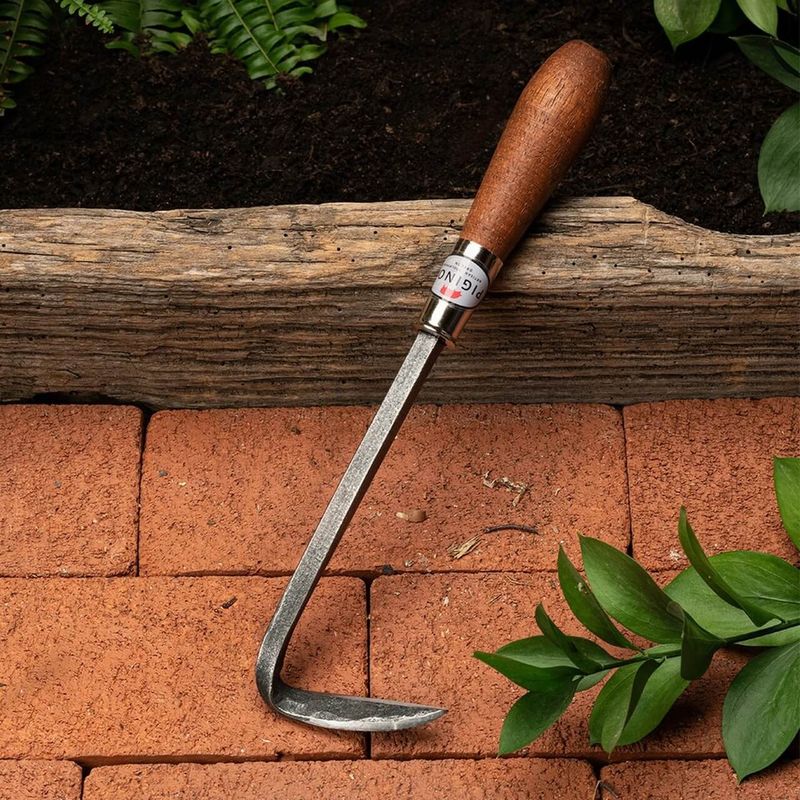
Hand weeding hooks are handy tools for removing Creeping Charlie from tight spaces. These tools allow precision removal, minimizing disturbance to surrounding plants. Use them to reach deep roots and runners, ensuring thorough extraction. Perfect for gardeners aiming for meticulous care, hand weeding combines physical labor with the satisfaction of a weed-free garden. Regular use can prevent the weed from establishing a foothold. Select tools with ergonomic handles for comfort during prolonged use. Combine this method with mulching or other eco-friendly practices for a holistic approach to weed control.
8. Raised Garden Beds

Raised garden beds offer a physical barrier against Creeping Charlie. Elevate your plants to deter the weed’s spread and maintain better control. This method benefits soil drainage and reduces weed competition, promoting healthier plant growth. Constructing raised beds with wood or stone can add aesthetic appeal while serving a functional purpose. This approach is ideal for vegetable gardens or flower beds, offering protection from invasive weeds. Regular maintenance and monitoring ensure Creeping Charlie doesn’t infiltrate from below. This strategy, paired with other preventative measures, enhances garden resilience.
9. Herbicide Application

For extensive infestations, herbicides provide a potent solution against Creeping Charlie. Select a broadleaf herbicide specifically labeled for this weed. Follow the instructions carefully to minimize environmental impact. Apply on calm days to prevent drift onto desirable plants. Protective gear, including gloves and masks, ensures safe application. While effective, herbicides should be a last resort due to their impact on beneficial insects and soil health. Combine with manual removal for targeted results. Monitor treated areas for regrowth and apply follow-up treatments as needed. Responsible use preserves garden health and biodiversity.
10. Improved Lawn Care
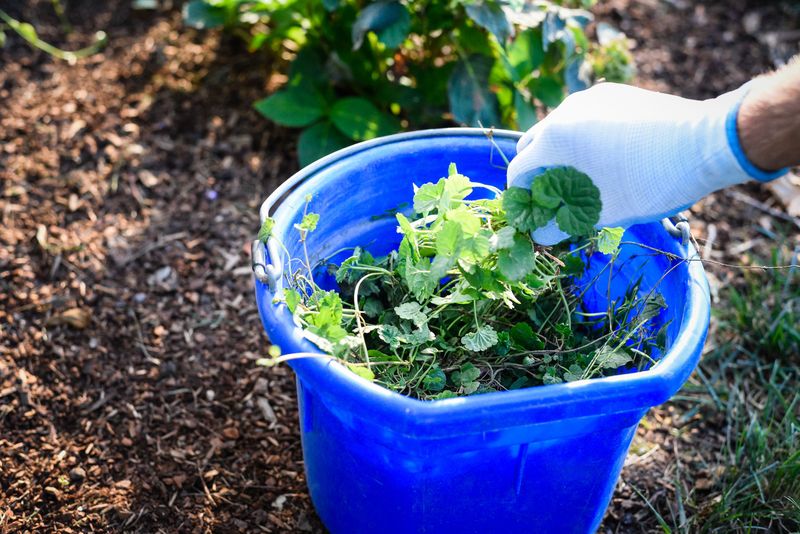
Enhancing lawn care practices can naturally combat Creeping Charlie. Proper mowing, watering, and fertilization strengthen grass, outcompeting weeds for resources. Set mowing heights to 3 inches to shade out the weed and promote grass health. Aerating the soil improves root growth and nutrient absorption, making your lawn resilient. Selecting grass varieties suited to your climate further deters weed invasion. Consistent lawn care diminishes Creeping Charlie’s chances of taking hold. This holistic approach fosters a robust lawn ecosystem, naturally resistant to weeds. Regular attention keeps your landscape thriving and weed-free.
11. Shade Management
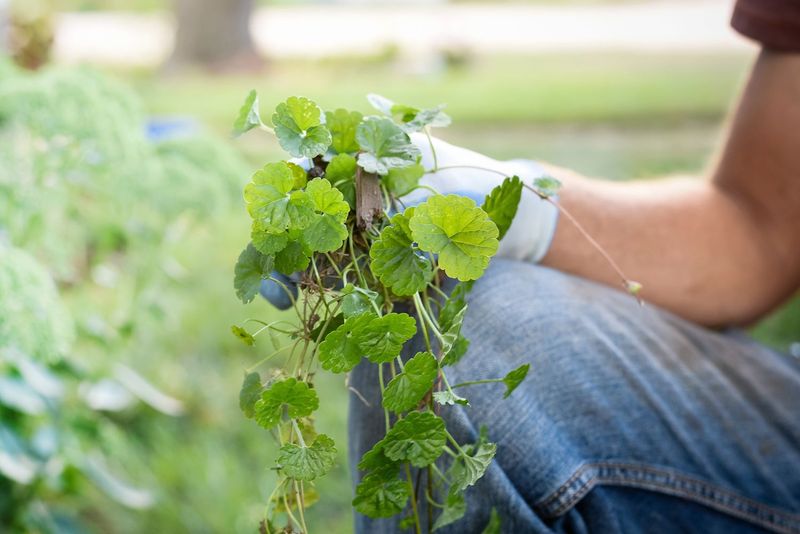
Managing shade levels in your garden can deter Creeping Charlie. Prune overgrown trees and shrubs to increase sunlight exposure, as this weed thrives in shady areas. More sunlight encourages healthy grass growth, limiting space for Creeping Charlie. Balance is key; too much sun can stress other plants. Regularly adjust pruning practices to maintain the desired light levels. This method works well in conjunction with other control strategies. By altering the garden’s microenvironment, you create conditions unfavorable to this invasive weed. The end result is a cohesive, well-lit garden that supports diverse plant life.
12. Clover Integration
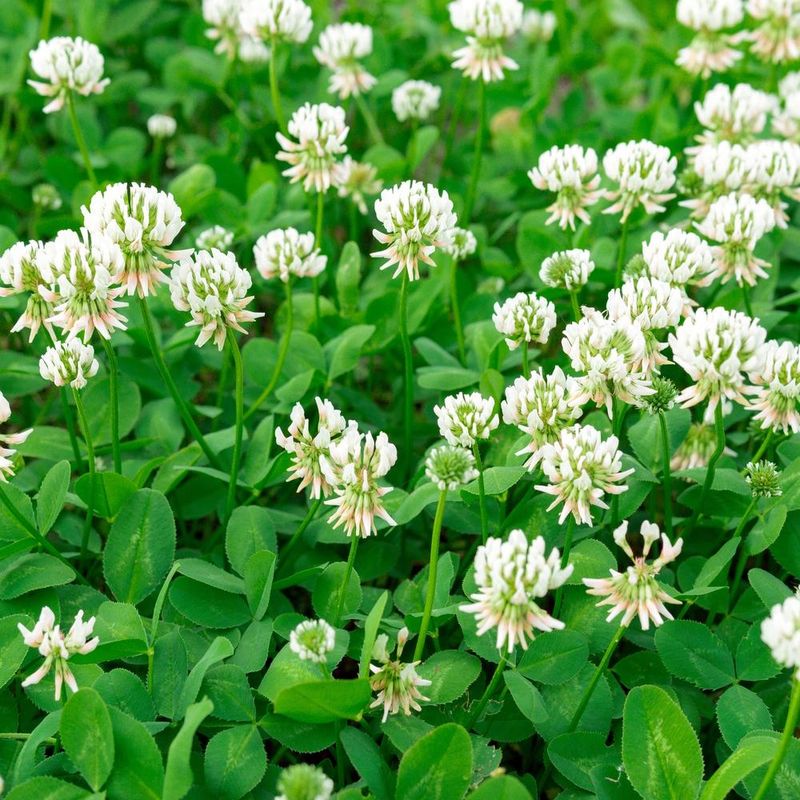
Consider adding clover to your lawn as a natural competitor to Creeping Charlie. Clover’s dense growth pattern crowds out weeds and enhances soil quality through nitrogen fixation. As a low-maintenance option, it requires less mowing and watering. Choose clover varieties compatible with your existing grass for a harmonious blend. This integration not only reduces weed presence but also adds visual interest. Clover’s resilience and adaptability make it an ideal partner in sustainable lawn management. Coupled with consistent care, clover integration fosters a vibrant, weed-resistant landscape.
13. Soil Solarization
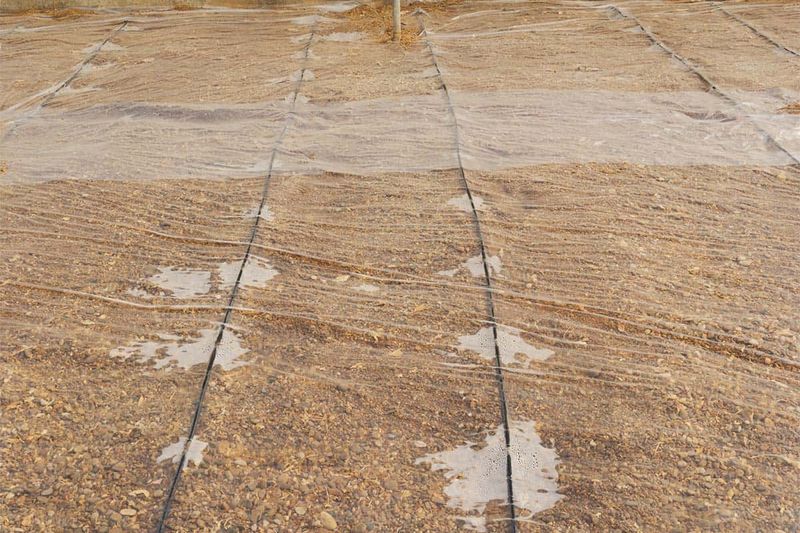
Soil solarization uses solar energy to eradicate Creeping Charlie. Cover affected areas with clear plastic sheets, trapping heat to sterilize the soil. This method is best suited for sunny locations and works over several weeks. The intense heat kills weeds, seeds, and soil-borne pathogens, creating a clean slate for planting. While effective, solarization requires patience and careful monitoring. Ensure edges are securely anchored to prevent wind disruption. This environmentally friendly approach preserves beneficial organisms while eliminating pests. Solarization pairs well with subsequent planting of competitive, ground-covering plants.
14. Iron-Based Herbicides
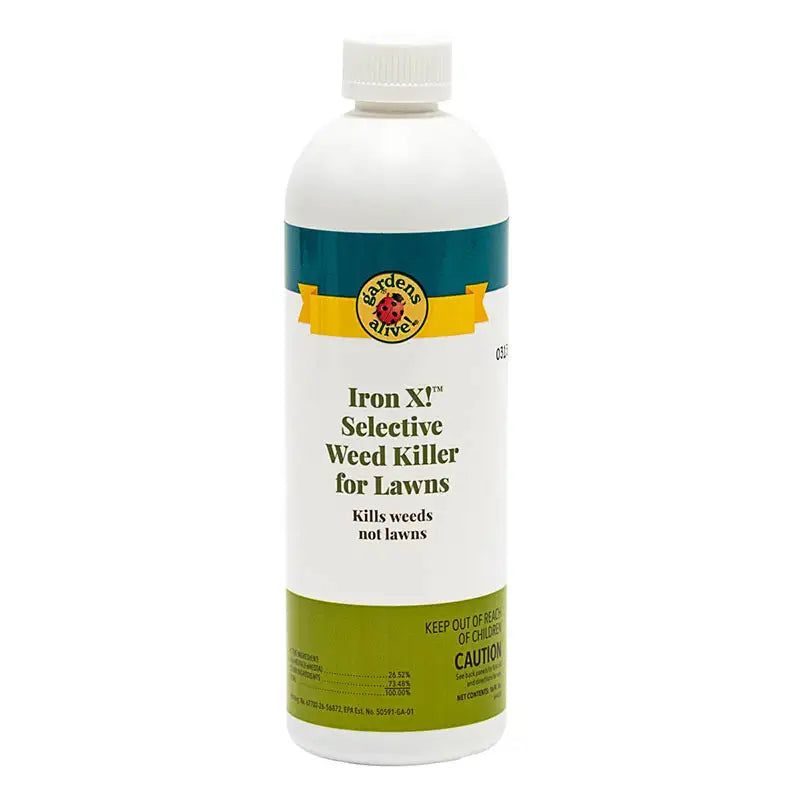
Iron-based herbicides offer a targeted approach to controlling Creeping Charlie. Safe for lawns, these herbicides exploit broadleaf plants’ sensitivity to iron. Apply as directed, observing quick results as the weed wilts. This method is non-toxic to humans, pets, and wildlife, making it an appealing option for family gardens. Multiple treatments may be necessary for full eradication. Combine with improved lawn care for comprehensive management. As part of an integrated weed control plan, iron-based herbicides help maintain a healthy, weed-free lawn. Monitor treated areas to ensure long-term success.
15. Barrier Installation
Installing physical barriers can effectively block Creeping Charlie from spreading. Use landscape edging, retaining walls, or garden borders to contain the weed within designated areas. Barriers serve as a deterrent, limiting the weed’s ability to root across boundaries. This approach is useful in gardens with distinct sections where separation is desired. Regular inspection and maintenance ensure barriers remain effective. Pair this strategy with other control methods for a layered defense. By managing the garden’s layout, you prevent Creeping Charlie from overtaking your outdoor spaces. These barriers add both function and aesthetic appeal.