
Gardening is often seen as a relaxing hobby, but some practices can inadvertently cause harm rather than help. This article explores 20 common gardening habits that may be negatively impacting your plants and garden ecosystem. By understanding these habits, you can make more informed decisions and cultivate a healthier garden environment.
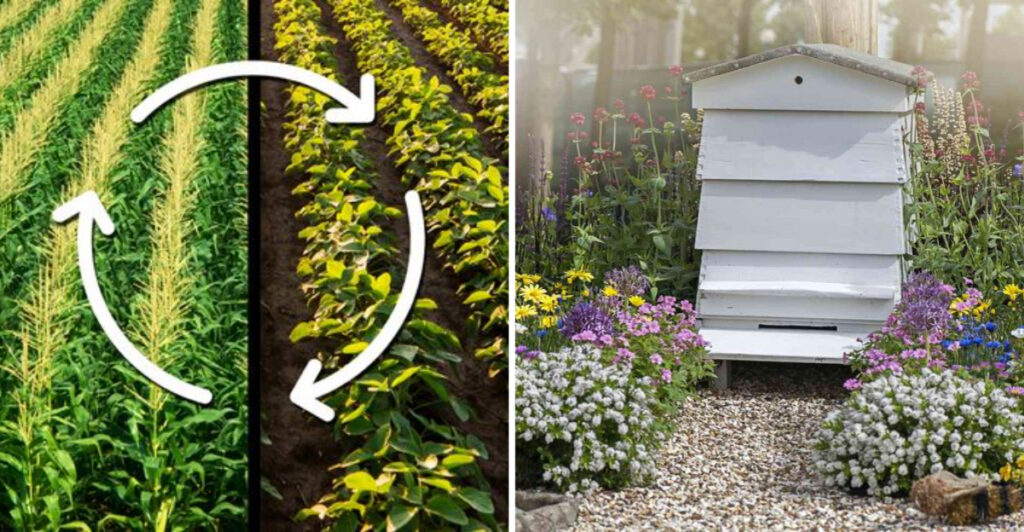
1. Not Rotating Crops

Crop rotation is a fundamental practice that prevents soil depletion and pest buildup. Growing the same crops in the same place annually can lead to nutrient imbalances and disease recurrence.
Rotate plant families every season to improve soil health and reduce pest cycles. This practice disrupts the lifecycle of soil-borne pathogens and pests that target specific plants.
Incorporate cover crops like clover or rye to enrich soil and provide habitat for beneficial insects.
By rotating crops, you enhance soil fertility and resilience. Diversity is the spice of garden success.
Keep your garden dynamic and thriving.
2. Ignoring Wildlife Needs
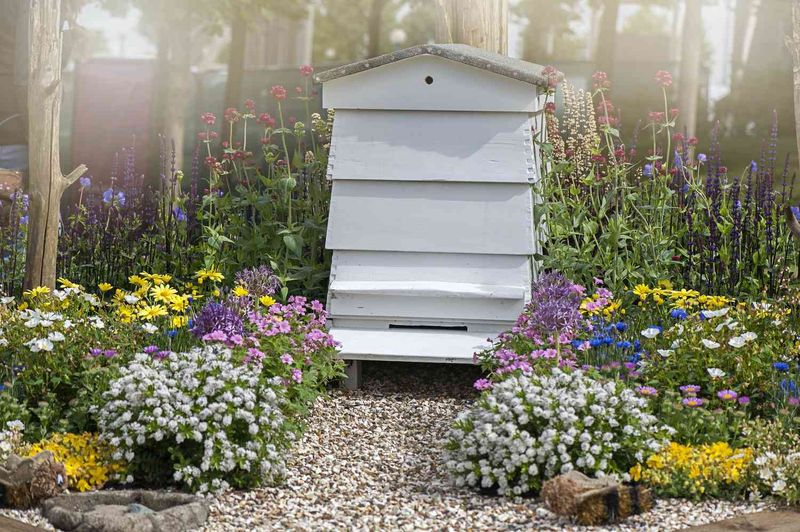
Gardens thrive when wildlife is welcomed. Ignoring their needs can lead to fewer pollinators and natural pest controllers.
Provide resources like water, shelter, and food sources to attract beneficial creatures. Bird feeders, bee hotels, and butterfly-friendly plants enhance biodiversity.
Avoid pesticides or practices that harm wildlife. Encourage a balanced ecosystem by supporting native species.
A wildlife-friendly garden is resilient and vibrant. Embrace the presence of nature’s helpers.
Foster habitat diversity to create a thriving garden environment.
3. Overwatering Plants
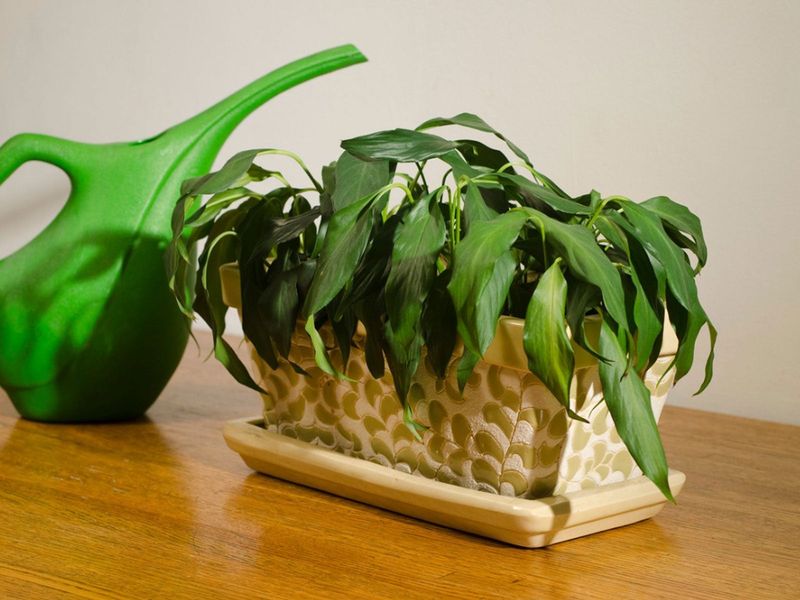
Overwatering is a frequent mistake, often made with the best intentions. While plants need water, too much can lead to root rot and poor oxygen availability.
Roots suffocate in overly wet soil, causing wilting and yellowing leaves. Feel the soil’s moisture level before reaching for the hose.
Consider using a moisture meter for accuracy. Did you know? Most houseplants prefer to dry out between waterings. Adjust your watering schedule accordingly to keep your green companions thriving.
4. Using Chemical Pesticides
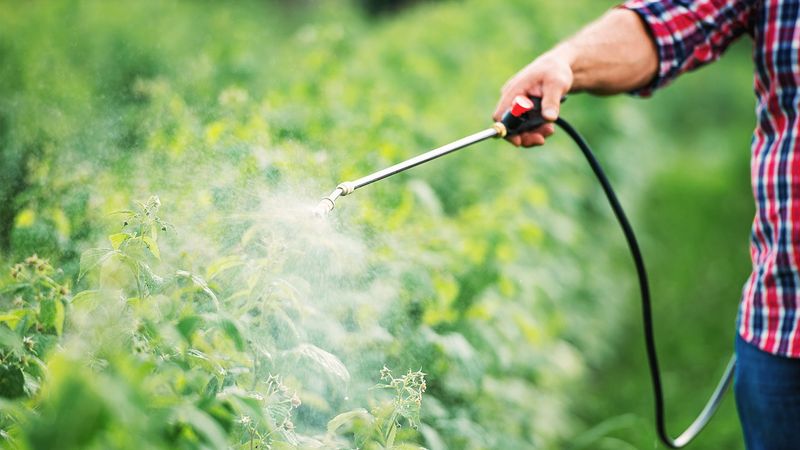
Chemical pesticides may offer quick solutions to pest problems, but they are not always the best choice. They can harm beneficial insects and lead to long-term soil degradation.
Instead, consider natural alternatives like neem oil or insecticidal soap, which are kinder to your garden ecosystem.
Remember, a balanced garden attracts natural predators to control pests. Did you know? Ladybugs are voracious aphid eaters, providing natural pest control. Transitioning to eco-friendly options can help maintain a sustainable garden environment.
5. Planting Too Close Together
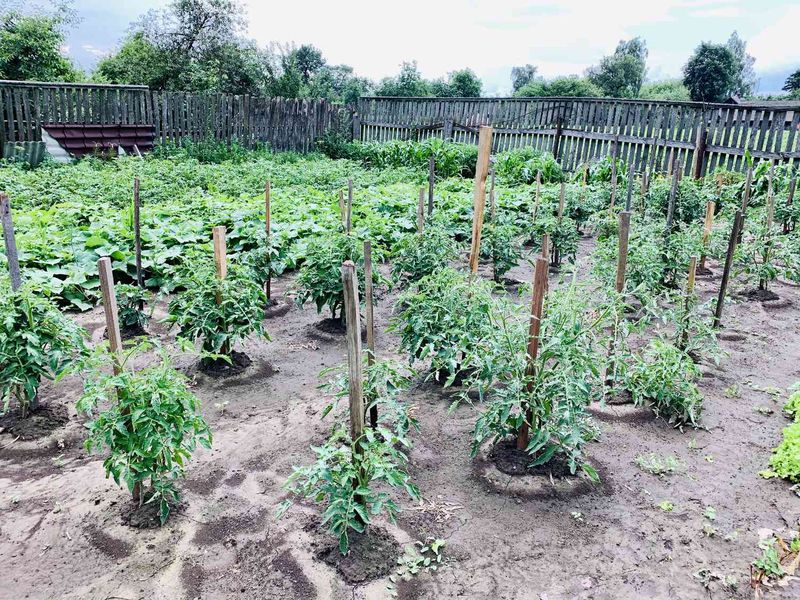
Crowding plants is a common error, especially for eager gardeners who want a lush garden. However, cramped conditions can lead to competition for nutrients, water, and sunlight.
Plants need breathing room to thrive, so spacing them appropriately is vital. Allow air circulation to prevent fungal infections.
Check seed packets or plant labels for recommended spacing. Did you know? Proper spacing encourages healthier, more robust plant growth, leading to a more productive garden.
6. Ignoring Soil Quality
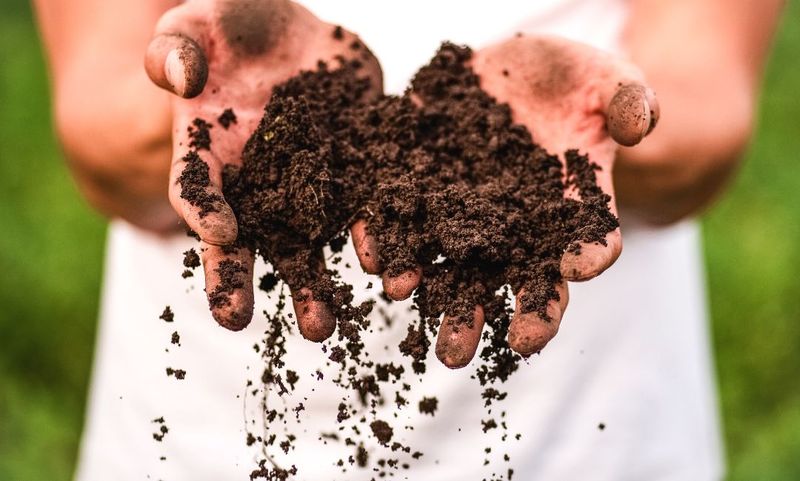
The foundation of a thriving garden lies in its soil. Ignoring soil quality can result in nutrient deficiencies and poor plant growth.
Regularly test soil pH and nutrient levels to determine necessary amendments. Enrich soil with organic matter like compost or well-rotted manure.
Did you know? Earthworms are indicators of healthy soil. Their presence improves soil structure and fertility, benefiting your garden’s overall health.
7. Pruning at the Wrong Time
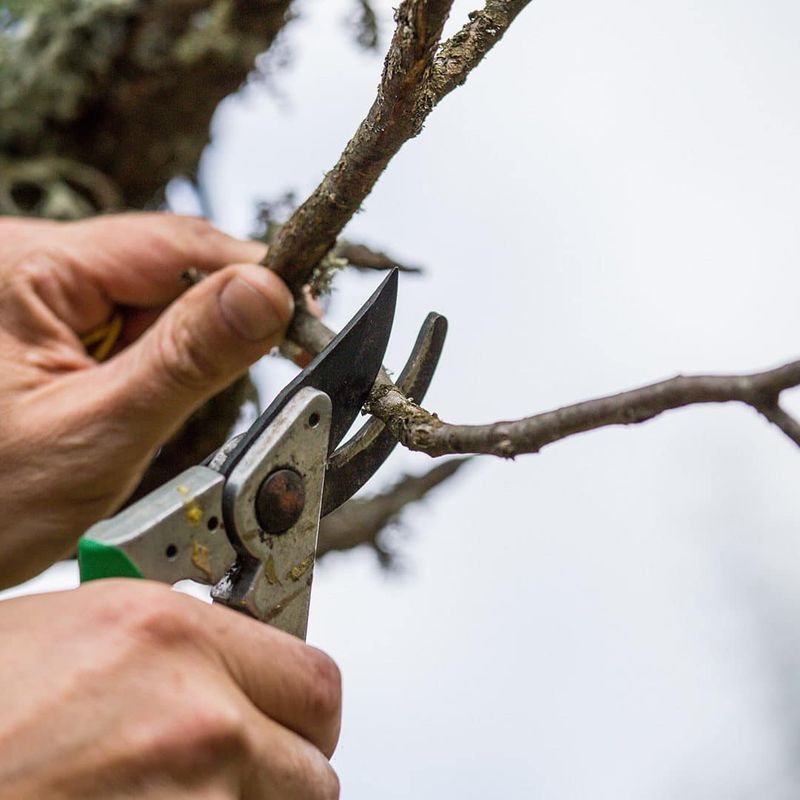
Timing is crucial when it comes to pruning. Pruning at the wrong time can stunt growth or reduce flowering.
For instance, pruning spring-flowering shrubs in fall removes flower buds for the next season. Research the best time for each plant type.
Did you know? Pruning in late winter or early spring, before new growth starts, is generally safe for most plants. Observe your garden’s natural cycles to enhance its beauty.
8. Using Unsterilized Tools
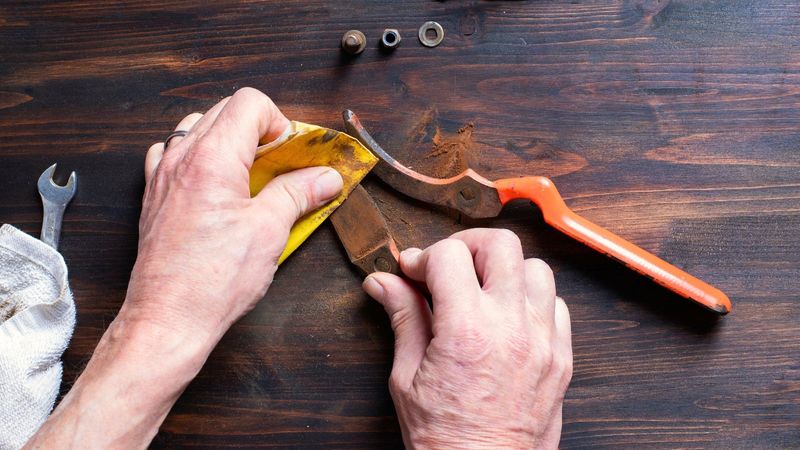
Garden tools can harbor diseases that spread between plants. Using unsterilized tools can introduce harmful pathogens, leading to plant infections.
Regularly clean and sterilize tools with a disinfectant or bleach solution. This simple habit can prevent disease spread.
Did you know? Sharp, clean tools also make cleaner cuts, promoting faster plant healing. Invest time in tool care to protect your garden’s health.
9. Improper Mulching Techniques
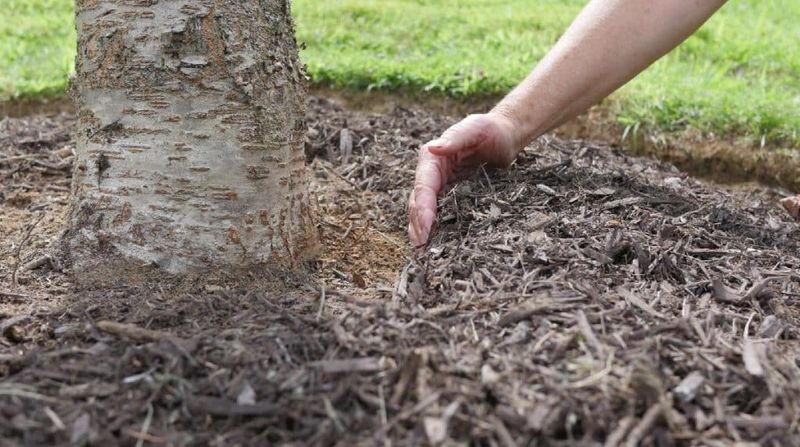
Mulching is beneficial, but improper techniques can harm plants. Piling mulch against tree trunks can lead to rot and pest infestations.
Instead, create a mulch-free space around the base to allow air circulation. Spread mulch evenly to conserve moisture and suppress weeds.
Did you know? Mulch should be kept 2-3 inches away from stems to prevent decay. Correct mulching protects and enhances plant health.
10. Over-fertilizing
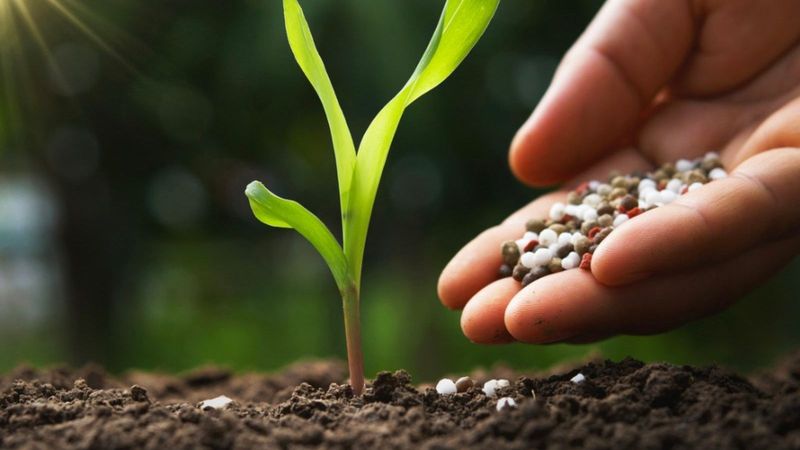
Fertilizer is food for plants, but over-fertilizing can lead to nutrient burn and environmental runoff.
Excessive nutrients can harm plant roots and contaminate waterways. Use fertilizers sparingly and follow package instructions closely.
Did you know? Organic options like compost and manure enrich soil naturally, promoting slow and steady growth. Balance is key to a thriving garden.
11. Neglecting to Deadhead Flowers
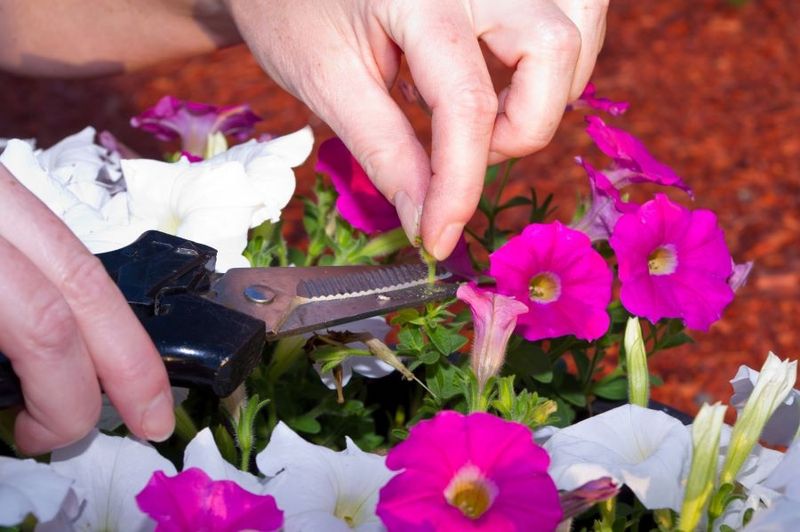
Deadheading, or removing spent blooms, encourages more flowers and prevents seed formation. Neglecting this task can lead to fewer blooms and reduced plant vigor.
Regularly check and snip spent flowers to redirect energy to growth. Deadheading is particularly beneficial for annuals and perennials.
Did you know? Consistent deadheading can extend blooming periods, keeping your garden vibrant longer. Make it a regular part of your garden care routine.
12. Relying Solely on Chemical Weed Killers
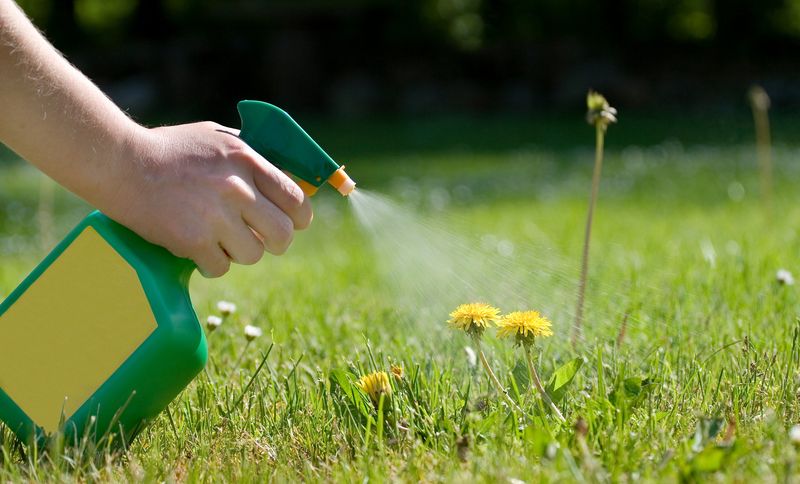
Chemical weed killers may offer a quick fix, but they can harm nearby plants and pollute the environment.
Explore manual weeding or organic solutions like vinegar or boiling water. These options are safer for your garden and the planet.
Did you know? Regular hand weeding can prevent weeds from seeding, reducing future problems. Cultivate a healthy garden with mindful practices.
13. Neglecting Companion Planting
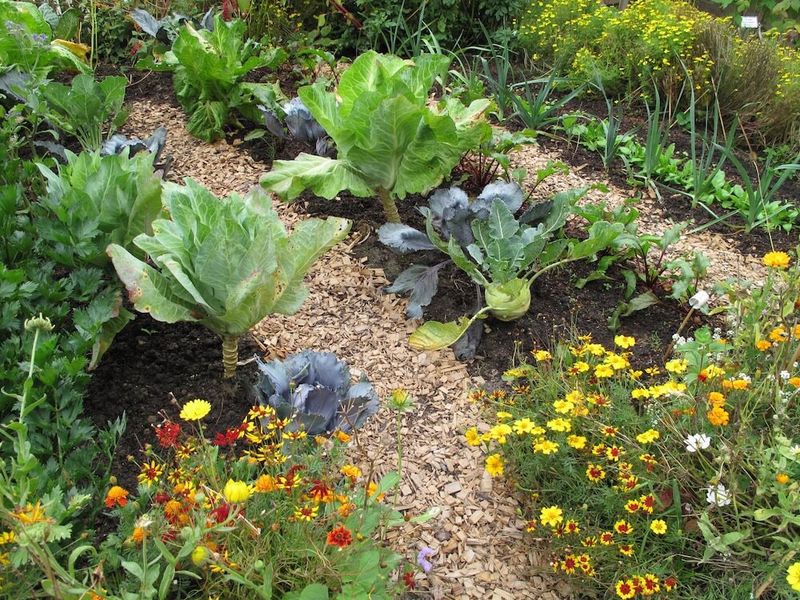
Companion planting involves pairing plants that benefit each other, enhancing growth and pest control. Neglecting this can lead to missed opportunities for a thriving garden.
Research compatible plant pairings to optimize space and improve yields.
Did you know? Marigolds deter nematodes, protecting vegetables like tomatoes. Thoughtful plant combinations contribute to a balanced garden ecosystem.
14. Incorrect Planting Depth
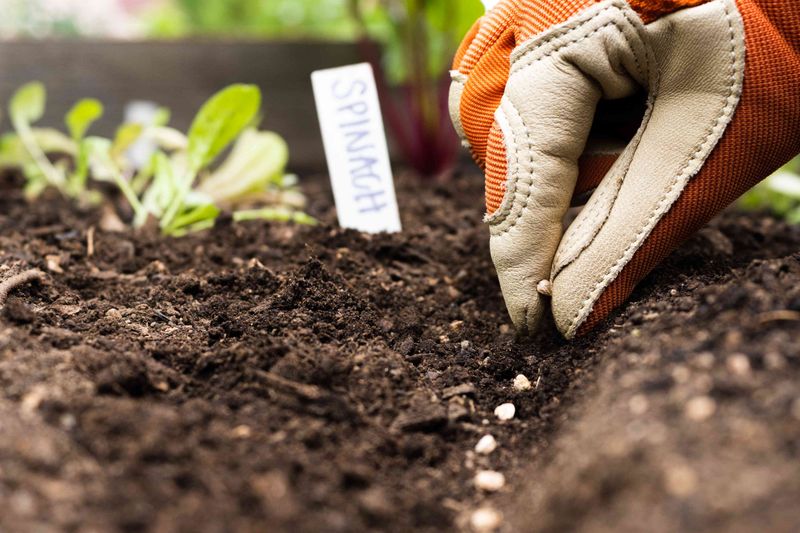
Planting seeds or bulbs at the wrong depth affects germination and growth. Too deep, and they may struggle to emerge; too shallow, and they risk drying out.
Follow seed packet or plant label instructions for precise planting depth.
Did you know? Uniform planting depth ensures even growth and development, leading to a more harmonious garden. Careful attention to this detail can make a significant difference.
15. Ignoring Plant Labels
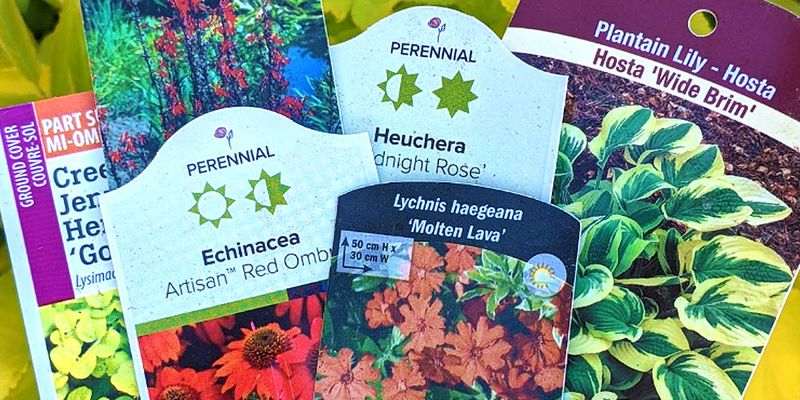
Plant labels provide essential information about care requirements, such as sunlight and water needs. Ignoring these can lead to misplaced plants and poor growth.
Keep labels for reference and group plants with similar needs together.
Did you know? Proper placement according to plant specifications can significantly enhance their health and productivity. Understanding your plants aids in creating thriving garden spaces.
16. Using Plastic Pots Outdoors
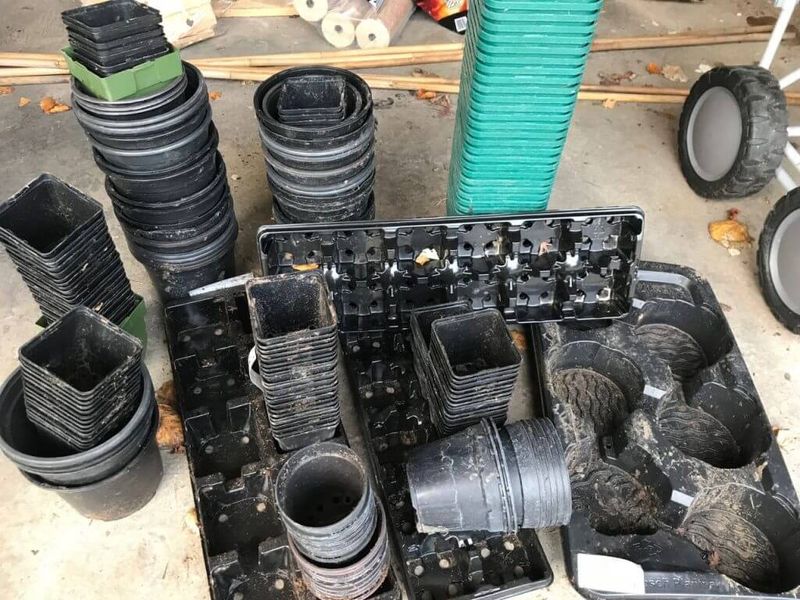
Plastic pots are affordable and lightweight, but they degrade under sunlight and temperature fluctuations. This can lead to brittle, cracked containers that fail to protect roots.
Opt for more durable materials like clay or ceramic for outdoor use.
Did you know? Terra cotta pots enhance soil breathability, promoting healthy root systems. Choosing the right container can extend the life of your outdoor plants.
17. Failing to Rotate Potted Plants
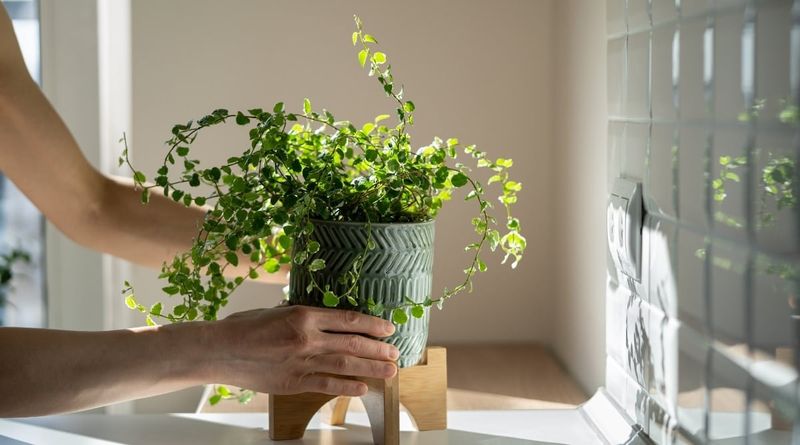
Indoor plants often lean toward light, leading to uneven growth. Failing to rotate them can result in lopsided plants.
Regularly turning pots encourages balanced growth and a more aesthetically pleasing appearance.
Did you know? Consistent rotation also exposes all parts of the plant to light, improving overall health. Incorporate this simple habit into your indoor gardening routine.
18. Using Gravel for Drainage
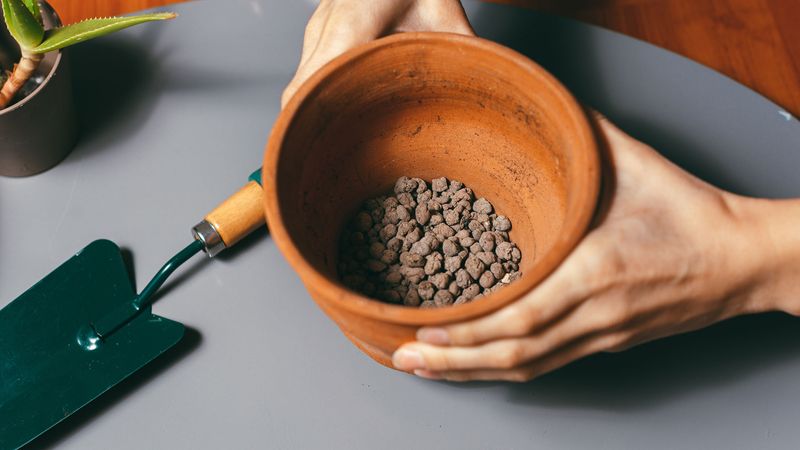
Contrary to popular belief, adding gravel to pots does not improve drainage. It can create a perched water table, actually increasing the risk of root rot.
Use quality potting mix for optimal drainage and aeration.
Did you know? The myth of gravel drainage has been debunked by horticultural experts. Rethink this practice to ensure your plants’ health and longevity.
19. Neglecting to Rotate Crops
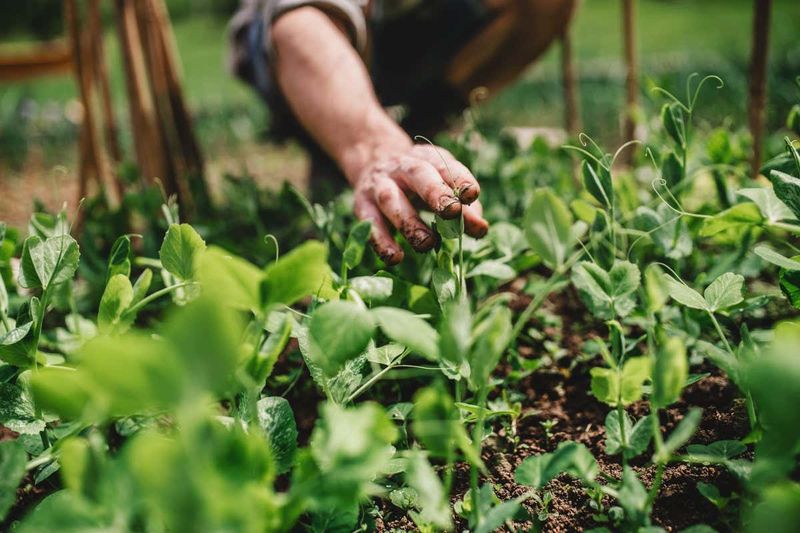
Rotating crops is essential to prevent soil depletion and pest buildup. Neglecting this practice can lead to weakened plants and reduced yields.
Plan crop rotation to maintain soil fertility and break pest cycles.
Did you know? Crop rotation has been used since ancient times to sustain agricultural productivity. Incorporating this practice can revitalize your garden season after season.
20. Ignoring Wildlife Needs
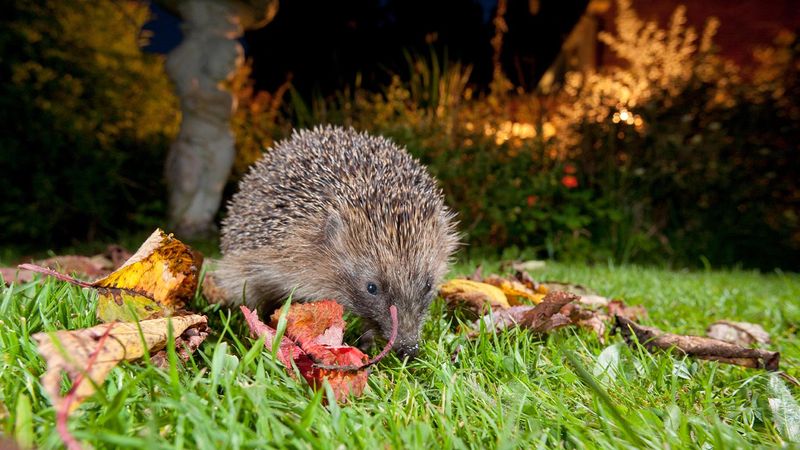
A garden devoid of wildlife can miss out on natural pest control and pollination. Ignoring wildlife needs can affect garden productivity and balance.
Incorporate bird feeders, water features, and native plants to attract beneficial wildlife.
Did you know? Birds and bees are vital for pollination and seed dispersal, supporting your garden’s health. Creating a wildlife-friendly garden enriches both the flora and fauna.