
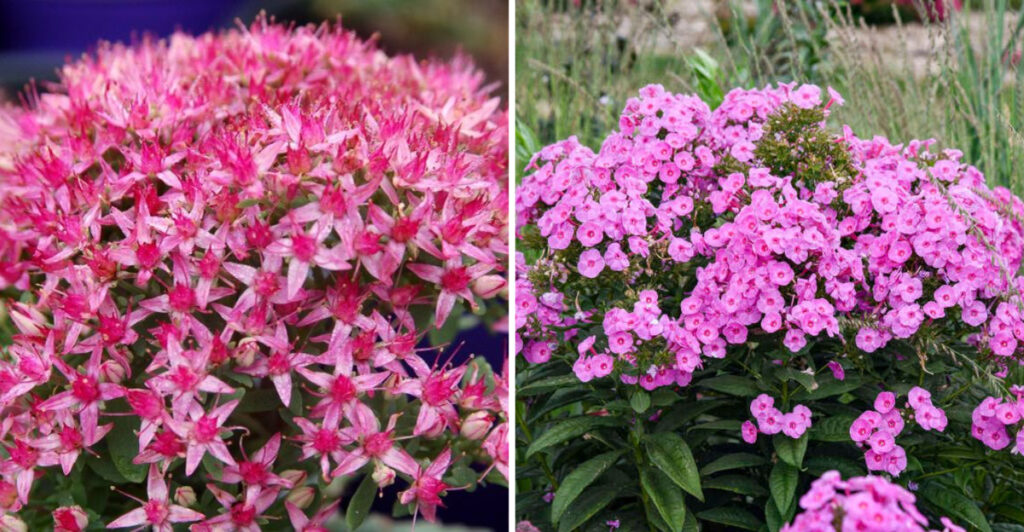
Perennials are the backbone of any garden, providing beauty and continuity year after year. For those who adore pink, these perennials offer a delightful array of shades and forms. Not only do they bring color, but they also attract pollinators, adding vibrance and life to your outdoor space. From the delicate hues of soft pastels to the boldness of deeper pinks, these 18 perennials promise to thrive and flourish with minimal care. Whether you’re a seasoned gardener or a novice, these plants will reward you with years of blooms, making your garden a pink paradise.
1. Peony
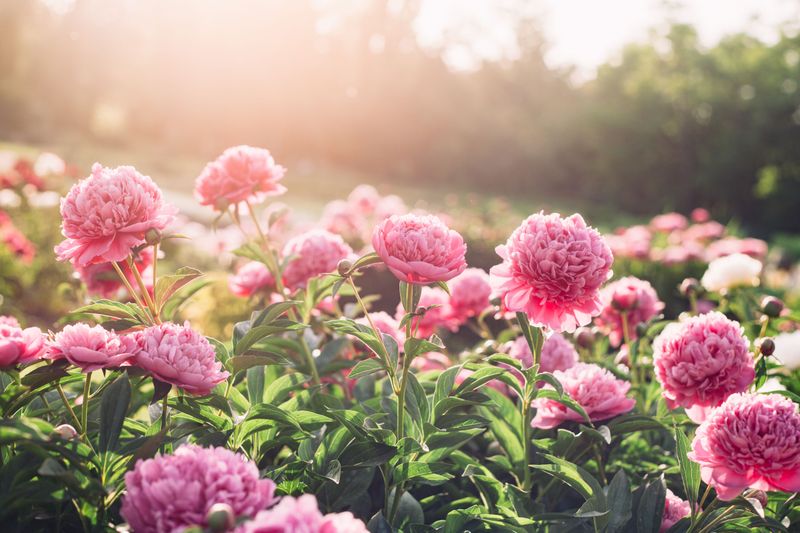
With a history as rich as its blooms, the peony has been adored for centuries. Its lavish petals unfold in late spring, creating a spectacle of color and fragrance. Often associated with romance and prosperity, these plants are a favorite in many gardens.
Peonies are known for their longevity, sometimes thriving for over a hundred years. Their resilience and minimal care requirements make them an excellent choice for busy gardeners.
Fun fact: In Chinese culture, the peony is often referred to as the “king of flowers,” symbolizing wealth and honor.
2. Coneflower
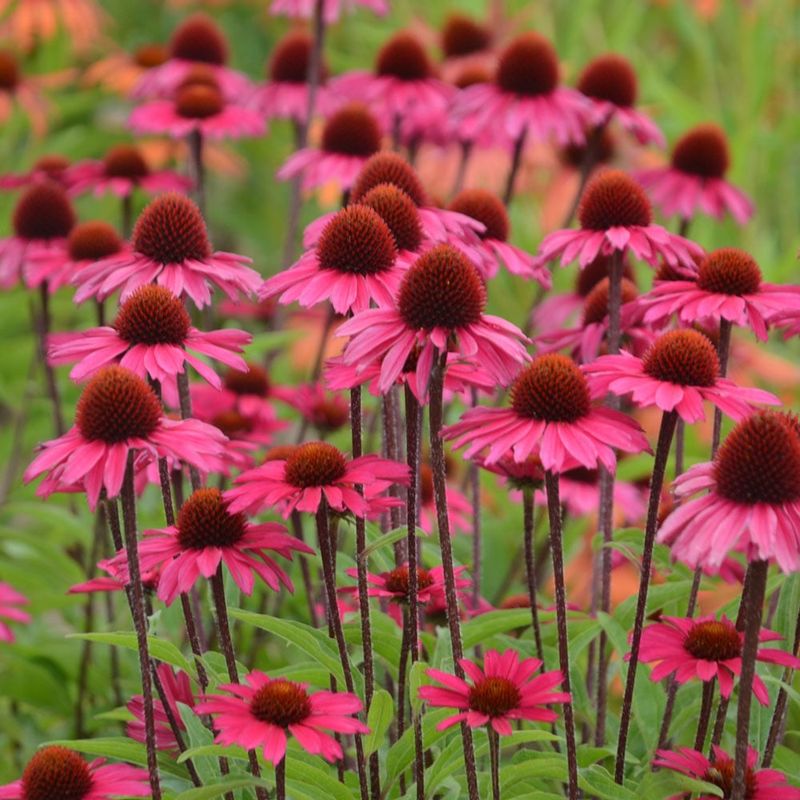
Bright and cheerful, the coneflower stands tall in gardens with its distinctive daisy-like appearance. Blooming from summer to fall, these flowers are not only beautiful but also attract butterflies and birds.
Known for their hardiness, coneflowers are drought-resistant and thrive in various soil types. This adaptability makes them a gardener’s delight, offering both aesthetics and ecological benefits.
Did you know? Coneflowers have medicinal properties and are often used in herbal remedies to boost the immune system.
3. Astilbe
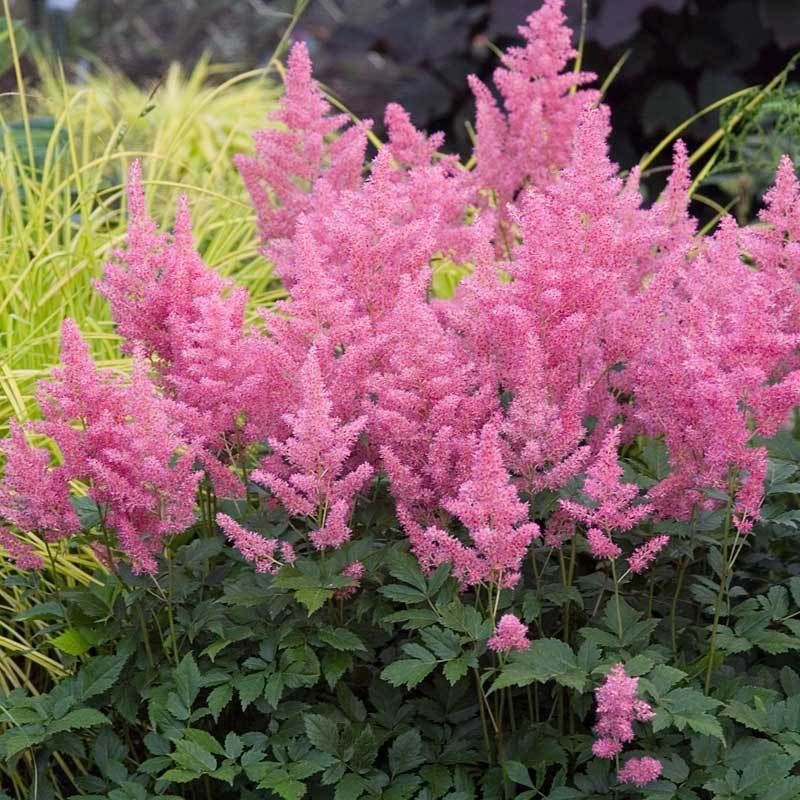
Astilbe, with its feathery plumes, brings a touch of elegance to shaded areas. These perennials provide color and texture, flourishing in moist, well-drained soils.
Astilbe’s fern-like foliage adds an additional layer of interest even when not in bloom. It’s a perfect choice for those looking to create a serene, woodland garden atmosphere.
Interesting tidbit: Astilbe is sometimes called “false goat’s beard” due to its fluffy flower spikes that resemble the real goat’s beard plant.
4. Sedum
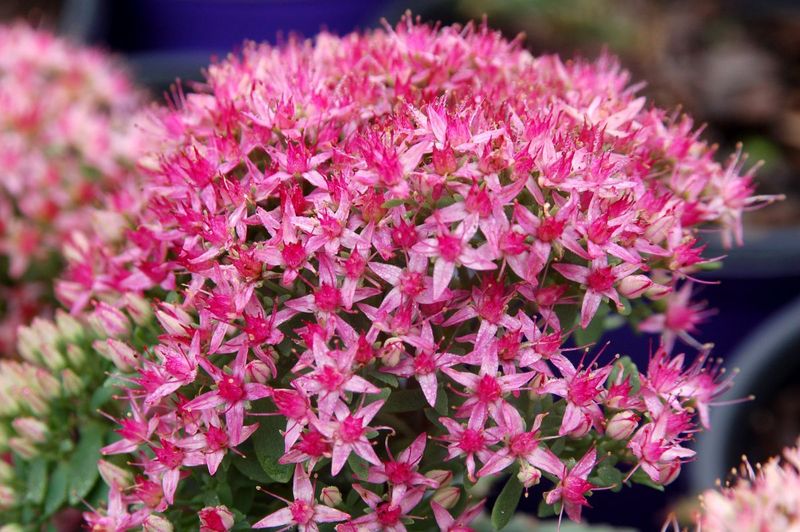
Sedum, also known as stonecrop, is a succulent delight that thrives in sunny, dry conditions. Its star-shaped flowers add a burst of pink to rock gardens and borders.
Drought-tolerant and low-maintenance, sedum is a versatile choice for gardeners looking to add texture and color without the fuss. These plants are excellent for attracting pollinators like bees and butterflies.
Quirky fact: The name “stonecrop” comes from sedum’s ability to grow in rocky, inhospitable areas where few other plants can survive.
5. Bleeding Heart
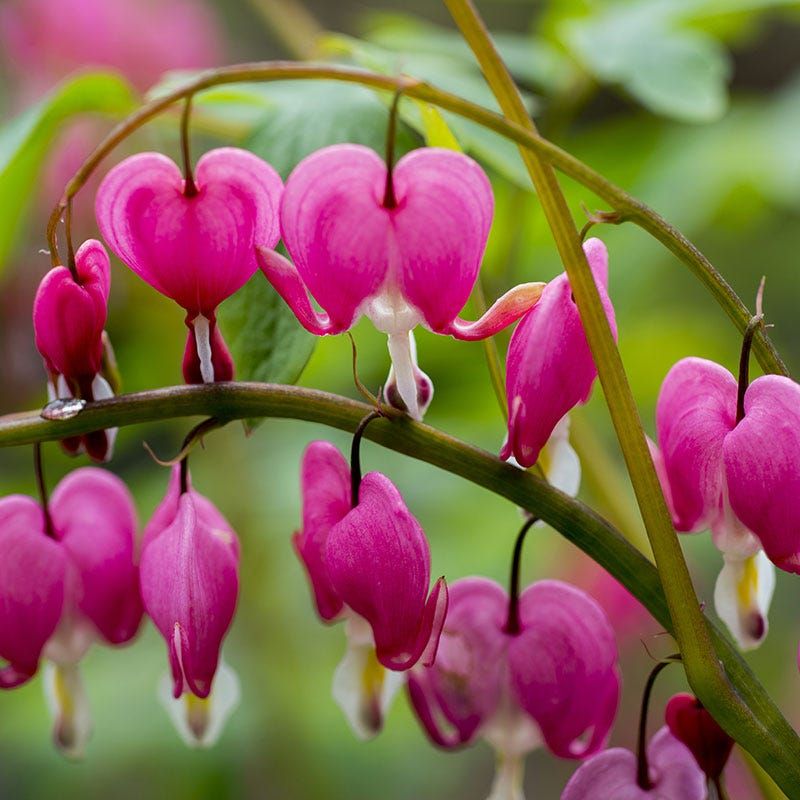
With its heart-shaped flowers, the bleeding heart is a symbol of love and compassion. Blooming in late spring, these plants bring a touch of whimsy to shaded garden spaces.
Bleeding hearts prefer cool, moist conditions and are perfect for woodland gardens or shaded borders. Their delicate appearance belies their hardy nature, making them a gardener’s favorite.
Fun fact: The plant’s scientific name, Dicentra, means “two spurs,” referring to the flower’s unique shape.
6. Phlox
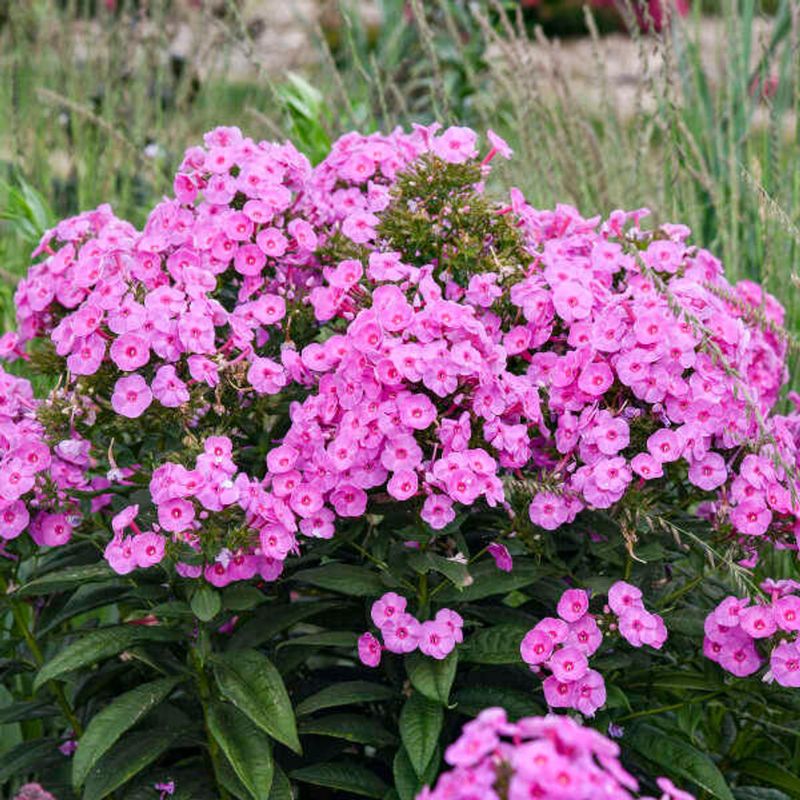
Phlox is a cottage garden classic, beloved for its fragrant, star-shaped blooms that attract butterflies and hummingbirds. Flowering from spring to fall, these plants are a source of continuous color.
Phlox thrives in full sun and well-drained soil, making it a versatile choice for borders, rock gardens, and containers. Its vibrant hues add a cheerful touch to any garden setting.
Interesting tidbit: Phlox comes from the Greek word for “flame,” a nod to its bright, fiery colors.
7. Daylily
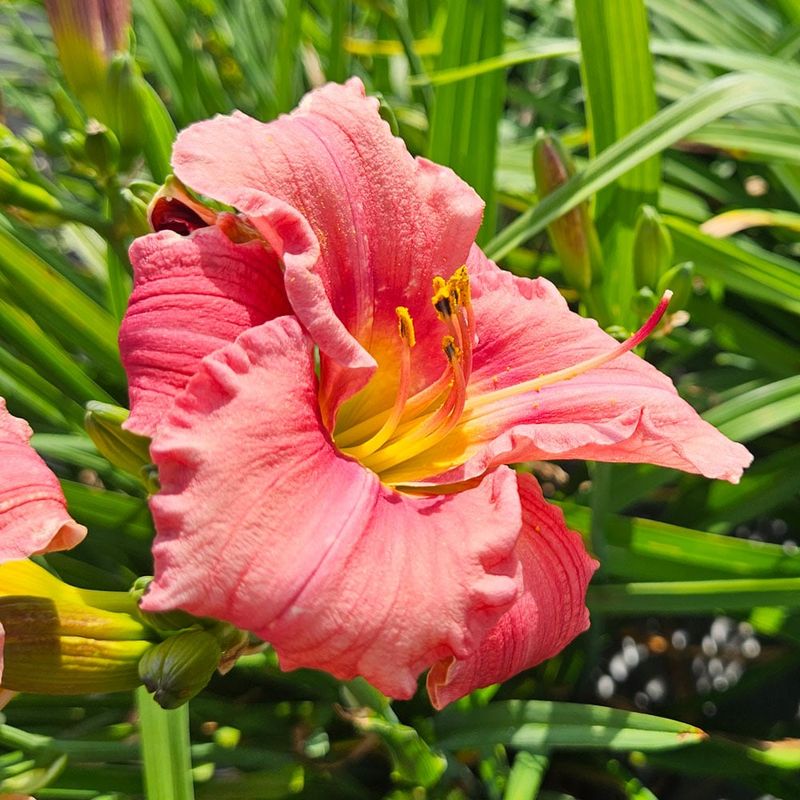
Daylilies bring joy with their stunning blooms that last just one day, but don’t worry, new flowers open each morning. These hardy perennials are a favorite for their adaptability and ease of care.
Available in a wide range of pink shades, daylilies thrive in full sun and well-drained soil. Their robust nature makes them ideal for mass plantings or mixed borders.
Did you know? Despite their name, daylilies are not true lilies. They belong to the genus Hemerocallis, which means “beautiful for a day.”
8. Lupine
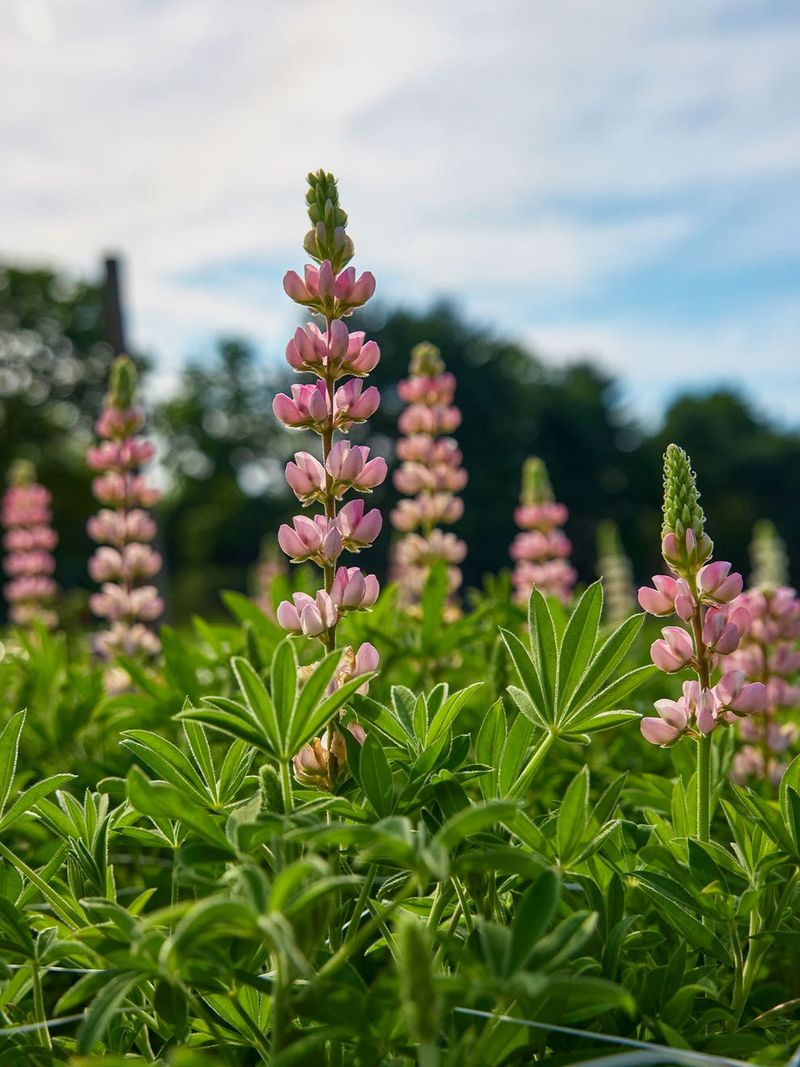
Lupines are a sight to behold with their towering spires of pea-like flowers. These perennials thrive in full sun and sandy, well-drained soil, creating a vertical statement in any garden.
With a variety of pink shades available, lupines offer visual interest and attract bees and butterflies. They’re a fantastic choice for adding height and drama to perennial borders.
Fun fact: Lupines can improve soil quality by fixing nitrogen, making them a beneficial addition to garden ecosystems.
9. Coral Bells
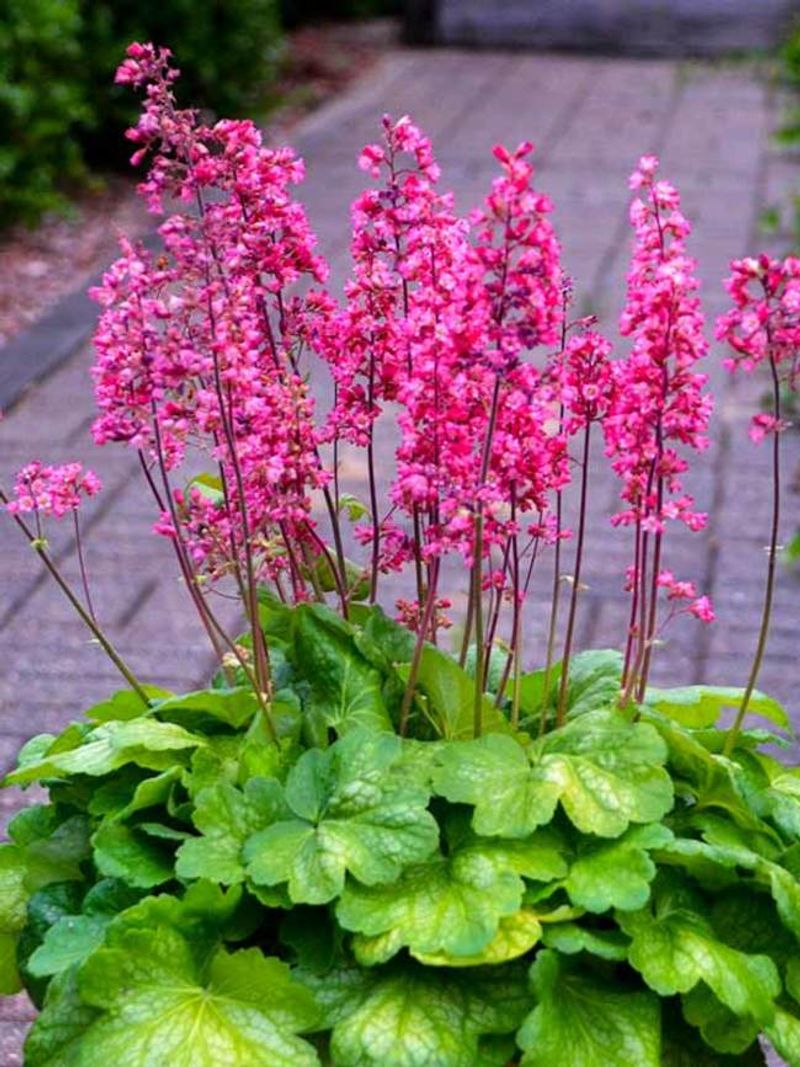
Coral bells are cherished for their vibrant foliage and delicate, bell-shaped flowers. Perfect for shaded gardens, these plants offer year-round interest with their colorful leaves.
Coral bells thrive in well-drained soils and require minimal maintenance, making them ideal for busy gardeners. Their charming flowers attract hummingbirds, adding life to shaded corners.
Did you know? The plant’s scientific name, Heuchera, is in honor of Johann Heinrich von Heucher, an 18th-century German physician and botanist.
10. Yarrow
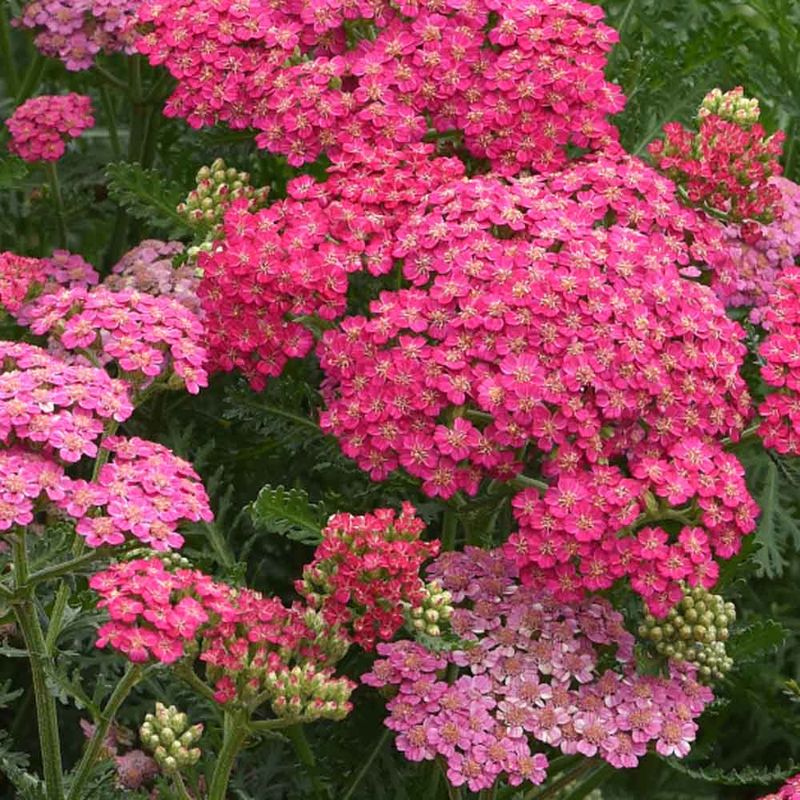
Yarrow, with its clusters of tiny flowers, is a hardy perennial that thrives in sunny, dry conditions. This plant is known for its drought tolerance and ability to attract beneficial insects.
Available in various pink shades, yarrow adds texture and color to perennial borders and wildflower gardens. Its fern-like foliage is a charming complement to its blooms.
Interesting bit: Yarrow was historically used for medicinal purposes, including wound healing, and is sometimes called “soldier’s woundwort.”
11. Balloon Flower
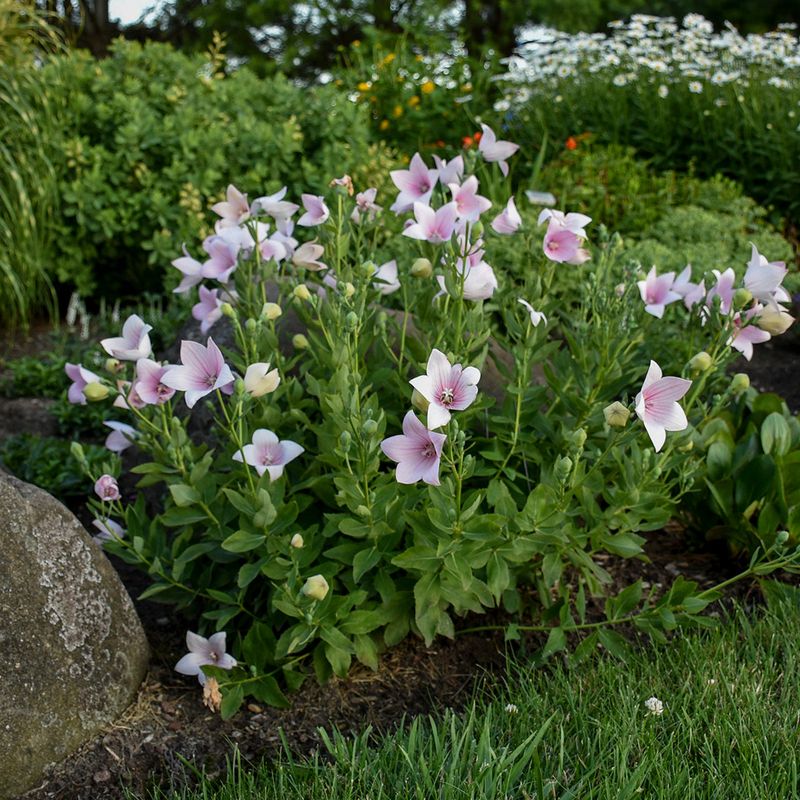
With its balloon-like buds that burst into star-shaped flowers, the balloon flower adds an element of surprise to gardens. These perennials thrive in full sun and well-drained soil.
Pink balloon flowers offer a playful touch to garden borders and are loved by pollinators. They’re known for their longevity and minimal care requirements.
Fun fact: The plant’s name, Platycodon, means “broad bell” in Greek, a nod to its unique flower shape.
12. Bee Balm
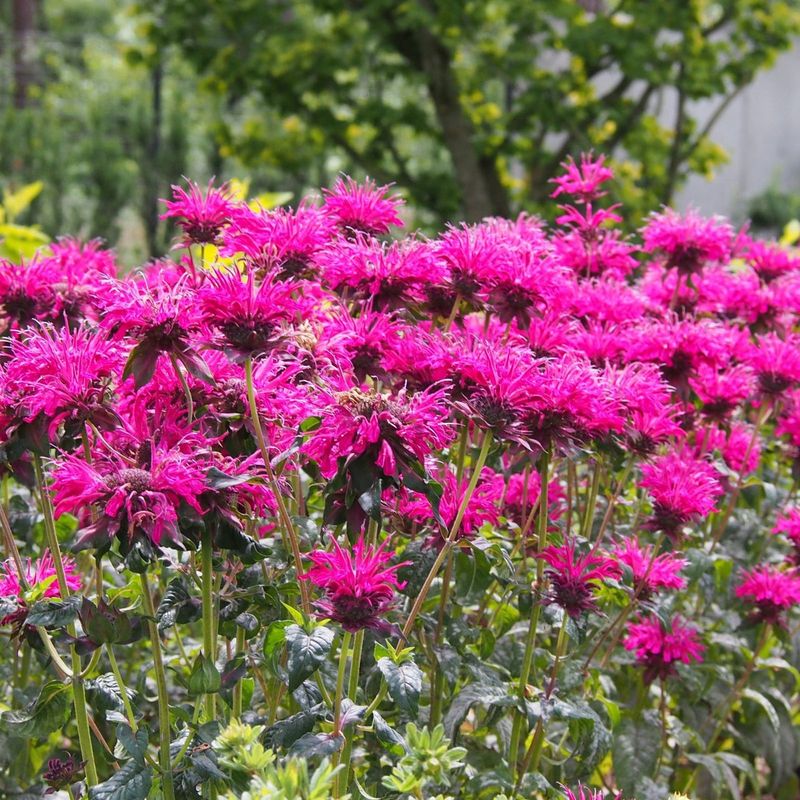
Bee balm, with its aromatic leaves and tubular flowers, is a magnet for bees and butterflies. This perennial thrives in sunny, well-drained locations and adds a splash of pink to summer gardens.
Perfect for borders and pollinator gardens, bee balm’s vibrant blooms provide a continuous source of nectar. It’s also known for its medicinal properties and historical uses in teas.
Did you know? Bee balm is sometimes called “Oswego tea,” named after the Oswego Native Americans who used it for medicinal purposes.
13. Dianthus
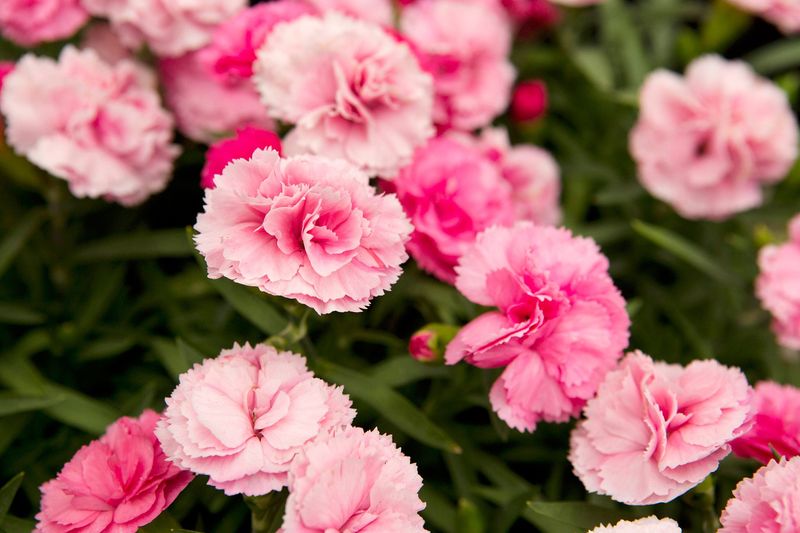
Dianthus, often called “pinks,” are cherished for their spicy fragrance and fringed petals. These perennials thrive in sunny, well-drained areas, adding a touch of old-world charm to gardens.
With various pink hues available, dianthus is perfect for borders, rock gardens, or containers. Their sweet scent and compact form make them a gardener’s favorite.
Fun fact: The name “dianthus” comes from the Greek words for “divine flower,” reflecting its esteemed status in the world of blooms.
14. Japanese Anemone
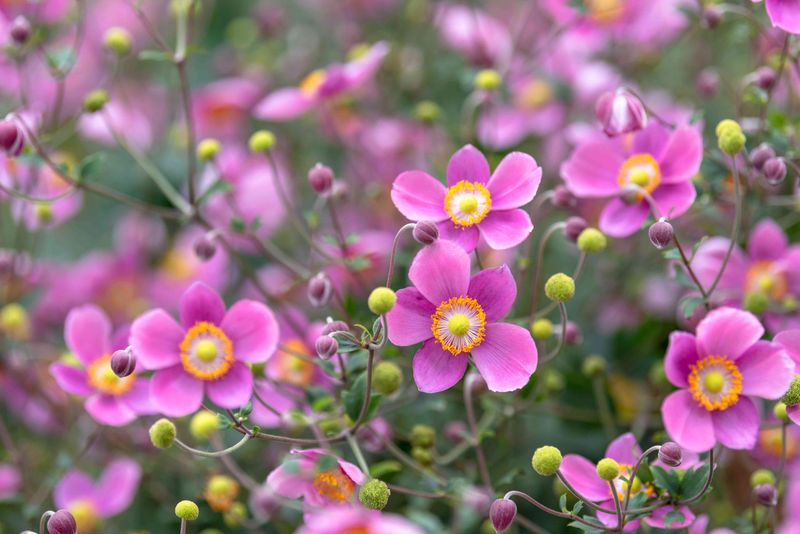
Japanese anemones bring grace to late summer and fall gardens with their delicate flowers. These perennials thrive in partial shade and well-drained soil, offering a touch of elegance.
With their nodding pink blooms and attractive foliage, Japanese anemones add movement and color to mixed borders. They’re known for their resilience and minimal maintenance needs.
Did you know? Despite the name, Japanese anemones are native to China and were popularized in Europe in the 19th century.
15. Hellebore
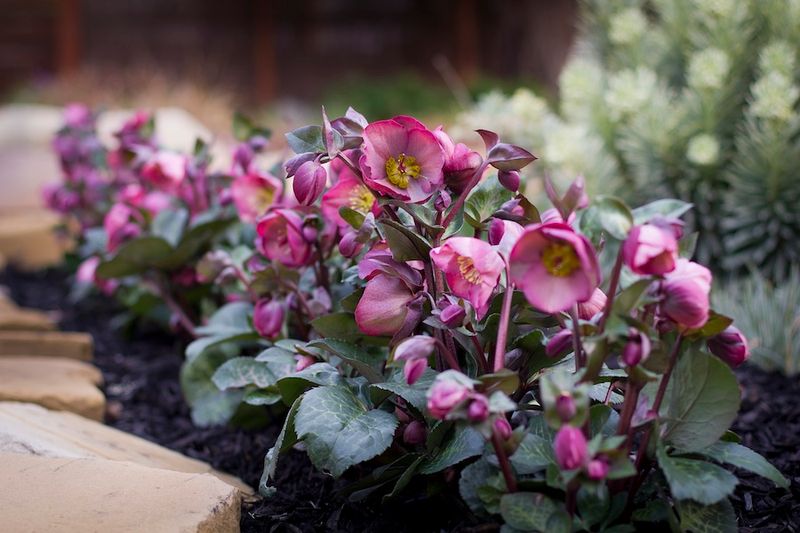
Hellebores, also known as Lenten roses, are among the first to bloom in spring. Their nodding flowers bring much-needed color to shaded areas.
These perennials are cherished for their long-lasting blooms and evergreen foliage, providing year-round interest. Hellebores thrive in well-drained, shaded locations and require little maintenance.
Fun fact: Hellebores have been used in traditional medicine, but caution is advised as all parts of the plant are toxic if ingested.
16. Gaura
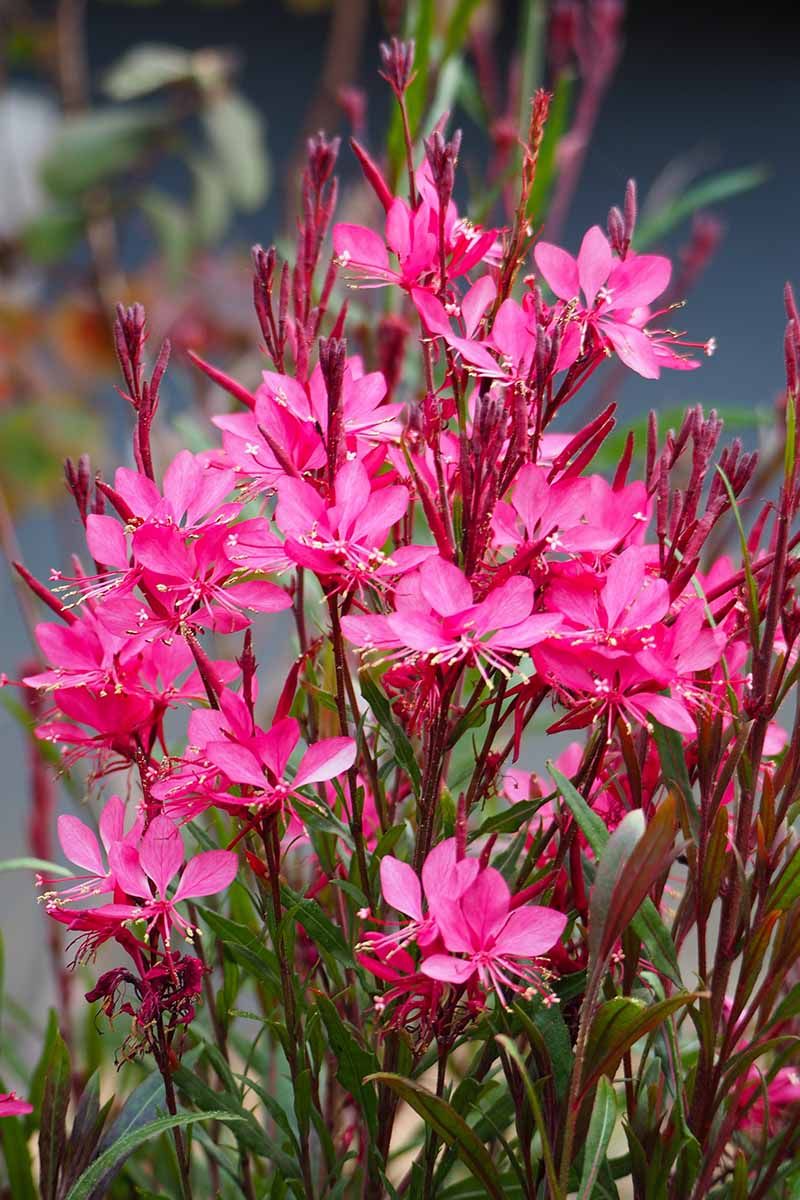
Gaura, with its butterfly-like flowers, adds movement and grace to gardens. These perennials thrive in full sun and well-drained soil, offering a touch of wild beauty.
The airy spikes of pink flowers provide a delicate contrast to more robust garden plants. Gaura is ideal for cottage gardens and mixed borders.
Did you know? Gaura is sometimes called “whirling butterflies,” aptly named for its fluttering blooms that dance in the wind.
17. Foxglove
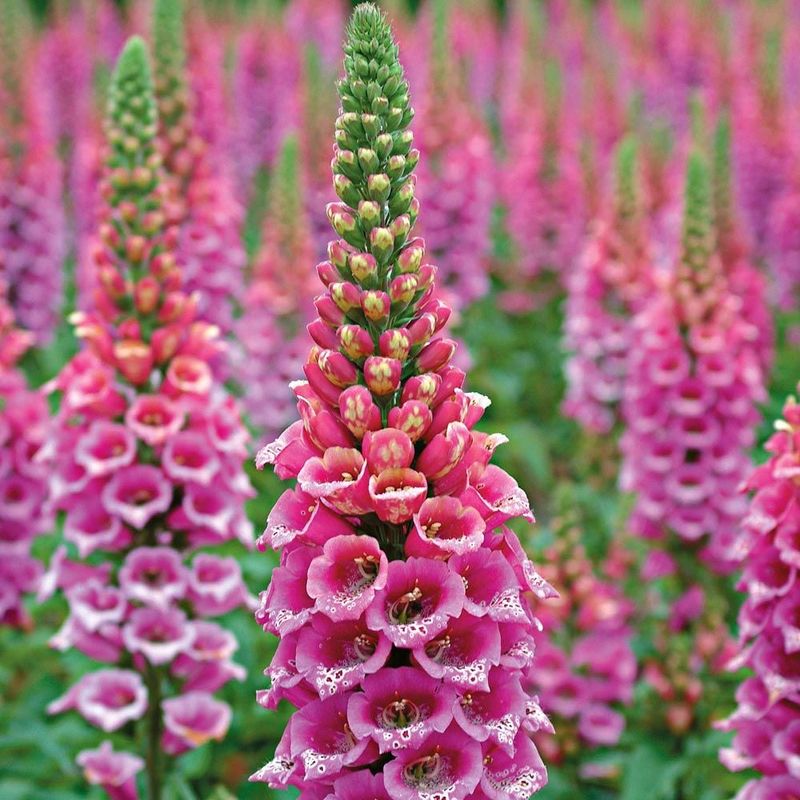
Foxgloves, with their towering spikes of tubular flowers, bring an old-world charm to gardens. These biennials often reseed, creating a continuous presence in the garden.
Thriving in partial shade, foxgloves provide a vertical accent to borders and woodland gardens. Their unique shape attracts hummingbirds, adding life to your garden.
Fun fact: Foxgloves contain digitalis, a compound used in heart medication, but they are toxic if ingested. Handle with care in the garden.
18. Salvia
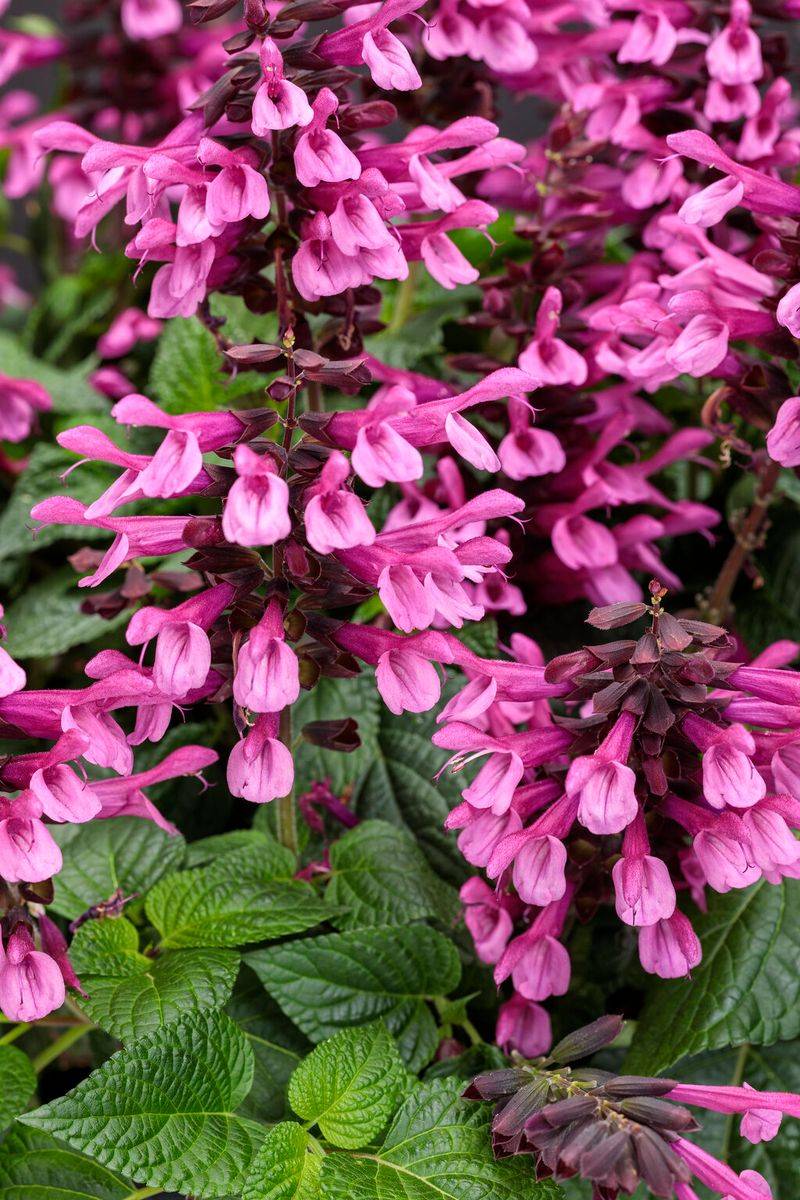
Salvia, with its spikes of tubular flowers, is a staple in sunny gardens. These perennials are drought-tolerant and attract a variety of pollinators.
Available in vibrant pinks, salvia adds a burst of color and is perfect for borders and containers. Their aromatic foliage adds an extra layer of interest.
Did you know? Salvia’s name comes from the Latin “salvare,” meaning “to heal,” reflecting its historical use in herbal medicine.