
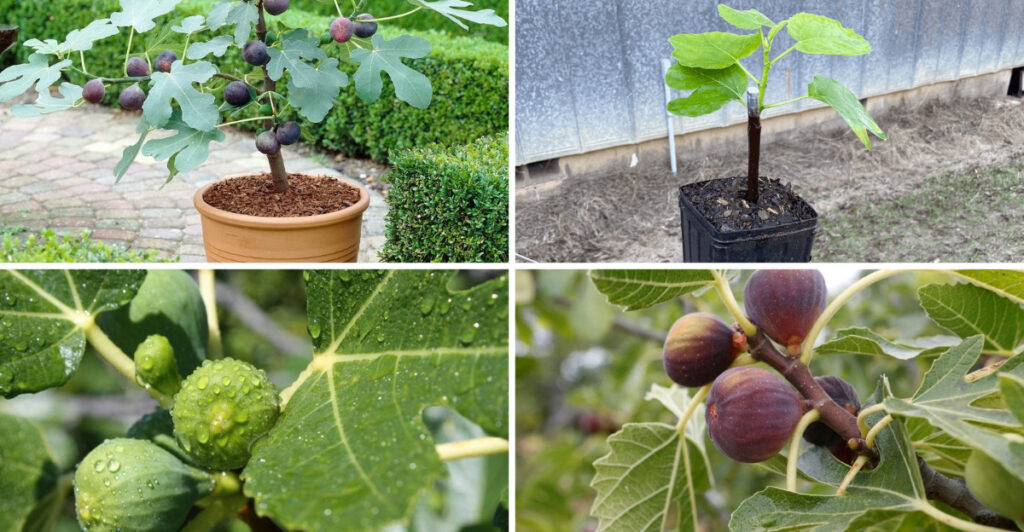
Figs are a delightful addition to any garden, offering not only their luscious fruits but also a touch of Mediterranean charm. Yet, getting your fig tree to bear fruit can be a journey filled with learning and patience. This guide provides 17 actionable steps, each crafted to enhance your fig tree’s productivity and ensure you enjoy bountiful harvests season after season.
1. Choose the Right Variety
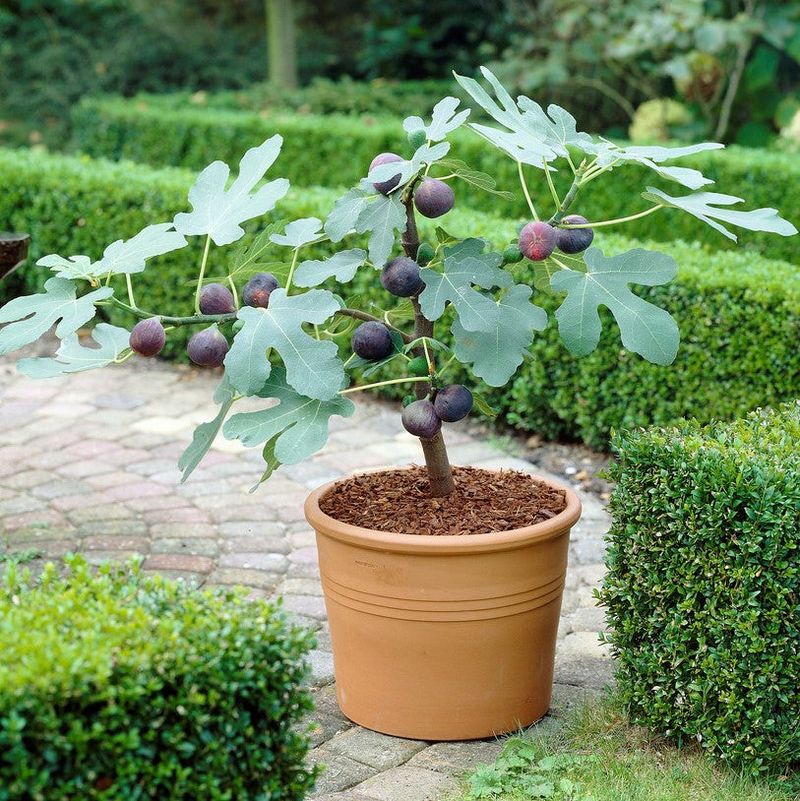
Selecting the right variety is the first step to success. Choose a variety that suits your climate and soil type. Some figs thrive in warmer temperatures, while others are more adaptable to cooler climates. Research local nurseries to find the best options available. Each variety has unique characteristics, so consider what you desire in terms of fruit size, flavor, and color. Remember, your choice will impact the tree’s ability to bear fruit abundantly. This decision sets the foundation for future growth. Fun fact: figs have been cultivated for thousands of years, prized for their sweet fruit.
2. Optimal Planting Location
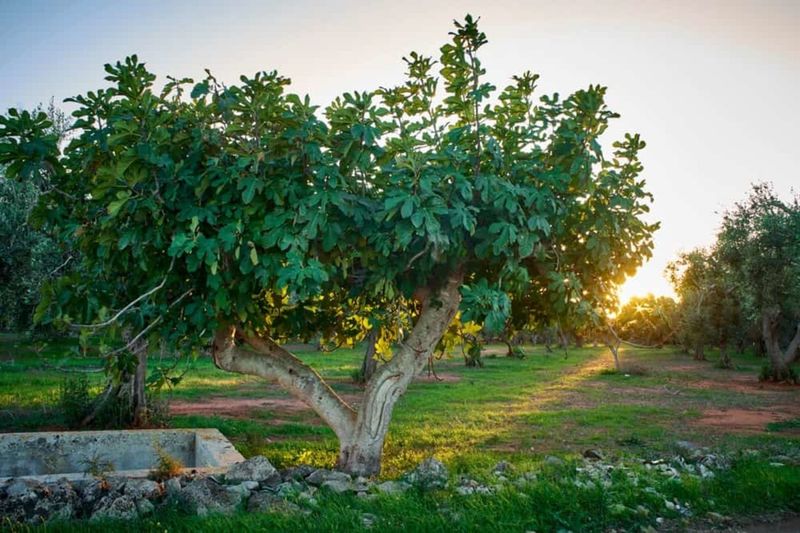
Finding the perfect spot for your fig tree can make a world of difference. Choose a location with full sun exposure, as figs require ample sunlight to fruit well. Avoid areas with harsh winds; a sheltered position is ideal. Proximity to a south-facing wall can provide additional warmth and protection. Consider soil quality, ensuring it is well-draining and fertile. A good location not only supports growth but also enhances fruit production. Did you know that figs can tolerate some drought, making them versatile for various environments?
3. Prepare the Soil

Preparing the soil properly is crucial for a thriving fig tree. Start by testing the soil’s pH levels, aiming for a slightly acidic to neutral pH of 6.0-7.0. Amend the soil with organic matter like compost to improve fertility and drainage. Aerate the soil to encourage root growth, breaking up compacted areas. A well-prepared soil foundation ensures that the tree receives essential nutrients, aiding in robust fruit production. Remember, healthy soil is the backbone of a fruitful fig tree. Interesting tidbit: figs are members of the mulberry family, known for their unique flowers.
4. Planting Your Fig Tree
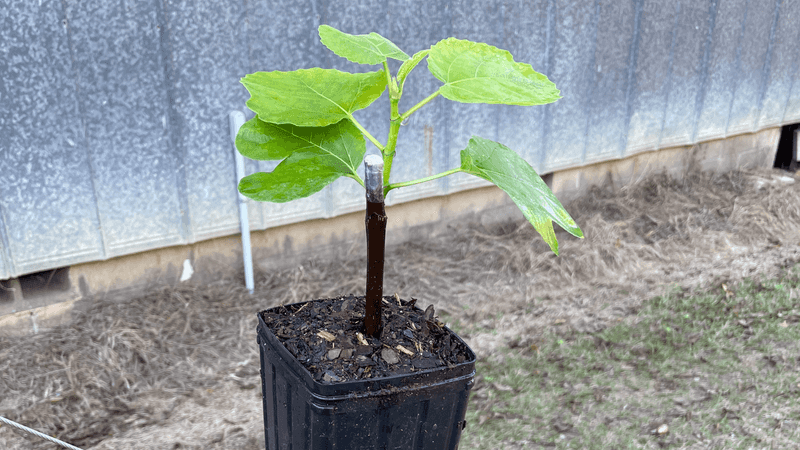
Planting your fig tree correctly ensures a strong start. Dig a hole twice as wide and the same depth as the root ball. Gently remove the tree from its container, loosening the roots slightly. Position the tree in the hole, ensuring the root crown is level with the soil surface. Backfill with soil, pressing firmly to eliminate air pockets. Water thoroughly to settle the soil around the roots. This process establishes a stable base for future growth and fruiting. Did you know? Fig trees can live for over a century with proper care.
5. Watering Wisely
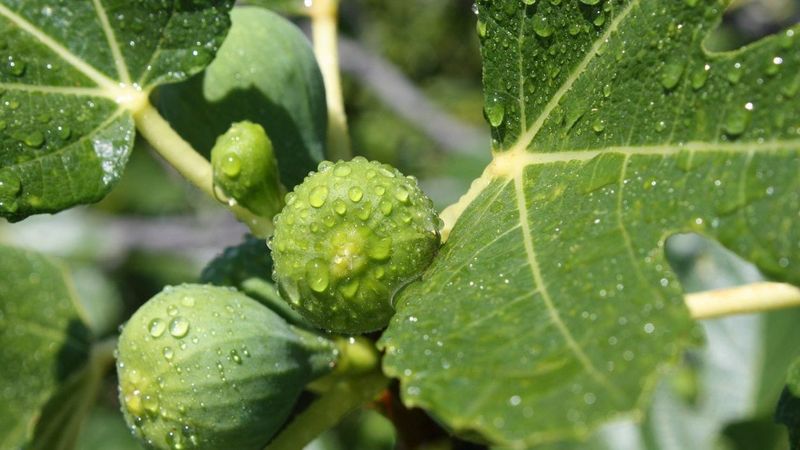
Proper watering is vital for fig tree health. While figs are drought-tolerant, they require consistent moisture during the growing season. Water deeply but infrequently, allowing the soil to dry slightly between sessions. Overwatering can lead to root rot, while underwatering may stunt growth. Monitor local rainfall and adjust your watering schedule accordingly. This balance is key to encouraging fruit development and preventing common issues. Quick fact: fig trees have extensive root systems, enabling them to access deep water reserves.
6. Fertilization Techniques
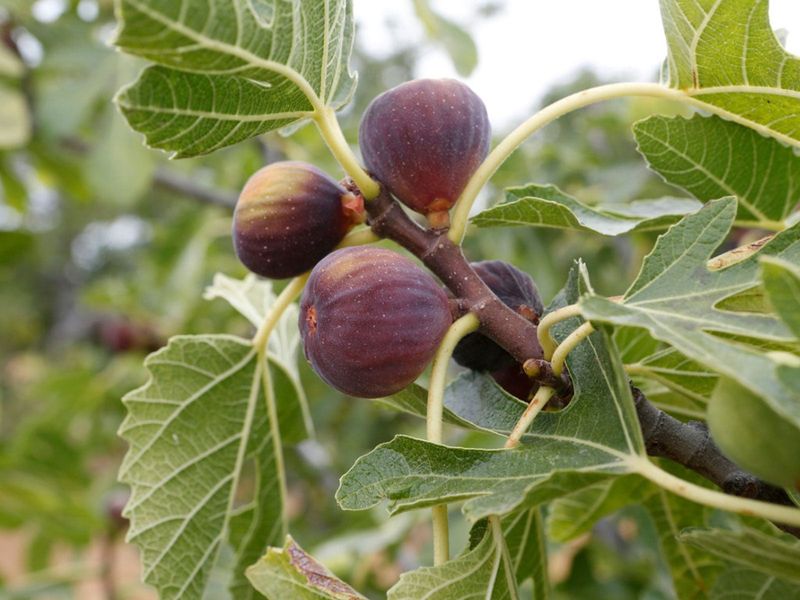
Fertilizing your fig tree correctly boosts fruit production. Use a balanced fertilizer in early spring as new growth begins. Opt for organic options to enhance soil health. Apply evenly around the base, avoiding direct contact with the trunk. Too much nitrogen can lead to vigorous foliage growth but poor fruiting. Consistent fertilization throughout the growing season supports healthy development. Did you know? Ancient civilizations considered figs a symbol of prosperity and fertility, often featured in mythology.
7. Pruning for Productivity
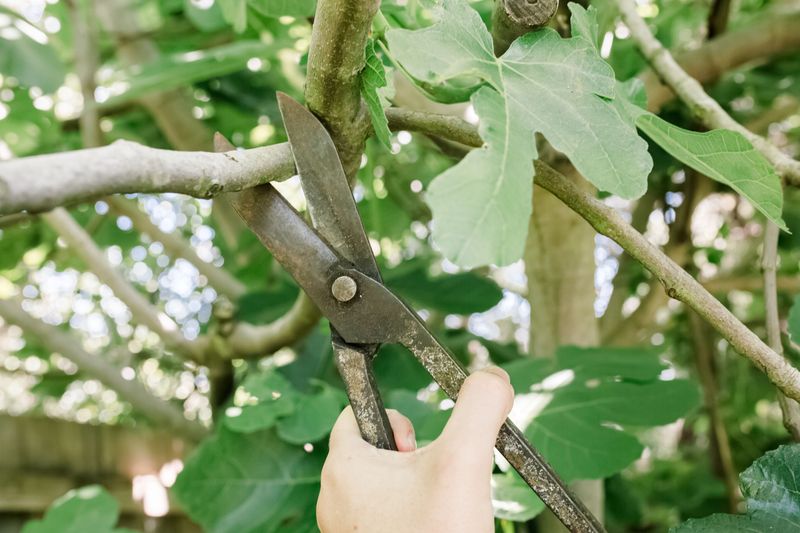
Pruning is essential for a productive fig tree. Perform in late winter when the tree is dormant. Remove dead or diseased wood first. Thin out crowded branches to improve air circulation and sunlight penetration. Cut back to promote a sturdy structure and prevent overgrowth. Proper pruning enhances fruit quality and simplifies harvesting. Interesting fact: fig sap contains latex, which can cause skin irritation for some people, so wear gloves when pruning.
8. Pest and Disease Management
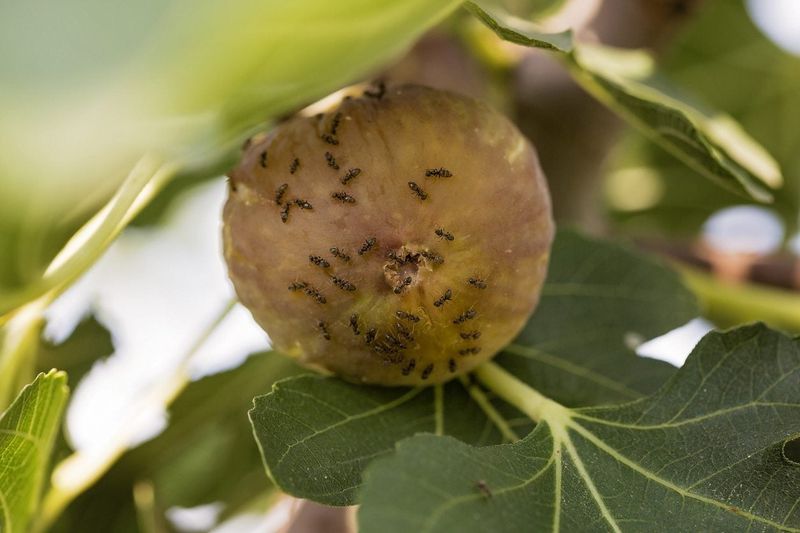
Managing pests and diseases protects your fig tree’s health. Regularly inspect leaves and branches for signs of trouble. Introduce beneficial insects like ladybugs to control pests naturally. Use organic treatments or homemade solutions to deter common threats. Maintain cleanliness around the tree base to prevent fungal issues. Healthy trees are more resilient against pests. Did you know? Fig trees produce a milky latex that naturally repels many insects, acting as a self-defense mechanism.
9. Mulching for Moisture Retention
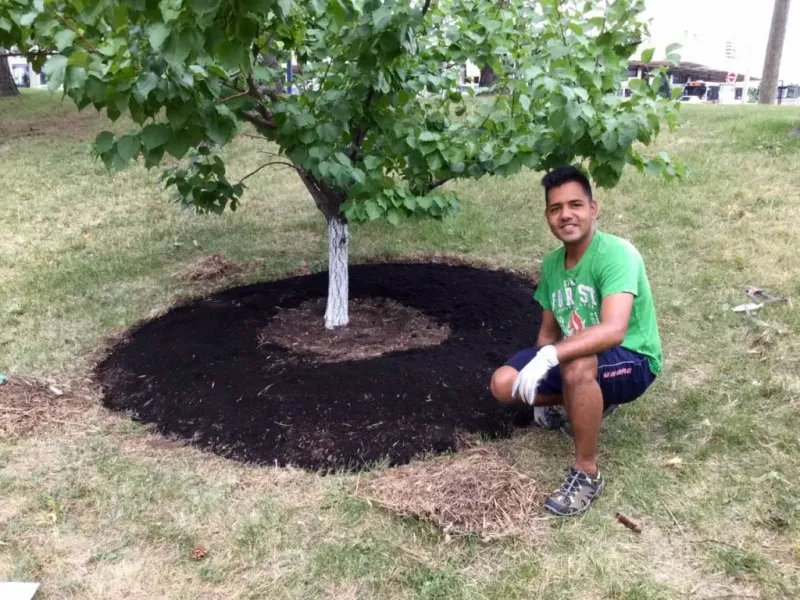
Mulching helps retain moisture and suppress weeds. Apply a thick layer of organic mulch around the tree’s base, leaving space around the trunk to prevent rot. This layer regulates soil temperature, keeping roots cool in summer and warm in winter. Mulch breaks down over time, enriching the soil with organic matter. It’s a simple yet effective way to conserve water and support healthy growth. Fun fact: the fig leaf is historically known for its symbolic use in art and literature.
10. Companion Planting
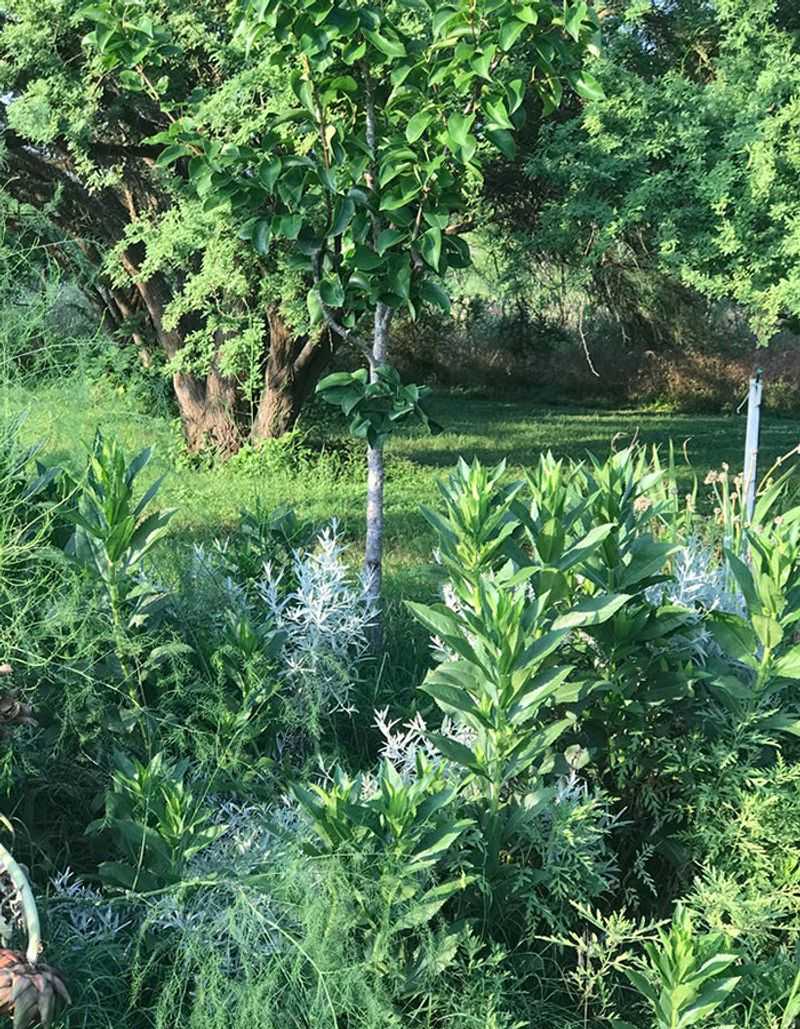
Companion planting benefits your fig tree by attracting beneficial insects and improving soil health. Plant marigolds to deter nematodes and basil to enhance flavor profiles of nearby fruits. Select plants that thrive in similar conditions, such as lavender, which attracts pollinators. This biodiversity strengthens the garden ecosystem, promoting more abundant fruiting in figs. Did you know? The fig wasp, a tiny insect, plays a crucial role in fig pollination, highlighting the importance of a balanced garden environment.
11. Training and Support Structures
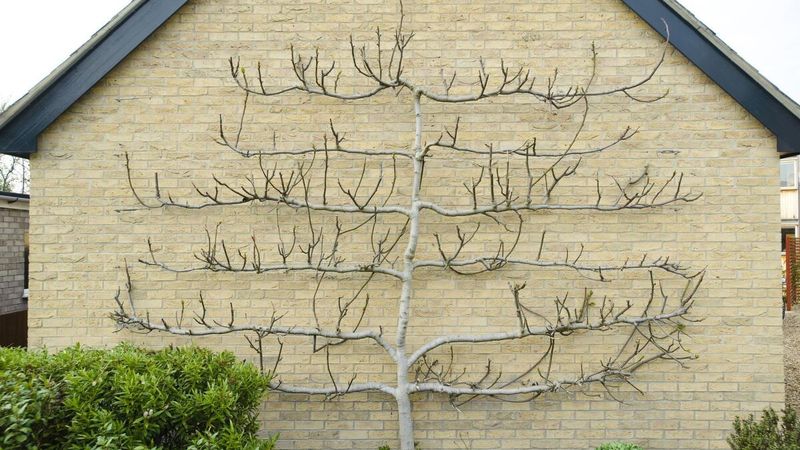
Training your fig tree enhances its shape and fruit production. Use support structures like trellises or stakes to guide growth. This method encourages even light distribution and stronger branches. Regularly tie branches to supports, adjusting as the tree grows. Training promotes a tidy appearance and minimizes damage during storms. Quick fact: figs can be trained into espalier forms, making them a decorative addition to gardens and walls.
12. Seasonal Care and Maintenance
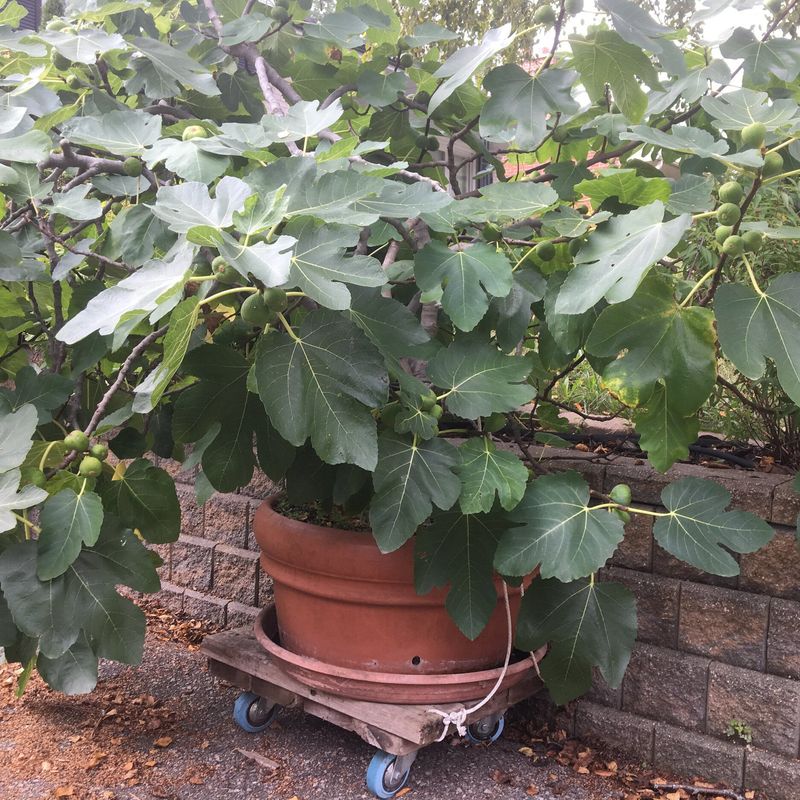
Seasonal care ensures your fig tree remains productive. In spring, check for new growth and apply fertilizer. Summer requires consistent watering and pest management. As autumn approaches, prepare the tree for winter by reducing watering and insulating the base. Prune in late winter to shape the tree and remove any damaged wood. Each season brings unique tasks that contribute to healthy fruiting. Did you know? In some cultures, figs represent abundance and good fortune, often gifted during festive seasons.
13. Patience and Observation
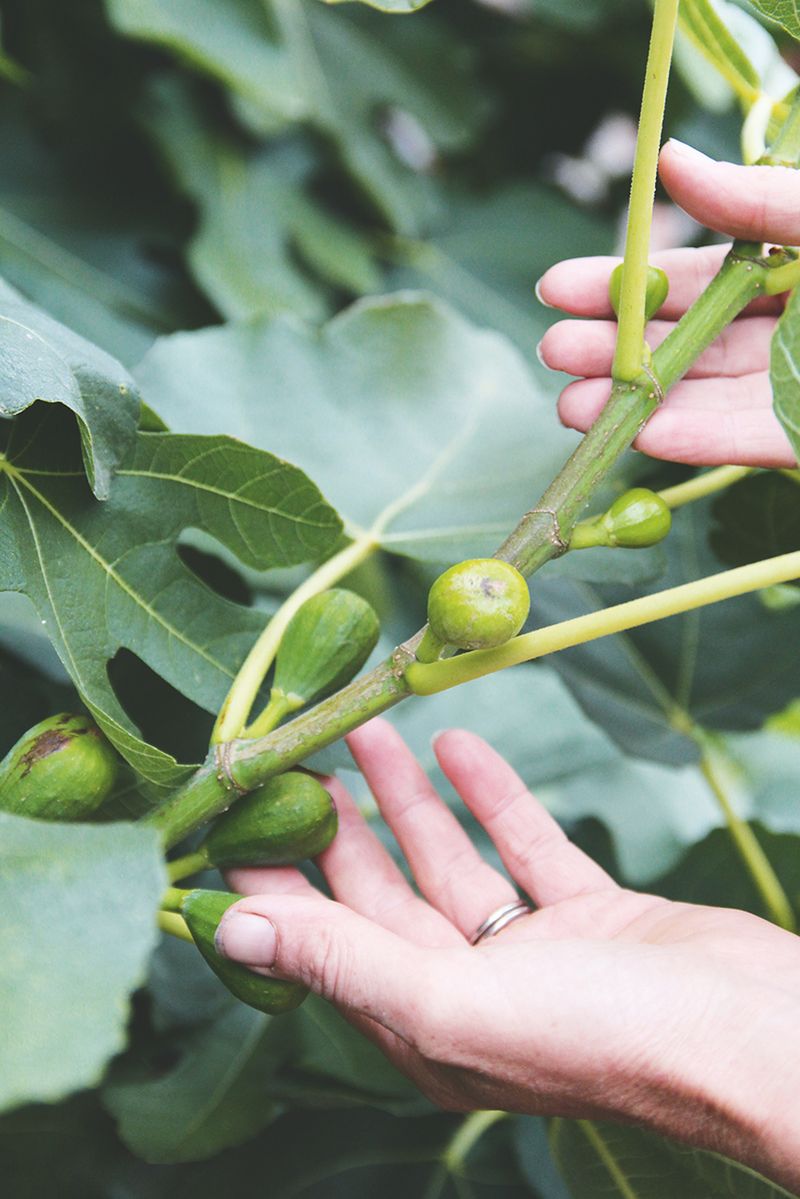
Patience is a virtue when nurturing fig trees. Regularly observe the tree’s progress, noting changes in growth patterns and fruiting. Understanding the tree’s needs requires time and attentiveness. Document your findings to refine care techniques over seasons. This thoughtful approach leads to better results and a deeper connection with your garden. Interesting tidbit: figs have a rich history, mentioned in ancient texts and revered in various cultures for their symbolic meanings.
14. Harvesting with Care
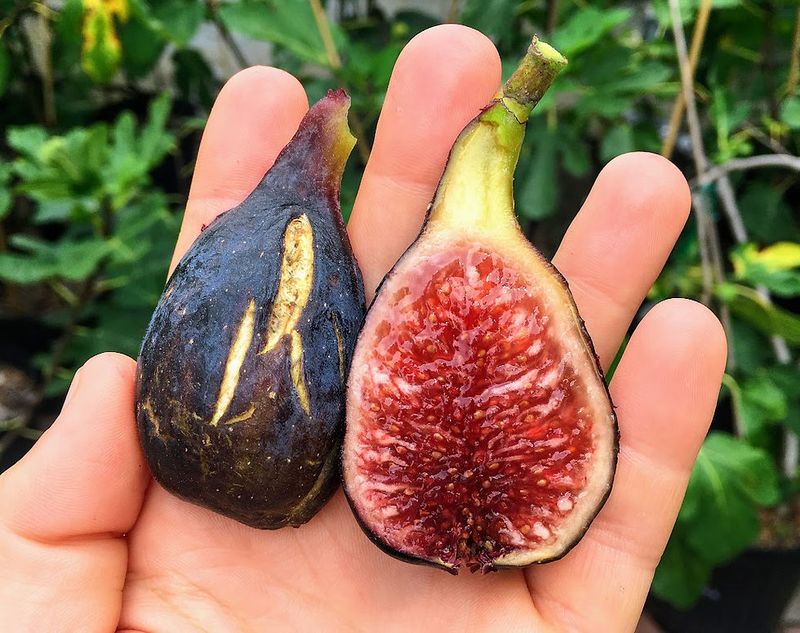
Harvest your figs with care to enjoy perfect fruits. Wait until they’re fully ripe, as figs do not continue to ripen once picked. Gently twist or cut the fruit from the branch. Handle with care to avoid bruising. Regular harvesting encourages more fruit production. Store figs in a cool place to preserve freshness. Fun fact: figs are one of the oldest cultivated fruits, cherished by ancient civilizations around the world.
15. Utilizing Fig Fruits

Figs are versatile in culinary uses. Enjoy them fresh, or explore recipes like fig jam, tarts, or salads. Their natural sweetness complements savory dishes, adding a unique flavor. Dried figs make a nutritious snack, rich in fiber and antioxidants. Experiment with different preparations to find favorites. This variety ensures no fruit goes to waste. Did you know? In ancient Rome, figs were considered a sacred fruit, enjoyed during feasts and celebrations.
16. Winter Protection Strategies

Protecting your fig tree in winter is vital in colder regions. Wrap the tree with burlap or horticultural fleece to shield it from frost. Mulch heavily around the base to insulate roots. Consider moving potted figs indoors during severe weather. These measures prevent damage and ensure the tree bounces back in spring. Fun fact: figs can survive temperatures as low as 15°F, though young trees are more susceptible to cold damage.
17. Savoring the Journey
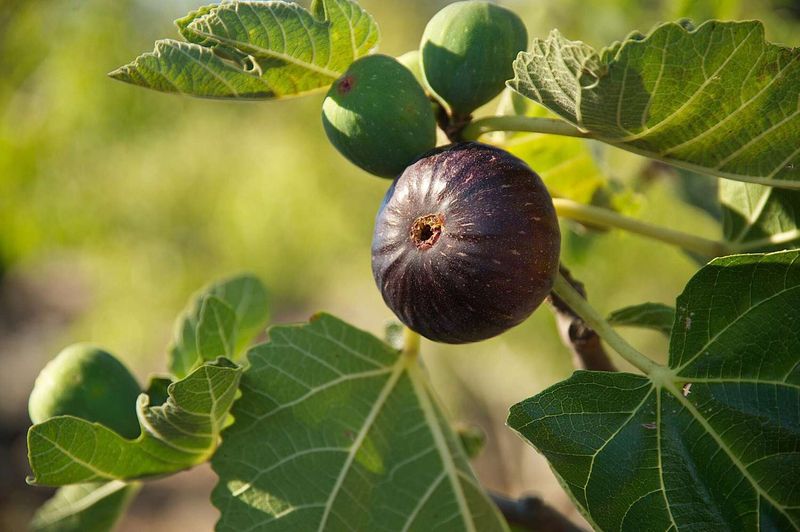
Gardening is as much about the journey as the result. Savor each moment spent tending to your fig tree, from planting to harvest. This connection with nature brings joy and fulfillment. Whether you’re an experienced gardener or a novice, the process offers continuous learning and satisfaction. The bond with your fig tree grows deeper with each passing season. Did you know? In many cultures, figs symbolize peace and prosperity, often associated with wisdom and enlightenment.