 Complete Gardening
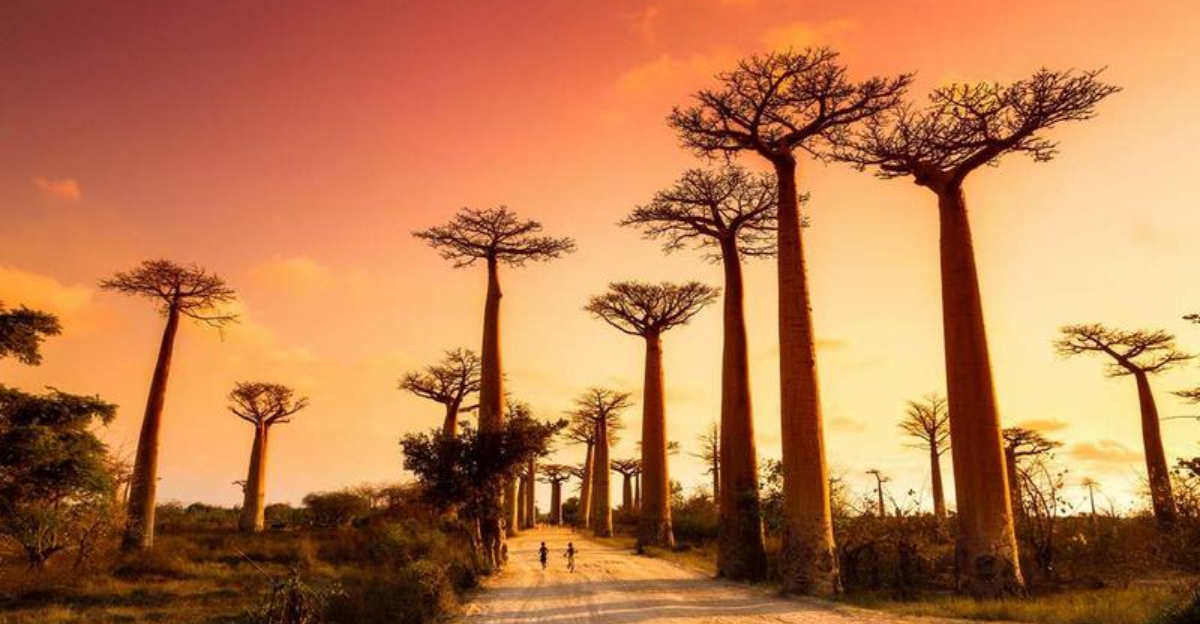
The natural world is teeming with a variety of plants that defy conventional understanding. These bizarre plants often possess unique characteristics and adaptations, making them fascinating subjects for study and admiration. From carnivorous traps to floral illusions, these plants have evolved in ways that seem almost supernatural. Let’s explore 33 of these natural marvels, each with its own exceptional story and captivating features.
1. Corpse Flower
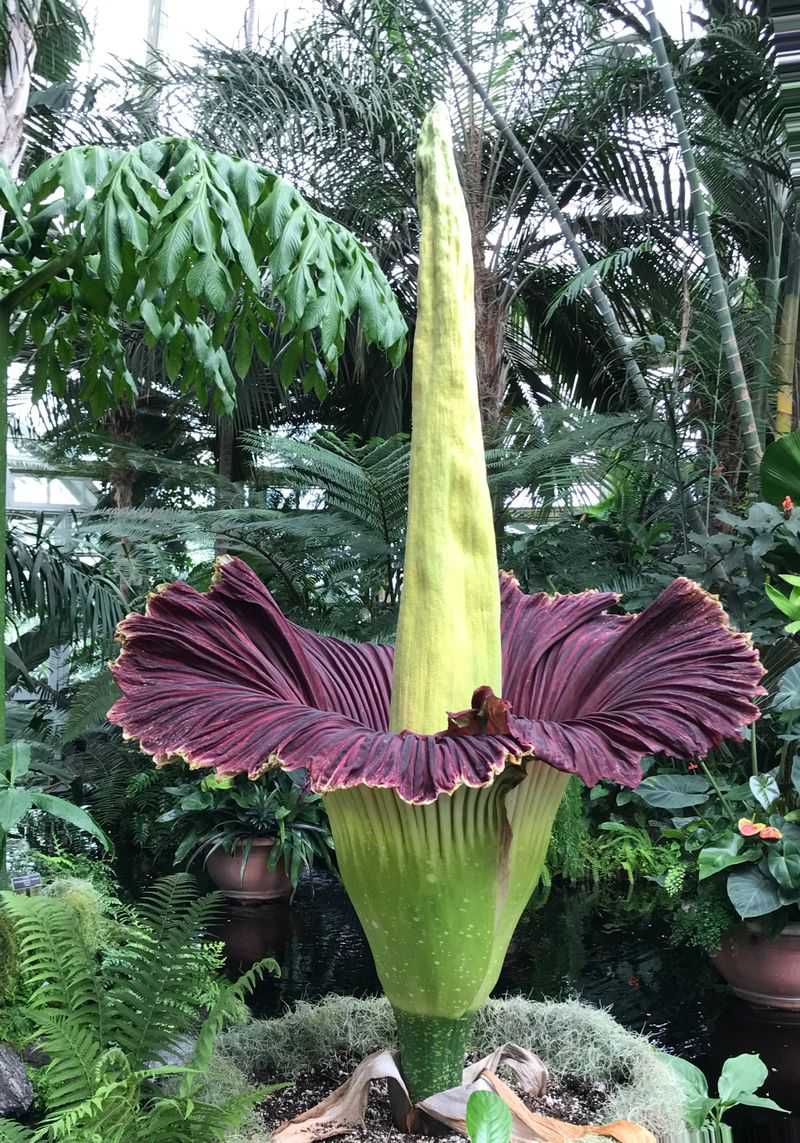
The Corpse Flower, known scientifically as Amorphophallus titanum, captivates not with beauty but with its overwhelming stench. Native to the rainforests of Sumatra, this plant emits an odor reminiscent of decaying flesh, attracting carrion insects for pollination.
Its bloom, one of the largest in the world, can reach up to ten feet in height. When in full bloom, the flower exhibits a striking burgundy hue and a unique texture.
Interestingly, it blooms infrequently, sometimes only once every decade, making it a rare spectacle for botanists and enthusiasts alike.
2. Venus Flytrap
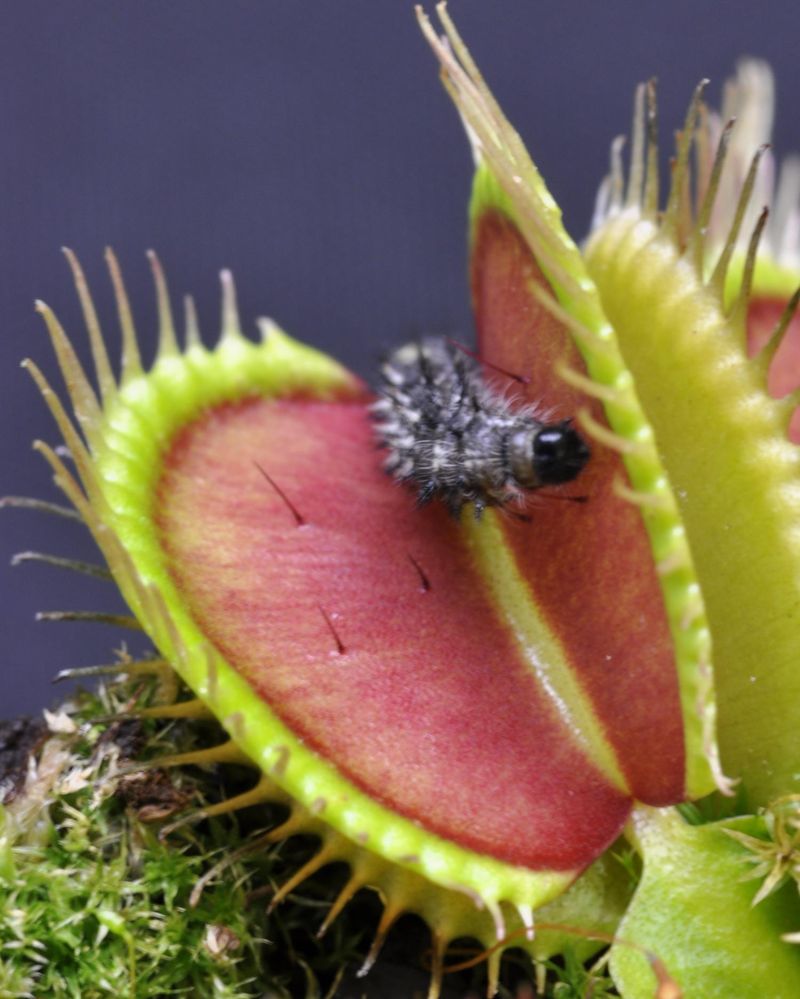
Possessing an almost mythical allure, the Venus Flytrap is a carnivorous plant that captures and digests insects. Its leaves, resembling hinged traps, snap shut when prey triggers its sensitive hairs.
Native to the subtropical wetlands of the United States, this plant thrives in nutrient-poor soil, acquiring essential nutrients from its insect diet instead.
The speed at which the trap closes is a marvel of natural engineering, taking less than a second. Each trap can snap shut about three to four times before it becomes unusable.
3. Welwitschia
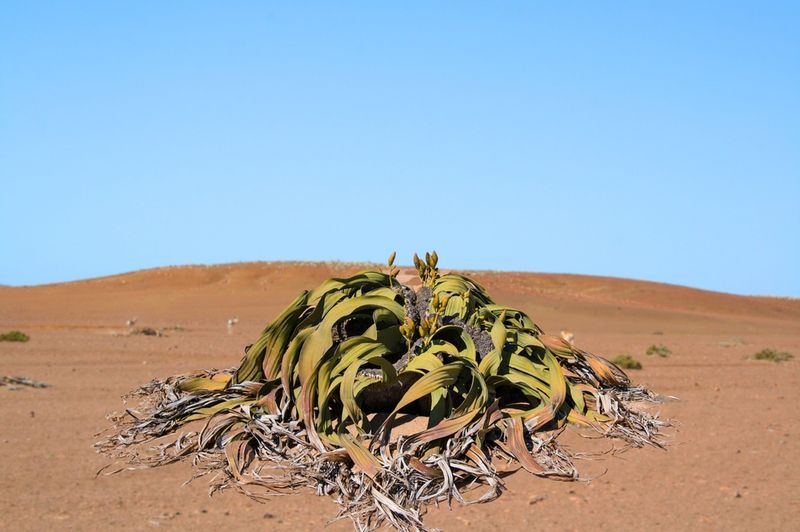
In the harsh landscapes of the Namib Desert, the Welwitschia plant stands as a testament to endurance and survival. Known for its two continuously growing leaves, this plant can live for over a thousand years.
Its unique appearance, with leaves resembling giant ribbons, allows it to capture dew and fog, its main water sources.
The plant’s survival strategy includes a deep taproot system and a highly efficient photosynthesis process, enabling it to thrive where few others can.
4. Rafflesia Arnoldii
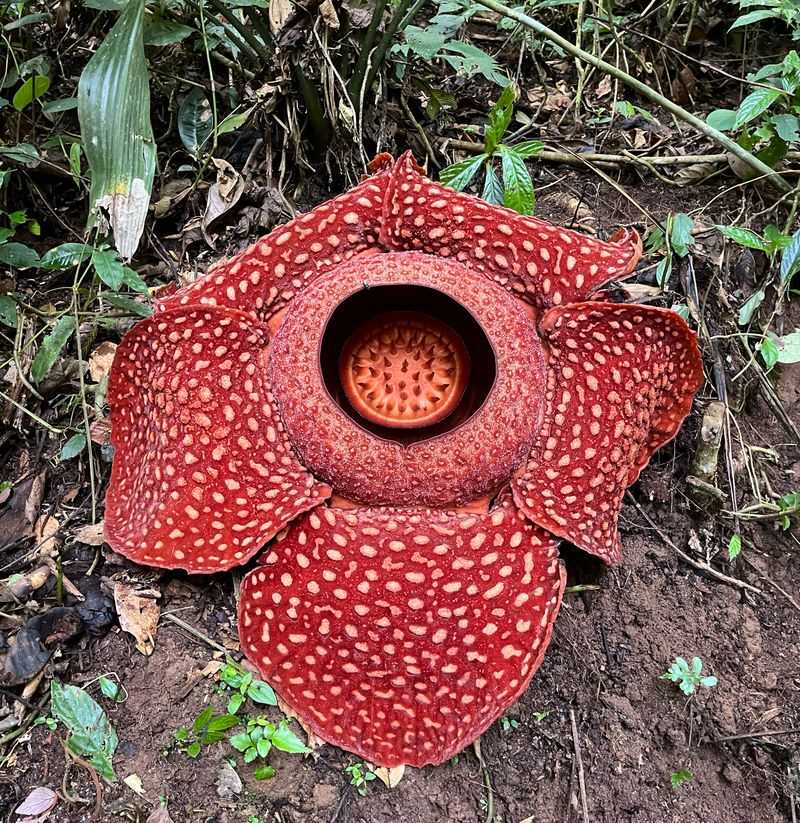
Rafflesia Arnoldii, often dubbed the “corpse lily,” is famous for having the largest individual flower in the world. Found in the rainforests of Southeast Asia, this parasitic plant lacks visible leaves, stems, or roots.
Instead, it derives nutrients from its host vines. The flower’s immense size, sometimes over three feet in diameter, is matched by its pungent odor of rotting meat.
This scent attracts carrion flies for pollination. Given its rarity and elusive blooming cycle, encountering a Rafflesia in bloom is considered a rare natural event.
5. Baobab Tree
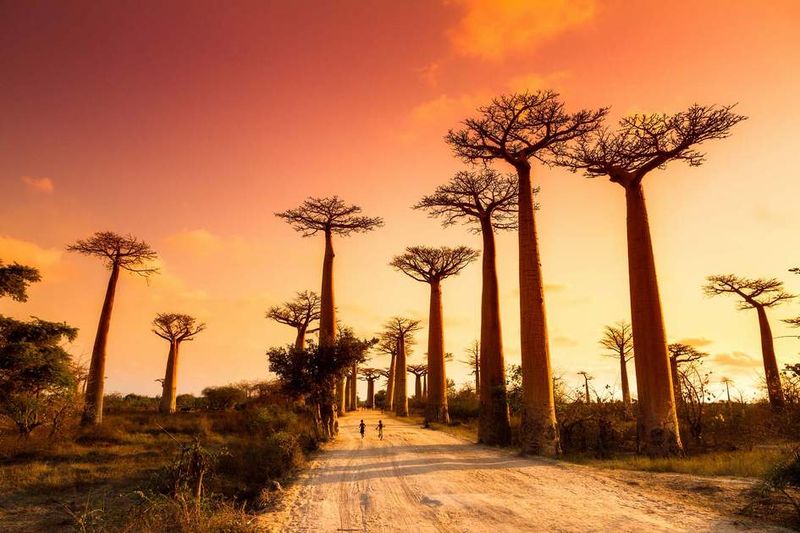
The Baobab Tree, often referred to as the “Tree of Life,” is renowned for its immense trunk and distinctive silhouette. Native to the African continent, these trees have adapted to arid environments by storing water in their thick trunks.
Some baobabs can live for over a thousand years, witnessing centuries of ecological change.
Their wide trunks can hold thousands of liters of water, serving as a critical resource for animals and humans during dry spells. Beyond its utility, the baobab’s iconic shape has inspired numerous cultural myths and stories.
6. Dragon’s Blood Tree
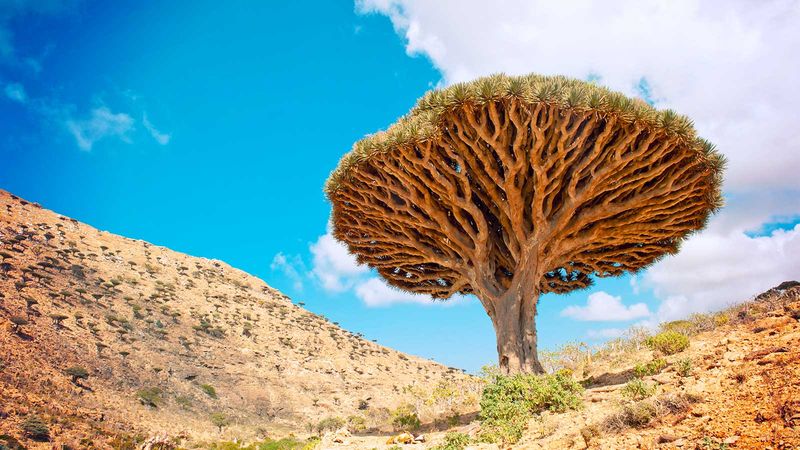
Perched on the isolated Socotra Island, the Dragon’s Blood Tree is named for its striking red resin, reminiscent of dragon’s blood. This ancient tree species features an umbrella-shaped canopy, which helps it survive in arid conditions by reducing water loss.
The red resin, historically used in medicines, dyes, and incense, adds to the tree’s mystique.
With its unique appearance and fascinating adaptations, the Dragon’s Blood Tree stands as a symbol of the island’s rich biodiversity and ecological history.
7. Sensitive Plant
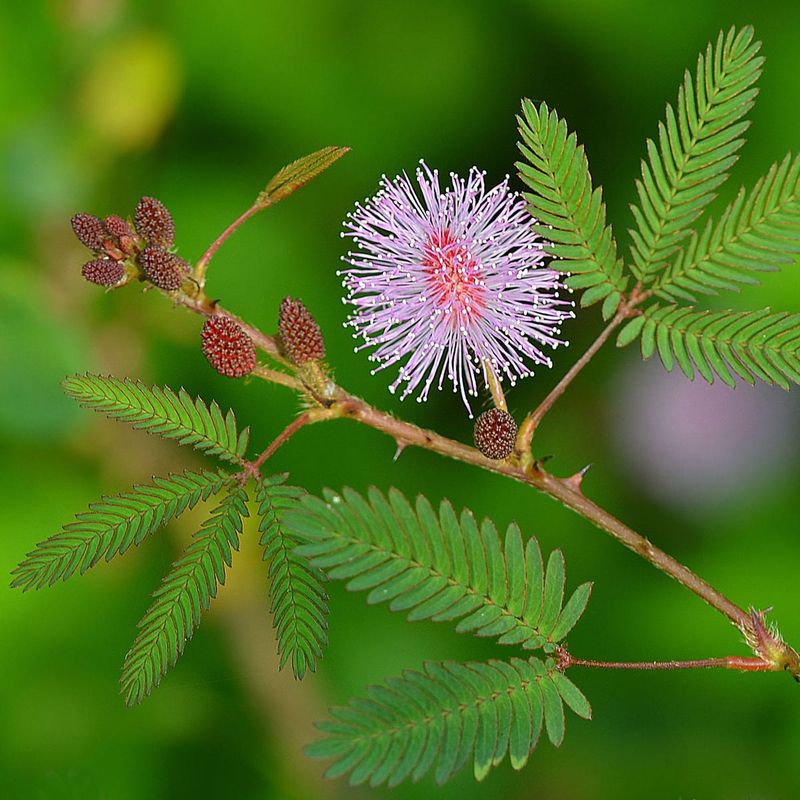
The Sensitive Plant, or Mimosa pudica, is famed for its rapid leaf movements, a defense mechanism against herbivores. When touched, its leaves fold inward and droop, deterring potential threats.
This fascinating response, known as thigmonasty, occurs within seconds, showcasing nature’s ingenuity. The plant, native to Central and South America, is often grown for its curious behavior and delicate, feathery leaves.
Beyond its novelty, the Sensitive Plant’s movements are a vivid reminder of the dynamic interactions within nature’s realm.
8. Lithops
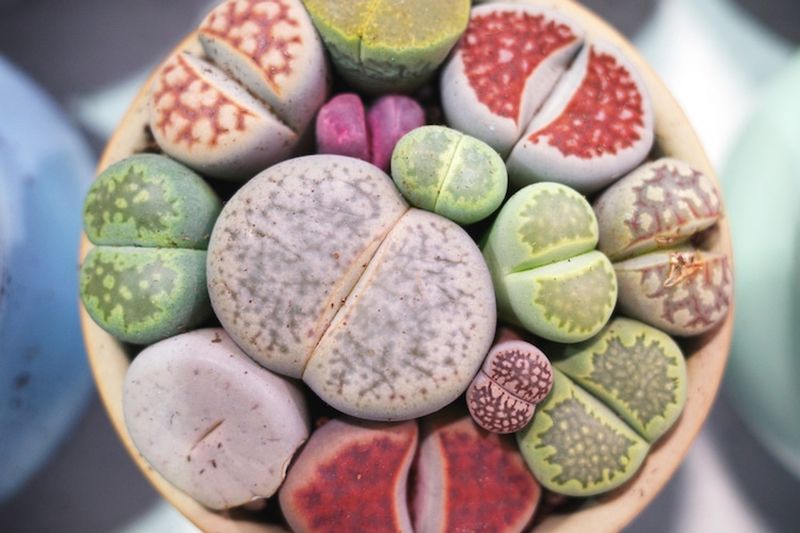
Lithops, commonly referred to as “living stones,” are succulents that resemble small pebbles, an adaptation for camouflage in their native South African habitats. These plants blend seamlessly with their surroundings, protecting them from herbivores.
Each plant consists of a pair of thick leaves with a fissure at the center where flowers and new growth emerge.
Lithops thrive in arid environments, storing water in their leaves to endure long dry periods. Their unique appearance and resilience make them a fascinating subject for collectors and botanists alike.
9. Butterwort
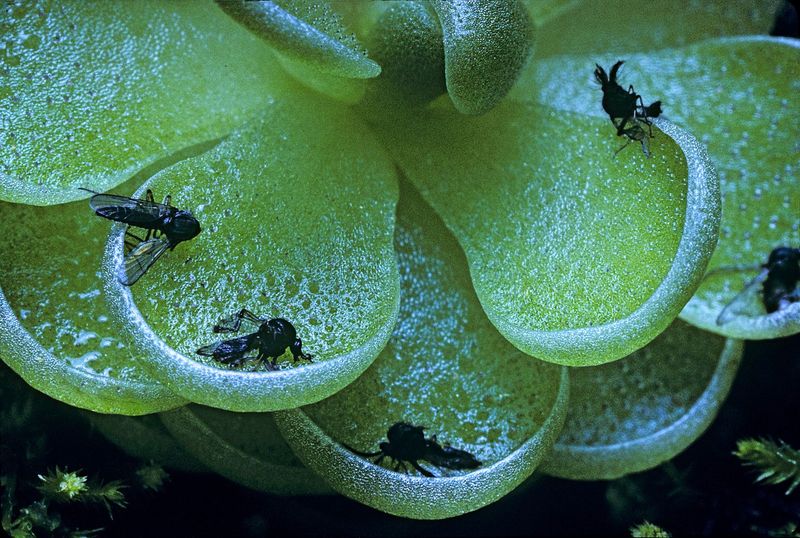
With its sticky, glistening leaves, the Butterwort is a master of insect capture. This carnivorous plant relies on its adhesive leaves to ensnare unsuspecting prey, primarily small insects.
Once trapped, the plant secretes enzymes to digest and absorb the nutrients, supplementing its diet in nutrient-poor soils.
Butterworts are found in various climates, from North America to Scandinavia, and are admired for their beautiful flowers and intriguing carnivorous habits.
10. Hydnora Africana
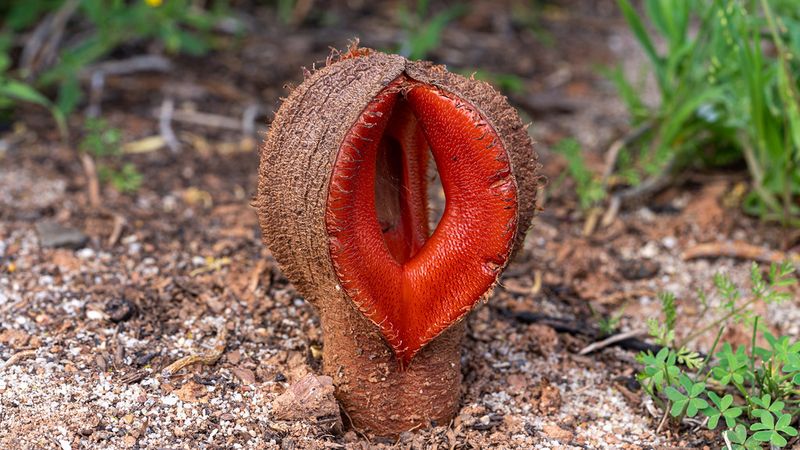
Hydnora Africana, a subterranean plant, emerges from the ground as a peculiar, fleshy flower. Native to southern Africa, it is a parasitic plant that attaches to the roots of host plants for nourishment.
Its flower emits a strong odor of feces, attracting dung beetles for pollination. The beetles become trapped temporarily, aiding in the pollination process.
This plant’s unique lifecycle and appearance make it a curiosity among botanists and plant enthusiasts.
11. Pitcher Plant
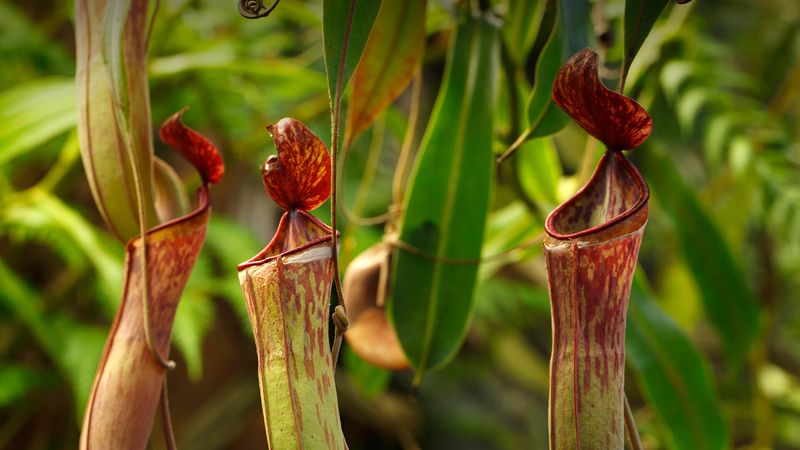
The Pitcher Plant is a marvel of botanical innovation, using its vase-like leaves to trap and digest insects. These leaves contain a pool of digestive fluids that break down prey, allowing the plant to absorb vital nutrients.
Found in nutrient-poor environments, such as bogs and swamps, these plants have evolved to supplement their diet with insects.
The vibrant colors and nectar of the pitchers lure insects into their trap, showcasing a fascinating example of plant adaptation and survival.
12. Giant Water Lily
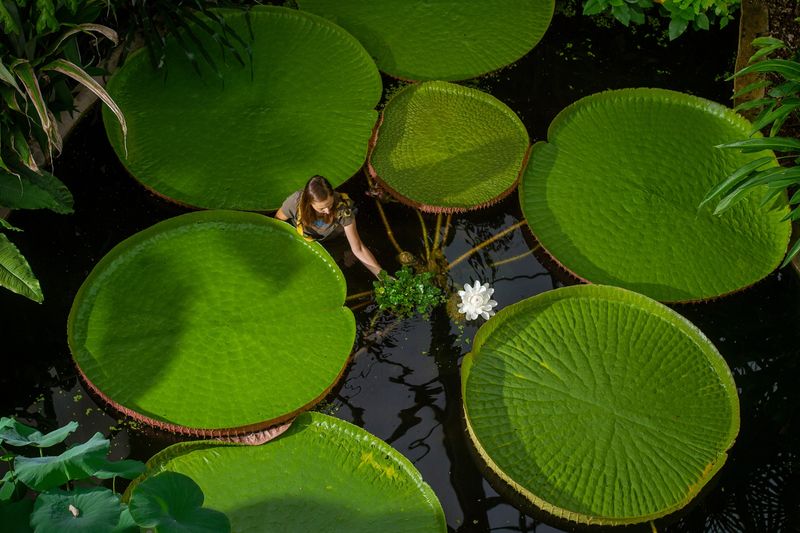
The Giant Water Lily, with its expansive floating leaves, transforms water surfaces into surreal landscapes. Native to the Amazon, these lilies boast leaves that can exceed six feet in diameter, supporting the weight of small animals.
Their large size is an adaptation to optimize sunlight exposure and deter herbivores.
The flowers of the Giant Water Lily are equally impressive, blooming at night and emitting a sweet fragrance to attract pollinators. This aquatic giant continues to captivate with its awe-inspiring dimensions and beauty.
13. Ghost Orchid
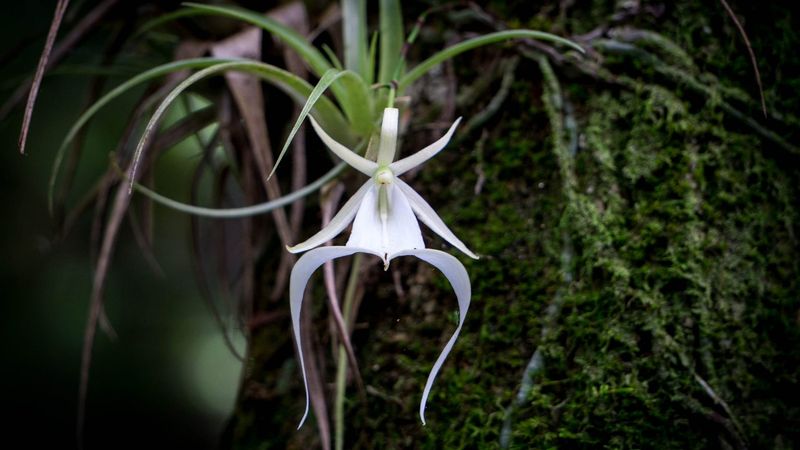
The elusive Ghost Orchid enchants with its ethereal appearance and rarity. Found in the swamps of Florida and Cuba, this orchid lacks leaves and relies on photosynthesis through its roots.
Its ghostly, white flowers dangle like apparitions, seemingly floating in mid-air.
Pollinated by the giant sphinx moth, the Ghost Orchid blooms sporadically, adding to its mystique. Its rarity and beauty have made it a symbol of botanical fascination and conservation efforts.
14. Doll’s Eye Plant
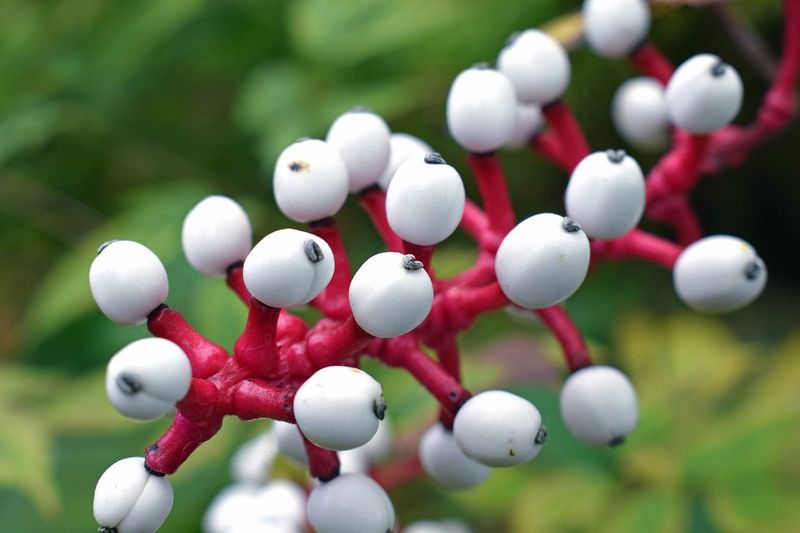
The Doll’s Eye Plant, scientifically known as Actaea pachypoda, intrigues with its unusual white berries that resemble eerie eyes. Found in North American woodlands, these berries are highly toxic, deterring predators.
The plant’s striking appearance, with its eye-like berries, makes it both captivating and unsettling.
This plant serves as a reminder of nature’s creative yet sometimes dangerous designs. Despite its toxicity, the Doll’s Eye Plant contributes to the woodland ecosystem through its interactions with various wildlife.
15. Tacca Chantrieri
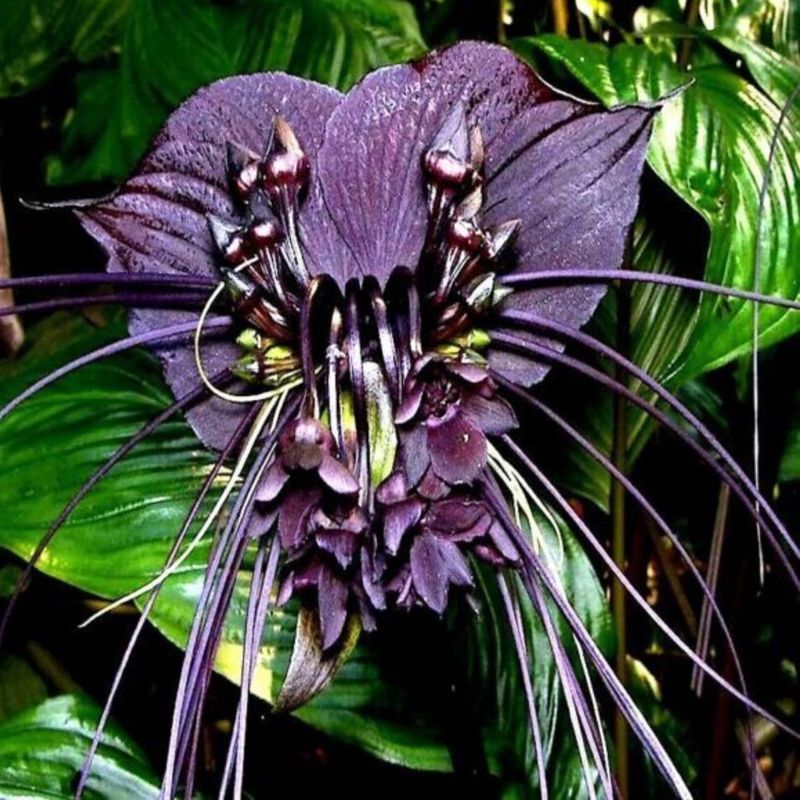
Tacca Chantrieri, or the Bat Plant, mesmerizes with its dark, bat-shaped flowers and long, whisker-like bracts. Native to the tropical regions of Southeast Asia, this plant thrives in humid, shaded environments.
Its unusual appearance is both exotic and mysterious, attracting plant enthusiasts and collectors.
The Bat Plant’s flowers are not only visually striking but also play a role in the plant’s reproduction by attracting specific pollinators. Its unique form and captivating allure have cemented its status as a botanical wonder.
16. Titan Arum
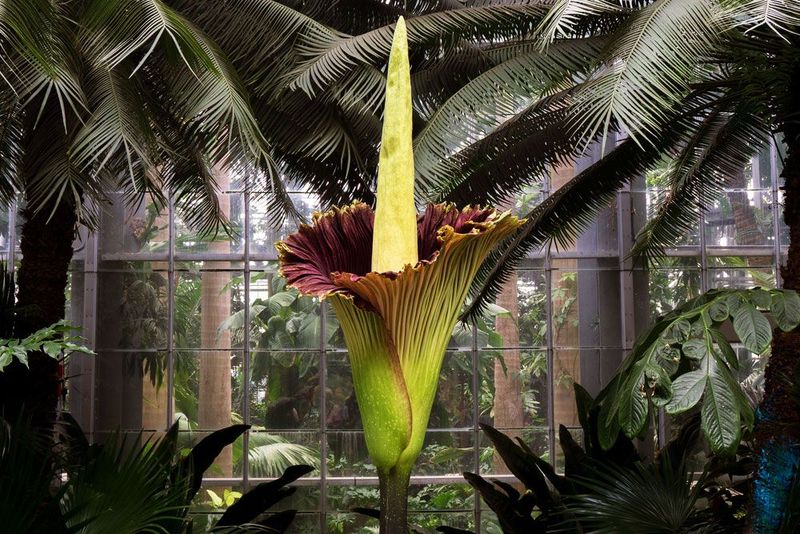
Often confused with the Corpse Flower, the Titan Arum is another giant of the plant world, known for its enormous inflorescence and powerful odor. Native to the rainforests of Sumatra, it draws attention with its towering structure and pungent smell.
This plant blooms infrequently, and when it does, it attracts a crowd eager to witness its rare and dramatic display.
The Titan Arum’s bloom, which can reach over ten feet, is a spectacle of size and scent, continuing to intrigue botanists and plant lovers worldwide.
17. Buddha’s Hand
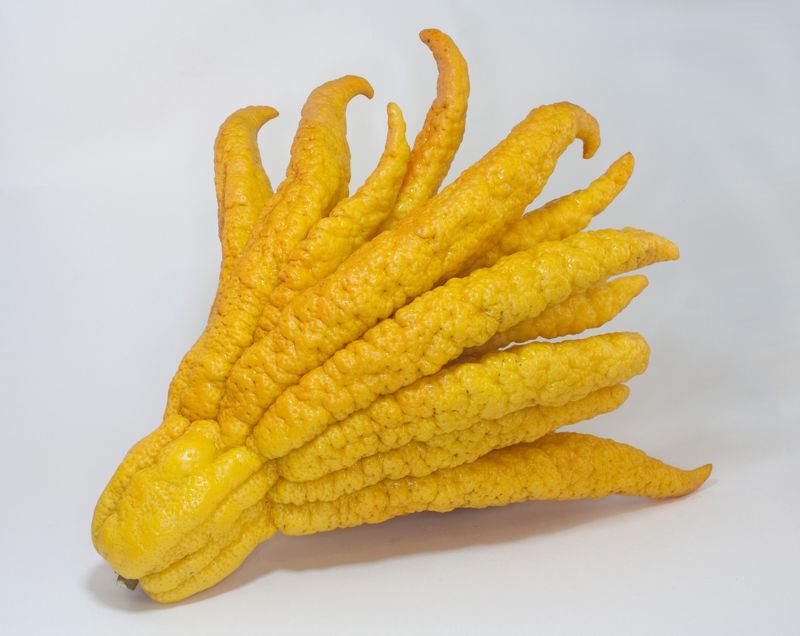
Buddha’s Hand, a citron variety, intrigues with its unique, finger-like segments that resemble a human hand. Originating from Asia, this fruit is prized more for its aromatic zest than its taste.
Its fragrance permeates spaces, making it a popular choice for natural air fresheners.
Beyond its peculiar form, Buddha’s Hand has cultural significance, often used in religious offerings and traditional medicine. This fruit stands as a testament to nature’s whimsy and the diverse ways humans derive value from the plant kingdom.
18. Sea Holly
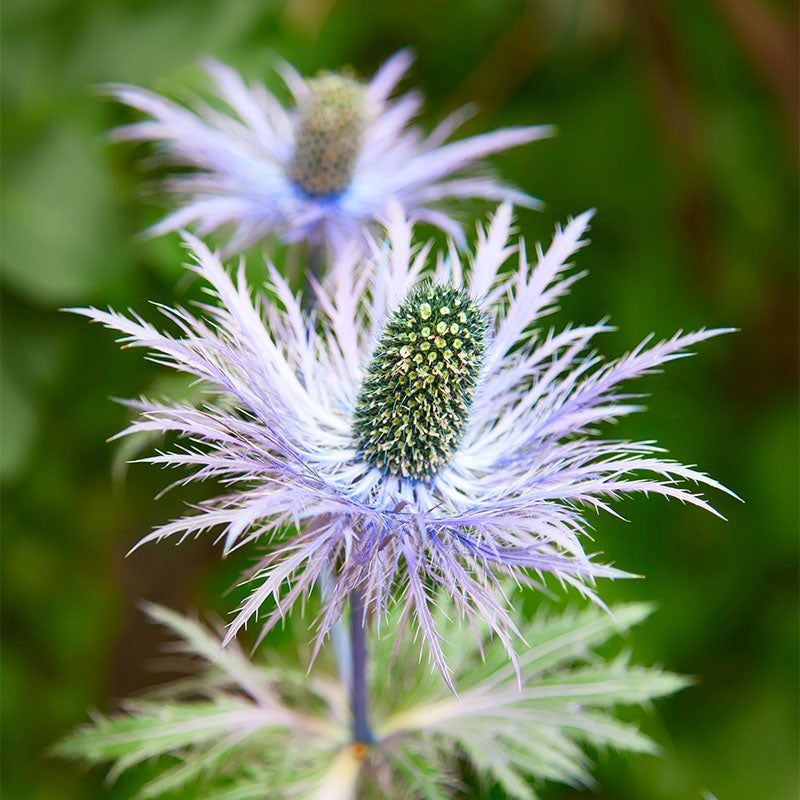
Sea Holly captivates with its spiky, metallic-blue flowers and robust growth habit. Found along coastal areas, this plant is well-adapted to sandy, saline soils, thriving where few others can.
Its striking appearance and resilience make it a favorite among gardeners seeking unique and hardy additions to their landscapes.
The Sea Holly’s blooms attract pollinators, adding ecological value to its aesthetic appeal. Its ability to withstand harsh conditions showcases nature’s adaptability and diversity.
19. Elephant’s Foot Yam
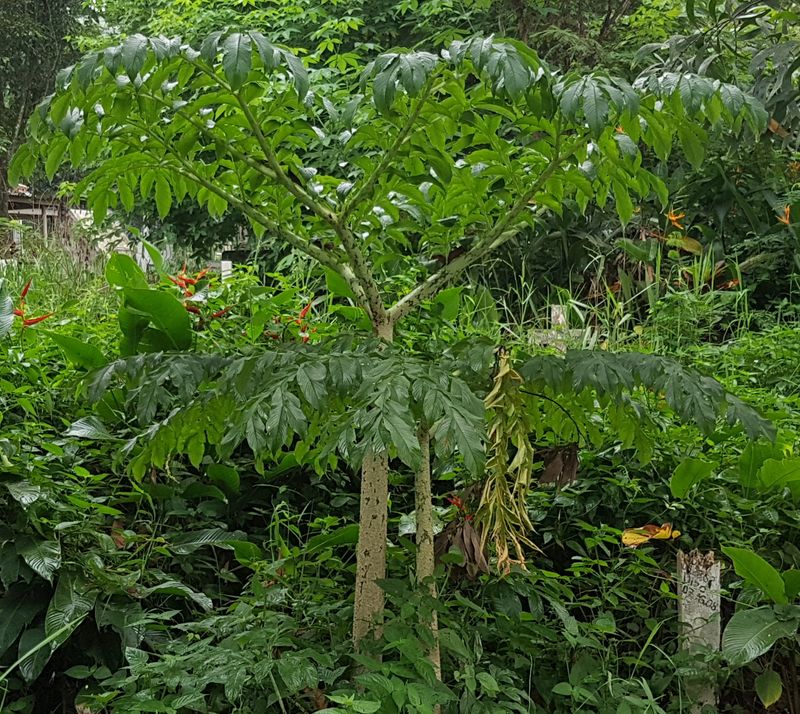
The Elephant’s Foot Yam, named for its large, bulbous tuber resembling an elephant’s foot, is a staple food in many tropical regions. Known scientifically as Amorphophallus paeoniifolius, it is cultivated for its edible root, which can weigh up to 50 pounds.
The plant features striking foliage, with large, umbrella-like leaves that provide shade and attract attention.
Beyond its culinary uses, the Elephant’s Foot Yam is valued for its medicinal properties and cultural significance in various traditions.
20. Silver Sword
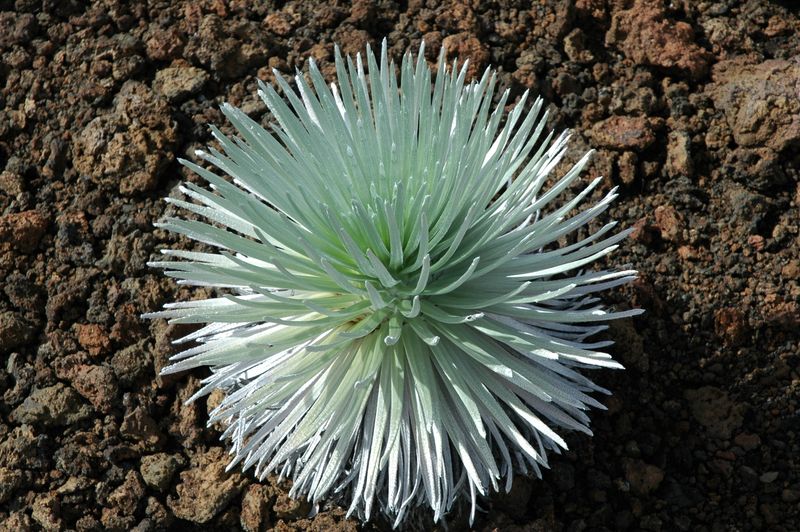
The Silver Sword, endemic to Hawaii, dazzles with its silvery, sword-like leaves and striking floral display. Found on the slopes of volcanic mountains, it thrives in the harsh, sun-soaked environment.
This plant’s unique coloration helps reflect intense sunlight and conserve moisture, essential strategies for survival in its native habitat.
The Silver Sword’s rarity and beauty have made it a symbol of conservation efforts, representing the delicate balance of Hawaii’s unique ecosystems.
21. Yareta
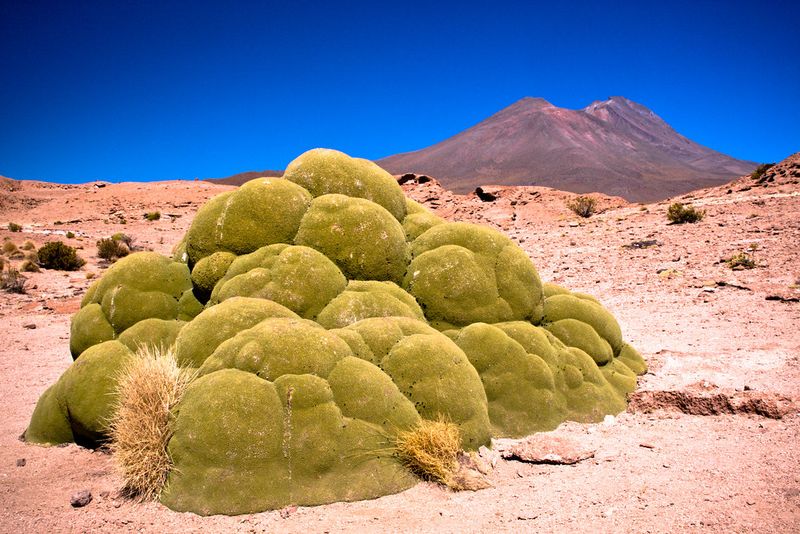
In the high altitudes of the Andes, the Yareta plant forms dense, cushion-like mounds that can span several meters. Known for its slow growth, it can live for thousands of years, making it one of the oldest living plants.
Its tightly packed leaves minimize water loss, an adaptation to the harsh mountain climate.
This ancient plant is a testament to resilience and longevity, enduring where few other life forms can exist.
22. Strangler Fig
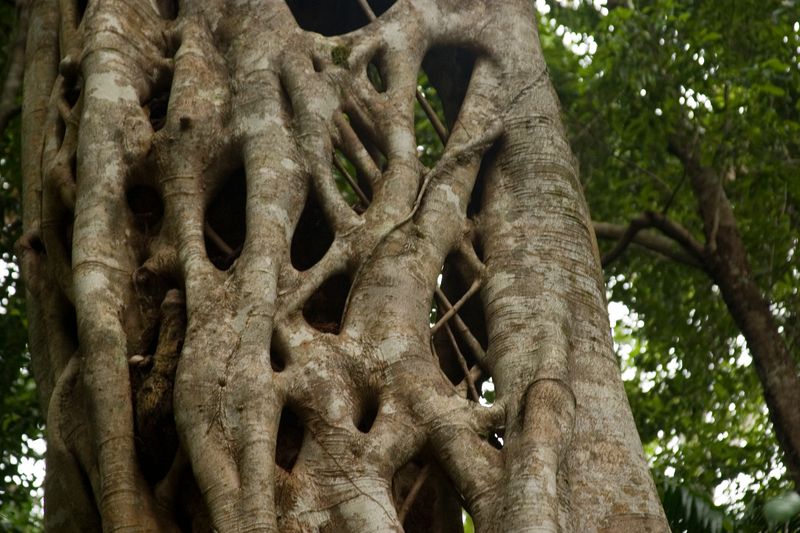
The Strangler Fig begins life as an epiphyte, eventually enveloping its host tree with a complex network of roots. Over time, it may even outcompete and replace the host.
This fascinating life cycle is common in rainforests, where sunlight is a precious resource. The Strangler Fig’s strategy allows it to reach the forest canopy by leveraging the height of its host.
Its role in rainforest ecosystems is vital, providing habitat and food for numerous species.
23. Fiddlehead Fern
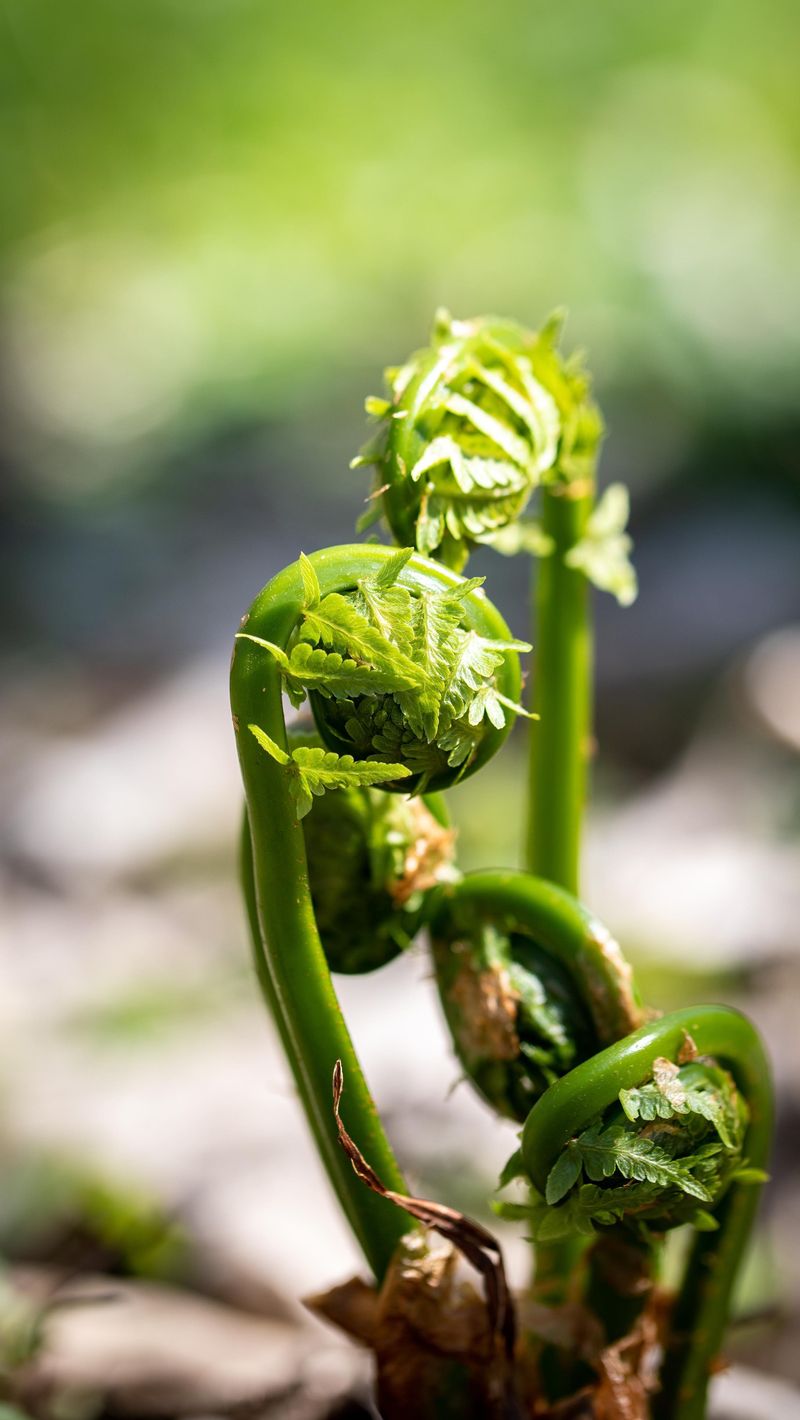
Fiddlehead Ferns, with their tightly coiled fronds, capture the essence of spring’s renewal. These young, unfurling leaves are not only a visual delight but also a culinary treat in many cultures.
Their unique shape, resembling the scroll of a violin, adds an artistic flair to forest floors.
Rich in nutrients, Fiddlehead Ferns are harvested sustainably in temperate regions, offering both ecological and gastronomic value. Their emergence signals the vibrant growth that defines temperate forests.
24. Cycad
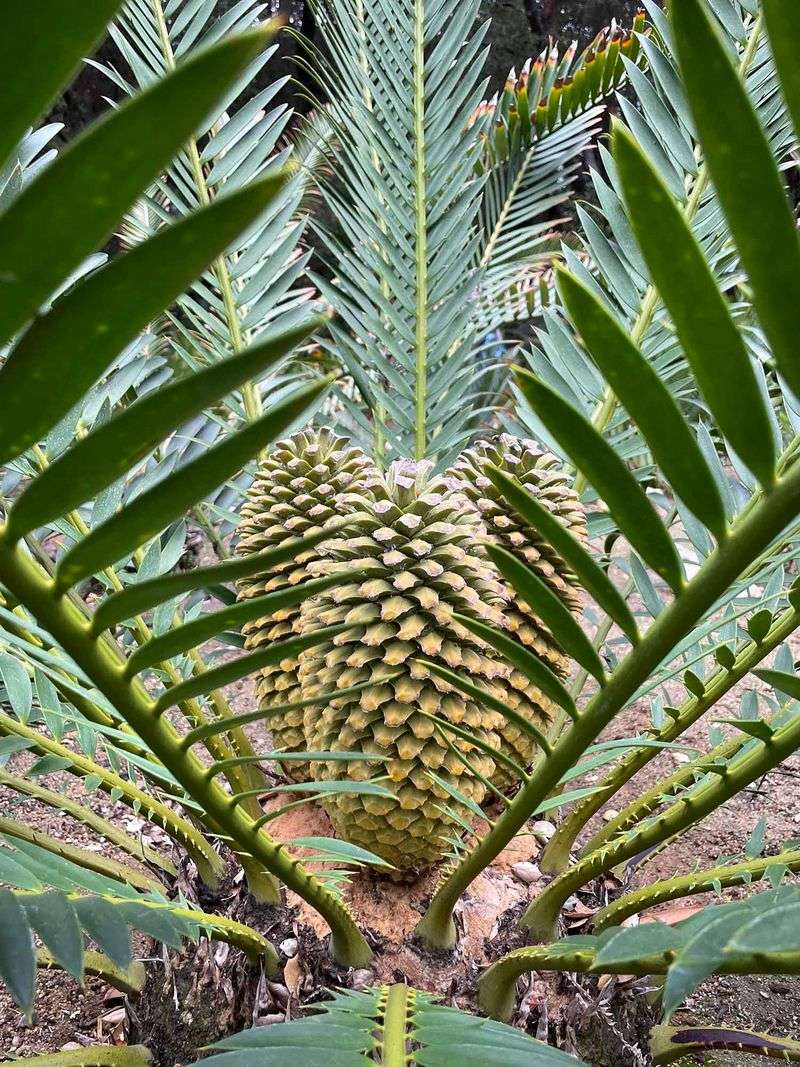
Cycads are ancient plants, often described as living fossils, with origins dating back over 300 million years. Their robust, feathery leaves and stout trunks are reminiscent of prehistoric vegetation.
Found in tropical and subtropical regions, cycads are slow-growing, often requiring specific conditions to thrive.
Their resilience and ancient lineage make them a subject of fascination for botanists and paleobotanists, offering a glimpse into Earth’s distant past.
25. Foxglove
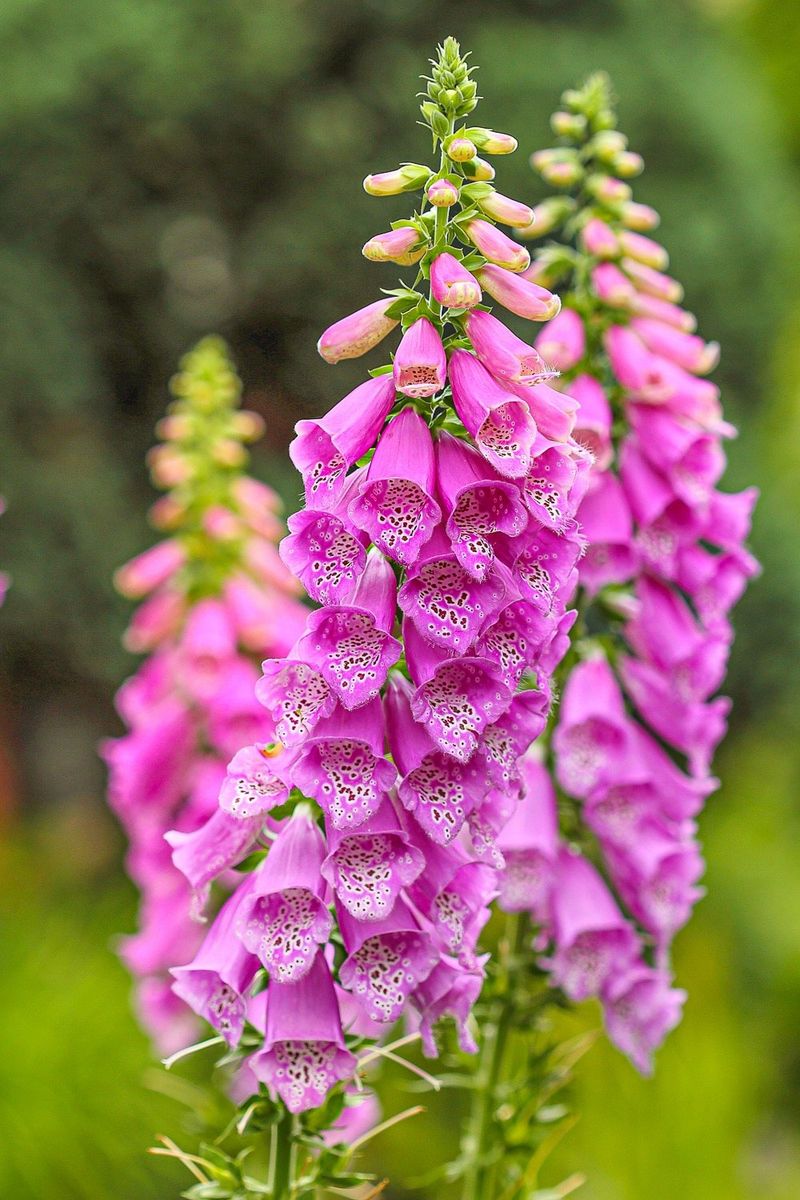
Foxglove plants, with their striking, tubular flowers, are a staple of cottage gardens. These towering spires, often in shades of purple and pink, attract pollinators such as bees and hummingbirds.
While visually captivating, Foxglove is also known for its toxicity, containing compounds used to produce heart medications.
This dual nature, both beautiful and potentially dangerous, exemplifies the complexities of plant biology and human interaction with nature.
26. Peacock Moss
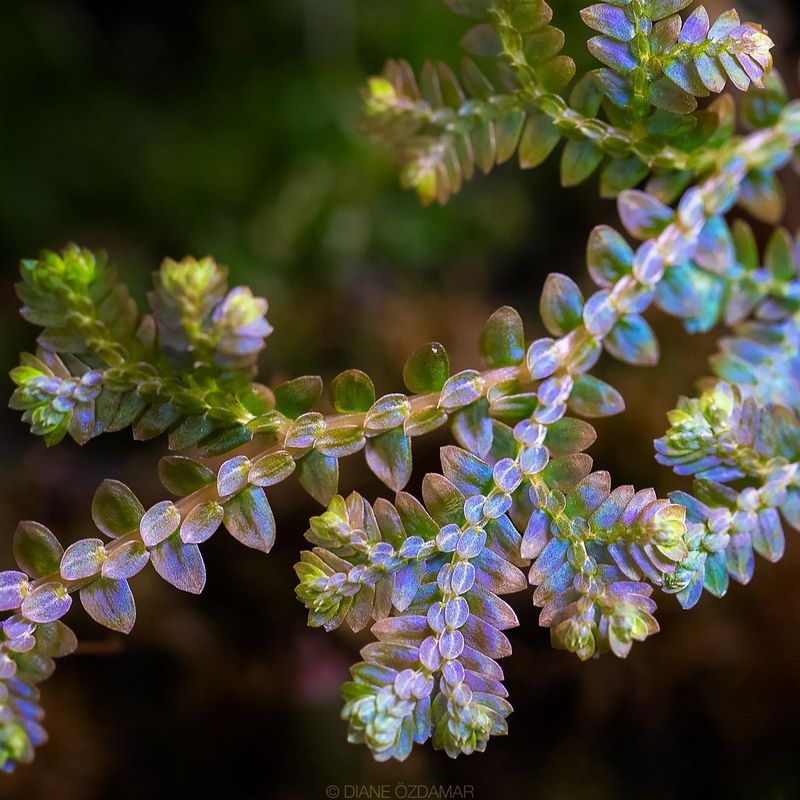
Peacock Moss enchants with its iridescent foliage, displaying colors that shift with light and moisture changes. Found in humid, shaded areas, this plant is not a true moss but a member of the Selaginella family.
Its vibrant, shimmering appearance makes it a popular choice for terrariums and garden displays.
Peacock Moss’s ability to adapt to varying environmental conditions highlights the impressive diversity within plant life.
27. Monkey Puzzle Tree
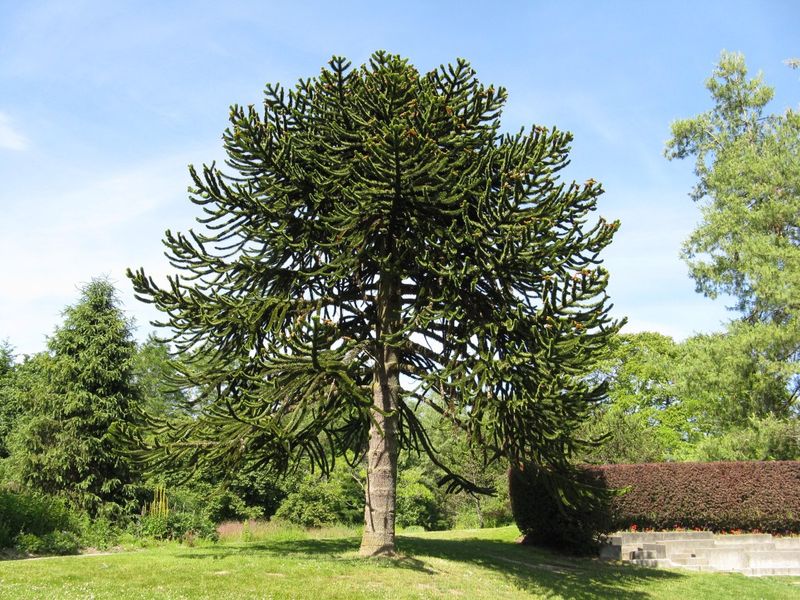
The Monkey Puzzle Tree, with its spiraled, protective branches, is a relic of prehistoric times. Native to the Andes Mountains, it can grow over 100 feet tall, its sharp needles deterring herbivores.
This ancient tree, which can live for several hundred years, is both a natural wonder and a cultural symbol in its native region.
Its unique appearance and historical significance continue to inspire awe and admiration.
28. Bird of Paradise
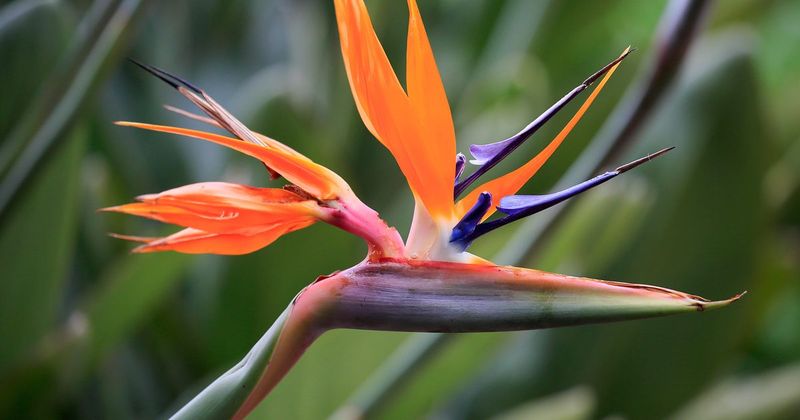
Bird of Paradise flowers captivate with their vibrant, avian-like blooms, earning them a place as symbols of paradise. Native to South Africa, these plants are known for their striking orange and blue flowers that mimic a bird in flight.
Beyond their beauty, these flowers attract pollinators, contributing to their ecosystem’s vitality.
The Bird of Paradise’s exotic appearance and symbolic associations make it a favorite among gardeners and floral enthusiasts worldwide.
29. Bleeding Heart
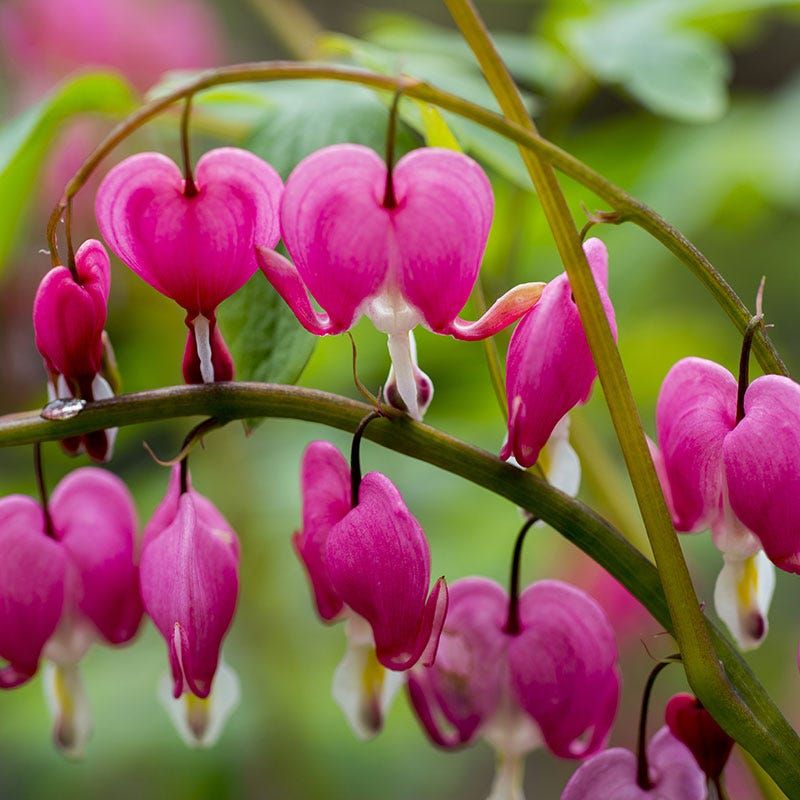
Bleeding Heart plants charm with their heart-shaped, pink blossoms that seem to drip with beauty. These enchanting flowers have made them a beloved addition to shaded gardens.
Found in woodlands and forest edges, Bleeding Hearts bloom in spring, bringing a burst of romance and color.
Their distinctive shape and delicate appearance inspire both gardeners and poets, embodying the graceful elegance of nature’s design.
30. Jewel Orchid
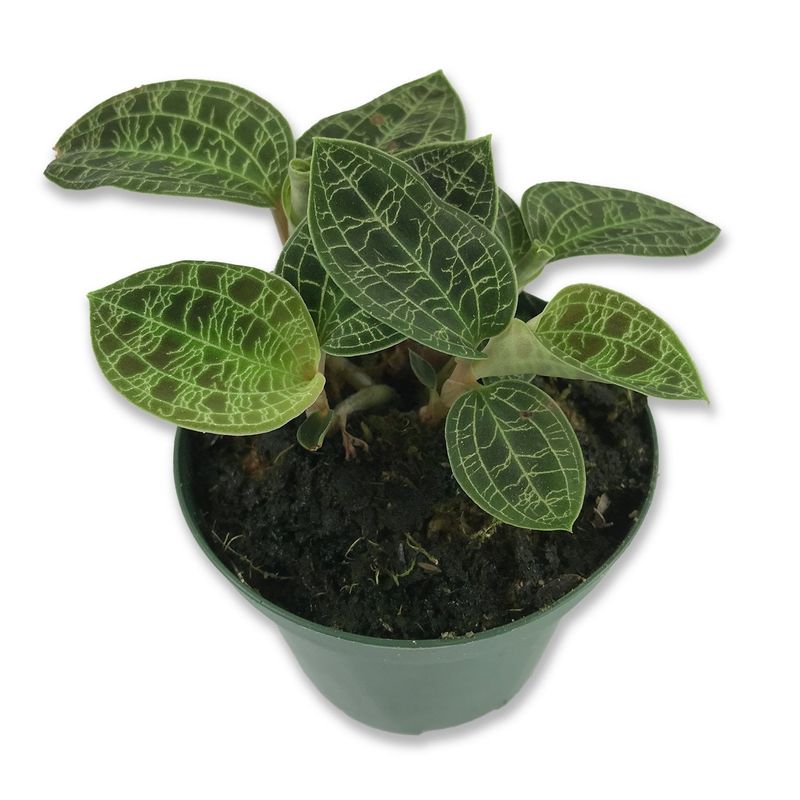
Jewel Orchids dazzle with their intricately patterned leaves and delicate blooms. Unlike many orchids, they are prized for their foliage as much as their flowers.
Native to the forest floors of Southeast Asia, they thrive in humid, low-light conditions.
Their striking appearance makes them a popular choice for indoor cultivation, offering a touch of natural elegance to any space. Jewel Orchids exemplify the beauty and diversity found within the orchid family.
31. Shimmering Sapphire Fungi
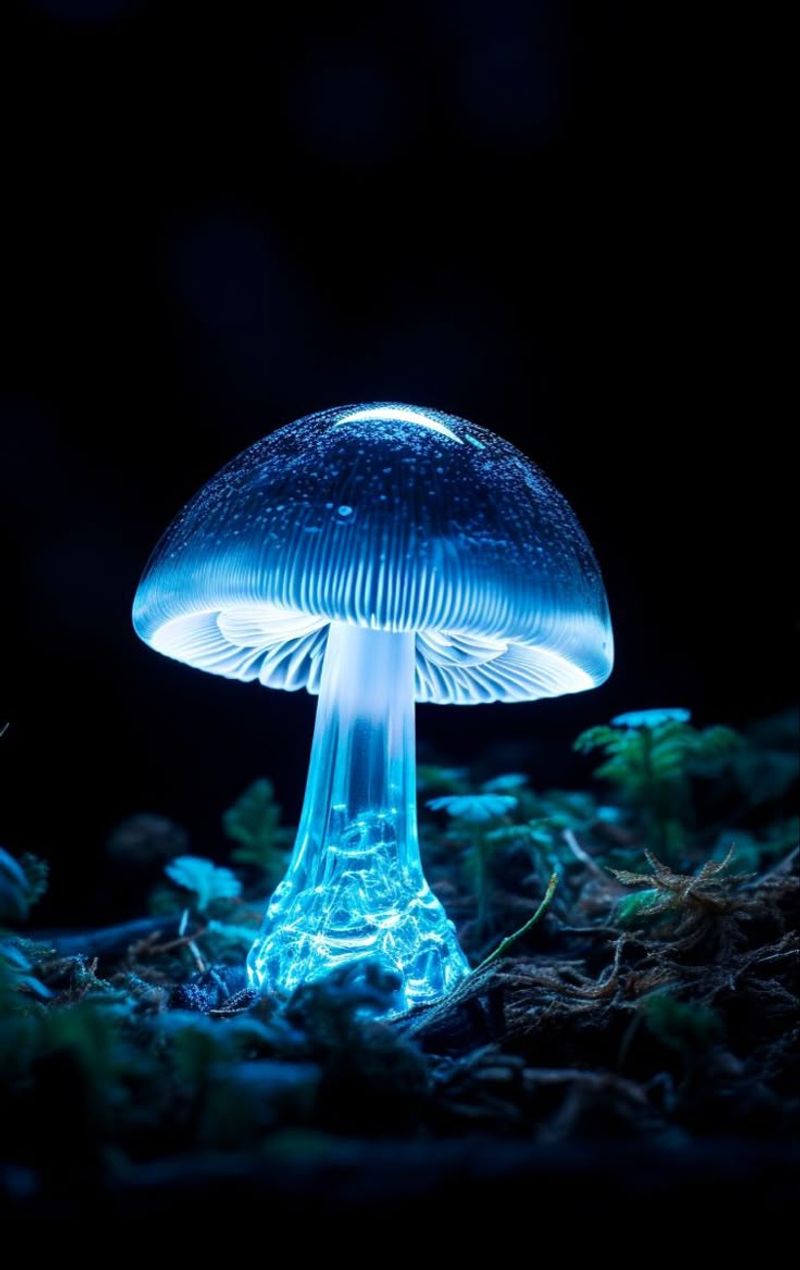
In the dim depths of ancient forests, the Shimmering Sapphire Fungi casts an ethereal glow. This mushroom’s cap, a brilliant iridescent blue, seems almost otherworldly.
The fungi’s vibrant color is not just for show; it plays a crucial role in attracting pollinators in its ecosystem. Despite its striking appearance, the Shimmering Sapphire is elusive, often hidden away in the most secluded parts of the woods.
Did you know? This rare fungi has been used in local folklore as a symbol of mystery and magic, captivating the imaginations of explorers for centuries.
32. Skeletal Fern
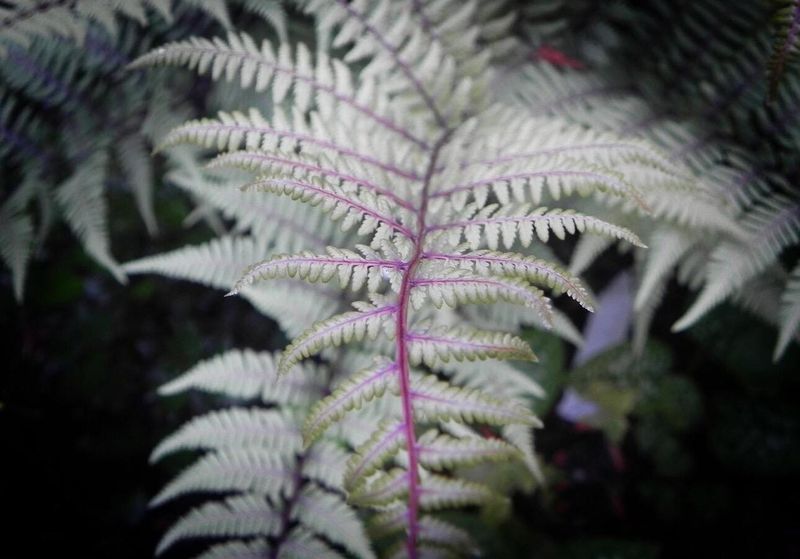
Elegance meets eeriness in the form of the Skeletal Fern. With its ghostly white fronds, this plant seems to be nature’s version of lace.
The leaves are so thin that light passes through them, creating a delicate silhouette. Often found in misty, humid environments, it thrives in conditions that mimic its ethereal appearance.
Interestingly, the Skeletal Fern has adapted to survive in nutrient-poor soils by reducing its leaf mass, allowing it to flourish where other plants cannot. This makes it not only a visual wonder but a survivor of its kind.
33. Cactus of the Crystal Desert
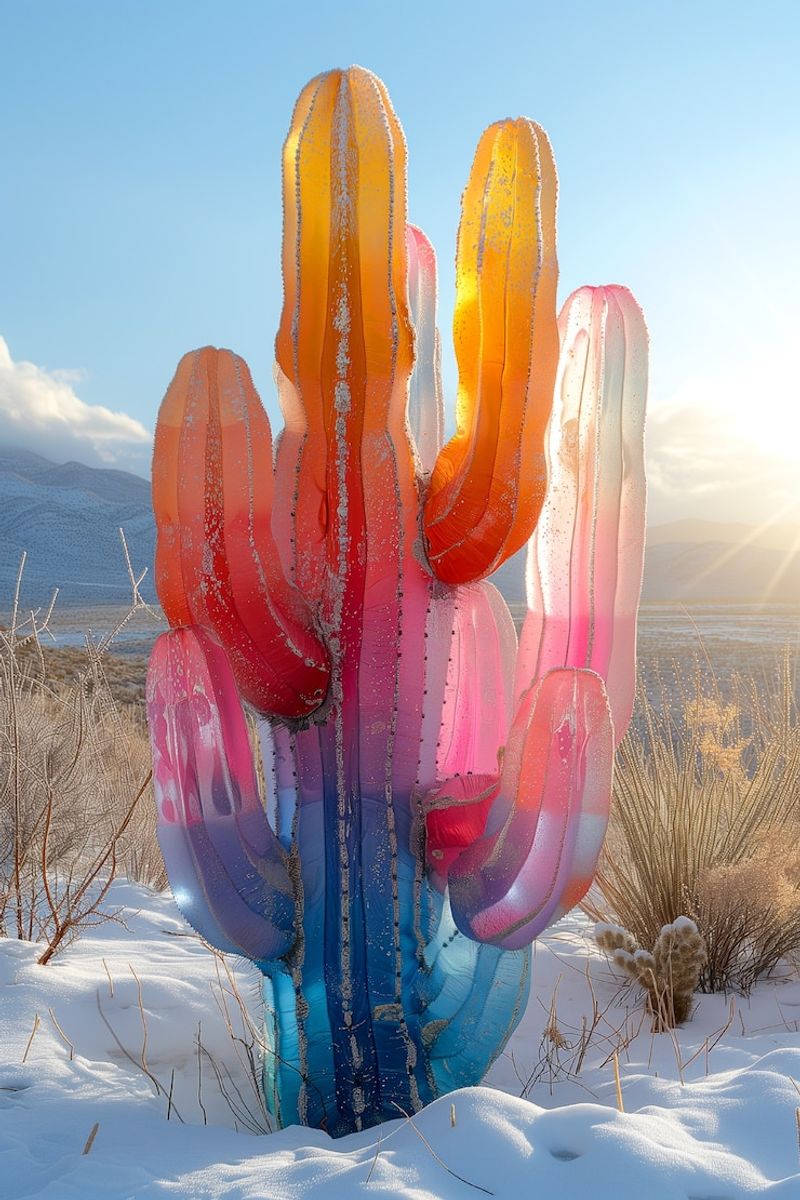
Imagine a cactus that thrives not just on earth, but in a desert made of crystal. The Cactus of the Crystal Desert is a spectacle with its sharp, bright spines and vibrant hues.
This plant has evolved to store water efficiently, making it perfectly suited for its harsh, arid environment. Its striking appearance is a result of the reflective crystals in its habitat, causing the cactus to shimmer like a gem.
A fun fact: local legends speak of it as a guardian of hidden treasures, believed to guide wanderers to secret oases.