 Complete Gardening
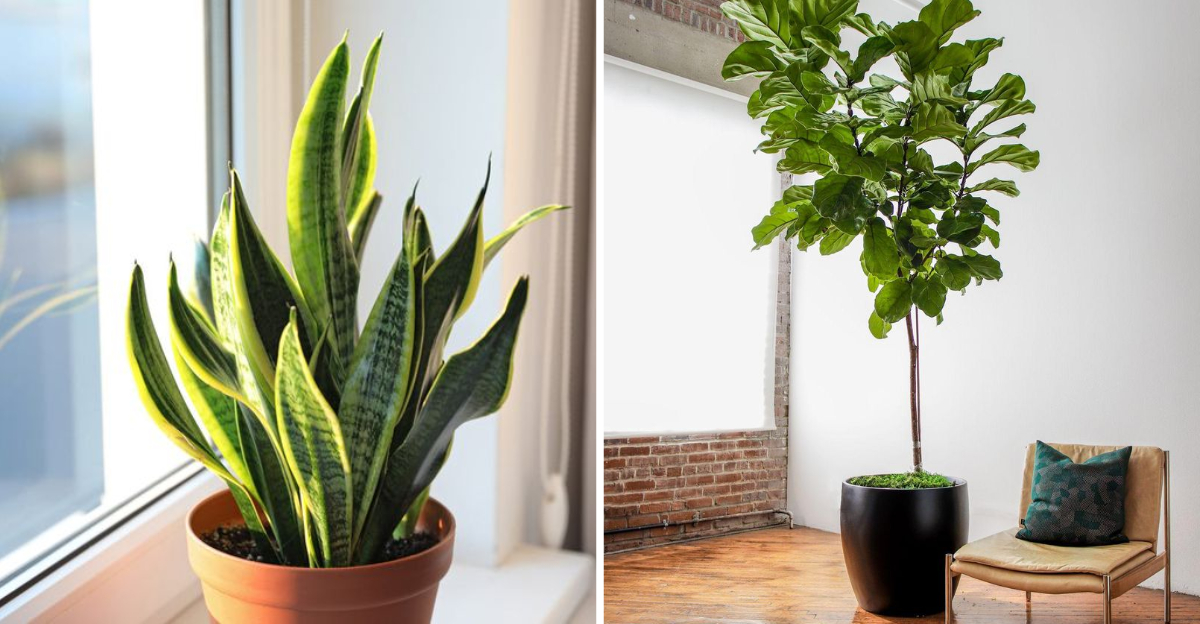
Houseplants often thrive in the controlled environment of our homes, where temperature, humidity, and light conditions can be carefully managed. However, not all plants enjoy the transition to the outdoors, where conditions are less predictable. This article explores 20 houseplants that prefer to remain inside, preserving their unique beauty and health.
1. African Violet
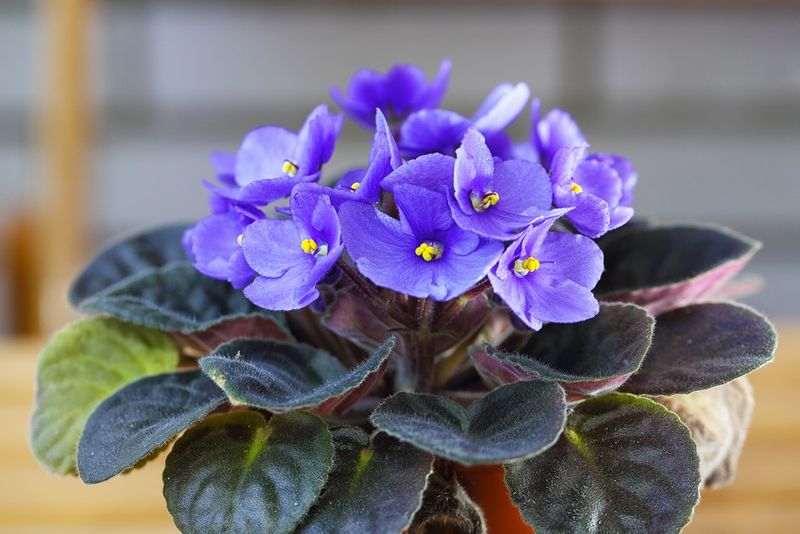
African Violets, with their delicate petals and vibrant colors, are a joy to behold. These plants prefer the stability of an indoor space where temperature and humidity remain constant. The outdoors can stress them, leading to wilting and poor growth.
Their preference for indirect light makes them perfect windowsill companions. African Violets are sensitive to changes, so moving them outside can disrupt their bloom cycle.
Did you know? These charming plants were discovered in Tanzania in the late 19th century and have since become beloved indoor companions worldwide.
2. Peace Lily
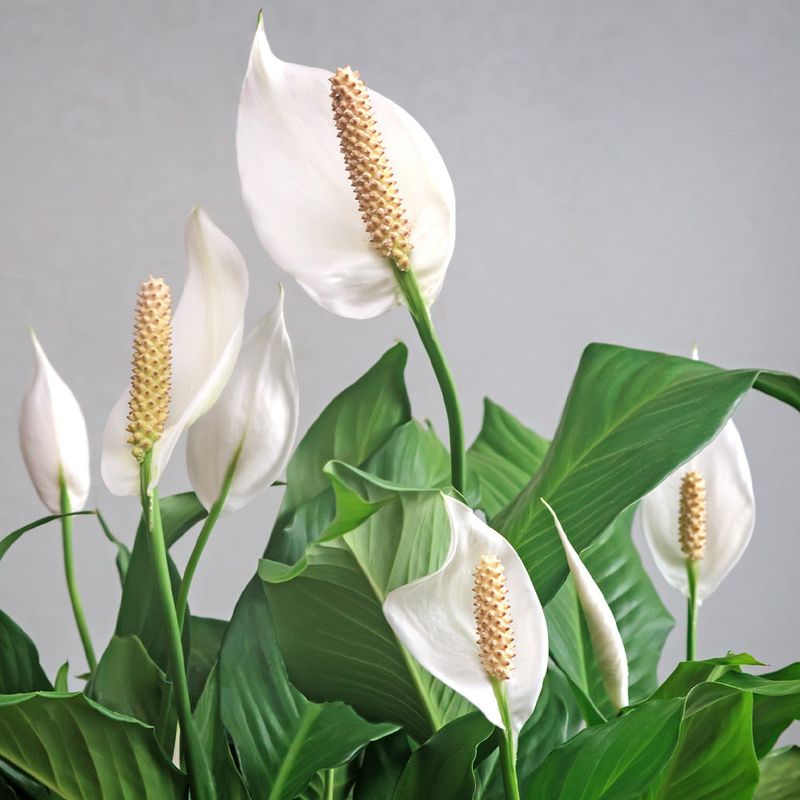
The Peace Lily, known for its glossy leaves and striking white blooms, thrives best in indoor conditions. Outdoors, fluctuating temperatures can cause stress, leading to browning leaves.
This plant prefers the gentle touch of indoor humidity and indirect sunlight. Moving it outside can disturb its delicate balance, causing a decline in health.
An interesting fact: The Peace Lily is not only a beautiful addition to your home but also a powerful air purifier, making it a favorite among indoor gardeners.
3. Fiddle Leaf Fig
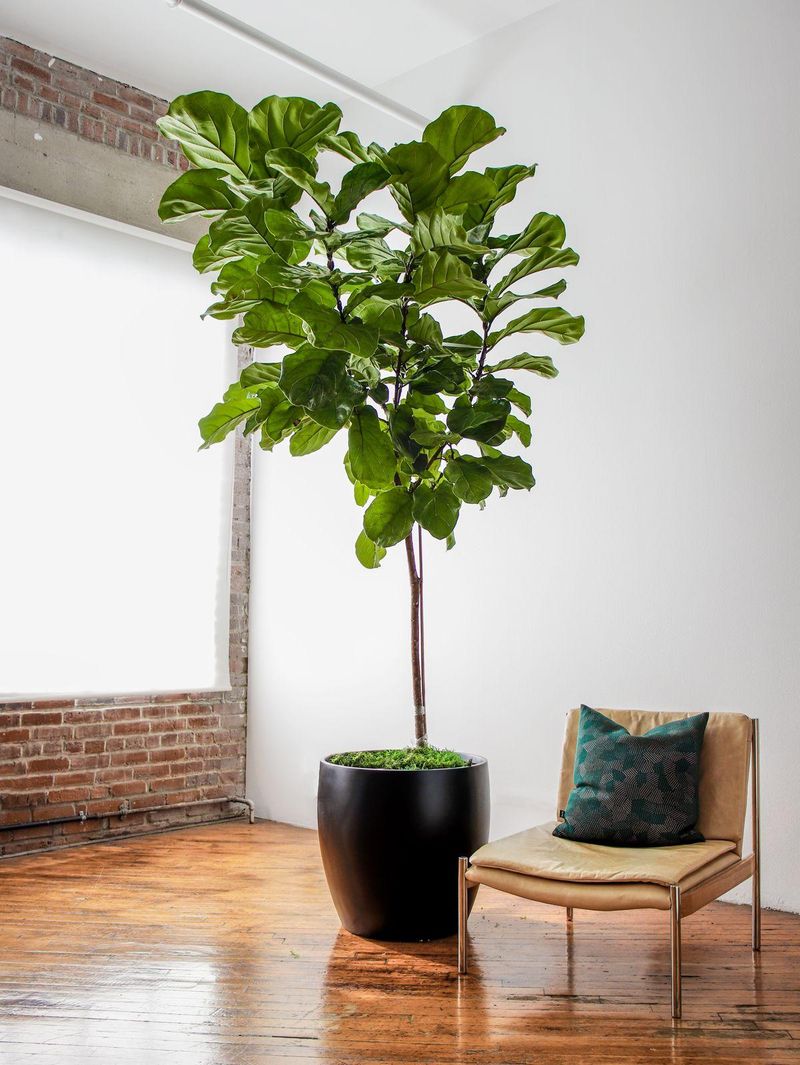
Fiddle Leaf Figs are the epitome of indoor elegance. Their broad leaves symbolize strength and resilience, yet outdoor conditions can be too harsh for them.
These plants thrive in stable temperatures and consistent lighting, often struggling with the unpredictability of outdoor environments. Even a slight drop in temperature can be detrimental.
Fun fact: The Fiddle Leaf Fig has become a symbol of modern interior design, gracing the pages of magazines and social media feeds worldwide.
4. ZZ Plant
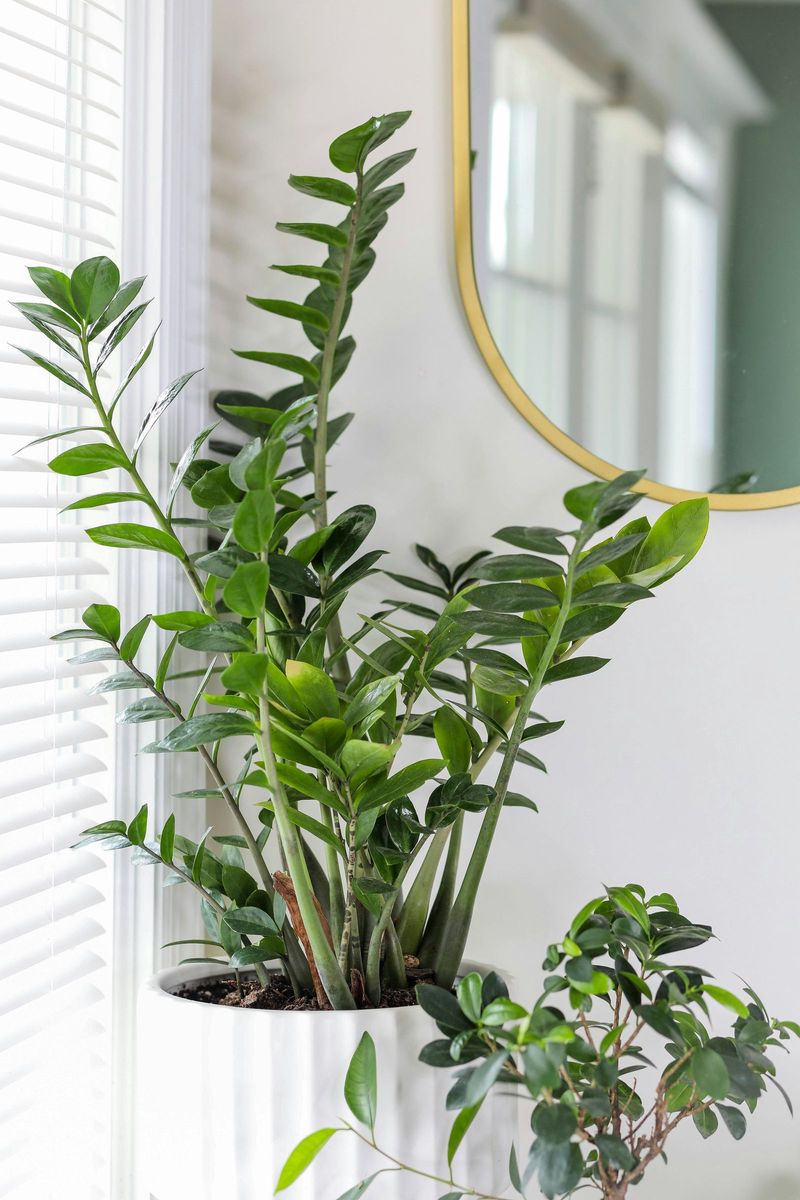
ZZ Plants are champions of low light and minimal care, making them perfect indoor companions. Outdoors, they may face challenges with varying light and moisture levels.
Their waxy, dark green leaves are suited for the controlled climate of a home. Outside, they risk overexposure to sun and wind, which can cause leaf burn.
Here’s a tidbit: The ZZ Plant is native to Eastern Africa and is valued for its air-purifying qualities, adding both aesthetic and health benefits to your space.
5. Snake Plant
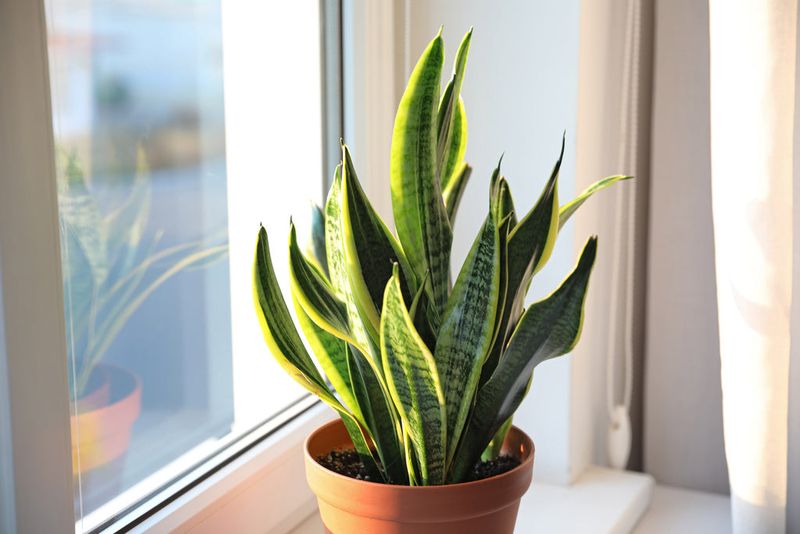
Snake Plants, with their striking upright leaves, are rugged yet sensitive to outdoor conditions. They flourish in indoor settings where light and moisture are stable.
Taking them outside can expose them to too much sun or cold, which may stunt their growth. These low-maintenance gems are better suited for a cozy corner of your home.
Fun note: The Snake Plant, also known as Mother-in-Law’s Tongue, is a symbol of tenacity and is celebrated for its ability to improve indoor air quality.
6. Spider Plant
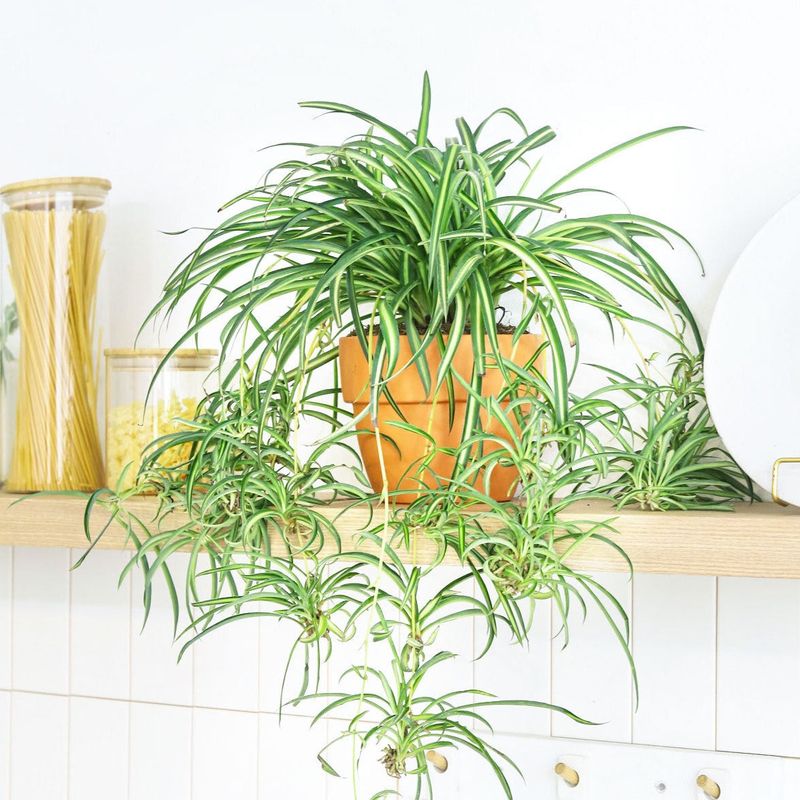
Spider Plants are lively and adaptable but prefer the comforts of indoor life. Outdoors, they face challenges like temperature swings and pests.
These plants thrive in indirect sunlight and benefit from the controlled environment of a home. Moving them outside can shock their system and inhibit growth.
A quirky fact: Spider Plants are known for their air-purifying abilities and their ability to produce “babies,” or plantlets, which make them a favorite among plant enthusiasts.
7. Boston Fern
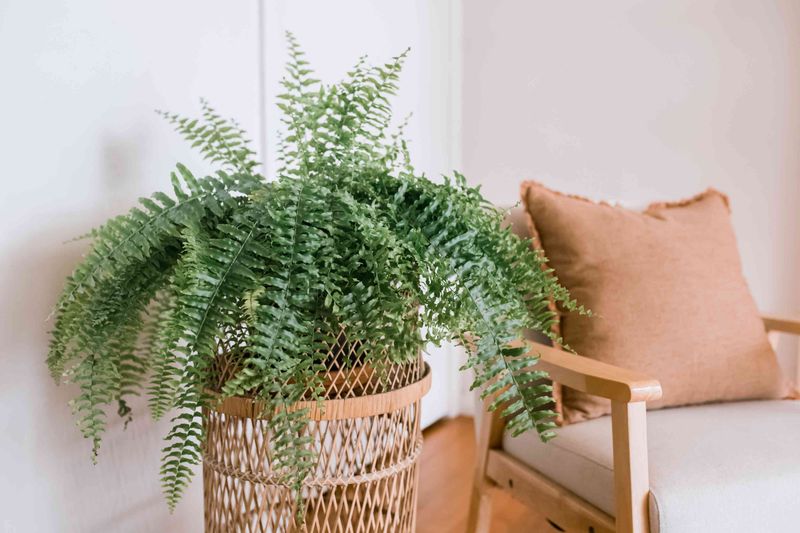
Boston Ferns, with their lush, feathery fronds, are a staple of indoor gardening. These plants appreciate the humidity and constant temperature found inside homes.
Exposing them to outdoor conditions can lead to stress and browning. They thrive in indirect light and benefit from regular misting to maintain moisture.
Did you know? Boston Ferns are often associated with Victorian-era aesthetics, adding a touch of classic elegance to any room they inhabit.
8. Calathea
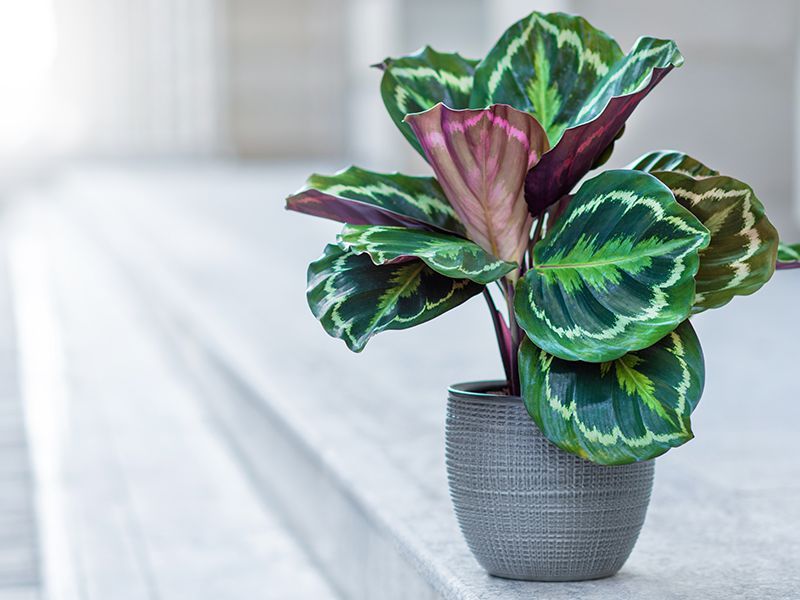
Calatheas are known for their stunning leaf patterns, adding a splash of color and texture indoors. Outdoors, they can struggle with temperature fluctuations and strong sunlight.
These plants crave humidity and stable conditions, which are best provided inside. Outdoor elements can wash out their vibrant leaf colors and hinder growth.
An interesting tidbit: The Calathea is often referred to as the “Prayer Plant” because its leaves fold up at night, giving it a lively and dynamic appearance.
9. Pothos
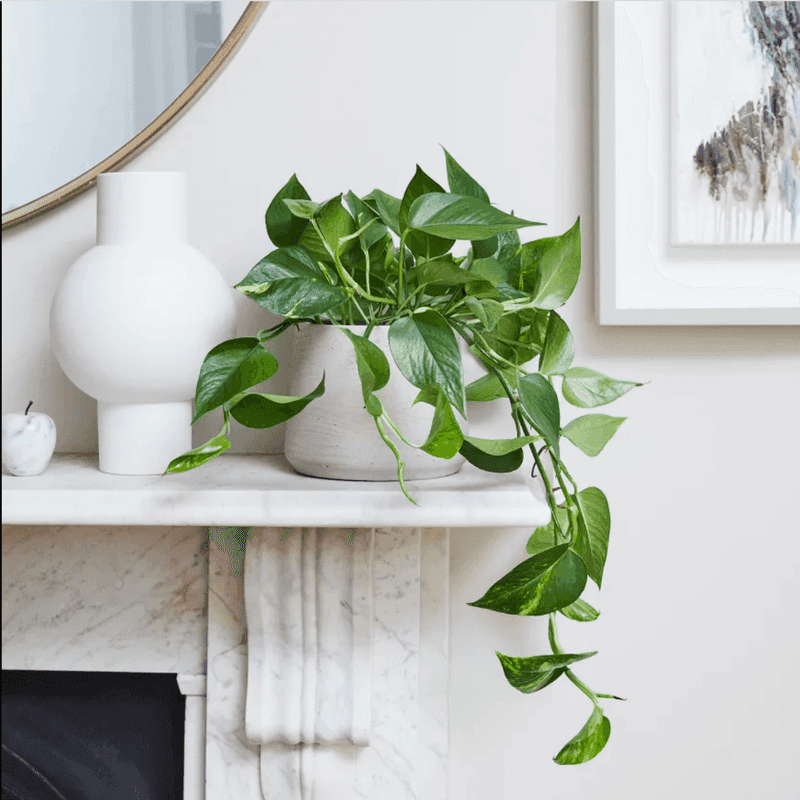
Pothos, with their trailing vines and heart-shaped leaves, are indoor favorites. While hardy, they prefer the controlled environment of a home, where light and moisture can be regulated.
Exposure to outdoor elements can lead to leaf burn and reduced growth. They flourish in low to moderate light indoors, making them ideal for various spaces.
Fun insight: Pothos are often recommended for beginners due to their forgiving nature and ability to thrive with minimal care.
10. Chinese Evergreen
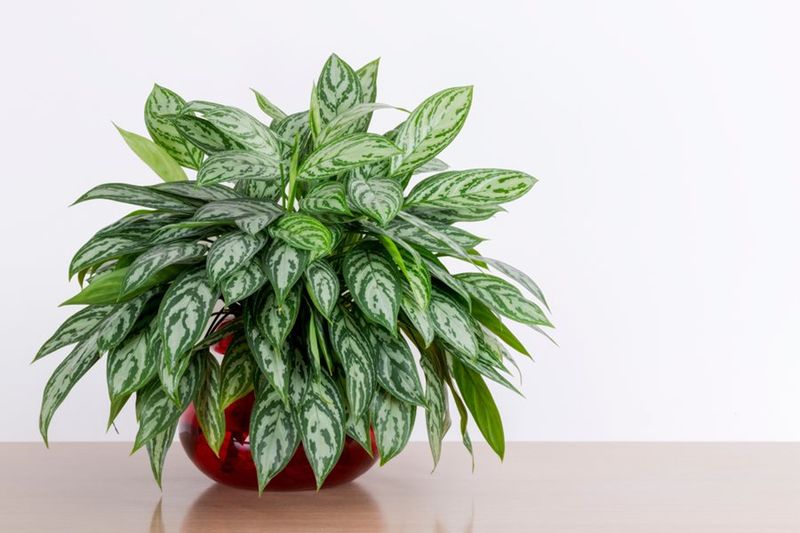
Chinese Evergreens are cherished for their variegated leaves and easygoing nature. They thrive indoors, where conditions are stable and predictable.
Moving them outside can expose them to harmful elements like direct sunlight and pests, which may harm their beauty. These plants appreciate moderate light and consistent watering.
An engaging fact: Chinese Evergreens are part of the Aglaonema genus, known for their air-purifying capabilities and decorative appeal in homes.
11. Philodendron
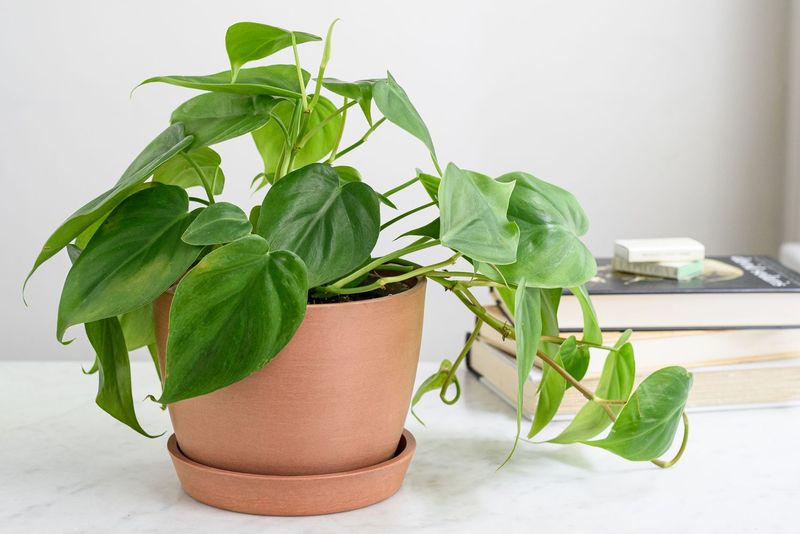
Philodendrons are the epitome of indoor charm with their lush leaves and trailing vines. They love the constant conditions of a home environment.
Outdoors, they may face challenges such as fluctuating temperatures and pests. These plants thrive in low to bright indirect light, making them adaptable to various indoor settings.
Did you know? The name “Philodendron” is derived from Greek, meaning “love tree,” highlighting their endearing nature and appeal.
12. Begonia
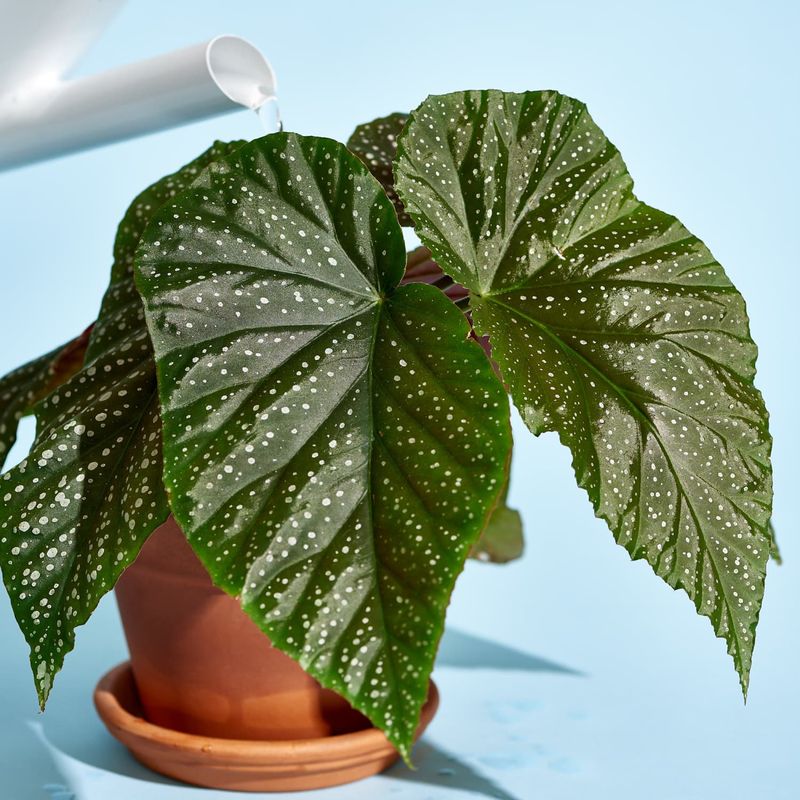
Begonias, with their vivid blooms and attractive foliage, are indoor stars. They thrive in the stable environment of a home, where light and humidity are controlled.
Moving them outdoors can expose them to harsh sun and wind, leading to wilting and reduced flowering. Indoors, they enjoy bright indirect light and regular watering.
Fun fact: Begonias are named after Michel Bégon, a French politician and plant enthusiast, reflecting their storied history and timeless beauty.
13. Anthurium
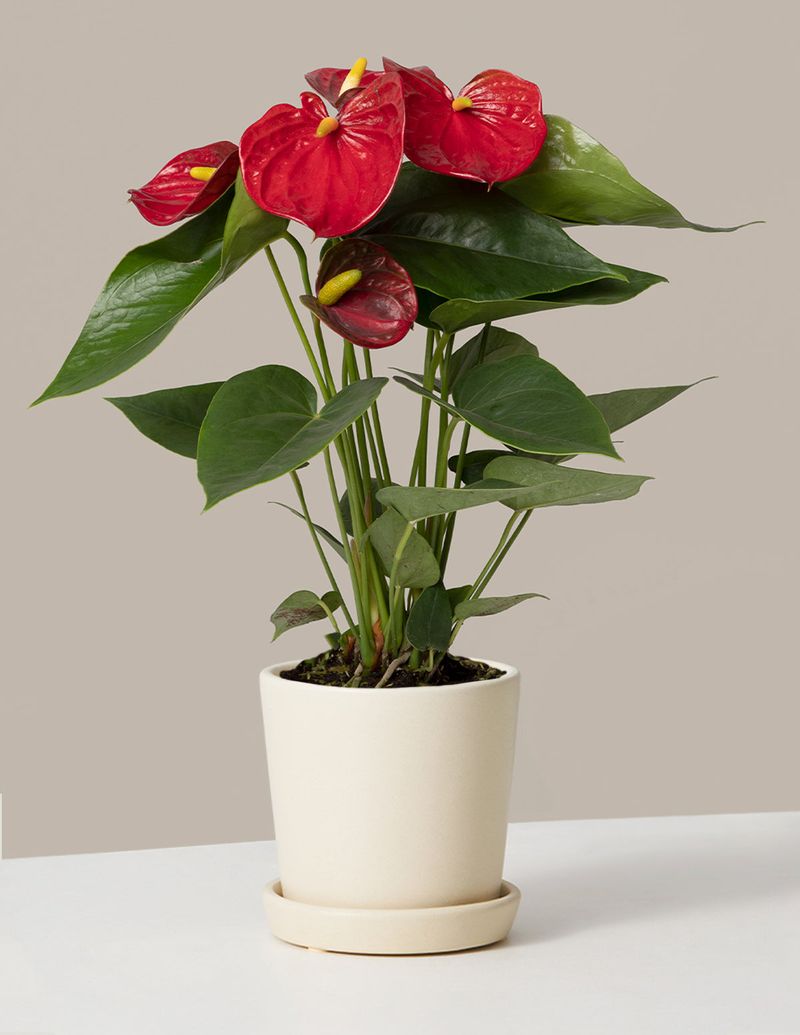
Anthuriums, with their striking red blooms and heart-shaped leaves, are prized indoor plants. They prefer the gentleness of an indoor environment where humidity and temperature are consistent.
Exposing them to the outdoors can lead to stress and reduced flowering. They thrive in bright indirect light and enjoy regular misting to maintain their striking appearance.
A curious fact: Anthuriums are often associated with hospitality and warmth, making them a thoughtful gift for indoor plant enthusiasts.
14. Dracaena
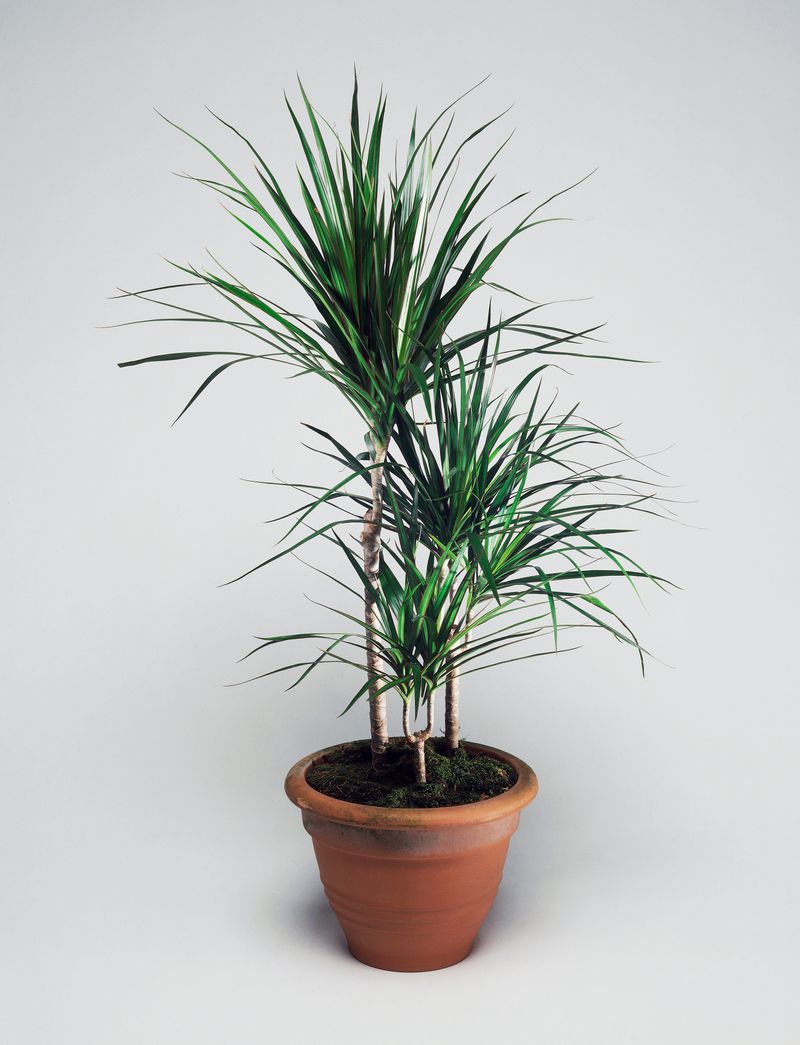
Dracaenas, with their sword-like leaves, are iconic indoor plants. They thrive in the stable climate of a home, where light and moisture levels are easy to control.
Outdoors, they risk exposure to harsh elements and pests, which can damage their foliage. These plants prefer bright, indirect light and occasional watering.
An intriguing tidbit: Dracaenas are known to symbolize success and are often used to bring a modern touch to indoor spaces.
15. Rubber Plant
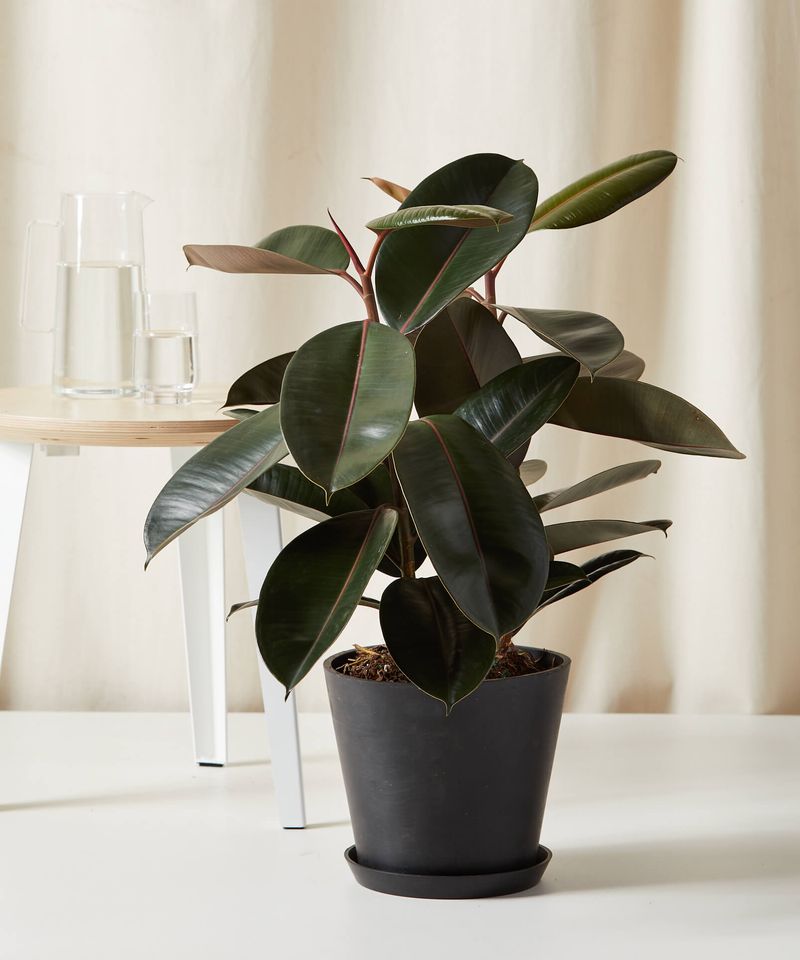
Rubber Plants, with their bold and glossy leaves, are a striking addition to indoor spaces. They thrive in the predictable environment of a home, where light and humidity are stable.
Taking them outside can lead to leaf burn and stress due to fluctuating temperatures. Indoors, they prefer bright indirect light and consistent watering.
Did you know? The Rubber Plant gets its name from the latex it produces, which was once used to make rubber products.
16. Jade Plant
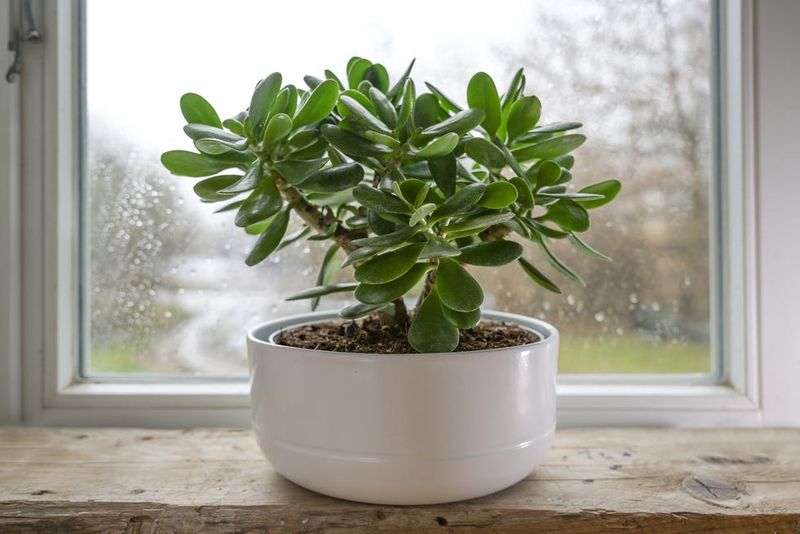
Jade Plants, known for their thick, succulent leaves, are symbols of prosperity. They thrive indoors, where temperature and light are consistent.
Outdoor conditions can be too harsh, causing leaf drop and stunted growth. These plants enjoy bright light and dry conditions, making them low-maintenance indoor favorites.
Fun fact: The Jade Plant is often associated with good luck and is frequently given as a gift to promote prosperity and friendship.
17. Parlor Palm
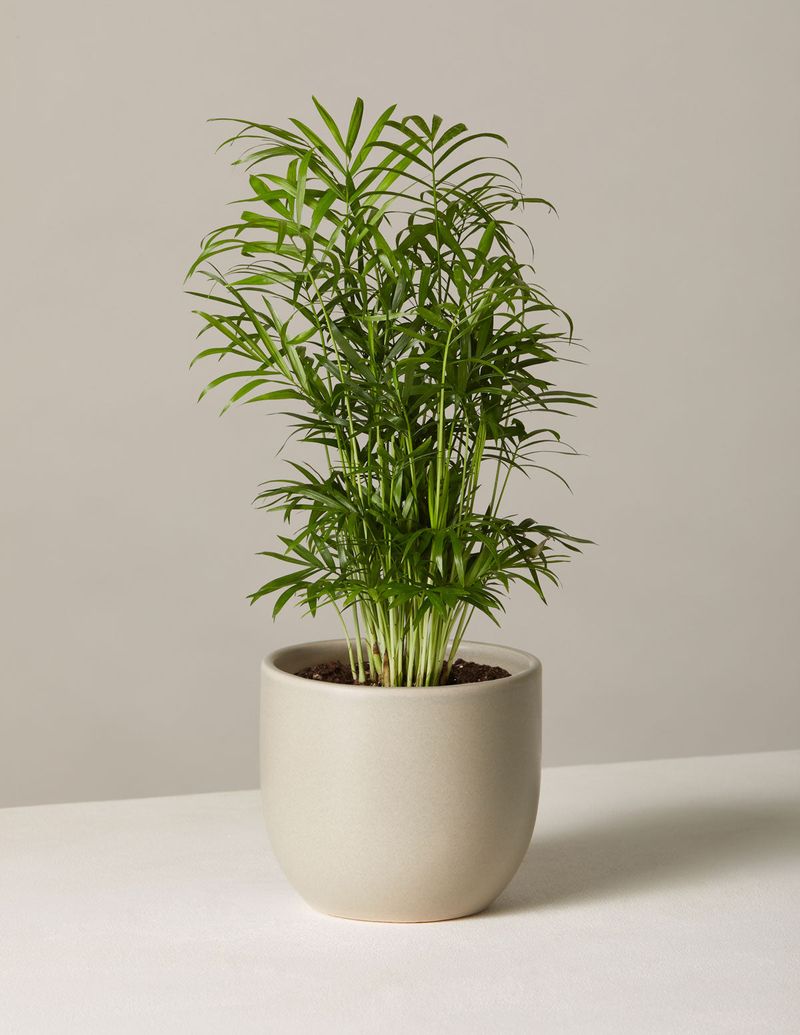
Parlor Palms bring a touch of the tropics to indoor spaces with their feathery fronds. They flourish in the stable environment of a home, where humidity and light are controlled.
Outdoors, they may suffer from cold temperatures and pests. These palms prefer low to moderate light and occasional watering to maintain their lush appearance.
Did you know? Parlor Palms were a favorite in Victorian-era parlors, symbolizing elegance and sophistication.
18. Bromeliad
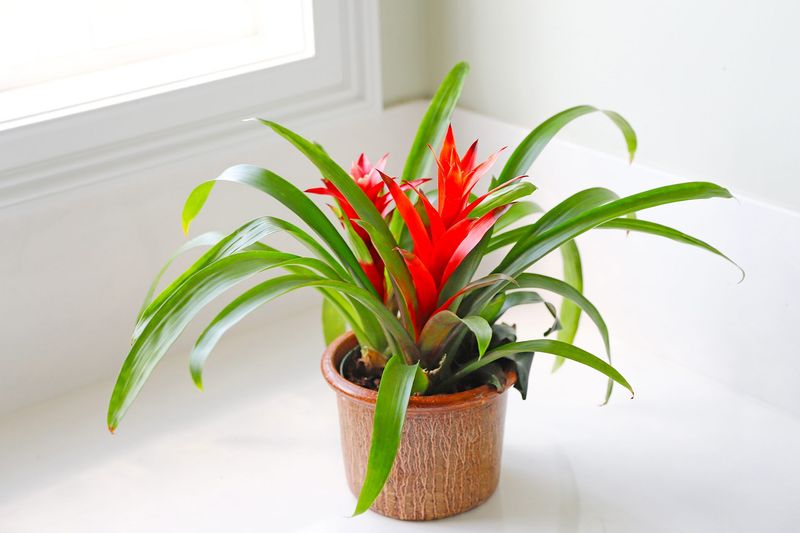
Bromeliads, with their eye-catching blooms and exotic flair, are indoor treasures. They thrive in the controlled climate of a home, enjoying consistent humidity and temperature.
Outdoor conditions can lead to fading colors and pest problems. These plants prefer bright indirect light and occasional misting to maintain their vibrant appearance.
Fun fact: Bromeliads are part of the pineapple family, adding a fun tropical touch to your indoor garden.
19. Dieffenbachia
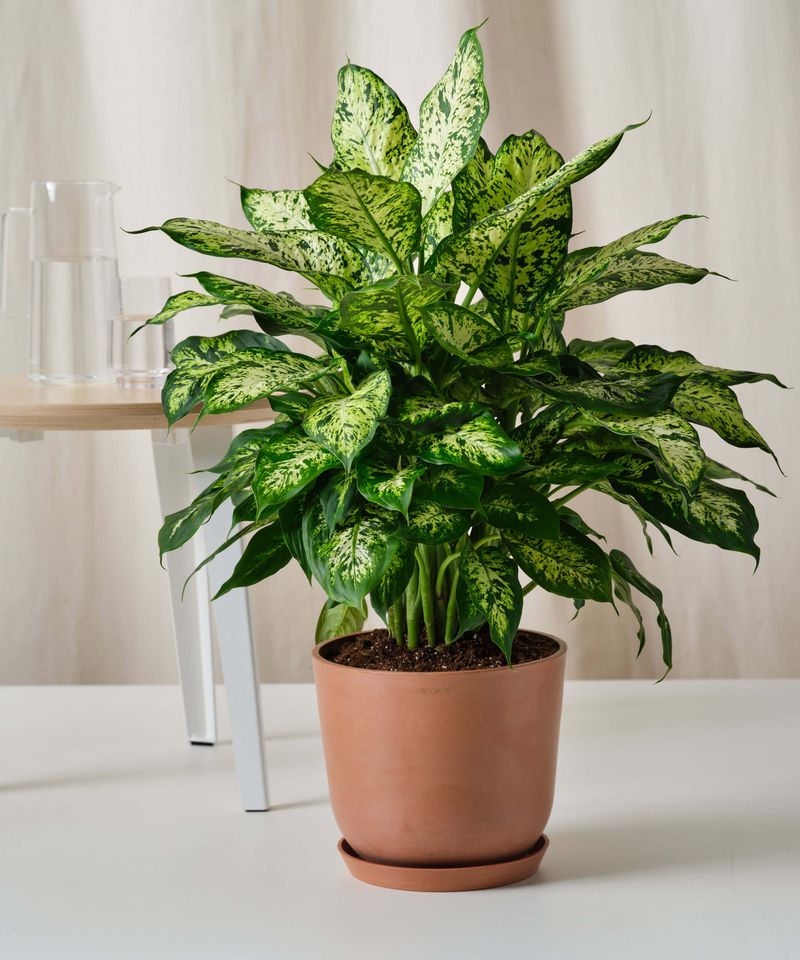
Dieffenbachias are known for their large, variegated leaves that add a lush vibe indoors. They thrive in the stable environment of a home, where they receive consistent light and humidity.
Taking them outdoors can expose them to harsh sun and pests, causing leaf damage. Indoors, they prefer moderate light and regular watering.
An interesting note: Dieffenbachias are often called “Dumb Canes” due to the temporary speechlessness caused by their sap, adding a quirky twist to their allure.
20. Maidenhair Fern
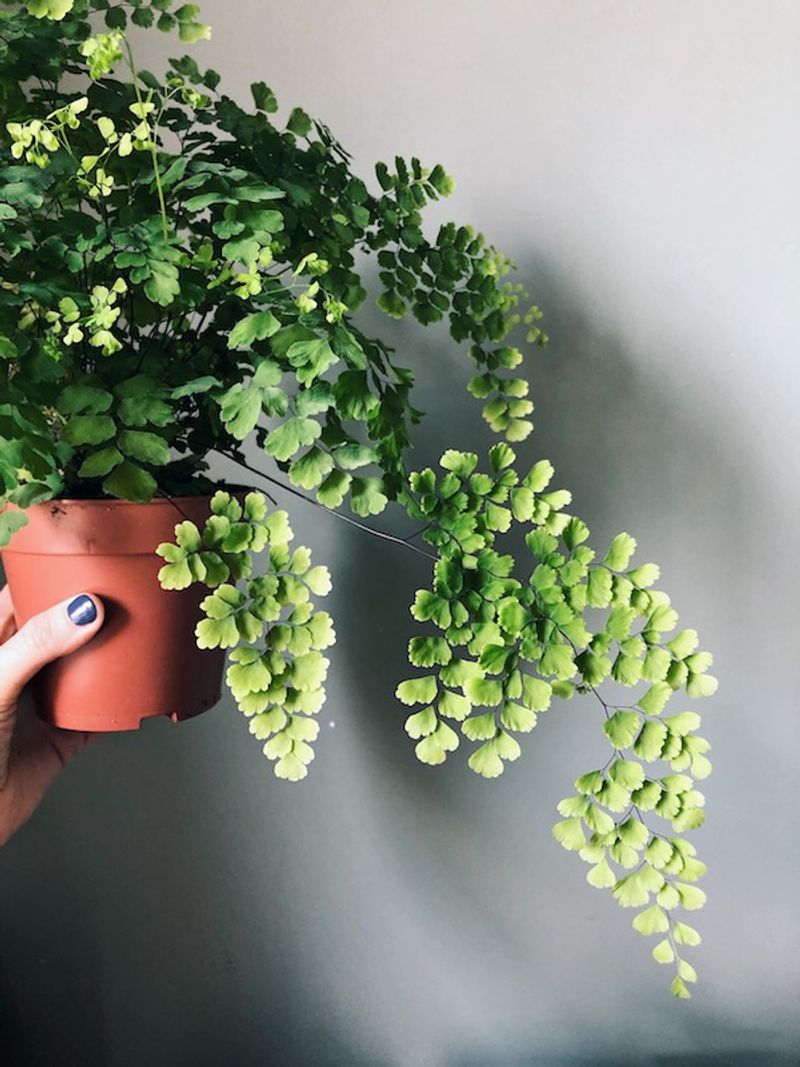
The Maidenhair Fern is a true indoor dweller, capturing hearts with its tender lace-like fronds. Its fragile leaves require consistent moisture and shade, conditions easily disrupted when moved outdoors where wind and temperature can vary greatly.
Despite its delicate appearance, it demands a stable environment free from harsh sunlight, which can scorch its tender leaves. Humidity is its best friend, making bathrooms or kitchens ideal spots.
Fun fact: Named for its resemblance to soft hair, the Maidenhair Fern’s beauty is understated yet captivating in any indoor garden.