
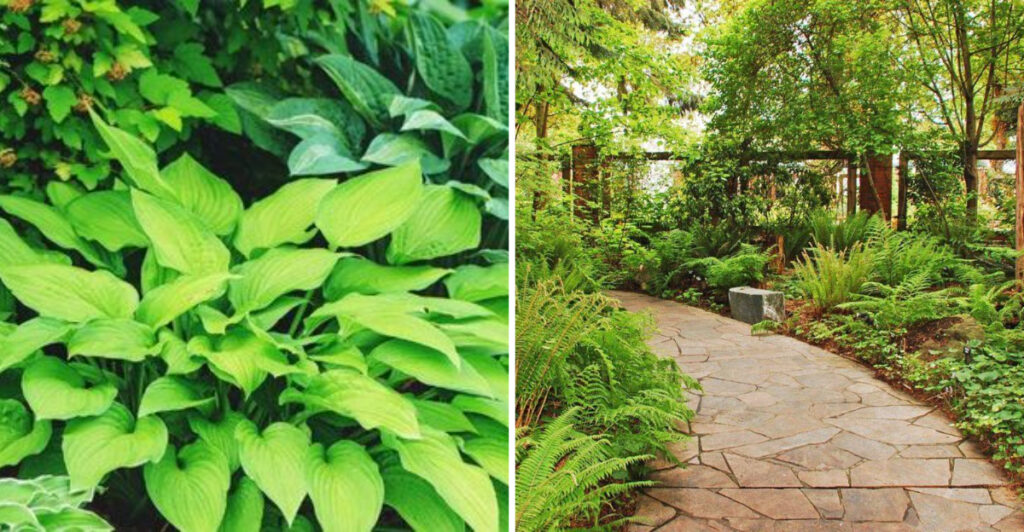
Gardening in the shade can be both challenging and rewarding. While sunny gardens are often the focus, shady spaces offer unique beauty and tranquility. From lush foliage to delicate blooms, these 17 plants are ideal for transforming a shady garden into a verdant oasis. Whether you’re seeking vibrant color or subtle greenery, there’s a perfect plant for every shady spot. Embrace the opportunities shade provides, and discover the hidden gems among these plant selections. With the right choices, your shady garden can flourish with life, texture, and color.
1. Hosta
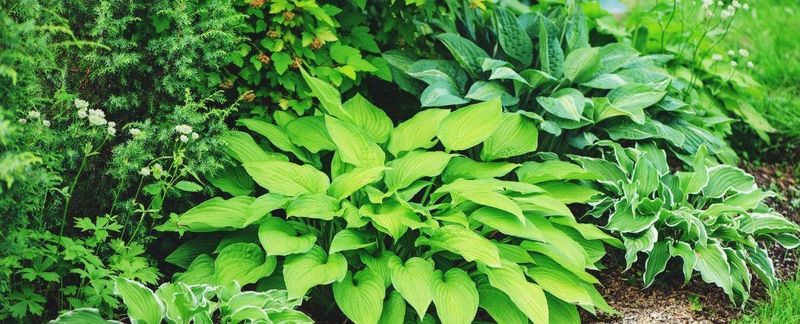
Known for its impressive foliage, the hosta is a staple in many shaded gardens. Its broad, variegated leaves offer a stunning contrast to other plants. Hostas come in various sizes and colors, from deep greens to vibrant yellows. Despite their elegance, they’re hardy and low-maintenance, thriving in conditions where many plants would falter. Their lush leaves create a serene backdrop in any garden. “Did you know that hostas are originally from Northeast Asia?” With their versatility, they can be a focal point or a complementary plant, making them a gardener’s favorite.
2. Astilbe
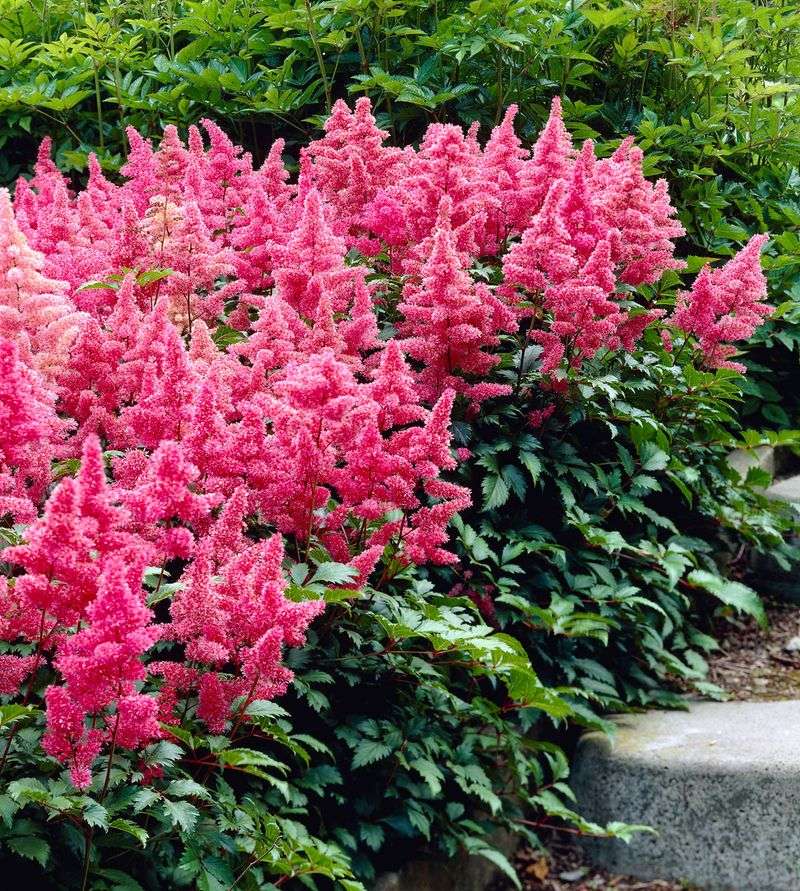
Astilbes bring a touch of romance to shady gardens with their feathery plumes of flowers. These elegant plants bloom in various shades, including pink, red, and white. Their fern-like foliage adds texture and interest even when not in bloom. Astilbes prefer moist, rich soil and can brighten any dimly lit corner. “Fun fact: Astilbes are native to Asia and North America.” They attract butterflies, adding life and movement to the garden. Their graceful presence and delicate blooms make them a beloved choice for many gardeners.
3. Ferns
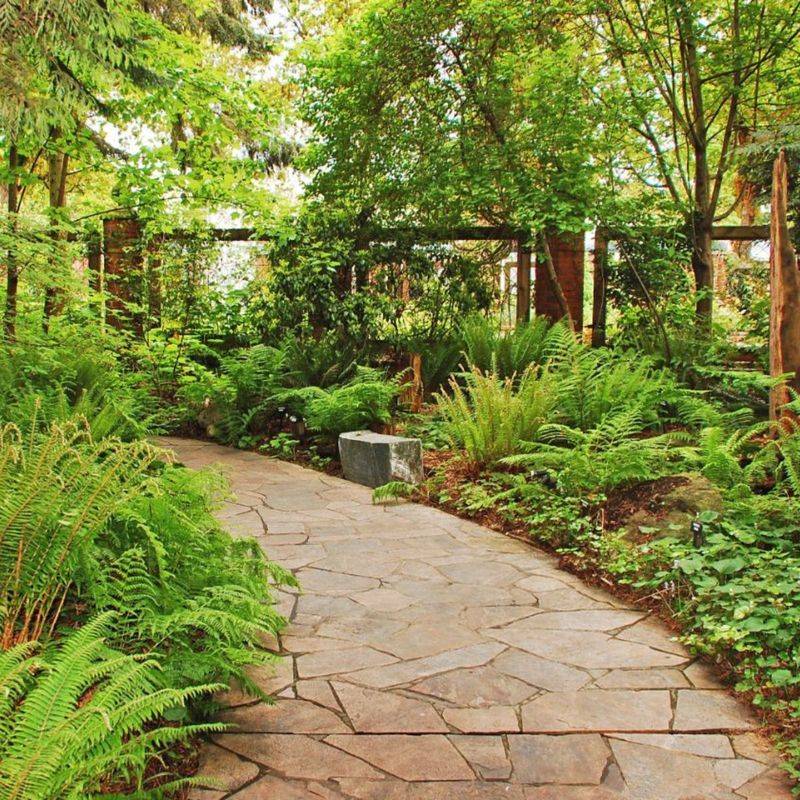
Ferns are nature’s artwork with their intricate and varied fronds. Perfect for shaded areas, they thrive where few others can. These ancient plants add a prehistoric feel with their lush greenery and diverse forms. From the delicate maidenhair to the robust sword fern, there’s a fern for every shady spot. Their texture creates depth and interest in the garden. “Did you know ferns have been around for over 360 million years?” They require little care, making them ideal for gardeners seeking low-maintenance beauty.
4. Bleeding Heart
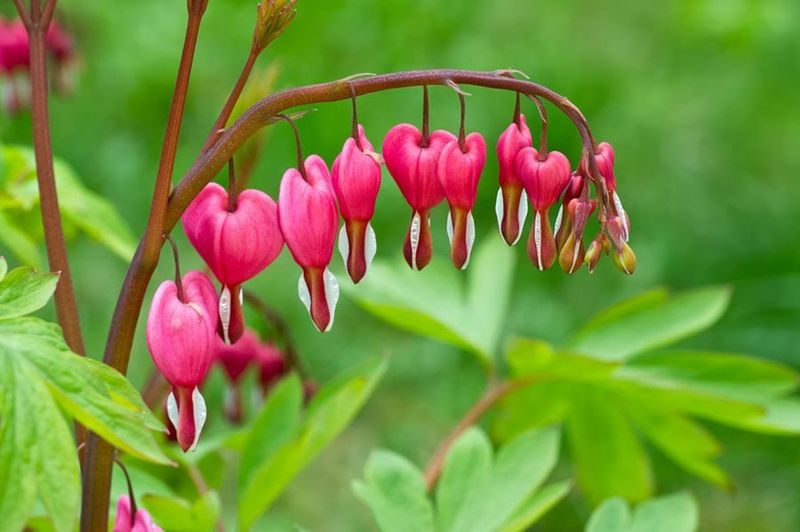
With its heart-shaped flowers, the bleeding heart adds a touch of whimsy and elegance. This plant’s unique blooms appear in early spring, bringing color and joy to shady spots. The arching stems and delicate flowers create a romantic look, reminiscent of a fairy tale. “Bleeding hearts have their origins in Asia and North America.” They prefer cool, moist conditions and can brighten any garden nook. Their enchanting appearance and distinctive flowers captivate gardeners and visitors alike, making them a cherished addition.
5. Japanese Maple
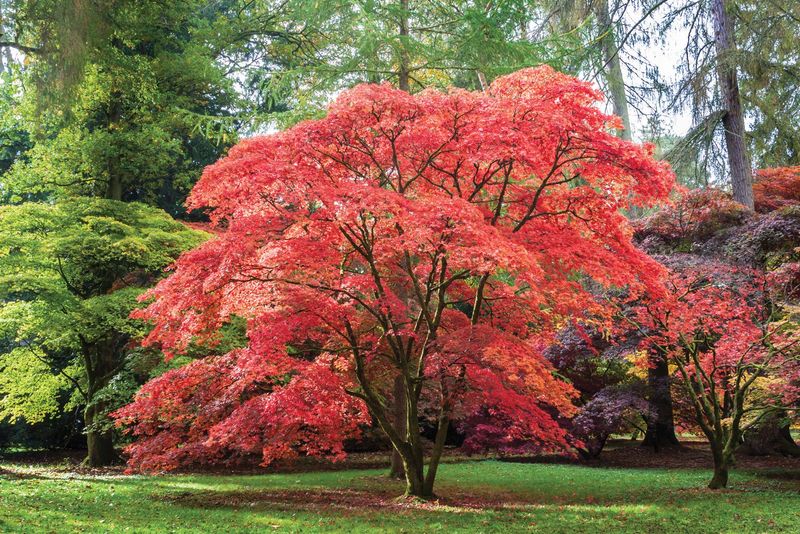
Japanese maples are the crown jewels of shady gardens with their intricate leaves and vivid colors. These trees offer stunning visual appeal with their finely cut foliage, ranging from deep reds to vibrant greens. They create focal points in gardens, drawing attention with their graceful branches and striking hues. “Interesting tidbit: Japanese maples have been cultivated for over 300 years in Japan.” Their slow growth and compact size make them perfect for smaller spaces. With their captivating beauty, they elevate the garden’s aesthetic.
6. Heuchera
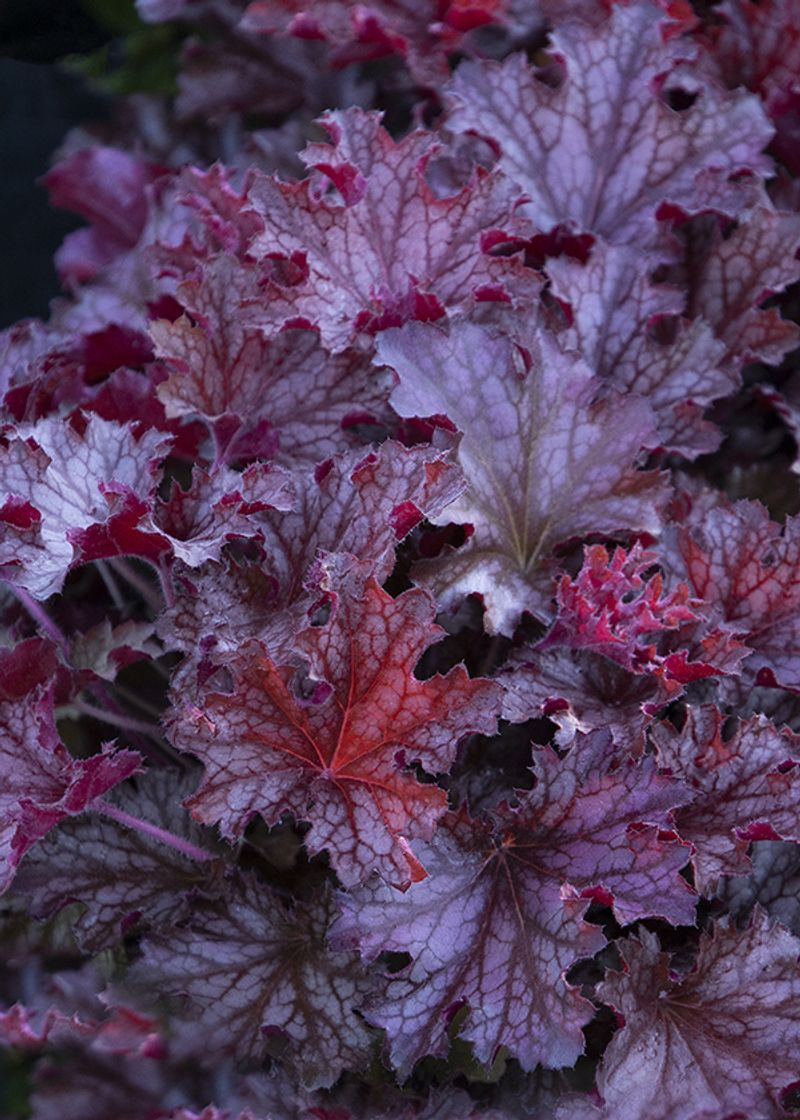
Heucheras, or coral bells, are beloved for their stunning foliage and versatility. These plants feature leaves in a spectrum of colors, including burgundy, bronze, and lime green. Their striking appearance adds year-round interest to shady gardens. Heucheras thrive in well-drained soil and can tolerate some sun, making them adaptable. “Fun fact: Coral bells are native to North America.” Their delicate flowers attract pollinators, enhancing garden diversity. With their vibrant leaves and resilience, heucheras are a favorite for adding color and texture.
7. Brunnera
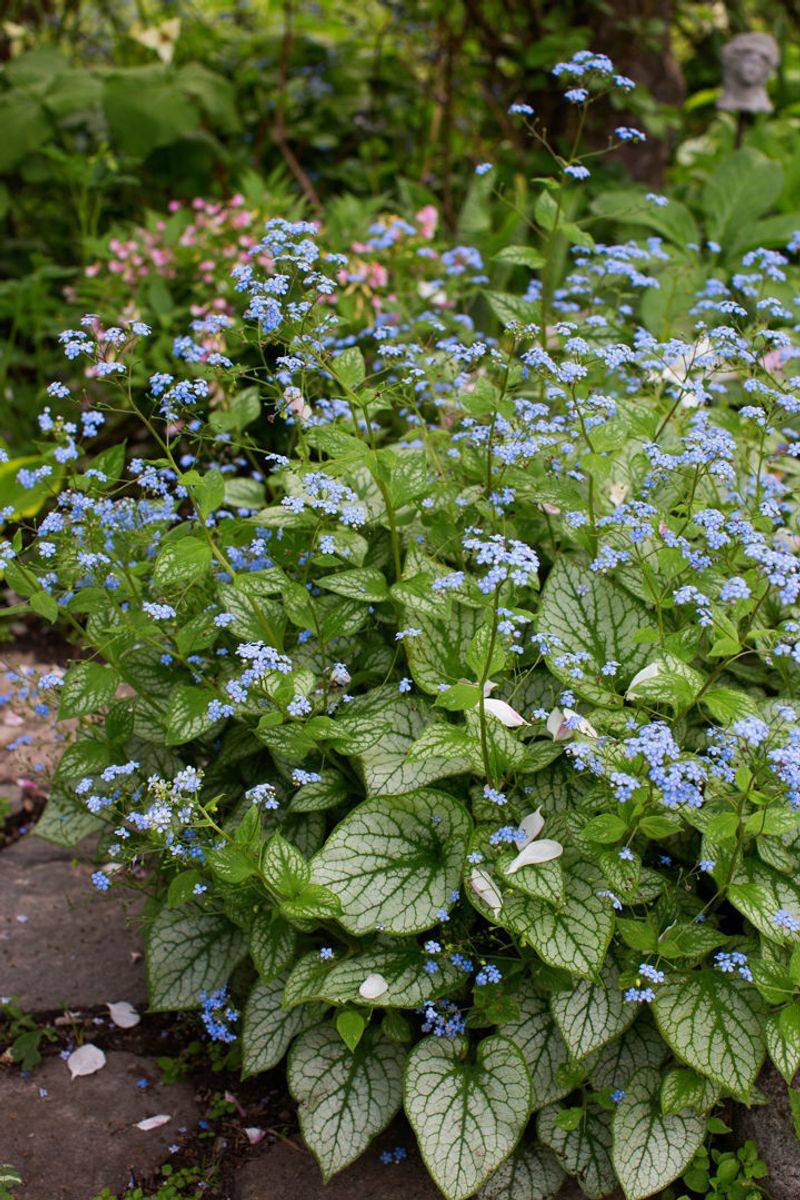
Brunnera, often called false forget-me-nots, offer delicate beauty with their tiny blue flowers. These blooms resemble forget-me-nots and appear in spring, creating a sea of blue. The heart-shaped leaves, often with silvery patterns, add visual interest even when not in bloom. “Did you know brunnera is native to the Caucasus?” These plants prefer shade and moist conditions, making them perfect for woodland gardens. Their charming appearance and ease of care make brunnera a delightful choice for gardeners seeking subtle beauty.
8. Lungwort
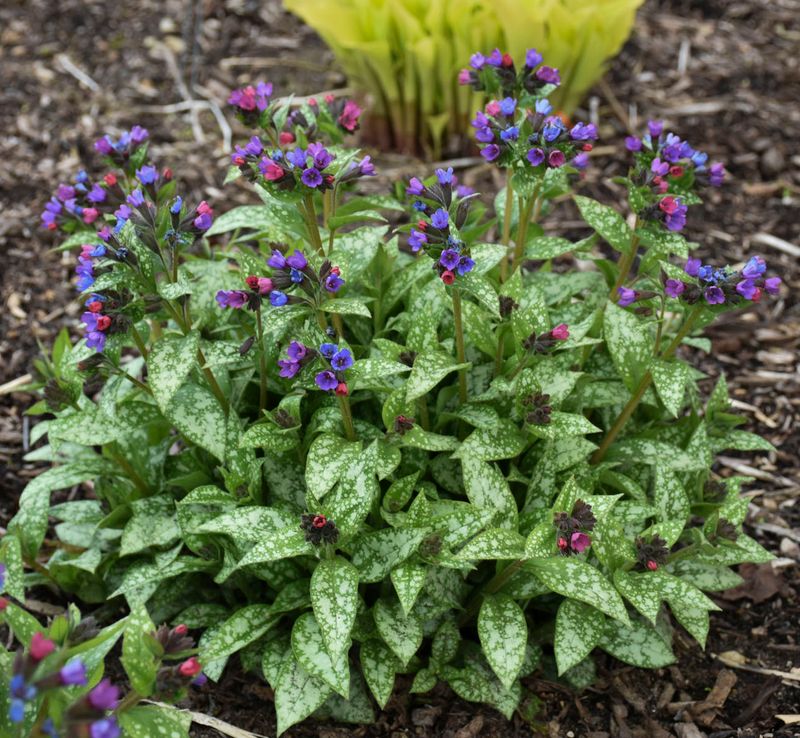
Lungwort is known for its uniquely spotted leaves and charming flowers. These plants feature clusters of pink and blue blooms that appear in early spring. They thrive in shaded areas with moist soil, adding splashes of color to dim spaces. “Lungwort has a history of medicinal use, believed to treat lung ailments.” The spotted foliage remains attractive throughout the season, providing visual interest. Their resilience and distinctive appearance make lungwort a popular choice for shady gardens, where they can grow with minimal care.
9. Toad Lily
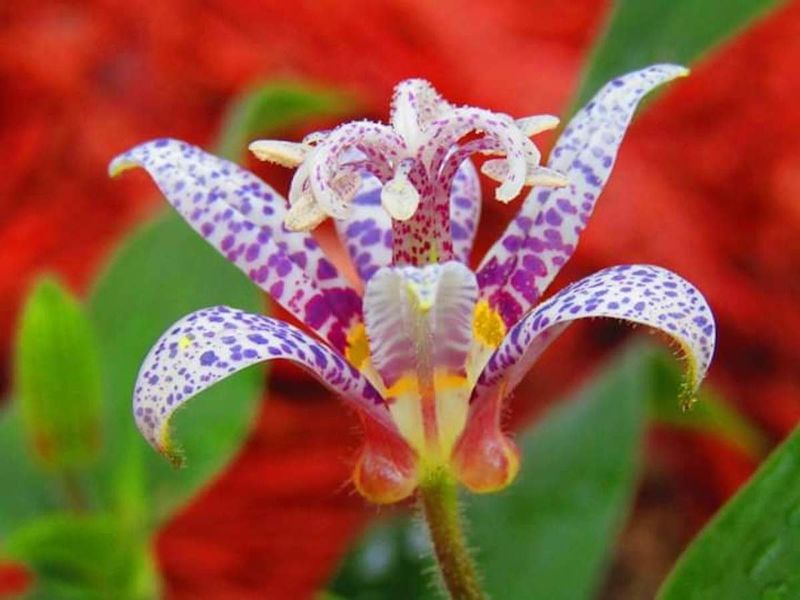
Toad lilies are exotic additions to shady gardens with their orchid-like flowers. These blooms appear in late summer and fall, offering a burst of color when most plants fade. The speckled flowers, often in shades of purple and white, captivate with their unique beauty. “Fun fact: Toad lilies are native to Asia and thrive in moist, shaded environments.” Their foliage is also attractive, with a lush, green appearance. Toad lilies enchant gardeners looking for unusual and striking plants to enhance their shaded spaces.
10. Solomon’s Seal
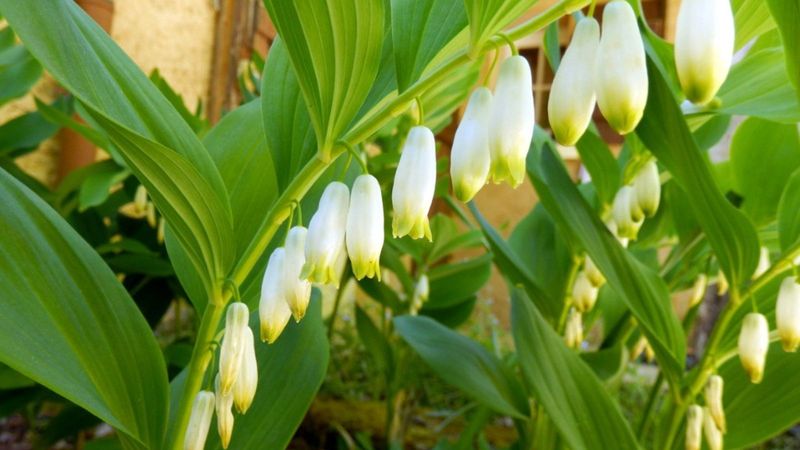
Solomon’s Seal brings elegance and grace to shaded areas with its arching stems and bell-shaped flowers. This perennial blooms in early spring, offering a subtle beauty with its dangling white blossoms. “Did you know Solomon’s Seal has been used in traditional medicine for centuries?” Its foliage, turning golden in fall, adds seasonal interest. Thriving in rich, moist soil, it requires little maintenance. Solomon’s Seal’s understated charm and adaptability make it a favorite for gardeners seeking a refined touch in their shaded landscapes.
11. Trillium
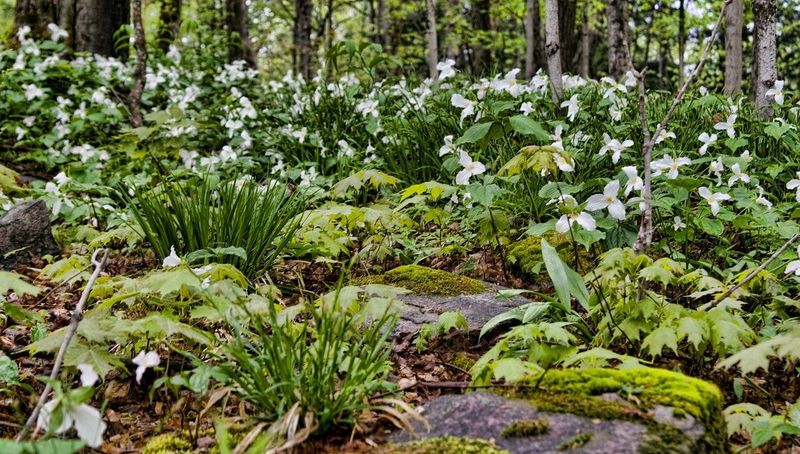
Trilliums are enchanting woodland plants with three-petaled flowers. These blooms, usually in shades of white or pink, appear in early spring. Trilliums are known for their simple yet elegant beauty, drawing admiration from gardeners and nature enthusiasts alike. They thrive in shaded, forest-like environments with rich soil. “Interesting fact: Trilliums are protected in some regions due to their rarity.” Their presence adds a touch of the wild to gardens, captivating with their understated elegance and natural charm.
12. Lily of the Valley
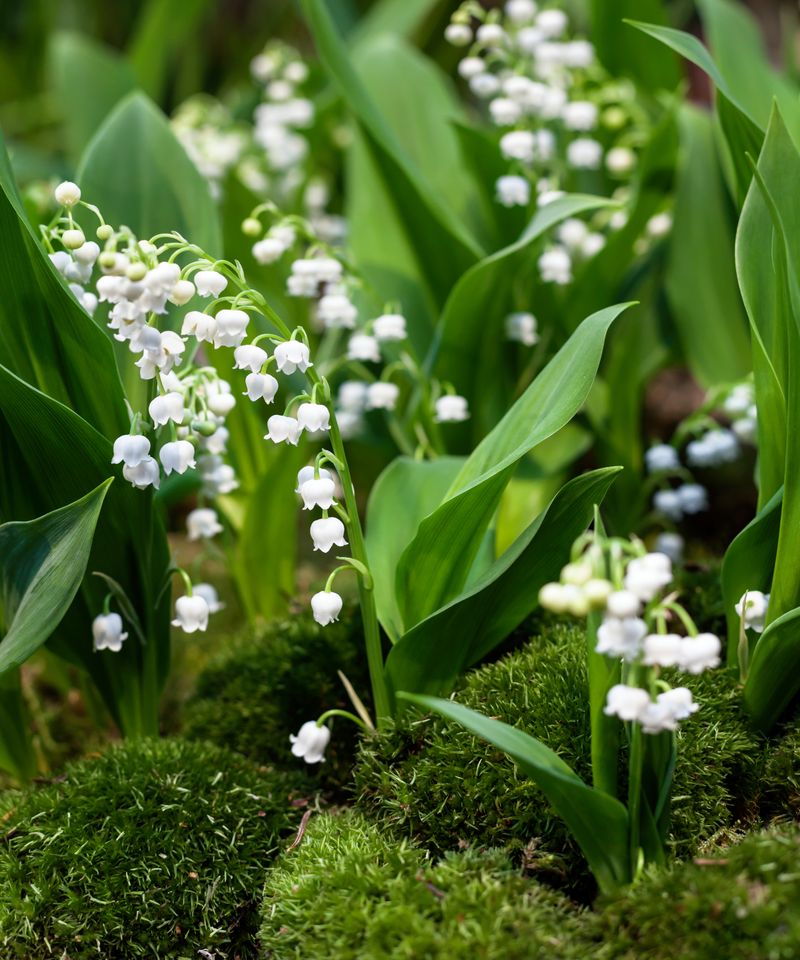
Lily of the Valley is renowned for its delicate beauty and intoxicating fragrance. This plant’s small, white bell-shaped flowers bloom in spring, creating a captivating ground cover. The lush green leaves provide a beautiful backdrop, enhancing the flowers’ appeal. “Fun fact: Lily of the Valley has been a symbol of happiness and purity throughout history.” It thrives in shaded areas with moist soil, making it a preferred choice for woodland gardens. Its sweet scent and charming appearance make it a timeless favorite among gardeners.
13. Foamflower
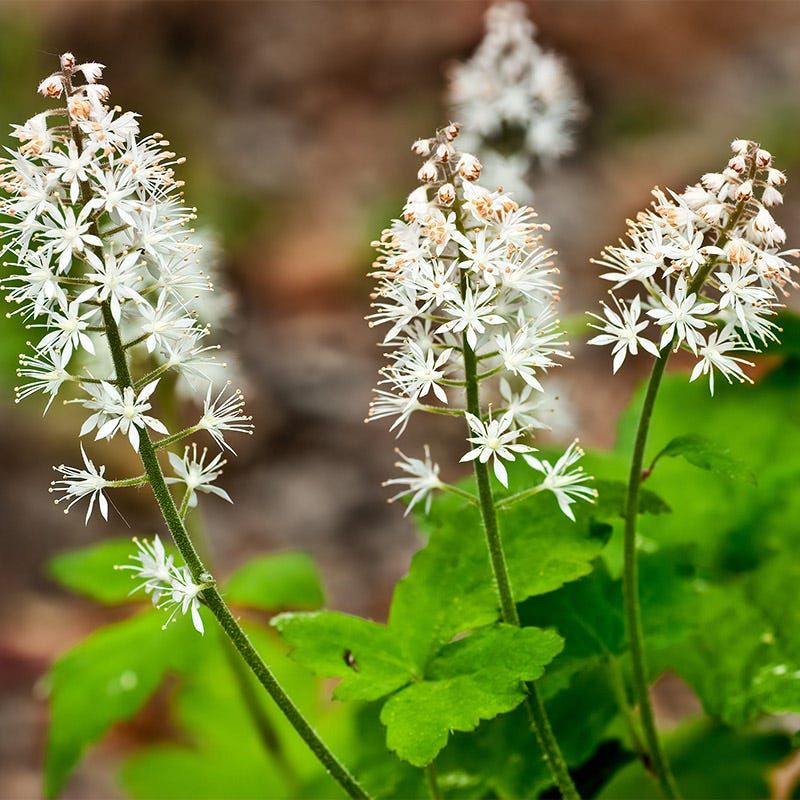
Foamflower, or Tiarella, enchants with its frothy clusters of white flowers. Blooming in spring, it creates a delicate, airy appearance in shaded gardens. The heart-shaped leaves often have interesting patterns, adding visual interest even after the flowers fade. “Did you know foamflower is native to North America?” These plants prefer moist, well-drained soil and thrive in shade, offering a charming ground cover. Their enchanting blooms and attractive foliage make foamflower a delightful addition to any garden seeking subtle beauty.
14. Virginia Bluebells
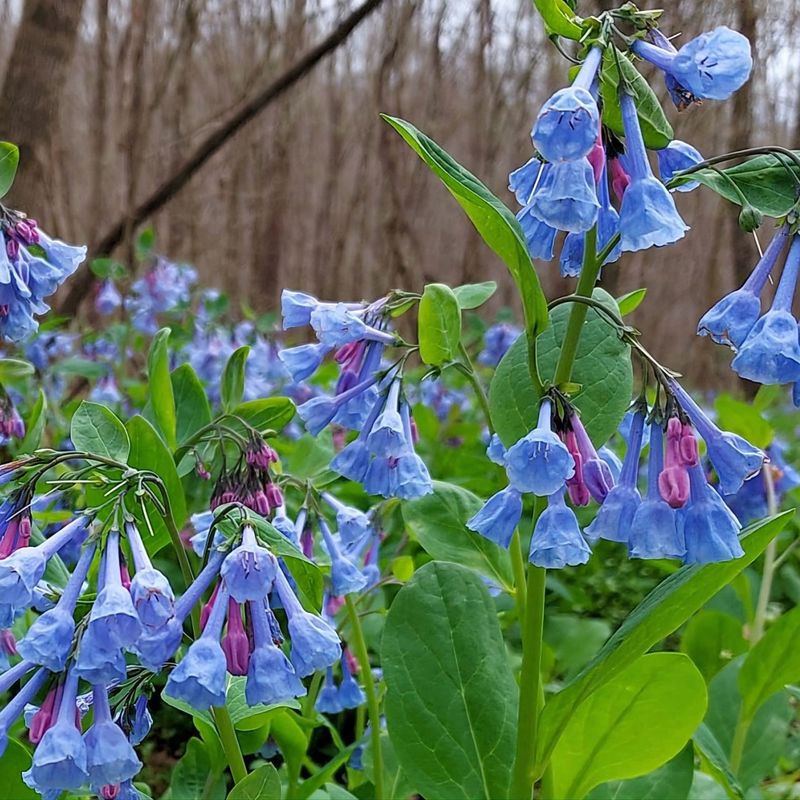
Virginia Bluebells bring a touch of magic to shaded gardens with their enchanting blue flowers. These plants bloom in early spring, creating a carpet of blue in woodland settings. The bell-shaped flowers, often starting pink before turning blue, add a dynamic element to gardens. “Interesting tidbit: Virginia Bluebells are native to eastern North America.” They prefer moist, rich soil and attract pollinators, enhancing garden life. Their ephemeral beauty and unique color transformation make them a cherished choice for gardeners seeking a harmonious blend of beauty and function.
15. Corydalis
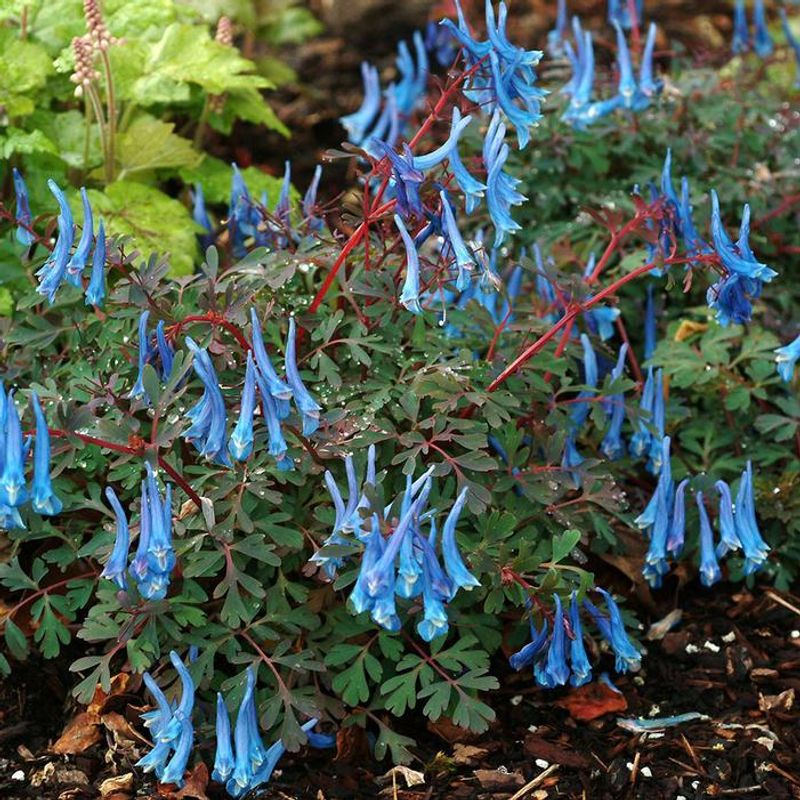
Corydalis captivates with its delicate, tubular flowers and fern-like foliage. These plants bloom in spring and summer, offering vibrant colors like yellow, pink, and blue. They thrive in shaded areas with well-drained soil, adding splashes of color to dim spaces. “Did you know corydalis is related to the poppy family?” Their unique blooms and lush foliage make them a standout choice for gardeners seeking diversity. With a charming presence, corydalis enhances the aesthetic of shaded gardens, drawing attention with its delightful appearance.
16. Epimedium
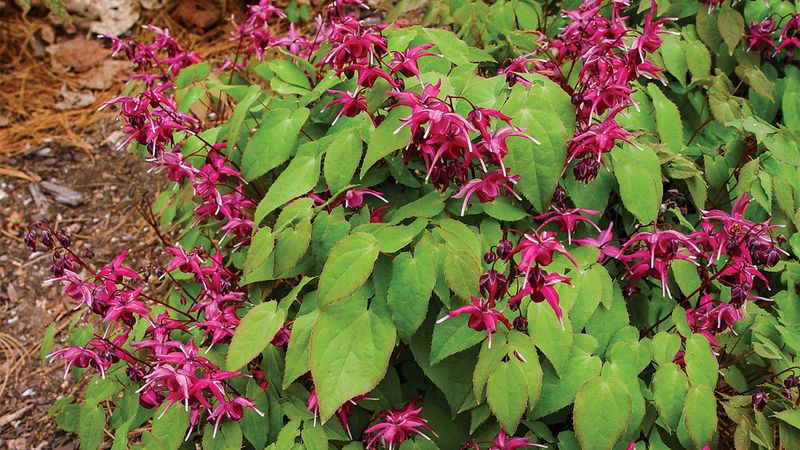
Epimedium, often called barrenwort, offers a touch of whimsy with its spidery flowers and heart-shaped leaves. These plants bloom in spring, showcasing flowers in shades of yellow, orange, and red. Their foliage, often evergreen, provides year-round interest. “Fun fact: Epimedium is native to China and has been used in traditional medicine.” Thriving in dry shade and tolerant of drought, epimediums are ideal for challenging garden spots. Their unique flowers and tough nature make them a favorite for gardeners seeking both beauty and resilience.
17. Jack-in-the-Pulpit
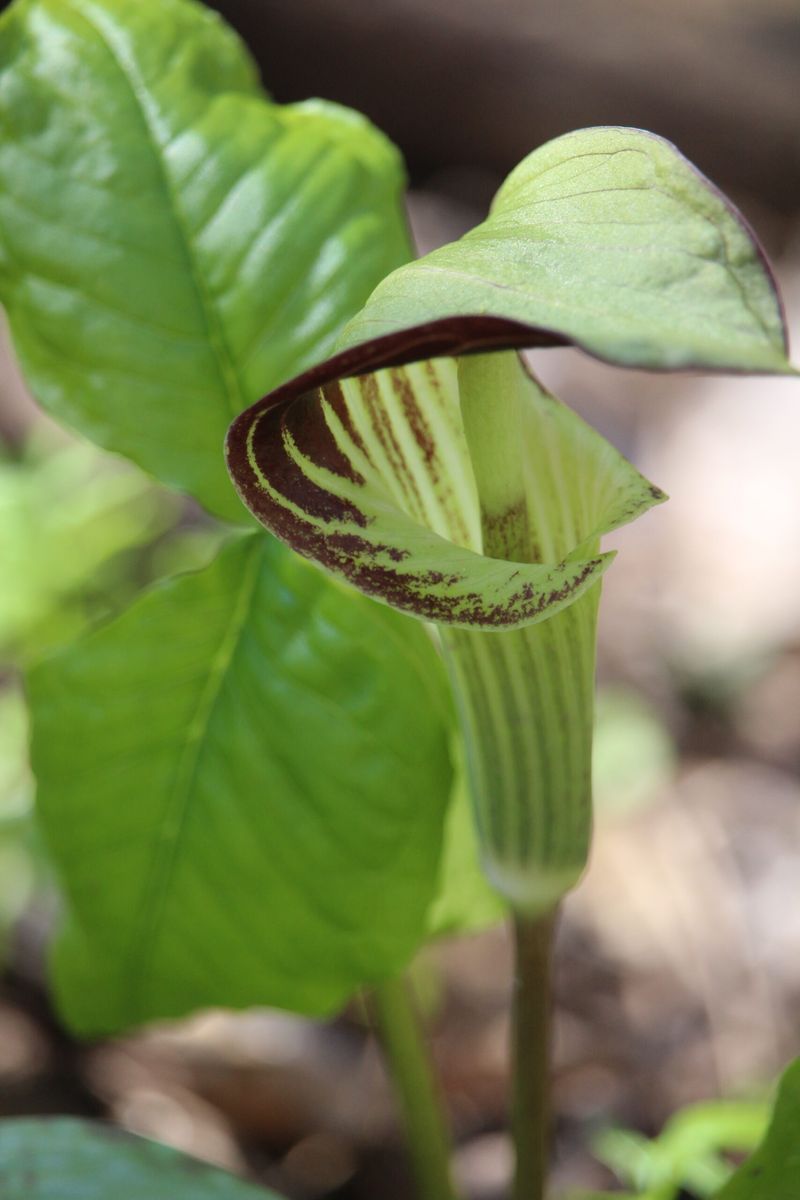
Jack-in-the-Pulpit is a curious plant with a unique hooded flower. This woodland plant blooms in spring, intriguing with its unusual appearance. The flower’s spathe, often in green and purple hues, shelters a spike called the spadix. “Did you know Jack-in-the-Pulpit is native to eastern North America?” Its trifoliate leaves add to its charm, creating a lush, natural look. Thriving in rich, moist soil, it requires minimal care, making it a fascinating addition to shaded gardens where it captivates with its distinctiveness.