

Shade-loving plants are perfect for those dimly lit corners of your garden or home that need a touch of greenery. These plants not only thrive without direct sunlight but also add unique textures and colors to your space. Let’s explore a variety of shade-loving plants, each with its own charm and adaptability.
1. Hosta
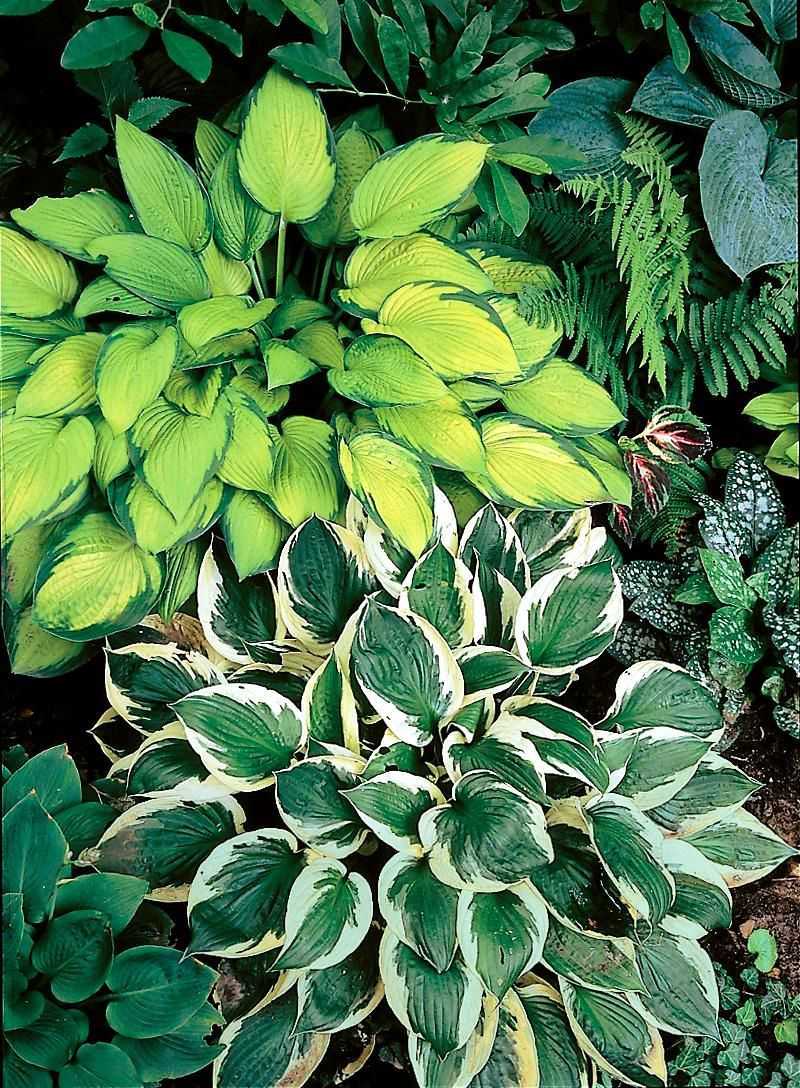
Hostas are a favorite among garden enthusiasts who seek foliage that thrives in shade. These plants are renowned for their broad, textured leaves which come in a variety of greens, blues, and even variegated patterns. Their flowers may be understated, but their foliage is truly captivating.
Perfect for creating layers in shade gardens, hostas can be planted alongside ferns and astilbes. Over time, these resilient plants develop a lush, full appearance. Ideal for low-maintenance gardeners, hostas are hardy and can withstand different weather conditions.
2. Ferns

Ferns evoke an aura of ancient forests with their graceful fronds and intricate patterns. Ideal for filling shady areas, ferns are versatile plants that come in different sizes and textures. From the delicate maidenhair to the robust ostrich fern, there is a fern for every shade garden.
Creating a lush, woodland feel, they pair beautifully with other shade lovers. Ferns thrive in moist, well-drained soil, making them perfect for adding greenery to less sunny outdoor areas.
3. Astilbe
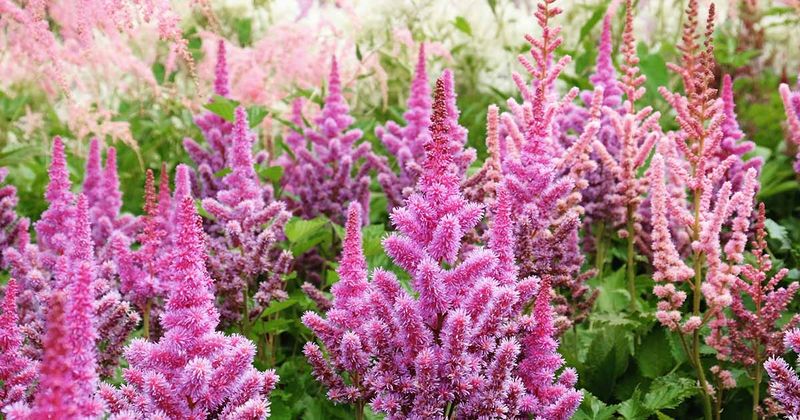
Astilbes are known for their vibrant plumes that stand out in any garden setting. These perennials produce feathery flowers in shades of pink, red, and white, providing a splash of color in shaded areas.
They thrive in rich, moist soil and require little maintenance once established. With their attractive foliage and striking blooms, astilbes are excellent companions for hostas and ferns. Their blooms attract pollinators, adding life to the quiet corners of your garden.
4. Heuchera
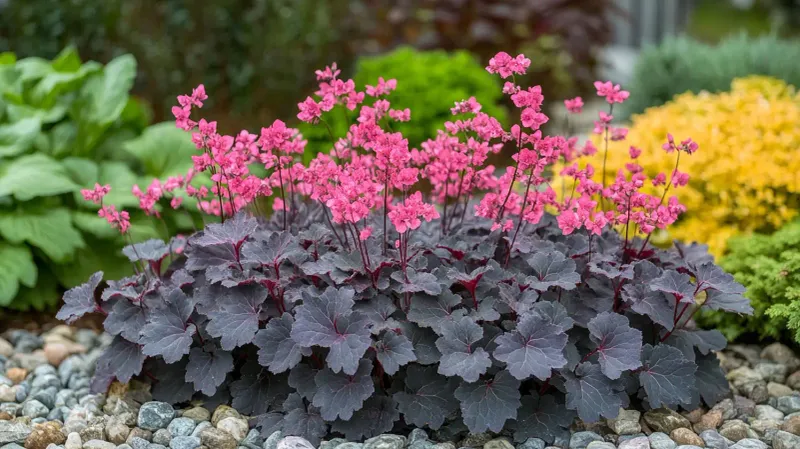
Heucheras, or coral bells, are celebrated for their diverse leaf colors, ranging from deep burgundy to silver and green. Their foliage provides a striking contrast in shaded gardens and can be combined with a variety of other plants.
Beyond their pretty leaves, heucheras produce delicate flowers that rise above the foliage on slender stems. These perennials are easy to care for and can adapt well to different shade conditions. Perfect for adding color and texture, they are a staple in many gardeners’ shade plant collections.
5. Bleeding Heart
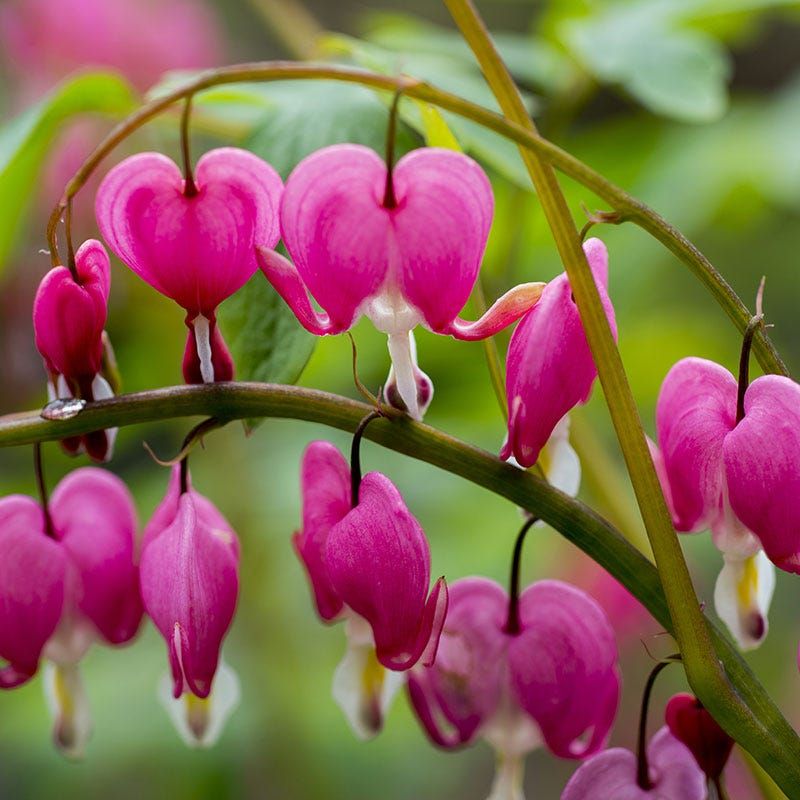
The bleeding heart is a plant that captures the imagination with its heart-shaped pink or white flowers that dangle from arching stems. These blooms create a romantic and whimsical atmosphere in shaded gardens.
Typically blooming in spring, they pair beautifully with ferns and hostas. Bleeding hearts prefer cool, moist conditions and can naturalize areas under trees or along shaded borders. The foliage dies back in the summer, but the brief flowering period is enough to enchant any gardener.
6. Lungwort
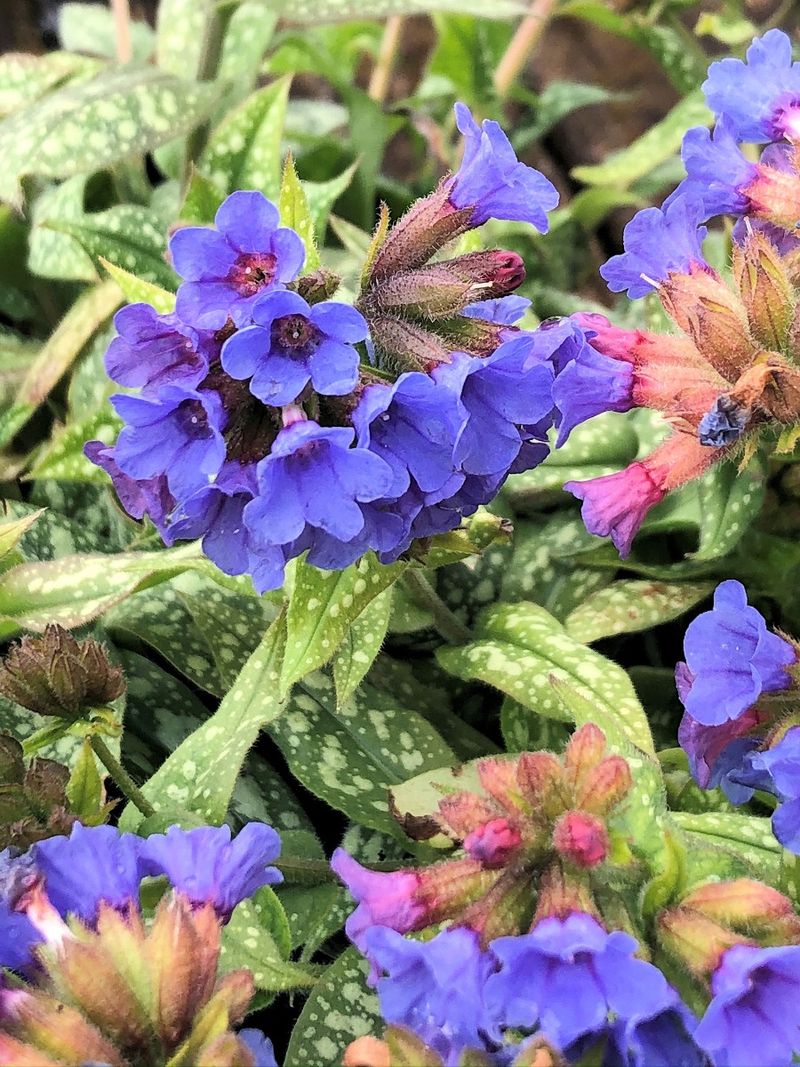
Lungwort, known for its spotted leaves and clusters of small, bell-shaped flowers, is a fascinating addition to any shade garden. The flowers, which can be blue, pink, or white, are often bi-colored on the same plant.
Lungwort thrives in moist, well-drained soil and can brighten up the shadiest corners with its unique foliage patterns. This plant is also resistant to deer, making it a practical choice for woodland gardens. Its quirky appearance adds both charm and interest to your garden space.
7. Brunnera
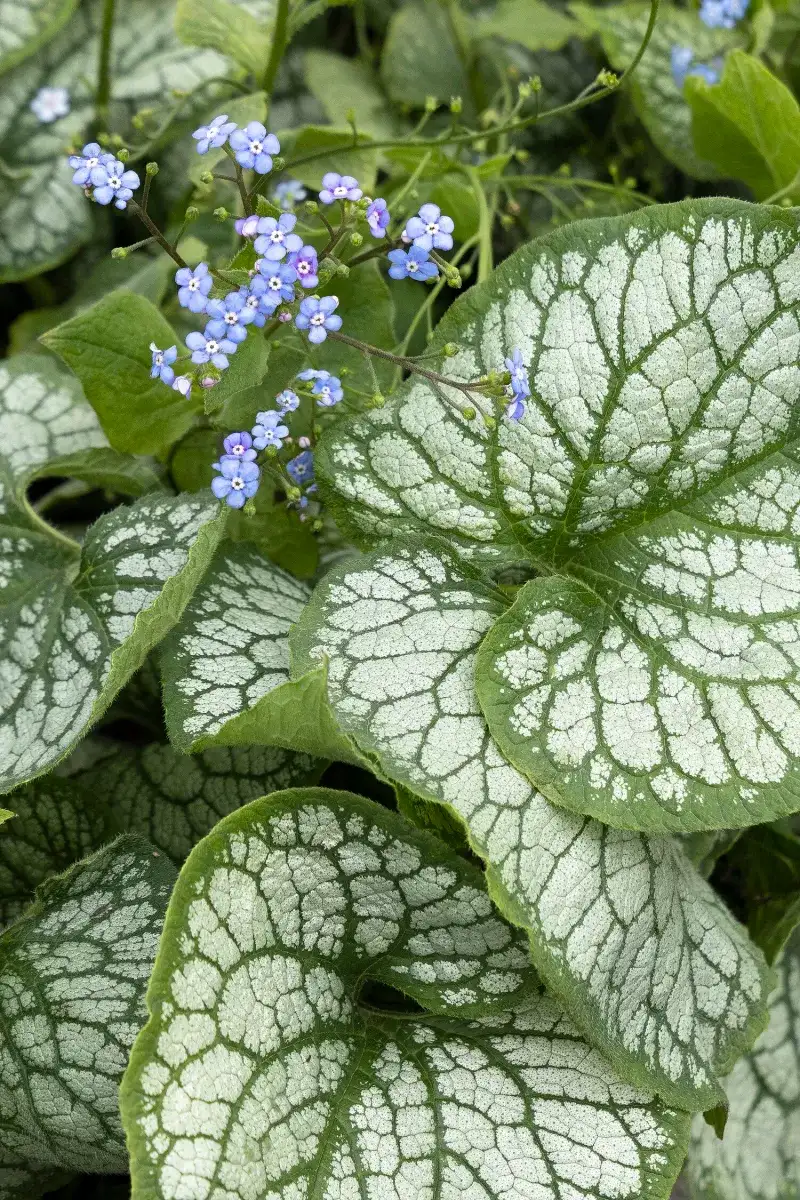
Brunnera, often referred to as false forget-me-not, is valued for its heart-shaped leaves with a striking silver overlay. These leaves create a shimmering effect in shaded areas. The bright blue flowers resemble those of forget-me-nots and add a pop of color in early spring.
Ideal for ground cover, brunnera thrives in cool, moist environments. It pairs well with other woodland plants, creating a serene and picturesque garden scene. Its resilience and beauty make it a favorite among shade gardeners.
8. Toad Lily
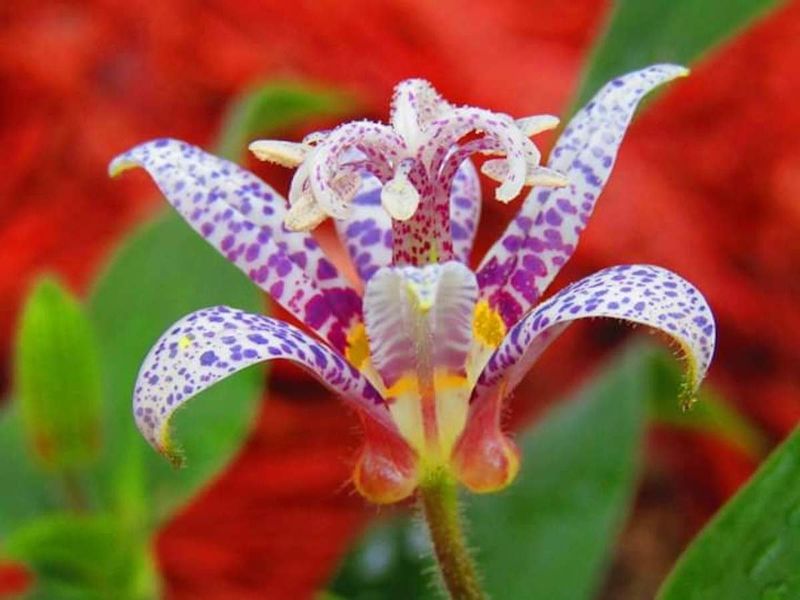
Toad lilies are intriguing plants known for their orchid-like flowers, which are often speckled and come in shades of purple and white. These blooms appear in late summer to fall, offering interest when many other plants have finished flowering.
Perfect for shade gardens, toad lilies thrive in rich, well-drained soil. Their unique flowers and graceful arching stems make them a standout choice for those looking to add exotic flair to shaded areas. They work well alongside ferns and hostas for a textured garden landscape.
9. Solomon’s Seal
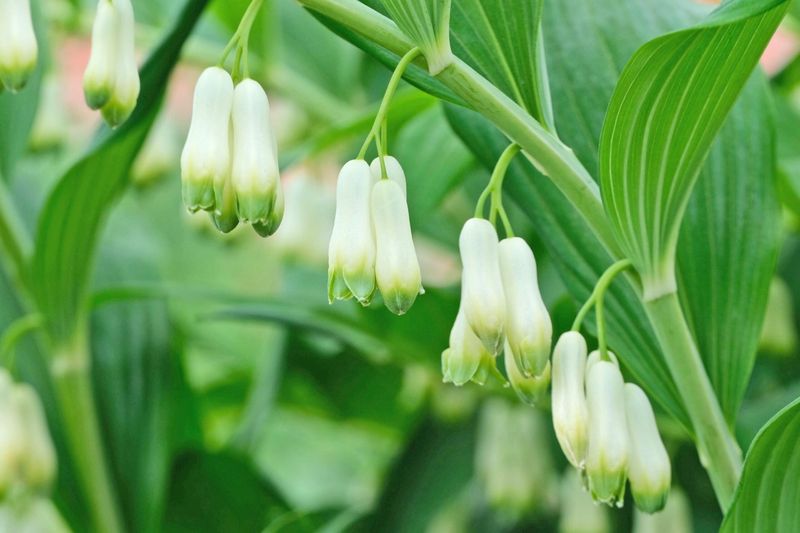
Solomon’s seal is a plant of understated elegance, with its arching stems and dangling, tubular white flowers. This plant adds a graceful touch to shaded gardens and is perfect for creating a natural woodland look.
Blooming in late spring, the flowers give way to blue-black berries in fall. Solomon’s seal is hardy and can thrive in a variety of soil conditions, making it a versatile addition to any garden. Its unique structure and seasonal interest make it a favorite among gardeners.
10. Japanese Forest Grass
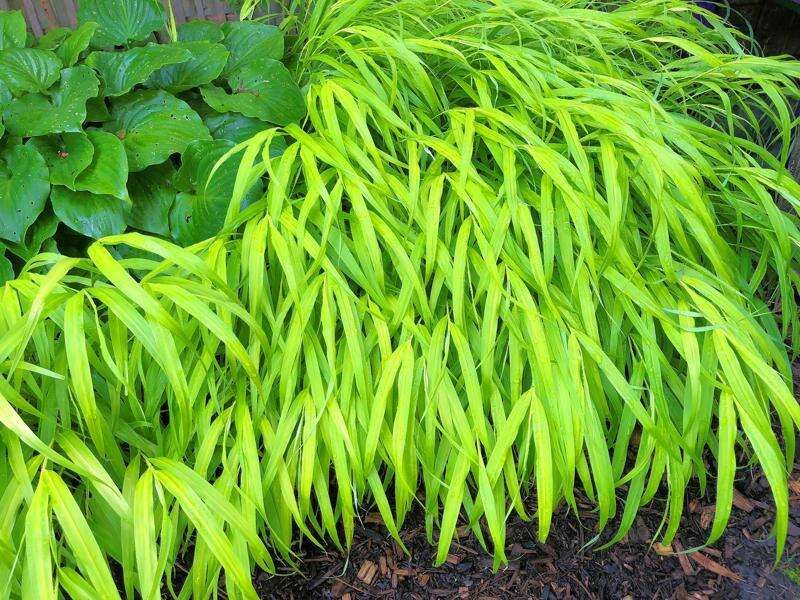
Japanese forest grass, also known as Hakonechloa, is cherished for its cascading blades that mimic the flow of water. This grass adds movement and texture to shaded garden areas, with leaves that can vary from bright green to golden hues.
Slow-growing and non-invasive, it pairs well with hostas and ferns. Japanese forest grass thrives in moist, well-drained soil, creating a serene and calming garden ambiance. Its elegant form makes it ideal for those seeking to bring a touch of the Orient to their landscape.
11. Foamflower
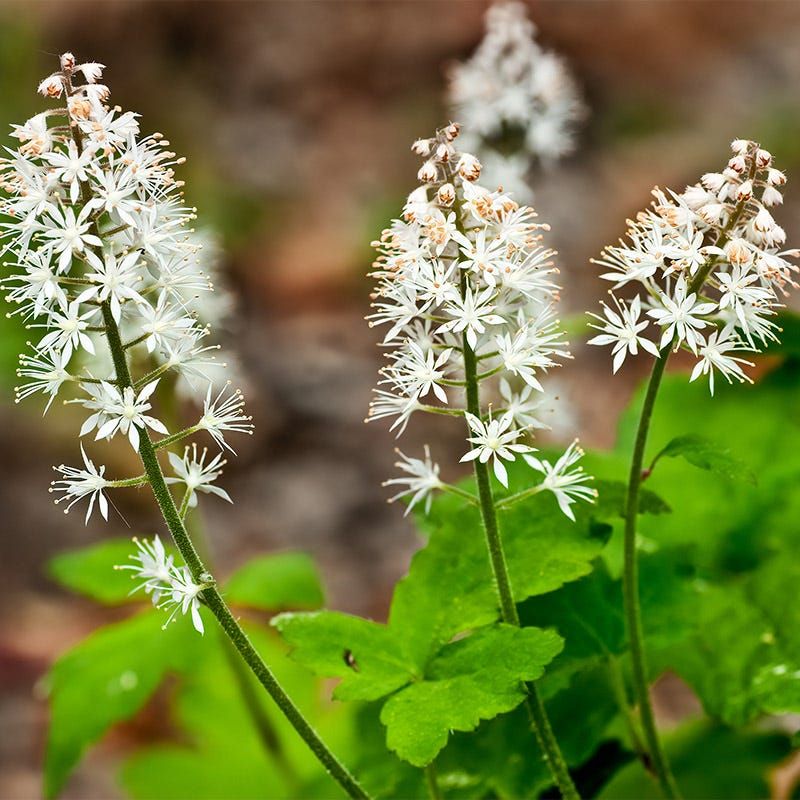
Foamflowers are delightful plants known for their airy clusters of white flowers that resemble foam. These blooms rise on slender stems above attractive, maple-like leaves, creating a cloud-like appearance in shaded gardens.
Perfect for ground cover, foamflowers thrive in cool, moist environments and can be combined with other shade-loving plants like hostas and ferns. Their delicate blooms attract pollinators, bringing life to shaded areas. Easy to care for, they offer both beauty and practicality.
12. Lily of the Valley
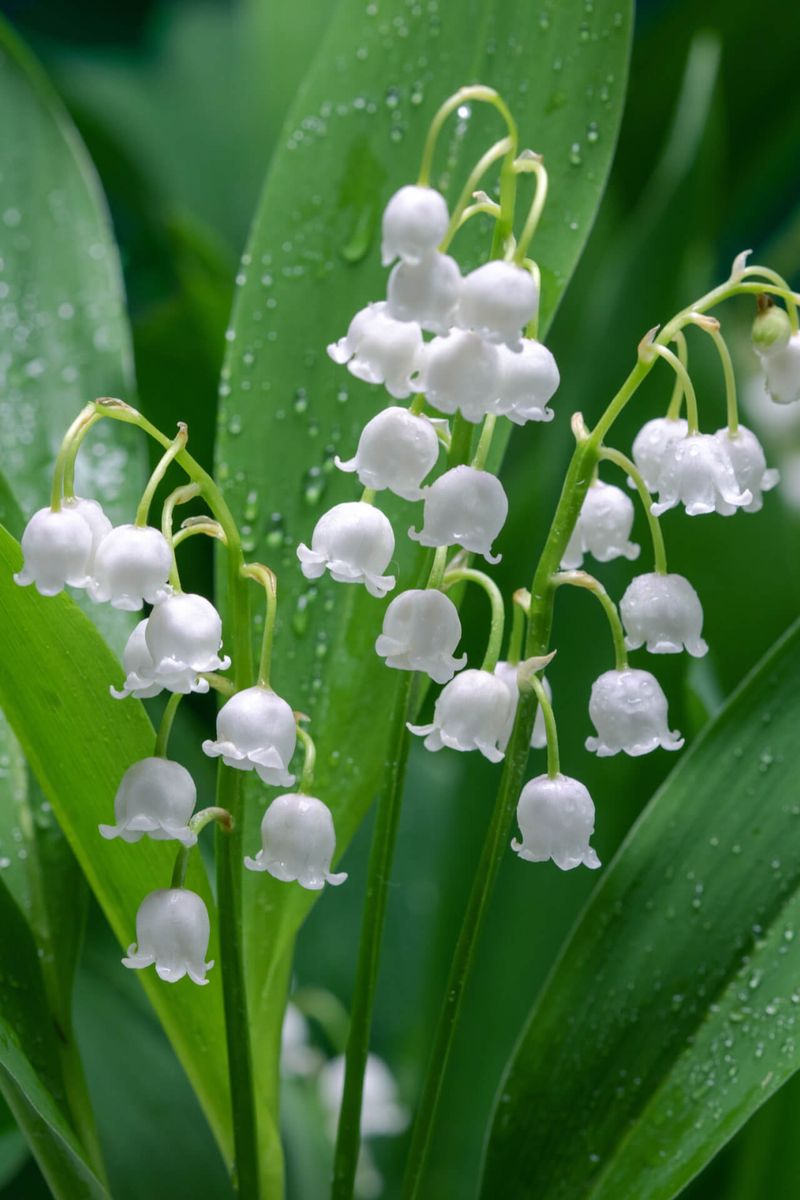
Lily of the valley is cherished for its fragrant, bell-shaped white flowers that evoke a sense of nostalgia and charm. These delicate blooms appear in spring, filling shaded areas with their delightful scent.
The plant’s glossy green leaves form a neat ground cover that thrives in cool, shaded environments. Known for its resilience, lily of the valley can spread easily, creating a lush carpet of greenery. Its timeless beauty and sweet aroma make it a beloved choice for shade gardens.
13. Bergenia
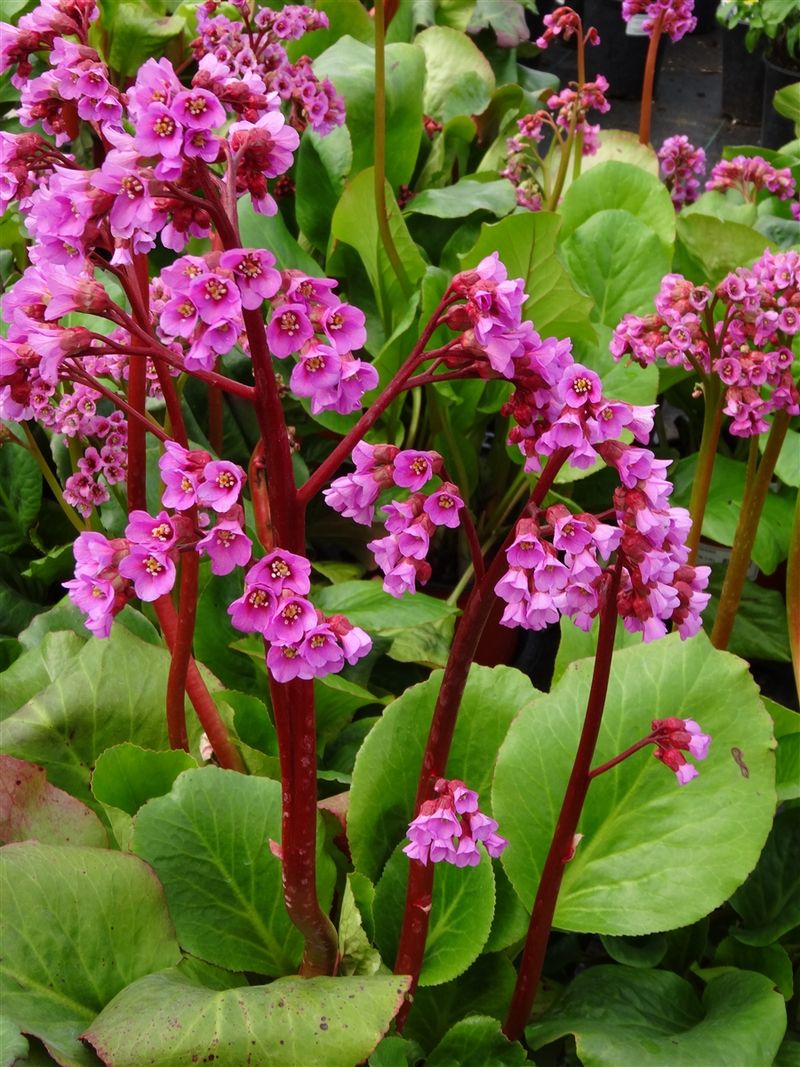
Bergenia, often called pig squeak, is recognized for its large, glossy leaves and colorful flowers that bloom in clusters. These plants are tough and can withstand varying conditions, making them ideal for shaded rock gardens.
The leaves turn a striking red in the fall, adding seasonal interest to the garden. Bergenia is low-maintenance and pairs well with other perennials. Its robust nature and year-round appeal make it a valuable addition to any shade-loving plant collection.
14. Pulmonaria
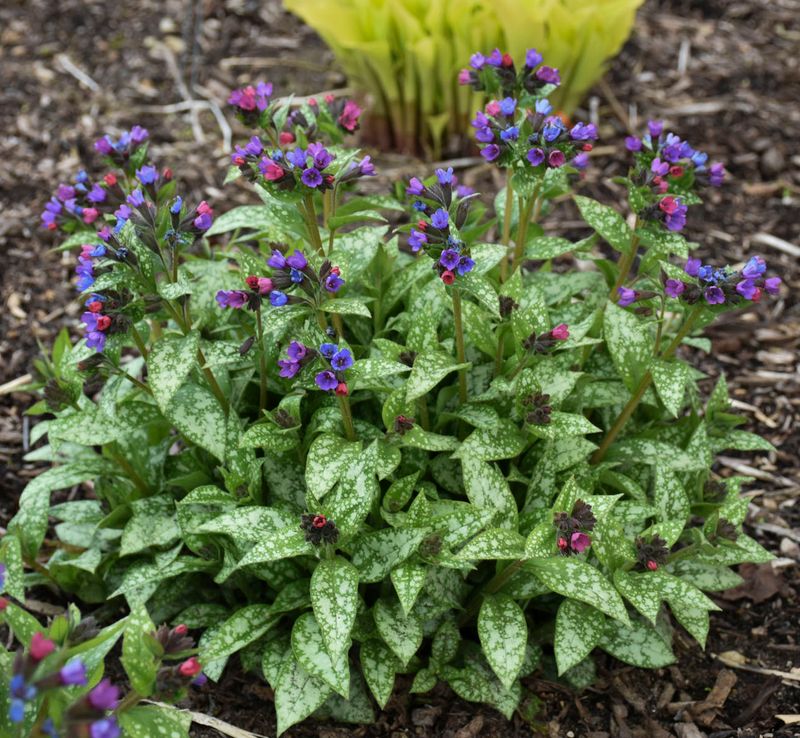
Pulmonaria, or lungwort, showcases uniquely spotted leaves and clusters of flowers that often change color as they mature. These plants are early bloomers, providing color and interest in spring.
Ideal for moist, shaded gardens, pulmonaria’s silvery foliage adds brightness to darker areas. It is resistant to pests and diseases, making it a reliable choice for gardeners. Its whimsical appearance and adaptability make it a charming addition to shade gardens.
15. Epimedium
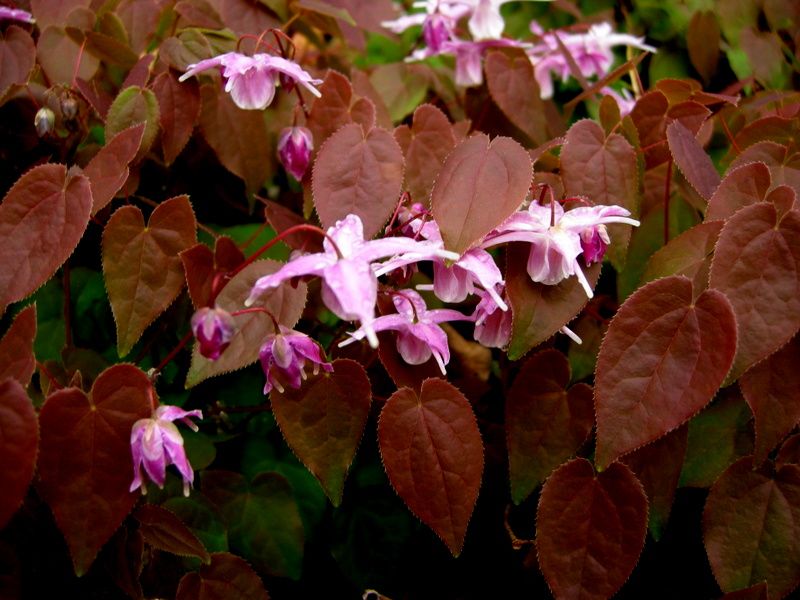
Epimedium, also known as barrenwort, is a plant with heart-shaped leaves and delicate, star-like flowers. Its foliage often turns reddish in the fall, providing year-round interest.
This plant thrives in dry, shaded areas, making it perfect for woodland gardens. Epimedium is known for its drought tolerance and ability to spread as ground cover. Its charming flowers and robust nature make it a favorite for creating enchanting garden spaces.
16. Japanese Maple
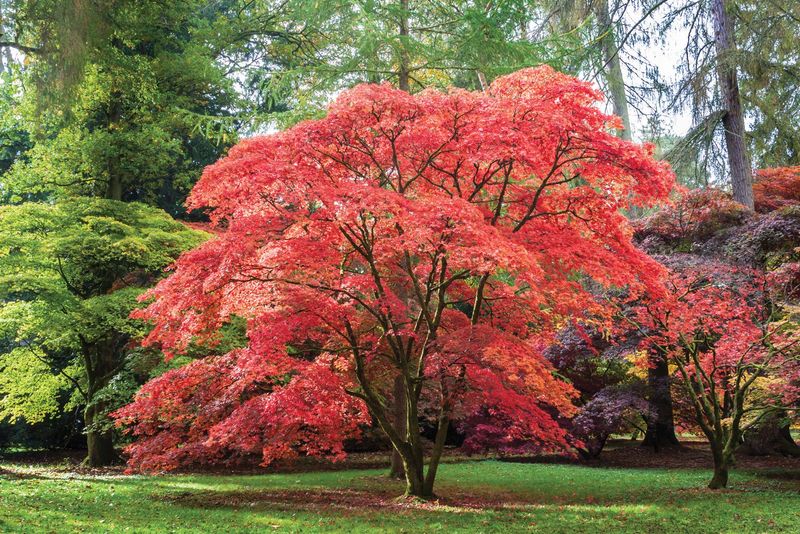
Japanese maple trees are celebrated for their stunning foliage and elegant form. With leaves ranging from green to vibrant red, these trees add a touch of sophistication to any garden.
Perfect for shaded areas, Japanese maples thrive in well-drained soil and offer seasonal interest with their changing leaf colors. Their graceful structure and variety make them a prized choice for gardeners looking to create a focal point in their landscapes.
17. Hellebore
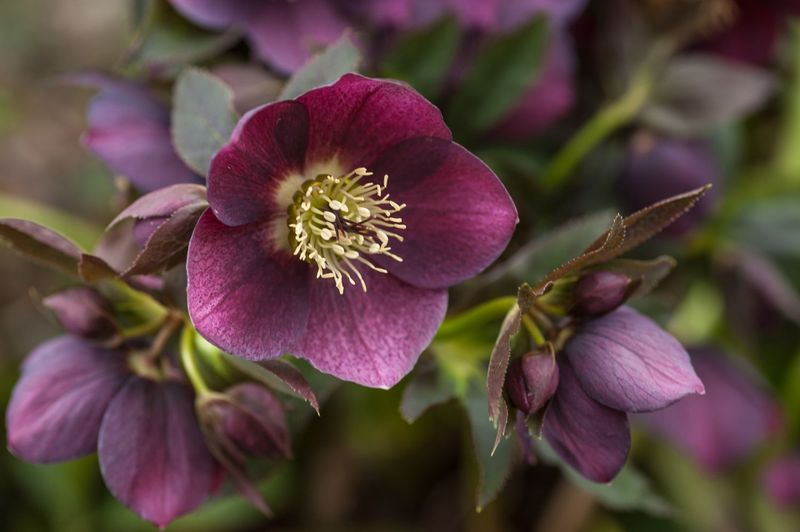
Hellebores, often called Lenten roses, are known for their early spring blooms that appear when most plants are still dormant. Their cup-shaped flowers come in shades of pink, purple, and white.
These plants thrive in shaded, well-drained soils and can brighten up the darkest corners of your garden. Hellebores are long-lived perennials that require minimal maintenance, making them a gardener’s delight. Their unique beauty and hardiness are sure to captivate anyone who encounters them.
18. Trillium
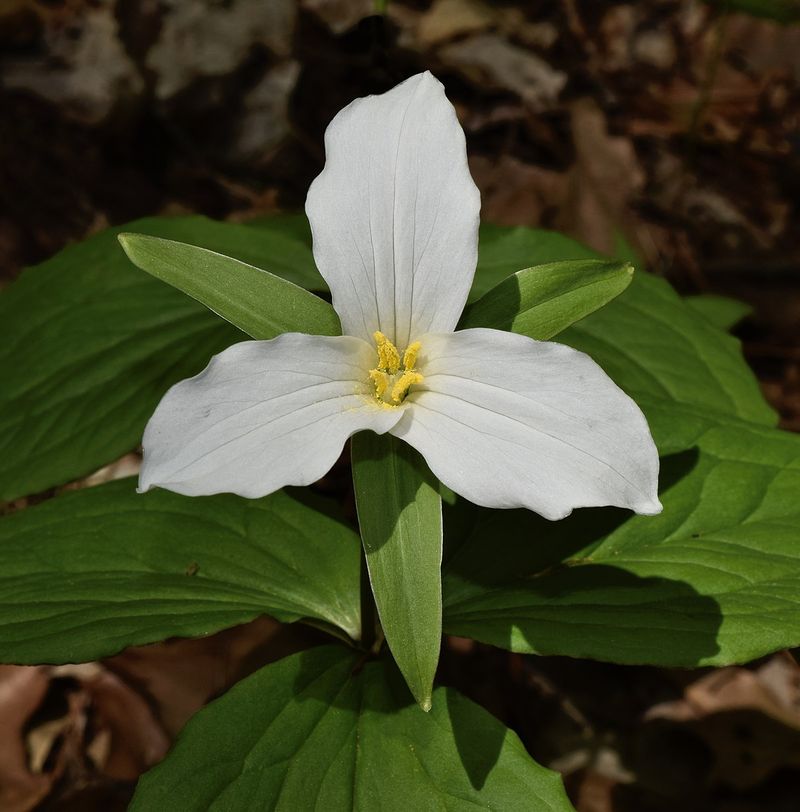
Trillium is a captivating plant known for its distinctive three-petaled flowers that emerge in the spring. These blooms can be white, pink, or red, offering a subtle elegance to shaded woodland gardens.
Trilliums thrive in rich, moist soil and are often found in forested areas. They are slow-growing and can be sensitive to disturbance, making them a cherished find for nature enthusiasts. Their unique form and understated beauty make them a prized addition to any shade garden.
19. Ajuga
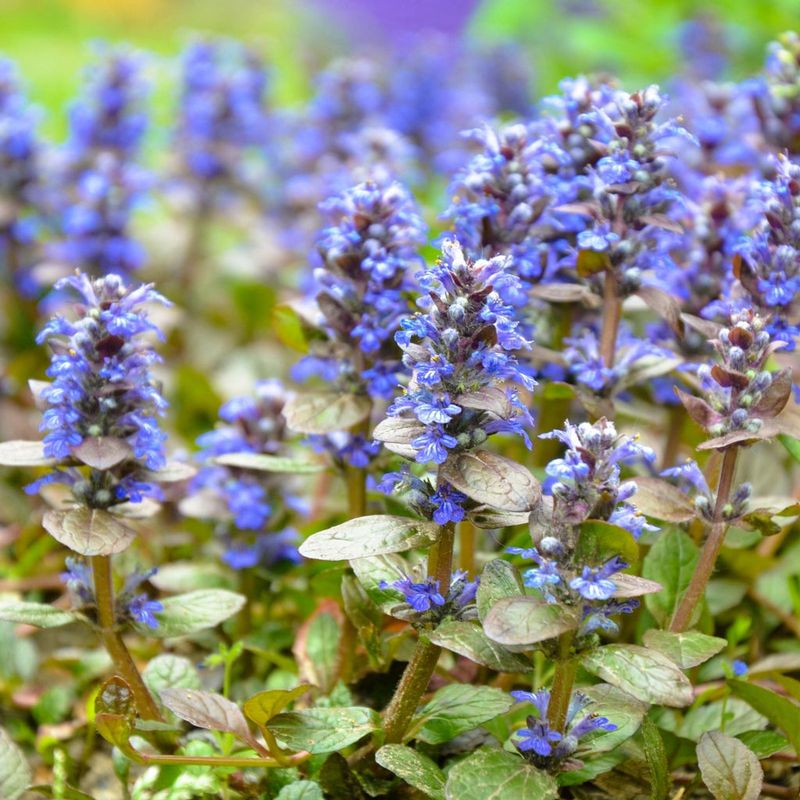
Ajuga, or bugleweed, is a versatile ground cover plant with glossy, dark leaves and spikes of blue flowers. It forms dense mats that can quickly cover shaded garden areas.
Ideal for preventing erosion, ajuga thrives in a variety of soil conditions and requires little maintenance. Its vibrant flower spikes attract pollinators, adding movement to the garden. Ajuga’s hardiness and ability to spread make it a practical and attractive choice for gardeners looking to fill shaded spaces with ease.