
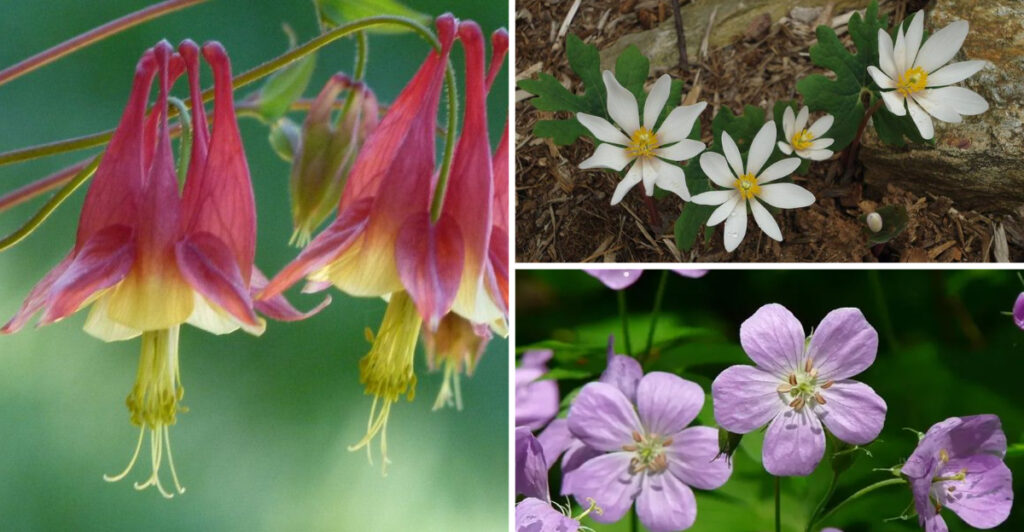
Discover the beauty and diversity of 20 shade-loving native plants perfectly suited for Virginia’s Capital Region.
From groundcovers to towering perennials, these plants thrive in the shade, providing lush greenery and vibrant flowers throughout the growing season.
Whether you’re looking to add color to a woodland garden or create a serene shaded retreat, these native species offer a harmonious blend of aesthetics and ecological benefits.
1. Wild Ginger (Asarum canadense)
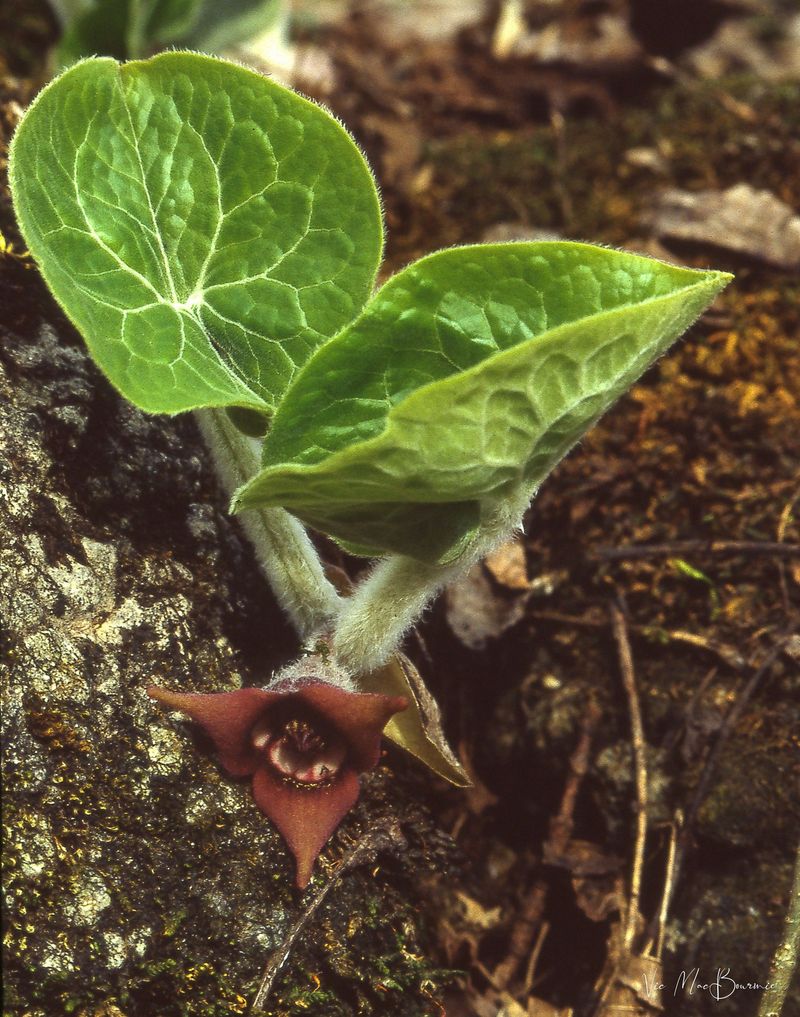
Wild Ginger, with its heart-shaped leaves, is an enchanting low-grower ideal for shady spots. Its maroon flowers might be hidden beneath the foliage, but they add an intriguing touch to this plant. Perfect for groundcover, it creates a lush green carpet. Known for its subtle beauty, Wild Ginger thrives in rich, moist soils. Beyond its visual appeal, it has historical uses in herbal remedies. It’s a wonderful choice for those looking to bring a touch of mystery and elegance to their gardens.
2. Virginia Bluebells (Mertensia virginica)
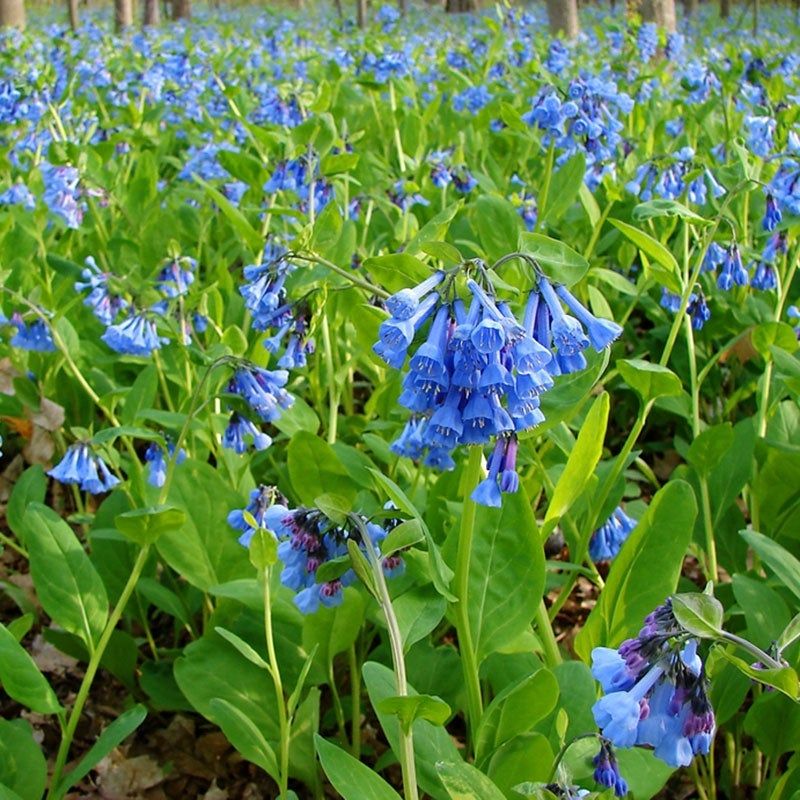
Virginia Bluebells bring a splash of color to shady areas with their clusters of bell-shaped flowers. Blooming in early spring, they create a magical scene reminiscent of fairy tales. These perennials prefer moist, well-drained soils and are often found in deciduous woodlands. Their vibrant blue flowers attract bees and butterflies, making them a favorite among pollinator enthusiasts. With a gentle grace, Virginia Bluebells are ideal for naturalizing shady garden spaces, offering a fleeting but spectacular display each year.
3. Foamflower (Tiarella cordifolia)
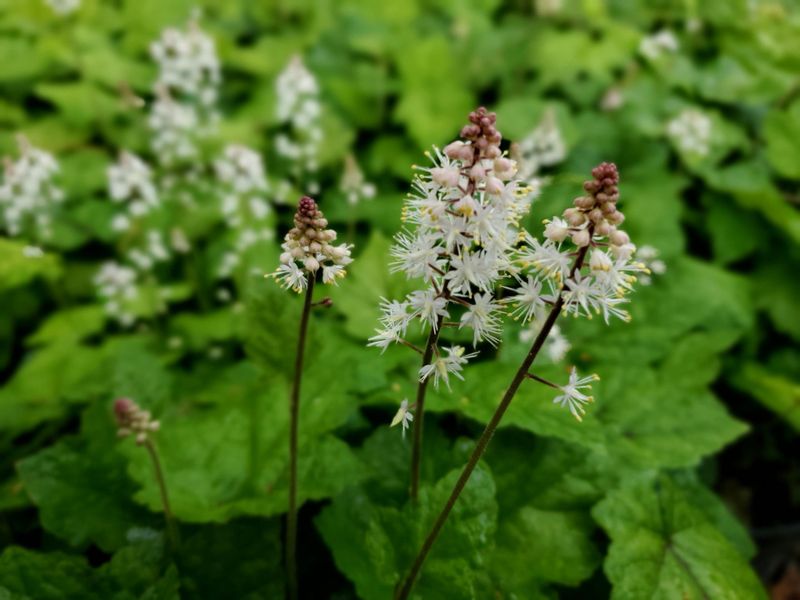
Foamflower captivates with its frothy blooms that seem to dance in the breeze. The white or pink flower spikes are complemented by deeply veined, heart-shaped leaves. As a groundcover, it excels in shaded gardens, providing a lush, verdant backdrop. It thrives in humus-rich, moist soils, bringing charm to woodland gardens. Foamflower is not only beautiful but also attracts beneficial insects, making it an ecologically friendly choice. Its soft, airy blooms create a sense of whimsy and wonder.
4. Solomon’s Seal (Polygonatum biflorum)
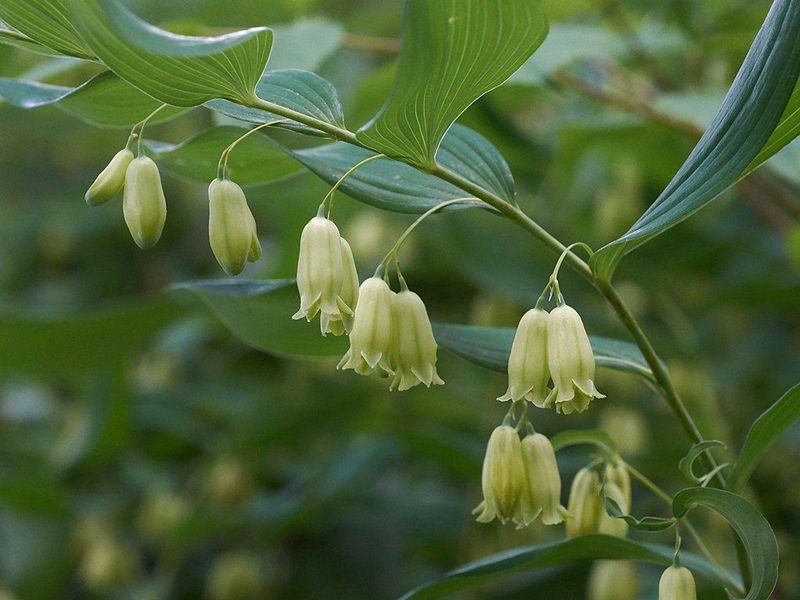
Solomon’s Seal enchants with its elegant, arching stems and delicate, dangling white flowers. This perennial adds a touch of grace to any shaded garden. Preferring rich, well-drained soils, it thrives under trees and in woodland settings. The plant not only offers visual appeal but also attracts pollinators with its nectar-rich blooms. In autumn, its foliage turns a golden yellow, providing seasonal interest. Solomon’s Seal is a testament to the subtle beauty of shade-loving plants.
5. Columbine (Aquilegia canadensis)
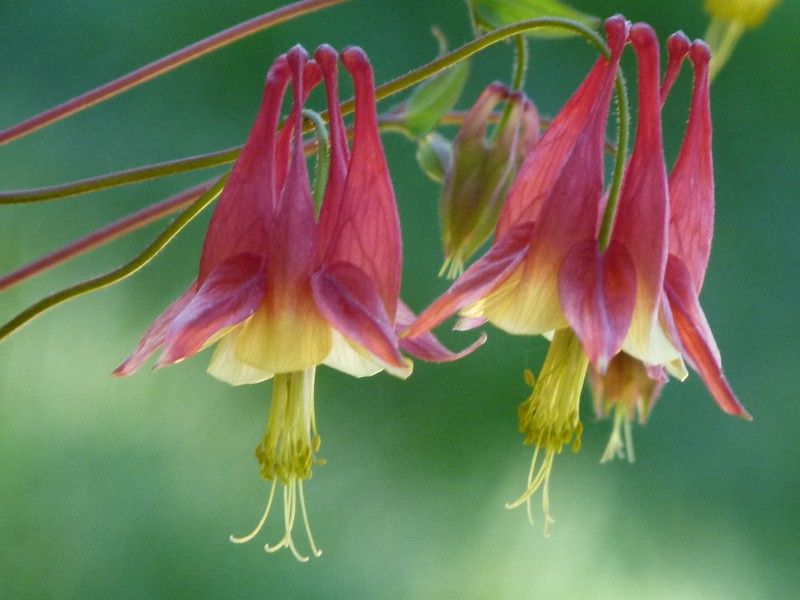
Columbine stands out with its unique red and yellow flowers that are a favorite of hummingbirds. This perennial thrives in partial shade and well-drained soils, often found in rocky woodlands. Its intricate blooms add a whimsical touch to gardens, creating focal points in shaded borders. Columbine is known for its resilience and ability to self-seed, ensuring its return year after year. Its delicate flowers dance in the breeze, captivating all who see them.
6. Christmas Fern (Polystichum acrostichoides)
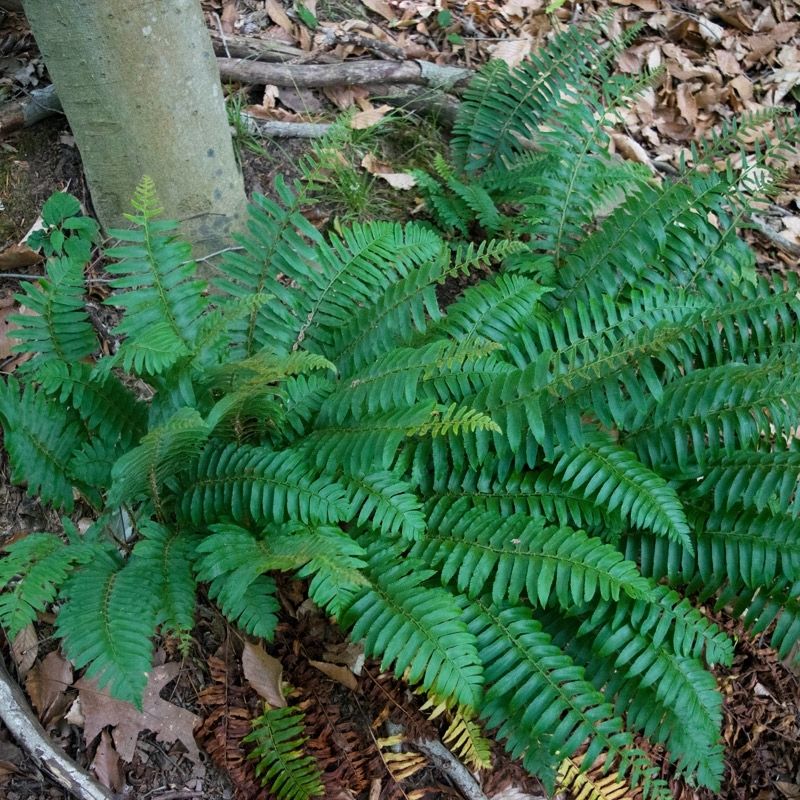
Christmas Fern is a steadfast presence in the garden, offering year-round green with its evergreen fronds. This fern thrives in shaded, woodland environments, providing texture and form. Its name comes from the ability to stay green throughout the winter, adding life to otherwise barren landscapes. The Christmas Fern is low-maintenance, preferring well-drained soils. It’s a perfect choice for those seeking to create a lush, serene garden environment even in the colder months.
7. Eastern Wood Phlox (Phlox divaricata)
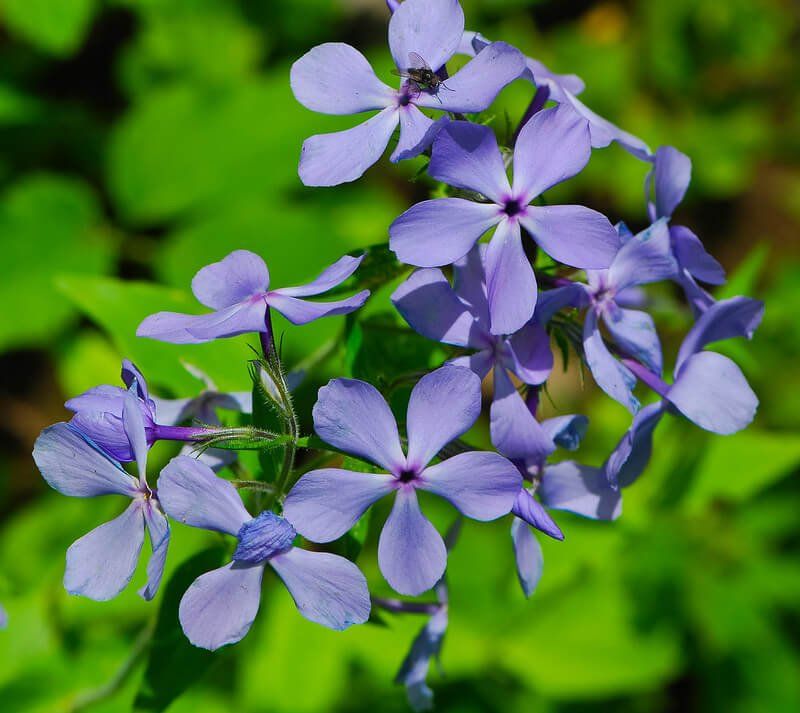
Eastern Wood Phlox is prized for its fragrant, soft blue to violet flowers that herald the arrival of spring. This perennial thrives in partially shaded areas, making it ideal for woodland edges and shaded borders. Its delicate blooms attract butterflies, adding movement and life to the garden. Preferring moist, well-drained soils, Eastern Wood Phlox is both beautiful and versatile, offering a serene touch to any shaded landscape. Its soft hues create a peaceful ambiance.
8. Green-and-Gold (Chrysogonum virginianum)
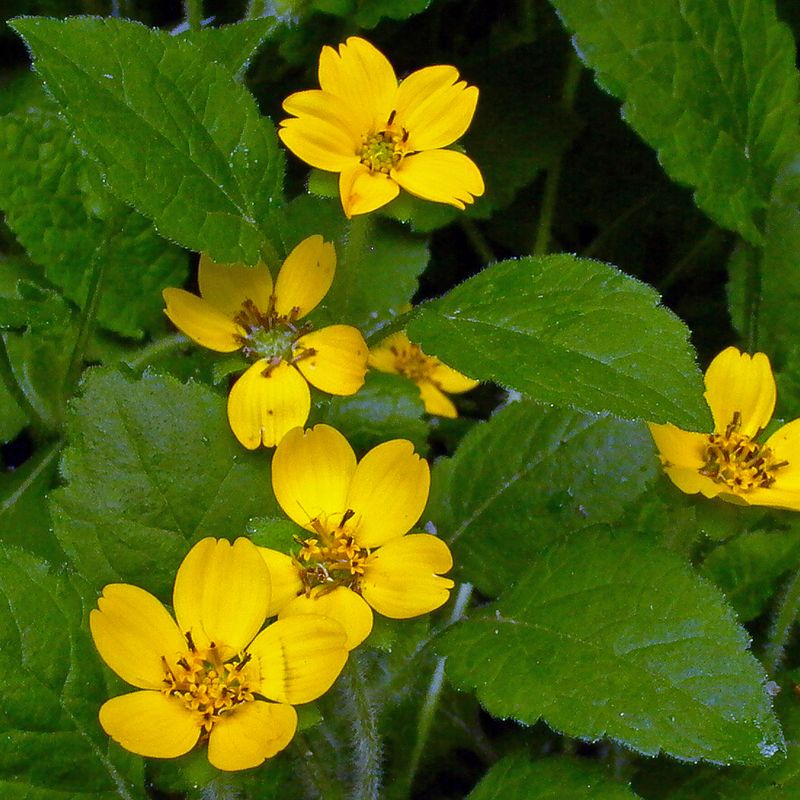
Green-and-Gold brightens shaded areas with its cheerful yellow flowers and semi-evergreen foliage. This groundcover is well-suited to woodland gardens, where it spreads gently to form a lush carpet. It thrives in moist, well-drained soils and is known for its low maintenance. The plant not only adds color but also supports local wildlife, making it a valuable addition to any garden. Green-and-Gold offers a pop of sunshine to shaded corners, creating a warm and inviting atmosphere.
9. Bloodroot (Sanguinaria canadensis)
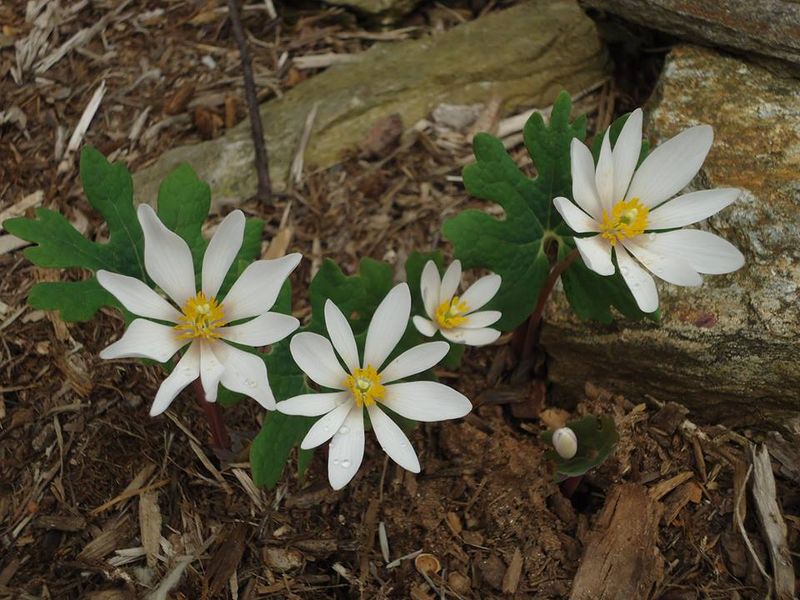
Bloodroot captivates with its striking white flowers and deeply lobed leaves, creating a dramatic presence in early spring. Preferring shaded, woodland environments, it thrives in rich, moist soils. The flowers open in the sunlight, revealing their delicate beauty before retreating in the evening. Beyond its aesthetic appeal, Bloodroot has historical significance in traditional medicine. This ephemeral beauty signals the awakening of spring, bringing joy to those who seek the first blooms of the season.
10. White Wood Aster (Eurybia divaricata)
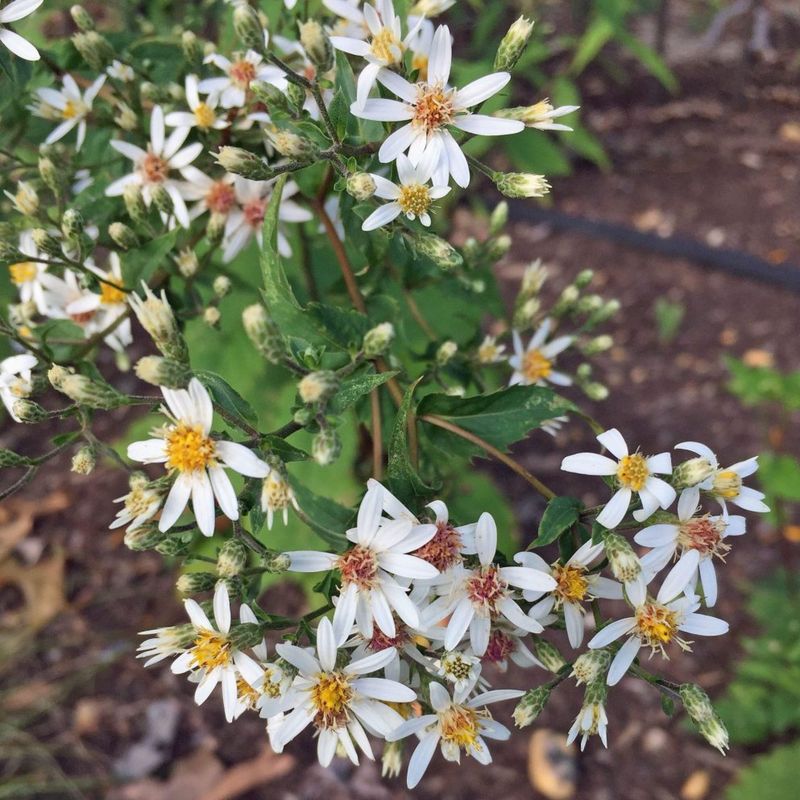
White Wood Aster graces the garden with its delicate white daisies, blooming in late summer and fall. This perennial thrives in dry shade, making it a versatile choice for challenging garden spots. Its flowers attract pollinators, adding life and movement to the landscape. The plant’s wiry, arching stems create an elegant form, providing a natural and informal touch. White Wood Aster is a testament to resilience, offering beauty in the face of adversity.
11. Jewelweed (Impatiens capensis)
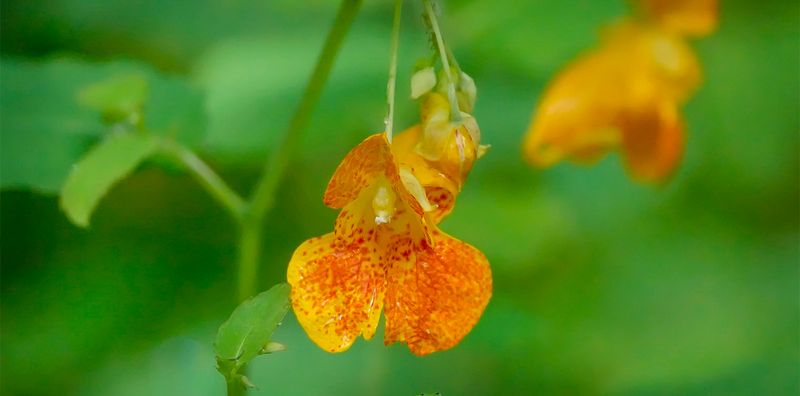
Jewelweed dazzles with its vibrant orange, trumpet-shaped flowers that beckon to hummingbirds. This annual thrives in moist, shady areas, often found near streams and wetlands. Its explosive seed pods are a delight for children and curious gardeners alike. Beyond its beauty, Jewelweed has practical uses, known for its soothing properties against poison ivy. This plant brings a splash of color to the shade, creating lively, animated garden corners filled with wildlife activity.
12. Cleavers (Galium aparine)
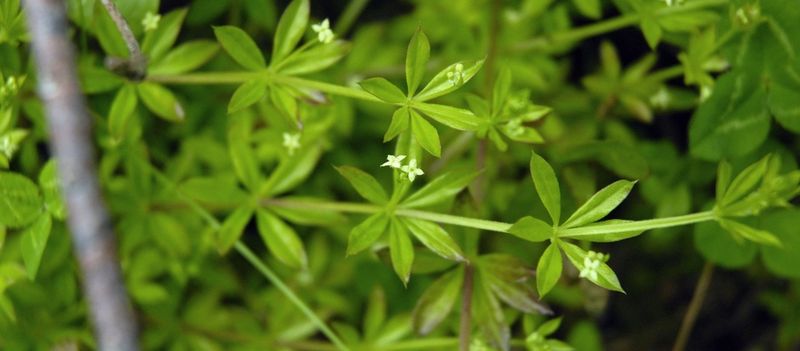
Cleavers offers a delicate touch with its sprawling stems and tiny white flowers. This annual is adept at covering ground in shaded, naturalized spaces, creating a soft, green blanket. Known for its ability to ‘cleave’ or cling to surfaces, it adds texture to the garden. Cleavers thrives in moist, well-drained soils and plays a role in traditional herbal remedies. Its understated elegance makes it a charming addition to informal garden settings.
13. Partridge Pea (Chamaecrista fasciculata)
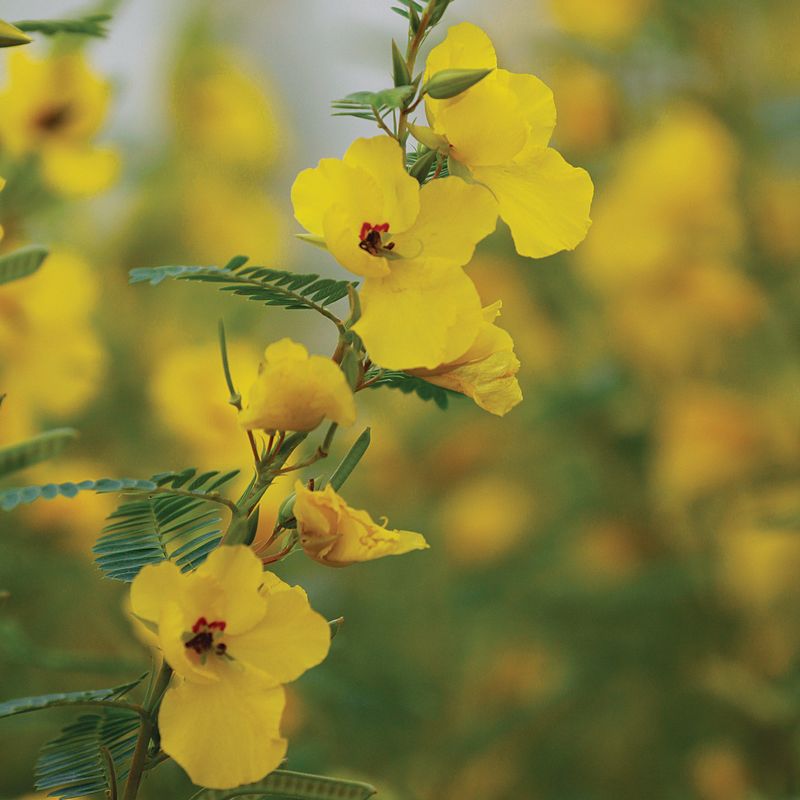
Partridge Pea is a bright beacon with its showy yellow flowers, thriving at the edges of shady forests. This annual or short-lived perennial supports pollinators, playing a crucial role in local ecosystems. Its fine, fern-like foliage creates an airy texture, complementing its vibrant blooms. Partridge Pea prefers well-drained soils and can tolerate partial shade, making it a versatile addition to native plant gardens. It brings a sunny disposition to shaded areas, inviting pollinators to visit.
14. Black Cohosh (Actaea racemosa)
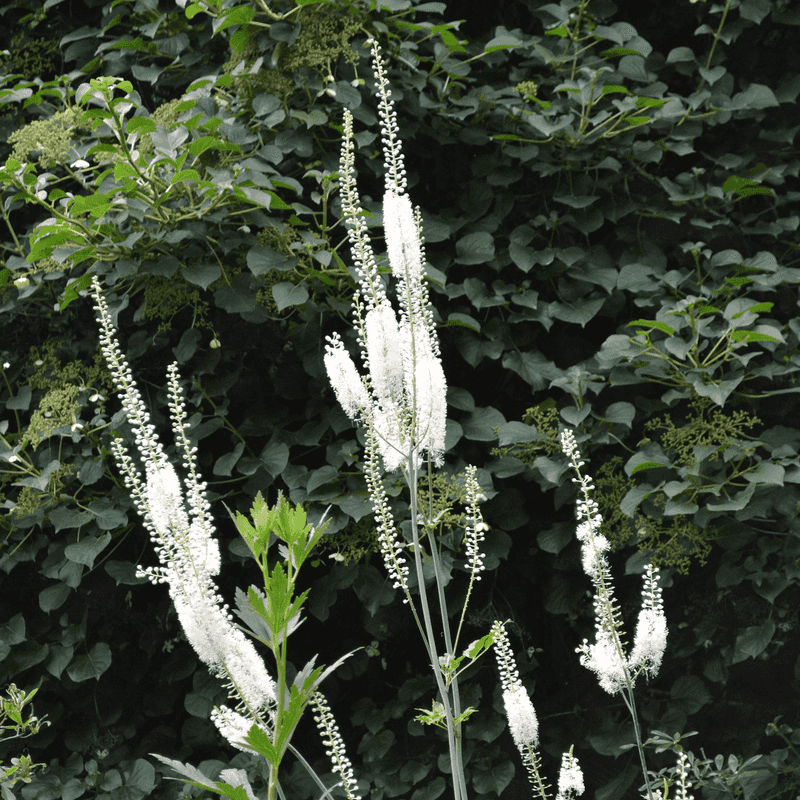
Black Cohosh stands tall with its dramatic spires of white flowers, bringing architectural interest to shaded gardens. Blooming in mid-summer, it prefers rich, moist soils and is often found in woodland environments. The plant’s striking presence is enhanced by its historical use in traditional medicine. Black Cohosh not only captivates with its height and elegance but also supports local wildlife by providing nectar for pollinators. It’s a remarkable choice for adding drama to the shade garden.
15. Golden Ragwort (Packera aurea)
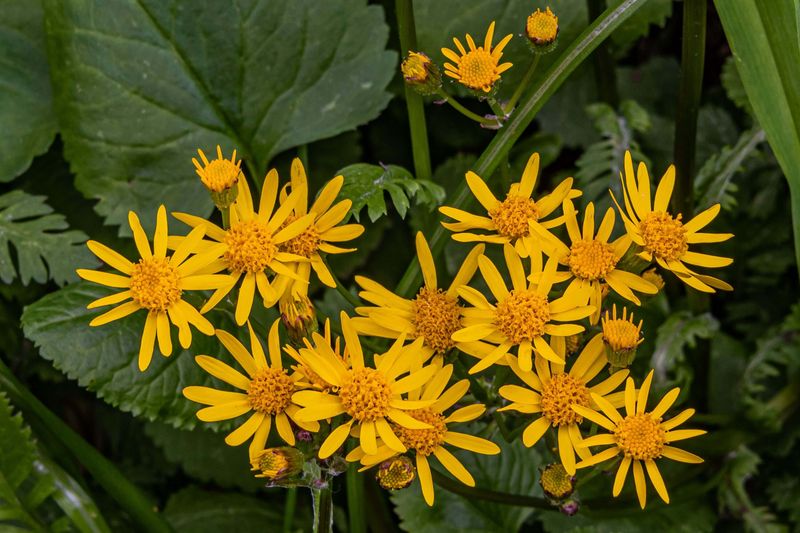
Golden Ragwort adds a splash of sunshine to the shaded garden with its bright yellow flowers and evergreen basal rosettes. This perennial spreads easily, providing groundcover in moist, wooded areas. Its cheerful blooms attract pollinators, creating a lively garden atmosphere. Golden Ragwort is known for its low maintenance and adaptability, thriving in a variety of soil conditions. It offers a burst of color and life, making it a staple in native plant gardens.
16. False Solomon’s Seal (Maianthemum racemosum)
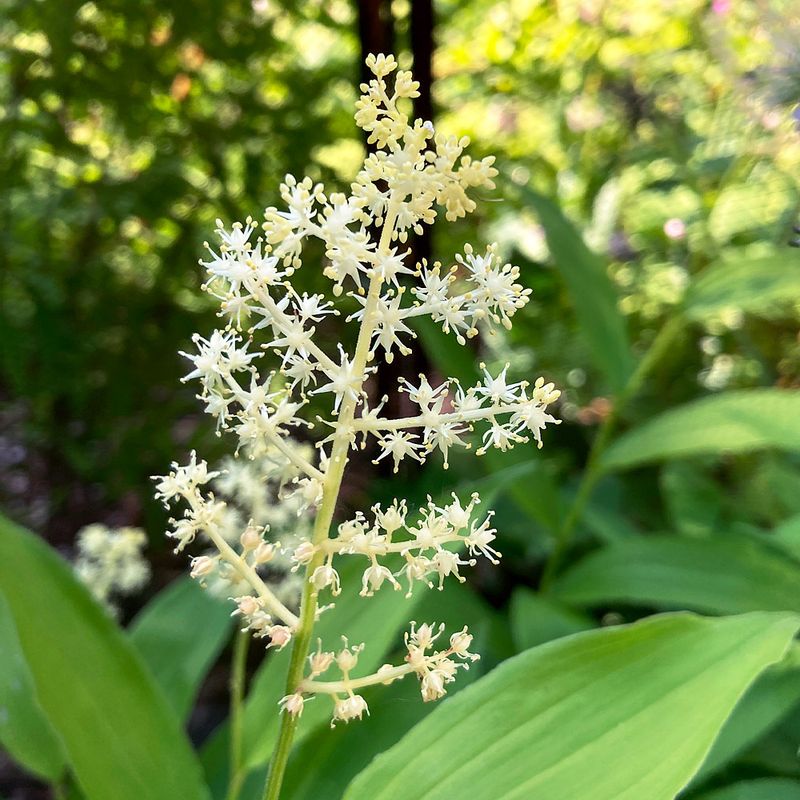
False Solomon’s Seal enchants with its white, feathery blooms that give way to red berries in the fall. This perennial thrives in rich, wooded areas, preferring well-drained soils. It adds a layer of texture and interest with its arching stems and lush foliage. False Solomon’s Seal supports wildlife, with its berries being a favorite of birds. Its seasonal transformation from blooms to berries makes it a dynamic addition to shaded landscapes, offering beauty year-round.
17. Mayapple (Podophyllum peltatum)
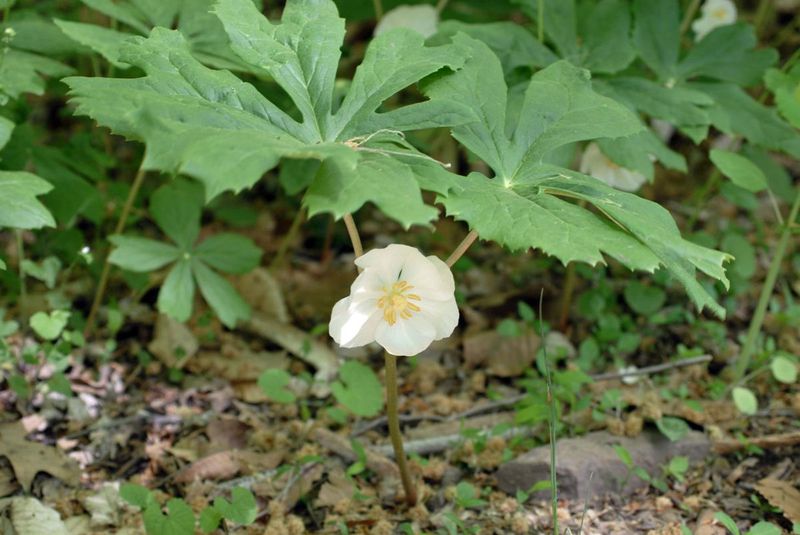
Mayapple is a woodland wonder with its umbrella-like leaves and nodding white blooms. This perennial forms dense colonies, creating a lush, green carpet in shaded areas. Preferring rich, moist soils, it thrives in deciduous forests. Mayapple’s unique appearance is complemented by its historical use in traditional medicine. The plant’s charming blooms and foliage bring intrigue to the garden, inviting exploration and discovery. It’s a perfect choice for naturalizing shade gardens.
18. Wild Geranium (Geranium maculatum)
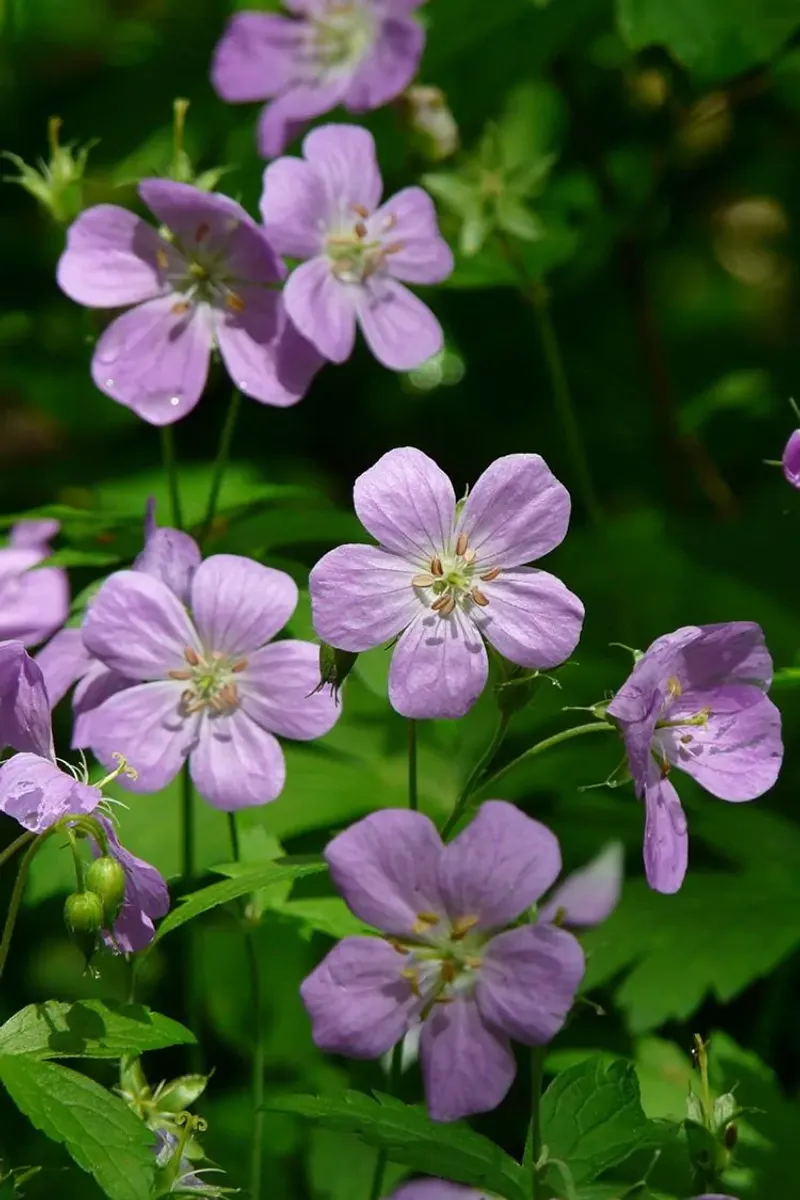
Wild Geranium enchants with its soft lavender flowers and deeply divided leaves. This perennial thrives in shaded gardens, adding a touch of color to spring landscapes. It prefers rich, moist soils and is often found in woodland settings. Wild Geranium’s blooms attract pollinators, supporting local ecosystems. Its delicate beauty and resilience make it a favorite among gardeners. This plant offers a gentle, understated elegance, perfect for enhancing shaded garden areas with its subtle charm.
19. Spotted Cranesbill (Geranium bicknellii)
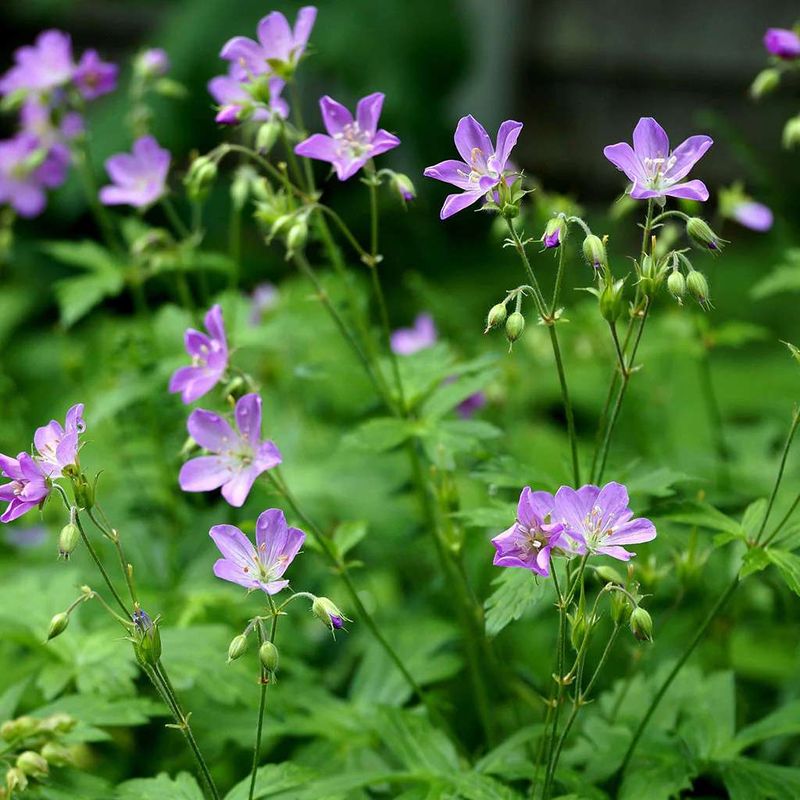
Spotted Cranesbill is a rare native annual with small, enchanting purple flowers. Found in dappled shade, it adds a whimsical touch to naturalized garden areas. This plant prefers well-drained soils and thrives in woodland settings. Its delicate blooms provide a splash of color, attracting pollinators with their subtle charm. Spotted Cranesbill brings a sense of rarity and uniqueness to the garden, making it a collector’s delight. Its presence adds depth and interest, ideal for shaded landscapes.
20. Enchanter’s Nightshade (Circaea lutetiana)
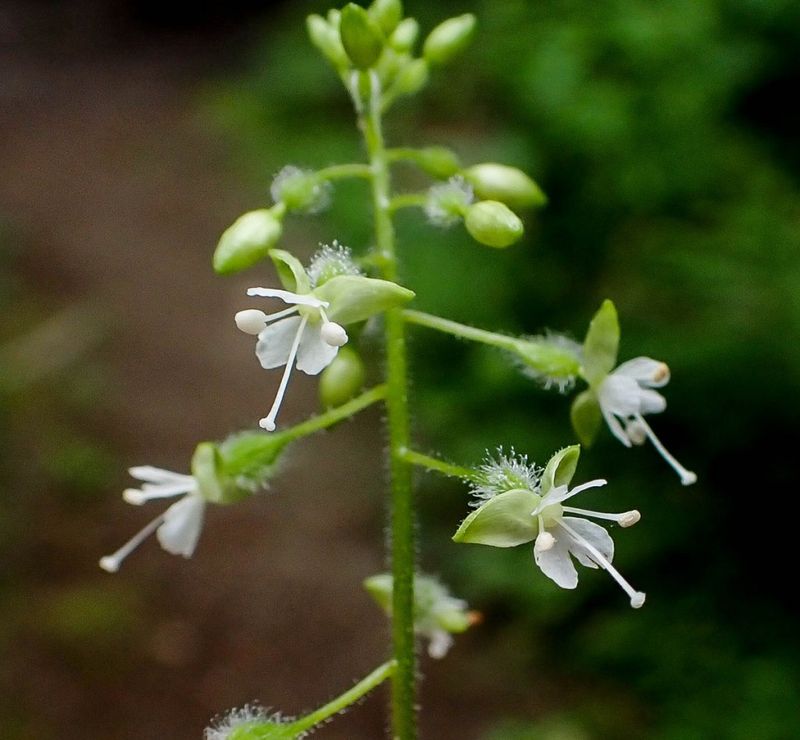
Enchanter’s Nightshade weaves a spell with its delicate white flowers and intriguing, fuzzy seed pods. This perennial thrives in moist, shaded environments, often found in forested areas. Its understated elegance and soft form create a sense of mystery and enchantment in the garden. The plant prefers rich, well-drained soils and offers habitat for various wildlife. Enchanter’s Nightshade is a subtle beauty, perfect for adding depth and texture to shaded garden spaces.