
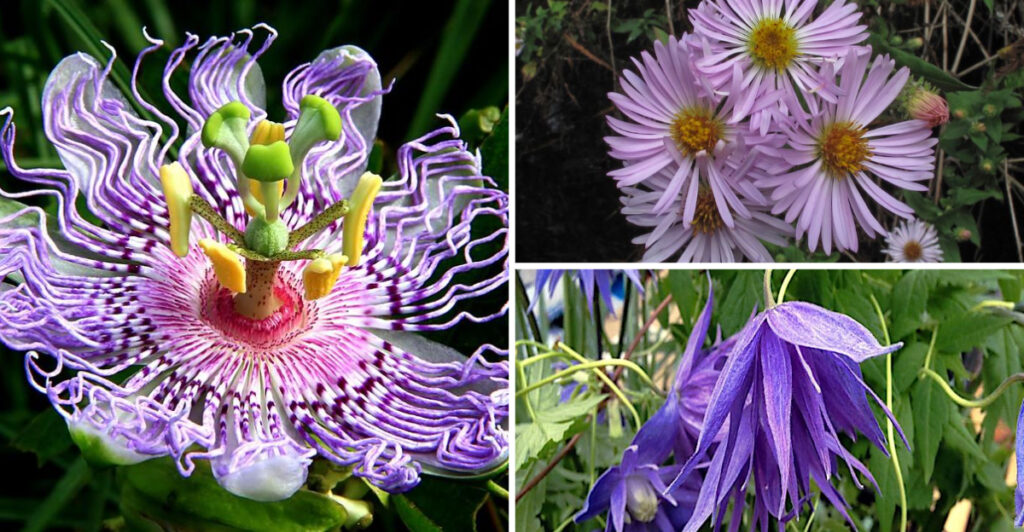
Explore a diverse collection of native vines that flourish in both the sunlit and shaded areas of Southeast Virginia. These resilient and beautiful vines not only enhance the landscape but also support local wildlife and biodiversity.
From vibrant blooms to lush foliage, each vine brings a unique charm to gardens and natural spaces. Whether you seek vines for pollinator-friendly gardens or natural groundcover, this guide highlights the perfect candidates for your Southeastern Virginia garden.
1. Virginia Creeper (Parthenocissus quinquefolia)
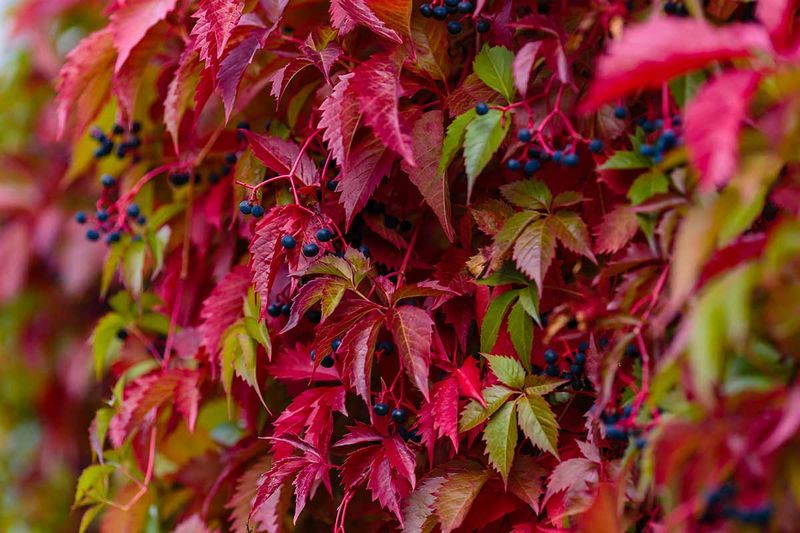
Virginia Creeper surprises with its stunning autumn transformation. In fall, its leaves blaze in shades of red, creating a visual spectacle. Ideal as groundcover or a climber, it adapts to various settings, wrapping around trellises, walls, or fences.
This native vine grows rapidly, making it a superb choice for naturalizing areas or covering unsightly structures. It offers habitat for small creatures and contributes to the ecosystem. Virginia Creeper’s versatility and seasonal beauty make it a garden favorite, adding year-round interest to Southeastern Virginia landscapes.
2. Coral Honeysuckle (Lonicera sempervirens)
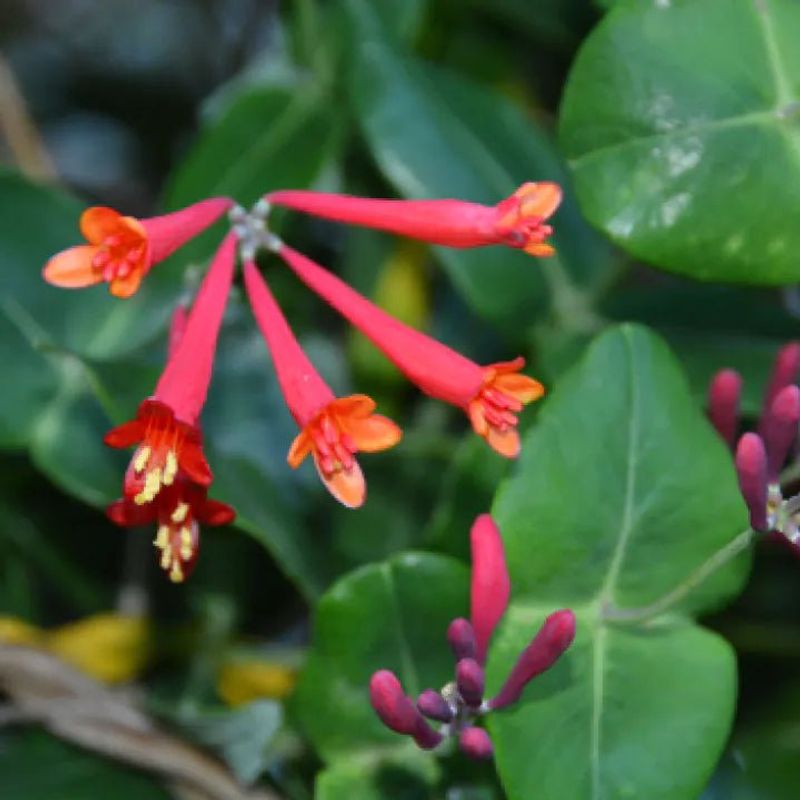
Coral Honeysuckle captivates with its bright red tubular flowers, a magnet for hummingbirds. Unlike its invasive relatives, this honeysuckle is well-mannered and gentle, perfect for garden enthusiasts.
Its non-aggressive nature allows it to thrive harmoniously with other plants. A perennial favorite, Coral Honeysuckle offers beauty without the worry of rampant growth. This native vine is a fitting choice for gardeners seeking colorful blooms that also support pollinators.
Whether cascading over a fence or winding up a trellis, it effortlessly enhances Southern gardens.
3. Trumpet Creeper (Campsis radicans)
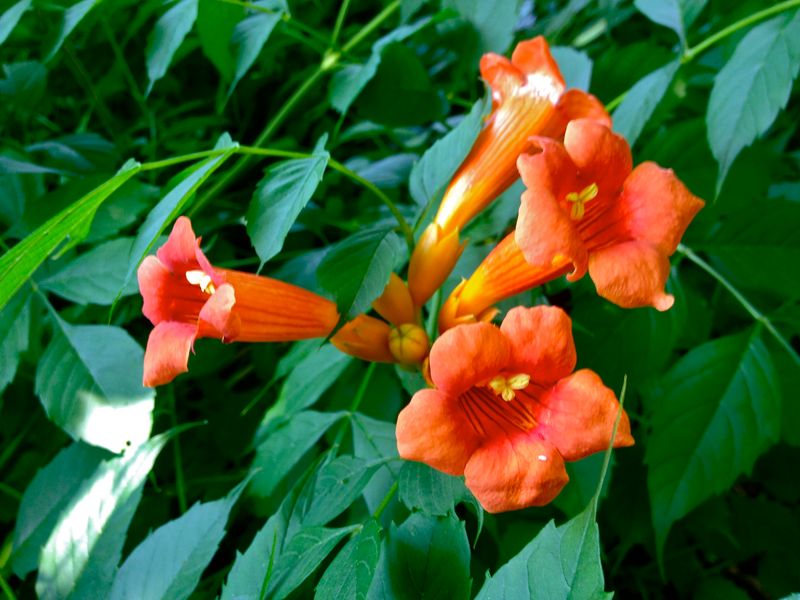
Trumpet Creeper dazzles with its bold, orange-red trumpet flowers that bloom all summer. These striking blooms are beloved by hummingbirds, adding vibrant life to gardens.
This vigorous vine requires room to grow, ideal for large spaces or wild areas. Its robust nature can overwhelm smaller gardens but provides excellent coverage for fences or arbors.
Trumpet Creeper’s exuberance and wildlife attraction make it a standout choice for those seeking lively, dynamic landscapes. Its ability to fill space with color and life is unmatched, offering ecological and aesthetic benefits.
4. Crossvine (Bignonia capreolata)
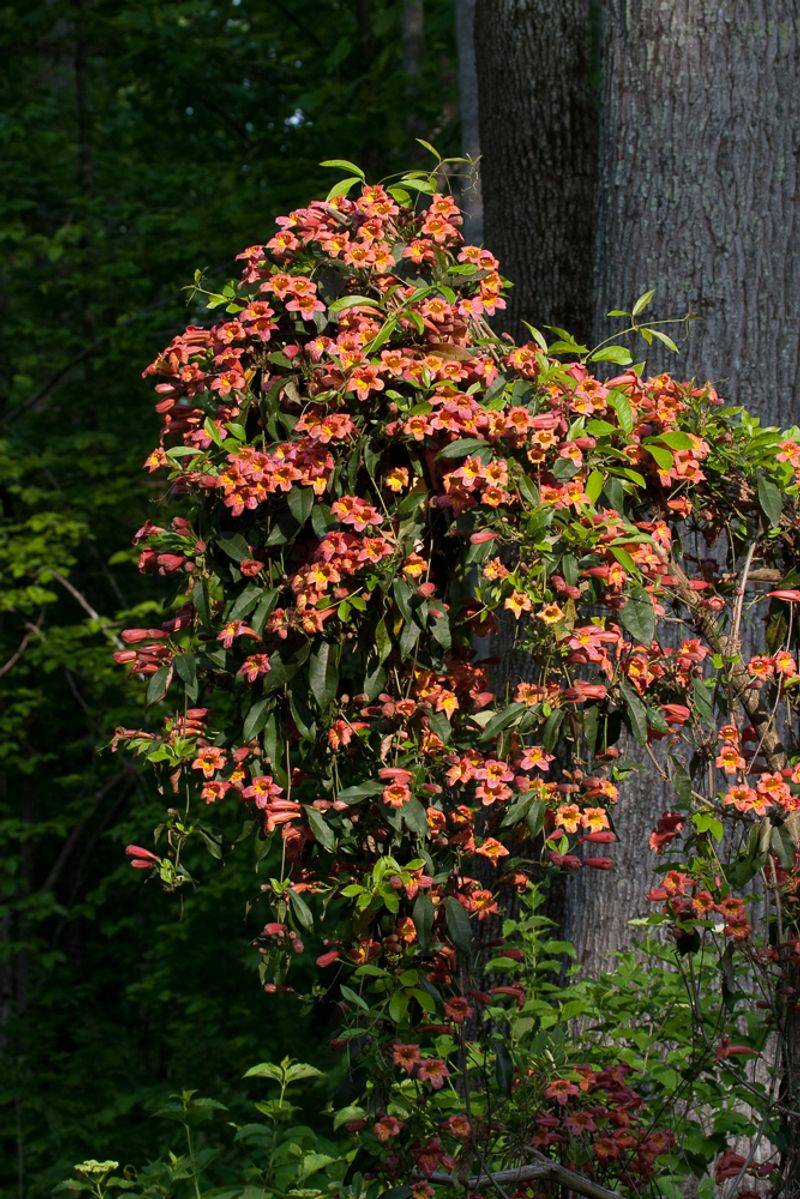
Crossvine enchants with its orange to reddish blooms appearing in early spring. These blossoms herald the season’s change, providing early color to landscapes.
Evergreen foliage ensures year-round interest, while its tendrils make it an excellent climber for vertical accents. Crossvine is perfect for adding depth and dimension to gardens, supporting the vertical element with grace.
Its resilience and beauty make it a top choice for those wanting to combine structural elegance with natural allure. Whether on walls or trellises, Crossvine’s charm is undeniable in Southeastern Virginia.
5. Passionflower (Passiflora incarnata)
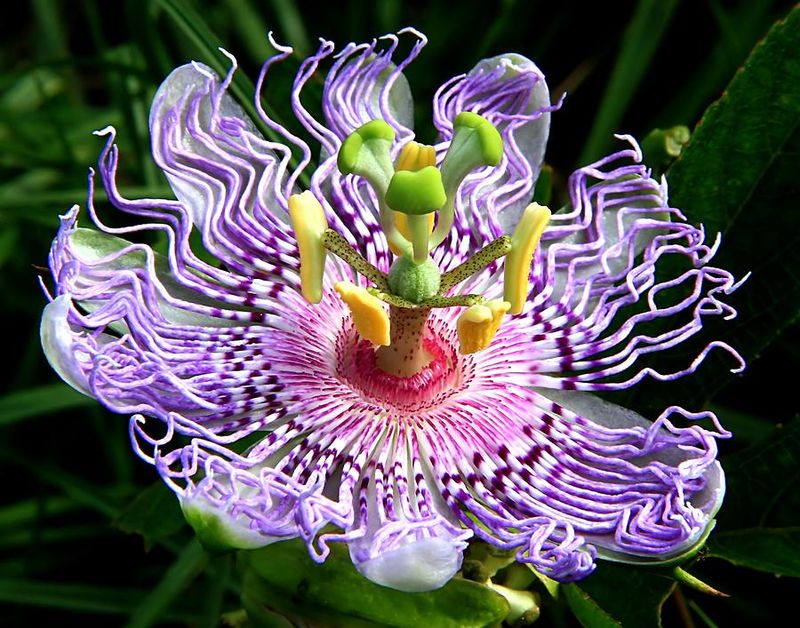
Passionflower intrigues with its exotic-looking purple flowers and edible fruit. Its unique blossoms draw attention and curiosity, making it a captivating garden addition.
Not just for looks, it serves as a larval host for several butterfly species, supporting biodiversity. This vine’s multifaceted nature makes it both functional and beautiful, an environmental asset and visual delight.
Whether grown for its fruit or its floral display, Passionflower enhances gardens with its aesthetic and ecological contributions. Its presence in Southeast Virginia gardens is both beneficial and enchanting.
6. American Wisteria (Wisteria frutescens)
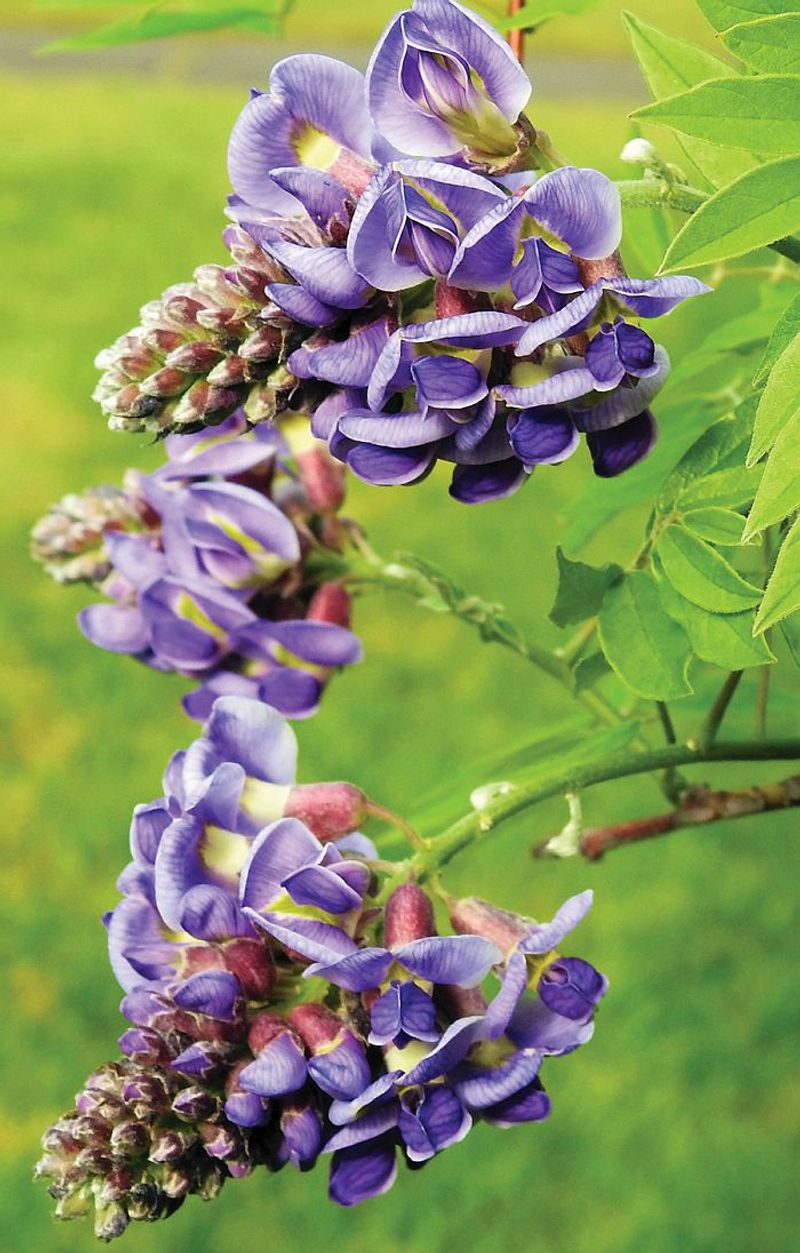
American Wisteria offers a non-invasive alternative to its Asian counterparts, gracing gardens with its lavender flower clusters. It’s a friendly vine that respects its surroundings, unlike its more aggressive relatives.
In late spring, the blooms appear, infusing gardens with elegance and a sweet scent. American Wisteria is perfect for pergolas, providing a lush, flowering canopy.
This native vine is a gardener’s ally in creating beautiful, manageable spaces. Its charm lies in its restraint and beauty, offering a taste of luxury without the maintenance headache.
7. Climbing Aster (Ampelaster carolinianus)
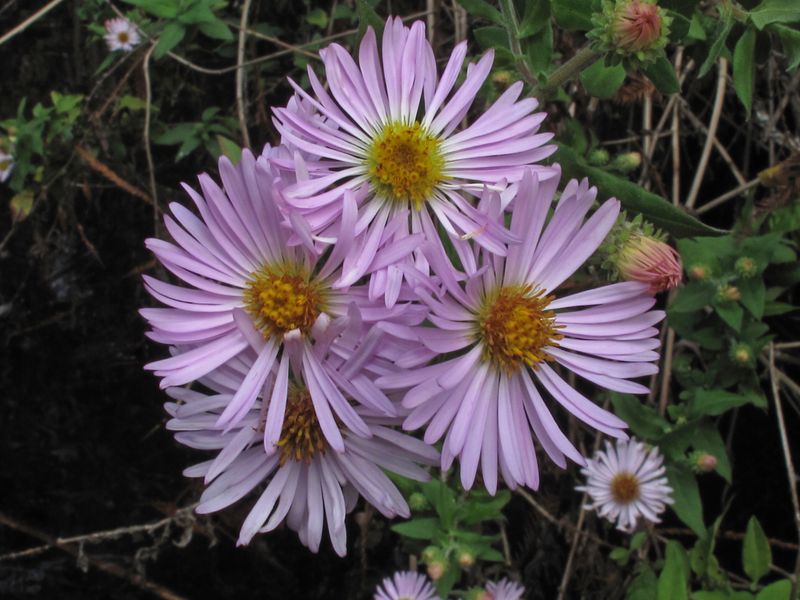
Climbing Aster delights with its lavender-pink blooms that persist into late fall, a time when most flowers have faded. It offers a last glimpse of floral beauty before winter.
This perennial’s vine-like habit makes it a unique addition to gardens, providing vertical interest. Its blossoms add color and life to fading landscapes.
A favorite of pollinators, Climbing Aster supports local ecosystems while beautifying spaces. For those seeking late-season charm, this vine is an invaluable asset, bridging the gap between seasons with grace and color.
8. Leatherflower (Clematis viorna)
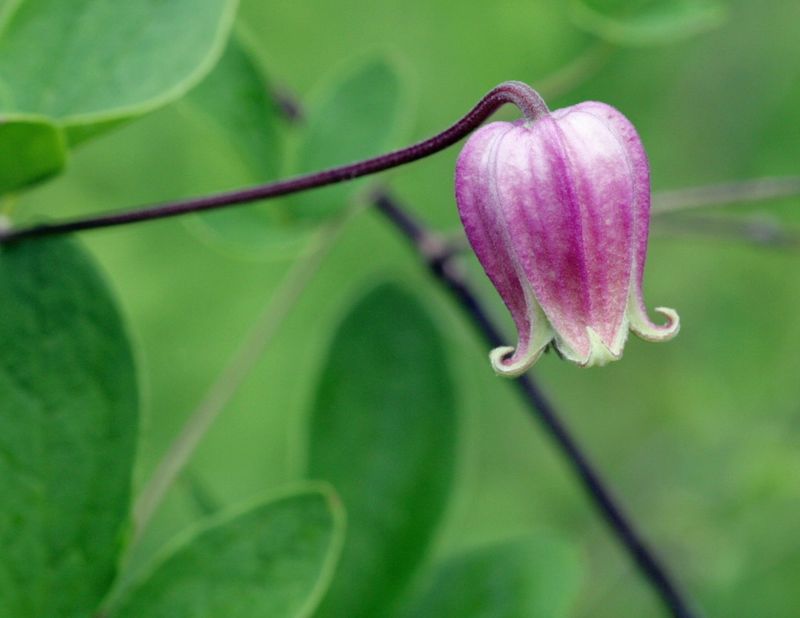
Leatherflower captivates with its bell-shaped blossoms in shades of purple and rose. Its fluffy seed heads add interest long after the blooms fade.
This non-aggressive clematis species is a charming garden companion, offering elegance without overpowering other plants. Its delicate nature makes it suitable for a variety of garden styles.
With its understated beauty and adaptability, Leatherflower enhances gardens with its subtle charm. Perfect for those who appreciate gentle yet engaging plant companions, it’s a delightful addition to Southeast Virginia landscapes.
9. Dutchman’s Pipevine (Aristolochia macrophylla)
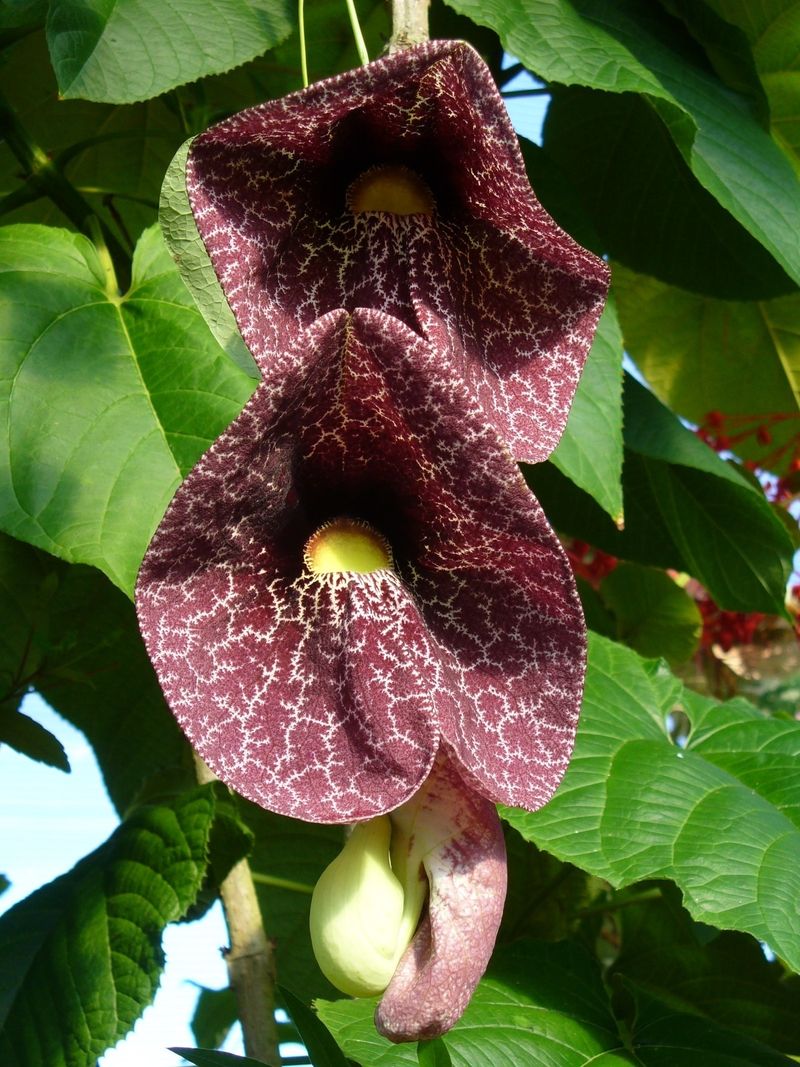
Dutchman’s Pipevine stands out with its large, lush leaves and uniquely shaped pipe-like flowers. Its distinctive appearance makes it an intriguing garden feature.
Beyond aesthetics, it’s an important host plant for Pipevine Swallowtail butterflies, supporting local fauna. This vine’s ecological role and striking looks combine functionality with visual appeal.
For those interested in creating habitat and adding unique charm, Dutchman’s Pipevine offers both. Its presence in gardens enriches the environment, blending beauty with ecological responsibility.
10. Yellow Jessamine (Gelsemium sempervirens)
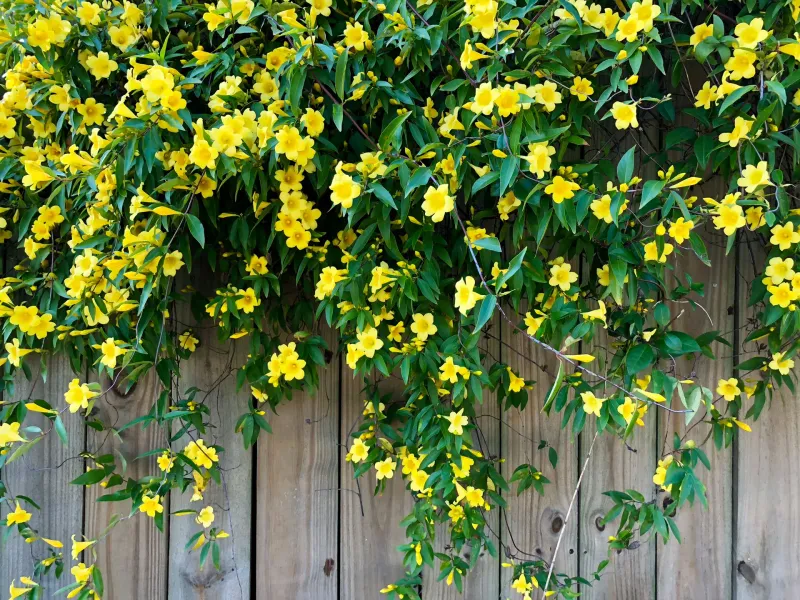
Yellow Jessamine enchants with its fragrant yellow flowers that bloom in early spring, heralding the season’s arrival. Its evergreen nature provides lasting greenery even in mild winters.
Ideal for fences and pergolas, this climber adds a sweet scent and vibrant color to gardens. Yellow Jessamine’s charm lies in its early blooms and evergreen presence, offering year-round appeal.
For those seeking fragranced beauty and structure, this vine is an excellent choice. Its ability to thrive and adorn spaces makes it a garden staple in Southeastern Virginia.
11. Eastern Poison Ivy (Toxicodendron radicans)
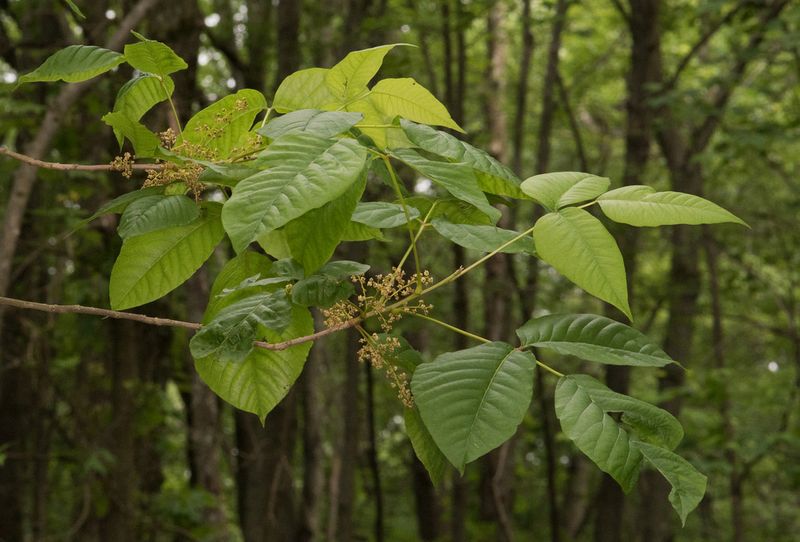
Eastern Poison Ivy, while not suited for gardens due to its irritant oil, is a native vine that supports local wildlife. Its lush, three-leaf clusters provide food and habitat for various species.
Although caution is needed, its ecological benefits cannot be overlooked. It plays a role in natural settings, contributing to biodiversity.
Awareness of its presence and role is vital for gardeners and nature enthusiasts. Understanding its place in the ecosystem helps balance human interaction with natural habitats, even with its challenging aspects.
12. Carolina Jessamine (Gelsemium rankinii)
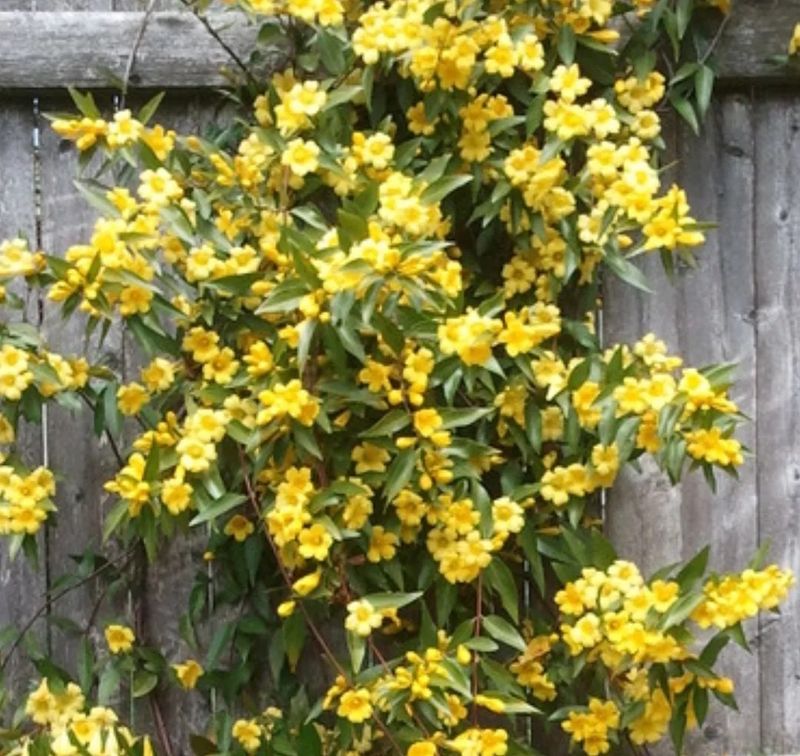
Carolina Jessamine, a rarer native vine, graces gardens with golden flowers similar to its cousin, Yellow Jessamine. It thrives in moist areas, preferring lush, verdant environments.
Its vibrant blooms and climbing habit make it suitable for trellises and garden structures. This vine’s charm is in its rarity and adaptability, bringing golden hues to Southeastern gardens.
For those seeking a unique, native climber with vibrant floral displays, Carolina Jessamine offers a distinctive option. Its presence in gardens is both visually and ecologically enriching.
13. Carrion Flower (Smilax herbacea)
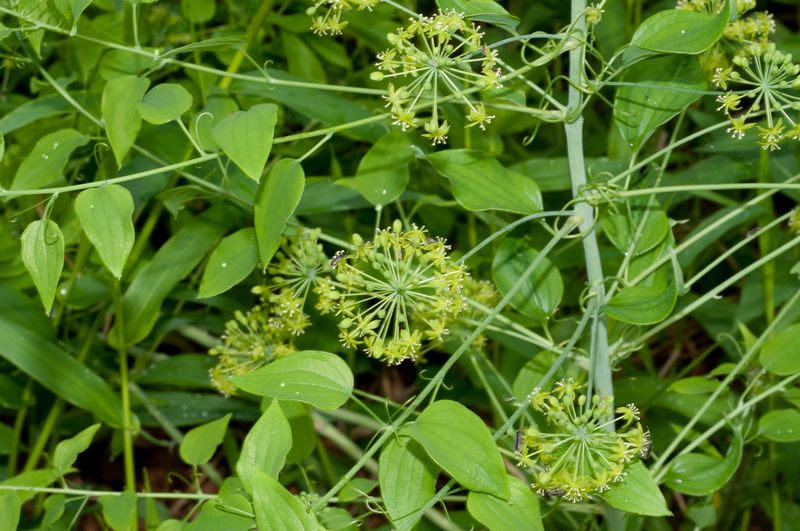
Carrion Flower intrigues with its climbing tendrils and heart-shaped leaves. Its green flowers, while not showy, play a vital role in supporting caterpillars and beneficial insects.
This herbaceous vine offers ecological advantages, promoting biodiversity in gardens. Its subtle presence enhances naturalistic settings, providing structure and habitat.
For gardeners interested in supporting wildlife, Carrion Flower is an excellent choice. Its understated beauty and ecological contributions make it a valuable addition to Southeast Virginia gardens, blending seamlessly with natural landscapes.
14. Greenbrier (Smilax rotundifolia)
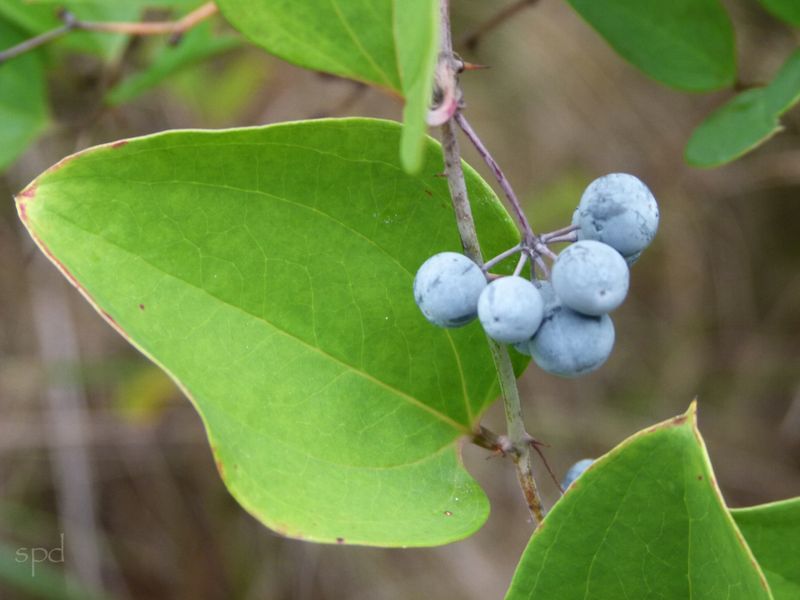
Greenbrier, with its thorny presence, offers glossy leaves and blue berries that feed birds. While considered aggressive, it plays an ecologically important role in wild areas.
This vine’s ability to provide food and shelter makes it a crucial part of the ecosystem. Its resilience and adaptability allow it to thrive in various environments.
For those managing wild spaces, Greenbrier is a valuable plant. Though challenging in gardens, its ecological function is undeniable, supporting wildlife and enhancing natural habitats in Southeast Virginia.
15. Downy Clematis (Clematis crispa)
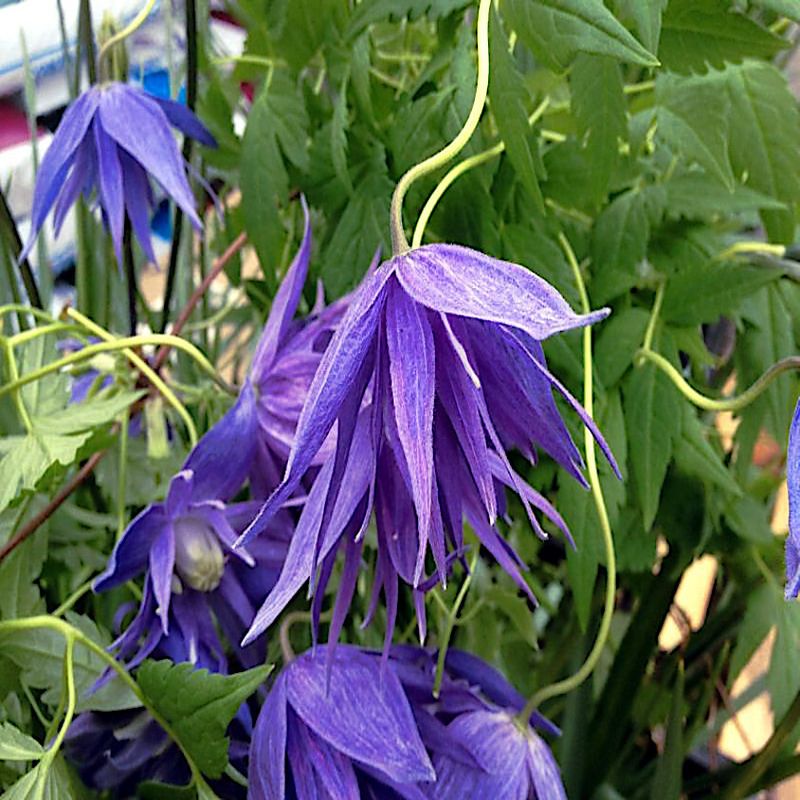
Downy Clematis, also known as swamp leatherflower, features nodding, bell-shaped flowers perfect for moist, shaded conditions. Its delicate appearance belies its resilience, thriving where other vines may struggle.
This native vine adds charm to shaded gardens, providing color and texture in less sunny areas. Its ability to flourish in damp conditions makes it a versatile choice.
For those seeking a vine to brighten shady spots, Downy Clematis is an ideal candidate. Its subtle beauty and adaptability make it a standout in Southeastern Virginia landscapes, adding elegance and interest.