
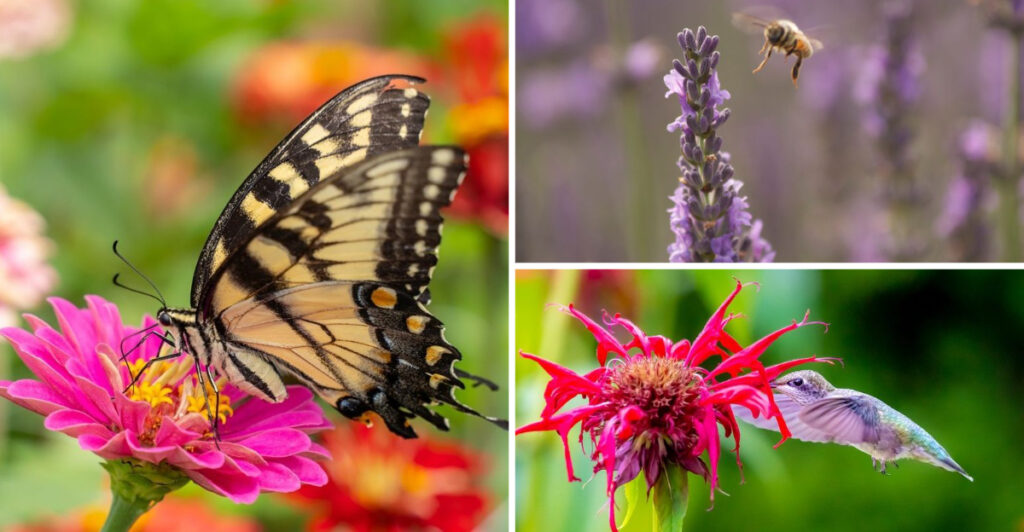
Explore a colorful garden teeming with life by choosing flowers that naturally attract bees, butterflies, and hummingbirds. These blooms not only enhance the beauty of any garden but also play a crucial role in supporting pollinators crucial for the ecosystem. Discover each flower’s unique charm and how they contribute to a vibrant habitat.
1. Lavender
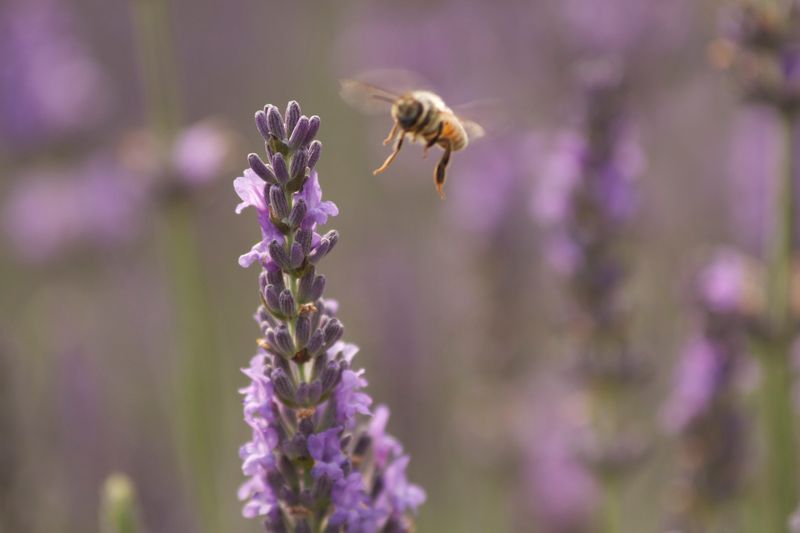
Lavender, with its calming fragrance, serves as a magnet for bees, butterflies, and the occasional hummingbird. Its vibrant purple spikes add a serene touch to gardens while providing vital nectar. Historically, lavender has been cherished for its soothing scent and medicinal qualities. In ancient times, it was used in baths and for its healing properties.
Imagine a summer’s day where the air is filled with the gentle hum of pollinators. This aromatic plant is both a feast for the eyes and a haven for wildlife, ensuring your garden remains lively and fragrant.
2. Bee Balm
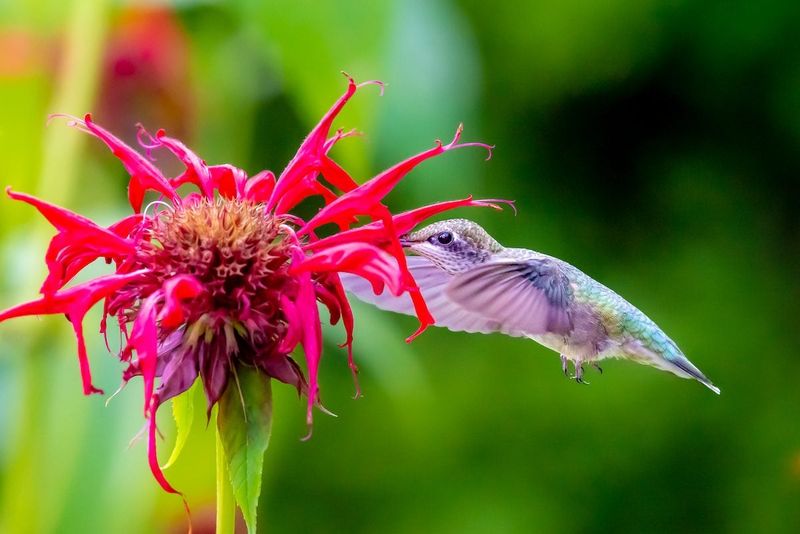
Bee Balm, often known as a ‘pollinator powerhouse,’ is famous for its showy red, pink, or purple blooms. These colorful clusters are irresistible to bees, butterflies, and hummingbirds. The plant’s spicy-sweet scent and tubular flowers cater perfectly to these creatures.
Originating in North America, Bee Balm has been used by Native Americans for medicinal purposes. Today, it stands as a vibrant addition to any pollinator-friendly garden, providing not just color but also a natural remedy for headaches and infections.
3. Sunflower
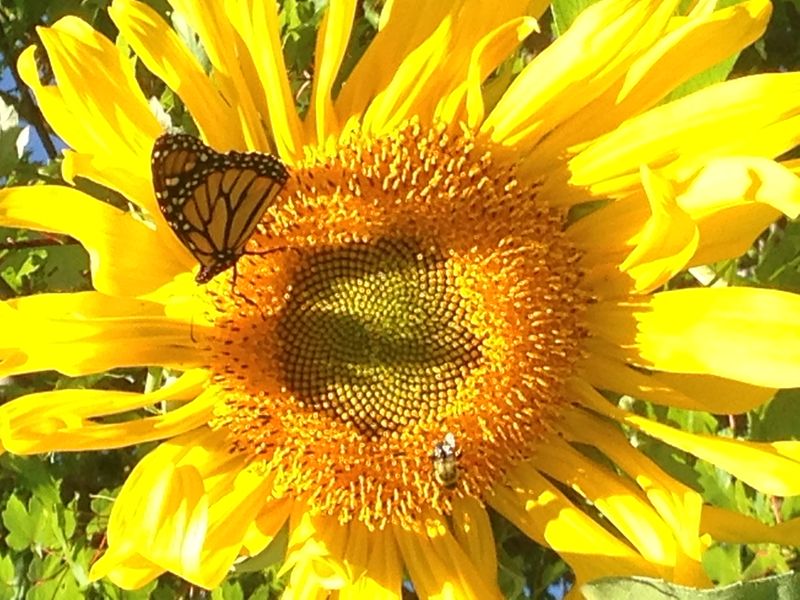
With their towering presence, sunflowers offer more than just a sunny disposition. These giant blooms attract a myriad of bees, butterflies, and even hungry hummingbirds drawn to their seeds. Their broad, golden faces track the sun, providing essential energy to pollinators throughout the day.
Sunflowers symbolize adoration and loyalty, often linked to Greek mythology and the tale of Clytie and Apollo. This iconic flower brings warmth to any garden and supports a robust ecosystem.
4. Zinnia
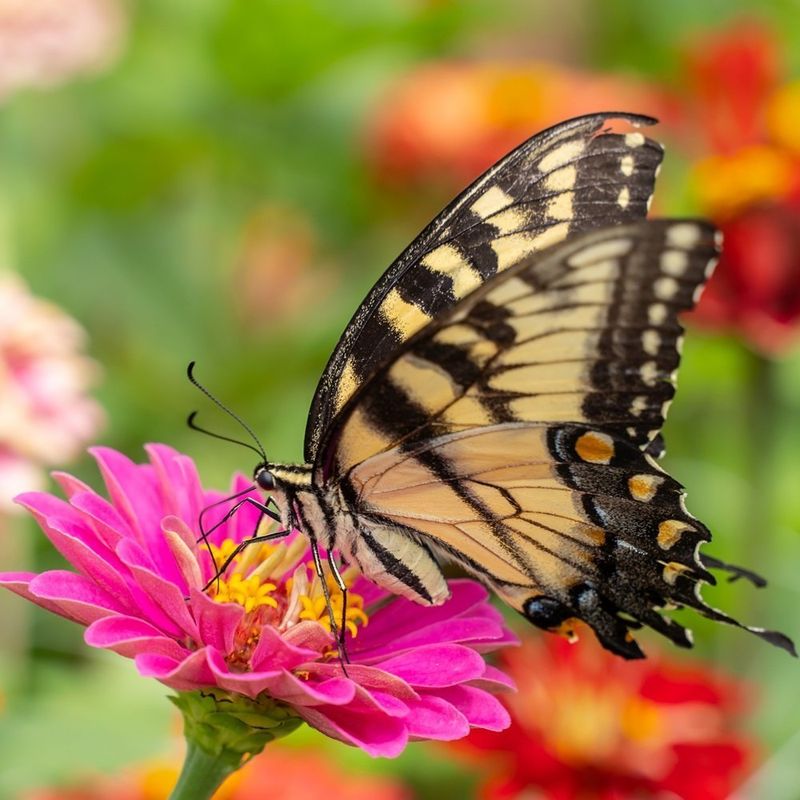
Zinnias, with their vibrant blooms, are a favorite among butterflies. These flowers come in a rainbow of colors, creating a lively display that draws in pollinators. Their long-lasting nature means they provide ample nectar throughout the growing season.
Originating from Mexico, zinnias have been cultivated for their beauty and resilience. They are easy to grow and add a splash of color to any garden, making them perfect for both novice and experienced gardeners alike.
5. Salvia
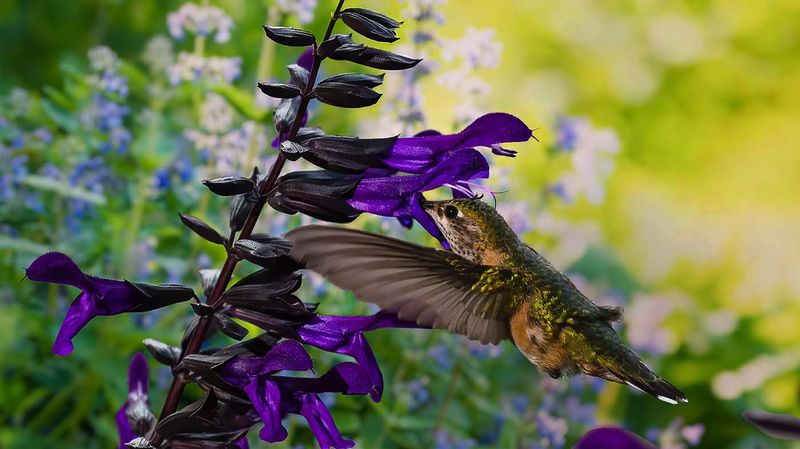
Salvia is not just a treat for the eyes, but a delight for pollinators too. Its spiky blooms, usually in shades of blue and purple, are a beacon for bees, butterflies, and hummingbirds. Salvia’s rich nectar and long blooming season make it invaluable for attracting wildlife.
With a history rooted in herbal medicine, salvia has been used for its purported healing properties. This versatile plant adds both beauty and function to any garden space, ensuring it remains a lively pollinator haven.
6. Coneflower
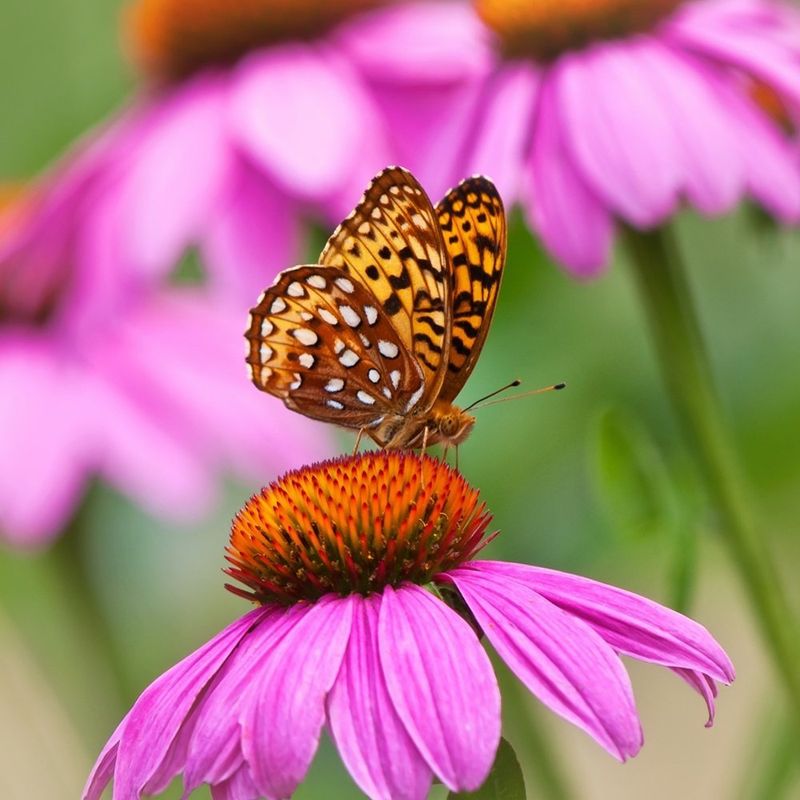
Coneflowers, recognized by their daisy-like appearance and raised centers, are beloved by gardeners and pollinators alike. These hardy blooms stand out in vibrant shades of pink, purple, and white, offering a reliable nectar source.
In folklore, coneflowers were used by indigenous peoples for their medicinal benefits, particularly in building immunity. Today, they enhance gardens with their resilience and charm, creating a sanctuary for bees and butterflies.
7. Hibiscus
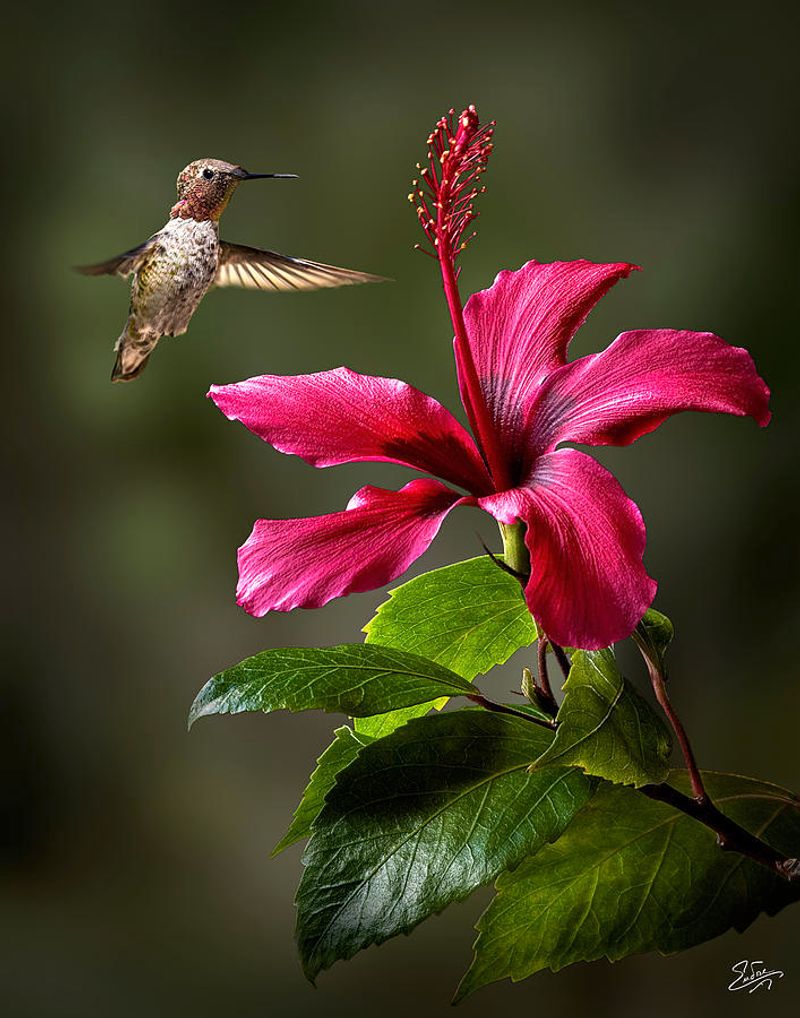
Hibiscus flowers, with their large, exotic blooms, are a tropical delight for hummingbirds and bees. The vibrant reds and pinks of the petals stand out, making them a focal point in any garden setting.
Historically, hibiscus has been associated with beauty and femininity, often used in cultural ceremonies. Its ability to thrive in warm climates while supporting local wildlife makes it a cherished addition to any tropical-themed garden.
8. Butterfly Bush
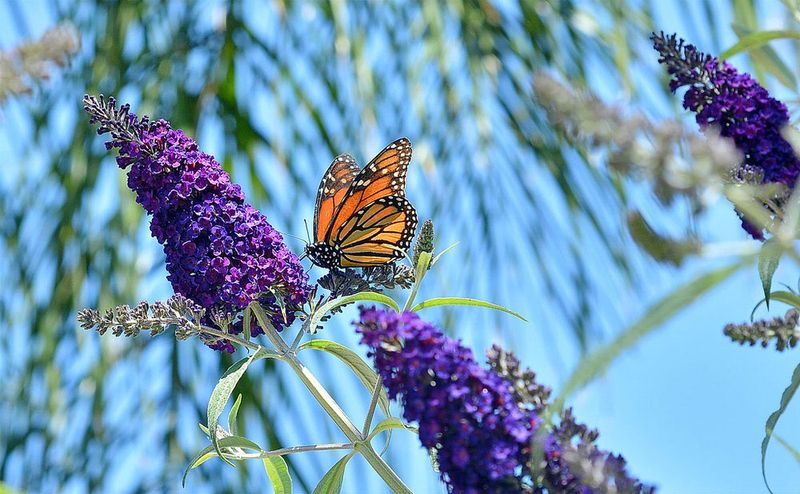
As its name suggests, the Butterfly Bush is a magnet for butterflies. This plant produces long, arching clusters of fragrant flowers that come in various shades, from pink to deep purple.
With origins in Asia, the Butterfly Bush has become a staple in many gardens for its ease of growth and the lively activity it attracts. While primarily adored by butterflies, bees and hummingbirds also find its nectar irresistible.
9. Black-eyed Susan
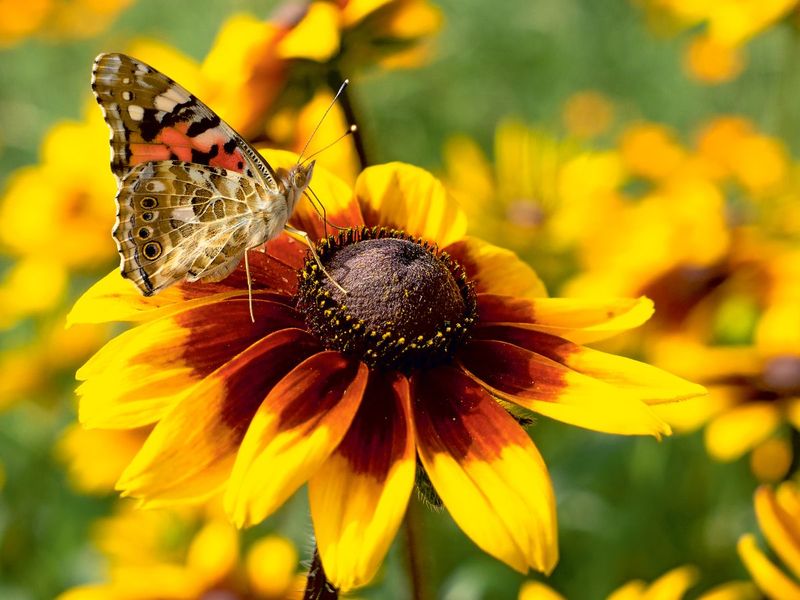
The cheerful Black-eyed Susan, with its bright yellow petals and dark centers, is a symbol of encouragement and motivation. These robust flowers are not only stunning but also support a buzzing community of bees and other pollinators.
Often found in fields and along roadsides, Black-eyed Susans are a quintessential part of the American landscape. Their presence in gardens ensures a continuous supply of nectar and a pop of sunshine throughout the season.
10. Foxglove
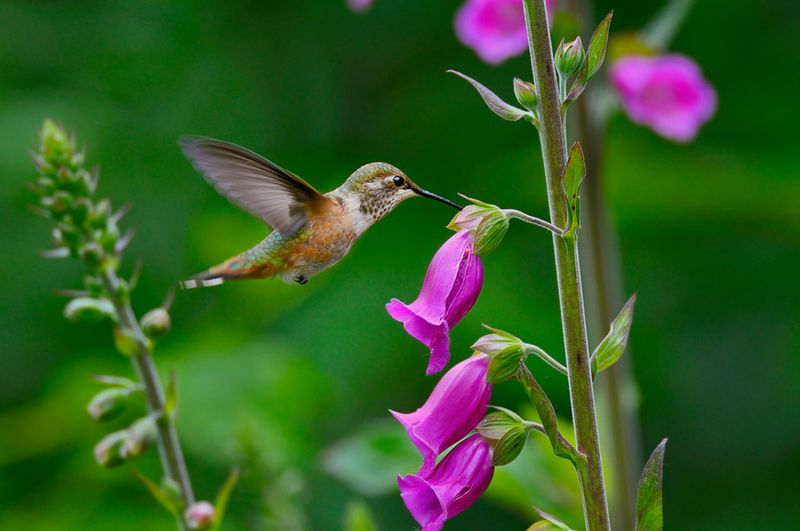
Foxglove, with its tall spires of tubular flowers, offers a dramatic flair while serving as an essential nectar source for bees and hummingbirds. The intricate design of each flower is perfectly suited for these pollinators.
Native to Europe, foxglove carries a rich history in folklore and medicine, often associated with fairies and healing. Its striking presence in gardens not only captivates human admirers but also supports the ecological cycle.
11. Lantana
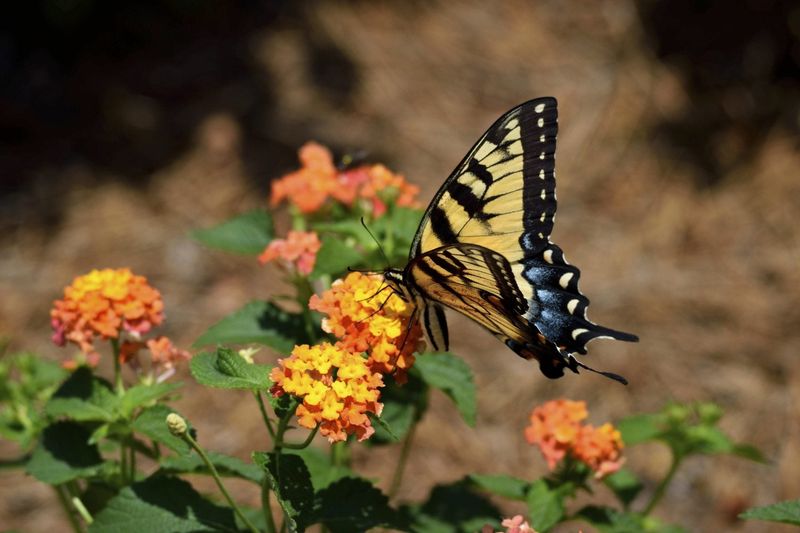
Lantana, with its clusters of small, vividly colored flowers, is a year-round delight for butterflies and bees. The plant’s ability to produce blooms in mixed colors adds a dynamic touch to gardens.
Originating from the tropical Americas, lantana is famous for its resilience and adaptability. It serves as an attractive ground cover and a vital nectar source, ensuring that gardens remain a hub of activity.
12. Petunia
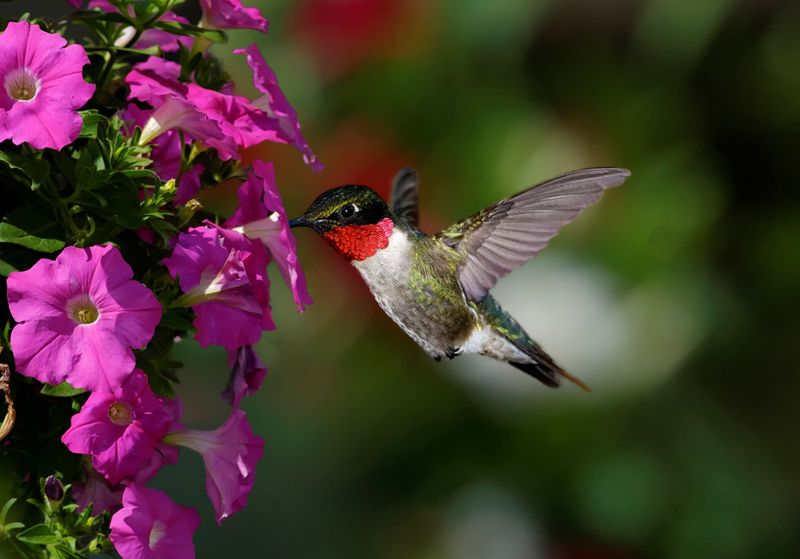
Petunias, cherished for their wide variety of colors and patterns, are a favorite choice for gardeners seeking to attract bees and hummingbirds. The trumpet-shaped blooms provide easy access to nectar.
Introduced in the 19th century, petunias quickly gained popularity worldwide. They symbolize soothing presence and flowery abundance, offering a visual treat while supporting essential pollinators.
13. Verbena
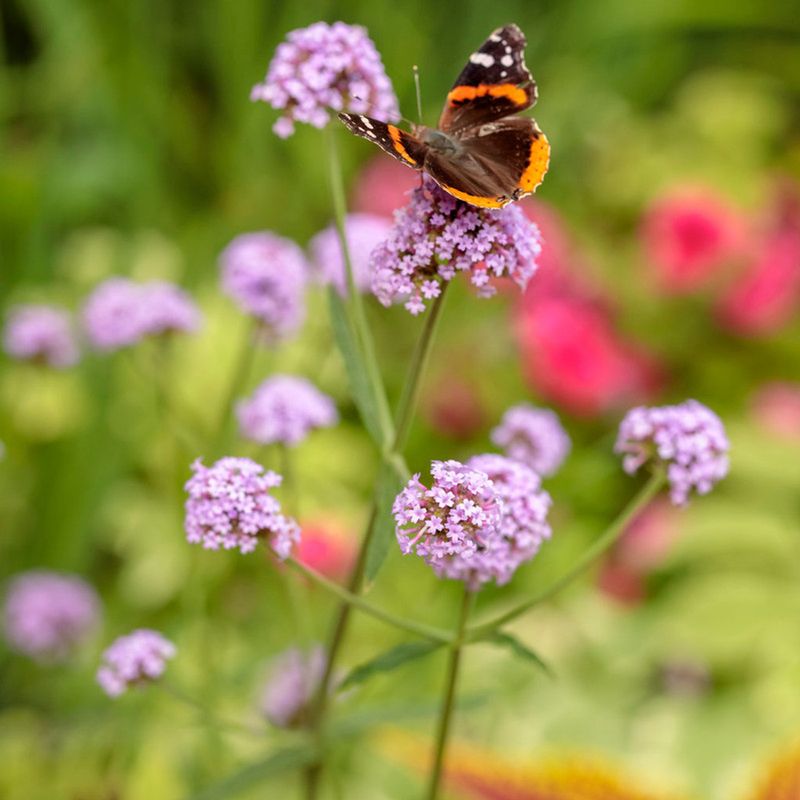
Verbena, with its delicate, clustered blooms, is a go-to for butterflies seeking nectar. This plant’s versatility allows it to thrive in many environments, contributing to a vibrant ecosystem.
Historically, verbena was considered a sacred herb, believed to possess protective properties. Its enchanting presence in gardens not only adds visual appeal but also sustains local wildlife, making it a favored choice for nature enthusiasts.
14. Marigold
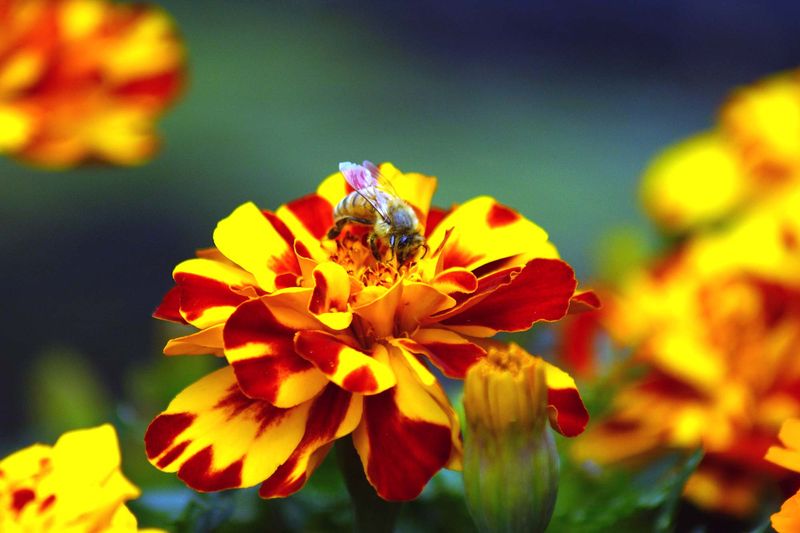
The marigold, with its brilliant orange and yellow petals, is a garden staple that attracts both bees and butterflies. Its pungent aroma and vibrant color make it a standout choice for pollinator gardens.
Marigolds have been used in various cultures for ceremonial purposes and as a natural pest deterrent. Their robust nature ensures they thrive in diverse conditions, offering beauty and support to local fauna.
15. Honeysuckle
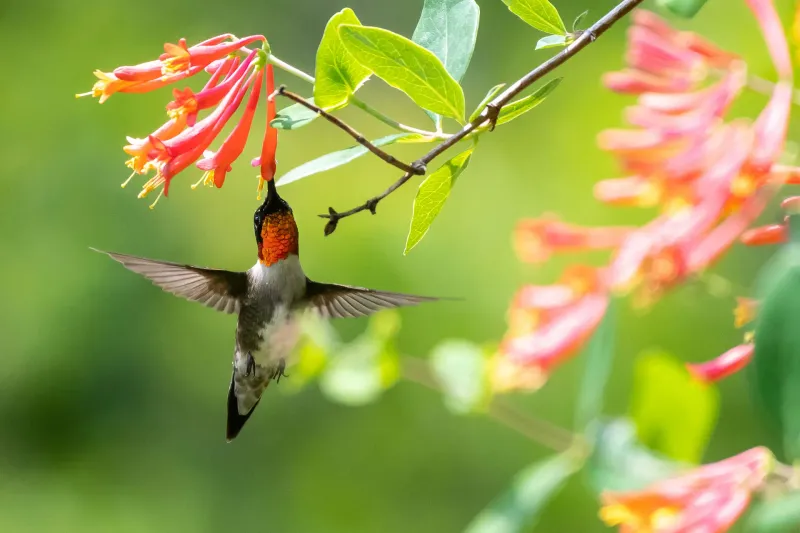
Honeysuckle vines are cherished for their sweet scent and tubular flowers, which are perfect for hummingbirds and bees. These climbers add height and fragrance to gardens, serving as a natural nectar source.
Known for their romantic connotations, honeysuckle flowers have been featured in poetry and literature, symbolizing devoted love. Their ability to attract pollinators while enhancing outdoor spaces makes them a beloved garden addition.
16. Cosmos
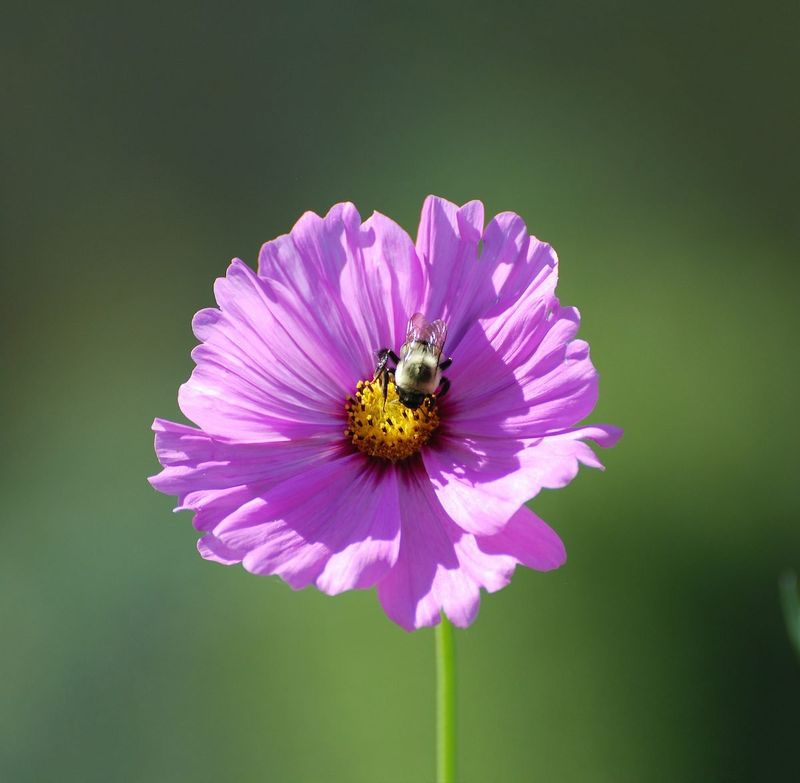
Cosmos, with their delicate, daisy-like blooms, provide a whimsical appeal while attracting butterflies and bees. These flowers are known for their easy-going nature and ability to thrive in less-than-ideal soil conditions.
Originating from Mexico, cosmos have been embraced by gardeners for their airy presence and vibrant colors. They symbolize harmony and balance, offering a serene environment for pollinators to flourish.
17. Snapdragon
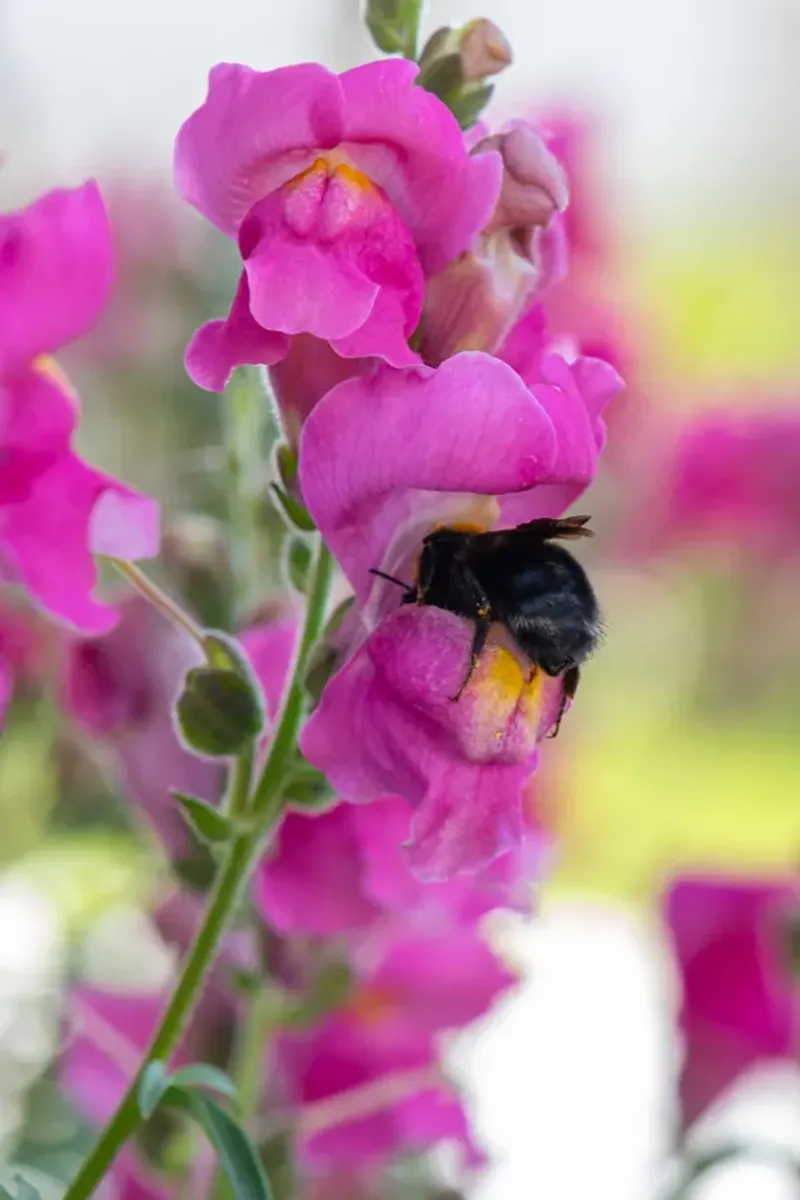
Snapdragons, named for their dragon-like blooms, captivate not just humans but also bees and occasional hummingbirds. These flowers are easy to grow and come in a myriad of colors and sizes.
The snapdragon’s intriguing name and shape have sparked the imagination of many, often linked to myths and legends. Their presence in gardens ensures a delightful display and a reliable nectar source, making them a favorite among pollinators.
18. Morning Glory
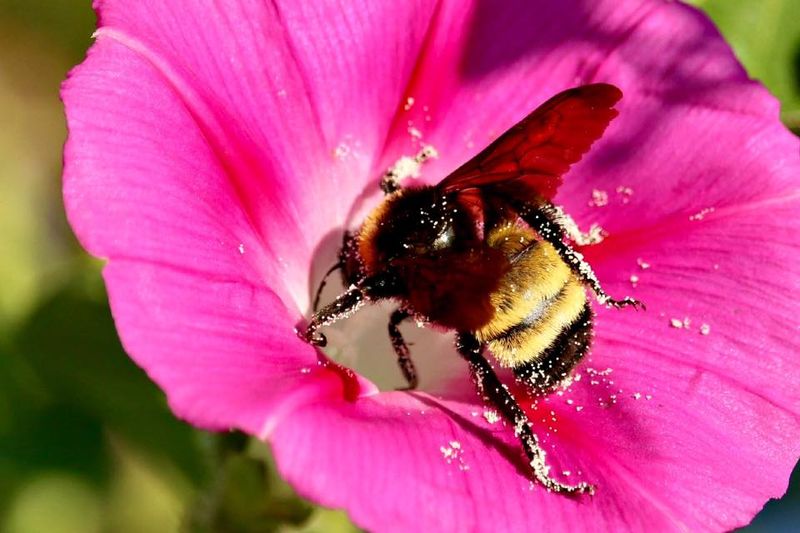
Morning Glory’s trumpet-like flowers bloom with the sunrise, offering fresh nectar to early-rising pollinators. These vines are perfect for adding vertical interest to gardens.
Historically, morning glories have been used for ornamental purposes, symbolizing affection and renewal. Their bright colors and rapid growth make them an attractive choice for gardeners looking to support pollinators.
19. Borage
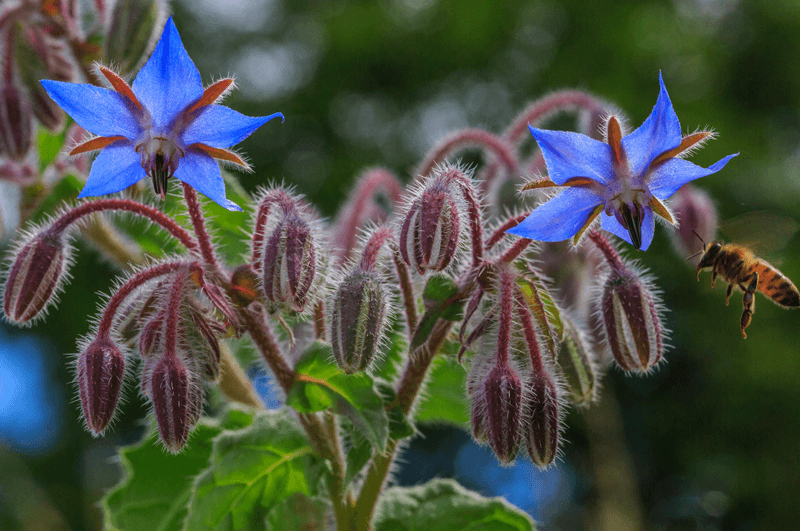
Borage, with its star-shaped blue flowers, is a bee magnet. This annual herb not only enhances garden aesthetics but also enriches the soil with its deep roots.
Known as the “herb of gladness,” borage has been used in traditional medicine for its purported mood-lifting properties. Its presence in gardens attracts beneficial insects, ensuring a lively and balanced ecosystem.
20. Aster
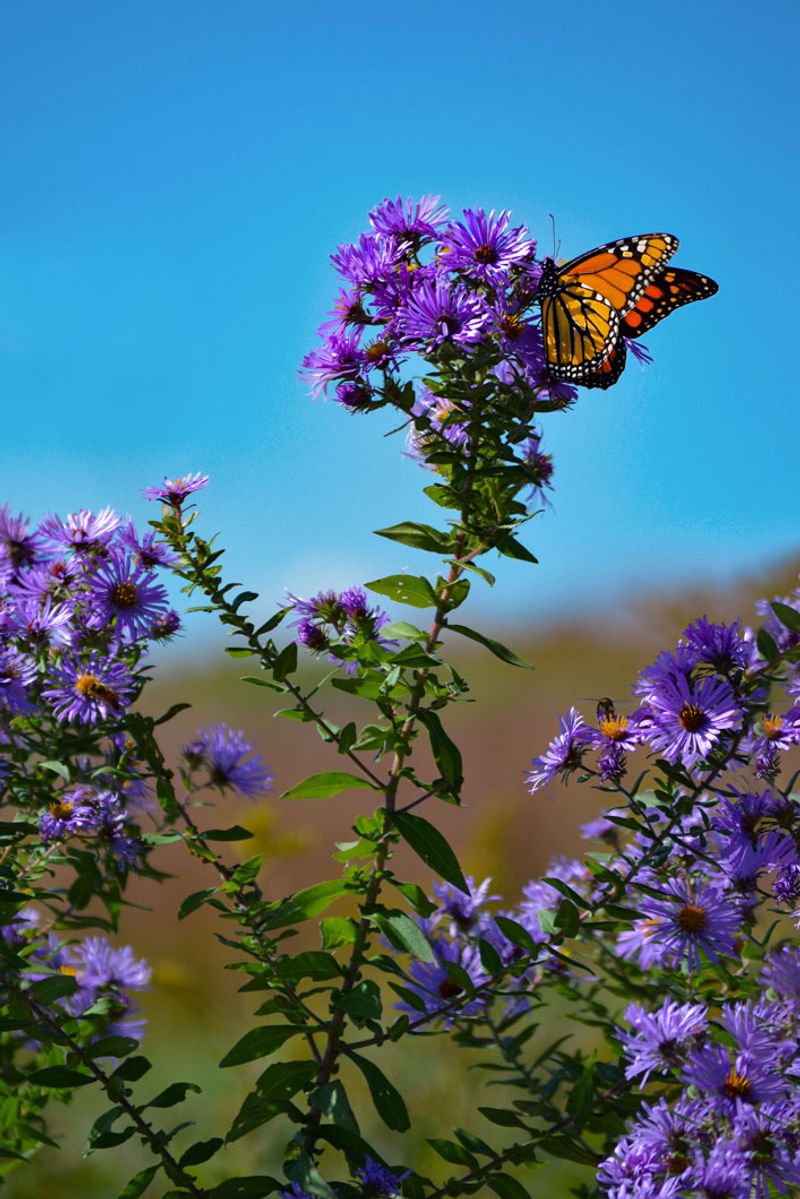
Asters, with their dainty star-shaped blooms, provide a late-season nectar source for butterflies and bees, ensuring gardens remain active until frost. These flowers are perfect for autumn displays.
Originating from Eurasia, asters have been admired for their beauty and durability. They symbolize patience and elegance, offering a timeless charm to garden landscapes while supporting essential pollinators.
21. Columbine
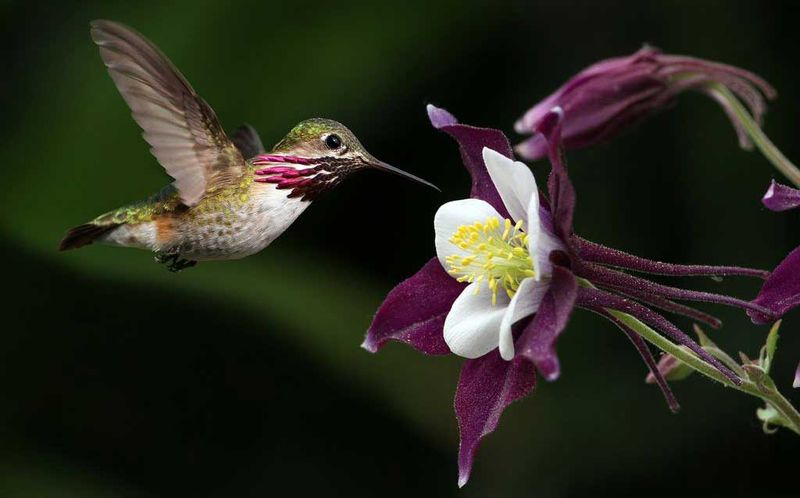
Columbines, with their distinctive spurred petals, entice bees and hummingbirds with hidden nectar. These flowers come in various colors, adding intrigue to woodland gardens.
Historically, columbines have been associated with courage and inspiration. Their delicate appearance belies their ability to thrive in diverse conditions, supporting a variety of pollinators throughout the season.
22. Phlox
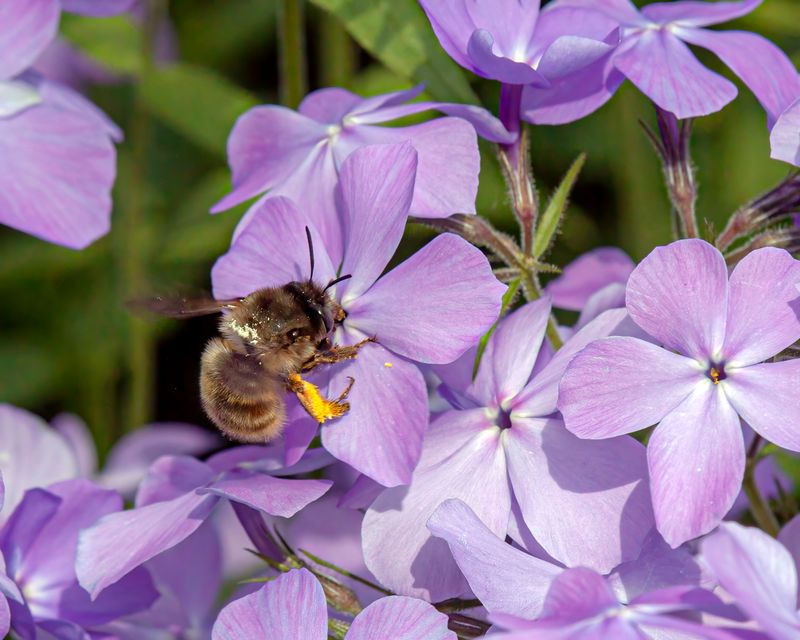
Phlox, known for its fragrant clusters of flowers, attracts bees and butterflies with its sweet aroma. These perennials are perfect for borders and provide months of color.
Phlox has been a staple in gardens for centuries, admired for its versatility and charm. It symbolizes harmony and partnership, offering a serene environment for pollinators to gather and thrive.
23. Milkweed
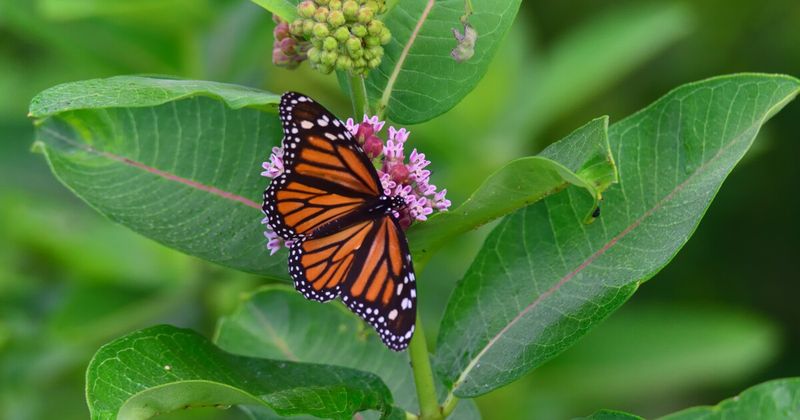
Milkweed, essential for monarch butterflies, provides nectar and a place for caterpillars to develop. Its clusters of flowers attract a diverse range of pollinators.
Once a humble roadside plant, milkweed is now celebrated for its crucial role in the lifecycle of monarchs. Gardeners value it for its ecological benefits and its ability to support pollinator populations.
24. Goldenrod
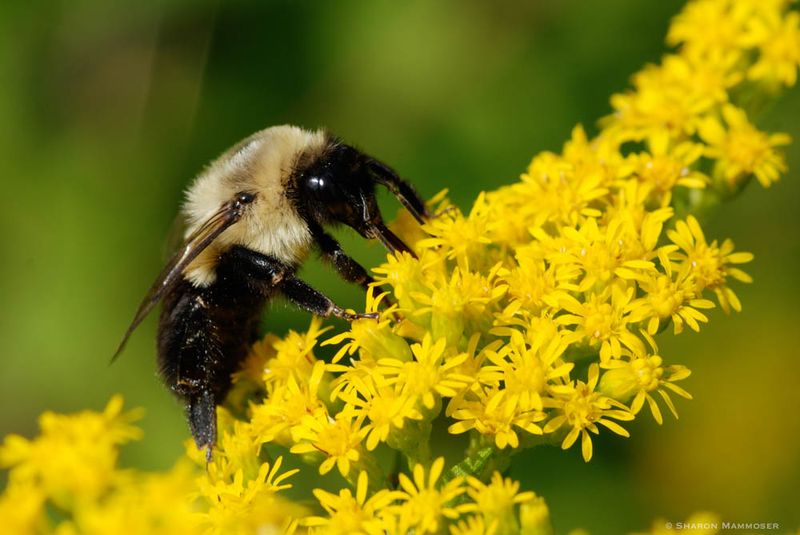
Goldenrod, often mistaken for a cause of hay fever, is a vital late-season food source for bees and butterflies. Its tall, golden plumes brighten fields and gardens.
Historically used in herbal remedies, goldenrod symbolizes encouragement and growth. By including it in gardens, one can ensure a continuous supply of nectar for pollinators, extending the life of the garden season.
25. Scarlet Sage
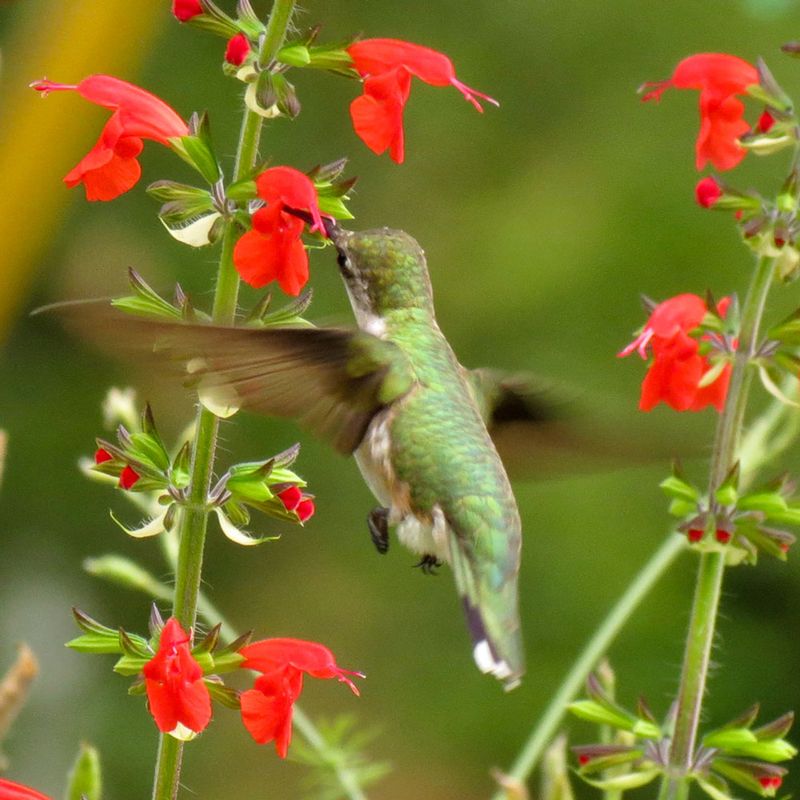
Scarlet Sage, with its striking red blooms, stands out in any garden. Its tubular flowers are a favorite among hummingbirds, which are drawn to the vibrant hue and sweet nectar. This plant thrives in warm climates, flourishing in well-drained soil.
Scarlet Sage not only attracts hummingbirds but also invites butterflies and bees, making it a versatile addition to pollinator gardens. It blooms from late spring until the first frost, providing continuous color.
Did you know? Scarlet Sage is originally from Brazil and has adapted well to various climates, adding a tropical touch to gardens worldwide.