
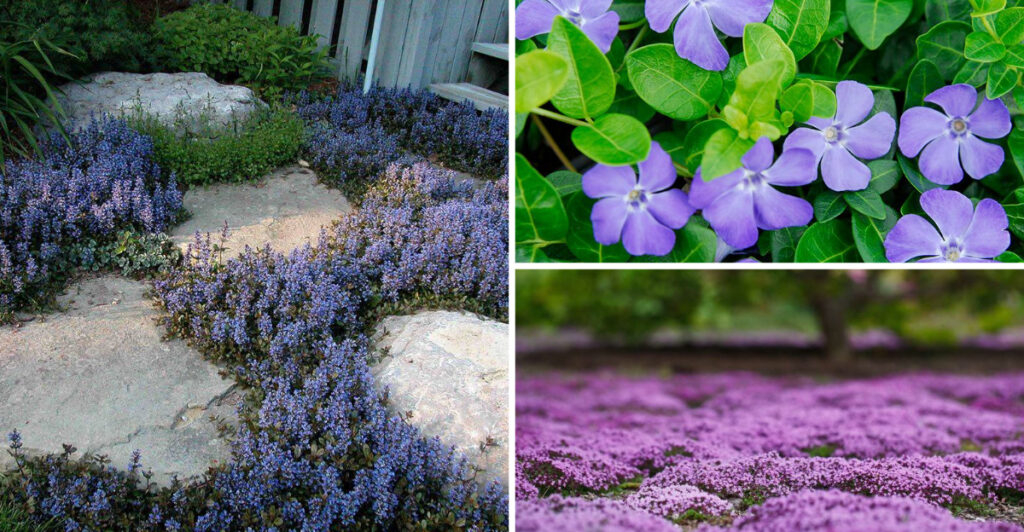
This blog post explores 20 effective ground covers that can suppress weeds and 5 that fail to do so. Learn about each plant’s unique features, suitability for different environments, and why some fall short of expectations.
1. Creeping Thyme
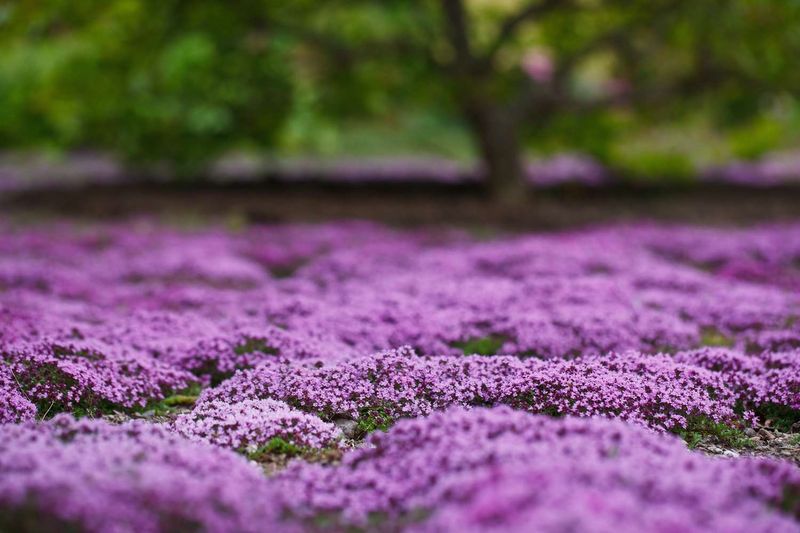
Creeping Thyme is an aromatic herb that not only adds fragrance to gardens but also serves as an excellent ground cover. Its dense growth habit suppresses weeds effectively.
The vibrant purple flowers attract pollinators, adding life to your garden. Suitable for sunny locations, it requires minimal maintenance and is drought-tolerant.
Fun fact: Creeping Thyme releases a pleasant scent when walked upon, making it ideal for pathways. Its versatility and beauty make it a popular choice among gardeners aiming to reduce weed growth.
2. Periwinkle (Vinca Minor)
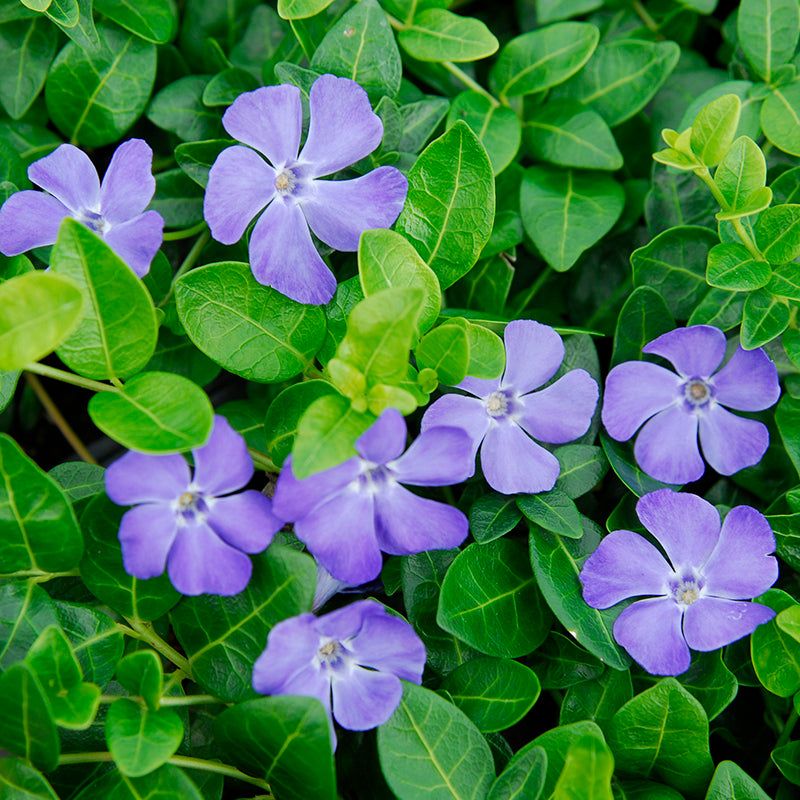
Periwinkle, also known as Vinca Minor, forms a thick mat of glossy leaves that effectively smothers weeds. Its star-shaped blue flowers add charm to shady areas.
This hardy plant thrives in both sun and shade, making it versatile for various garden settings. It’s low-maintenance and provides year-round greenery.
Originating from Europe, Periwinkle has been used in traditional medicine. Its ability to cover ground quickly makes it a favorite for gardeners looking to combat weeds.
3. Japanese Spurge (Pachysandra)
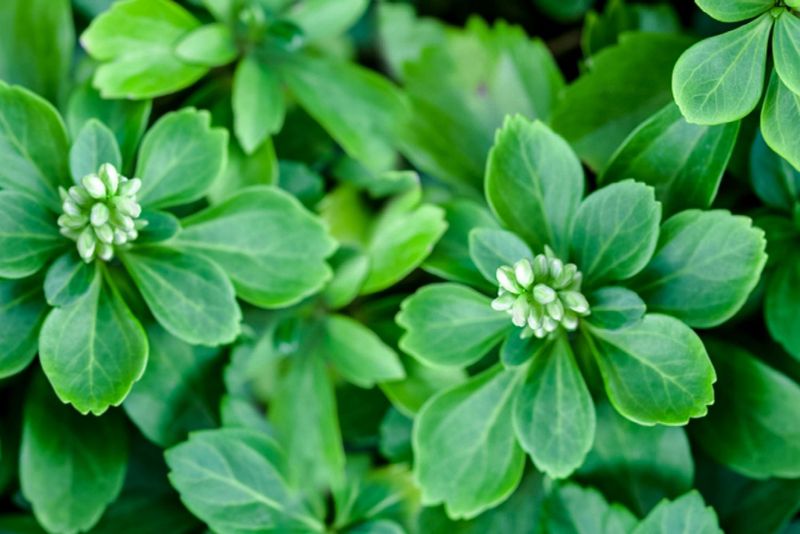
Japanese Spurge is a shade-loving ground cover known for its lush, glossy foliage. It spreads quickly, forming a dense mat that prevents weed growth.
Ideal for shaded gardens, it adds texture and greenery to areas under trees or shrubs. Low-maintenance, it requires little care once established.
Fun fact: Japanese Spurge is often used in formal gardens for its neat appearance. Its evergreen nature ensures a year-round display, making it a reliable choice to keep weeds at bay.
4. Liriope
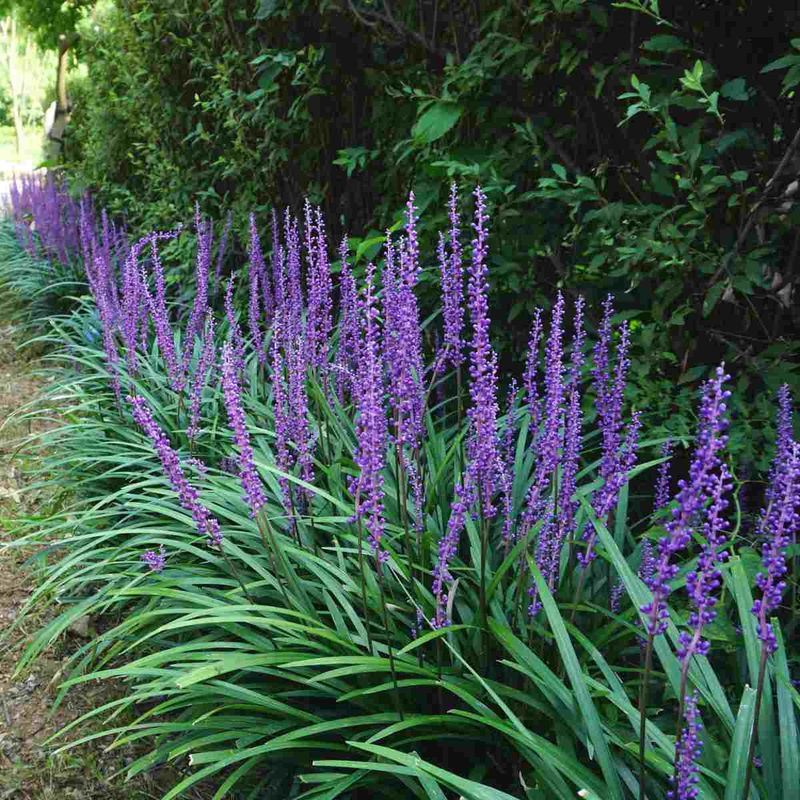
Liriope is a versatile ground cover with grass-like foliage and striking lilac flower spikes. Known for its hardiness, it withstands various conditions.
Whether in sun or shade, Liriope’s dense clumps help suppress weeds. It adds a structured look to garden borders and pathways.
Did you know? Liriope is sometimes called ‘Monkey Grass’. Its robust nature and attractive appearance make it a go-to for gardeners needing a reliable weed suppressant.
5. Sweet Woodruff
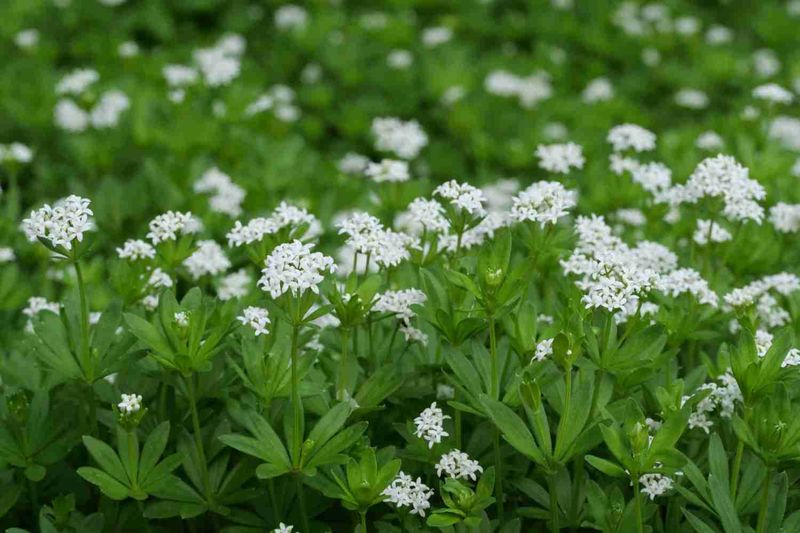
Sweet Woodruff is a charming ground cover known for its delicate white flowers and soft green foliage. It thrives in shady, moist conditions.
Its rapid growth forms a dense carpet that chokes out weeds, making it ideal for woodland gardens. The sweet scent of its dried leaves is often used in potpourri.
Originating from Europe, Sweet Woodruff has a rich history in herbal medicine. Its beauty and effectiveness in controlling weeds make it a beloved choice among gardeners.
6. Ajuga (Bugleweed)
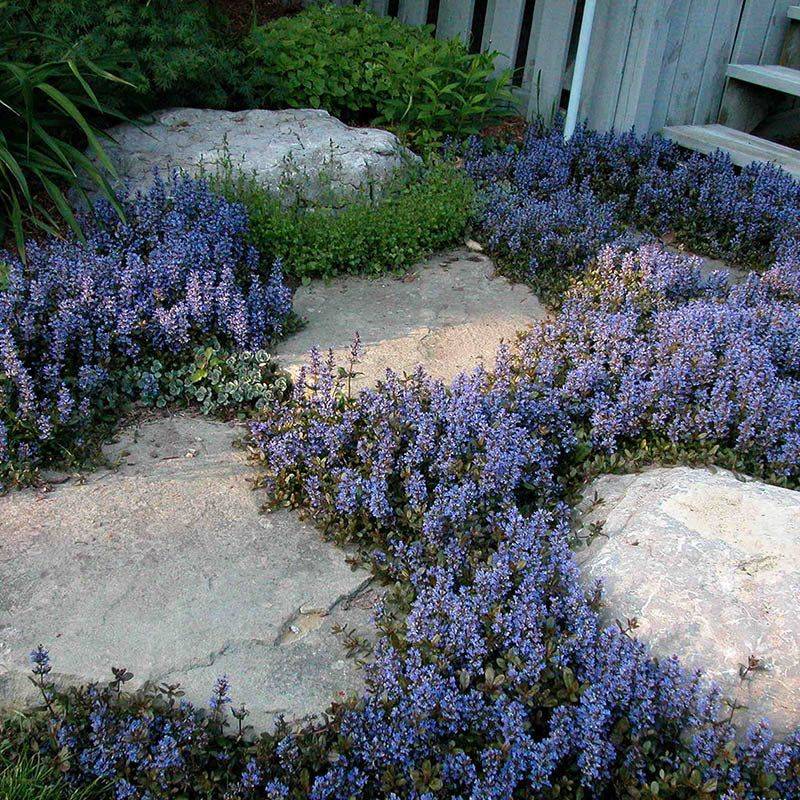
Ajuga, or Bugleweed, is a fast-spreading ground cover with striking purple foliage and blue flower spikes. Its dense growth habit efficiently suppresses weeds.
Ideal for sunny to partially shaded areas, Ajuga adds color and texture to gardens. It’s easy to grow and requires minimal care.
With origins in Europe, Ajuga is often used in rock gardens and as a border plant. Its vibrant appearance and weed-choking ability make it a favorite among gardeners.
7. Clover (Trifolium)
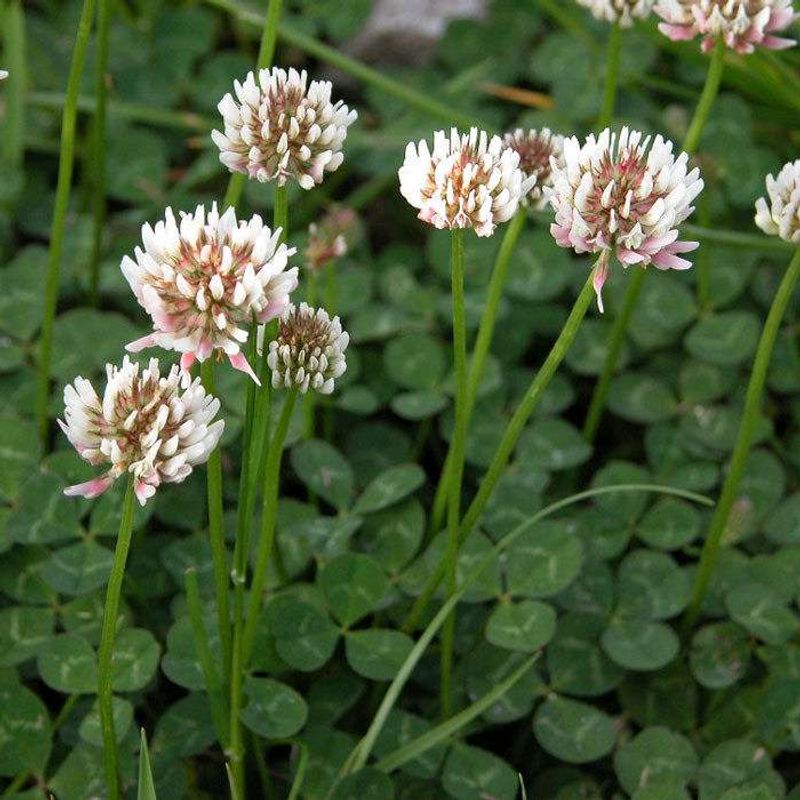
Clover is a well-known ground cover that offers numerous benefits, including weed suppression, due to its dense growth.
Its nitrogen-fixing ability enriches the soil, making it beneficial for other plants. White clover flowers attract pollinators, adding biodiversity.
Historically used in agriculture, Clover’s resilience and ability to thrive in various conditions make it a practical choice for natural weed control.
8. Irish Moss
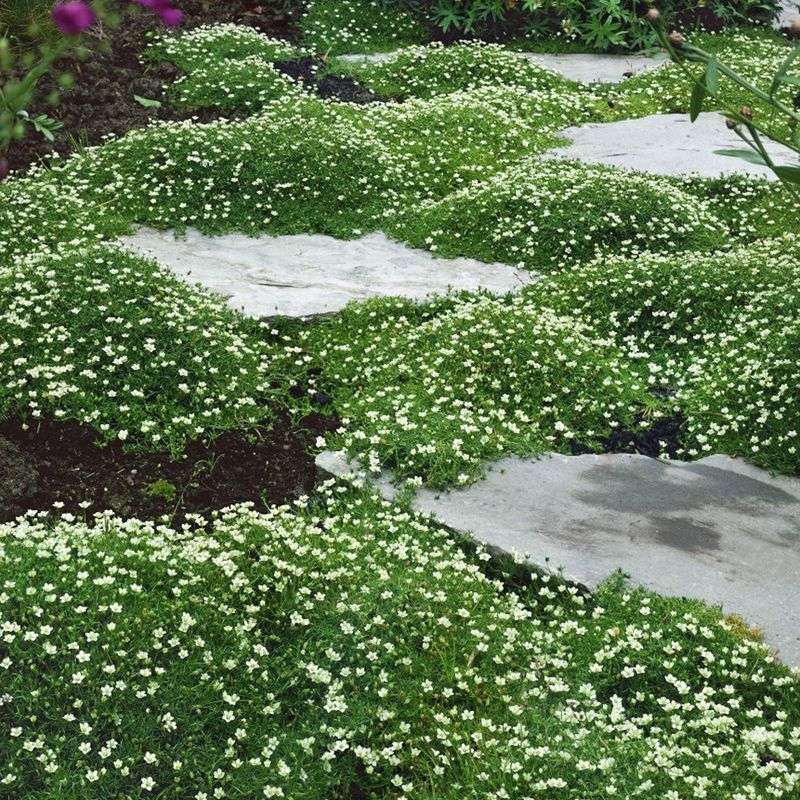
Irish Moss is a delicate-looking yet hardy ground cover, known for its lush green appearance. It forms a dense mat that keeps weeds at bay.
Perfect for rock gardens and between stepping stones, it adds a soft, cushiony texture. Irish Moss thrives in cool, moist conditions.
Did you know? Despite its name, Irish Moss is not a true moss but a flowering plant. Its beauty and effectiveness make it a popular choice for gardeners aiming to reduce weed growth.
9. Sedum (Stonecrop)
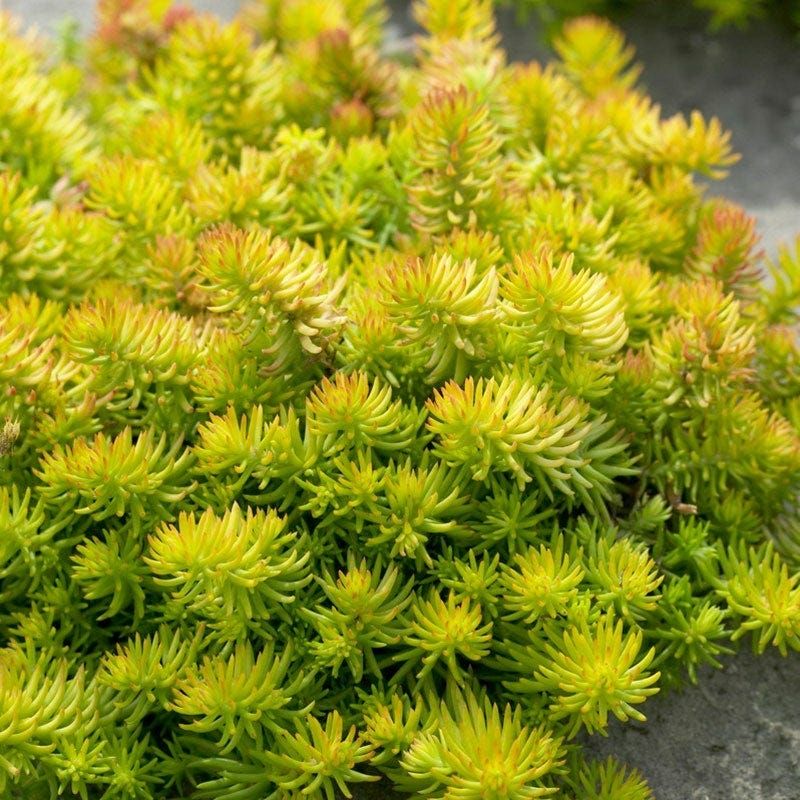
Sedum, also known as Stonecrop, is a succulent ground cover with fleshy leaves and vibrant flowers. Its drought-resistant nature makes it ideal for dry areas.
Forming a dense carpet, Sedum effectively suppresses weeds. It thrives in sunny locations and requires minimal care.
With a wide range of varieties, Sedum offers colors from green to red. Its resilience and ability to withstand harsh conditions make it a popular choice for those looking to control weeds naturally.
10. Lamium (Dead Nettle)
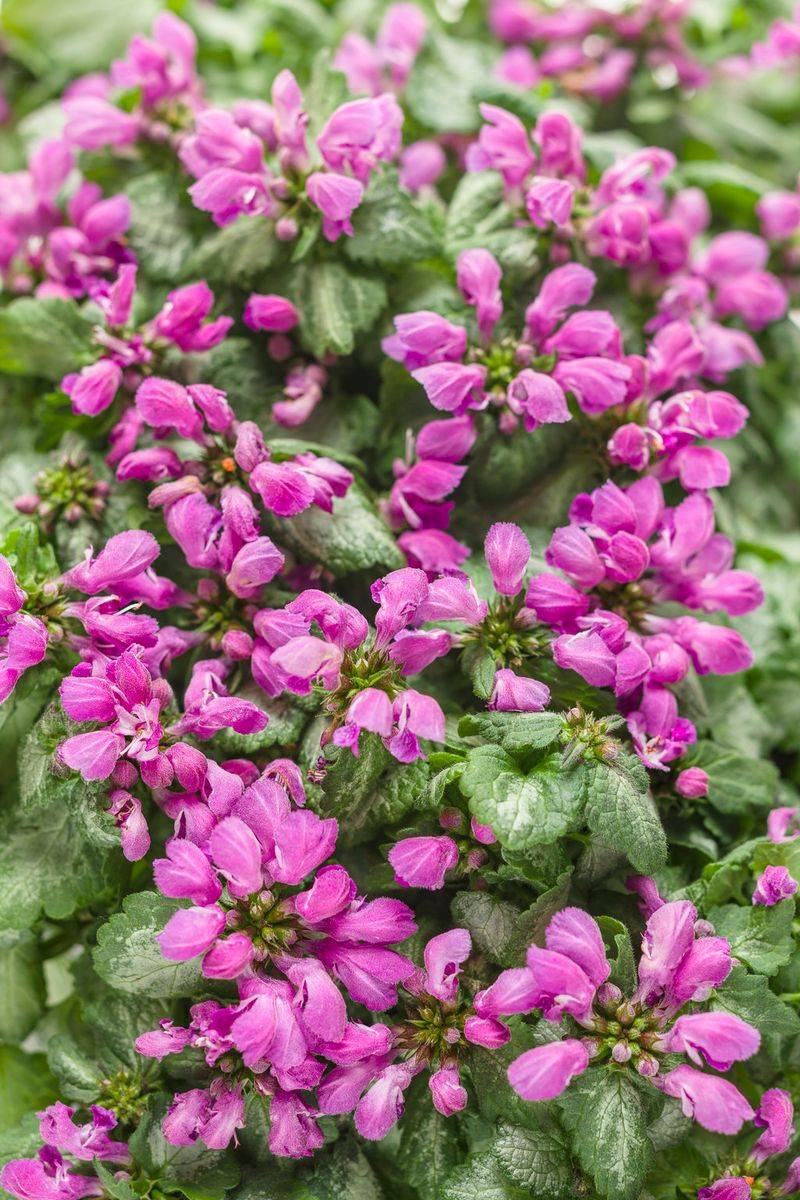
Lamium, or Dead Nettle, is a shade-loving ground cover with unique silver-patterned leaves and pink flowers. Its spreading habit helps choke out weeds.
Ideal for shady garden areas, Lamium adds visual interest with its contrasting foliage. It’s low-maintenance and thrives in moist, well-drained soil.
Originating from Europe, Lamium was traditionally used in herbal remedies. Its decorative appearance and weed-suppressing ability make it a favored choice among gardeners.
11. Barrenwort (Epimedium)
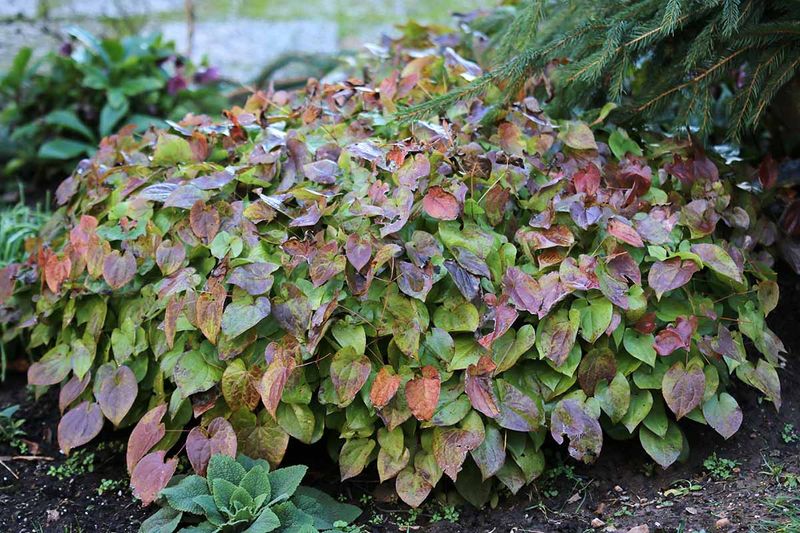
Barrenwort, known for its heart-shaped leaves and delicate flowers, is a ground cover that thrives in shaded areas. Its dense foliage helps suppress weeds.
The plant adds a touch of elegance to woodland gardens and requires little maintenance once established. It’s tolerant of dry shade and poor soil conditions.
Did you know? Barrenwort is sometimes referred to as ‘bishop’s hat’ due to the shape of its flowers. Its beauty and resilience make it a practical choice for areas prone to weed growth.
12. Mazus
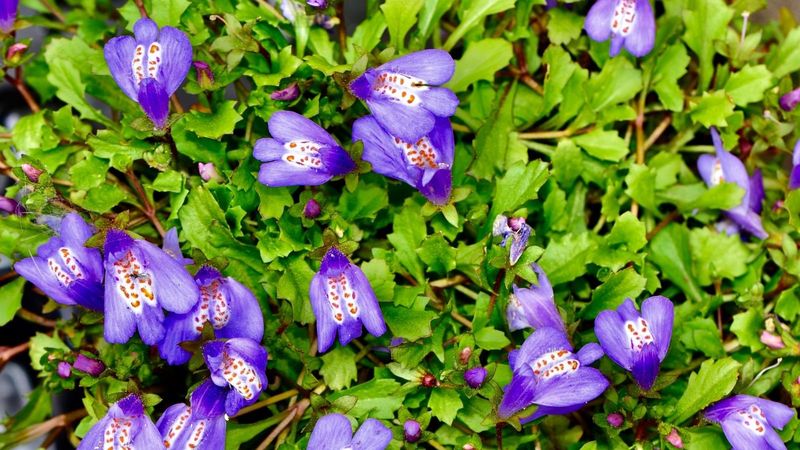
Mazus is a low-growing ground cover known for its tiny blue flowers. It spreads quickly, forming a lush carpet that efficiently suppresses weeds.
Thriving in moist, well-drained soil, Mazus is perfect for garden paths and as a lawn alternative. It’s hardy and requires minimal care.
Fun fact: Mazus is often used in Japanese gardens for its compact growth habit. Its vibrant appearance and weed-choking ability make it a favorite among gardeners looking for beauty and functionality.
13. Golden Creeping Jenny
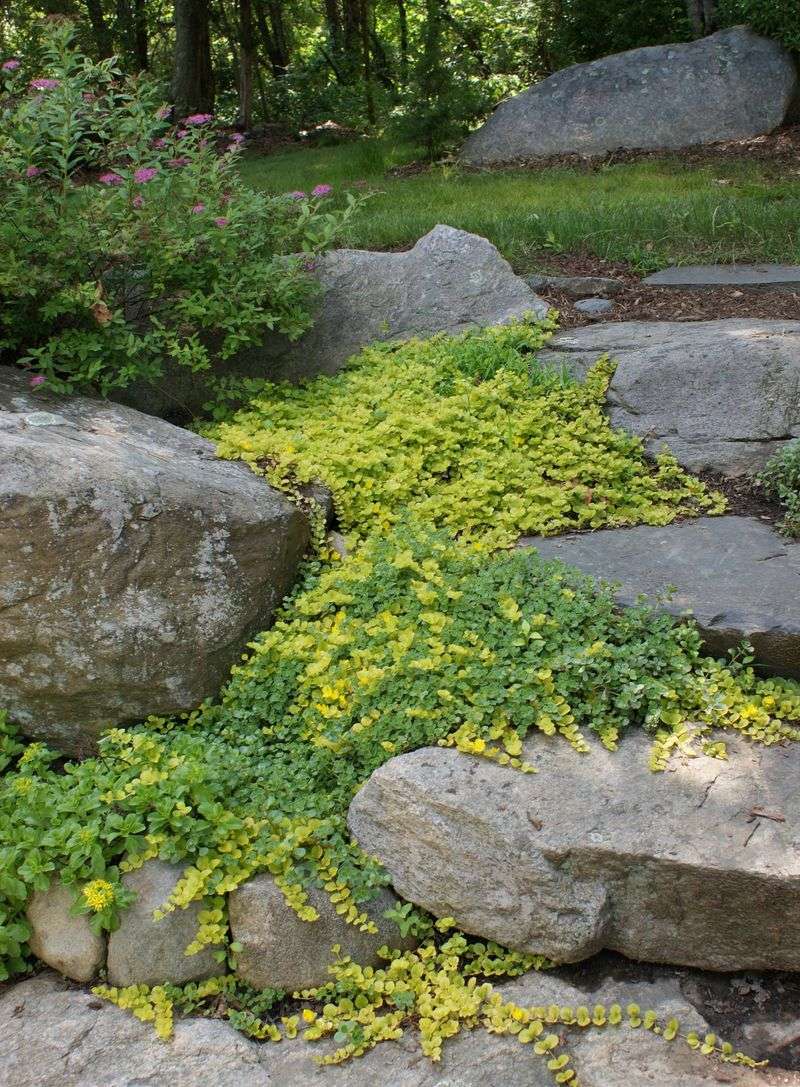
Golden Creeping Jenny is a vibrant ground cover with striking yellow foliage. Its cascading growth habit makes it ideal for rock gardens.
This hardy plant thrives in both sun and shade, forming a dense mat that suppresses weeds effectively. It’s low-maintenance and adds a bright touch to any garden.
Did you know? Golden Creeping Jenny is sometimes called ‘moneywort’ due to its coin-shaped leaves. Its cheerful appearance and efficiency in controlling weeds make it a popular choice among gardeners.
14. Lysimachia
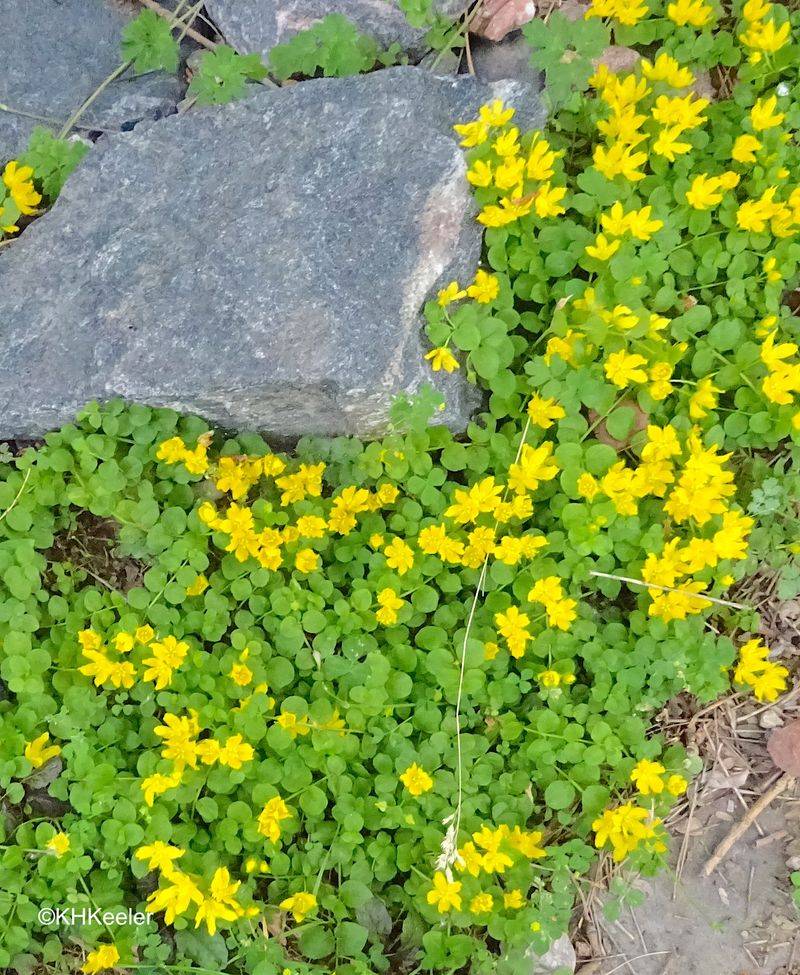
Lysimachia, known for its golden leaves and star-shaped yellow flowers, is a vigorous ground cover that chokes out weeds.
Thriving in moist conditions, it’s perfect for garden beds and borders. Its bright foliage adds a splash of color to the landscape.
Often used in traditional Chinese medicine, Lysimachia’s robust nature makes it a reliable choice for gardeners looking to control weeds naturally.
15. Blue Star Creeper
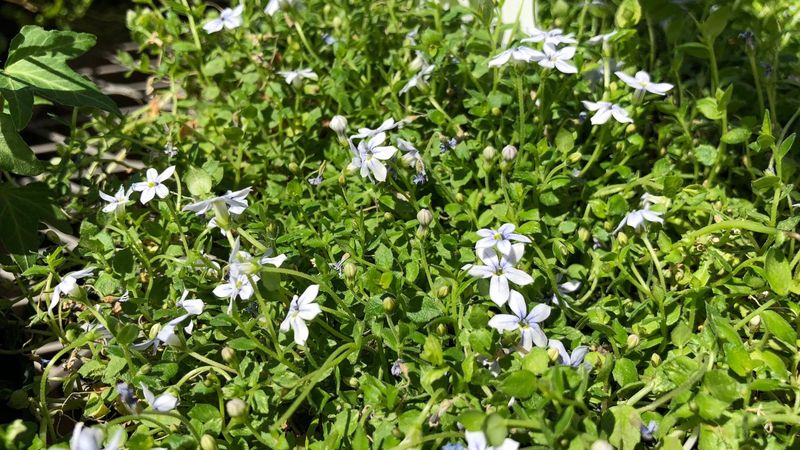
Blue Star Creeper is a spreading ground cover adorned with tiny blue flowers. Its dense mat effectively suppresses weeds.
Thriving in a range of conditions, it’s ideal for garden paths and as a lawn alternative. The plant requires minimal upkeep.
Did you know? Blue Star Creeper is often used in fairy gardens for its delicate appearance. Its charming look and practicality make it a favorite among gardeners seeking weed control.
16. Bearberry

Bearberry is a hardy ground cover known for its glossy leaves and bright red berries. It forms a dense mat that helps choke out weeds.
Ideal for sandy or rocky soils, Bearberry requires little maintenance. Its evergreen nature provides year-round interest.
With origins in North America, Bearberry is often used in erosion control. Its resilience and attractive appearance make it a practical choice for difficult sites prone to weed growth.
17. Spotted Laurel (Aucuba japonica)
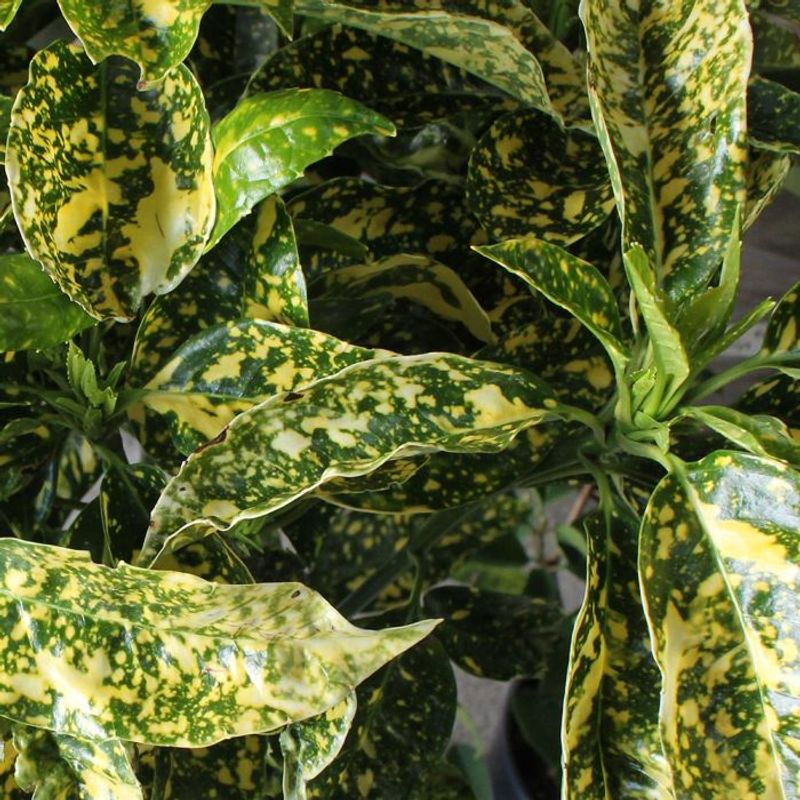
Spotted Laurel is a striking ground cover known for its glossy green leaves speckled with gold. It thrives in shaded areas, forming a dense mat that suppresses weeds.
Perfect for adding a tropical touch to gardens, Spotted Laurel requires minimal care and is tolerant of various soil conditions.
Fun fact: Spotted Laurel’s leaves were once used in Japanese art. Its unique appearance and effectiveness in controlling weeds make it a favored choice among gardeners.
18. Asiatic Jasmine
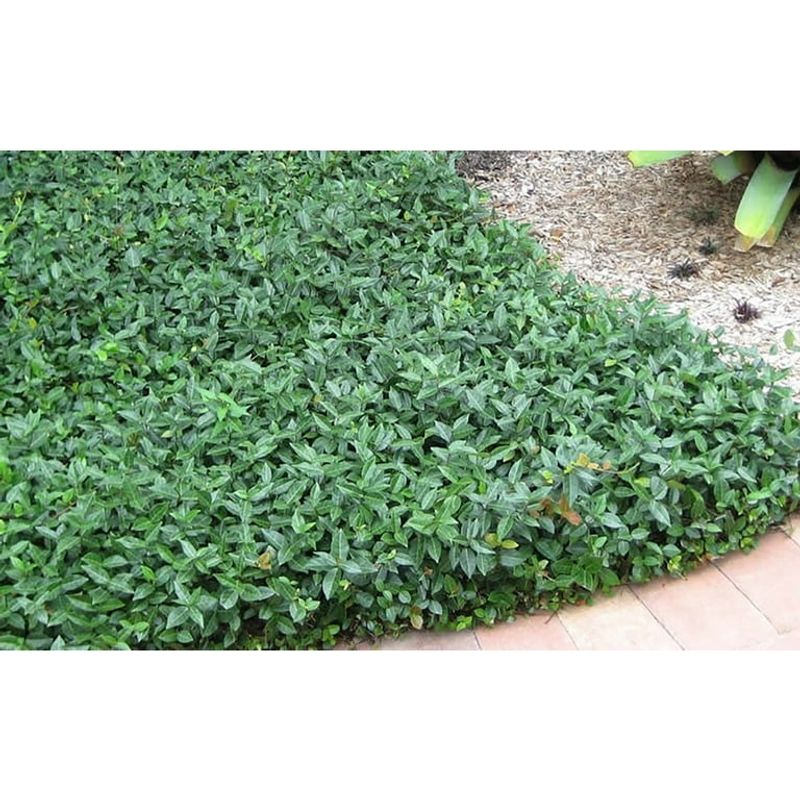
Asiatic Jasmine is a vigorous ground cover with lush green foliage and fragrant white flowers. Its spreading habit helps choke out weeds.
Thriving in both sun and shade, it’s perfect for covering large areas quickly. The plant is low-maintenance and drought-tolerant.
Originating from Asia, Asiatic Jasmine is often used in landscaping for its resilience and beauty. Its ability to thrive in various conditions makes it a practical choice for gardeners looking to reduce weed growth.
19. Ground Ivy
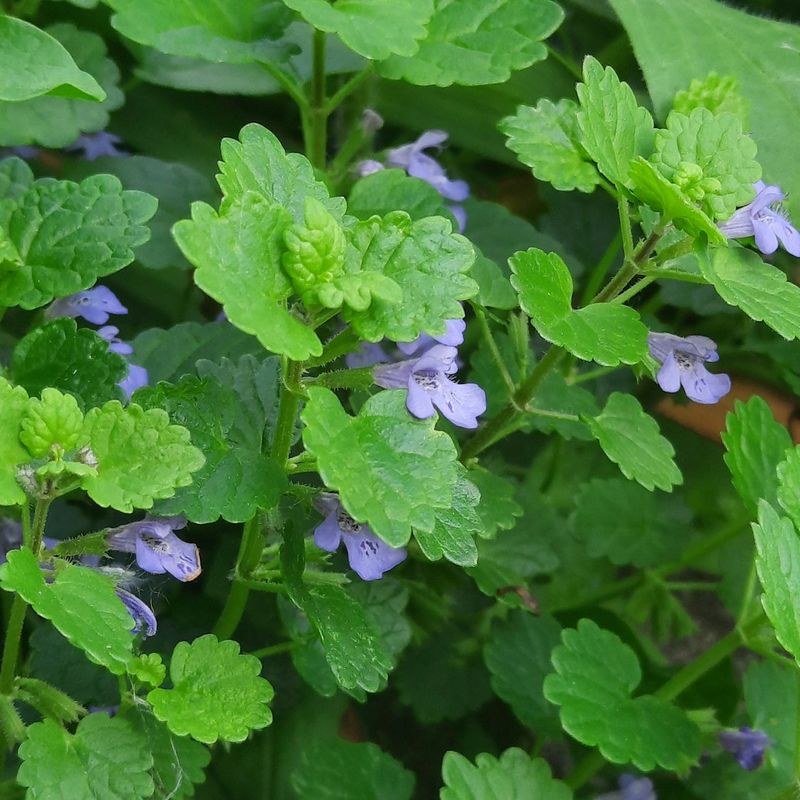
Ground Ivy, also known as Creeping Charlie, is a ground cover with scalloped leaves and purple flowers. It spreads quickly, forming a dense mat that suppresses weeds.
Ideal for shady areas, Ground Ivy adds a touch of color and texture to woodland gardens. It’s hardy and requires little care.
Historically used in herbal medicine, Ground Ivy’s ability to thrive in various environments makes it a practical choice for natural weed control.
20. Houttuynia
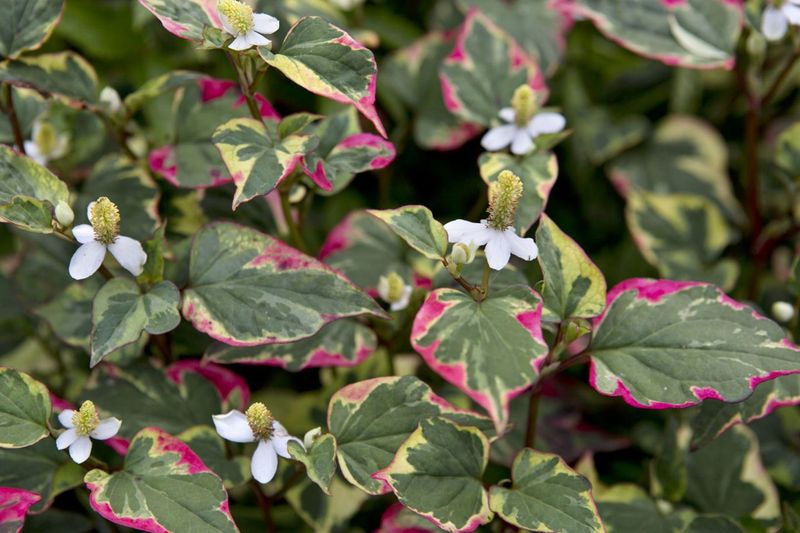
Houttuynia is a unique ground cover with heart-shaped leaves and white flowers. Its colorful foliage adds interest to gardens.
Thriving in moist conditions, it’s perfect for pond edges and garden borders. The plant is fast-growing and helps suppress weeds.
Did you know? Houttuynia is often used in Asian cuisine for its unique flavor. Its vibrant appearance and practicality make it a popular choice among gardeners looking for effective weed control.
21. Horseherb (Calyptocarpus vialis)
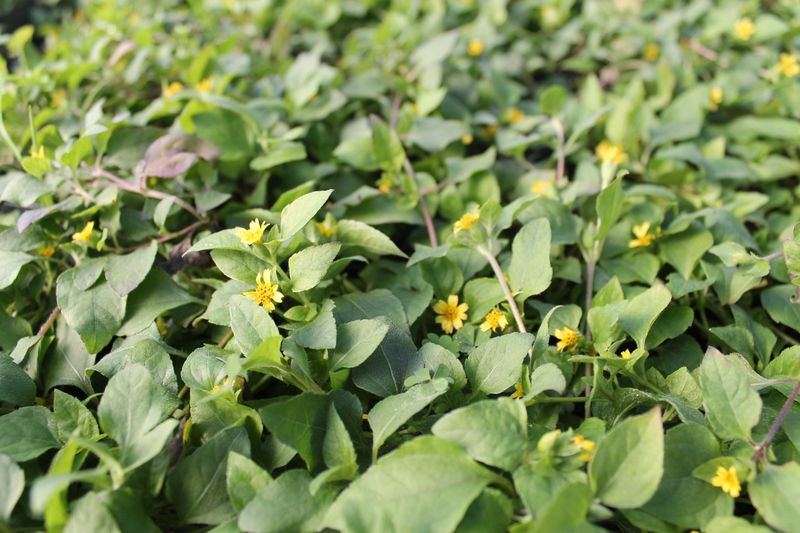
Horseherb is a resilient ground cover with small yellow flowers. Its sprawling habit helps choke out weeds, especially in shaded areas.
The plant is adaptable to various conditions, making it suitable for lawns and garden beds. It’s low-maintenance and drought-tolerant.
Fun fact: Horseherb is sometimes called ‘straggler daisy’. Its hardiness and ability to thrive in less-than-ideal conditions make it a practical choice for gardeners seeking natural weed control.
22. English Ivy
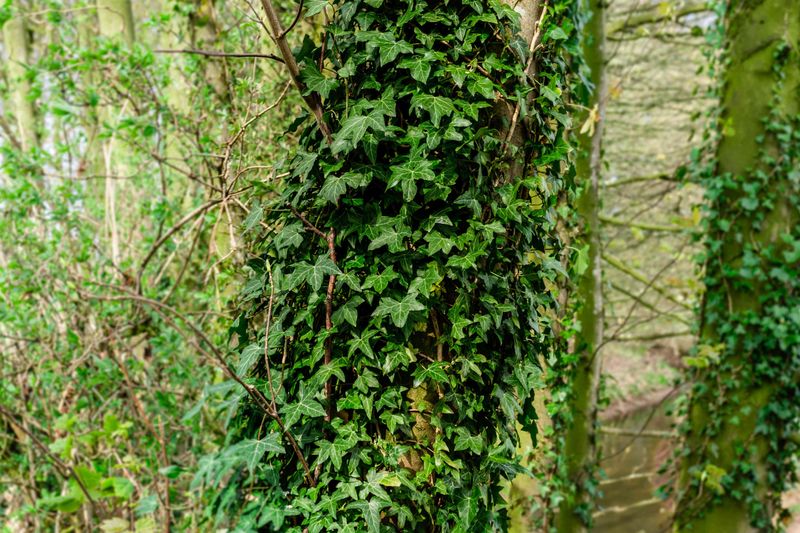
English Ivy is a classic ground cover known for its lush green vines. It thrives in shady areas, forming a dense mat that suppresses weeds.
Ideal for covering walls and fences, English Ivy adds a touch of elegance to gardens. It’s hardy and requires minimal care.
With origins in Europe, English Ivy is often associated with old architecture. Its timeless beauty and effectiveness in controlling weeds make it a favorite among gardeners.
23. Mint
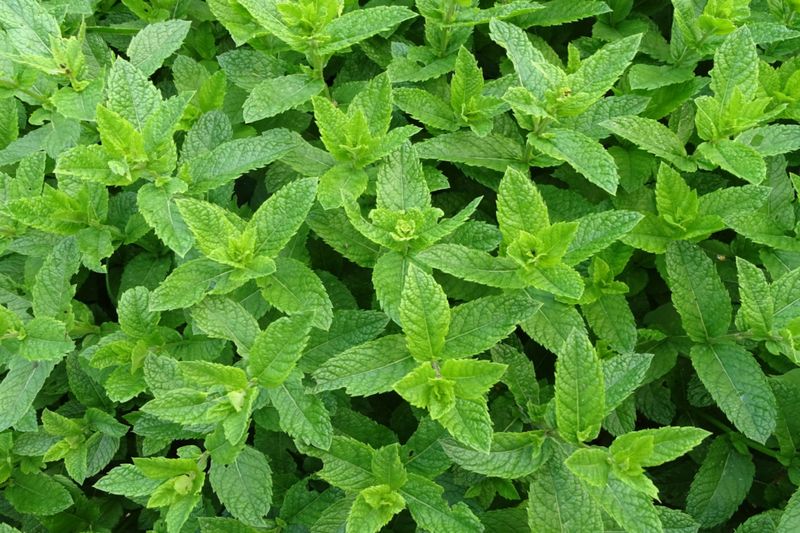
Mint is a popular herb that doubles as a ground cover. Its dense growth habit helps choke out weeds, while its aroma adds freshness to gardens.
Thriving in moist conditions, Mint is perfect for herb gardens and borders. It’s easy to grow and spreads quickly.
Did you know? Mint has been used for centuries in culinary and medicinal applications. Its versatility and effectiveness in controlling weeds make it a practical choice for gardeners.
24. Bamboo
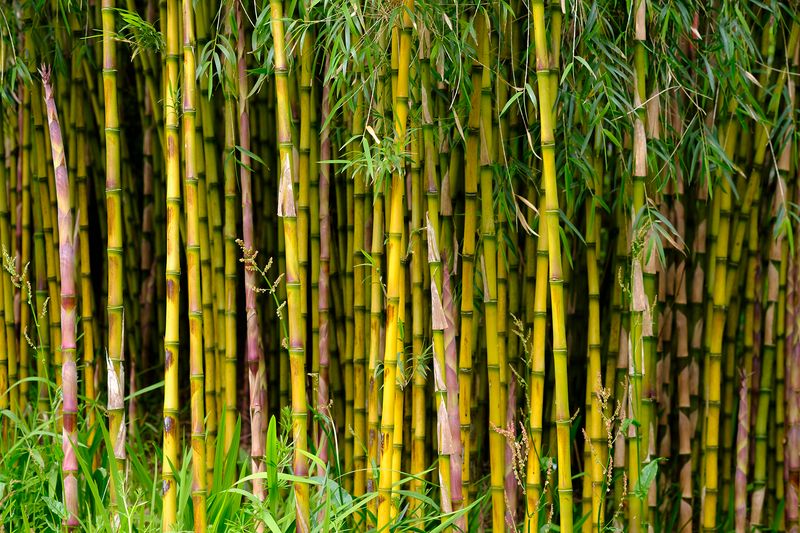
Bamboo is a fast-growing plant known for its tall stalks and lush leaves. However, as a ground cover, it can be problematic.
Its aggressive growth habit may lead to unwanted spreading, making it difficult to control. While effective in suppressing weeds, its invasiveness is a drawback.
Did you know? Bamboo is one of the fastest-growing plants in the world. Its potential to become invasive makes it less popular as a ground cover choice despite its weed-choking abilities.
25. Wandering Jew
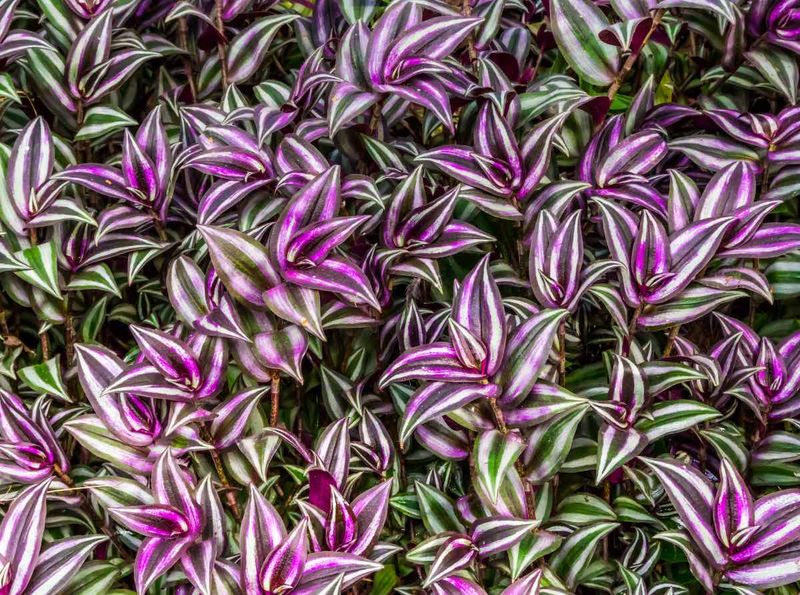
Wandering Jew is a trailing plant with attractive purple-striped leaves. Though it can cover ground, it’s not ideal for weed suppression.
Its spreading habit makes it suitable for hanging baskets and indoor pots. However, it lacks the density needed to prevent weed growth effectively.
Despite its beauty, Wandering Jew’s inability to form a thick mat limits its effectiveness as a weed control option, making it less favorable for outdoor use.
26. Wild Strawberry
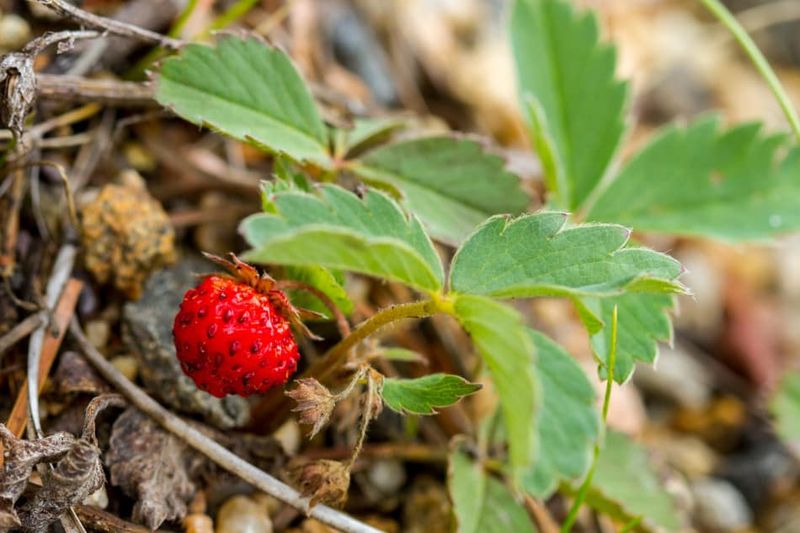
Wild Strawberry is a charming plant with small red berries. Although it can spread across the ground, it’s not great for weed control.
Its light, airy growth allows weeds to thrive alongside. However, its edible fruit adds value to edible landscapes.
With a history of use in culinary dishes, Wild Strawberry’s inability to suppress weeds effectively makes it a less desirable option for those solely seeking ground cover.
27. Bugleweed (Ajuga reptans)
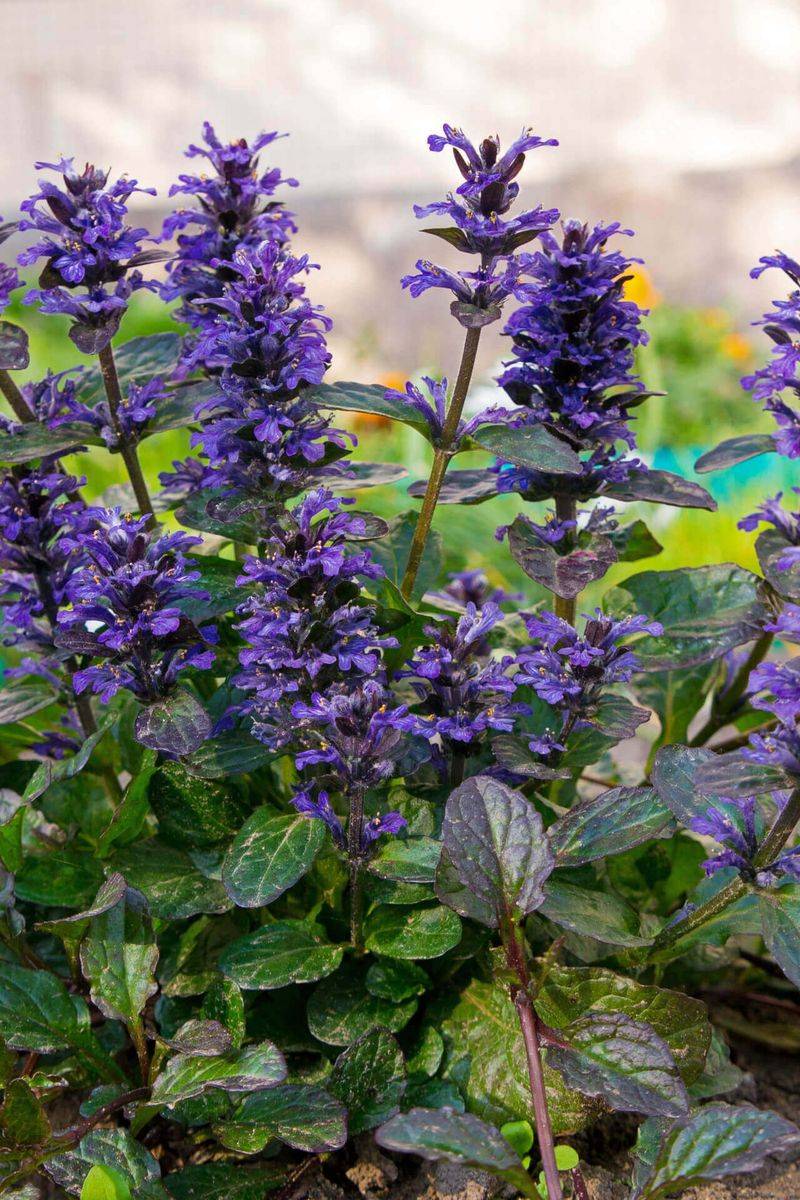
Bugleweed, or Ajuga reptans, is admired for its aesthetic appeal, featuring purple leaves and blue flower spikes. But it’s not always ideal for weed suppression.
While it can form a dense mat, its growth can be patchy, allowing weeds to invade. It requires specific conditions to thrive.
Despite its beauty, Bugleweed’s inconsistent coverage makes it a less reliable choice for combating weeds effectively in certain garden settings.
28. Ice Plant
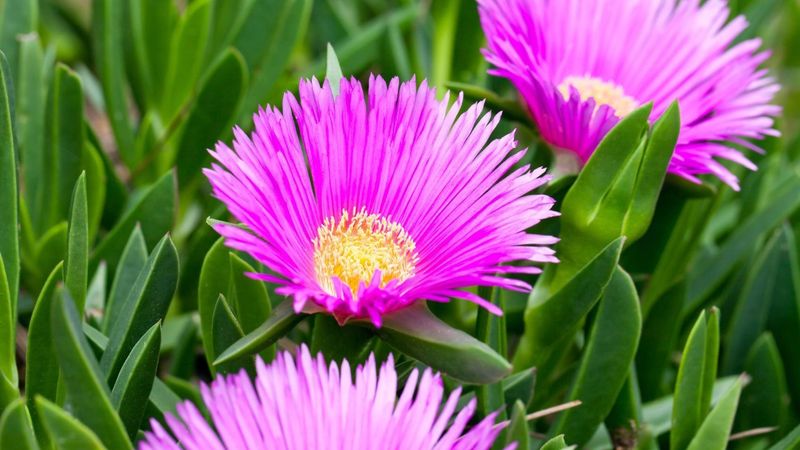
Ice Plant is known for its fleshy leaves and stunning pink flowers. While it grows quickly, it’s not the best for weed control.
The plant thrives in sunny, sandy areas but lacks the density needed to suppress weeds effectively. Its attractiveness often overshadows its functional shortcomings.
Fun fact: Ice Plant’s succulence makes it excellent for xeriscaping. Despite its beauty, its inability to prevent weed growth reliably makes it less suitable for those prioritizing weed control.
29. Honeysuckle
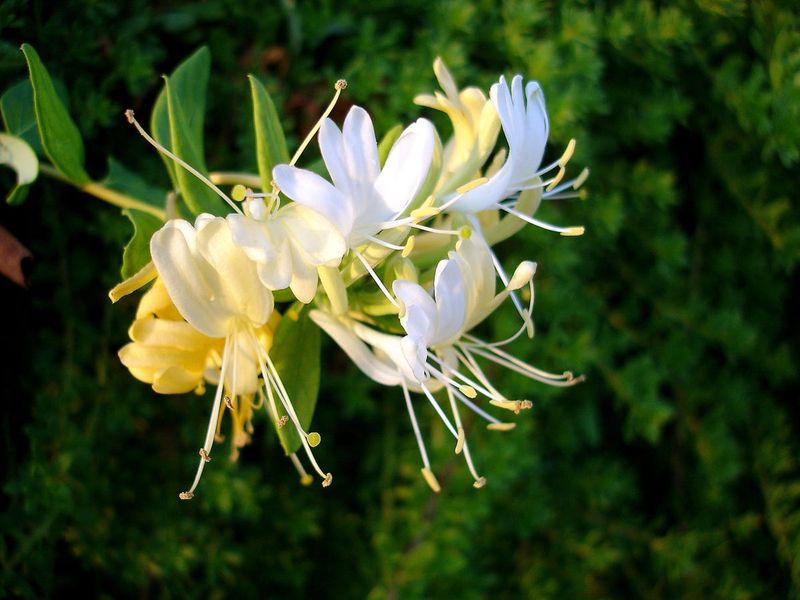
Honeysuckle is beloved for its fragrant yellow flowers and vigorous vines. However, it falls short as a ground cover for weed control.
Its climbing nature means it doesn’t form a dense mat on the ground, leaving space for weeds to grow. It’s best suited for fences and trellises.
Did you know? Honeysuckle’s scent attracts hummingbirds. Despite its charm, its inability to cover ground densely makes it less effective for suppressing weeds in garden beds.