
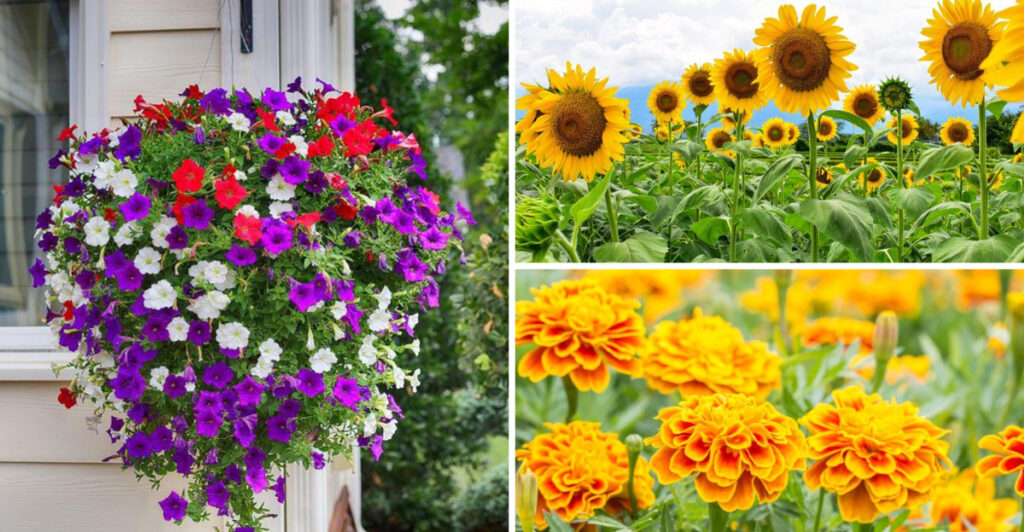
Transforming my summer garden into a vibrant oasis was no small feat. But with the help of these 25 quick-bloom flowers, each corner of my garden burst into life with color and fragrance. From sunlit patches to shaded nooks, every flower brought its unique charm and personality. Join me as I take you through the journey of how these flowers not only transformed my garden but also enriched my summer experience.
1. Petunias
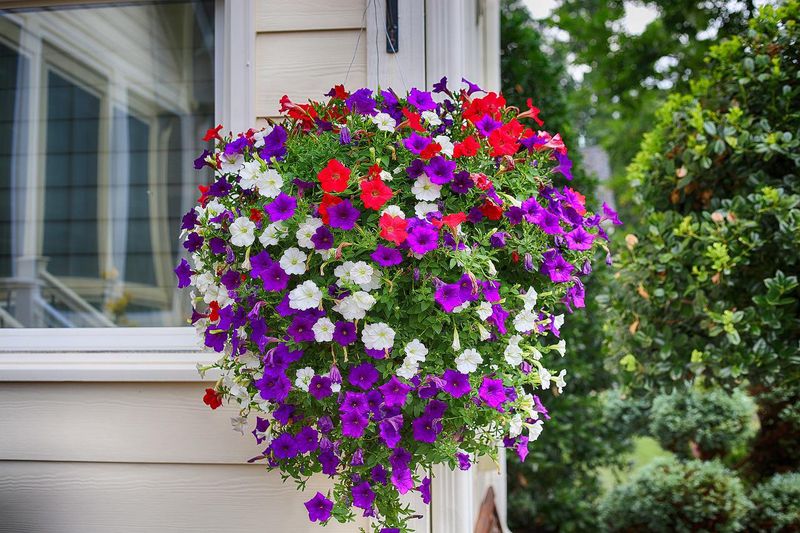
Petunias offer a burst of vivid colors that can light up any garden space. Their trumpet-shaped blooms come in a variety of hues, from deep purples to soft pinks. Perfect for hanging baskets, petunias cascade elegantly, creating a waterfall of blossoms. Petunias thrive in sunny spots and are drought-resistant, making them easy to care for. Their ability to bloom continuously from spring to fall transforms gardens into colorful paradises. Did you know? Petunias were first discovered in South America and were named after the French word “petun,” meaning tobacco.
2. Marigolds
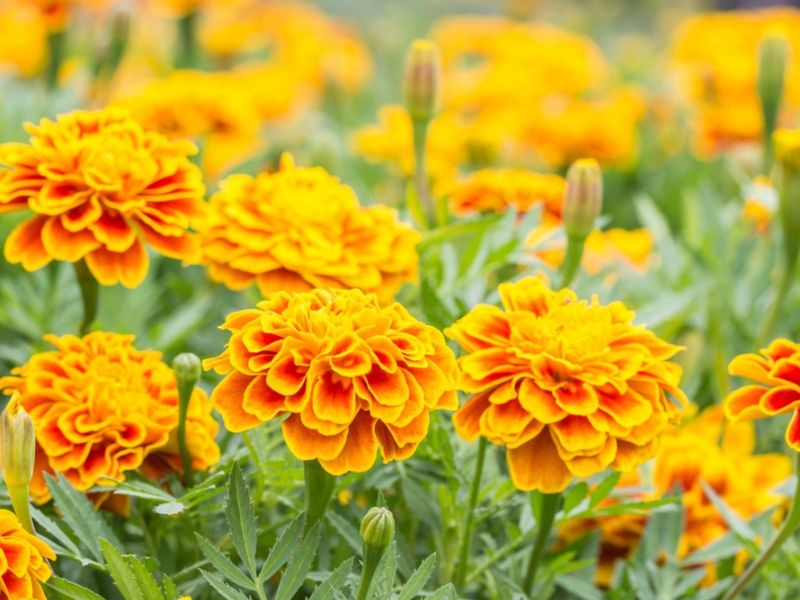
Marigolds, with their rich gold and orange blooms, are like little suns dotting the garden. Known for their pest-repellent properties, they are a gardener’s best friend. Their distinct, spicy fragrance adds character to garden beds. Marigolds are versatile, thriving in various soil types and conditions. These flowers not only add vibrant color but also serve a practical purpose by keeping unwanted insects at bay. Historically, marigolds have been used in cultural ceremonies across the world, symbolizing passion and creativity.
3. Zinnias
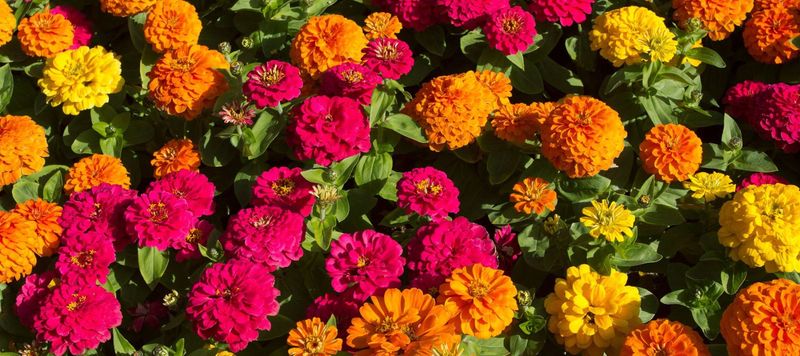
Zinnias bring a carnival of colors to any garden, with blooms in nearly every shade imaginable. These cheerful flowers are a favorite among pollinators, drawing butterflies and bees with their nectar-rich centers. Zinnias thrive in full sun and enjoy the warmth of summer, making them perfect for brightening up garden borders. Their sturdy stems and long-lasting blooms make for excellent cut flowers. Historically, zinnias were named after German botanist Johann Zinn, whose work in the 18th century helped popularize them.
4. Sunflowers
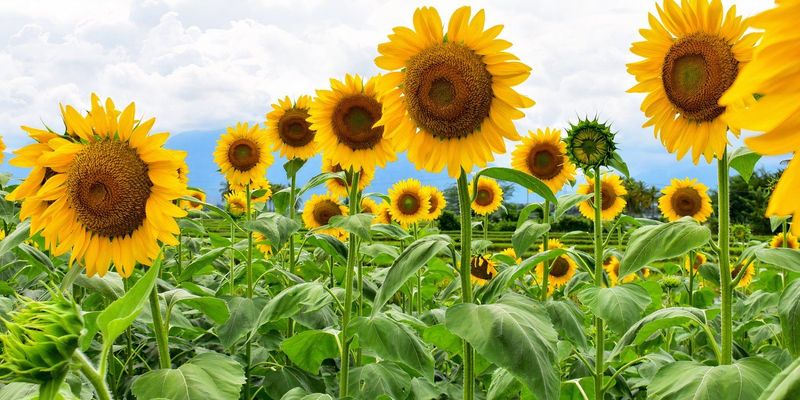
Sunflowers, with their towering height and sunny disposition, are the giants of the garden. Their bright yellow petals and large centers follow the sun, a phenomenon known as heliotropism. These flowers create a striking visual impact, adding height and drama to any outdoor space. Sunflowers are also known for their edible seeds, enjoyed by both humans and wildlife. Their ability to thrive in various climates makes them a garden favorite. Did you know? Sunflowers were domesticated in North America as early as 3000 BCE.
5. Cosmos
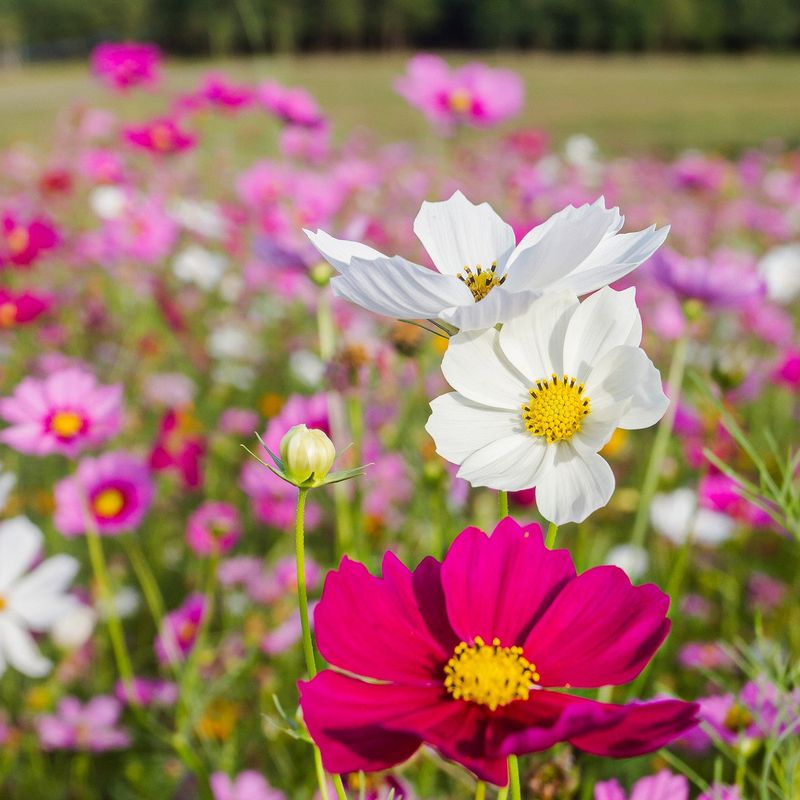
Cosmos flowers, with their airy petals and fern-like foliage, bring a touch of elegance to the garden. Their delicate blooms sway gracefully in the breeze, creating a sense of movement and life. Available in a palette of pinks, whites, and purples, cosmos are perfect for creating a romantic garden setting. They are drought-tolerant and thrive in poor soil, making them a resilient choice for many gardeners. These flowers have a long blooming period, delighting garden enthusiasts with their beauty all summer long.
6. Nasturtiums
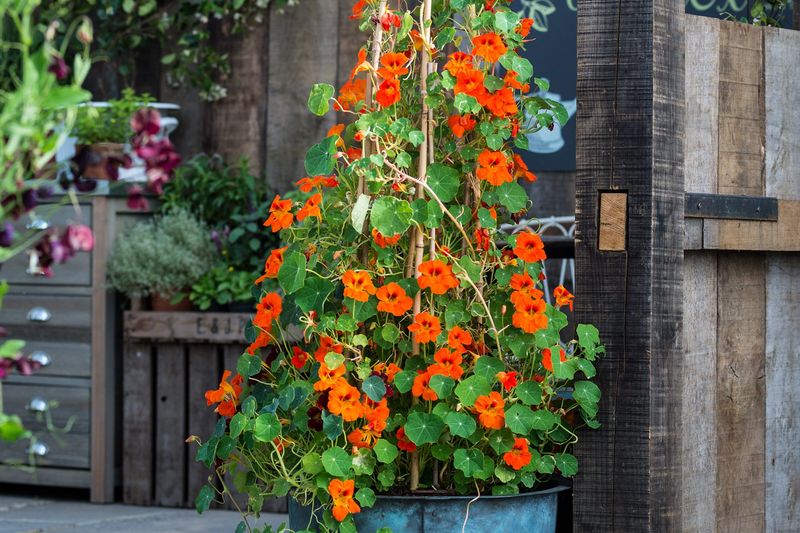
Nasturtiums add a splash of color with their bold, fiery blooms and sprawling vines. These flowers are not only visually striking but also edible, with a peppery taste that enhances salads and dishes. Nasturtiums are excellent for covering garden walls or borders, as their vines cascade beautifully. They are easy to grow, thriving in poor soil and requiring minimal care. Historically, nasturtiums were revered by the Incas, who used them for their medicinal properties. Their vibrant colors and unique flavor make them a garden staple.
7. Impatiens
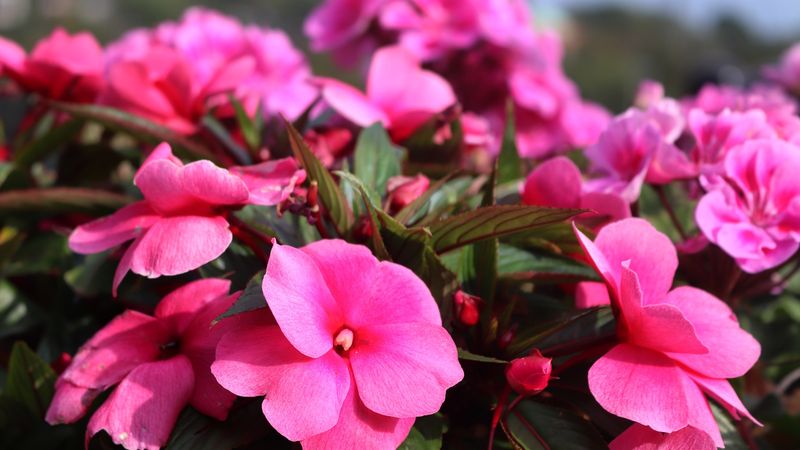
Impatiens, with their bright and cheerful blooms, are perfect for adding color to shady garden spots. These flowers are known for their ability to thrive in low-light conditions, making them ideal for woodland gardens. Impatiens come in a wide range of colors, from deep reds to soft pastels, allowing for creative garden designs. Their compact growth habit makes them suitable for borders and containers. Originally from East Africa, impatiens have become popular worldwide due to their adaptability and ease of care.
8. Geraniums
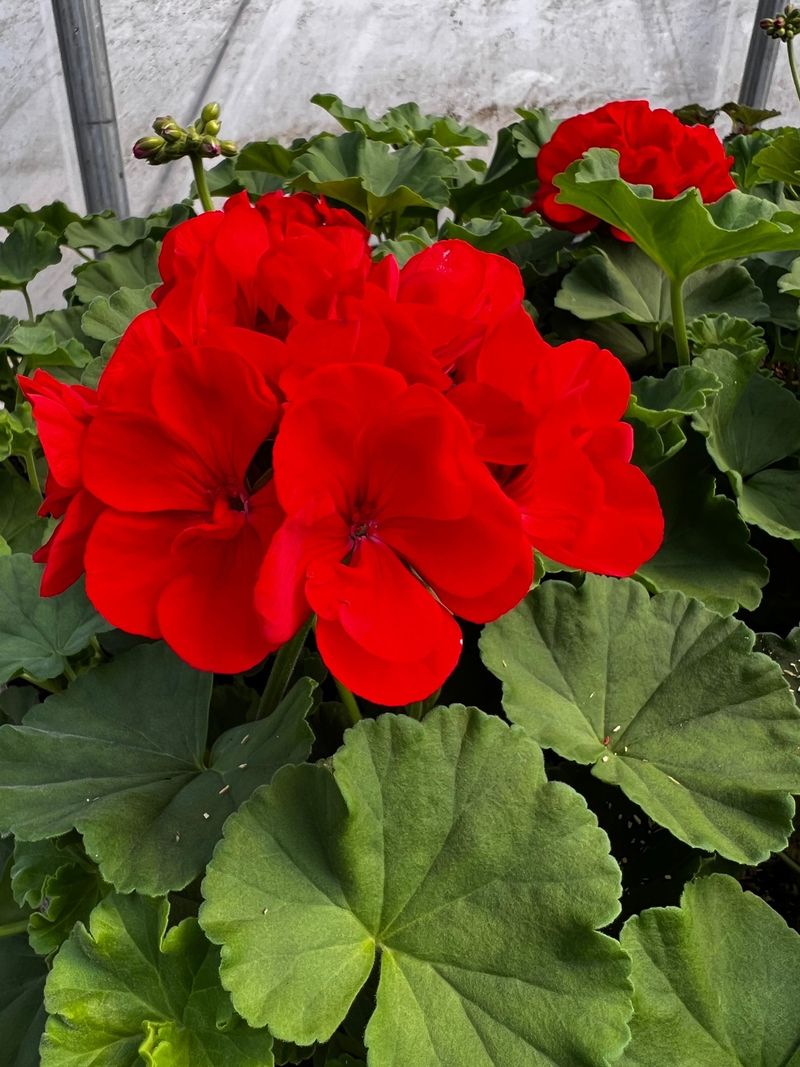
Geraniums, with their vibrant blooms and aromatic leaves, are a garden classic. These flowers are known for their striking clusters of blooms and easy-care nature. Geraniums thrive in sunny spots and are drought-tolerant, making them ideal for containers and garden beds. Their flowers come in a variety of colors, including reds, pinks, and whites, adding cheer to any garden setting. Geraniums have a rich history, with some species used for their essential oils and medicinal properties.
9. Snapdragons
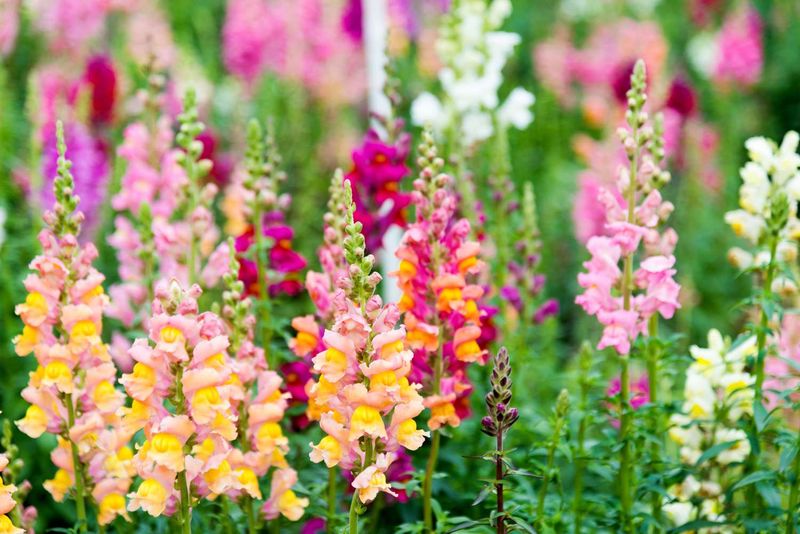
Snapdragons add vertical interest to gardens with their tall, spiky blooms. These flowers come in a range of colors, from soft pastels to bold reds and yellows. Snapdragons are known for their unique, dragon-shaped flowers that open and close when pinched, delighting children and adults alike. They prefer cooler weather and can bloom in both spring and fall, offering a long-lasting display. Historically, snapdragons were believed to offer protection from evil spirits when planted near the home.
10. Begonias
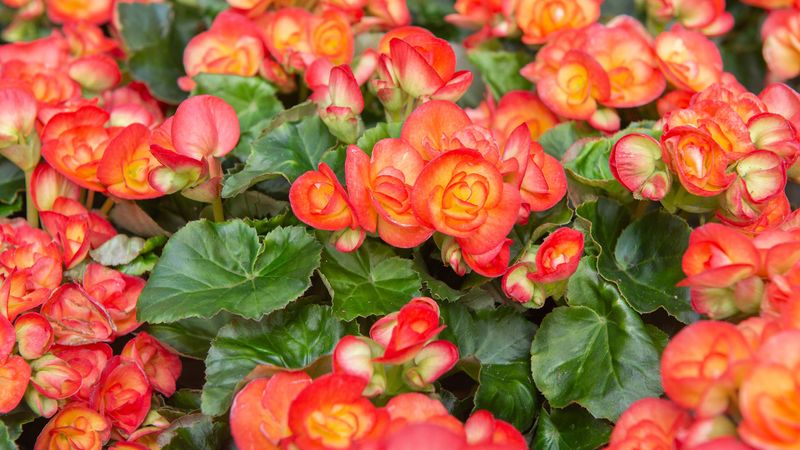
Begonias bring a burst of color to shaded garden areas with their vibrant blooms and lush foliage. These flowers are prized for their showy petals and ability to thrive in low-light conditions. Begonias are versatile, suitable for containers, hanging baskets, and garden beds. Their flowers come in a spectrum of colors, from bright reds to soft pinks and whites. Begonias have a rich botanical history, with many species originating from tropical regions around the world.
11. Lavender
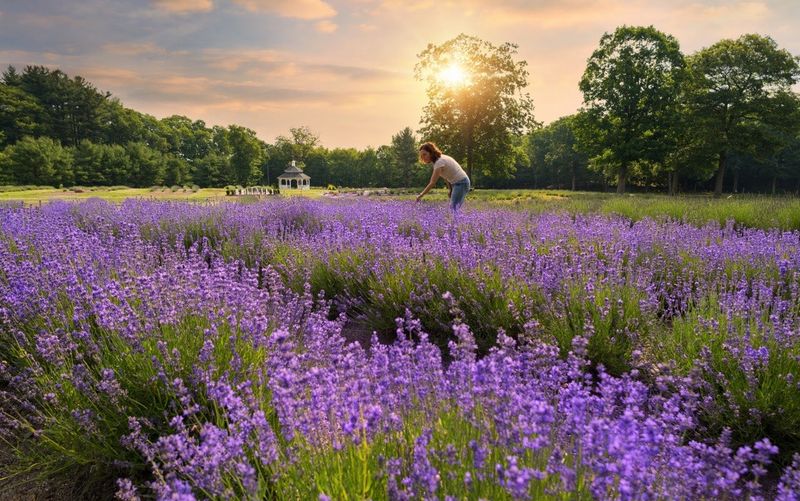
Lavender is known for its soothing fragrance and beautiful purple blooms. These flowers add a touch of elegance to any garden, with their tall flower spikes and silver-green foliage. Lavender thrives in sunny, well-drained locations and is drought-resistant, making it a low-maintenance choice for gardeners. The blooms attract pollinators, including bees and butterflies, enhancing garden biodiversity. Lavender has been used for centuries in perfumes, medicines, and culinary dishes, thanks to its aromatic properties.
12. Dahlias
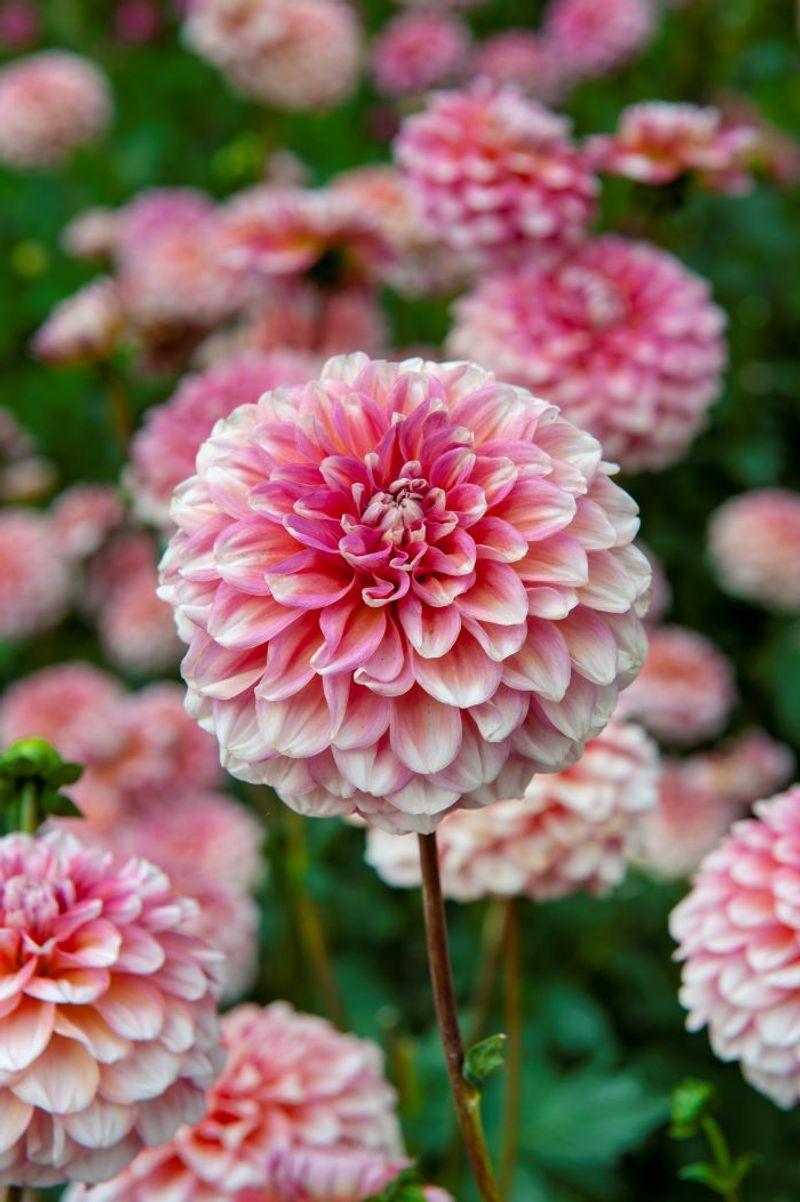
Dahlias, with their intricate blooms and vibrant colors, are the jewels of the garden. These flowers come in a wide array of shapes, from pom-poms to dinner-plate sizes, adding diversity to garden beds. Dahlias are sun-loving and thrive in well-drained soil, making them a favorite among gardeners. Their long blooming period extends the beauty of the garden well into late summer. Did you know? Dahlias originated in Central America, where they were cultivated by the Aztecs for both ornamental and edible purposes.
13. Alyssums
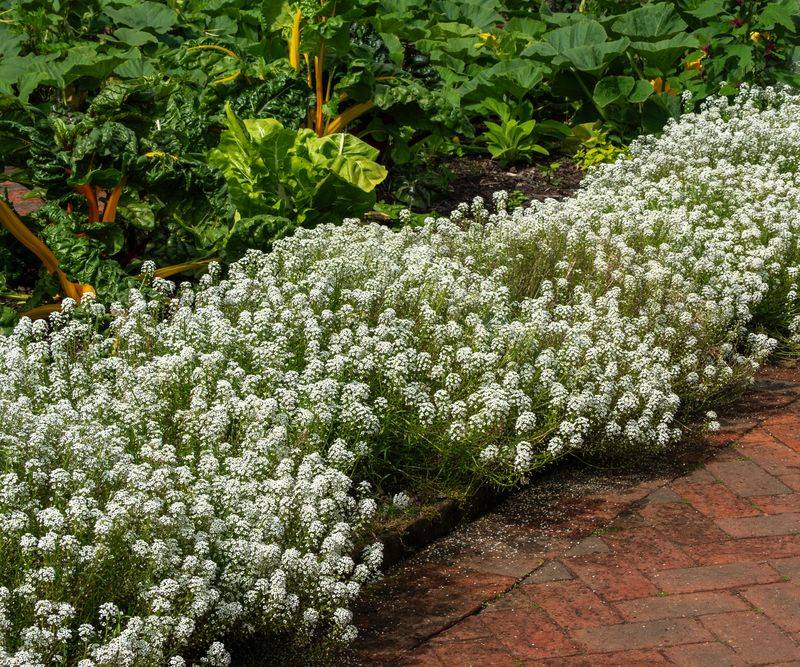
Sweet alyssums, with their delicate clusters of tiny flowers, create a fragrant carpet in the garden. These low-growing plants are perfect for edging paths and borders, adding a soft touch to garden designs. Alyssums thrive in cool weather and can bloom from spring through fall with proper care. Their blooms come in shades of white, purple, and pink, complementing a variety of garden styles. These flowers are not only beautiful but also attract beneficial insects, promoting a healthy garden ecosystem.
14. Black-Eyed Susans
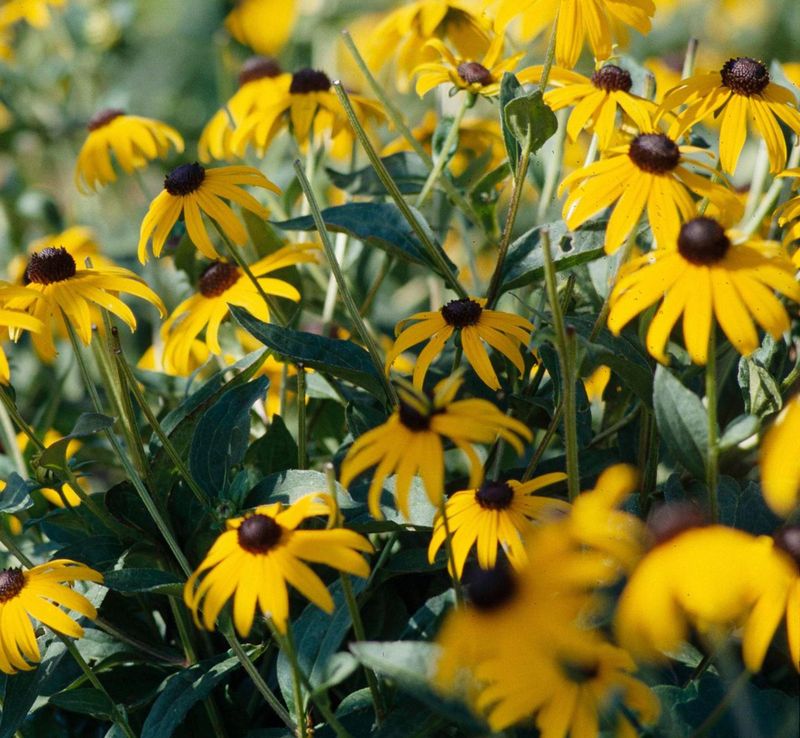
Black-eyed Susans bring a burst of sunshine to gardens with their golden petals and dark centers. These native American wildflowers are a symbol of summer, known for their resilience and adaptability. Black-eyed Susans thrive in full sun and can tolerate a range of soil conditions, making them easy to grow. They are perfect for wildflower gardens and pollinator-friendly landscapes, attracting bees and butterflies. Historically, black-eyed Susans were used by Native Americans for medicinal purposes, and they continue to be a beloved garden staple.
15. Coreopsis
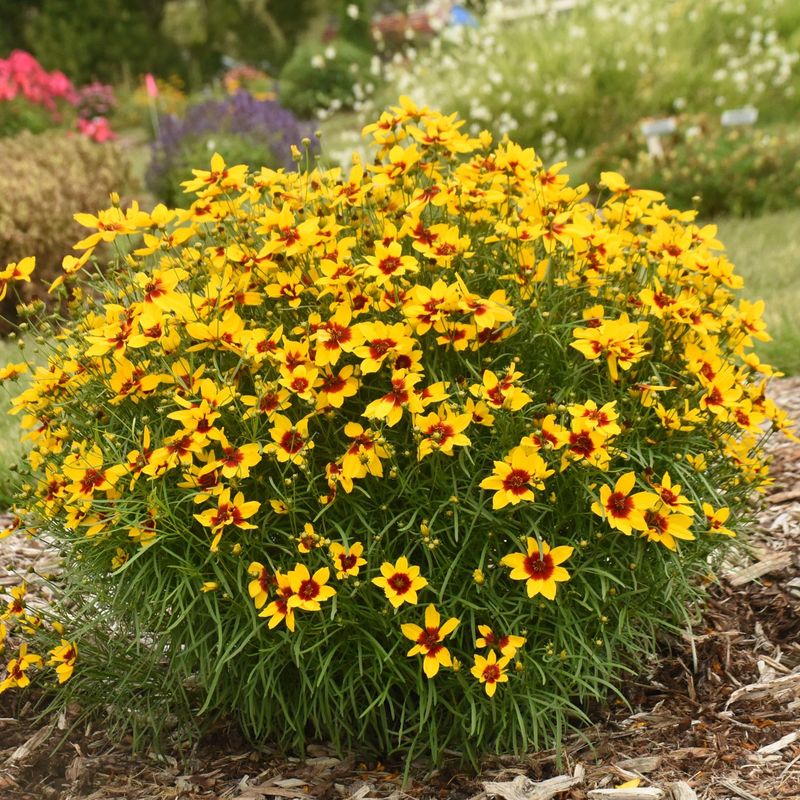
Coreopsis, with their daisy-like blooms, add a cheerful touch to any garden setting. These flowers are known for their bright yellow petals and sunny disposition, thriving in full sun and well-drained soil. Coreopsis are drought-tolerant and can bloom continuously throughout the summer months. Their vibrant colors attract pollinators, including bees and butterflies, enhancing garden biodiversity. Coreopsis, also known as tickseed, have a rich history of being used in traditional medicine for their healing properties.
16. Lantanas
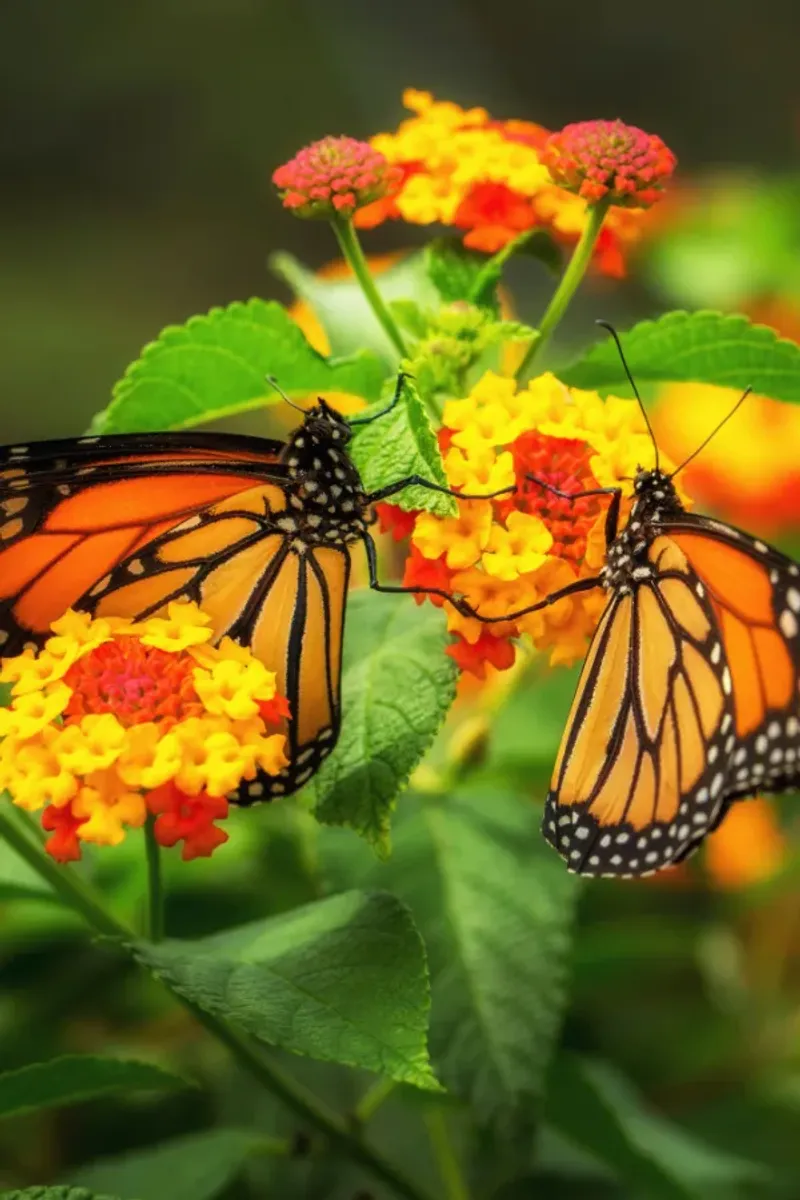
Lantanas are known for their vibrant, multi-colored blooms that change color as they mature. These flowers are heat-tolerant and thrive in sunny garden spots, offering a splash of color throughout the summer. Lantanas attract a variety of pollinators, including butterflies and hummingbirds, making them a lively addition to any garden. Their resilience and ability to bloom in challenging conditions make them a favorite among gardeners. Historically, lantanas have been used in folk medicine for their antiseptic properties.
17. Gaillardias
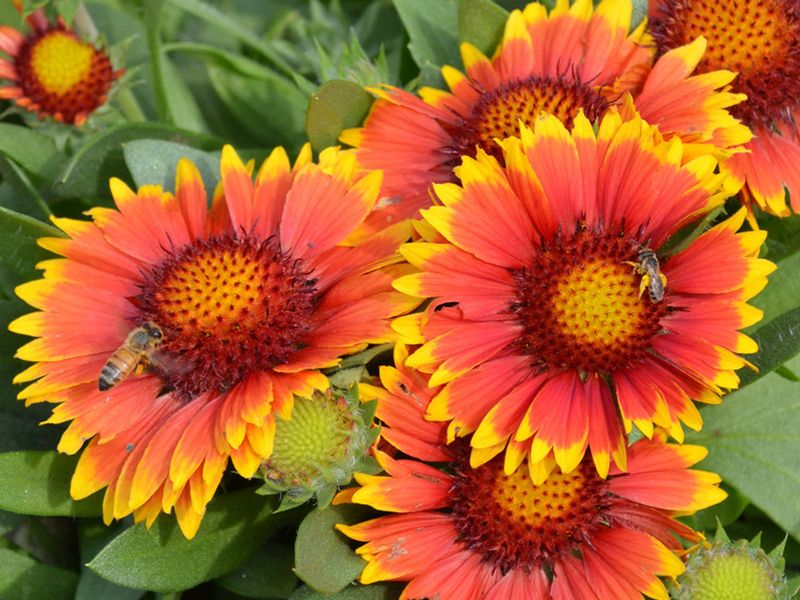
Gaillardias, or blanket flowers, are known for their fiery red and yellow blooms that create a striking contrast in the garden. These sun-loving flowers thrive in well-drained soil and are drought-tolerant, making them easy to care for. Gaillardias have a long blooming period, extending garden beauty from early summer to fall. Their vibrant colors attract pollinators, including bees and butterflies, promoting a healthy garden ecosystem. Named after an 18th-century French botanist, gaillardias have become a garden favorite worldwide.
18. Morning Glories
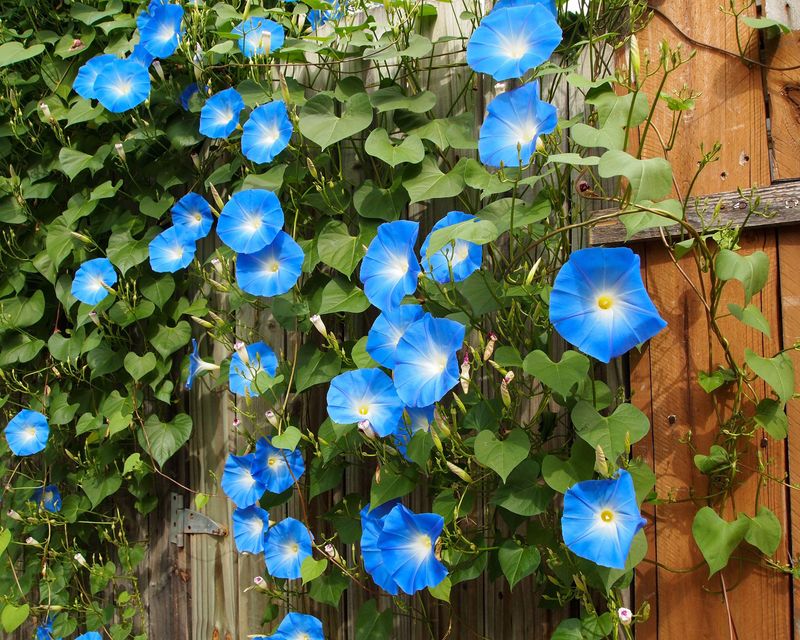
Morning glories are known for their enchanting trumpet-shaped blooms that open with the sunrise. These fast-growing vines add vertical interest to gardens, perfect for adorning trellises and fences. Morning glories thrive in full sun and well-drained soil, offering a cascading display of blue, pink, and purple flowers. These blooms attract hummingbirds and bees, enhancing garden biodiversity. Morning glories have a rich history, with seeds used by the Aztecs for medicinal and spiritual purposes. Their cheerful presence in the garden is a daily delight.
19. Sweet Peas
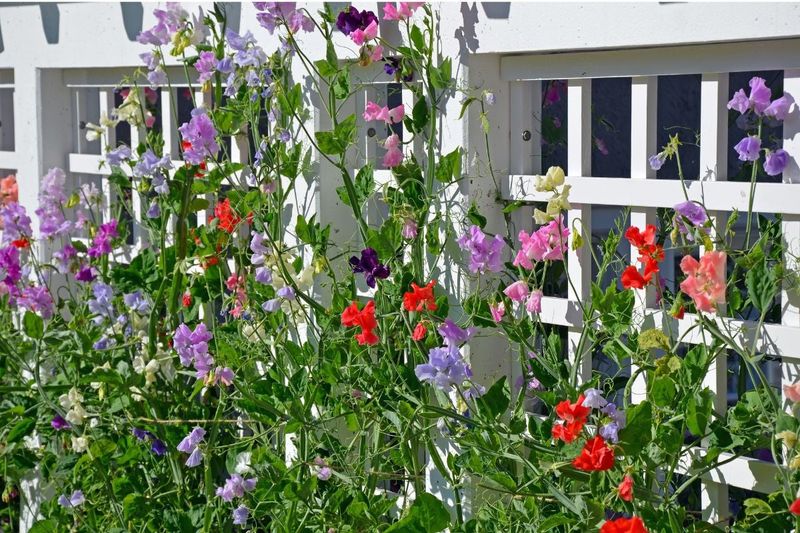
Sweet peas, with their delicate, fragrant blooms, bring a touch of nostalgia to any garden. These climbing plants are perfect for training on trellises, creating vertical interest and a romantic atmosphere. Sweet peas thrive in cool weather and well-drained soil, blooming in pastel shades of pink, lavender, and white. Their intoxicating fragrance is a favorite among gardeners and florists alike. Historically, sweet peas have been cultivated since the 17th century, prized for their beauty and scent.
20. Calendulas
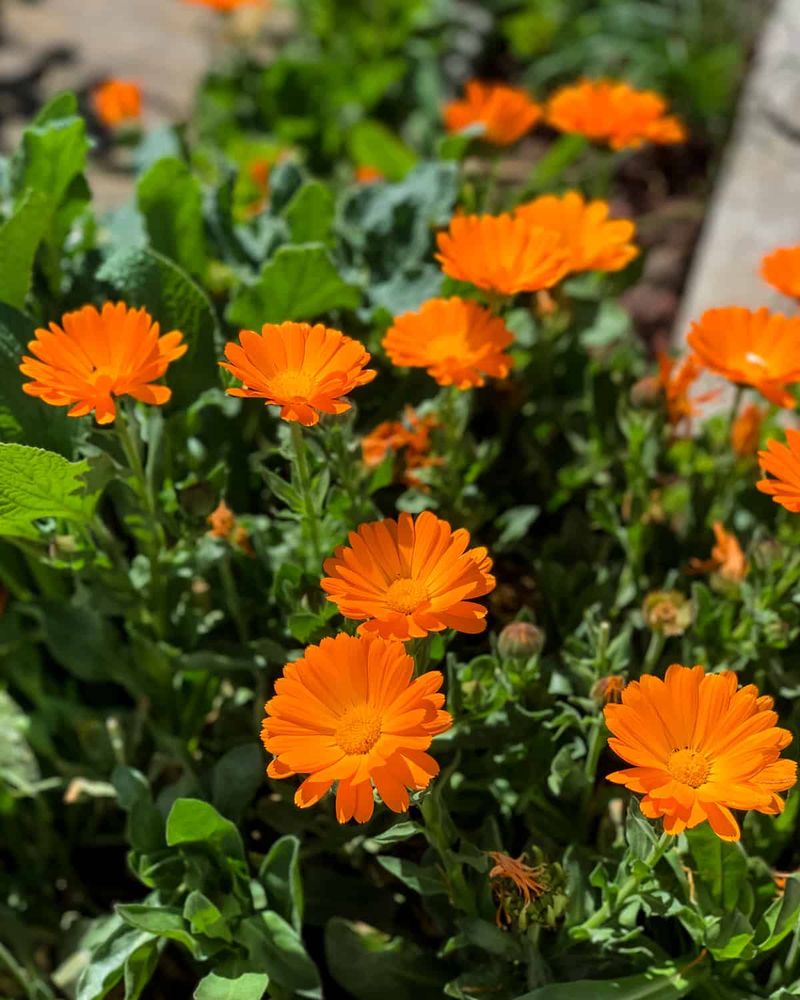
Calendulas, also known as pot marigolds, are known for their bright orange blooms and medicinal properties. These cheerful flowers thrive in sunny spots and well-drained soil, adding color to garden beds and borders. Calendulas are easy to grow and have been used for centuries in herbal remedies and culinary dishes. Their petals are edible, often used to add color to salads and teas. Calendulas attract beneficial insects, promoting a healthy garden ecosystem. Their vibrant presence in the garden is both beautiful and practical.
21. Hibiscus
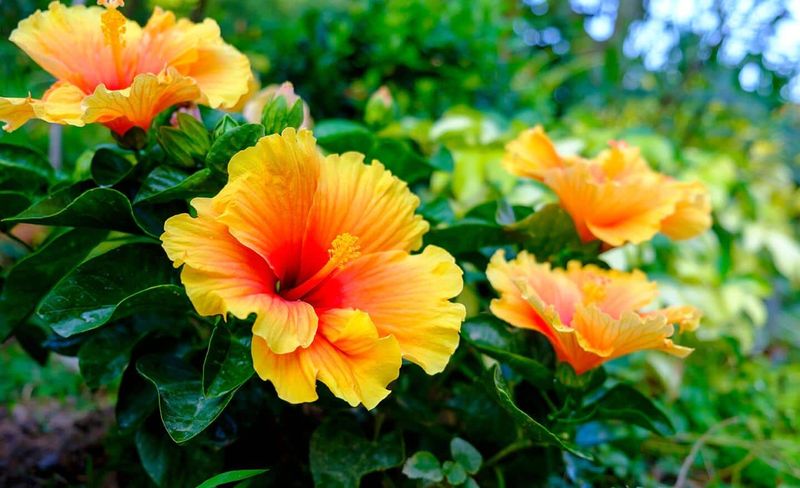
Hibiscus flowers bring a touch of the tropics to any garden with their large, showy blooms. These flowers thrive in warm climates and full sun, offering vibrant colors such as red, pink, and orange. Hibiscus are known for their ability to attract pollinators, including butterflies and hummingbirds. Their blooms can last for just one day, but their beauty makes a lasting impression. Historically, hibiscus have been used in teas and as natural dyes, cherished for their decorative and practical uses.
22. Salvias
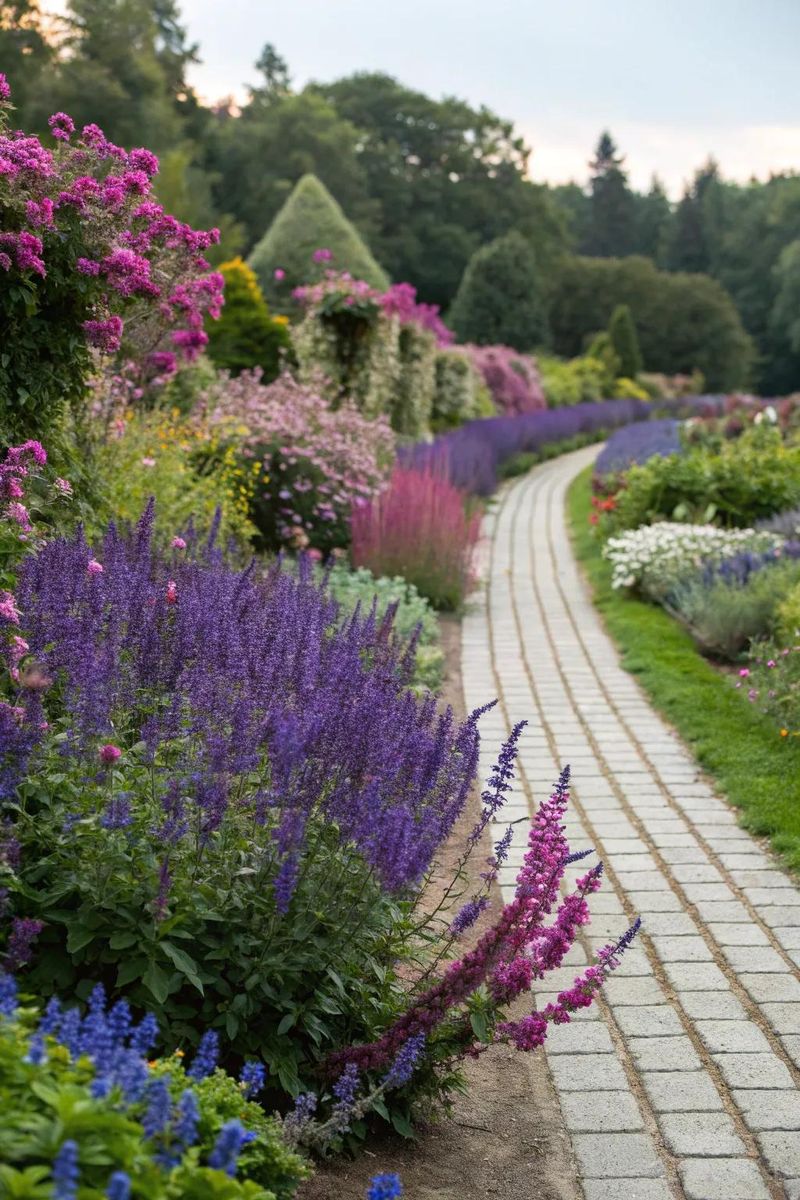
Salvias, with their tall spires of blooms, add height and color to garden borders. These flowers come in a range of colors, from deep purples to bright reds, and are known for their ability to attract pollinators. Salvias thrive in sunny, well-drained locations and are drought-tolerant, making them a low-maintenance choice for gardeners. The blooms of salvias are not only beautiful but also aromatic, adding fragrance to the garden. Historically, salvias have been used in traditional medicine for their healing properties.
23. Yarrow
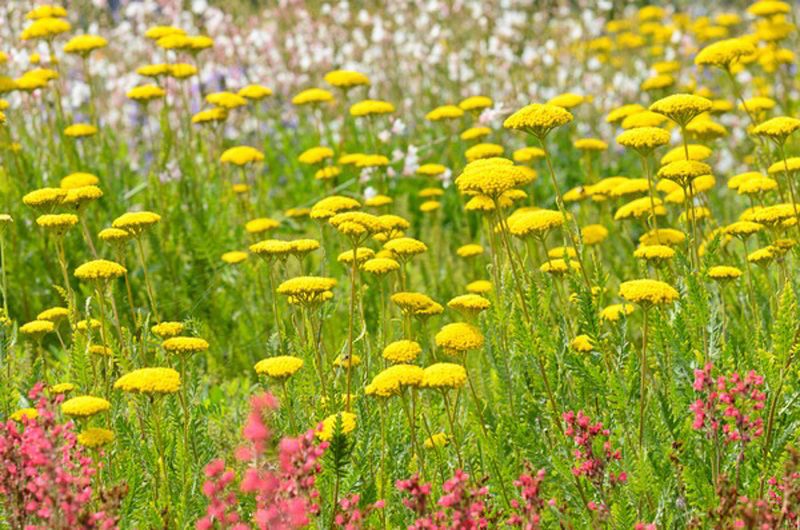
Yarrow, with its flat-topped clusters of flowers, adds texture and interest to garden meadows. These hardy plants thrive in a variety of conditions, from full sun to partial shade, and are drought-tolerant. Yarrow flowers come in a range of colors, including white, pink, and yellow, complementing naturalistic garden designs. Their long blooming period and ability to attract pollinators make them a valuable addition to any garden. Historically, yarrow has been used for its medicinal properties, valued for its healing abilities.
24. Rudbeckias
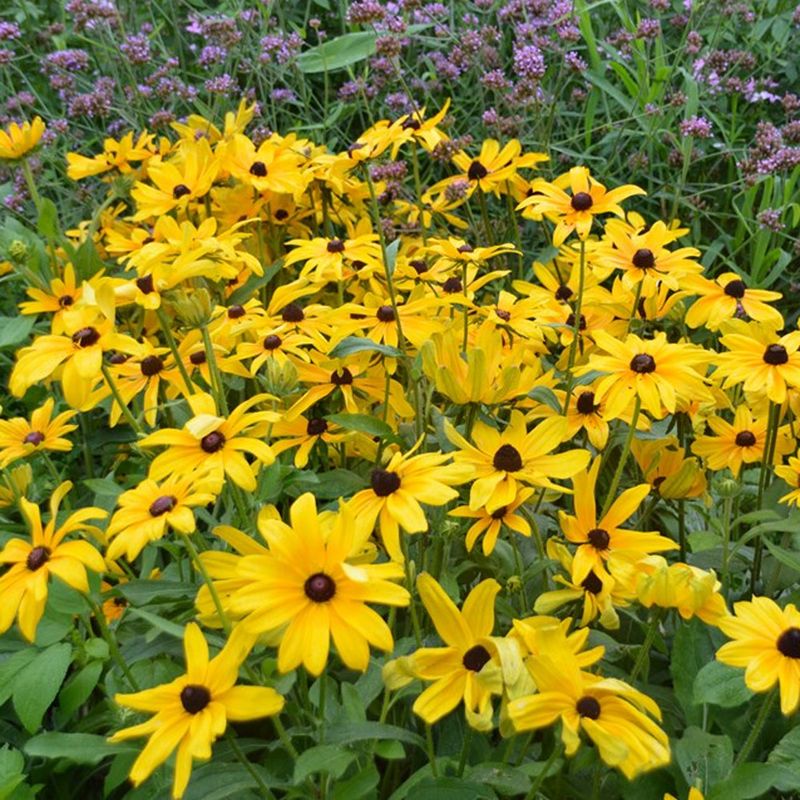
Rudbeckias, with their bright yellow petals and dark centers, are iconic summer flowers. These hardy perennials thrive in full sun and well-drained soil, offering a long-lasting display from summer to fall. Rudbeckias attract a variety of pollinators, including bees and butterflies, enhancing garden biodiversity. Their resilient nature and striking appearance make them a favorite among gardeners. Named after Swedish botanist Olof Rudbeck, these flowers have become a symbol of summer, bringing warmth and joy to gardens worldwide.
25. Four O’Clocks
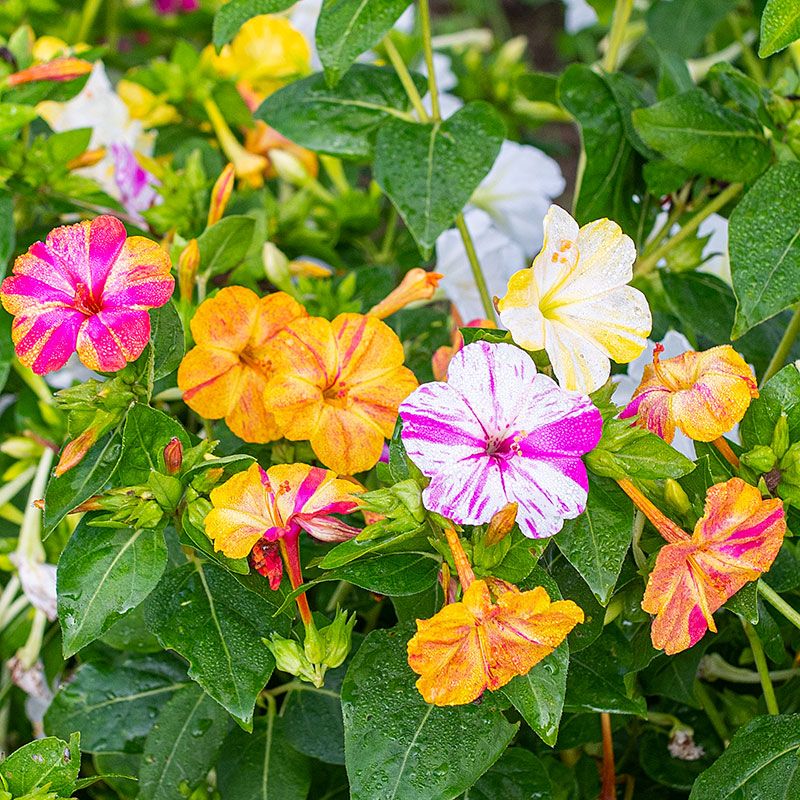
With an enigmatic name, Four O’Clocks bring a sense of wonder to any garden. Blossoming in the late afternoon, these flowers provide a delightful evening spectacle with their trumpet-shaped blooms. Available in shades of pink, yellow, and white, they offer variety without overwhelming the senses.
Their subtle fragrance adds a touch of enchantment, inviting both guests and pollinators alike. It’s fascinating to see Four O’Clocks unfurl as the day cools, transforming ordinary evenings into magical moments.
Did you know? These flowers have a rich history, originally cultivated by the Aztecs. Their charm is timeless, perfect for any summer garden.