 Complete Gardening
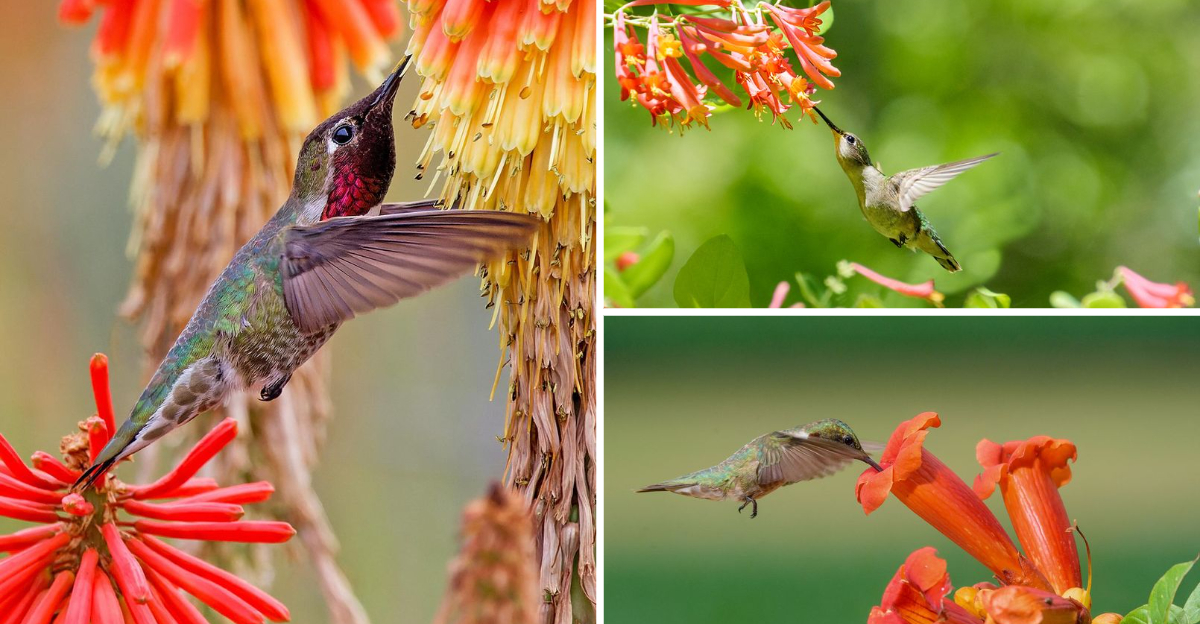
Explore a curated selection of blooms, both classic and new, that are perfect for attracting hummingbirds to your garden. This list includes 15 timeless favorites that hummingbirds have adored for generations, along with 11 fresh blooms to consider adding to your garden this season.
1. Trumpet Vine
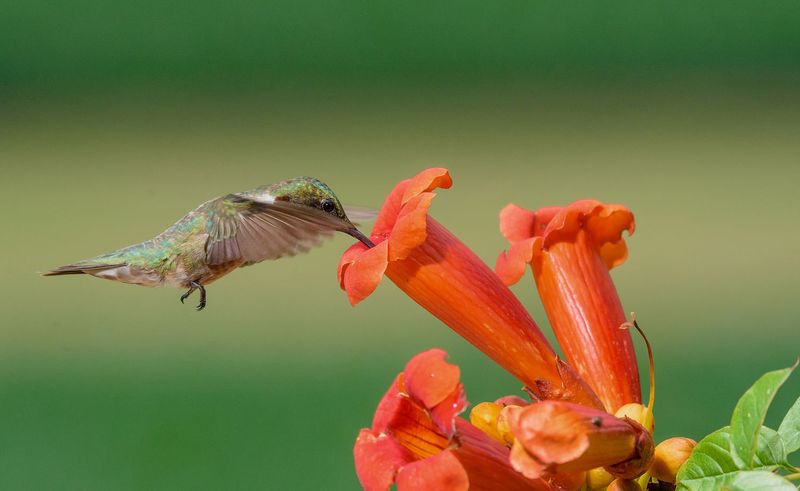
The trumpet vine, with its striking orange blooms, offers a vivid splash of color that never fails to capture attention. Its long, tubular flowers are a favorite among hummingbirds, drawn to both their shape and abundant nectar.
Plant this vigorous climber near trellises or fences, and watch how it quickly becomes a focal point. Its hardy nature means it thrives in a variety of conditions. However, given its rapid growth, some gardeners consider it quite the garden invader.
Despite this, the trumpet vine’s stunning beauty and appeal to hummingbirds make it a must-have.
2. Bee Balm
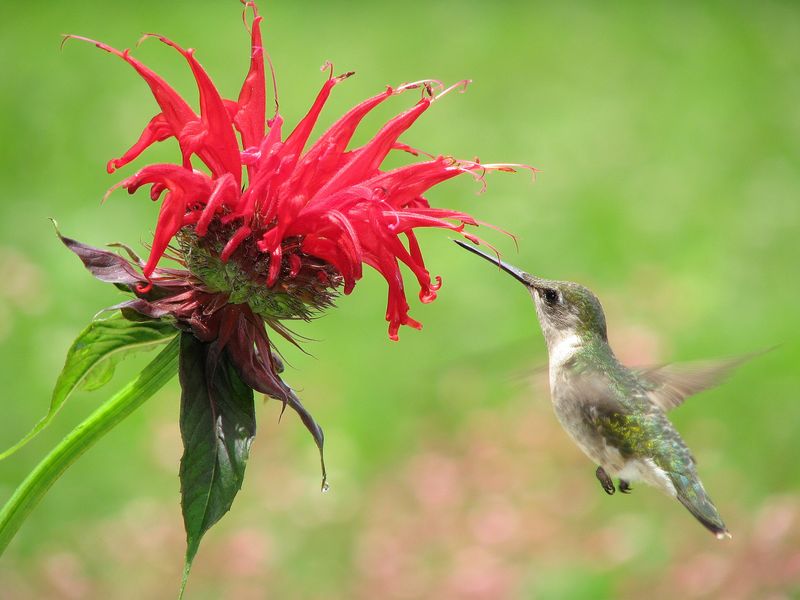
Bee balm, a bee and bird magnet, boasts vibrant blooms that add a pop of color to gardens. Its fragrant, tubular flowers attract hummingbirds, providing them with a rich source of nectar.
Grown in clusters, bee balm forms a dense display that can cover a garden bed. Its colors range from deep reds to purples, each hue as captivating as the next. In addition to its visual allure, bee balm has a history of medicinal use.
For a garden buzzing with life, bee balm is an excellent choice to consider this season.
3. Honeysuckle
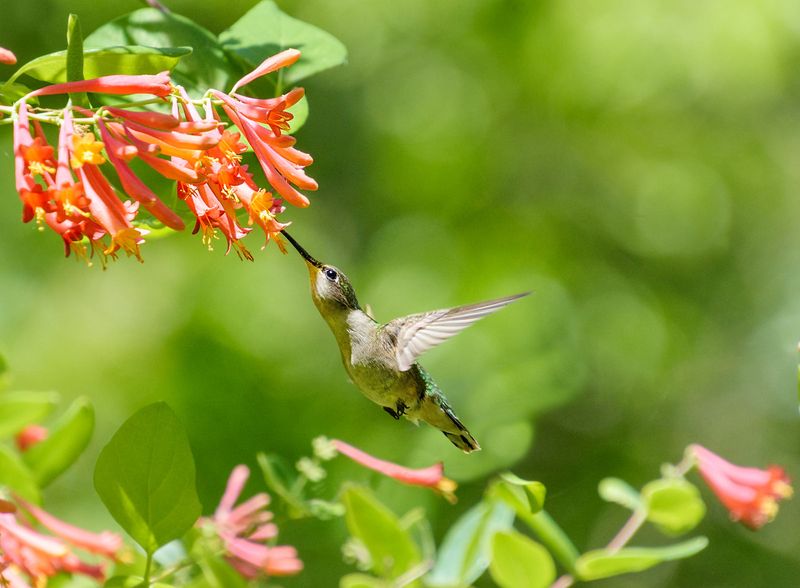
Honeysuckle, with its intoxicating aroma and bright blooms, is a beloved classic for hummingbird enthusiasts. Its flowers, in hues of red, yellow, and white, offer a sweet nectar that hummingbirds find irresistible.
This perennial vine is perfect for covering fences and trellises, adding both fragrance and beauty to the landscape. Its rapid growth and ability to thrive in different climates make it a gardener’s favorite.
A word of caution, though: honeysuckle can become invasive if not properly managed. Nonetheless, its charm and appeal are hard to resist.
4. Salvia
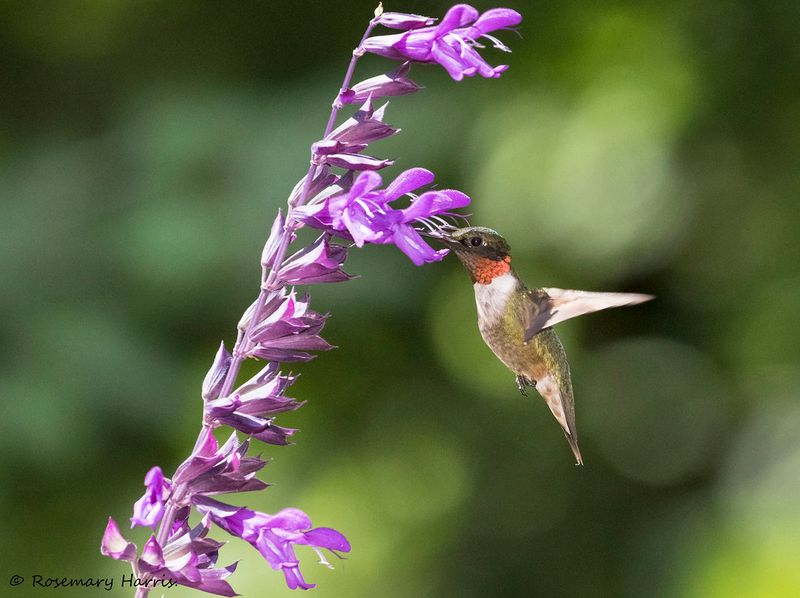
Salvia, with its tall spikes of blue or purple flowers, creates a stunning visual display. Hummingbirds are particularly drawn to its tubular blooms, which provide an ample supply of nectar.
Plant salvia in sunny areas, and it will reward you with a long blooming season. Its vibrant colors and ease of care make it a popular choice for gardeners.
In addition to its aesthetic appeal, salvia is known for its drought tolerance and resilience, making it a practical and beautiful addition to any garden looking to attract hummingbirds.
5. Columbine
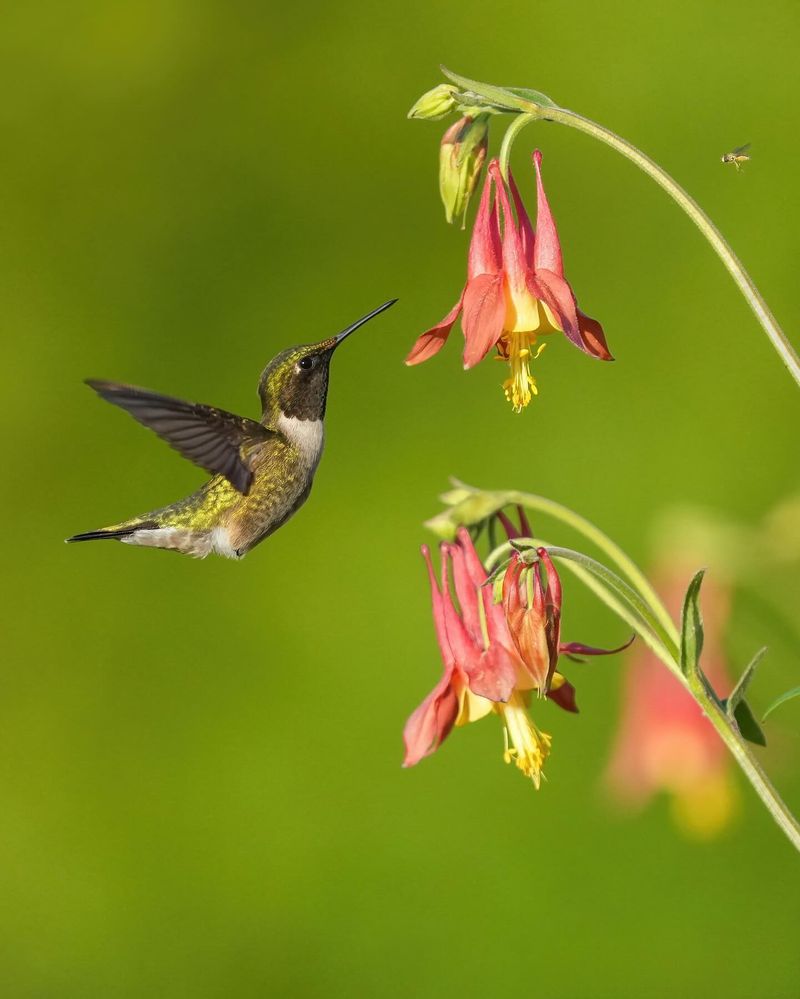
Columbine, with its intricate, star-shaped flowers, offers a whimsical touch to any garden setting. The unique shape of its blooms makes it particularly attractive to hummingbirds seeking nectar.
These perennials thrive in shaded areas, bringing color and life to spaces where other flowers might struggle. Known for their adaptability, columbines are easy to grow and maintain.
With a variety of colors to choose from, columbines can suit any gardener’s palette. Their enchanting beauty and ability to attract hummingbirds make them a beloved favorite.
6. Cardinal Flower
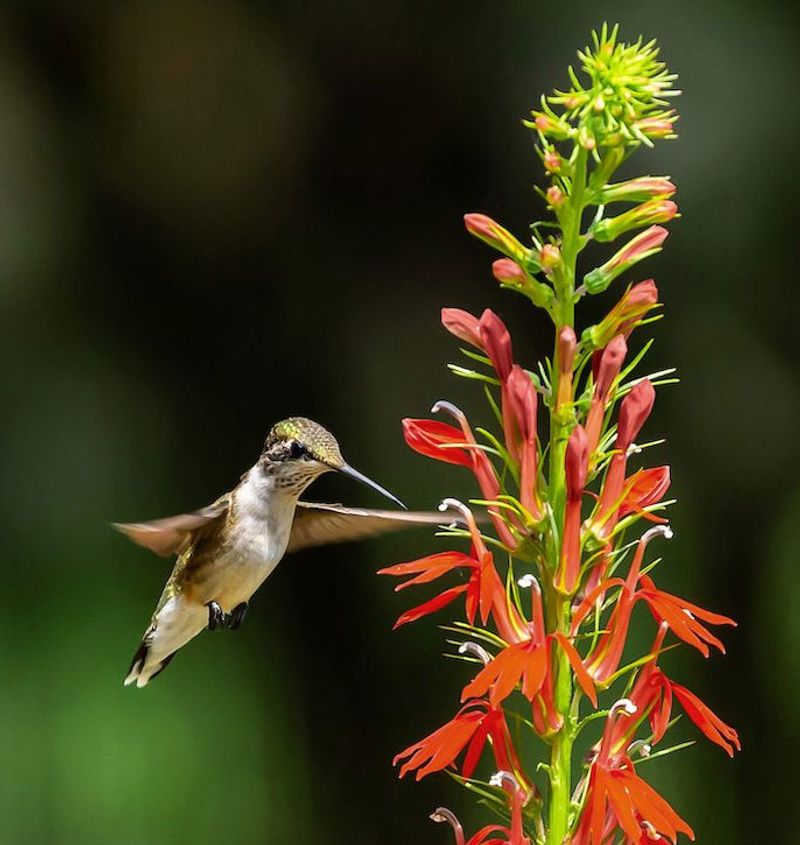
The Cardinal Flower, with its bright red petals, offers a spectacular sight that seldom goes unnoticed by both humans and hummingbirds. These striking blooms are not just visually appealing but also rich in nectar, making them a hummingbird favorite.
Often found near streams or wet areas, its tall, spiky appearance adds drama to any garden. Legend has it that the Cardinal Flower was named after the red robes worn by Roman Catholic cardinals, and its elegant stature certainly mirrors this grandeur.
Plant it in a shaded spot with moist soil to see this beauty thrive.
7. Red Hot Poker
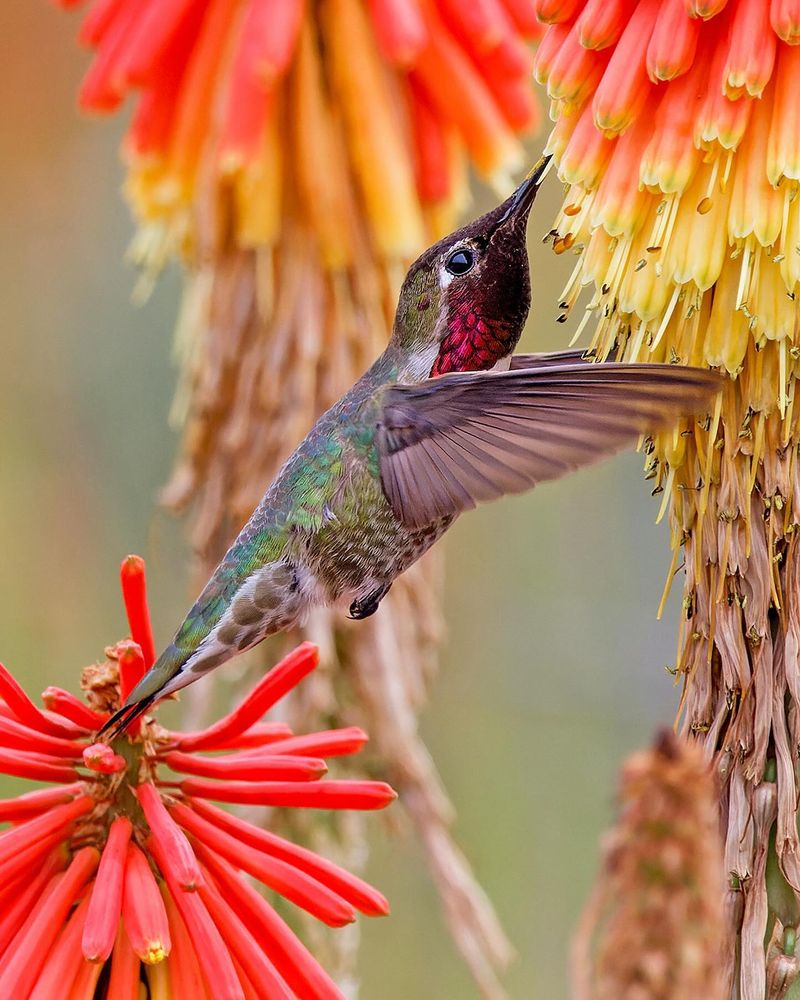
Red Hot Poker, or Kniphofia, is an exotic perennial that brings a fiery display to your garden. With their torch-like blooms and vivid colors, they attract not only hummingbirds but also curious onlookers.
These flowers thrive in well-drained soil and full sun, rewarding gardeners with towering spikes of tubular flowers. Originating from Africa, they are tolerant of drought and harsh conditions, making them a resilient choice.
Their unique shape and dynamic hues have earned them other playful names like Devil’s Poker. Enjoy the heat of Red Hot Pokers in your hummingbird haven.
8. Fireweed
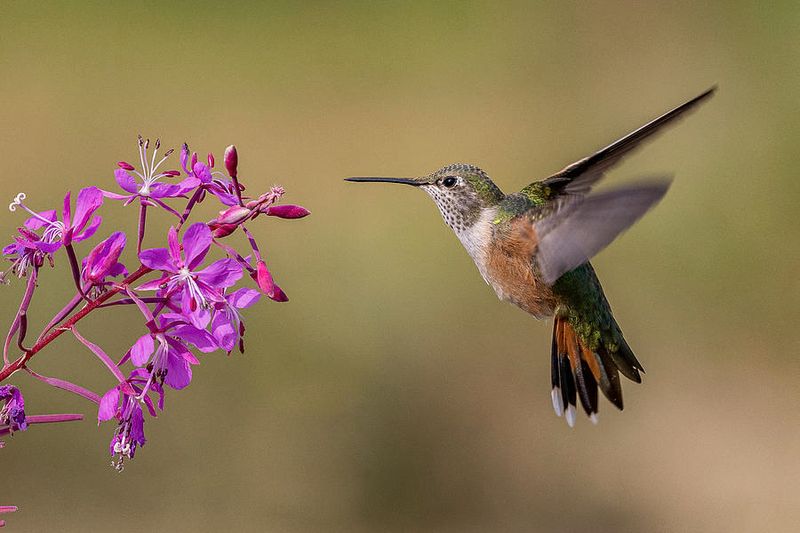
Fireweed, known for its striking pink flowers, is a common sight in the wilderness, especially in areas recovering from wildfires. This resilient bloom turns disaster into beauty, creating lush carpets of color that hummingbirds adore.
Its tall, spire-like structure reaches for the sky, with each flower giving way to downy seeds. Apart from attracting hummingbirds, Fireweed serves as a symbol of regeneration and hope.
Historically, indigenous peoples used parts of the Fireweed plant for food and medicine, highlighting its value beyond the ornamental. Plant it in partial to full sun for best results.
9. Coral Bells
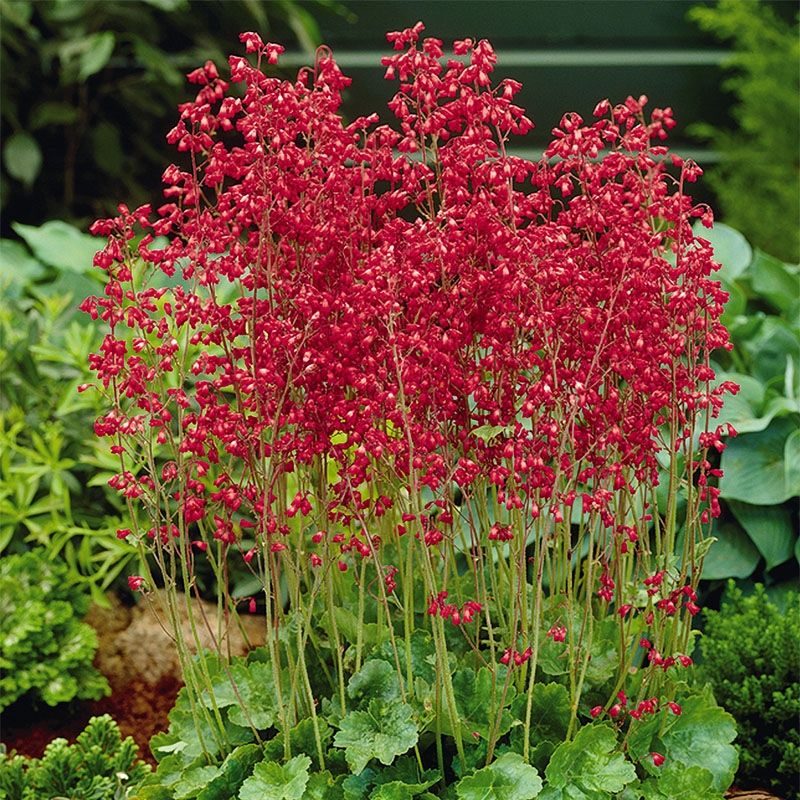
Coral Bells, with their charming bell-shaped flowers, offer a subtle allure to any garden. Their delicate blooms, ranging from pink to red, hang gracefully above broad, colorful leaves, making them a favorite for hummingbirds.
These perennial plants are perfect for adding bursts of color in shaded spots. They originate from North America and have become popular in gardens worldwide for their versatility and beauty.
Gardeners appreciate Coral Bells not just for their aesthetic appeal but also for their hardiness. Plant them in well-draining soil to enjoy their delicate blooms all season.
10. Fuchsia
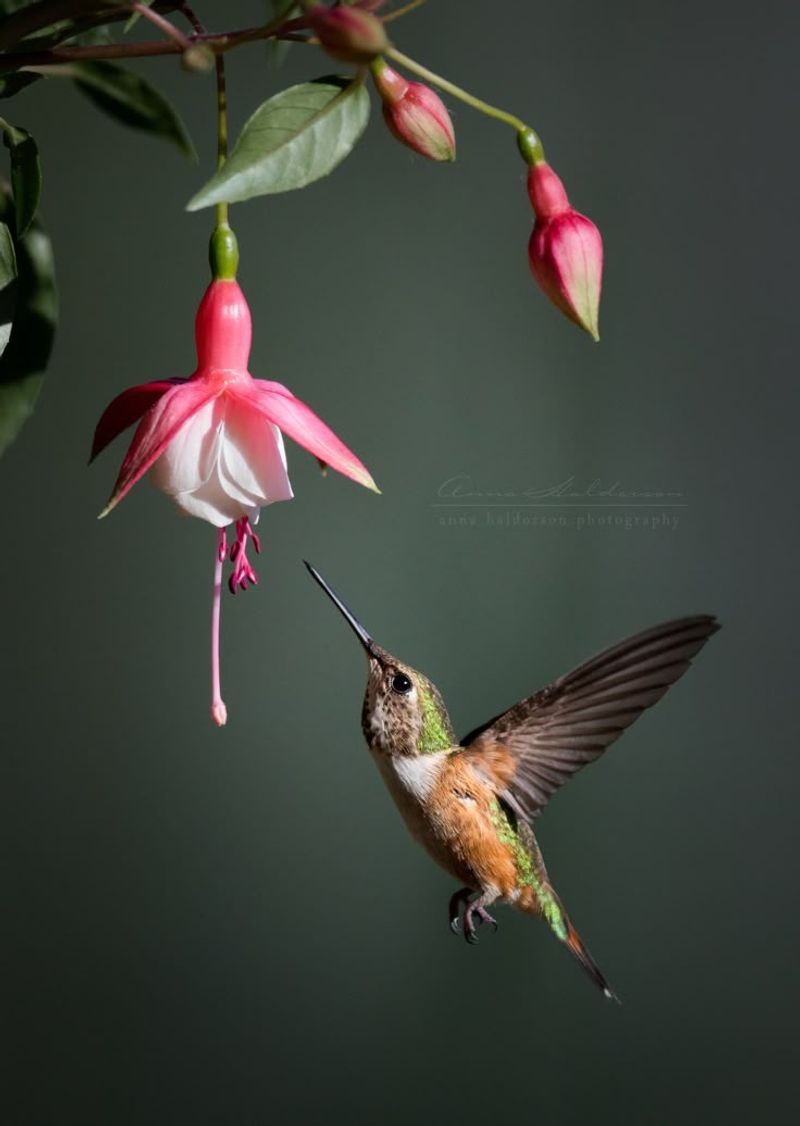
Fuchsia plants, with their stunning, pendulous flowers, are a beacon for hummingbirds. Their vibrant shades of pink and purple create a cascading waterfall of color, perfect for hanging baskets or patio pots.
Originally from South America, Fuchsias are known for their elegance and long blooming period. They add an exotic flair to gardens and are relatively easy to maintain with regular watering and a semi-shaded spot.
These flowers not only attract hummingbirds but also butterflies, creating a lively and buzzing garden atmosphere. Cultivate Fuchsia in well-drained soil and enjoy its enchanting presence.
11. Zinnia
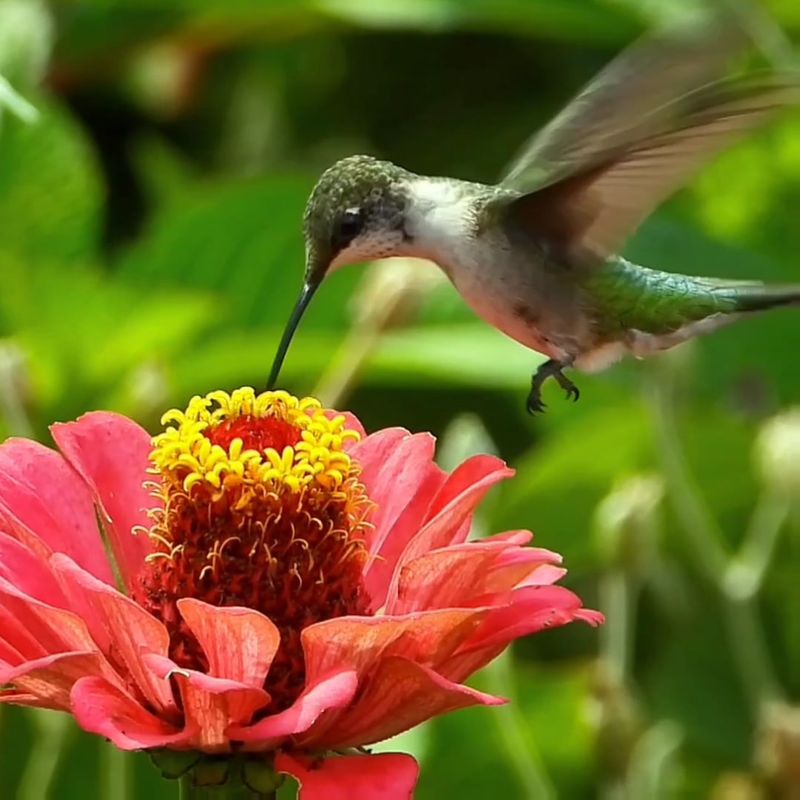
Zinnias, with their bold and cheerful blooms, are a staple in summer gardens. These annuals come in an array of colors, from deep red to sunny yellow, offering a feast for the eyes and enticing hummingbirds with their open petals rich in nectar.
Perfect for borders or cutting gardens, Zinnias thrive in full sun and well-drained soil. They are native to Mexico and renowned for their robust nature and long-lasting blooms.
Beyond their beauty, Zinnias are symbols of lasting affection and goodness. Plant them to bring vibrant life and joy to your garden.
12. Petunia
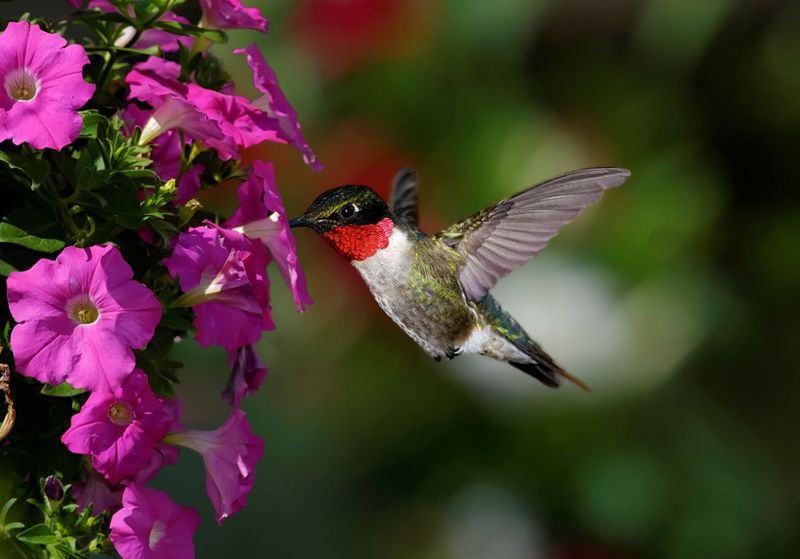
Petunias are classic favorites for gardeners looking to attract hummingbirds. Their trumpet-shaped flowers create a lovely display of color, ranging from deep purples to bright reds, making them irresistible to these tiny visitors.
These versatile plants thrive in containers, hanging baskets, and flower beds, offering flexibility for all garden sizes. Originating from South America, Petunias bloom from spring until frost, providing long-lasting beauty.
Known for their easy-growing nature and vibrant colors, Petunias add a cheerful touch to any garden. Ensure well-drained soil and full sun for optimal growth.
13. Lantana
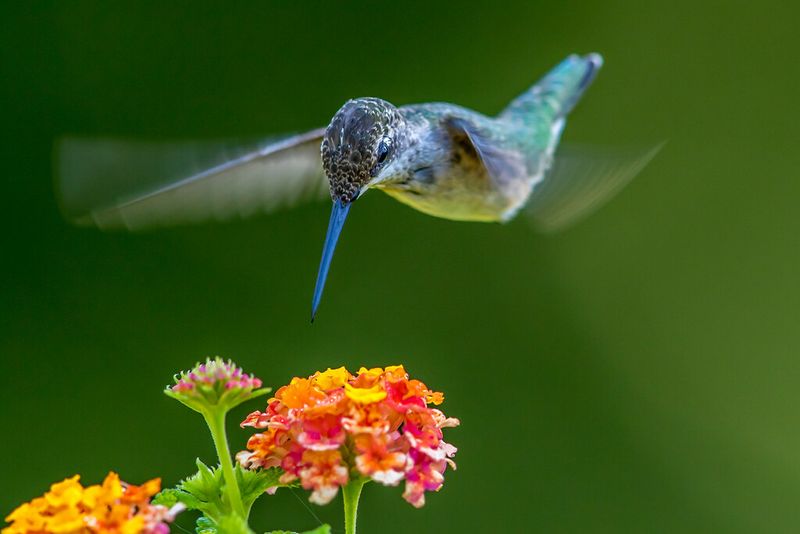
Lantana’s vibrant clusters of small flowers make a lively addition to any garden, especially for attracting hummingbirds. Their colors range from vivid oranges to pinks and yellows, shifting as the flowers mature.
These hardy shrubs thrive in warm climates, tolerating drought once established. They are native to tropical regions and have become popular for their resilience and long blooming period.
Beyond their visual appeal, Lantanas are known to attract a variety of pollinators, including butterflies. Plant them in sunny spots with well-drained soil for a riot of color and activity.
14. Bleeding Heart
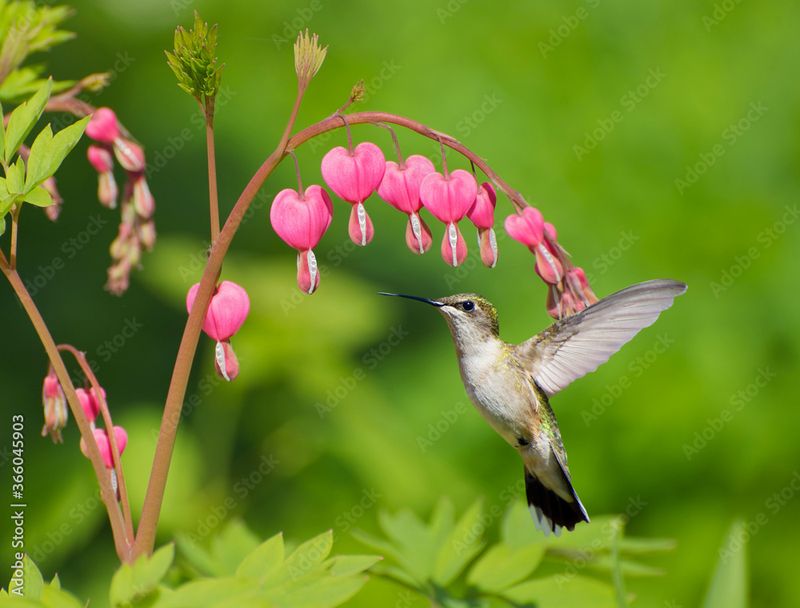
Bleeding Heart plants captivate with their unique, heart-shaped flowers that dangle delicately from arching stems. Their elegant appearance and soft pink hues make them a beloved choice for shady garden areas.
Native to eastern Asia and North America, these perennials bloom in spring, offering a romantic, old-fashioned charm. Hummingbirds are drawn to their nectar-rich flowers, which provide sustenance early in the season.
The Bleeding Heart’s distinctive blooms have inspired myths and poetry, adding a touch of whimsy and romance to gardens. Plant in moist, well-drained soil for best results.
15. Nicotiana
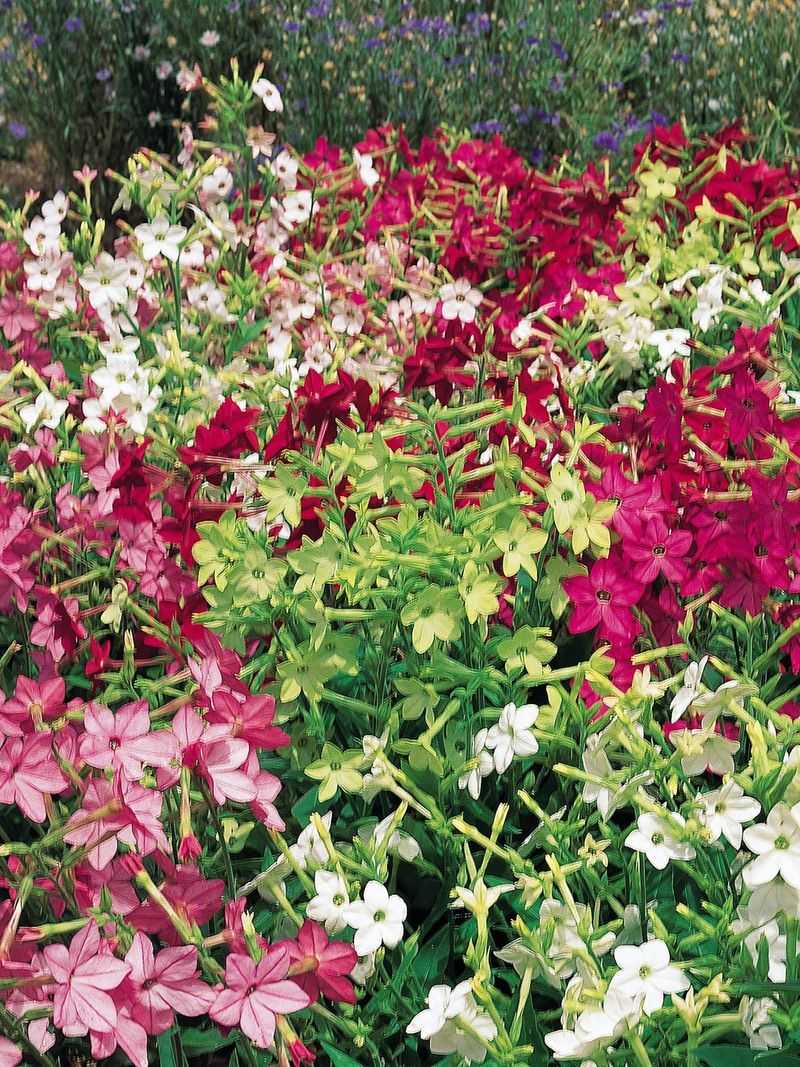
Nicotiana, or flowering tobacco, offers a fragrant, nocturnal bloom that appeals to hummingbirds and garden enthusiasts alike. These delicate, star-shaped flowers open in the evening, releasing a sweet scent.
Available in a range of pastel hues, Nicotiana thrives in sunny borders or containers, adding a romantic touch to gardens. Originally from South America, these annuals and perennials are easy to grow.
Often used for night gardens, Nicotiana provides gentle allure with its subtle color and fragrance. Ensure well-drained soil and a sunny spot for thriving blooms that attract hummingbirds after dusk.
16. Mexican Sunflower
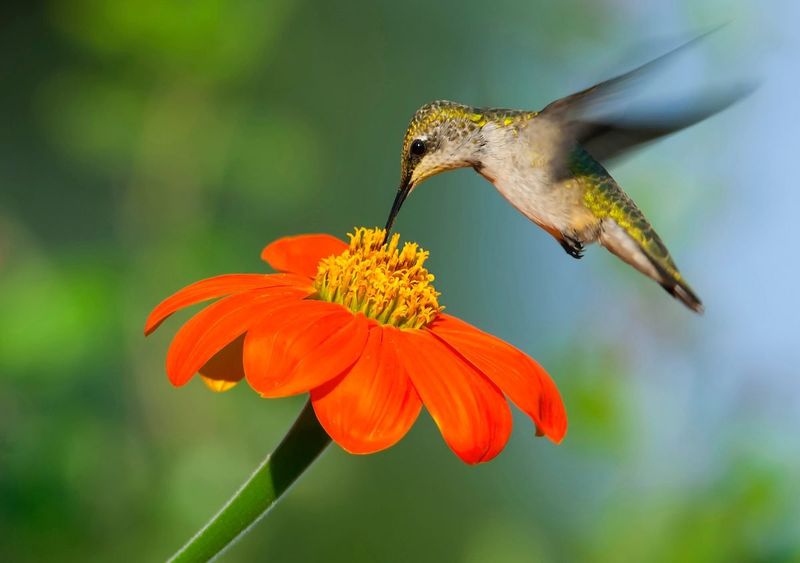
Mexican Sunflower, with its bold orange petals, is a sight to behold. Hummingbirds are drawn to its striking hue and abundant nectar. Its tall stature makes it a fantastic backdrop in gardens. Often planted along fences, it creates a lively border.
These flowers thrive in sunny areas and blossom throughout summer. Their heat tolerance is notable, making them ideal for warmer climates. Besides beauty, they attract butterflies, adding to the garden’s charm.
Did you know? Despite being called a sunflower, this plant is more closely related to dahlias. Its cheerful presence is unmatched.
17. Hummingbird Mint
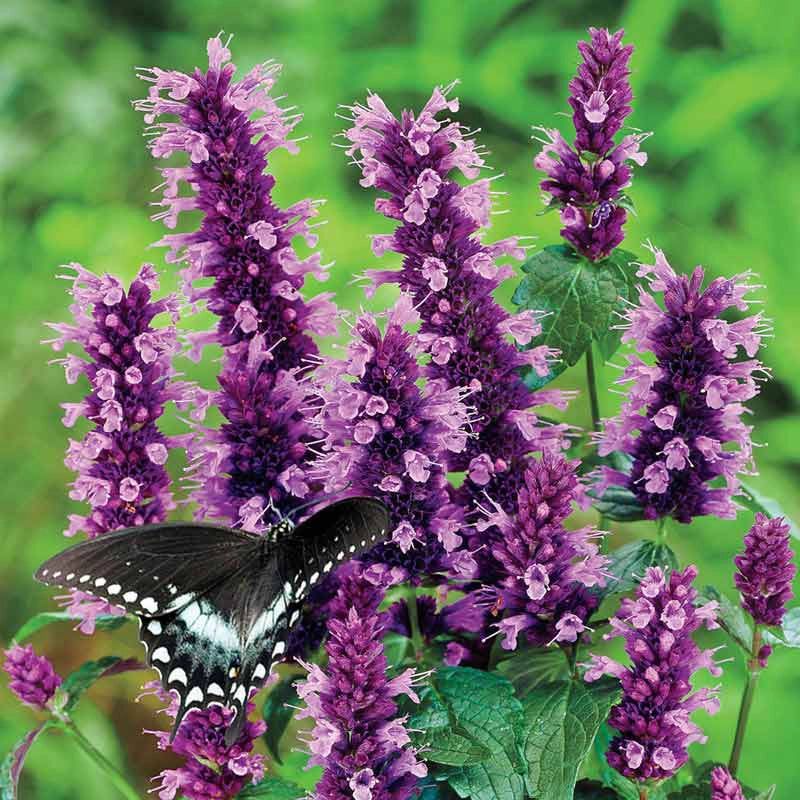
Hummingbird Mint, also known as Agastache, offers fragrant spikes that captivate both birds and people. Its minty aroma is refreshing, while the purple blooms add elegance. Planted in clusters, it brings a touch of the wild to gardens.
Its resilience to drought makes it perfect for arid regions. The long blooming season ensures constant activity around it. Positioned near patios, it enhances outdoor relaxation spots.
Fun fact: The leaves can be brewed into a soothing tea. This plant doesn’t just attract with its looks but with its versatile uses.
18. Indian Paintbrush
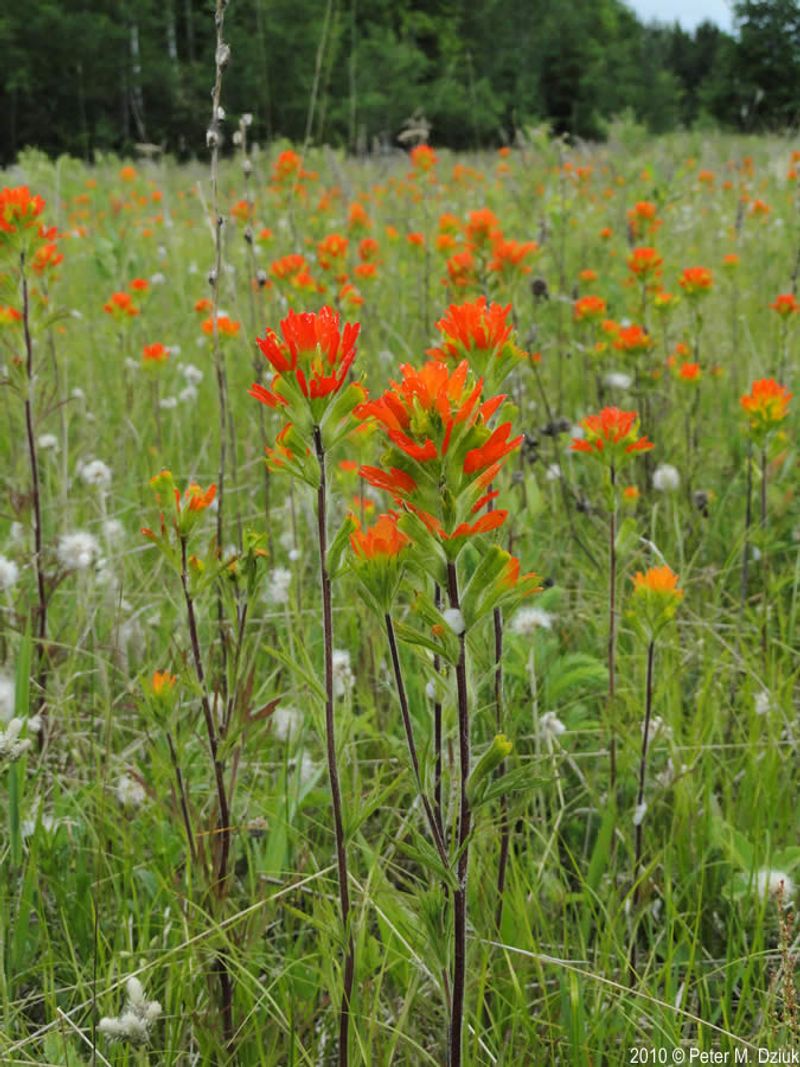
Indian Paintbrush, with its fiery red bracts, paints landscapes with passion. This native North American wildflower is a hummingbird favorite. It thrives in meadows and open woodlands, offering a splash of color in natural settings.
Although it requires specific conditions to flourish, its beauty is worth the effort. Known for its parasitic roots, it often partners with grasses for nourishment. Position them strategically in wildflower gardens.
A quirky tidbit: Native tribes used the plant for various remedies. Its cultural significance adds depth to its visual appeal.
19. Pineapple Sage
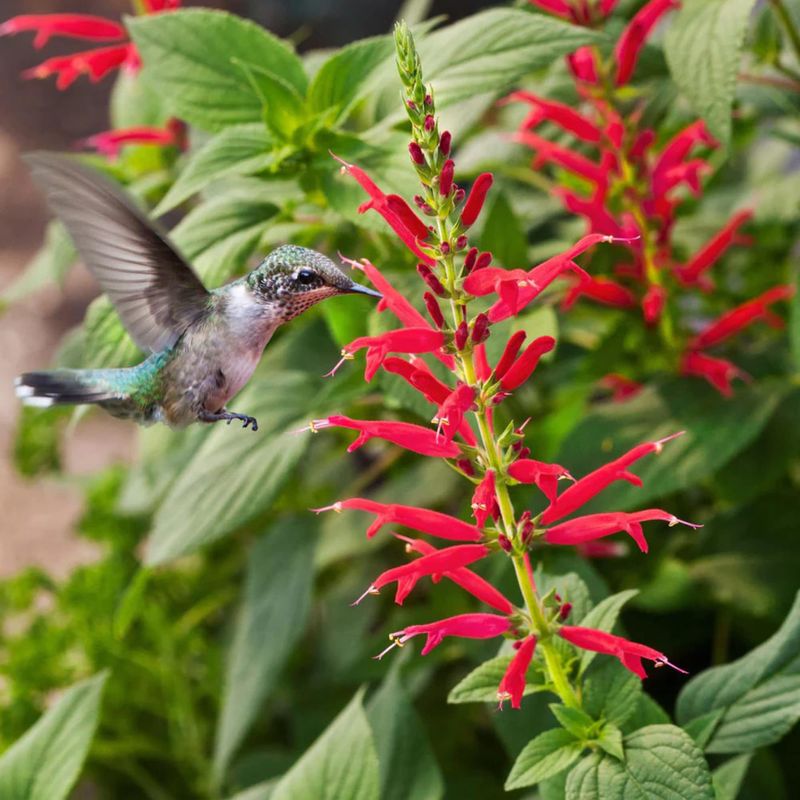
Pineapple Sage, with its sweet pineapple scent, is a sensory delight. Bright red flowers bloom towards late summer, offering nectar when few others do. It’s a magnet for hummingbirds, providing much-needed sustenance.
The plant’s aromatic leaves are popular in culinary uses, enhancing teas and desserts. Planted near kitchens, it serves dual purposes. In colder climates, it grows as an annual, while in milder areas, it behaves as a perennial.
Did you know? It’s named for its unique fragrance, not any relation to the pineapple fruit. Its dual appeal makes it a garden staple.
20. Cuphea
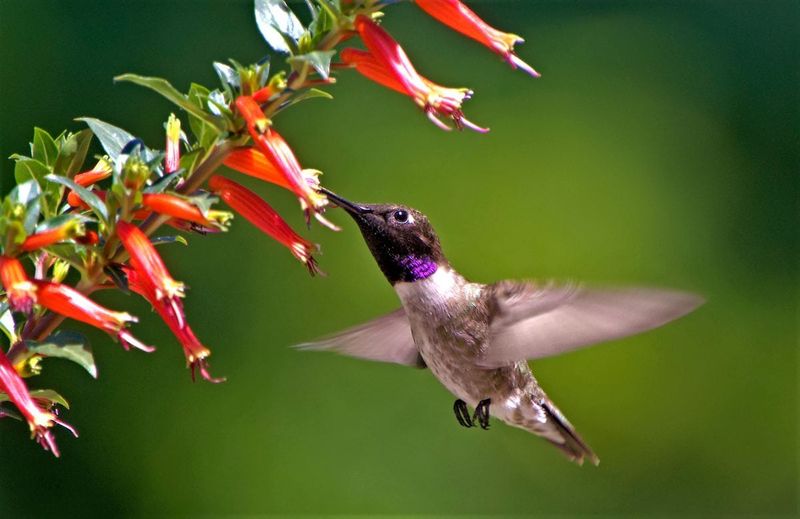
Cuphea, often called the cigar plant, sports tiny tubular flowers that hummingbirds adore. Its unique red and purple combination stands out in any garden. Blooming from spring until frost, it provides long-lasting nectar.
This plant does well in containers, making it versatile for different spaces. It needs full sunlight to thrive, making it suitable for sunlit balconies or patios. Its compact growth ensures it fits neatly in small areas.
Fun fact: Cuphea is part of the larger loosestrife family. Its fascinating form and color make it a conversation starter in gardens.
21. Scarlet Sage
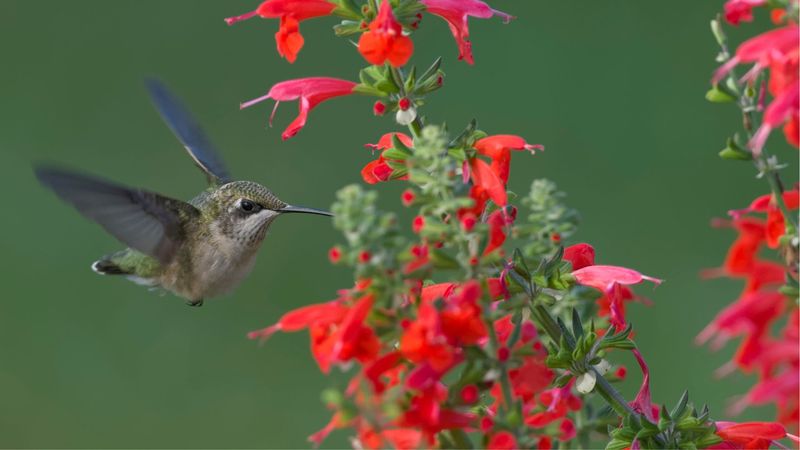
Scarlet Sage, known for its vibrant red blooms, is a hummingbird magnet. Its striking flowers stand tall against rich green foliage, making it a garden centerpiece. Blooming from summer to fall, it offers continuous nectar supply.
This plant prefers sunny locations and well-drained soil. It’s a low-maintenance option for those seeking an eye-catching addition. Positioned along walkways, it guides the eye through garden spaces.
Did you know? Scarlet Sage is part of the larger Salvia family. Its allure is not just in its beauty but its ability to thrive with minimal care.
22. Desert Willow
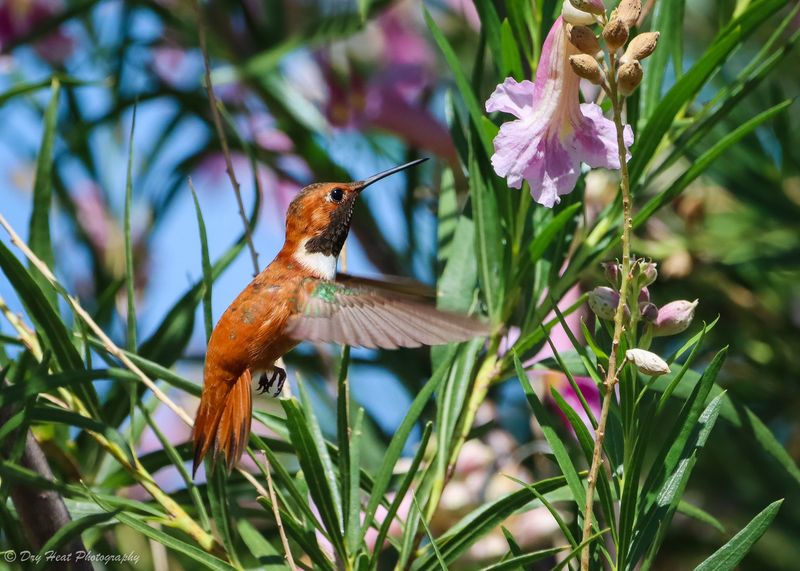
Desert Willow, with its elegant trumpet-shaped flowers, thrives in arid environments. Its pink blossoms attract hummingbirds, adding life to the desert. The tree’s delicate leaves and gnarled branches create an intriguing silhouette.
It’s drought-tolerant, making it perfect for xeriscaping. Planted along property lines, it serves as a natural windbreak. Besides beauty, it contributes to ecological balance by supporting pollinators.
A historical tidbit: Native Americans used it for crafting tools. Its cultural heritage complements its visual appeal, making it a cherished addition to landscapes.
23. Cape Fuchsia
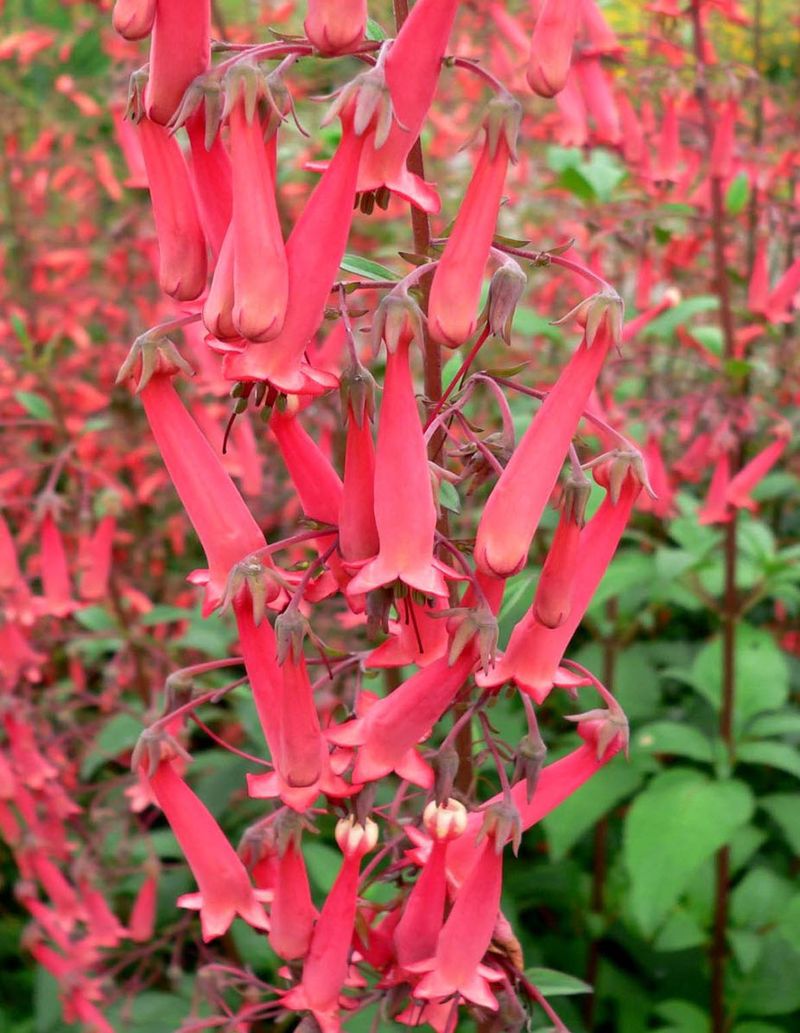
Cape Fuchsia, or Phygelius, showcases spectacular tubular blooms that entice hummingbirds. Its pink flowers and lush greenery make gardens vibrant. Blooming from summer to autumn, it offers a long-lasting nectar source.
The plant thrives in sunny to partially shaded areas, accommodating various garden designs. It prefers well-drained soil, ensuring healthy growth. Often used in borders, it provides structured beauty.
Did you know? Despite its name, it’s not a true fuchsia. Its resemblance to the tropical counterpart offers a touch of exotic flair to temperate gardens.
24. Coral Honeysuckle
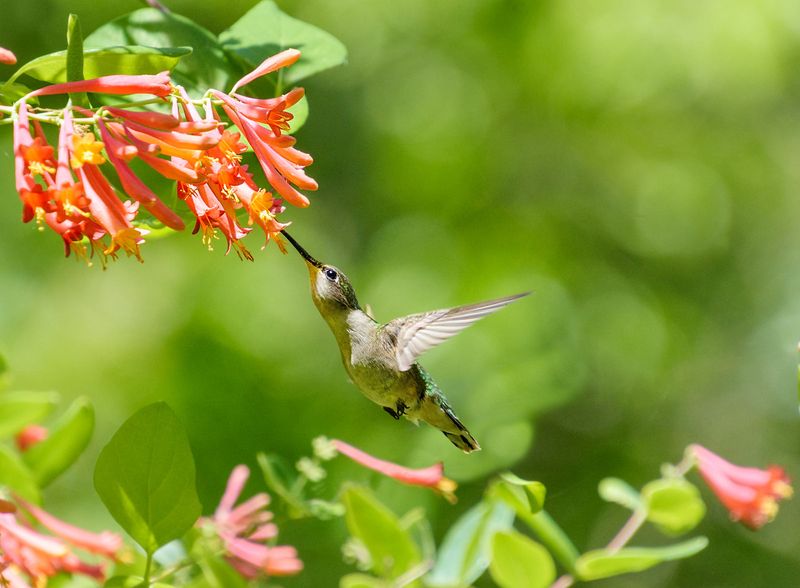
Coral Honeysuckle, with its cascading red blooms, is a visual delight. This vine offers a continuous nectar supply, attracting hummingbirds throughout the season. Its twining nature makes it perfect for trellises and arbors.
It prefers sunny locations, flowering profusely with minimal care. Its evergreen foliage adds year-round interest. Besides beauty, it provides cover for small birds and insects.
A fun fact: Unlike its invasive cousins, Coral Honeysuckle is native and non-invasive. Its harmonious presence in gardens supports local ecosystems while enchanting with its vibrant display.
25. Golden Currant
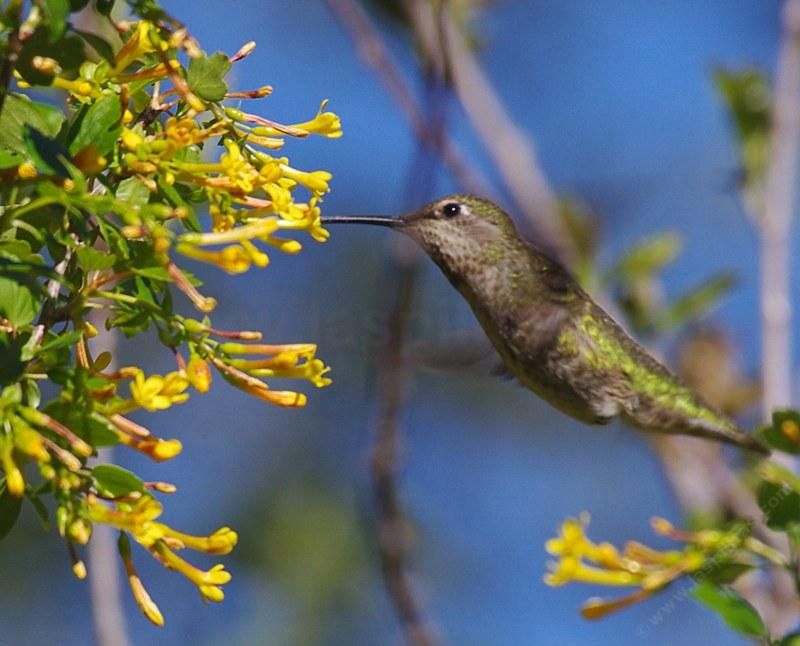
Golden Currant, with its sunny yellow flowers, brightens landscapes. This shrub is a favorite among hummingbirds seeking early spring nectar. Its lush foliage provides shelter and food for wildlife.
Thriving in diverse climates, it’s adaptable and low-maintenance. Positioned in hedges, it creates natural barriers with seasonal interest. In fall, its berries add a splash of color, attracting more wildlife.
Did you know? Native Americans used its berries for food and dye. This plant offers both aesthetic beauty and cultural history, making it a meaningful garden addition.
26. Heliotrope
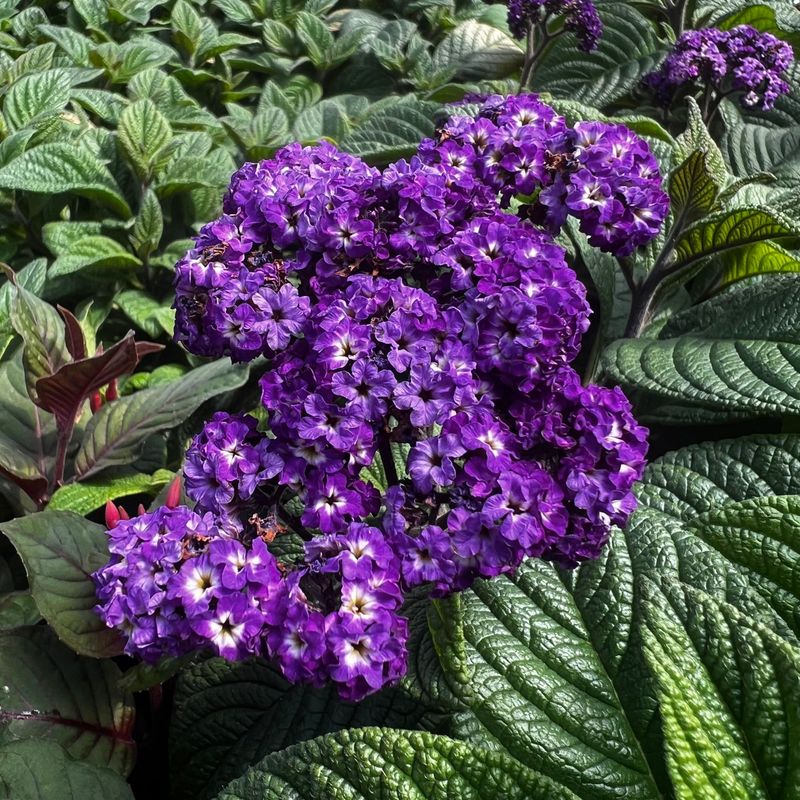
Heliotrope, with its clusters of purple flowers, is a fragrant delight. Its sweet scent lures hummingbirds and gardeners alike. Blooming from spring to fall, it offers consistent beauty in sunny gardens.
This plant thrives in containers, allowing flexibility in garden design. Its moderate water needs make it suitable for various climates. Positioned near seating areas, it enhances the experience with its perfume.
Fun fact: Heliotrope’s name refers to its tendency to turn towards the sun. Its captivating scent and vibrant color make it a timeless favorite in gardens.