 Complete Gardening
Square foot gardening is a method that allows gardeners to maximize yield in small spaces by dividing the growing area into small square sections. This method is especially beneficial for those with limited space, such as urban gardeners. It promotes efficient use of resources, reduced weed growth, and easy maintenance. By choosing the right vegetables, you can ensure a bountiful harvest even from a compact garden. Here, we explore 17 vegetables ideal for square foot gardening, each with unique growing habits and requirements that make them perfect for this method.
1. Carrots
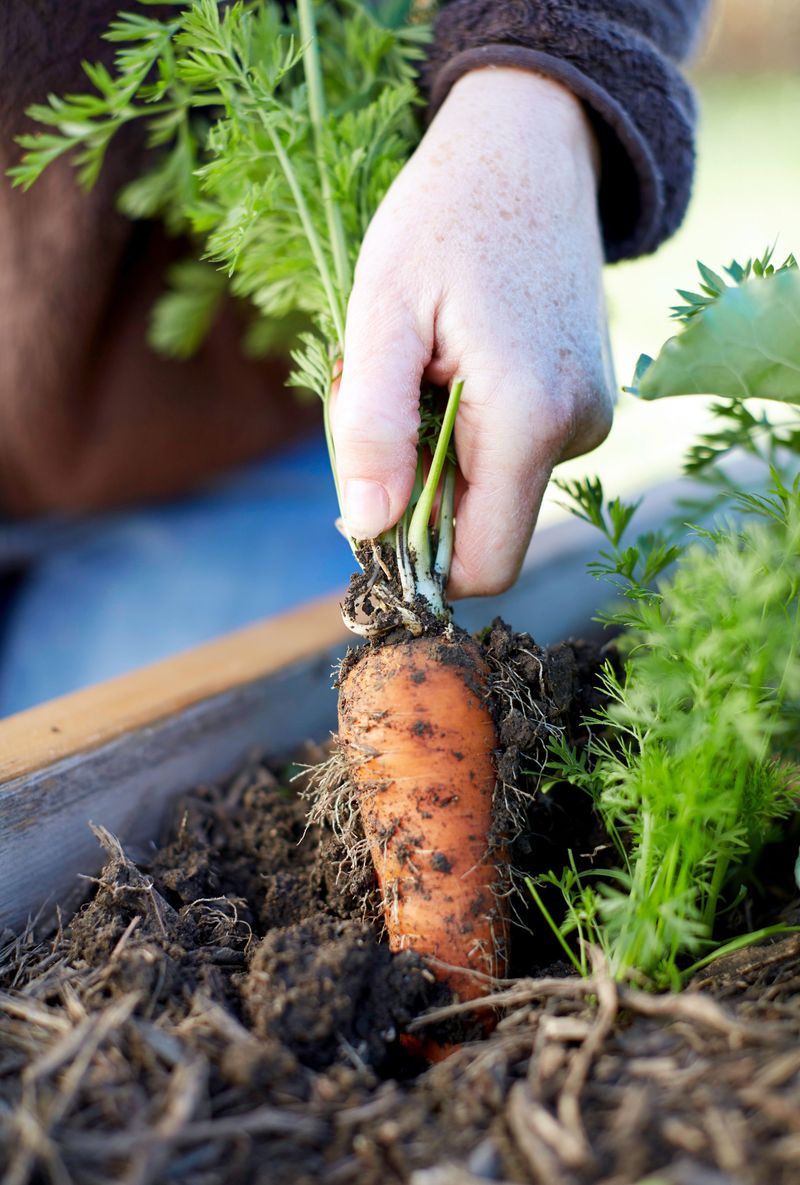
Carrots, with their vibrant orange hue, are a staple in any garden. Easy to grow, they require loose, well-drained soil. In square foot gardening, they thrive in deep, sandy loam. A fascinating fact is that carrots were originally purple or yellow. The orange variety we love today was developed by Dutch growers. With their sweet, crunchy texture, they are a delight both raw and cooked. Remember to avoid planting near dill, as it can stunt growth. Carrots also add a splash of color and nutrition to your garden, making them a must for square foot gardening.
2. Lettuce
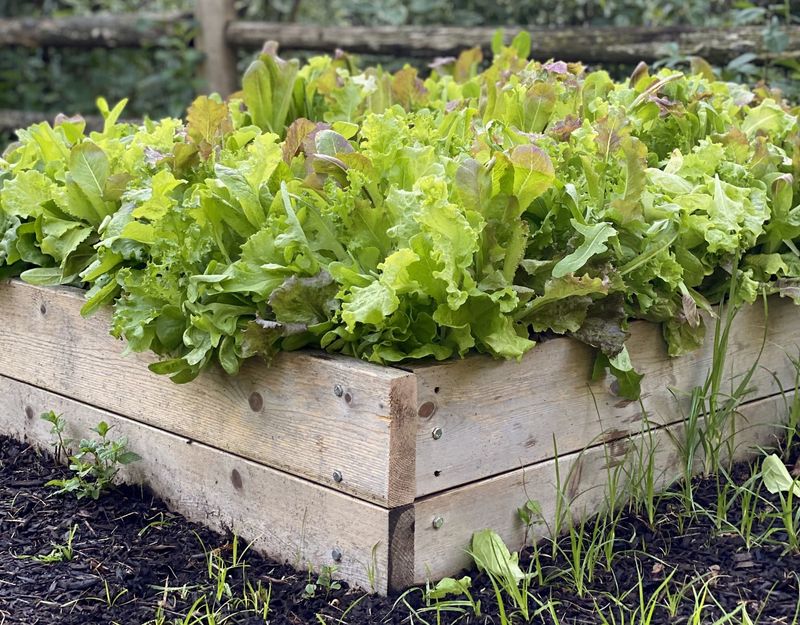
Lettuce, the leafy star of salads, is a superb choice for square foot gardening. Its shallow roots make it compatible with close planting, allowing for multiple rows in one square. Fun fact: Lettuce was first cultivated by the ancient Egyptians, who transformed it from a weed to a food crop. Whether you prefer butterhead, romaine, or iceberg, each variety offers a unique taste and texture. Lettuce grows quickly, providing continuous harvests. Its ability to thrive in cooler temperatures makes it a versatile addition to any garden setup, ensuring fresh, crisp leaves.
3. Radishes
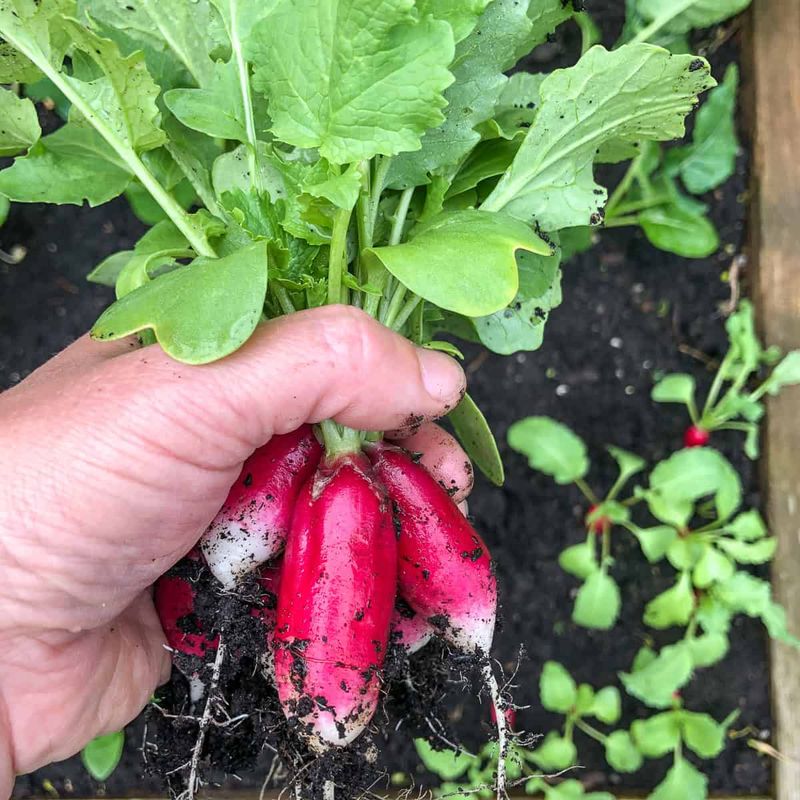
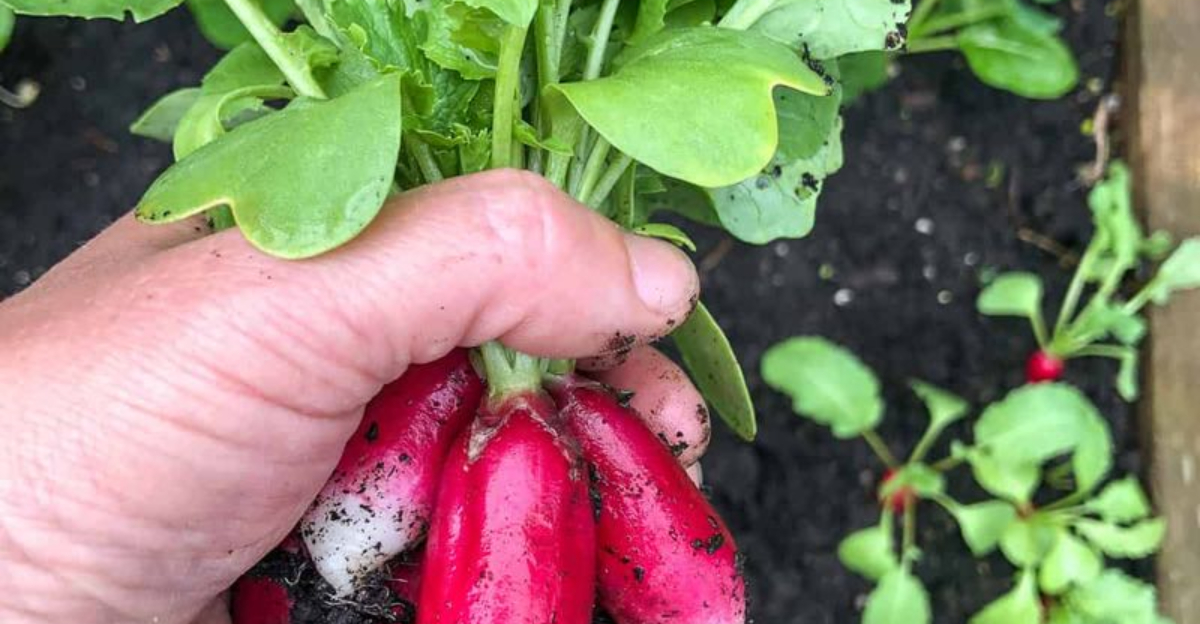
Radishes bring a peppery crunch to your garden platter. Their quick-growing nature is perfect for impatient gardeners. Did you know radishes were one of the first European crops introduced to the Americas? In a square foot garden, you can plant up to sixteen per square. These spicy delights thrive in cool weather and can be harvested in as little as three weeks. Radishes are not only delicious but also play a role in loosening soil for other plants. Their rapid growth and unique taste make them a favorite for those looking to maximize space.
4. Spinach
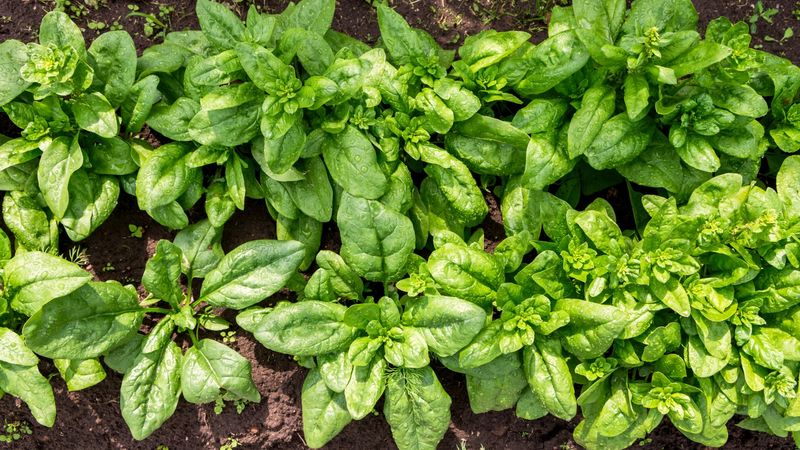
Spinach, with its robust, leafy greens, is a powerhouse of nutrition. Known for its rapid growth, it’s ideal for square foot gardening. Plant them in early spring or late summer for best results. Spinach was cultivated over 2,000 years ago, originating from ancient Persia. Its rich iron content and versatility in dishes make it a staple for health enthusiasts. In your garden, it complements other plants by providing ground cover, reducing weeds. Spinach adds vitality to your meals and beauty to your garden, making it an essential pick for small spaces.
5. Beets
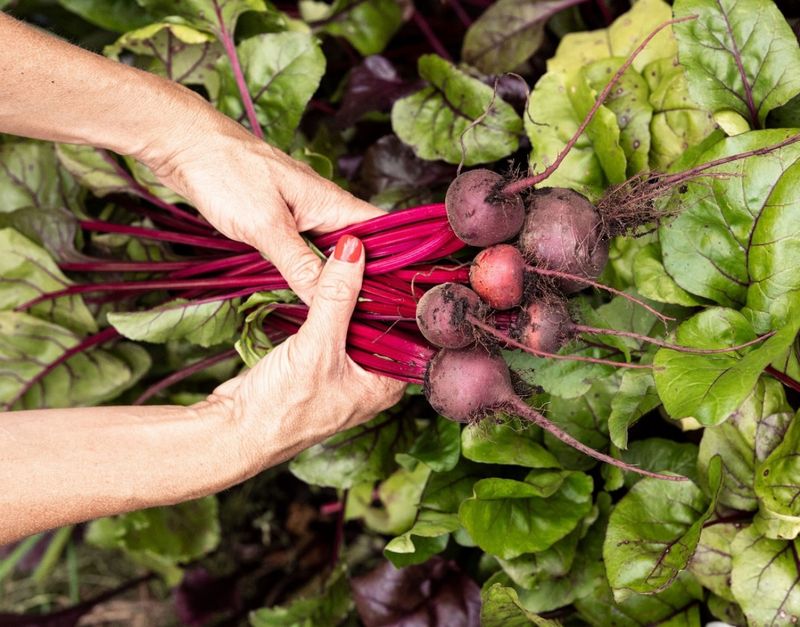
Beets are a dual-purpose delight, offering both edible leaves and roots. They’re a fantastic choice for square foot gardening, thanks to their compact growth. Historically, beets were used medicinally before being consumed as food. Their earthy, sweet flavor adds a unique taste to salads and juices. Plant them in rich, loose soil and enjoy both the leafy tops and the vibrant roots. Beets not only enhance your garden’s aesthetics but also contribute to soil health. Their versatility in the kitchen and garden makes them a favorite among gardening enthusiasts.
6. Kale
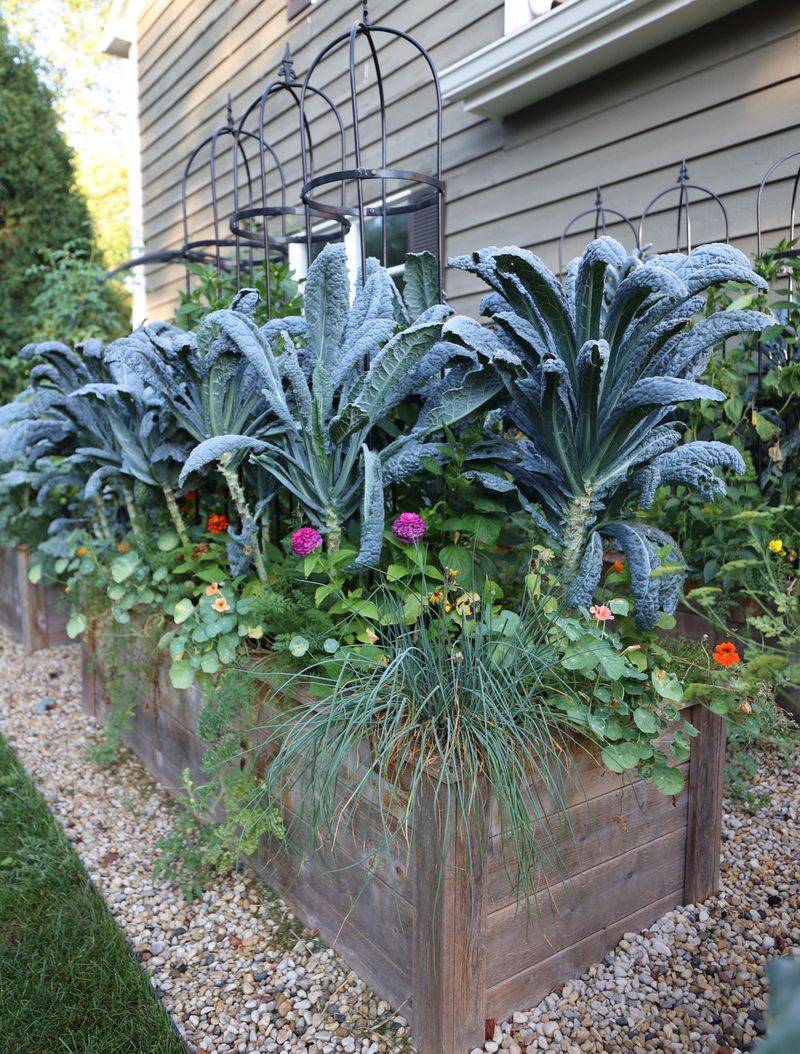
Kale, often dubbed a superfood, boasts a rich history dating back to ancient Rome. This leafy green thrives in cooler climates, making it a perfect candidate for square foot gardening. Planting kale ensures a continuous harvest of nutrient-packed leaves. Its hardiness means it can withstand frost, providing fresh greens well into colder months. Kale’s robust flavor complements a variety of dishes, from smoothies to stews. The plant’s resilience and nutritional value make it an indispensable addition to any small garden space, ensuring a bountiful yield.
7. Bush Beans
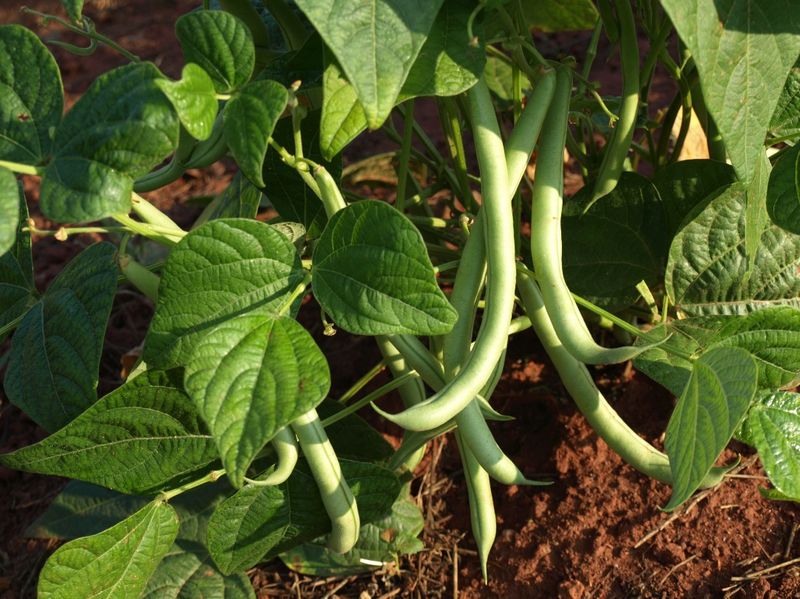
Bush beans, with their compact size, are perfectly suited for square foot gardening. These beans are known for their rapid growth and abundant yields. Unlike pole beans, bush beans do not require trellising, making them easier to manage in small spaces. Originally from South America, they were a staple for indigenous peoples. Whether you prefer green, yellow, or purple varieties, bush beans provide a crunchy, nutritious boost to meals. Their ability to fix nitrogen in the soil benefits neighboring plants, enhancing overall garden health. A bountiful choice for small gardens.
8. Onions
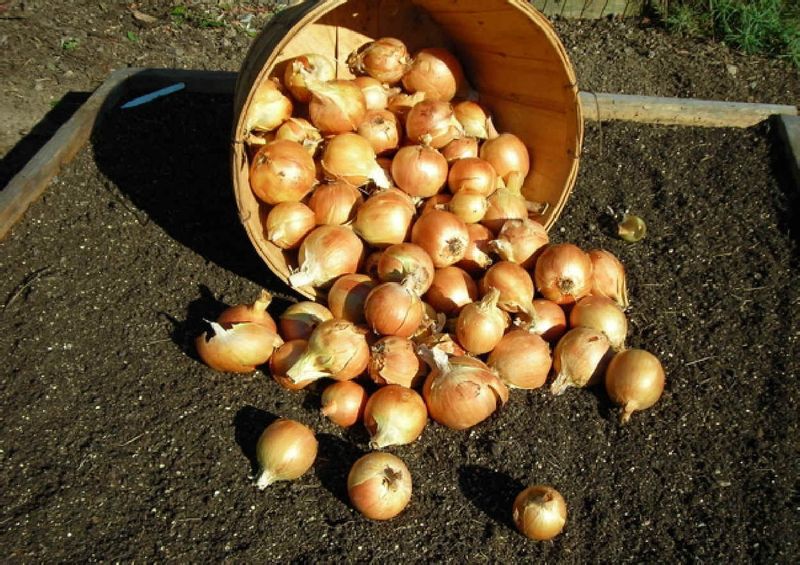
Onions, with their pungent aroma, are indispensable in the kitchen and garden. Their layered bulbs grow well in square foot gardening, utilizing vertical space efficiently. Fun fact: Onions have been cultivated for over 5,000 years, prized in ancient civilizations for their flavor and medicinal properties. In your garden, they deter pests and complement a variety of plants. Their hardy nature means they can grow in a range of soils and climates. Onions’ versatility and essential role in cooking make them a must-have for any gardening enthusiast.
9. Peas
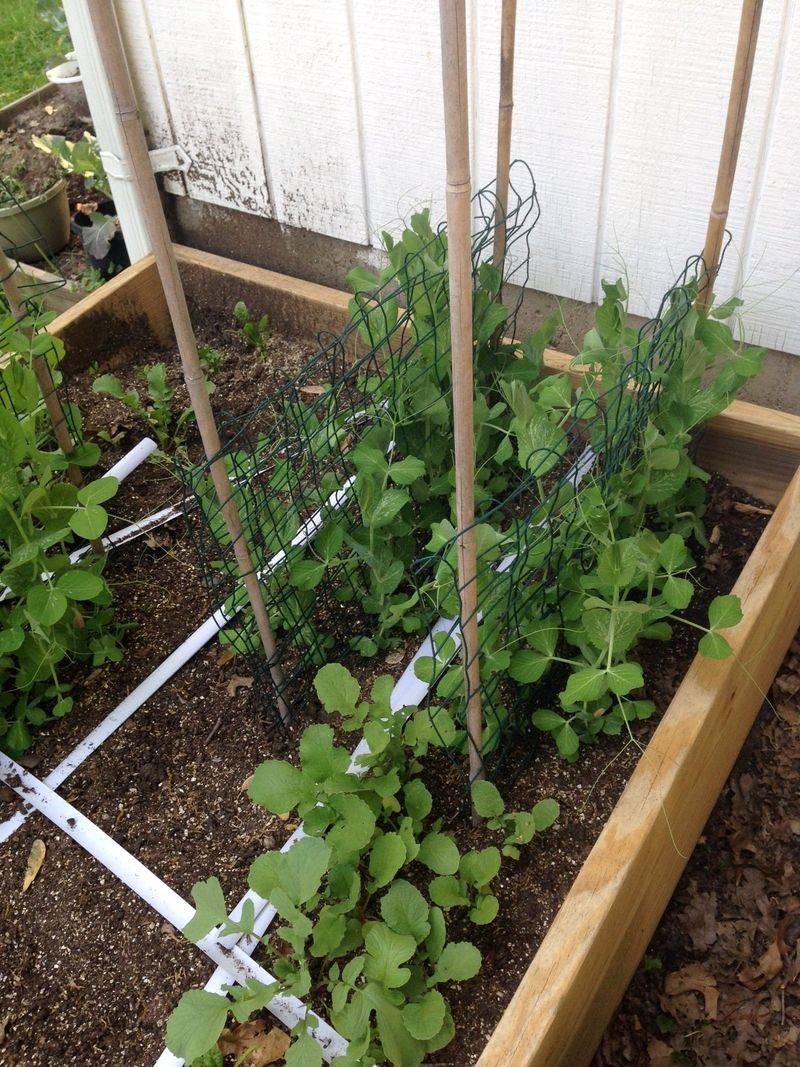
Peas, with their sweet, tender pods, are a gardener’s delight. Their climbing habit makes them ideal for vertical growth in square foot gardens. Historically, peas have been cultivated since the Neolithic era, providing sustenance in various cultures. Plant early in spring for the best yield. Peas enrich the soil by fixing nitrogen, benefiting surrounding plants. Their delicate flowers add visual appeal, while the pods offer a refreshing taste straight from the vine. A versatile and rewarding plant for both novice and seasoned gardeners, peas thrive in limited spaces.
10. Swiss Chard
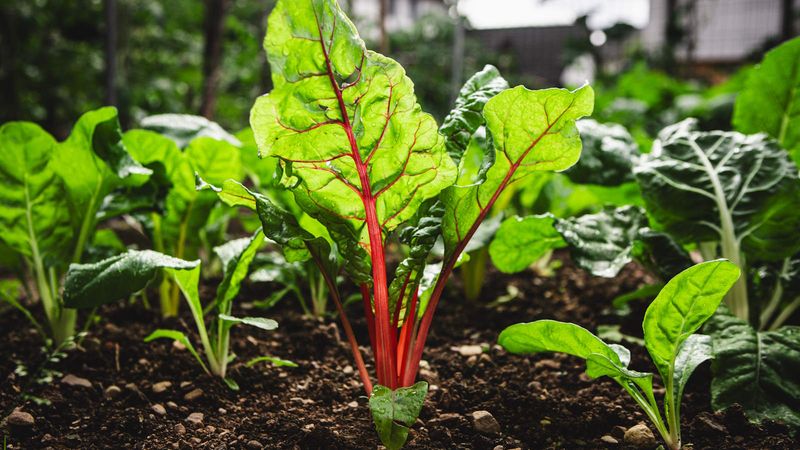
Swiss chard is a visual feast, with its vivid stalks adding color to any garden. This leafy green is related to beets and thrives in a square foot setup. Originating from the Mediterranean, Swiss chard has been cultivated for centuries for its nutritious leaves. It can withstand heat better than most greens, extending your growing season. The mild, slightly earthy taste is a great addition to salads and sautés. Chard’s resilience and vibrant appearance make it an attractive and practical choice for gardeners looking to maximize small spaces.
11. Tomatoes
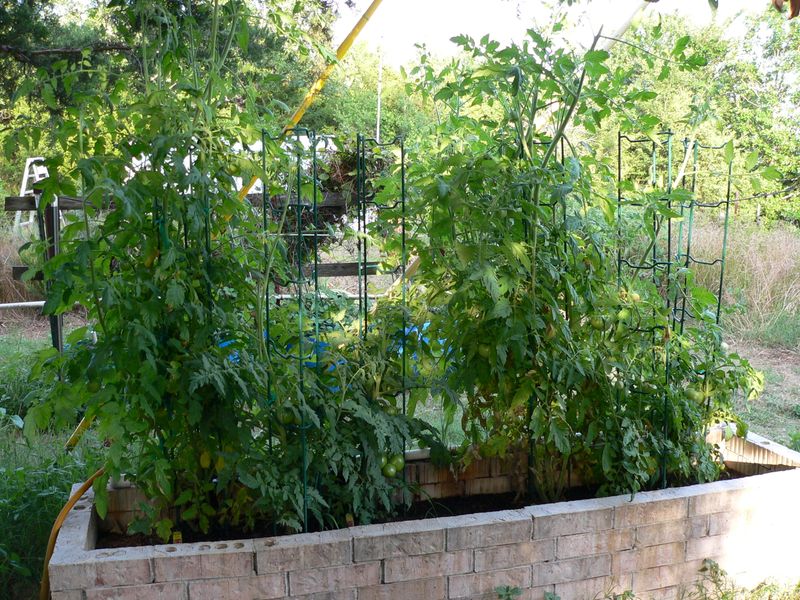
Tomatoes are a garden favorite, cherished for their juicy, flavorful fruits. In a square foot garden, they can be staked or caged for vertical growth, maximizing space. Originating from South America, tomatoes were once feared poisonous by Europeans. Today, they’re a culinary staple. With various varieties, from cherry to beefsteak, tomatoes offer endless culinary possibilities. Their vibrant red color and sweet taste enhance any dish. Despite needing more care, such as pruning and fertilizing, the rewards of homegrown tomatoes make the effort worthwhile.
12. Zucchini
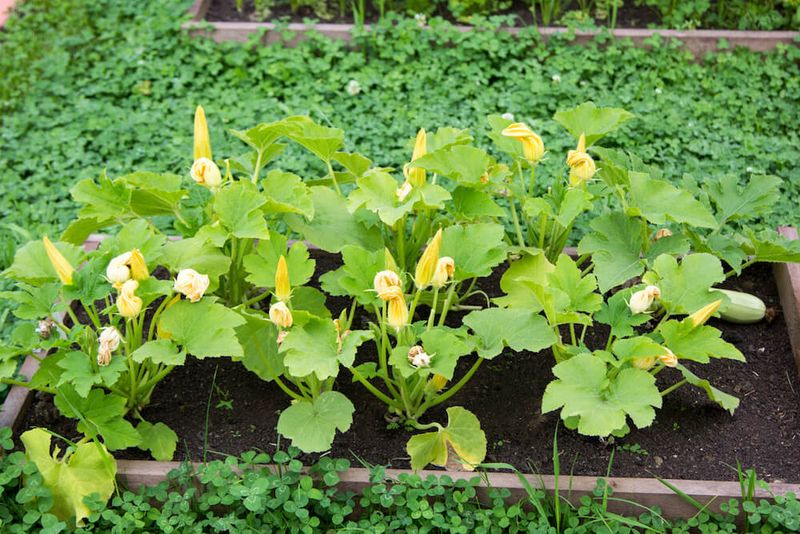
Zucchini, with its prolific growth, is ideal for small gardens. This summer squash thrives with minimal effort, producing bountiful harvests. Native to Central America, zucchini was cultivated by indigenous peoples for centuries. In a square foot garden, ensure ample sunlight and regular watering. Zucchini’s mild flavor makes it versatile in the kitchen, from stir-fries to breads. Its large leaves provide ground cover, suppressing weeds and retaining soil moisture. With its rapid production and culinary versatility, zucchini is a valuable addition to any compact gardening space.
13. Cucumbers
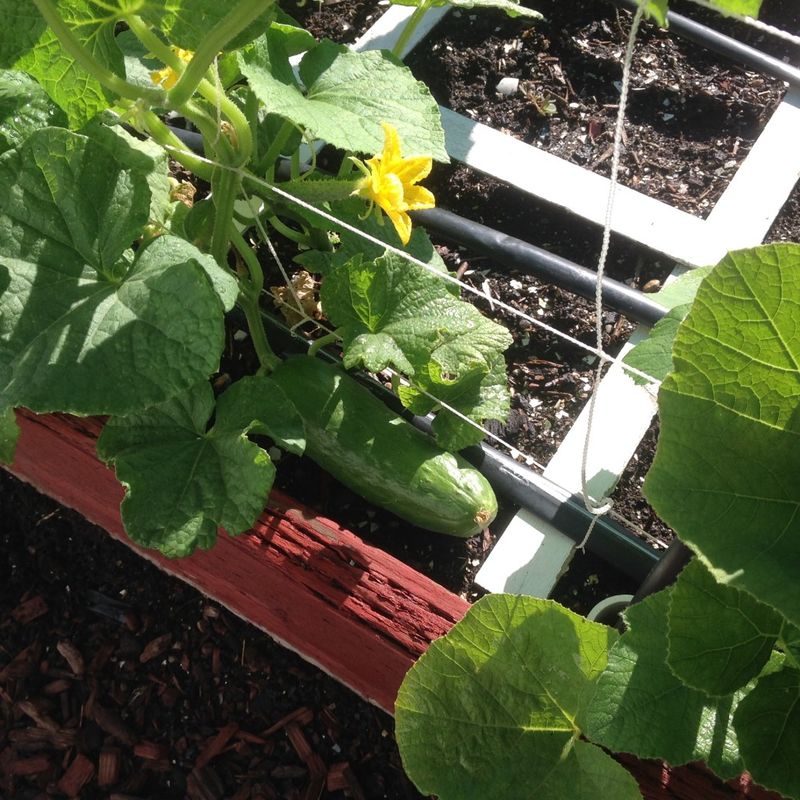
Cucumbers, with their refreshing crunch, are a summer delight. In square foot gardening, they can be trained to climb, saving space and improving air circulation. Originating from South Asia, cucumbers were prized for their cooling properties. They thrive in warm weather and need consistent watering. Whether pickling or slicing varieties, cucumbers enhance salads and sandwiches. Their rapid growth and prolific yield make them a gardener’s favorite. Cucumbers’ cooling nature and intriguing history add charm to your garden, while their versatility in dishes keeps your plate exciting.
14. Bell Peppers
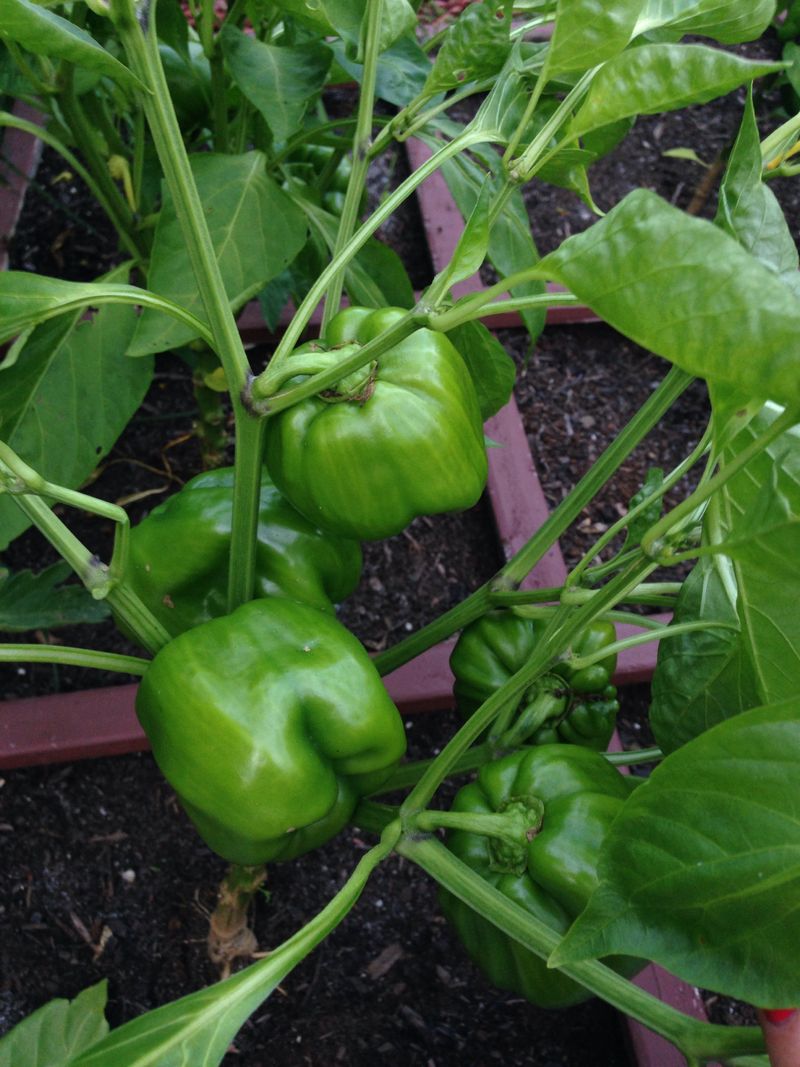
Bell peppers, with their glossy skin and sweet flavor, are a vibrant addition to any garden. In square foot gardening, they thrive with proper spacing and sunlight. Originally from Central and South America, they were cultivated by indigenous peoples. Bell peppers come in a rainbow of colors, each with unique sweetness and nutritional benefits. Rich in vitamins, they enhance a variety of dishes from salads to stir-fries. Despite needing a longer growing season, the vibrant colors and flavors of homegrown bell peppers make them worth the wait.
15. Arugula
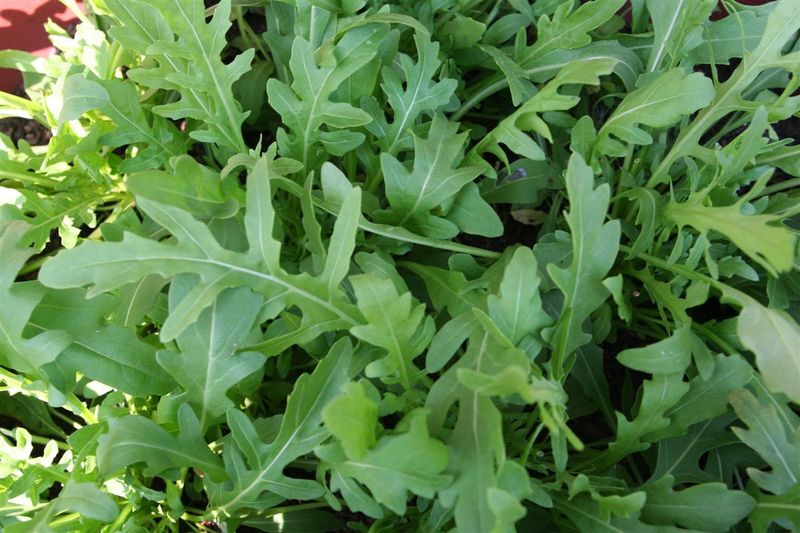
Arugula, with its peppery zest, adds a kick to salads and dishes. Known as “rocket” in some regions, it thrives in cooler temperatures, making it ideal for spring and fall planting. Arugula was consumed in ancient Rome for its purported aphrodisiac properties. In square foot gardening, its compact size allows for dense planting. The rapid growth and distinctive flavor make arugula a favorite among chefs and home cooks alike. With its rich history and bold taste, arugula not only spices up your meals but also your garden’s repertoire.
16. Cauliflower
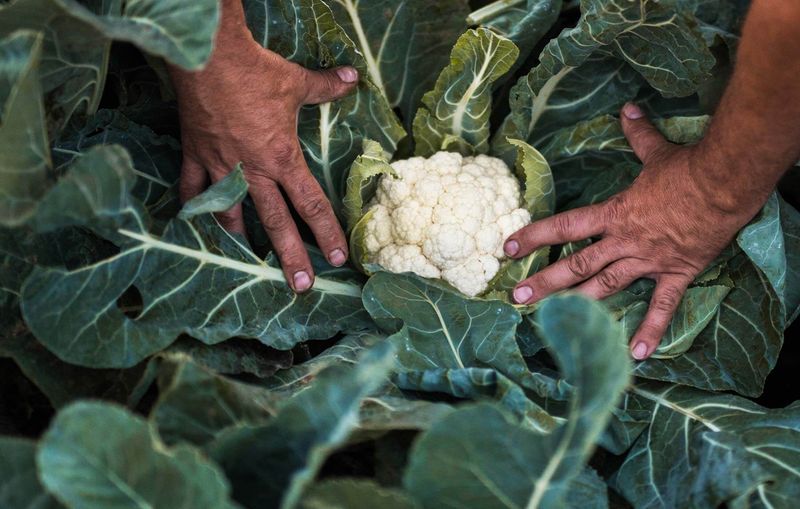
Cauliflower, with its dense, white heads, is a versatile vegetable loved for its subtle flavor. It’s a bit of a challenge to grow but thrives in cool weather. Historically, cauliflower was cultivated in the Mediterranean since ancient times. In square foot gardening, it’s crucial to provide ample nutrients and consistent watering. Its ability to transform into rice, pizza crust, or mashed “potatoes” makes it popular in low-carb diets. Despite needing patience and care, the culinary possibilities and health benefits of cauliflower make it a worthy addition to any garden.
17. Broccoli
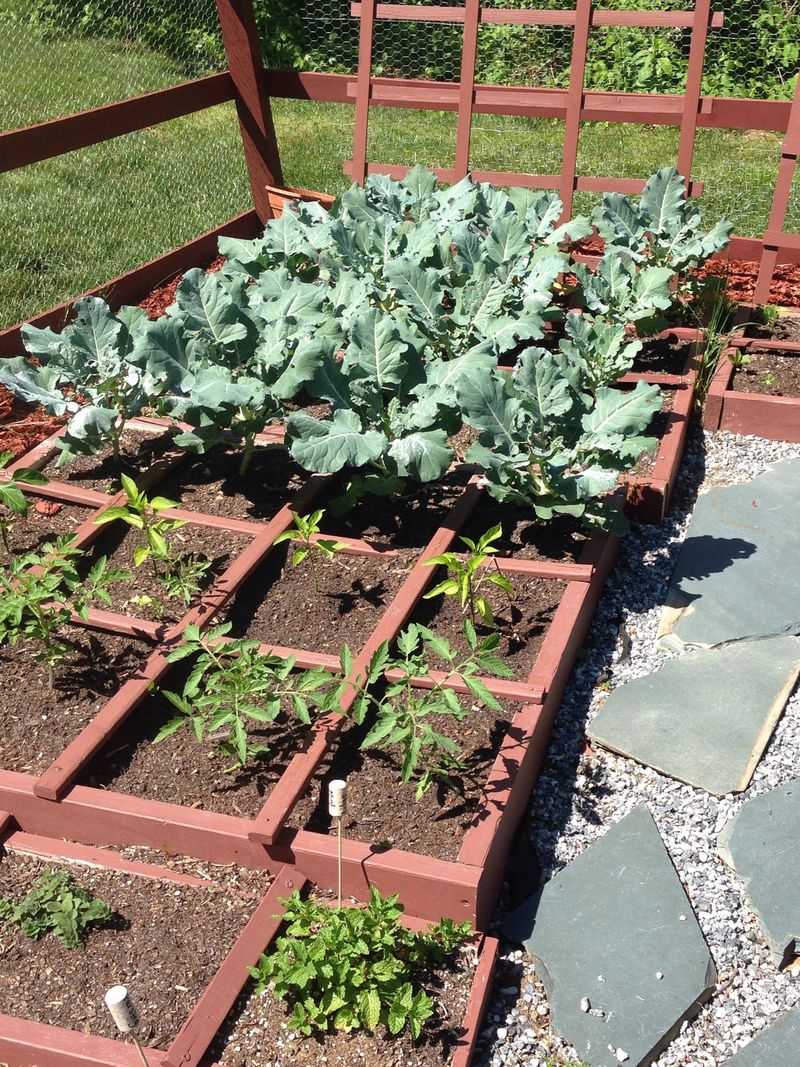
Broccoli, with its nutrient-rich florets, is a powerhouse of vitamins and minerals. Thriving in cooler temperatures, it’s well-suited to square foot gardening. Broccoli has a long history, with roots tracing back to the Roman Empire. A cool-season crop, it requires fertile soil and consistent moisture for best results. Its crisp texture and slightly bitter taste add depth to dishes. Despite its need for careful tending, broccoli’s health benefits and culinary versatility make it an excellent choice for gardeners looking to maximize their small spaces.