
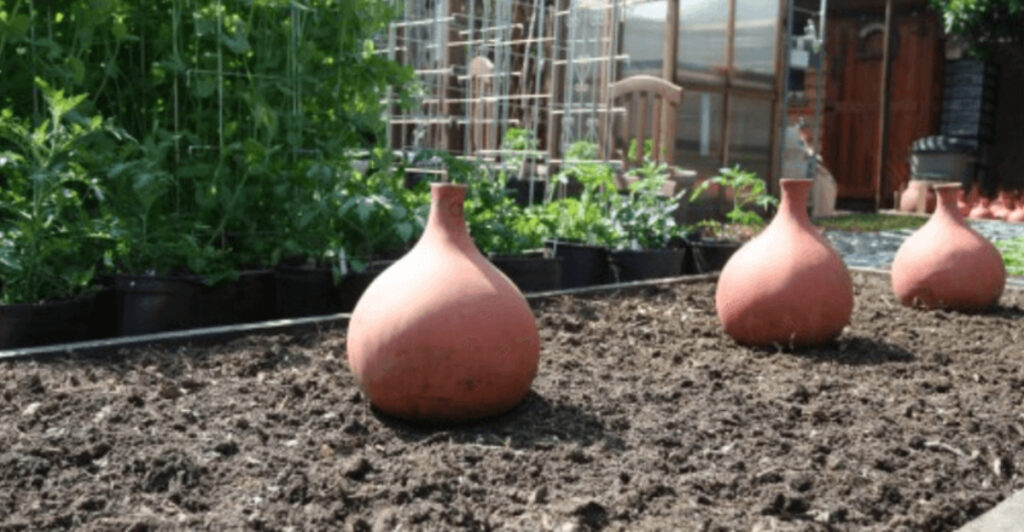
Explore a timeless gardening technique that has been passed down through generations, ensuring plants remain lush and hydrated even during the hottest summer months. This ancient wisdom merges simplicity with effectiveness, offering a sustainable solution to modern-day gardening challenges.
1. Clay Pot Irrigation
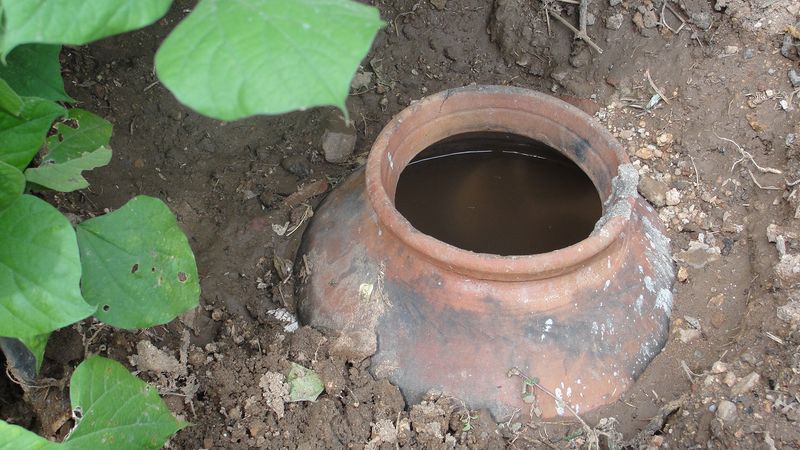
In the heart of ancient gardens, clay pots were more than mere artifacts. These porous wonders acted as natural irrigation systems. Buried adjacent to thirsty roots, the unglazed pots allowed water to seep gradually, quenching plants’ thirst without drowning them. It’s a method steeped in simplicity yet profound in its efficacy.
Imagine an elderly gardener, his hands weathered but skilled, tending to a garden flourishing with life. The gentle perspiration of the clay is an art, a testament to a bygone era where nature’s rhythms dictated life.
Today, this technique resonates with sustainable gardening aficionados worldwide.
2. Wicking Beds
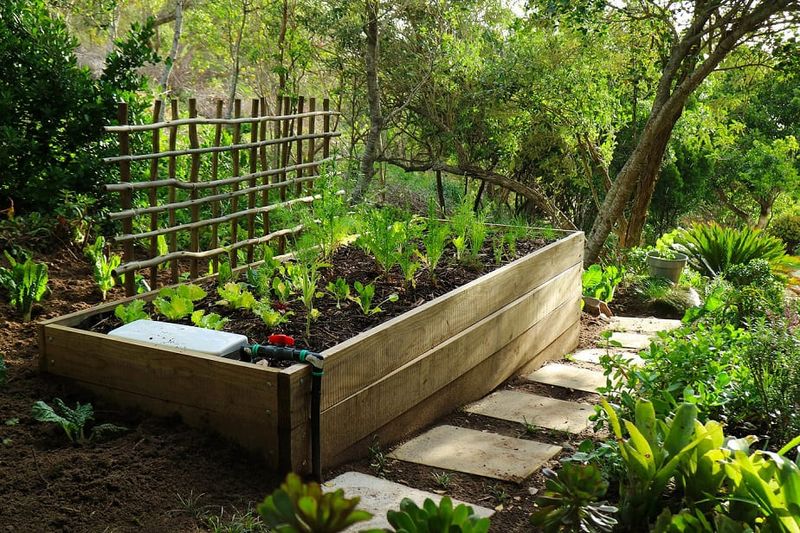
Have you ever seen a garden bed that waters itself? Enter the world of wicking beds. These ingenious systems use capillary action to deliver moisture directly to plant roots. Simply put, a reservoir beneath the soil keeps the ground consistently damp, cutting down on labor.
A 40-year-old eco-conscious gardener might marvel at the reduced maintenance they bring. It’s akin to a self-sustaining oasis where plants thrive with minimal intervention.
Wicking beds are a testament to human ingenuity—blending science with age-old techniques to create a harmonious garden environment.
3. Mulching Magic
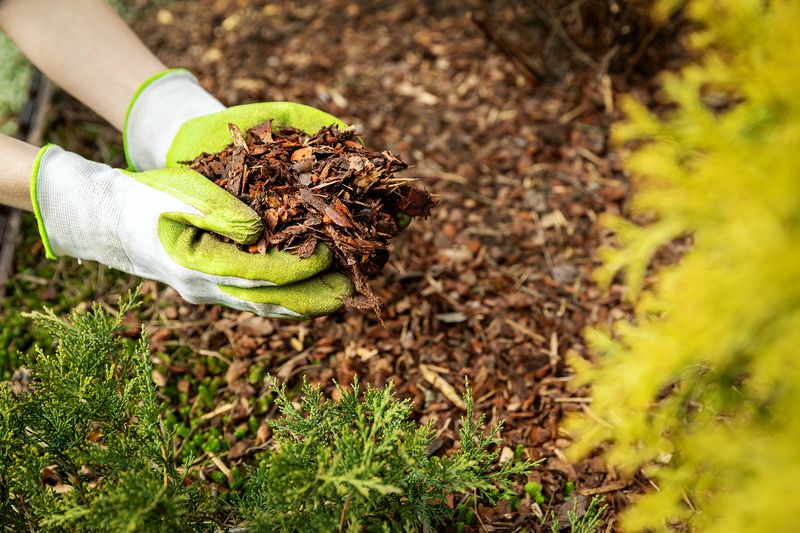
For centuries, gardeners have sworn by the protective embrace of mulch. This organic layer shields the soil from harsh summer sun, retaining moisture and suppressing weeds. Picture a 35-year-old gardener carefully spreading straw, leaves, or bark around their plants.
Each layer is a blanket, preserving the earth’s natural moisture. Beyond its practical benefits, mulch adds an aesthetic appeal, enhancing the garden’s overall ambiance.
Mulching remains a cherished tradition, connecting gardeners to the earth in a tactile, nurturing dance that celebrates growth and sustainability.
4. Olla Irrigation
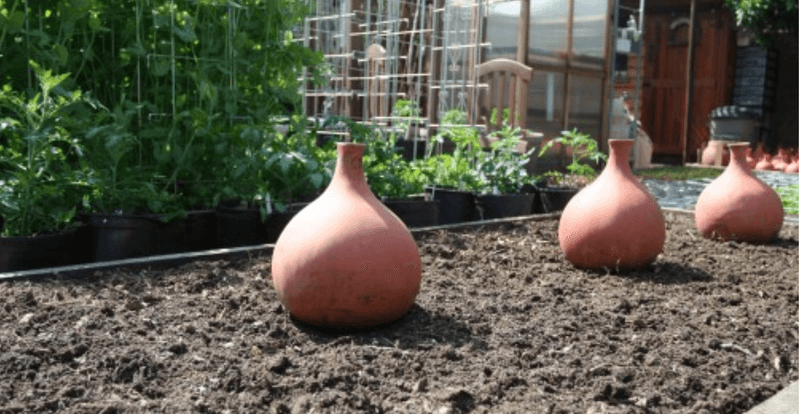
With roots tracing back to ancient cultures, the olla irrigation technique is a marvel of simplicity and efficiency. These earthen vessels, when buried up to their necks, dispense water slowly to surrounding roots. Picture an elderly gardener using this method, the olla pots nestled like sentinels among lush foliage.
As water gently seeps through the porous clay, plants are nourished in a way that mimics natural rainfall. This method conserves water and encourages deep root growth.
The olla’s quiet effectiveness serves as a reminder of the wisdom found in traditional practices.
5. Drip Irrigation Systems
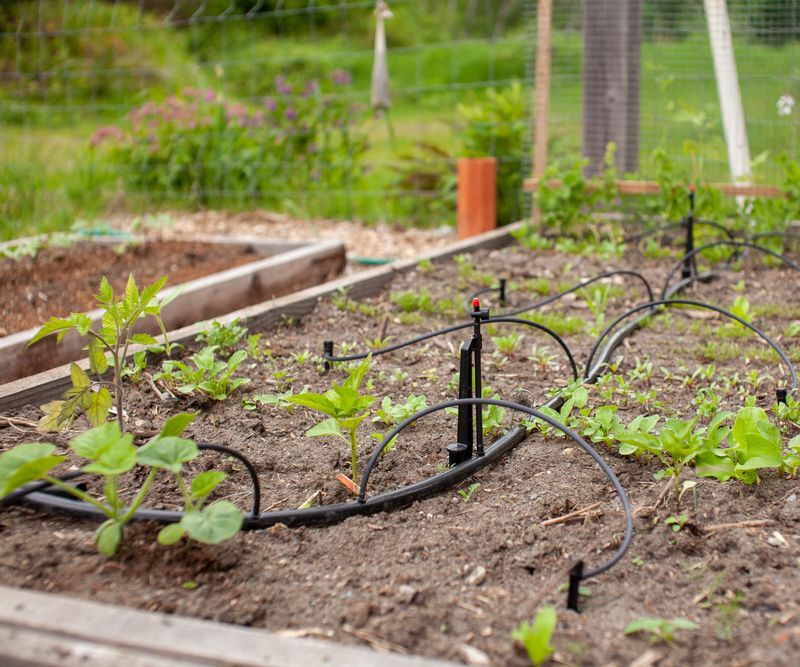
Drip irrigation systems are the modern descendants of ancient water conservation techniques. Imagine a gardener, tech-savvy yet nature-loving, setting up a network of tubes that deliver water directly to plant bases. This method minimizes evaporation and ensures precise hydration.
It’s an eco-friendly approach, conserving water while maintaining lush greenery. The gentle trickle of water feels almost meditative, a rhythmic pulse nurturing life at its own pace.
Drip irrigation transforms the act of watering into an art form, blending technology with age-old wisdom for the ultimate gardening experience.
6. Stone Mulch
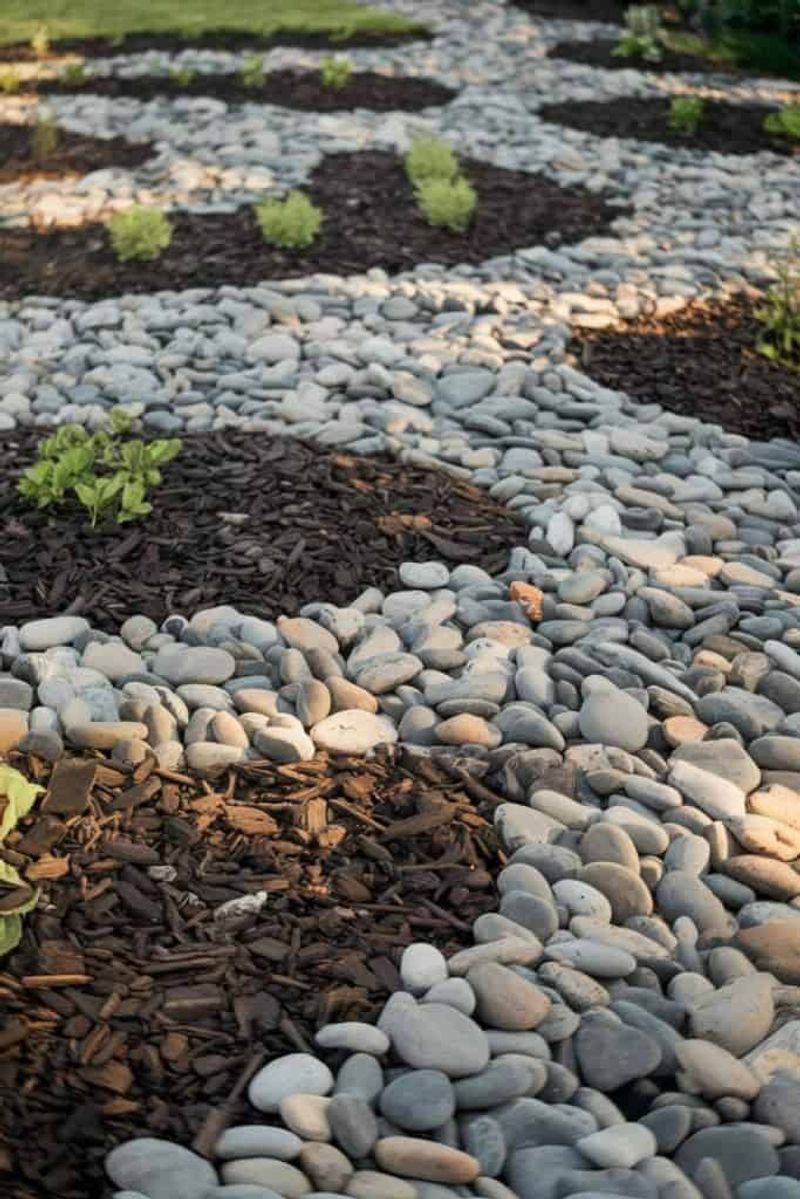
Imagine a garden where stones do more than just decorate. Stone mulch, an age-old technique, utilizes small rocks spread over the soil surface. These stones absorb heat and gradually release it, moderating soil temperature. This method also reduces evaporation, keeping the soil moist longer. The texture of the stones provides a pleasing aesthetic to any garden. Historically, this approach was used in arid regions to conserve precious water. A warm, rustic charm is added to your garden landscape, blending functionality with beauty.
7. Shade Cloths
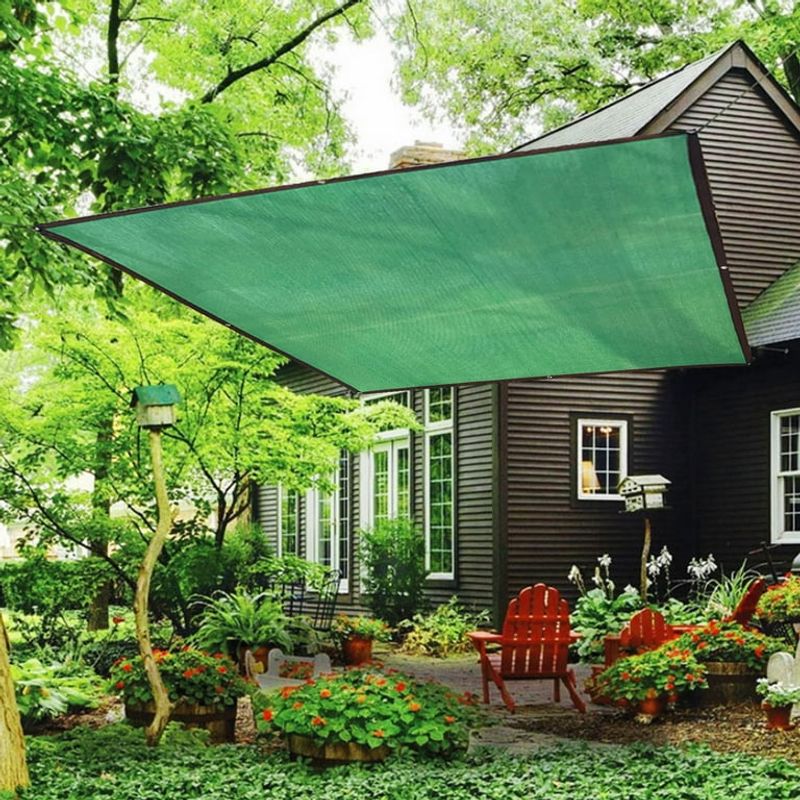
In the sweltering heat, shade cloths act as protective shields. These lightweight fabrics are draped over plants to reduce temperature and sun exposure. By allowing air circulation, they prevent overheating while still providing essential light. Ancient gardeners used woven grasses for similar purposes. Today, modern materials offer UV protection, ensuring your plants thrive without sunburn. The sight of shade cloths fluttering in the breeze adds a serene, almost magical quality to your garden, transforming it into a cool sanctuary amidst the summer blaze.
8. Watering Globes
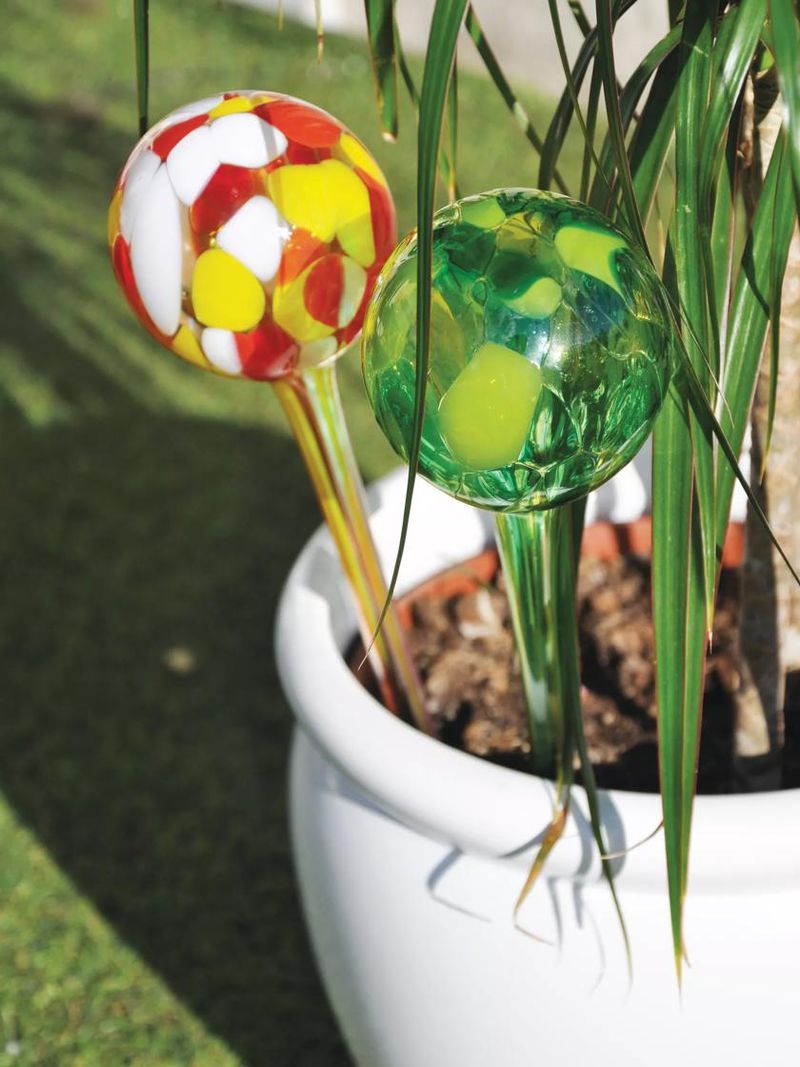
Watering globes, though simple, are a brilliant invention. These glass orbs gradually release water into the soil as it dries up. Particularly useful for potted plants, they ensure a steady supply of moisture. This method, reminiscent of ancient terracotta watering devices, minimizes water waste. The colorful globes also serve as charming garden ornaments. They provide both beauty and functionality, making them a perfect addition to any garden. Their gentle, continuous hydration keeps plants healthy and flourishing, even in the hottest summer months.
9. Companion Planting
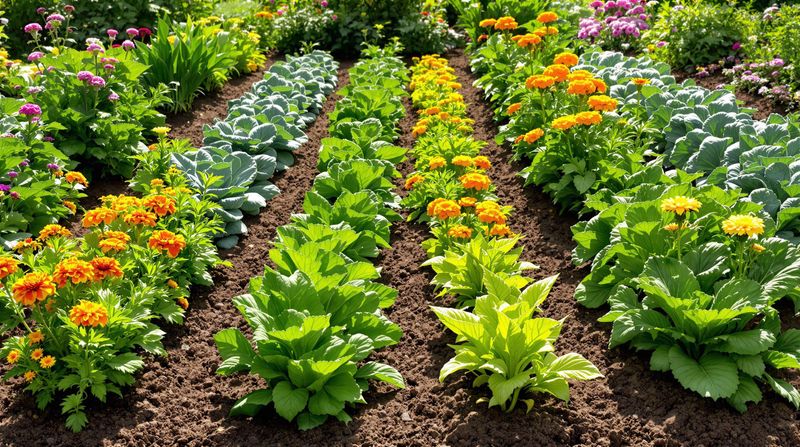
Companion planting is more than just a gardening method; it’s an art. By strategically placing certain plants together, they can complement each other’s water needs. For instance, deep-rooted plants like tomatoes can bring moisture to the surface, benefiting shallow-rooted herbs like basil. This interdependence mimics natural ecosystems, enhancing plant health and soil quality. Historical gardens often employed this technique to maximize space and resources. It’s not just about efficiency; it’s about creating a thriving, balanced ecosystem where each plant plays a unique role.
10. Rain Barrels
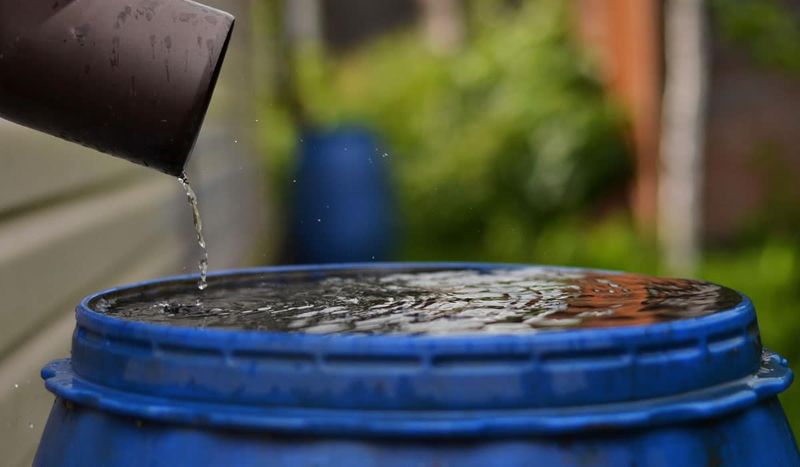
Harnessing rainwater is an ancient practice that remains relevant today. Rain barrels collect and store rainwater from roofs, providing an eco-friendly water source. This method is ideal for gardens in areas with erratic rainfall. The collected water can be used during dry spells, reducing dependency on municipal water supplies. A rain barrel, with its simple yet effective design, adds an antique charm to your garden. It’s a sustainable solution that connects you to nature’s rhythms, ensuring your plants remain hydrated throughout the summer.
11. Perlite Soil Mix
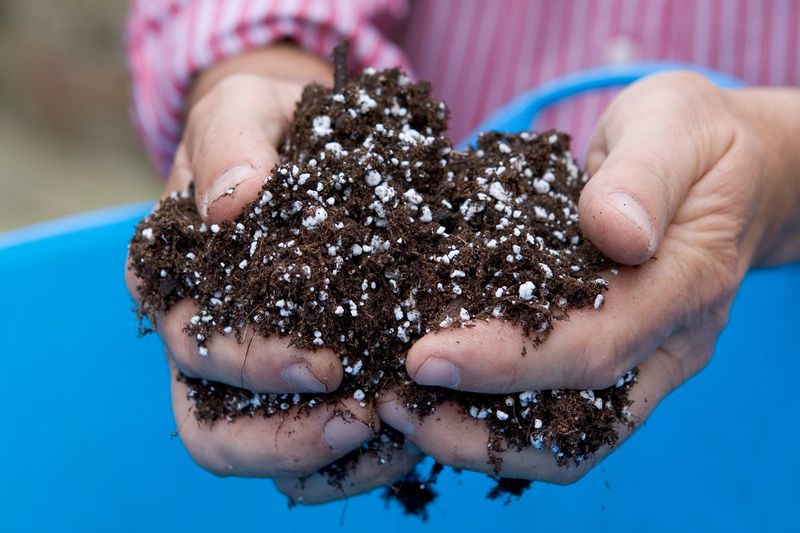
Perlite, a volcanic glass, offers a unique solution for soil management. When mixed with soil, it increases aeration and drainage, preventing waterlogging while retaining necessary moisture. This lightweight material mimics natural soil processes, enhancing root growth and water distribution. Traditionally, similar concepts were employed using pumice or sand. Perlite’s use in modern gardening represents a blend of ancient wisdom and scientific innovation. Its presence in the soil ensures plants receive balanced hydration, promoting robust growth even during dry spells.
12. Self-watering Pots
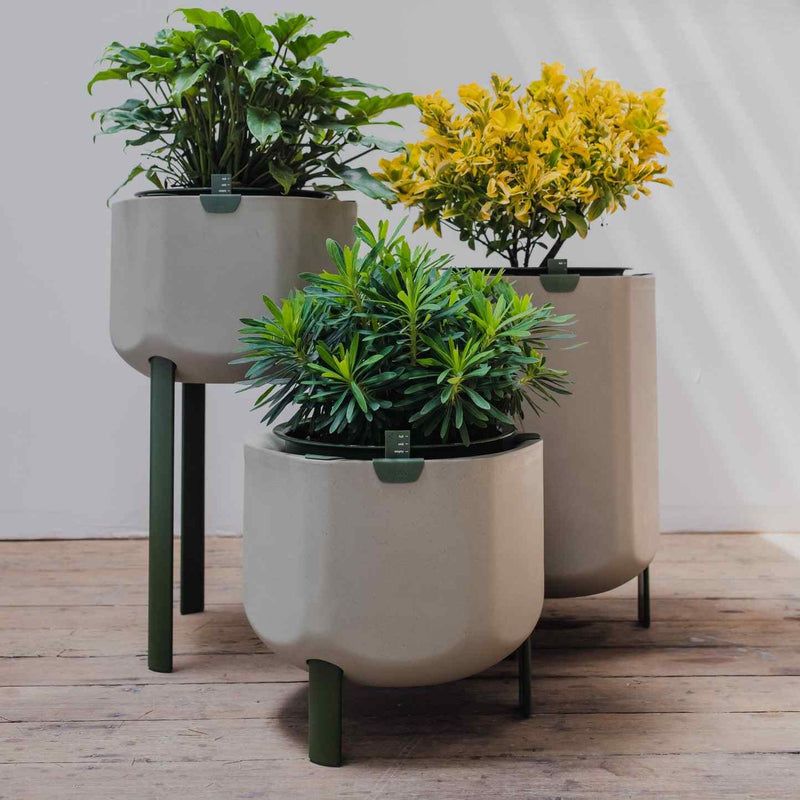
Self-watering pots revolutionize gardening by providing plants with a constant moisture supply. These pots feature reservoirs that allow water to be absorbed gradually through the soil. Originating from ancient wicking techniques, they reduce the frequency of watering, saving time and resources. The pots’ clean, modern design complements any decor, making them ideal for urban gardens. They offer a practical solution for busy gardeners, ensuring plants remain hydrated and healthy. Self-watering pots embody the fusion of traditional wisdom and contemporary convenience.
13. Plant Terrariums
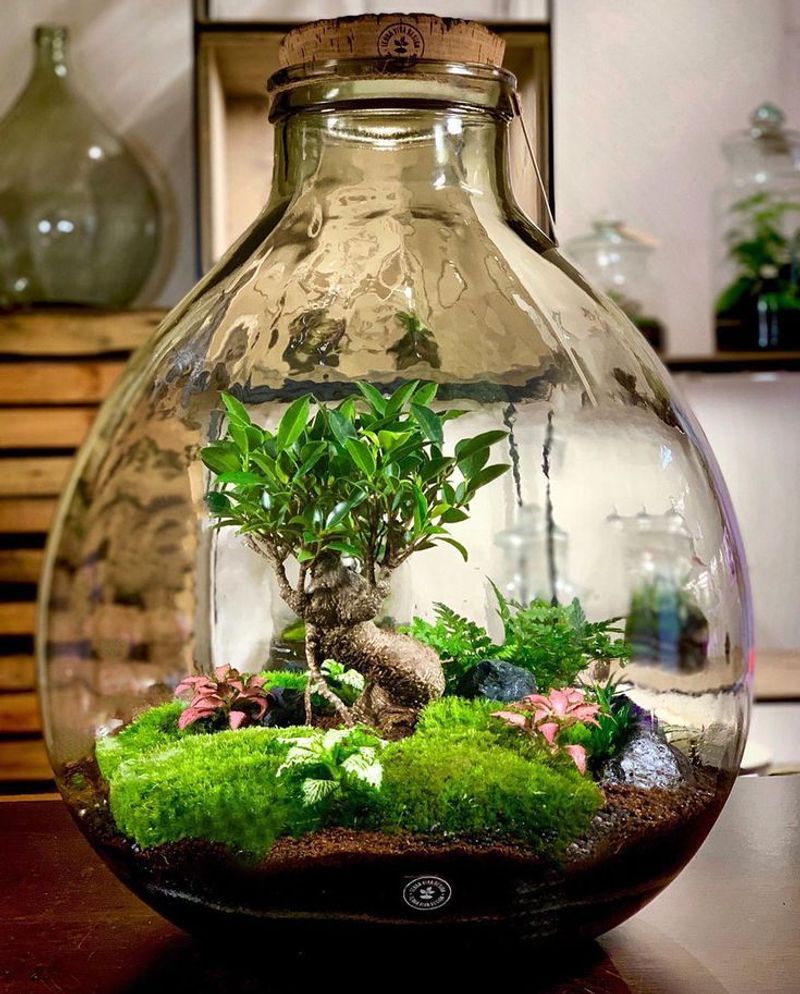
Terrariums create a self-sustaining environment, ideal for plant care. These glass containers trap moisture, mimicking a greenhouse, and require minimal watering. Initially popularized during the Victorian era, they serve as both decorative and functional garden elements. The closed environment supports humidity-loving plants, reducing water evaporation. Terrariums offer an enchanting glimpse into a miniature ecosystem, perfect for small spaces. They combine elegance with practicality, providing a unique approach to plant hydration and care. Each terrarium tells a story of life thriving in a confined space.
14. Water Retaining Gel
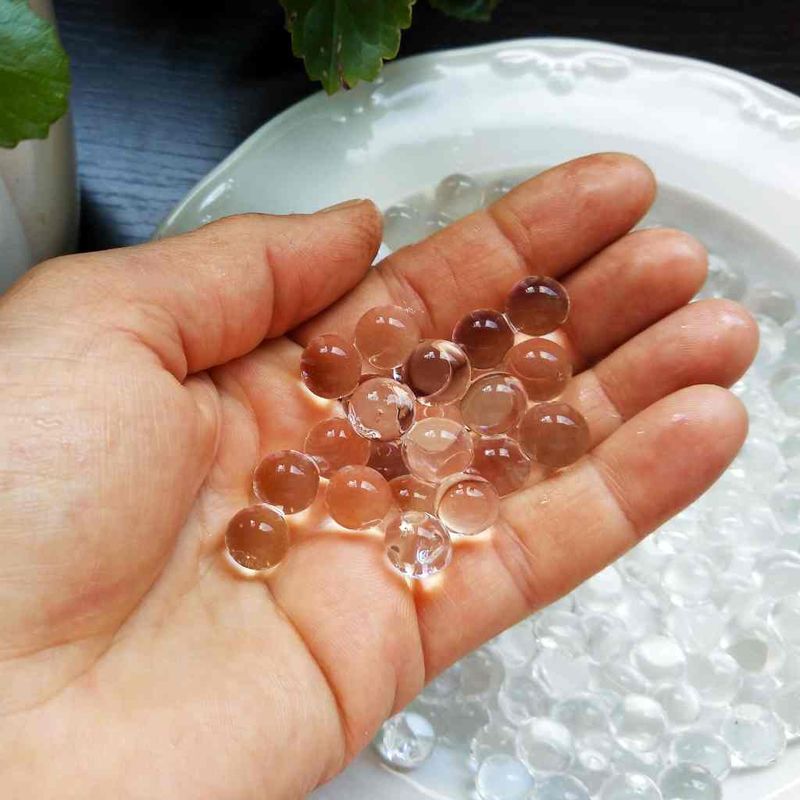
Water-retaining gels are a modern marvel that transforms plant care. These polymers absorb and store water, releasing it slowly into the soil. Ideal for drought-prone regions, they reduce watering frequency and enhance plant survival. The gels represent a scientific leap, drawing inspiration from natural hydrogels like aloe vera. Applying these gels is simple, yet profoundly impacts plant hydration. Their use underscores a commitment to sustainable gardening, ensuring your plants remain lush and vibrant without excessive water use. The gels embody innovation in harmony with nature.
15. Natural Shade Trees
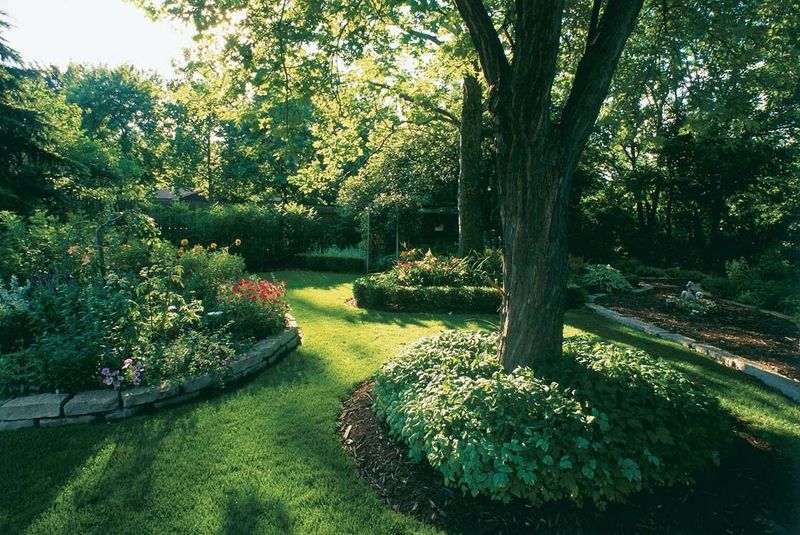
Natural shade from trees is both timeless and effective. Large, leafy trees offer shelter from the sun, reducing water loss and soil evaporation. Historically, gardens were often designed around such natural canopies. These trees create a microclimate, fostering humidity and cooler temperatures. They invite biodiversity, attracting birds and beneficial insects. Beyond functionality, trees enhance the aesthetic appeal of any garden, offering tranquility and beauty. Their presence speaks to a reverence for nature’s wisdom, providing an enduring solution to summer’s challenges.
16. Berm Design
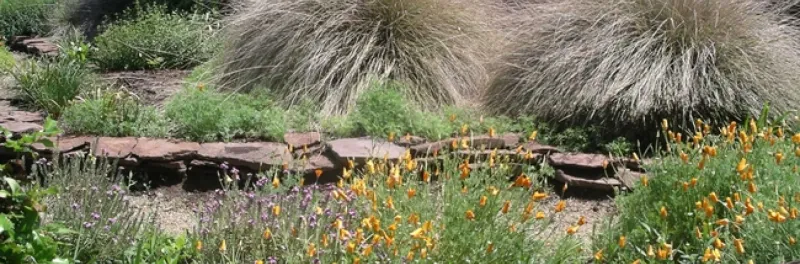
Berm design involves creating raised beds or mounds, optimizing water absorption and drainage. This ancient method, used by various cultures, controls water flow and prevents erosion. Berms direct water to plant roots, maximizing hydration efficiency. The mounds add a dynamic element to garden design, enhancing visual interest. They represent a thoughtful integration of form and function, drawing from historical practices. Berms not only conserve water but also improve soil structure, creating a resilient, thriving garden landscape. This technique embodies the art of gardening with nature’s guidance.