
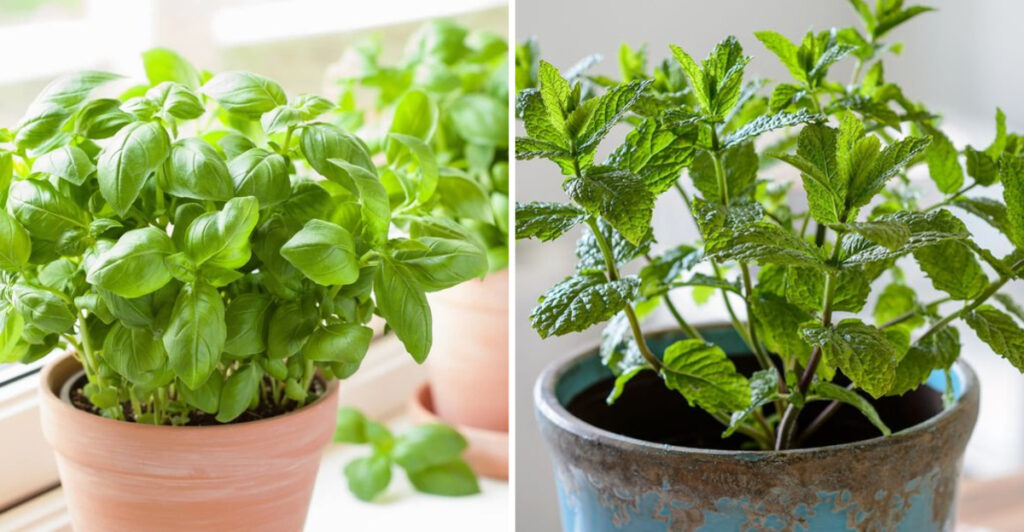
Creating a cocktail garden is an exciting way to blend gardening with mixology, providing fresh ingredients for your favorite drinks right at your fingertips. Whether you’re a seasoned gardener or a cocktail enthusiast, these plants will enhance your happy hour experience with their distinctive flavors and aromas.
1. Mint
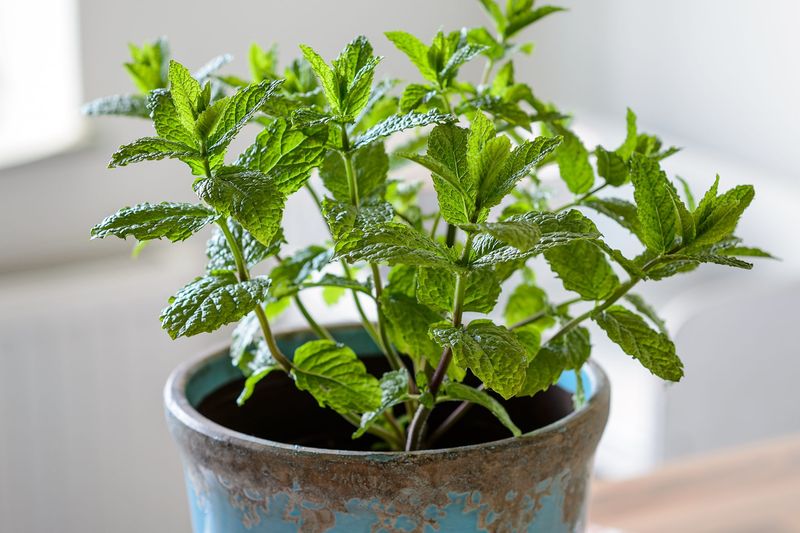
Mint, with its crisp, invigorating scent, is a must-have for any cocktail garden. Its cooling effect elevates classic drinks like mojitos and juleps. The charming appeal of mint lies in its versatility and easy cultivation. Even if you’re a novice gardener, mint’s vigorous growth ensures a bountiful harvest.
To prevent it from overtaking other plants, consider container gardening or choose a dedicated space. Fresh mint leaves are perfect for muddling, adding a refreshing note to beverages.
Did you know? Mint has been used for centuries in traditional medicine, prized for its soothing properties.
2. Basil
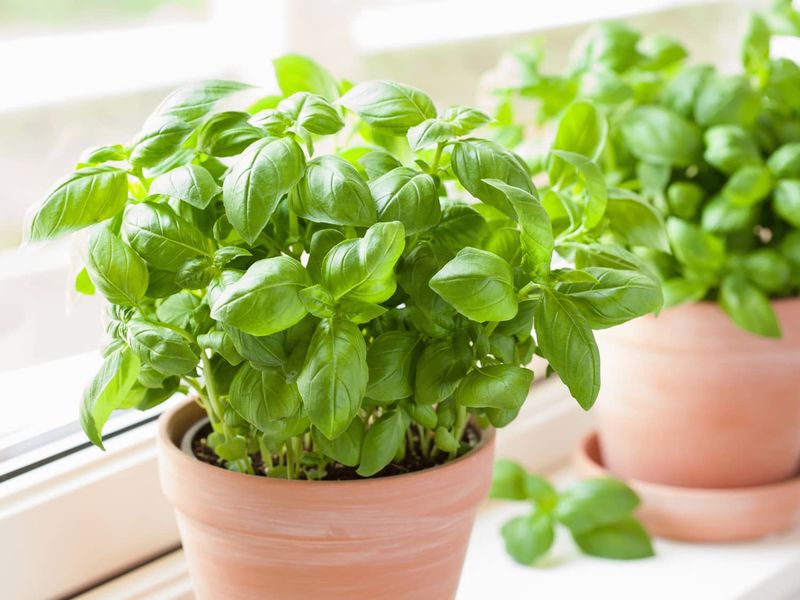
Basil brings a touch of elegance and flavor to cocktails, particularly in summer refreshers. Its subtle peppery kick and aromatic properties make it a delightful addition to drinks like the basil gin smash. Start with quality seeds and enjoy watching it thrive in warm, sunny spots.
Basil’s charm extends beyond its taste; its lush appearance adds greenery to any garden. It serves a dual purpose as a culinary herb and a cocktail garnish.
Fun fact: Basil was once a symbol of love in Italy, often used in romantic rituals and ceremonies.
3. Lemon Verbena
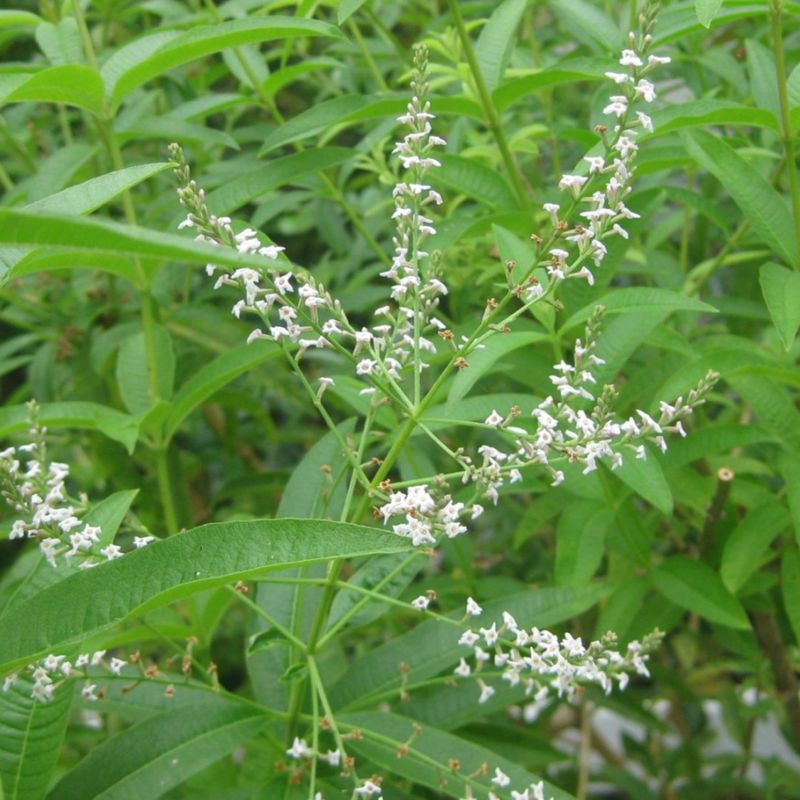
Lemon verbena enchants with its citrusy fragrance, making it a delightful addition to cocktails. It pairs wonderfully with vodka and gin, offering a unique zest. Though it may seem delicate, it’s surprisingly hardy, thriving in well-drained soil and plenty of sunlight.
This plant’s leaves can be used fresh or dried, maintaining their robust lemony essence. The aroma alone can transport you to a summer garden, ready for an al fresco evening.
Did you know? Lemon verbena was popular in Victorian gardens, cherished for its fragrance and beauty.
4. Rosemary
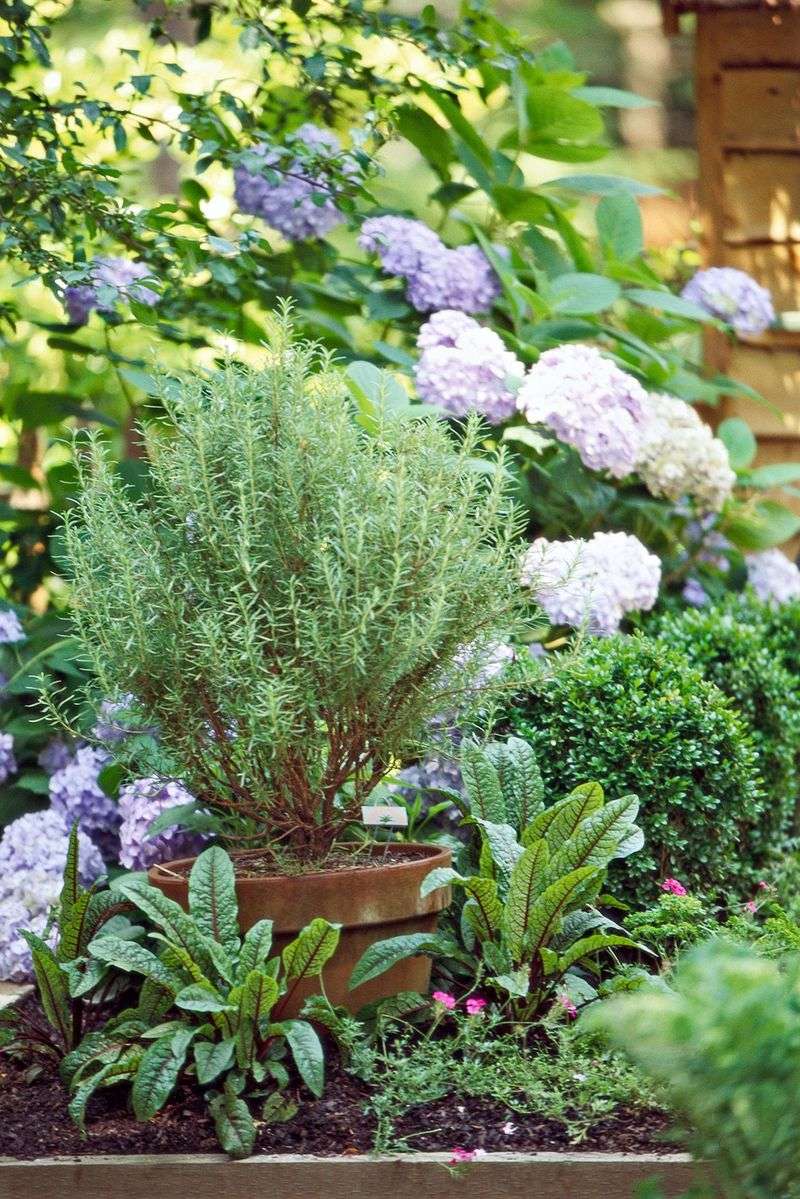
Rosemary’s bold flavor adds a savory depth to cocktails, ideal for those who enjoy a more complex drink. Its woody aroma complements gin and vodka-based concoctions beautifully. This resilient shrub thrives in sunny, dry conditions, reminiscent of its Mediterranean origins.
Rosemary can be used as a skewer for cocktail garnishes, adding both flavor and flair. Its evergreen nature ensures a year-round supply of fresh sprigs.
Interesting tidbit: Rosemary was traditionally used as a symbol of remembrance, often worn by brides on their wedding day.
5. Lavender
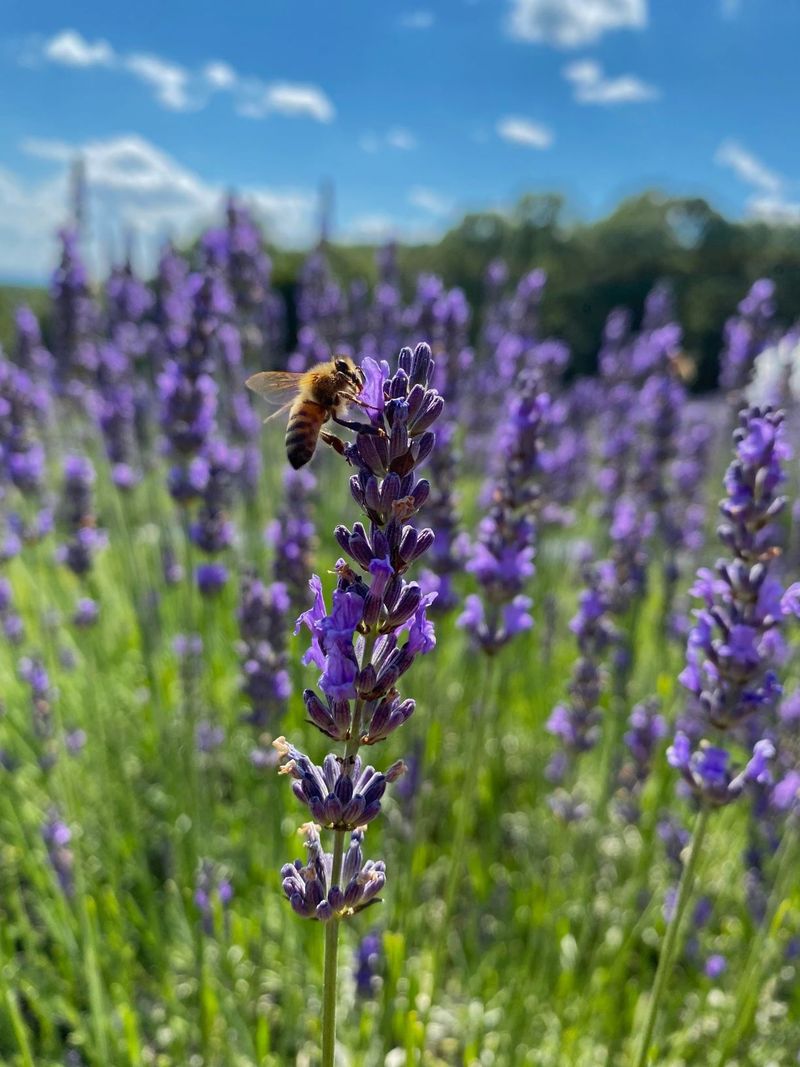
Lavender’s floral elegance brings a touch of serenity to cocktails. Its calming scent and flavor pair well with gin and champagne, adding a unique twist. Known for its resilience, lavender flourishes in well-drained soil and sunny locations.
Crafting a lavender syrup for cocktails can elevate your mixology skills, impressing guests with its vibrant hue and taste. Beyond cocktails, lavender’s fragrance offers relaxation and tranquility.
Fun fact: Lavender has been utilized in perfumery for centuries, valued for its soothing properties and alluring scent.
6. Thyme
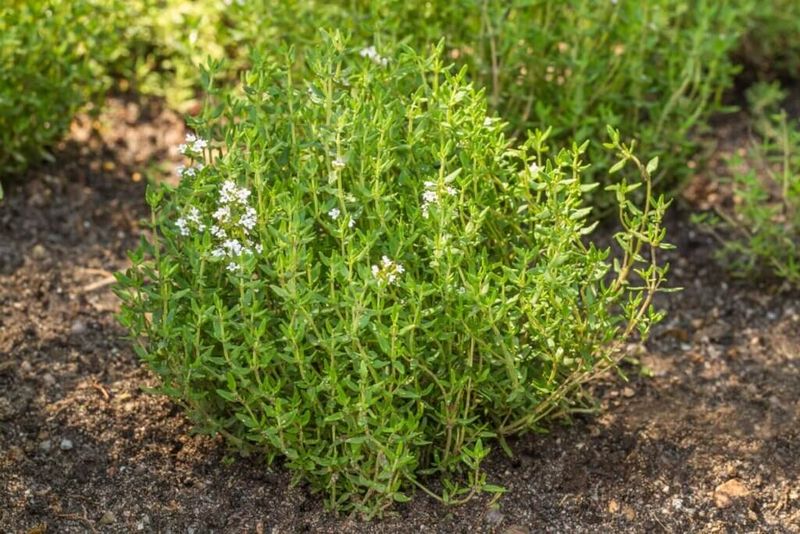
Thyme’s earthy aroma and subtle minty undertones can add complexity to cocktails, making it a favorite among mixologists. It pairs excellently with bourbon and whiskey, offering a robust flavor profile. Thyme is known for its hardiness, thriving in rocky, well-drained soil.
Its small, fragrant leaves can be used fresh or infused into syrups, providing versatility in cocktail making. Thyme’s presence in a garden adds a rustic charm.
Did you know? Ancient Greeks used thyme as incense in temples, believing its aroma to be a source of courage.
7. Cilantro
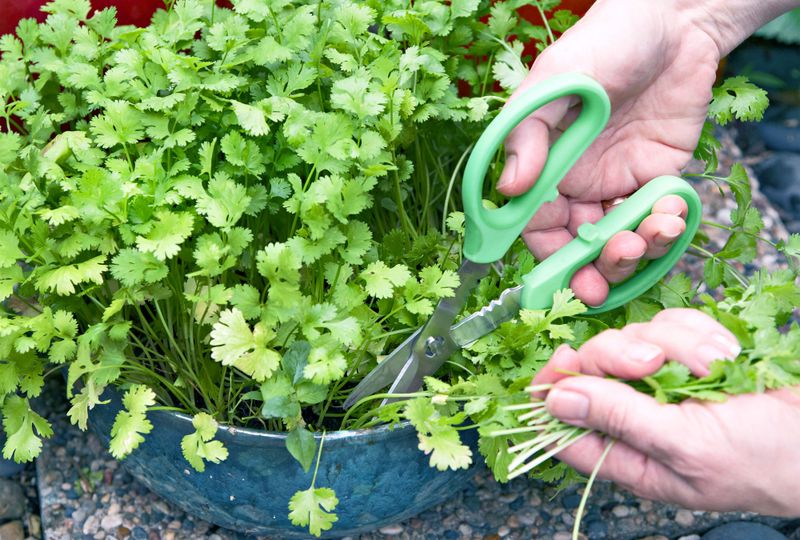
Cilantro’s distinctive flavor can be polarizing, but for those who love it, it adds a fresh, citrusy note to cocktails. Ideal for margaritas and other tequila-based drinks, cilantro brings a unique twist to mixology.
This herb thrives in cooler weather, making it perfect for spring and fall gardens. Its rapid growth ensures a steady supply for culinary and cocktail experiments.
Did you know? Cilantro leaves and seeds (coriander) offer different flavors, both used worldwide in various cuisines.
8. Lemon Balm
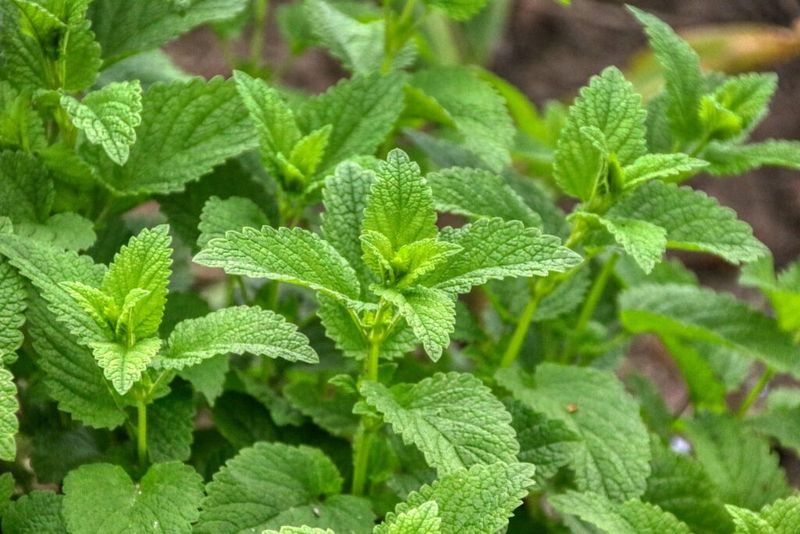
Lemon balm’s gentle lemony aroma can enhance the flavor profile of many cocktails, particularly those with a lighter spirit base. It’s a versatile herb that grows effortlessly in various conditions, preferring partial shade.
Fresh leaves can be muddled into drinks or used as a garnish, adding both scent and flavor. Lemon balm’s presence in a garden invites beneficial insects like bees.
Fun fact: In the Middle Ages, lemon balm was believed to promote longevity and was often used in potions and elixirs.
9. Sage
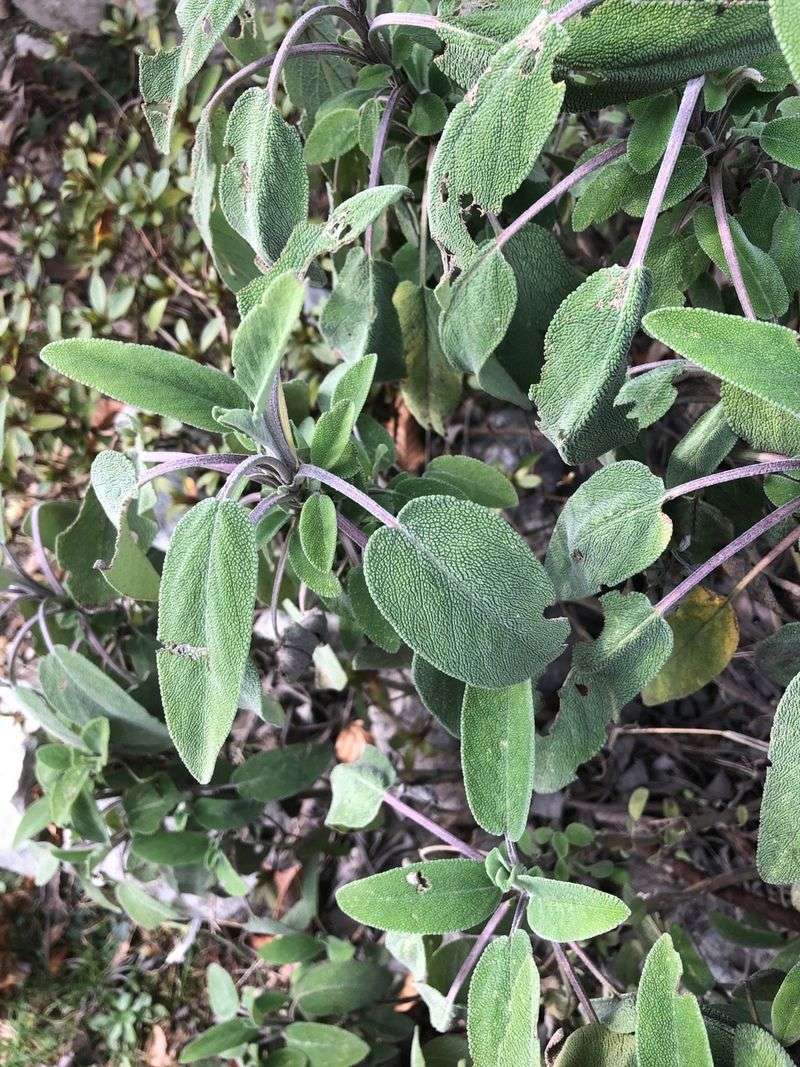
Sage offers a robust, earthy flavor that enriches cocktails, especially when paired with gin or bourbon. Its velvety leaves and distinctive taste make it a standout in any cocktail garden. Sage prefers sunny spots and well-drained soil, thriving with minimal care.
In cocktails, sage can be muddled, infused, or used as a garnish, adding complexity and depth. Its bold flavor complements citrus and berry notes beautifully.
Did you know? Sage has been associated with wisdom and immortality throughout history, often used in ancient rituals.
10. Cucumber
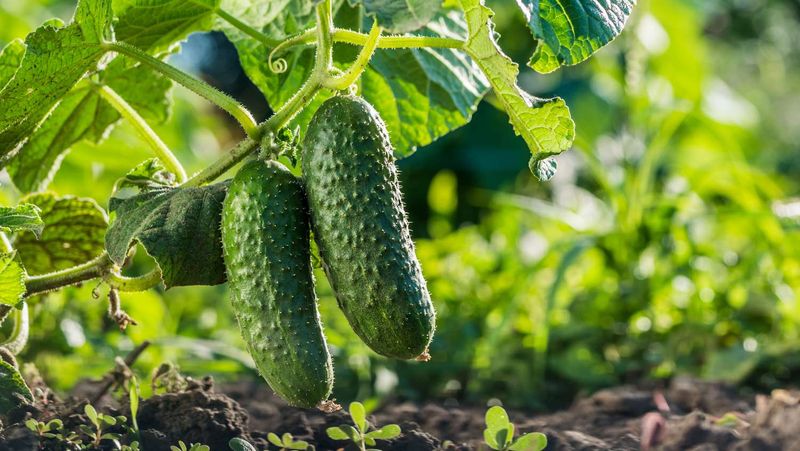
Cucumber, though technically a fruit, is a refreshing addition to any cocktail garden. Its crisp, clean taste complements a variety of drinks, from gin and tonics to summer spritzers. Growing cucumbers requires ample space and sunlight, with support for climbing vines.
Sliced or muddled, cucumber adds a hydrating element to cocktails, enhancing their refreshing qualities. Beyond beverages, its presence in a garden signifies abundance.
Fun fact: In ancient times, cucumbers were revered for their cooling properties and were often used to soothe the skin.
11. Pineapple Sage
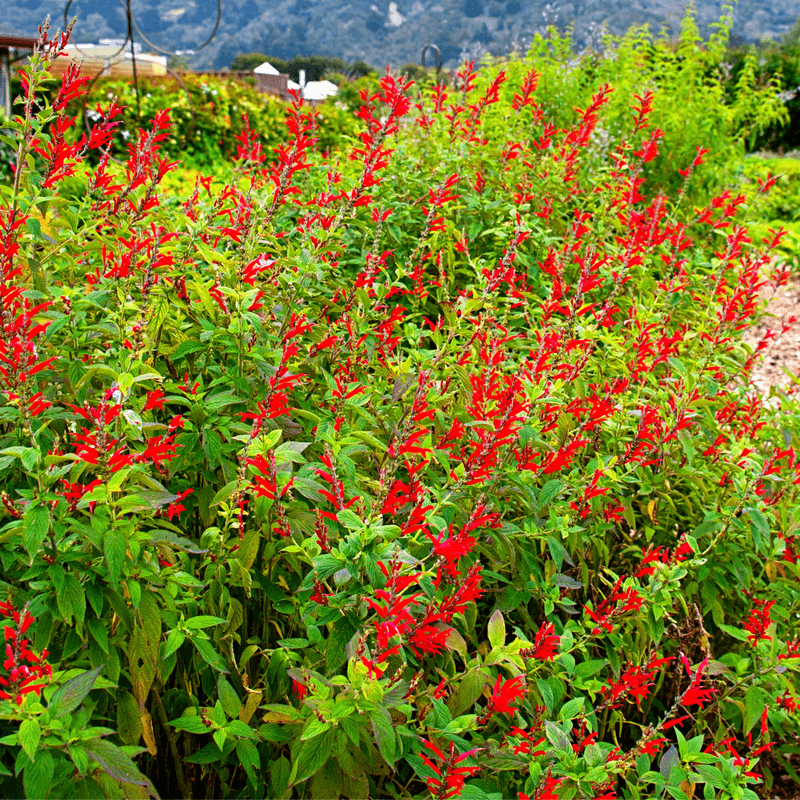
Pineapple Sage is a must-have for any cocktail enthusiast’s garden. With its bright red flowers and pineapple-scented leaves, it adds a tropical twist to summer drinks. Imagine sipping a refreshing mojito with a hint of pineapple aroma!
The plant thrives in well-drained soil and full sun, making it an easy addition to your garden. Beyond its culinary uses, Pineapple Sage attracts hummingbirds, adding a lively touch to your outdoor space. Consider adding a sprig to your next cocktail for an unexpected burst of flavor.
Fun fact: Pineapple Sage is native to Central America and blooms in late summer.
12. Lemon Thyme
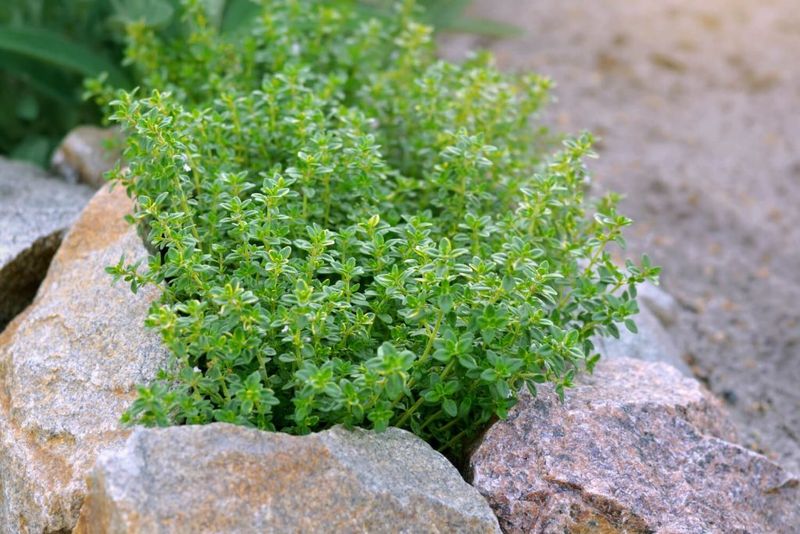
Lemon Thyme brings a zesty twist to traditional thyme, infusing cocktails with a citrusy aroma. This versatile herb is perfect for lemony martinis or gin and tonics. Imagine the fresh scent mingling with your drink as you unwind!
Its low-growing habit and ease of cultivation make Lemon Thyme a popular choice for container gardening. Plant it in a sunny spot, and you’ll have a fragrant garnish ready at your fingertips. Perfect for culinary adventures or as a decorative accent.
Did you know? Lemon Thyme is a hybrid of common thyme, valued for its aromatic properties.
13. Borage
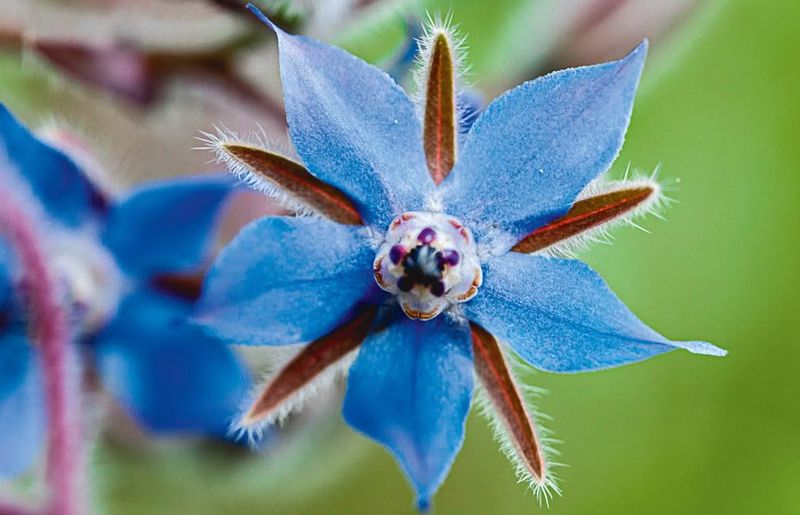
Borage, with its striking blue star-shaped flowers, adds a splash of color and a cucumber-like flavor to cocktails. It’s particularly delightful in gin-based drinks, offering both visual appeal and a refreshing taste.
Growing borage is a breeze; it thrives in poor soil and full sun. The plant is also a bee magnet, promoting pollination in your garden. Consider freezing the flowers in ice cubes for a fun and decorative touch to your beverages.
Quirky fact: Borage is sometimes called “bee bush” due to its bee-attracting qualities.
14. Hyssop
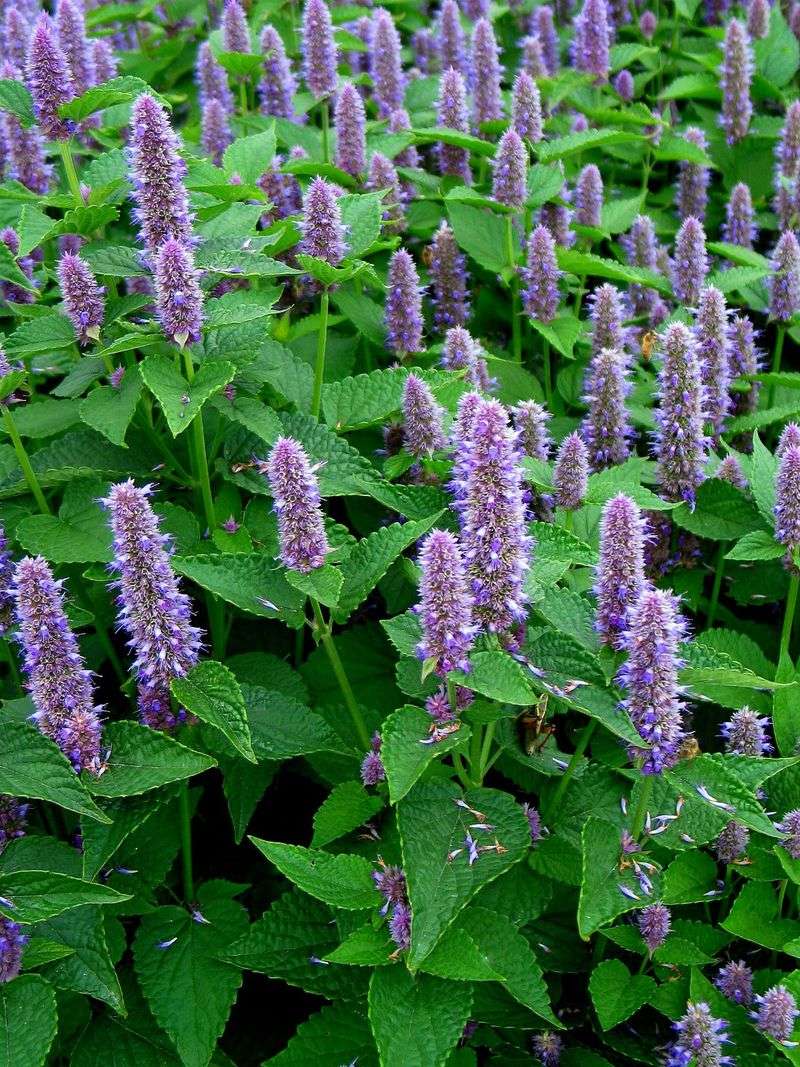
Hyssop is a charming herb known for its licorice-like taste, perfect for adding complexity to cocktails. Its purple flowers and rich aroma make it a lovely addition to any garden. Imagine the unique flavor it brings to your homemade bitters or herbal liqueurs.
Easily grown in sunny, well-drained spots, Hyssop is a hardy plant that requires minimal care. It’s a perennial, ensuring a continuous supply of fragrant leaves year after year.
Fun fact: Hyssop has been used since ancient times for its medicinal properties and is a symbol of purification.
15. Angelica
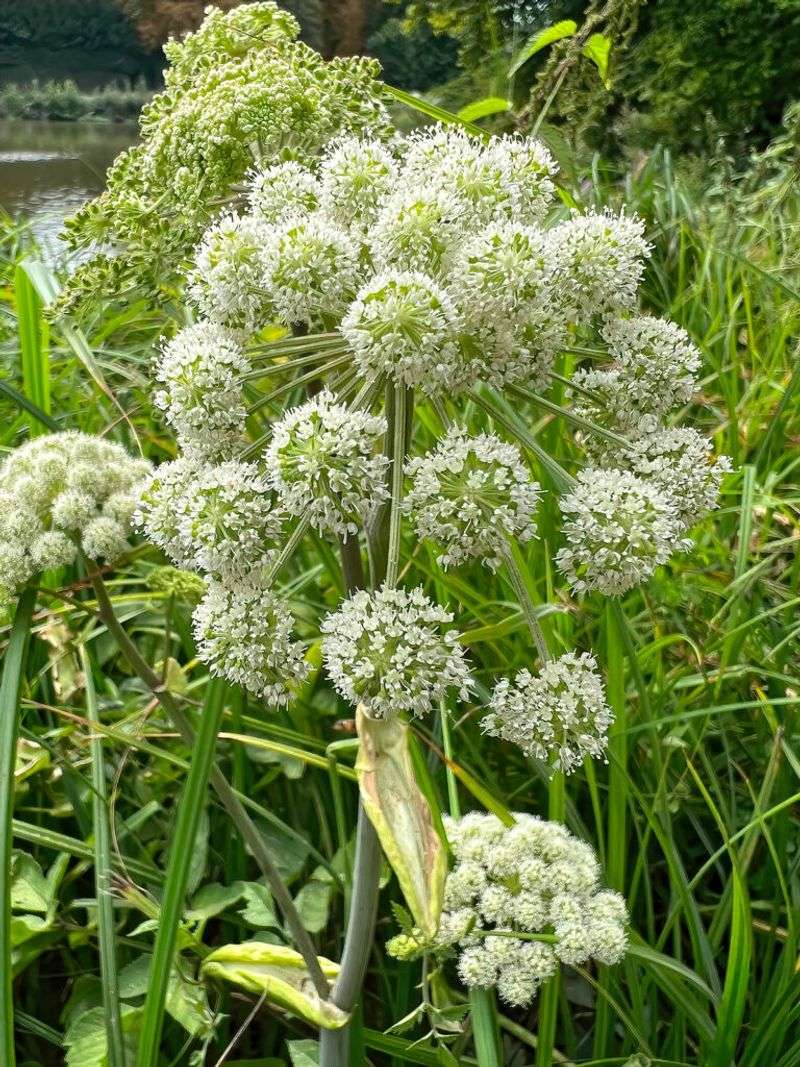
Angelica is a towering herb with an aromatic presence that can transform your cocktail experience. Its sweet, earthy flavor is perfect for syrups and liqueurs, adding depth to your beverages. Picture an angelica-infused gin fizz tantalizing your taste buds!
The plant prefers moist soil and partial shade, thriving in cooler climates. Its impressive height and delicate flower umbels add architectural interest to your garden space.
Historical note: Angelica was used in medieval times as a protective herb against witches and evil spirits.
16. Chocolate Mint
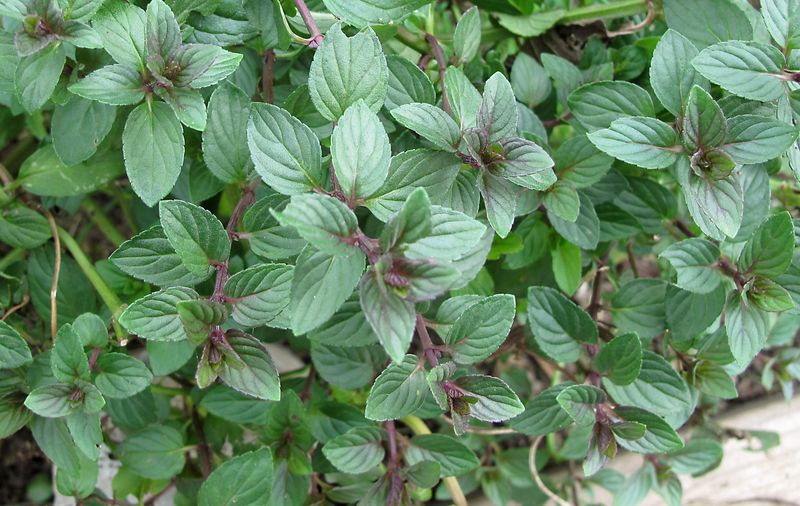
Chocolate Mint offers a delightful twist on traditional mint, with a subtle cocoa aroma. It’s an exciting addition to cocktails, adding a dessert-like quality to mojitos and hot chocolates alike.
The plant is easy to grow, preferring a sunny to partially shaded spot. Its dark green leaves make it a visually appealing choice for any garden, and its vigorous growth ensures you always have a fresh supply.
Trivia: Despite its name, Chocolate Mint doesn’t actually contain chocolate, but its scent is unmistakably reminiscent of a minty chocolate treat.