
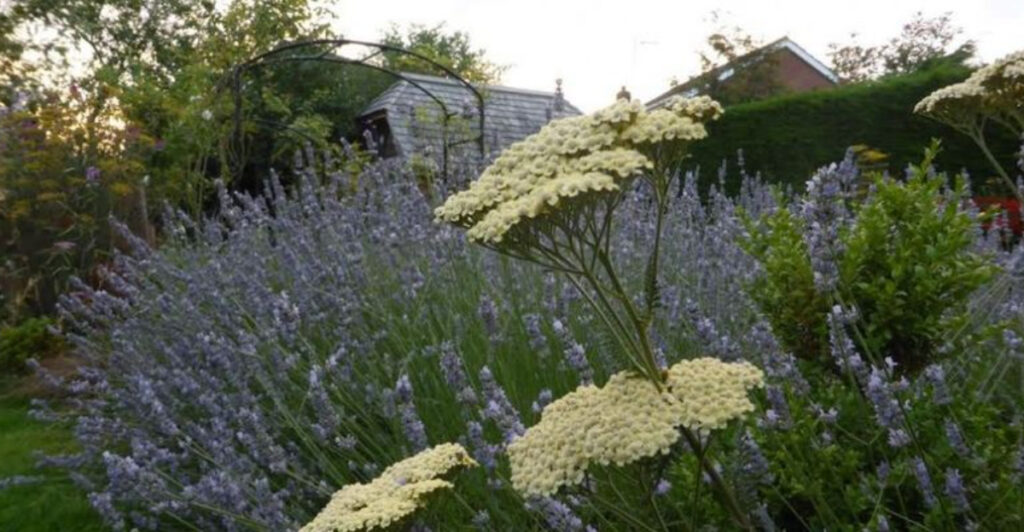
Lavender is a beloved plant known for its aromatic fragrance and vibrant purple blooms. When planning your garden, it’s important to know which plants complement lavender’s growth and which may hinder it.
This guide explores ten plants that flourish alongside lavender, enhancing its beauty and thriving in similar conditions. On the flip side, we’ll also delve into eight plants that should be kept separate from lavender due to their contrasting needs and growth habits.
1. Rosemary
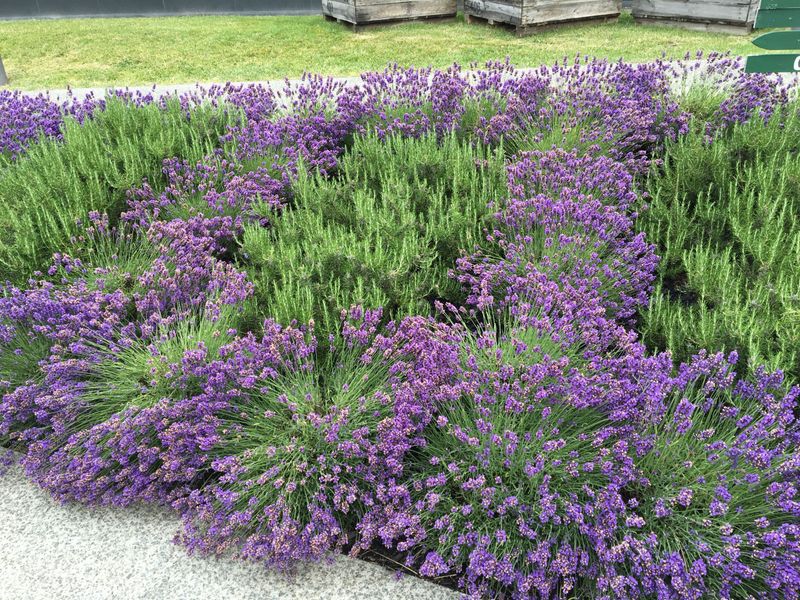
Rosemary’s aromatic charm echoes that of lavender, creating a partnership fit for the Mediterranean. Both herbs bask in the sun’s embrace, thriving in dry, low-fertility soils. These conditions make them perfect roommates in any garden. Rosemary’s upright growth not only complements lavender’s sprawling nature but also enhances its scenic beauty.
Together, they form a fragrant oasis that delights the senses. A fun fact: Rosemary symbolizes remembrance, which adds a layer of nostalgic beauty to your garden. Their drought-resistant nature ensures a resilient garden design, making them a favored duo for novice and experienced gardeners alike.
2. Sage
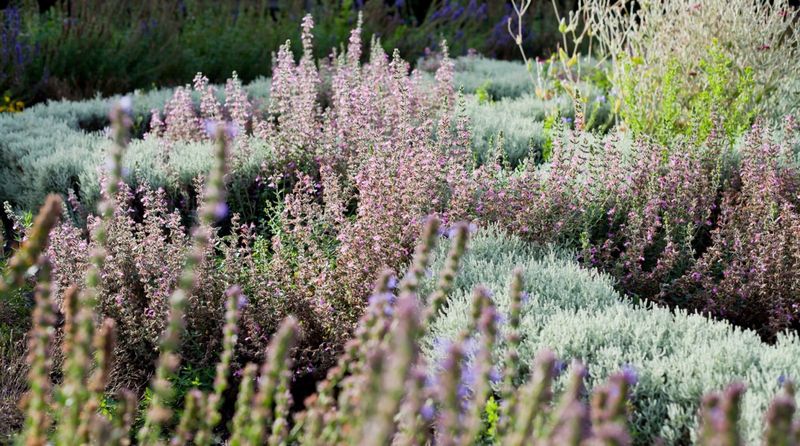
Sage, with its rugged green foliage, dances beautifully alongside the purple allure of lavender. Both plants adore the sun and thrive in well-drained soils. Sage’s aromatic leaves not only provide a visual contrast but also add a culinary twist to your garden.
The interplay of colors and textures makes them a captivating pair. Historically, sage has been revered for its healing properties, adding depth to its presence among lavender. This duo offers gardeners a sensory feast and a low-maintenance gardening experience, perfect for those who appreciate both beauty and functionality.
3. Thyme
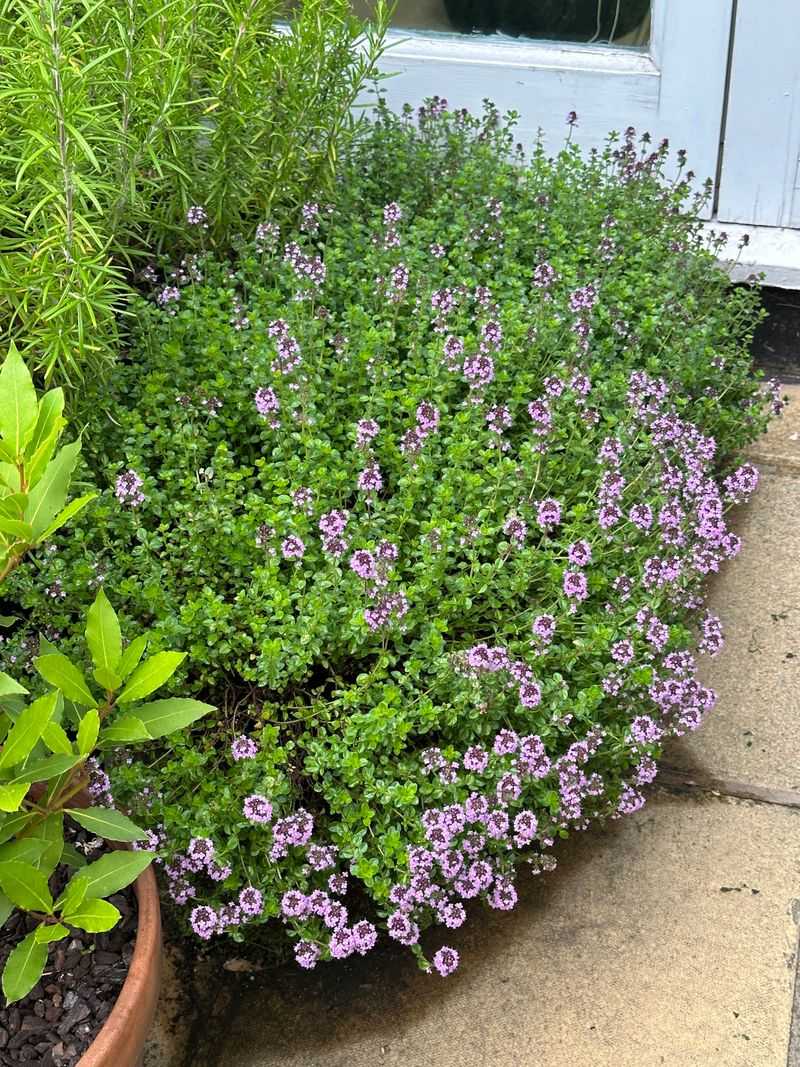
Thyme’s low-growing nature makes it an ideal ground-cover partner for lavender. Its delicate leaves create a lush carpet that gently envelops lavender, preventing weeds from taking root. This dynamic duo thrives under the sun, basking in dry soil conditions.
Thyme’s subtle fragrance harmonizes with lavender’s more pronounced aroma, creating a calming ambiance. Did you know? Thyme has been a culinary staple for centuries, beloved for its savory notes. Together, they form a resilient pair that brings both beauty and practicality to your garden, making them indispensable to herb enthusiasts.
4. Echinacea (Coneflower)
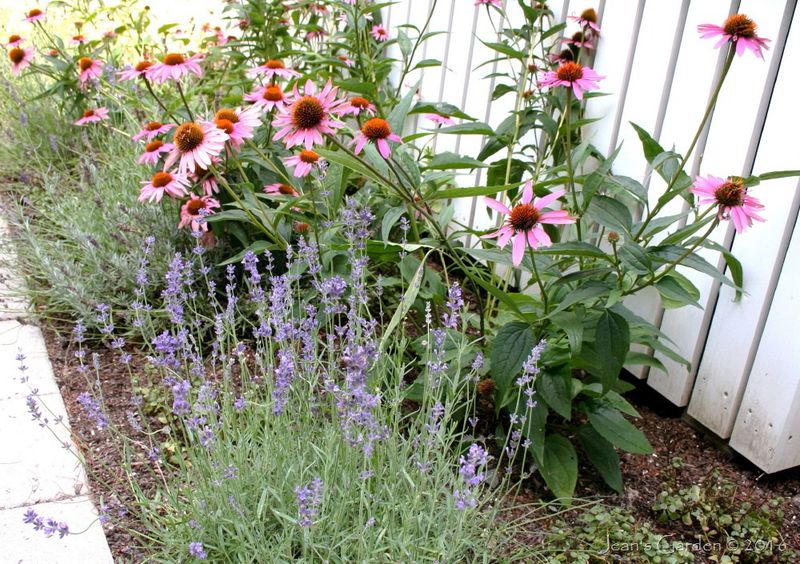
Echinacea, known for its striking upright blooms, pairs gracefully with lavender. This duo thrives in sunny spots with poor soil, where echinacea’s vibrant flowers attract pollinators like butterflies and bees.
Lavender’s calming presence balances echinacea’s bold colors, creating a harmonious visual symphony. Did you know? Echinacea has long been used in traditional medicine for its immune-boosting properties. Together, they craft a garden that’s not only visually stunning but also teeming with life and beneficial insects, offering a thriving habitat for nature’s little helpers.
5. Sedum (Stonecrop)
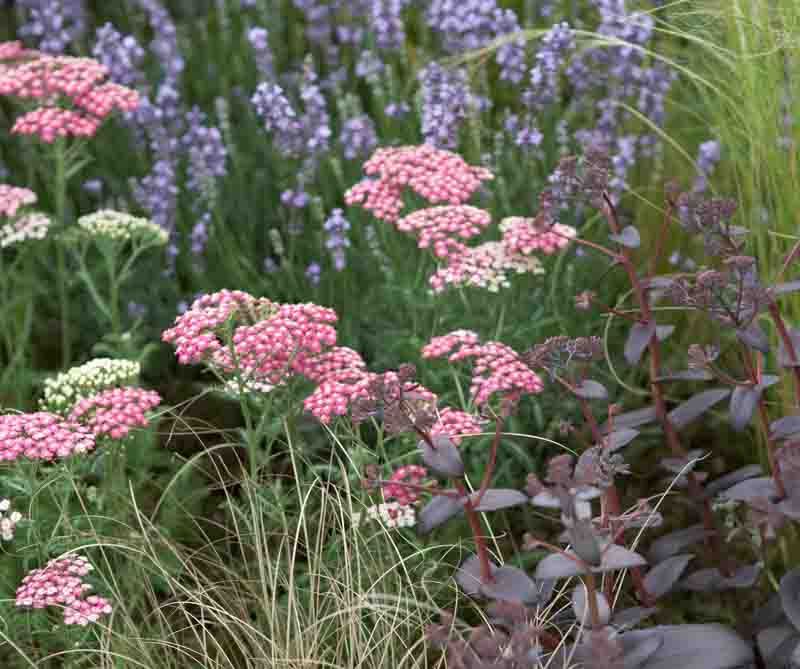
Sedum, with its succulent-like leaves, is a perfect match for lavender’s hardiness. Both plants revel in sunny, dry conditions, making them ideal companions in xeriscaped gardens. Sedum’s varied leaf colors add depth and texture to the garden landscape.
Their compatible growth habits ensure they won’t compete for resources, allowing both to flourish. Sedum’s ability to store water in its leaves makes it an excellent drought-tolerant choice, while lavender contributes its signature fragrance. Together, they create a low-maintenance, vibrant garden aesthetic, perfect for busy gardeners seeking beauty without the fuss.
6. Yarrow (Achillea)
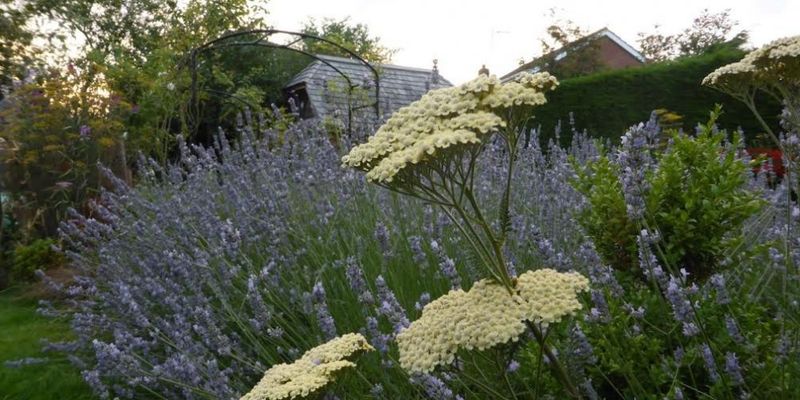
Yarrow, with its feathery foliage and clusters of tiny flowers, complements lavender’s elegance. Both plants are sun lovers that thrive in dry, well-drained soils. Yarrow’s heat tolerance makes it a reliable companion in gardens where temperatures soar.
Its flowers attract beneficial insects, enhancing the garden’s ecological balance. Fun fact: Yarrow has been used for centuries in herbal medicine, known for its healing properties. This pair creates a garden alive with color and movement, providing a sanctuary for both plants and pollinators to thrive in harmony.
7. Alliums
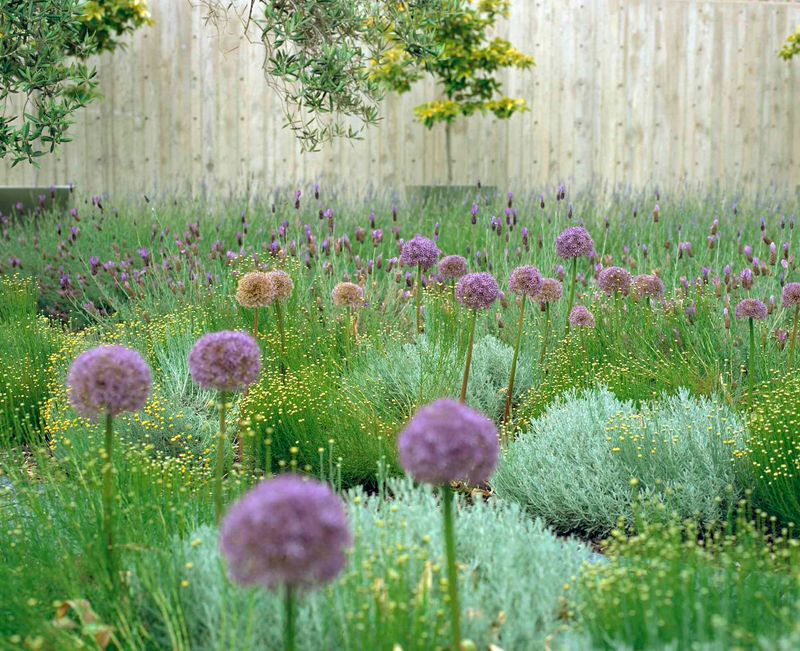
Alliums bring architectural flair to the garden with their tall, striking blooms. Their statuesque presence adds height behind lavender, making a dramatic backdrop. Alliums deter pests naturally, a boon for any garden.
These hardy plants thrive in similar soil and sun conditions as lavender, ensuring a companionable coexistence. Did you know? Alliums belong to the same family as onions and garlic, adding a subtle culinary connection. Together, they craft a garden that’s both visually stunning and practically beneficial, offering an intriguing mix of form and function.
8. Catmint (Nepeta)
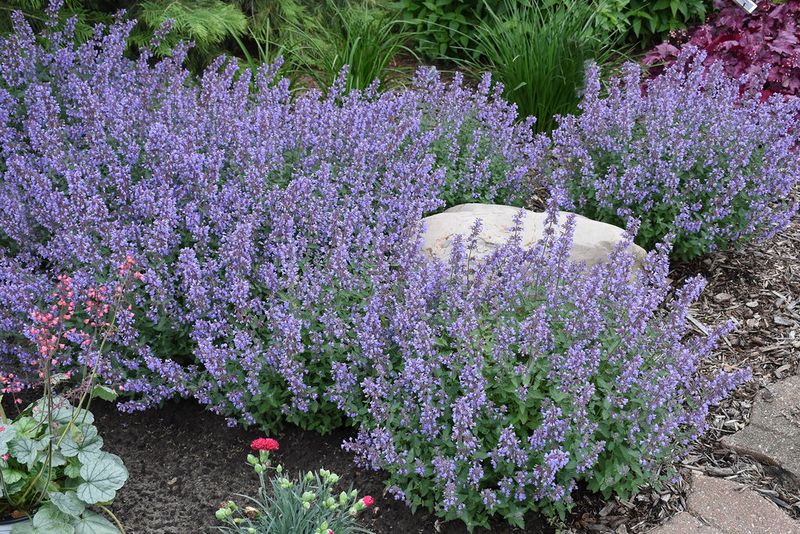
Catmint, with its lavender-blue flowers, mirrors lavender’s habits, making them a match in both color and temperament. This mint-family plant flourishes in dry, poor soils, requiring little maintenance.
Their combined fragrances create a serene atmosphere perfect for relaxation gardens. Catmint also attracts pollinators, supporting a biodiverse ecosystem. Did you know? Catmint is famously loved by cats, adding an amusing element to the garden. This pairing results in a soothing, visually cohesive garden border that brings tranquility to any outdoor space.
9. Artemisia
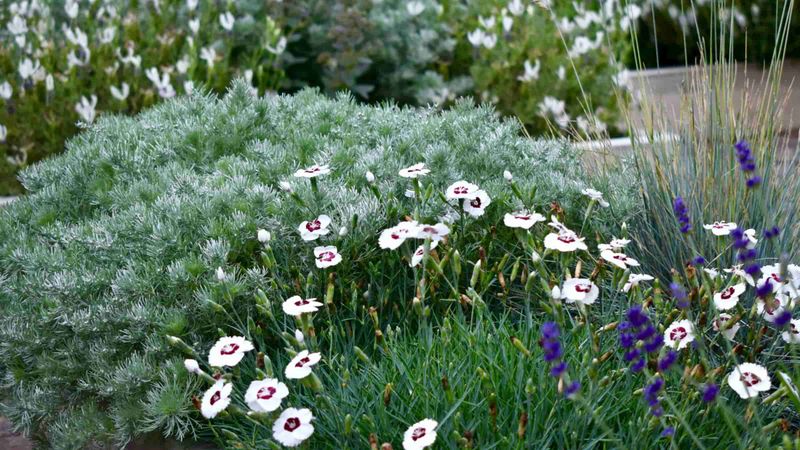
Artemisia’s silver-gray foliage offers a striking contrast to lavender’s vibrant purple blooms. Both plants appreciate well-drained soils and full sun, thriving in similar environments.
Artemisia’s aromatic leaves deter pests, enhancing the garden’s natural defenses. Known for its historical use in medicine and rituals, artemisia adds depth to any garden setting. This duo creates an environment of balance and harmony, where both plants can showcase their unique beauty. Their complementary traits make them an ideal pair for gardeners seeking both aesthetic appeal and functional benefits.
10. Gaillardia (Blanket Flower)
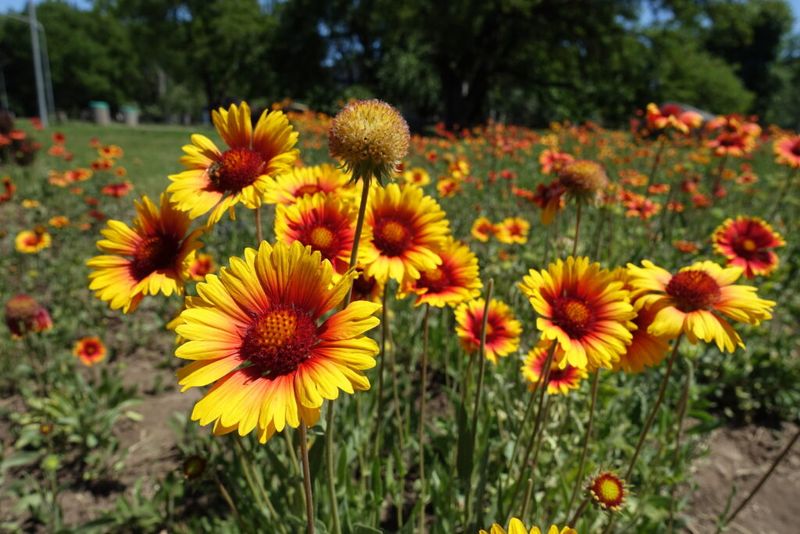
Gaillardia, with its fiery red and yellow blooms, offers a vibrant contrast to lavender. Both plants adore sun and heat, thriving in dry conditions that many other plants find challenging.
Gaillardia’s long blooming season ensures continuous color alongside lavender. This pairing creates a lively, cheerful garden atmosphere. Fun fact: Gaillardia is often called “Blanket Flower” due to its resemblance to brightly colored Native American blankets. Together, they form a resilient, colorful garden display that delights the senses and requires minimal upkeep, perfect for vibrant garden enthusiasts.
1. Mint
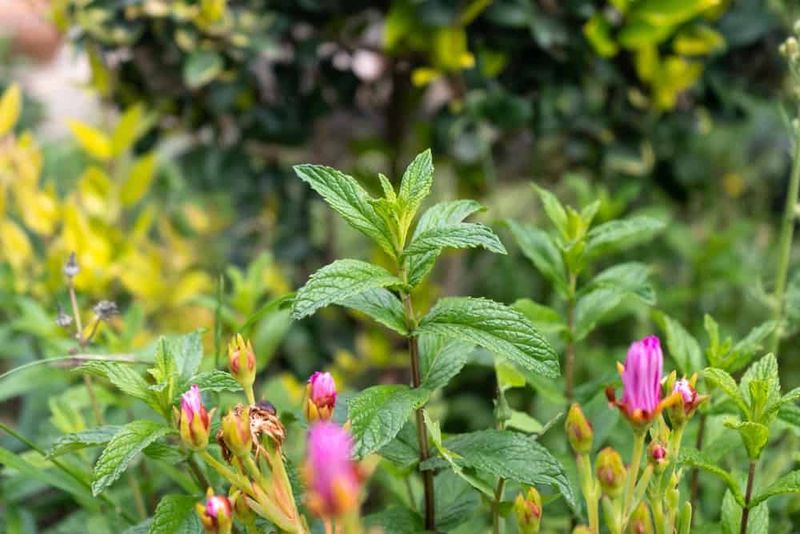
Mint may seem like a delightful addition, but its aggressive nature contrasts starkly with lavender’s preferences. Mint rapidly spreads, overtaking garden spaces meant for calm coexistence. This plant’s love for moisture conflicts with lavender’s need for dryness, creating a challenging partnership.
In a garden setting, mint’s dominance can suffocate lavender, depriving it of the sunlight and space it cherishes. This clash of needs often leads to lavender’s decline. Despite mint’s aromatic appeal, it’s best planted separately to avoid encroaching on lavender’s territory, ensuring each can thrive individually without competition.
2. Hostas
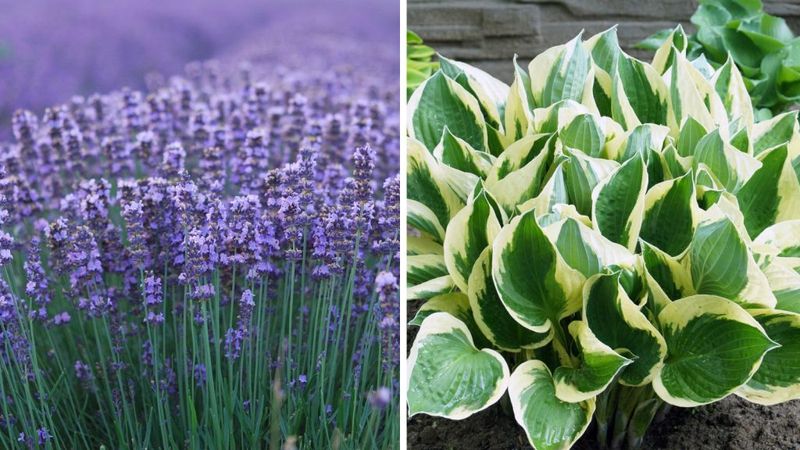
Hostas, with their lush, broad leaves, thrive in shaded, moist environments—conditions that starkly contrast with lavender’s sun-loving nature. Lavender craves open spaces drenched in sunlight, whereas hostas excel in the cool embrace of shade.
When placed together, hostas can overshadow lavender, depriving it of essential light. This mismatch can lead to lavender’s stunted growth and eventual demise. Despite hostas’ elegant foliage, they are best kept separate, allowing each plant to flourish in its preferred habitat. This separation ensures a healthy garden where both plants can showcase their unique beauty.
3. Ferns
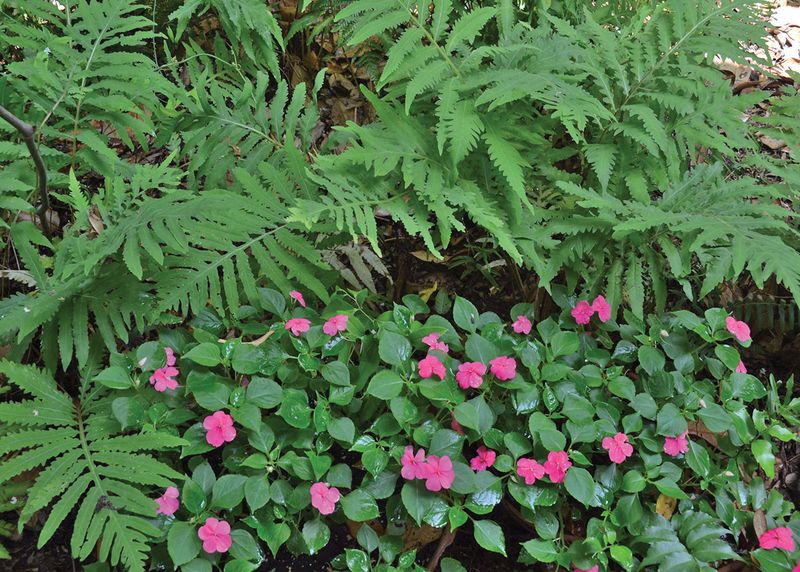
Ferns thrive in damp, shaded environments, which starkly contrast with lavender’s sun-drenched, arid preferences. Placing these plants together can spell trouble for lavender, as it struggles to compete in such unsuitable conditions.
Ferns’ lush growth can overshadow lavender, depriving it of the sunlight it craves. In this mismatched pairing, lavender often suffers, unable to flourish as it should. While ferns add a lush, green allure to gardens, they are best suited to separate areas, ensuring both plants can thrive in their ideal habitats without compromising each other’s growth.
4. Impatiens
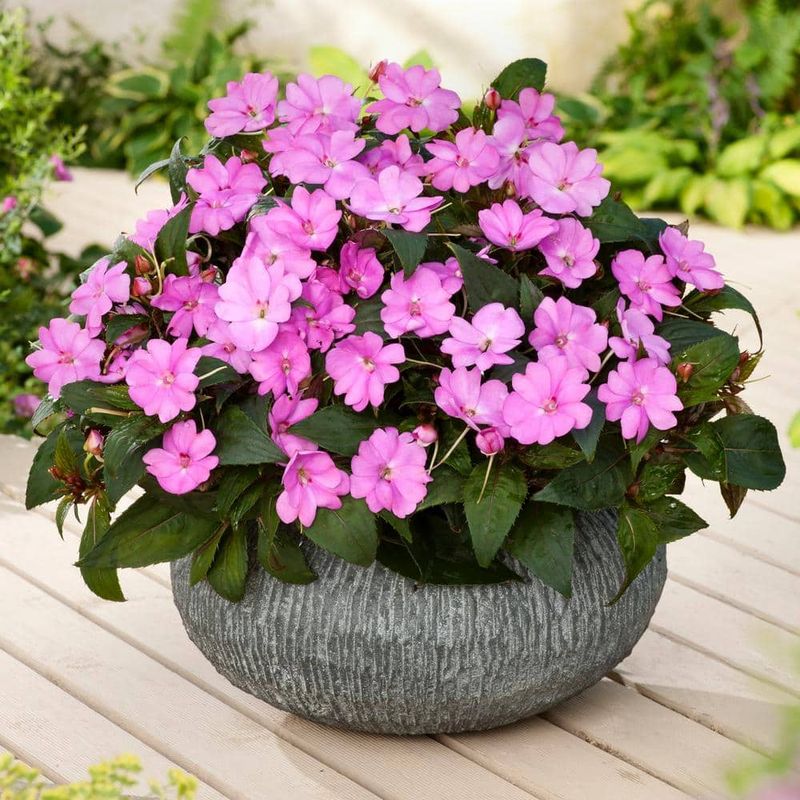
Impatiens are beloved for their vibrant blossoms, thriving in shaded, moist areas—environments unsuitable for lavender. Lavender requires sunlit spaces and well-drained soil, making them unlikely garden companions.
When planted together, impatiens’ need for moisture can lead to lavender’s decline, often causing root rot due to excessive watering. This water imbalance creates a challenging environment for lavender. Despite their colorful appeal, impatiens are best planted away from lavender, ensuring each plant can grow healthily in its preferred conditions, adding beauty to separate areas of the garden.
5. Hydrangeas
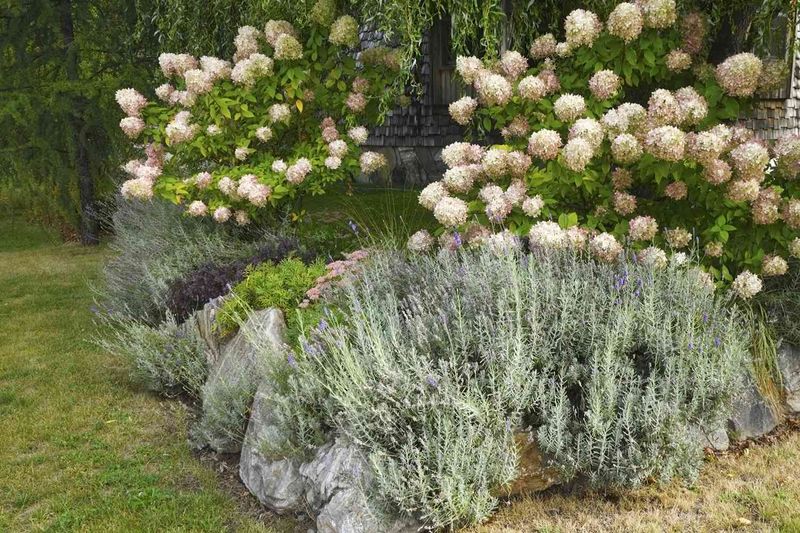
Hydrangeas, with their lush foliage and voluminous blooms, thrive in rich, moist soils—conditions that are unfavorable for lavender. Lavender prefers dry, low-fertility environments, making them incompatible neighbors.
In close proximity, hydrangeas’ aggressive growth can overshadow lavender, depriving it of sunlight and essential nutrients. This mismatch often leads to lavender’s struggle and decline. While hydrangeas are undeniably beautiful, they are best positioned away from lavender, allowing each plant to flourish in its ideal conditions without competition, ensuring a harmonious garden space.
6. Camellias
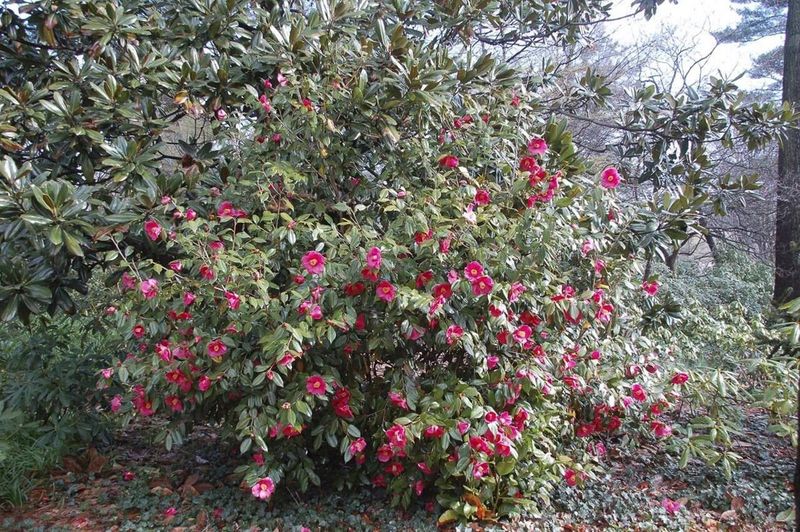
Camellias are known for their exquisite blooms and preference for acidic, shaded environments—conditions that starkly differ from lavender’s sunlit, alkaline needs. Lavender thrives in open spaces with ample sunlight, while camellias excel in more secluded settings.
When planted together, camellias can overshadow lavender, inhibiting its growth by limiting access to light and nutrients. This pairing often results in lavender’s decline. Despite camellias’ beauty, they should be planted separately to ensure each plant can thrive in its preferred environment, creating a garden where both can showcase their splendor independently.
7. Astilbe
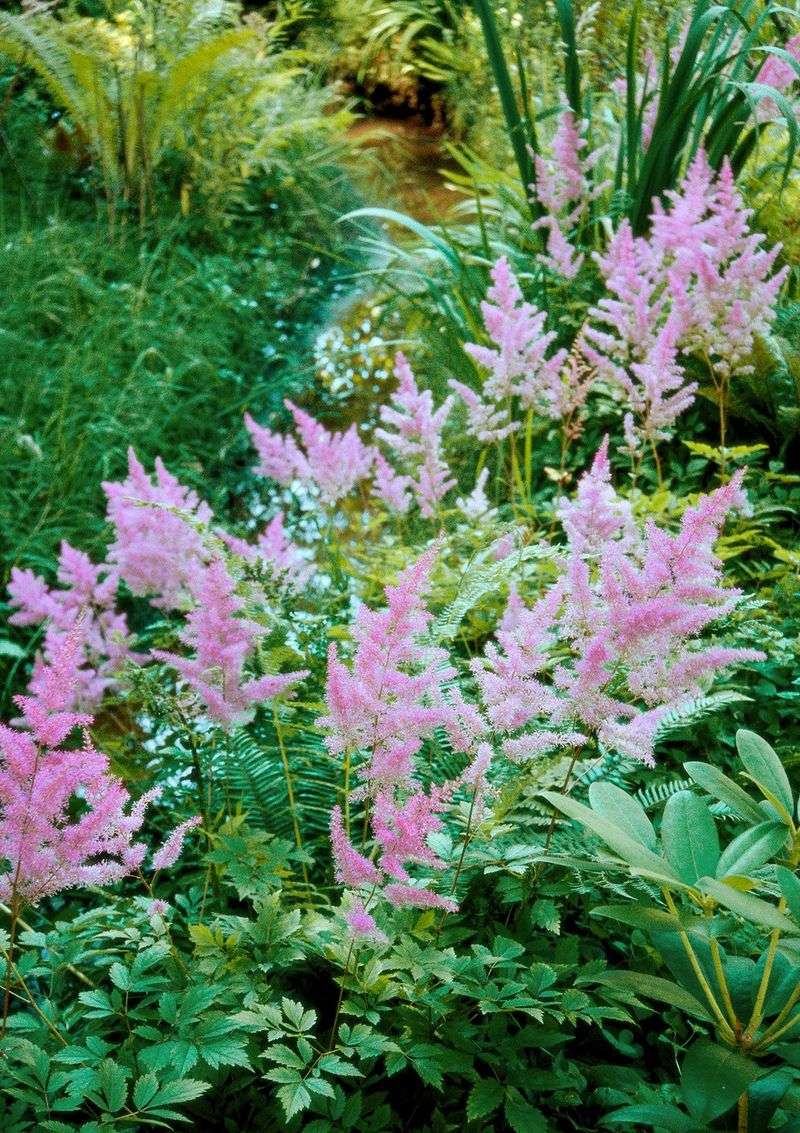
Astilbe’s feathery plumes thrive in moist, shaded gardens, creating a stark contrast to lavender’s sun-loving, dry soil needs. Lavender requires the warmth of the sun and well-drained soil to flourish, making these two an unlikely pair.
When placed together, astilbe’s moisture needs can lead to lavender’s decline, often resulting in excessive water retention and root rot. This mismatch highlights the importance of planning garden layouts thoughtfully. While astilbe adds a delicate beauty to shaded areas, it should be kept separate from lavender to ensure both plants can thrive according to their specific preferences.
8. Begonias
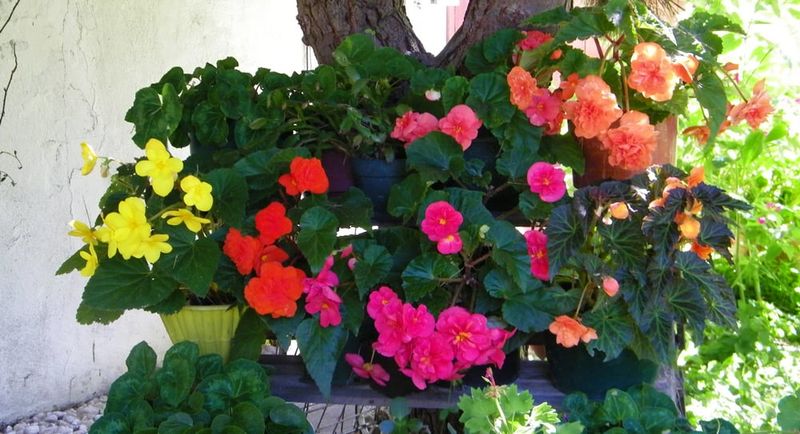
Begonias, with their delicate blooms, thrive in shaded, moist environments, making them poor companions for sun-loving lavender. Lavender’s preference for dry, well-drained soil is at odds with begonias’ moisture needs, leading to potential complications.
When planted together, begonias’ requirements can overshadow lavender, depriving it of the conditions it needs to thrive. This contrasting pairing often results in lavender’s struggle to grow. Despite begonias’ charm, they are best positioned away from lavender, ensuring each plant can flourish in its ideal environment, maintaining the health and beauty of your garden.