 Complete Gardening
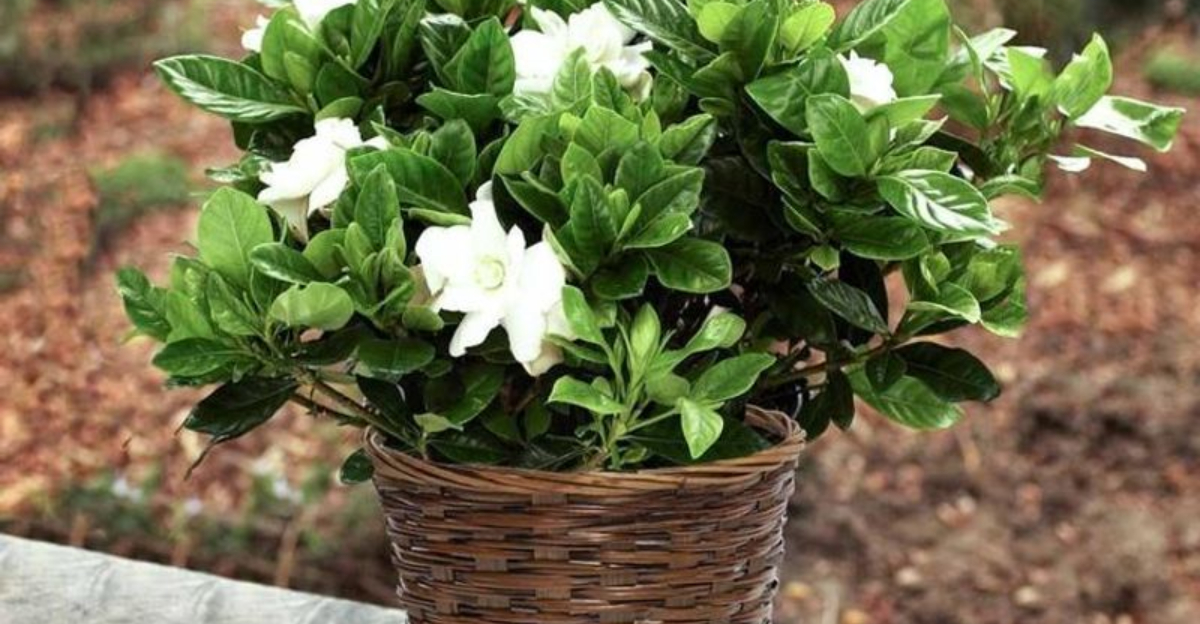
Potted flowers can add a vibrant touch to any space, yet not all blooms thrive in confinement. Here’s a detailed look at 18 flowers that look stunning in pots but secretly despise being there. Learn about each flower’s unique characteristics and why they may not always flourish in a contained environment.
1. Peony
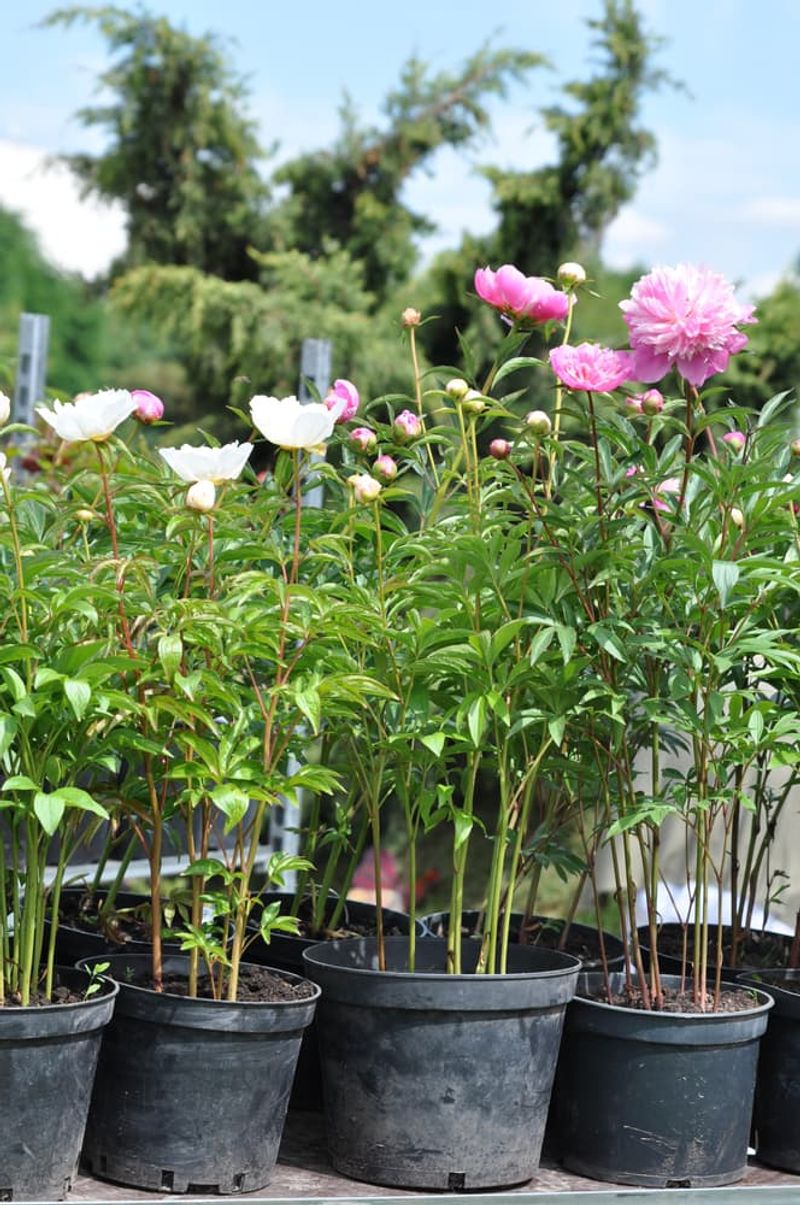
Peonies are adored for their lush blooms and captivating fragrance. Although they look stunning in pots, they prefer the freedom of garden beds. Their deep root systems require ample space to grow, which pots often lack.
Their charm is undeniable, yet they can become root-bound and struggle to bloom if confined. Peonies thrive best where their roots can spread and breathe.
Did you know? Peonies have been cultivated for over 2,000 years and were once prized in Chinese royal gardens. Their beauty is timeless, but they deserve plenty of room to flourish fully.
2. Lavender
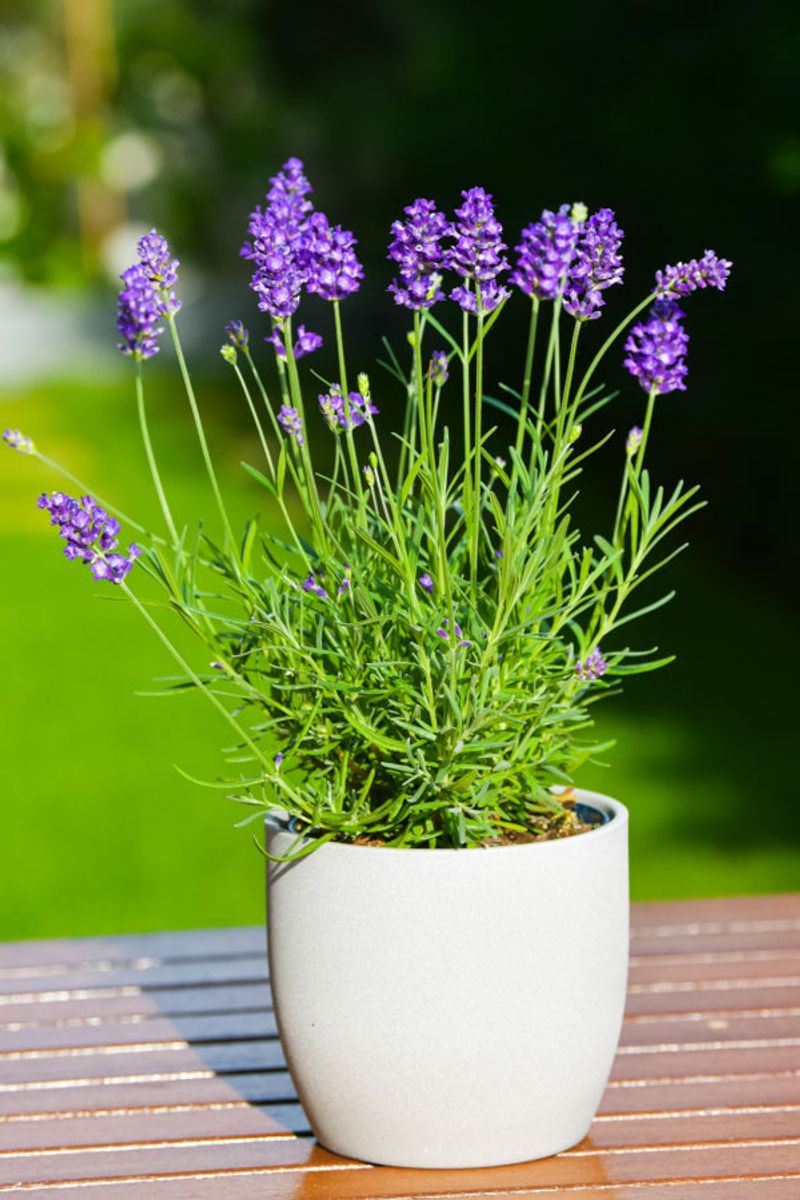
Lavender’s soothing scent and vibrant purple flowers make it a popular choice for pots. However, it craves the open space of a garden. In pots, lavender’s roots may become cramped, affecting its growth.
While it can survive in containers, it truly thrives when given room to expand. Its calming aroma is best enjoyed in a well-drained garden where it can bask in full sunlight.
Fun fact: Lavender has been used for centuries in aromatherapy for its calming effects. Let it stretch its roots to experience its full potential!
3. Gardenia
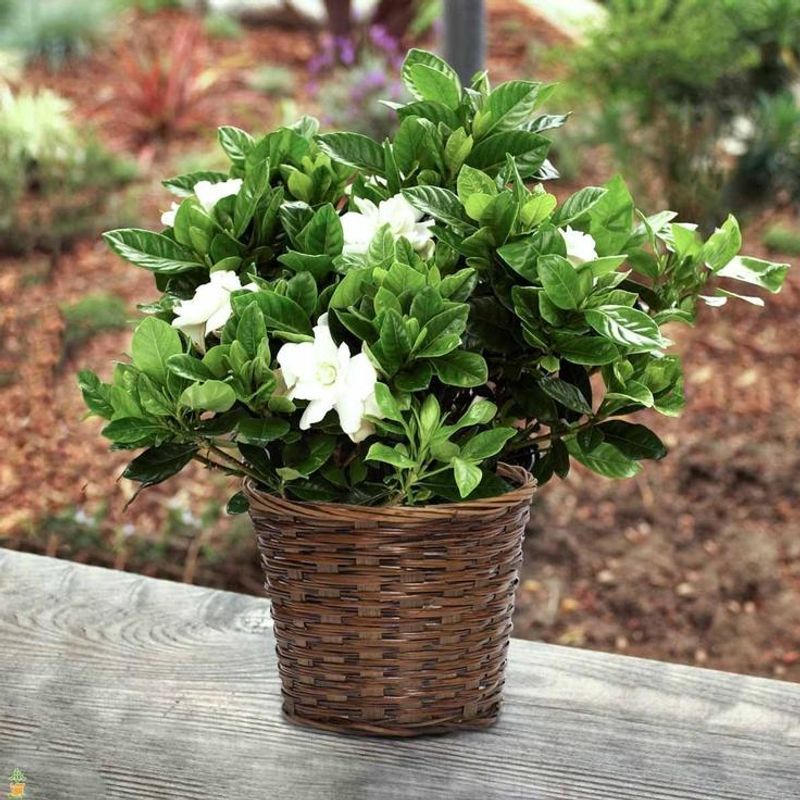
Gardenias are known for their intoxicating fragrance and glossy foliage. They appear delightful in pots but often struggle due to insufficient space for their roots.
These plants favor humid environments and can suffer in confined conditions. Gardenias need consistent moisture and room to grow to maintain their charming blooms.
A quirky fact: Gardenias are often used in perfumes due to their unique scent. While they look beautiful in pots, they need room to breathe to share their signature fragrance effectively.
4. Rhododendron
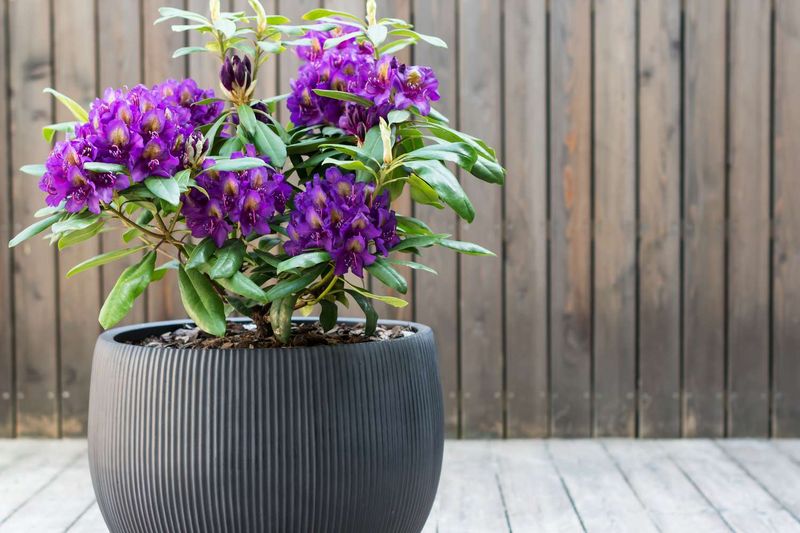
Rhododendrons are admired for their vivid blooms and lush foliage, making them a tempting choice for pots. Yet, these plants thrive in environments where they can spread widely.
In pots, their growth may be stunted, leading to fewer blooms. They prefer acidic soil and ample space to display their natural beauty.
Did you know? Rhododendrons are often associated with mountainous regions, thriving naturally in the wild. While they can adapt to pots, providing them with a garden setting helps them really shine.
5. Camellia
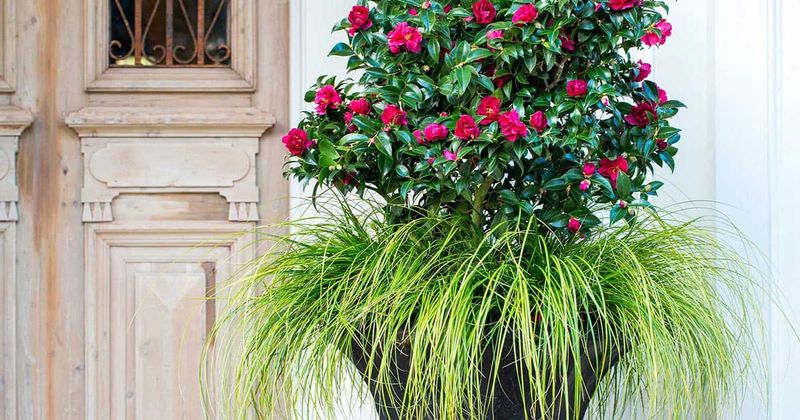
Camellias are prized for their elegant blooms and glossy leaves. Though they look charming in containers, they truly flourish in gardens. The limited space in pots can hinder their growth and flowering.
These plants prefer acidic, well-drained soil and ample room to stretch. While they can be potted, they often struggle with poor drainage and root congestion.
Fun fact: Camellias are native to Asia and have been cultivated for centuries in Japanese tea gardens. They deserve adequate space to thrive and showcase their delicate beauty.
6. Azalea
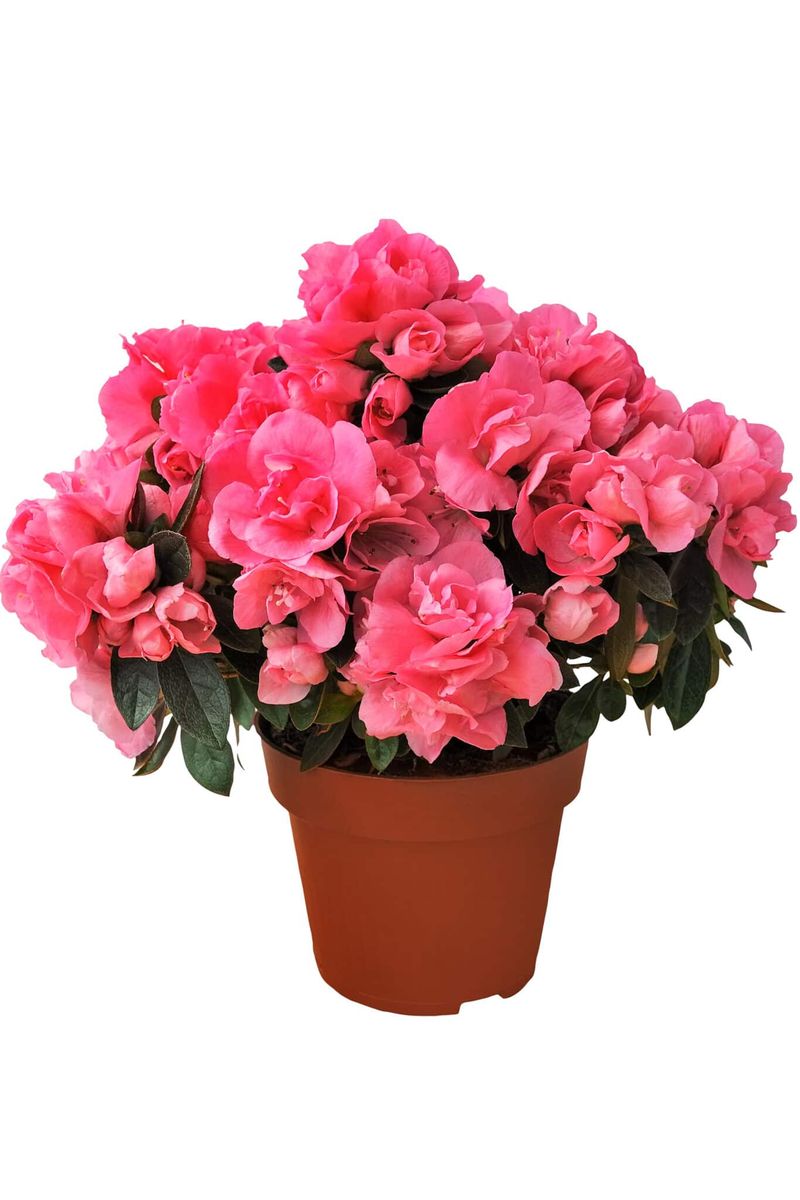
Azaleas are beloved for their vibrant, eye-catching flowers. In pots, they may look appealing but often struggle with limited root space. These plants prefer garden beds where they can expand freely.
While they can adapt to containers, the restricted environment can lead to less frequent blooming. Azaleas require acidic soil and consistent moisture to thrive.
Did you know? Azaleas are celebrated in festivals around the world, symbolizing abundance and beauty. Giving them the freedom of a garden allows them to live up to their full potential.
7. Dahlia
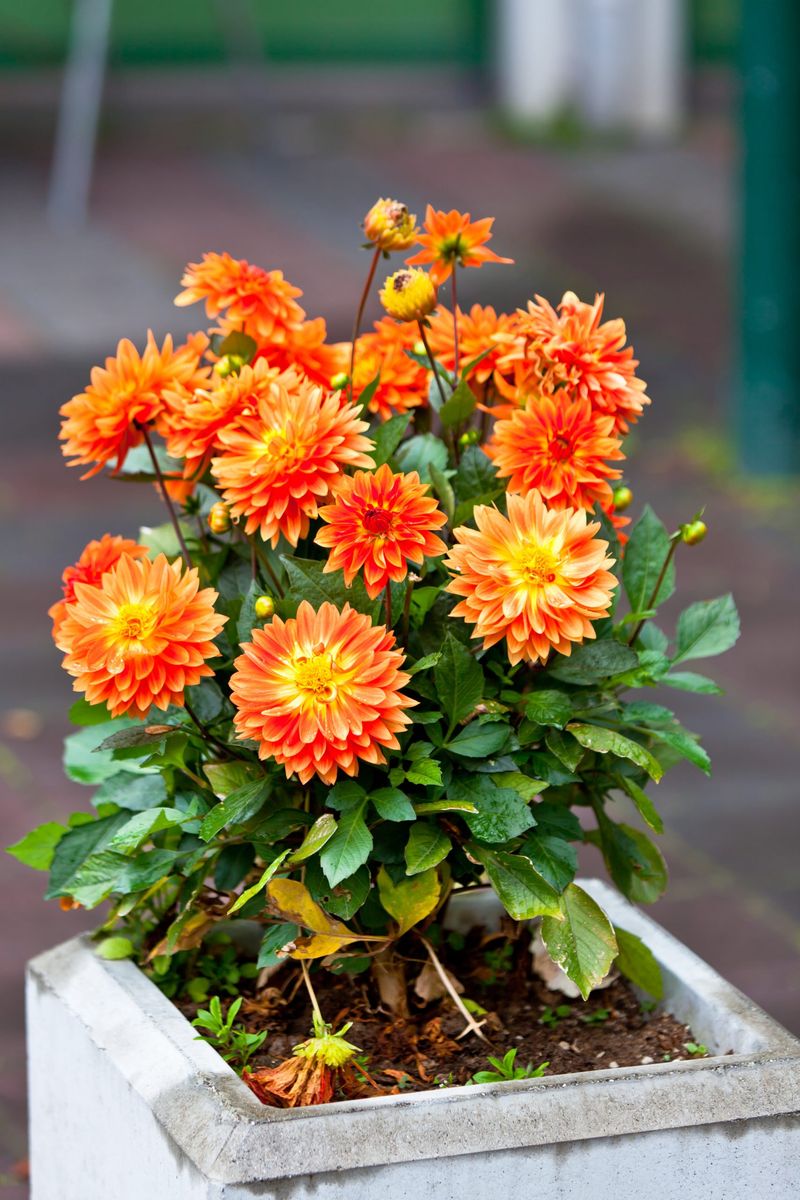
Dahlias are known for their spectacular blooms and array of colors. Though they can be potted, they prefer garden environments for optimal growth. In pots, their tubers may not develop fully.
These flowers require well-drained soil and plenty of sunlight to flourish. Confinement can lead to smaller blooms and weaker plants.
A fun tidbit: Dahlias were once grown for their edible tubers in Mexico before becoming ornamental favorites. They thrive when given the freedom to grow as nature intended.
8. Hydrangea
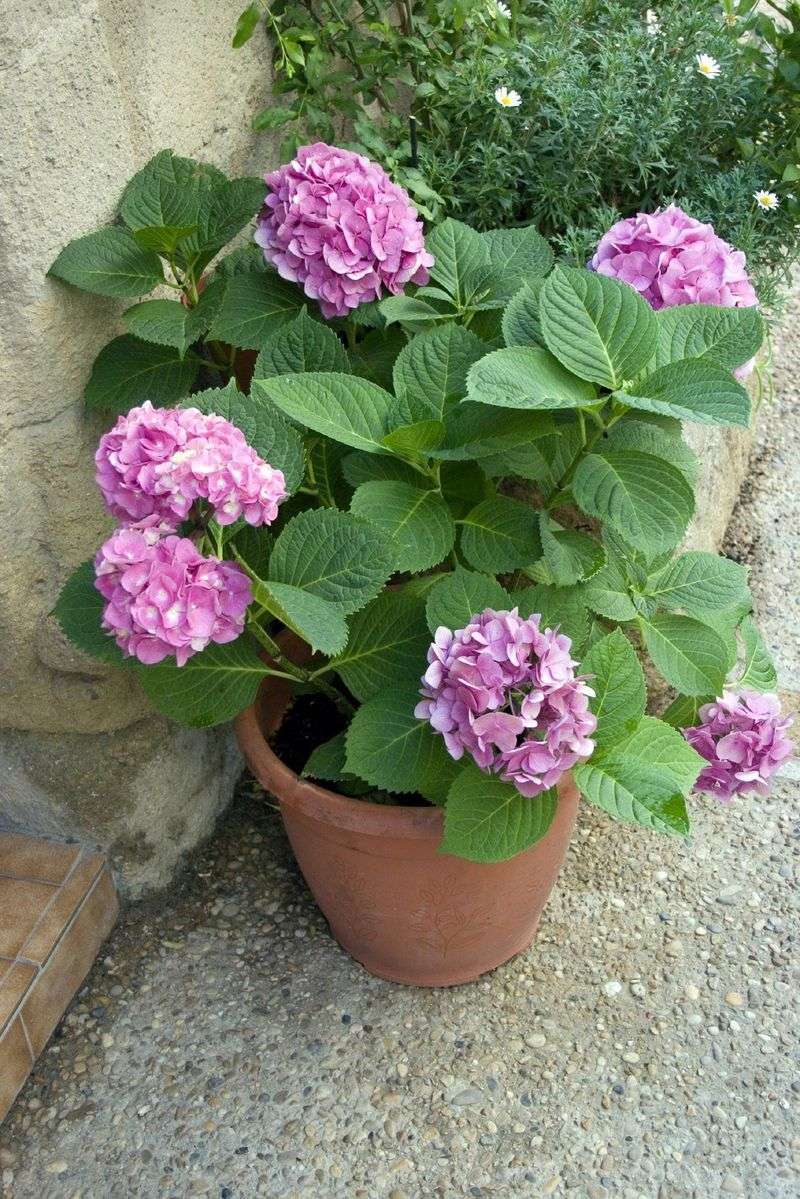
Hydrangeas are adored for their large, colorful clusters of blooms. While they can be grown in pots, they often face challenges due to space constraints. These plants flourish best when planted in gardens.
Their roots need room to spread, and pots can limit their size and blooming potential. Hydrangeas prefer moist, well-drained soil and plenty of sunlight.
Fun fact: Hydrangeas can change color based on soil pH, adding a unique touch to gardens. Providing adequate space helps them reach their full glory.
9. Lilac
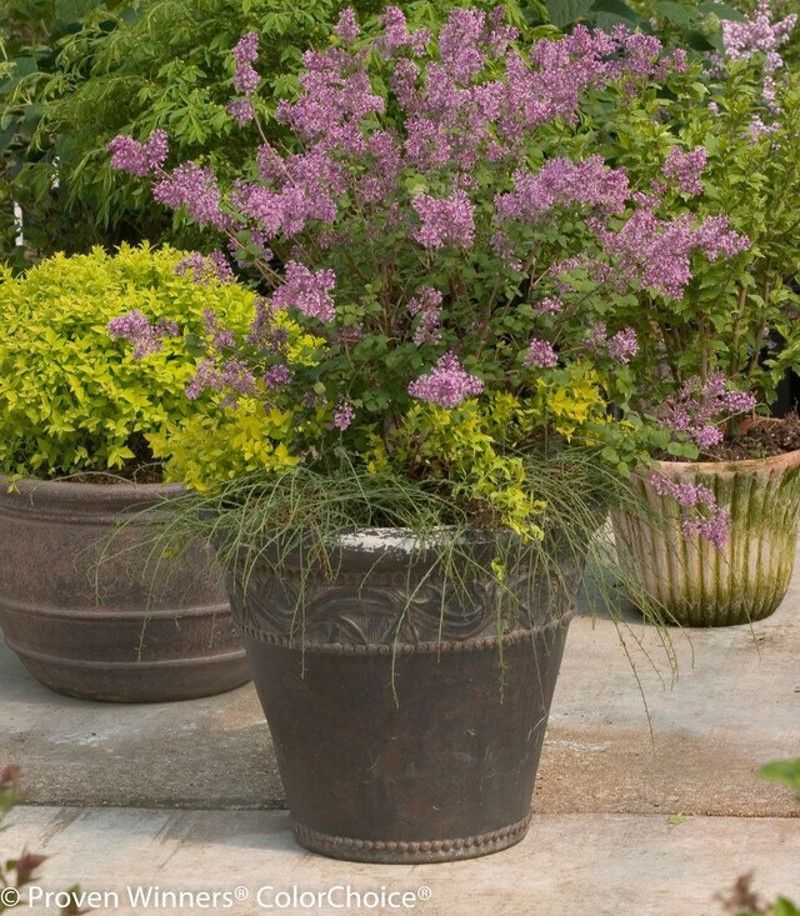
Lilacs are cherished for their heavenly scent and delicate flowers. While they can be placed in pots, they thrive best in open gardens. Their roots can become cramped, hindering growth and bloom production.
In gardens, lilacs enjoy well-drained soil and full sun, allowing them to reach their full height and fragrance.
Did you know? Lilacs are often symbols of renewal and spring, making them a favorite in many cultures. For the best experience, plant them where they can spread their roots wide.
10. Wisteria
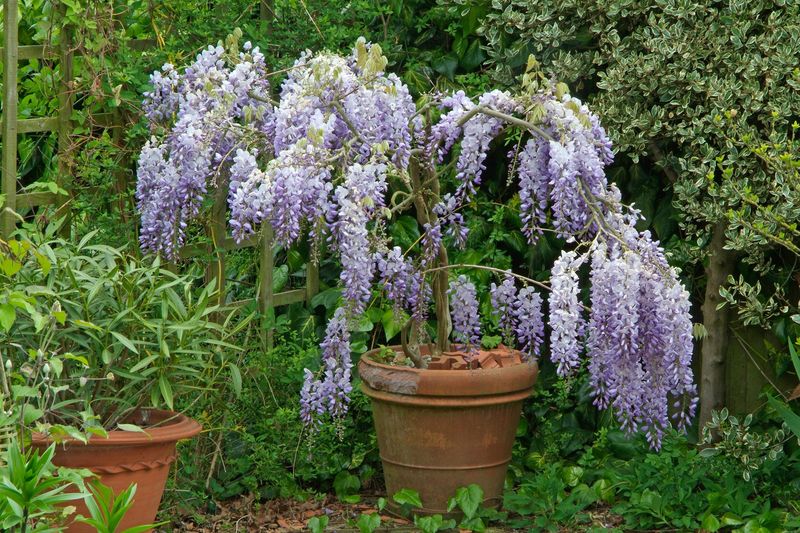
Wisteria is famed for its stunning, cascading blooms that add elegance to any space. Although they can start in pots, they yearn for garden freedom to achieve their full potential.
These vigorous climbers require support and ample space to flourish. In pots, they may become root-bound and less vibrant.
A quirky note: Wisteria is often used in bonsai but requires expert care to thrive in such confined conditions. To truly enjoy their beauty, let them climb and spread in a garden setting.
11. Fuchsia
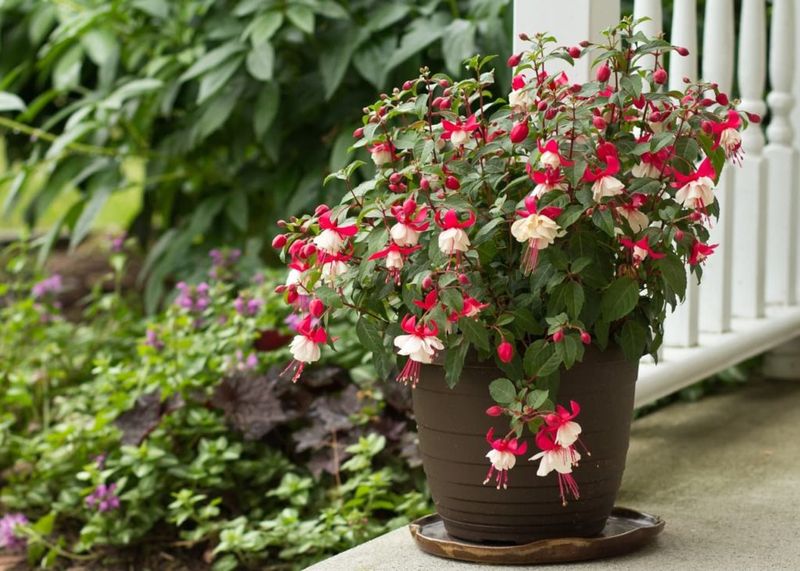
Fuchsias are admired for their delicate, pendulous blooms that attract hummingbirds. While they can be placed in pots, they often face challenges without ample space. Their roots need room to grow, and confinement can affect their vitality.
In gardens, fuchsias flourish with well-drained soil and partial shade. They are known to produce more vibrant blooms when free to expand.
Fun fact: Fuchsias are named after the German botanist Leonhart Fuchs. They require the freedom of a garden to showcase their true colors.
12. Jasmine
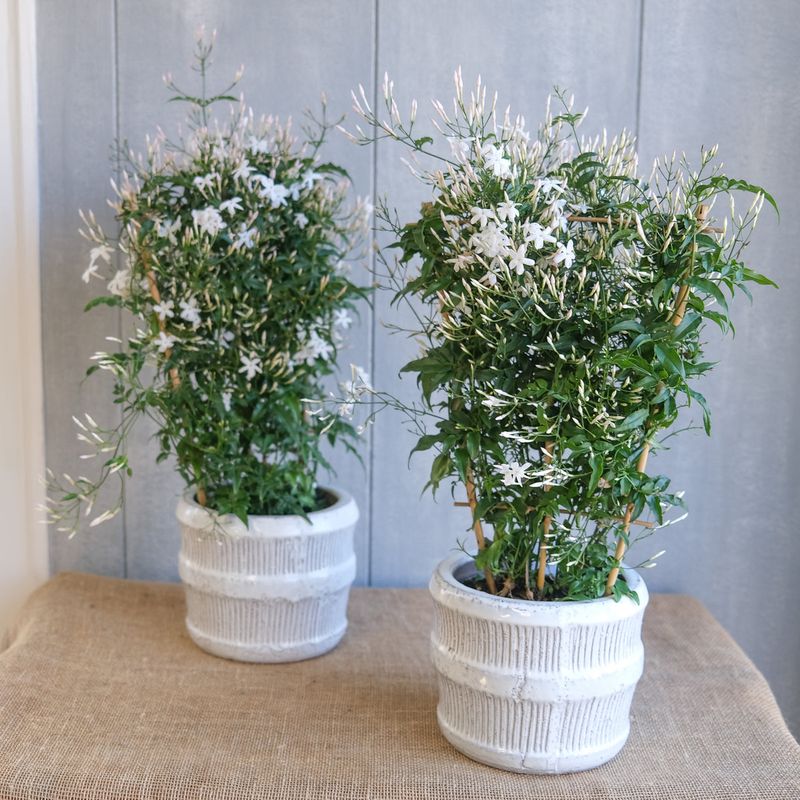
Jasmines are celebrated for their sweet fragrance and delicate white flowers. Although they can be cultivated in pots, they prefer garden spaces where they can grow freely.
Their roots can become restricted in containers, impacting their flowering ability. In gardens, jasmines enjoy well-drained soil and plenty of sunlight.
Did you know? Jasmine is often associated with love and purity in many cultures. To enjoy its full aromatic bloom, plant it where it can thrive naturally.
13. Hibiscus
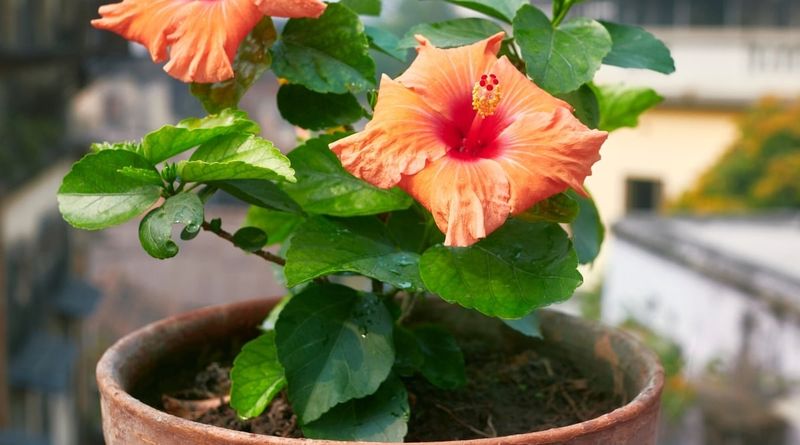
Hibiscus plants are known for their large, tropical flowers and lush foliage. Though they can be potted, they thrive in gardens where their roots have room to expand.
In pots, hibiscus may face issues with restricted growth and fewer blooms. They prefer warm climates and well-drained soil to flourish completely.
A fun fact: Hibiscus tea, made from the plant’s petals, is a popular beverage worldwide. Give hibiscus the freedom of a garden to enjoy both its beauty and versatility.
14. Bougainvillea
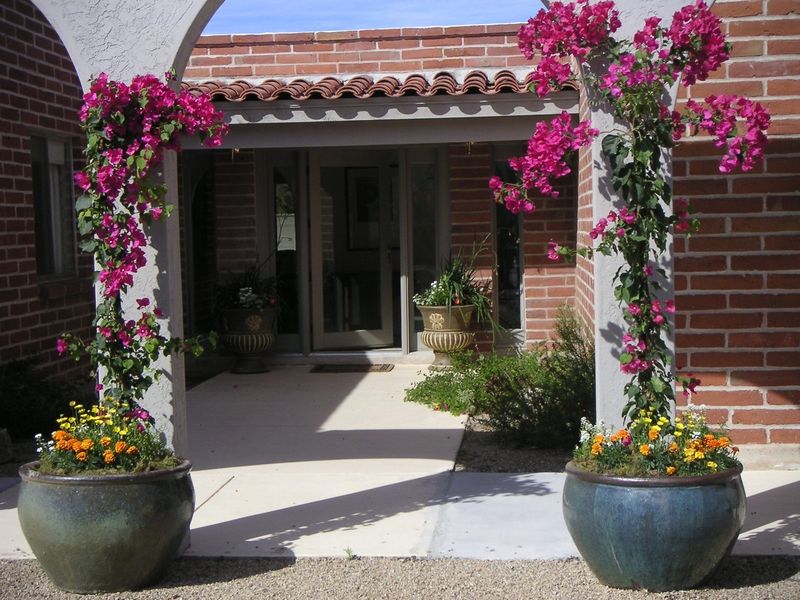
Bougainvilleas are admired for their vibrant, papery bracts that add a splash of color. While they can be placed in pots, they prefer open spaces to fully develop.
Their vigorous growth can lead to root-bound conditions in containers. They thrive best in well-drained soil and plenty of sunlight, which gardens provide.
Did you know? Bougainvillea is named after the French explorer Louis Antoine de Bougainville. Let them climb and spread freely for a stunning display of color.
15. Sunflower
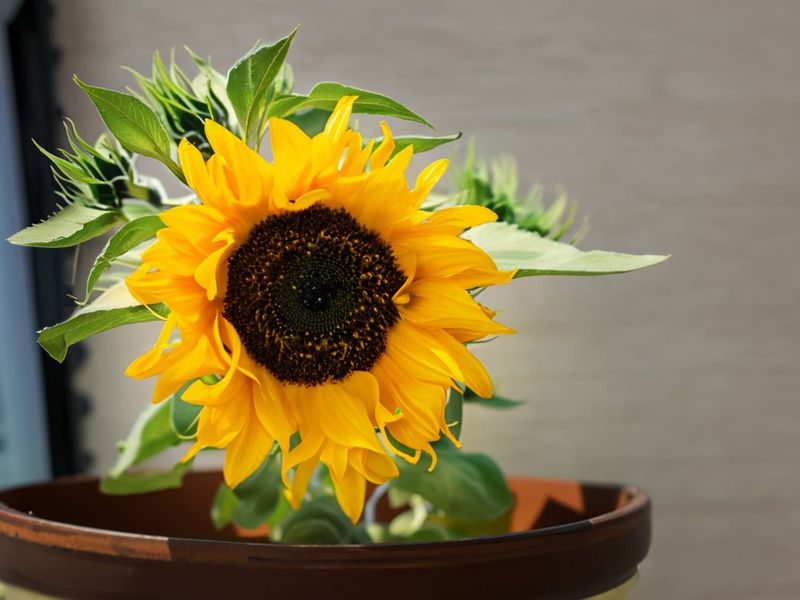
Sunflowers are loved for their bright, cheerful blooms that follow the sun. Although they can start in pots, they prefer garden settings for optimal growth.
Their tall stature and extensive root system can be hindered by pot constraints. Sunflowers thrive in well-drained soil and full sunlight, growing best when their roots have room to spread.
Fun fact: Sunflowers are known for their ability to clean up soil contamination. Plant them in gardens to enjoy both their beauty and their beneficial traits.
16. Marigold
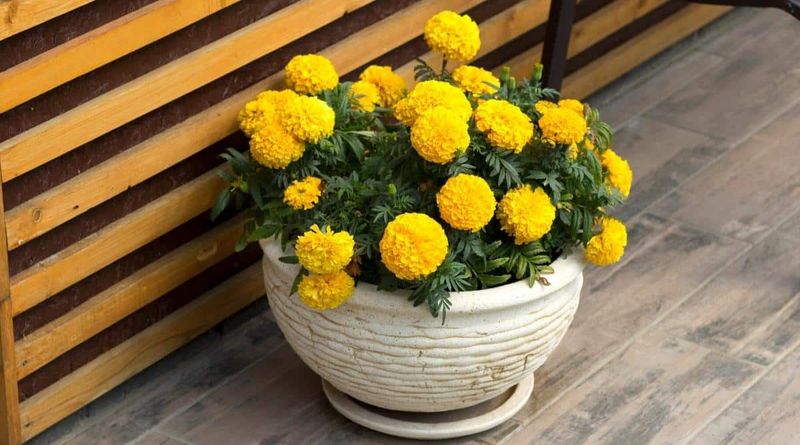
Marigolds are popular for their bright, cheerful blooms and pest-repelling properties. While they can be grown in pots, they thrive best in gardens where their roots can spread.
In pots, marigolds may become root-bound, affecting their growth and flowering. They prefer well-drained soil and plenty of sunlight for vibrant blooms.
Did you know? Marigolds are often used in cultural festivals and symbolize positivity and strength. Give them garden space to fully enjoy their radiant beauty.
17. Begonia
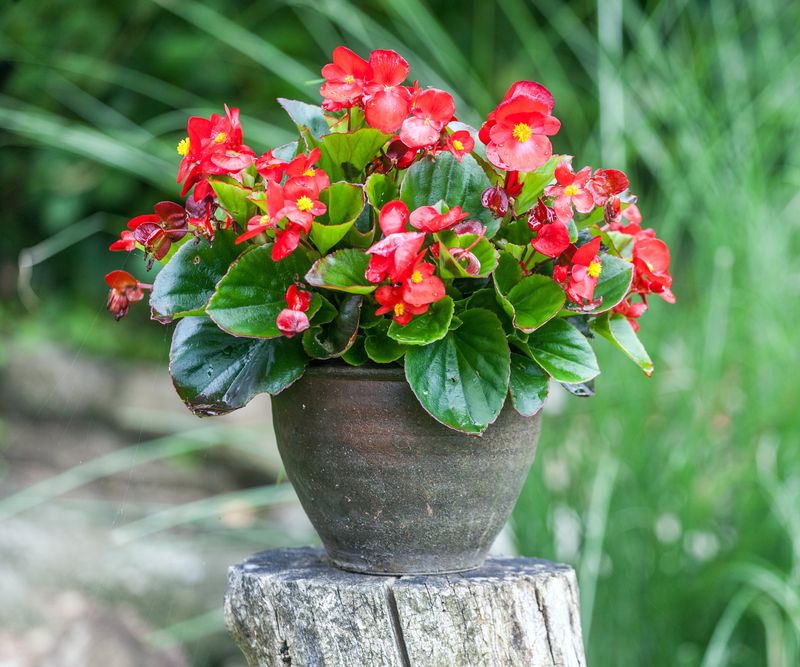
Begonias are loved for their diverse colors and striking foliage. Though they can be placed in pots, they flourish better in gardens. Their roots require room to grow, and pots can constrain them.
Begonias prefer well-drained soil and partial shade, conditions that gardens provide. They are known for their resilience but need freedom to show their true potential.
A quirky fact: Begonias are named after Michel Bégon, a French patron of botany. Allow them the room they need to truly thrive and add color to any space.
18. Petunia
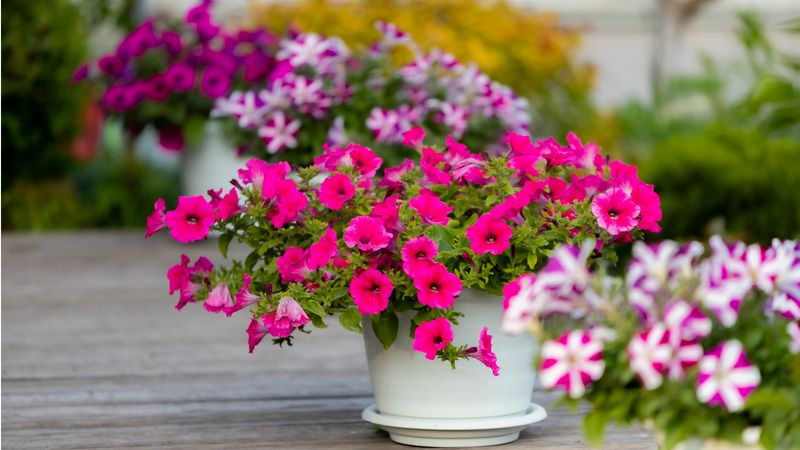
Petunias are loved for their cascading blooms and vibrant colors. Though they can be potted, they truly thrive when their roots have room to spread.
In pots, petunias may become root-bound, affecting their blooming capacity. They prefer sunny gardens with well-drained soil to display their full beauty.
Did you know? Petunias are closely related to tomatoes and tobacco. Offering them garden freedom allows them to flourish fully, adding a splash of color to any outdoor space.