 Complete Gardening
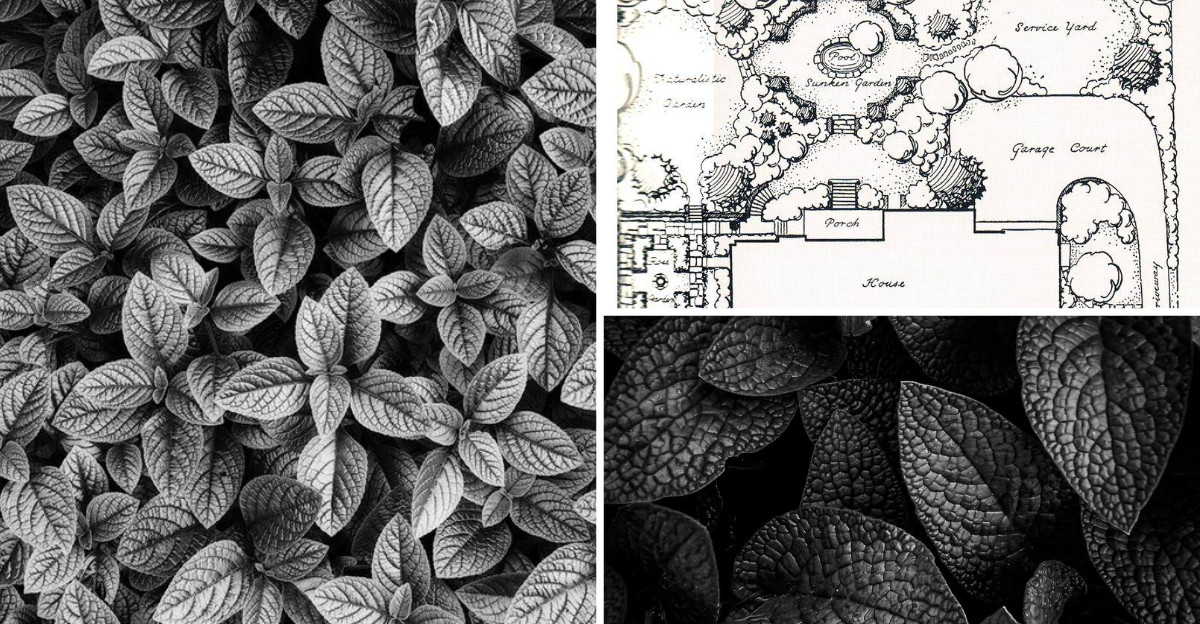
In the enchanting world of gardening, color plays a vital role in shaping our perceptions, moods, and experiences. But what happens when that vibrant spectrum is stripped away, leaving a monochrome landscape? Seventeen avid gardeners embarked on a journey to explore this question, and their findings were nothing short of transformative. From unexpected textures to newfound appreciation for overlooked elements, their stories unveil a side of gardening that challenges conventional wisdom and invites us to look beyond the surface. Join us as we delve into their intriguing discoveries, each one offering a unique perspective on what truly happens without color.
1. The Whispering Shadows
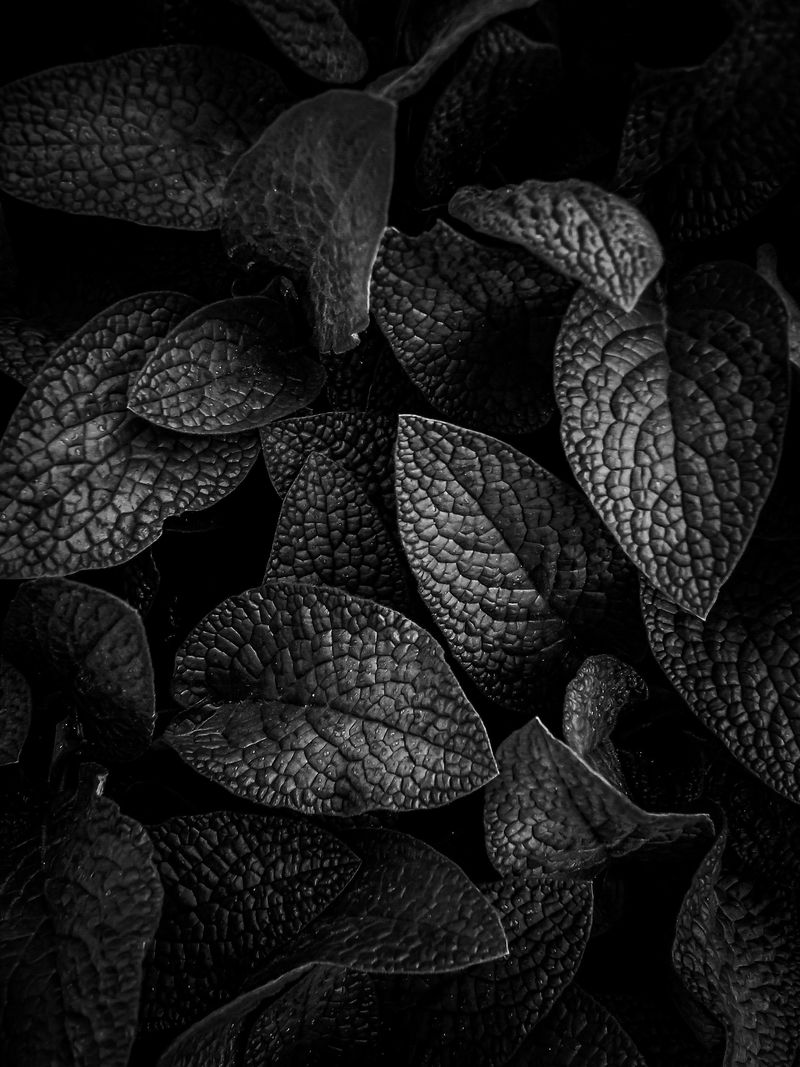
Imagine a garden where shadows dance and shapes speak. This was the world discovered by Emily, a gardener who found beauty in the absence of color. She noticed how the interplay of light and shadow created a living artwork, where every plant seemed to have a voice. The gray hues brought out textures that were otherwise hidden by vibrant colors. Emily’s garden became a place of contemplation, where the monotony of colorlessness revealed the subtle elegance of form and structure. It was a revelation that changed her approach to gardening, making her appreciate the unspoken conversation of shadows.
2. The Silent Symphony
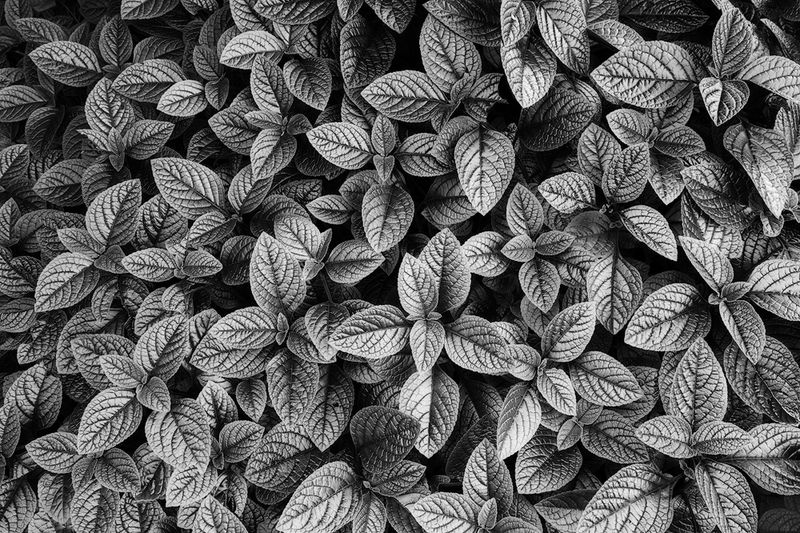
For George, a gardener of 50 years, losing color was akin to losing music. Yet, in the silence, he discovered a symphony of textures. Each plant in his garden told a story through its unique feel and form. From the coarse surface of the rough horsetail to the smooth elegance of lamb’s ear, the garden sang without a single note of color. George found joy in the tactile experience, where touch became the new way of seeing. His monochrome garden taught him that beauty lies not just in sight but in the feel of nature’s creations.
3. The Timeless Canvas
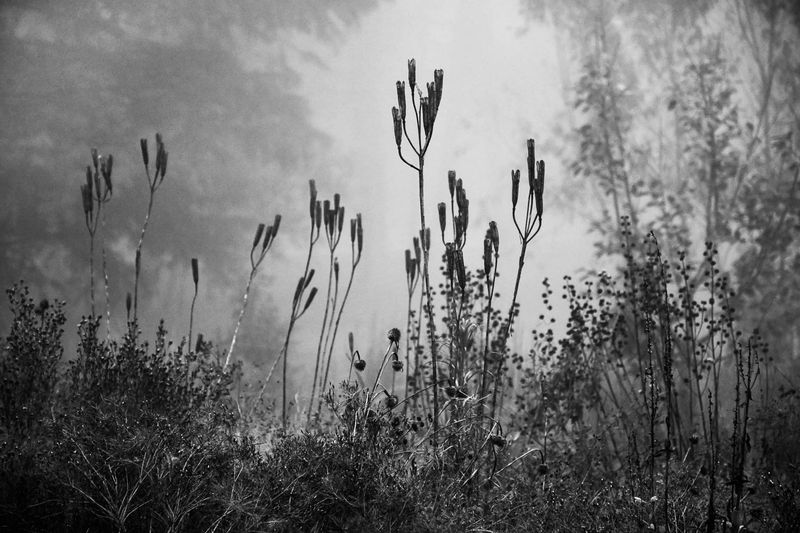
With a camera in hand, Sarah, a budding gardener, found inspiration in simplicity. Her garden, stripped of color, became a timeless canvas where contrasts played the lead role. The stark differences between the towering sunflowers and the creeping thyme were more pronounced in the absence of color. This lack of hue allowed her to focus on the structural beauty and balance of her garden. Photography became her way of preserving these moments, capturing the essence of each plant in its purest form. For Sarah, the monochrome garden was a place where art and nature seamlessly intertwined.
4. The Invisible Perfume
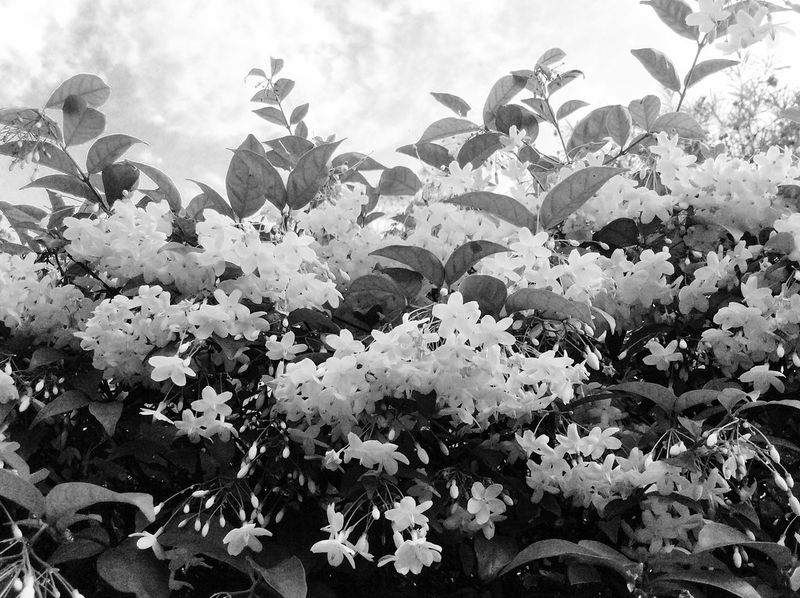
Without the distraction of color, Alex discovered the garden’s invisible perfume. The monochrome setting heightened his sense of smell, drawing attention to the delicate fragrances that often went unnoticed. Roses, lilacs, and jasmine released their scents in a harmonious blend that filled the air with an intoxicating bouquet. Each visit to his colorless garden became an exploration of olfactory delight, where the absence of visual cues led to a deeper appreciation for the aromatic wonders of nature. Alex found a newfound connection to his garden, one that transcended the need for color and celebrated the beauty of scent.
5. The Dance of Lines
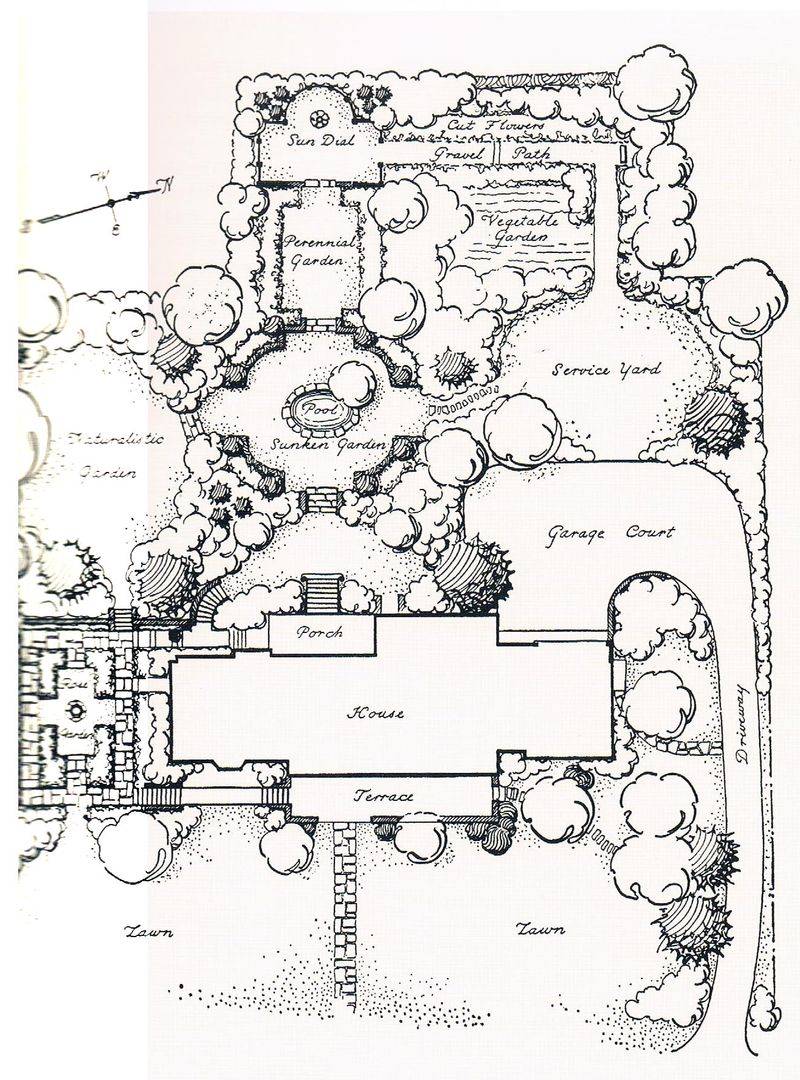
In the quiet of her garden, Linda discovered the poetry of lines and shapes. The absence of color stripped away distractions, allowing the architecture of each plant to take center stage. Ferns unfurled like delicate scrolls, while the spikes of yucca stood as rigid sentinels. The rhythmic patterns created by the intertwining branches became a dance of lines that captivated her imagination. Each visit to her garden was a lesson in geometry and grace, where the black and white palette highlighted the elegance of nature’s design. It was a revelation that changed Linda’s view on what defines a beautiful garden.
6. The Forgotten Patterns
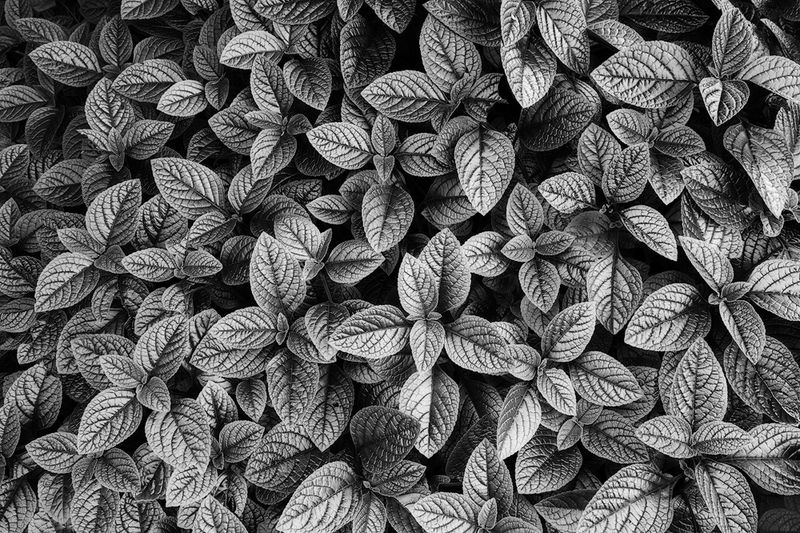
John’s colorless garden revealed a world of patterns previously overshadowed by vibrant hues. The intricate designs on leaves, the symmetrical arrangements of petals, and the repetitive motifs in nature became apparent in the grayscale setting. The absence of color drew his focus to the natural artistry that had always been there, waiting to be appreciated. John’s garden became an exhibit of nature’s inherent creativity, where each plant was a masterpiece of pattern and design. This newfound appreciation for the understated complexity of his garden led John to explore more about the science behind these patterns.
7. The Luminous Silhouettes

For Anna, the allure of silhouettes was a newfound fascination. Her garden, devoid of color, turned into a stage where plants performed against the backdrop of the sky. The stark contrast between the dark foliage and the bright horizon created luminous silhouettes that were both striking and serene. This visual drama captured Anna’s imagination, leading her to experiment with plant placements to enhance these effects. The monochrome garden became her canvas, where the play of light and shadow painted pictures more vivid than any color could achieve. It was a discovery that reshaped her understanding of garden aesthetics.
8. The Quiet Elegance

In a world often dominated by vibrant displays, Michael found solace in the quiet elegance of his colorless Zen garden. The absence of color allowed him to focus on the garden’s serene simplicity. Carefully raked gravel paths, strategically placed rocks, and meticulously pruned trees created a harmonious balance that was soothing to the soul. This minimalist approach encouraged mindfulness and reflection, transforming his garden into a sanctuary of peace. For Michael, the monochrome garden was not about what was missing but what was present—a quiet elegance that spoke volumes without saying a word.
9. The Subtle Textures
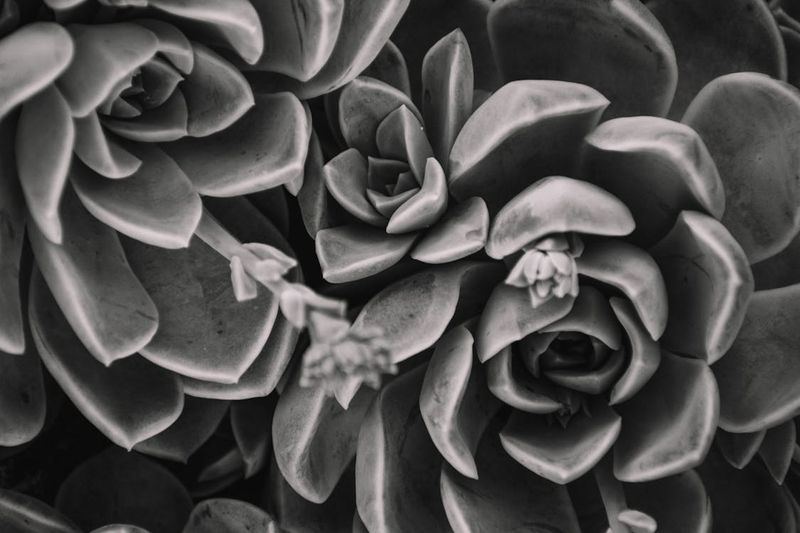
For Linda, color was merely an accessory. Her garden, devoid of hues, became a tapestry of textures. Each visit was an adventure in touch, where the variety of surfaces told stories unique to each plant. The velvety petals of violets felt like soft whispers, while the rugged bark of oaks spoke of strength and endurance. The monochrome setting heightened her awareness of these tactile sensations, creating a deeper connection to the natural world. Linda’s garden was a testament to the richness that exists beyond the visual spectrum, where touch became the language of appreciation.
10. The Texture of Time
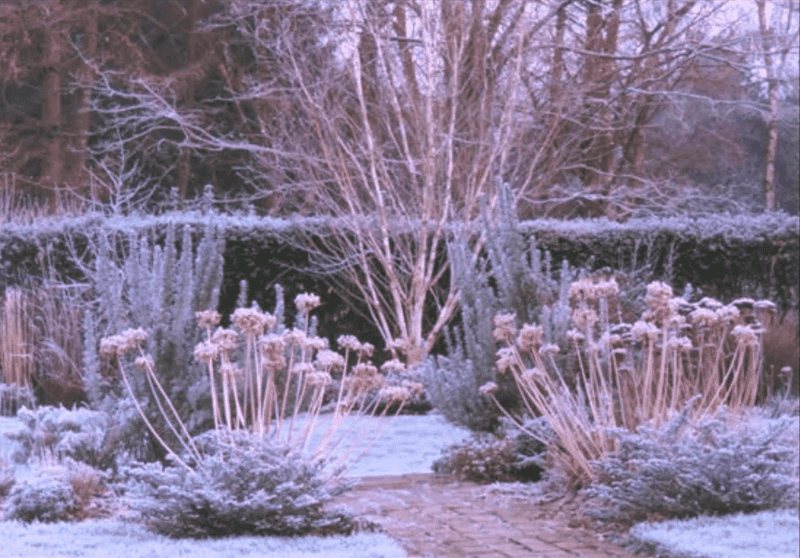
For Harold, the passage of time became a tactile journey in his colorless garden. The shifting textures of plants throughout the seasons revealed nature’s cycle in a way he’d never seen before. Spring brought the tender touch of new growth, while autumn introduced the crispness of fallen leaves. The monochrome palette accentuated these changes, allowing him to appreciate the subtle transitions that occur over time. Harold’s garden became a chronicle of nature’s rhythm, where each texture told a story of growth, change, and renewal. It was a discovery that deepened his appreciation for the garden’s ever-changing beauty.
11. The Sound of Silence

For Jane, the absence of color brought a new dimension to her garden—the soundscape. Without visual distractions, her attention turned to the symphony of sounds that filled the air. The rustling leaves, chirping birds, and gentle breeze became a melody that resonated with her soul. Each visit to her garden was an auditory experience, where silence spoke louder than any vibrant display. Jane’s garden taught her to listen to the world around her, where every sound contributed to the garden’s living harmony. This newfound appreciation for the auditory beauty of nature changed the way she experienced her garden.
12. The Unseen Harmony
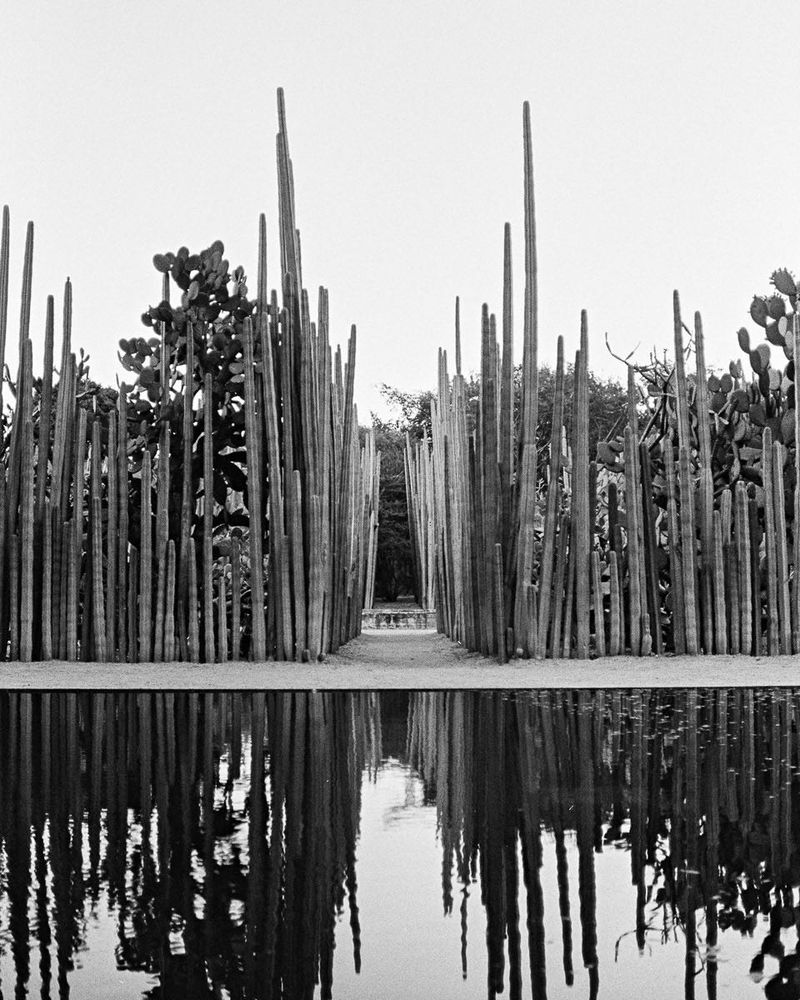
In her quest for balance, Susan found harmony in her monochrome garden. The absence of color allowed her to focus on the symmetry and proportion of plant arrangements. The garden became a reflection of her inner world, where every element was thoughtfully placed to create a sense of peace and equilibrium. This harmonious design encouraged meditation, providing Susan with a space to connect with her thoughts and emotions. The monochrome garden was a reminder that beauty lies not in abundance, but in the careful balance of elements. It was a discovery that resonated deeply with her personal journey.
13. The Contrast of Seasons

In David’s garden, the lack of color revealed the stark contrasts of each season. Spring’s delicate blossoms stood in sharp relief against the barren winter branches, while summer’s lush foliage contrasted with autumn’s skeletal remains. The monochrome palette highlighted these transitions, allowing David to appreciate the cyclical nature of his garden. Each season brought a new perspective, where the absence of color emphasized the dynamic interplay between growth and decay. David’s garden became a canvas of change, where the contrasts of the seasons told a story of resilience and renewal. It was a journey that enriched his connection to the natural world.
14. The Hidden Geometry

For Lily, the monochrome garden became a playground of geometry. The absence of color unveiled the hidden mathematical patterns in nature. Leaves arranged in Fibonacci spirals, hexagonal honeycombs, and symmetrical branching patterns became her focus. She found beauty in the precision and repetition of these forms, sketching them to capture their intricate designs. The garden became a source of inspiration for her art, where the harmony of geometry was celebrated in every plant. Lily’s discovery of these patterns changed her understanding of nature, revealing a world of order and symmetry beneath the surface chaos.
15. The Rhythm of Growth
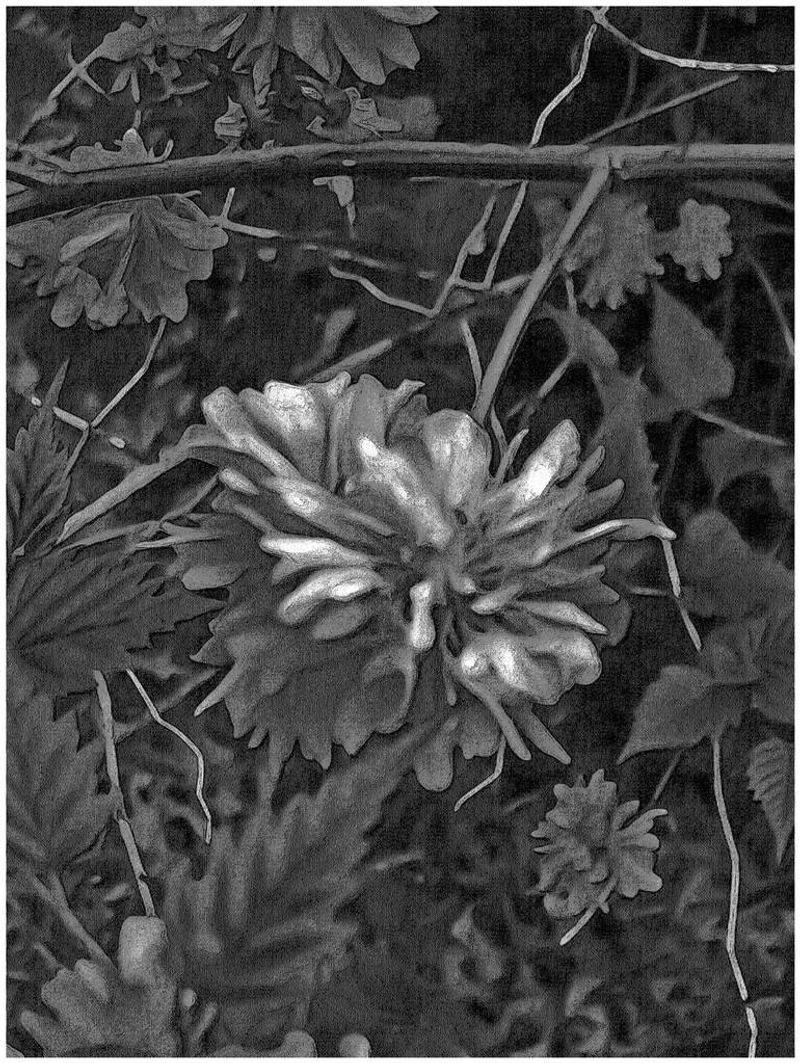
For Clara, the rhythm of growth took center stage in her monochrome garden. The absence of color allowed her to focus on the progression of life, from seed to bloom. Each stage of growth was a chapter in a story that unfolded with the passage of time. The black and white setting highlighted the subtle changes in structure and form, allowing Clara to appreciate the resilience and tenacity of her plants. The garden became a testament to nature’s rhythm, where each new sprout and bud represented a step forward in the cycle of life.
16. The Language of Leaves
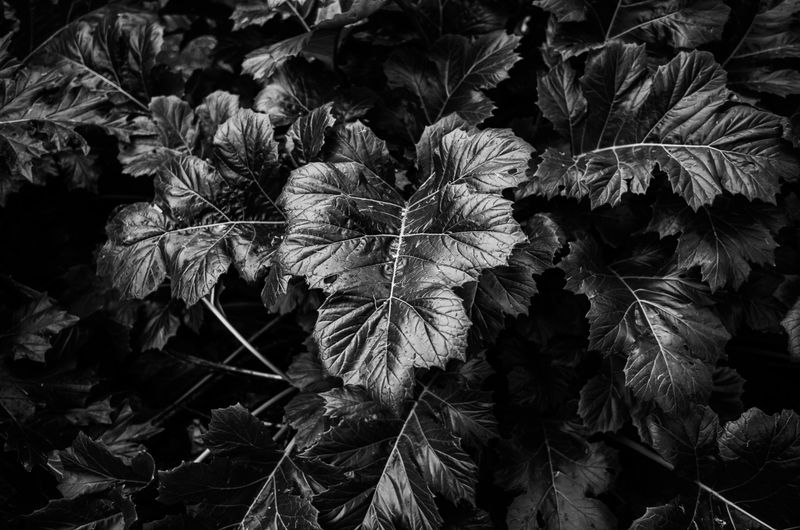
For Mark, the monochrome garden was a lesson in the language of leaves. Without color to distract, the myriad shapes and sizes of leaves became his focus. Each leaf told a story of its plant’s adaptation and survival. From the broad canopy of the banana leaf to the delicate lace of ferns, the garden became a library of botanical wisdom. Mark found joy in deciphering the stories written in the leaves, where the diversity of form and function spoke of nature’s ingenuity. The garden taught him that even in the absence of color, there is a richness in the language of leaves.
17. The Still Life

For Paula, her garden became a living still life. The absence of color allowed her to experiment with plant arrangements, creating scenes that captured the essence of tranquility and balance. The garden became her canvas, where she played with the placement of plants to evoke emotion and mood. Each composition was a study in contrast and harmony, where the lack of color emphasized the form and structure of her creations. Paula’s garden taught her that beauty can be found in simplicity, where the essence of life is captured in a single, still moment.