
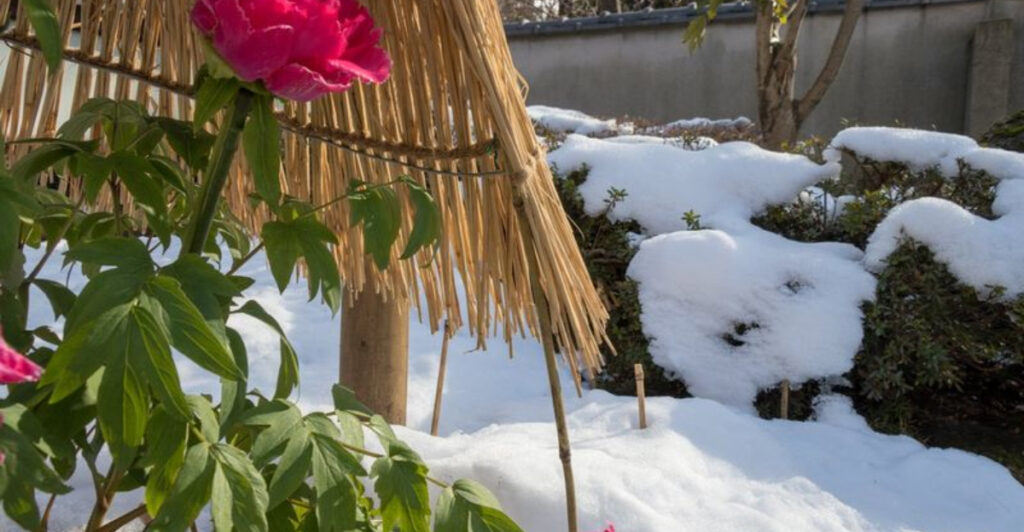
Winter can be harsh, but these perennials are tougher. They thrive and survive even the coldest conditions, enduring temperatures as low as -40°F. Explore this list of 23 resilient plants that bring life to the garden when everything else succumbs to frost.
1. Siberian Iris
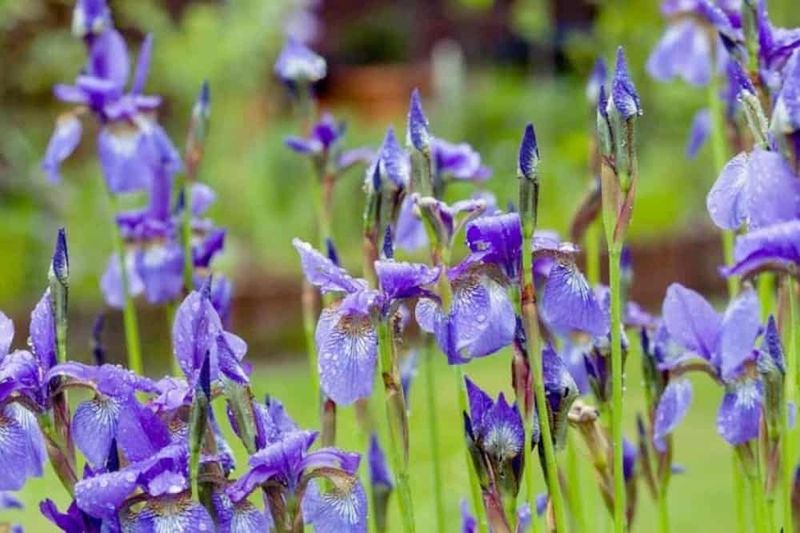
The Siberian Iris, with its enchanting blossoms, defies the coldest winters. Its narrow, grass-like leaves offer a lush backdrop to the striking flower heads, creating a vivid scene even amidst snow. This perennial is a gardener’s delight, demanding minimal care while providing maximum beauty. Despite its delicate appearance, it withstands the harshest climates, unfazed by freezing temperatures.
Originating from the cold regions of Europe and Asia, the Siberian Iris has adapted to thrive in soggy soils and resist frost, making it a perfect addition to any winter garden. Its elegance is matched only by its resilience.
2. Hellebore
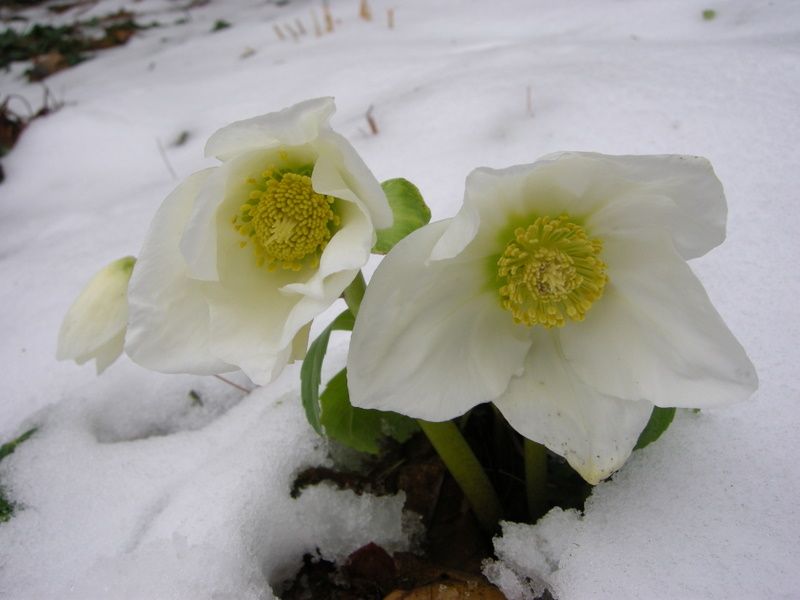
Known as the “Christmas Rose,” Hellebores bloom in the heart of winter, offering unexpected color when most plants lie dormant. Their sturdy flowers emerge in shades of pink, purple, and white, thriving in shady areas where they can shine without competition.
Hailing from Europe and Asia, these perennials are more than just winter-hardy; they’re true survivors. As one of the first flowers to bloom in the new year, they set a hopeful tone for the garden, embodying both beauty and endurance.
Their longevity and charm make them a favorite among winter gardeners.
3. Lungwort
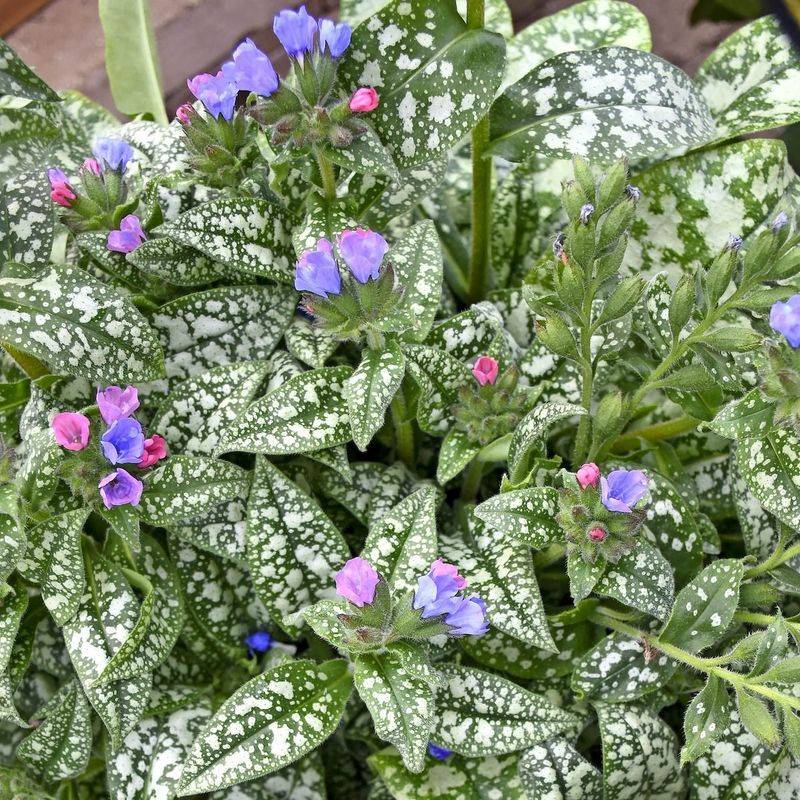
Lungwort, with its charming spotted leaves, laughs in the face of winter’s chill. This perennial’s pastel blooms herald the arrival of spring, often while snow still blankets the ground. Known for its medicinal uses, Lungwort also serves as a decorative asset, thriving in shaded spots.
Native to Europe, its adaptability to cold climates makes it a reliable garden presence year-round. As temperatures plummet, Lungwort holds its ground, offering both beauty and a touch of folklore to the winter landscape.
Its resilience and decorative allure make it a must-have for any cold-weather garden.
4. Peony
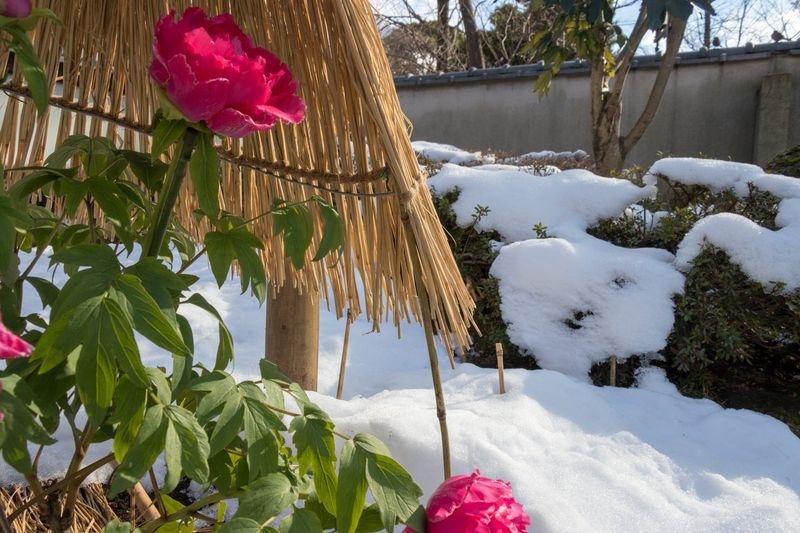
Despite their delicate appearance, Peonies are winter warriors. These perennials survive the coldest winters, their roots nestled safely underground, ready to burst into bloom as soon as spring arrives. Known for their large, lush flowers, Peonies are a favorite among garden enthusiasts.
Their origins trace back to Asia and Europe, where they’ve been cultivated for centuries. Peonies not only bring timeless beauty to gardens but also symbolize prosperity and honor.
With their hardy nature, they remain a beloved choice for gardeners facing harsh winters.
5. Daylily
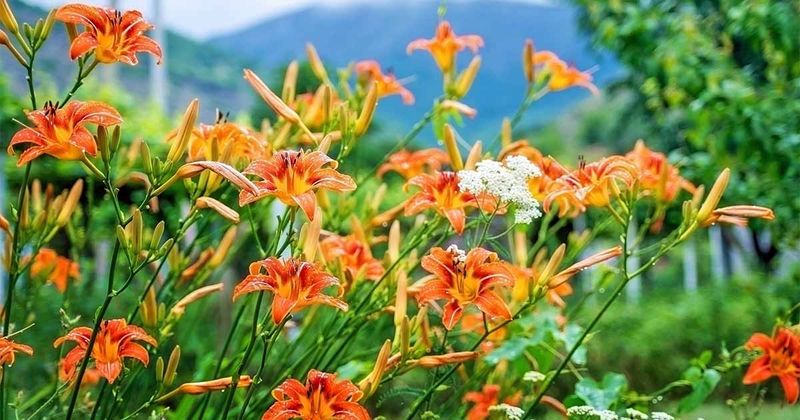
Daylilies, with their vibrant hues, are not just summer stars but also winter stalwarts. While their blooms may fade, their robust foliage persists, adding structure to wintry gardens.
Native to Asia, these resilient perennials thrive in various climates, showing remarkable adaptability to cold weather. Known for their low maintenance, Daylilies require little care yet deliver high impact, making them ideal for gardeners seeking year-round interest.
Their enduring presence and ability to thrive in diverse conditions make them a garden favorite, defying winter’s grasp.
6. Sedum
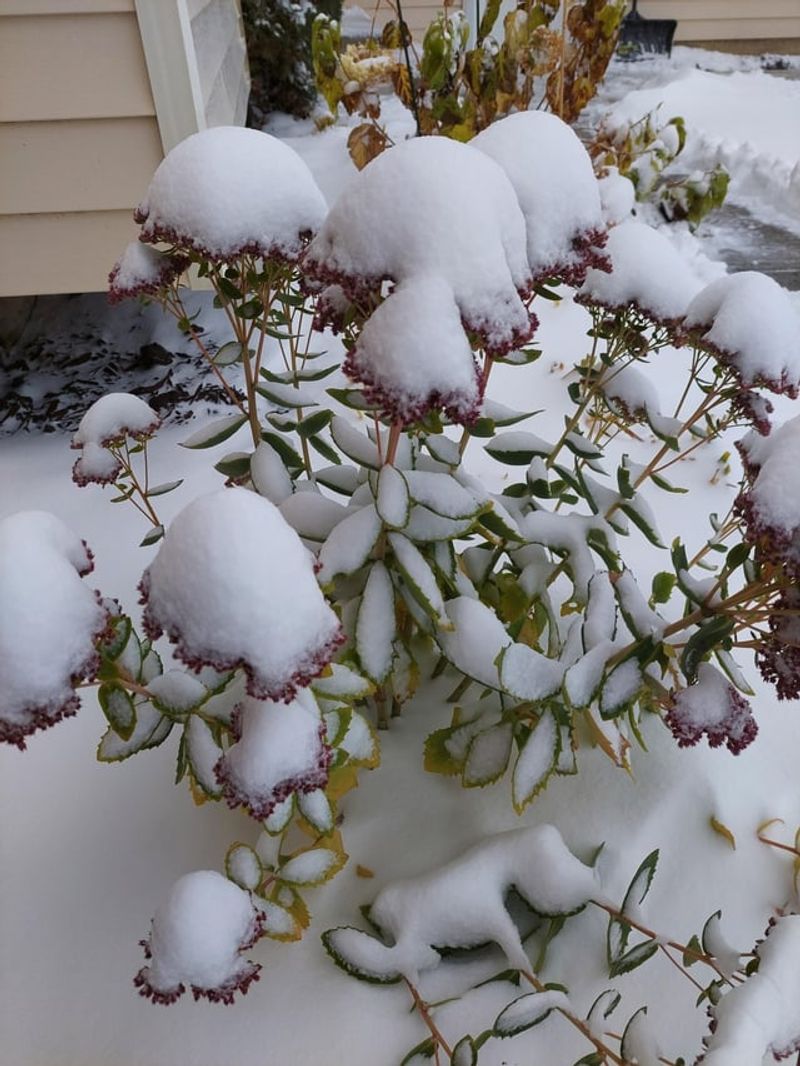
Sedum, often called “stonecrop,” thrives where other plants falter. Its succulent leaves store water, providing resilience against cold and drought alike. Even under a blanket of snow, Sedum’s unique textures and colors endure, offering visual interest in winter gardens.
Originating from diverse habitats, Sedums have adapted to various climates, making them reliable choices for year-round beauty. As temperatures drop, they remain a steadfast presence, their striking forms contrasting against wintry landscapes.
Their ease of care and durability make them perfect companions for gardeners facing harsh winters.
7. Hosta
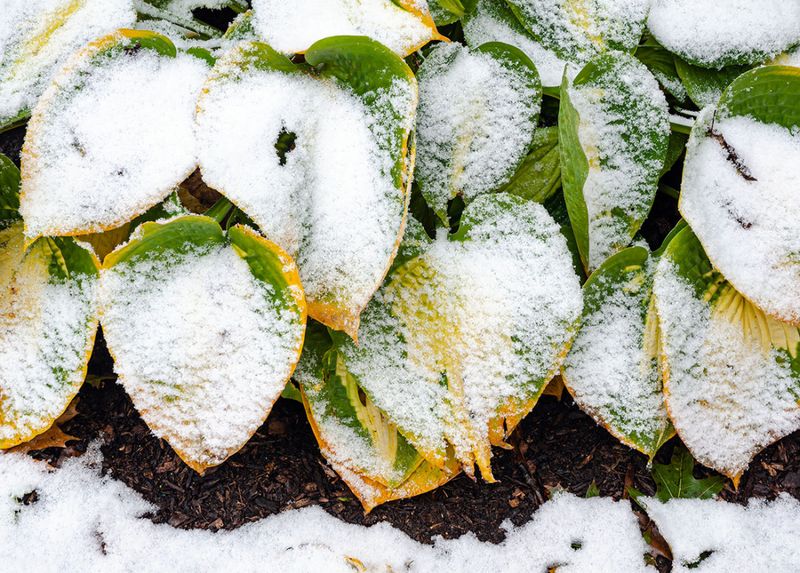
Hostas stand out with their lush, broad leaves, thriving in shaded areas where other plants struggle. During winter, their resilience becomes evident as they prepare for dormancy, only to re-emerge in spring with renewed vigor.
Native to Northeast Asia, Hostas are beloved for their diverse foliage patterns and colors. Although primarily grown for their leaves, their flowering spikes add an unexpected touch of elegance.
Their ability to withstand cold seasons and thrive in low-light conditions ensures their place in any winter-hardy garden.
8. Coral Bells
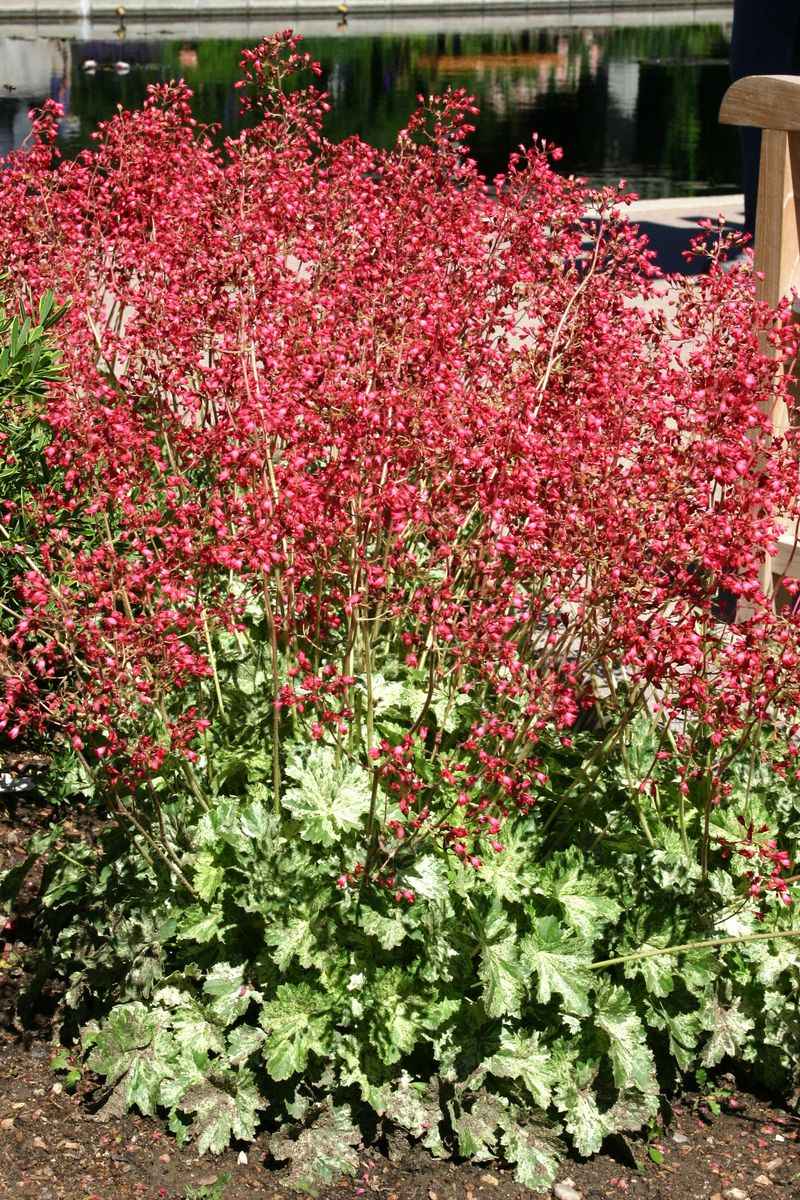
Coral Bells, with their striking foliage, defy winter’s chill, offering a splash of color when most other plants fade. These perennials, known for their scalloped leaves, come in a variety of hues, from deep purples to vibrant greens.
Their ability to thrive in both sun and shade, coupled with their tolerance to cold, makes them versatile and resilient. Originating from North America, Coral Bells have become a garden staple, cherished for their year-round appeal.
Their enduring beauty and hardiness make them indispensable in winter garden design.
9. Heuchera
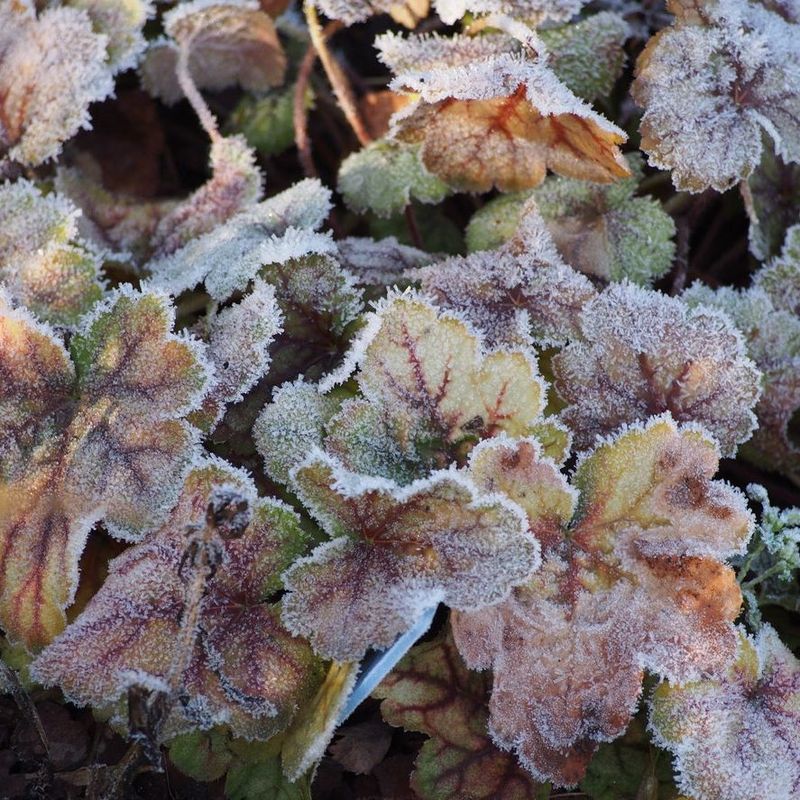
Heuchera, often confused with Coral Bells, boasts equally stunning foliage that withstands the rigors of winter. Its leaves, which vary in color from silver to burgundy, provide striking contrast against snowy backdrops.
Originally from North America, Heuchera’s adaptability to cold and shade makes it a popular choice for winter gardens. Not only are they aesthetically pleasing, but their hardy nature ensures they survive even the harshest conditions.
Their decorative appeal and resilience make Heuchera a wise choice for those seeking year-round garden interest.
10. Bearded Iris
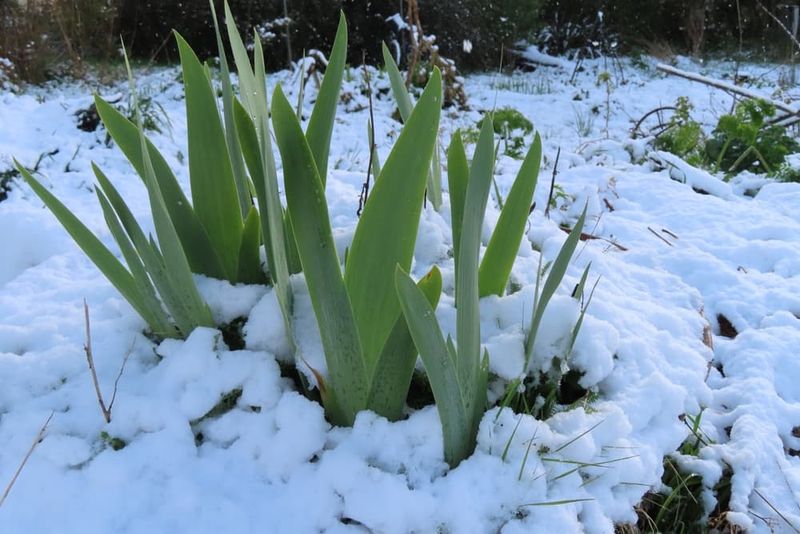
The Bearded Iris is a bold perennial, known for its striking flowers and robust foliage. Its sword-like leaves remain steadfast through winter, setting the stage for the vibrant blooms that follow in spring.
With origins in Europe and the Mediterranean, the Bearded Iris has been cultivated for both beauty and resilience. Its ability to survive cold climates and poor soil conditions makes it a versatile and reliable garden choice.
Gardeners prize it not only for its aesthetic appeal but also for its tenacity in the face of winter’s challenges.
11. Yarrow
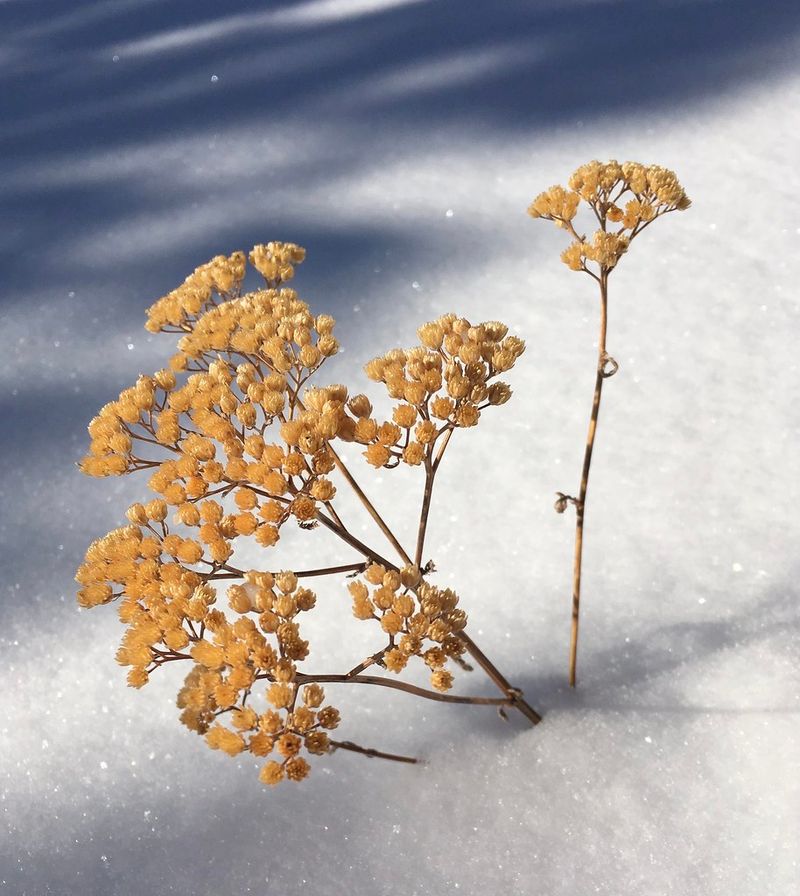
Yarrow, with its feathery foliage and clusters of tiny blooms, is more than just a summer spectacle. This perennial holds its own against winter, its dried flower heads adding texture to the snowy garden.
Originating from Europe and Asia, Yarrow has been used for centuries for its medicinal properties. Its ability to thrive in poor soil and withstand cold makes it a robust addition to any garden.
Yarrow’s resilience and historical significance make it a beloved choice for gardeners seeking hardy, low-maintenance plants.
12. Globe Thistle
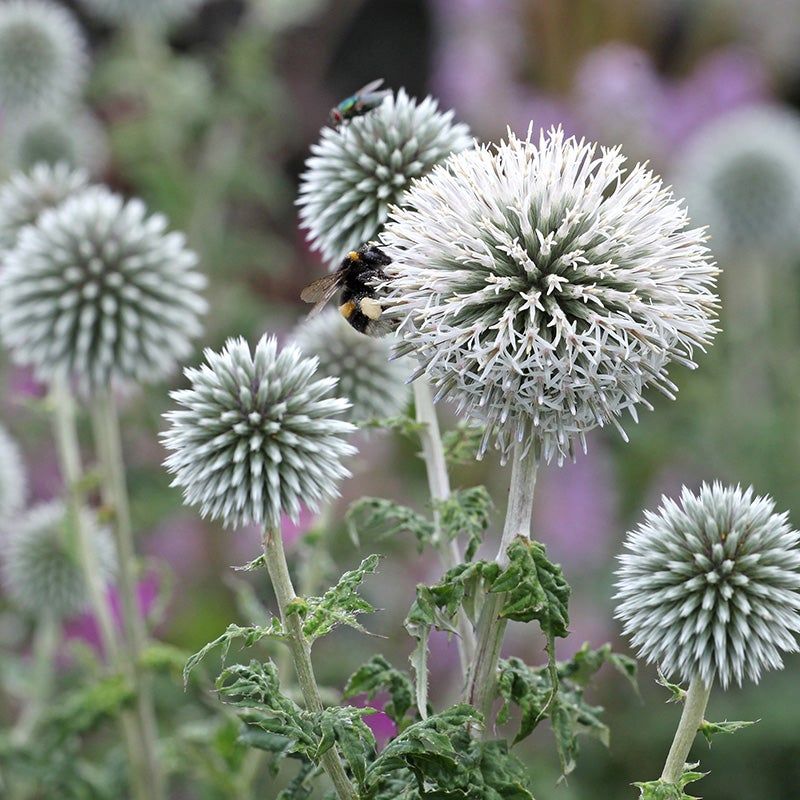
Globe Thistle, with its unique spherical blooms, provides a whimsical touch to winter gardens. These perennials retain their structural beauty even in the coldest months, withstanding frost with ease.
Native to Europe and Asia, Globe Thistles are not just ornamental; they’re hardy survivors. Their ability to attract pollinators and resist deer makes them a practical choice for gardeners.
Their distinctive appearance and resilience to winter’s harshness ensure their place in the garden year-round, offering both beauty and ecological benefits.
13. Russian Sage
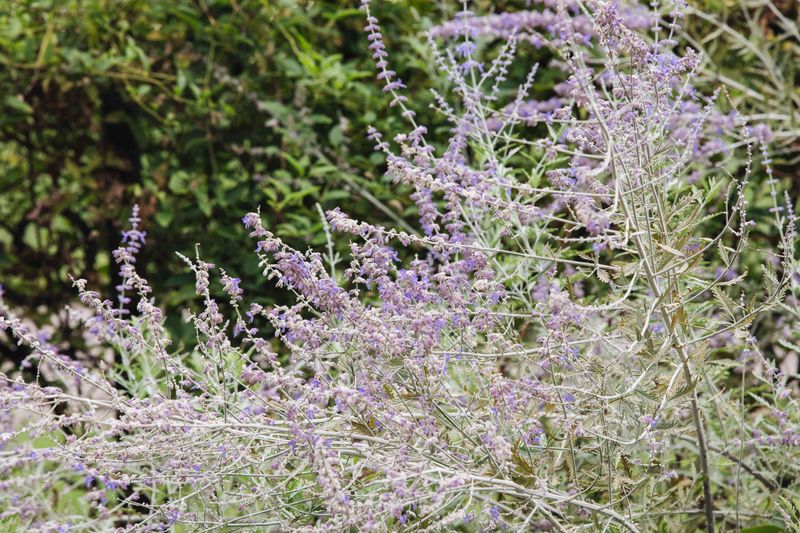
Russian Sage, with its aromatic foliage and lavender blooms, paints a picturesque winter scene. Its silvery stems stand out against the snow, continuing to provide interest long after other plants have faded.
Hailing from Central Asia, this perennial is known for its drought resistance and cold tolerance. Its ability to thrive in challenging conditions makes it a favorite for gardeners seeking low-maintenance beauty.
Russian Sage’s enchanting presence and resilience ensure it remains a garden staple, offering both ornamental and practical value year-round.
14. Blanket Flower
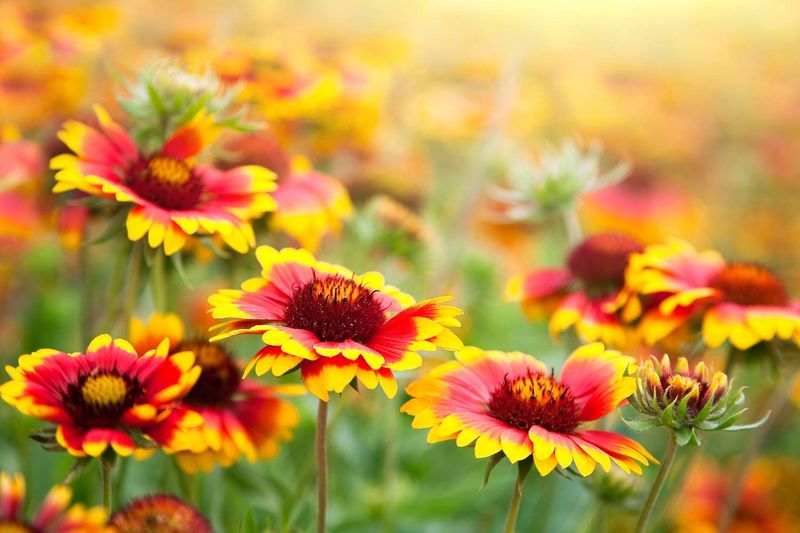
The Blanket Flower’s vibrant blooms defy the drabness of winter, providing a burst of color in the cold. These perennials are known for their hardiness, thriving in poor soil and resisting frost.
Native to North America, Blanket Flowers are cherished for their long-lasting blooms and ability to attract pollinators. Their bright petals and endurance make them a gardener’s delight, offering cheer even in the bleakest months.
Their resilience and vibrant colors ensure they remain a focal point in any winter garden.
15. Creeping Phlox
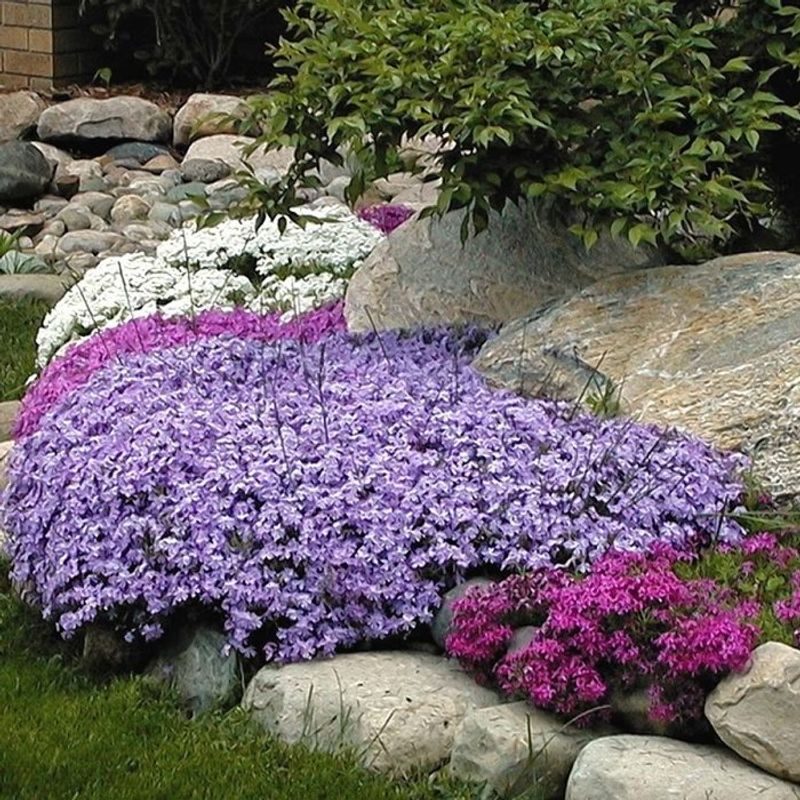
Creeping Phlox, with its lush carpet of flowers, brings a touch of spring even to the chilliest winters. Its low-growing habit makes it ideal for covering ground with vibrant color.
Originating from North America, this perennial is renowned for its ability to withstand harsh winters, thriving in various soil conditions. Its delicate blooms and evergreen foliage provide continuous interest, making it a staple in cold-climate gardens.
Creeping Phlox’s charm and resilience make it a go-to choice for gardeners seeking year-round beauty.
16. Candytuft
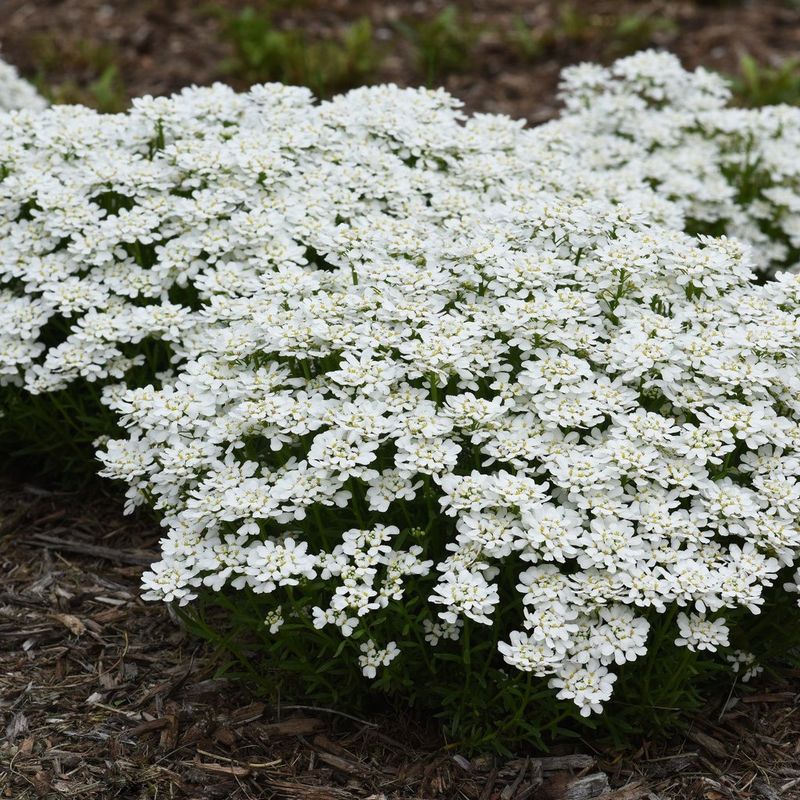
Candytuft, with its clusters of pure white flowers, stands out in the winter landscape. This perennial’s evergreen foliage provides a backdrop for its striking blooms, offering beauty in all seasons.
Originally from Europe, Candytuft is valued for its hardiness and ability to thrive in poor soil. Its low maintenance nature makes it a popular choice for gardeners seeking effortless elegance.
The combination of its delicate appearance and robust nature ensures Candytuft remains a favorite in any winter garden.
17. Hollyhock
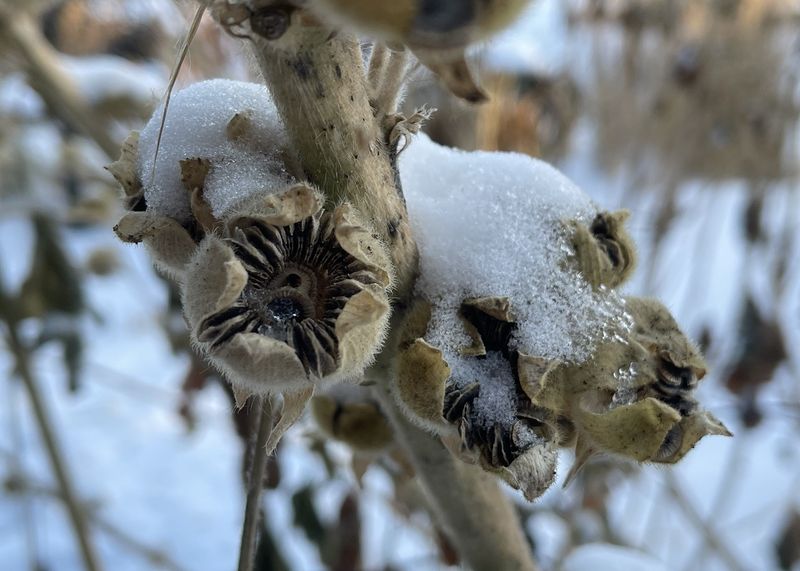
Hollyhocks, with their towering stalks and colorful blooms, add vertical interest to winter gardens. Even as their flowers fade, their seed heads provide structure and beauty in the snow.
These perennials are hardy survivors, originating from Asia and Europe. Their resilience to cold and ability to self-seed make them a gardener’s ally in harsh climates.
Hollyhocks’ dramatic height and enduring nature ensure they remain a staple, offering both visual appeal and ecological benefits year-round.
18. Lamium
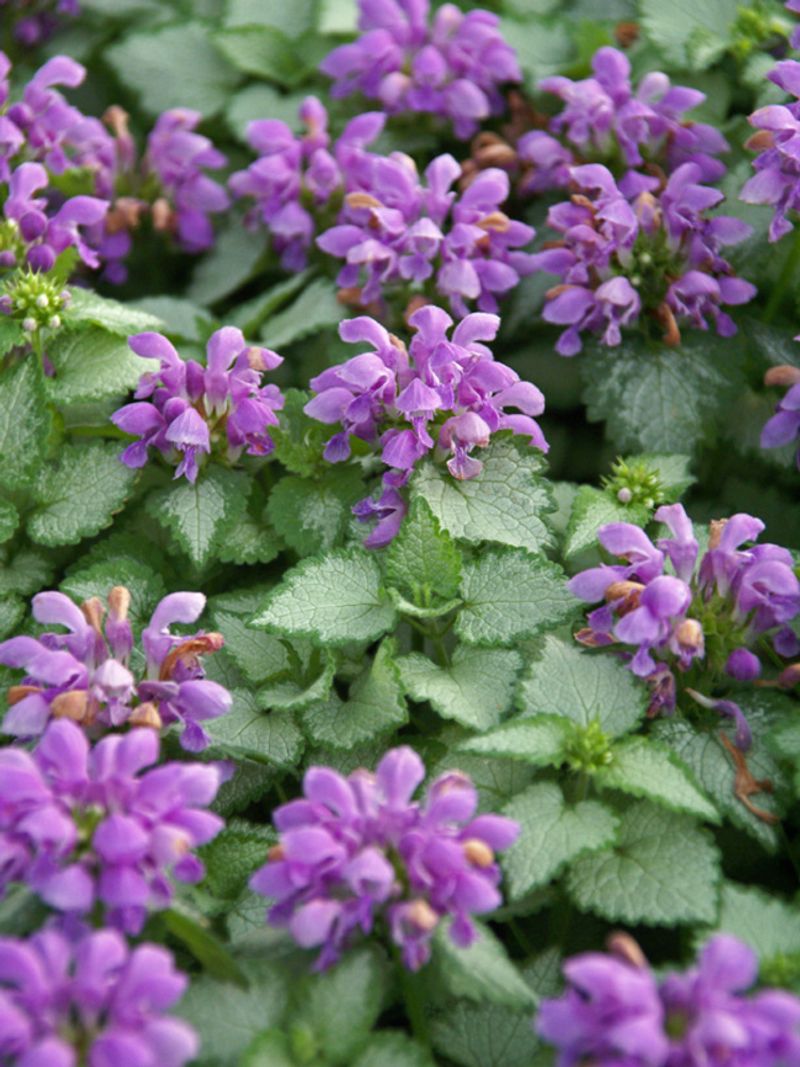
Lamium, often referred to as “Dead Nettle,” is a groundcover champion in winter gardens. Its variegated leaves and delicate flowers provide year-round interest, thriving even in deep shade.
Originally from Europe and Asia, Lamium is known for its resilience in cold climates, making it an ideal choice for challenging garden spots. Its ability to suppress weeds and endure frost ensures it remains a valuable asset.
Lamium’s decorative appeal and hardiness make it indispensable in any winter landscape.
19. Bugleweed
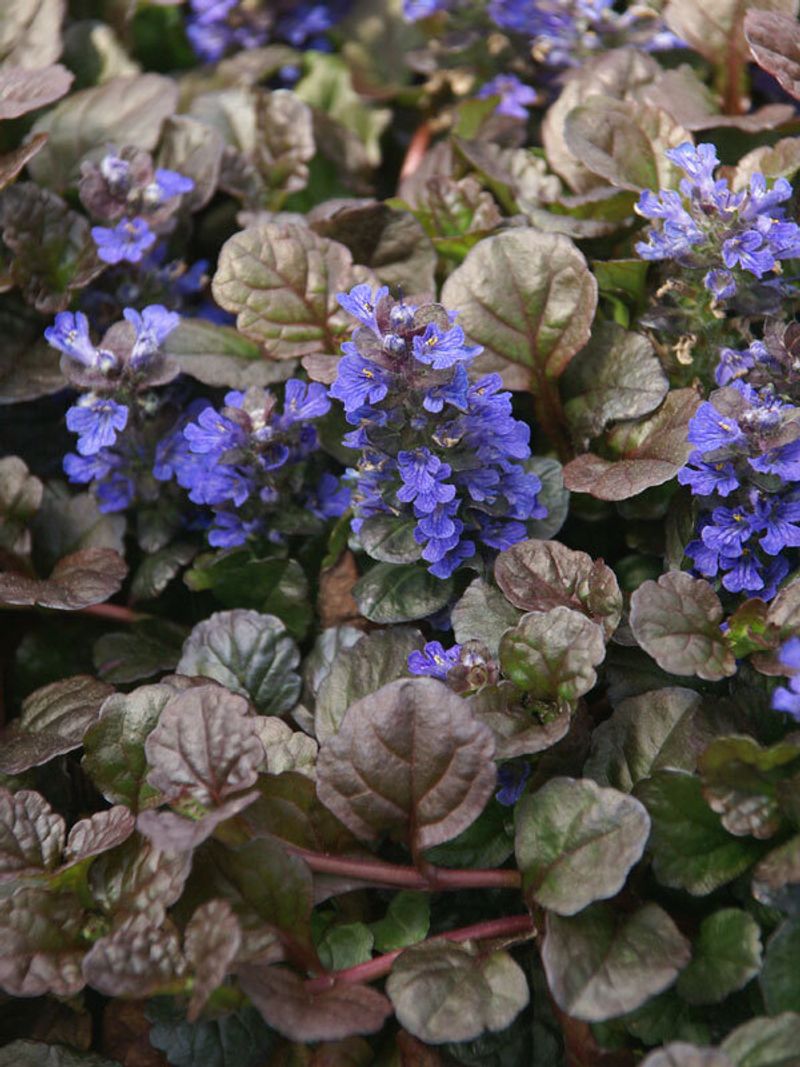
Bugleweed, with its low-growing habit and striking flower spikes, offers color and texture in winter gardens. This perennial is known for its ability to form dense mats, providing effective ground cover.
Native to Europe, Bugleweed thrives in shady areas and withstands cold with ease. Its vibrant blue flowers and robust nature make it a favored choice for gardeners seeking low-maintenance beauty.
The combination of its decorative and practical qualities ensures Bugleweed’s place in cold-climate gardens.
20. Bachelor’s Button
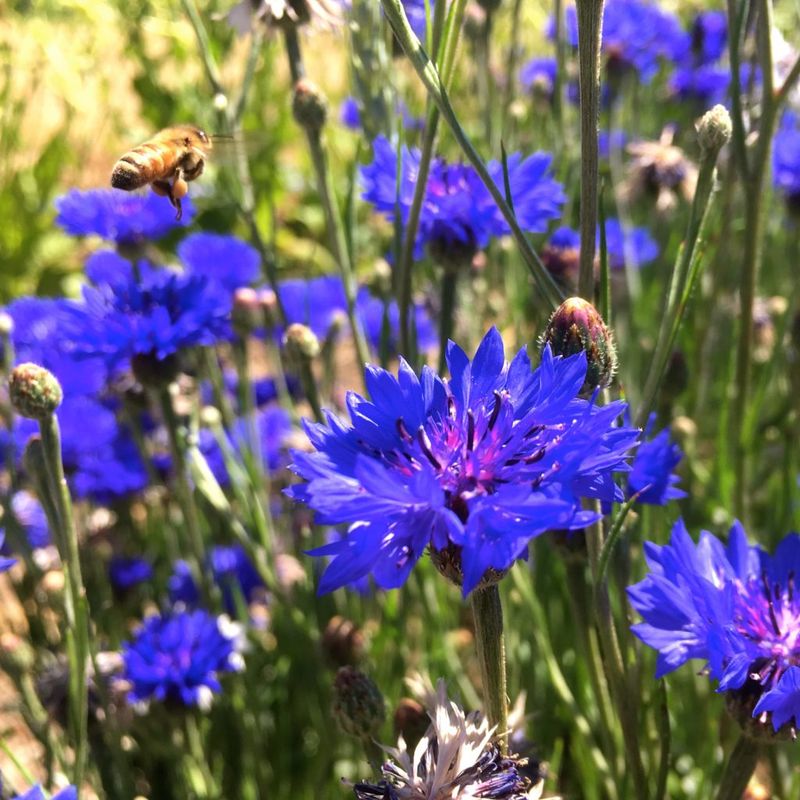
Bachelor’s Button, also known as Cornflower, is a charming addition to winter gardens. Its vivid blue flowers stand out against the stark backdrop of snow, providing a pop of color.
Originally from Europe, this perennial is valued for its hardiness and ability to attract pollinators. Its low maintenance requirements make it an appealing choice for gardeners seeking vibrant, easy-to-care-for plants.
Bachelor’s Button’s cheerful blooms and resilience make it a delightful presence in any garden, even during the coldest months.
21. Campanula
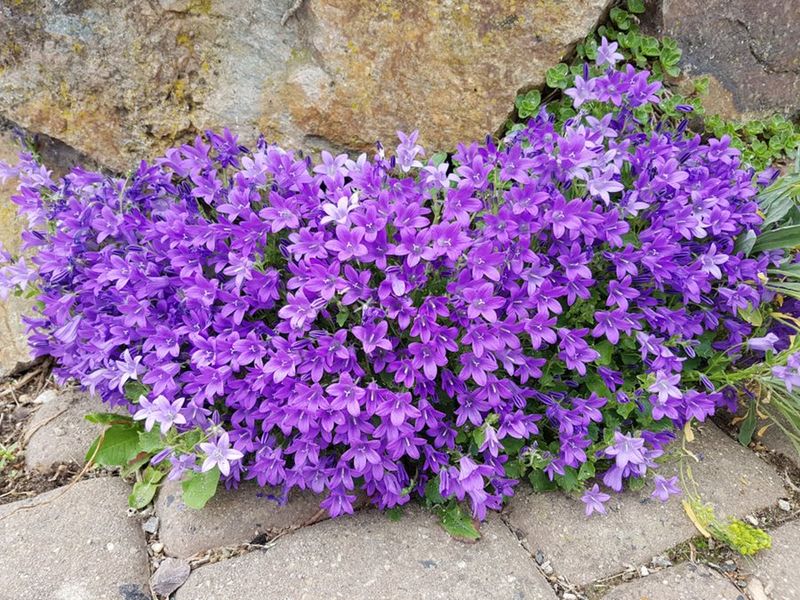
Campanula, also known as Bellflower, enchants with its delicate, bell-shaped blooms. This perennial remains steadfast in winter, its foliage providing structure and interest even in the coldest months.
Hailing from Europe and Asia, Campanula is prized for its ability to thrive in a variety of conditions, including poor soil and cold climates. Its elegant flowers and robust nature make it a garden favorite.
Campanula’s charm and resilience ensure it remains a beloved choice for winter gardens.
22. Jacob’s Ladder
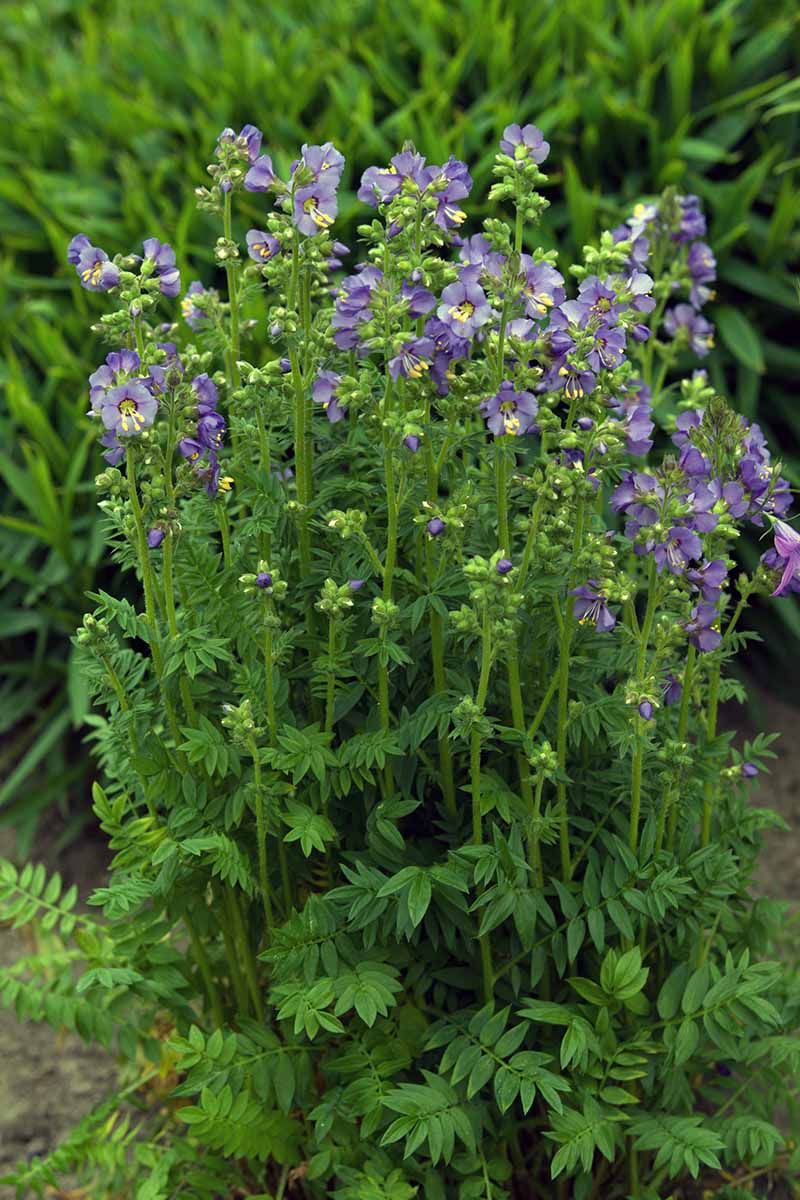
Jacob’s Ladder, named for its pinnate leaf arrangement, offers unique texture in winter gardens. Its blue flowers may be fleeting, but its foliage provides lasting interest throughout the cold months.
Native to Europe, this perennial is valued for its adaptability to shade and cold, thriving where many plants cannot. Its low maintenance and distinctive appearance make it a staple in challenging garden environments.
Jacob’s Ladder’s combination of beauty and resilience ensures it remains a favorite for gardeners facing harsh winters.