
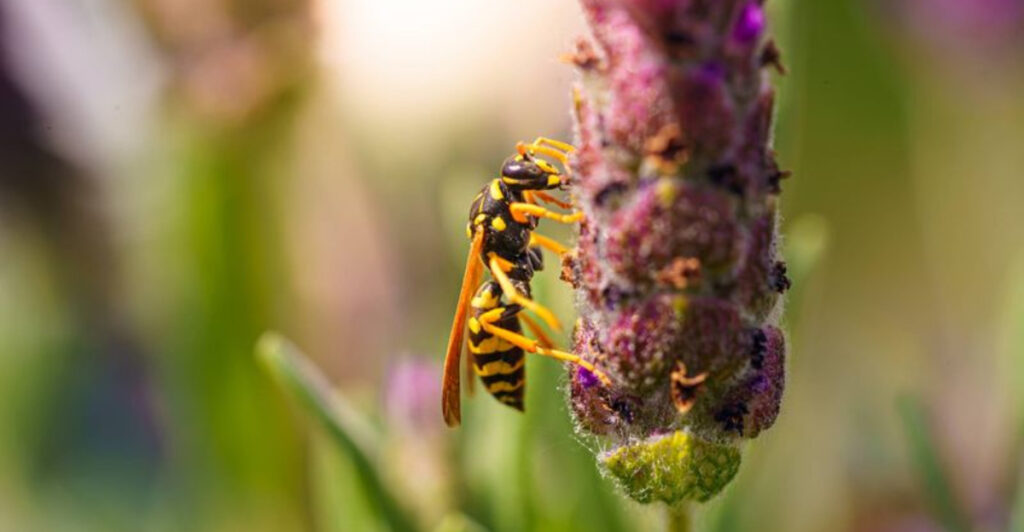
Gardening enthusiasts often strive to create a peaceful oasis in their backyards. However, the presence of wasps can disturb this tranquility. Did you know that certain flowering plants attract these buzzing insects? If you’re planning your garden, here are 16 plants you might want to think twice about including. Each of these has a unique allure for wasps, from vibrant colors to enticing fragrances. While they may be beautiful, their ability to draw unwanted guests can outweigh their aesthetic appeal. Read on to find out which flowers to avoid for a wasp-free garden.
1. Sweet Fennel
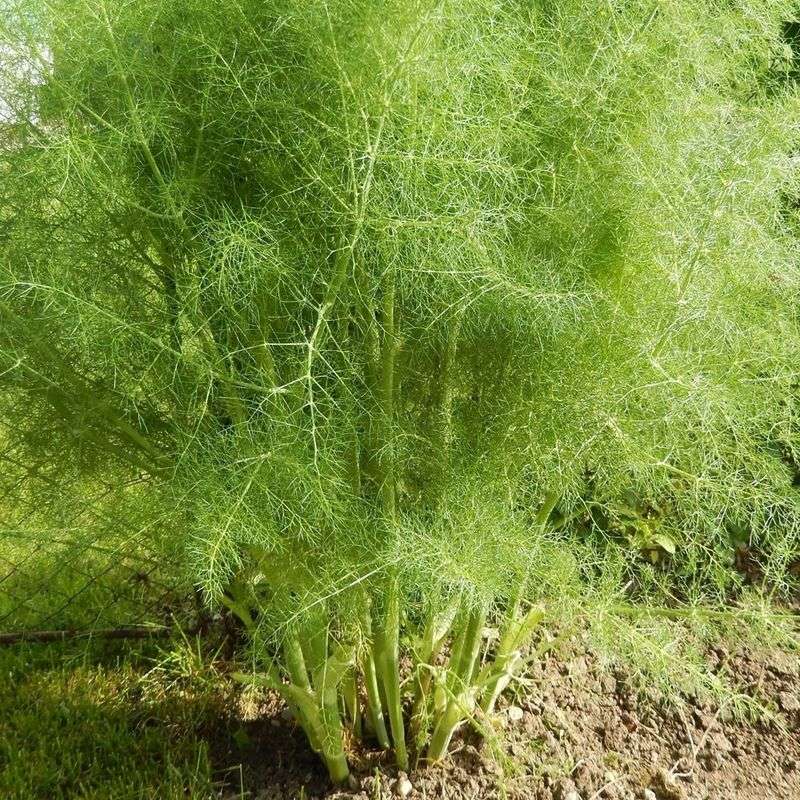
Standing tall and proud, Sweet Fennel is a captivating plant known for its feathery foliage and aromatic seeds. While beloved by chefs, it’s also a magnet for wasps. Imagine a sunny afternoon, the air filled with its licorice-like scent, drawing wasps from miles around. This plant’s intricate structure provides perfect nooks for wasps to hide and nest. Its towering presence not only dominates the garden but also becomes a central hub for buzzing activity. Choose wisely if you wish to avoid the constant hum of these winged creatures.
2. Marigold
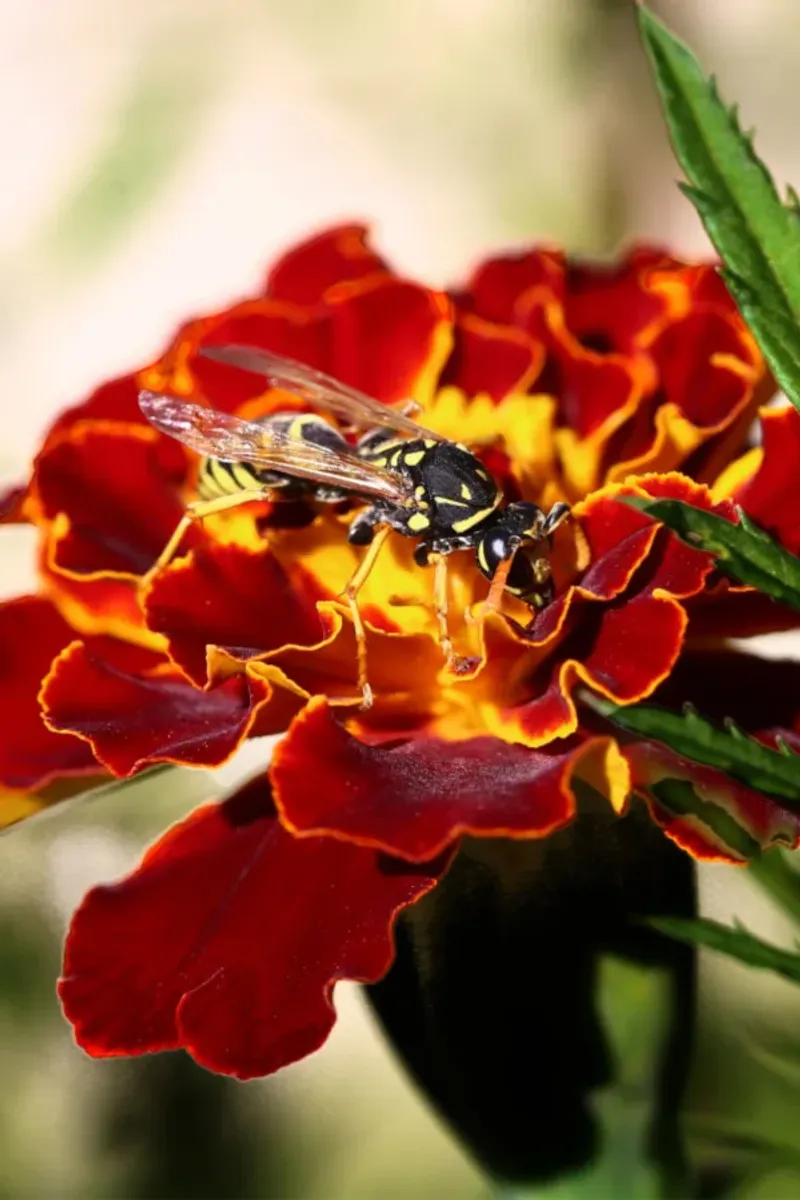
Vivid and cheerful, Marigolds are often planted for their pest-repelling qualities. However, they have a dark side. Their vibrant hues and slightly musky scent are irresistible to wasps. Picture a warm day where Marigolds stand like sentinels, holding court with buzzing admirers. Despite their sunny disposition, they can turn a peaceful garden into a wasp haven. Their dense blooms offer shelter and sustenance, creating an inviting environment. While they may brighten your garden, consider their allure to unwanted winged visitors.
3. Lavender
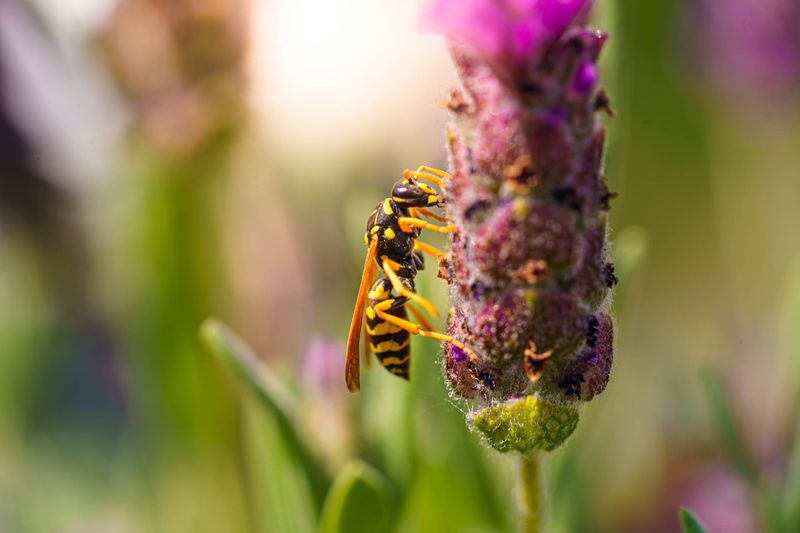
Lavender is synonymous with relaxation and tranquility. Yet, its calming scent also calls out to wasps. Envision a gentle breeze carrying its soothing aroma, only to find it accompanied by a chorus of buzzing. Lavender’s spikes are like a siren’s call to these insects, offering both nectar and shelter. Although a staple in aromatherapy, its role in attracting wasps cannot be overlooked. It’s a classic case of beauty inviting the beast into your garden sanctuary.
4. Queen Anne’s Lace
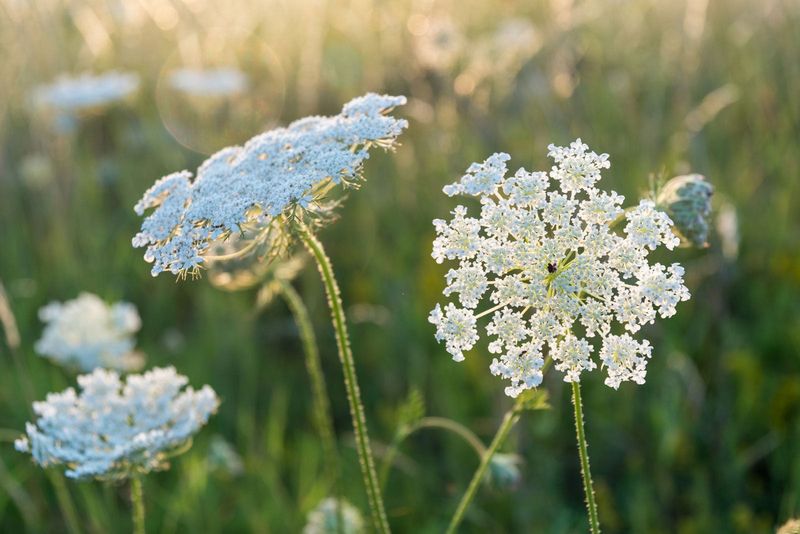
Queen Anne’s Lace, with its airy white blooms, has an ethereal charm. This wildflower, however, attracts more than admiration. Wasps are particularly drawn to its intricate floral design. Imagine a gentle breeze rustling its lace-like petals, only to be interrupted by the hum of wasps. Its umbrella-shaped clusters provide an ideal landing pad for these insects. While its elegance is undeniable, its tendency to invite buzzing guests makes it a tricky choice for serene gardens.
5. Yarrow
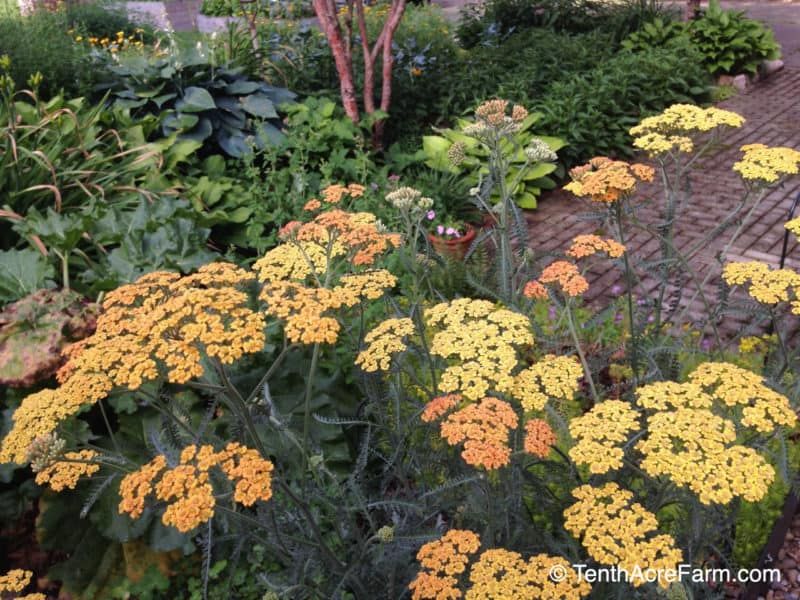
Yarrow, with its flat-topped clusters and fern-like foliage, adds a splash of color to any garden. However, it also serves as a beacon for wasps. Picture its golden blossoms swaying in the wind, enticing a swarm of these insects. Its broad floral heads offer a rich source of nectar, making it irresistible. While it’s a favorite for medicinal uses, its propensity to invite wasps can overshadow its benefits. A choice to consider carefully if wasp-free tranquility is your goal.
6. Goldenrod
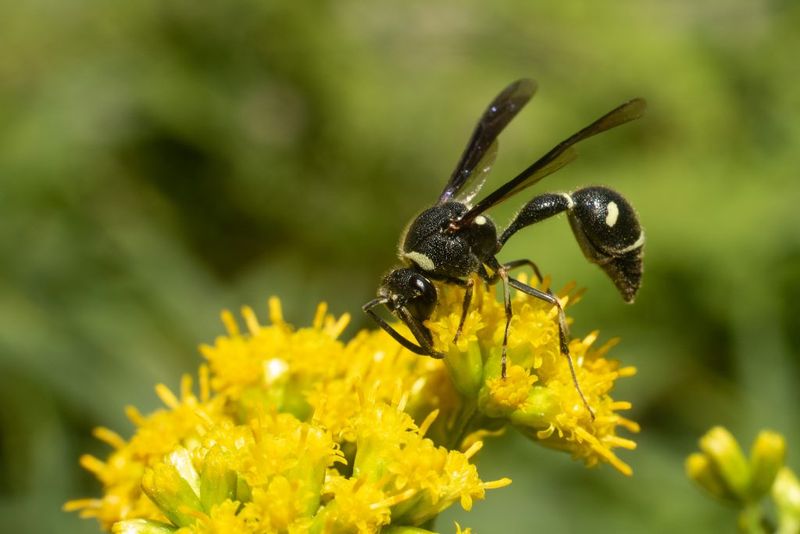
Goldenrod stands as a vibrant symbol of late summer. Its bright yellow flowers are not only eye-catching but also a magnet for wasps. Picture a sunny day where these plants reach for the sky, only to find them buzzing with activity. Their abundant pollen supply is irresistible, turning them into a lively hub for wasps. While they are often unfairly blamed for allergies, their true impact lies in the insect world. Gardeners seeking peace might think twice before planting these golden giants.
7. Sedum
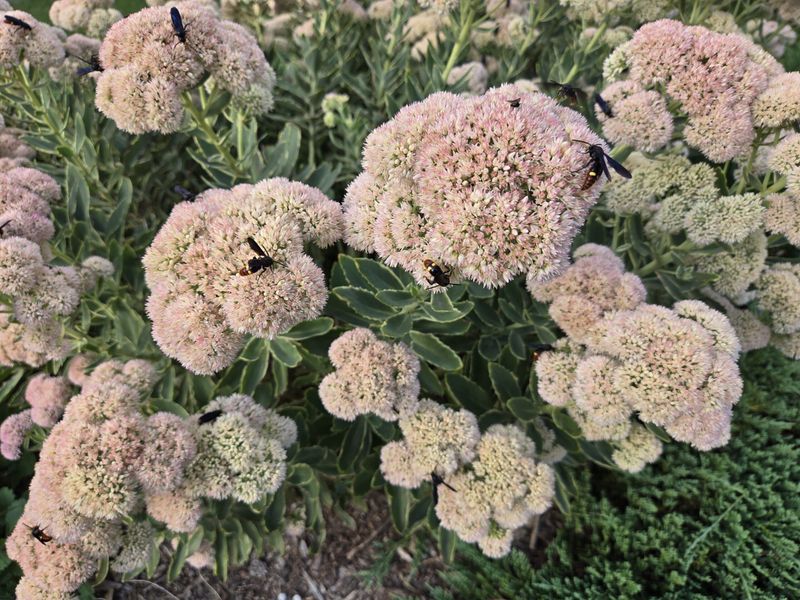
Sedum, with its fleshy leaves and star-shaped flowers, is a succulent delight. Yet, its allure extends beyond aesthetics, inviting wasps to the scene. Imagine a sunlit afternoon where Sedum’s vibrant clusters attract buzzing visitors. Its late-season blooms offer a crucial nectar source for wasps preparing for winter. While its resilience and beauty are commendable, its role as a wasp magnet requires consideration. Choosing Sedum means balancing its charm with the potential for unwanted guests.
8. Jasmine
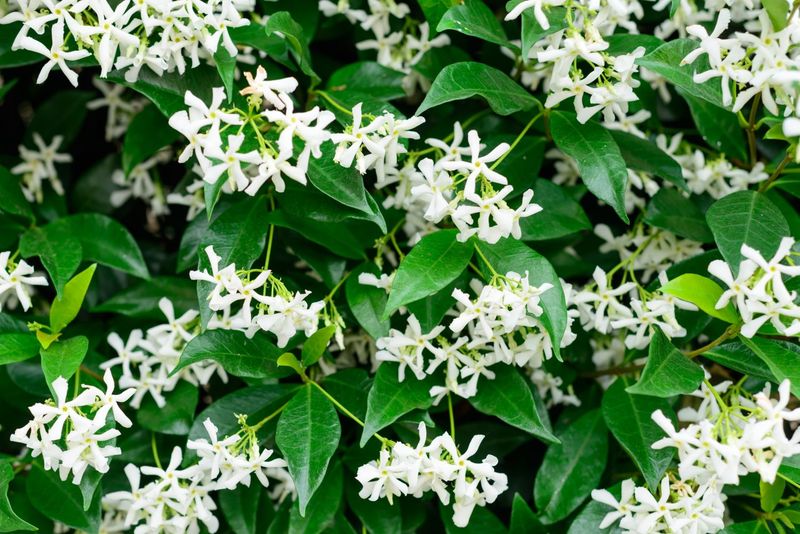
Jasmine, with its intoxicating fragrance, is the epitome of romance. However, its scent is equally alluring to wasps. Picture a moonlit night where the air is heavy with Jasmine’s sweet aroma, drawing in these insects. Its delicate flowers offer an inviting nectar buffet, turning serene evenings into buzzing affairs. While it may captivate human hearts, its charm extends to unwelcome visitors. Gardening with Jasmine requires balancing its aromatic appeal with the potential for wasp encounters.
9. Peony
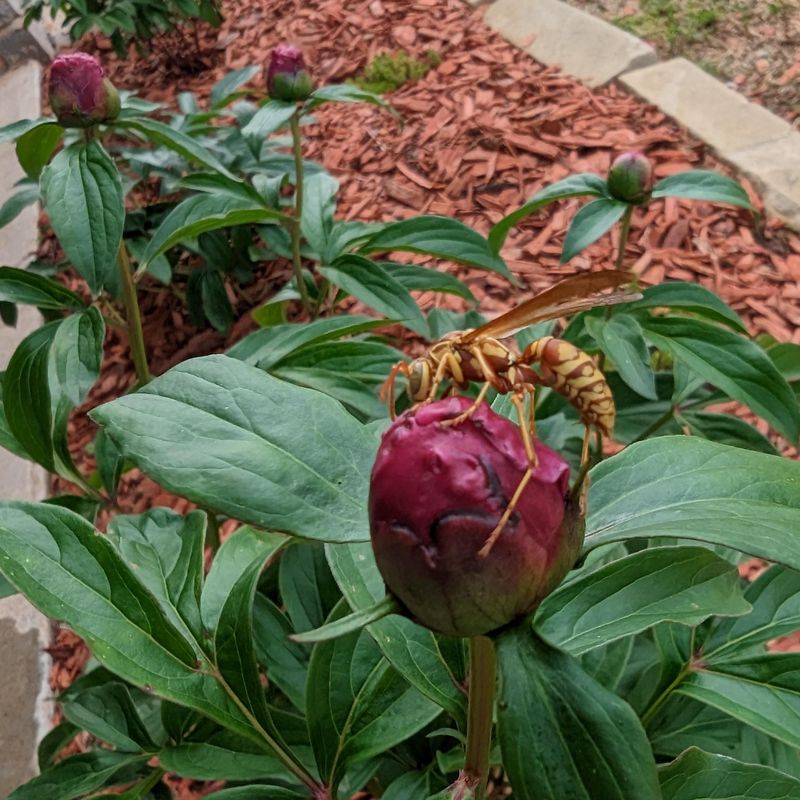
Peonies, with their lush, full blooms, are the darlings of any garden. Yet, these beauties also catch the eye of wasps. Envision a garden where Peonies stand in full bloom, drawing admiration and buzzing insects alike. Their sweet nectar and fragrant petals serve as an open invitation. While they symbolize romance and prosperity, they also bring the potential for wasp activity. A garden filled with Peonies is a sight to behold, but it’s worth considering the visitors it may attract.
10. Coneflower
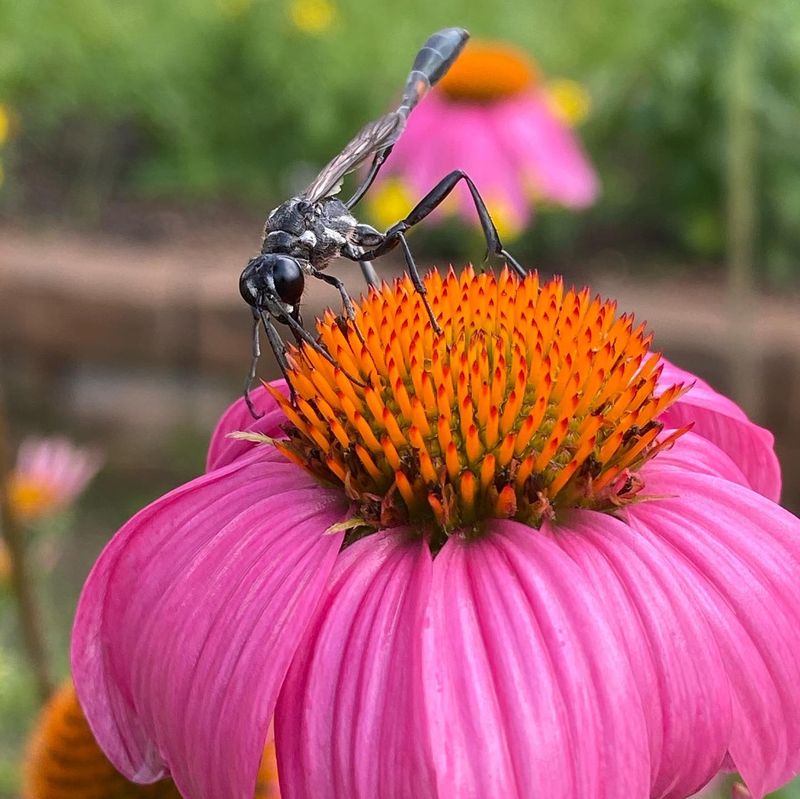
Coneflower, with its striking purple petals and prominent central cone, is a garden favorite. Yet, its beauty is a beacon for wasps. Imagine a field where Coneflowers dance in the breeze, surrounded by buzzing companions. Their nectar-rich centers are a favorite stop for these insects. While known for their resilience and medicinal properties, their power to attract wasps can’t be ignored. If a wasp-free garden is your aim, coneflowers might require a second thought.
11. Honeysuckle
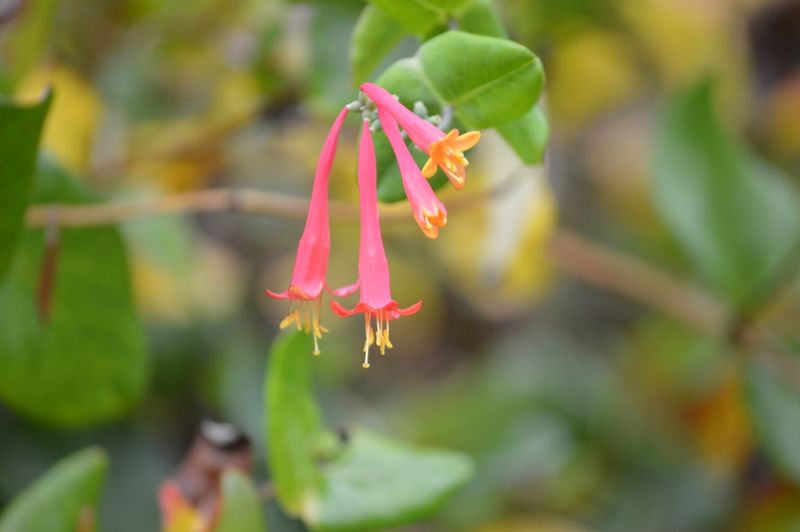
Honeysuckle, with its sweet-scented blooms, is a nostalgic garden choice. However, its fragrance is a wasp’s delight. Picture a fence lined with Honeysuckle, its aroma wafting through the air, accompanied by a symphony of buzzing. Its tubular flowers offer an irresistible nectar feast, ensuring wasp visits. While it evokes memories of carefree summers, it also invites these stinging guests. Gardening with Honeysuckle requires weighing its nostalgic charm against the likelihood of wasp encounters.
12. Bee Balm
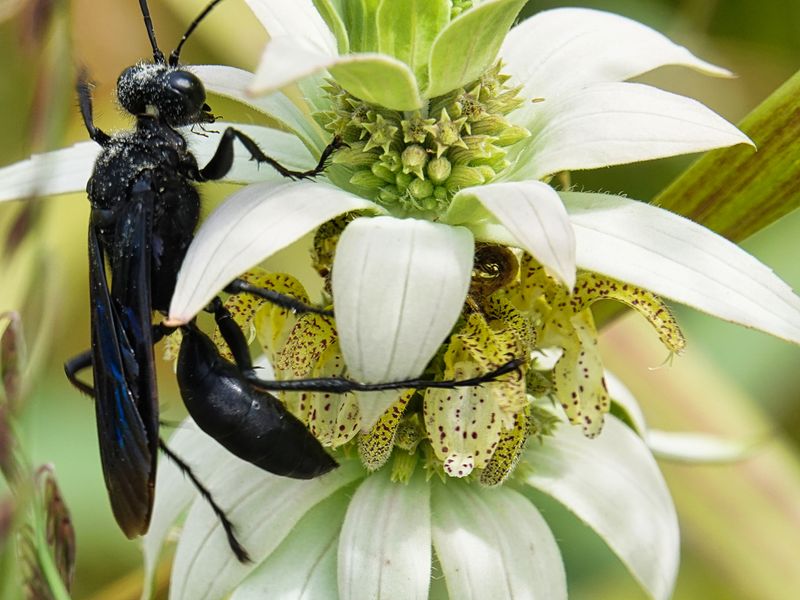
Bee Balm, with its fiery red blooms, is a magnet for pollinators, including wasps. Picture a garden corner ablaze with its vibrant colors, alive with buzzing activity. Its aromatic foliage and nectar-rich flowers are irresistible attractions. While known for its beauty and medicinal uses, its ability to draw wasps warrants caution. Planting Bee Balm means embracing a lively garden, full of energy and movement. For those seeking tranquility, it’s a choice to ponder carefully.
13. Dahlia
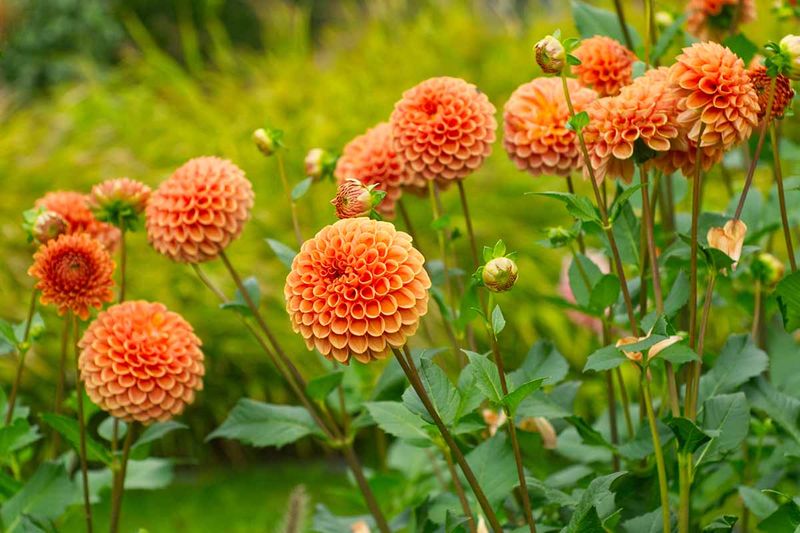
Dahlias, with their intricate blooms, are a gardener’s dream. Yet, they also attract wasps. Imagine a garden where Dahlias stand in stately rows, admired by both humans and insects. Their layered petals and sweet nectar are a feast for wasps. While they bring elegance and variety, the potential for buzzing visitors is part of the package. Dahlias provide a visual feast, but consider the guests they may invite. Achieving beauty in the garden often involves balancing these factors.
14. Tansy
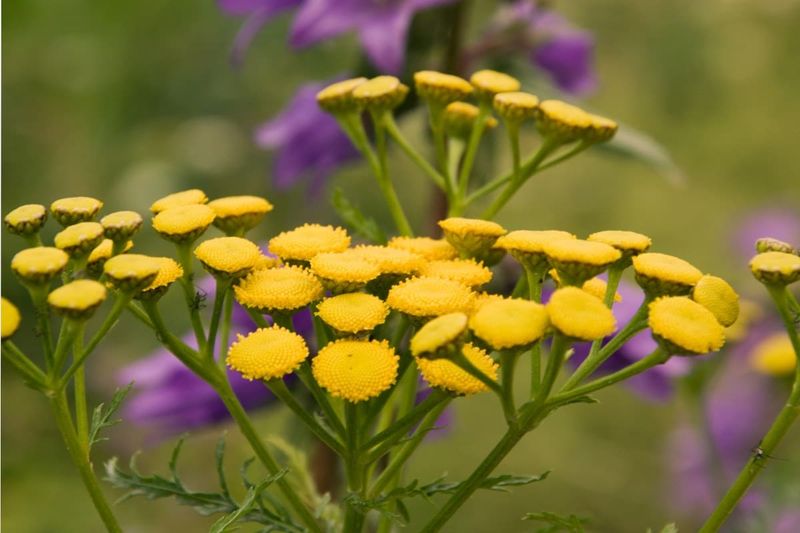
Tansy, with its button-like yellow blooms, is both charming and controversial. These bright clusters not only add a splash of color but also invite wasps. Picture a garden border where Tansy stands out, a bright spot amidst greenery, buzzing with activity. Its strong aroma and nectar-rich flowers are powerful attractions. While Tansy has historical medicinal uses, its impact on wasp presence is undeniable. Selecting Tansy requires balancing its visual appeal with its role in attracting unwanted guests.
15. Wisteria
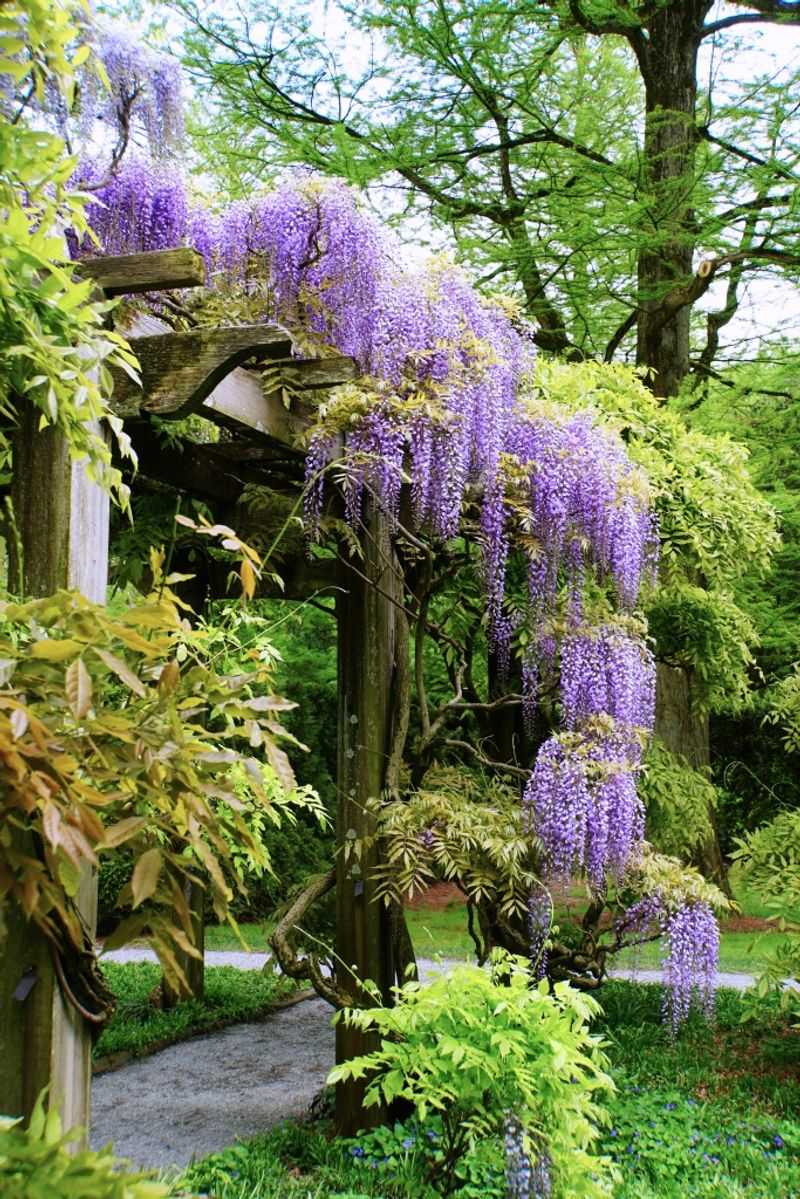
Wisteria, with its cascading blossoms, creates a breathtaking spectacle. However, its charm extends to wasps. Envision a pergola draped in Wisteria, its beauty matched by the hum of buzzing insects. Its clusters of purple flowers offer a rich nectar source. While often associated with romance and elegance, it can also lead to uninvited guests. Wisteria brings drama and allure, but it’s essential to consider its appeal to wasps. Balancing its beauty with potential buzzing activity is key.
16. Zinnia
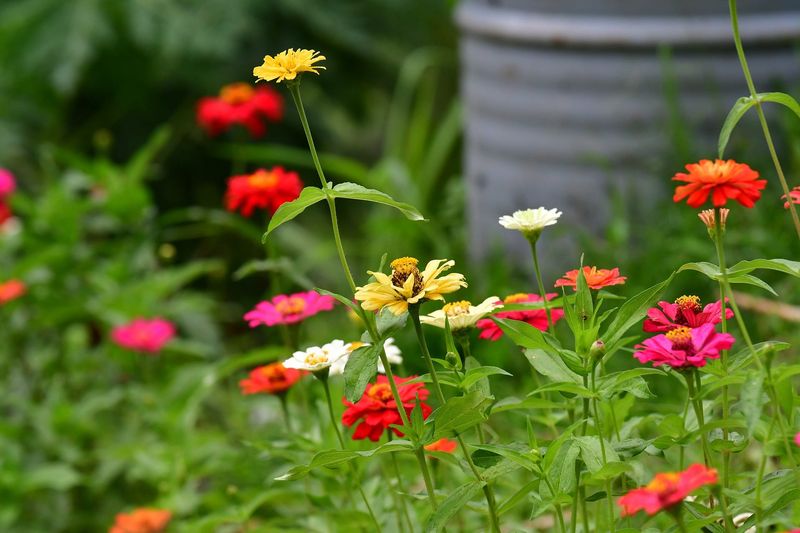
Zinnias, with their bold, cheerful blooms, are a garden staple. Yet, their appeal also extends to wasps. Picture a garden awash with Zinnia’s vibrant colors, alive with the buzz of insects. Their open, nectar-rich flowers are a magnet for these pollinators. While they offer endless color and variety, the presence of wasps can be a downside. Zinnias bring joy and brightness, but considering the potential for buzzing visitors is wise. Creating a harmonious garden means weighing these factors.