 Complete Gardening

Cardinals are one of the most beloved birds to grace our gardens, with their vibrant red plumage and cheerful presence. Attracting them to your bird feeder can be a rewarding experience, adding a splash of color and life to your backyard. Whether you’re an avid birdwatcher or a casual nature enthusiast, these tips will help you bring more cardinals to your feeder, creating a lively haven for these beautiful creatures.
1. Choose the Right Seeds

Selecting the right seeds is crucial. Cardinals are particularly fond of black oil sunflower seeds, thanks to their high oil content and thin shells. This makes them easy for cardinals to crack open and enjoy. Fill your feeder with these seeds to entice cardinals to visit.
Consider mixing in some safflower seeds as well. Not only do they attract cardinals, but they also deter less desirable birds like grackles. The combination of these seeds can create an inviting buffet for your feathered friends, ensuring a steady stream of cardinal visitors.
2. Install a Cardinal-Friendly Feeder

Cardinals prefer feeders that allow them to perch comfortably. Choose platform feeders or those with large perching areas to accommodate their size. Hanging feeders with small perches may deter these birds.
Opt for sturdy feeders made of durable materials. They should withstand weather conditions while providing easy access for cardinals. Ensure that the feeder is placed in a safe, quiet location, away from potential predators, to encourage frequent visits.
By providing a cardinal-friendly feeder, you’re setting the stage for a welcoming environment that they’ll return to again and again.
3. Provide Fresh Water Source
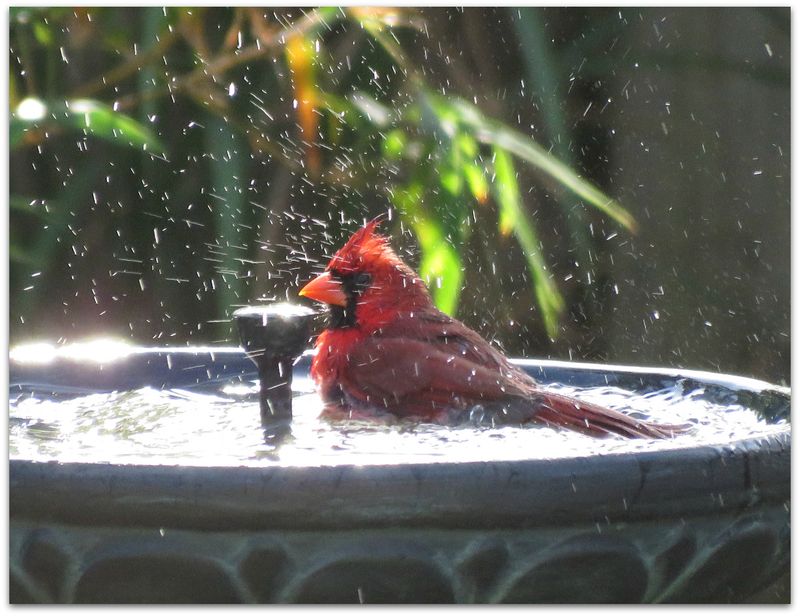
A source of fresh water is vital for attracting cardinals. Install a birdbath in your yard, ensuring the water is clean and replenished regularly. Cardinals will use it not only for drinking but also for bathing.
Place the birdbath in a visible yet safe location, where cardinals can easily spot it. Adding a fountain or dripper can make it more appealing, as the sound of moving water attracts birds.
A well-maintained water source can become a hotspot for cardinals, drawing them in and encouraging them to linger around your garden.
4. Plant Cardinal-Attracting Shrubs
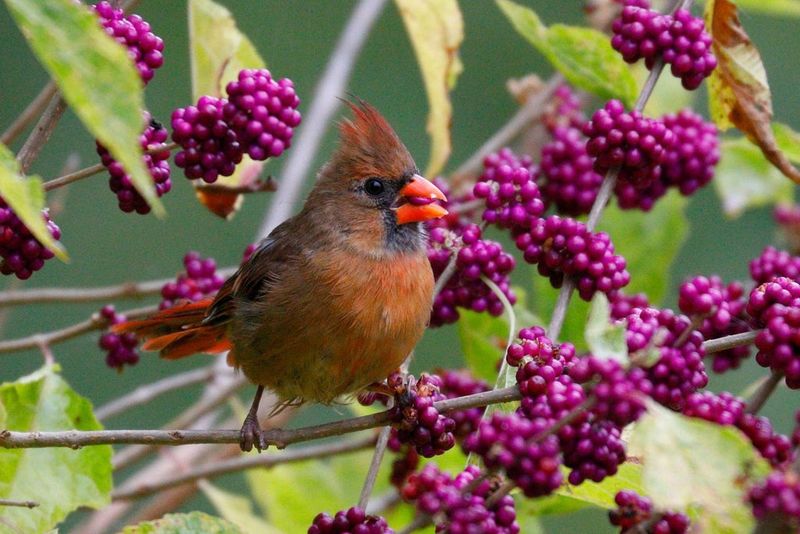
Creating a natural habitat with cardinal-friendly shrubs can enhance your garden’s appeal. Planting shrubs like dogwood, serviceberry, or juniper provides both food and shelter for cardinals.
These plants offer berries that cardinals enjoy, while the dense foliage offers protection from predators. Strategically place these shrubs near feeders to create a seamless environment.
The right shrubs can transform your garden into a haven for cardinals, offering everything they need to thrive and ensuring their regular visits throughout the seasons.
5. Avoid Pesticides and Chemicals

Cardinals are sensitive to chemicals, so maintaining an organic garden is beneficial. Avoid using pesticides and herbicides that can harm these birds by contaminating their food sources.
Instead, opt for natural alternatives to control pests. Encouraging beneficial insects and using homemade remedies can keep your garden healthy without chemicals.
Creating a chemical-free environment ensures that your garden is a safe haven for cardinals, inviting them to visit without the risk of harmful exposure, and contributing to their well-being.
6. Create a Quiet, Safe Space
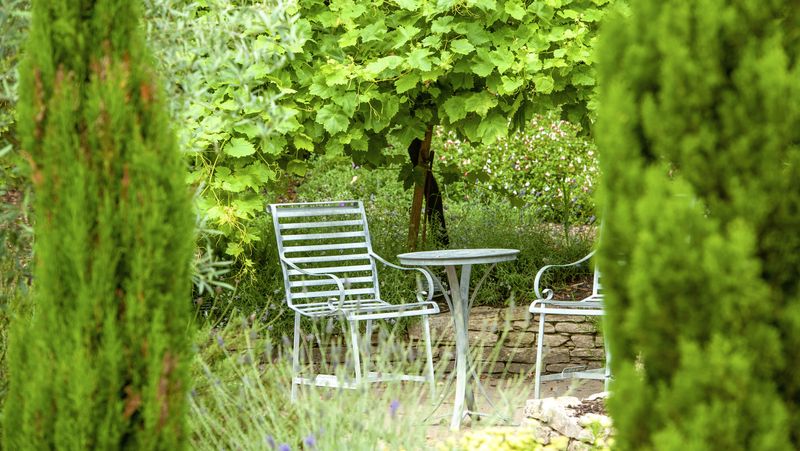
Cardinals appreciate quiet and safe spaces. Designate a part of your yard where these birds can feel secure. Dense shrubs or small trees can provide the cover they need.
Minimize noise and disturbances in this area. Keeping pets and loud activities away will encourage cardinals to relax and visit frequently.
By offering a serene environment, you’re not only attracting cardinals but also allowing them to thrive. This calming refuge can become a favorite spot for regular visits.
7. Offer Seasonal Foods
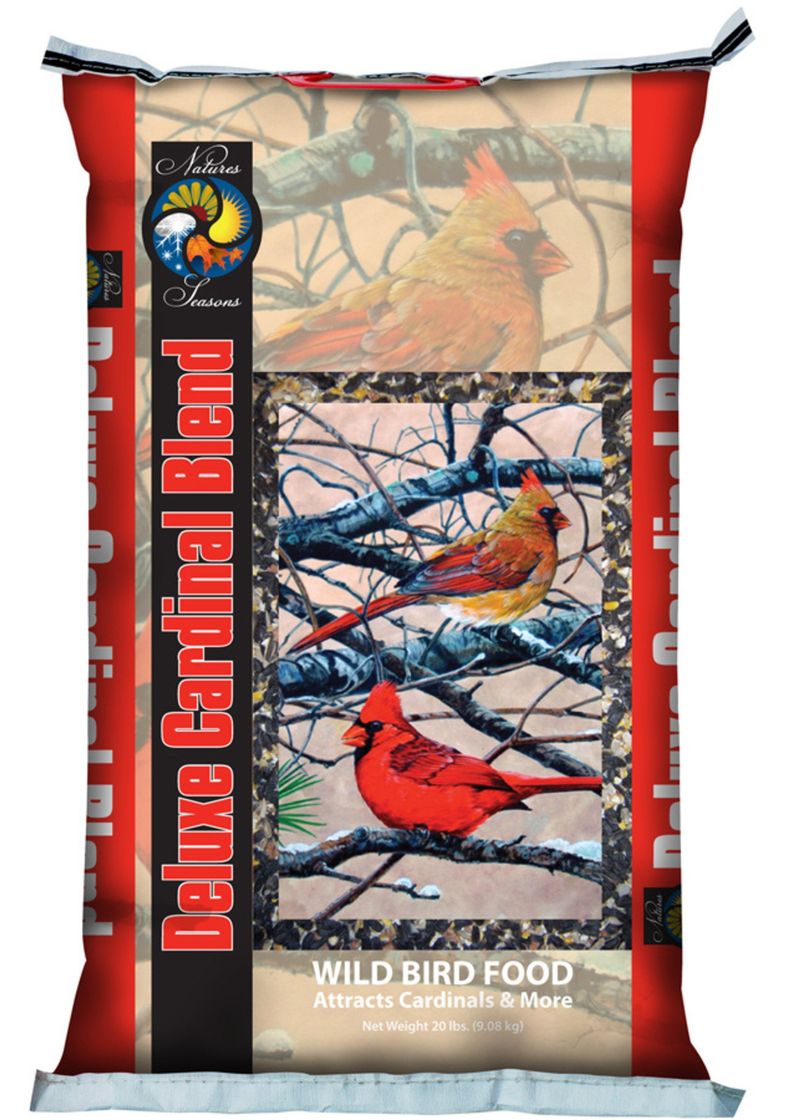
Variety is the spice of life, even for cardinals. Offering seasonal foods can entice them to visit your feeder year-round. During winter, provide high-energy foods like peanuts and suet.
In spring and summer, consider offering fruit slices or mealworms. Changing up the menu keeps cardinals interested and supports their dietary needs.
By supplying a diverse range of foods, you’re catering to their preferences throughout the year, ensuring that your feeder remains a top destination for these vibrant birds.
8. Hang Feeders at Proper Height
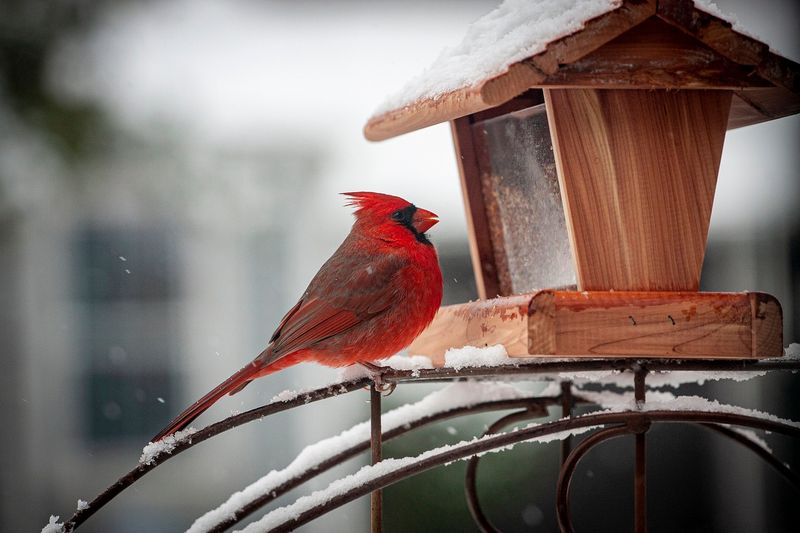
The height of your bird feeder can influence cardinal visits. Position feeders at about five to six feet off the ground, allowing easy access for cardinals.
This height protects them from ground predators and offers a comfortable vantage point. Ensure the feeder is stable and well-secured to prevent tipping.
By hanging feeders at the appropriate height, you’re making it convenient for cardinals to visit and enjoy their meals, while also enhancing their safety and comfort.
9. Maintain Your Feeders
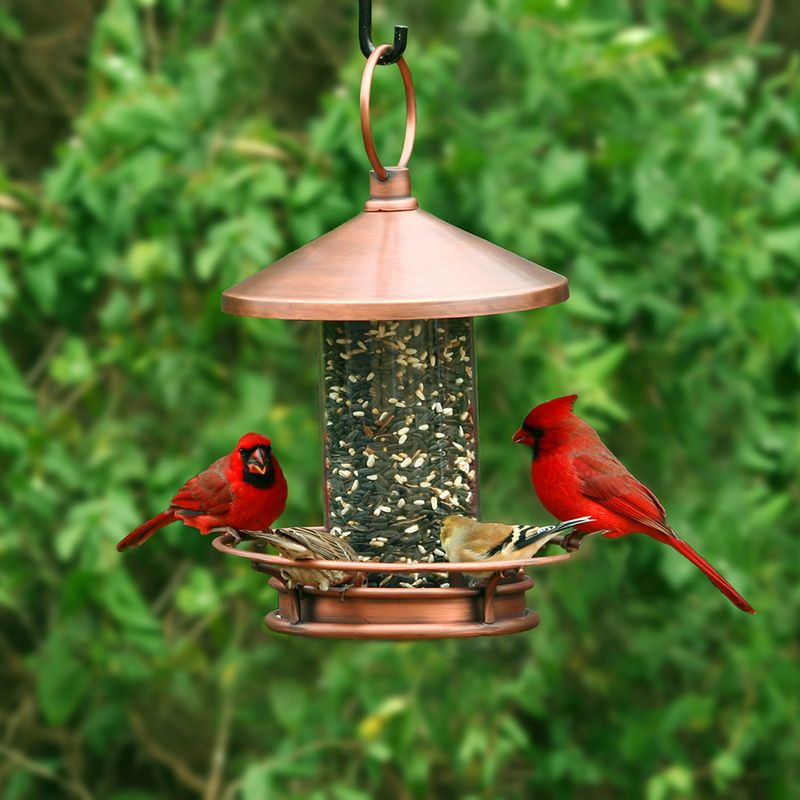
Regular maintenance of your bird feeders is essential. Clean them frequently to prevent mold and bacteria, which can deter cardinals and other birds.
Use a mild soap solution and rinse thoroughly. Ensure the feeders are dry before refilling them with fresh seeds.
By keeping your feeders clean and well-maintained, you’re providing a safe dining environment for cardinals, encouraging them to return regularly and enjoy the treats you offer.
10. Install Roosting Boxes

Roosting boxes offer shelter, making your garden more attractive to cardinals. These boxes provide a warm, safe place for cardinals to rest, especially during colder months.
Position roosting boxes in quiet, sheltered areas of your garden. Ensure they are made from durable materials and are easy to clean.
By offering roosting boxes, you’re enhancing your garden’s appeal, providing comfort and protection for cardinals, and increasing the likelihood of them choosing your yard as their home base.
11. Incorporate Natural Perches
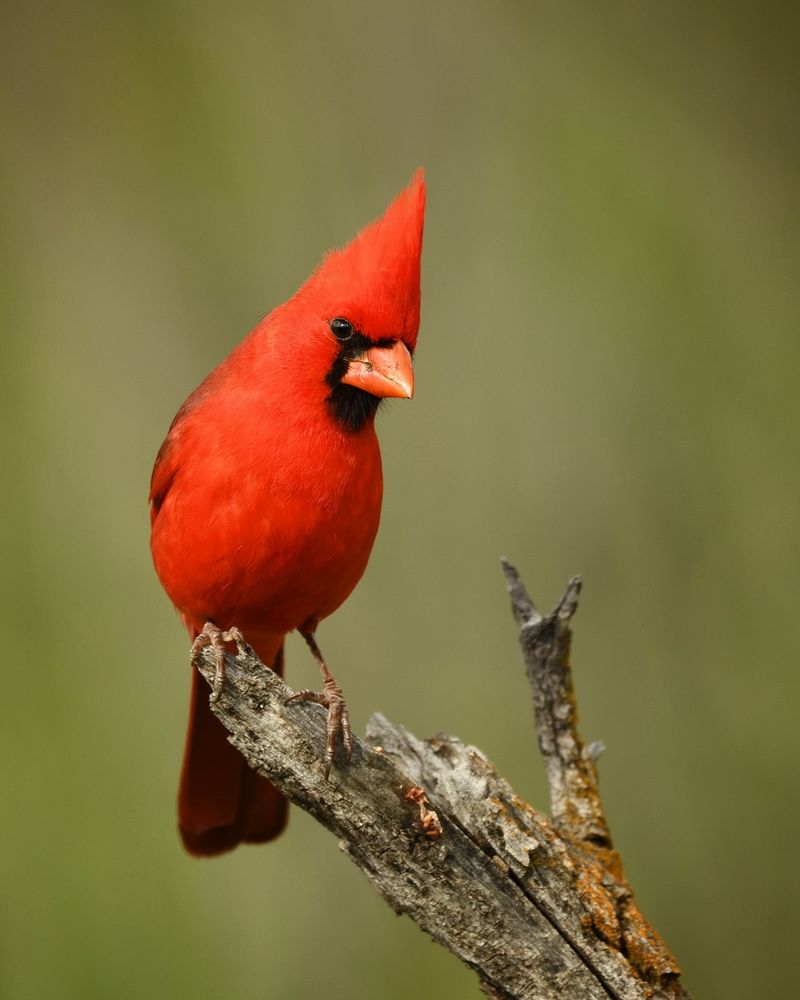
Natural perches like branches and twigs provide cardinals with resting spots. Incorporate these elements into your garden to make it more inviting.
Position these perches near feeders and water sources. They offer cardinals a place to observe their surroundings and prepare for feeding.
By integrating natural perches, you’re creating an environment that feels familiar and safe to cardinals, encouraging them to visit and spend time in your garden.
12. Use Cardinal Call Sounds
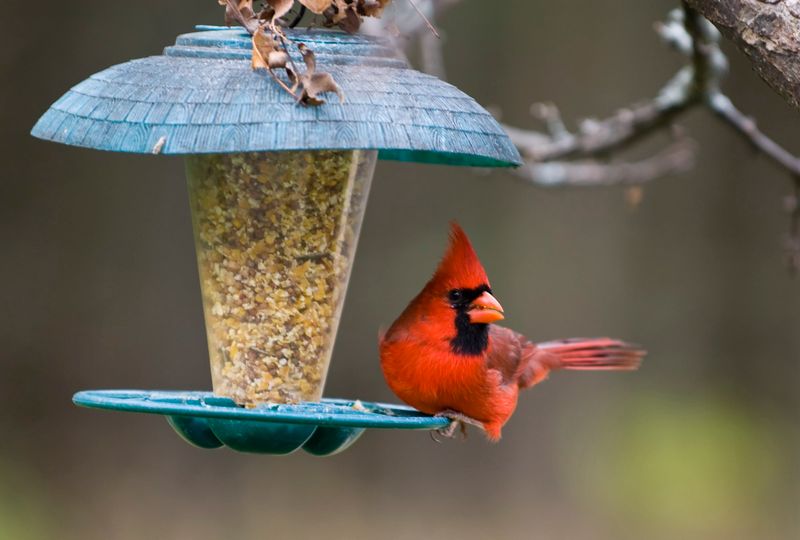
Cardinal call sounds can attract these birds to your yard. Use devices that emit their calls, especially during dawn and dusk when they are most active.
Ensure the volume is appropriate, so it doesn’t disturb them or other wildlife. Combine this with visual lures like feeders and water sources.
By using cardinal call sounds, you’re speaking their language, drawing them in, and enticing them to explore your welcoming garden space.
13. Add Bright Colors
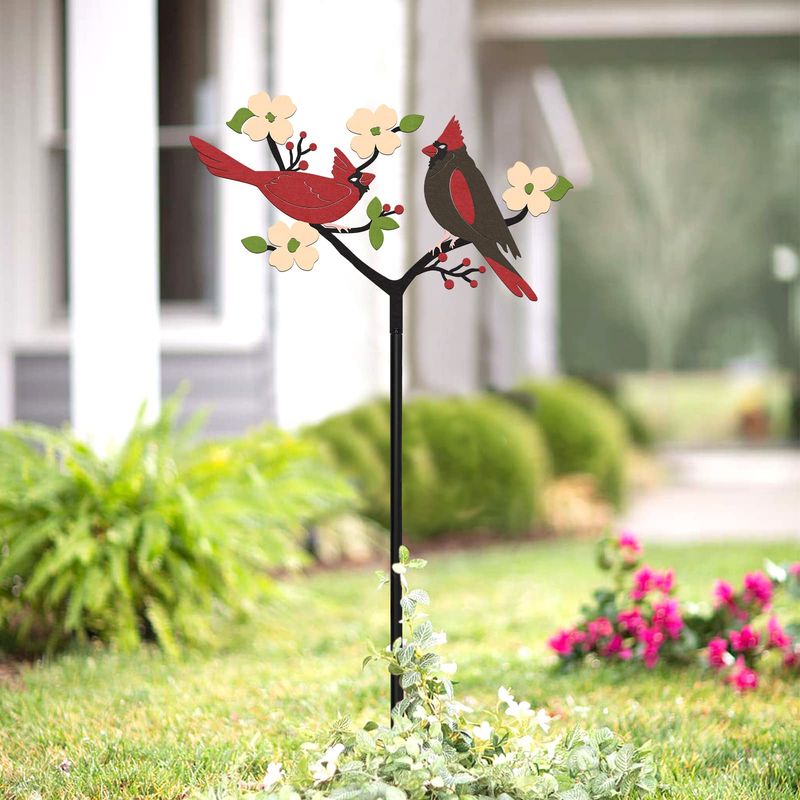
Bright colors, particularly red, can pique a cardinal’s interest. Add red flowers, garden ornaments, or even red ribbon near feeders to catch their eye.
These visual cues can be especially effective during mating season when cardinals are on the lookout for potential mates. The splash of color can draw them in closer to investigate.
By incorporating bright colors into your garden, you’re creating an aesthetically pleasing environment that appeals to cardinals, making them more likely to visit.
14. Avoid Reflective Surfaces
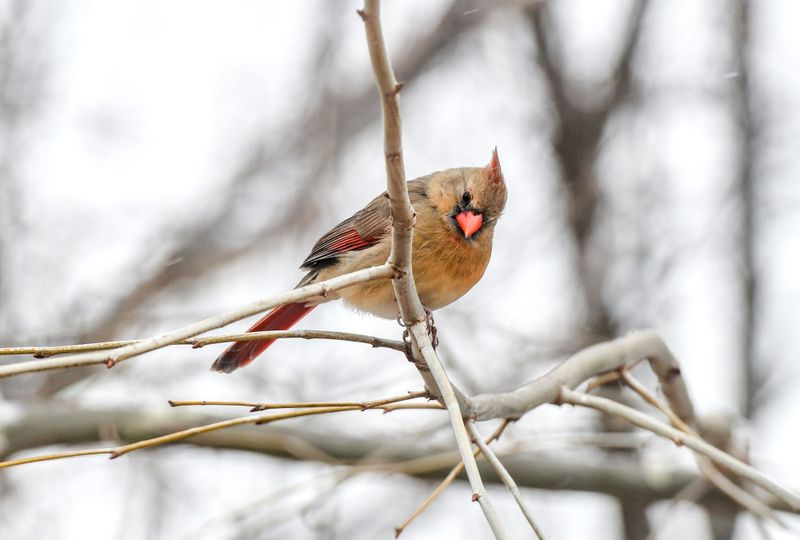
Reflective surfaces can confuse and distress cardinals, leading to collisions. Minimize or cover reflective windows and objects in your garden.
Use decals or screens to reduce reflections. Ensuring a clear flight path without obstacles can help cardinals feel at ease.
By avoiding reflective surfaces, you’re creating a safer environment for cardinals, reducing the risk of accidents and encouraging them to make your garden a regular stop.
15. Engage with Citizen Science

Engaging in citizen science projects can enhance your experience and attract cardinals. Participate in bird counts or monitoring programs that focus on cardinals.
Not only does this contribute to scientific understanding, but it also adds a purposeful element to your birdwatching routine. Share your findings with community groups or online platforms.
By engaging in citizen science, you’re not only enjoying cardinals in your garden but also contributing to conservation efforts, adding depth to your bird-feeding activities.