
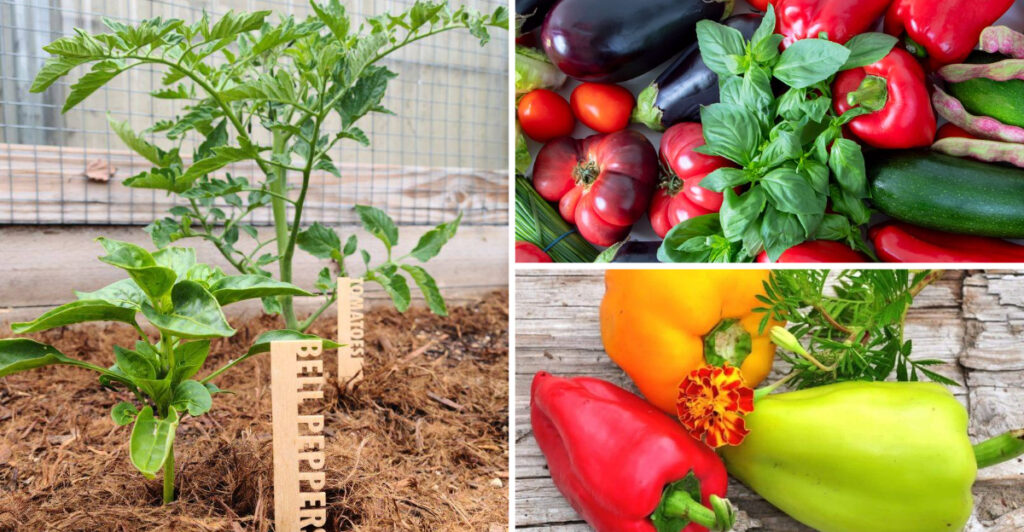
Bell peppers, a staple in gardens across the globe, flourish best when surrounded by the right companions. While some plants boost their growth, others can be detrimental. In this guide, discover 23 allies that support your peppers’ health and 7 foes that could spell disaster. This guide will walk you through the benefits and pitfalls of garden companionship, ensuring your bell pepper plants thrive to their fullest potential.
1. Tomatoes
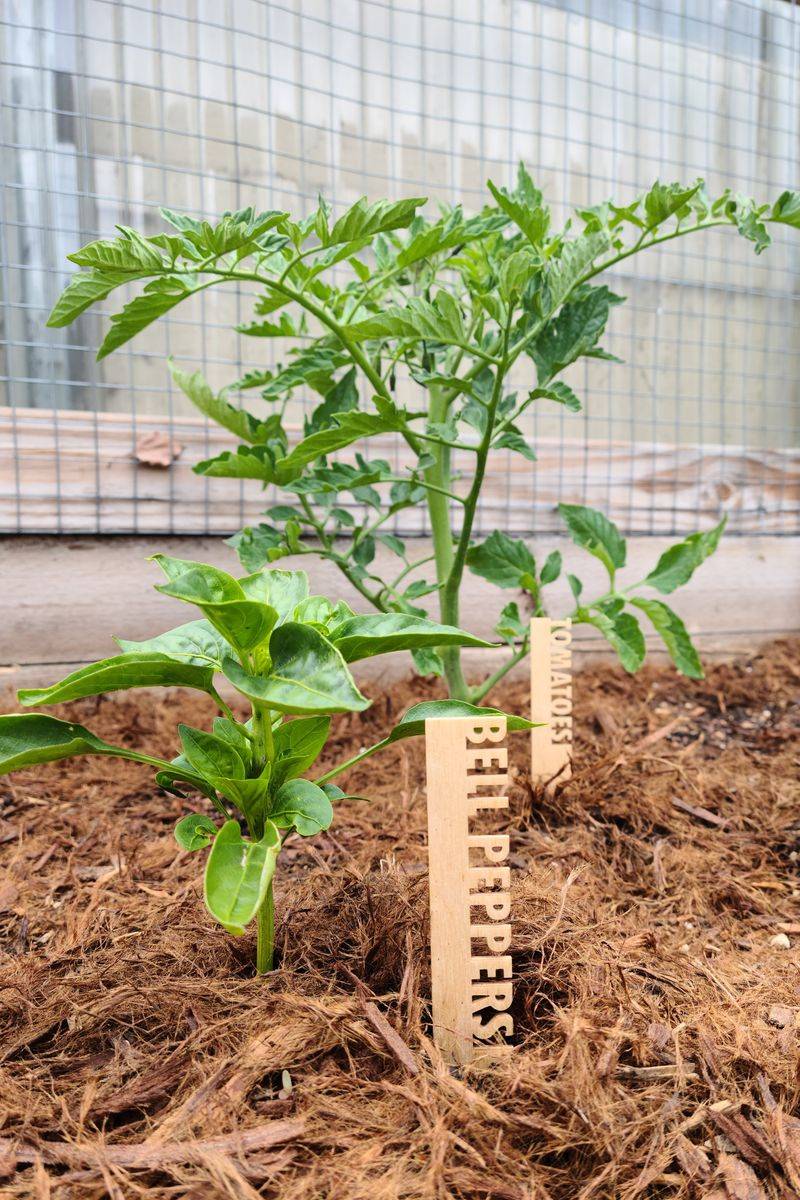
Tomatoes, with their juicy red allure, share more than just a spot in salads with bell peppers. These two plants make excellent companions in the garden, benefiting each other in numerous ways. Their similar water and nutrient needs mean they thrive under the same care regimen.
Moreover, tomatoes help to deter certain pests that might otherwise plague bell peppers, acting as a natural form of pest control. However, be sure to water them both consistently to prevent any competition for resources. A harmonious partnership, tomatoes and bell peppers can create a vibrant, bountiful garden.
2. Basil
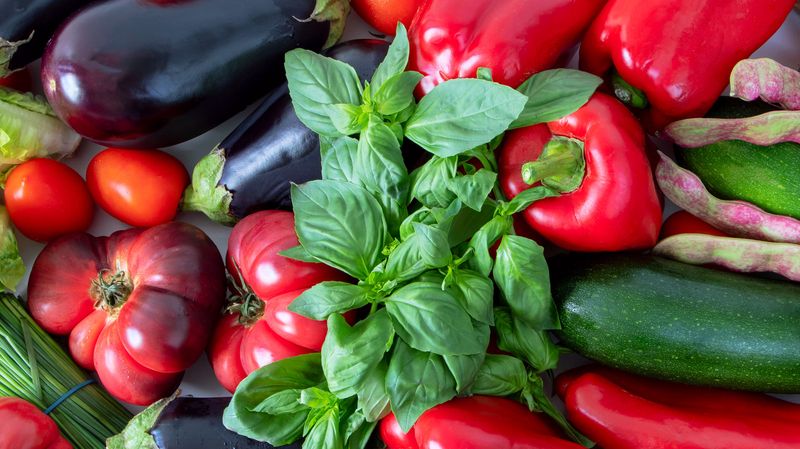
Basil, often dubbed the ‘king of herbs,’ brings its aromatic charm to the garden, providing both companionship and protection to bell peppers. The herb’s strong scent acts as a natural pest repellent, warding off insects that might otherwise feast on your peppers.
Not only does basil enhance the flavor of bell peppers when cooked together, but it also improves their growth by attracting beneficial insects like bees. This partnership is a testament to nature’s interconnected wonders, as both plants thrive side by side, offering culinary delights and garden harmony.
3. Carrots
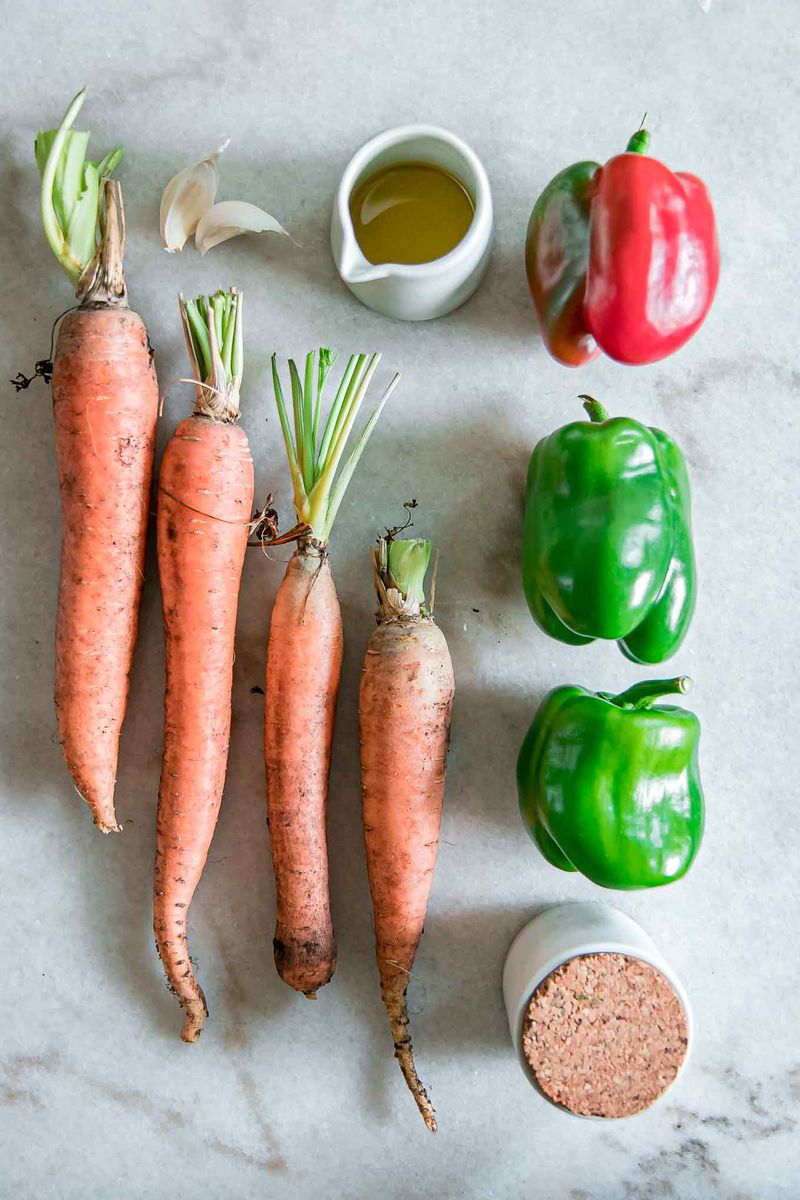
Carrots, with their vibrant orange hues, don’t just add color to your plate; they also promote healthy growth for bell peppers. These root vegetables loosen the soil, enhancing aeration and nutrient uptake for nearby plants.
By growing underground, carrots leave ample space for the above-ground bell peppers to flourish without competition. Their presence can also distract pests, drawing them away from the delicate pepper plants. In a garden of colors and scents, carrots and bell peppers make a dynamic duo, each playing its part in a thriving ecosystem.
4. Spinach
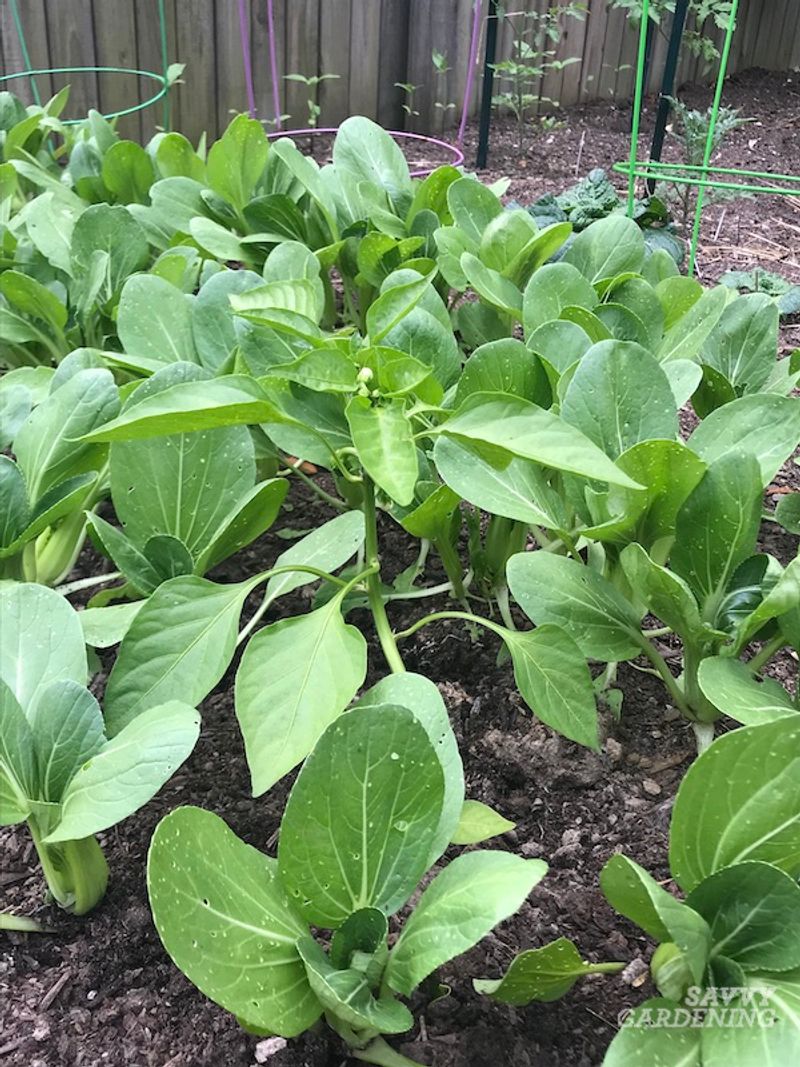
Spinach, with its rich green foliage, serves as a beneficial ground cover for bell peppers. This leafy vegetable not only conserves soil moisture but also suppresses weed growth, providing a nurturing environment for pepper plants.
Spinach thrives in cooler temperatures, complementing the bell pepper’s growth habits. When planted together, they ensure a garden that’s both productive and visually appealing. Their complementary growth patterns mean they coexist harmoniously, paving the way for a lush, green garden that yields nutritious harvests.
5. Chives
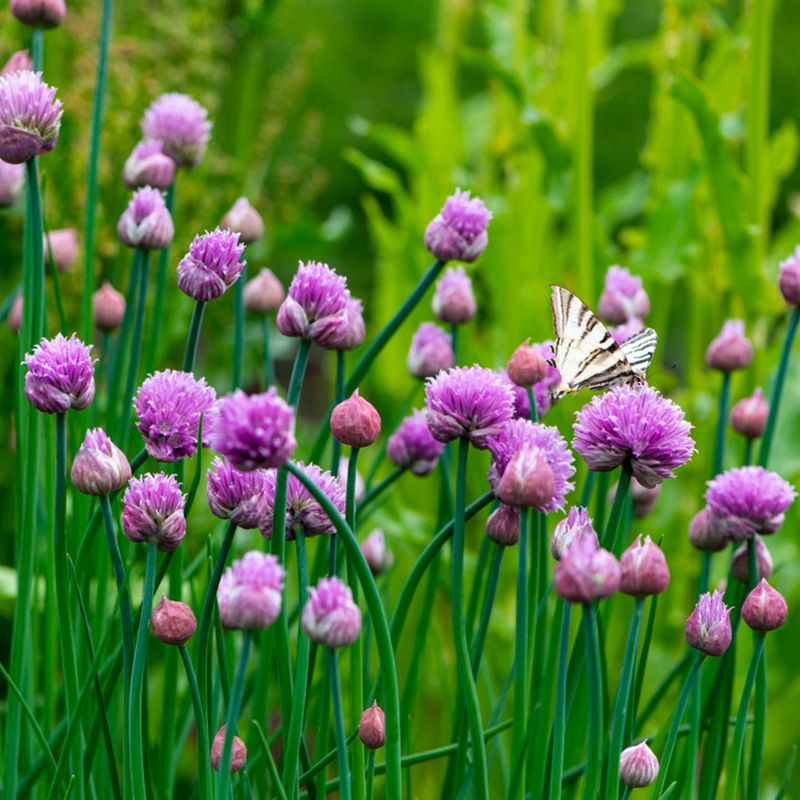
Chives, with their slender green stems and delightful purple flowers, are more than just a garnish. In the garden, they act as a natural pest deterrent for bell peppers, repelling aphids and other harmful insects.
Their shallow root system means they won’t compete with peppers for nutrients, allowing both plants to prosper. Additionally, chives can enhance the flavor profile of peppers when used together in culinary dishes. This partnership in the garden can lead to a delicious synergy on the plate, celebrating the rich flavors of the harvest.
6. Marigolds
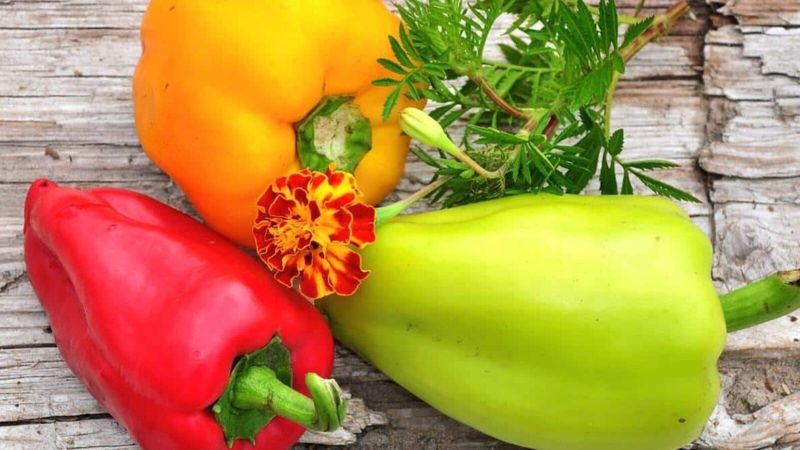
Marigolds, with their sunny blooms, are more than just ornamental additions to a garden. These flowers play a crucial role in promoting the health of bell peppers by repelling nematodes and other soil-borne pests.
The vibrant marigolds not only protect but also attract beneficial insects that can help pollinate the pepper plants. Their presence enhances the garden’s biodiversity, ensuring a thriving ecosystem where both peppers and marigolds can flourish. This vivid combination infuses the garden with color and vitality, supporting a bountiful harvest.
7. Onions
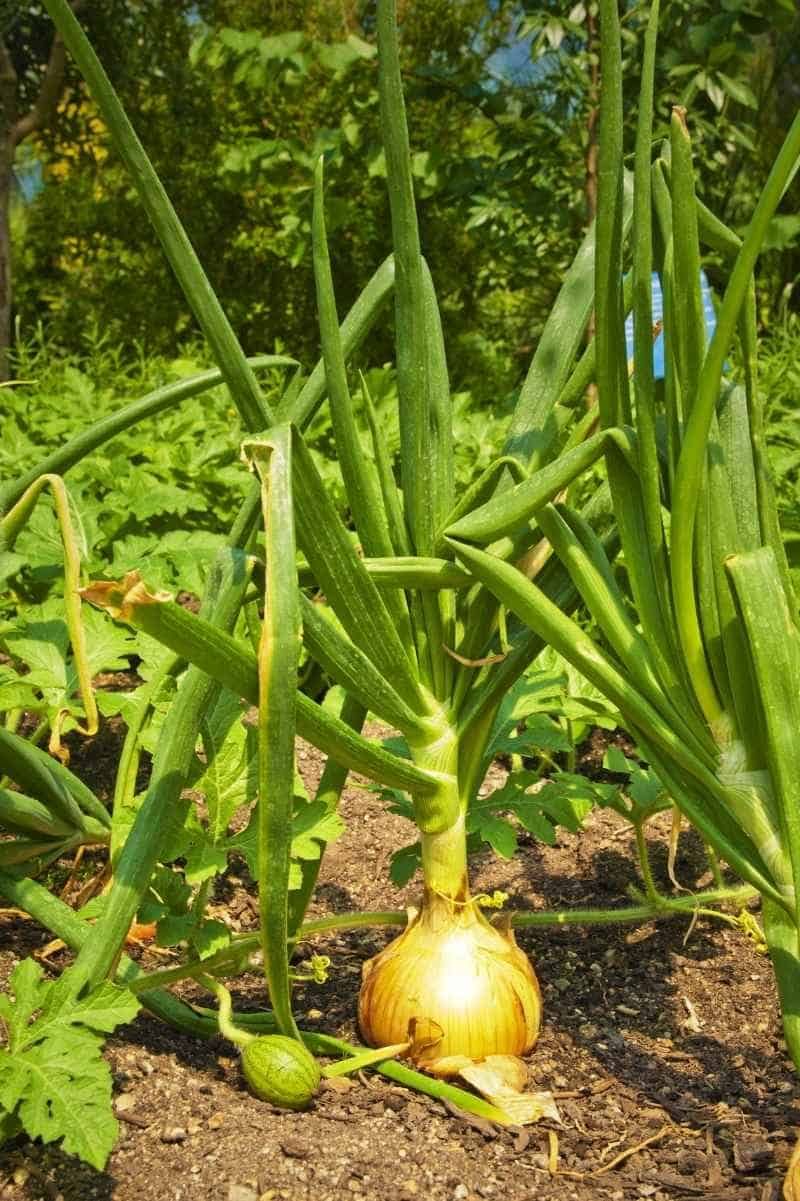
Onions, with their strong scent and layered bulbs, are the unsung heroes of companion planting. When placed near bell peppers, they serve as a natural deterrent to many pests, keeping the pepper plants safe.
Their deep roots help improve soil structure, allowing bell peppers to access essential nutrients and moisture. By sharing the same garden space, onions and peppers create a symbiotic relationship that benefits both crops. This harmonious pairing adds flavor both to the garden and the kitchen, making meal preparations a delight.
8. Lettuce
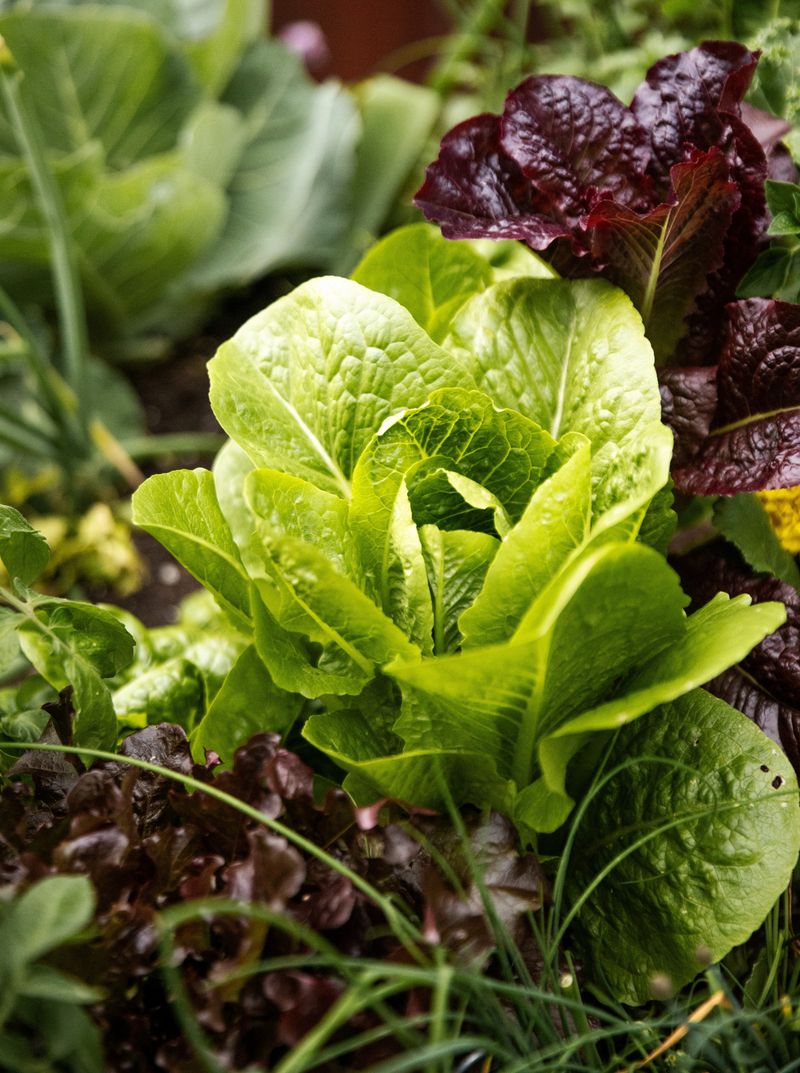
Lettuce, with its broad, lush leaves, serves as an excellent companion for bell peppers. These leafy greens provide ground cover, conserving moisture and reducing weed growth around the pepper plants.
Both lettuce and bell peppers enjoy similar growing conditions, making them ideal partners in the same garden bed. Their coexistence not only optimizes space but also boosts productivity, ensuring a continuous harvest throughout the growing season. In the world of gardening, lettuce and bell peppers exemplify the beauty of plant partnerships.
9. Parsley
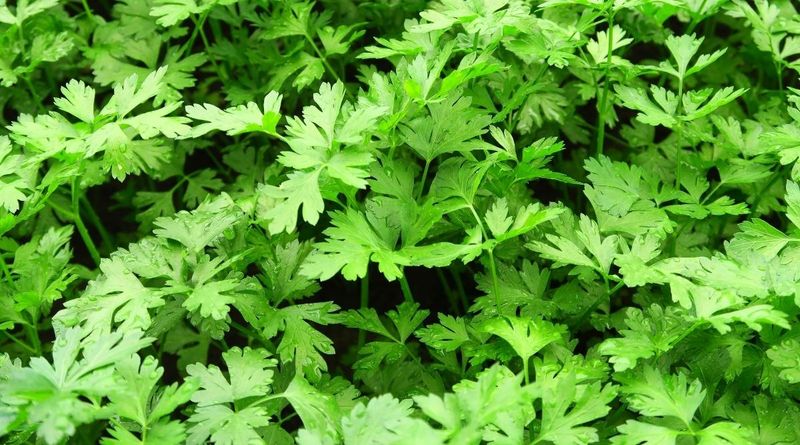
Parsley, with its vibrant green sprigs, offers more than just culinary appeal. In the garden, it acts as a companion to bell peppers by attracting beneficial insects that aid in pest control.
The herb’s presence promotes a balanced ecosystem, ensuring healthier pepper plants. Together, parsley and bell peppers thrive as they share nutrients and sunlight, fostering a robust and productive garden environment. This partnership underscores the power of nature’s alliances, turning a simple garden bed into a flourishing haven.
10. Cucumbers
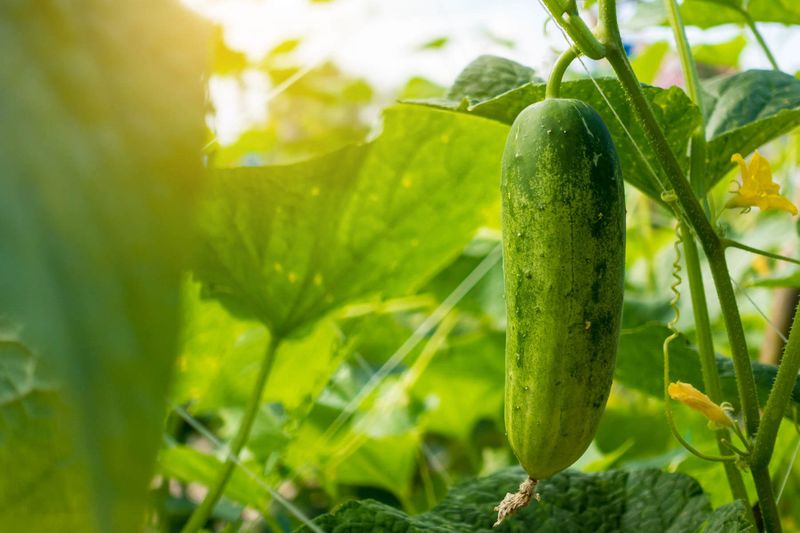
Cucumbers, with their refreshing crunch, not only complement bell peppers on a summer salad but also as garden companions. Their sprawling vines provide shade to the ground, retaining moisture for the pepper plants.
However, it’s crucial to manage their growth to ensure they don’t overshadow the peppers. When balanced correctly, cucumbers and bell peppers create a productive garden duo, each benefiting from the other’s presence. This cooperative relationship results in a bountiful and refreshing harvest, ready to grace any summer dish.
11. Radishes
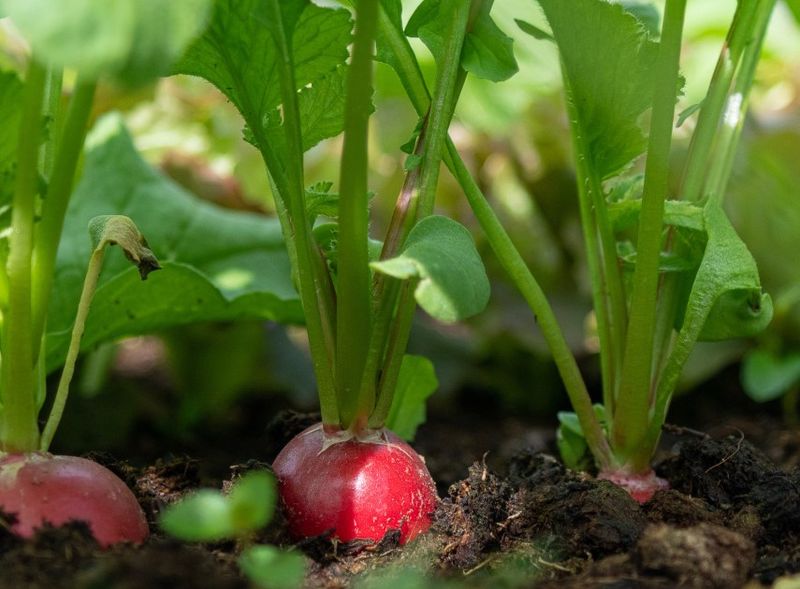
Radishes, with their peppery bite, serve as fast-growing companions to bell peppers. These quick growers help to break up the soil, improving aeration and drainage for the peppers.
Their rapid maturation means they can be harvested before the peppers fully develop, minimizing competition for nutrients. The presence of radishes can also deter certain pests, protecting the delicate pepper plants. By sharing the garden bed, radishes and bell peppers create a dynamic growth environment, each contributing to a prosperous and healthy garden.
12. Beans
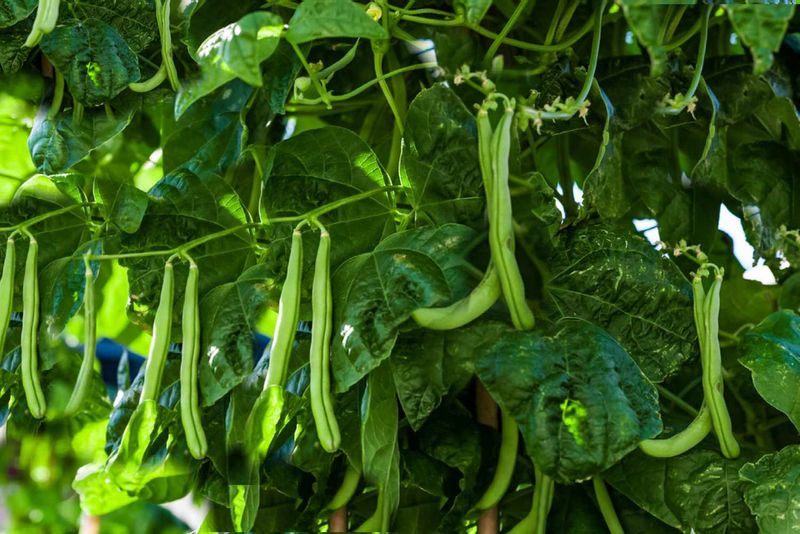
Beans, renowned for their nitrogen-fixing ability, are ideal partners for bell peppers. By enriching the soil, they support the nutritious needs of pepper plants, promoting their robust growth.
Additionally, beans’ vertical growing habit means they occupy minimal ground space, leaving room for the peppers to thrive. Together, beans and bell peppers can transform a garden into a lush, productive haven, each plant playing its part in a sustainable, self-sufficient ecosystem. Their partnership is a testament to nature’s cooperative spirit.
13. Cilantro
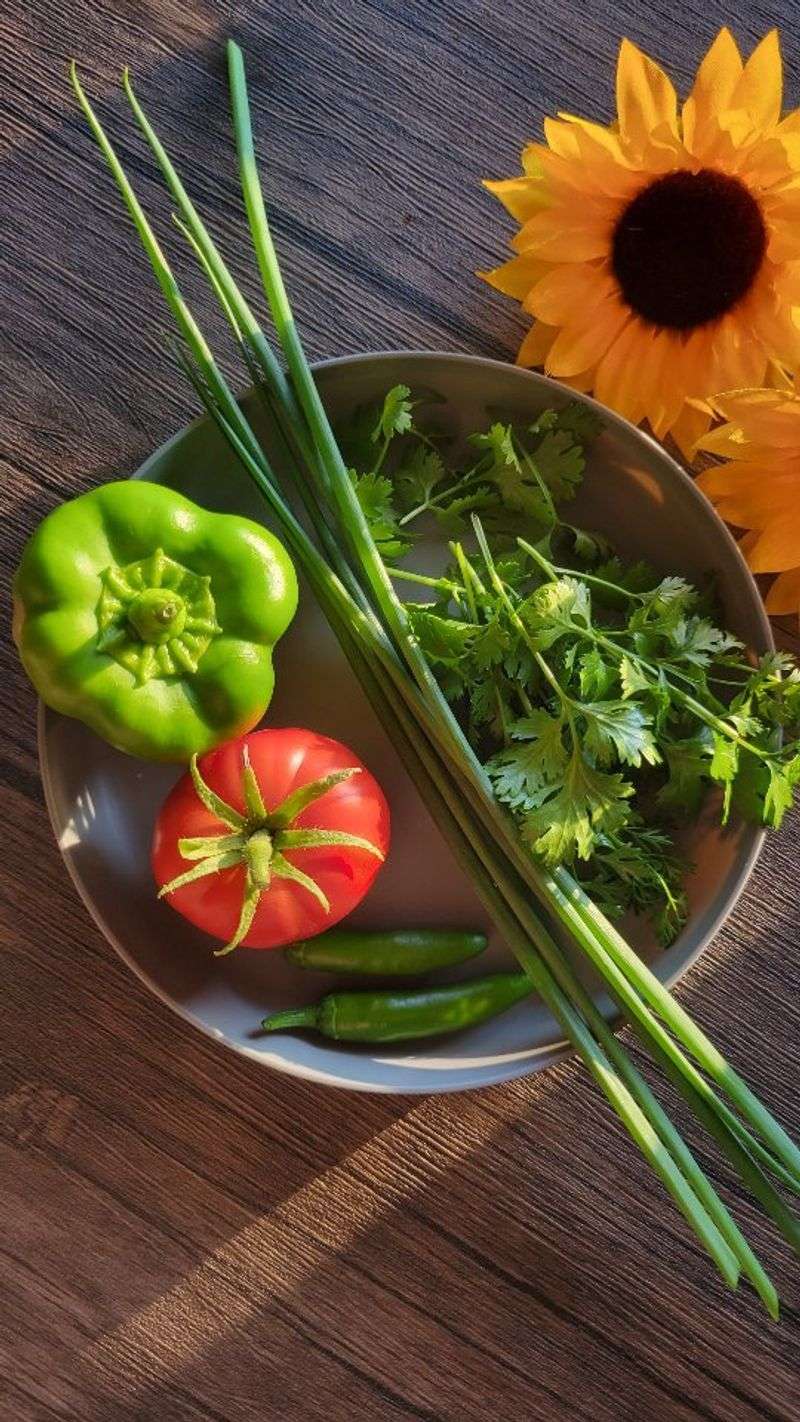
Cilantro, with its distinctive flavor, serves a dual purpose when grown alongside bell peppers. Its aromatic leaves help to deter pests, creating a protective barrier for the peppers.
As cilantro grows quickly, it can be harvested and replenished throughout the season, ensuring continuous companionship. While cilantro’s strong scent might be polarizing in the kitchen, in the garden, it’s undeniably effective in nurturing its peppery neighbors. This fragrant alliance results in a garden that thrives both visually and aromatically, ready to yield a flavorful harvest.
14. Garlic
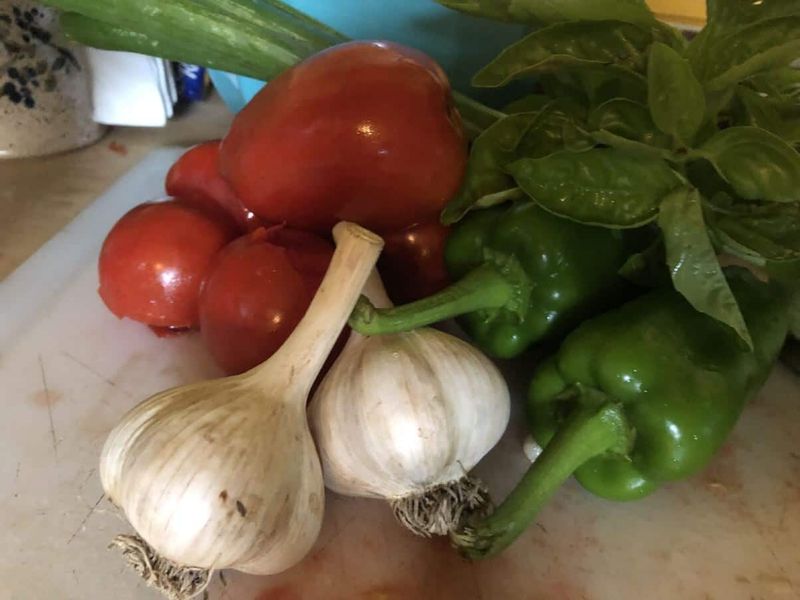
Garlic, with its robust cloves, is a powerhouse in pest deterrence. When planted near bell peppers, it exudes a scent that keeps many harmful insects at bay.
Aside from protection, garlic enhances the soil’s health, promoting a vigorous environment for peppers to thrive. By sharing the same garden space, garlic and bell peppers form a protective bond, shielding each other from potential threats. This dynamic pairing not only ensures a healthy garden but also brings unique flavors to your kitchen creations.
15. Squash
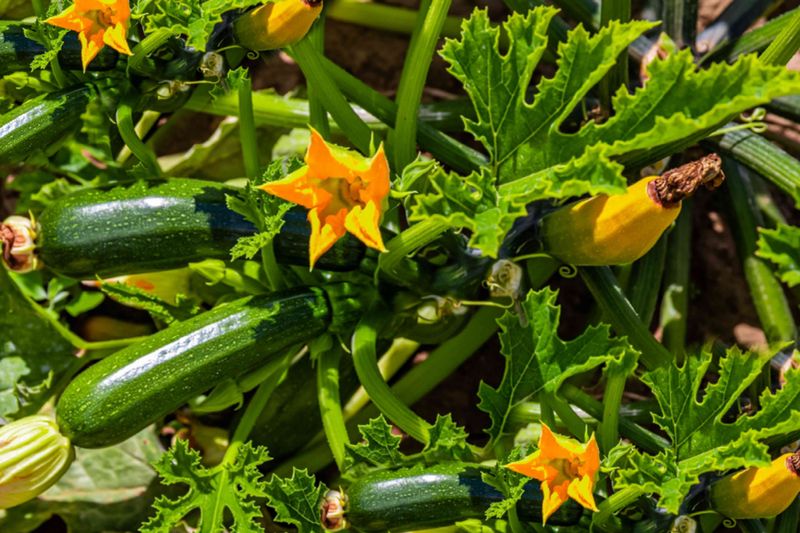
Squash, with its sprawling vines and large leaves, provides excellent ground cover for bell peppers. This coverage helps to retain soil moisture and suppress weed growth, creating an optimal environment for pepper plants.
Though squash demands space, careful placement alongside peppers can result in a productive partnership. Together, they create a garden that’s visually appealing and highly productive, offering a bountiful harvest that celebrates the diversity of flavors and textures. Their coexistence is a lesson in maximizing garden potential.
16. Nasturtiums
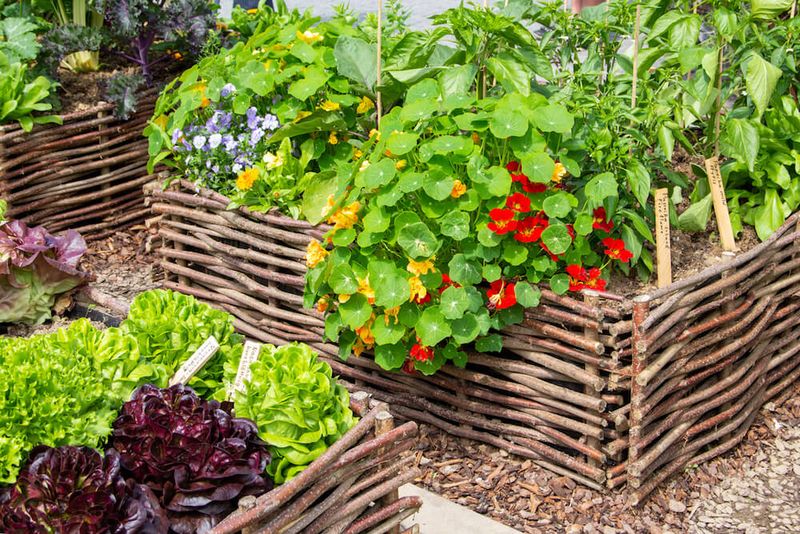
Nasturtiums, with their bright, cheerful blooms, are a gardener’s ally in pest control. These flowers attract aphids away from bell peppers, acting as a natural insect trap.
Additionally, nasturtiums can draw pollinators to the garden, enhancing the growth of pepper plants. Their colorful presence not only beautifies the garden but fosters an environment where both flowers and peppers can flourish. This symbiotic relationship is a testament to the power of nature’s partnerships, resulting in a healthy, vibrant garden.
17. Thyme
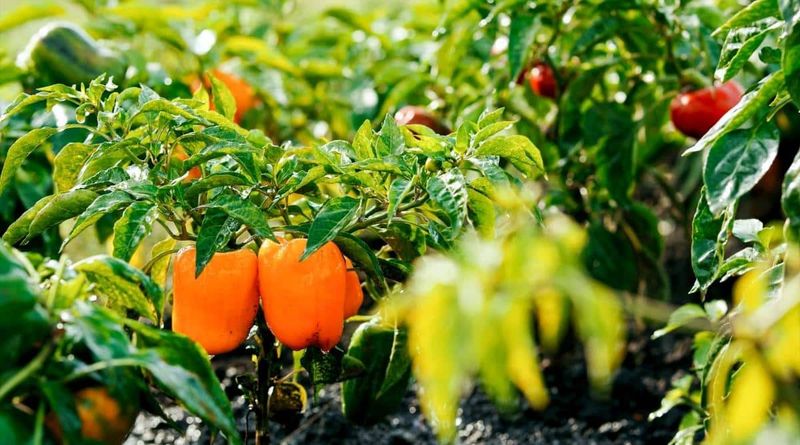
Thyme, with its aromatic leaves, serves as a natural pest deterrent, making it a valuable companion for bell peppers. This hardy herb thrives in similar conditions to peppers, ensuring both plants flourish side by side.
Thyme’s low-growing habit allows it to provide ground cover, retaining soil moisture and preventing weed growth around pepper plants. Together, thyme and bell peppers create a harmonious garden environment, exuding a delightful fragrance while promoting a healthy ecosystem. Their partnership underscores the beauty of complementary plant relationships.
18. Mint
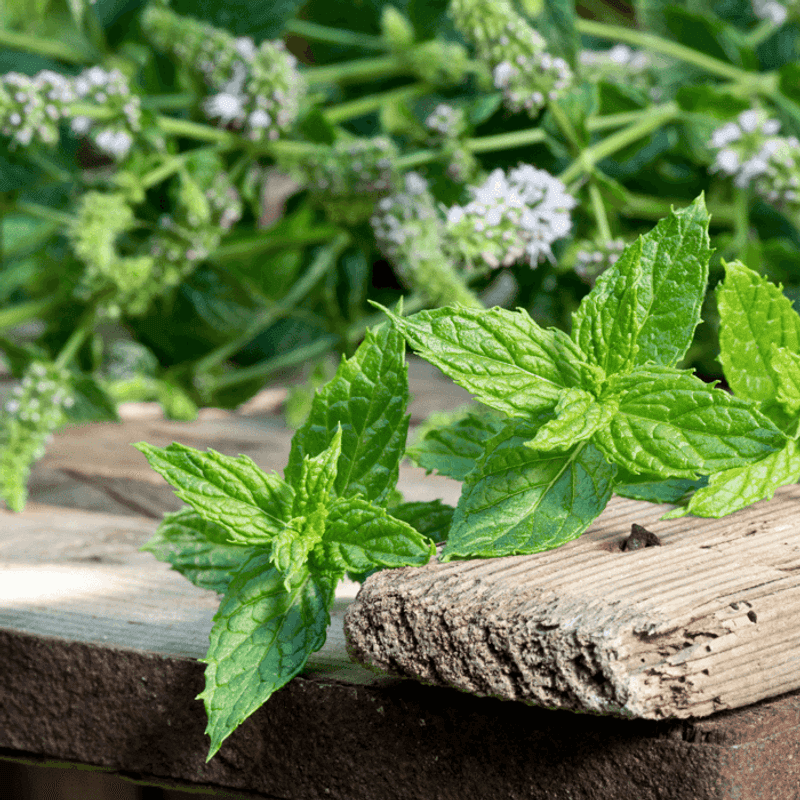
Mint, with its invigorating scent, acts as a natural insect repellent when planted alongside bell peppers. Its aromatic oils deter pests, offering protection to delicate pepper plants.
However, mint’s vigorous growth needs to be managed to prevent it from overtaking the garden. When contained, mint and bell peppers form a cooperative alliance, contributing to a garden that’s both productive and pest-free. Their coexistence results in a fragrant and fruitful environment, perfect for culinary adventures.
19. Eggplants
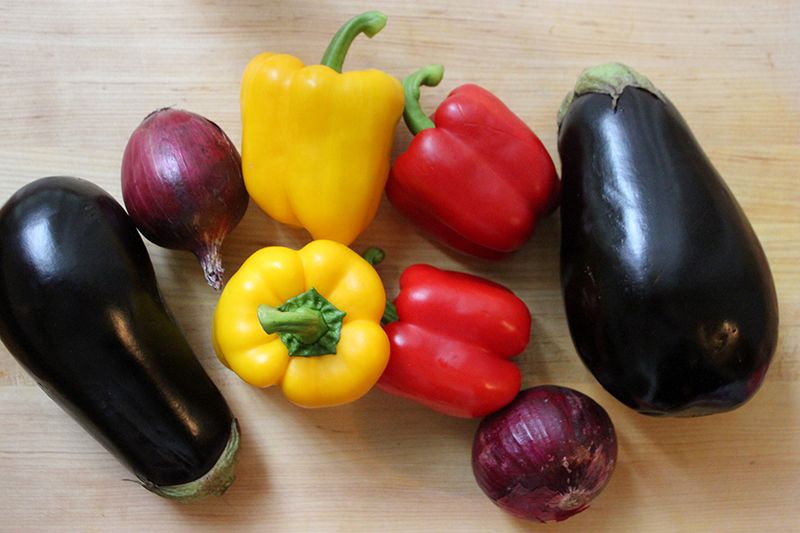
Eggplants, with their glossy purple fruits, share a symbiotic relationship with bell peppers. These two nightshades thrive under similar conditions, making them perfect garden companions.
Eggplants can attract beneficial insects that aid in pollination and pest control, enhancing the health of pepper plants. By sharing space, they optimize garden resources, resulting in bountiful harvests. This partnership illustrates the power of strategic planting, where two crops enhance each other’s growth, creating a productive and harmonious garden.
20. Peas
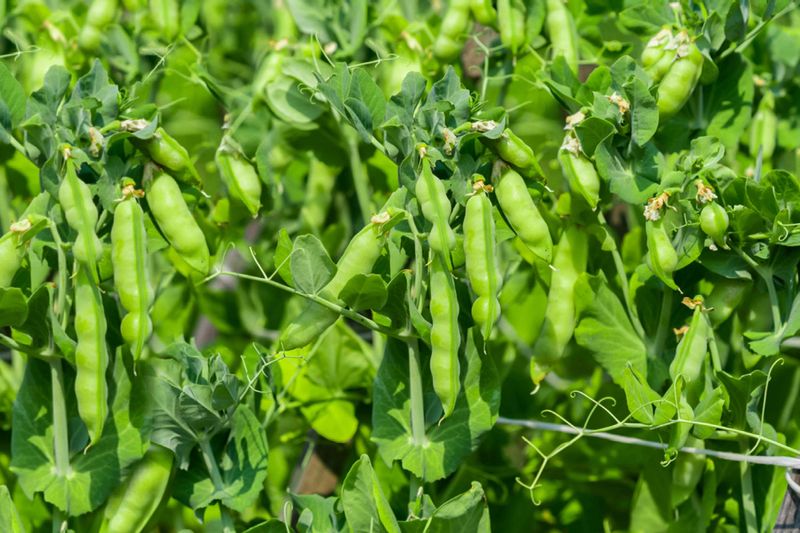
Peas, with their nitrogen-fixing capabilities, enrich the soil for bell peppers, promoting robust growth. Their climbing habit ensures they occupy vertical space, allowing peppers ample room to thrive below.
Together, peas and bell peppers create a balanced ecosystem, optimizing garden productivity and health. This collaboration highlights the benefits of thoughtful companion planting, where each plant contributes to a thriving, self-sustaining garden environment. The result is a lush, green tapestry of growth and nourishment, ripe for the picking.
21. Beets
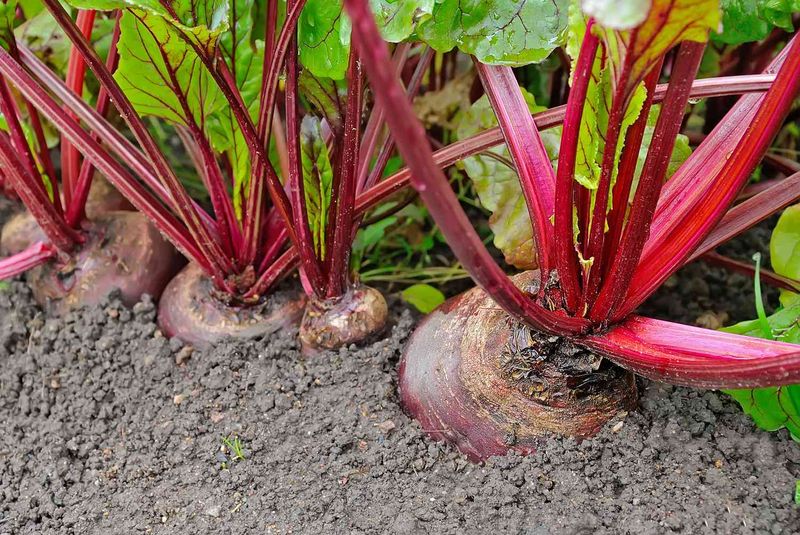
Beets, with their deep red roots, provide more than just earthy sweetness to your meals. In the garden, they help to enhance soil structure, benefiting nearby bell peppers.
Their presence can aid in pest deterrence, establishing a protective barrier for pepper plants. By sharing nutrients and space, beets and bell peppers complement each other, fostering a healthy and productive garden. This partnership showcases the beauty of complementary growth, where diversity in planting leads to a rich and fruitful harvest season.
22. Asparagus
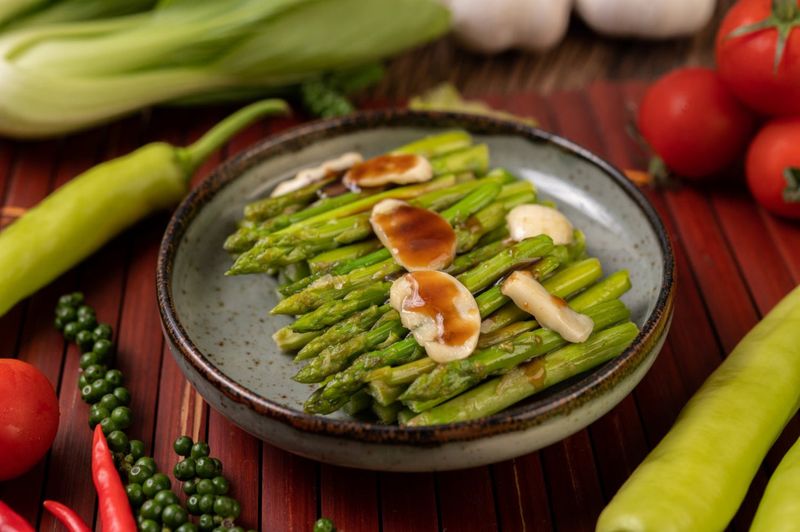
Asparagus, with its tender green spears, makes a surprising yet beneficial companion for bell peppers. As perennial plants, asparagus can improve soil health over time, benefiting the annual growth of peppers.
They offer structural support to the garden, creating a diverse ecosystem where peppers can thrive. This unlikely partnership demonstrates the power of diversity in planting, where different crops work together to enhance each other’s growth and productivity. The result is a garden full of life, ready to yield an abundant harvest.
23. Potatoes
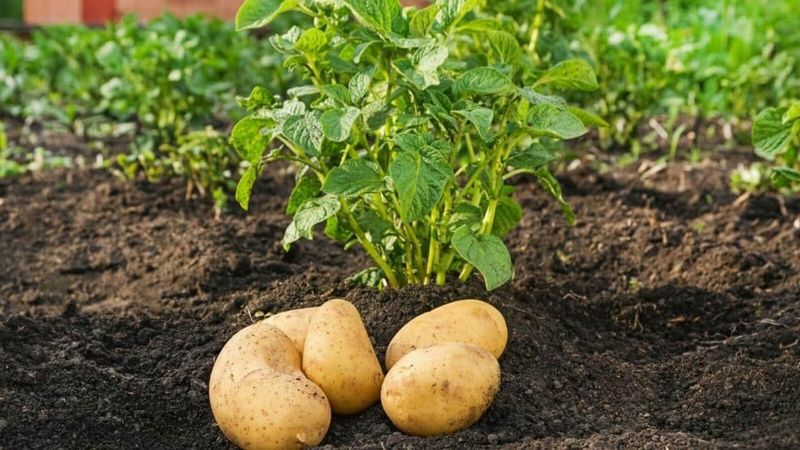
Potatoes, with their earthy tubers, share a complex relationship with bell peppers. While both belong to the nightshade family, they can be grown together with careful management.
Potatoes help to aerate the soil, benefiting pepper plant roots. However, they require ample space, so strategic placement is essential. When managed properly, potatoes and bell peppers can coexist peacefully, contributing to a diverse and productive garden. This relationship highlights the importance of thoughtful planting, where compatibility is key to a thriving garden ecosystem.
24. Sunflowers
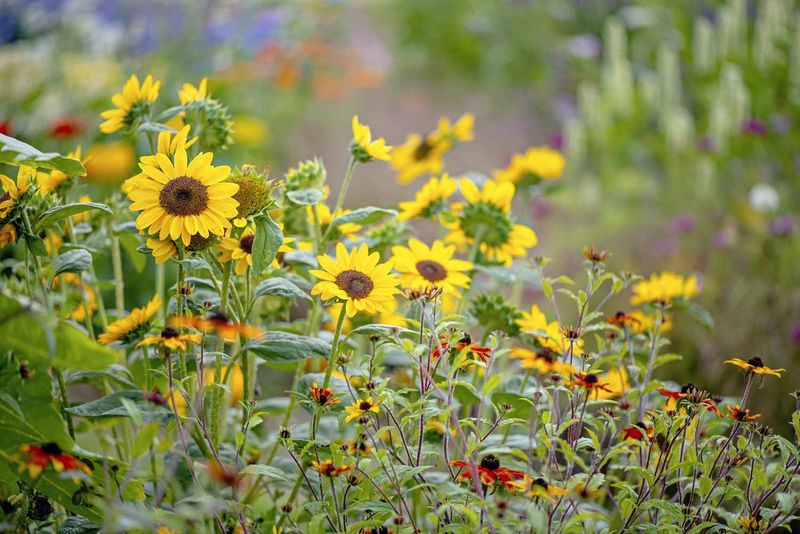
Sunflowers, with their towering stalks and radiant blooms, provide more than just visual appeal in a garden. When planted near bell peppers, they offer shade and act as windbreaks, protecting the delicate plants.
Their presence can help to attract pollinators, enhancing the peppers’ growth. Together, sunflowers and bell peppers create a vibrant and dynamic garden environment, where beauty and productivity thrive side by side. This partnership celebrates the harmony of nature, where each plant plays a role in a flourishing ecosystem.
25. Broccoli
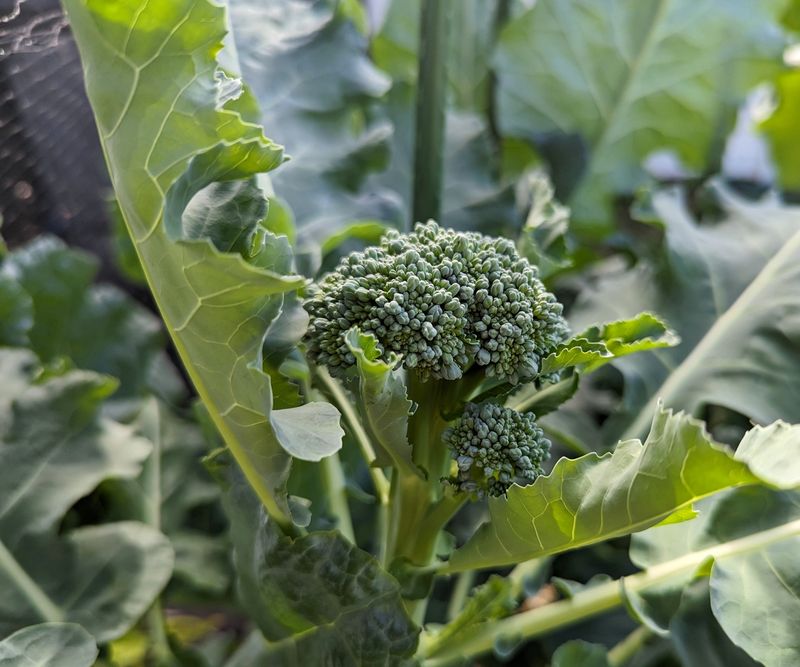
Broccoli, with its dense clusters, serves as a nutrient-rich companion for bell peppers. These two plants can share the same garden space, enhancing soil health and productivity.
Broccoli’s presence can deter certain pests, protecting the pepper plants. By growing together, they create a balanced ecosystem that supports robust growth and abundant harvests. This partnership exemplifies the power of diversity in planting, where varied crops work together to form a sustainable and thriving garden environment.
26. Rosemary
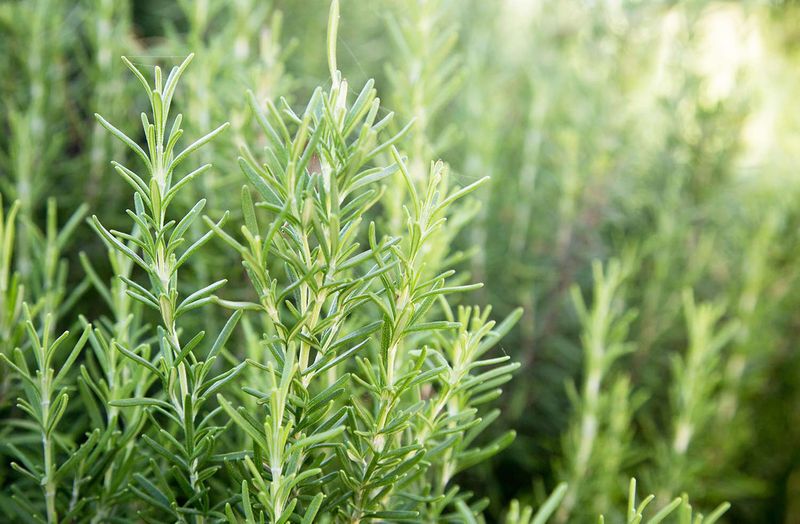
Rosemary, with its fragrant needles, is a natural pest deterrent, making it a valuable ally for bell peppers. This hardy herb thrives in similar conditions, ensuring both plants flourish side by side.
Rosemary’s aromatic presence enhances the garden’s sensory experience, while its pest-repelling properties protect the pepper plants. Together, they form a harmonious garden environment, marrying fragrance with functionality. This partnership underscores the beauty of complementary growth, where each plant contributes uniquely to a thriving ecosystem.
27. Corn
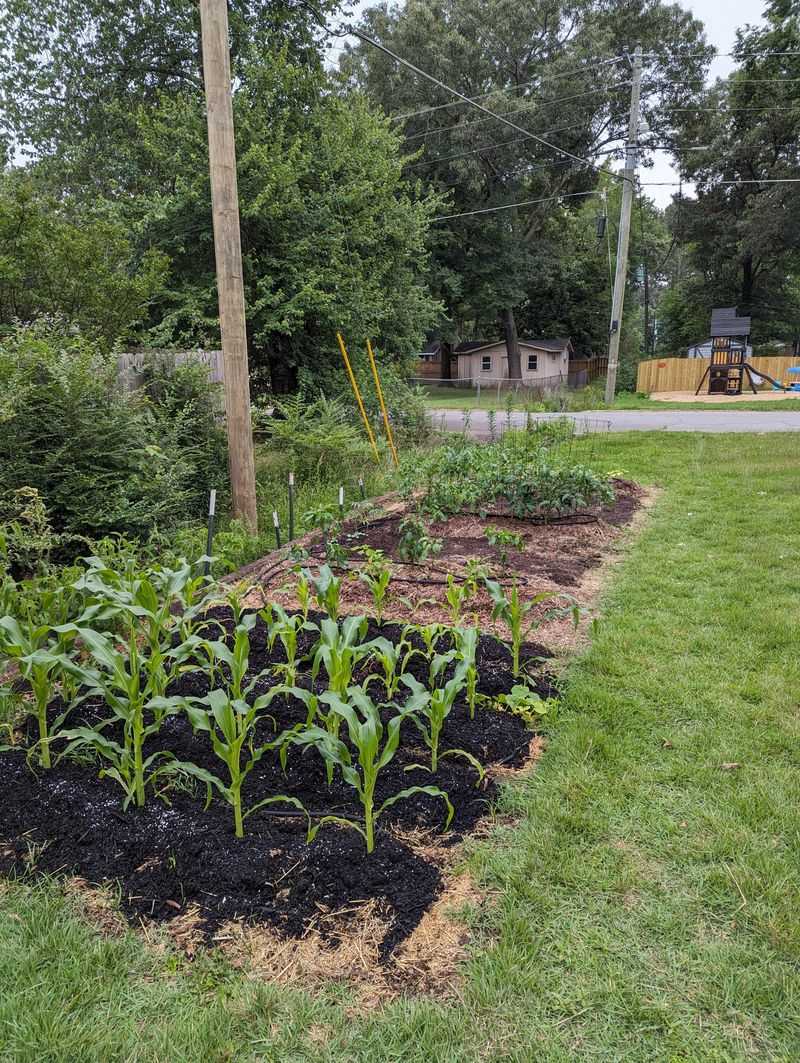
Corn, with its towering stalks, provides shade and structural support for bell peppers. These two plants can complement each other well, creating a diverse and productive garden environment.
Corn’s presence can help to attract beneficial insects, enhancing the growth and health of pepper plants. Together, they form a symbiotic relationship where each plant benefits from the other’s characteristics. This pairing demonstrates the power of strategic planting, where diversity in crops leads to a vibrant and flourishing garden.
28. Fennel
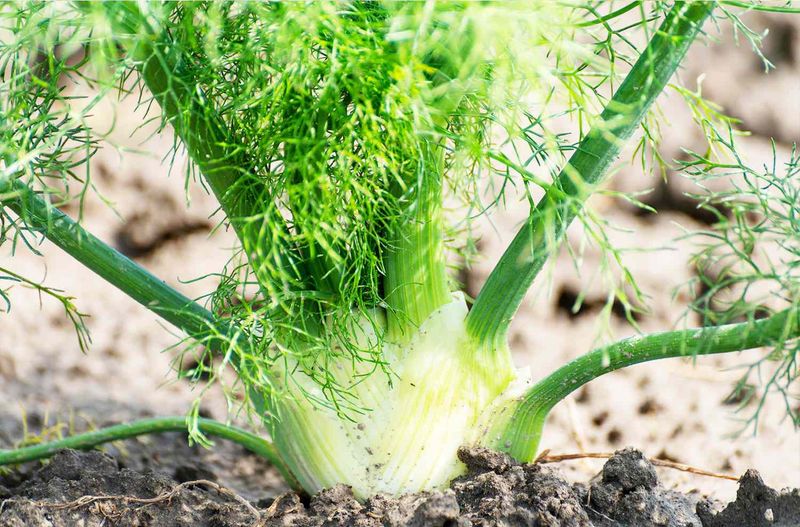
Fennel, with its aromatic foliage and distinctive bulb, poses a challenge when planted near bell peppers. While it can attract beneficial insects, its allelopathic properties mean it may inhibit the growth of nearby plants.
The competition for nutrients and space can be detrimental to pepper plants, making fennel a less-than-ideal garden companion. This relationship highlights the importance of understanding plant interactions, where thoughtful placement is crucial to ensuring the health and productivity of your garden.
29. Kale
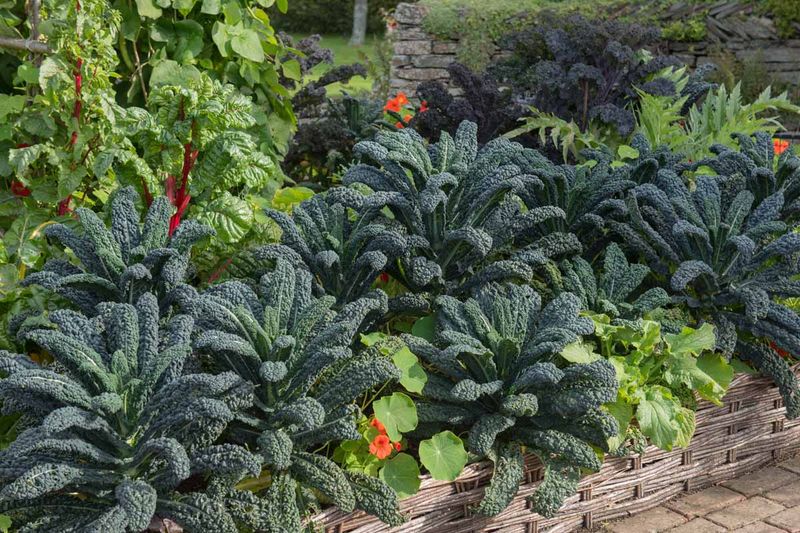
Kale, with its nutrient-dense leaves, makes an excellent companion for bell peppers. These two plants can share the same garden bed, promoting robust growth and productivity.
Kale’s presence can aid in pest deterrence, protecting the pepper plants. By growing together, they create a balanced ecosystem that supports vigorous growth and abundant harvests. This partnership exemplifies the power of companion planting, where diverse crops enhance each other’s growth, forming a thriving garden environment.
30. Zucchini
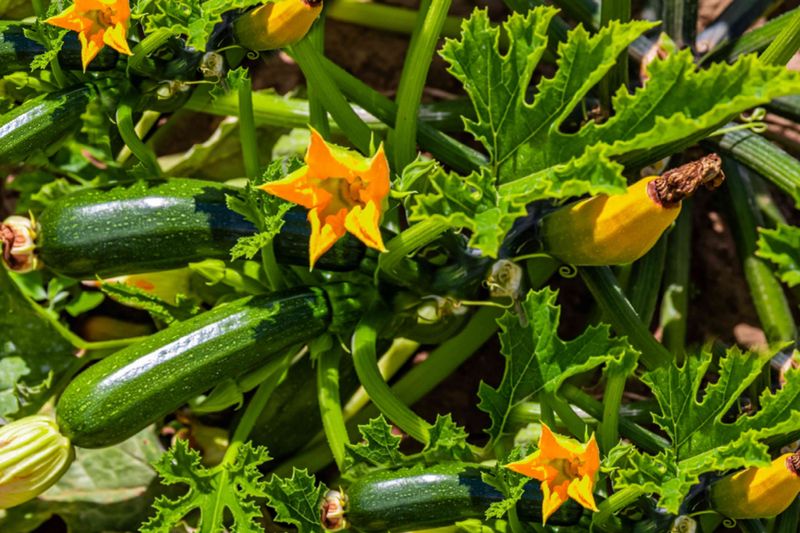
Zucchini, with its sprawling vines, provides excellent ground cover for bell peppers. This coverage helps to retain soil moisture and suppress weed growth, creating an optimal environment for pepper plants.
However, zucchini requires substantial space, so careful planning is essential to ensure both plants thrive. Together, they form a productive garden partnership, offering a bountiful harvest that celebrates the diversity of flavors and textures. Their coexistence is a lesson in maximizing garden potential through strategic planting.