
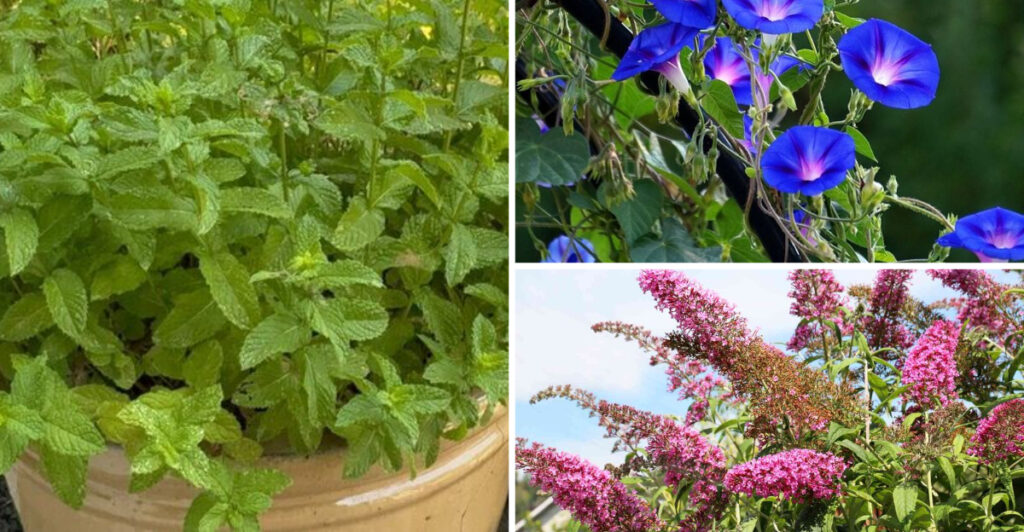
Gardening enthusiasts know that not all plants are beneficial for a flourishing garden. While some common garden plants can actually hinder growth, others have the power to both stop weeds and attract vital pollinators. This blog post highlights 11 plants you might want to avoid and introduces you to 17 incredible options that do double duty by controlling unwanted weeds while providing nourishment to pollinators. By choosing the right plants, you can create a thriving, harmonious garden ecosystem.
1. English Ivy
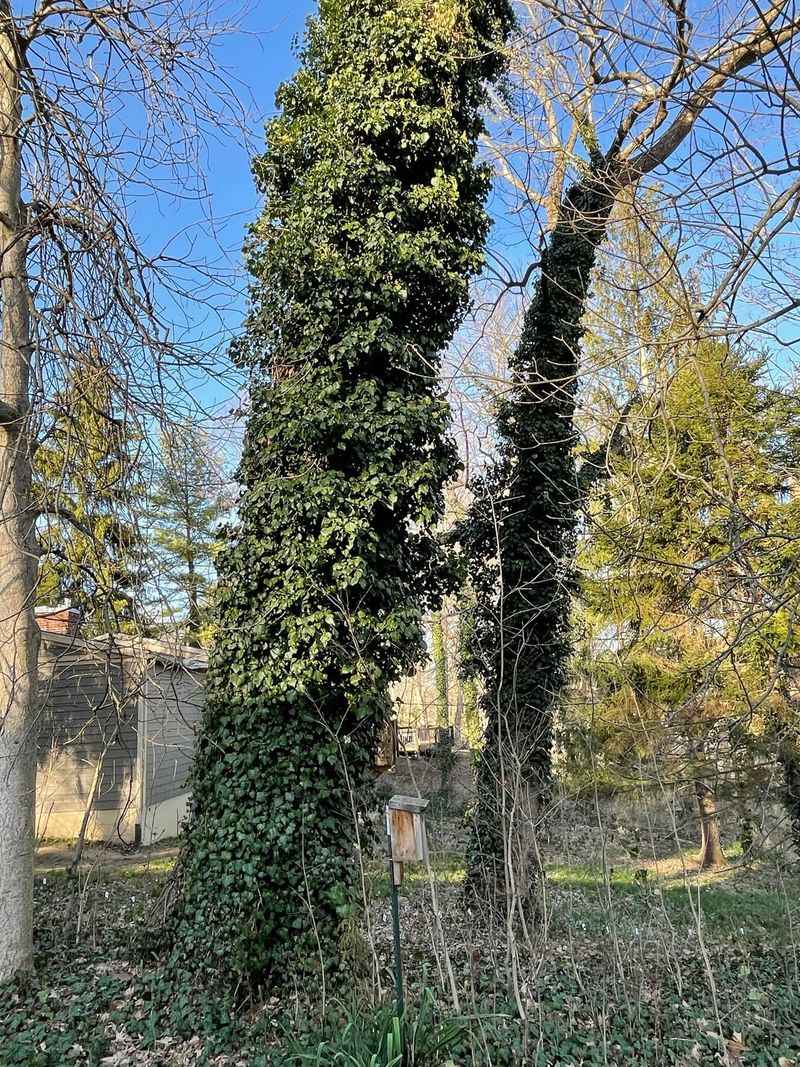
English Ivy, with its lush green foliage, often tempts gardeners with promises of evergreen beauty. However, beneath its charming exterior lies a tenacious invader, known for aggressively climbing and choking other plants. This invasive species can quickly dominate garden spaces, leaving little room for native flora. English Ivy’s rapid growth can overwhelm and damage structures, making it a plant to reconsider for your garden.
Its dense coverage may seem appealing, but it provides minimal benefits to pollinators. For a healthier ecosystem, consider opting for native, non-invasive alternatives that support both plant and animal life.
2. Wisteria
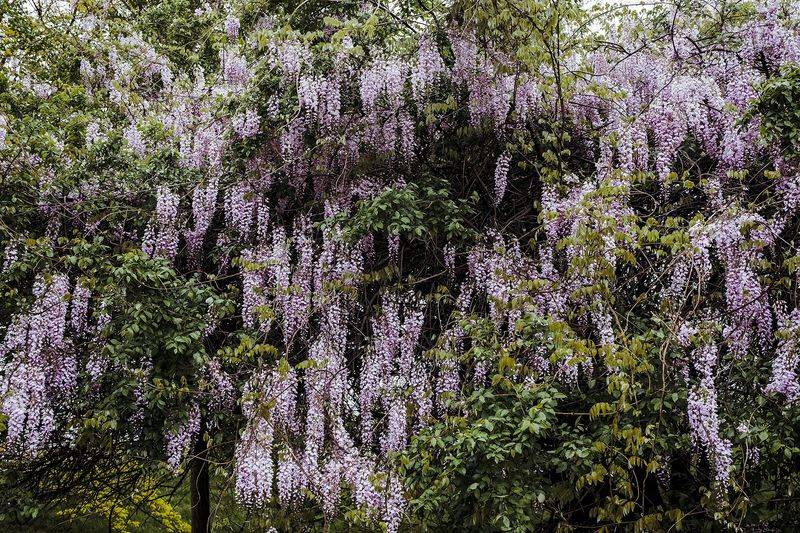
Wisteria captivates with its stunning, cascading blossoms. These fragrant blooms can transform any garden into a picturesque paradise. However, their beauty comes at a cost. Wisteria vines are known for their aggressive growth, often overwhelming other plants and structures. The plant’s heavy vines can cause damage if not regularly pruned and controlled.
While its flowers attract some pollinators, the plant’s invasive nature makes it less desirable. Consider planting alternatives like native flowering vines that provide similar beauty without the maintenance challenges and ecosystem disruption.
3. Bamboo
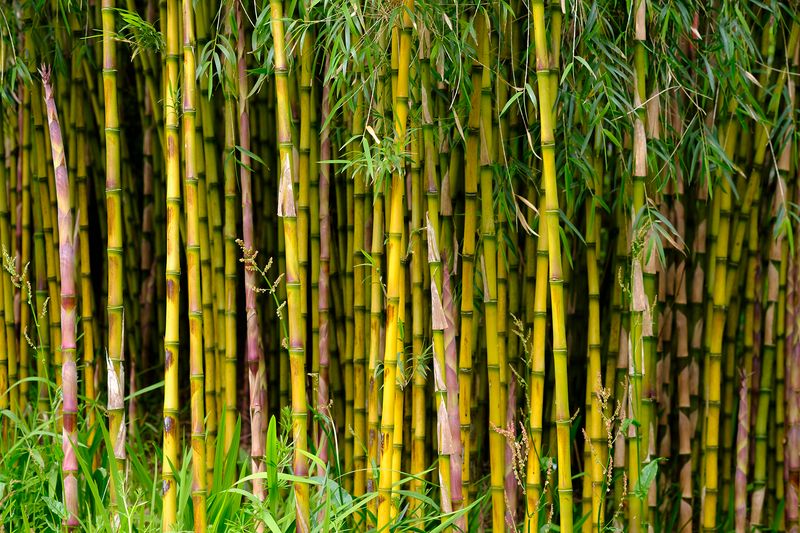
Bamboo’s exotic appeal and rapid growth make it a popular choice for creating privacy screens and windbreaks. Yet, its aggressive nature can quickly become unmanageable. Bamboo spreads rapidly through underground rhizomes, often invading neighboring yards and gardens. Once established, it can be incredibly difficult to remove.
This plant offers little benefit to pollinators and can displace native species. Gardeners should consider less invasive alternatives that provide similar structural benefits without the risk of uncontrollable spread. Proper containment measures are essential if you choose to include bamboo.
4. Mint
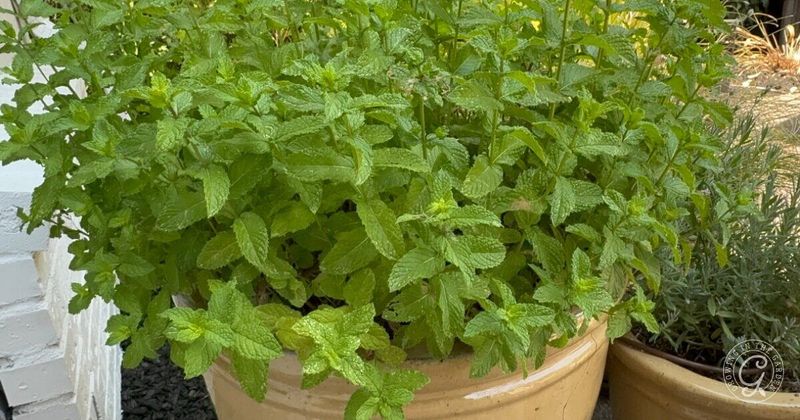
Fragrant and refreshing, mint is a beloved herb in culinary arts. Its vigorous growth can quickly transform from blessing to bane, as it aggressively spreads through underground runners. Mint’s invasive nature often leads to it overtaking garden beds, leaving little room for other herbs or plants to thrive.
While it can attract pollinators, its tendency to dominate makes it a plant to manage carefully. Consider growing mint in containers to prevent it from becoming a garden nuisance, allowing you to enjoy its benefits without the competitive drawbacks.
5. Morning Glory
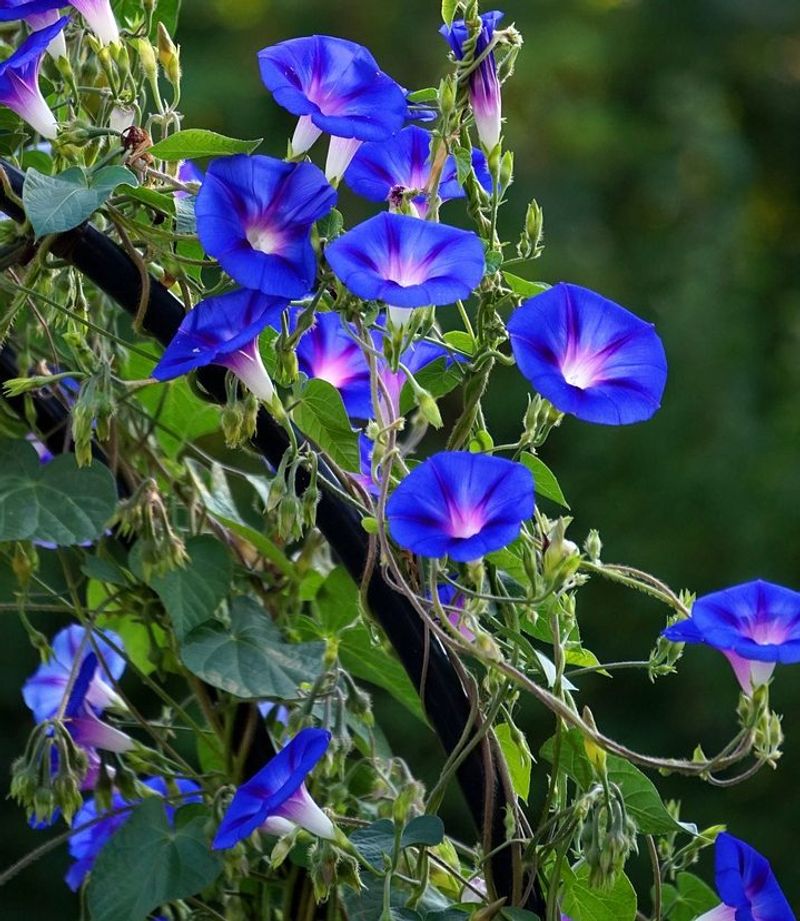
Morning Glories enchant with their striking, trumpet-shaped flowers that bloom each dawn. Despite their captivating appearance, these plants can be problematic. Known for fast growth, they can quickly cover fences and trellises, often smothering other plants in their path.
Though they attract some pollinators, their invasive potential makes them a cautious choice for gardeners. Consider training them on trellises away from delicate plants, or opt for non-invasive flowering vines that provide similar visual appeal with less risk of garden dominance.
6. Yellow Archangel
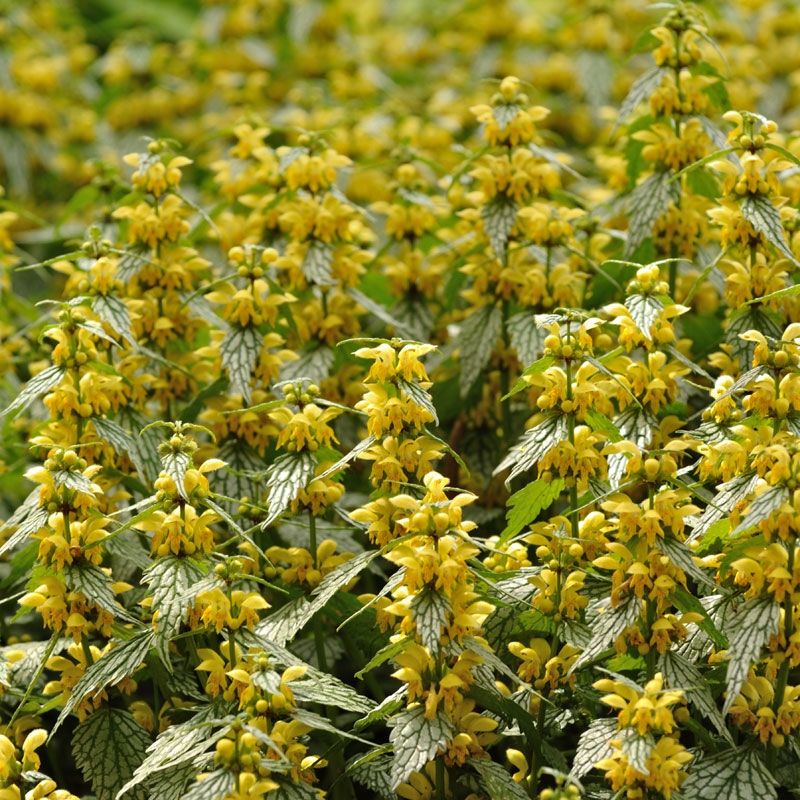
Yellow Archangel, with its cheerful yellow flowers and silver-variegated leaves, might seem like a welcome garden addition. However, it often outcompetes native plants, spreading rapidly across garden spaces and natural areas. Its invasive nature can disrupt local ecosystems, making it a plant to avoid for environmentally-conscious gardeners.
While it provides some ground cover, its benefits to pollinators are limited. Opt for native ground covers that support a richer biodiversity, benefiting both your garden and local wildlife.
7. Russian Olive
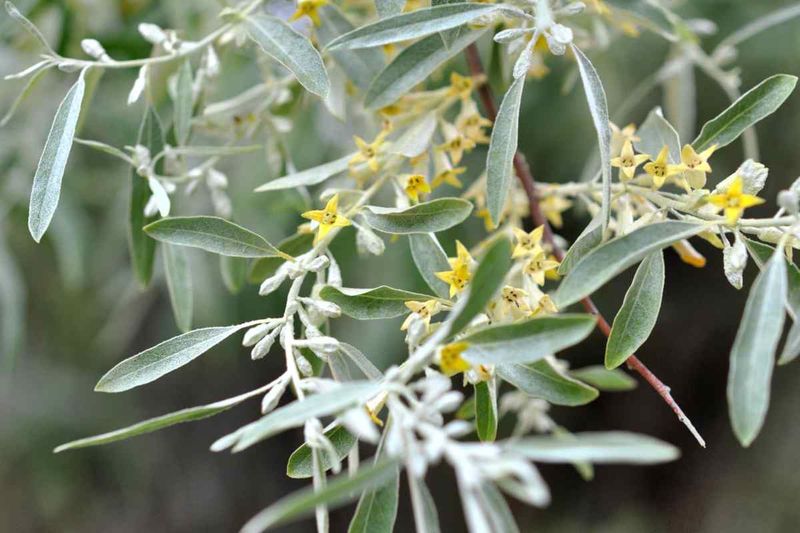
Russian Olive trees, with their silvery foliage and yellow fruits, offer a unique aesthetic to gardens. Yet, these trees are notorious for their invasive nature in many areas. They quickly establish and spread, often displacing native vegetation and altering soil chemistry.
While some birds enjoy the fruits, the tree provides limited benefits to pollinators and can harm local ecosystems. Gardeners should consider native trees and shrubs that offer similar visual appeal without the ecological drawbacks that Russian Olive often presents.
8. Butterfly Bush
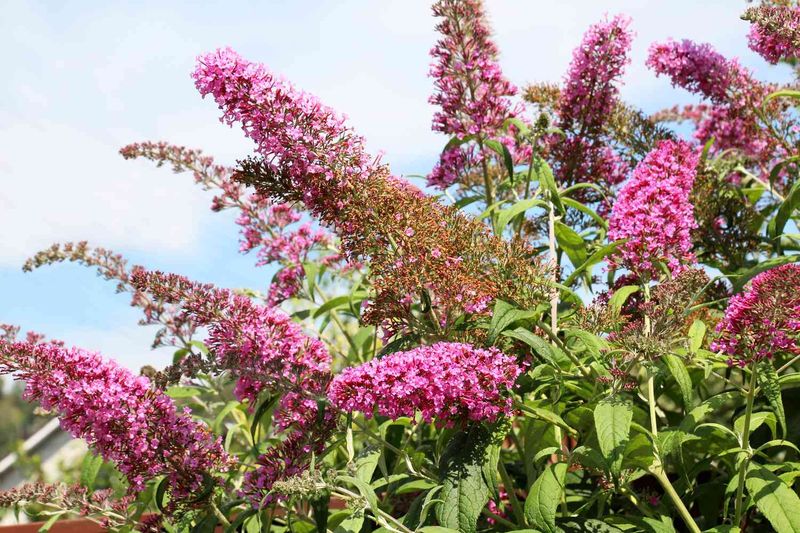
Butterfly Bush, with its vibrant flower clusters, promises to attract colorful butterflies to any garden. However, it often comes with a hidden cost. In some regions, this popular shrub behaves invasively, spreading beyond intended areas and crowding out native plants.
While it does attract butterflies, its impact on local ecosystems can be negative. Consider alternative plants that offer nectar and pollen without the invasive tendencies, ensuring a balance between beauty and ecological responsibility in your gardening choices.
9. Periwinkle
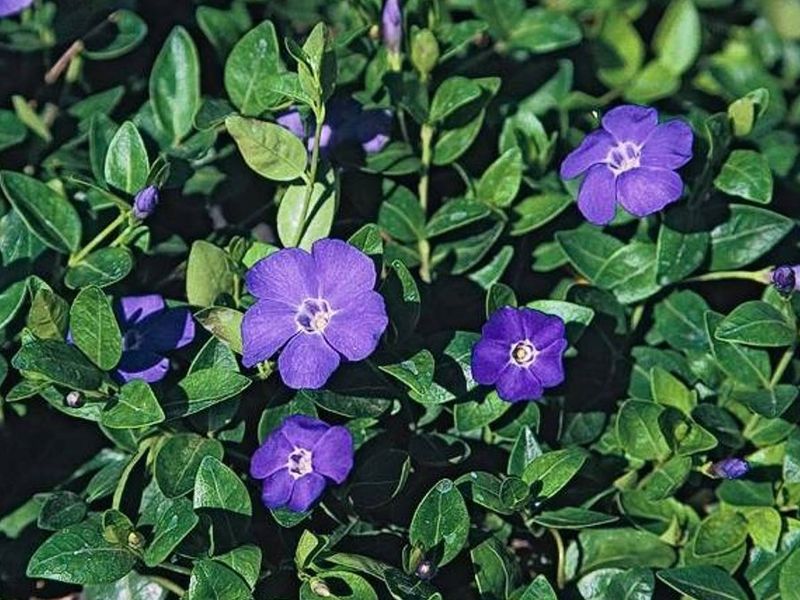
Periwinkle, with its glossy leaves and delicate purple flowers, might seem like an ideal ground cover. Yet, its aggressive growth can quickly lead to it overtaking garden beds and natural areas. Known for its ability to create dense mats, it can suppress the growth of native plants and reduce biodiversity.
While aesthetically pleasing, its benefits to pollinators are minimal. Consider native ground covers that offer similar beauty and texture, enhancing biodiversity in your garden while maintaining ecological balance.
10. Garlic Mustard
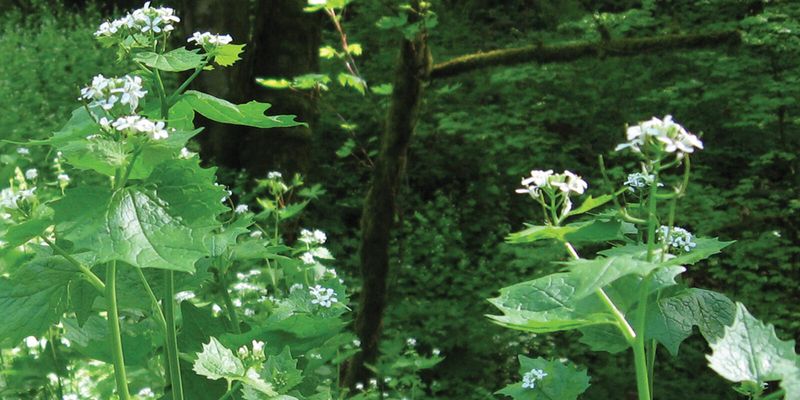
Garlic Mustard, a biennial herb with small white flowers, is known for its rapid spread in woodland areas. This invasive plant can dominate the understory of forests, displacing native species and disrupting natural habitats. Its high seed production and allelopathic properties inhibit the growth of other plants, making it a problematic invader.
Although it possesses culinary uses, its ecological impact can be severe. Gardeners should avoid planting Garlic Mustard and consider native herbs that support local wildlife and flora without the invasive consequences.
11. Japanese Knotweed
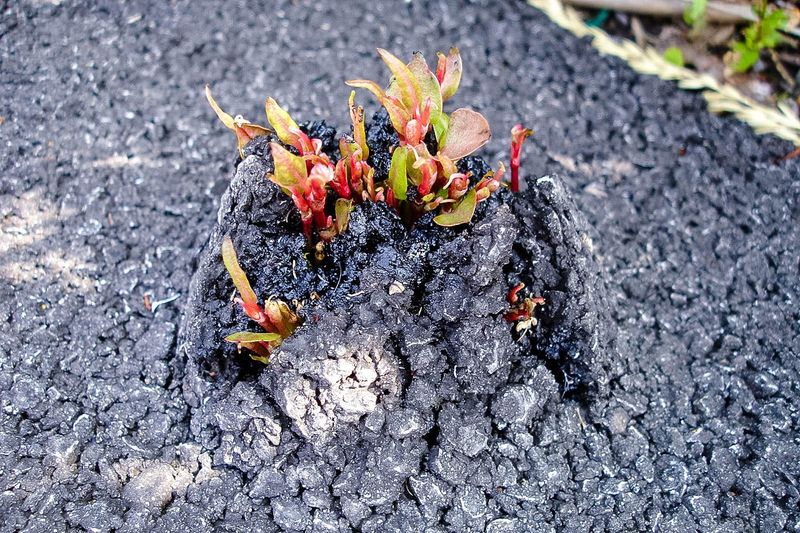
Japanese Knotweed, with its tall, bamboo-like stems and heart-shaped leaves, often wreaks havoc in gardens and wild spaces. Known for its aggressive growth, it spreads quickly and can damage infrastructure, including roads and buildings. Its resilience makes it difficult to control once established.
Despite its impressive appearance, Japanese Knotweed offers little to pollinators and can devastate native ecosystems. Gardeners should avoid this plant and instead select native species that contribute positively to the environment, enhancing biodiversity and ecosystem stability.
12. Lavender
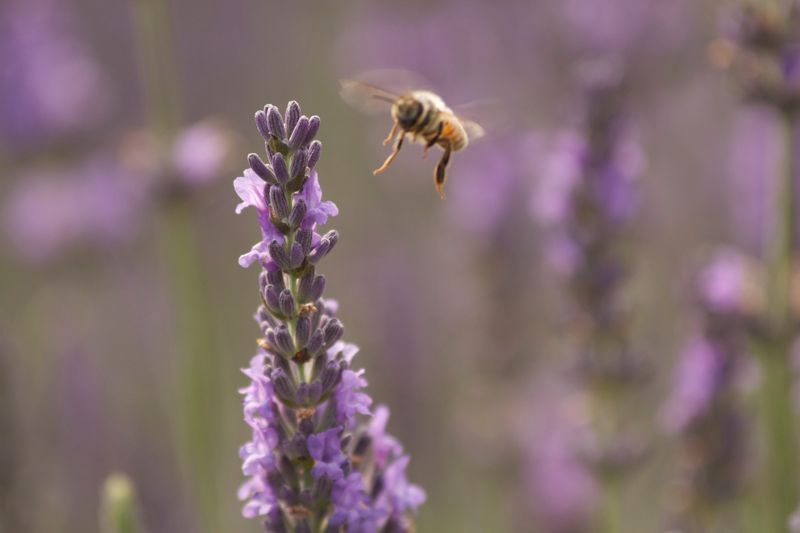
Lavender, beloved for its fragrant blooms and soothing properties, is a star in any garden. This aromatic herb does more than delight the senses; it also acts as a natural weed suppressant, creating a fragrant barrier against unwanted growth.
Lavender’s vibrant flowers attract a variety of pollinators, including bees and butterflies, contributing to a thriving garden ecosystem. With its hardy nature and evergreen appeal, lavender is a valuable addition for gardeners looking to cultivate beauty and biodiversity. Consider including this versatile plant in your garden plan.
13. Yarrow
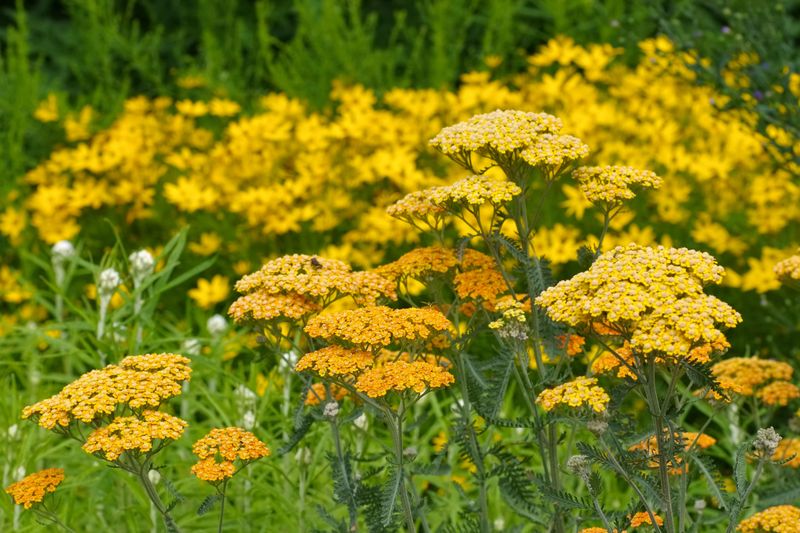
Yarrow, with its feathery leaves and clusters of bright yellow flowers, is both beautiful and beneficial in gardens. This hardy perennial is known for its ability to deter weeds, thanks to its dense foliage that creates an effective ground cover.
Moreover, Yarrow’s flowers are a magnet for pollinators, supporting bees, butterflies, and other beneficial insects. Its low maintenance and drought-resistant qualities make it an excellent choice for eco-friendly gardeners. Incorporate Yarrow into your landscape to enjoy its aesthetic and ecological benefits.
14. Coneflower
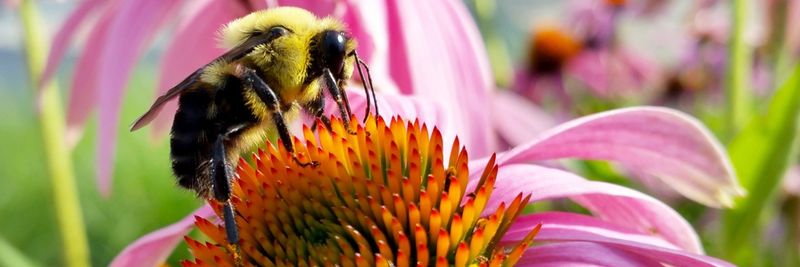
Coneflowers, with their distinctive spiky centers and vibrant petals, are a gardener’s favorite. These resilient plants not only add a splash of color but also play a crucial role in controlling weeds. Their robust nature allows them to establish quickly, outcompeting many unwanted plants.
Coneflowers are a haven for pollinators, inviting bees, butterflies, and even hummingbirds to partake in their nectar. Their long blooming season and minimal care requirements make them an ideal choice for gardens focused on sustainability and biodiversity.
15. Bee Balm
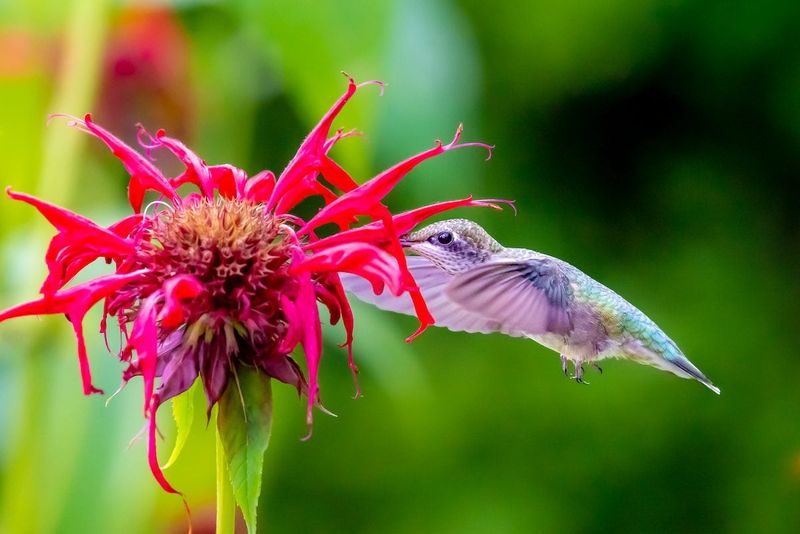
Bee Balm, known for its vibrant flower clusters and spicy fragrance, is a standout in any garden. This perennial not only adds visual interest but is also a powerhouse against weeds. Its dense growth habit creates a natural barrier, minimizing weed competition.
Bee Balm is particularly attractive to pollinators, drawing in bees, butterflies, and hummingbirds. Its easygoing nature and colorful blooms make it a garden favorite. Adding Bee Balm to your garden can enhance both its beauty and ecological value, supporting a diverse range of wildlife.
16. Goldenrod
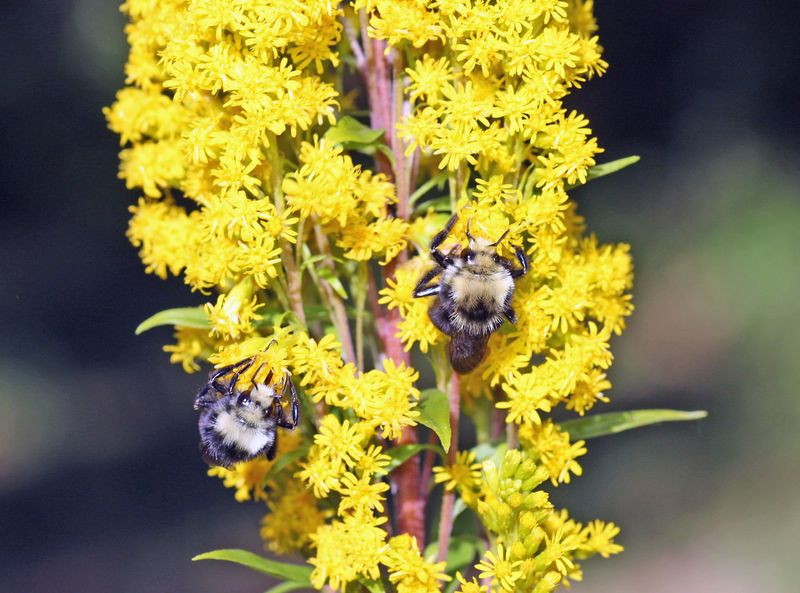
Goldenrod, often misunderstood as a cause of allergies, is actually a valuable garden ally. Its tall, golden flower spikes provide visual drama while effectively competing with weeds. This robust plant thrives in various conditions, making it an adaptable addition to many garden styles.
Goldenrod’s blooms are a rich source of nectar, attracting a wide array of pollinators, including bees and butterflies. Its late flowering season extends the garden’s appeal into autumn. Embrace Goldenrod in your garden for an easy-care plant that supports local ecosystems.
17. Borage
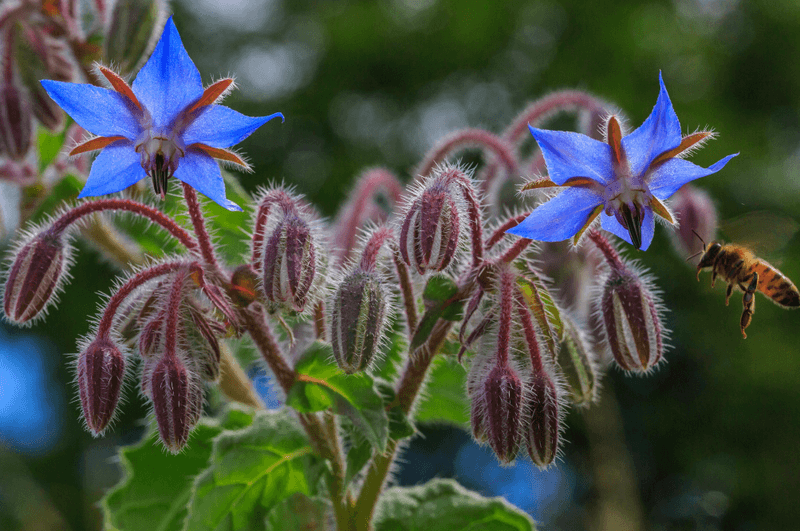
Borage, with its striking star-shaped blue flowers, is a versatile plant in the garden. Known for its weed-suppressing ability, Borage’s rapid growth and dense foliage create an effective ground cover. This annual herb is not only visually appealing but also provides valuable nectar for pollinators.
Bees, butterflies, and even hummingbirds frequent Borage, making it a crucial player in promoting biodiversity. The plant’s edible flowers and leaves add an extra layer of utility. Consider adding Borage to your garden for both its beauty and ecological contributions.
18. Catmint
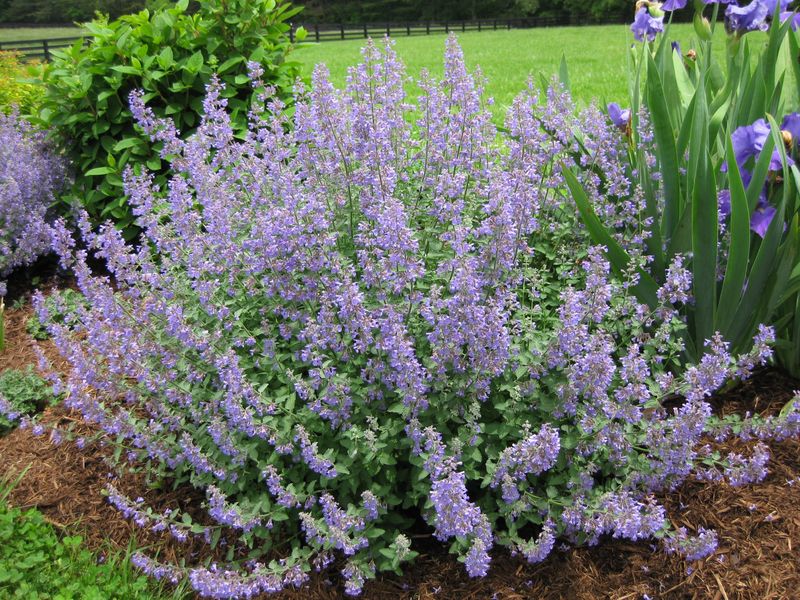
Catmint, with its aromatic leaves and lavender-blue flowers, is a garden gem. This hardy perennial acts as a natural weed suppressant, forming dense mounds that inhibit the growth of unwanted plants. Catmint’s flowers are a magnet for pollinators, attracting bees and butterflies in abundance.
Its drought tolerance and long blooming period make it a practical choice for gardeners aiming for low-maintenance beauty. By including Catmint in your garden, you can enjoy its fragrance and visual appeal while contributing positively to the local ecosystem.
19. Calendula
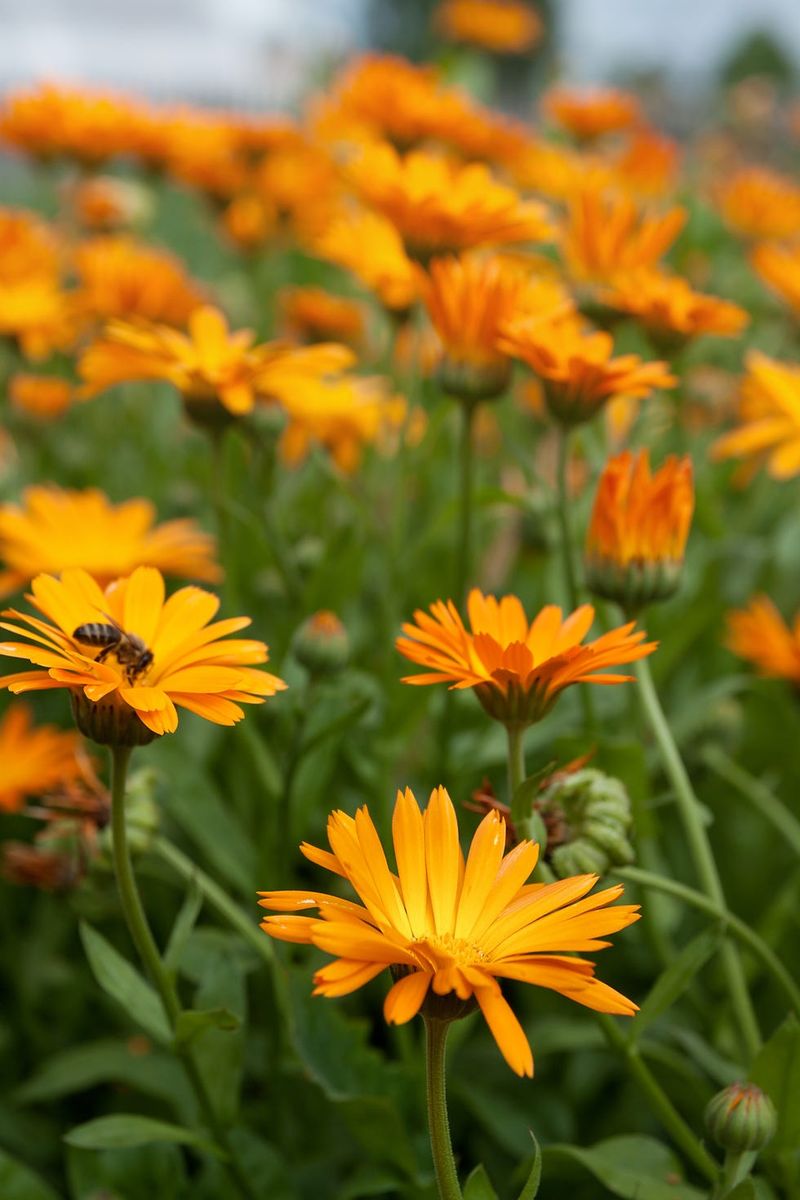
Calendula, with its cheerful orange and yellow blooms, brightens up any garden. Beyond its beauty, Calendula plays a role in weed control, as its dense growth suppresses unwanted plants. This annual is also a favorite among pollinators, offering nectar and pollen to bees and butterflies.
Calendula’s easy cultivation and low maintenance make it a staple in pollinator-friendly gardens. Its edible flowers add culinary value as well. By planting Calendula, you’re investing in the aesthetic and ecological health of your garden.
20. Coreopsis
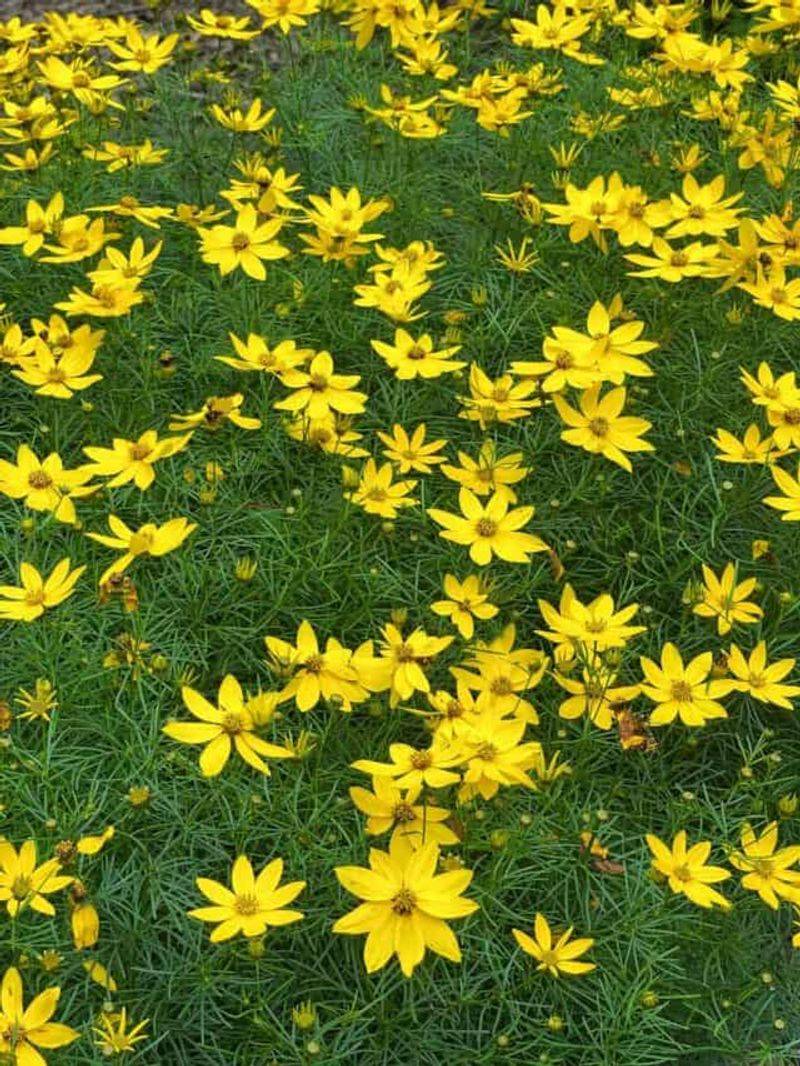
Coreopsis, known for its sunny yellow flowers, is a delightful addition to any garden. This perennial not only adds color but also acts as a natural weed deterrent, thanks to its dense growth habit. Coreopsis is a magnet for pollinators, drawing in bees and butterflies with its nectar-rich blooms.
Its resilience and minimal care requirements make it an excellent choice for sustainable gardening. By incorporating Coreopsis into your landscape, you enhance its visual appeal and support biodiversity, fostering a thriving garden ecosystem.
21. Salvia
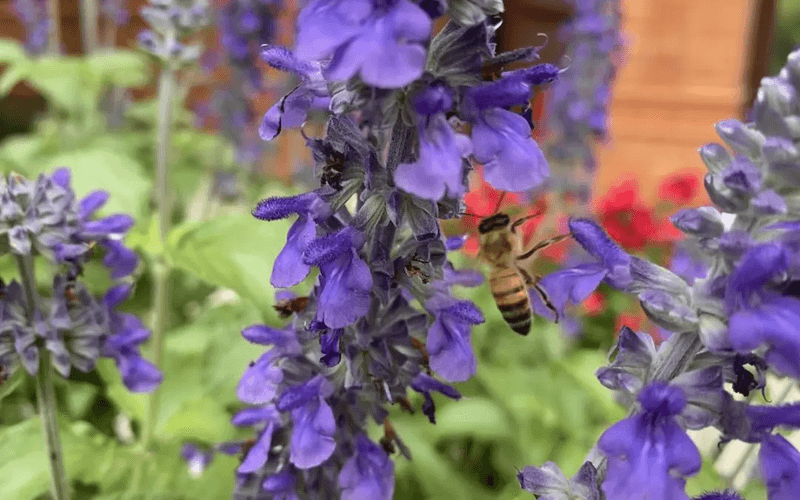
Salvia, with its tall spikes of purple flowers, brings both elegance and utility to gardens. This versatile perennial is known for suppressing weeds through its dense foliage and vigorous growth. Salvia’s fragrant flowers are highly attractive to pollinators, including bees, hummingbirds, and butterflies.
Its drought tolerance and long blooming season make it a reliable choice for gardeners seeking beauty and ecological benefits. Including Salvia in your garden plan ensures a vibrant display and supports the health of local pollinator populations.
22. Black-eyed Susan
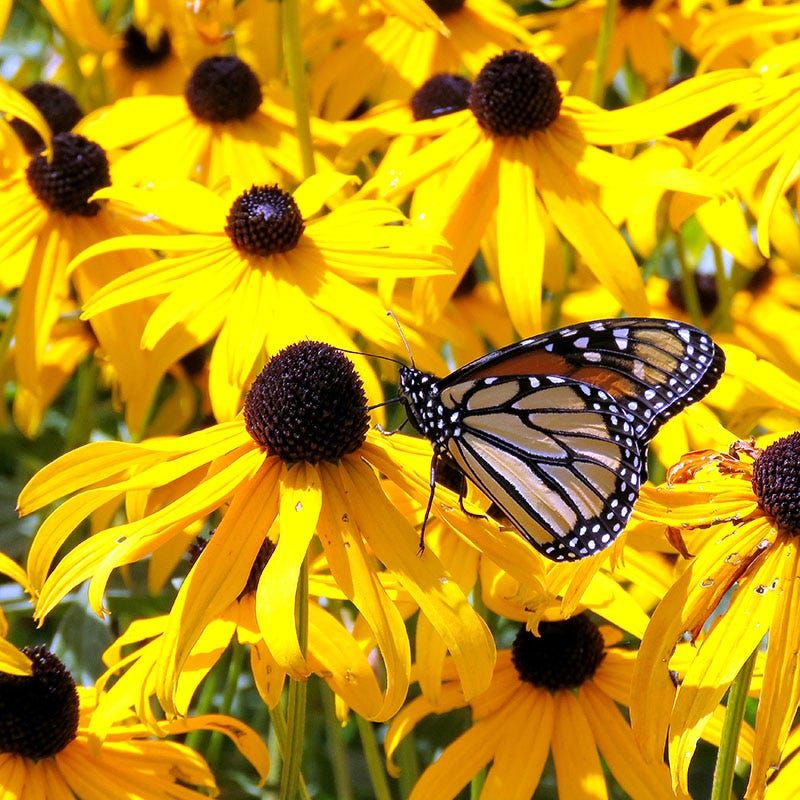
Black-eyed Susans, with their sunny yellow petals and dark centers, are a staple in pollinator gardens. These resilient perennials are excellent for weed control, forming dense clumps that inhibit unwanted growth. Their cheerful blooms are a favorite among pollinators, attracting bees and butterflies throughout the season.
Black-eyed Susans require minimal maintenance and thrive in various conditions, making them a practical choice for sustainable gardening. By planting these flowers, you contribute to a vibrant garden ecosystem while enjoying their enduring beauty.
23. Aster
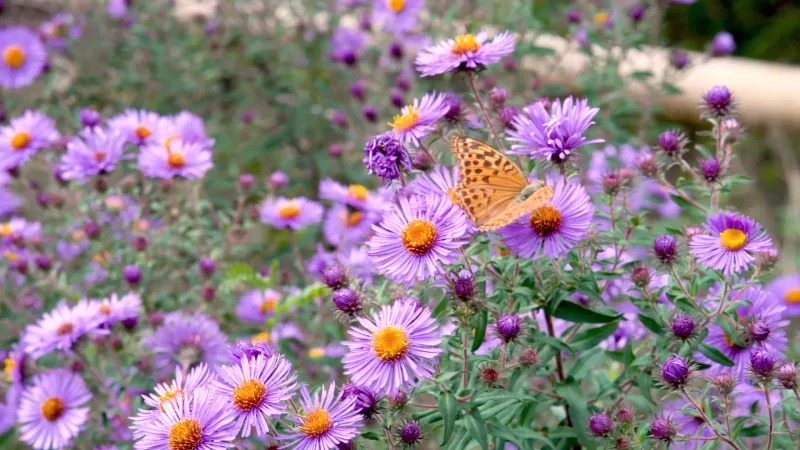
Aster, with its daisy-like flowers in shades of purple and pink, adds charm and functionality to gardens. This perennial’s dense growth habit helps suppress weeds, creating a more manageable garden space. Aster’s blooms are a valuable nectar source for bees and butterflies, supporting pollinator populations.
Its late-season flowering extends the beauty of your garden into autumn, offering seasonal interest. Aster’s adaptability and minimal care needs make it a worthy addition to any garden focused on ecological health and visual appeal.
24. Sunflower
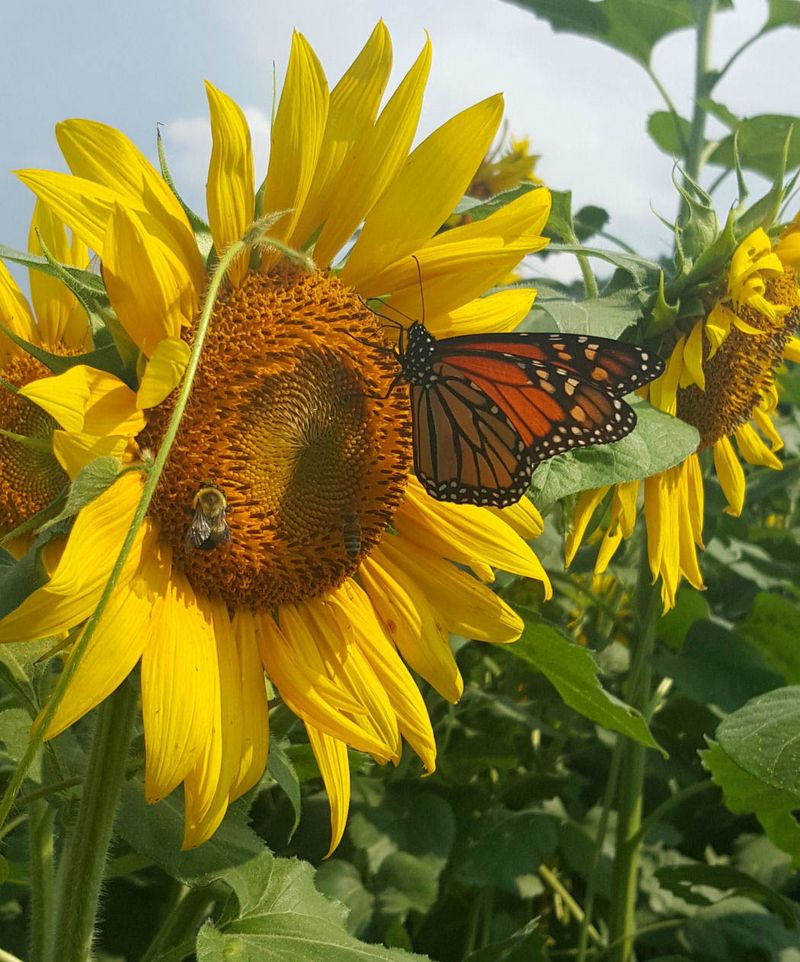
Sunflowers, with their towering stalks and bright blooms, are a garden icon. Beyond their striking appearance, Sunflowers play a role in weed suppression by shading out competing plants. Their large flowers are rich in nectar, attracting a variety of pollinators, including bees and butterflies.
Sunflowers’ seeds also provide food for birds, adding another layer of ecological value. These annual giants bring both beauty and utility to gardens, making them a must-have for those looking to enhance biodiversity and visual appeal.
25. Milkweed
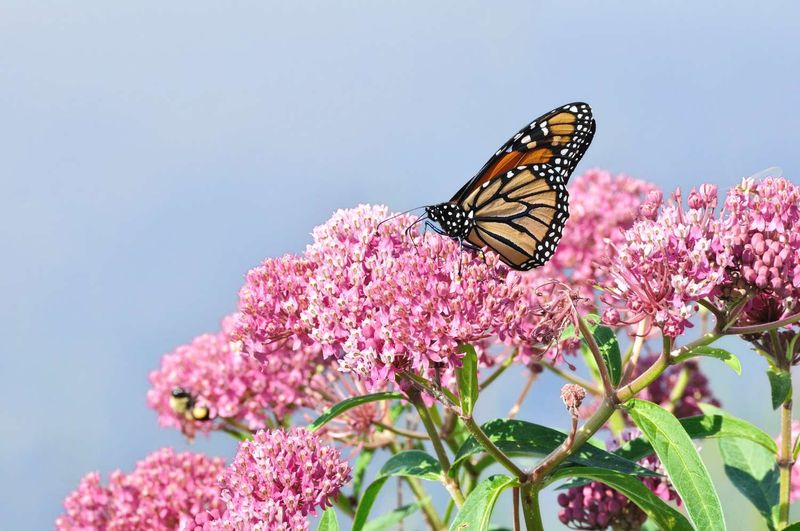
Milkweed, essential for Monarch butterflies, offers both ecological and aesthetic benefits. This plant’s dense growth helps control weeds, while its fragrant flowers are a lifeline for pollinators. Milkweed provides crucial habitat for Monarch caterpillars, supporting their lifecycle.
Its easy cultivation and natural beauty make it a valuable addition to eco-friendly gardens. By planting Milkweed, you contribute to the conservation of Monarch butterflies and enhance the overall health of your garden ecosystem, creating a vibrant and supportive environment for wildlife.
26. Anise Hyssop
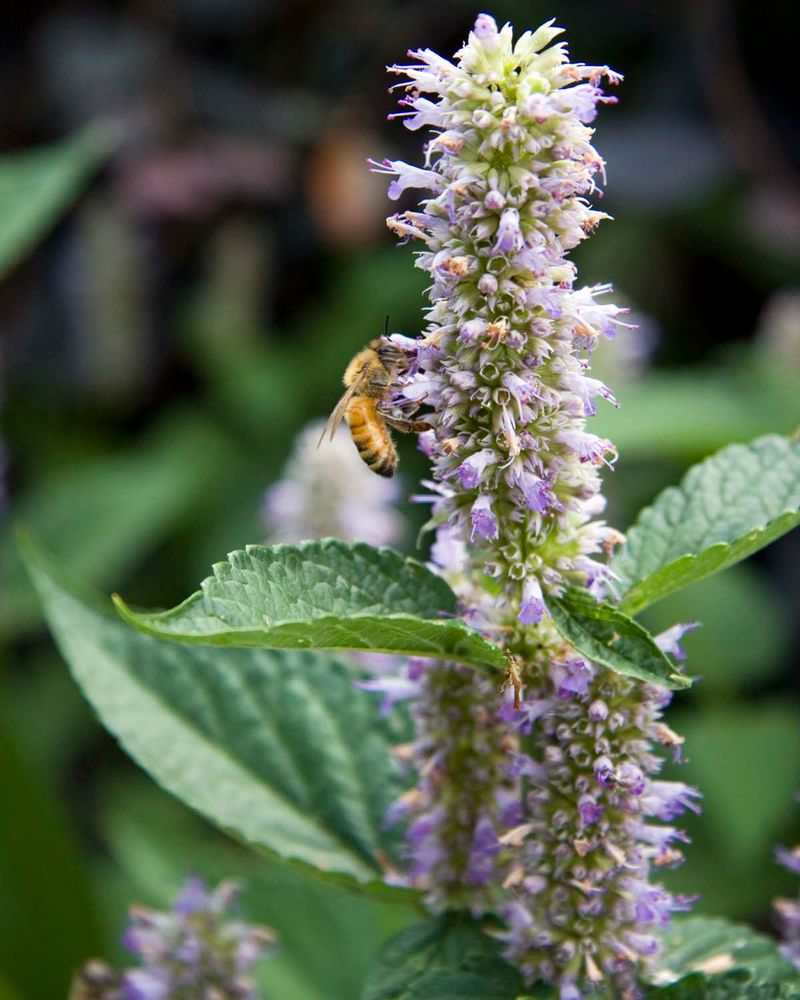
Anise Hyssop, with its aromatic leaves and vibrant purple flowers, is a feast for the senses. This perennial plant not only serves as a magnet for bees and butterflies, but it also deters unwanted weeds.
Its licorice-scented foliage creates a fragrant atmosphere in any garden setting. As it thrives, it forms dense clusters that crowd out competing plants, making it an ideal choice for natural weed suppression.
With Anise Hyssop, you simultaneously cultivate a striking visual display and support local pollinators, creating a harmonious garden environment.
27. Creeping Thyme
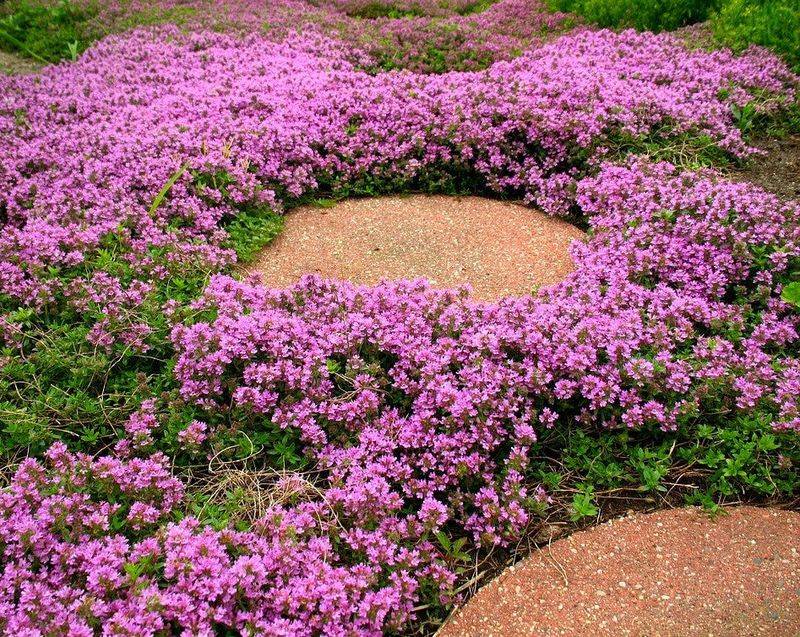
Creeping Thyme is more than just a culinary herb; it’s a beautiful ground cover that nourishes pollinators while keeping weeds at bay. Its tiny, aromatic leaves and clusters of pink flowers create a soft carpet across garden beds.
Resilient and low-maintenance, this herbaceous plant thrives in sunny spots, filling gaps with its lush, spreading nature. As Creeping Thyme expands, it stifles weeds, ensuring a clean and tidy appearance.
Not only does it provide nectar for bees and butterflies, but its pleasant scent adds another layer of delight to your garden.
28. Sea Holly
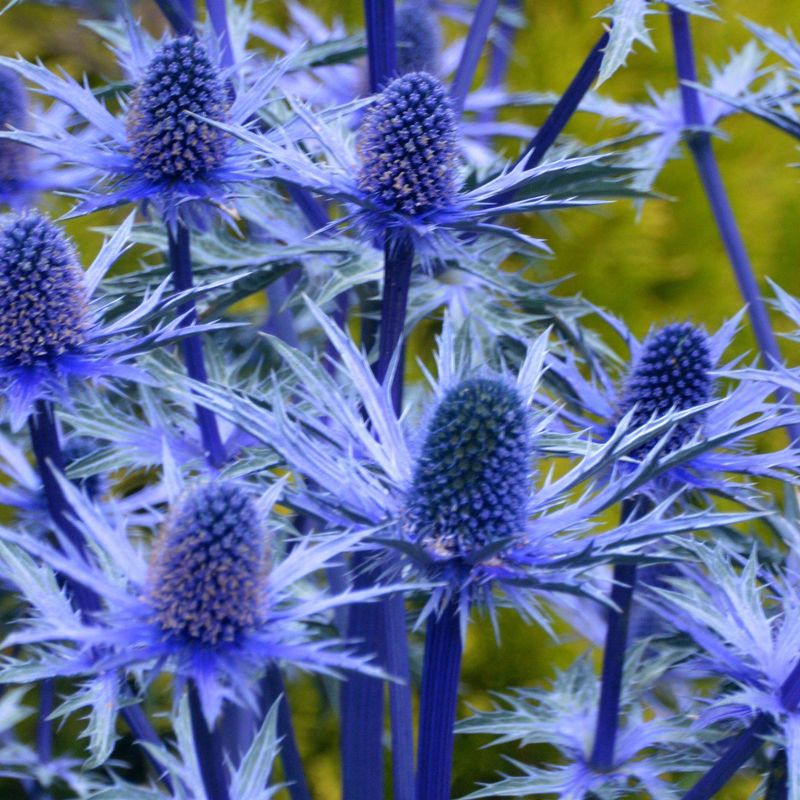
Sea Holly is a striking addition to any garden, with its unique spiky blue flowers and silvery foliage. This hardy plant is perfect for sandy, well-drained soils and can withstand harsh coastal winds.
Its robust nature means it competes well with weeds, leaving your garden tidy and free from invasive growth. Meanwhile, its flowers provide a rich source of nectar, attracting bees and other pollinators.
Ideal for creating a dynamic visual contrast, Sea Holly adds both beauty and functionality, making it a valuable asset for eco-friendly gardeners.