
Companion planting can greatly influence the success of your squash harvest. Certain plants enhance growth, deter pests, and improve the health of squash. However, some plants can hinder growth and even cause crop failure. In this guide, we explore 23 plants that are beneficial to squash and 7 that could sabotage your harvest.
1. Marigold
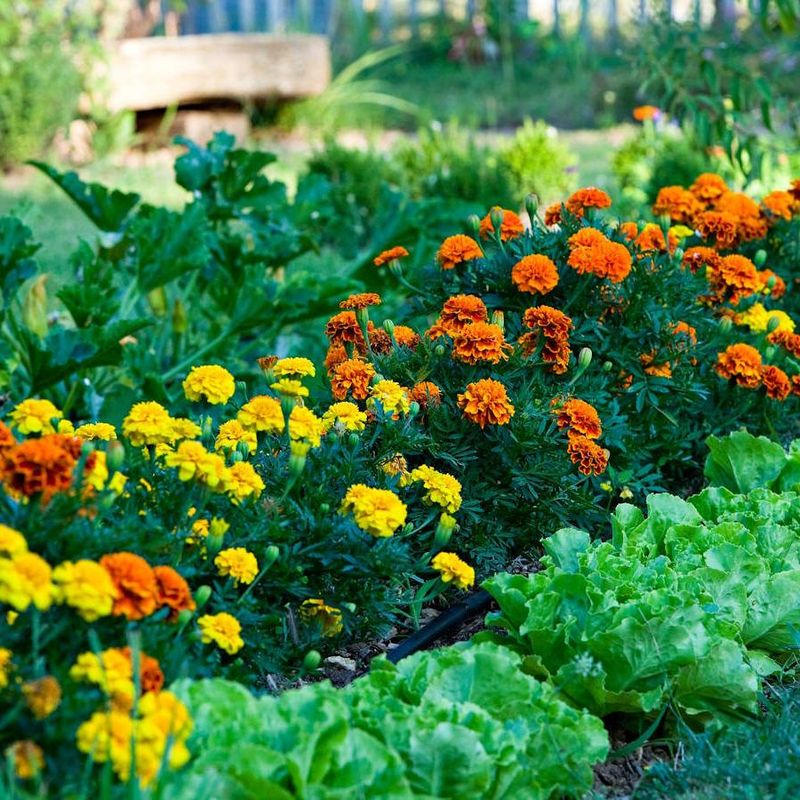
Marigolds, with their radiant blooms, are more than just a splash of color in the garden. These lively flowers emit a distinct aroma that repels nematodes and other pests, making them a protective ally for squash plants.
Their ability to attract beneficial insects, such as ladybugs, further aids in maintaining a healthy garden ecosystem.
Marigolds are sun-loving and require minimal maintenance, thriving alongside squash to ensure a bountiful harvest. Incorporating these charming flowers into your squash bed can lead to healthier plants.
Did you know? Marigolds have been used in gardens for pest control since ancient times.
2. Radish
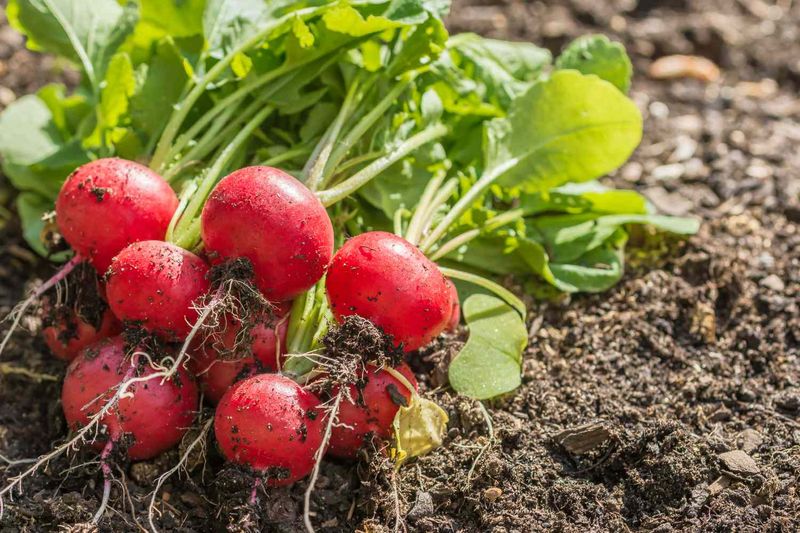
Radishes, with their crisp texture and peppery flavor, are excellent companions for squash. They help by attracting flea beetles away from squash plants.
Planting radishes early in the season can serve as a trap crop, protecting squash from these pesky invaders.
Besides their role in pest control, radishes are quick-growing and can be harvested before the squash matures, making them a practical addition to any garden.
Radishes not only benefit squash but also add diversity to your garden with minimal effort.
3. Mint
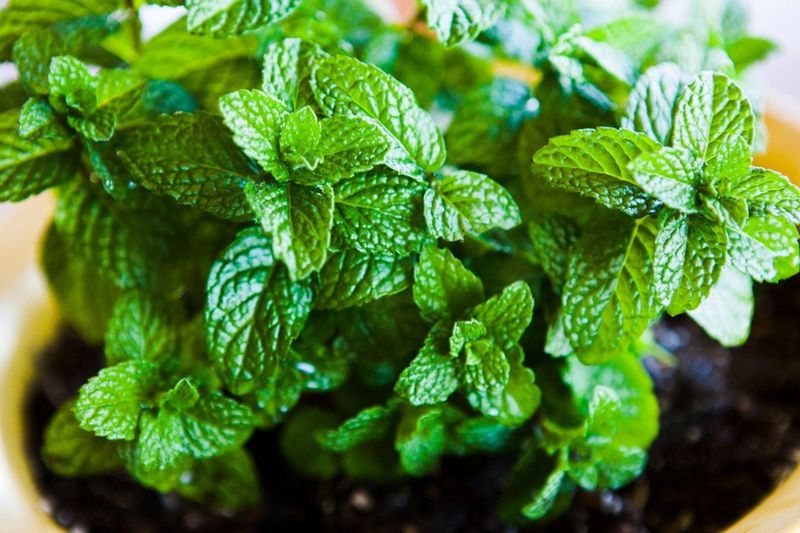
Mint, with its refreshing scent, is a powerful deterrent against pests like aphids and ants that can plague squash plants.
Its vigorous growth serves as a living mulch, helping to retain soil moisture and suppress weeds.
However, mint’s invasive nature requires careful management, preferably planted in containers to prevent it from overtaking the garden.
This aromatic herb not only boosts squash growth but also provides a delightful addition to summer beverages and dishes.
Keep mint under control to harness its full potential as a garden ally.
4. Nasturtium
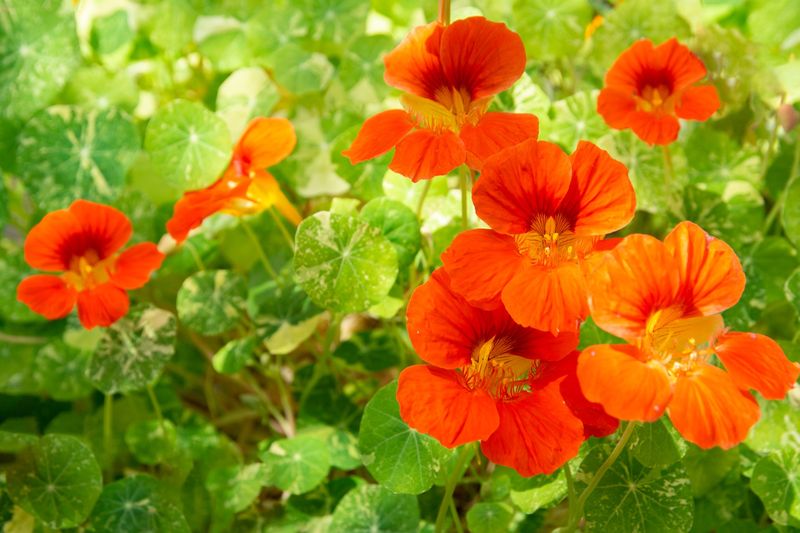
Nasturtiums, known for their vibrant blossoms and edible leaves, create a stunning visual in the garden. Their peppery aroma deters pests like squash bugs and whiteflies.
These flowers also attract pollinators, enhancing the fruit set of squash plants.
Easy to grow, nasturtiums can be sown directly into the soil and require little maintenance, thriving in poor soils with adequate sunlight.
Their dual role as pest deterrents and pollinator magnets makes them a must-have for any squash grower.
Fun fact: Every part of the nasturtium is edible.
5. Dill
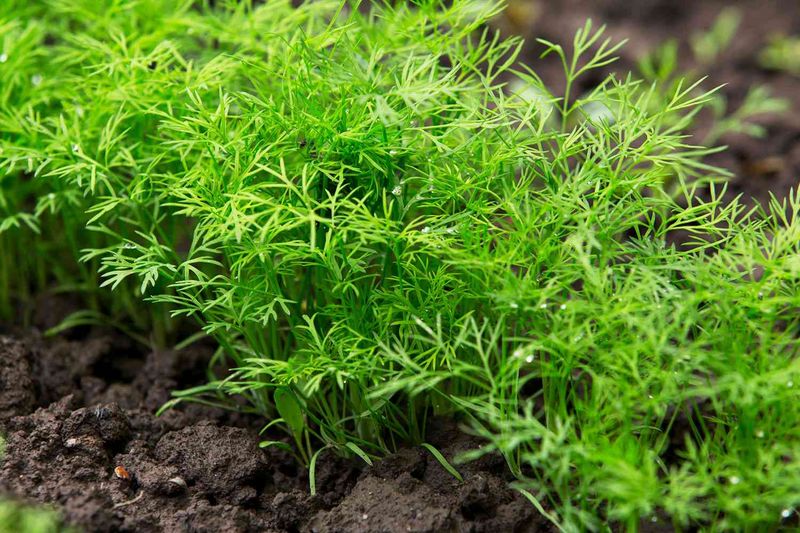
Dill, with its feathery leaves and aromatic scent, is a beneficial companion for squash plants. It attracts predatory insects such as hoverflies and parasitic wasps which help control aphid populations.
Dill can enhance the flavor of nearby plants while its delicate flowers add an ornamental touch to the garden.
Plant dill near squash to capitalize on its pest-deterring properties, but be mindful of its potential to self-seed and spread.
Aside from its garden benefits, dill is a popular culinary herb, adding flavor to pickles and salads.
6. Tansy
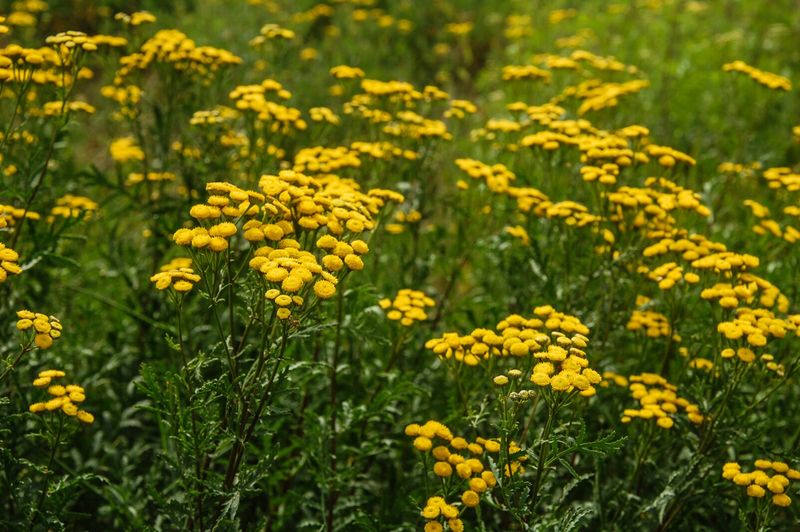
Tansy, with its cheerful yellow flowers and strong aroma, serves as a natural pest deterrent. Its presence in the garden can repel insects like cucumber beetles and squash bugs.
Tansy’s ability to enhance soil fertility by accumulating potassium makes it a valuable companion for squash.
However, its robust growth requires management to prevent it from becoming too invasive.
Incorporating tansy in your garden not only benefits squash but also adds a splash of color and texture.
Did you know? Tansy has been used historically for medicinal purposes.
7. Yarrow
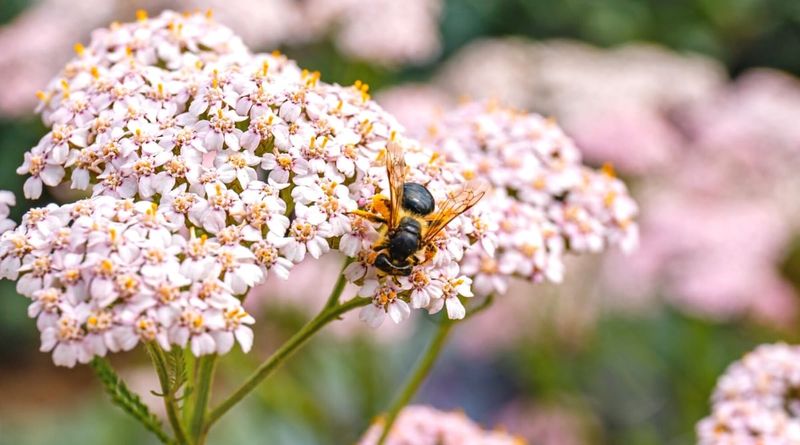
Yarrow, with its feathery leaves and clusters of tiny flowers, is a versatile companion plant for squash. It attracts beneficial insects like ladybugs and lacewings, which help control pest populations.
Yarrow also improves soil quality by adding nutrients, enhancing the overall health of garden beds.
Plant yarrow near squash to promote a balanced ecosystem while enjoying its ornamental beauty.
This hardy plant thrives in a variety of conditions, making it a reliable choice for companion planting.
Fun fact: Yarrow has been used in traditional medicine for centuries.
8. Oregano
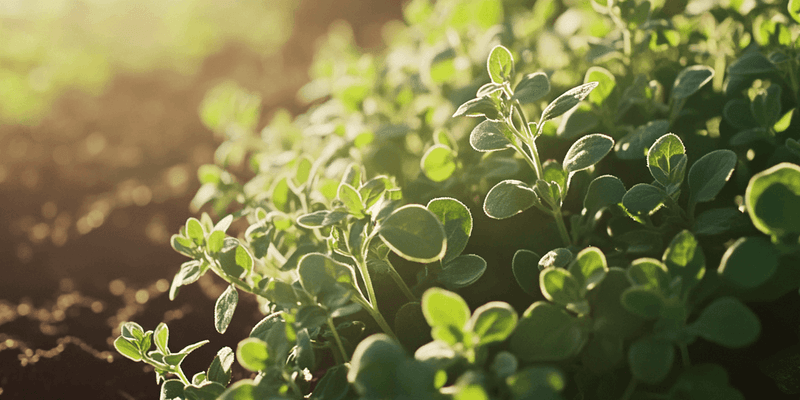
Oregano, with its aromatic leaves, is a valuable companion for squash. Its strong scent deters pests while attracting pollinators, creating a balanced garden environment.
Oregano’s sprawling growth provides ground cover, suppressing weeds and conserving moisture.
This hardy herb is easy to grow and maintain, thriving in various conditions.
Besides its garden benefits, oregano is a staple in many cuisines, offering flavor to a variety of dishes.
Incorporate oregano into your squash garden for a multi-purpose ally that enhances both plant health and culinary endeavors.
9. Bee Balm
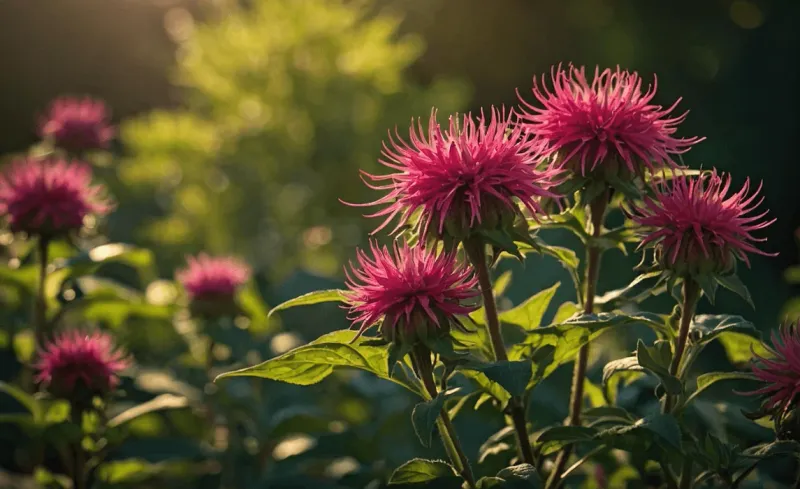
Bee Balm, with its showy flowers, is a magnet for pollinators like bees and butterflies. These visitors aid in the pollination of squash flowers, promoting a plentiful harvest.
The plant’s minty aroma also deters pests, making it a dual-purpose ally in the garden.
Bee Balm thrives in sunny locations and can add color and fragrance to your garden space.
Not only does it support squash growth, but its blossoms can be used in teas and salads, adding both beauty and utility.
10. Catnip
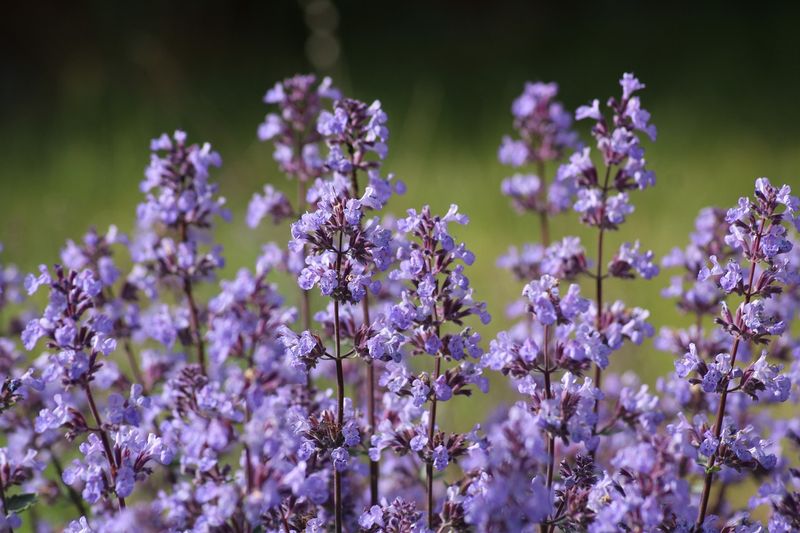
Catnip, known for its intoxicating effect on cats, offers surprising benefits in the garden as well.
Its potent aroma repels pests like squash bugs and aphids, offering protection to nearby squash plants.
Catnip is easy to grow and can tolerate various soil conditions, making it a practical addition to the garden.
Beyond its pest-repelling qualities, catnip is often used in herbal teas and remedies, adding versatility to its garden role.
11. Cilantro
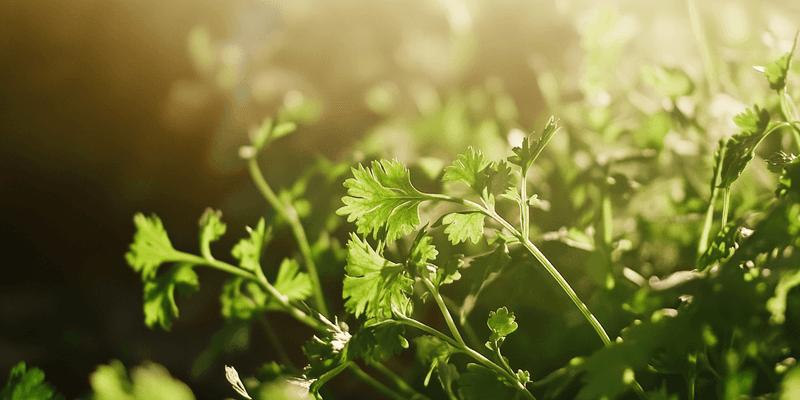
Cilantro, with its distinctive flavor and aroma, is an effective companion plant for squash. It attracts beneficial insects like parasitic wasps and hoverflies, which help control pest populations.
Cilantro prefers cooler temperatures, so plant it early in the season or in shaded areas.
Its quick growth cycle allows for multiple harvests, adding culinary value beyond its garden benefits.
Use cilantro’s fragrant leaves in a variety of dishes while it helps keep your squash plants healthy.
12. Chamomile
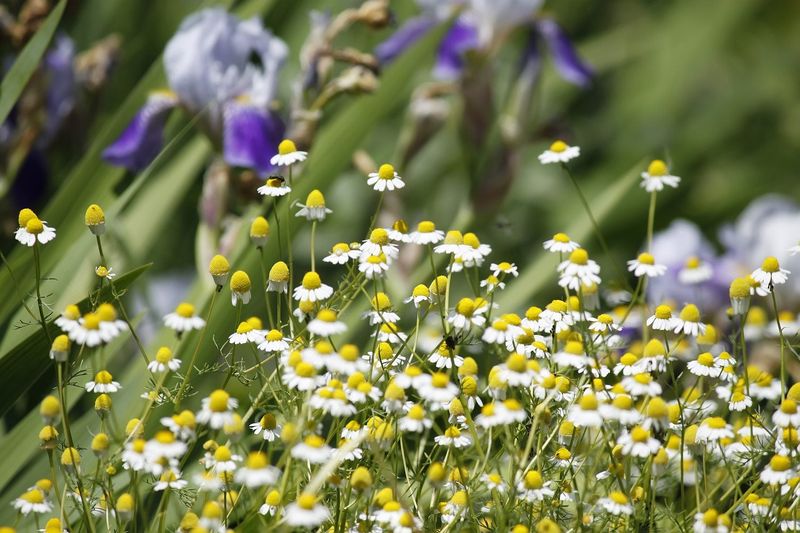
Chamomile, with its gentle blooms, is more than just a soothing tea ingredient. In the garden, it acts as a companion plant that improves the health of neighboring squash by releasing beneficial compounds into the soil.
Chamomile attracts predatory insects that help control pest populations, ensuring a balanced environment.
This plant is easy to grow and can adapt to various conditions, making it a versatile choice for companion planting.
Incorporate chamomile into your garden for both its aesthetic appeal and its supportive role in plant health.
13. Lovage
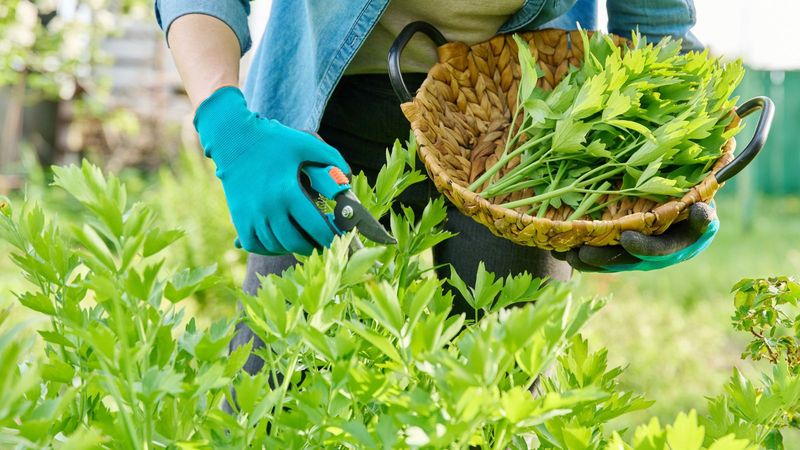
Lovage, with its celery-like flavor, is a beneficial companion for squash. Its towering presence provides shade and retains soil moisture, creating a favorable microclimate for squash.
Lovage also attracts beneficial insects, which aid in pest control.
This perennial plant requires minimal care and can be a long-term addition to your garden.
Use lovage to enhance the flavor of soups and stews while it supports your squash plants’ growth and health.
14. Thyme
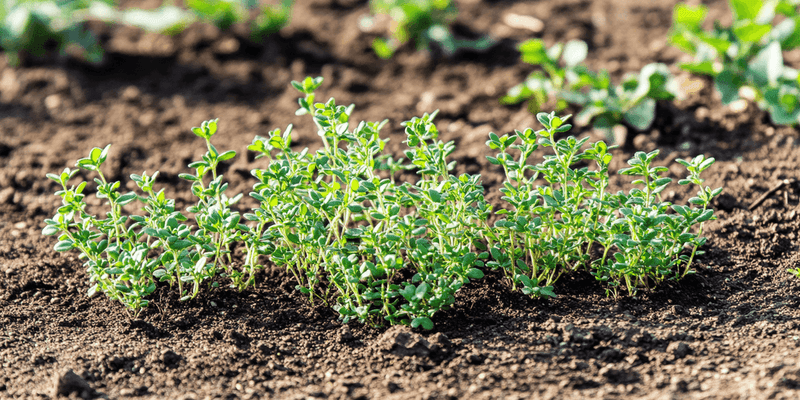
Thyme, with its aromatic foliage, offers both culinary and garden benefits. As a companion plant for squash, it deters pests with its strong scent while attracting pollinators, enhancing the garden’s biodiversity.
Thyme’s low-growing habit provides ground cover, reducing weed competition and conserving soil moisture.
This versatile herb is easy to grow and requires little maintenance, making it a practical choice for gardens of all sizes.
Incorporate thyme into your garden to enjoy its fragrant leaves and supportive role in plant health.
15. Garlic
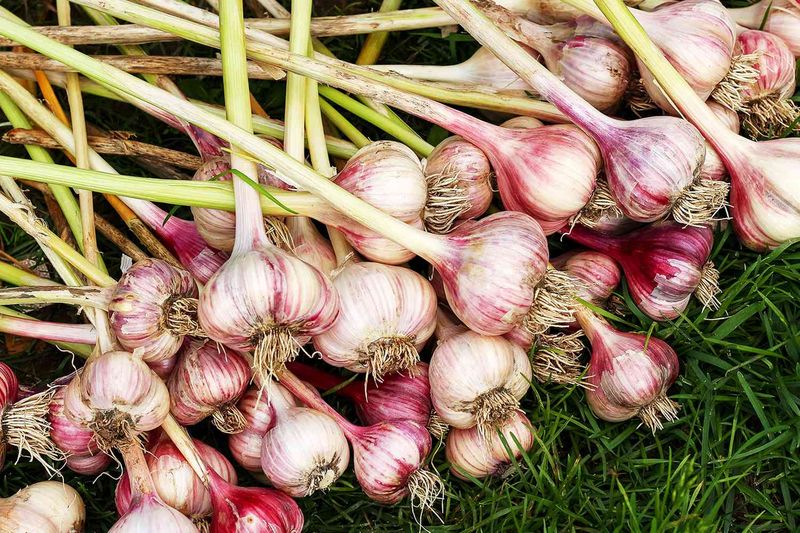
Garlic, with its pungent aroma, is a powerful deterrent against pests like aphids and beetles that threaten squash plants.
Its natural compounds can also improve the flavor and health of neighboring plants.
Plant garlic around squash to create a protective barrier while enjoying its culinary benefits.
This hardy bulb is easy to grow and can adapt to various soil conditions, making it a reliable choice for gardeners looking to enhance their squash harvest.
16. Lemon Balm
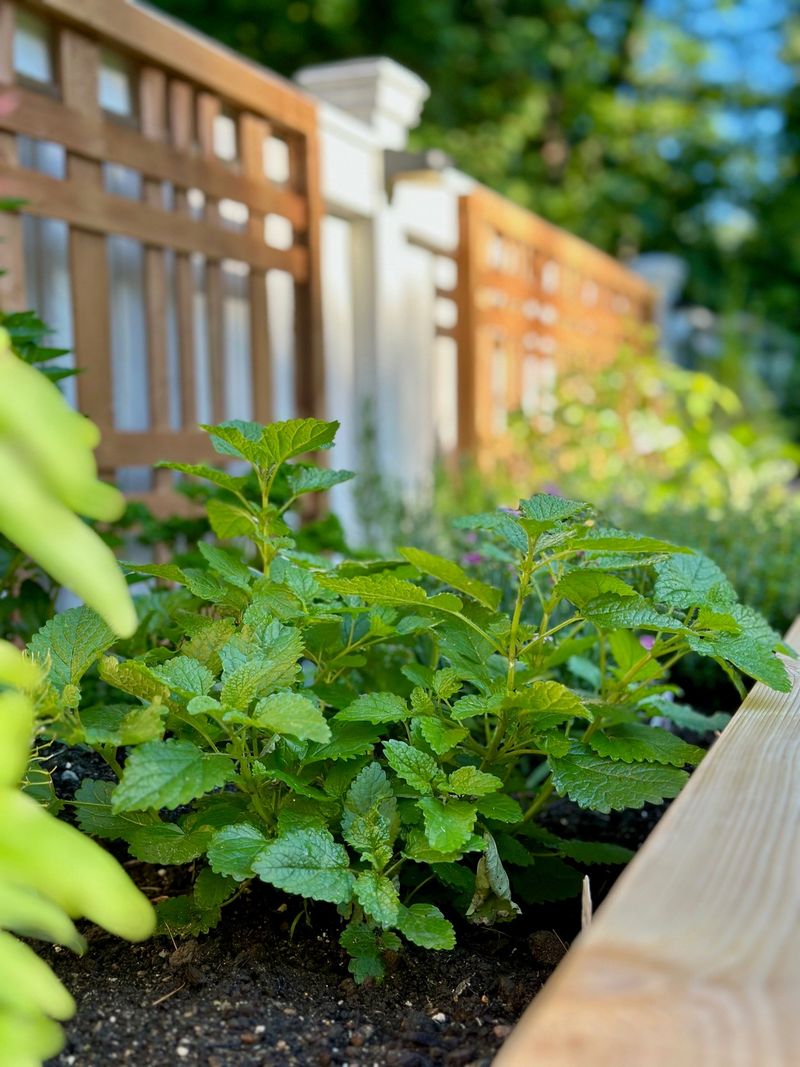
Lemon Balm, with its citrusy scent, is a delightful addition to any garden. As a companion plant for squash, it repels insects like mosquitoes and gnats, creating a more pleasant outdoor environment.
Lemon Balm’s vigorous growth provides ground cover, suppressing weeds and retaining soil moisture.
Additionally, it can be used to make refreshing teas and herbal remedies.
Plant lemon balm near squash to enjoy its aromatic benefits while supporting the health of your garden.
17. Sunflower
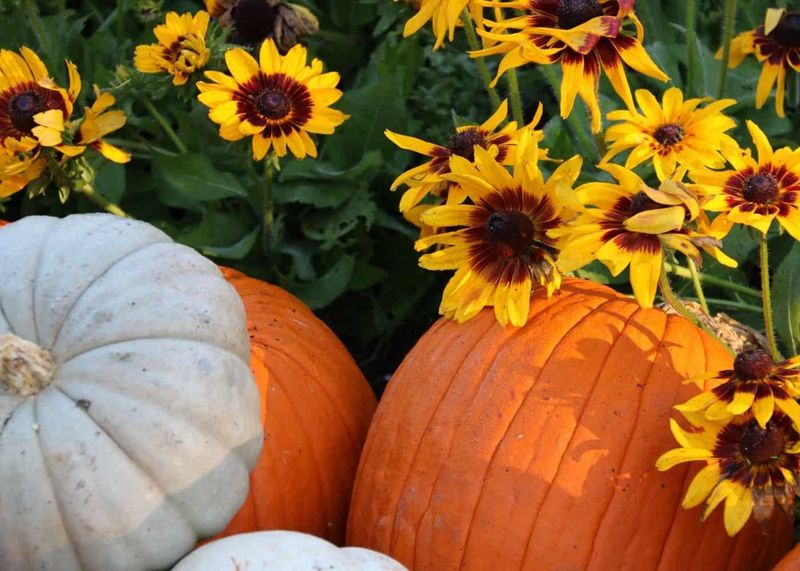
Sunflowers, with their towering stature and bright blooms, are more than ornamental giants in the garden. They attract pollinators like bees, which are essential for squash plant fertilization.
Their thick stalks can provide support for climbing squash varieties.
Sunflowers also improve soil health by accumulating heavy metals, making them a valuable addition to sustainable gardening practices.
Introduce sunflowers to your squash garden for both their visual appeal and their supportive role in enhancing plant growth.
18. Corn
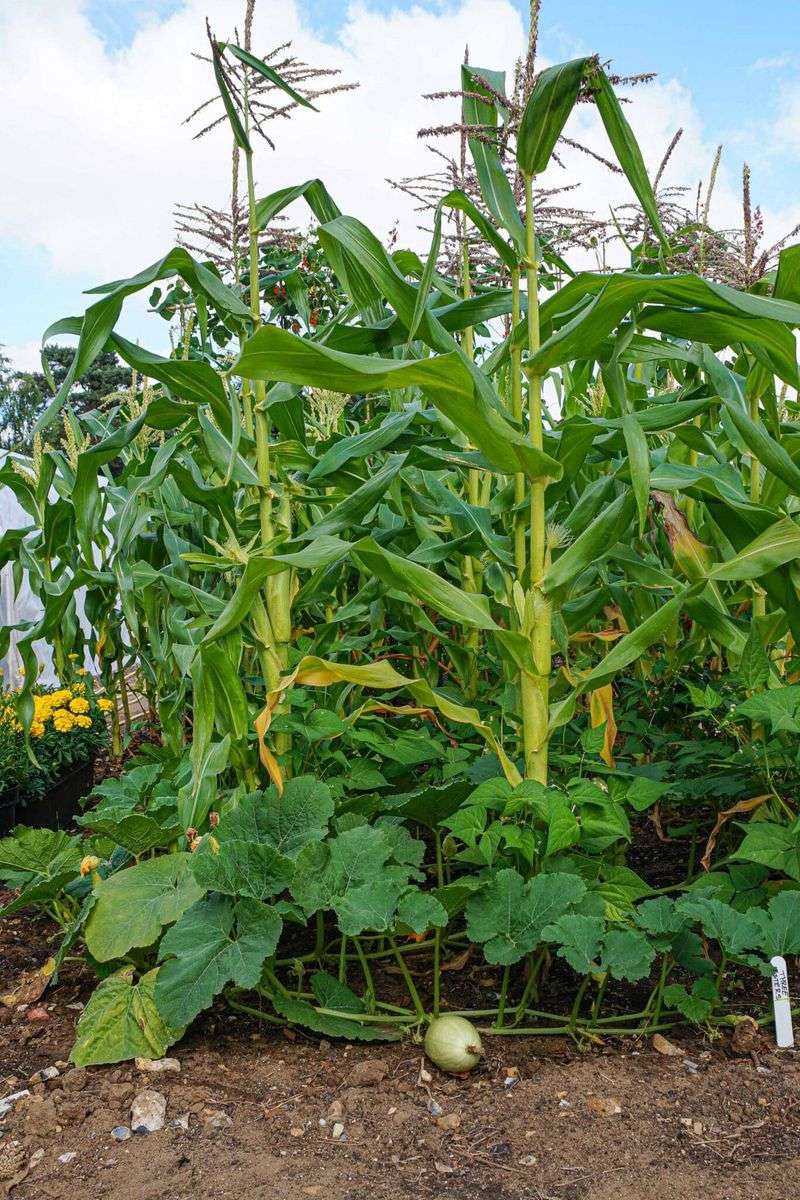
Corn, with its tall and sturdy stalks, offers shade and wind protection for squash plants. This symbiotic relationship benefits both plants, especially in traditional “Three Sisters” gardens.
Corn can also serve as a trellis for squash vines, optimizing space and promoting healthy growth.
Together, they create a diverse and productive garden ecosystem.
Integrate corn into your squash patch to enjoy the benefits of this classic companion planting technique.
19. Borage
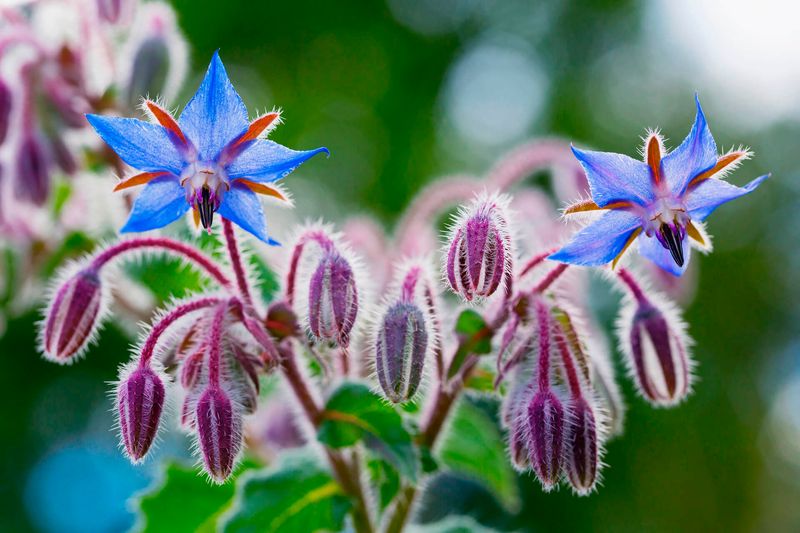
Borage, with its striking blue flowers, is a beloved companion plant for squash. It attracts pollinators and beneficial insects that help control pests.
Borage also improves soil health by adding trace minerals and can enhance the flavor of squash.
This hardy annual is easy to grow and self-seeds, ensuring a continuous presence in your garden.
Use borage to boost your squash harvest while adding a splash of color and biodiversity to your garden.
20. Peas
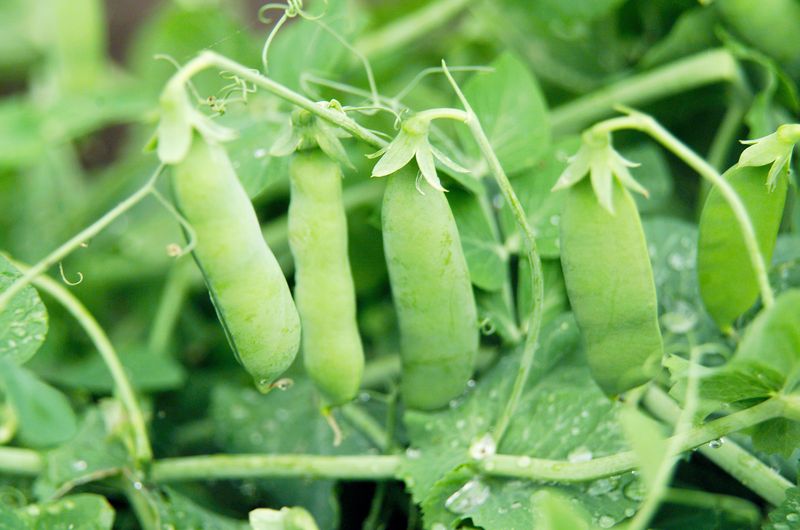
Peas, with their nitrogen-fixing ability, enrich the soil and benefit nearby squash plants. They improve soil fertility, promoting robust growth and healthy fruit development.
Peas can also provide ground cover, suppressing weeds and conserving soil moisture.
These cool-season plants are easy to grow and can be harvested before the squash season peaks.
Enjoy fresh peas in your meals while they contribute to a healthier, more productive squash garden.
21. Basil
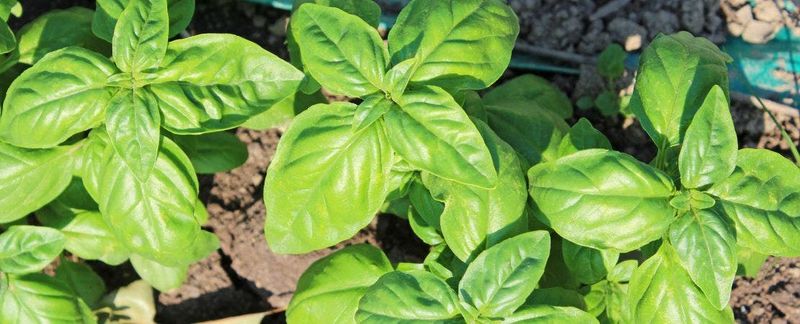
Basil, with its fragrant leaves, is a wonderful companion for squash. Its aroma deters pests like mosquitoes and flies, while attracting pollinators.
Basil’s compact growth habit provides ground cover and reduces weed competition.
This versatile herb is easy to grow and can be used in a variety of culinary dishes.
Incorporate basil into your squash garden for a multi-functional ally that enhances both plant health and your cooking endeavors.
22. Spinach
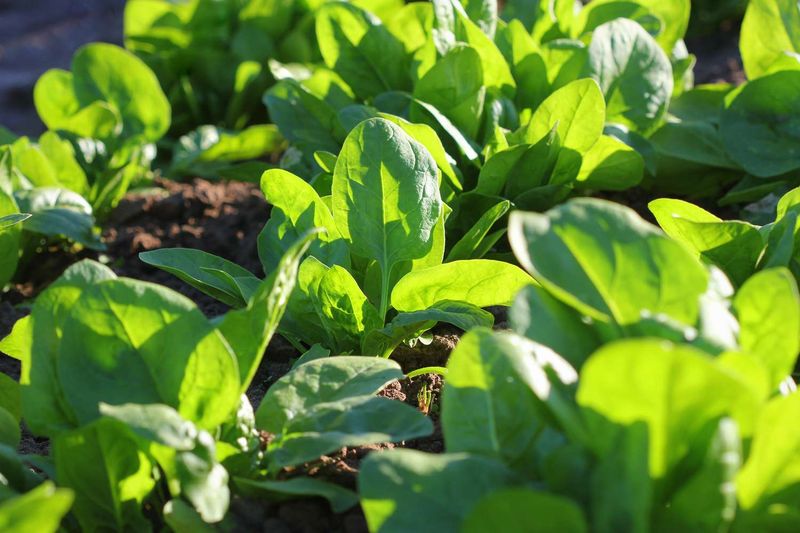
Spinach, with its nutrient-rich leaves, is a great companion for squash. It offers ground cover, suppressing weeds and retaining soil moisture.
Spinach can be harvested early, leaving space for squash to grow as the season progresses.
This cool-season crop thrives in various conditions and can enhance the overall health of your garden.
Add spinach to your garden for its nutritional benefits and its supportive role in maintaining a balanced ecosystem.
23. Onions
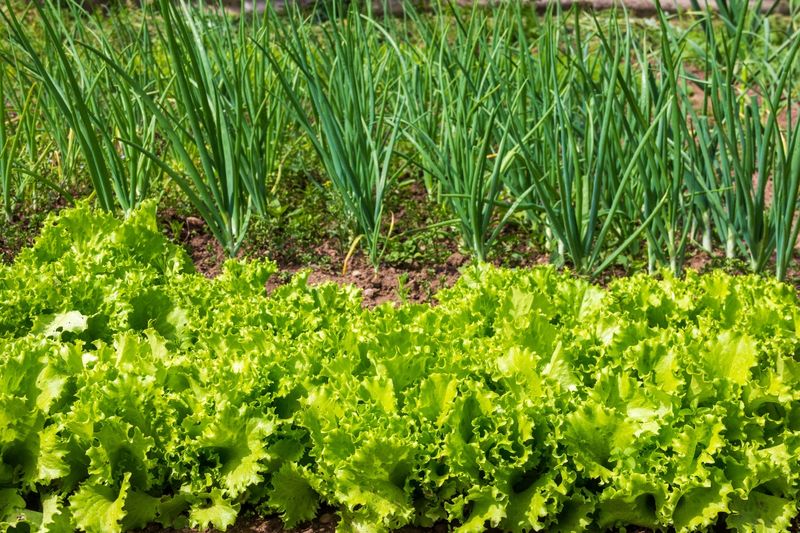
Onions, with their pungent aroma, serve as a natural pest deterrent in the garden. They repel insects like aphids and caterpillars that threaten squash plants.
Onions are easy to grow and can be planted alongside squash to create a protective barrier.
Beyond their pest-repelling qualities, onions add flavor to a wide range of dishes.
Introduce onions to your garden to enjoy both their culinary benefits and their role in enhancing the health of your squash plants.
24. Chives
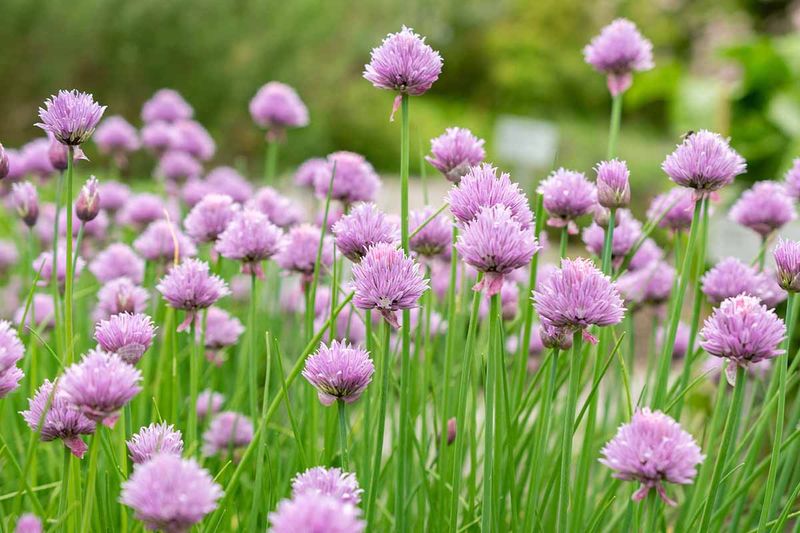
Chives, with their mild onion-like flavor, are a beneficial companion for squash. Their scent repels pests such as aphids and spider mites, protecting nearby plants.
Chives also attract pollinators with their charming purple flowers.
This perennial herb is easy to grow and can thrive in various conditions, making it a reliable choice for any garden.
Use chives to add flavor to your meals while they contribute to a healthier squash patch.
25. Potatoes
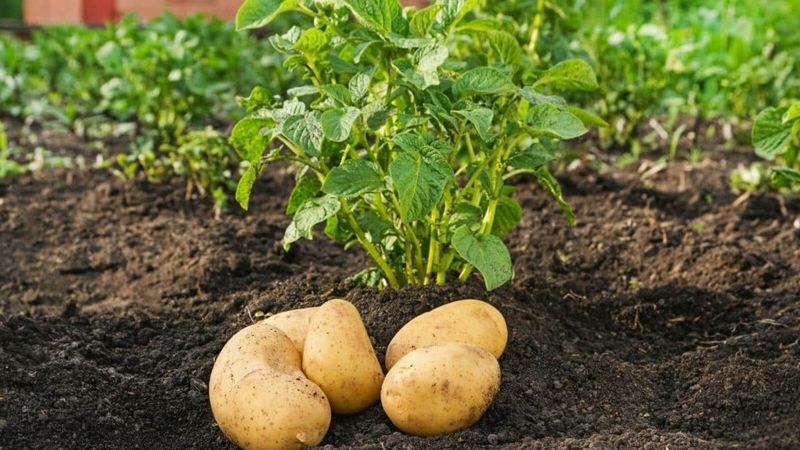
Potatoes, with their underground tubers, present challenges as companions for squash. They compete for nutrients and space, potentially stunting squash growth.
Avoid planting potatoes near squash to prevent poor yields and plant stress.
While both crops are valuable, they thrive better when separated.
Consider positioning potatoes in a different garden area to ensure both plants reach their full potential, avoiding competition for resources.
26. Fennel
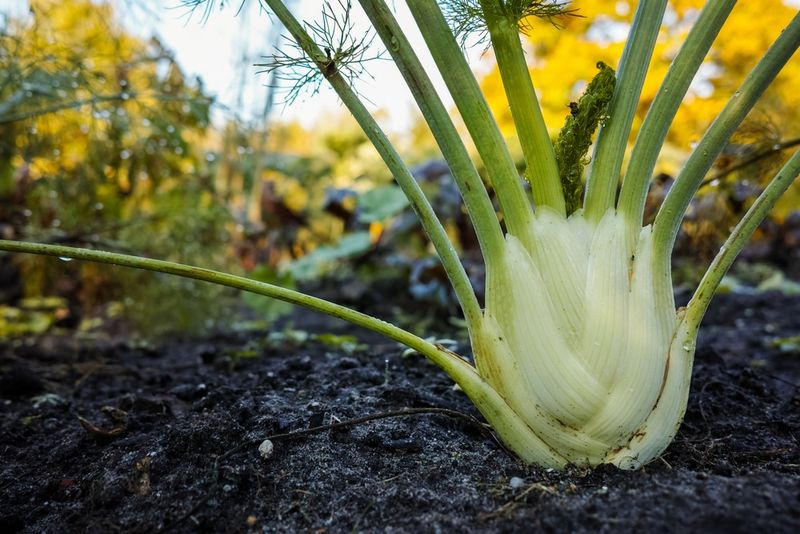
Fennel, with its unique flavor profile, is not recommended near squash. It secretes substances that can inhibit the growth of neighboring plants, including squash.
Although fennel attracts beneficial insects, its allelopathic properties can pose challenges in companion planting.
For optimal squash growth, plant fennel away from squash beds.
By giving each plant its own space, gardeners can prevent negative interactions and ensure a more productive garden.
27. Pumpkin
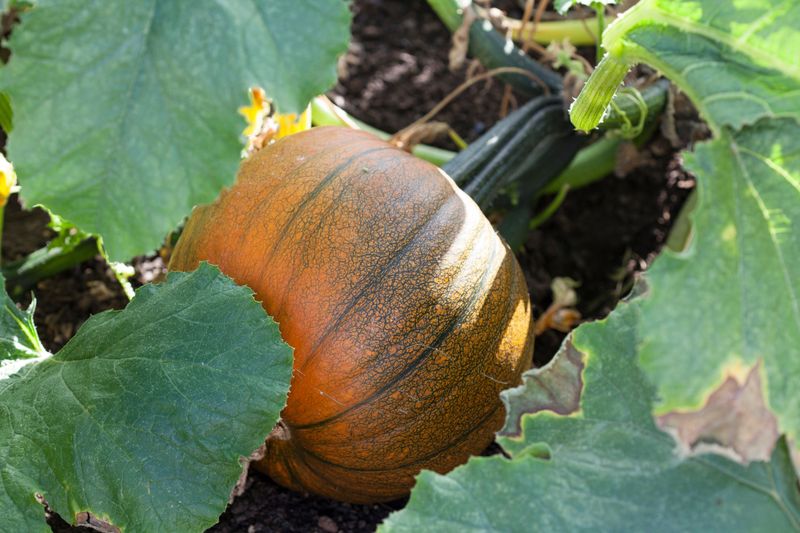
Pumpkins, sharing the same family as squash, can create competition for nutrients and space. Their sprawling vines can overshadow squash plants, limiting sunlight and growth opportunities.
Plant pumpkins and squash in separate areas to avoid these challenges.
While both plants are valuable in the garden, they thrive better with adequate space to grow independently.
By planning garden layouts carefully, gardeners can ensure a bountiful harvest for both pumpkins and squash.
28. Tomatoes
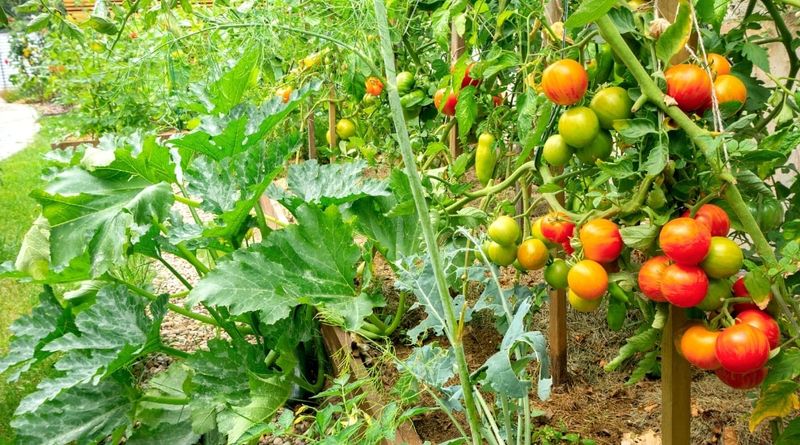
Tomatoes, with their lush growth, can compete with squash for nutrients and space. Both plants have similar needs, leading to potential resource conflicts.
To prevent reduced yields, plant tomatoes away from squash plants.
By providing each crop with its own area, gardeners can ensure healthier growth and abundant harvests.
Consider planting tomatoes in a separate garden bed to support both crops effectively.
29. Cabbage
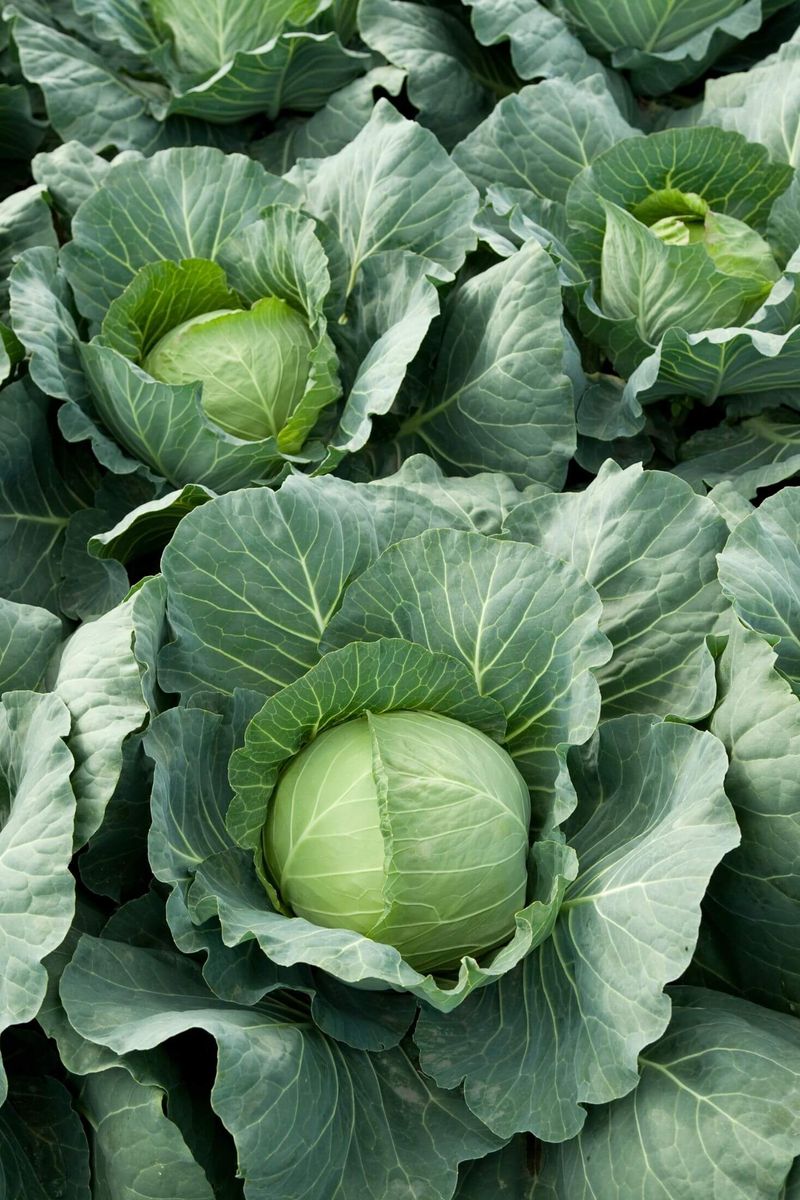
Cabbage, with its broad leaves, can overshadow squash plants, limiting light exposure and competing for nutrients.
The dense foliage of cabbage may create unfavorable conditions for squash development.
To promote healthy growth, plant cabbage and squash in separate areas.
This approach allows both plants to receive adequate resources and space, enhancing their productivity.
Careful planning ensures a successful harvest for both cabbage and squash.
30. Broccoli
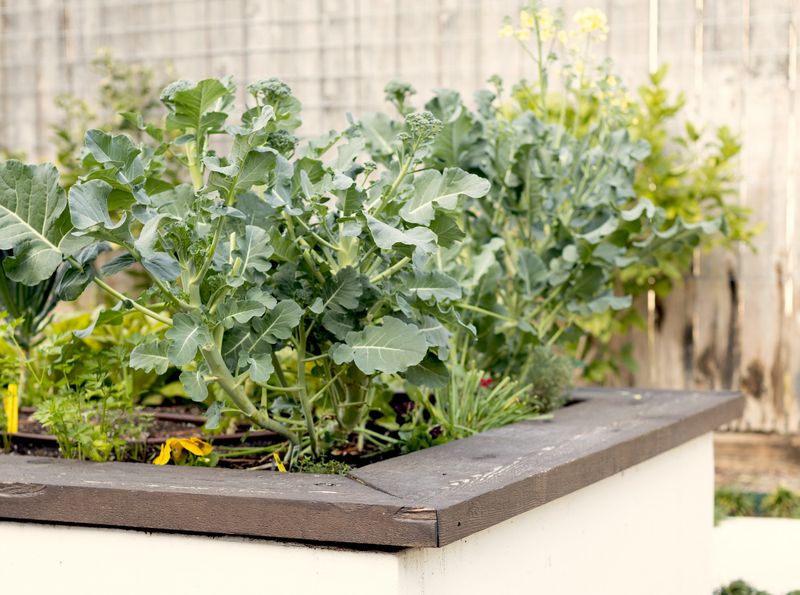
Broccoli, with its dense growth, can overshadow squash plants and compete for nutrients.
To avoid stunted growth and reduced yields, plant broccoli away from squash.
Both plants require ample space to thrive, making separation essential for successful cultivation.
Gardeners can optimize their harvest by allocating distinct areas for broccoli and squash, allowing each to flourish without competition.